

The verdict
A mixed-report mid-size luxury suv, strong on reliability and held back by ownership.
The 2025 Cadillac XT6 is the cheapest way into a three-row luxury SUV — $50,590 to start, $56,790 for the volume Premium Luxury with the 310-hp V6, genuine leather and 14-speaker Bose — and it backs that up with a quiet cabin, a comfortable ride and two straight J.D. Power dependability wins in its segment. It is also a six-year-old design that ran out its final model year untouched: an 8.0-inch screen on every trim, 20 MPG combined with no hybrid anywhere in the range, and two Poor IIHS ratings in the updated moderate-overlap and side crash tests. Production ended in November 2025, so leftovers carry real discounts but also the steepest depreciation in the class — KBB projects a Premium Luxury keeps just 36% of its sticker after five years. Buy it as a value play on a comfortable, well-built family hauler; skip it if you want current tech, low running costs, or a car that will be worth something later.
Jump to scoresStrengths
- Cheapest entry into a three-row luxury SUV
- Quiet, comfortable and easy to live with
- A dependability record that beats its reputation
What holds it back
- Depreciation is brutal on a discontinued nameplate
- Thirsty, with no hybrid option at all
- Two Poor IIHS crash ratings, both involving back-seat passengers
Top alternatives
Cars shoppers cross-shop with the Cadillac XT6 2.81B-
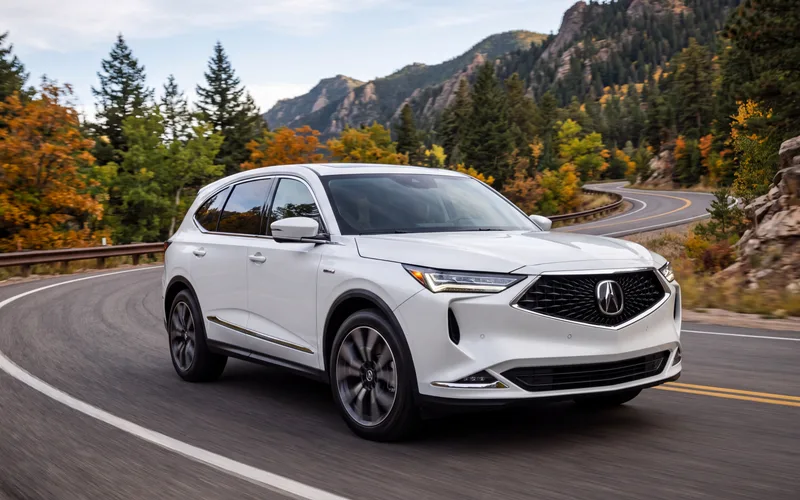 Acura MDXMid-Size Luxury SUVBetter at: Resale value
For about $2,000 more it drives better, tows 5,000 lbs and holds its value dramatically better over five years.
Compare 2.88B-
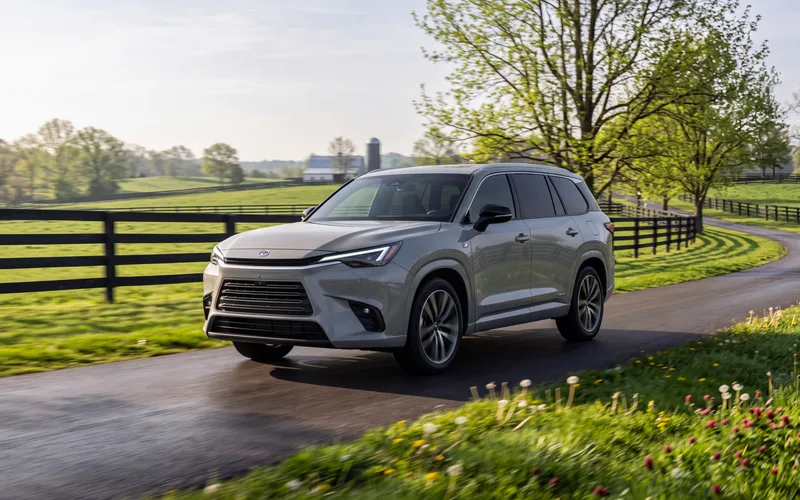 Lexus TXMid-Size Luxury SUVBetter at: Fuel economy
Offers the hybrid and plug-in powertrains the XT6 never had, plus a roomier third row and far stronger long-term ownership economics.
Compare 2.94B-
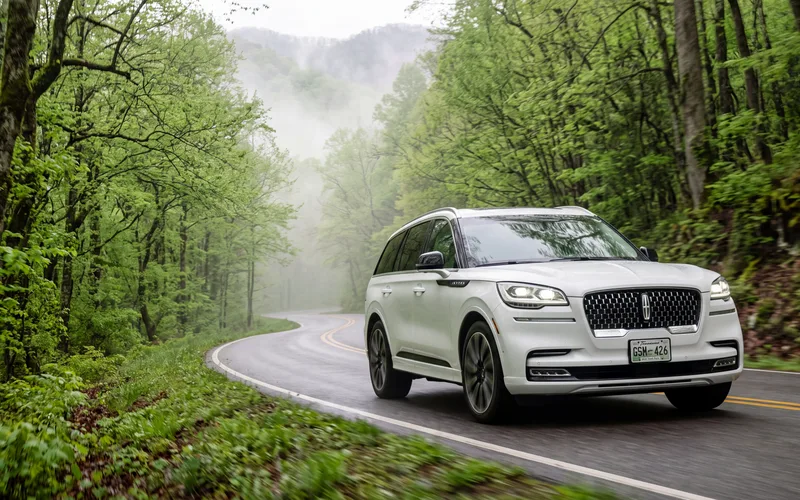 Lincoln AviatorMid-Size Luxury SUVBetter at: Luxury feel
The genuinely luxurious three-row the XT6 is only imitating — better seats, better tech and an available PHEV for roughly $10,000 more.
CompareHow it's evolved
6 scored model years · 2020–2025
Subject scores by year
Hover or tap a score to see what moved it versus the year before. A corner mark flags a big swing.
| Year | Performance | Efficiency | Safety | Space | Cost | Reliability | Tech | Use-case | Driving | Value |
|---|---|---|---|---|---|---|---|---|---|---|
| 2025 | 46 | 35 | 63 | 63 | 34 | 67 | 64 | 55 | 61 | 54 |
| 2024 | 46 | 41 | 62 | 63 | 36 | 63 | 62 | 55 | 61 | 57 |
| 2023 | 46 | 40 | 66 | 63 | 38 | 68 | 63 | 55 | 61 | 57 |
| 2022 | 46 | 40 | 68 | 62 | 43 | 70 | 62 | 55 | 61 | 59 |
| 2021 | 46 | 41 | 62 | 62 | 40 | 64 | 62 | 53 | 60 | 61 |
| 2020 | 44 | 36 | 64 | 63 | 40 | 63 | 58 | 55 | 59 | 61 |
Compare two years
Best fit & conditions
Higher scores mean a better fit for that use case. Learn more about use-case fit →
Subject profile
Academic Probation · NHTSA safety recalls
Jun 20, 2024Electrical system: instrument cluster/panelThe instrument panel may not illuminate when the hazard warning lights, high beams, or turn signals are activated. As such, these vehicles fail to comply with the requirements of Federal Motor Vehicle Safety Standard numbers 101, "Controls and Displays" and 108, "Lamps, Reflective Devices, and Assoc. Equipment."
Defect
General Motors, LLC (GM) is recalling certain 2023-2025 Cadillac XT5 and 2024-2025 Cadillac XT6 vehicles. The instrument panel may not illuminate when the hazard warning lights, high beams, or turn signals are activated. As such, these vehicles fail to comply with the requirements of Federal Motor Vehicle Safety Standard numbers 101, "Controls and Displays" and 108, "Lamps, Reflective Devices, and Assoc. Equipment."
Risk
Without the illuminated reminder, the driver could fail to turn off the lights when no longer needed. Hazard warning lights, high beams, or turn signals that remain activated unintentionally can confuse other drivers, increasing the risk of a crash.
Remedy
Dealers will update the instrument panel software, free of charge. Owner notification letters were mailed August 13, 2024. Owners may contact Cadillac's customer service at 1-800-458-8006. GM's number for this recall is N242447940.
NHTSA campaign 24V459000 ↗Manufacturer no. N2424479406,942 vehicles potentially affected (all models in the campaign)Owners notified Aug 13, 2024Filed by General Motors, LLCFiled as XT6
11 recalls on other model years of the XT6 (2020–2024)
Oct 12, 2023Visibility: windshieldThe windshield may have been assembled without the proper urethane sealant required to bond the windshield to the vehicle body.
Defect
General Motors, LLC (GM) is recalling certain 2023 GMC Acadia and 2024 Cadilac XT5 and XT6 vehicles. The windshield may have been assembled without the proper urethane sealant required to bond the windshield to the vehicle body.
Risk
A windshield that is not properly bonded may detach during a crash and increase the risk of injury.
Remedy
Dealers will inspect the windshield and apply primer and urethane sealant. If the windshield is damaged, the dealer will replace it. Repairs will be performed free of charge. Owner notification letters were mailed November 14, 2023. Owners may contact Cadillac customer service at 1-800-458-8006 or GMC customer service at 1-800-462-8782. GM's number for this recall is N232419690.
NHTSA campaign 23V681000 ↗Manufacturer no. N23241969042 vehicles potentially affected (all models in the campaign)Owners notified Nov 14, 2023Filed by General Motors, LLCFiled as XT6Mar 16, 2023Power train: automatic transmissionThe transmission may have been built with an incorrect sun gear, which can result in the driver-side half-shaft disengaging from the transmission.
Defect
General Motors, LLC (GM) is recalling certain 2023 Cadillac XT6, GMC Acadia, Chevrolet Blazer, Traverse, and 2022-2023 Cadillac XT5 vehicles. The transmission may have been built with an incorrect sun gear, which can result in the driver-side half-shaft disengaging from the transmission.
Risk
A half-shaft disengaging from the transmission can result in a loss of drive power or vehicle rollaway when the vehicle is placed in park. Either of these scenarios can increase the risk of a crash.
Remedy
Dealers will replace the sun gears, free of charge. Owner notification letters were mailed on July 27, 2023. The remedy is expected to become available August 31, 2023. Owners may contact Cadillac customer service at 1-800-458-8006, Chevrolet customer service at 1-800-222-1020, or GMC customer service at 1-800-462-8782. GMC's number for this recall is N222389310.
NHTSA campaign 23V172000 ↗Manufacturer no. N2223893108,744 vehicles potentially affected (all models in the campaign)Owners notified Jul 27, 2023Filed by General Motors, LLCFiled as XT6Sep 22, 2022Back over prevention: sensing system: cameraThe rearview camera coaxial cable connectors may have been crimped improperly, causing the rearview camera to fail or function intermittently.
Defect
General Motors, LLC (GM) is recalling certain 2020-2021 Cadillac XT5, XT6, and GMC Acadia vehicles equipped with the optional Surround Vision feature. The rearview camera coaxial cable connectors may have been crimped improperly, causing the rearview camera to fail or function intermittently.
Risk
An inoperative rearview camera can reduce the driver's rear visibility, increasing the risk of a crash.
Remedy
Dealers will replace the coaxial cables, free of charge. Owner notification letters were mailed January 18, 2023. Owners may contact Cadillac customer service at 1-800-458-8006 or GMC customer service at 1-800-462-8782. GM's number for this recall is N222378380.
NHTSA campaign 22V709000 ↗Manufacturer no. N22237838095,231 vehicles potentially affected (all models in the campaign)Owners notified Jan 18, 2023Filed by General Motors, LLCFiled as XT6Sep 22, 2022Equipment: other: labelsThe certification label located on the driver's side B-pillar contains tire size information that may be illegible. As such, these vehicles fail to comply with the requirements of Federal Motor Vehicle Safety Standard number 110, "Tire Selection and Rims."
Defect
General Motors, LLC (GM) is recalling certain 2023 Cadillac XT5, XT6, and GMC Acadia vehicles. The certification label located on the driver's side B-pillar contains tire size information that may be illegible. As such, these vehicles fail to comply with the requirements of Federal Motor Vehicle Safety Standard number 110, "Tire Selection and Rims."
Risk
Illegible tire size information may result in the wrong tires being installed, increasing the risk of a crash.
Remedy
Dealers will replace the vehicle certification label, free of charge. Owner notification letters were mailed October 12, 2022. Owners may contact Cadillac customer service at 1-800-458-8006 or GMC customer service at 1-800-462-8782. GM's number for this recall is N222381690.
NHTSA campaign 22V708000 ↗Manufacturer no. N22238169024 vehicles potentially affected (all models in the campaign)Owners notified Oct 12, 2022Filed by General Motors, LLCFiled as XT6Jun 23, 2022Fuel system, gasoline: storage: tank assemblyThe fuel tank rollover valve may not provide a proper seal in the event of a rollover crash.
Defect
General Motors, LLC (GM) is recalling certain 2022 Cadillac XT5, XT6, and GMC Acadia All-Wheel Drive (AWD) vehicles. The fuel tank rollover valve may not provide a proper seal in the event of a rollover crash.
Risk
A fuel tank rollover valve that does not properly seal can result in a fuel leak during a rollover crash, increasing the risk of a fire.
Remedy
Dealers will inspect the fuel tank and replace the fuel tank shell if the rollover valve is found to be dislodged or missing, free of charge. Owner notification letters were mailed July 27, 2022. Owners may contact Cadillac customer service at 1-800-458-8006 and GMC customer service at 1-800-462-8782. GM's number for this recall is N222366070.
NHTSA campaign 22V446000 ↗Manufacturer no. N222366070228 vehicles potentially affected (all models in the campaign)Owners notified Jul 27, 2022Filed by General Motors, LLCFiled as XT6Jun 16, 2022Suspension: rearThe left-rear suspension toe link may have been tightened improperly, which could result in a loose or separated toe link.
Defect
General Motors, LLC (GM) is recalling certain 2022 Cadillac XT5, XT6, and GMC Acadia vehicles. The left-rear suspension toe link may have been tightened improperly, which could result in a loose or separated toe link.
Risk
A loose toe link can separate and cause a loss of vehicle control, increasing the risk of a crash.
Remedy
Dealers will inspect the left-rear suspension and replace the fastener if it is loose or missing, free of charge. Owner notification letters were mailed July 11, 2022. Owners may contact Cadillac customer service at 1-800-458-8006 or GMC customer service at 1-800-462-8782. GM's number for this recall is N222364330.
NHTSA campaign 22V427000 ↗Manufacturer no. N222364330736 vehicles potentially affected (all models in the campaign)Owners notified Jul 11, 2022Filed by General Motors, LLCFiled as XT6Jun 2, 2022Service brakes, hydraulic: fluidThe brake fluid reservoir cap may be missing the warning label. As such, these vehicles fail to comply with the requirements of Federal Motor Vehicle Safety Standard number 135, "Light Vehicle Brake Systems."
Defect
General Motors, LLC (GM) is recalling certain 2022 Cadillac XT6 vehicles. The brake fluid reservoir cap may be missing the warning label. As such, these vehicles fail to comply with the requirements of Federal Motor Vehicle Safety Standard number 135, "Light Vehicle Brake Systems."
Risk
Without a warning label, the brake fluid may be unintentionally contaminated by debris, which can affect brake performance and increase the risk of a crash.
Remedy
Dealers will inspect the brake fluid reservoir cap and replace it, if necessary, free of charge. Owner notification letters were mailed June 30, 2022. Owners may contact Cadillac customer service at 1-800-458-8006. GM's number for this recall is N222369130.
NHTSA campaign 22V392000 ↗Manufacturer no. N222369130237 vehicles potentially affected (all models in the campaign)Owners notified Jun 30, 2022Filed by General Motors, LLCFiled as XT6Jun 3, 2021Fuel system, gasoline: delivery: hoses, lines/piping, and fittingsThe fuel supply lines may be improperly attached and seated.
Defect
General Motors, LLC. (GM) is recalling certain 2021 Cadillac XT5, XT6, and GMC Acadia vehicles. The fuel supply lines may be improperly attached and seated.
Risk
Improperly attached and seated fuel supply lines may loosen or separate, causing a fuel leak and increasing the risk of a fire.
Remedy
Dealers will inspect and replace fuel supply lines as necessary, free of charge. Owner notification letters were mailed on July 1, 2021. Owners may contact Cadillac customer service at 1-800-458-8006 and GMC customer service at 1-800-462-8782. GM's number for this recall is N212335590.
NHTSA campaign 21V422000 ↗Manufacturer no. N212335590572 vehicles potentially affected (all models in the campaign)Owners notified Jul 1, 2021Filed by General Motors, LLCFiled as XT6Oct 29, 2020Power train: automatic transmissionThe start/stop accumulator endcap may have missing bolts.
Defect
General Motors LLC (GM) is recalling certain 2018-2019 Chevrolet Cruze and Buick LaCrosse, 2018-2020 Chevrolet Equinox, Chevrolet Traverse and GMC Terrain, 2018 Chevrolet Malibu, 2019-2020 Buick Encore, Buick Enclave, Cadillac XT4, Chevrolet Blazer and GMC Acadia, and 2020 Cadillac XT6 vehicles. The start/stop accumulator endcap may have missing bolts.
Risk
Missing bolts on the start-stop accumulator endcap could result in a transmission oil leak and may progress to a loss of propulsion, increasing the risk of a crash. A transmission fluid leak in the presence of an ignition source may increase the risk of fire.
Remedy
GM will notify owners, and dealers will inspect the start-stop transmission accumulator and replace it if any bolts are missing, free of charge. The recall began December 15, 2020. Owners may contact GMC customer service at 1-888-988-7267, Buick Customer service at 1-866-608-8080, Chevrolet customer service at 1-800-222-1020 or Cadillac customer service at 1-800-458-8006. GM's number for this recall is N202313440.
NHTSA campaign 20V668000 ↗Manufacturer no. N202313440194,105 vehicles potentially affected (all models in the campaign)Owners notified Dec 15, 2020Filed by General Motors LLCFiled as XT6Oct 15, 2020Fuel system, gasoline: delivery: fuel pumpThe fuel pump's jet nozzle may have a plastic burr remaining from the manufacturing process, possibly causing a blocked nozzle and an insufficient fuel supply to the engine.
Defect
General Motors LLC (GM) is recalling certain 2020 Buick Enclave, Cadillac XT5, Cadillac XT6, Chevrolet Traverse, and GMC Acadia vehicles. The fuel pump's jet nozzle may have a plastic burr remaining from the manufacturing process, possibly causing a blocked nozzle and an insufficient fuel supply to the engine.
Risk
Insufficient fuel supply can result in an engine stall without warning, increasing the risk of a crash.
Remedy
GM will notify owners, and dealers will replace the fuel pump module. The recall began November 16, 2020. Owners may contact GMC customer service at 1-888-988-7267, Buick Customer service at 1-866-608-8080, Chevrolet customer service at 1-800-222-1020 or Cadillac customer service at 1-800-458-8006. GM's number for this recall is N202314760.
NHTSA campaign 20V639000 ↗Manufacturer no. N2023147602,781 vehicles potentially affected (all models in the campaign)Owners notified Nov 16, 2020Filed by General Motors LLCFiled as XT6Jul 30, 2020Air bags: side/window: curtain: inflatorThe diffuser component of the Roof-Rail Air Bag (RRAB) inflator may not have been properly crimped to the inflator and could separate from the inflator during air bag deployment.
Defect
General Motors, LLC. (GM) is recalling certain 2020 Buick Enclave, Cadillac XT5 and XT6, Chevrolet Blazer, Silverado 1500, 2500 and 3500 and Traverse and GMC Acadia and Sierra 1500, 2500 and 3500 vehicles. The diffuser component of the Roof-Rail Air Bag (RRAB) inflator may not have been properly crimped to the inflator and could separate from the inflator during air bag deployment.
Risk
If the diffuser separates from the inflator during deployment, RRAB performance may be degraded, increasing the risk of injury in a crash.
Remedy
GM will notify owners, and dealers will replace the suspect RRAB modules, free of charge. The recall began September 3, 2020. Owners may contact Chevrolet customer service at 1-800-630-2438, Cadillac customer service at 1-800-333-4223, or Buick customer service at 1-800-521-7300. GM's number for this recall is N202305380.
NHTSA campaign 20V446000 ↗Manufacturer no. N202305380769 vehicles potentially affected (all models in the campaign)Owners notified Sep 3, 2020Filed by General Motors LLCFiled as XT6
Source: NHTSA Office of Defects Investigation recall database, model years 2020–2025. Recalls are listed by model year as the manufacturer filed them; whether a specific car is affected depends on its VIN — check a VIN at nhtsa.gov ↗. NHTSA model names matched to this page: XT6.
Detailed scoring by subject
1Performance & PowertrainOne of the XT6's weakest categories.1.05D
The volume Premium Luxury trim carries the naturally aspirated 3.6L LGX V6 as standard equipment for 2025, rated at 310 hp on premium gasoline — also the model-range maximum, since there is no uplevel engine above it. Only the entry Luxury trim uses the 235-hp 2.0L turbo four.
The LGX V6 makes 271 lb-ft on premium fuel — a modest figure for a 4,600-lb three-row, and one that arrives high in the rev range because the engine is naturally aspirated. The 2.0T's 258 lb-ft is nearly as much and comes on far earlier, which is why the four-cylinder does not feel dramatically slower in town.
Published instrumented runs of the V6 AWD XT6 — mechanically unchanged from launch through 2025 — average about 6.8 seconds, with Car and Driver's best at 6.4 s and MotorWeek's at 7.2 s; Edmunds recorded 7.3 s and Consumer Reports 7.1 s in their own tests. Roughly 7.0 seconds is the fair figure for the volume Premium Luxury V6 AWD, which is mid-pack for a mid-size luxury three-row and well behind turbocharged rivals like the Audi Q7 55 and Lincoln Aviator.
The naturally aspirated LGX V6 is the XT6's most convincing luxury credential: no turbo lag, linear throttle response and a smooth, quiet character in normal driving, which reviewers consistently rate as pleasant if unexciting. It gives up points for needing revs to deliver its 271 lb-ft, for start/stop and cylinder-deactivation coarseness at the margins, and for the absence of the instant electrified torque that Aviator PHEV, Lexus TX and X5 xDrive50e buyers get in the same segment.
GM's nine-speed automatic behind the V6 shifts smoothly and unobtrusively at part throttle and is well matched to the engine's power delivery, but it is deliberate rather than sharp: kickdown takes a beat, and there is no meaningful manual-mode engagement or paddle-shift interest even in Sport trim. Competent and inoffensive, not a highlight.
Cadillac rates the properly equipped V6 XT6 at 4,000 lbs with the Smart Tow trailering package — adequate for a small boat or utility trailer but a class behind the 5,000–7,700 lbs offered by the Acura MDX, Lincoln Aviator, Audi Q7 and BMW X5. The four-cylinder XT6 is rated at just 1,000 lbs, so the tow figure is effectively a V6-only capability.
All-wheel drive is available across the entire 2025 range but is a paid option (about $2,000) on the volume Luxury and Premium Luxury trims, standard only on Sport — a weakness against segment rivals like the BMW X5, Audi Q7, Genesis GV80 and Lexus TX, where AWD is standard or near-universal. The hardware is otherwise good, adding an AWD drive mode and an Off-Road mode that FWD cars do not get, with the Sport's twin-clutch rear unit providing active yaw control (torque vectoring) between the rear wheels.
Pavement-oriented by design: roughly 6.7 inches of ground clearance, a unibody crossover platform shared with the Chevrolet Traverse and GMC Acadia, street tires on 18–20-inch wheels, and no skid plates, locking differentials, low range or off-road trim. It scores above the bottom band only because AWD models include an Off-Road drive mode that softens throttle response, relaxes traction control and biases torque rearward — enough for a gravel road, not a trail.
Two gasoline engines — the 235-hp 2.0T on the base trim and the 310-hp 3.6L V6 above it — with a single nine-speed automatic and FWD or AWD. That covers the mainstream but nothing else: no hybrid, no plug-in hybrid and no electrified variant of any kind in the XT6's final North American model year, at a point when the Lincoln Aviator offered a PHEV, the Lexus TX a hybrid and PHEV, and Cadillac's own Lyriq and Vistiq had taken over the brand's electrified mid-size SUV role.
2Efficiency & RangeOne of the XT6's weakest categories.0.32F
The volume Premium Luxury configuration — naturally aspirated 3.6L V6 with all-wheel drive — is EPA-rated at just 20 MPG combined, the worst figure in the XT6 lineup. A 4,600-lb three-row crossover with a port-and-direct-injected V6, no hybrid assist and only a nine-speed automatic to help has nothing to offset its mass, and the result lands near the bottom of the mid-size luxury SUV band alongside the Acura MDX and Audi Q7 rather than anywhere near the hybrid Lexus TX or the segment's plug-ins.
18 MPG city is the XT6's weakest cycle and effectively the floor of the SUV normalization band. Active Fuel Management cylinder deactivation and automatic stop/start are the only fuel-saving measures on the V6, and neither does much for a heavy three-row in stop-and-go traffic — this is exactly the duty cycle where the hybrid rivals reviewers kept pointing to open up a 10-plus MPG gap.
Highway cruising is where the XT6 looks least bad — tall top gears in the nine-speed and a comparatively slippery unibody body keep the V6 AWD at 25 MPG — but it is still a below-average showing for the segment and only one MPG behind what the front-drive car manages, so the AWD hardware costs little at a steady cruise.
Range is the one efficiency measure the XT6 wins on, and it wins it with tank size rather than economy: AWD models carry 22.0 gallons versus 19.0 for front-drive, so even at 20 MPG combined the V6 AWD covers roughly 440 miles between fills. Well above the segment midpoint and enough for a full day of interstate driving, but it is brute-force range — the front-drive V6, with the smaller tank, actually goes about 40 miles less despite better economy.
EPA puts the V6 AWD at $3,100 a year over 15,000 miles — near the top of the SUV band and about $4,500 more than an average new vehicle over five years. The V6's ability to run on 87-octane is what keeps this from being worse: the more efficient 2.0T actually costs $200 a year MORE to fuel, because its 23 MPG combined is wiped out by the premium-fuel requirement.
The volume V6 is the fuel-flexible choice in the lineup and an unusual bright spot for a luxury badge: EPA classifies the 3.6L as a regular-gasoline vehicle and 87 octane is what Cadillac specifies, with premium only needed to realize the full 310 hp / 271 lb-ft rating. That keeps the pump bill materially below the XT5 and XT4, whose sole turbo engines want 91. Held below the top band because the entry Luxury trim's 2.0L Turbo is a premium-fuel vehicle outright, so the requirement depends on which engine a buyer ends up with, and because there is no cheaper energy path at all — no diesel, no E85 capability, no plug.
3SafetyMid-pack among this car's ten categories.2.23C
NHTSA tested the 2025 XT6 itself in both FWD and AWD form and awarded 5 stars overall, with a clean sweep of 5s in every frontal and side measurement — driver and passenger frontal, side barrier front and rear, and the side pole test. Only rollover falls short at 4 stars, which is normal for a tall three-row crossover.
The XT6 is one of the few luxury three-rows carrying two Poor ratings in IIHS's two flagship updated tests. In the updated moderate overlap front test the driver compartment held up but the rear dummy submarined beneath the lap belt, producing a moderate head/neck and high chest injury risk; in the updated side test the rear passenger torso rated Poor. Small overlap front is Good on both sides and the old-protocol results were fine — the TSP+ streak Wikipedia notes belongs to the pre-2023 test regime, and the nameplate has earned no award since. Scored in the bottom band because both Poors land squarely on the criterion's "Poor results in key tests" language, with the Good small overlap keeping it off the floor.
Four of the criterion's five named features are standard on every 2025 XT6 including the base Luxury trim — Automatic Emergency Braking with Forward Collision Alert and Front Pedestrian Braking, Lane Keep Assist with Lane Departure Warning, Lane Change Alert with Side Blind Zone Alert, and Rear Cross Traffic Alert — alongside front and rear park assist, IntelliBeam auto high beams, Safety Alert Seat and a rear seat reminder. The one gap is the expensive one: adaptive cruise control is not standard anywhere and cannot be ordered at all on the base Luxury, living instead in the Driver Assist Package on Premium Luxury and Sport. That is the criterion's mid-band case exactly, but with BSM standard rather than optional the XT6 sits at the top of it — and notably better equipped than its XT5 showroom-mate, where blind-spot and cross-traffic are themselves unavailable on the base trim.
This is one of the few items here with a current-protocol IIHS result, and it is not a good one: the XT6's standard AEB rates Marginal in the updated pedestrian front crash prevention test, with mixed outcomes across the 12–37 mph day and night runs. Standard fitment across all three trims and the availability of Enhanced Automatic Emergency Braking in the Driver Assist Package are real credit, but the criterion asks about measured performance, and a Marginal on the test that includes nighttime pedestrian detection is a bottom-band result. Scored just under the band line rather than at the floor because the system is standard on every trim rather than optional.
Both halves of the criterion are standard on every 2025 XT6 — Lane Change Alert with Side Blind Zone Alert and Rear Cross Traffic Alert — which is the coverage question answered well. The quality question is where it stops: these are alert-only systems on this platform, with no blind-zone steering intervention and no cross-traffic braking, and Reverse Automatic Braking is optional package content rather than standard. There is no safe-exit or rear-occupant alert. Standard-on-all-trims alert-only coverage is the top of the criterion's middle band.
Lane Keep Assist with Lane Departure Warning is standard on all three trims and does its job, but it is a departure-correcting nudge rather than a system that holds a line. True lane centering exists on the XT6 only inside Super Cruise, which means paying for the Platinum Package on Premium Luxury or Sport and only works on Cadillac's mapped highways — outside those roads, and on every base Luxury, the car has nothing that centers. Scored above the XT5, whose lineup offers no centering at any price, but well short of vehicles with an always-available centering mode.
Availability is the problem more than quality. Adaptive cruise is standard on no 2025 XT6 and cannot be ordered on the base Luxury at all; on Premium Luxury and Sport it arrives via the Driver Assist Package, and the volume configuration many buyers actually take has plain cruise control. Where it is fitted, the GM radar unit is a competent full-speed-range system with no notable reviewer complaints, and buyers who go further to the Platinum Package get genuine highway assist in Super Cruise. The score reflects a capable system that a large share of the lineup cannot have.
2025 is the year Super Cruise became meaningfully attainable on the XT6: it moved from a standalone option that also forced the Technology Package into standard content of the Platinum Package (with Night Vision) on Premium Luxury and Sport. Super Cruise itself is the most mature hands-free system sold, on a large mapped-highway network — but this application is a limited one. It is optional package content on the upper two trims only, unavailable on the base Luxury, and the XT6 is specifically excluded from Turn Signal Activated Lane Change, so it cannot change lanes at all and simply holds its lane. Available but capability-limited puts it mid-band, far above the XT5's zero and well below the Lyriq or Vistiq implementations.
IIHS rated both XT6 headlamp configurations and both came back Acceptable — the standard LED projectors with high-beam assist fitted across Luxury, Premium Luxury and Sport, and the upgraded set that comes with the Platinum and Premium Headlamp packages. That consistency is the strength here: there is no dim volume configuration to fall into and no penalty for buying the cheap trim, unlike the XT5's blanket Marginal. What is missing is any Good rating to buy at any price; the premium package delivers good straightaway visibility but the standard lamps only manage fair coverage on left curves.
The XT6's upright, boxy greenhouse gives it more glass than most of its rivals and better forward and side sightlines than the swoopier XT5 — reviewers describe visibility as good thanks to the tall glass. Working against that are thick pillars, three rows of head restraints in the sightline and dark tint, which reviewers say leave enough doubt that deliberate blind-spot checks remain necessary. Camera compensation is the weak link: a rear camera and front/rear park assist are standard, but HD Surround Vision and the digital rear camera mirror both sit in the optional Technology Package, so the volume car relies on mirrors and a single rear camera. Average natural visibility with partial, mostly optional camera support.
The second row is genuinely good: two complete sets of easy-access lower anchors in the outboard positions, generous room, and enough width and door aperture that a Cars.com Car Seat Check scored it well with two seats installed in the captain's chairs. The third row is where it loses points — no lower anchors at all back there, only top tethers on the two outboard positions, and fixed head restraints that pushed a high-back booster off the seatback during testing. Combined with the IIHS Acceptable rather than Good ease-of-use rating and GM's usual missing center head restraint, this is a workable but compromised family setup for anyone needing seats in all three rows.
4Space & ComfortOne of the XT6's strongest categories.2.26C
The XT6 is a three-row mid-size luxury crossover with a 60/40 second-row bench standard across the range, giving seven-passenger capacity on the volume Premium Luxury trim. Second-row captain's chairs are a no-cost/optional swap on Premium Luxury and Sport that drops capacity to six in exchange for easier third-row access.
39.8 in of first-row headroom is solidly mid-pack for a mid-size SUV and unchanged for the XT6's final North American model year — the platform and body structure are untouched since the 2020 launch, so 2025 carries the same published dimensions.
41.2 in is the weakest of the XT6's interior dimensions — barely above the SUV band floor and short of three-row rivals like the Audi Q7 (41.7), Lincoln Aviator (43.0) and Acura MDX (41.6). The XT6 shares its wheelbase with the two-row XT5 and GMC Acadia, and the packaging compromise shows up ahead of the B-pillar rather than behind it.
39.1 in of second-row headroom is near the top of the SUV band and one of the XT6's genuine packaging strengths — the boxy, upright roofline that reviewers criticize aesthetically pays off inside. Even the third row's 37.2 in of headroom is competitive for the class; it is legroom, not headroom, that limits the way back.
39.1 in of second-row legroom is genuinely good — comfortably adult-sized, ahead of the Acura MDX (38.5) and on par with the Audi Q7 (38.8) — and combined with wide door openings makes the middle row the best place to sit in the car. The third row's 29.5 in is where the XT6 gives ground to the Traverse and Aviator.
A real third row rather than a token one, but a kid-and-short-trip proposition. 37.2 in of headroom is class-competitive and access is decent — the second row slides and tilts, and the optional captain's chairs open a walk-through — yet 29.5 in of legroom plus narrow shoulder room mean adults tolerate it rather than enjoy it. Cadillac's own "mid-size plus" positioning acknowledges the XT6 is a stretched mid-size rather than a purpose-built three-row, and the second-generation car is being lengthened specifically to fix third-row room.
43.1 cu ft with the third row folded is mid-pack for a mid-size three-row and a clear step behind the Chevrolet Traverse it shares a wheelbase family with, which clears 57 cu ft in the same measurement. Behind the raised third row there is 12.6 cu ft — enough for a few bags, not a family's luggage.
78.7 cu ft with both rear rows down is respectable without leading: well short of the Chevrolet Traverse's ~98 cu ft, but at the upper end of the luxury three-row cluster, where the Audi Q7 and Acura MDX sit in the low 70s. The rows fold flat electrically, which makes the space easy to get at.
Competent, conventional, and short on ideas. The XT6 has a covered center console bin, usable door pockets, six USB ports, an available wireless charging pad and a hands-free power liftgate with power-folding rear seats — everything a three-row family buyer expects. What it lacks is anything the top band rewards: no configurable console, no underfloor bin of note, no onboard power inverter, no fold-flat trickery beyond the standard split rows. Reviewers consistently frame the interior as adequate rather than inventive.
The front and second-row seats are among the XT6's better features — reviewers describe them as supportive and correctly padded, neither firm nor soft, with heated front seats standard on every 2025 trim, ventilated fronts standard from Premium Luxury up, and semi-aniline leather in the Platinum package. It stops short of the top band because the third row is a compromise on long trips and because the front chairs, while comfortable, do not draw the sustained long-haul praise that the Aviator's 30-way Perfect Position seats or the GV80's Ergo Motion seats do.
Ride comfort is the single thing reviewers most consistently credit the XT6 with — smooth, absorbent and well controlled in the volume Premium Luxury spec, which is exactly the brief for a mid-size luxury crossover. The deductions are specific rather than general: the Sport trim's firmer tune and 20-inch wheels make potholes and expansion joints audible and felt, and even at its best the XT6 rides well rather than magic-carpet-plush, without the air suspension available on an Aviator, Q7 or X5.
Genuinely quiet, and one of the few places the XT6 clearly earns its badge over the Traverse and Acadia it shares hardware with. Acoustic glass, active noise cancellation and thorough insulation keep wind, road and engine noise well suppressed at highway speed, helped by the naturally aspirated V6's smooth character in the volume trim. Just short of the top band because no reviewer calls it class-leading against the segment's quietest cabins.
A strong standard sheet by 2025 standards: tri-zone automatic climate control, heated front seats and remote start are standard on every trim including the base Luxury, and the volume Premium Luxury adds ventilated front seats and a heated steering wheel as standard rather than as a package. Heated second-row outboard seats, a panoramic sunroof and the Platinum package's upgraded materials sit above that. It misses the top band because the comfort content is spread across trims and packages rather than being near-universal, and because there is no remote pre-conditioning of the sort electrified rivals offer.
5Cost of OwnershipThe XT6's lowest-graded category.0.20F
The entry Luxury trim opens at $49,195 plus the $1,395 destination freight charge — $50,590 delivered, and the cheapest way into a three-row luxury crossover from a German or Japanese-badged rival's showroom (an Audi Q7 or BMW X5 starts $10,000–$15,000 higher). Being the least expensive entry in the mid-size luxury SUV class is the strongest part of the XT6's cost story, though the $50,590 base car makes do with the 235-hp 2.0L turbo four.
Premium Luxury is the volume trim and the one worth buying: it is where the 310-hp 3.6L V6 becomes standard and where the equipment most XT6 buyers expect arrives — genuine leather, 14-speaker Bose, heated and ventilated front seats, rain-sensing wipers. At $55,395 plus $1,395 destination that is $56,790 front-drive, $58,790 with AWD, a ~$6,200 step above the base Luxury.
GM parts and labor rates keep the XT6 cheaper to service than its German rivals, and the 4-year/50,000-mile bumper-to-bumper term absorbs almost all repair spend in years 1–3 — KBB models $0 in repairs until year 4. The figure used splits the two mainstream estimates: KBB's ~$6,200 combined bill (with a $2,316 spike at year 4 for the V6's plugs and fluids) against CarEdge's much lighter $3,201, which understates wear items. The XT6's 27.9% five-year major-repair probability is roughly double the XT5's, which is why the estimate sits above CarEdge rather than at it.
The single item that sinks this category. The estimates split by method: KBB's model-year-specific projections for the 2025 car land in the mid-to-high 30s (35.9% on the volume Premium Luxury, 39.4% on Luxury), while iSeeCars' retrospective nameplate figure and CarEdge's curve sit in the mid-to-high 40s off earlier XT6s sold into an inflated used market. The estimate leans toward the lower, model-year-specific projections because 2025 is the final model year of a discontinued first-generation nameplate — GM ended North American production after 2025 and the second generation does not arrive until roughly 2029 — and end-of-run inventory moved on heavy incentives, which drags MSRP-based retention.
Cadillac's bumper-to-bumper limited warranty runs 4 years or 50,000 miles — the luxury-brand norm, matching BMW, Audi and Lexus at 4/50 and a year longer than the mainstream Chevrolet/GMC siblings the XT6 shares a wheelbase with. Fully transferable to a second owner, and it includes towing to the nearest dealer for warranty work.
Six years or 70,000 miles on the engine, nine-speed automatic and drive system — better than the 4/50 the German luxury brands offer and a step above the 5/60 on the mechanically related Chevrolet Traverse and GMC Acadia, but near the bottom of the framework's 5–10 year band, which is scaled against Hyundai/Genesis-style 10-year terms.
Cadillac covers exactly one service visit — oil change, tire rotation and multi-point inspection, redeemable within the first year — where BMW (3 yr/36k Ultimate Care), Audi (Signature Care) and Volvo include years of scheduled maintenance, so this lands mid-band rather than high. The offsetting perks are real: 6-year/70,000-mile roadside assistance and courtesy transportation matching the powertrain term, and for 2025 a 3-year OnStar One plan with unlimited data plus 8 years of OnStar Basics. Super Cruise's included service period does not help the volume Premium Luxury, since for 2025 it arrives only inside the Platinum Package.
$56,790 volume-trim price minus its estimated resale value after 5 years (41% retained, or about $23,284) leaves about $33,506 in depreciation. Add the projected $5,400 in 5-year maintenance and repairs, and owning this vehicle for 5 years costs about $38,906 in total.
6Reliability & QualityThe XT6's best-graded category.2.55C+
The two major predictors disagree, but the XT6's real-world record is the stronger evidence: it won the Upper Midsize Premium SUV dependability award in J.D. Power's VDS two years running, and J.D. Power rates the 2025 car 82/100 ("Great") for predicted reliability. Consumer Reports predicts below-average reliability, but explicitly on limited data with every 2025 trouble-spot field showing NA — enough to keep this mid-band rather than high, not enough to override two three-year owner studies.
Cadillac's three-year dependability standing is genuinely strong — top-five overall and second among premium brands in J.D. Power's VDS in consecutive years, behind only Lexus — but that is offset by a below-average initial-quality result and a mid-pack Consumer Reports brand ranking. Strong on long-term dependability, mid-pack once all three studies are weighed.
The 2025 car itself is nearly clean — a single software recall for instrument-panel illumination — and campaign volume fell steadily across the generation, from four on the 2020 launch cars to one on the final year. The generation record behind it is only average, though: a side-curtain airbag inflator and fuel-pump campaign in 2020, a rear-suspension and fuel-tank pair in 2022, a nine-speed sun-gear replacement on 2023 cars, and persistent 9T-series torque-converter shudder TSB traffic.
The volume XT6 runs the naturally aspirated 3.6L LGX V6, the most proven and most durable member of GM's high-feature V6 family — no turbo, no direct-injection carbon-buildup pattern, and the post-LFX timing-chain redesign resolved the failure mode that plagued earlier 3.6s. The nine-speed automatic behind it is the weak link and the reason this sits only just above mid-band: torque-converter shudder, a sun-gear recall on 2023 cars, and owner-reported outright transmission replacements on 2023–24 XT5/XT6s.
The cabin is the XT6's weakest quality credential and the clearest sign of a design that ran to the end of its life untouched: reviewers consistently call out padded vinyl and untextured plastic in place of genuinely luxurious materials, around an 8-inch screen and a pre-curved-display architecture, on a volume Premium Luxury that lists near $57K. Real leather, wood and metal trim on upper trims lift it, but it reads a full class behind a GV80, X5 or Q7 interior.
Assembly quality is much better than the material selection suggests — six model years of Spring Hill production on a mature platform, and reviewers who criticize the plastics still describe the build itself as sound. The two consecutive VDS segment wins are largely a squeak-rattle-and-defect measure at three years, which is direct evidence of durable assembly; the below-average Cadillac initial-quality result keeps it out of the top band.
Roughly 590 US Cadillac stores make this one of the densest luxury service networks in the country — far broader coverage than Genesis, Land Rover or Volvo owners get — and dealer-service satisfaction sits a solid ten points above the premium average. Held short of the top band only because Porsche and Lexus rank ahead of it on satisfaction.
Almost everything mechanical under the XT6 is shared GM hardware — LGX V6, LSY four, nine-speed automatic, C1 platform pieces common to the Acadia, Traverse and Enclave — so parts are abundant through both dealers and independents and five-year upkeep runs at or below the luxury average. Discontinuation after 2025 is a mild long-tail concern, softened by the parts commonality and by GM confirming a second-generation XT6 on the same platform.
7Technology & InfotainmentOne of the XT6's strongest categories.2.32C+
2025 is the final North American model year of the first-generation XT6 and a carry-over year for infotainment: every trim from Luxury to Sport keeps the same 8.0-inch CUE center touchscreen the car launched with for 2020. No larger display is available at any price, and the second-generation XT6 GM has confirmed for after the 2027 XT5 redesign is not on sale.
CUE is easy to learn — shallow menus backed by a console rotary controller and real volume/tuning hardware — but it is decade-old GM software on a screen roughly half the width of what Audi, BMW, Mercedes and Lincoln fit in the mid-size luxury class, and reviewers flag finicky touch-sensitive controls. It lands at the bottom of the segment alongside the XT5 (66.2 overall) and far below Q7 76.1, X5 84.7, GLE 84.0, Aviator 85.5 and Cadillac's own Lyriq 87.0.
Wireless Apple CarPlay and wireless Android Auto are both standard on every 2025 XT6 trim including the $49,195 base Luxury — worth noting because GM deleted phone projection outright from its newer EVs. With a native screen this small and this old, projection is the interface most owners will actually live in, and it costs nothing to get.
Natural Voice Recognition is standard and embedded navigation is standard on the volume Premium Luxury and Sport, and as a 2025 GM vehicle it carries eight years of core OnStar so connected maps are not an expiring subscription. But this is CUE-era command-and-control voice rather than a natural-language assistant — there is no Google built-in on this platform — so most owners default to Siri or Google Assistant through projection.
Audio is the strongest part of the XT6's tech suite: a Bose 8-speaker system is standard even on the base Luxury, and the 14-speaker Bose Performance Series system is standard — not an options box — on the volume Premium Luxury and on Sport. It sits a tier below the Burmester/Bowers & Wilkins hardware in German mid-size rivals, but no competitor at this price hands you 14 branded speakers without paying extra.
There is no full-digital cluster on the XT6 at any price. The base Luxury gets a small color driver information display between conventional gauges, and even the 8-inch color Driver Information Center is locked inside the $2,350 Technology Package on Premium Luxury and Sport — so the volume car as configured on the lot may not have it. Every German and Korean rival in this class moved to a configurable full-width panel years ago, and the XT5 at least makes its 8-inch DIC standard on upper trims.
The XT6 is OTA-capable through the OnStar cellular connection, downloading module and infotainment updates in the background with or without an active subscription, and Cadillac sells some purchasable upgrades that way. But this is the pre-VIP electrical architecture, so updates are maintenance- and infotainment-scoped rather than the regular feature-adding whole-vehicle drops the Lyriq/Optiq/Vistiq platform receives.
myCadillac covers remote start with climate preset, lock/unlock, locate, on-demand diagnostics and status alerts, and on a 2025 model those commands are included for eight years at no cost and stay with the vehicle if it is sold — so the subscription trap that dogs several rivals does not apply here. It falls short of the top band only because there is no phone-as-key/digital key on this platform.
Six USB ports standard across three rows is genuinely good for a three-row family SUV and two more than the XT5 offers, so third-row passengers are not left out. Wireless phone charging is withheld from the base Luxury and there is no household-style AC outlet, which keeps this out of the top band.
Proximity keyless entry with push-button start and remote start (fob or myCadillac app) is standard across the range and a power liftgate is standard on every trim, but the hands-free kick-sensor liftgate is an extra-cost item rather than standard on the volume trim, and there is no phone-as-key of any kind on this platform.
The hardware is good when fitted — HD Surround Vision, Automatic Parking Assist with Braking, Surround Vision Recorder, rear camera mirror with washer and rear pedestrian alert — but on the 2025 XT6 all of it sits behind the $2,350 Technology Package on Premium Luxury and Sport, and is not offered on the base Luxury at all. That is a step behind the 2026 XT5, which made the identical package standard on its upper trims, and behind rivals that ship surround view on the volume car.
A full-color head-up display showing speed, navigation, phone and audio is offered and reviews well, but it is bundled into the optional $2,350 Technology Package on Premium Luxury and Sport only — it cannot be had on the base Luxury trim at any price, and even a mid-trim buyer has to pay for a bundle to get it. That is a rung below the 2026 XT5, where the same HUD became standard on the volume trim.
8Use-Case FitGrades below the middle of the scale.1.68D
Three rows standard with wide-opening rear doors, optional tip-and-slide captain's chairs that make third-row access easy, IIHS-Acceptable LATCH hardware and a hands-free power liftgate cover daily family logistics well; the limit is 12.6 cu ft behind the third row, which a full-size stroller plus groceries overwhelms.
A 5-star NHTSA overall result and standard AEB, blind-spot detection and lane-departure prevention are undercut for family duty by an IIHS Poor in the updated moderate overlap test driven by rear-passenger injury risk, a Marginal pedestrian AEB rating, and rear automatic braking plus adaptive cruise being optional rather than standard.
Quiet cabin, tri-zone climate, available heated second-row seats, panoramic roof and six USB ports make the first two rows a pleasant place for long hauls, but the 29.5-in third row is a short-haul proposition and 12.6 cu ft behind it means a full seven-passenger trip cannot carry everyone's luggage.
The naturally aspirated 3.6L V6 is smooth and untemperamental in stop-and-go traffic, the cabin is well isolated and outward visibility is good, and the rotary controller keeps the 8-inch system usable on the move; the nine-speed's low-speed hesitancy and the absence of lane centering outside the Platinum Package's Super Cruise keep it short of effortless.
20 MPG combined and roughly $3,100 a year in fuel put the V6 XT6 among the more expensive ways to commute in this class, with no hybrid option to blunt city driving; the one mitigating factor is that the V6 runs on regular gasoline while the 2.0T requires premium.
At 198.8 in long, 77.3 in wide and a 39-ft curb-to-curb turning circle it is a genuine mid-size footprint that needs deliberate parking, and while the tall glass helps, HD Surround Vision and Automatic Parking Assist are locked behind the Technology Package rather than standard.
A 4,000-lb maximum rating with the V6 and Smart Tow package covers a small utility trailer or a pair of jet skis, and 78.7 cu ft of flat load floor is usable, but the base 2.0T is limited to 1,000 lbs and this unibody luxury crossover has no payload or powertrain headroom for sustained work duty.
The 3.6L LGX V6 and nine-speed are long-serving, high-volume GM units on a platform shared with the Acadia and Traverse, which is reassuring mechanically, but the leather-trimmed luxury cabin, 20-inch wheels and complete absence of any fleet or commercial history make it a poor candidate for hard use.
Provisions amount to a dealer hitch package with a 4-pin harness, roof cross rails and cargo tie-downs — there is no onboard 120V outlet, no bed, no washable surfaces and no work-focused upfit ecosystem behind it.
A quiet, well-isolated cabin, supportive heated-and-ventilated front seats and roughly 440 miles from the AWD model's 22-gallon tank make it a competent mile-eater; fatigue-reducing hands-free driving exists but only via the Platinum Package's Super Cruise, and adaptive cruise is otherwise an option.
Twin-clutch AWD with an Off-Road drive mode, roof cross rails for bikes and boxes and a 4,000-lb tow rating handle gravel roads, trailheads and a small toy hauler, but 6.7 in of ground clearance, all-season rubber and no 120V power keep it firmly out of genuine backcountry or camping duty.
Power-folding second and third rows open a flat 78.7 cu ft hold, and roof cross rails plus a dealer hitch extend it to bikes and cargo boxes; the weak point is the 12.6 cu ft well behind the third row, which is small for a seven-seater and limits flexibility when the car is actually full.
9Driving ExperienceMid-pack among this car's ten categories.2.08C
Secure and more nimble than its size suggests — Consumer Reports found it "handles like a much smaller vehicle, without too much body lean" — but it is a 2020-vintage unibody crossover on the Traverse/Acadia wheelbase family with no performance ambition, and body-motion control is the weak point: even the adaptive-damper Sport soaked up sharp impacts while letting residual vertical motions run on. The volume Premium Luxury on passive dampers is composed rather than engaging, mid-pack against the Audi Q7 and Acura MDX and well behind the BMW X5.
The XT6's most criticized dynamic trait. Reviewers call the steering uncommunicative — accurate enough for placing the car but devoid of feedback — and FWD versions add torque steer under hard acceleration, which is a poor look in a luxury three-row. Weighting is consistent and the ratio is fine; there is simply nothing coming back through the rim.
Braking is one of the XT6's solid areas: instrumented stops from 60 mph average about 120 ft — par for a 4,400-lb mid-size crossover — with pedal feel and straight-line stability both praised and no fade noted in repeated stops. Hardware is unchanged for 2025, and the Sport trim adds Brembo front calipers. Good, not class-leading.
The naturally aspirated 3.6L LGX in the volume Premium Luxury is genuinely smooth and lag-free, and the nine-speed slips between ratios unnoticed at part throttle — but the calibration undercuts it. Reviewers report an overly sensitive throttle tip-in that makes low-speed drivability tricky, slow kickdowns that need two downshifts to find a ratio, and owners report light-throttle shudder from the 9T65 in the 25–50 mph range.
Near-silent at a cruise — the acoustically insulated cabin is one of the XT6's clearest wins over its Traverse and Acadia siblings — and the V6 is vibration-free at idle and light load. Under hard acceleration the LGX gets loud and, by several accounts, coarse rather than tuneful, which keeps it out of the top band.
39.0 ft curb-to-curb is unremarkable for a mid-size SUV — mid-band, and a consequence of the 112.7-in wheelbase shared with the XT5/Acadia rather than of the XT6's own length. Unchanged for the final 2025 model year; larger-wheel trims sit at the top of the 38.8–39.2 ft range quoted across sources.
Sightlines are good — tall glass, an upright greenhouse and a commanding hip point — and the dashboard is uncluttered with the touchscreen operable by touch or the console rotary controller, which testers like. What holds it back is adjustability: Consumer Reports' testers were frustrated by the restricted seat and steering-wheel adjustment ranges, a real problem for taller and shorter drivers in a vehicle at this price.
Nobody recommends the XT6 to a driver. It is competent and quiet with a pleasant V6 note, but the numb steering, deliberate transmission and absence of any distinguishing character make it an appliance — the consistent press verdict across its whole run was indifference, and 2025 is a carry-over final year that changed nothing about how it drives.
10Value & Market PositionGrades below the middle of the scale.1.61D
The $50,590 base Luxury is decently stocked for the cheapest way into a three-row luxury SUV — UltraView panoramic sunroof, Bose eight-speaker audio, tri-zone climate, heated front seats, remote start, LED headlights, wireless CarPlay/Android Auto, power liftgate and six USB ports are all standard, as are four of the five ADAS features the framework looks for (AEB with pedestrian braking, lane keep assist, blind zone alert, rear cross traffic alert). What keeps it mid-band is what money can't buy on it: adaptive cruise cannot be ordered on the base trim at all, the touchscreen is the same 8.0-inch CUE unit on every trim, seating is Inteluxe synthetic rather than leather, and there is no wireless charging, head-up display or surround view until you reach Premium Luxury and add the $2,350 Technology Package.
Price is the XT6's whole argument and it is a real one: at $50,590 delivered it is the least expensive three-row luxury SUV on sale, undercutting the Acura MDX by roughly $2,000, the Lincoln Aviator by $10,000 and an Audi Q7 or BMW X5 by $10,000–$15,000, while delivering a 310-hp V6, genuine leather and 14-speaker Bose on the $56,790 volume Premium Luxury. The counterweight is content age and running cost — an 8-inch screen, no hybrid option anywhere in the range, thirsty EPA numbers, and two Poor IIHS results — and the value case inverts at the top, where a Platinum-package Sport crests $73,000 against rivals that are demonstrably more luxurious for the money.
Three well-spaced trims (Luxury, Premium Luxury, Sport) covering $50.6K to roughly $73K loaded, FWD or a $2,000 AWD option on the two lower trims, twin-clutch performance AWD standard on Sport, and a choice of second-row bench or captain's chairs for six- or seven-passenger seating. The gaps are real though: the 2.0L turbo four is confined to the base Luxury and the V6 to everything above it, so there is no engine choice within a trim; there is no hybrid, PHEV or V-Series variant in a class where electrified options are now common; and the desirable Super Cruise/Night Vision content is locked inside one expensive Platinum Package rather than being separately orderable.
The XT6 finished its life a low-volume also-ran in a growing class: about 13,200 US deliveries across the quarters reported for 2025, which placed it 11th of 14 entries in the luxury E-utility segment in Q1 even though its own numbers were up. Volume rose roughly 7% in the first half, but that came in a final model year with clearance incentives running, and GM answered the trajectory by ending production entirely on November 7, 2025 — the clearest possible market verdict on acceptance.
Cadillac the brand is in good shape — Q2 2025 was its best second quarter since 2007 with sales up 15%, and the Lyriq/Optiq/Vistiq EVs plus the Escalade halo give it genuine pull. The XT6 gets less of that benefit than other Cadillacs: it ranked below the luxury average in J.D. Power's 2025 APEAL study (behind Mercedes-Benz, Jaguar and Lincoln), and the model's defining critical complaint is that it never escaped its Traverse/Acadia origins. Resale lands at par rather than as a brand bonus — 53.6% depreciation over five years against a 54.3% class average.
Buyers did well on this car. Cadillac ran stackable national programs on the 2025 XT6 essentially every month — up to $2,500 in purchase allowance, subvented financing from 2.9% APR for 36–60 months (5.9–6.58% on 72–84 months), a nationwide lease plus local market leases on all three trims, and lease-loyalty programs waiving up to four remaining payments — on top of military and educator allowances. End-of-life inventory kept leftover 2025s discountable well into 2026. It stops short of the top band only because the allowances are moderate in absolute dollars for a $56K vehicle rather than the deep clearance money a dying nameplate sometimes attracts.
The worst item in the category, and not close. 2025 is the sixth and final model year of the first-generation XT6 that launched for 2020, and the car never received a mid-cycle refresh — the only 2025 change of any kind was deleting one interior colorway and folding Super Cruise and Night Vision into the Platinum Package. It rides on a 2019-vintage architecture with an 8.0-inch CUE screen and no electrified option, production ended November 7, 2025, and the nameplate went dormant: GM has confirmed a second-generation XT6 but only after the redesigned XT5 arrives in 2027, so a 2025 buyer is buying an orphaned final-year model.
Six years of consistent indifference. Aggregators put it near the bottom of the luxury three-row field — U.S. News scores it 7.9/10 and ranks it #21 among luxury midsize SUVs, MotorDonkey #9 of 10 midsize three-row luxury SUVs, The Car Connection 7.0 — while Car and Driver, Cars.com ("underwhelming") and Consumer Reports ("comes up a bit short") all reach the same verdict, that it neither matches rivals' luxury nor separates itself from its Chevrolet and GMC siblings. It carries no 2025 awards, and the one credential it had is gone: three consecutive IIHS Top Safety Pick+ awards lapsed once the updated moderate-overlap and side tests produced two Poor ratings.