

The verdict
A capable compact luxury suv, strong on technology and held back by ownership.
The 2026 Mercedes-Benz GLC is the best-selling compact luxury SUV in America for good reason: a genuinely beautiful cabin, a hushed and comfortable ride, and one of the strongest tech packages in the class, all backed by a 5-star NHTSA rating and IIHS Top Safety Pick+ crashworthiness. Where it stumbles is the bill. A $49,550 starting price becomes roughly $55,000 once you add the Premium and Driver Assistance packages most buyers want, premium fuel is required, there's no complimentary maintenance, and the warranty stops at 4 years/50,000 miles with no separate powertrain term — a projected $34,000 in depreciation and upkeep over five years. Buy it for how it looks, feels and sounds inside; go in clear-eyed about what it costs to keep.
Jump to scoresStrengths
- A cabin that outclasses the price tag
- Quiet, comfortable and easy to live with
- Tech that's standard, not upsold
What holds it back
- Five-year ownership costs are steep
- The warranty is short and has no powertrain backstop
- Cargo space is tight for an SUV
Top alternatives
Cars shoppers cross-shop with the Mercedes-Benz GLC 2.79B-
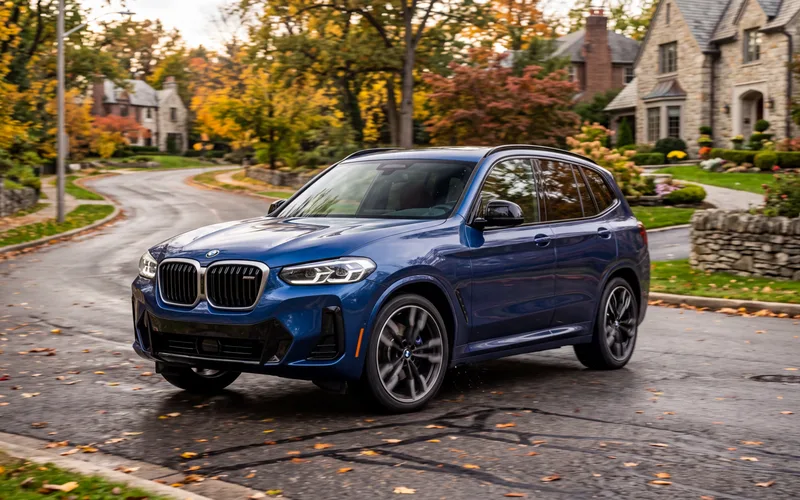 BMW X3Compact Luxury SUVBetter at: Driving engagement
The direct rival almost every GLC shopper drives too — sharper handling, 33 MPG highway, and a nearly identical price and size.
Compare 2.69C+
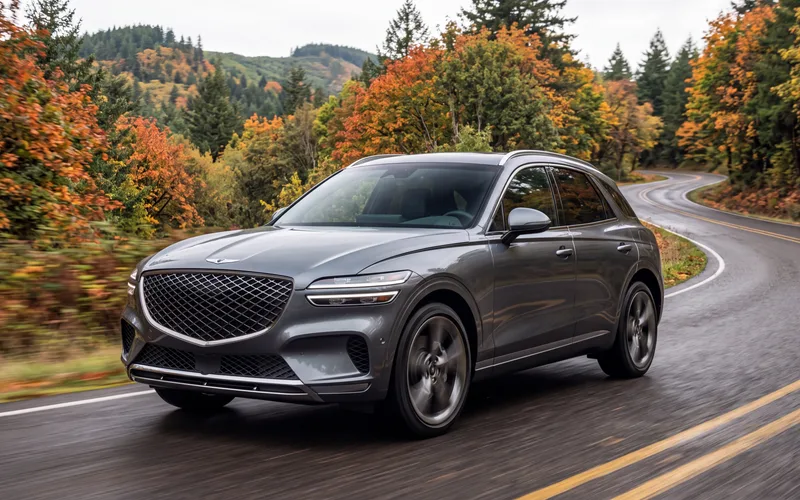 Genesis GV70Compact Luxury SUVBetter at: Value and warranty
Gives you the driver aids, heated and ventilated seats and camera package the GLC bundles into ~$4,000 of options, plus a 10-year powertrain warranty.
Compare 2.63C+
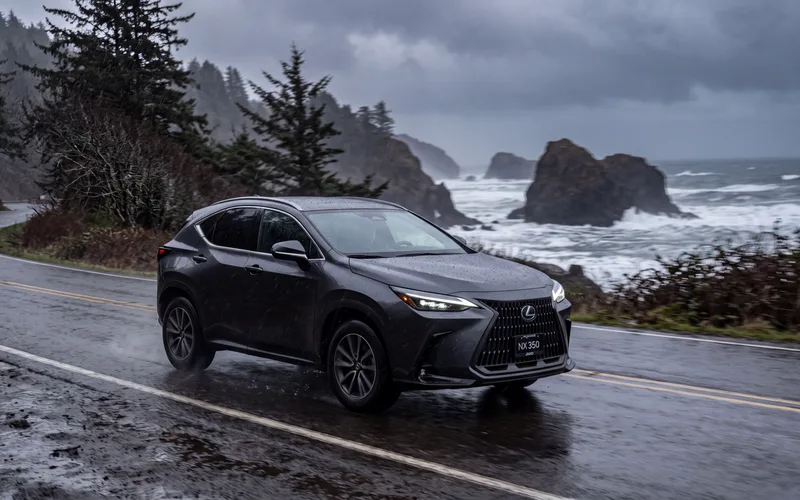 Lexus NXCompact Luxury SUVBetter at: Ownership cost
For buyers keeping the car a decade, Lexus dependability and regular-fuel hybrid running costs beat a bottom-third-reliability German with a 4-year warranty.
CompareHow it's evolved
10 scored model years · 2017–2026
Subject scores by year
Hover or tap a score to see what moved it versus the year before. A corner mark flags a big swing.
| Year | Performance | Efficiency | Safety | Space | Cost | Reliability | Tech | Use-case | Driving | Value |
|---|---|---|---|---|---|---|---|---|---|---|
| 2026 | 55 | 54 | 81 | 51 | 39 | 69 | 83 | 73 | 73 | 80 |
| 2025 | 54 | 49 | 64 | 52 | 37 | 63 | 78 | 61 | 69 | 74 |
| 2024 | 51 | 54 | 63 | 52 | 39 | 61 | 78 | 61 | 69 | 75 |
| 2023 | 49 | 49 | 62 | 52 | 37 | 56 | 78 | 61 | 69 | 71 |
| 2022 | 49 | 38 | 71 | 44 | 41 | 67 | 64 | 58 | 67 | 63 |
| 2021 | 49 | 34 | 70 | 48 | 41 | 61 | 64 | 57 | 67 | 64 |
| 2020 | 51 | 38 | 70 | 46 | 42 | 60 | 61 | 56 | 64 | 66 |
| 2019 | 51 | 38 | 66 | 42 | 44 | 62 | 44 | 55 | 64 | 64 |
| 2018 | 51 | 38 | 66 | 42 | 44 | 59 | 45 | 55 | 64 | 65 |
| 2017 | 49 | 38 | 66 | 41 | 46 | 57 | 43 | 54 | 64 | 65 |
Compare two years
Best fit & conditions
Higher scores mean a better fit for that use case. Learn more about use-case fit →
Subject profile
Academic Probation · NHTSA safety recalls
May 1, 2026Electrical system: instrument cluster/panelThe infotainment control unit may reset while the vehicle is in motion and cause the instrument panel display to go blank.
Defect
Mercedes-Benz USA, LLC (MBUSA) is recalling certain 2024-2026 AMG GT, C-Class, E-Class, SL, CLE, and GLC vehicles. The infotainment control unit may reset while the vehicle is in motion and cause the instrument panel display to go blank.
Risk
An instrument panel display that fails to show critical safety information, such as the speedometer and warning lights, increases the risk of a crash.
Remedy
Dealers will update the infotainment control unit software, free of charge. Owner notification letters were mailed June 29, 2026. MBUSA's number for this recall is 2026050004. Owners may contact MBUSA customer service at 1-800-367-6372. Vehicle Identification Numbers (VINs) involved in this recall will be searchable on NHTSA.gov beginning May 8, 2026.
NHTSA campaign 26V281000 ↗Manufacturer no. 2026050004144,049 vehicles potentially affected (all models in the campaign)Owners notified Jun 29, 2026Filed by Mercedes-Benz USA, LLCFiled as AMG GLC43, AMG GLC43 4MATIC COUPE, AMG GLC43 COUPE, AMG GLC63 S E 4MATIC+, AMG GLC63 S E 4MATIC+ COUPE, GLC 300, GLC 300 4MATIC, GLC 300 4MATIC COUPE, GLC 350 E 4MATICMar 20, 2026Seat belts: rear/otherThe center rear seat belts may have been installed without the child seat protection function and fail to lock a child restraint properly. As such, these vehicles fail to comply with the requirements of Federal Motor Vehicle Safety Standard (FMVSS) number 208, "Occupant Crash Protection," and FMVSS number 209, "Seat Belt Assemblies."
Defect
Mercedes-Benz USA, LLC (MBUSA) is recalling certain 2026 AMG GLC43 4MATIC, GLC 300 4MATIC, GLC 300, and GLC 300 4MATIC Coupe vehicles. The center rear seat belts may have been installed without the child seat protection function and fail to lock a child restraint properly. As such, these vehicles fail to comply with the requirements of Federal Motor Vehicle Safety Standard (FMVSS) number 208, "Occupant Crash Protection," and FMVSS number 209, "Seat Belt Assemblies."
Risk
In the event of a crash, an insufficiently restrained child has an increased risk of injury.
Remedy
Dealers will inspect and replace the center rear seat belt assembly as necessary, free of charge. Owner notification letters were mailed May 15, 2026. Owners may contact MBUSA customer service at 1-800-367-6372. Vehicle Identification Numbers (VINs) involved in this recall will be searchable on NHTSA.gov beginning March 27, 2026.
NHTSA campaign 26V172000 ↗20 vehicles potentially affected (all models in the campaign)Owners notified May 15, 2026Filed by Mercedes-Benz USA, LLCFiled as AMG GLC43 4MATIC, GLC 300, GLC 300 4MATIC, GLC 300 4MATIC COUPEAug 20, 2025Steering: critical fastenersPlease see the recall report for a complete list of models. The steering coupling bolt may have been improperly tightened, allowing the steering coupling to loosen from the steering rack.
Defect
Mercedes-Benz USA, LLC (MBUSA) is recalling certain 2023-2026 EQE and GLC vehicles. Please see the recall report for a complete list of models. The steering coupling bolt may have been improperly tightened, allowing the steering coupling to loosen from the steering rack.
Risk
A loose steering coupling can cause a loss of steering control, increasing the risk of a crash.
Remedy
Dealers will tighten the steering coupling bolts as necessary, free of charge. Owner notification letters were mailed October 6, 2025. Owners may contact MBUSA customer service at 1-800-367-6372.
NHTSA campaign 25V533000 ↗3,749 vehicles potentially affected (all models in the campaign)Owners notified Oct 6, 2025Filed by Mercedes-Benz USA, LLCFiled as AMG GLC43 4MATIC COUPE, AMG GLC63 S E, AMG GLC63 S E 4MATIC+ COUPE, GLC 300, GLC 300 4MATIC, GLC 300 4MATIC COUPE, GLC 350 E 4MATIC, REDUNDANT AMG GLC43 4MATIC
53 recalls on other model years of the GLC (2017–2025)
Jul 24, 2026Latches/locks/linkages: doors: lockPlease refer to MBUSA's recall report for specific model information. The micro-switch in the driver's door lock may corrode and fail to detect an open door, preventing the electronic parking brake or "Auto-Park" feature from engaging automatically. This may result in a vehicle rollaway.
Defect
Mercedes-Benz USA, LLC (MBUSA) is recalling certain 2020-2021 CLA, 2019-2022 A-Class, 2022-2023 C-Class, 2024 CLE, 2020-2026 GLA/GLB, and 2023-2024 GLC vehicles. Please refer to MBUSA's recall report for specific model information. The micro-switch in the driver's door lock may corrode and fail to detect an open door, preventing the electronic parking brake or "Auto-Park" feature from engaging automatically. This may result in a vehicle rollaway.
Risk
A vehicle rollaway increases the risk of a crash or injury.
Remedy
Dealers will replace the driver's door lock, free of charge. Owner notification letters are expected to be mailed September 18, 2026. This will be a phased campaign, with the remedy becoming available in different phases based on model and model years. Owners may contact MBUSA customer service at 1-800-367-6372. Vehicle Identification Numbers (VINs) involved in this recall will be searchable on NHTSA.gov beginning July 31, 2026.
NHTSA campaign 26V481000 ↗310,667 vehicles potentially affected (all models in the campaign)Owners notified Sep 18, 2026Filed by Mercedes-Benz USA, LLCFiled as AMG GLC43 4MATIC, GLC 300, GLC 300 4MATIC, GLC 300 4MATIC COUPEJun 11, 2025Exterior lighting: headlightsThe headlights are missing adjustment prevention caps, which can allow the headlights to be improperly adjusted. As such, these vehicles fail to comply with the requirements of Federal Motor Vehicle Safety Standard number 108, "Lamps, Reflective Devices, and Associated Equipment."
Defect
Mercedes-Benz USA, LLC (MBUSA) is recalling certain 2023 GLC 300 and GLC 300 4MATIC vehicles. The headlights are missing adjustment prevention caps, which can allow the headlights to be improperly adjusted. As such, these vehicles fail to comply with the requirements of Federal Motor Vehicle Safety Standard number 108, "Lamps, Reflective Devices, and Associated Equipment."
Risk
Improperly adjusted headlights can reduce visibility, increasing the risk of a crash.
Remedy
Dealers will inspect the headlights for sealing caps and install caps as necessary, free of charge. Owner notification letters were mailed July 18, 2025. Owners may contact MBUSA customer service at 1-800-367-6372. MBUSA's number for this recall is 2025060005.
NHTSA campaign 25V365000 ↗Manufacturer no. 2025060005127 vehicles potentially affected (all models in the campaign)Owners notified Jul 18, 2025Filed by Mercedes-Benz USA, LLCFiled as GLC 300, GLC 300 4MATICJun 6, 2025Structure: body: roof and pillarsIn certain crash scenarios, where the rear occupant's head contacts the C-pillar, the pillar may not absorb an adequate amount of the impact. As such, these vehicles fail to comply with the requirements of Federal Motor Vehicle Safety Standard (FMVSS) number 201, "Occupant Protection in Interior Impact."
Defect
Mercedes-Benz USA, LLC (MBUSA) is recalling certain 2023-2025 GLC 300, GLC 300 4MATIC, 2024-2025 AMG GLC 43 4MATIC, 2025 GLC 350E 4MATIC, and AMG GLC 63 S E vehicles equipped with a panoramic sunroof. In certain crash scenarios, where the rear occupant's head contacts the C-pillar, the pillar may not absorb an adequate amount of the impact. As such, these vehicles fail to comply with the requirements of Federal Motor Vehicle Safety Standard (FMVSS) number 201, "Occupant Protection in Interior Impact."
Risk
In the event of a crash, insufficient impact protection can increase the risk of injury.
Remedy
Dealers will modify the roof lining and C-pillar trim, free of charge. Owner notification letters were mailed July 9, 2025. Owners may contact MBUSA customer service at 1-800-367-6372.
NHTSA campaign 25V379000 ↗92,851 vehicles potentially affected (all models in the campaign)Owners notified Jul 9, 2025Filed by Mercedes-Benz USA, LLCFiled as AMG GLC63 S E, GLC 300, GLC 300 4MATIC, GLC 350 E 4MATIC, REDUNDANT AMG GLC43 4MATICMay 12, 2025Electrical system: wiring: fuses and circuit breakersAn incorrect fuse box that was not designed for the vehicle may have been installed.
Defect
Mercedes-Benz USA, LLC (MBUSA) is recalling certain 2023-2024 C-Class, E-Class, S-Class, SL, GLC, EQE SUV, EQE, EQS SUV, and EQS vehicles that were incorrectly repaired under recall 24V-115. An incorrect fuse box that was not designed for the vehicle may have been installed.
Risk
An incorrect fuse box can result in a sudden loss of drive power or a loss of critical safety functions such as the restraint systems or instrument cluster, increasing the risk of a crash or injury. Additionally, there could be an increased risk of a fire.
Remedy
Dealers will inspect and replace the main fuse boxes, free of charge. Owner notification letters were mailed June 6, 2025. Owners may contact MBUSA customer service at 1-800-367-6372. MBUSA's number for this recall is 2025050003/4.
NHTSA campaign 25V255000 ↗Manufacturer no. 2025050003/4443 vehicles potentially affected (all models in the campaign)Owners notified Jun 6, 2025Filed by Mercedes-Benz USA, LLCFiled as GLC 300Feb 28, 2025Electrical system: propulsion systemA software error may cause the high-voltage starter alternator control unit to fail, causing a loss of drive power.
Defect
Mercedes-Benz USA, LLC (MBUSA) is recalling certain 2023-2024 AMG GT 63 S E Performance 4-door coupe, 2025 AMG GLC 63 S E Performance, GLC 63 S E Performance Coupe, AMG GT 63 S E Performance, 2023-2025 AMG S 63 E Performance, and 2024-2025 AMG SL 63 S E Performance vehicles with a hybrid powertrain. A software error may cause the high-voltage starter alternator control unit to fail, causing a loss of drive power.
Risk
A loss of drive power increases the risk of a crash.
Remedy
Dealers will update the high-voltage starter alternator control unit software, free of charge. Owner notification letters were mailed April 11, 2025. Owners may contact MBUSA customer service at 1-800-367-6372. MBUSA's number for this recall is 2025030012.
NHTSA campaign 25V129000 ↗Manufacturer no. 20250300122,943 vehicles potentially affected (all models in the campaign)Owners notified Apr 11, 2025Filed by Mercedes-Benz USA, LLCFiled as AMG GLC63 S E, AMG GLC63 S E 4MATIC+ COUPENov 15, 2024Power train: driveline: differential unitThe bolts that secure the rear axle differential to the rear axle carrier may come loose, which can result in a separation of the drive shaft from the rear axle differential.
Defect
Mercedes-Benz USA, LLC (MBUSA) is recalling certain 2024 GLC 300 4MATIC, and S 580 4MATIC vehicles. The bolts that secure the rear axle differential to the rear axle carrier may come loose, which can result in a separation of the drive shaft from the rear axle differential.
Risk
Driveshaft separation can cause a loss of drive power, increasing the risk of a crash.
Remedy
Dealers will repair the rear axle differential bolt connection as necessary, free of charge. Owner notification letters were mailed January 10, 2025. Owners may contact MBUSA customer service at 1-800-367-6372. MBUSA's number for this recall is 2024120005.
NHTSA campaign 24V862000 ↗Manufacturer no. 20241200053 vehicles potentially affected (all models in the campaign)Owners notified Jan 10, 2025Filed by Mercedes-Benz USA, LLCFiled as GLC 300Oct 25, 2024Seats: critical fastenersThe driver's and front passenger seat rail may have been incorrectly attached to the vehicle body.
Defect
Mercedes-Benz USA, LLC (MBUSA) is recalling certain 2023 GLC 300 and GLC 300 4MATIC vehicles. The driver's and front passenger seat rail may have been incorrectly attached to the vehicle body.
Risk
An incorrectly attached seat may not properly restrain the driver during a crash, increasing the risk of injury.
Remedy
Dealers will inspect the bolt connection and tighten the bolts between the driver and front passenger seat rail and the vehicle body, free of charge. Owner notification letters were mailed December 4, 2024. Owners may contact MBUSA customer service at 1-800-367-6372.
NHTSA campaign 24V808000 ↗7 vehicles potentially affected (all models in the campaign)Owners notified Dec 4, 2024Filed by Mercedes-Benz USA, LLCFiled as GLC 300Sep 9, 2024Structure: frame and membersThe integral carrier that supports the engine may fail due to improper welds, which can cause a loss of vehicle control.
Defect
Mercedes-Benz USA, LLC (MBUSA) is recalling certain 2024 GLC 300 and AMG GLC 43 vehicles. The integral carrier that supports the engine may fail due to improper welds, which can cause a loss of vehicle control.
Risk
A loss of vehicle control increases the risk of a crash.
Remedy
Dealers will replace the integral carrier, free of charge. Owner notification letters were mailed October 11, 2024. Owners may contact MBUSA customer service at 1-877-496-3691. MBUSA's number for this recall is 2024090013.
NHTSA campaign 24V658000 ↗Manufacturer no. 20240900134 vehicles potentially affected (all models in the campaign)Owners notified Oct 11, 2024Filed by Mercedes-Benz USA, LLCFiled as AMG GLC43, GLC 300Jul 8, 2024Structure: interior panels: dashboardCertain dashboard area bolts may have been insufficiently tightened, potentially causing improper air bag deployment or parts separation during a crash. In addition, the 12-Volt electric auxiliary heater connections may be loose, possibly causing the electrical wiring to overheat.
Defect
Mercedes-Benz USA, LLC (MBUSA) is recalling certain 2023 GLC 300 4MATIC vehicles. Certain dashboard area bolts may have been insufficiently tightened, potentially causing improper air bag deployment or parts separation during a crash. In addition, the 12-Volt electric auxiliary heater connections may be loose, possibly causing the electrical wiring to overheat.
Risk
An improper air bag deployment increases the risk of injury in a crash. Overheated wiring can increase the risk of a fire.
Remedy
Dealers will inspect and tighten the bolts as necessary, free of charge. Owner notification letters were August 23, 2024. Owner may contact MBUSA customer service at 1-877-496-3691.
NHTSA campaign 24V520000 ↗7 vehicles potentially affected (all models in the campaign)Owners notified Aug 23, 2024Filed by Mercedes-Benz USA, LLCFiled as GLC 300Feb 16, 2024Electrical system: wiring: fuses and circuit breakersThe 80-Amp fuses may have been manufactured incorrectly, which can cause the fuses to fail.
Defect
Mercedes-Benz USA, LLC (MBUSA) is recalling certain 2023-2024 C300, AMG C43, S580e, S580, Maybach S580, Maybach S680, AMG SL43, AMGSL63, GLC300, EQE350, EQE500, EQS450, EQS580, AMG EQS, 2023 S500, AMG SL55, AMG EQE, 2024 E350, E450, AMG C63e S, CLE300 Coupe, CLE450 Coupe, and GLC300 Coupe vehicles. The 80-Amp fuses may have been manufactured incorrectly, which can cause the fuses to fail.
Risk
An 80-Amp fuse that fails can result in a sudden loss of drive power or a loss of critical safety functions such as the restraint systems or instrument cluster, increasing the risk of a crash or injury. Additionally, there could be an increased risk of a fire.
Remedy
Dealers will replace the main fuse boxes, free of charge. Owner notification letters were mailed April 5, 2024. Owners may contact MBUSA customer service at 1-800-367-6372. MBUSA's number for this recall is 2024030008.
NHTSA campaign 24V115000 ↗Manufacturer no. 202403000831,848 vehicles potentially affected (all models in the campaign)Owners notified Apr 5, 2024Filed by Mercedes-Benz USA, LLCFiled as GLC 300Feb 2, 2024Exterior lighting: headlightsThe headlights may be incorrectly adjusted too high and create a glare for oncoming traffic. As such, these vehicles fail to comply with the requirements of Federal Motor Vehicle Safety Standard number 108, "Lamps, Reflective Devices, and Associated Equipment."
Defect
Mercedes-Benz USA, LLC (MBUSA) is recalling certain 2019-2022 GLC 300, 2020 GLC 350e, and 2020-2022 AMG GLC 43 vehicles. The headlights may be incorrectly adjusted too high and create a glare for oncoming traffic. As such, these vehicles fail to comply with the requirements of Federal Motor Vehicle Safety Standard number 108, "Lamps, Reflective Devices, and Associated Equipment."
Risk
Incorrectly aimed headlights can reduce the visibility of oncoming traffic, increasing the risk of a crash.
Remedy
Dealers will inspect the headlight adjustment and correct it if necessary, free of charge. Owner notification letters were mailed February 23, 2024. Owners may contact MBUSA customer service at 1-800-367-6372.
NHTSA campaign 24V070000 ↗15,502 vehicles potentially affected (all models in the campaign)Owners notified Feb 23, 2024Filed by Mercedes-Benz USA, LLCFiled as AMG GLC43, GLC 300, GLC 350 EDec 21, 2023Fuel system, gasoline: delivery: fuel pumpPlease refer to MBUSA's recall report for specific vehicle details. The fuel pump may shutdown, causing a loss of drive power.
Defect
Mercedes-Benz USA, LLC (MBUSA) is recalling certain 2021-2024 GLE, GLS, C-Class, E-Class, S-Class, SL, GLC, CLS, AMG GT, and G-Class vehicles. Please refer to MBUSA's recall report for specific vehicle details. The fuel pump may shutdown, causing a loss of drive power.
Risk
A loss of drive power can increase the risk of a crash.
Remedy
Dealers will replace the fuel pump, free of charge. Owner notification letters were mailed on June 28, 2024. Owner notification letters will be mailed in phases, on February 23, 2024, April 19, 2024, June 28, 2024, August 9, 2024, October 1, 2024, and December 2, 2024. Owners may contact MBUSA customer service at 1-800-367-6372. This recall is an expansion of NHTSA recall number 23V-445.
NHTSA campaign 23V880000 ↗79,676 vehicles potentially affected (all models in the campaign)Owners notified Feb 23, 2024Filed by Mercedes-Benz USA, LLCFiled as AMG GLC43, GLC 300Dec 21, 2023Engine and engine cooling: critical fasteners · Fuel system, gasoline: delivery: fuel pumpThe incorrect screws, installed on the high-pressure fuel pump, may prevent a proper seal from forming between the high-pressure fuel pump and the tandem oil pump.
Defect
Mercedes-Benz USA, LLC (MBUSA) is recalling certain 2023 GLC300, 2024 GLE350, and GLE450 vehicles equipped with an M254 engine. The incorrect screws, installed on the high-pressure fuel pump, may prevent a proper seal from forming between the high-pressure fuel pump and the tandem oil pump.
Risk
An inadequate seal can allow fuel and oil to leak onto the road, creating a hazard for other road users and increasing the risk of a crash. Additionally, a fuel and oil leak in the presence of hot engine components can increase the risk of a fire.
Remedy
Dealers will replace the high-pressure fuel pump, free of charge. Owner notification letters were mailed February 9, 2024. Owners may contact MBUSA customer service at 1-800-367-6372.
NHTSA campaign 23V878000 ↗Manufacturer no. 20240100087 vehicles potentially affected (all models in the campaign)Owners notified Feb 9, 2024Filed by Mercedes-Benz USA, LLCFiled as GLC 300Dec 15, 2023Structure: body: roof and pillarsPlease refer to MBUSA's recall report for specific vehicle details. The front roof panel located between the windshield and the panoramic sunroof may not have been bonded correctly to the vehicle during a prior repair, allowing the front panel to detach from the vehicle.
Defect
Mercedes-Benz USA, LLC (MBUSA) is recalling certain 2014-2020 C-Class, CLA, GLA, S-Class, GLC, and GLE vehicles. Please refer to MBUSA's recall report for specific vehicle details. The front roof panel located between the windshield and the panoramic sunroof may not have been bonded correctly to the vehicle during a prior repair, allowing the front panel to detach from the vehicle.
Risk
A detached roof panel can become a road hazard, increasing the risk of a crash.
Remedy
Dealers will replace the front panel, free of charge. Owner notification letters were mailed on August 2, 2024. Owner notification letters will be mailed in phases, on, March 22,2024, and August 2, 2024. Owners may contact MBUSA customer service at 1-800-367-6372. This recall is an expansion of NHTSA recall number 21V-197.
NHTSA campaign 23V854000 ↗2,976 vehicles potentially affected (all models in the campaign)Owners notified Mar 22, 2024Filed by Mercedes-Benz USA, LLCFiled as AMG GLC43, AMG GLC63, GLC 300, GLC 350 E, GLC300, GLC350ENov 3, 2023Structure · Visibility: windshieldThe front, rear, and fixed side windows may not be properly secured and can detach. In addition, the front air bags may not be properly supported by the windshield during deployment.
Defect
Mercedes-Benz USA, LLC (MBUSA) is recalling certain 2024 GLC 300 vehicles. The front, rear, and fixed side windows may not be properly secured and can detach. In addition, the front air bags may not be properly supported by the windshield during deployment.
Risk
Detached windows may cause a road hazard and increase the risk of a crash or injury. Improperly supported air bags can increase the risk of injury during a crash.
Remedy
Dealers will inspect and replace the front, rear, and fixed side windows, as necessary, free of charge. Owner notification letters were mailed December 15, 2024. Owners may contact MBUSA customer service at 1-800-367-6372. MBUSA's number for this recall is 2023110003.
NHTSA campaign 23V741000 ↗Manufacturer no. 20231100037 vehicles potentially affected (all models in the campaign)Owners notified Dec 15, 2023Filed by Mercedes-Benz USA, LLCFiled as GLC 300Sep 11, 2023Trailer hitchesThe front tow eye may be inadequately threaded to the crossmember and can detach during towing.
Defect
Mercedes-Benz USA, LLC (MBUSA) is recalling certain 2023 GLC300 vehicles. The front tow eye may be inadequately threaded to the crossmember and can detach during towing.
Risk
A detached tow eye can separate the vehicle from the tow truck, increasing the risk of a crash or injury.
Remedy
Dealers will inspect and replace the front crossmember, as necessary, free of charge. Owner notification letters were mailed January 26, 2024. Owners may contact MBUSA customer service at 1-800-367-6372. MBUSA's numbers for this recall are 2023090010/120002.
NHTSA campaign 23V629000 ↗Manufacturer no. 2023090010/12000212,118 vehicles potentially affected (all models in the campaign)Owners notified Jan 26, 2024Filed by Mercedes-Benz USA, LLCFiled as GLC 300Jun 26, 2023Fuel system, gasoline: delivery: fuel pumpPlease refer to MBUSA's recall report for specific vehicle details. The fuel pump may shutdown, which can result in a loss of drive power.
Defect
Mercedes-Benz USA, LLC (MBUSA) is recalling certain 2021-2023 C-Class, E-Class, S-Class, CLS, SL, GT, GLC, GLE, GLS, and G-Class vehicles. Please refer to MBUSA's recall report for specific vehicle details. The fuel pump may shutdown, which can result in a loss of drive power.
Risk
A loss of drive power can increase the risk of a crash.
Remedy
Dealers will replace the fuel pump, free of charge. Owner notification letters were mailed on June 14, 2024. Owners may contact MBUSA customer service at 1-800-367-6372. MBUSA's number for this recall is 2023070012.
NHTSA campaign 23V445000 ↗Manufacturer no. 2023070012143,551 vehicles potentially affected (all models in the campaign)Owners notified Sep 29, 2023Filed by Mercedes-Benz USA, LLCFiled as AMG GLC43, AMG GLC63, AMG GLC63 S, GLC 300Jul 11, 2022Power train: automatic transmissionThe transmission wiring harness may be routed improperly, allowing it to chafe against the front drive shaft, which can cause loss of drive power.
Defect
Mercedes-Benz USA, LLC (MBUSA) is recalling certain 2020 GLC350E4 vehicles. The transmission wiring harness may be routed improperly, allowing it to chafe against the front drive shaft, which can cause loss of drive power.
Risk
A loss of drive power can increase the risk of a crash.
Remedy
Dealers will inspect and replace the transmission wiring harness, as necessary, free of charge. Owner notification letters were mailed August 26, 2022. Owners may contact MBUSA customer service at 1-800-367-6372. MBUSA's number for this recall is 2022080001.
NHTSA campaign 22V494000 ↗Manufacturer no. 20220800011,168 vehicles potentially affected (all models in the campaign)Owners notified Aug 26, 2022Filed by Mercedes-Benz USA, LLCFiled as GLC 350 EMay 20, 2022Communication: auto crash notification · Electrical system: softwarePlease refer to MBUSA's recall report for specific vehicle model details. An error in the communication module's SIM card software can cause a mobile network connection failure, disabling the emergency call (eCall) system.
Defect
Mercedes-Benz USA, LLC (MBUSA) is recalling certain 2017-2022 CLA-Class, GLA-Class, GLE-Class, GLS-Class, SLC-Class, A-Class, AMG GT-Class, C-Class, E-Class, S-Class, SL-Class, GLC-Class, CLS-Class, GLB-Class, and G-Class vehicles. Please refer to MBUSA's recall report for specific vehicle model details. An error in the communication module's SIM card software can cause a mobile network connection failure, disabling the emergency call (eCall) system.
Risk
A disabled eCall system would prevent a vehicle occupant from contacting the emergency services call center in an emergency, potentially delaying emergency responders and increasing the risk of injury.
Remedy
The communication module software will be updated through an Over-the-Air (OTA) update or by a dealer, free of charge. Owner notification letters were mailed July 8, 2022. Owner notification letters will be mailed in phases, on July 8, 2022, May 17, 2024, July 29, 2024, and September 27, 2024. Owners may contact MBUSA customer service at 1-800-367-6372. MBUSA's numbers are for this recall is 2022060005 and 2023110006.
NHTSA campaign 22V365000 ↗Manufacturer no. See Recall Schedule242,722 vehicles potentially affected (all models in the campaign)Owners notified Jul 8, 2022Filed by Mercedes-Benz USA, LLCFiled as AMG GLC43, AMG GLC63, GLC 300, GLC 350Apr 15, 2022Exterior lighting: headlightsThe electrical connection for the headlights may not be watertight, which can result in headlight failure.
Defect
Mercedes-Benz USA, LLC (MBUSA) is recalling certain 2021 GLC 300, GLC 300 4Matic, AMG GLC 63 4Matic, AMG GLC 63 S 4Matic, and AMG GLC 43 4Matic vehicles. The electrical connection for the headlights may not be watertight, which can result in headlight failure.
Risk
Headlight failure can decrease visibility for both the driver and surrounding traffic, increasing the risk of a crash.
Remedy
Dealers will inspect and replace the headlight sealing plugs, as necessary, free of charge. Owner notification letters were mailed June 3, 2022. Owners may contact MBUSA customer service at 1-800-367-6372. MBUSA's number for this recall is 2022050005.
NHTSA campaign 22V261000 ↗Manufacturer no. 2022050005129 vehicles potentially affected (all models in the campaign)Owners notified Jun 3, 2022Filed by Mercedes-Benz USA, LLCFiled as AMG GLC43, AMG GLC63, AMG GLC63 S, GLC 300Apr 8, 2022Back over prevention: display functionPlease refer to MBUSA's recall report for specific vehicle model details. The rearview camera may not display the rearview image due to a software error. As such, these vehicles fail to comply with the requirements of Federal Motor Vehicle Safety Standard number 111, "Rear Visibility."
Defect
Mercedes-Benz USA, LLC (MBUSA) is recalling certain 2018-2021 CLA-Class, GLE/GLS-Class, A-Class, C-Class, E-Class, E-Class Coupe/Convertible, GLA/GLB-Class, GLC-Class, and CLS-Class vehicles. Please refer to MBUSA's recall report for specific vehicle model details. The rearview camera may not display the rearview image due to a software error. As such, these vehicles fail to comply with the requirements of Federal Motor Vehicle Safety Standard number 111, "Rear Visibility."
Risk
An inoperable rearview camera display reduces the driver's rear view, increasing the risk of a crash.
Remedy
Dealers will update the rearview camera software, free of charge. Owner notification letters were mailed July 15, 2022. Owners may contact MBUSA customer service at 1-800-367-6372. MBUSA's number for this recall is 2022060007.
NHTSA campaign 22V232000 ↗Manufacturer no. 2022060007126,443 vehicles potentially affected (all models in the campaign)Owners notified Jul 15, 2022Filed by Mercedes-Benz USA, LLCFiled as AMG GLC43, AMG GLC63, AMG GLC63 S, GLC 300, GLC 350 EDec 13, 2021Fuel system, gasoline: fuel injection system: fuel rail · Fuel system, gasoline: fuel injection system: injectorsDuring the manufacturing process, particles may have been trapped between the fuel rail and injectors, which can cause a fuel leak.
Defect
Mercedes-Benz USA, LLC (MBUSA) is recalling certain 2019 AMG G63, C300, E300, G550, AMG GT63, AMG GT53, 2019-2020 A220, GLA250, GLC300, 2016 C300, 2020 AMG A35, AMG C43, AMG C63, CLA250, E350, E450, GLB250, GLE450, GLS450, GLS580, S560, and SL550 vehicles equipped with a gasoline engine. During the manufacturing process, particles may have been trapped between the fuel rail and injectors, which can cause a fuel leak.
Risk
A fuel leak in the presence of an ignition source, such as hot engine or exhaust components, can increase the risk of a fire.
Remedy
Dealers will replace the fuel rail and fuel injectors, free of charge. Owner notification letters were mailed April 22, 2022. Owners may contact MBUSA customer service at 1-800-367-6372. MBUSA's number for the recall is 2022030003.
NHTSA campaign 21V961000 ↗Manufacturer no. 2022030003139 vehicles potentially affected (all models in the campaign)Owners notified Apr 22, 2022Filed by Mercedes-Benz USA, LLCFiled as GLC 300Jul 12, 2021Air bags: sensor: side impactThe side crash sensor connectors may come loose, which could delay the activation of air bags and seatbelts during a side impact crash.
Defect
Mercedes-Benz USA, LLC (MBUSA) is recalling certain 2021 CLS450, AMG E53, AMG CLS53, E350, E450, AMG GT43, AMG GT53, 2020 S450, S560, G550, AMG GLC63, 2020-2021 GLC300, and AMG G63 vehicles. The side crash sensor connectors may come loose, which could delay the activation of air bags and seatbelts during a side impact crash.
Risk
Air bags and seatbelts that don't function as intended can increase the risk of injury during a crash.
Remedy
Dealers will inspect and replace as necessary, the side impact crash sensors, free of charge. Owner notification letters were mailed on September 3, 2021. Owners may contact MBUSA customer service at 1-800-367-6372. MBUSA's number for this recall is 2021070032/33.
NHTSA campaign 21V527000 ↗Manufacturer no. 2021070032/33542 vehicles potentially affected (all models in the campaign)Owners notified Sep 3, 2021Filed by Mercedes-Benz USA, LLCFiled as AMG GLC63, GLC 300May 14, 2021Back over prevention: sensing system: camera · Electrical system: softwarePlease refer to MBUSA's recall report for specific vehicle model details. The MBUX multimedia system software may cause the display to remain black, or reboot after startup. This could result in the rearview camera image not displaying properly. As such, these vehicles fail to comply with the requirements of Federal Motor Vehicle Safety Standard (FMVSS) number 111, "Rear Visibility."
Defect
Mercedes-Benz USA, LLC (MBUSA) is recalling certain 2019-2021 CLA-Class, GLE/GLS-Class, A-Class, E-Class, E-Class Coupe and Convertible, GLA/GLB-Class, GLC-Class, CLS-Class, and AMG GT-Class 4-door Coupe vehicles. Please refer to MBUSA's recall report for specific vehicle model details. The MBUX multimedia system software may cause the display to remain black, or reboot after startup. This could result in the rearview camera image not displaying properly. As such, these vehicles fail to comply with the requirements of Federal Motor Vehicle Safety Standard (FMVSS) number 111, "Rear Visibility."
Risk
A backup camera that displays a blank image reduces the driver's rear view, increasing the risk of a crash or injury.
Remedy
The multimedia system software will be updated by a dealer, or through an over-the-air (OTA) update, free of charge. Owner notification letters were mailed beginning June 28, 2021. Owners may contact MBUSA customer service at 1-800-367-6373. MBUSA's number for this recall is 2021050012.
NHTSA campaign 21V354000 ↗Manufacturer no. 2021050012343,191 vehicles potentially affected (all models in the campaign)Owners notified Jun 28, 2021Filed by Mercedes-Benz USA, LLCFiled as AMG GLC43, AMG GLC63, GLC 300, GLC 350 EApr 1, 2021Air bags: sensor: occupant classification · Seat belts: pretensioner · SeatsPlease refer to MBUSA's recall report for specific vehicle model details. A faulty electrical contact within the seat position switch may prevent the driver and passenger air bags and seat belt force limiters from properly activating during a crash.
Defect
Mercedes-Benz USA, LLC (MBUSA) is recalling certain 2021 C-Class, E-Class, E-Class Coupe and Convertible, GLC, CLS, AMG GT 4-door Coupe and G-Class vehicles. Please refer to MBUSA's recall report for specific vehicle model details. A faulty electrical contact within the seat position switch may prevent the driver and passenger air bags and seat belt force limiters from properly activating during a crash.
Risk
Air bags and seat belts that do not perform properly in a crash can increase the risk of injury.
Remedy
MBUSA will notify owners, and dealers will replace the seat position switches, free of charge. Owner letters were mailed May 21, 2021. Owners may contact MBUSA customer service at 1-800-367-6372. MBUSA's number for this recall is 2021040016.
NHTSA campaign 21V230000 ↗Manufacturer no. 20210400168,634 vehicles potentially affected (all models in the campaign)Owners notified May 21, 2021Filed by Mercedes-Benz USA, LLCFiled as AMG GLC43, AMG GLC63, AMG GLC63 S, GLC 300Mar 19, 2021Structure: body: roof and pillarsThe front roof panel located between the windshield and the panoramic sunroof may not have been bonded correctly to the vehicle during a prior repair.
Defect
Mercedes-Benz USA, LLC (MBUSA) is recalling certain 2017-2020 C300 Coupe, C43 Coupe AMG, C43 AMG, 2015-2020 C300, GLA250, 2016-2018 C350e, CLA45 Coupe AMG, 2015 C400, S65 AMG, 2015-2019 C63 AMG, 2016 C450, 2015-2016 GLA45 AMG, S600, 2016-2020 GLC300, 2017-2019 GLC43 AMG, GLE43 Coupe AMG, 2014-2019 CLA250 Coupe, 2014-2015 CLA45 AMG, 2018 GLC63 AMG, 2014-2017 S550, 2018-2020 S450, 2016-2019 GLE63 Coupe AMG, 2016 GLE450 Coupe, 2014-2020 S63 AMG, 2018-2019 S560, and 2019 GLC350e vehicles equipped with a panoramic sunroof. The front roof panel located between the windshield and the panoramic sunroof may not have been bonded correctly to the vehicle during a prior repair.
Risk
The adhesive bonding of the front panel might deteriorate, possibly causing the front panel to detach from the vehicle and become a road hazard, increasing the risk of a crash.
Remedy
Mercedes-Benz dealer will remove the bonded panel and will install a new front panel by following the detailed repair instructions and using the approved primer, cleaner and adhesive, free of charge. Owner notification letters were mailed on September 3, 2021 and October 26, 2021. Owners may contact MBUSA customer service at 1-800-367-6372.
NHTSA campaign 21V197000 ↗Manufacturer no. 202107001015,096 vehicles potentially affected (all models in the campaign)Owners notified Sep 3, 2021Filed by Mercedes-Benz USA, LLCFiled as AMG GLC43, AMG GLC63, GLC 300, GLC300, GLC350EFeb 12, 2021Communication · Communication: auto crash notificationOn June 18, 2021, an additional 9 vehicles were added, including certain 2021 GLA250, GLC300, 2018 S450, E400, and 2017 CLA250 vehicles. The communication module might have been inadvertently deactivated during a service visit, which could have disabled the Emergency Call (eCall) function.
Defect
Mercedes-Benz USA, LLC (MBUSA) is recalling certain 2017-2019 C300, E300, 2018-2020 CLA250, 2020 CLS450, AMG E53, AMG GT53, GLE450, 2018 AMG E63, AMG GTA, 2017-2020 GLA250, GLC300, 2019 GLC350, AMG GLC43, 2017-2018 GLE350, 2019 AMG GLC 43, GLC350, GLE400, 2017 GLS450, S550, C300 Cabrio, and 2018-2019 S560 vehicles. On June 18, 2021, an additional 9 vehicles were added, including certain 2021 GLA250, GLC300, 2018 S450, E400, and 2017 CLA250 vehicles. The communication module might have been inadvertently deactivated during a service visit, which could have disabled the Emergency Call (eCall) function.
Risk
A disabled eCall system would prevent a vehicle occupant from contacting emergency services through the call center in an emergency, potentially delaying emergency responders and increasing the risk of injury.
Remedy
MBUSA will notify owners, and dealers will inspect the communication module and activate it, if necessary, free of charge. The recall began March 31, 2021. Letters for the owners of the 9 additional vehicles were mailed July 9, 2021. Owners may contact MBUSA customer service at 1-800-367-6372. MBUSA's number for this recall is 2021030005.
NHTSA campaign 21V072000 ↗Manufacturer no. 202103000567 vehicles potentially affected (all models in the campaign)Owners notified Mar 31, 2021Filed by Mercedes-Benz USA, LLCFiled as AMG GLC43, GLC 300, GLC 350, GLC300Feb 5, 2021Communication: auto crash notification · Electrical system: softwarePlease refer to the Part 573 report for specific vehicle model details. The software design of the communication module may fail to communicate the correct vehicle location for the emergency call system (eCall) in the event of a crash.
Defect
Mercedes-Benz USA, LLC (MBUSA) is recalling certain 2016 - 2021 CLA-Class, GLA-Class, GLE-Class, GLS-Class, SLC-Class, A-Class, GT-Class, C-Class, E-Class, S-Class, CLS-Class, SL-Class, B-Class, GLB-Class, GLC-Class, and G-Class vehicles. Please refer to the Part 573 report for specific vehicle model details. The software design of the communication module may fail to communicate the correct vehicle location for the emergency call system (eCall) in the event of a crash.
Risk
Failure of the eCall system may result in emergency responders being dispatched to the wrong location, increasing the risk of injury following a crash.
Remedy
MBUSA will notify owners, and the communication module software will be updated by a dealer, or through an over-the-air (OTA) update, free of charge. The recall began March 12, 2021. Owners may contact MBUSA customer service at 1-877-762-8267. MBUSA's number for this recall is 2021020025.
NHTSA campaign 21V058000 ↗Manufacturer no. 20210200251,292,258 vehicles potentially affected (all models in the campaign)Owners notified Mar 12, 2021Filed by Mercedes-Benz USA, LLCFiled as AMG GLC43, AMG GLC63, GLC 300, GLC 350, GLC300Dec 11, 2020Electrical system: starter assemblyThe power supply cable on the starter might not have been installed correctly, possibly allowing the cable to chafe against the starter housing and short-circuit.
Defect
Mercedes-Benz USA, LLC (MBUSA) is recalling certain 2018-2020 AMG GLC 63 4MATIC vehicles. The power supply cable on the starter might not have been installed correctly, possibly allowing the cable to chafe against the starter housing and short-circuit.
Risk
If the power supply cable short-circuits, it can result in a stall, increasing the risk of a crash. In addition, a short-circuit can increase the risk of a fire.
Remedy
MBUSA will notify owners, and dealers will inspect the starter harness and power supply cable installation, and correct it as necessary, free of charge. The recall began March 18, 2021. Owners may contact MBUSA customer service at 1-800-367-6372. MBUSA's number for this recall is 2021010006.
NHTSA campaign 20V776000 ↗Manufacturer no. 20210100062,563 vehicles potentially affected (all models in the campaign)Owners notified Mar 18, 2021Filed by Mercedes-Benz USA, LLCFiled as AMG GLC63Oct 23, 2020Steering: electric power assist systemThe power steering control unit wiring harness may have been damaged during the production process, possibly resulting in a loss of power steering assist or an electrical short-circuit.
Defect
Mercedes-Benz USA, LLC. (MBUSA) is recalling certain 2020 GLC300, GLC350e, GLC43 AMG, and GLC63 AMG vehicles. The power steering control unit wiring harness may have been damaged during the production process, possibly resulting in a loss of power steering assist or an electrical short-circuit.
Risk
A loss of power steering assist can increase the risk of a crash. Additionally, If the wiring harness short-circuits, there is an increased risk of a fire.
Remedy
MBUSA will notify owners, and dealers will inspect the wiring harness, and replace it if necessary, free of charge. The recall began December 11, 2020. Owners may contact MBUSA customer service at 1-800-367-6372. MBUSA's number for this recall is 2020110012.
NHTSA campaign 20V651000 ↗Manufacturer no. 20201100122,533 vehicles potentially affected (all models in the campaign)Owners notified Dec 11, 2020Filed by Mercedes-Benz USA, LLC.Filed as AMG GLC43, AMG GLC63, GLC 300, GLC 350 EOct 2, 2020Electrical system: propulsion system: cablesThe high-voltage wiring harness shield may not withstand the electrical loads produced under certain driving conditions, possibly causing an electrical malfunction and resulting in a stall.
Defect
Mercedes-Benz USA, LLC. (MBUSA) is recalling certain 2020 GLC 350e hybrid electric vehicles. The high-voltage wiring harness shield may not withstand the electrical loads produced under certain driving conditions, possibly causing an electrical malfunction and resulting in a stall.
Risk
A vehicle stall can increase the risk of a crash.
Remedy
MBUSA will notify owners, and dealers will replace the high-voltage wiring harness, free of charge. The recall began December 11, 2020. Owners may contact MBUSA customer service at 1-800-367-6372. MBUSA's number for this recall is 2020110008.
NHTSA campaign 20V607000 ↗Manufacturer no. 20201100087 vehicles potentially affected (all models in the campaign)Owners notified Dec 11, 2020Filed by Mercedes-Benz USA, LLC.Filed as GLC 350 EJul 6, 2020Electrical system: software · Electronic stability control (esc)An incorrect Electronic Stability Program (ESP) software version may cause the ESP system to react inaccurately. On December 18, 2020, an additional 360 vehicles were added to the recall population.
Defect
Mercedes-Benz USA, LLC. (MBUSA) is recalling certain 2019-2020 C63 AMG, C63 AMG S, AMG GT 53, AMG GT 63, AMG GT 63 S, and 2020 GLC 63 AMG, GLC 63 AMG S vehicles. An incorrect Electronic Stability Program (ESP) software version may cause the ESP system to react inaccurately. On December 18, 2020, an additional 360 vehicles were added to the recall population.
Risk
If the ESP does not react properly to a driving situation, it may increase the risk of a crash.
Remedy
MBUSA will notify owners, and dealers will update the ESP software, free of charge. The recall began August 28, 2020. Letters for the owners of the 360 additional vehicles were mailed January 15, 2021. Owners may contact MBUSA customer service at 1-800-367-6372. MBUSA's number for this recall is 2020080016.
NHTSA campaign 20V395000 ↗Manufacturer no. 20200800165,399 vehicles potentially affected (all models in the campaign)Owners notified Aug 28, 2020Filed by Mercedes-Benz USA, LLC.Filed as AMG GLC63, AMG GLC63 SJun 22, 2020Engine and engine cooling: engine: gasoline: turbo/superchargerThe screws that retain the turbocharger oil feed and return lines may not have been properly tightened, possibly resulting in an oil leak.
Defect
Mercedes-Benz USA, LLC. (MBUSA) is recalling certain 2020 C300, E350, and GLC300 vehicles equipped with turbocharged 4-cylinder gasoline engines. The screws that retain the turbocharger oil feed and return lines may not have been properly tightened, possibly resulting in an oil leak.
Risk
An oil leak in the presence of an ignition source such as hot engine or exhaust components can increase the risk of a fire.
Remedy
MBUSA will notify owners, and dealers will inspect the turbocharger oil lines and tighten them as necessary, free of charge. The recall began August 17, 2020. Owners may contact MBUSA customer service at 1-800-367-6372. MBUSA's number for this recall is 2020070017.
NHTSA campaign 20V364000 ↗Manufacturer no. 202007001790 vehicles potentially affected (all models in the campaign)Owners notified Aug 17, 2020Filed by Mercedes-Benz USA, LLC.Filed as GLC 300Jun 5, 2020Seats: mid/rear assemblyThe left-rear seatback latch may not be strong enough to withstand certain loads. If cargo were to strike the left-rear seatback, the latch may fail.
Defect
Mercedes-Benz USA, LLC. (MBUSA) is recalling certain 2020 E450, AMG E63S, GLC300, AMG GLC43, AMG GLC63, AMG GT53, and AMG GT63 vehicles equipped with rear seatbacks that can be electrically unlatched. The left-rear seatback latch may not be strong enough to withstand certain loads. If cargo were to strike the left-rear seatback, the latch may fail.
Risk
In the event of a crash, if the left-rear seatback latch fails, it can increase the risk of injury.
Remedy
MBUSA will notify owners, and dealers will replace the left-rear seatback latch, free of charge. The recall began August 17, 2020. Owners may contact MBUSA customer service at 1-800-367-6372. MBUSA's number for this recall is 2020070004.
NHTSA campaign 20V328000 ↗Manufacturer no. 20200700041,352 vehicles potentially affected (all models in the campaign)Owners notified Aug 17, 2020Filed by Mercedes-Benz USA, LLC.Filed as AMG GLC43, AMG GLC63, GLC 300Feb 7, 2020CommunicationAn electrical circuit inside the Emergency Call System (eCall) communication module may be damaged, potentially relaying an inaccurate vehicle location.
Defect
Mercedes-Benz USA, LLC. (MBUSA) is recalling certain 2020 C300 Cabrio, C300 Cabrio 4MATIC, C300 Coupe, C43 AMG Cabrio 4MATIC, C43 AMG Coupe 4MATIC, C63S AMG Cabrio, CLS53 AMG 4MATIC, E350, E350 4MATIC, E450 Cabrio, E450 Cabrio 4MATIC, E450 Coupe, E450 Coupe 4MATIC, E450 4MATIC, E53 AMG Cabrio 4MATIC, GLC300 Coupe 4MATIC, GLC300, GLC300 4MATIC, GLC63 AMG Coupe 4MATIC, AMG GT63 4-Door 4MATIC, and AMG GT63S 4-Door 4MATIC vehicles. An electrical circuit inside the Emergency Call System (eCall) communication module may be damaged, potentially relaying an inaccurate vehicle location.
Risk
An inaccurate vehicle location may delay emergency responders, increasing the risk of injury.
Remedy
MBUSA will notify owners, and dealers will replace the communication module, free of charge. The recall began April 14, 2020. Owners may contact MBUSA customer service at 1-800-367-6372. MBUSA's number for this recall is 2020030016.
NHTSA campaign 20V068000 ↗Manufacturer no. 2020030016239 vehicles potentially affected (all models in the campaign)Owners notified Apr 14, 2020Filed by Mercedes-Benz USA, LLC.Filed as AMG GLC63, GLC 300Dec 20, 2019Equipment: other: labelsThe passenger side sun visor may have incorrect air bag warning labels, written in a foreign language. As such, these vehicles fail to comply with the requirements of Federal Motor Vehicle Safety Standard (FMVSS) number 208, "Occupant Crash Protection."
Defect
Mercedes-Benz USA, LLC. (MBUSA) is recalling certain 2019 GLC 300 4MATIC coupe, AMG GLC 43 Coupe, AMG GLC 43, AMG GLC 63, GLC 300, GLC 350e 4MATIC, GLC300 4MATIC, AMG GLC 63 Coupe, and AMG GLC 63 S Coupe vehicles. The passenger side sun visor may have incorrect air bag warning labels, written in a foreign language. As such, these vehicles fail to comply with the requirements of Federal Motor Vehicle Safety Standard (FMVSS) number 208, "Occupant Crash Protection."
Risk
If an air bag label is in a foreign language, an occupant may not be aware of the risks to children sitting in the front seat, increasing the risk of injury in the event of a crash.
Remedy
MBUSA will notify owners, and dealers will inspect the air bag warnings and replace them, as necessary, free of charge. The recall began March 3, 2020. Owners may contact MBUSA customer service at 1-800-367-6372. MBUSA's number for this recall is 2020020014.
NHTSA campaign 19V914000 ↗Manufacturer no. 202002001410,041 vehicles potentially affected (all models in the campaign)Owners notified Mar 3, 2020Filed by Mercedes-Benz USA, LLC.Filed as AMG GLC43, AMG GLC63, AMG GLC63S, GLC 300, GLC350ENov 18, 2019Steering: electric power assist systemThe electrical connection between the power steering electric motor and the control unit may fail, resulting in the loss of electric power steering assist.
Defect
Mercedes-Benz USA, LLC. (MBUSA) is recalling certain 2019 GLC300 and GLC300 4MATIC vehicles. The electrical connection between the power steering electric motor and the control unit may fail, resulting in the loss of electric power steering assist.
Risk
A loss of power steering assist would require a greater steering effort to control the vehicle, increasing the risk of a crash.
Remedy
MBUSA will notify owners, and dealers will replace the electric power steering control unit, free of charge. The recall began December 20, 2019. Owners may contact MBUSA customer service at 1-800-367-6372. MBUSA's number for this recall is 2019110014.
NHTSA campaign 19V822000 ↗Manufacturer no. 20191100143 vehicles potentially affected (all models in the campaign)Owners notified Dec 20, 2019Filed by Mercedes-Benz USA, LLC.Filed as GLC 300Nov 1, 2019Seat beltsAlthough correctly fastened, the front seat belts may be inaccurately detected as being unfastened, which may cause the electric PRE-SAFE®-function and the pretensioner to be deactivated.
Defect
Mercedes-Benz USA, LLC. (MBUSA) is recalling certain 2018 E400 Wagon 4MATIC, E400 4MATIC, E43 AMG 4MATIC, 2018-2019 E63S AMG 4MATIC Wagon, E63 AMG 4MATIC Wagon, E300, E300 4MATIC, GLC63S Coupe AMG 4MATIC, 2019 CLS450, CLS450 4MATIC, CLS53 AMG 4MATIC, E450 Wagon, E53 AMG 4MATIC, GLC300, GLC63 AMG Coupe 4MATIC, G550 4MATIC, G63 AMG, GLC300 Coupe 4MATIC, GLC300 4MATIC, GLC350e 4MATIC, GLC43 AMG Coupe 4MATIC, GLC43 AMG 4MATIC, GLC63 AMG 4MATIC, GT63 AMG four-door 4MATIC, and GT63S AMG four-door 4MATIC vehicles. Although correctly fastened, the front seat belts may be inaccurately detected as being unfastened, which may cause the electric PRE-SAFE®-function and the pretensioner to be deactivated.
Risk
The electric PRE-SAFE®-function and the seat belt pretensioners may not deploy during a crash, increasing the risk of injury.
Remedy
MBUSA will notify owners, and dealers will inspect the front seat belt buckles, replacing them as necessary, free of charge. The recall began March 13, 2020. Owners may contact MBUSA customer service at 1-800-367-6372. MBUSA's number for this recall is 2020020017.
NHTSA campaign 19V788000 ↗Manufacturer no. 202002001729,720 vehicles potentially affected (all models in the campaign)Owners notified Mar 13, 2020Filed by Mercedes-Benz USA, LLC.Filed as AMG GLC43, AMG GLC63, AMG GLC63S, GLC 300, GLC350ESep 27, 2019Air bags: frontal: driver side: inflator moduleThe driver's side front airbag modules may not have been properly bolted down.
Defect
Mercedes-Benz USA, LLC. (MBUSA) is recalling certain 2019-2020 A 220 and A 220 4MATIC, 2020 CLA 250, CLA 250 4 MATIC, GLC 300 Coupe 4MATIC, GLC 300 and GLC 300 4MATIC vehicles. The driver's side front airbag modules may not have been properly bolted down.
Risk
In the event of a crash necessitating deployment of the driver's front airbag, the airbag may not deploy properly, increasing the risk of injury.
Remedy
MBUSA will notify owners, and dealers will inspect the driver airbag module and replace it, as necessary, free of charge. The recall began October 29, 2019. Owners may contact MBUSA customer service at 1-800-367-6372. MBUSA's number for this recall is 2019100001.
NHTSA campaign 19V685000 ↗Manufacturer no. 20191000012,222 vehicles potentially affected (all models in the campaign)Owners notified Oct 29, 2019Filed by Mercedes-Benz USA, LLC.Filed as GLC 300Jul 19, 2019Forward collision avoidance: sensing system: radarA software error in the radar sensor control unit may impair the functionality of the Active Brake Assist.
Defect
Mercedes-Benz USA, LLC. (MBUSA) is recalling certain 2019 C300 Cabrio, C300A Cabrio 4MATIC, C300 Coupe, C300 Coupe 4MATIC, C300, C300 4MATIC, C43 AMG Cabrio 4MATIC, C43 AMG Coupe 4MATIC, C43 AMG 4MATIC, C63 AMG Cabrio, C63S AMG Cabrio, C63 AMG Coupe, C63S AMG Coupe, C63 AMG, C63S AMG, CLS450, CLS450 4MATIC, CLS53 AMG 4MATIC, E300, E300 4MATIC, E450 Cabrio, E450 Cabrio 4MATIC, E450 Coupe, E450 Coupe 4MATIC, E450 Wagon 4MATIC, E450 4MATIC, E53 AMG Cabrio 4MATIC, E53 AMG Coupe 4MATIC, E53 AMG 4MATIC, E63S AMG 4MATIC, E63S AMG Wagon 4MATIC, S450, S450 4MATIC, S560 Cabrio, S560 Coupe 4MATIC, S560, S560 4MATIC, S560 4MATIC Maybach, S63 AMG Cabrio 4MATIC, S63 AMG Coupe 4MATIC, S63 AMG 4MATIC, S65 AMG Cabrio, S65 AMG, and AMG GT53 Coupe 4MATIC vehicles, and 2020 GLC300 Coupe 4MATIC, GLE350 4MATIC, and GLE450 4MATIC vehicles equipped with the Driver Assistance Package. A software error in the radar sensor control unit may impair the functionality of the Active Brake Assist.
Risk
An impaired Active Brake Assist may not automatically apply partial or full braking as expected, increasing the risk of a crash.
Remedy
MBUSA will notify owners, and dealers will update the radar sensor control unit software, free of charge. The recall began September 13, 2019. Owners may contact MBUSA customer service at 1-800-367-6372. MBUSA's number for this recall is 2019080008.
NHTSA campaign 19V540000 ↗Manufacturer no. 20190800081,957 vehicles potentially affected (all models in the campaign)Owners notified Sep 13, 2019Filed by Mercedes-Benz USA, LLC.Filed as GLC 300Dec 19, 2018Air bags: frontal: passenger side: inflator moduleIn the event of a crash, the frontal air bag may have a delayed deployment for certain unbelted front seat passengers. As such, these vehicles fail to comply with the requirements of Federal Motor Vehicle Safety Standard (FMVSS) number 208, "Occupant Crash Protection."
Defect
Mercedes-Benz USA, LLC (MBUSA) is recalling certain 2018-2019 Mercedes-Benz GLC63 AMG Coupe, GLC63S AMG Coupe, and GLC63 vehicles. In the event of a crash, the frontal air bag may have a delayed deployment for certain unbelted front seat passengers. As such, these vehicles fail to comply with the requirements of Federal Motor Vehicle Safety Standard (FMVSS) number 208, "Occupant Crash Protection."
Risk
A delay in the air bag deployment can increase the risk of injury.
Remedy
MBUSA has notified owners, and dealers will update the air bag control unit software parameters, free of charge. The recall began March 1, 2019. Owners may contact MBUSA customer service at 1-800-367-6372. MBUSA's number for this recall is 2019020004.
NHTSA campaign 18V905000 ↗Manufacturer no. 2019020004809 vehicles potentially affected (all models in the campaign)Owners notified Mar 1, 2019Filed by Mercedes-Benz USA, LLC.Filed as AMG GLC63, AMG GLC63SNov 27, 2018Steering: electric power assist systemAn internal sensor within the electric power steering unit may fail, deactivating the power steering assist.
Defect
Mercedes-Benz USA, LLC (MBUSA) is recalling certain 2019 GLC300 vehicles. An internal sensor within the electric power steering unit may fail, deactivating the power steering assist.
Risk
A loss of electric power steering assist can increase the risk of a crash.
Remedy
MBUSA will notify owners, and dealers will replace the steering unit, free of charge. The recall began June 7, 2019. Owners may contact MBUSA customer service at 1-800-367-6372. MBUSA'S number for this recall is 2019040007.
NHTSA campaign 18V840000 ↗Manufacturer no. 20190400077 vehicles potentially affected (all models in the campaign)Owners notified Jun 7, 2019Filed by Mercedes-Benz USA, LLC.Filed as GLC 300Nov 27, 2018Air bags: sensor: occupant classificationThe status of the passenger side air bag may not display correctly.
Defect
Mercedes-Benz USA, LLC (MBUSA) is recalling certain 2018 C300 Cabriolet, C300 Coupe, C300 4Matic Cabriolet, C300, C300 4Matic Coupe, C300 4Matic, C43 AMG Cabriolet, C43 AMG Coupe, C63 S AMG Cabriolet, C350e Plug-In Hybrid, C63 AMG Cabriolet, C63 AMG Coupe, C63 S AMG Coupe, C63 AMG, C63 S AMG, 2018-2019 GLC300 4Matic Coupe, GLC300, GLC63 AMG Coupe, GLC300 4Matic, GLC350e Plug-In Hybrid, GLC43 AMG Coupe, GLC43 AMG, GLC63 S AMG Coupe, and GLC63 AMG vehicles equipped with Audio 20 head units and automatic child seat recognition. The status of the passenger side air bag may not display correctly.
Risk
If the passenger air bag is incorrectly displayed as 'ON' when it is not, a front seat passenger may be unaware that the air bag will not deploy in the event of a crash, increasing their risk of injury.
Remedy
MBUSA will notify owners, and dealers will update the audio head unit software, free of charge. The recall began January 3, 2019. Owners may contact MBUSA customer service at 1-800-367-6372. MBUSA's number for this recall is 2018120009.
NHTSA campaign 18V838000 ↗Manufacturer no. 2018120009104,663 vehicles potentially affected (all models in the campaign)Owners notified Jan 3, 2019Filed by Mercedes-Benz USA, LLC.Filed as AMG GLC43, AMG GLC63, AMG GLC63S, GLC 300, GLC 350 E, GLC350EOct 1, 2018Seat belts: rear/other: buckle assembly · Structure: body: roof and pillarsThe seat belt latch plates (the parts that insert into the buckles) for the outboard rear seats may retract into the interior paneling, preventing the occupants from being able to use the seat belts.
Defect
Mercedes-Benz USA, LLC. (MBUSA) is recalling certain 2016-2018 Mercedes-Benz GLC300 and GLC300 4Matic, 2018 GLC350e and GLC63 AMG 4Matic and 2017-2018 GLC43 AMG 4Matic vehicles. The seat belt latch plates (the parts that insert into the buckles) for the outboard rear seats may retract into the interior paneling, preventing the occupants from being able to use the seat belts.
Risk
If the rear seat passengers cannot fasten their seat belts, they have an increased risk of injury in the event of a crash.
Remedy
MBUSA will notify owners, and dealers will install felt strips between the C-pillar and rear side paneling, free of charge. The recall began November 2, 2018. Owners may contact MBUSA customer service at 1-800-367-6372. MBUSA's number for this recall is 2018100002.
NHTSA campaign 18V683000 ↗Manufacturer no. 20181000024,702 vehicles potentially affected (all models in the campaign)Owners notified Nov 2, 2018Filed by Mercedes-Benz USA, LLC.Filed as AMG GLC43, AMG GLC63, GLC 300, GLC 350 E, GLC300Sep 11, 2018Exterior lighting: turn signalThe front turn signals may have an incorrect color of pink or violet. As such, these vehicles fail to comply with the requirements of Federal Motor Vehicle Safety Standard (FMVSS) number 108, "Lamps, Reflective Devices, and Associated Equipment."
Defect
Mercedes-Benz USA, LLC (MBUSA) is recalling certain 2018 GLC300 4MATIC Coupe, GLC300, GLC300 4MATIC, GLC350e 4MATIC, GLC43 AMG 4MATIC Coupe, and GLC43 AMG 4MATIC vehicles equipped with LED headlights. The front turn signals may have an incorrect color of pink or violet. As such, these vehicles fail to comply with the requirements of Federal Motor Vehicle Safety Standard (FMVSS) number 108, "Lamps, Reflective Devices, and Associated Equipment."
Risk
Turn signals that are the wrong color may not be as easily recognized by other drivers, increasing the risk of a crash.
Remedy
MBUSA will notify owners, and dealers will inspect the color of the turn signal, replacing the LED module as necessary, free of charge. The recall began November 2, 2018. Owners may contact MBUSA customer service at 1-800-367-6372.
NHTSA campaign 18V610000 ↗Manufacturer no. 20180900144,702 vehicles potentially affected (all models in the campaign)Owners notified Nov 2, 2018Filed by Mercedes-Benz USA, LLC.Filed as AMG GLC43, GLC 300, GLC 350 EMar 29, 2018Air bags: frontal: driver side: inflator moduleThe housing for the driver side air bag inflator may have been made with defective steel. In the event of an air bag deployment, the defective steel may cause the inflator to improperly inflate the driver-side air bag and potentially rupture.
Defect
Mercedes-Benz USA LLC (MBUSA) is recalling certain 2018 AMG GT, AMG GT C, GLC43 AMG 4Matic, GLC300, GLC300 4Matic and GLC350e 4Matic vehicles. The housing for the driver side air bag inflator may have been made with defective steel. In the event of an air bag deployment, the defective steel may cause the inflator to improperly inflate the driver-side air bag and potentially rupture.
Risk
In the event of a crash involving driver air bag deployment, an improperly inflated air bag and/or an inflator rupture with sharp metal fragments might result in serious injury or death to the driver or to occupants.
Remedy
MBUSA will notify owners, and dealers will replace the front driver air bag module, free of charge. The recall is expected to begin May 29, 2018. Owners may contact MBUSA customer service at 1-800-367-6372.
NHTSA campaign 18V208000 ↗Manufacturer no. 201805000357 vehicles potentially affected (all models in the campaign)Owners notified May 23, 2018Filed by Mercedes-Benz USA, LLC.Filed as AMG GLC43, GLC 300, GLC 350 EMar 15, 2018Seat belts: rear/other: buckle assembly · Structure: body: roof and pillarsThe seat belt latch plates (the parts that insert into the buckles) for the outboard rear seats may retract into the interior paneling, preventing the occupants from being able to use the seat belts.
Defect
Mercedes Benz USA LLC (MBUSA) is recalling certain 2017-2018 GLC43 AMG, 2016-2018 GLC300 4Matic, 2016-2018 GLC300, 2018 GLC63 AMG 4Matic, and 2018 GLC350e 4Matic vehicles. The seat belt latch plates (the parts that insert into the buckles) for the outboard rear seats may retract into the interior paneling, preventing the occupants from being able to use the seat belts.
Risk
If the rear seat passengers cannot fasten their seat belts, they have an increased risk of injury in the event of a crash.
Remedy
MBUSA will notify owners, and dealers will install a buffer to the c-pillar paneling, free of charge. The recall is expected to begin May 14, 2018. Owners may contact MBUSA customer service at 1-800-367-6372. MBUSA's number for this recall is 2018030012.
NHTSA campaign 18V177000 ↗Manufacturer no. 2018030012121,858 vehicles potentially affected (all models in the campaign)Owners notified Apr 25, 2018Filed by Mercedes-Benz USA, LLC.Filed as AMG GLC43, AMG GLC63, GLC 300, GLC 350 E, GLC300Dec 18, 2017Exterior lighting: headlightsThese vehicles may have misadjusted headlights, possibly resulting in the low beam headlights insufficiently illuminating the roadway. As such, these vehicles fail to comply with the requirements of Federal Motor Vehicle Safety Standard (FMVSS) number 108, "Lamps, Reflective Devices, and Associated Equipment."
Defect
Mercedes-Benz USA, LLC (MBUSA) is recalling certain 2016-2017 GLC300, GLC300 4MATIC and GLC43 4MATIC vehicles. These vehicles may have misadjusted headlights, possibly resulting in the low beam headlights insufficiently illuminating the roadway. As such, these vehicles fail to comply with the requirements of Federal Motor Vehicle Safety Standard (FMVSS) number 108, "Lamps, Reflective Devices, and Associated Equipment."
Risk
An insufficiently illuminated roadway may increase the risk of a crash.
Remedy
MBUSA will notify owners, and dealers will inspect the headlamp adjustment, adjusting it as necessary, free of charge. The recall began on January 12, 2018. Owners may contact MBUSA customer service at 1-877-496-3691.
NHTSA campaign 17V819000 ↗8,134 vehicles potentially affected (all models in the campaign)Owners notified Jan 12, 2018Filed by Mercedes-Benz USA, LLC.Filed as AMG GLC43, GLC300Nov 14, 2017Visibility: sun/moon roof assemblyThe fixed panoramic sun roof frontal and side plastic panels may have insufficient bonding, allowing the panels to separate during vehicle operation.
Defect
Mercedes-Benz USA, LLC (MBUSA) is recalling certain 2017-2018 GLC300, GLC300 4Matic, and GLC43 AMG vehicles. The fixed panoramic sun roof frontal and side plastic panels may have insufficient bonding, allowing the panels to separate during vehicle operation.
Risk
If the sun roof panels detach from the vehicle, it can increase the risk of a crash or injury for following traffic.
Remedy
MBUSA will notify owners, and dealers will inspect the bonding on the sun roof panels, correcting it as necessary, free of charge. The recall is expected to begin December 2017. Owners may contact MBUSA customer service at 1-800-367-6372. MBUSA's number for this recall is 2017110009.
NHTSA campaign 17V715000 ↗Manufacturer no. 20171100099,379 vehicles potentially affected (all models in the campaign)Owners notified Dec 8, 2017Filed by Mercedes-Benz USA, LLC.Filed as AMG GLC43, GLC 300, GLC300Oct 6, 2017Air bags: frontalMercedes-Benz USA, LLC. (MBUSA) is recalling these vehicles: 2014-2018 CLA250, CLA250 4Matic, CLA45 AMG 4Matic, 2015-2018 GLA250, GLA250 4Matic, GLA45 AMG 4Matic, C300 4Matic, C63S AMG, 2012-2014 C250, C350, C300 4Matic, E550 4Matic, 2013-2014 C63 AMG, 2012-2015 C250 Coupe, C350 Coupe, C63 AMG Coupe, 2013-2015 C350 4Matic Coupe, GLK250 4Matic BlueTec, GLK350, GLK350 4Matic, 2016-2017 C350e, C43 AMG, 2015 C400 4Matic, 2016-2018 C63 AMG, GLC300, GLC300 4Matic, 2017-2018 C300 Coupe, C300 4Matic Coupe, C43 AMG, C63 AMG Coupe, C63S AMG Coupe, C300 Cabriolet, C300 4Matic Cabriolet, C43 AMG Cabriolet, C63 AMG Cabriolet, C63S AMG Cabriolet, GLC300 4Matic Coupe, GLC43 AMG, GLC43 AMG Coupe, 2014 E350 Coupe, E350 4Matic Coupe, E350 Cabriolet, E400 Hybrid, 2015-2017 E400 Coupe, E400 4Matic Coupe, E400 Cabriolet, 2014-2017 E550 Coupe, E550 Cabriolet, B250e, 2014-2016 E250 BlueTec, E63 AMG 4Matic Wagon, 2012-2013 E350 BlueTec, 2012-2016 E350, E350 4Matic, 2015-2016 E400, E400 4Matic, 2012 E63 AMG, 2014-2015 E250 4Matic BlueTec, 2013-2016 E350 Wagon, 2017 GLC300d 4Matic, and 2018 GLC350e 4Matic. The driver's air bag may unexpectedly deploy due to insufficient grounding of the steering components if an electrostatic discharge occurs and the air bag clockspring is broken.
Defect
Mercedes-Benz USA, LLC. (MBUSA) is recalling these vehicles: 2014-2018 CLA250, CLA250 4Matic, CLA45 AMG 4Matic, 2015-2018 GLA250, GLA250 4Matic, GLA45 AMG 4Matic, C300 4Matic, C63S AMG, 2012-2014 C250, C350, C300 4Matic, E550 4Matic, 2013-2014 C63 AMG, 2012-2015 C250 Coupe, C350 Coupe, C63 AMG Coupe, 2013-2015 C350 4Matic Coupe, GLK250 4Matic BlueTec, GLK350, GLK350 4Matic, 2016-2017 C350e, C43 AMG, 2015 C400 4Matic, 2016-2018 C63 AMG, GLC300, GLC300 4Matic, 2017-2018 C300 Coupe, C300 4Matic Coupe, C43 AMG, C63 AMG Coupe, C63S AMG Coupe, C300 Cabriolet, C300 4Matic Cabriolet, C43 AMG Cabriolet, C63 AMG Cabriolet, C63S AMG Cabriolet, GLC300 4Matic Coupe, GLC43 AMG, GLC43 AMG Coupe, 2014 E350 Coupe, E350 4Matic Coupe, E350 Cabriolet, E400 Hybrid, 2015-2017 E400 Coupe, E400 4Matic Coupe, E400 Cabriolet, 2014-2017 E550 Coupe, E550 Cabriolet, B250e, 2014-2016 E250 BlueTec, E63 AMG 4Matic Wagon, 2012-2013 E350 BlueTec, 2012-2016 E350, E350 4Matic, 2015-2016 E400, E400 4Matic, 2012 E63 AMG, 2014-2015 E250 4Matic BlueTec, 2013-2016 E350 Wagon, 2017 GLC300d 4Matic, and 2018 GLC350e 4Matic. The driver's air bag may unexpectedly deploy due to insufficient grounding of the steering components if an electrostatic discharge occurs and the air bag clockspring is broken.
Risk
If the driver air bag inadvertently deploys, it can increase the risk of injury and a crash.
Remedy
MBUSA will notify owners, and dealers will add sufficient grounding to the steering components, free of charge. The recall began in December 6, 2017. Owners may contact MBUSA customer service at 1-877-496-3691.
NHTSA campaign 17V627000 ↗Manufacturer no. 2017110011495,290 vehicles potentially affected (all models in the campaign)Owners notified Dec 6, 2017Filed by Mercedes-Benz USA, LLC.Filed as AMG GLC43, GLC 300, GLC 350 E, GLC300Sep 19, 2017Steering: electric power assist systemMercedes-Benz USA, LLC. (MBUSA) is recalling one 2017 C43 AMG, one E300 4Matic sedan, one GLC300, and one E43 AMG 4Matic sedan. These vehicles have electrical power steering control units with improperly welded contact pins.
Defect
Mercedes-Benz USA, LLC. (MBUSA) is recalling one 2017 C43 AMG, one E300 4Matic sedan, one GLC300, and one E43 AMG 4Matic sedan. These vehicles have electrical power steering control units with improperly welded contact pins.
Risk
The improperly welded pins may lose contact, deactivating the power steering assist and increasing the risk of a crash.
Remedy
MBUSA will notify owners, and dealers will replace the electric power steering rack, free of charge. The recall is expected to begin November 10, 2017. Owners may contact MBUSA customer service at 1-877-496-3691.
NHTSA campaign 17V574000 ↗4 vehicles potentially affected (all models in the campaign)Owners notified Nov 10, 2017Filed by Mercedes-Benz USA, LLC.Filed as GLC300Apr 11, 2017Seat belts: pretensionerThe affected vehicles have front seat seatbelt pretensioners that may not function properly in the event of a crash. As such, these vehicles fail to comply with the requirements of Federal Motor Vehicle Safety Standard (FMVSS) number 208, "Occupant Crash Protection," and 209, "Seat Belt Assemblies."
Defect
Mercedes-Benz USA, LLC (MBUSA) is recalling certain 2017 C300, C300 4Matic, C300 Coupe, C300 Coupe 4Matic, C43 AMG, C43 AMG Coupe, C43 AMG Cabrio, C63 AMG, C63 AMG Coupe, C63S AMG, C63S AMG Coupe, C63S Cabrio, GLC300, GLC300 4Matic, GLC43 AMG, S550, S550 4Matic, S550e, S600, S63 AMG 4Matic, S65, Mercedes-Maybach S550 4Matic, and Mercedes-Maybach S600 vehicles. The affected vehicles have front seat seatbelt pretensioners that may not function properly in the event of a crash. As such, these vehicles fail to comply with the requirements of Federal Motor Vehicle Safety Standard (FMVSS) number 208, "Occupant Crash Protection," and 209, "Seat Belt Assemblies."
Risk
If the front seat seatbelt pretensioners do not function properly, the seat occupants may not be adequately restrained in the event of a crash, increasing the risk of injury.
Remedy
MBUSA will notify owners, and dealers will replace the front seat belts, free of charge. The recall began October 13, 2017. Owners may contact MBUSA customer service at 1-800-367-6372.
NHTSA campaign 17V251000 ↗12,743 vehicles potentially affected (all models in the campaign)Owners notified Oct 13, 2017Filed by Mercedes-Benz USA, LLC.Filed as AMG GLC43, GLC300Feb 23, 2017Electrical system: starter assembly · Engine and engine cooling: engineIn the event that the engine or transmission cannot turn over, the starting current limiter may overheat from the repeated attempts of the starter motor attempting to start the vehicle.
Defect
Mercedes-Benz USA, LLC. (MBUSA) is recalling certain 2015-2017 C300 4Matic, C300, CLA250, CLA250 4Matic and CLA45 AMG vehicles, 2017 C300 4Matic Cabrio, C300 4Matic Coupe, C300 Cabrio, C300 Coupe, E300, E300 4Matic, E400 4Matic Wagon, E43 AMG 4Matic, GLA250, GLA250 4Matic and GLC300 4Matic Coupe vehicles and 2016 C350e and GLC300 vehicles and 2016-2017 C450 4Matic AMG Sport and GLC300 4Matic vehicles. In the event that the engine or transmission cannot turn over, the starting current limiter may overheat from the repeated attempts of the starter motor attempting to start the vehicle.
Risk
If the starting current limiter overheats, the surrounding components can melt, increasing the risk of a fire.
Remedy
MBUSA will notify owners, and dealers will install an additional fuse in the electrical line to the starter, free of charge. The recall began August 31, 2017. Owners may contact MBUSA customer service at 1-800-367-6372. MBUSA's number for this recall is 2017080002.
NHTSA campaign 17V114000 ↗Manufacturer no. 2017080002307,629 vehicles potentially affected (all models in the campaign)Owners notified Aug 31, 2017Filed by Mercedes-Benz USA, LLC.Filed as GLC300
Source: NHTSA Office of Defects Investigation recall database, model years 2017–2026. Recalls are listed by model year as the manufacturer filed them; whether a specific car is affected depends on its VIN — check a VIN at nhtsa.gov ↗. NHTSA model names matched to this page: AMG GLC43, AMG GLC43 4MATIC, AMG GLC43 4MATIC COUPE, AMG GLC43 COUPE, AMG GLC63, AMG GLC63 S, AMG GLC63 S E, AMG GLC63 S E 4MATIC+, AMG GLC63 S E 4MATIC+ COUPE, AMG GLC63S, GLC 300, GLC 300 4MATIC, GLC 300 4MATIC COUPE, GLC 350, GLC 350 E, GLC 350 E 4MATIC, GLC300, GLC350E, REDUNDANT AMG GLC43 4MATIC.
Detailed scoring by subject
1Performance & PowertrainMid-pack among this car's ten categories.1.71C-
Volume-trim GLC 300 4MATIC uses a 2.0L turbo I4 with 48V mild-hybrid; base engine rated 255 hp, with EQ Boost adding up to 23 hp momentarily. Range tops out with the 671-hp AMG GLC 63 S E Performance PHEV.
GLC 300's 2.0T makes 295 lb-ft (mild-hybrid can add ~148 lb-ft momentarily via the integrated starter-generator). AMG 63 S E Performance sits atop the range at 752 lb-ft combined.
Manufacturer-quoted 0–60 for the volume GLC 300 4MATIC is 6.0–6.2 s (instrumented tests come in at ~5.9–6.0 s); the AMG 63 S E Performance covers the sprint in 3.4 s.
The 2.0T + 48V mild-hybrid pulls smoothly and start-stop transitions are largely masked by the integrated starter-generator; reviewers describe delivery as quiet and unruffled for the segment, though it lacks the effortless torque swell of a straight-six or V6 rival.
The 9G-TRONIC 9-speed automatic shifts cleanly and holds the right gear in most driving; occasional slow kickdowns at low speed are the main knock. AMG models get the sharper Speedshift MCT 9-speed.
GLC 300 4MATIC is rated for a maximum 3,500 lbs of conventional towing when properly equipped — typical for a compact luxury SUV in this class, but well below body-on-frame or larger-engined rivals.
4MATIC all-wheel drive is standard across every US GLC trim (300, 350e, AMG 43, AMG 63 S E Performance); no RWD-only trim is offered. AMG variants add active rear-biased torque distribution.
The GLC is a pavement-focused luxury crossover — modest ground clearance, no low range or lockers, and only light off-road drive modes (with the optional Off-Road Engineering package). No dedicated off-road trim like the G-Class or Defender.
US 2026 GLC lineup spans a mild-hybrid 2.0T (GLC 300, 255 hp), a plug-in hybrid (GLC 350e, 313 hp with ~54 mi EV range), and two AMG performance variants (AMG 43 at 416 hp; AMG 63 S E Performance F1-derived PHEV at 671 hp). No pure EV — that role goes to the EQE/EQS SUV siblings.
2Efficiency & RangeOne of the GLC's weakest categories.1.61D
Volume GLC 300 4MATIC pairs the 255-hp 2.0L turbo I4 with a standard 48V ISG mild-hybrid — EPA combined 26 MPG carries the 2024–2025 rating forward with no material powertrain change for 2026.
EPA city rating of 23 MPG for the volume GLC 300 4MATIC. The 48V mild-hybrid recuperation helps stop-and-go efficiency, but AWD hardware and the SUV curb weight cap city gains.
EPA highway rating of 31 MPG — solid for a luxury compact SUV with standard AWD, though a couple MPG behind the BMW X3 xDrive30 (33 hwy) despite similar 2.0T + 48V hardware.
17.4-gallon tank with EPA 26 MPG combined yields roughly 450 miles between fills for the volume gas trim. The GLC 350e PHEV extends daily usable range further via ~51 mi of EV-only operation before the gas engine engages.
EPA estimates roughly $2,450 in annual fuel cost at 15k mi/yr and average premium prices — well above the SUV-segment median because premium (91 octane) is required.
Premium unleaded (91 octane) is required across all gas GLC trims — no regular-fuel calibration, no diesel, no E85. The GLC 350e PHEV still requires premium for its gas engine but adds home-charging as a cheaper energy source for daily driving.
3SafetyOne of the GLC's strongest categories.3.52A-
Current-gen (X254) GLC 300 4MATIC earned 5-star NHTSA overall on the initial rating cycle; unchanged structure carried into 2026.
Current-generation GLC earned IIHS Top Safety Pick+ with Good ratings across updated small-overlap, moderate-overlap, and side tests, plus Good headlight and Advanced/Superior front crash prevention.
Standard suite includes Active Brake Assist (AEB with pedestrian detection), Blind Spot Assist, and Attention Assist, but adaptive cruise (Active Distance Assist DISTRONIC) and lane centering (Active Steering Assist) remain in the ~$1,950 Driver Assistance Package — a meaningful gap at this price point.
IIHS front crash prevention rated Superior for vehicle-to-vehicle and Advanced/Superior for pedestrian scenarios including night on the current-gen GLC.
Active Blind Spot Assist with rear cross-traffic alert is standard across the range; exit warning included. No active steering intervention on the base system but coverage and calibration are strong.
Base Active Lane Keeping Assist is a corrective ping-back system; the smooth, well-regarded Active Steering Assist with lane centering requires the Driver Assistance Package. Optional system is polished when equipped.
Active Distance Assist DISTRONIC with route-based speed adjustment and Active Steering Assist is highly refined — smooth stop-and-go, natural braking — but is an optional package, dragging the effective score for the volume trim.
Mercedes' Level 3 Drive Pilot is limited to the S-Class and EQS in select states; the GLC offers no hands-free highway system. Buyers wanting BlueCruise/Super Cruise-style capability must look to peers.
Standard LED High Performance headlights earn Good IIHS ratings across trims; optional Digital Light with projection adds adaptive high-beam masking.
Upright SUV seating gives decent forward sightlines but thick D-pillars and a rising beltline limit over-the-shoulder views; standard reversing camera plus optional 360-degree surround system compensate well.
Two full LATCH sets in outboard rear positions with reasonably accessible lower anchors; compact luxury footprint limits three-across seat fitment but fits typical two-seat family setups without struggle.
4Space & ComfortOne of the GLC's weakest categories.1.42D
GLC SUV is a 2-row, 5-passenger compact luxury SUV — no 3-row option; scores at the low end of the SUV seating band, which spans 4–8.
GLC 300 SUV front headroom is spacious for a compact luxury SUV; panoramic roof (standard on most trims) trims a bit.
Adequate but modest front legroom for a compact luxury SUV; near the low end of the segment band.
Rear headroom is competitive for the compact luxury SUV segment.
Rear legroom sits in the middle of the SUV band; adequate for adults on medium trips but not a strong point of the GLC.
GLC SUV offers no third-row seating in any US configuration; scores at the low end of the 'no third row' band.
Cargo behind the rear seats is modest and falls below the SUV segment band (25–80 cu ft); typical of the compact luxury 2-row class.
Max cargo with the 40/20/40-split rear seat folded is small versus the broader SUV band and lags 3-row rivals; competitive for a compact 2-row SUV.
Competitive storage with a well-sized center console bin, wireless charging pad, decent door pockets, and 40/20/40-split folding rear seats with ski pass-through; no standout innovations like an in-floor bin or frunk.
Front seats offer extensive power adjustment with memory and available heating, ventilation, and multicontour with massage; long-haul comfort is widely praised, though AMG-Line seats have firmer bolsters.
Comfortable, well-damped ride on standard suspension; optional AIRMATIC air suspension elevates isolation further; among the more compliant rides in the compact luxury SUV segment.
Acoustic laminated front side glass and thorough sound insulation deliver a hushed cabin at highway speeds; instrumented tests show class-competitive dB levels.
Rich amenities: heated front seats standard, ventilated and multicontour massaging seats available, heated steering wheel, dual-zone auto climate standard (four-zone optional), 64-color ambient lighting, plus available head-up display and remote start via MB app.
5Cost of OwnershipThe GLC's lowest-graded category.0.60F
GLC 300 (rear-wheel-drive) opens the 2026 lineup; 4MATIC AWD adds ~$2,500 and is the actual US volume seller.
US buyers overwhelmingly pick GLC 300 4MATIC and add the Premium package + Driver Assistance; that as-configured price is the realistic transaction level.
German luxury service (Service A/B, brake fluid, air/cabin filters, tires) runs higher than mainstream; industry estimates for the GLC bracket $4.8k (CarEdge) to $13k (KBB) with mid-single-digits reflecting typical dealer service pricing.
The GLC is one of the stronger German luxury SUVs for residuals — mid-cycle demand and volume keep depreciation contained, but it still trails segment leaders (Porsche, Lexus).
Mercedes-Benz USA new-vehicle limited warranty is a unified 4-year/50,000-mile term covering bumper-to-bumper items.
MB folds powertrain coverage into the 4/50 basic term; only the GLC 350e PHEV high-voltage battery gets the federally-mandated 8/100 coverage. Below the segment's 5-year floor.
No included scheduled maintenance program — a gap vs. Genesis, Volvo, Jaguar, and (historically) BMW. Ownership includes 4-year roadside assistance and Mercedes me connect service trials, both fairly standard.
$55,000 volume-trim price minus its estimated resale value after 5 years (50% retained, or about $27,500) leaves about $27,500 in depreciation. Add the projected $6,500 in 5-year maintenance and repairs, and owning this vehicle for 5 years costs about $34,000 in total.
6Reliability & QualityMid-pack among this car's ten categories.2.69C+
Consumer Reports has rated recent GLC generations 2-3 out of 5 for predicted reliability, with in-car electronics and body hardware being the weak spots. J.D. Power initial quality has been mid-pack. The W254 (current gen since 2023 MY) has shown modest improvement over its predecessor but still trails Japanese/Korean rivals.
Mercedes-Benz consistently ranks in the bottom third of Consumer Reports brand reliability rankings (typically 22-26 of 30 brands) and mid-to-lower pack in J.D. Power VDS. Software, infotainment, and electrical issues are recurring themes across the lineup.
The W254-generation GLC has been subject to several recalls (48V battery/ISG-related, fuel pump, seatbelt, and MBUX software fixes) but nothing catastrophic or systemic. TSB activity is typical for a complex luxury vehicle with active safety and MBUX systems.
The M254 2.0L turbo-4 with 48V ISG mild-hybrid is a newer engine family with limited long-term US durability data; early reports show occasional 48V/ISG electrical issues. The 9G-Tronic 9-speed automatic is a proven, well-regarded transmission. The GLC 350e PHEV powertrain is newer and unproven.
The 2026 GLC's cabin is widely praised as class-leading in the compact luxury SUV segment — extensive soft-touch surfaces, high-grade MB-Tex or Nappa leather, real wood/aluminum trim, tactile switchgear, and a genuinely upscale feel that outclasses most peers at the price.
Assembly quality is consistently strong with tight panel gaps and solid door thunk. Scattered owner complaints exist about MBUX software glitches and occasional squeaks/rattles from the panoramic roof and dashboard trim, but overall initial quality is competitive.
Mercedes-Benz USA operates approximately 380+ US dealers with dense coverage in metro areas and reasonable rural reach. Service reputation is mid-pack for luxury brands — competent but expensive; loaner cars and pickup/delivery are typically available at franchise dealers.
Mercedes parts are notoriously expensive and largely dealer-sourced; independent shops rely on OEM-equivalent suppliers (Genuine, Meyle, Febi) but pricing runs well above mainstream. Aftermarket support exists but is limited compared to volume brands, and specialized diagnostics/coding often requires dealer visits.
7Technology & InfotainmentThe GLC's best-graded category.3.62A-
The 2026 GLC 300 and GLC 350e carry a portrait-oriented 11.9-inch central touchscreen standard across all trims (W254 MBUX architecture) — larger than the outgoing GLC's 10.25-inch unit but smaller than the 14.4-inch displays in newer Mercedes E-Class/CLA and Audi Q5's ~14.5-inch panel.
MBUX on the W254 GLC is fast, high-resolution, and generally well-reviewed with sharp graphics and quick app switching, though the portrait layout buries some HVAC controls behind a persistent touch bar. Not as tidy as BMW's iDrive 8.5/9 for menu clarity but among the better luxury systems.
Wireless Apple CarPlay and Android Auto are standard on every 2026 GLC trim, with a standard wireless charging pad included in the center console.
'Hey Mercedes' natural-language assistant is standard with strong contextual command handling, and MBUX Navigation with Augmented Reality video overlay is also standard — among the best native-nav packages in the compact luxury SUV segment.
Base system is competent but modest; the optional Burmester 3D Surround Sound (15-speaker, ~710W) is one of the better premium systems in the compact luxury SUV class, though a tier below the top-end Burmester 4D found in S-Class.
A 12.3-inch fully digital instrument cluster with multiple configurable display styles (Classic, Sport, Discreet) is standard on all 2026 GLC trims — crisp graphics with useful ADAS and navigation overlays.
Mercedes supports OTA updates for MBUX infotainment, maps, and select vehicle ECUs on the W254 platform, but does not push whole-vehicle feature drops at the cadence of Tesla, Rivian, or Ford BlueCruise-equipped vehicles.
Mercedes me connect app offers remote start/climate, lock, locate, vehicle status, and Digital Vehicle Key (Apple/Google via UWB) support on capable phones; several Remote features and Live Traffic are subscription-gated after the trial period.
Four USB-C ports (two front, two rear) with fast charging plus standard wireless phone charging in the center console; no 120V household outlet even as an option.
KEYLESS-GO (proximity entry + push-button start) is standard on all 2026 GLC trims, HANDS-FREE ACCESS power liftgate is standard, and Digital Vehicle Key (phone-as-key via UWB) is available.
Rear camera and Active Parking Assist with PARKTRONIC (sensors + guided parking) are standard; the 360-degree Surround View camera with Transparent Hood is optional via the Parking Assistance Package with excellent image quality.
A color head-up display with speed, navigation, and ADAS overlays is optional (bundled with the Driver Assistance Package or available standalone on higher trims) — sharp and easy to read but not standard on the volume trim.
8Use-Case FitGrades above the middle of the scale.2.98B-
Rear doors open wide with easy access to LATCH anchors, and 37.9 in of rear legroom is above average for the compact luxury segment. Three top-tether points across the back row and a nearly flat load floor ease stroller/car-seat routines, though the tapering roofline gives less headroom than boxier rivals.
Standard on GLC 300: Active Brake Assist, Blind Spot Assist, Attention Assist and a rear-occupant reminder. Adaptive cruise, lane-centering (Distronic + Active Steering Assist) and evasive-steering live in the Driver Assistance Package upcharge, keeping the volume trim just short of a full ADAS suite.
Quiet cabin, plush optional multi-contour front seats, tri-zone climate, rear USB-C outlets and a large panoramic roof make longer trips easy on four occupants. 21.9 cu ft behind the second row comfortably swallows a family's luggage.
2.0T with EQ Boost 48V mild-hybrid delivers smooth low-speed pull, the 9G-TRONIC auto is polished, and the standard comfort suspension damps commuter roads well. MBUX 11.9 in touchscreen adds a learning curve but voice control is best-in-class.
GLC 300 4MATIC's EPA-rated 22/30/25 mpg is mid-pack for the segment, and premium fuel plus Mercedes service and tire costs raise the per-mile bill. The GLC 350e PHEV offers ~54 miles of EV range that can eliminate most daily commuting fuel — a big win for plug-in-eligible buyers, lifting this above pure-ICE rivals.
185.7 in length and ~38.7 ft turning circle are typical of the class; 360-degree camera and Active Parking Assist are optional. Rearward visibility isn't a strength but rear cross-traffic alert and blind-spot warning are standard.
3,500 lb tow rating (with factory hitch) covers a small utility trailer or a pair of jet-skis, and 56.3 cu ft max cargo handles light hauling. Payload and tow are well short of body-on-frame or midsize competitors, and the interior isn't built to be abused.
Not a fleet or trades vehicle. Mercedes complexity (air suspension option, MBUX electronics, turbo-four with 48V hybrid) plus premium-only fuel and expensive parts mean hard-use ownership costs balloon; reliability surveys place the GLC mid-pack, not fleet-proven.
Basic cargo tie-downs and a 12V outlet, but no 120V household inverter, no washable interior surfaces, and no meaningful upfit/accessory ecosystem targeted at trades. Roof rails and factory hitch are available for weekend gear rather than work loads.
Very quiet at highway speed, supportive seats, and a 17.4-gal tank at 25 mpg combined = ~435 mi of range between fills. Optional Driver Assistance Package (Distronic + Active Steering Assist) shoulders steady-state driving as well as any luxury peer.
4MATIC AWD is standard, and an Off-Road drive program plus a transparent-hood camera add gravel-road confidence. Ground clearance ~7.9 in is a hair above the compact-luxury norm but well short of proper off-road SUVs; roof and 3,500 lb tow ratings support bikes, kayaks and small trailers.
40/20/40 folding rear seat with load-through, 21.9 cu ft behind row two and 56.3 cu ft to the front seatbacks. Roof rails and a factory hitch are available; underfloor storage is modest and the sloping tailgate hurts tall-object loading versus boxier rivals.
9Driving ExperienceGrades above the middle of the scale.2.98B-
Current X254 GLC 300 4MATIC (volume trim) is composed and secure with well-controlled body motions but tuned for comfort rather than agility; reviewers consistently rank it behind the BMW X3 and Alfa Stelvio for sharpness while noting improved refinement over the prior generation.
Electric power steering is accurate and appropriately weighted for a luxury SUV, but feedback is minimal and effort is light — a common criticism of modern Mercedes SUVs.
Strong, linear pedal with solid stopping distances (~118 ft from 70 mph in instrumented tests) and no significant fade issues; regen blending on the GLC 350e PHEV is smooth.
The 2.0L turbo I4 with 48V ISG mild-hybrid provides seamless torque fill and smooth stop/start, but the 9G-Tronic 9-speed occasionally shows hesitation on tip-in and low-speed shifts; GLC 350e PHEV transitions are more polished.
The 2.0T is well-isolated at cruise but sounds gruff and buzzy under hard acceleration, notably less refined than the inline-six powertrains in the BMW X3 or Genesis GV70; PHEV drops noise substantially in EV mode.
Mercedes-Benz USA published curb-to-curb turning circle for the X254 GLC 4MATIC; competitive for the compact luxury SUV segment.
Excellent seat range and adjustability, commanding view forward, and easy ingress; the MBUX touch-sensitive steering wheel controls and portrait touchscreen menus (which absorbed many physical buttons) reduce ergonomic scores relative to more button-rich rivals.
Pleasant and premium in volume GLC 300 trim but not engaging — reviewers describe it as competent transportation rather than a driver's SUV; the AMG variants deliver the fun the base trim lacks.
10Value & Market PositionOne of the GLC's strongest categories.3.47B+
GLC 300 4MATIC (~$50k) includes MBUX with 11.9" portrait touchscreen and 12.3" digital cluster, panoramic roof, LED headlights, wireless Apple CarPlay/Android Auto, blind-spot monitor and active brake assist as standard — a fair kit. But Mercedes still charges extra for leather (MB-Tex is standard), heated seats (Premium Package), Driver Assistance Package (adaptive cruise/lane centering), Burmester audio, head-up display and 360 camera. Genesis GV70, Volvo XC60 and Cadillac Optiq include more at base for the money.
Content-for-price is solid but not a segment standout — you pay for the tri-star and MBUX refinement, and a well-optioned GLC 300 easily hits $60k. The PHEV's ~54-mile EPA electric range is genuinely competitive value in this segment, but rivals like Genesis GV70 and Acura RDX offer more standard content for less money.
Very broad lineup: GLC 300 4MATIC, GLC 350e 4MATIC PHEV, AMG GLC 43 4MATIC and AMG GLC 63 S E Performance PHEV — plus a full parallel GLC Coupe body. Powertrain options span mild-hybrid gas, plug-in hybrid, and two AMG performance PHEVs, letting buyers configure from $50k commuter to $85k+ super-SUV.
The GLC is Mercedes-Benz's best-selling US model and is consistently the #1 or #2 compact luxury SUV in the US, trading the top spot with the BMW X3 and Lexus NX. Global sales exceed 300k units annually — a segment sales leader.
Mercedes-Benz is one of the world's most aspirational and recognized premium brands, with strong image halo alongside BMW and Audi and reinforced by AMG performance credentials. Brand strength materially supports resale and buyer satisfaction versus mainstream and near-luxury rivals.
Mercedes runs regular lease specials and MB Financial subvented APR programs on the GLC, but cash-on-the-hood incentives are modest and the model rarely discounts heavily off MSRP — demand keeps transaction prices near sticker. Buyer benefit is real via leasing but limited on cash purchases.
The current X254 GLC launched in the US for MY2023, so MY2026 is year four of the generation — squarely mid-cycle. Platform, MBUX Gen 7 electronics and PHEV powertrain remain current, but a mid-cycle refresh is expected within the next 1-2 years.
Consistently well-reviewed for interior quality, ride refinement and tech (MBUX), and generally finishes on the podium in compact-luxury-SUV comparison tests — but the BMW X3 more often takes the outright win, and the GLC has not collected marquee awards like Car and Driver 10Best or NACTOY. Broadly respected, rarely the outright class pick.