

The verdict
A struggling mid-size luxury sedan, strong on reliability and held back by efficiency.
The 2020 Acura TLX is the last year of the outgoing first-generation car, and it shows: a 5-star NHTSA rating and genuinely entertaining SH-AWD handling are undercut by a cramped back seat, a dated dual-screen infotainment system with no wireless CarPlay, and a 13.2 cu ft trunk that trails the mid-size luxury class. Buyers who care more about back-road fun and steep year-end discounts than rear-seat room or the newest tech will be happy; everyone else should wait for the all-new 2021 redesign or look elsewhere.
Jump to scoresStrengths
- Top-tier crash safety with strong driver-assist tech
- Genuinely engaging SH-AWD handling
- Cheap to keep running for a luxury car
What holds it back
- Tight rear seat and a small trunk
- Outdated infotainment with no wireless CarPlay
- Expensive to fuel, with premium gas recommended
Top alternatives
Cars shoppers cross-shop with the Acura TLX 3.21B+
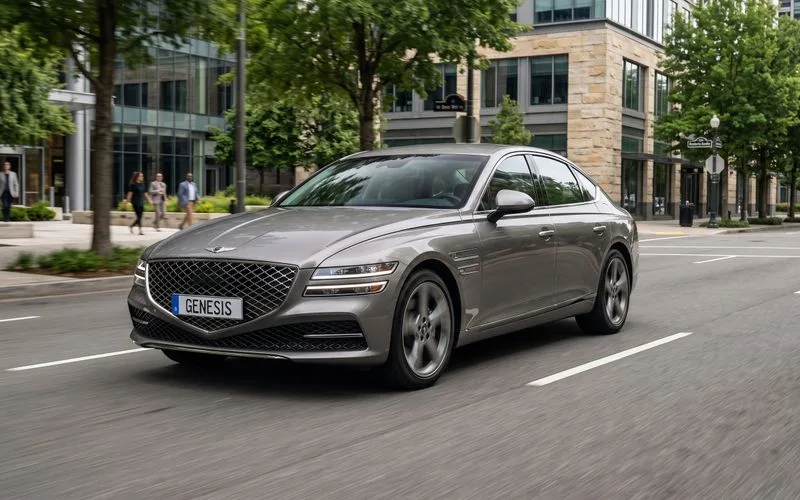 Genesis G80Mid-Size Luxury SedanBetter at: Space and warranty
Similar money buys a physically larger, better-equipped sedan with a real touchscreen and a 10-year powertrain warranty behind it.
Compare 3.11B
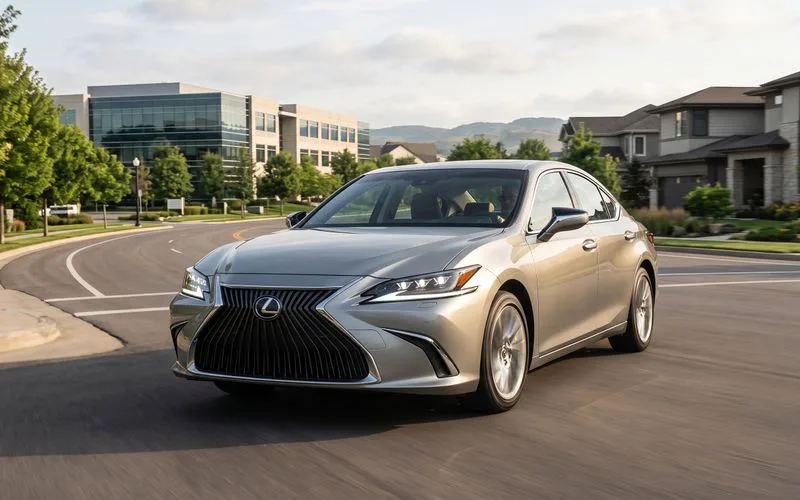 Lexus ESMid-Size Luxury SedanBetter at: Efficiency
A hybrid ES cuts the annual fuel bill by roughly $1,150 while adding rear-seat room and the segment's best resale.
Compare 3.27B+
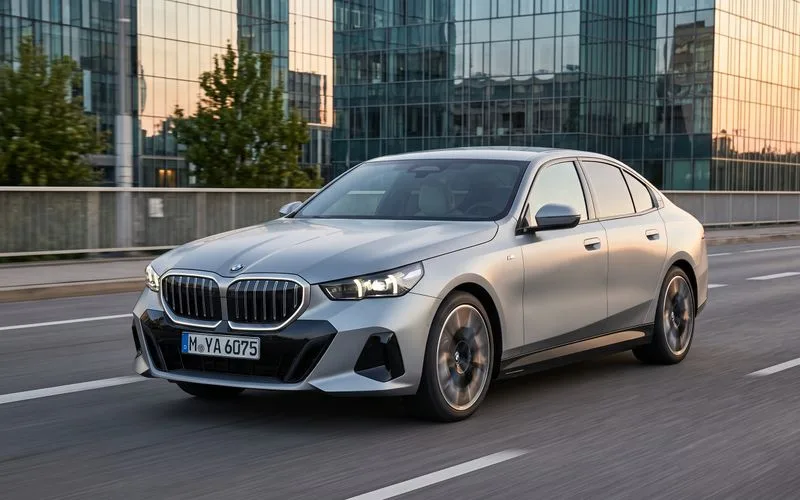 BMW 5 SeriesMid-Size Luxury SedanBetter at: Tech and driving
Buyers willing to spend $12,000 more get a rear-drive chassis, hands-free highway driving, and gas, plug-in, or EV powertrains.
CompareHow it's evolved
9 scored model years · 2017–2025
Subject scores by year
Hover or tap a score to see what moved it versus the year before. A corner mark flags a big swing.
| Year | Performance | Efficiency | Safety | Space | Cost | Reliability | Tech | Use-case | Driving | Value |
|---|---|---|---|---|---|---|---|---|---|---|
| 2025 | 56 | 24 | 71 | 58 | 41 | 74 | 57 | 50 | 66 | 61 |
| 2024 | 53 | 25 | 74 | 56 | 43 | 76 | 57 | 48 | 63 | 60 |
| 2023 | 53 | 26 | 76 | 54 | 48 | 70 | 53 | 46 | 58 | 58 |
| 2022 | 53 | 24 | 77 | 54 | 62 | 64 | 54 | 47 | 58 | 59 |
| 2021 | 55 | 20 | 78 | 58 | 52 | 71 | 46 | 46 | 57 | 66 |
| 2020 | 39 | 37 | 65 | 54 | 53 | 70 | 37 | 47 | 62 | 60 |
| 2019 | 53 | 23 | 68 | 57 | 59 | 59 | 41 | 44 | 55 | 60 |
| 2018 | 51 | 24 | 73 | 57 | 48 | 63 | 41 | 47 | 56 | 69 |
| 2017 | 40 | 38 | 57 | 57 | 62 | 51 | 27 | 43 | 55 | 62 |
Compare two years
Best fit & conditions
Higher scores mean a better fit for that use case. Learn more about use-case fit →
Subject profile
Academic Probation · NHTSA safety recalls
May 21, 2026Air bags: sensor: occupant classification: front passengerThe front passenger seat weight sensor may crack and short circuit, which can cause the air bags to deploy unintentionally during a crash.
Defect
Honda (American Honda Motor Co.) is recalling certain 2018-2021, 2023 Acura TLX, 2019-2024 RDX, 2017-2020, 2022-2026 MDX, 2017-2021, 2023, 2025 Honda Ridgeline, 2017-2022 Pilot, 2019-2021 Passport, 2018-2026 Odyssey, 2019-2022 Insight, 2019-2021 HR-V, 2018-2020 Fit, 2020-2022 CR-V Hybrid, 2017-2022 CR-V, 2017-2018, 2021 Civic Type R, 2017-2021 Civic hatchback, 2016-2020 Civic coupe, 2016-2022 Civic, 2017-2022 Accord Hybrid, and 2016-2022 Accord vehicles. The front passenger seat weight sensor may crack and short circuit, which can cause the air bags to deploy unintentionally during a crash.
Risk
Air bags that deploy unintentionally during a crash increase the risk of injury.
Remedy
Dealers will replace the seat weight sensors, free of charge. Owner notification letters were mailed July 7, 2026. Owners may contact Honda's customer service at 1-888-234-2138. Honda's numbers for this recall are BOL, WO9, OOA, WOM, XOH, NOC, POD, BOE, UOF, POB, EOG, AOI, QO8, TOJ, DO7, and SOK. This recall expands previous NHTSA recall number 24V064. Vehicle Identification Numbers (VINs) involved in this recall will be searchable on NHTSA.gov beginning May 29, 2026.
NHTSA campaign 26V332000 ↗Manufacturer no. Refer to Comments98,892 vehicles potentially affected (all models in the campaign)Owners notified Jul 6, 2026Filed by Honda (American Honda Motor Co.)Filed as TLXFeb 1, 2024Air bags: sensor: occupant classification: front passengerThe front passenger seat weight sensor may crack and short circuit, failing to suppress the air bag as intended.
Defect
Honda (American Honda Motor Co.) is recalling certain 2020-2022 Pilot, Accord, Civic sedan, HR-V, Odyssey, 2020 Civic coupe, Fit, 2021-2022 Civic hatchback, 2021 Civic Type R, Insight, 2020-2021 CR-V, CR-V Hybrid, Passport, Ridgeline, Accord Hybrid, 2020 Acura MDX, 2022 Acura MDX, 2020-2022 Acura RDX, and 2020-2021 Acura TLX vehicles. The front passenger seat weight sensor may crack and short circuit, failing to suppress the air bag as intended.
Risk
An air bag that deploys unintentionally during a crash can increase the risk of injury.
Remedy
Dealers will replace the seat weight sensors, free of charge. Owner notification letters were mailed March 28, 2024. This is a phased recall. Owners may contact Honda customer service at 1-888-234-2138. Honda's numbers for these recalls are XHP and VHQ.
NHTSA campaign 24V064000 ↗Manufacturer no. XHP, VHQ750,114 vehicles potentially affected (all models in the campaign)Owners notified Mar 28, 2024Filed by Honda (American Honda Motor Co.)Filed as TLXDec 18, 2023Fuel system, gasoline: delivery: fuel pumpThe fuel pump inside the fuel tank may fail.
Defect
Honda (American Honda Motor Co.) is recalling certain 2013-2023 Honda Accord, Civic Coupe, Civic Sedan, Civic Hatchback, Civic Type R, CR-V, HR-V, Ridgeline, Odyssey, Acura ILX, MDX, MDX Hybrid, RDX, RLX, TLX, 2019-2022 Honda Insight, Passport, 2020 Honda CR-V Hybrid, 2018-2019 Honda Clarity PHEV, Fit, and 2015-2020 Honda Accord Hybrid, Pilot, Acura NSX vehicles. The fuel pump inside the fuel tank may fail.
Risk
Fuel pump failure can cause an engine stall while driving, increasing the risk of a crash.
Remedy
Dealers will replace the fuel pump module, free of charge. Owner letters were mailed September 6, 2024. Owners may contact Honda customer service at 1-888-234-2138. Honda's numbers for this recall are KGC and KGD. This recall is an expansion of NHTSA recall numbers 21V-215 and 20V-314.
NHTSA campaign 23V858000 ↗Manufacturer no. KGC, KGD2,490,460 vehicles potentially affected (all models in the campaign)Owners notified Mar 29, 2024Filed by Honda (American Honda Motor Co.)Filed as TLXNov 13, 2023Engine and engine cooling: engine: hard parts internal/mechanicalDue to a manufacturing error, the connecting rod bearing in the engine may wear and seize, damaging the engine.
Defect
Honda (American Honda Motor Co.) is recalling certain 2015-2020 Acura TLX, 2016-2020 Acura MDX, 2016 and 2018-2019 Pilot, 2017 and 2019 Ridgeline, and 2018-2019 Odyssey vehicles. Due to a manufacturing error, the connecting rod bearing in the engine may wear and seize, damaging the engine.
Risk
A damaged engine may run improperly or stall while driving, increasing the risk of a fire, crash, or injury.
Remedy
Dealers will inspect and repair, or replace the engine as necessary, free of charge. Owner letters were mailed March 28, 2024. 2016-2017 Acura MDX owner letters were mailed November 1, 2024. 2016-2020 Acura MDX owner letters are expected to be mailed in mid-December 2024. Honda began mailing owner notification letters as of March 18, 2024. 2015-2016 Acura owner letters are expected to be mailed mid-December 2024, 2018 Acura TLX owner letters are expected to be mailed the end of March/early April 2024, 2019 Acura TLX owner letters are expected to be mailed mid-May 2024, 2020 Acura TLX owner letters are expected to be mailed mid-June 2024, and 2016-2020 Acura MDX owner letters are expected to be mailed January 27, 2025. Owners may contact Honda customer service at 1-888-234-2138. Honda's numbers for these recalls are XG1 and GG0.
NHTSA campaign 23V751000 ↗Manufacturer no. XG1, GG0248,999 vehicles potentially affected (all models in the campaign)Owners notified Mar 28, 2024Filed by Honda (American Honda Motor Co.)Filed as TLXMar 25, 2021Fuel system, gasoline: delivery: fuel pumpThe low-pressure fuel pump inside the fuel tank may fail.
Defect
Honda (American Honda Motor Co.) is recalling certain 2019-2020 Acura MDX, MDX Sport Hybrid, RDX, TLX, Honda Accord, Civic Hatchback, Insight, 2019 Acura ILX, Honda Accord Hybrid, Civic Coupe, Civic Coupe Si, Civic Sedan, Civic Sedan Si, Civic Type R, Fit, HR-V, Odyssey, Passport, Pilot and Ridgeline, and 2018-2019 CR-V vehicles. The low-pressure fuel pump inside the fuel tank may fail.
Risk
Fuel pump failure can cause an engine stall while driving, increasing the risk of a crash.
Remedy
Honda will notify owners, and dealers will replace the fuel pump assembly, free of charge. Owner letters were mailed May 18, 2021. Owners may contact Honda customer service at 1-888-234-2138. Note: This recall is an expansion of recall 20V-314.
NHTSA campaign 21V215000 ↗Manufacturer no. Multiple Codes624,552 vehicles potentially affected (all models in the campaign)Owners notified May 18, 2021Filed by Honda (American Honda Motor Co.)Filed as TLX
6 recalls on other model years of the TLX (2017–2019, 2021–2025)
Jun 12, 2025Service brakes, hydraulic: pedals and linkagesThe brake pedal pivot pin was not secured properly, which can cause the pedal to shift out of position. As such, these vehicles fail to comply with Federal Motor Vehicle Safety Standard numbers 108, "Lamps, Reflective Devices, and Associated Equipment" and 135, "Light Vehicle Brake Systems."
Defect
Honda (American Honda Motor Co.) is recalling certain 2021-2025 Acura TLX, 2023-2025 Acura MDX, and 2023-2025 Honda Pilot vehicles. The brake pedal pivot pin was not secured properly, which can cause the pedal to shift out of position. As such, these vehicles fail to comply with Federal Motor Vehicle Safety Standard numbers 108, "Lamps, Reflective Devices, and Associated Equipment" and 135, "Light Vehicle Brake Systems."
Risk
A brake pedal that shifts out of position can prevent the driver from applying the brakes as intended, increasing the risk of a crash or injury.
Remedy
Dealers will inspect and replace the brake pedal assembly as necessary, free of charge. Owner notification letters were mailed July 29, 2025. Owners may contact Honda's customer service at 1-888-234-2138. Honda's numbers for this recall are FLX and XLY.
NHTSA campaign 25V391000 ↗Manufacturer no. FLX, XLY259,033 vehicles potentially affected (all models in the campaign)Owners notified Jul 28, 2025Filed by Honda (American Honda Motor Co.)Filed as TLXJan 23, 2025Electrical system: software · Fuel system, gasoline: fuel injection systemA software error in the fuel injection electronic control unit (FI-ECU) may cause an engine stall or a loss of power.
Defect
Honda (American Honda Motor Co.) is recalling certain 2022-2025 Acura MDX Type-S, 2023-2025 Honda Pilot, and 2021-2025 Acura TLX Type-S vehicles. A software error in the fuel injection electronic control unit (FI-ECU) may cause an engine stall or a loss of power.
Risk
An engine stall or loss of power can increase the risk of a crash or injury.
Remedy
Dealers will reprogram the FI-ECU software, free of charge. Owner notification letters were mailed March 17, 2025. Owners may contact Honda's customer service at 1-888-234-2138. Honda's numbers for this recall are EL1 and AL0.
NHTSA campaign 25V031000 ↗Manufacturer no. EL1, AL0294,612 vehicles potentially affected (all models in the campaign)Owners notified Mar 17, 2025Filed by Honda (American Honda Motor Co.)Filed as TLX TYPE SDec 19, 2024Fuel system, gasoline: storage: tank assemblyThe fuel filler neck and fuel tank may have been improperly welded, which can result in a fuel leak.
Defect
Acura (American Honda Motor Co.) is recalling certain 2021-2023 TLX vehicles. The fuel filler neck and fuel tank may have been improperly welded, which can result in a fuel leak.
Risk
A fuel leak in the presence of an ignition source increases the risk of a fire.
Remedy
Dealers will replace the fuel tank assembly, free of charge. Owner notification letters were mailed February 3, 2025. Owners may contact Honda customer service at 1-888-234-2138. Acura's number for this recall is JKX.
NHTSA campaign 24V950000 ↗Manufacturer no. JKX167 vehicles potentially affected (all models in the campaign)Owners notified Feb 3, 2025Filed by Honda (American Honda Motor Co.)Filed as TLXDec 22, 2022Tires: beadThe tires may have sustained cuts and tears during the sorting process, which can result in tire damage.
Defect
Honda (American Honda Motor Co.) is recalling certain 2022 Acura TLX vehicles. The tires may have sustained cuts and tears during the sorting process, which can result in tire damage.
Risk
Damaged tires can lead to a sudden loss of air pressure and loss of vehicle control, increasing the risk of a crash.
Remedy
Dealers will inspect and replace the tires as necessary, free of charge. Owner notification letters were mailed January 30, 2023. Owners may contact Honda's customer service at 1-888-234-2138. Honda's number for this recall is GCW.
NHTSA campaign 22V950000 ↗Manufacturer no. GCW19 vehicles potentially affected (all models in the campaign)Owners notified Jan 30, 2023Filed by Honda (American Honda Motor Co.)Filed as TLXApr 12, 2019Engine and engine cooling: engine: gasoline: belts and associated pulleysThe timing belt teeth may separate from the belt.
Defect
Honda (American Honda Motor Co.) is recalling certain 2018-2019 Acura MDX and Honda Pilot vehicles and 2019 Acura RLX, RLX Sport Hybrid, TLX and Honda Odyssey and Ridgeline vehicles. The timing belt teeth may separate from the belt.
Risk
Teeth separation from the timing belt may result in an engine stall, increasing the risk of crash.
Remedy
Honda will notify owners, and dealers will inspect the vehicle and replace any affected timing belt free of charge. Vehicles receiving a replacement timing belt will also have the engine inspected and any damaged components will be replaced for free. The recall began June 7, 2019. Honda owners may contact customer service at 1-888-234-2138. Honda's number for this recall is L4M. Acura owners may contact customer service at 1-888-234-2138. Acura's number for this recall is Z4L.
NHTSA campaign 19V298000 ↗Manufacturer no. L4M, Z4L93,946 vehicles potentially affected (all models in the campaign)Owners notified Jun 7, 2019Filed by Honda (American Honda Motor Co.)Filed as TLXJan 29, 2019Fuel system, other: delivery: fuel pumpParticulates in fuel may adhere to the internal components of the fuel pump, reducing its performance.
Defect
Honda (American Honda Motor Co.) is recalling certain 2016-2018 Acura MDX, 2015-2019 Acura TLX and 2015-2017 Honda Accord vehicles, equipped with a 3.5L V6 engine. Particulates in fuel may adhere to the internal components of the fuel pump, reducing its performance.
Risk
Reduced fuel pump performance can result in an engine stall, increasing the risk of crash.
Remedy
Honda will notify owners, and dealers will update the fuel injection engine control unit (FI-ECU) software and, if necessary, replace the fuel pump, free of charge. The recall began March 25, 2019. Owners may contact customer service at 1-888-234-2138. Acura's recall number for this recall is P3W. Honda's recall number for this recall is N3X.
NHTSA campaign 19V060000 ↗Manufacturer no. N3X, P3W437,032 vehicles potentially affected (all models in the campaign)Owners notified Mar 25, 2019Filed by Honda (American Honda Motor Co.)Filed as TLX
Source: NHTSA Office of Defects Investigation recall database, model years 2017–2025. Recalls are listed by model year as the manufacturer filed them; whether a specific car is affected depends on its VIN — check a VIN at nhtsa.gov ↗. NHTSA model names matched to this page: TLX, TLX TYPE S.
Detailed scoring by subject
1Performance & PowertrainOne of the TLX's weakest categories.0.59F
2020 is the final carry-over year of the first-generation TLX (2015-2020, facelifted 2018); the volume-selling FWD Technology Package retains the naturally aspirated 2.4L i-VTEC I4 at 206 hp, with the 290 hp 3.5L V6 SH-AWD as a pricier upgrade, not the base configuration.
Peak torque for the volume 2.4L FWD powertrain.
Third-party calculated/instrumented estimates place the volume 2.4L FWD Technology trim at 6.6s to 60 mph, noticeably slower than the optional V6 SH-AWD.
The non-turbo 2.4L four is adequate but unremarkable and gets vocal under hard throttle; combined with the 8-speed DCT's low-speed behavior, reviewers described the powertrain as competent rather than refined versus six-cylinder luxury-sedan rivals.
The 8-speed dual-clutch transmission paired with the 2.4L I4 was a persistent criticism of this generation TLX, exhibiting noticeable hesitation and jerkiness in low-speed maneuvers like parking-lot creep, despite being decisive once underway.
Acura's SH-AWD is genuinely sophisticated — torque-vectoring across the rear axle — but in this generation it is bundled exclusively with the pricier 3.5L V6 (Technology, A-Spec and Advance trims), not offered at all with the base 2.4L I4, so a buyer of the volume engine cannot get AWD without also upgrading powertrains.
2020 lineup is two conventional gas engines only — the 2.4L I4 and 3.5L V6 — with no hybrid, PHEV or EV variant, consistent with the outgoing first-generation platform in its final model year.
2Efficiency & RangeThe TLX's lowest-graded category.0.42F
EPA combined rating for the volume 2.4L FWD powertrain; the optional V6 trims rate lower.
EPA city rating for the volume 2.4L FWD powertrain.
EPA highway rating for the volume 2.4L FWD powertrain.
EPA-derived range for the volume 2.4L FWD configuration on the TLX's 17.2-gallon tank; V6 trims see somewhat less range on the same tank at lower combined MPG.
EPA annual fuel cost estimate at standard assumptions; the premium-fuel recommendation keeps this near the costly end of the sedan band despite respectable combined MPG for a non-hybrid.
Both the 2.4L I4 and 3.5L V6 list premium gasoline as recommended rather than strictly required, so the TLX can run on regular at a mild performance/efficiency cost — better than a hard premium requirement but still a real added cost versus regular-only rivals.
3SafetyOne of the TLX's strongest categories.2.42C+
NHTSA rates the 2020 TLX 5 stars overall, with 5 stars in the frontal, side and rollover tests — the top available rating.
IIHS rates the 2020 TLX Good in moderate overlap front, side, roof strength, and head restraints/seats, but only Acceptable in the small overlap front (driver-side) test — the result that kept it off IIHS's Top Safety Pick list for 2020. The all-new 2021 redesign went on to earn TSP+ under the tougher criteria; the pre-redesign 2020 did not.
AcuraWatch is standard on every 2020 TLX trim: forward collision warning, collision mitigation braking (AEB), lane departure warning, lane keeping assist, road departure mitigation, and adaptive cruise control with low-speed follow. But blind-spot monitoring and rear cross-traffic alert are absent from the base trim and only arrive with the Technology package and above.
IIHS rates the standard Collision Mitigation Braking System Superior, avoiding collisions in both the 12 mph and 25 mph vehicle-to-vehicle test scenarios. No published nighttime or pedestrian-specific result keeps it just below the top of the band.
Blind Spot Information System and rear cross-traffic alert are alert-only (beep, pillar-mounted indicator, MID display) and are not available on the base trim — they are bundled into the Technology package and above, which covers a meaningful share of trims sold but is not standard across the line.
The standard camera-based Lane Keeping Assist System centers the car at highway speeds and pairs with lane departure warning, but reviewers of the pre-redesign TLX describe it as functional rather than confident, with occasional wander on curves.
Adaptive Cruise Control with Low-Speed Follow is standard across the lineup and works through stop-and-go traffic, a capable setup for the segment even without a dedicated highway-assist mode layered on top.
No hands-free highway driving mode is offered on any 2020 TLX trim; AcuraWatch's lane keeping and adaptive cruise are hands-on Level 2 aids only.
IIHS rates the LED projector headlights Acceptable, with high-beam assist but no curve-adaptive capability — middling rather than best-in-class.
The sport-sedan roofline and thick front pillars block sightlines to the car's front corners; multiple owner and reviewer sources flag visibility as a weak point of this generation. A surround-view camera helps but is confined to upper trims, not standard.
IIHS rates the 2020 TLX's LATCH hardware Marginal — the lower anchors are set deep in the seat bight and require significant force to connect, a notably worse result than the redesigned 2021+ TLX, which IIHS later rated Good+.
4Space & ComfortGrades below the middle of the scale.1.59D
Standard 5-passenger configuration across all 2020 TLX trims (base, Technology, A-Spec, Advance).
Low-ish front headroom for the mid-size luxury sedan segment, consistent with the TLX's low, sport-oriented roofline.
Competitive front legroom for the segment.
Rear headroom is tight relative to rivals, a frequent complaint in period reviews about the sloping roofline.
Rear legroom is notably cramped for a mid-size luxury sedan; Consumer Reports owner surveys flagged the second row as less comfortable than class rivals.
Below-average trunk space for the segment on base/Technology/A-Spec configurations; the Advance Package's different spare-tire/subwoofer setup adds about a cubic foot.
Conventional console bin, door pockets and a reasonably sized glovebox, but nothing that stands out versus rivals — competitive but unremarkable everyday storage.
Front seats (heated standard, ventilated on upper trims) are well regarded for support on long drives, but the tight second row pulls down overall comfort.
Composed and smooth over most surfaces thanks to the SH-AWD-tuned chassis, but the firmer, sport-oriented suspension setup can feel harsh on rough pavement.
Reasonably quiet highway cruiser overall, with some engine noise intrusion under hard acceleration from the 2.4L four-cylinder; no standout acoustic-glass or ANC feature set for the era.
Heated front seats are standard across trims; ventilated front seats and a heated steering wheel are reserved for the Advance Package, and there is no standard rear-seat heating.
5Cost of OwnershipGrades below the middle of the scale.1.53D
Entry point for the 2020 TLX lineup before options; FWD 2.4L base trim.
Technology Package on the base 2.4L engine was the mainstream volume configuration, adding navigation, premium audio, and upgraded interior trim over the stripped base.
Edmunds' True Cost to Own model projects above-average maintenance spend for the segment, pushing near the top of the sedan cost band.
Mid-pack retention for an entry-luxury sedan — ahead of the segment's weaker performers but behind Lexus/Genesis-level residuals.
Standard Acura new-vehicle bumper-to-bumper coverage, in line with the entry-luxury norm.
Acura's standard powertrain term is on the shorter end versus mainstream brands offering 10-year coverage, though typical for a luxury nameplate.
Acura does not include complimentary scheduled maintenance on new TLX purchases; coverage is limited to 24/7 roadside assistance (towing, jump-start, fuel delivery, lockout, flat-tire change) bundled with the 4-year/50,000-mile basic warranty period — basic roadside only, no multi-year maintenance plan or charging credits.
$36,700 volume-trim price minus its estimated resale value after 5 years (55% retained, or about $20,185) leaves about $16,515 in depreciation. Add the projected $8,960 in 5-year maintenance and repairs, and owning this vehicle for 5 years costs about $25,475 in total.
6Reliability & QualityThe TLX's best-graded category.2.73B-
Sources disagree: J.D. Power rated the 2020 TLX 81/100 'Great' for quality & reliability, while Consumer Reports placed the first-gen TLX's predicted reliability below average, citing transmission hesitation/harsh-shift complaints and electronics gremlins tied to the ZF 9-speed automatic.
Acura is a consistently top-tier brand in multi-year dependability studies, and J.D. Power's 2021 Vehicle Dependability Study (covering 2018MY vehicles at 3 years, the cohort nearest 2020MY) showed Acura among the most-improved above-average brands.
The 2020 TLX is covered by NHTSA campaigns shared across the Honda/Acura lineup — a high-volume fuel pump recall (stall risk) and an occupant-detection seat-weight-sensor airbag recall — typical platform-wide recall activity rather than a TLX-specific systemic defect; no major powertrain recall specific to the 2.4L/3.5L TLX engines was found.
The 2.4L naturally-aspirated I4 and 3.5L V6 (SH-AWD) are long-proven Honda engine families with strong high-mileage track records, but they're paired with the first-generation TLX's ZF-sourced 9-speed automatic, which owners and forums document for early hesitation/hard-shift teething issues and occasional transmission fluid warmer failures.
Reviewers are split: praise for rich interior appointments and premium touches like ambient lighting, but repeated criticism of hard, grainy plastics below elbow level that reviewers tie to the TLX's relatively bargain price point within the luxury segment.
Most reviews describe a tightly constructed, well-composed cabin with strong initial-quality signals (J.D. Power 81/100 quality score), though a minority of owner/critic complaints cite coarse plastics or misaligned panels.
Acura's US dealer network is smaller and less dense than mainstream or German luxury-brand networks, but it is nationwide and Acura has historically scored well on customer/service satisfaction indices; specific 2020-era CSI figures were not available to corroborate precisely.
Sharing its platform and much of its parts bin with high-volume Honda models keeps parts cheap and widely available, and RepairPal's average annual repair cost for the 2020 TLX is well below the industry average, rated 'excellent.'
7Technology & InfotainmentOne of the TLX's weakest categories.0.46F
Small by current standards; the TLX's dual-screen layout splits an 8-inch upper display (CarPlay/Android Auto, maps) from a separate 7-inch lower touch panel for climate/volume.
The dual-screen AcuraLink system, controlled via a touchpad on the center console, was widely criticized in period reviews as laggy, cluttered and unintuitive relative to rivals' single-screen setups.
The first-generation TLX (2015–2020) offers only wired Apple CarPlay and Android Auto via USB; wireless projection was not introduced until the redesigned 2021+ TLX.
Native voice commands and the touchpad-driven navigation are functional but clunky enough that most owners default to phone-projection navigation instead.
The standard 7-speaker Acura Premium Audio system is solid, and the optional 10-speaker Acura/ELS Studio system is a genuinely well-regarded premium audio upgrade.
Analog gauges with a small TFT driver information display between them — no configurable full-digital gauge cluster was offered on this generation.
No meaningful over-the-air update capability for infotainment or vehicle software in this generation.
AcuraLink app covers stolen-vehicle locator, security alarm, geofence/speed alerts, remote lock/unlock — but app-based remote start was not available on this generation (remote start, where fitted, is a separate key-fob hardware feature).
USB-A ports front and rear cover basic device charging; wireless phone charging was available as part of the Technology Package and up, but ports are dated by today's USB-C standard.
Proximity (smart) entry and push-button start are standard across trims, with key-fob-based remote start available; no phone-as-key feature on this generation.
Rearview camera and front/rear parking sensors are standard or widely available, with an optional 360-degree surround-view camera offered on upper trims.
A head-up display is offered, but only as part of the top Advance Package rather than across the broader trim lineup.
8Use-Case FitGrades below the middle of the scale.1.11D
Standard LATCH anchors and workable rear door openings, but the cramped second row (34.5 in legroom, 36.7 in headroom) makes installing and accessing child seats more awkward than in roomier mid-size luxury rivals.
AcuraWatch (adaptive cruise, lane-keeping, forward collision warning, automatic emergency braking) is standard on every trim including base, and the TLX earned 5-star NHTSA overall and mostly-Good IIHS ratings — held back only by an Acceptable small-overlap front result.
Front-seat comfort is good, but tight rear legroom/headroom and modest trunk space (13.2 cu ft) limit multi-hour comfort and luggage capacity for a full family of four-plus.
Smooth low-speed manners and confident SH-AWD road feel make it a relaxed daily driver, with adaptive cruise control easing traffic fatigue; the touchpad infotainment interface is a minor daily annoyance.
The volume 2.4L FWD powertrain returns roughly average fuel economy for a compact-ish luxury sedan — reasonable but not a standout in per-mile running cost versus segment rivals.
Reasonable mid-size-sedan footprint and a 39.2 ft turning diameter make it manageable in urban settings, aided by standard rearview camera and optional surround-view camera.
A luxury sedan with no towing or payload rating and a modest trunk — not meaningfully work-capable by design.
A premium-trimmed luxury sedan with no fleet or work-duty track record; not built or marketed for hard-use durability.
No onboard power outlets for tools, no tie-downs, no rack or upfit ecosystem — essentially no jobsite practicality.
Comfortable, composed highway cruiser with standard adaptive cruise control reducing driver fatigue on long hauls; decent fuel-tank range offsets only average front-seat endurance comfort.
Optional SH-AWD provides genuine all-weather traction confidence, but low ground clearance and sedan body limit any real off-pavement or gear-hauling adventure use.
Standard 60/40 split-folding rear seats and a trunk pass-through help with longer items, but the modest 13.2 cu ft trunk limits bulkier gear versus SUV/wagon rivals.
9Driving ExperienceOne of the TLX's strongest categories.2.17C
The Super Handling All-Wheel Drive (SH-AWD) torque-vectoring system, which can send up to 70% of engine output to a single rear wheel, gives the TLX genuinely composed, engaging cornering behavior among its peers.
Reviewers praised steering effort as well-judged with genuine turn-in feedback, a relative strength versus numb-steering rivals.
No major braking complaints surfaced in period reviews; stopping performance is adequate for the segment without being a particular standout.
The volume 2.4L four-cylinder paired with a conventional automatic is smooth enough in daily use, though less refined than the optional 3.5L V6; no major drivability complaints.
The four-cylinder engine becomes audible and somewhat coarse under hard acceleration, while the optional V6 is notably smoother and quieter.
A relatively wide turning diameter for the sedan segment band, towards the less-maneuverable end.
Good seat and wheel adjustability with a comfortable driving position, though the dual-screen/touchpad control layout is less intuitive than a single-screen setup.
Particularly in V6 SH-AWD and A-Spec form, the TLX is regarded as one of the more genuinely engaging and driver-focused sedans in its class, praised by enthusiast outlets.
10Value & Market PositionMid-pack among this car's ten categories.2.06C
The full AcuraWatch suite (adaptive cruise, collision mitigation braking, lane keep assist, road departure mitigation) was standard on every 2020 TLX trim including the $33,000 base car, which several German rivals charged extra for at this price point; base trim also included an 8-way power driver's seat, dual-zone climate control, and a 7-inch touchscreen with Apple CarPlay/Android Auto.
A 290-hp V6 with standard safety tech undercut comparably-powerful German sedans, and dealer discounting (see 10.2.3) stretched the value further by year-end — a solid if not standout bang-for-buck proposition as the generation aged out.
Two engines (2.4L I4, 3.5L V6), FWD or SH-AWD, and four trim lines (base, Technology, A-Spec, Advance) spanning $33,000–$45,950 gave meaningful choice from value-oriented to loaded sport-luxury.
21,785 U.S. units in 2020 was down sharply from the model's 2015 peak (~47,000) as buyers shifted to luxury crossovers, but it's still mid-pack against entry-luxury sedan rivals like the Audi A4 and Infiniti Q50 rather than a bottom-of-segment seller.
Acura carries a solid reputation for reliability and value but lacks the prestige halo of Lexus, BMW, or Mercedes-Benz — a respected but not aspirational luxury brand.
As the final model year before the 2021 redesign, dealers discounted 2020 TLX stock heavily — reports of up to $10,000 off MSRP on remaining inventory plus $2,000–$4,100 manufacturer flex cash and lease incentives of $6,050–$7,350 — a clear buyer benefit.
2020 was the final year of the first-generation TLX (2015–2020), sold essentially unchanged since its 2018 facelift, with an all-new second-generation TLX on sale for 2021 — the oldest, most imminent-replacement point in its lifecycle.
Reviewed as competent and comfortable but not segment-leading — Edmunds scored it 7.5/10 and The Car Connection 6.3/10, with reviewers citing slower acceleration than rivals; no major comparison-test wins or industry awards for the 2020 model year.