

The verdict
A mixed-report mid-size luxury suv, strong on driving and held back by ownership.
The 2018 X5 is the last year of the third-generation (F15) car, and it drives like a BMW should — a silky 300-hp turbo inline-six, the benchmark ZF eight-speed, and a chassis that stays composed while most two-ton luxury SUVs wallow. The trade is running cost and dated equipment: 20 MPG combined on premium fuel works out to about $3,800 a year, the 4-year/50,000-mile warranty (BMW publishes no separate powertrain term) expired back in 2022, and almost every driver aid — blind-spot monitoring, forward collision warning, adaptive cruise — was an option package, so many used examples have none of it. As a used buy it is a lot of engineering for the money, but only if you budget for water pumps, gasket leaks and premium fuel rather than expecting Lexus running costs.
Jump to scoresStrengths
- The inline-six and eight-speed are the reason to buy it
- The widest engine choice the X5 has ever offered
- It still handles like the SUV that invented the category
What holds it back
- Premium fuel and 20 MPG is an expensive combination
- Depreciation and out-of-warranty repair bills
- Driver aids were optional — many used cars have none
Top alternatives
Cars shoppers cross-shop with the BMW X5 2.81B-
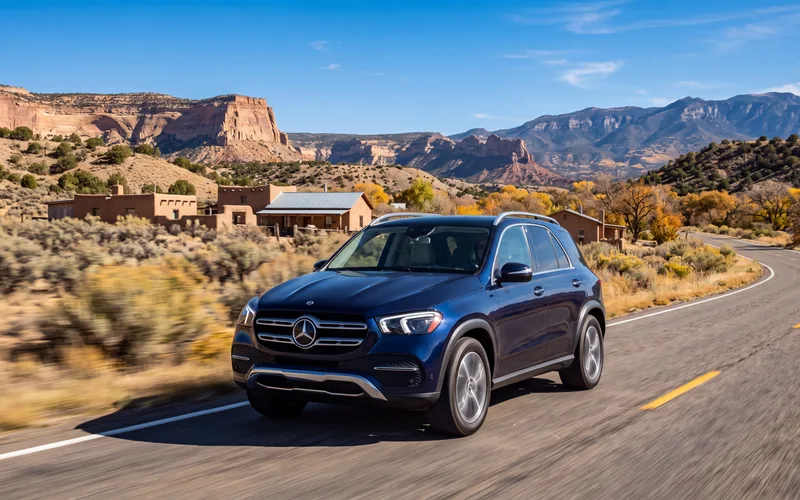 Mercedes-Benz GLEMid-Size Luxury SUVBetter at: Space and comfort
The direct rival that keeps an available third row and offers more rear legroom and cargo space for similar money.
Compare 2.90B-
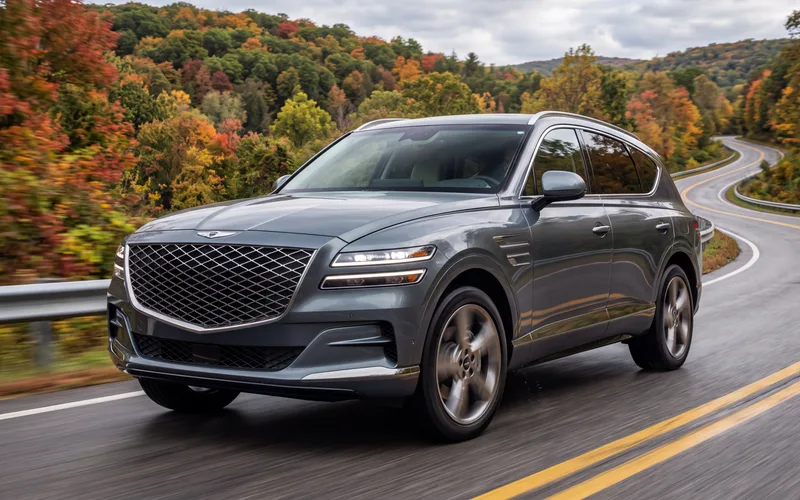 Genesis GV80Mid-Size Luxury SUVBetter at: Value
Costs thousands less, includes most of BMW's option-package features as standard, and backs it with a 5-year/60,000-mile warranty.
Compare 2.75B-
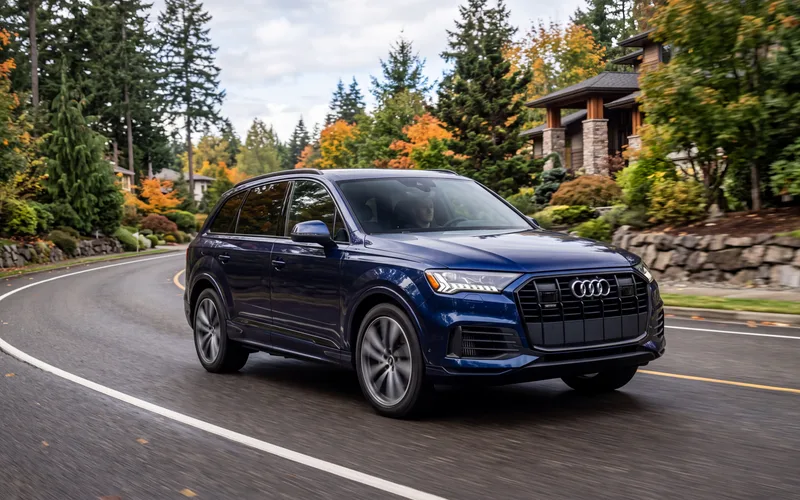 Audi Q7Mid-Size Luxury SUVBetter at: Third-row seating
Three rows of seating and more front-cabin room at a comparable price, if you can live without the X5's sharper dynamics.
CompareHow it's evolved
10 scored model years · 2017–2026
Subject scores by year
Hover or tap a score to see what moved it versus the year before. A corner mark flags a big swing.
| Year | Performance | Efficiency | Safety | Space | Cost | Reliability | Tech | Use-case | Driving | Value |
|---|---|---|---|---|---|---|---|---|---|---|
| 2026 | 74 | 57 | 83 | 52 | 17 | 79 | 85 | 73 | 76 | 75 |
| 2025 | 75 | 56 | 75 | 54 | 19 | 76 | 83 | 72 | 75 | 74 |
| 2024 | 74 | 53 | 72 | 53 | 23 | 75 | 83 | 64 | 77 | 76 |
| 2023 | 72 | 45 | 70 | 52 | 23 | 75 | 80 | 62 | 74 | 68 |
| 2022 | 71 | 45 | 70 | 53 | 26 | 79 | 78 | 61 | 73 | 67 |
| 2021 | 71 | 45 | 69 | 55 | 26 | 66 | 79 | 62 | 71 | 69 |
| 2020 | 70 | 40 | 69 | 53 | 26 | 67 | 77 | 62 | 73 | 77 |
| 2019 | 68 | 40 | 68 | 52 | 27 | 64 | 72 | 61 | 73 | 75 |
| 2018 | 63 | 31 | 56 | 51 | 26 | 68 | 60 | 59 | 69 | 66 |
| 2017 | 62 | 27 | 52 | 51 | 28 | 70 | 54 | 56 | 69 | 67 |
Compare two years
Best fit & conditions
Higher scores mean a better fit for that use case. Learn more about use-case fit →
Subject profile
Trims & configurations
3 trimsScores above reflect the volume trim. Per-trim specs and scores are rolling out — the full lineup:
Academic Probation · NHTSA safety recalls
Aug 13, 2024Electrical system: wiring: connectors/plugs/receptacles · Engine and engine cooling: cooling system: pumpAn improperly sealed electrical connector on the water pump may be exposed to water and short circuit.
Defect
BMW of North America, LLC. (BMW) is recalling certain 2012-2015 X1 sDrive28i, X1 xDrive28i, 2012-2016 Z4 sDrive28i, 528i, 528i xDrive, 328i, 328xi, 2016-2018 X5 xdrive 40e, 2014-2016 228i, 228xi, 428i, 428i xDrive, 328xi Gran Turismo, 2013-2017 X3 sDrive28i, X3 xDrive28i, 2015-2018 X4 xDrive28i, 2015-2016 428xi vehicles. An improperly sealed electrical connector on the water pump may be exposed to water and short circuit.
Risk
An electrical short increases the risk of a fire.
Remedy
Dealers will inspect and replace the water pump and plug connector as necessary, and install a protective shield, free of charge. Owner notification letters were mailed on March 28, 2025. Owners may contact BMW customer service at 1-800-525-7417.
NHTSA campaign 24V608000 ↗720,796 vehicles potentially affected (all models in the campaign)Owners notified Mar 28, 2025Filed by BMW of North America, LLCFiled as X5Jul 29, 2021Fuel system, diesel: delivery: fuel pumpThe high-pressure fuel pump may fail.
Defect
BMW of North America, LLC (BMW) is recalling certain 2014-2018 328d, 328d xDrive, X5 xDrive35d, 2014-2016 535d, 535d xDrive, 2015 740Ld xDrive, and 2015-2017 X3 xDrive28d vehicles. The high-pressure fuel pump may fail.
Risk
Fuel pump failure can cause an engine stall while driving, increasing the risk of a crash.
Remedy
Dealers will replace the high-pressure fuel pump, free of charge. Owner notification letters were mailed on January 14, 2022. Owners may contact BMW customer service at 1-800-525-7417.
NHTSA campaign 21V586000 ↗11,216 vehicles potentially affected (all models in the campaign)Owners notified Jan 14, 2022Filed by BMW of North America, LLCFiled as X5Sep 20, 2018Equipment: electricalCapacitors within the TurboCord Portable Chargers may fail, possibly resulting in a shock hazard or a fire.
Defect
BMW of North America, LLC (BMW) is recalling certain 2018 BMW 330e iPerformance, i3 Rex, i3 Sport Rex, X5 xDrive40e, i3 BEV, i3 Sport BEV and 2019 i8 and i8 Roadster vehicles and 2018-2019 530e iPerformance, 530e xDrive iPerformance and 740Le xDrive iPerformance vehicles. Capacitors within the TurboCord Portable Chargers may fail, possibly resulting in a shock hazard or a fire.
Risk
An electrical shock or a fire can increase the risk of injury or death.
Remedy
BMW will notify owners, and dealers will inspect the charging cable, and replace it if necessary, free of charge. The recall began February 22, 2019. Owners may contact BMW customer service at 1-800-525-7417.
NHTSA campaign 18V652000 ↗3,501 vehicles potentially affected (all models in the campaign)Owners notified Feb 22, 2019Filed by BMW of North America, LLCFiled as X5Jun 28, 2018Suspension: front: control arm: lower armThe pivot bolt on the front lower-left control arm may not have been properly hardened, which may cause the control arm to break.
Defect
BMW of North America, LLC (BMW) is recalling certain 2018 BMW X5 xDrive35i, X5 xDrive50i, X5 xDrive35d, and X6 sDrive35i vehicles. The pivot bolt on the front lower-left control arm may not have been properly hardened, which may cause the control arm to break.
Risk
If the lower control arm breaks, vehicle handling and control can be affected, increasing the risk of a crash.
Remedy
BMW will notify owners, and dealers will inspect the lower-left control arms and replace if necessary, free of charge. The recall began July 11, 2018. Owners may contact BMW customer service at 1-800-525-7417.
NHTSA campaign 18V439000 ↗43 vehicles potentially affected (all models in the campaign)Owners notified Jul 11, 2018Filed by BMW of North America, LLCFiled as X5Nov 17, 2017SuspensionBolts that secure the front suspension may not have been properly tightened.
Defect
BMW of North America, LLC (BMW) is recalling certain 2018 BMW X5 SAV, X5 M SAV, X6 SAV, and X6 M SAV vehicles. Bolts that secure the front suspension may not have been properly tightened.
Risk
Loose bolts can affect the performance of the suspension, thereby increasing the risk of a crash.
Remedy
BMW will notify owners, and dealers will inspect and tighten the wishbone suspension bolts, free of charge. The recall is expected to begin January 8, 2018. Owners may contact BMW customer service at 1-800-525-7417.
NHTSA campaign 17V727000 ↗33 vehicles potentially affected (all models in the campaign)Owners notified Jan 11, 2018Filed by BMW of North America, LLCFiled as X5, X5 M
43 recalls on other model years of the X5 (2017, 2019–2026)
Jul 1, 2026Electronic stability control (esc) · Service brakes, hydraulic: power assist: electric: control moduleThe integrated brake (IB) system may malfunction and result in a loss of power brake assist or cause the Antilock Brake (ABS) and Dynamic Stability Control (DSC) systems to not function properly.
Defect
BMW of North America, LLC (BMW) is recalling certain 2025 Mini Cooper S, Mini Countryman S All4, X2, 2024 Rolls-Royce Spectre, 2023-2025 i7, 7 Series, X7, 2024-2025 i5, 5 Series, 2023-2024 XM, X1, 2024-2025 X6, and X5 vehicles. The integrated brake (IB) system may malfunction and result in a loss of power brake assist or cause the Antilock Brake (ABS) and Dynamic Stability Control (DSC) systems to not function properly.
Risk
A loss of power brake assist can extend the distance required to stop the vehicle. Additionally, malfunctioning ABS and/or DSC systems can cause a loss of vehicle control. Either of these scenarios can increase the risk of a crash.
Remedy
The Integrated brake system will be inspected and, if necessary, replaced, free of charge. Owner notification letters are expected to be mailed August 21, 2026. Owners may contact BMW customer service at 1-800-525-7417 or Rolls-Royce customer service at 1-877-877-3735. Vehicle Identification Numbers (VINs) involved in this recall will become searchable on NHTSA.gov beginning August 21, 2026. Vehicles previously repaired under recall 24V739 or 24V104 will need to have the new remedy completed.
NHTSA campaign 26V422000 ↗428 vehicles potentially affected (all models in the campaign)Owners notified Aug 25, 2026Filed by BMW of North America, LLCFiled as X5Dec 4, 2025Air bags: critical fastenersThe instrument panel may have been manufactured incorrectly and prevent the passenger-side air bag from deploying properly.
Defect
BMW of North America, LLC (BMW) is recalling certain 2026 X6, X7, X5, and X5 Plug-In Hybrid vehicles. The instrument panel may have been manufactured incorrectly and prevent the passenger-side air bag from deploying properly.
Risk
An air bag that does not deploy properly can increase the risk of injury during a crash.
Remedy
Dealers will replace the instrument panel trim, free of charge. The vehicles have not been sold from dealer inventory and therefore, no owner letters will be mailed. Owners may contact BMW customer service at 1-800-525-7417. Vehicle Identification Numbers (VINs) involved in this recall became searchable on NHTSA.gov on December 4, 2025.
NHTSA campaign 25V837000 ↗25 vehicles potentially affected (all models in the campaign)Filed by BMW of North America, LLCFiled as X5, X5 PLUG-IN HYBRIDSep 25, 2025Electrical system: starter assemblyAfter repeated attempts, the starter motor may overheat from an electrical overload.
Defect
BMW of North America, LLC (BMW) is recalling certain 2020 340I, X6, 2020-2025 840I, 2020-2022 740LI, 2019-2020 X7, and X5 vehicles. After repeated attempts, the starter motor may overheat from an electrical overload.
Risk
An overheated starter motor can ignite nearby combustible material in the engine compartment, increasing the risk of a fire.
Remedy
Dealers will replace the engine starter, free of charge. This recall includes vehicles repaired under recall 24V576 and those owners will need to have their vehicle repaired again. Owner notification letters were mailed February 9, 2026. Owners may contact BMW customer service at 1-800-525-7417. Vehicle Identification Numbers (VINs) involved in this recall became searchable on NHTSA.gov November 17, 2025.
NHTSA campaign 25V644000 ↗145,102 vehicles potentially affected (all models in the campaign)Owners notified Feb 9, 2026Filed by BMW of North America, LLCFiled as X5Aug 27, 2025Visibility: windshield: critical fastenersThe windshield may not be sealed properly, which can allow water to enter the power distribution box or electronic control unit.
Defect
BMW of North America, LLC (BMW) is recalling certain 2026 X5 Plug-in Hybrid, X5, and X7 vehicles. The windshield may not be sealed properly, which can allow water to enter the power distribution box or electronic control unit.
Risk
Water inside electrical components can lead to electronic function failures, such as a loss of headlights, increasing the risk of a crash. In addition, an electrical short-circuit may occur, increasing the risk of a fire while parked or driving.
Remedy
Dealers will inspect the windshield seal. If any leaks are detected, the seal will be repaired and vehicle control units and wiring will be replaced as necessary, free of charge. Owner notification letters were mailed December 3, 2025. Owners may contact BMW customer service at 1-800-525-7417.
NHTSA campaign 25V556000 ↗1,406 vehicles potentially affected (all models in the campaign)Owners notified Dec 3, 2025Filed by BMW of North America, LLCFiled as X5, X5 PLUG-IN HYBRIDOct 2, 2024Electronic stability control (esc) · Service brakes, hydraulic: power assist: electric: control modulePlease see the recall report for a complete list of models and model years. The integrated brake (IB) system may malfunction and result in a loss of power brake assist or cause the Antilock Brake (ABS) and Dynamic Stability Control (DSC) systems to not function properly.
Defect
BMW of North America, LLC. (BMW) is recalling certain 2023-2024 X1, X5, X6, X7, XM, 530i, i5, 740i, 760i, i7, and 750e vehicles. Please see the recall report for a complete list of models and model years. The integrated brake (IB) system may malfunction and result in a loss of power brake assist or cause the Antilock Brake (ABS) and Dynamic Stability Control (DSC) systems to not function properly.
Risk
A loss of power brake assist can extend the distance required to stop the vehicle. Additionally, malfunctioning ABS and/or DSC systems can cause a loss of vehicle control. Either of these scenarios can increase the risk of a crash.
Remedy
Dealers will replace the integrated brake module, free of charge. Interim owner notification letters notifying owners of the safety risk are expected to be mailed November 22, 2024. Second letters will be mailed once the parts are available. Owners may contact BMW customer service at 1-800-525-7417. Vehicles in this recall were previously repaired under recall number 24V-104 and will need to have the new remedy completed.
NHTSA campaign 24V739000 ↗11,579 vehicles potentially affected (all models in the campaign)Owners notified Nov 27, 2024Filed by BMW of North America, LLCFiled as X5Sep 18, 2024Electronic stability control (esc): control module · Service brakes, hydraulic: antilock/traction control/electronic limited slip: control unit/modulePlease refer to the recall report for the complete list of models. The welds in the servomotor of the integrated brake control module may break, causing a loss of power brake assist and rear brake function. In addition, the Antilock Brake System (ABS) and Dynamic Stability Control (DSC) system may not function.
Defect
BMW of North America (BMW) is recalling certain 2023-2024 X1, 2024-2025 X5, 2025 X6, 2023-2025 X7, 740i, 760i, 2024 XM, 530i, 540i, i7, 750e, X2, 2024-2025 i5, 2024 Rolls Royce Spectre, 2025 MINI Countryman S ALL4, JCW Countryman ALL4, and 2025 MINI Hardtop 2 Door (Cooper, Cooper S) vehicles. Please refer to the recall report for the complete list of models. The welds in the servomotor of the integrated brake control module may break, causing a loss of power brake assist and rear brake function. In addition, the Antilock Brake System (ABS) and Dynamic Stability Control (DSC) system may not function.
Risk
A loss of brake power assist or rear brake function can result in extended stopping distance. A loss of ABS or DSC can cause a loss of vehicle handling and control. Either of these scenarios can increase the risk of a crash.
Remedy
Dealers will replace the integrated brake system, free of charge. Owner notification letters were mailed November 13, 2024. Owners can contact BMW Customer Service at 1-800-525-7417.
NHTSA campaign 24V697000 ↗309 vehicles potentially affected (all models in the campaign)Owners notified Nov 13, 2024Filed by BMW of North America, LLCFiled as X5Aug 1, 2024Electrical system: starter assembly · Engine and engine cooling: engine: engine control module (ecu/ecm): softwarePlease see the recall report for the complete list of models. In the event the starter motor fails, repeated attempts to start the vehicle can cause the starter motor to overheat from an electrical overload.
Defect
BMW of North America, LLC is recalling certain 2019-2020 X5, X7, 2020 3 Series Sedan, X6, 2020-2021 7 Series Sedan, 2020 8 Series Convertible, 8 Series Coupe, and 2020 8 Series Gran Coupe vehicles. Please see the recall report for the complete list of models. In the event the starter motor fails, repeated attempts to start the vehicle can cause the starter motor to overheat from an electrical overload.
Risk
A starter motor that overheats can ignite nearby combustible material in the engine compartment, increasing the risk of a fire.
Remedy
Dealers will update the vehicle software, free of charge. Owner notification letters were mailed September 27, 2024. Owners may contact BMW customer service at 1-800-525-7417.
NHTSA campaign 24V576000 ↗105,588 vehicles potentially affected (all models in the campaign)Owners notified Sep 27, 2024Filed by BMW of North America, LLCFiled as X5May 15, 2024Seat belts: frontThe seat belt system may inaccurately detect that passengers are belted, preventing the seat belt warning light from illuminating and possibly causing the supplemental restraint system to not deploy as intended during a crash. As such, these vehicles fail to comply with the requirements of Federal Motor Vehicle Safety Standard number 208, "Occupant Crash Protection."
Defect
BMW of North America, LLC (BMW) is recalling certain 2024 XM, 2025 BMW X5 sDrive40i, X5 xDrive40i, X5 M60i, X5 M, X5 xDrive50e, X6 xDrive40i, X6 M60i, X6 M, X7 xDrive40i, X7 M60i, and Alpina XB7 vehicles. The seat belt system may inaccurately detect that passengers are belted, preventing the seat belt warning light from illuminating and possibly causing the supplemental restraint system to not deploy as intended during a crash. As such, these vehicles fail to comply with the requirements of Federal Motor Vehicle Safety Standard number 208, "Occupant Crash Protection."
Risk
A seat belt warning light that does not alert occupants of an unbelted seat belt or an SRS system that deploys improperly can both increase the risk of injury in a crash.
Remedy
Dealers will inspect and replace the front seat lower seat belts as necessary, free of charge. Owner notification letters were mailed July 12, 2024. Owners may contact BMW customer service at 1-800-525-7417.
NHTSA campaign 24V345000 ↗3,256 vehicles potentially affected (all models in the campaign)Owners notified Jul 12, 2024Filed by BMW of North America, LLCFiled as X5May 10, 2024Equipment: other: labelsThe tire information placard may indicate an incorrect tire size and tire pressure. As such, these vehicles fail to comply with the requirements of Federal Motor Vehicle Safety Standard number 110, "Tire Selection and Rims."
Defect
BMW of North America, LLC (BMW) is recalling certain 2024-2025 X5 xDrive40i vehicles. The tire information placard may indicate an incorrect tire size and tire pressure. As such, these vehicles fail to comply with the requirements of Federal Motor Vehicle Safety Standard number 110, "Tire Selection and Rims."
Risk
Incorrect tire information can allow an incorrectly sized tire to be installed or result in improperly inflated tires, increasing the risk of a crash.
Remedy
Dealers will replace the tire information placard, free of charge. Owner notification letters were mailed July 9, 2024. Owners may contact BMW customer service at 1-800-525-7417.
NHTSA campaign 24V327000 ↗703 vehicles potentially affected (all models in the campaign)Owners notified Jul 9, 2024Filed by BMW of North America, LLCFiled as X5Feb 23, 2024Air bags · Structure: interior panels: dashboardThe instrument panel may not have been manufactured properly, which can result in improper air bag deployment or the panel separating during air bag deployment.
Defect
BMW of North America, LLC (BMW) is recalling certain 2024 X5 sDrive40i, X5 xDrive40i and X7 xDrive40i vehicles. The instrument panel may not have been manufactured properly, which can result in improper air bag deployment or the panel separating during air bag deployment.
Risk
Instrument panel separation during air bag deployment can result in pieces of the panel striking occupants. Improper air bag deployment may not restrain an occupant as intended during a crash. Either of these scenarios can increase the risk of injury.
Remedy
Dealers will replace the instrument panel, free of charge. Owner notification letters were mailed April 16, 2024. Owners may contact BMW customer service at 1-800-525-7417.
NHTSA campaign 24V138000 ↗8 vehicles potentially affected (all models in the campaign)Owners notified Apr 16, 2024Filed by BMW of North America, LLCFiled as X5Feb 12, 2024Electronic stability control (esc) · Service brakes, hydraulic: power assist: electric: control modulePlease see the recall report for a complete list of models and model years. The integrated brake (IB) system may malfunction and result in a loss of power brake assist or cause the Antilock Brake (ABS) and Dynamic Stability Control (DSC) systems to not function properly.
Defect
BMW of North America, LLC. (BMW) is recalling certain 2023-2025 BMW, MINI, and Rolls-Royce vehicles. Please see the recall report for a complete list of models and model years. The integrated brake (IB) system may malfunction and result in a loss of power brake assist or cause the Antilock Brake (ABS) and Dynamic Stability Control (DSC) systems to not function properly.
Risk
A loss of power brake assist can extend the distance required to stop the vehicle. Additionally, malfunctioning ABS and/or DSC systems can cause a loss of vehicle control. Either of these scenarios can increase the risk of a crash.
Remedy
Dealers will replace the integrated brake system, free of charge. Owner notification letters were mailed between June and December 2024. Owners may contact BMW customer service at 1-800-525-7417 or Rolls Royce customer service at 1-877-877-3735.
NHTSA campaign 24V104000 ↗266,716 vehicles potentially affected (all models in the campaign)Owners notified Jun 28, 2024Filed by BMW of North America, LLCFiled as X5Dec 6, 2023Power train: automatic transmission: control module (tcm/pcm/tecm)The weld seam of the integrated transmission control unit's cover may not have been manufactured properly, which could allow automatic transmission oil to leak into the transmission control unit.
Defect
BMW of North America, LLC (BMW) is recalling certain 2023 Toyota GR Supra, 3 Series Sedan (330i xDrive, M340i xDrive, M3), 5 Series Sedan (530i, 530i xDrive, M5), 4 Series Gran Coupe (430i, 430i xDrive), 4 Series Coupe (430i, 430i xDrive, M440i xDrive), 4 Series Convertible (430i, 430i xDrive, M440i xDrive), 8 Series Coupe (840i, M850i xDrive, M8), 8 Series Convertible (840i, M850i xDrive, M8), 8 Series Gran Coupe (850i xDrive, M8), X3 SAV (X3 xDrive30i, X3M), X4 SAV (X4 xDrive30i), X5 SAV (X5 xDrive40i, X5 M50i, X5M), X6 SAV (X6 xDrive40i, X6 M50i, X6M), and Z4 sDrive30i, Z4 M40i vehicles. The weld seam of the integrated transmission control unit's cover may not have been manufactured properly, which could allow automatic transmission oil to leak into the transmission control unit.
Risk
Transmission oil that leaks into the control unit can lead to a seizure of the transmission gears, causing a sudden loss of drive power and increasing the risk of a crash.
Remedy
Dealers will replace the transmission mechatronics module and the automatic transmission fluid, as necessary, free of charge. Owner notification letters were mailed January 26, 2024. Owners may contact BMW customer service at 1-800-525-7417.
NHTSA campaign 23V821000 ↗Manufacturer no. Toyota - 23TA14552 vehicles potentially affected (all models in the campaign)Owners notified Jan 26, 2024Filed by BMW of North America, LLCFiled as X5Sep 7, 2023Air bagsThe front passenger knee air bag may not deploy as intended.
Defect
BMW of North America, LLC (BMW) is recalling certain 2023 BMW XM, 2024 BMW X5 sDrive40i, X5 xDrive40i, X5 M60i, X5 M, X5 xDrive50e, X6 xDrive40i, X6 M60i, X6 M, X7 xDrive40i, X7 M60i, and Alpina XB7 vehicles. The front passenger knee air bag may not deploy as intended.
Risk
An air bag that does not deploy as intended can increase the risk of injury in a crash.
Remedy
Dealers will replace the front passenger knee air bag, free of charge. Owner notification letters were mailed November 3, 2023. Owners may contact BMW's customer service at 1-800-525-7417.
NHTSA campaign 23V622000 ↗2,352 vehicles potentially affected (all models in the campaign)Owners notified Nov 3, 2023Filed by BMW of North America, LLCFiled as X5Jul 10, 2023Air bags: knee bolsterThe knee air bag (driver and/or passenger) may not have been manufactured correctly, which can result in the knee air bag not deploying as intended.
Defect
BMW of North America, LLC (BMW) is recalling certain 2024 X5 sDrive40i, X5 xDrive40i, X5 M60i, X5 M, xDrive 50e, 2024 X6 xDrive40i, X6 M60i, X6 M, 2024 X7 xDrive40i, X7 M60i, Alpina XB7, and 2023 XM vehicles. The knee air bag (driver and/or passenger) may not have been manufactured correctly, which can result in the knee air bag not deploying as intended.
Risk
A knee air bag that does not deploy as intended increases the risk of injury.
Remedy
Dealers will replace the knee air bag (driver and/or passenger), free of charge. Owner notification letters were mailed September 6, 2023. Owners may contact BMW customer service at 1-800-525-7417.
NHTSA campaign 23V471000 ↗1,981 vehicles potentially affected (all models in the campaign)Owners notified Sep 6, 2023Filed by BMW of North America, LLCFiled as X5Apr 6, 2023Seats: mid/rear assembly: head restraintThe head restraints for the second-row outboard seats may have been improperly manufactured without locking tabs in the guide sleeves. As such, these vehicles fail to comply with the requirements of Federal Motor Vehicle Safety Standard number 202, "Head Restraints."
Defect
BMW of North America, LLC (BMW) is recalling certain 2023 X5 sDrive40i, X5 xDrive40i, X5 M50i, X5 M and X5 xDrive45e vehicles. The head restraints for the second-row outboard seats may have been improperly manufactured without locking tabs in the guide sleeves. As such, these vehicles fail to comply with the requirements of Federal Motor Vehicle Safety Standard number 202, "Head Restraints."
Risk
A head restraint without a locking tab may not properly restrain an occupant during a crash, increasing the risk of injury.
Remedy
Dealers will inspect and replace the second-row outboard seat head restraint guide sleeves, as necessary, free of charge. Owner notification letters were mailed May 31, 2023. Owners may contact BMW customer service at 1-800-525-7417.
NHTSA campaign 23V253000 ↗235 vehicles potentially affected (all models in the campaign)Owners notified May 31, 2023Filed by BMW of North America, LLCFiled as X5Dec 19, 2022Seats: critical fastenersOne of the four bolts that connects the backrest to the driver's seat frame may not have been correctly installed.
Defect
BMW of North America, LLC (BMW) is recalling certain 2023 X5 sDrive40i, X5 M50i and X5 xDrive 45e vehicles. One of the four bolts that connects the backrest to the driver's seat frame may not have been correctly installed.
Risk
A loose driver's seat backrest may not properly restrain the occupant during a crash, increasing the risk of injury.
Remedy
Dealers will inspect the driver's seat backrest and if necessary, install an attachment bolt, free of charge. Owner notification letters are expected to be mailed February 17, 2023. Owners may contact BMW customer service at 1-800-525-7417.
NHTSA campaign 22V942000 ↗4 vehicles potentially affected (all models in the campaign)Owners notified Dec 23, 2022Filed by BMW of North America, LLCFiled as X5Nov 2, 2022Visibility: windshieldThe windshield may not have been properly bonded to the vehicle which could allow water to enter the vehicle and contact electrical components, possibly resulting in a short-circuit.
Defect
BMW of North America, LLC (BMW) is recalling certain 2023 X5 sDrive40i, xDrive40i, xDrive45e, and X7 xDrive40i vehicles. The windshield may not have been properly bonded to the vehicle which could allow water to enter the vehicle and contact electrical components, possibly resulting in a short-circuit.
Risk
An electrical short-circuit increases the risk of a fire.
Remedy
Dealers will inspect the windshield seal and as necessary, remove and reinstall the windshield with a new seal, free of charge. Owner notification letters were mailed December 30, 2022. Owners may contact BMW customer service at 1-800-525-7417.
NHTSA campaign 22V820000 ↗47 vehicles potentially affected (all models in the campaign)Owners notified Dec 30, 2022Filed by BMW of North America, LLCFiled as X5Apr 20, 2022Visibility: sun/moon roof assemblyThe roof function control unit may be programmed incorrectly, allowing the sunroof to close without the key fob present inside the vehicle. As such, these vehicles fail to comply with the requirements of Federal Motor Vehicle Safety Standard number 118, "Power-Operated Window Systems."
Defect
BMW of North America, LLC (BMW) is recalling certain 2022 4 Series Gran Coupe (430i, 430i xDrive, M440i xDrive); 2019-2022 X5 sDrive40i, X5 xDrive40i, X5 xDrive50i, X5 M50i, X5M; 2021-2022 X5 xdrive45e; 2020-2022 X6 sDrive40i, X6 xDrive40i, X6 xDrive50i, X6M and 2019-2023 X7 xDrive40i, X7 xDrive50i, X7 M50i, X7 xDrive60i, X7 M60i, X7M, Alpina XB7 vehicles. The roof function control unit may be programmed incorrectly, allowing the sunroof to close without the key fob present inside the vehicle. As such, these vehicles fail to comply with the requirements of Federal Motor Vehicle Safety Standard number 118, "Power-Operated Window Systems."
Risk
A sunroof that closes without the key fob present inside the vehicle can increase the risk of injury.
Remedy
Dealers will reprogram the roof function control unit, free of charge. Owner notification letters were mailed June 20, 2022. Owners may contact BMW customer service at 1-800-525-7417.
NHTSA campaign 22V267000 ↗61,221 vehicles potentially affected (all models in the campaign)Owners notified Jun 20, 2022Filed by BMW of North America, LLCFiled as X5Nov 19, 2021Fuel system, dieselThe EGR cooler may leak internally, causing coolant to mix with diesel engine soot, which could result in smoldering particles and a melting intake manifold.
Defect
BMW of North America, LLC (BMW) is recalling certain 2013-2018 328d, 328d xDrive, 2014-2018 328d Sports Wagon, 328d xDrive Sports Wagon, 2014-2016 535d, 535d xDrive, 2015 740Ld xDrive, 2015-2017 X3 xDrive28d SAV, and 2014-2017 X5 xDrive35d SAV diesel vehicles equipped with an Exhaust Gas Recirculation (EGR) module with an integrated cooler. The EGR cooler may leak internally, causing coolant to mix with diesel engine soot, which could result in smoldering particles and a melting intake manifold.
Risk
A melting intake manifold increases the risk of a fire.
Remedy
Dealers will replace the EGR cooler and inspect the intake manifold, replacing it as necessary, free of charge. This recall includes all vehicles previously recalled under 18V-755. Vehicles previously recalled under 18V-755 will need to have the new remedy performed for this recall. An interim owner notification letter was mailed on January 18, 2022. The remedy is expected to be available in June 2022. Owner notification letters were mailed on July 6, 2022. Owners may contact BMW customer service at 1-800-525-7417.
NHTSA campaign 21V907000 ↗50,404 vehicles potentially affected (all models in the campaign)Owners notified Jul 6, 2022Filed by BMW of North America, LLCFiled as X5Jul 8, 2021Air bags: frontal · Electrical system: instrument cluster/panelBMW of North America, LLC (BMW) is recalling one 2019 X5 xDrive 40i vehicle. The instrument panel may not have been manufactured correctly, which could prevent the passenger side air bag from deploying properly in a crash.
Defect
BMW of North America, LLC (BMW) is recalling one 2019 X5 xDrive 40i vehicle. The instrument panel may not have been manufactured correctly, which could prevent the passenger side air bag from deploying properly in a crash.
Risk
An air bag that does not deploy properly can increase the risk of injury in a crash.
Remedy
A dealer will replace the instrument panel, free of charge. Owner notification letters were mailed on July 26, 2021. Owners may contact BMW customer service at 1-800-525-7417.
NHTSA campaign 21V520000 ↗1 vehicles potentially affected (all models in the campaign)Owners notified Jul 26, 2021Filed by BMW of North America, LLCFiled as X5Mar 10, 2021Seats: mid/rear assembly: head restraintThe head restraints on the second-row outer seats may be the incorrect type for the vehicle.
Defect
BMW of North America, LLC (BMW) is recalling certain 2021 X5 sDrive40i, X5 xDrive50i, X5 M50i, X5 xDrive45e, 2021 X7 xDrive40i, X7 M50i, and XB7 vehicles. The head restraints on the second-row outer seats may be the incorrect type for the vehicle.
Risk
In the event of a crash, the head restraints could detach, and increase the risk of injury.
Remedy
BMW will notify owners, and dealers will inspect the head restraints, and replace them as necessary, free of charge. The recall began May 3, 2021. Owners may contact BMW customer service at 1-800-525-7417.
NHTSA campaign 21V156000 ↗258 vehicles potentially affected (all models in the campaign)Owners notified May 3, 2021Filed by BMW of North America, LLCFiled as X5, X5 HYBRIDFeb 19, 2021Back over prevention: sensing system: camera · Back over prevention: softwareWhen shifting into Reverse, a small portion of the rearview image may be obscured, or the screen may not illuminate. As such, these vehicles fail to comply with the requirements of Federal Motor Vehicle Safety Standard (FMVSS) number 111, "Rear Visibility."
Defect
BMW of North America, LLC (BMW) is recalling certain 2019-2021 X3 sDrive30i, X3 xDrive30i, X3 M40i, X3M, X4 xDrive30i, X4 M40i, M550i, X4M, X5 sDrive40i, X5 xDrive40i, X5 xDrive50i, X5M, X5 M50i, X7 xDrive40i, X7 xDrive50i, X7 M50i, Alpina XB7, 330i, 330i xDrive, M340i, M340i xDrive, and 8 Series Coupe, Convertible and Grand Coupe, 840i, 840i xDrive, M850i xDrive, M8, 2020-2021 530e, 530e xDrive, 330e, 330e xDrive, 745Le, 745Le xDrive, X5 xDrive45e, X3 xDrive30e, X6 sDrive40i, X6 xDrive40i, X6 xDrive50i, X6 M50i, X6M, 530i, 530i xDrive, 540i, 540i xDrive, M550i xDrive, M5, 740i, 740Li, 740Li xDrive, M760i Drive, M760Li xDrive, 750Li xDrive Alpina, Alpina B7 xDrive, and 2021 4 Series Coupe 430i, 430i xDrive, M440i xDrive vehicles. When shifting into Reverse, a small portion of the rearview image may be obscured, or the screen may not illuminate. As such, these vehicles fail to comply with the requirements of Federal Motor Vehicle Safety Standard (FMVSS) number 111, "Rear Visibility."
Risk
If the driver relies on only the rearview camera image, the missing or reduced rearview image view can increase the risk of a crash or injury.
Remedy
BMW will notify owners, and dealers will inspect the rearview camera software and update it if necessary, free of charge. The recall began April 16, 2021. Owners may contact BMW customer service at 1-800-525-7417.
NHTSA campaign 21V096000 ↗13,858 vehicles potentially affected (all models in the campaign)Owners notified Apr 16, 2021Filed by BMW of North America, LLCFiled as X5Feb 18, 2021Service brakes, hydraulic: critical fasteners · Service brakes, hydraulic: foundation components: discThe right front brake disc may have been assembled with incorrect fasteners, which over time, could result in the front brake disc becoming loose.
Defect
BMW of North America, LLC (BMW) is recalling certain 2021 X5 sDrive40i and X5 xDrive40i vehicles. The right front brake disc may have been assembled with incorrect fasteners, which over time, could result in the front brake disc becoming loose.
Risk
A loose brake disc could affect vehicle handling and control, and increase the risk of a crash.
Remedy
BMW will notify owners, and dealers will inspect the right front brake disc and replace it if necessary, along with the unaffected left side brake disc, free of charge. There are no owner vehicles affected; therefore, owner notification is not necessary and, as such, a planned owner notification date is not entered into the recall schedule. Owners may contact BMW's customer service at 1-800-525-7417.
NHTSA campaign 21V089000 ↗9 vehicles potentially affected (all models in the campaign)Owners notified Mar 2, 2021Filed by BMW of North America, LLCFiled as X5Feb 10, 2021Service brakes, hydraulic · Service brakes, hydraulic: power assist: hydraulicThe rotor and shaft within the integrated brake system may not have been welded properly and could separate during a hard braking event, possibly resulting in a loss of the Antilock Brake System (ABS) and braking assistance.
Defect
BMW of North America, LLC (BMW) is recalling certain 2020-2021 8 Series Coupe, Grand Coupe and convertible 840i, 840i xDrive, M850i xDrive, M8 and 740 Li, 740 Li xDrive, 750 Li xDrive, M760 Li xDrive, X6 sDrive40i, X6 xDrive40i, X6 xdrive50i, X6 M50i, X6M, and 2019-2021 X5 sDrive40i, X5 xDrive40i, X5 xDrive50i, X5 M50i, X5M, X7 xDrive40i, X7 xDrive50i, X7 M50i, and 2021 M3, M3 Competition, M4 Coupe, M4 Competition Coupe, X5 xDrive45e, 745 Le xDrive. The rotor and shaft within the integrated brake system may not have been welded properly and could separate during a hard braking event, possibly resulting in a loss of the Antilock Brake System (ABS) and braking assistance.
Risk
A loss of ABS and a reduction in braking assistance can increase the risk of a crash.
Remedy
BMW will notify owners, and dealers will replace the integrated brake system, free of charge. Owner notification letters were mailed on May 25, 2021. Owners may contact BMW customer service at 1-800-525-7417.
NHTSA campaign 21V062000 ↗893 vehicles potentially affected (all models in the campaign)Owners notified May 25, 2021Filed by BMW of North America, LLCFiled as X5Jan 29, 2021Steering: columnThe steering column shaft's universal joint connection may not have been tightened to specifications, and can become loose.
Defect
BMW of North America, LLC (BMW) is recalling certain 2021 X5 sDrive40i, X5 xDrive40i, X5M, X5 xDrive45e, X6 sDrive40i, X6 xDrive40i, X7 xDrive40i, X7 M50i vehicles. The steering column shaft's universal joint connection may not have been tightened to specifications, and can become loose.
Risk
A loose steering column shaft universal joint connection can affect vehicle handling and control, increasing the risk of a crash.
Remedy
BMW will notify owners, and dealers will inspect and, depending upon the inspection, either the bolt will be replaced and tightened to specifications, or the steering column shaft, universal joint, and bolt will be replaced and tightened to specifications, free of charge. The recall began March 30, 2021. Owners may contact BMW customer service at 1-800-525-7417.
NHTSA campaign 21V031000 ↗21 vehicles potentially affected (all models in the campaign)Owners notified Mar 30, 2021Filed by BMW of North America, LLCFiled as X5Dec 9, 2020Electrical system: 12v/24v/48v batteryThe connection between the 48-Volt battery and the starter-generator may not have been assembled properly, which can cause increased electrical resistance at the connections.
Defect
BMW of North America, LLC (BMW) is recalling certain 2021 M340i xDrive, M440i xDrive Coupe, 530i, 530i xDrive, 540i, 540i xDrive, 740Li, 740Li xDrive, 840i Gran Coupe, 840i xDrive Gran Coupe, X5 sDrive40i, X5 xDrive40i, X6 sDrive40i, X6 xDrive40i, and X7 xDrive40i vehicles. The connection between the 48-Volt battery and the starter-generator may not have been assembled properly, which can cause increased electrical resistance at the connections.
Risk
Increased electrical resistance can increase the risk of a fire.
Remedy
BMW will notify owners, and dealers will inspect the connection between the 48-Volt battery and the starter-generator assembly, replacing it if necessary, free of charge. The recall is expected to begin April 12, 2021. Owners may contact BMW customer service at 1-800-525-7417.
NHTSA campaign 20V761000 ↗812 vehicles potentially affected (all models in the campaign)Owners notified Mar 30, 2021Filed by BMW of North America, LLCFiled as X5Nov 4, 2020Suspension: front: control armThe weld between the front axle support and the right front control arm bearing bracket may separate.
Defect
BMW of North America, LLC (BMW) is recalling certain 2020 X5 sDrive40i, xDrive40i, X5 M50i, X5M, X7 xDrive40i, X7 M50i, X6 xDrive40i, X6 M50i and X6M vehicles and 2021 X5 xDrive45e vehicles. The weld between the front axle support and the right front control arm bearing bracket may separate.
Risk
If the weld between the front axle support and the right front control arm bearing bracket separates, vehicle handling and control may be affected, increasing the risk of a crash.
Remedy
BMW will notify owners, and dealers will replace the front axle support, free of charge. The recall began December 18, 2020. Owners may contact BMW customer service at 1-800-525-7417.
NHTSA campaign 20V678000 ↗83 vehicles potentially affected (all models in the campaign)Owners notified Dec 18, 2020Filed by BMW of North America, LLCFiled as X5Sep 30, 2020Electrical system: propulsion system: traction batteryDebris may have entered one or more of the hybrid battery cells during their production.
Defect
BMW of North America, LLC (BMW) is recalling certain 2020-2021 530e, 530e xDrive, 530e iPerformance and X3 xDrive30e and MINI Cooper Countryman All4 SE, 2020 BMW i8, and 2021 330e, 330e xDrive, 745Le xDrive and X5 xDrive45e vehicles. Debris may have entered one or more of the hybrid battery cells during their production.
Risk
The debris could result in a short-circuit, increasing the risk of fire or injury.
Remedy
BMW will inspect and, if necessary, replace the battery module free of charge. The remedy is currently being developed. Until the remedy is completed, drivers are instructed to not charge their vehicles. Drivers are instructed to not drive in manual mode, sport mode, and to not use the shift paddles. Owners were notified of the safety risk October 23, 2020. The recall began November 24, 2020. Owners may contact BMW customer service at 1-800-525-7417.
NHTSA campaign 20V601000 ↗4,509 vehicles potentially affected (all models in the campaign)Owners notified Nov 24, 2020Filed by BMW of North America, LLCFiled as X5Sep 1, 2020Exterior lighting: headlightsThe headlamps may allow a blue light to illuminate. As such, these vehicles fail to comply with the requirements of Federal Motor Vehicle Safety Standard number 108, "Lamps, Reflective Devices, and Associated Equipment."
Defect
BMW of North America, LLC (BMW) is recalling certain 2020-2021 X5 sDrive40i, xDrive40i, xDrive50i, X5 M50i, X5M, X6 sDrive40i, xDrive40i, X6 M50i, X6M, X7 M50i and 2021 X5 xDrive45e vehicles. The headlamps may allow a blue light to illuminate. As such, these vehicles fail to comply with the requirements of Federal Motor Vehicle Safety Standard number 108, "Lamps, Reflective Devices, and Associated Equipment."
Risk
Oncoming drivers may be confused by the blue light of approaching vehicles, which could potentially increase the risk of a crash.
Remedy
BMW will notify owners, and dealers will inspect the headlamps and, if necessary, replace them, free of charge. The recall began October 30, 2020. Owners may contact BMW customer service at 1-800-525-7417.
NHTSA campaign 20V528000 ↗307 vehicles potentially affected (all models in the campaign)Owners notified Oct 30, 2020Filed by BMW of North America, LLCFiled as X5Aug 18, 2020Electrical system: 12v/24v/48v battery · Electrical system: propulsion system: traction batteryLoose welding beads may form a conductive path between the hybrid battery cells which could lead to a short-circuit.
Defect
BMW of North America, LLC (BMW) is recalling certain 2021 330e and X5 xDrive45e, 2020-2021 X3 xDrive30e, and 2020 MINI Countryman SE ALL4 vehicles. Loose welding beads may form a conductive path between the hybrid battery cells which could lead to a short-circuit.
Risk
A short-circuited hybrid battery may increase the risk of a fire.
Remedy
BMW will notify owners, and dealers will inspect and, if necessary, replace the battery modules, free of charge. BMW issued owners an interim notification on October 16, 2020. Although potentially affected BMW owners received interim owner notification letters, all potentially affected BMW owner vehicles have been remedied; therefore, BMW Final owner notification letters will not be necessary. Owners may contact BMW customer service at 1-800-525-7417.
NHTSA campaign 20V490000 ↗713 vehicles potentially affected (all models in the campaign)Owners notified Oct 12, 2020Filed by BMW of North America, LLCFiled as X5Aug 14, 2020TiresThe tires may have a damaged inner layer, possibly resulting in a rapid loss of pressure while the vehicle is moving.
Defect
BMW of North America, LLC (BMW) is recalling certain 2021 X6 (sDrive40i, xDrive40i and M50i) and X5 (sDrive40i, xDrive40i and M50i) vehicles equipped with certain Pirelli tires. The tires may have a damaged inner layer, possibly resulting in a rapid loss of pressure while the vehicle is moving.
Risk
A rapid loss of tire pressure while the vehicle is moving can affect vehicle handling and control, increasing the risk of a crash.
Remedy
BMW has notified all of the affected owners, and dealers will replace the defective tires, free of charge. BMW has contacted owners by telephone and those owners have had their cars remedied. Owner notification letters will not be sent. Owners may contact BMW customer service at 1-800-525-7417.
NHTSA campaign 20V483000 ↗42 vehicles potentially affected (all models in the campaign)Owners notified Aug 22, 2020Filed by BMW of North America, LLCFiled as X5Aug 7, 2020Electrical system: starter assembly · Power train: automatic transmissionThe starter motor may have an extra bolt that could potentially fall into the transmission housing and cause an engine stall.
Defect
BMW of North America, LLC (BMW) is recalling certain 2020 X5 sDrive 40i, X5 xDrive 40i and one X7 xDrive 40i vehicle. The starter motor may have an extra bolt that could potentially fall into the transmission housing and cause an engine stall.
Risk
An engine stall increases the risk of a crash.
Remedy
BMW will notify owners, and dealers will inspect the starter motor for the extra bolt, removing it if necessary. Dealers will also inspect the starter for damage, and check if the bolt has fallen into the transmission housing, replacing any damaged parts as necessary. All repairs will be performed free of charge. The recall began on October 2, 2020. Owners may contact BMW customer service at 1-800-525-7417.
NHTSA campaign 20V465000 ↗21 vehicles potentially affected (all models in the campaign)Owners notified Oct 2, 2020Filed by BMW of North America, LLCFiled as X5Jul 28, 2020Steering · Steering: columnThe steering column shaft bearing plate may not have been properly attached to the vehicle, allowing it to loosen.
Defect
BMW of North America, LLC (BMW) is recalling certain 2019-2020 X5 sDrive40i, X5 xDrive40i and X5 xDrive50i vehicles and 2020 X6M vehicles. The steering column shaft bearing plate may not have been properly attached to the vehicle, allowing it to loosen.
Risk
A loose bearing plate can affect the vehicle's handling and control, increasing the risk of a crash.
Remedy
BMW will notify owners, and dealers will inspect the steering column shaft bearing plate and properly attach or replace it, as necessary, free of charge. BMW telephoned owners and all of the vehicles have been remedied. No owner notification letter is necessary. Please contact BMW customer service at 1-800-525-7417.
NHTSA campaign 20V434000 ↗7 vehicles potentially affected (all models in the campaign)Owners notified Aug 23, 2020Filed by BMW of North America, LLCFiled as X5Sep 27, 2019Back over prevention: sensing system: cameraThe back-up camera and display settings can be adjusted such that the rear view image is no longer visible and the system will retain that setting the next time the vehicle is placed in reverse. As such, these vehicles fail to comply with the requirements of Federal Motor Vehicle Safety Standard (FMVSS) number 111, "Rearview Mirrors."
Defect
BMW of North America, LLC (BMW) is recalling certain 2018 540d, 2018-2020 530i, 530i xDrive, 540i, 540i xDrive, M550i xDrive, M5, 530e, 530e xDrive, X3 sDrive, X3 xDrive, X3 M40i, X3 M, and 2019-2020 X4 xDrive, X4 M40i, X4 M, X7 xDrive, X7 M50i, 740Li, 740Li xDrive, 750Li, 750Li xDrive, 8 Series Convertible and Coupe 840i, 840i xDrive, M850i xDrive, X5 sDrive, X5 xDrive, X5 M50i, X6 xDrive, X6 M50i, 330i, 330i xDrive, M340i, M340i xDrive, Z4 sDrive, Z4 M40i, 740Le xDrive and 745Le xDrive, 2018-2019 640i xDrive Gran Turismo and Rolls-Royce Phantom, 2019 M850i xDrive Gran Coupe and Rolls-Royce Cullinan and 2020 Toyota Supra vehicles. The back-up camera and display settings can be adjusted such that the rear view image is no longer visible and the system will retain that setting the next time the vehicle is placed in reverse. As such, these vehicles fail to comply with the requirements of Federal Motor Vehicle Safety Standard (FMVSS) number 111, "Rearview Mirrors."
Risk
The lack of an image in the back-up camera display increases the risk of a crash.
Remedy
BMW will notify owners, and dealers will update the back-up camera software, free of charge. The recall began November 8, 2019. Owners may contact BMW customer service at 1-800-525-7417 or Rolls-Royce at 1-877-877-3735. Toyota owners may contact Toyota customer service at 1-888-270-9371.
NHTSA campaign 19V684000 ↗257,473 vehicles potentially affected (all models in the campaign)Owners notified Nov 8, 2019Filed by BMW of North America, LLCFiled as X5Aug 28, 2019Steering: rack and pinion: rackThe steering rack pinion teeth may break under load, resulting in a loss of steering control.
Defect
BMW of North America, LLC (BMW) is recalling certain 2020 X5 sDrive40i, X5 xDrive40i, X5 M50i, X7 xDrive40i and X7 M50i vehicles. The steering rack pinion teeth may break under load, resulting in a loss of steering control.
Risk
A loss of steering control increases risk of a crash.
Remedy
BMW will notify owners, and dealers will replace the steering rack, free of charge. The recall began August 21, 2019. Owners may contact BMW customer service at 1-800-525-7417.
NHTSA campaign 19V631000 ↗12 vehicles potentially affected (all models in the campaign)Owners notified Aug 21, 2019Filed by BMW of North America, LLCFiled as X5Jul 23, 2019Wheels: lugs/nuts/bolts/studsThe left side wheel bolts may have been insufficiently tightened and may loosen over time.
Defect
BMW of North America, LLC (BMW) is recalling certain 2019 X5 xDrive50i and X7 xDrive40i vehicles. The left side wheel bolts may have been insufficiently tightened and may loosen over time.
Risk
Loose bolts may allow a wheel to detach from the vehicle, increasing the risk of a crash.
Remedy
BMW will notify owners, and dealers will replace and tighten the left side wheel bolts, free of charge. The recall began July 16, 2019. Owners may contact BMW customer service at 1-800-525-7417.
NHTSA campaign 19V541000 ↗5 vehicles potentially affected (all models in the campaign)Owners notified Jul 16, 2019Filed by BMW of North America, LLCFiled as X5Jul 3, 2019Engine · Fuel system, other: delivery: fuel pumpThe high pressure fuel pump may not have been properly attached to the engine, which may cause the fuel pump flange to crack, resulting in a fuel leak.
Defect
BMW of North America, LLC (BMW) is recalling certain 2020 750i xDrive, 2019 M850i xDrive Coupe, M850i xDrive Convertible, X5 xDrive50i, X7 xDrive50i, and M5 vehicles. The high pressure fuel pump may not have been properly attached to the engine, which may cause the fuel pump flange to crack, resulting in a fuel leak.
Risk
A fuel leak in the presence of an ignition source can increase the risk of a fire.
Remedy
BMW will notify owners, and dealers will replace the high pressure fuel pumps, free of charge. The recall began August 27, 2019. Owners may contact BMW customer service at 1-800-525-7417.
NHTSA campaign 19V513000 ↗115 vehicles potentially affected (all models in the campaign)Owners notified Aug 27, 2019Filed by BMW of North America, LLCFiled as X5Feb 13, 2019Seat belts · SeatsThe attachment bolts for the driver's seat and/or seat belt may not have been properly tightened.
Defect
BMW of North America, LLC (BMW) is recalling certain 2019 X5 xDrive40i and xDrive50i vehicles. The attachment bolts for the driver's seat and/or seat belt may not have been properly tightened.
Risk
The improperly tightened bolts can increase the risk of injury in the event of a crash.
Remedy
BMW will notify owners, and dealers will inspect the attachment bolts for the driver's seat and seat belt, and torque them to the correct specifications, as necessary, free of charge. The recall began April 9, 2019. Owners may contact BMW customer service at 1-800-525-7417.
NHTSA campaign 19V096000 ↗68 vehicles potentially affected (all models in the campaign)Owners notified Apr 9, 2019Filed by BMW of North America, LLCFiled as X5Dec 19, 2018Equipment: other: labelsThe driver and/or passenger sun visor may have an incorrect air bag warning label, or the label may be missing. As such, these vehicles fail to comply with the requirements of Federal Motor Vehicle Safety Standard (FMVSS) number 208, "Occupant crash protection."
Defect
BMW of North America, LLC (BMW) is recalling certain 2019 BMW X5 xDrive40i and X5 xDrive50i vehicles. The driver and/or passenger sun visor may have an incorrect air bag warning label, or the label may be missing. As such, these vehicles fail to comply with the requirements of Federal Motor Vehicle Safety Standard (FMVSS) number 208, "Occupant crash protection."
Risk
Without a label that shows the proper restraint usage guidelines, the occupants may have an increased risk of injury in the event of a crash.
Remedy
BMW notified owners, and dealers will inspect the driver and passenger sun visor, replacing the visors as necessary, free of charge. The recall began January 4, 2019. Owners may contact BMW customer service at 1-800-525-7417.
NHTSA campaign 18V918000 ↗11 vehicles potentially affected (all models in the campaign)Owners notified Jan 4, 2019Filed by BMW of North America, LLCFiled as X5Oct 25, 2018Engine and engine cooling: exhaust system: emission control: gas recirculation valve (egr valve)If the EGR cooler leaks internally, the coolant can mix with diesel engine soot. The high EGR temperatures may result in these particles possibly smoldering and melting the intake manifold.
Defect
BMW of North America, LLC (BMW) is recalling certain 2013-2018 BMW 328d and 328d xDrive, 2014-2018 328d Sports Wagon and 328d xDrive Sports Wagon, 2014-2016 535d and 535d xDrive, 2015 740Ld xDrive, 2015-2017 X3 xDrive28d SAV and 2014-2017 X5 xDrive35d SAV vehicles equipped with an Exhaust Gas Recirculation (EGR) module with an integrated cooler. If the EGR cooler leaks internally, the coolant can mix with diesel engine soot. The high EGR temperatures may result in these particles possibly smoldering and melting the intake manifold.
Risk
The melting intake manifold can increase the risk of a fire.
Remedy
BMW will notify owners, and dealers will inspect and replace the EGR cooler as necessary. If a leak has already occurred, the engine intake manifold will also be replaced. These repairs will be made free of charge. The recall began May 13, 2019. Owners may contact BMW customer service at 1-800-525-7417.
NHTSA campaign 18V755000 ↗44,368 vehicles potentially affected (all models in the campaign)Owners notified May 13, 2019Filed by BMW of North America, LLCFiled as X5Oct 17, 2018Electrical systemThe capacitors within the Body Domain Controller (BDC) may short circuit and overheat.
Defect
BMW of North America, LLC (BMW) is recalling certain 2019 BMW X5 xDrive40i vehicles. The capacitors within the Body Domain Controller (BDC) may short circuit and overheat.
Risk
If the BDC short circuits, other nearby components may also overheat, increasing the risk of a fire.
Remedy
All affected vehicles remain on dealer lots, therefore owner letters will not be mailed. BMW dealers will replace the BDC control unit, free of charge. The recall began on October 17, 2018. Owners may contact BMW customer service at 1-800-525-7417.
NHTSA campaign 18V732000 ↗172 vehicles potentially affected (all models in the campaign)Owners notified Nov 2, 2018Filed by BMW of North America, LLCFiled as X5May 18, 2017Equipment: other: labels · TiresThe vehicles are equipped with 21-inch tires, however the Tire Information Label states that the vehicles are equipped with 20-inch tires. As such, these vehicles fail to conform to Federal Motor Vehicle Safety Standard (FMVSS) number 110, "Tire Selection and Rims."
Defect
BMW North America, LLC (BMW) is recalling certain 2017 BMW X5 M and BMW X6 M vehicles. The vehicles are equipped with 21-inch tires, however the Tire Information Label states that the vehicles are equipped with 20-inch tires. As such, these vehicles fail to conform to Federal Motor Vehicle Safety Standard (FMVSS) number 110, "Tire Selection and Rims."
Risk
The incorrect tire size on the label does not comply with FMVSS number 110.
Remedy
BMW has notified the affected owners and is providing them with a corrected tire information placard, free of charge. The recall began June 15, 2017. Owners may contact BMW customer service at 1-800-525-7417.
NHTSA campaign 17V327000 ↗24 vehicles potentially affected (all models in the campaign)Owners notified Jun 15, 2017Filed by BMW of North America, LLCFiled as X5Mar 17, 2017Air bags: frontal: passenger side: inflator moduleThese vehicles are equipped with passenger frontal air bag modules using certain air bag inflators that may not vent properly in the event of a crash necessitating deployment of the passenger frontal air bag.
Defect
BMW of North America, Inc. (BMW) is recalling certain 2017 X5 sDrive35i, X5 xDrive35i, X5 xDrive50i, X5 xDrive35d, and X5 xDrive40e vehicles. These vehicles are equipped with passenger frontal air bag modules using certain air bag inflators that may not vent properly in the event of a crash necessitating deployment of the passenger frontal air bag.
Risk
If the inflator cannot vent properly, the inflator may rupture, resulting in metal fragments striking the vehicle occupants and causing serious injury or death.
Remedy
BMW has notified owners, and dealers will replace the air bag modules, free of charge. The recall began on March 20, 2017. Owners may contact BMW customer service at 1-800-525-7417.
NHTSA campaign 17V189000 ↗36 vehicles potentially affected (all models in the campaign)Owners notified May 8, 2017Filed by BMW of North America, LLCFiled as X5
Source: NHTSA Office of Defects Investigation recall database, model years 2017–2026. Recalls are listed by model year as the manufacturer filed them; whether a specific car is affected depends on its VIN — check a VIN at nhtsa.gov ↗. NHTSA model names matched to this page: X5, X5 HYBRID, X5 M, X5 PLUG-IN HYBRID.
Detailed scoring by subject
1Performance & PowertrainMid-pack among this car's ten categories.2.22C
2018 is the final model year of the F15 generation, and the volume xDrive35i still runs the older N55 turbocharged inline-six at 300 hp — 35 hp less than the B58 that arrives with the G05 for 2019. Adequate but unremarkable against the mid-size SUV band.
The N55's 300 lb-ft plateau starts at just 1,200 rpm and holds to 5,000, which is what makes a 4,735 lb SUV feel effortless in traffic even though the peak figure is only mid-pack for the segment.
BMW's own 2018 technical data quotes 6.1 seconds for the volume xDrive35i, backed by a 130 mph limiter (146 mph with the optional Sport package delimiter). Quick for a family SUV, but no longer quick for a luxury one — the G05 xDrive40i that replaces it a year later does 5.3.
The N55 single-turbo six is one of the smoother forced-induction engines of its era — torque from 1,200 rpm means lag is barely perceptible and reviewers consistently call it smooth and refined. It sits below the top band because the N55 is a generation behind the B58 in both throttle crispness and top-end enthusiasm, and there is no mild-hybrid assist to mask stop/start restarts.
The ZF-sourced 8HP45 eight-speed is the benchmark torque-converter automatic of the period: imperceptible in normal driving, decisive under throttle, and it does not hunt. For 2018 BMW made the Sport Automatic Transmission standard in place of the plain Steptronic across the 35i/35d/50i, adding paddle shifters and quicker response to every volume trim.
Properly equipped the F15 X5 tows 6,000 lbs on either the six or the V8 — well above the unibody luxury-crossover norm and enough for a mid-size travel trailer or a two-horse trailer, though a full 1,200 lbs short of the G05 that follows it.
xDrive is standard on four of the six 2018 variants and optional in effect on the fifth — only the entry sDrive35i is rear-drive — and the system is a sophisticated rear-biased multi-plate-clutch setup with brake-based torque vectoring, Hill Descent Control and an available Dynamic Performance Control rear differential. It falls short of the top band because there is no low range and the most capable hardware costs extra.
Pavement-first, as the geometry shows: 8.2 in of ground clearance, a 22.2° approach and 20.4° departure angle, road-biased run-flat 19s and no skid plates, lockers or low range. Hill Descent Control and 19.7 in of fording depth cover a wet trailhead, and self-levelling rear air suspension helps on rough surfaces, but the F15 never offered the Off-Road Package BMW introduced with the 2019 G05.
The widest choice the X5 has ever offered in a single model year: a 300 hp turbo six in rear- or all-wheel drive, a 255 hp / 413 lb-ft turbodiesel, a 308 hp plug-in hybrid four, a 445 hp twin-turbo V8, and the 567 hp X5 M. Gas, diesel and plug-in electrification all in one showroom — the diesel and the PHEV both disappear from the US X5 range with the generation change.
2Efficiency & RangeOne of the X5's weakest categories.0.00F
The N55 turbo six in the volume all-wheel-drive trim returns only 20 MPG combined — a full 3 MPG behind the B58-powered 2019 xDrive40i that replaces it, and near the bottom of the gas-SUV band even before the premium-fuel penalty is counted.
18 MPG in town is the cost of moving 4,735 lbs with a conventional torque-converter automatic and nothing but basic auto stop/start — there is no mild-hybrid recuperation on the F15, which is where the later G05 finds its city-cycle gains.
A 0.34 drag coefficient over 2.84 m² of frontal area, plus xDrive's driveline losses, caps the highway figure at 24 MPG — the rear-drive car gains 1 MPG and the diesel gains five.
The one place mediocre economy is rescued by hardware: a 22.4-gallon tank — larger than the 21.9 gal the following G05 carries — turns 20 MPG into roughly 450 miles between stops, comfortably mid-pack for the segment.
20 MPG combined multiplied by a premium-fuel requirement is the worst possible combination for running cost: EPA puts the 2018 xDrive35i at $3,800 a year, past the top of the mid-size SUV band and $500 a year worse than the 2023 X5 xDrive40i.
BMW recommends 91 AKI premium but specifies 89 AKI as the minimum, so the N55 will run on mid-grade without damage at some cost in output — recommended rather than required, which keeps it out of the bottom band. It is still a premium-fuel car with no flex-fuel option, a standing surcharge over a mainstream SUV on every fill of a 22.4-gallon tank.
3SafetyMid-pack among this car's ten categories.1.77C-
NHTSA rated the 2018 X5 five stars overall in both drivetrain configurations it lists — sDrive (RWD) and xDrive (AWD) — with five stars in every crash mode: 5 frontal (5 driver, 5 passenger), 5 side barrier and 5 side pole. Only rollover falls short at 4 stars with an 18.8% calculated risk and no tip in the dynamic test, which is normal for a tall SUV and does not pull the overall down.
2018 is the final year of the F15 X5, and IIHS published only two crashworthiness results for it — moderate overlap front and side, both Good, the moderate overlap result assigned from a test BMW itself conducted on a 2014 car and applied to 2014–18. Small overlap front (driver and passenger), roof strength and head restraints were never rated on this generation, so the test that most separates modern designs is simply missing, and the X5 carries no Top Safety Pick award for 2016, 2017 or 2018. Good where measured, unmeasured where it counts most.
Nothing in the modern ADAS set is standard on a 2018 X5. BMW's own MY2018 pricing guide lists only a rearview camera and front/rear Park Distance Control as standard equipment; forward collision warning with city collision mitigation, pedestrian warning, lane departure warning and Active Blind Spot Detection all sit inside the $1,700 Driving Assistance Package (ZDA), which cannot be ordered on its own — it requires the Premium or M Sport package first — and adaptive cruise needs a second $1,200 package on top of that. On a $57k–$74k luxury SUV in 2018 that is significant gating, and NHTSA's own equipment listing flags both FCW and LDW as optional.
When fitted, the hardware works: IIHS rates the 2018 X5's front crash prevention Superior with one optional system and Advanced with the other, the best vehicle-to-vehicle grades it awarded. Two things hold the score to the middle band — the system is optional on every trim rather than standard, so the car most buyers actually took home may have no AEB at all, and IIHS never ran a vehicle-to-pedestrian evaluation on this generation, day or night, so nothing is demonstrated on the vulnerable-road-user side.
Active Blind Spot Detection (5AG) exists but only as package content — inside the optional ZDA bundle that itself requires Premium or M Sport, so a plainly-specified 2018 X5 has no blind-spot coverage whatsoever. What it does have is alert-only: a triangular LED in the exterior mirror plus a steering-wheel vibration if the turn signal is used, with no steering or braking intervention, no safe-exit warning and no trailer-aware coverage. Any rear cross-traffic warning rides on the same optional rear radar rather than being separately standard.
The F15 X5 never received active lane keeping or lane centering — the only lane function BMW offered on it is Lane Departure Warning (ZN4), and even that is optional package content. The car warns by vibrating the steering wheel and does nothing else: no corrective steering, no braking nudge, no centering to trust on a highway. Active Lane Keeping arrives on the X5 with the 2019 G05 redesign.
Active Cruise Control with Stop & Go is a genuine full-speed-range radar system that will bring the X5 to a halt in traffic and pull away again, and it is the strongest piece of the 2018 car's assistance set. It sits mid-band rather than high because it is an option on an option — the $1,200 ZDB package can only be ordered after the $1,700 ZDA package, which itself requires Premium or M Sport — and because there is no lane centering for it to combine with, so 'highway assist' in the modern sense does not exist here; the driver still steers throughout.
No hands-free driving of any kind on the 2018 X5 — the F15 has no lane centering at all, which is the prerequisite, so there is nothing to go hands-off with. BMW's Extended Traffic Jam Assistant, its first US hands-free system, debuts on the 2019 G05 X5 the following model year.
IIHS rates the 2018 X5's headlights Acceptable — mid-pack, neither a weak point nor a strength, and notably better than the Poor grade the base lamps on the 2019 redesign draw. The standard fitment is genuinely decent for the era: Xenon headlights with adaptive (curve-following) light control on every trim, so no buyer is left with a bad base lamp, while Adaptive Full LED lights and automatic high beams require the top Executive Package.
The F15's upright glasshouse, low beltline and relatively slim A-pillars give better forward and quarter sightlines than most mid-size luxury SUVs of its era, and the squared-off rear makes the corners easy to place when parking. The rearview camera and front-and-rear Park Distance Control are standard on every trim for 2018, covering the close-in work; the Side and Top View camera system that would fully compensate for the thick D-pillar and shallow rear glass is package-only.
IIHS rates the 2018 X5's LATCH hardware Marginal for ease of use — its second-lowest grade — with lower anchors buried too deep in the seat bight to find and use easily. The physical space is not the problem: rear doors open wide and the second row is roomy enough for two seats comfortably, but the hardware itself makes installation a dig, and the optional third row is not a usable car-seat location.
4Space & ComfortOne of the X5's weakest categories.1.39D
The 2018 X5 (F15) is a five-seater in its volume xDrive35i configuration; BMW offered a rarely-ordered 50/50-split third-row seat that raised capacity to seven, but it was a low-take-rate option rather than the representative build.
Published F15 front headroom is 40.5 in without the panoramic roof; the near-universally-fitted moonroof trims it to about 39.8 in, so real-world cars sit slightly below the quoted figure.
F15 front legroom of 40.4 in is at the bottom of the mid-size SUV band on paper, though the wide seat-travel range and telescoping wheel make the cabin work for tall drivers better than the number suggests.
Second-row headroom of 38.8 in is competitive for a mid-size luxury SUV; sources spread between 38.3 in (moonroof cars) and 39.0 in, and 38.8 in is the most commonly published US figure.
36.6 in of second-row legroom is mid-pack — genuinely adult-usable but well short of the three-row rivals the X5 is cross-shopped against; cars with the optional third row gain fore/aft slide for the bench.
The optional third row is a token pair of 50/50-split jump seats in the cargo well with roughly 29 in of legroom, sold for occasional child use only and rarely ordered; the volume car has no third row at all.
35.8 cu ft behind the second row is modest for a 193-inch SUV — the F15 gives up meaningful space to mainstream three-row rivals, and the PHEV loses another 1.6 cu ft to its battery.
Folding the 40/20/40 second row opens 76.7 cu ft — respectable but not class-leading, and the load floor sits high relative to the split tailgate's lower section.
Competent but conservative: a deep covered console, usable door bins, an underfloor cargo tray and the two-piece clamshell tailgate that doubles as a tailgate seat, but no standout innovation and no onboard household power.
Standard 14-way power front seats draw consistent praise for long-haul support, with optional multi-contour front seats and a reclining second row; the rear bench is comfortable but flatter than the fronts.
The weakest comfort dimension: run-flat tires and large optional wheels make the standard steel-sprung X5 firm and busy over broken pavement, and only the optional adaptive/air suspension calms it meaningfully.
Solidly built and hushed at a cruise by 2018 standards, but reviewers flag wind noise off the driver's A-pillar at freeway speeds and more road noise than the price suggests.
A deep BMW options catalog: heated front seats standard, with ventilated front seats, heated rear seats, heated steering wheel and armrests, four-zone climate and a panoramic roof all available — though almost everything beyond heated fronts costs extra, and gas models get no remote pre-conditioning.
5Cost of OwnershipThe X5's lowest-graded category.0.00F
The rear-drive sDrive35i opened the 2018 F15 lineup at $57,200 plus BMW's $995 destination and handling charge, making $58,195 the delivered entry price for the final model year of the third-generation car.
The all-wheel-drive xDrive35i was the volume 2018 X5 at $59,500 plus $995 destination, but BMW's tiered 2018 package structure meant the driver aids, real leather and cold-weather kit most buyers wanted were all extra, pushing a representative sticker to roughly $67,000.
Third-party estimates for a five-year X5 cluster around $6,100, and the 2018 car is the run-out year of a well-debugged F15 generation rather than a first-year platform, so it sits at the class estimate rather than above it — still far worse than a mainstream mid-size SUV.
Industry residual estimates for the X5 span roughly 40–47% at five years, and the 2018 car sits at the low end of that band because the all-new G05 was revealed in June 2018 and on sale by November, dating the F15 in the used market almost immediately.
BMW's New Vehicle Limited Warranty on 2018 models runs 4 years or 50,000 miles — a year longer than the 3/36 most mainstream brands offer and level with Mercedes-Benz and Audi, but well short of the Korean luxury terms entering the segment.
BMW is one of the few brands with no extended powertrain schedule: the 4-year/50,000-mile New Vehicle Limited Warranty is the entirety of the coverage, against a 5–10 year powertrain norm across the segment, and it expires exactly when an N55-era X5's repair bills start.
BMW Ultimate Care covers factory-scheduled maintenance for 3 years/36,000 miles — in this era still including engine oil and filter, brake fluid and spark plugs rather than oil service alone — alongside 4 years of unlimited-mileage roadside assistance and standard ConnectedDrive Services; genuinely multi-year coverage, though a step down from the 4-year/50,000-mile comprehensive plan BMW offered before the 2017 model year.
$67,000 volume-trim price minus its estimated resale value after 5 years (43% retained, or about $28,810) leaves about $38,190 in depreciation. Add the projected $6,300 in 5-year maintenance and repairs, and owning this vehicle for 5 years costs about $44,490 in total.
6Reliability & QualityOne of the X5's strongest categories.2.62C+
2018 is the fifth and final model year of the F15 generation (2014–2018, production ending July 2018) — the most sorted build of a mature platform, and J.D. Power rates it 84/100 for quality and reliability, the highest of any X5 generation. Against that, Consumer Reports' owner survey rates the 2018 X5 only about average for its model year, a notch below the 2017 car it rated more reliable, and the three-year dependability study covering these exact 2018 vehicles dropped BMW to 11th from 8th a year earlier. Held above the segment median for the run-out-year maturity but short of the 2017 score because the two headline sources moved the wrong way, and the F15's long-term record stays genuinely mixed once the warranty lapses: sunroof leaks and glass shattering, plastic coolant-hose brittleness, multi-gasket oil weeps and parasitic battery drain all land after the survey window.
The 2018 model year caught BMW near the top of its decade — Consumer Reports ranked it 3rd of all brands on its 2018 report card, within two points of Genesis and one of Audi, and BMW again beat both Audi and Mercedes-Benz on initial quality while taking three outright segment wins. The three-year dependability study covering these exact 2018 cars is the counterweight: BMW placed 11th, three spots below where the 2017 cohort landed, and well behind Lexus and Porsche. Consistently upper-tier but not the top-five-in-every-study record the highest band demands.
Five NHTSA campaigns list a 2018 X5 and only two of them reach the gas xDrive35i scored here — the other three are confined to the xDrive40e plug-in hybrid (TurboCord charger, water pump connector) and the xDrive35d diesel (high-pressure fuel pump). Five total is a light load for an eight-year-old luxury SUV and a fraction of the thirteen campaigns the 2019 G05 accumulated, and the 2018 gas car escaped the passenger airbag inflator rupture recall that caught every 2017 X5. It scores below the 2017 car anyway because both applicable campaigns are front-suspension fastener defects with structural-failure potential — an improperly hardened control-arm pivot bolt that may let the arm break, and front suspension bolts that may not have been tightened — and the generation's non-recall service patterns persist: sunroof drainage leaks, brittle plastic coolant hoses, and valve cover / oil filter housing / oil pan gasket weeps.
The volume xDrive35i carries the N55 3.0L single-turbo inline-six (300 hp / 300 lb-ft) and the ZF eight-speed automatic to the end of F15 production — the B58 that replaced it did not arrive in the X5 until the 2019 G05, so a 2018 car is the final and most sorted application of a combination with a solid high-mileage record. The N55 cured the N54's chronic high-pressure-fuel-pump and injector failures with a single twin-scroll turbo and Valvetronic, is strong internally, and a maintained example routinely reaches 150,000-plus miles; the ZF 8HP has an industry-wide durability reputation. It stops short of the top band because the documented weak points are the hardware around the block, not the block: the electric water pump commonly fails between 60,000 and 100,000 miles and can overheat the engine quickly, the plastic charge pipe cracks under boost, and valve cover, oil filter housing and oil pan gaskets weep near 100,000 miles — exactly the repairs a 2018 car is due for now.
Reviewers rated this cabin first-rate for the class throughout its run — fine leather, real wood, padded surfaces and brushed-chrome trim, with quality holding up in the less-visible reaches of the cabin — and the 2018 refresh brought the current iDrive 6.0 generation on a 10.2-inch high-resolution glass screen, which lifts the perceived quality of the dashboard's centerpiece in its final year. What keeps it out of the top band is the standard specification on the trim actually scored: the xDrive35i opens at $57,945 with SensaTec synthetic hide, with genuine leather a $1,450-and-up option, and owners report SensaTec bolsters developing hairline cracks after roughly five years. The F15 dashboard architecture was also five years old by 2018 and reviewers judged the G05 that replaced it a very notable step up.
Assembly on the Spartanburg-built F15 was a settled strength by its final year — reviewers called fit and finish impeccable, owners report tight panels and no unwanted noises, and BMW again beat Audi and Mercedes-Benz on initial quality with three segment wins. But the assembly record for this specific model year is weaker than 2017's: both NHTSA campaigns that reach the gas xDrive35i are fastener defects of exactly the kind this item measures — front suspension bolts not properly tightened, and a control-arm pivot bolt not properly hardened — where the 2017 gas car had none and its only campaign was a supplier airbag inflator. Add the generation's persistent sealing failure, sunroof drainage leaking water into the cabin, plus owner reports of sunroof glass shattering, and this sits mid-band rather than high.
Roughly 350 BMW centers across all 50 states is dense coverage by luxury standards — better reach than Genesis, Volvo or Land Rover and comparable to Mercedes-Benz — and an eight-year-old X5 is a car every one of them still services routinely. The F15 also has unusually deep independent-specialist coverage for a German luxury SUV, which matters far more on an out-of-warranty car than dealer count alone. Service satisfaction is good rather than class-leading: BMW sits third among premium brands in the customer service index, behind Porsche and Lexus, and does not appear in the top three for premium SUV service.
Availability is not the problem — the F15 sold in huge numbers, so OEM and aftermarket parts are abundant and the independent-specialist network is deep, which is the one thing keeping this out of the bottom of the band. Cost is, and a 2018 car sits at the worst point of the curve: the 4-year/50,000-mile new-vehicle warranty expired in 2022, and this mileage window is precisely where the generation's expensive items come due — electric water pump, valve cover and oil filter housing gasket jobs, plastic coolant hoses, air-suspension components on so-equipped cars, run-flat tires, and dealer-level diagnostics for the electrical and iDrive faults owners report most. RepairPal rates both repair frequency and severity above normal for the nameplate.
7Technology & InfotainmentMid-pack among this car's ten categories.2.04C
Every 2018 X5 gets the 10.2-inch high-resolution touchscreen running iDrive 6.0 with navigation standard — generous for 2018, unremarkable against the 12-15 inch screens the current segment fields.
iDrive 6.0 on NBT EVO hardware is quick, logically tiled, and uniquely offers three redundant input methods — rotary controller, touchscreen and programmable physical shortcut buttons — which reviewers of the era rated at or near the top of the class.
BMW was first to market with wireless Apple CarPlay and the 2018 X5 offers it — but only as a $300 factory-order option, and Android Auto is not available in any form, so a large share of buyers get no phone projection at all.
Navigation Professional with real-time traffic and a Wi-Fi-capable connection is standard rather than optional, and the maps are good; voice control is a competent command-and-response system rather than a natural-language assistant, and most owners default to phone projection for search.
A nine-speaker base system that is acceptable rather than good, backed by two genuinely strong upgrades — a 16-speaker Harman Kardon and an audiophile-grade 1,200-watt Bang & Olufsen — which is a deeper audio ladder than most rivals offered.
The volume X5 keeps handsome analog white-on-black dials with a small central info panel; BMW's 6WB full-digital Multifunctional Instrument Display became orderable for MY2018 but only inside the top Executive Package, so it reaches very few cars.
ConnectedDrive delivers over-the-air map updates and services to the NBT EVO head unit, but there is no whole-vehicle software update capability — BMW's Remote Software Upgrade arrived with iDrive 7 on the 2019 G05, so a 2018 X5 needs a dealer visit for anything beyond maps.
The BMW Connected app covers the core set — remote lock/unlock, vehicle finder, send-to-car destinations, vehicle status — with ConnectedDrive standard for 2018, but there is no remote engine start on the gas X5, no digital key, and remote climate pre-conditioning is a PHEV-only feature.
Ports are USB-A only and thin on the ground — one media port in the console plus a glovebox port, with 12V outlets front, rear and in the cargo bay; wireless charging with a Wi-Fi hotspot is available but bundled into an option package, and there is no household AC outlet.
Comfort Access proximity entry with the hands-free power tailgate is an extra-cost option rather than standard equipment on the volume xDrive35i, and neither remote engine start nor phone-as-key is offered on this generation.
A rear-view camera became standard across BMW's US range for 2018 and park distance control is widely fitted, with a good surround-view system and Parking Assistant self-steering available — but the 360-degree view sits behind an option package on a $60,000 vehicle.
BMW's full-color head-up display is one of the better ones of its era and is offered on the X5, but only as part of upper option packages — it is not reachable on a base-equipment volume car without stepping well up the price ladder.
8Use-Case FitMid-pack among this car's ten categories.2.00C
Wide-opening rear doors, a reclining 40/20/40 second row with outboard LATCH anchors and 36.6 in of legroom make daily kid duty straightforward, but 35.8 cu ft behind the seats is tight for a stroller plus gear and the split tailgate's high load lip complicates one-handed loading.
The crash results are strong — five stars from NHTSA and Good ratings in the IIHS moderate overlap and side tests — but almost every active-safety feature is optional on a $60,000 vehicle, so a typically-equipped X5 can leave the dealer without forward collision warning or blind-spot monitoring.
Well suited to a family of four or five over distance: reclining second-row seats, available rear climate control, heated rear seats and rear-seat entertainment, plus 76.7 cu ft of space with the bench down — but the token third row means five is the practical ceiling and the firm run-flat ride wears on passengers.
The 300-hp turbo inline-six and ZF eight-speed are effortless in traffic and the light steering makes low-speed work easy, but the busy run-flat ride and a stop/start system that is noticeable on restart keep it short of genuinely relaxing.
An expensive commute: 20 mpg combined on required premium fuel, with luxury-brand consumables — run-flat tires, large brakes and BMW service intervals — on top. The diesel xDrive35d (25 mpg combined) and the PHEV are the cheaper commuting answers within the same lineup.
A 193-inch body with an unhelpful ~41.8 ft turning circle and thick rear pillars makes tight urban work a chore; the newly-standard rear camera helps, but the surround-view system that would really solve it is an extra-cost package.
A 6,000 lb tow rating with the factory hitch is genuinely useful for a two-row crossover and the inline-six pulls confidently, but there is no bed, payload is around 1,200 lb, and the carpeted luxury cargo bay is the wrong surface for dirty loads.
The F15 is a complex luxury vehicle, not a fleet tool: air suspension, electronic accessories and the N55/B58 six's cooling and gasket-related service history make hard commercial use expensive, and there is no wear-friendly interior option.
Provisions are limited to cargo tie-downs, a cargo net/rails, roof rails and an optional tow hitch; there is no onboard household power, no bed access, no washable surfaces and effectively no commercial upfit ecosystem.
A strong tourer: supportive front seats, a hushed cruise, and roughly 450 miles of highway range from the 22.4-gallon tank at its 24 mpg highway rating, with adaptive cruise available — held back by A-pillar wind noise and a ride that stays busy on coarse interstate.
xDrive all-wheel drive is standard on the volume trim and 8.2 in of ground clearance plus a 6,000 lb tow rating cover gravel roads, boat ramps and toy hauling — but road-biased run-flat tires, low-profile wheel options and no low-range or underbody protection cap it at light-duty use.
Genuinely flexible for its size: a 40/20/40 split-folding second row operated by buttons in the cargo bay, a two-piece clamshell tailgate that lets you load from a low lip or sit on it, underfloor storage, standard roof rails and an available hitch — the 35.8 cu ft behind the seats is the limiting number.
9Driving ExperienceThe X5's best-graded category.2.67C+
Still one of the better-driving mid-size luxury SUVs — stable and secure at the limit with well-checked body roll, especially with the optional adaptive dampers or Dynamic Handling Package — but this generation deliberately traded some of the earlier X5's edge for a cushier setup.
Accurate and well-geared, but the F15's electric rack is light and short on feedback — reviewers of the era singled out a dead spot on center as the clearest sign of BMW's move upmarket in this generation.
Large four-wheel ventilated discs give a firm, progressive pedal and repeatable stops from a 4,800 lb SUV; instrumented distances for the era are good rather than outstanding, and the auto-hold/stop-start interaction is the only rough edge.
The 3.0-litre turbo inline-six and ZF eight-speed are the car's high point — 300 hp and 300 lb-ft with almost no turbo lag, imperceptible shifts, and roughly 6.2-6.5 seconds to 60 mph; only the auto stop/start restart intrudes.
An inherently balanced inline-six that stays smooth and sounds pleasant under load — a clear advantage over the four-cylinder and V6 units most rivals fitted — with the newly standard trapezoidal tailpipes giving it a slightly deeper note for 2018.
At roughly 41.8 ft curb-to-curb the F15 X5 is among the worst-turning vehicles in its class, a direct consequence of the 115.5-inch wheelbase and wide front tires — U-turns and multi-storey parking are a real chore.
A benchmark BMW driving position: 14-way power seats with a long travel range, tilt/telescoping wheel, commanding sightlines, and iDrive's rotary controller plus programmable shortcut buttons keeping core functions off the touchscreen; thick rear pillars are the main compromise.
The smooth, torquey six and honest chassis balance make it more engaging than most two-ton luxury crossovers, but the softened tuning and numb steering mean this generation is a satisfying tool rather than the enthusiast's SUV the badge implies.
10Value & Market PositionOne of the X5's strongest categories.2.45C+
The run-out F15 was reasonably complete on comfort — panoramic moonroof, 10.2-inch iDrive with navigation, 14-way power heated front seats, power liftgate, front and rear parking sensors and rain-sensing wipers all standard, with a rearview camera and ConnectedDrive Services newly made standard for 2018 — but the content that mattered most by 2018 was optional: real Dakota leather, four-zone climate, adaptive cruise and blind-spot monitoring (Driving Assistance / Plus packages), Apple CarPlay as a paid extra and no Android Auto at all.
At $58,195 delivered the X5 still bought a genuinely good-driving 300-hp inline-six luxury SUV, but this was a five-year-old design being sold beside its own announced replacement, with an interior and infotainment behind the newer Volvo XC90 and Audi Q7 and with driver aids priced as packages, so the content-per-dollar reads as fair rather than strong.
By its final year the F15 offered the widest powertrain ladder in the segment — a rear-drive six, an all-wheel-drive six, a turbodiesel, a plug-in hybrid, a twin-turbo V8 and the 567-hp X5 M — layered with xLine and M Sport appearance lines and an optional third row, so almost any budget or fuel preference in the class could be matched.
The X5 remained one of the biggest sellers in the mid-size luxury SUV class in 2018 at 45,013 US units, but that was an 11% drop from 2017 and the weakest year of the F15's late run — the standard run-out pattern once the replacement is public, and volume snapped back to 54,595 the following year.
BMW was among the most aspirational mass-luxury badges in the US in 2018 and the X5 is the nameplate that invented the sporting luxury SUV, so brand pull is a real asset — tempered, as always, by a below-average reliability reputation and running costs well above the Lexus alternative.
2018 was the best possible year to buy an F15: BMW revealed the all-new G05 in June 2018 and had it in showrooms by November, so the remaining 2018 stock became clearance inventory backed by heavy captive-finance lease support in a record-incentive market — real buyer leverage, even if the discounting reflected a car on its way out.
2018 is the last model year of the third-generation F15, launched for 2014 and never given a full facelift — and its replacement was not merely imminent but already public, revealed in June 2018 and on sale before the calendar year ended, so a 2018 buyer took delivery of a car that was superseded within months.
Reviewers still rated the outgoing X5 highly for its blend of handling, powertrain range and build quality, and it collected class shortlist placings rather than outright wins — the recurring criticisms were an aging cabin and infotainment, a cramped optional third row, and rivals with newer designs, which is a materially weaker critical year than the redesigned 2019 car went on to have.