

The verdict
A strong mid-size luxury suv, strong on technology and held back by ownership.
The 2026 BMW X5 is still the driver's choice among mid-size luxury SUVs: a silky 375-hp turbo inline-six, the best automatic transmission in the business, a 14.9-inch curved display, and a 7,200-lb tow rating make it feel expensive and capable in equal measure. Where it stumbles is practicality and money — there is no third row anymore, cargo behind the second row is a modest 33.9 cu ft, and at roughly $68,275 to start (closer to $75,000 as most people option it) the five-year cost of owning one works out near $48,900. Buy it if you actually enjoy driving and plan to be out of it before the warranty ends at 4 years/50,000 miles. If you need seven seats or predictable running costs, the money is better spent elsewhere.
Jump to scoresStrengths
- Best-in-class cabin technology, standard
- Crash protection and highway assist that inspire confidence
- The powertrain is the reason to buy one
What holds it back
- Five years of ownership costs about $48,900
- Priced high and optioned higher
- Five seats only — the third row is gone
Top alternatives
Cars shoppers cross-shop with the BMW X5 2.81B-
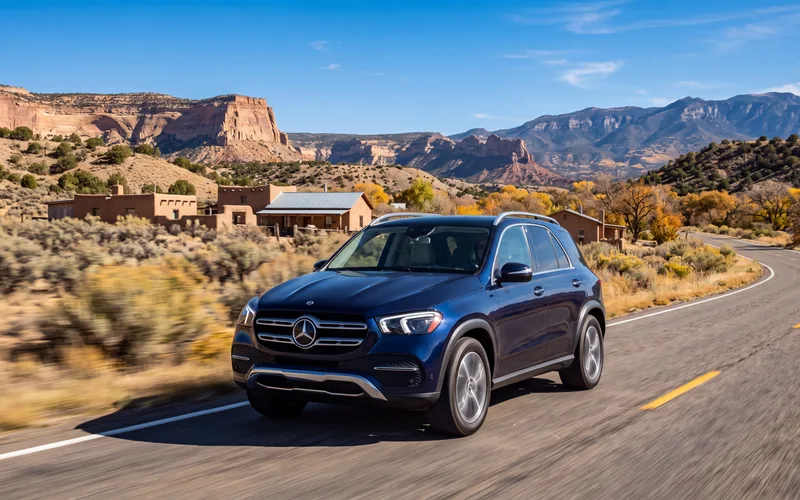 Mercedes-Benz GLEMid-Size Luxury SUVBetter at: Space and comfort
The direct rival that keeps an available third row and offers more rear legroom and cargo space for similar money.
Compare 2.90B-
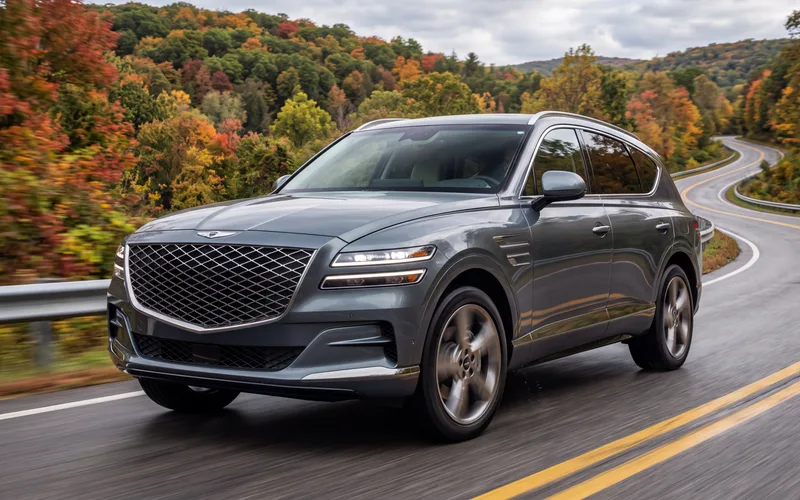 Genesis GV80Mid-Size Luxury SUVBetter at: Value
Costs thousands less, includes most of BMW's option-package features as standard, and backs it with a 5-year/60,000-mile warranty.
Compare 2.75B-
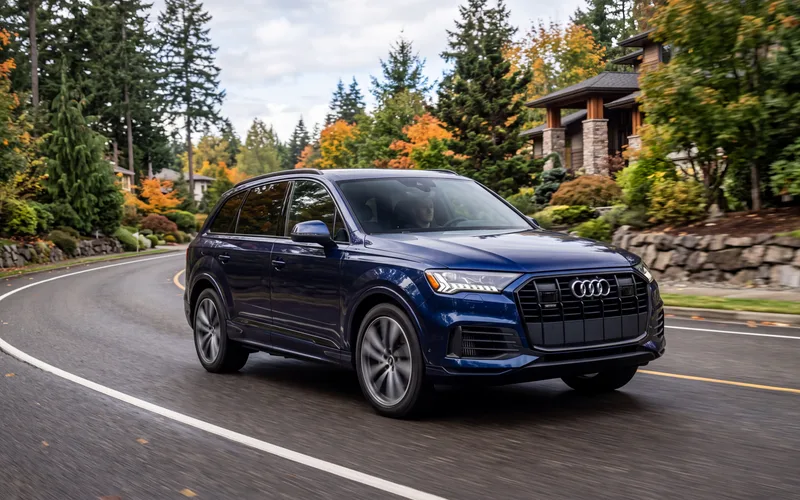 Audi Q7Mid-Size Luxury SUVBetter at: Third-row seating
Three rows of seating and more front-cabin room at a comparable price, if you can live without the X5's sharper dynamics.
CompareHow it's evolved
10 scored model years · 2017–2026
Subject scores by year
Hover or tap a score to see what moved it versus the year before. A corner mark flags a big swing.
| Year | Performance | Efficiency | Safety | Space | Cost | Reliability | Tech | Use-case | Driving | Value |
|---|---|---|---|---|---|---|---|---|---|---|
| 2026 | 74 | 57 | 83 | 52 | 17 | 79 | 85 | 73 | 76 | 75 |
| 2025 | 75 | 56 | 75 | 54 | 19 | 76 | 83 | 72 | 75 | 74 |
| 2024 | 74 | 53 | 72 | 53 | 23 | 75 | 83 | 64 | 77 | 76 |
| 2023 | 72 | 45 | 70 | 52 | 23 | 75 | 80 | 62 | 74 | 68 |
| 2022 | 71 | 45 | 70 | 53 | 26 | 79 | 78 | 61 | 73 | 67 |
| 2021 | 71 | 45 | 69 | 55 | 26 | 66 | 79 | 62 | 71 | 69 |
| 2020 | 70 | 40 | 69 | 53 | 26 | 67 | 77 | 62 | 73 | 77 |
| 2019 | 68 | 40 | 68 | 52 | 27 | 64 | 72 | 61 | 73 | 75 |
| 2018 | 63 | 31 | 56 | 51 | 26 | 68 | 60 | 59 | 69 | 66 |
| 2017 | 62 | 27 | 52 | 51 | 28 | 70 | 54 | 56 | 69 | 67 |
Compare two years
Best fit & conditions
Higher scores mean a better fit for that use case. Learn more about use-case fit →
Subject profile
Trims & configurations
3 trimsScores above reflect the volume trim. Per-trim specs and scores are rolling out — the full lineup:
Academic Probation · NHTSA safety recalls
Dec 4, 2025Air bags: critical fastenersThe instrument panel may have been manufactured incorrectly and prevent the passenger-side air bag from deploying properly.
Defect
BMW of North America, LLC (BMW) is recalling certain 2026 X6, X7, X5, and X5 Plug-In Hybrid vehicles. The instrument panel may have been manufactured incorrectly and prevent the passenger-side air bag from deploying properly.
Risk
An air bag that does not deploy properly can increase the risk of injury during a crash.
Remedy
Dealers will replace the instrument panel trim, free of charge. The vehicles have not been sold from dealer inventory and therefore, no owner letters will be mailed. Owners may contact BMW customer service at 1-800-525-7417. Vehicle Identification Numbers (VINs) involved in this recall became searchable on NHTSA.gov on December 4, 2025.
NHTSA campaign 25V837000 ↗25 vehicles potentially affected (all models in the campaign)Filed by BMW of North America, LLCFiled as X5, X5 PLUG-IN HYBRIDAug 27, 2025Visibility: windshield: critical fastenersThe windshield may not be sealed properly, which can allow water to enter the power distribution box or electronic control unit.
Defect
BMW of North America, LLC (BMW) is recalling certain 2026 X5 Plug-in Hybrid, X5, and X7 vehicles. The windshield may not be sealed properly, which can allow water to enter the power distribution box or electronic control unit.
Risk
Water inside electrical components can lead to electronic function failures, such as a loss of headlights, increasing the risk of a crash. In addition, an electrical short-circuit may occur, increasing the risk of a fire while parked or driving.
Remedy
Dealers will inspect the windshield seal. If any leaks are detected, the seal will be repaired and vehicle control units and wiring will be replaced as necessary, free of charge. Owner notification letters were mailed December 3, 2025. Owners may contact BMW customer service at 1-800-525-7417.
NHTSA campaign 25V556000 ↗1,406 vehicles potentially affected (all models in the campaign)Owners notified Dec 3, 2025Filed by BMW of North America, LLCFiled as X5, X5 PLUG-IN HYBRID
46 recalls on other model years of the X5 (2017–2025)
Jul 1, 2026Electronic stability control (esc) · Service brakes, hydraulic: power assist: electric: control moduleThe integrated brake (IB) system may malfunction and result in a loss of power brake assist or cause the Antilock Brake (ABS) and Dynamic Stability Control (DSC) systems to not function properly.
Defect
BMW of North America, LLC (BMW) is recalling certain 2025 Mini Cooper S, Mini Countryman S All4, X2, 2024 Rolls-Royce Spectre, 2023-2025 i7, 7 Series, X7, 2024-2025 i5, 5 Series, 2023-2024 XM, X1, 2024-2025 X6, and X5 vehicles. The integrated brake (IB) system may malfunction and result in a loss of power brake assist or cause the Antilock Brake (ABS) and Dynamic Stability Control (DSC) systems to not function properly.
Risk
A loss of power brake assist can extend the distance required to stop the vehicle. Additionally, malfunctioning ABS and/or DSC systems can cause a loss of vehicle control. Either of these scenarios can increase the risk of a crash.
Remedy
The Integrated brake system will be inspected and, if necessary, replaced, free of charge. Owner notification letters are expected to be mailed August 21, 2026. Owners may contact BMW customer service at 1-800-525-7417 or Rolls-Royce customer service at 1-877-877-3735. Vehicle Identification Numbers (VINs) involved in this recall will become searchable on NHTSA.gov beginning August 21, 2026. Vehicles previously repaired under recall 24V739 or 24V104 will need to have the new remedy completed.
NHTSA campaign 26V422000 ↗428 vehicles potentially affected (all models in the campaign)Owners notified Aug 25, 2026Filed by BMW of North America, LLCFiled as X5Sep 25, 2025Electrical system: starter assemblyAfter repeated attempts, the starter motor may overheat from an electrical overload.
Defect
BMW of North America, LLC (BMW) is recalling certain 2020 340I, X6, 2020-2025 840I, 2020-2022 740LI, 2019-2020 X7, and X5 vehicles. After repeated attempts, the starter motor may overheat from an electrical overload.
Risk
An overheated starter motor can ignite nearby combustible material in the engine compartment, increasing the risk of a fire.
Remedy
Dealers will replace the engine starter, free of charge. This recall includes vehicles repaired under recall 24V576 and those owners will need to have their vehicle repaired again. Owner notification letters were mailed February 9, 2026. Owners may contact BMW customer service at 1-800-525-7417. Vehicle Identification Numbers (VINs) involved in this recall became searchable on NHTSA.gov November 17, 2025.
NHTSA campaign 25V644000 ↗145,102 vehicles potentially affected (all models in the campaign)Owners notified Feb 9, 2026Filed by BMW of North America, LLCFiled as X5Oct 2, 2024Electronic stability control (esc) · Service brakes, hydraulic: power assist: electric: control modulePlease see the recall report for a complete list of models and model years. The integrated brake (IB) system may malfunction and result in a loss of power brake assist or cause the Antilock Brake (ABS) and Dynamic Stability Control (DSC) systems to not function properly.
Defect
BMW of North America, LLC. (BMW) is recalling certain 2023-2024 X1, X5, X6, X7, XM, 530i, i5, 740i, 760i, i7, and 750e vehicles. Please see the recall report for a complete list of models and model years. The integrated brake (IB) system may malfunction and result in a loss of power brake assist or cause the Antilock Brake (ABS) and Dynamic Stability Control (DSC) systems to not function properly.
Risk
A loss of power brake assist can extend the distance required to stop the vehicle. Additionally, malfunctioning ABS and/or DSC systems can cause a loss of vehicle control. Either of these scenarios can increase the risk of a crash.
Remedy
Dealers will replace the integrated brake module, free of charge. Interim owner notification letters notifying owners of the safety risk are expected to be mailed November 22, 2024. Second letters will be mailed once the parts are available. Owners may contact BMW customer service at 1-800-525-7417. Vehicles in this recall were previously repaired under recall number 24V-104 and will need to have the new remedy completed.
NHTSA campaign 24V739000 ↗11,579 vehicles potentially affected (all models in the campaign)Owners notified Nov 27, 2024Filed by BMW of North America, LLCFiled as X5Sep 18, 2024Electronic stability control (esc): control module · Service brakes, hydraulic: antilock/traction control/electronic limited slip: control unit/modulePlease refer to the recall report for the complete list of models. The welds in the servomotor of the integrated brake control module may break, causing a loss of power brake assist and rear brake function. In addition, the Antilock Brake System (ABS) and Dynamic Stability Control (DSC) system may not function.
Defect
BMW of North America (BMW) is recalling certain 2023-2024 X1, 2024-2025 X5, 2025 X6, 2023-2025 X7, 740i, 760i, 2024 XM, 530i, 540i, i7, 750e, X2, 2024-2025 i5, 2024 Rolls Royce Spectre, 2025 MINI Countryman S ALL4, JCW Countryman ALL4, and 2025 MINI Hardtop 2 Door (Cooper, Cooper S) vehicles. Please refer to the recall report for the complete list of models. The welds in the servomotor of the integrated brake control module may break, causing a loss of power brake assist and rear brake function. In addition, the Antilock Brake System (ABS) and Dynamic Stability Control (DSC) system may not function.
Risk
A loss of brake power assist or rear brake function can result in extended stopping distance. A loss of ABS or DSC can cause a loss of vehicle handling and control. Either of these scenarios can increase the risk of a crash.
Remedy
Dealers will replace the integrated brake system, free of charge. Owner notification letters were mailed November 13, 2024. Owners can contact BMW Customer Service at 1-800-525-7417.
NHTSA campaign 24V697000 ↗309 vehicles potentially affected (all models in the campaign)Owners notified Nov 13, 2024Filed by BMW of North America, LLCFiled as X5Aug 13, 2024Electrical system: wiring: connectors/plugs/receptacles · Engine and engine cooling: cooling system: pumpAn improperly sealed electrical connector on the water pump may be exposed to water and short circuit.
Defect
BMW of North America, LLC. (BMW) is recalling certain 2012-2015 X1 sDrive28i, X1 xDrive28i, 2012-2016 Z4 sDrive28i, 528i, 528i xDrive, 328i, 328xi, 2016-2018 X5 xdrive 40e, 2014-2016 228i, 228xi, 428i, 428i xDrive, 328xi Gran Turismo, 2013-2017 X3 sDrive28i, X3 xDrive28i, 2015-2018 X4 xDrive28i, 2015-2016 428xi vehicles. An improperly sealed electrical connector on the water pump may be exposed to water and short circuit.
Risk
An electrical short increases the risk of a fire.
Remedy
Dealers will inspect and replace the water pump and plug connector as necessary, and install a protective shield, free of charge. Owner notification letters were mailed on March 28, 2025. Owners may contact BMW customer service at 1-800-525-7417.
NHTSA campaign 24V608000 ↗720,796 vehicles potentially affected (all models in the campaign)Owners notified Mar 28, 2025Filed by BMW of North America, LLCFiled as X5Aug 1, 2024Electrical system: starter assembly · Engine and engine cooling: engine: engine control module (ecu/ecm): softwarePlease see the recall report for the complete list of models. In the event the starter motor fails, repeated attempts to start the vehicle can cause the starter motor to overheat from an electrical overload.
Defect
BMW of North America, LLC is recalling certain 2019-2020 X5, X7, 2020 3 Series Sedan, X6, 2020-2021 7 Series Sedan, 2020 8 Series Convertible, 8 Series Coupe, and 2020 8 Series Gran Coupe vehicles. Please see the recall report for the complete list of models. In the event the starter motor fails, repeated attempts to start the vehicle can cause the starter motor to overheat from an electrical overload.
Risk
A starter motor that overheats can ignite nearby combustible material in the engine compartment, increasing the risk of a fire.
Remedy
Dealers will update the vehicle software, free of charge. Owner notification letters were mailed September 27, 2024. Owners may contact BMW customer service at 1-800-525-7417.
NHTSA campaign 24V576000 ↗105,588 vehicles potentially affected (all models in the campaign)Owners notified Sep 27, 2024Filed by BMW of North America, LLCFiled as X5May 15, 2024Seat belts: frontThe seat belt system may inaccurately detect that passengers are belted, preventing the seat belt warning light from illuminating and possibly causing the supplemental restraint system to not deploy as intended during a crash. As such, these vehicles fail to comply with the requirements of Federal Motor Vehicle Safety Standard number 208, "Occupant Crash Protection."
Defect
BMW of North America, LLC (BMW) is recalling certain 2024 XM, 2025 BMW X5 sDrive40i, X5 xDrive40i, X5 M60i, X5 M, X5 xDrive50e, X6 xDrive40i, X6 M60i, X6 M, X7 xDrive40i, X7 M60i, and Alpina XB7 vehicles. The seat belt system may inaccurately detect that passengers are belted, preventing the seat belt warning light from illuminating and possibly causing the supplemental restraint system to not deploy as intended during a crash. As such, these vehicles fail to comply with the requirements of Federal Motor Vehicle Safety Standard number 208, "Occupant Crash Protection."
Risk
A seat belt warning light that does not alert occupants of an unbelted seat belt or an SRS system that deploys improperly can both increase the risk of injury in a crash.
Remedy
Dealers will inspect and replace the front seat lower seat belts as necessary, free of charge. Owner notification letters were mailed July 12, 2024. Owners may contact BMW customer service at 1-800-525-7417.
NHTSA campaign 24V345000 ↗3,256 vehicles potentially affected (all models in the campaign)Owners notified Jul 12, 2024Filed by BMW of North America, LLCFiled as X5May 10, 2024Equipment: other: labelsThe tire information placard may indicate an incorrect tire size and tire pressure. As such, these vehicles fail to comply with the requirements of Federal Motor Vehicle Safety Standard number 110, "Tire Selection and Rims."
Defect
BMW of North America, LLC (BMW) is recalling certain 2024-2025 X5 xDrive40i vehicles. The tire information placard may indicate an incorrect tire size and tire pressure. As such, these vehicles fail to comply with the requirements of Federal Motor Vehicle Safety Standard number 110, "Tire Selection and Rims."
Risk
Incorrect tire information can allow an incorrectly sized tire to be installed or result in improperly inflated tires, increasing the risk of a crash.
Remedy
Dealers will replace the tire information placard, free of charge. Owner notification letters were mailed July 9, 2024. Owners may contact BMW customer service at 1-800-525-7417.
NHTSA campaign 24V327000 ↗703 vehicles potentially affected (all models in the campaign)Owners notified Jul 9, 2024Filed by BMW of North America, LLCFiled as X5Feb 23, 2024Air bags · Structure: interior panels: dashboardThe instrument panel may not have been manufactured properly, which can result in improper air bag deployment or the panel separating during air bag deployment.
Defect
BMW of North America, LLC (BMW) is recalling certain 2024 X5 sDrive40i, X5 xDrive40i and X7 xDrive40i vehicles. The instrument panel may not have been manufactured properly, which can result in improper air bag deployment or the panel separating during air bag deployment.
Risk
Instrument panel separation during air bag deployment can result in pieces of the panel striking occupants. Improper air bag deployment may not restrain an occupant as intended during a crash. Either of these scenarios can increase the risk of injury.
Remedy
Dealers will replace the instrument panel, free of charge. Owner notification letters were mailed April 16, 2024. Owners may contact BMW customer service at 1-800-525-7417.
NHTSA campaign 24V138000 ↗8 vehicles potentially affected (all models in the campaign)Owners notified Apr 16, 2024Filed by BMW of North America, LLCFiled as X5Feb 12, 2024Electronic stability control (esc) · Service brakes, hydraulic: power assist: electric: control modulePlease see the recall report for a complete list of models and model years. The integrated brake (IB) system may malfunction and result in a loss of power brake assist or cause the Antilock Brake (ABS) and Dynamic Stability Control (DSC) systems to not function properly.
Defect
BMW of North America, LLC. (BMW) is recalling certain 2023-2025 BMW, MINI, and Rolls-Royce vehicles. Please see the recall report for a complete list of models and model years. The integrated brake (IB) system may malfunction and result in a loss of power brake assist or cause the Antilock Brake (ABS) and Dynamic Stability Control (DSC) systems to not function properly.
Risk
A loss of power brake assist can extend the distance required to stop the vehicle. Additionally, malfunctioning ABS and/or DSC systems can cause a loss of vehicle control. Either of these scenarios can increase the risk of a crash.
Remedy
Dealers will replace the integrated brake system, free of charge. Owner notification letters were mailed between June and December 2024. Owners may contact BMW customer service at 1-800-525-7417 or Rolls Royce customer service at 1-877-877-3735.
NHTSA campaign 24V104000 ↗266,716 vehicles potentially affected (all models in the campaign)Owners notified Jun 28, 2024Filed by BMW of North America, LLCFiled as X5Dec 6, 2023Power train: automatic transmission: control module (tcm/pcm/tecm)The weld seam of the integrated transmission control unit's cover may not have been manufactured properly, which could allow automatic transmission oil to leak into the transmission control unit.
Defect
BMW of North America, LLC (BMW) is recalling certain 2023 Toyota GR Supra, 3 Series Sedan (330i xDrive, M340i xDrive, M3), 5 Series Sedan (530i, 530i xDrive, M5), 4 Series Gran Coupe (430i, 430i xDrive), 4 Series Coupe (430i, 430i xDrive, M440i xDrive), 4 Series Convertible (430i, 430i xDrive, M440i xDrive), 8 Series Coupe (840i, M850i xDrive, M8), 8 Series Convertible (840i, M850i xDrive, M8), 8 Series Gran Coupe (850i xDrive, M8), X3 SAV (X3 xDrive30i, X3M), X4 SAV (X4 xDrive30i), X5 SAV (X5 xDrive40i, X5 M50i, X5M), X6 SAV (X6 xDrive40i, X6 M50i, X6M), and Z4 sDrive30i, Z4 M40i vehicles. The weld seam of the integrated transmission control unit's cover may not have been manufactured properly, which could allow automatic transmission oil to leak into the transmission control unit.
Risk
Transmission oil that leaks into the control unit can lead to a seizure of the transmission gears, causing a sudden loss of drive power and increasing the risk of a crash.
Remedy
Dealers will replace the transmission mechatronics module and the automatic transmission fluid, as necessary, free of charge. Owner notification letters were mailed January 26, 2024. Owners may contact BMW customer service at 1-800-525-7417.
NHTSA campaign 23V821000 ↗Manufacturer no. Toyota - 23TA14552 vehicles potentially affected (all models in the campaign)Owners notified Jan 26, 2024Filed by BMW of North America, LLCFiled as X5Sep 7, 2023Air bagsThe front passenger knee air bag may not deploy as intended.
Defect
BMW of North America, LLC (BMW) is recalling certain 2023 BMW XM, 2024 BMW X5 sDrive40i, X5 xDrive40i, X5 M60i, X5 M, X5 xDrive50e, X6 xDrive40i, X6 M60i, X6 M, X7 xDrive40i, X7 M60i, and Alpina XB7 vehicles. The front passenger knee air bag may not deploy as intended.
Risk
An air bag that does not deploy as intended can increase the risk of injury in a crash.
Remedy
Dealers will replace the front passenger knee air bag, free of charge. Owner notification letters were mailed November 3, 2023. Owners may contact BMW's customer service at 1-800-525-7417.
NHTSA campaign 23V622000 ↗2,352 vehicles potentially affected (all models in the campaign)Owners notified Nov 3, 2023Filed by BMW of North America, LLCFiled as X5Jul 10, 2023Air bags: knee bolsterThe knee air bag (driver and/or passenger) may not have been manufactured correctly, which can result in the knee air bag not deploying as intended.
Defect
BMW of North America, LLC (BMW) is recalling certain 2024 X5 sDrive40i, X5 xDrive40i, X5 M60i, X5 M, xDrive 50e, 2024 X6 xDrive40i, X6 M60i, X6 M, 2024 X7 xDrive40i, X7 M60i, Alpina XB7, and 2023 XM vehicles. The knee air bag (driver and/or passenger) may not have been manufactured correctly, which can result in the knee air bag not deploying as intended.
Risk
A knee air bag that does not deploy as intended increases the risk of injury.
Remedy
Dealers will replace the knee air bag (driver and/or passenger), free of charge. Owner notification letters were mailed September 6, 2023. Owners may contact BMW customer service at 1-800-525-7417.
NHTSA campaign 23V471000 ↗1,981 vehicles potentially affected (all models in the campaign)Owners notified Sep 6, 2023Filed by BMW of North America, LLCFiled as X5Apr 6, 2023Seats: mid/rear assembly: head restraintThe head restraints for the second-row outboard seats may have been improperly manufactured without locking tabs in the guide sleeves. As such, these vehicles fail to comply with the requirements of Federal Motor Vehicle Safety Standard number 202, "Head Restraints."
Defect
BMW of North America, LLC (BMW) is recalling certain 2023 X5 sDrive40i, X5 xDrive40i, X5 M50i, X5 M and X5 xDrive45e vehicles. The head restraints for the second-row outboard seats may have been improperly manufactured without locking tabs in the guide sleeves. As such, these vehicles fail to comply with the requirements of Federal Motor Vehicle Safety Standard number 202, "Head Restraints."
Risk
A head restraint without a locking tab may not properly restrain an occupant during a crash, increasing the risk of injury.
Remedy
Dealers will inspect and replace the second-row outboard seat head restraint guide sleeves, as necessary, free of charge. Owner notification letters were mailed May 31, 2023. Owners may contact BMW customer service at 1-800-525-7417.
NHTSA campaign 23V253000 ↗235 vehicles potentially affected (all models in the campaign)Owners notified May 31, 2023Filed by BMW of North America, LLCFiled as X5Dec 19, 2022Seats: critical fastenersOne of the four bolts that connects the backrest to the driver's seat frame may not have been correctly installed.
Defect
BMW of North America, LLC (BMW) is recalling certain 2023 X5 sDrive40i, X5 M50i and X5 xDrive 45e vehicles. One of the four bolts that connects the backrest to the driver's seat frame may not have been correctly installed.
Risk
A loose driver's seat backrest may not properly restrain the occupant during a crash, increasing the risk of injury.
Remedy
Dealers will inspect the driver's seat backrest and if necessary, install an attachment bolt, free of charge. Owner notification letters are expected to be mailed February 17, 2023. Owners may contact BMW customer service at 1-800-525-7417.
NHTSA campaign 22V942000 ↗4 vehicles potentially affected (all models in the campaign)Owners notified Dec 23, 2022Filed by BMW of North America, LLCFiled as X5Nov 2, 2022Visibility: windshieldThe windshield may not have been properly bonded to the vehicle which could allow water to enter the vehicle and contact electrical components, possibly resulting in a short-circuit.
Defect
BMW of North America, LLC (BMW) is recalling certain 2023 X5 sDrive40i, xDrive40i, xDrive45e, and X7 xDrive40i vehicles. The windshield may not have been properly bonded to the vehicle which could allow water to enter the vehicle and contact electrical components, possibly resulting in a short-circuit.
Risk
An electrical short-circuit increases the risk of a fire.
Remedy
Dealers will inspect the windshield seal and as necessary, remove and reinstall the windshield with a new seal, free of charge. Owner notification letters were mailed December 30, 2022. Owners may contact BMW customer service at 1-800-525-7417.
NHTSA campaign 22V820000 ↗47 vehicles potentially affected (all models in the campaign)Owners notified Dec 30, 2022Filed by BMW of North America, LLCFiled as X5Apr 20, 2022Visibility: sun/moon roof assemblyThe roof function control unit may be programmed incorrectly, allowing the sunroof to close without the key fob present inside the vehicle. As such, these vehicles fail to comply with the requirements of Federal Motor Vehicle Safety Standard number 118, "Power-Operated Window Systems."
Defect
BMW of North America, LLC (BMW) is recalling certain 2022 4 Series Gran Coupe (430i, 430i xDrive, M440i xDrive); 2019-2022 X5 sDrive40i, X5 xDrive40i, X5 xDrive50i, X5 M50i, X5M; 2021-2022 X5 xdrive45e; 2020-2022 X6 sDrive40i, X6 xDrive40i, X6 xDrive50i, X6M and 2019-2023 X7 xDrive40i, X7 xDrive50i, X7 M50i, X7 xDrive60i, X7 M60i, X7M, Alpina XB7 vehicles. The roof function control unit may be programmed incorrectly, allowing the sunroof to close without the key fob present inside the vehicle. As such, these vehicles fail to comply with the requirements of Federal Motor Vehicle Safety Standard number 118, "Power-Operated Window Systems."
Risk
A sunroof that closes without the key fob present inside the vehicle can increase the risk of injury.
Remedy
Dealers will reprogram the roof function control unit, free of charge. Owner notification letters were mailed June 20, 2022. Owners may contact BMW customer service at 1-800-525-7417.
NHTSA campaign 22V267000 ↗61,221 vehicles potentially affected (all models in the campaign)Owners notified Jun 20, 2022Filed by BMW of North America, LLCFiled as X5Nov 19, 2021Fuel system, dieselThe EGR cooler may leak internally, causing coolant to mix with diesel engine soot, which could result in smoldering particles and a melting intake manifold.
Defect
BMW of North America, LLC (BMW) is recalling certain 2013-2018 328d, 328d xDrive, 2014-2018 328d Sports Wagon, 328d xDrive Sports Wagon, 2014-2016 535d, 535d xDrive, 2015 740Ld xDrive, 2015-2017 X3 xDrive28d SAV, and 2014-2017 X5 xDrive35d SAV diesel vehicles equipped with an Exhaust Gas Recirculation (EGR) module with an integrated cooler. The EGR cooler may leak internally, causing coolant to mix with diesel engine soot, which could result in smoldering particles and a melting intake manifold.
Risk
A melting intake manifold increases the risk of a fire.
Remedy
Dealers will replace the EGR cooler and inspect the intake manifold, replacing it as necessary, free of charge. This recall includes all vehicles previously recalled under 18V-755. Vehicles previously recalled under 18V-755 will need to have the new remedy performed for this recall. An interim owner notification letter was mailed on January 18, 2022. The remedy is expected to be available in June 2022. Owner notification letters were mailed on July 6, 2022. Owners may contact BMW customer service at 1-800-525-7417.
NHTSA campaign 21V907000 ↗50,404 vehicles potentially affected (all models in the campaign)Owners notified Jul 6, 2022Filed by BMW of North America, LLCFiled as X5Jul 29, 2021Fuel system, diesel: delivery: fuel pumpThe high-pressure fuel pump may fail.
Defect
BMW of North America, LLC (BMW) is recalling certain 2014-2018 328d, 328d xDrive, X5 xDrive35d, 2014-2016 535d, 535d xDrive, 2015 740Ld xDrive, and 2015-2017 X3 xDrive28d vehicles. The high-pressure fuel pump may fail.
Risk
Fuel pump failure can cause an engine stall while driving, increasing the risk of a crash.
Remedy
Dealers will replace the high-pressure fuel pump, free of charge. Owner notification letters were mailed on January 14, 2022. Owners may contact BMW customer service at 1-800-525-7417.
NHTSA campaign 21V586000 ↗11,216 vehicles potentially affected (all models in the campaign)Owners notified Jan 14, 2022Filed by BMW of North America, LLCFiled as X5Jul 8, 2021Air bags: frontal · Electrical system: instrument cluster/panelBMW of North America, LLC (BMW) is recalling one 2019 X5 xDrive 40i vehicle. The instrument panel may not have been manufactured correctly, which could prevent the passenger side air bag from deploying properly in a crash.
Defect
BMW of North America, LLC (BMW) is recalling one 2019 X5 xDrive 40i vehicle. The instrument panel may not have been manufactured correctly, which could prevent the passenger side air bag from deploying properly in a crash.
Risk
An air bag that does not deploy properly can increase the risk of injury in a crash.
Remedy
A dealer will replace the instrument panel, free of charge. Owner notification letters were mailed on July 26, 2021. Owners may contact BMW customer service at 1-800-525-7417.
NHTSA campaign 21V520000 ↗1 vehicles potentially affected (all models in the campaign)Owners notified Jul 26, 2021Filed by BMW of North America, LLCFiled as X5Mar 10, 2021Seats: mid/rear assembly: head restraintThe head restraints on the second-row outer seats may be the incorrect type for the vehicle.
Defect
BMW of North America, LLC (BMW) is recalling certain 2021 X5 sDrive40i, X5 xDrive50i, X5 M50i, X5 xDrive45e, 2021 X7 xDrive40i, X7 M50i, and XB7 vehicles. The head restraints on the second-row outer seats may be the incorrect type for the vehicle.
Risk
In the event of a crash, the head restraints could detach, and increase the risk of injury.
Remedy
BMW will notify owners, and dealers will inspect the head restraints, and replace them as necessary, free of charge. The recall began May 3, 2021. Owners may contact BMW customer service at 1-800-525-7417.
NHTSA campaign 21V156000 ↗258 vehicles potentially affected (all models in the campaign)Owners notified May 3, 2021Filed by BMW of North America, LLCFiled as X5, X5 HYBRIDFeb 19, 2021Back over prevention: sensing system: camera · Back over prevention: softwareWhen shifting into Reverse, a small portion of the rearview image may be obscured, or the screen may not illuminate. As such, these vehicles fail to comply with the requirements of Federal Motor Vehicle Safety Standard (FMVSS) number 111, "Rear Visibility."
Defect
BMW of North America, LLC (BMW) is recalling certain 2019-2021 X3 sDrive30i, X3 xDrive30i, X3 M40i, X3M, X4 xDrive30i, X4 M40i, M550i, X4M, X5 sDrive40i, X5 xDrive40i, X5 xDrive50i, X5M, X5 M50i, X7 xDrive40i, X7 xDrive50i, X7 M50i, Alpina XB7, 330i, 330i xDrive, M340i, M340i xDrive, and 8 Series Coupe, Convertible and Grand Coupe, 840i, 840i xDrive, M850i xDrive, M8, 2020-2021 530e, 530e xDrive, 330e, 330e xDrive, 745Le, 745Le xDrive, X5 xDrive45e, X3 xDrive30e, X6 sDrive40i, X6 xDrive40i, X6 xDrive50i, X6 M50i, X6M, 530i, 530i xDrive, 540i, 540i xDrive, M550i xDrive, M5, 740i, 740Li, 740Li xDrive, M760i Drive, M760Li xDrive, 750Li xDrive Alpina, Alpina B7 xDrive, and 2021 4 Series Coupe 430i, 430i xDrive, M440i xDrive vehicles. When shifting into Reverse, a small portion of the rearview image may be obscured, or the screen may not illuminate. As such, these vehicles fail to comply with the requirements of Federal Motor Vehicle Safety Standard (FMVSS) number 111, "Rear Visibility."
Risk
If the driver relies on only the rearview camera image, the missing or reduced rearview image view can increase the risk of a crash or injury.
Remedy
BMW will notify owners, and dealers will inspect the rearview camera software and update it if necessary, free of charge. The recall began April 16, 2021. Owners may contact BMW customer service at 1-800-525-7417.
NHTSA campaign 21V096000 ↗13,858 vehicles potentially affected (all models in the campaign)Owners notified Apr 16, 2021Filed by BMW of North America, LLCFiled as X5Feb 18, 2021Service brakes, hydraulic: critical fasteners · Service brakes, hydraulic: foundation components: discThe right front brake disc may have been assembled with incorrect fasteners, which over time, could result in the front brake disc becoming loose.
Defect
BMW of North America, LLC (BMW) is recalling certain 2021 X5 sDrive40i and X5 xDrive40i vehicles. The right front brake disc may have been assembled with incorrect fasteners, which over time, could result in the front brake disc becoming loose.
Risk
A loose brake disc could affect vehicle handling and control, and increase the risk of a crash.
Remedy
BMW will notify owners, and dealers will inspect the right front brake disc and replace it if necessary, along with the unaffected left side brake disc, free of charge. There are no owner vehicles affected; therefore, owner notification is not necessary and, as such, a planned owner notification date is not entered into the recall schedule. Owners may contact BMW's customer service at 1-800-525-7417.
NHTSA campaign 21V089000 ↗9 vehicles potentially affected (all models in the campaign)Owners notified Mar 2, 2021Filed by BMW of North America, LLCFiled as X5Feb 10, 2021Service brakes, hydraulic · Service brakes, hydraulic: power assist: hydraulicThe rotor and shaft within the integrated brake system may not have been welded properly and could separate during a hard braking event, possibly resulting in a loss of the Antilock Brake System (ABS) and braking assistance.
Defect
BMW of North America, LLC (BMW) is recalling certain 2020-2021 8 Series Coupe, Grand Coupe and convertible 840i, 840i xDrive, M850i xDrive, M8 and 740 Li, 740 Li xDrive, 750 Li xDrive, M760 Li xDrive, X6 sDrive40i, X6 xDrive40i, X6 xdrive50i, X6 M50i, X6M, and 2019-2021 X5 sDrive40i, X5 xDrive40i, X5 xDrive50i, X5 M50i, X5M, X7 xDrive40i, X7 xDrive50i, X7 M50i, and 2021 M3, M3 Competition, M4 Coupe, M4 Competition Coupe, X5 xDrive45e, 745 Le xDrive. The rotor and shaft within the integrated brake system may not have been welded properly and could separate during a hard braking event, possibly resulting in a loss of the Antilock Brake System (ABS) and braking assistance.
Risk
A loss of ABS and a reduction in braking assistance can increase the risk of a crash.
Remedy
BMW will notify owners, and dealers will replace the integrated brake system, free of charge. Owner notification letters were mailed on May 25, 2021. Owners may contact BMW customer service at 1-800-525-7417.
NHTSA campaign 21V062000 ↗893 vehicles potentially affected (all models in the campaign)Owners notified May 25, 2021Filed by BMW of North America, LLCFiled as X5Jan 29, 2021Steering: columnThe steering column shaft's universal joint connection may not have been tightened to specifications, and can become loose.
Defect
BMW of North America, LLC (BMW) is recalling certain 2021 X5 sDrive40i, X5 xDrive40i, X5M, X5 xDrive45e, X6 sDrive40i, X6 xDrive40i, X7 xDrive40i, X7 M50i vehicles. The steering column shaft's universal joint connection may not have been tightened to specifications, and can become loose.
Risk
A loose steering column shaft universal joint connection can affect vehicle handling and control, increasing the risk of a crash.
Remedy
BMW will notify owners, and dealers will inspect and, depending upon the inspection, either the bolt will be replaced and tightened to specifications, or the steering column shaft, universal joint, and bolt will be replaced and tightened to specifications, free of charge. The recall began March 30, 2021. Owners may contact BMW customer service at 1-800-525-7417.
NHTSA campaign 21V031000 ↗21 vehicles potentially affected (all models in the campaign)Owners notified Mar 30, 2021Filed by BMW of North America, LLCFiled as X5Dec 9, 2020Electrical system: 12v/24v/48v batteryThe connection between the 48-Volt battery and the starter-generator may not have been assembled properly, which can cause increased electrical resistance at the connections.
Defect
BMW of North America, LLC (BMW) is recalling certain 2021 M340i xDrive, M440i xDrive Coupe, 530i, 530i xDrive, 540i, 540i xDrive, 740Li, 740Li xDrive, 840i Gran Coupe, 840i xDrive Gran Coupe, X5 sDrive40i, X5 xDrive40i, X6 sDrive40i, X6 xDrive40i, and X7 xDrive40i vehicles. The connection between the 48-Volt battery and the starter-generator may not have been assembled properly, which can cause increased electrical resistance at the connections.
Risk
Increased electrical resistance can increase the risk of a fire.
Remedy
BMW will notify owners, and dealers will inspect the connection between the 48-Volt battery and the starter-generator assembly, replacing it if necessary, free of charge. The recall is expected to begin April 12, 2021. Owners may contact BMW customer service at 1-800-525-7417.
NHTSA campaign 20V761000 ↗812 vehicles potentially affected (all models in the campaign)Owners notified Mar 30, 2021Filed by BMW of North America, LLCFiled as X5Nov 4, 2020Suspension: front: control armThe weld between the front axle support and the right front control arm bearing bracket may separate.
Defect
BMW of North America, LLC (BMW) is recalling certain 2020 X5 sDrive40i, xDrive40i, X5 M50i, X5M, X7 xDrive40i, X7 M50i, X6 xDrive40i, X6 M50i and X6M vehicles and 2021 X5 xDrive45e vehicles. The weld between the front axle support and the right front control arm bearing bracket may separate.
Risk
If the weld between the front axle support and the right front control arm bearing bracket separates, vehicle handling and control may be affected, increasing the risk of a crash.
Remedy
BMW will notify owners, and dealers will replace the front axle support, free of charge. The recall began December 18, 2020. Owners may contact BMW customer service at 1-800-525-7417.
NHTSA campaign 20V678000 ↗83 vehicles potentially affected (all models in the campaign)Owners notified Dec 18, 2020Filed by BMW of North America, LLCFiled as X5Sep 30, 2020Electrical system: propulsion system: traction batteryDebris may have entered one or more of the hybrid battery cells during their production.
Defect
BMW of North America, LLC (BMW) is recalling certain 2020-2021 530e, 530e xDrive, 530e iPerformance and X3 xDrive30e and MINI Cooper Countryman All4 SE, 2020 BMW i8, and 2021 330e, 330e xDrive, 745Le xDrive and X5 xDrive45e vehicles. Debris may have entered one or more of the hybrid battery cells during their production.
Risk
The debris could result in a short-circuit, increasing the risk of fire or injury.
Remedy
BMW will inspect and, if necessary, replace the battery module free of charge. The remedy is currently being developed. Until the remedy is completed, drivers are instructed to not charge their vehicles. Drivers are instructed to not drive in manual mode, sport mode, and to not use the shift paddles. Owners were notified of the safety risk October 23, 2020. The recall began November 24, 2020. Owners may contact BMW customer service at 1-800-525-7417.
NHTSA campaign 20V601000 ↗4,509 vehicles potentially affected (all models in the campaign)Owners notified Nov 24, 2020Filed by BMW of North America, LLCFiled as X5Sep 1, 2020Exterior lighting: headlightsThe headlamps may allow a blue light to illuminate. As such, these vehicles fail to comply with the requirements of Federal Motor Vehicle Safety Standard number 108, "Lamps, Reflective Devices, and Associated Equipment."
Defect
BMW of North America, LLC (BMW) is recalling certain 2020-2021 X5 sDrive40i, xDrive40i, xDrive50i, X5 M50i, X5M, X6 sDrive40i, xDrive40i, X6 M50i, X6M, X7 M50i and 2021 X5 xDrive45e vehicles. The headlamps may allow a blue light to illuminate. As such, these vehicles fail to comply with the requirements of Federal Motor Vehicle Safety Standard number 108, "Lamps, Reflective Devices, and Associated Equipment."
Risk
Oncoming drivers may be confused by the blue light of approaching vehicles, which could potentially increase the risk of a crash.
Remedy
BMW will notify owners, and dealers will inspect the headlamps and, if necessary, replace them, free of charge. The recall began October 30, 2020. Owners may contact BMW customer service at 1-800-525-7417.
NHTSA campaign 20V528000 ↗307 vehicles potentially affected (all models in the campaign)Owners notified Oct 30, 2020Filed by BMW of North America, LLCFiled as X5Aug 18, 2020Electrical system: 12v/24v/48v battery · Electrical system: propulsion system: traction batteryLoose welding beads may form a conductive path between the hybrid battery cells which could lead to a short-circuit.
Defect
BMW of North America, LLC (BMW) is recalling certain 2021 330e and X5 xDrive45e, 2020-2021 X3 xDrive30e, and 2020 MINI Countryman SE ALL4 vehicles. Loose welding beads may form a conductive path between the hybrid battery cells which could lead to a short-circuit.
Risk
A short-circuited hybrid battery may increase the risk of a fire.
Remedy
BMW will notify owners, and dealers will inspect and, if necessary, replace the battery modules, free of charge. BMW issued owners an interim notification on October 16, 2020. Although potentially affected BMW owners received interim owner notification letters, all potentially affected BMW owner vehicles have been remedied; therefore, BMW Final owner notification letters will not be necessary. Owners may contact BMW customer service at 1-800-525-7417.
NHTSA campaign 20V490000 ↗713 vehicles potentially affected (all models in the campaign)Owners notified Oct 12, 2020Filed by BMW of North America, LLCFiled as X5Aug 14, 2020TiresThe tires may have a damaged inner layer, possibly resulting in a rapid loss of pressure while the vehicle is moving.
Defect
BMW of North America, LLC (BMW) is recalling certain 2021 X6 (sDrive40i, xDrive40i and M50i) and X5 (sDrive40i, xDrive40i and M50i) vehicles equipped with certain Pirelli tires. The tires may have a damaged inner layer, possibly resulting in a rapid loss of pressure while the vehicle is moving.
Risk
A rapid loss of tire pressure while the vehicle is moving can affect vehicle handling and control, increasing the risk of a crash.
Remedy
BMW has notified all of the affected owners, and dealers will replace the defective tires, free of charge. BMW has contacted owners by telephone and those owners have had their cars remedied. Owner notification letters will not be sent. Owners may contact BMW customer service at 1-800-525-7417.
NHTSA campaign 20V483000 ↗42 vehicles potentially affected (all models in the campaign)Owners notified Aug 22, 2020Filed by BMW of North America, LLCFiled as X5Aug 7, 2020Electrical system: starter assembly · Power train: automatic transmissionThe starter motor may have an extra bolt that could potentially fall into the transmission housing and cause an engine stall.
Defect
BMW of North America, LLC (BMW) is recalling certain 2020 X5 sDrive 40i, X5 xDrive 40i and one X7 xDrive 40i vehicle. The starter motor may have an extra bolt that could potentially fall into the transmission housing and cause an engine stall.
Risk
An engine stall increases the risk of a crash.
Remedy
BMW will notify owners, and dealers will inspect the starter motor for the extra bolt, removing it if necessary. Dealers will also inspect the starter for damage, and check if the bolt has fallen into the transmission housing, replacing any damaged parts as necessary. All repairs will be performed free of charge. The recall began on October 2, 2020. Owners may contact BMW customer service at 1-800-525-7417.
NHTSA campaign 20V465000 ↗21 vehicles potentially affected (all models in the campaign)Owners notified Oct 2, 2020Filed by BMW of North America, LLCFiled as X5Jul 28, 2020Steering · Steering: columnThe steering column shaft bearing plate may not have been properly attached to the vehicle, allowing it to loosen.
Defect
BMW of North America, LLC (BMW) is recalling certain 2019-2020 X5 sDrive40i, X5 xDrive40i and X5 xDrive50i vehicles and 2020 X6M vehicles. The steering column shaft bearing plate may not have been properly attached to the vehicle, allowing it to loosen.
Risk
A loose bearing plate can affect the vehicle's handling and control, increasing the risk of a crash.
Remedy
BMW will notify owners, and dealers will inspect the steering column shaft bearing plate and properly attach or replace it, as necessary, free of charge. BMW telephoned owners and all of the vehicles have been remedied. No owner notification letter is necessary. Please contact BMW customer service at 1-800-525-7417.
NHTSA campaign 20V434000 ↗7 vehicles potentially affected (all models in the campaign)Owners notified Aug 23, 2020Filed by BMW of North America, LLCFiled as X5Sep 27, 2019Back over prevention: sensing system: cameraThe back-up camera and display settings can be adjusted such that the rear view image is no longer visible and the system will retain that setting the next time the vehicle is placed in reverse. As such, these vehicles fail to comply with the requirements of Federal Motor Vehicle Safety Standard (FMVSS) number 111, "Rearview Mirrors."
Defect
BMW of North America, LLC (BMW) is recalling certain 2018 540d, 2018-2020 530i, 530i xDrive, 540i, 540i xDrive, M550i xDrive, M5, 530e, 530e xDrive, X3 sDrive, X3 xDrive, X3 M40i, X3 M, and 2019-2020 X4 xDrive, X4 M40i, X4 M, X7 xDrive, X7 M50i, 740Li, 740Li xDrive, 750Li, 750Li xDrive, 8 Series Convertible and Coupe 840i, 840i xDrive, M850i xDrive, X5 sDrive, X5 xDrive, X5 M50i, X6 xDrive, X6 M50i, 330i, 330i xDrive, M340i, M340i xDrive, Z4 sDrive, Z4 M40i, 740Le xDrive and 745Le xDrive, 2018-2019 640i xDrive Gran Turismo and Rolls-Royce Phantom, 2019 M850i xDrive Gran Coupe and Rolls-Royce Cullinan and 2020 Toyota Supra vehicles. The back-up camera and display settings can be adjusted such that the rear view image is no longer visible and the system will retain that setting the next time the vehicle is placed in reverse. As such, these vehicles fail to comply with the requirements of Federal Motor Vehicle Safety Standard (FMVSS) number 111, "Rearview Mirrors."
Risk
The lack of an image in the back-up camera display increases the risk of a crash.
Remedy
BMW will notify owners, and dealers will update the back-up camera software, free of charge. The recall began November 8, 2019. Owners may contact BMW customer service at 1-800-525-7417 or Rolls-Royce at 1-877-877-3735. Toyota owners may contact Toyota customer service at 1-888-270-9371.
NHTSA campaign 19V684000 ↗257,473 vehicles potentially affected (all models in the campaign)Owners notified Nov 8, 2019Filed by BMW of North America, LLCFiled as X5Aug 28, 2019Steering: rack and pinion: rackThe steering rack pinion teeth may break under load, resulting in a loss of steering control.
Defect
BMW of North America, LLC (BMW) is recalling certain 2020 X5 sDrive40i, X5 xDrive40i, X5 M50i, X7 xDrive40i and X7 M50i vehicles. The steering rack pinion teeth may break under load, resulting in a loss of steering control.
Risk
A loss of steering control increases risk of a crash.
Remedy
BMW will notify owners, and dealers will replace the steering rack, free of charge. The recall began August 21, 2019. Owners may contact BMW customer service at 1-800-525-7417.
NHTSA campaign 19V631000 ↗12 vehicles potentially affected (all models in the campaign)Owners notified Aug 21, 2019Filed by BMW of North America, LLCFiled as X5Jul 23, 2019Wheels: lugs/nuts/bolts/studsThe left side wheel bolts may have been insufficiently tightened and may loosen over time.
Defect
BMW of North America, LLC (BMW) is recalling certain 2019 X5 xDrive50i and X7 xDrive40i vehicles. The left side wheel bolts may have been insufficiently tightened and may loosen over time.
Risk
Loose bolts may allow a wheel to detach from the vehicle, increasing the risk of a crash.
Remedy
BMW will notify owners, and dealers will replace and tighten the left side wheel bolts, free of charge. The recall began July 16, 2019. Owners may contact BMW customer service at 1-800-525-7417.
NHTSA campaign 19V541000 ↗5 vehicles potentially affected (all models in the campaign)Owners notified Jul 16, 2019Filed by BMW of North America, LLCFiled as X5Jul 3, 2019Engine · Fuel system, other: delivery: fuel pumpThe high pressure fuel pump may not have been properly attached to the engine, which may cause the fuel pump flange to crack, resulting in a fuel leak.
Defect
BMW of North America, LLC (BMW) is recalling certain 2020 750i xDrive, 2019 M850i xDrive Coupe, M850i xDrive Convertible, X5 xDrive50i, X7 xDrive50i, and M5 vehicles. The high pressure fuel pump may not have been properly attached to the engine, which may cause the fuel pump flange to crack, resulting in a fuel leak.
Risk
A fuel leak in the presence of an ignition source can increase the risk of a fire.
Remedy
BMW will notify owners, and dealers will replace the high pressure fuel pumps, free of charge. The recall began August 27, 2019. Owners may contact BMW customer service at 1-800-525-7417.
NHTSA campaign 19V513000 ↗115 vehicles potentially affected (all models in the campaign)Owners notified Aug 27, 2019Filed by BMW of North America, LLCFiled as X5Feb 13, 2019Seat belts · SeatsThe attachment bolts for the driver's seat and/or seat belt may not have been properly tightened.
Defect
BMW of North America, LLC (BMW) is recalling certain 2019 X5 xDrive40i and xDrive50i vehicles. The attachment bolts for the driver's seat and/or seat belt may not have been properly tightened.
Risk
The improperly tightened bolts can increase the risk of injury in the event of a crash.
Remedy
BMW will notify owners, and dealers will inspect the attachment bolts for the driver's seat and seat belt, and torque them to the correct specifications, as necessary, free of charge. The recall began April 9, 2019. Owners may contact BMW customer service at 1-800-525-7417.
NHTSA campaign 19V096000 ↗68 vehicles potentially affected (all models in the campaign)Owners notified Apr 9, 2019Filed by BMW of North America, LLCFiled as X5Dec 19, 2018Equipment: other: labelsThe driver and/or passenger sun visor may have an incorrect air bag warning label, or the label may be missing. As such, these vehicles fail to comply with the requirements of Federal Motor Vehicle Safety Standard (FMVSS) number 208, "Occupant crash protection."
Defect
BMW of North America, LLC (BMW) is recalling certain 2019 BMW X5 xDrive40i and X5 xDrive50i vehicles. The driver and/or passenger sun visor may have an incorrect air bag warning label, or the label may be missing. As such, these vehicles fail to comply with the requirements of Federal Motor Vehicle Safety Standard (FMVSS) number 208, "Occupant crash protection."
Risk
Without a label that shows the proper restraint usage guidelines, the occupants may have an increased risk of injury in the event of a crash.
Remedy
BMW notified owners, and dealers will inspect the driver and passenger sun visor, replacing the visors as necessary, free of charge. The recall began January 4, 2019. Owners may contact BMW customer service at 1-800-525-7417.
NHTSA campaign 18V918000 ↗11 vehicles potentially affected (all models in the campaign)Owners notified Jan 4, 2019Filed by BMW of North America, LLCFiled as X5Oct 25, 2018Engine and engine cooling: exhaust system: emission control: gas recirculation valve (egr valve)If the EGR cooler leaks internally, the coolant can mix with diesel engine soot. The high EGR temperatures may result in these particles possibly smoldering and melting the intake manifold.
Defect
BMW of North America, LLC (BMW) is recalling certain 2013-2018 BMW 328d and 328d xDrive, 2014-2018 328d Sports Wagon and 328d xDrive Sports Wagon, 2014-2016 535d and 535d xDrive, 2015 740Ld xDrive, 2015-2017 X3 xDrive28d SAV and 2014-2017 X5 xDrive35d SAV vehicles equipped with an Exhaust Gas Recirculation (EGR) module with an integrated cooler. If the EGR cooler leaks internally, the coolant can mix with diesel engine soot. The high EGR temperatures may result in these particles possibly smoldering and melting the intake manifold.
Risk
The melting intake manifold can increase the risk of a fire.
Remedy
BMW will notify owners, and dealers will inspect and replace the EGR cooler as necessary. If a leak has already occurred, the engine intake manifold will also be replaced. These repairs will be made free of charge. The recall began May 13, 2019. Owners may contact BMW customer service at 1-800-525-7417.
NHTSA campaign 18V755000 ↗44,368 vehicles potentially affected (all models in the campaign)Owners notified May 13, 2019Filed by BMW of North America, LLCFiled as X5Oct 17, 2018Electrical systemThe capacitors within the Body Domain Controller (BDC) may short circuit and overheat.
Defect
BMW of North America, LLC (BMW) is recalling certain 2019 BMW X5 xDrive40i vehicles. The capacitors within the Body Domain Controller (BDC) may short circuit and overheat.
Risk
If the BDC short circuits, other nearby components may also overheat, increasing the risk of a fire.
Remedy
All affected vehicles remain on dealer lots, therefore owner letters will not be mailed. BMW dealers will replace the BDC control unit, free of charge. The recall began on October 17, 2018. Owners may contact BMW customer service at 1-800-525-7417.
NHTSA campaign 18V732000 ↗172 vehicles potentially affected (all models in the campaign)Owners notified Nov 2, 2018Filed by BMW of North America, LLCFiled as X5Sep 20, 2018Equipment: electricalCapacitors within the TurboCord Portable Chargers may fail, possibly resulting in a shock hazard or a fire.
Defect
BMW of North America, LLC (BMW) is recalling certain 2018 BMW 330e iPerformance, i3 Rex, i3 Sport Rex, X5 xDrive40e, i3 BEV, i3 Sport BEV and 2019 i8 and i8 Roadster vehicles and 2018-2019 530e iPerformance, 530e xDrive iPerformance and 740Le xDrive iPerformance vehicles. Capacitors within the TurboCord Portable Chargers may fail, possibly resulting in a shock hazard or a fire.
Risk
An electrical shock or a fire can increase the risk of injury or death.
Remedy
BMW will notify owners, and dealers will inspect the charging cable, and replace it if necessary, free of charge. The recall began February 22, 2019. Owners may contact BMW customer service at 1-800-525-7417.
NHTSA campaign 18V652000 ↗3,501 vehicles potentially affected (all models in the campaign)Owners notified Feb 22, 2019Filed by BMW of North America, LLCFiled as X5Jun 28, 2018Suspension: front: control arm: lower armThe pivot bolt on the front lower-left control arm may not have been properly hardened, which may cause the control arm to break.
Defect
BMW of North America, LLC (BMW) is recalling certain 2018 BMW X5 xDrive35i, X5 xDrive50i, X5 xDrive35d, and X6 sDrive35i vehicles. The pivot bolt on the front lower-left control arm may not have been properly hardened, which may cause the control arm to break.
Risk
If the lower control arm breaks, vehicle handling and control can be affected, increasing the risk of a crash.
Remedy
BMW will notify owners, and dealers will inspect the lower-left control arms and replace if necessary, free of charge. The recall began July 11, 2018. Owners may contact BMW customer service at 1-800-525-7417.
NHTSA campaign 18V439000 ↗43 vehicles potentially affected (all models in the campaign)Owners notified Jul 11, 2018Filed by BMW of North America, LLCFiled as X5Nov 17, 2017SuspensionBolts that secure the front suspension may not have been properly tightened.
Defect
BMW of North America, LLC (BMW) is recalling certain 2018 BMW X5 SAV, X5 M SAV, X6 SAV, and X6 M SAV vehicles. Bolts that secure the front suspension may not have been properly tightened.
Risk
Loose bolts can affect the performance of the suspension, thereby increasing the risk of a crash.
Remedy
BMW will notify owners, and dealers will inspect and tighten the wishbone suspension bolts, free of charge. The recall is expected to begin January 8, 2018. Owners may contact BMW customer service at 1-800-525-7417.
NHTSA campaign 17V727000 ↗33 vehicles potentially affected (all models in the campaign)Owners notified Jan 11, 2018Filed by BMW of North America, LLCFiled as X5, X5 MMay 18, 2017Equipment: other: labels · TiresThe vehicles are equipped with 21-inch tires, however the Tire Information Label states that the vehicles are equipped with 20-inch tires. As such, these vehicles fail to conform to Federal Motor Vehicle Safety Standard (FMVSS) number 110, "Tire Selection and Rims."
Defect
BMW North America, LLC (BMW) is recalling certain 2017 BMW X5 M and BMW X6 M vehicles. The vehicles are equipped with 21-inch tires, however the Tire Information Label states that the vehicles are equipped with 20-inch tires. As such, these vehicles fail to conform to Federal Motor Vehicle Safety Standard (FMVSS) number 110, "Tire Selection and Rims."
Risk
The incorrect tire size on the label does not comply with FMVSS number 110.
Remedy
BMW has notified the affected owners and is providing them with a corrected tire information placard, free of charge. The recall began June 15, 2017. Owners may contact BMW customer service at 1-800-525-7417.
NHTSA campaign 17V327000 ↗24 vehicles potentially affected (all models in the campaign)Owners notified Jun 15, 2017Filed by BMW of North America, LLCFiled as X5Mar 17, 2017Air bags: frontal: passenger side: inflator moduleThese vehicles are equipped with passenger frontal air bag modules using certain air bag inflators that may not vent properly in the event of a crash necessitating deployment of the passenger frontal air bag.
Defect
BMW of North America, Inc. (BMW) is recalling certain 2017 X5 sDrive35i, X5 xDrive35i, X5 xDrive50i, X5 xDrive35d, and X5 xDrive40e vehicles. These vehicles are equipped with passenger frontal air bag modules using certain air bag inflators that may not vent properly in the event of a crash necessitating deployment of the passenger frontal air bag.
Risk
If the inflator cannot vent properly, the inflator may rupture, resulting in metal fragments striking the vehicle occupants and causing serious injury or death.
Remedy
BMW has notified owners, and dealers will replace the air bag modules, free of charge. The recall began on March 20, 2017. Owners may contact BMW customer service at 1-800-525-7417.
NHTSA campaign 17V189000 ↗36 vehicles potentially affected (all models in the campaign)Owners notified May 8, 2017Filed by BMW of North America, LLCFiled as X5
Source: NHTSA Office of Defects Investigation recall database, model years 2017–2026. Recalls are listed by model year as the manufacturer filed them; whether a specific car is affected depends on its VIN — check a VIN at nhtsa.gov ↗. NHTSA model names matched to this page: X5, X5 HYBRID, X5 M, X5 PLUG-IN HYBRID.
Detailed scoring by subject
1Performance & PowertrainGrades above the middle of the scale.3.01B
Volume xDrive40i uses the 3.0L B58 TwinPower Turbo I-6 with a 48V mild-hybrid system rated at 375 hp; range tops out at 523 hp in the M60i V8 (and higher in the X5 M Competition).
The MHEV inline-six in the xDrive40i produces 398 lb-ft; the V8-powered M60i tops the range at 553 lb-ft.
BMW's estimate for the volume xDrive40i is 5.2 seconds — quick for a mid-size luxury SUV; the M60i is quoted at roughly 4.1 s and the M Competition is quicker still.
The B58 inline-six is widely praised as one of the smoothest six-cylinders in the segment, and the 48V mild-hybrid system erases start/stop transitions and low-load hesitation. Throttle response is immediate with negligible turbo lag.
The ZF 8HP 8-speed automatic is universally regarded as one of the best conventional automatics ever built — crisp, decisive shifts, quick kickdowns, and no hunting in normal driving.
BMW rates every core X5 configuration (xDrive40i, xDrive50e, M60i) at 7,200 lbs when equipped with the factory trailer hitch — near the top of the mid-size luxury SUV class.
BMW's xDrive AWD is standard on the xDrive40i, xDrive50e, M60i, and M Competition — effectively the entire meaningful volume of the lineup — with rear-biased torque split and brake-based torque vectoring. Only the entry sDrive40i is RWD; no low-range or true off-road hardware, so it stops short of the ceiling reserved for terrain-mode systems.
The X5 is a pavement-oriented luxury SUV with modest ground clearance (roughly 8.2–8.7 in with the optional two-axle air suspension), no low range, no lockers, and no dedicated off-road trim. The xOffroad package adds hill-descent and terrain modes but the hardware ceiling is low.
Four distinct powertrains across the range — turbo I-6 MHEV (sDrive/xDrive40i), PHEV with ~40 mi EV range (xDrive50e), V8 (M60i), and full M performance V8 (X5 M Competition) — including an electrified option. Only the absence of a pure BEV variant keeps this from a top-tier score.
2Efficiency & RangeOne of the X5's weakest categories.1.84C-
EPA-rated 25 MPG combined for the volume xDrive40i (3.0L turbo I6 with 48V mild-hybrid). Mid-pack for a mid-size luxury SUV — behind the Lexus RX Hybrid and Lincoln Nautilus Hybrid, similar to the Mercedes-Benz GLE 350 and Audi Q7.
EPA-rated 23 MPG city for xDrive40i. The 48V mild-hybrid system aids stop-start driving but cannot match true hybrids or PHEVs in urban conditions.
EPA-rated 27 MPG highway for xDrive40i. Reasonable for a ~4,900 lb luxury SUV with a turbocharged inline-six and standard AWD, but well behind hybrid rivals.
Large 21.9-gallon fuel tank combined with 25 MPG combined yields roughly 548 miles of EPA-estimated range — excellent for the mid-size luxury SUV segment and well above the 230–600 mi segment band.
EPA estimated annual fuel cost is elevated because the X5 xDrive40i requires premium gasoline and delivers only 25 MPG combined. Recent MY24 EPA data placed the X5 xDrive40i at ~$3,100/yr; the 2026 xDrive40i's improved 25 MPG (up from 23) trims that modestly. The PHEV xDrive50e would run substantially lower for owners who home-charge.
BMW's owner's manual recommends 91-octane premium unleaded for the xDrive40i and xDrive50e (89 minimum on the gas engine). The engine adapts to lower-grade fuel but loses performance and efficiency. PHEV buyers can offset costs meaningfully with home charging, but the mainline gas trim carries a premium-fuel surcharge on top of already elevated consumption.
3SafetyOne of the X5's strongest categories.3.62A-
Current-generation G05 X5 has received a 5-star NHTSA overall rating in recent model-year testing carried forward into the 2026 MY.
Current-gen X5 has been named IIHS Top Safety Pick with Good ratings on small-overlap front, side (updated), and roof, though headlight variability across trims and updated moderate-overlap results have kept it short of TSP+.
Active Driving Assistant is standard across the range (AEB with pedestrian detection, forward collision warning, blind-spot detection, lane departure warning, speed limit info, rear cross-traffic alert). Adaptive cruise with stop-and-go and lane centering still require the Driving Assistant Professional option.
Current-gen X5 earns Superior/Advanced ratings in IIHS front crash prevention testing including pedestrian scenarios; night pedestrian performance is competitive but not class-leading.
Blind-spot detection and rear cross-traffic alert are standard on all trims with active steering intervention available via Driving Assistant Professional; no factory trailer-aware BSM.
Lane departure warning is standard; smooth, well-reviewed Lane Centering with Assisted Lane Change is bundled in Driving Assistant Professional and is highly rated for on-highway confidence.
Active Cruise Control with Stop & Go is smooth in traffic and integrates well with Lane Centering; consistently praised by reviewers as one of the better mainstream-luxury highway assists.
BMW Highway Assistant enables hands-free driving up to about 85 mph on approved divided highways, geographically more limited than GM Super Cruise or Ford BlueCruise but genuinely hands-off.
IIHS has rated X5 headlights Acceptable on base LED units and Good with the upgraded adaptive LED (Icon Adaptive) available on higher trims / packages; auto high-beam is standard.
Solid forward and side sightlines for the class with reasonably slim pillars; rear glass is small and rearward visibility relies on the standard rearview camera and available 3D Surround View.
Two full sets of LATCH anchors with reasonably accessible lower hooks and wide-opening rear doors; rear width limits comfortable 3-across installations to narrower seats.
4Space & ComfortOne of the X5's weakest categories.1.49D
The 2026 BMW X5 seats 5 in the US market. The optional third-row 5+2 configuration once offered on the pre-LCI G05 was discontinued with the 2024 refresh; the X7 is BMW's 3-row luxury SUV.
Front headroom is 39.6 in on the volume xDrive40i trim, which ships with the panoramic moonroof standard. Deleting the panoramic roof restores 41.1 in.
39.8 in of front legroom is at the bottom of the mid-size luxury SUV range, a hallmark of BMW's compact driver's cell. Q7, GLE, and XC90 all offer 40.5-41.7 in.
Rear headroom is 38.7 in with the standard panoramic moonroof — competitive for the segment given the X5's relatively low roofline.
37.4 in of second-row legroom is adequate for the segment but trails roomier three-row rivals like Audi Q7 (38.8 in row 2) and Mercedes GLE (40.2 in).
The 2026 X5 offers no third row in the US — a hard limitation vs. same-price Q7, GLE, and XC90 which all bundle 5+2 seating. Buyers needing a third row are pushed to the X7.
33.9 cu ft behind row 2 is modest for a mid-size luxury SUV; the PHEV xDrive50e loses further underfloor space to the 25.7 kWh battery.
72.3 cu ft max cargo is competitive for a 5-seat mid-size luxury SUV; three-row peers trade some max volume for the fixed third row, while GLE edges it at 74.9 cu ft.
Competitive everyday storage — deep center console, wireless charging pad standard, useful door bins, 40/20/40 split-folding rear seats, and a two-piece split tailgate that doubles as a mini tailgating bench. No segment-standout innovation like a giga-console or frunk.
Standard Vernasca leather sport seats deliver strong lateral support and long-haul cushioning; the optional 20-way multi-contour Comfort Seats add power thigh extension, adjustable side bolsters, and massage. Rear bench is well-shaped for two adults.
Standard adaptive dampers deliver composed body control with slight firmness on 21-inch wheels; the optional two-axle air suspension transforms it into a plush, well-damped ride that ranks with segment leaders. Some choppiness over broken pavement in base setup.
Acoustic front glass, thorough underbody sealing, and refined 3.0L turbo-six and PHEV powertrains produce a quiet cabin at highway speeds; reviewers cite low wind and road noise, though 21-inch wheels raise tire slap on coarse surfaces.
Standard heated front seats and heated steering wheel, ventilated fronts and heated rear seats via Premium Package, 4-zone automatic climate available, remote pre-conditioning via My BMW app, and standard panoramic moonroof. The PHEV xDrive50e adds pre-conditioning as standard.
5Cost of OwnershipThe X5's lowest-graded category.0.00F
2026 X5 xDrive40i entry MSRP is roughly $68,275 with destination — a modest bump over the 2025 xDrive40i's $67,175. Well above the segment normalization ceiling, so the pipeline will floor this at 0.
Best-selling xDrive40i as typically equipped adds Premium Package (~$3,000), Driving Assistance Pro (~$1,700), and common paint/wheel options, landing around $75,275. Above the SUV band ceiling, floored at 0.
BMW X5 is expensive to service — synthetic oil, brake-fluid flushes, and out-of-warranty electronics repairs push five-year maintenance + repair to about $9,000 per industry estimates, right at the top of the SUV band.
BMW X5 five-year residual runs around 47% of MSRP — below average for the luxury SUV segment as heavy incentives and lease-return volume weigh on used values.
BMW's New Vehicle Limited Warranty is 4 years / 50,000 miles — mid-pack for luxury SUVs, well behind Genesis (5/60) and Jaguar (5/60).
BMW USA does not offer a separate longer powertrain warranty — the drivetrain is covered under the same 4 yr / 50,000 mi basic warranty. This falls below the segment band floor of 5 years, scoring 0.
BMW Ultimate Care includes 3 years / 36,000 miles of scheduled maintenance (oil, filters, brake fluid, cabin filter), 4 years unlimited-mile roadside assistance, and connected-services trials. Solid but shorter than Jaguar (5/60) or Volvo's package.
$75,275 volume-trim price minus its estimated resale value after 5 years (47% retained, or about $35,379) leaves about $39,896 in depreciation. Add the projected $9,000 in 5-year maintenance and repairs, and owning this vehicle for 5 years costs about $48,896 in total.
6Reliability & QualityOne of the X5's strongest categories.3.35B+
Consumer Reports has rated the current-gen X5 around average for predicted reliability, with a slight lift after the 2024 LCI refresh cleaned up early G05 electronics and infotainment complaints. J.D. Power quality scores for the X5 sit in the mid-70s (out of 100) — competent, not class-leading.
BMW ranks mid-pack in Consumer Reports' brand reliability rankings (typically 15th–20th of ~25 brands) and lands near the middle of J.D. Power's Vehicle Dependability Study — better than Land Rover/Alfa Romeo but well behind Lexus, Toyota, and Buick.
The G05 X5 has accumulated a moderate but not alarming recall count over its 2019–present run — mostly airbag/seatbelt and electronics campaigns typical of a modern luxury SUV, with no widespread powertrain-fire or engine-failure recalls. The 2024 LCI reset several TSB clusters around iDrive 8/8.5.
The volume xDrive40i uses the B58 3.0L turbo I6 with 48V mild hybrid — one of the most durable modern BMW engines, widely praised for high-mileage longevity and licensed by Toyota for the Supra. The xDrive50e PHEV pairs the same B58 with a proven electric motor; the M60i's S68 V8 replaces the older N63/S63 troubles with a cleaner design. ZF 8HP transmission is best-in-class.
The refreshed X5 cabin uses Sensatec/Vernasca leather, real aluminum or wood trim, and BMW's Curved Display — reviewers consistently place it a notch below the Mercedes-Benz GLE but comfortably ahead of Audi Q7 and Acura MDX for material richness in the mid-size luxury segment.
Assembly at BMW's Spartanburg plant is consistently strong — tight, even panel gaps and vault-solid door thunk are review-standard observations. Scattered owner complaints about iDrive 8 haptic bar and occasional trim rattles keep it a touch under the very best (Lincoln Nautilus, Lexus RX).
BMW operates roughly 345 US dealerships — dense coverage in metros, thinner in rural areas but far better than Alfa Romeo, Jaguar, or Genesis. Service satisfaction lands mid-pack among luxury brands in J.D. Power CSI studies, with the standard BMW Ultimate Care covering 3-year/36k-mile scheduled maintenance.
Parts are widely available through the dense BMW network and a large aftermarket (FCP Euro, ECS), but the X5 is genuinely expensive to maintain and repair — RepairPal and consumer surveys consistently place BMW among the top three most-expensive brands to own past warranty, with common items like brakes, suspension bushings, and turbo/cooling components carrying luxury-tier pricing.
7Technology & InfotainmentThe X5's best-graded category.3.77A
The 2026 X5 continues with the G05 LCI's BMW Curved Display: a 14.9-inch central touchscreen fused with a 12.3-inch driver cluster. Standard across all trims.
iDrive 8.5 with QuickSelect is fast and slick, with a well-organized home screen and retained rotary controller — a big usability advantage over touch-only rivals. Menu depth and heavy skinning can still confuse first-time users.
Wireless Apple CarPlay and wireless Android Auto are standard on every 2026 X5 trim, integrated into the Curved Display.
BMW Intelligent Personal Assistant handles natural-language commands well, and native navigation includes AR video overlays and cloud-based real-time traffic — among the better OEM systems, though still behind Google's underpinnings.
Standard 12-speaker Hi-Fi audio is competent; optional Harman Kardon 16-speaker/464W upgrade is strong, and the top-shelf Bowers & Wilkins Diamond Surround (1,500W, 20 speakers) is one of the best factory systems at any price.
12.3-inch full-digital driver display standard on all trims, tied into the Curved Display; layouts change with drive mode and are crisp and readable.
BMW Remote Software Upgrade delivers regular whole-vehicle OTAs — not just maps — including iDrive feature additions and driver-assistance improvements over the ownership life.
My BMW app provides remote start, climate preconditioning, lock/unlock, locate, and PHEV charging control; Digital Key Plus (UWB) supports iPhone and Samsung phones-as-key. Some ConnectedDrive services require subscription after trial.
Multiple USB-C ports across rows and a wireless charging tray are standard; no household 120V AC outlet, and second-row USB-C count is only two, holding it back from top marks.
Comfort Access keyless entry, push-button start, and hands-free power tailgate are standard; Digital Key Plus (UWB) enables phone-as-key with iPhone and select Samsung phones — full modern keyless suite.
Parking Assistant Plus is standard, including Surround View 3D cameras, Remote 3D View, and Reversing Assistant (records the last 50m and auto-reverses). One of the more capable camera/parking suites in the class.
Full-color BMW Head-Up Display is optional via the Premium Package on xDrive40i and standard on higher trims — large and information-rich when equipped, but not on base volume trim.
8Use-Case FitGrades above the middle of the scale.2.98B-
Wide-opening rear doors, upright roofline (vs sibling X6), and generous second-row space make car-seat installation and daily kid duty easy. LATCH anchors on outboard rear seats; optional third row is a token +2 for occasional use rather than a real family solution.
Standard Active Driving Assistant (FCW with auto brake, blind-spot, lane-departure, rear cross-traffic) and prior-gen IIHS Top Safety Pick+ credentials. Full Driving Assistant Professional (lane-keeping/traffic-jam assist) and Parking Assistant Plus cost extra even at ~$67k entry.
Quiet cabin, plush second row with available heating and 4-zone climate, panoramic roof standard, and 33.9 cu ft cargo behind row 2 (72.3 cu ft with row 2 folded) swallow multi-day family gear. Rear USB-C and dedicated climate vents keep back-seat occupants happy.
48V mild-hybrid I6 makes stop-start refined and low-speed torque effortless; 8-speed auto is transparent; standard adaptive cruise (in Driving Assistant) eases traffic. Ride tuning is compliant on standard suspension though large wheels can be firm.
xDrive40i is EPA-rated 22/26/24 MPG on premium fuel — mid-pack for mid-size luxury SUVs. The xDrive50e PHEV can commute under 40 miles on electricity (~65 MPGe) if plugged in nightly, boosting the score potential but the volume trim is the I6.
At 194.3 in long with a ~40 ft turning circle, the X5 is large for city work. Surround-view camera and parking assist are optional (Premium Package), and the split tailgate needs clearance behind. Rear-wheel steering is not offered.
Best-in-class-adjacent 7,200 lb tow rating (with tow package) and useful ~1,300 lb payload make it credible for boat/trailer duty. No pickup bed, and its luxury interior discourages messy hauling, but the powertrain and chassis have real capability headroom.
Premium leather-heavy cabin and complex electronics are not fleet-oriented, and BMW's long-term reliability under hard use trails body-on-frame trucks. Chassis and I6 are proven, but interior wear and repair costs punish work duty.
Basic cargo tie-downs, 12V rear outlet, and optional trailer hitch. No factory bed liner, upfit ecosystem, or 120V AC power; carpeted load floor and unsealed interior surfaces are the opposite of jobsite-friendly.
Excellent highway cruiser — quiet cabin, supportive multi-contour seats, and Driving Assistant Professional's hands-free lane-keeping. xDrive40i's 21.9 gal tank at 26 MPG highway delivers ~570 mi highway range, easily a day's drive between stops.
Standard xDrive AWD, up to 8.7 in ground clearance with optional adaptive air suspension, 7,200 lb tow rating, and 220 lb dynamic roof load handle skis, bikes, and light off-pavement travel. Lacks a true off-road mode or locker; not a Defender/GX competitor.
33.9 cu ft behind row 2 expands to 72.3 cu ft with the 40/20/40-split rear seat folded; standard split tailgate doubles as a bench and the low load floor eases loading. Optional roof rails and factory tow hitch add bike/rack flexibility.
9Driving ExperienceGrades above the middle of the scale.3.19B
X5 remains the dynamics benchmark of the mid-size luxury SUV class — flat body control on adaptive dampers, strong grip, and rear-biased xDrive that rotates cleanly when pushed. Optional Dynamic Handling Package (active roll stabilization + rear-wheel steering) tightens it further.
Accurate and progressively weighted, but the electric rack filters out most road texture — a common critique of modern BMW SUVs. Still above segment average and more communicative than most German rivals.
Strong, fade-resistant brakes with linear pedal action. Instrumented 70-0 stops around 165 ft for xDrive40i in independent tests — competitive for a 5,000+ lb SUV. PHEV regen blending is well-tuned though not invisible.
B58 turbo inline-six paired with 48V mild-hybrid integration is exceptionally smooth — no perceptible lag, seamless auto stop/start, and the ZF 8-speed shifts imperceptibly. xDrive50e PHEV transitions between EV and engine cleanly.
Inline-six architecture is inherently balanced; refinement under load is excellent with a subtle intake tone. PHEV runs silently in EV mode. V8 M60i adds character without harshness.
40.7 ft curb-to-curb (12.4 m) per BMW USA spec sheet — long-ish for the segment; optional rear-wheel-steer (Dynamic Handling Package) tightens it noticeably.
Wide seat/wheel adjustment ranges, commanding sightlines, and a well-shaped multi-function wheel. iDrive 8.5 curved display consolidates climate/media into touch — polished but adds some menu depth vs the pre-refresh rotary-first workflow.
Genuinely engaging for a 5,000-lb luxury SUV — willing chassis, muscular I6, and enough playfulness to earn enthusiast press love. M60i variant escalates it further. Doesn't out-fun a Porsche Macan or Alfa Stelvio in absolute terms but wins on breadth.
10Value & Market PositionGrades above the middle of the scale.3.09B
The 2024 LCI carried into 2026 pushed heated front seats, curved dual-display iDrive 8.5, wireless CarPlay/Android Auto, LED headlights, panoramic moonroof, and Active Driving Assistant into the standard column, but many desirable comfort and tech features (ventilated seats, heated steering, HUD, Harman/Kardon audio, semi-autonomous Driving Assistance Pro) still live behind BMW's package pricing. Competitive rather than generous versus Genesis GV80 or Lexus RX which bundle more at base.
Starting near $68K for the xDrive40i and easily crossing $80K once typical option packages are added, the X5 delivers strong powertrains and a first-class cabin but at a price where equivalently equipped GLEs and GV80s look sharper on content-per-dollar. Fair segment value, not a standout bang-for-buck.
Three genuinely distinct powertrain trims — xDrive40i (turbo I6 mild hybrid), xDrive50e PHEV, and M60i V8 — plus M Sport aesthetics and extensive BMW Individual color/interior customization give buyers a wide, well-spaced ladder from mid-$60K to mid-$90K without needing to jump to the X7 or X5 M.
The X5 is consistently one of the two or three best-selling mid-size luxury SUVs in the US, trading segment leadership with the Mercedes GLE and Lexus RX; it is BMW's highest-volume SUV in the country and continues to sell strongly late in the G05 lifecycle.
BMW retains strong aspirational pull in the US luxury segment and the X5 is the brand's core SUV halo, benefiting from 'Ultimate Driving Machine' equity, sports-sedan-derived dynamics, and a loyal repeat-buyer base. Not quite Porsche or Range Rover level aspirational, but firmly above Cadillac, Genesis, and mainstream premium.
BMW typically supports the X5 with lease programs and modest APR offers, and negotiable dealer discounts of a few thousand off MSRP are common as the G05 ages, but the X5 rarely sees the aggressive cash-on-hood incentives found on domestic full-size SUVs. Buyer-benefit is moderate — the previous placeholder overstated how deep the deals go.
The G05 platform dates to 2019 and received its mid-cycle LCI for 2024 (new grille and lighting, iDrive 8.5 with curved display, redesigned xDrive50e PHEV with ~40-mile EV range). By 2026 that refresh is roughly two years old and a next-generation Neue-Klasse-influenced replacement is widely expected in the 2027-2028 window, so buyers face meaningful redesign risk within a typical lease term.
The X5 has been a Car and Driver 10Best Trucks and SUVs pick for multiple consecutive years, earns strong ratings from Edmunds, KBB, and MotorTrend, and holds IIHS Top Safety Pick+ status. It's not the automatic comparison-test winner it once was — GLE, RX, and GV80 trade wins — but it remains a critical-favorite recommendation.