

The verdict
A mixed-report compact luxury sedan, strong on reliability and held back by efficiency.
The 2024 Infiniti Q50 is a horsepower bargain wrapped in a twelve-year-old car. Its 3.0L twin-turbo V6 makes 300 hp standard — and 400 hp in Red Sport 400 form for far less than a comparable German — while the rest of the package, from the 8.0-inch/7.0-inch dual-screen infotainment to the analog gauges and 7-speed automatic, is a full generation behind the compact luxury class. Running costs are the real catch: 22 MPG combined on required premium, roughly $2,750 a year in fuel, and about 47% resale retention after five years. Buy it if the V6 and the heavy discounts are what you're shopping for; look elsewhere if you want current tech, a roomy back seat, or a car that holds its money.
Jump to scoresStrengths
- A real twin-turbo V6 when rivals sell you a four-cylinder
- Priced — and discounted — well below the Germans
- Class-leading front-seat space
What holds it back
- The infotainment and cabin tech are a decade behind
- Thirsty, and premium fuel is required
- It loses money fast, and costs money to keep
Top alternatives
Cars shoppers cross-shop with the Infiniti Q50 2.71B-
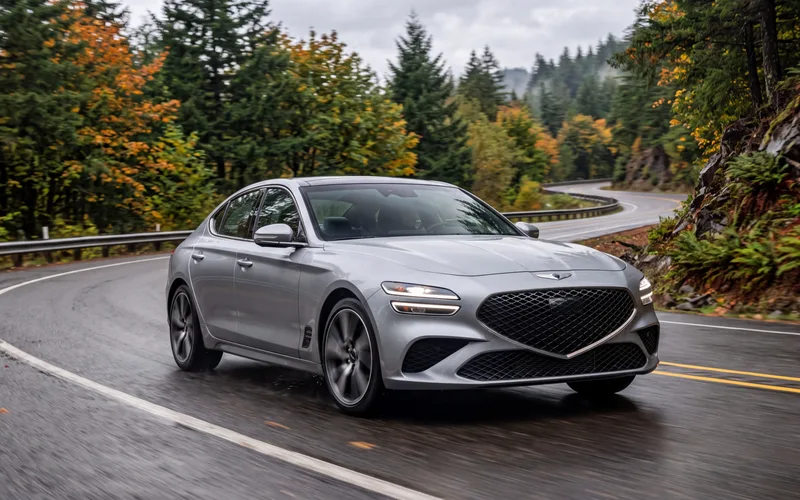 Genesis G70Compact Luxury SedanBetter at: Warranty & tech
It delivers the same twin-turbo-V6-for-less pitch with a modern cabin, better safety ratings, and a 10-year/100,000-mile powertrain warranty.
Compare 2.53C+
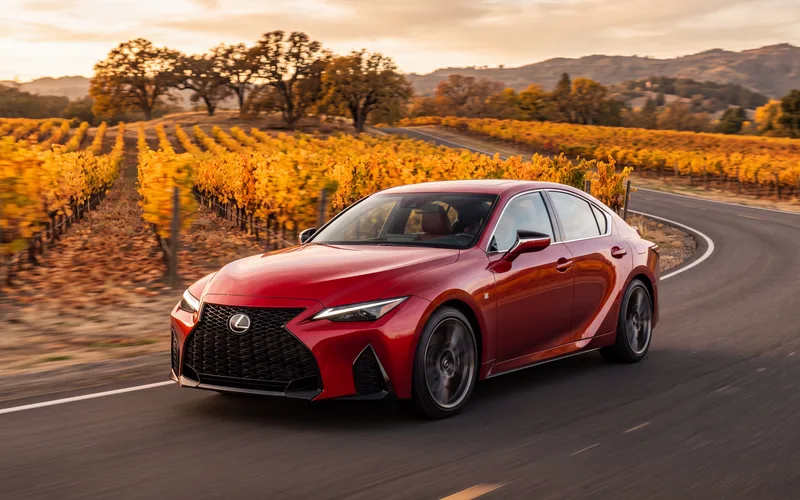 Lexus ISCompact Luxury SedanBetter at: Resale value
Similarly dated, but keeps far more of its value and comes with a reliability and service reputation Infiniti can't match.
Compare 2.36C+
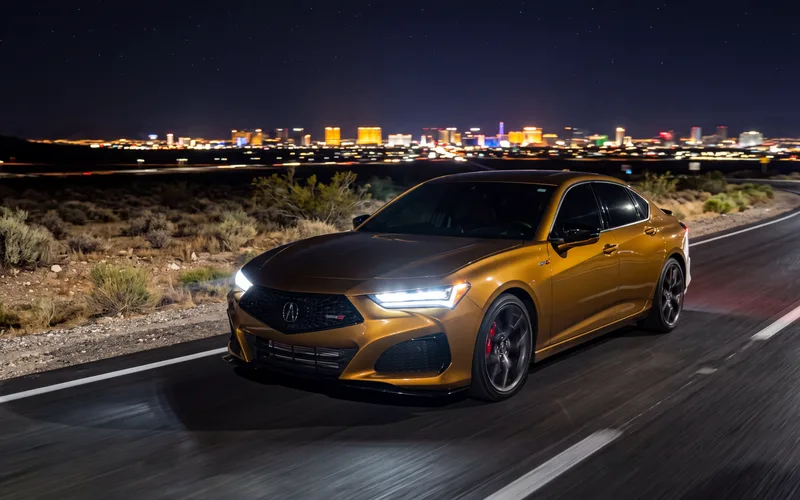 Acura TLXMid-Size Luxury SedanBetter at: Interior & safety
A newer, better-equipped alternative with more rear-seat room and a stronger standard driver-assist suite for similar money.
CompareProduction history
Best fit & conditions
Higher scores mean a better fit for that use case. Learn more about use-case fit →
Subject profile
Academic Probation · NHTSA safety recalls
No NHTSA safety recall is on record for the 2024 Infiniti Q50. Other model years of the Q50 have 8 — listed below.
8 recalls on other model years of the Q50 (2017–2019, 2021)
Jun 21, 2024Power train: driveline: driveshaftThe driveshaft can fatigue and break.
Defect
Nissan North America, Inc. (INFINITI) is recalling certain 2011-2013 M56, 2012-2013 M35 Hybrid, 2014-2018 Q50, Q70 Hybrid, 2014-2019 Q70, and 2015-2019 Q70L two-wheel drive vehicles. The driveshaft can fatigue and break.
Risk
A broken driveshaft can result in a loss of drive power, or a vehicle roll away when the vehicle is in park without the parking brake applied. Both scenarios can increase the risk of a crash.
Remedy
Dealers will replace the driveshaft, free of charge. Owner notification letters were mailed August 13, 2024. Owners may contact INFINITI's customer service at 1-800-662-6200. INFINITI's numbers for this recall are R24A5 and R24A7.
NHTSA campaign 24V470000 ↗Manufacturer no. R24A5, R24A77,222 vehicles potentially affected (all models in the campaign)Owners notified Aug 13, 2024Filed by Nissan North America, Inc.Filed as Q50Aug 2, 2021Back over prevention: display functionA software error may deactivate the audio/video control unit screen, preventing the rear-view image from displaying. As such, these vehicles fail to comply with the requirements of Federal Motor Vehicle Safety Standard number 111, "Rear Visibility."
Defect
Nissan North America, Inc. (Nissan) is recalling certain 2021 Infinity Q50, Q60, and QX80 vehicles. A software error may deactivate the audio/video control unit screen, preventing the rear-view image from displaying. As such, these vehicles fail to comply with the requirements of Federal Motor Vehicle Safety Standard number 111, "Rear Visibility."
Risk
A rear-view camera that does not display an image reduces the driver's rear view, increasing the risk of a crash.
Remedy
Dealers will update the control unit software, free of charge. Owner notification letters were mailed September 14, 2021. Owners may contact Nissan customer service at 1-800-867-7669. Nissan's number for this recall is R21A9.
NHTSA campaign 21V599000 ↗Manufacturer no. R21A93,569 vehicles potentially affected (all models in the campaign)Owners notified Sep 14, 2021Filed by Nissan North America, Inc.Filed as Q50May 27, 2021Steering: linkages: knuckle: spindle: arm · Suspension: rear: axle: spindleThe front steering knuckle or rear axle housing may have insufficient strength due to improper heat-treatment.
Defect
Nissan North America, Inc. (Nissan) is recalling certain 2020 Nissan Murano, INFINITI QX60, 2021 Nissan GT-R, INFINITI QX50, and Q50 vehicles. The front steering knuckle or rear axle housing may have insufficient strength due to improper heat-treatment.
Risk
The steering knuckle or rear axle could deform upon impact, such as from hitting a curb, resulting in a loss of steering control, or possible wheel separation. Both of these conditions can increase the risk of a crash.
Remedy
Dealers will inspect and replace the front steering knuckle and rear axle housing, as necessary, free of charge. Owner notification letters were mailed July 26, 2021. Nissan owners may contact customer service at 1-800-867-7669. INFINITI owners may contact customer service at 1-800-662-6200.
NHTSA campaign 21V402000 ↗14,276 vehicles potentially affected (all models in the campaign)Owners notified Jul 26, 2021Filed by Nissan North America, Inc.Filed as Q50Apr 4, 2021Engine and engine cooling: engine: engine control module (ecu/ecm): softwareAfter detecting rapid acceleration, the Engine Control Module (ECM) may incorrectly reduce engine power and reduce fuel supply to the engine.
Defect
Nissan North America, Inc. (INFINITI) is recalling certain 2021 INFINITI Q50 and Q60 vehicles. After detecting rapid acceleration, the Engine Control Module (ECM) may incorrectly reduce engine power and reduce fuel supply to the engine.
Risk
A lack of fuel may cause an engine stall, increasing the risk of a crash.
Remedy
INFINITI will notify owners, and dealers will reprogram the ECM software, free of charge. The recall began on May 25, 2021. Owners may contact INFINITI customer service at 1-800-662-6200. INFINITI's number for this recall is R20C5.
NHTSA campaign 21V234000 ↗Manufacturer no. R20C512,943 vehicles potentially affected (all models in the campaign)Owners notified May 25, 2021Filed by Nissan North America, Inc.Filed as Q50Sep 12, 2019Back over prevention: sensing system: cameraAdditionally included are 2019 Nissan GT-R and Taxi and Infiniti QX50, QX60, Q70, Q70L vehicles. The back-up camera and display settings can be adjusted such that the rear view image is no longer visible and the system will retain that setting the next time the vehicle is placed in reverse. As such, these vehicles fail to comply with the requirements of Federal Motor Vehicle Safety Standard (FMVSS) number 111, "Rear Visibility."
Defect
Nissan North America, Inc. (Nissan) is recalling certain 2018-2019 Nissan Altima, Armada, Frontier, Kicks, Leaf, Maxima, Murano, NV, NV200, Pathfinder, Rogue, Rogue Sport, Sentra, Titan, Titan Diesel, Versa Note and Versa Sedan vehicles, as well as Infiniti Q50, Q60, QX30 and QX80 vehicles. Additionally included are 2019 Nissan GT-R and Taxi and Infiniti QX50, QX60, Q70, Q70L vehicles. The back-up camera and display settings can be adjusted such that the rear view image is no longer visible and the system will retain that setting the next time the vehicle is placed in reverse. As such, these vehicles fail to comply with the requirements of Federal Motor Vehicle Safety Standard (FMVSS) number 111, "Rear Visibility."
Risk
The lack of an image in the back-up camera display increases the risk of a crash.
Remedy
Nissan will notify owners in phases, having dealers update the back-up camera settings software, free of charge. The recall began November 11, 2019 and all affected VINs should be activated. Owners may contact Nissan customer service at 1-800-867-7669 or INFINITI customer service at 1-800-662-6200.
NHTSA campaign 19V654000 ↗1,228,830 vehicles potentially affected (all models in the campaign)Owners notified Nov 11, 2019Filed by Nissan North America, Inc.Filed as Q50Sep 15, 2017Air bags: frontal: driver side: inflator moduleThe driver's frontal air bag inflator may have been improperly welded.
Defect
Nissan North America (Nissan) is recalling certain 2017 Infiniti Q50 and Q50 Hybrid vehicles. The driver's frontal air bag inflator may have been improperly welded.
Risk
In the event of a crash necessitating deployment of the driver's frontal air bag, the inflator may crack and release the gas needed to properly deploy the air bag, increasing the risk of injury.
Remedy
Nissan will notify owners, and dealers will replace the driver side air bag inflator, free of charge. The recall began October 30, 2017. Owners may contact Infiniti customer service at 1-800-662-6200, option 7.
NHTSA campaign 17V571000 ↗814 vehicles potentially affected (all models in the campaign)Owners notified Oct 30, 2017Filed by Nissan North America, Inc.Filed as Q50, Q50 HYBRIDJul 27, 2017Electrical system: software · Fuel system, gasoline: delivery: fuel pumpIncorrect Fuel Pump Control Module (FPCM) software may allow the fuel level in the main tank to be too low to supply fuel to the engine, causing the engine to stall while driving.
Defect
Nissan North America, Inc. (Nissan) is recalling certain 2016-2018 Infiniti Q50 and 2017 Infiniti Q60 vehicles equipped with a 2.0L engine. Incorrect Fuel Pump Control Module (FPCM) software may allow the fuel level in the main tank to be too low to supply fuel to the engine, causing the engine to stall while driving.
Risk
An engine stall can increase the risk of a crash.
Remedy
Nissan will notify owners, and Infiniti dealers will reprogram the Fuel Pump Control Module (FPCM) with corrected software, free of charge. The recall began August 29, 2017. Owners may contact Infiniti customer service at 1-800-662-6200.
NHTSA campaign 17V476000 ↗14,192 vehicles potentially affected (all models in the campaign)Owners notified Aug 29, 2017Filed by Nissan North America, Inc.Filed as Q50Apr 26, 2016Air bags: sensor: occupant classificationIn these vehicles, the front seat passenger Occupant Classification System (OCS) may incorrectly classify an adult passenger as a child or classify the seat as empty despite it being occupied. As a result, the passenger frontal air bag may be turned off and not deploy in the event of a crash.
Defect
Nissan North America, Inc. (Nissan) is recalling certain model year 2016-2017 Nissan Maxima, 2013-2016 Nissan Altima, NV200, LEAF, Sentra, and Pathfinder, 2014-2016 Nissan NV200 Taxi, Infiniti QX60, QX60 Hybrid, and Q50 Hybrid, 2014-2017 Nissan Rogue and Infiniti Q50, 2015-2016 Nissan Murano, Murano Hybrid, and Chevrolet City Express, 2014-2015 Nissan Pathfinder Hybrid, and 2013 Infiniti JX35 vehicles. In these vehicles, the front seat passenger Occupant Classification System (OCS) may incorrectly classify an adult passenger as a child or classify the seat as empty despite it being occupied. As a result, the passenger frontal air bag may be turned off and not deploy in the event of a crash.
Risk
If the passenger frontal air bag does not deploy as intended in the event of a crash, the passenger is at an increased risk of injury.
Remedy
Nissan will notify their owners. Chevrolet City Express owners will be notified by General Motors. Dealers will reprogram the Air Bag Control Unit (ACU) and OCS Electronic Control Unit (ECU) in Altima, Maxima, Murano, Rogue, and Sentra vehicles, and replace the OCS ECU in LEAF, NV200, NV200 Taxi, Pathfinder, Infiniti Q50, JX35, and QX60 and Chevrolet City Express vehicles, free of charge. Interim notices were sent to owners on May 31, 2016. Owners will receive a second notice when remedy parts become available. Owners may contact Nissan customer service at 1-800-867-7669, Infiniti customer service at 1-888-833-3216 or Chevrolet customer service at 1-800-222-1020.
NHTSA campaign 16V244000 ↗3,296,947 vehicles potentially affected (all models in the campaign)Owners notified Jun 10, 2016Filed by Nissan North America, Inc.Filed as Q50
Source: NHTSA Office of Defects Investigation recall database, model years 2017–2024. Recalls are listed by model year as the manufacturer filed them; whether a specific car is affected depends on its VIN — check a VIN at nhtsa.gov ↗. NHTSA model names matched to this page: Q50, Q50 HYBRID.
Detailed scoring by subject
1Performance & PowertrainMid-pack among this car's ten categories.1.73C-
Volume LUXE/SENSORY trim uses the 3.0L VR30DDTT twin-turbo V6 rated at 300 hp; Red Sport 400 tune tops the lineup at 400 hp. Q50 carries into 2026 as the final generation (US production ended after 2024 MY).
3.0L twin-turbo V6 produces 295 lb-ft peaking near 1,600 rpm in 300-hp tune; Red Sport 400 tune raises peak torque to 350 lb-ft.
Manufacturer/dealer figure for the 300-hp LUXE/SENSORY is roughly 5.0 s; independent instrumented tests for the 300-hp AWD car have landed near 5.3–5.7 s. Red Sport 400 hits about 4.5 s.
The VR30 twin-turbo V6 is generally praised as smooth, torquey, and quick to spool — reviewers highlight strong throttle response and reserve power. Slightly coarser under hard load than the newest German sixes, but no significant refinement complaints.
Aging JATCO 7-speed automatic is behind the class — rivals almost universally run 8-speeds or DCTs. Reviewers cite occasionally slow or less-decisive shifts and a lacking modern manual-mode feel; usable and mostly smooth but not competitive with BMW's ZF 8HP or Mercedes' 9G.
Intelligent AWD is optional across every Q50 trim (LUXE, SENSORY, Red Sport 400), sending up to 50% of torque to the front axle when needed. No torque vectoring or terrain modes — a competent but basic system rather than a sophisticated performance/off-road setup.
Q50 offers a single engine — the 3.0L twin-turbo V6 — in only two tunes (300 hp and 400 hp). No hybrid, no PHEV, no EV option, and no four-cylinder alternative. Effectively a one-powertrain lineup with a performance variant, well behind electrified rivals like the BMW 3 Series (330e), Mercedes C-Class, and Volvo S60.
2Efficiency & RangeThe Q50's lowest-graded category.0.00F
Q50 3.0L VR30 twin-turbo V6 (300 hp) AWD is the volume configuration; EPA combined is 22 MPG (RWD 23; Red Sport 400 AWD 22).
EPA city rating for the 3.0t AWD volume trim; RWD gains 1 MPG.
EPA highway rating for the 3.0t AWD volume trim; RWD reaches 29 MPG.
20.0-gallon tank at the AWD combined rating of 22 MPG yields roughly 440 miles; RWD stretches to ~460.
EPA annual fuel cost at 15k mi/yr on premium gasoline for the 3.0t AWD; RWD is roughly $200 lower. Near the top of the sedan cost band.
Both the 300 hp and 400 hp VR30 V6s require premium 91-octane fuel — Infiniti lists premium as required (not merely recommended) for full output, adding meaningful cost versus regular-fuel rivals.
3SafetyOne of the Q50's strongest categories.2.49C+
NHTSA has awarded the current-generation Q50 an overall 5-star rating in prior model-year testing; the 2026 continues the same V37 platform with no structural changes.
The Q50 is not a current IIHS Top Safety Pick and has not been retested under the tougher 2022+ updated moderate overlap and side impact protocols; its aging V37 structure and mixed prior small-overlap results place it well behind newer compact luxury rivals.
Predictive Forward Collision Warning, Forward Emergency Braking with pedestrian detection, Blind Spot Warning, Rear Cross Traffic Alert, and Intelligent Cruise Control are standard across the lineup, but lane centering and higher-tier features require the ProASSIST/ProACTIVE packages on upper Sensory trims.
The Q50's Forward Emergency Braking system with pedestrian detection is functional but has not been recently re-evaluated under IIHS's updated front-crash-prevention protocol; the underlying hardware predates the newest camera/radar generations used by 2024+ rivals.
Blind Spot Warning and Rear Cross Traffic Alert are standard, with Blind Spot Intervention available in the ProACTIVE package; coverage is competent but alert-only on volume trims and lacks the active steering-assist intervention of newer rivals.
Lane Departure Warning and Lane Departure Prevention are widely available and Direct Adaptive Steering's version of lane centering (via ProACTIVE) works, but reviewers consistently note the system is less refined than newer camera-based centering from BMW, Audi, and Genesis rivals.
Intelligent Cruise Control offers full-speed-range operation with Distance Control Assist and is generally smooth for a system of its generation, but it is not integrated into a unified highway-assist stack the way ProPILOT Assist 2.0 or BMW Driving Assistant Pro is on newer rivals.
The Q50 does not offer hands-free driving in the US market; ProPILOT Assist 2.0 with hands-off capability is only available on Skyline-branded variants in Japan, not on any US-market Q50 trim.
Q50 LED headlights have historically drawn Marginal to Acceptable IIHS ratings depending on trim, with the base low-beam optics graded worst on curves; adaptive front-lighting is limited to upper trims and the lineup lacks the Good-rated matrix/adaptive-driving-beam systems now common on rivals.
Forward and side sightlines are decent for a compact luxury sedan but a rising beltline, thick C-pillars, and a small rear window compromise the rear three-quarter view; an Around View Monitor with Moving Object Detection is available to compensate at low speed but not standard on base trims.
The Q50 provides two sets of lower LATCH anchors and three tether anchors in the rear, with anchors set behind gaps in the seat cushion that reviewers note require some digging; rear-door opening is average for the segment and the sloped roofline can complicate installing rear-facing convertible seats.
4Space & ComfortMid-pack among this car's ten categories.2.09C
Standard five-passenger compact luxury sedan configuration.
Front headroom near the top of the compact luxury sedan range.
Class-leading front legroom for the compact luxury sedan segment; a longstanding Q50 strength.
Rear headroom is only mid-pack for the segment, in line with the Q50's traditionally snug back seat.
Below-average rear legroom for a compact luxury sedan; adults fit but knee room is tight behind taller front occupants.
Small trunk relative to segment; below the compact luxury sedan average with a somewhat narrow opening.
Basic center-console bin, modest door pockets, and small cupholders — competent but nothing clever. Aging cabin lacks the wireless-charging trays, deeper armrest bins, and versatile console layouts found in newer luxury rivals.
Front buckets are widely praised for long-haul comfort with good bolstering, but reviewers repeatedly flag the lack of a 4-way lumbar adjustment at this price and the tighter rear bench limits back-seat comfort on longer trips.
Ride is 'almost constantly busy' on anything but smooth pavement, particularly on Sport trims with 19-inch wheels and run-flat tires. Composed on the highway but lacks the plush compliance of newer segment leaders.
A repeated criticism: thin door glass and modest sound insulation let significant road and tire roar into the cabin at highway speeds, trailing most compact luxury rivals and even some mainstream mid-size sedans.
Dual-zone climate, heated front seats, and heated steering wheel are widely standard; ventilated front seats and semi-aniline leather arrive on upper trims. No rear climate zone, no massage, and no remote pre-conditioning app control — competitive rather than segment-leading.
5Cost of OwnershipOne of the Q50's weakest categories.0.55F
2026 pricing carried over from 2025 LUXE base trim; Infiniti has held Q50 pricing largely flat as the platform ages.
SPORT is the most commonly configured Q50 trim, adding sport-tuned suspension, larger wheels, and appearance upgrades over LUXE.
Twin-turbo VR30DDTT V6 carries higher maintenance costs than naturally aspirated luxury sedans; Nissan-derived platform keeps parts availability decent but luxury labor rates push totals up.
Q50 has historically depreciated harder than segment average due to aging design, weak Infiniti brand momentum, and heavy dealer discounting; residuals sit noticeably below German and Japanese rivals.
Standard Infiniti bumper-to-bumper coverage — one year longer than mainstream but shorter than Genesis (5 yr).
Standard Infiniti powertrain coverage; competitive with BMW/Audi (6/70) but well behind Genesis (10/100,000) and Hyundai/Kia.
Infiniti no longer includes complimentary scheduled maintenance on the Q50; owners get 4-year/unlimited-mile roadside assistance and a limited connected-services trial, but nothing on the level of BMW Ultimate Care or Genesis 3-yr/36K included service.
$48,650 volume-trim price minus its estimated resale value after 5 years (47% retained, or about $22,866) leaves about $25,785 in depreciation. Add the projected $7,500 in 5-year maintenance and repairs, and owning this vehicle for 5 years costs about $33,285 in total.
6Reliability & QualityThe Q50's best-graded category.2.80B-
The Q50 rides on a long-running platform (introduced 2014) with the VR30DDTT V6 and JATCO 7-speed that are now well-known quantities; Consumer Reports has historically placed the Q50 around average for luxury sedans, with owner-reported issues clustering around infotainment and in-car electronics rather than mechanicals.
Infiniti has trended mid-to-lower-mid pack in J.D. Power Vehicle Dependability Studies in recent years — noticeably behind Lexus/Genesis/Acura and below the industry average in several recent VDS cycles.
The current-generation Q50 has accumulated a modest number of NHTSA recalls over its long production run (rearview camera, backup light, brake-related items) but nothing systemic to the powertrain or safety systems; TSB activity is typical for the platform.
The VR30DDTT 3.0L twin-turbo V6 has been in service since 2016 across Q50/Q60 and has built a solid high-mileage reputation once early oil-cooler concerns were addressed; paired with the proven JATCO 7-speed automatic, the powertrain family is a known quantity rather than a risk.
The Q50's cabin is widely criticized by reviewers for showing its age against fresher compact luxury rivals — decent leather and stitched dash on upper trims but hard plastics in secondary areas and a dated dual-screen infotainment stack drag perceived quality below class norms.
Assembled at Nissan's Tochigi plant in Japan, the Q50 typically posts tight panel gaps and solid assembly consistency; scattered complaints about interior rattles exist but initial-quality reports are generally strong for the platform.
Infiniti operates roughly 200 US dealers — noticeably sparser than Lexus, Acura, BMW, or Mercedes networks, with coverage gaps in smaller markets; service satisfaction scores have been mid-pack, below top-tier luxury brands.
Extensive parts-sharing with Nissan (chassis, transmission, many powertrain components) keeps maintenance and common repairs reasonably affordable and parts readily available; Infiniti-badged trim, electronics, and turbo-specific components carry a modest luxury premium.
7Technology & InfotainmentOne of the Q50's weakest categories.0.78F
Q50 continues the dual-display InTouch layout: 8.0-inch upper primary touchscreen paired with a 7.0-inch lower touchscreen. Small by 2026 luxury standards.
InTouch dual-screen dates to 2014 and is widely cited as one of the most outdated systems in a new luxury sedan — slow to boot, split logic across two screens, dated graphics. Wired CarPlay/Android Auto is the workaround most owners use.
Apple CarPlay and Android Auto are standard but WIRED only across all trims — no wireless phone projection is offered on the Q50.
Native voice control is a legacy command-based system; built-in navigation renders slowly and looks dated. Most owners bypass it for phone projection.
Bose Performance Series 16-speaker premium system available on upper trims delivers respectable sound; base 6-speaker system is only adequate. Premium option keeps the item competitive despite dated head-unit hardware.
Q50 retains analog speedometer/tachometer flanking a small ~5-inch color driver-info display — no full-digital or configurable cluster is offered on any trim, well behind segment norms.
Q50 has no meaningful over-the-air update capability. Map/software updates require dealer visits or USB. Nissan/Infiniti has rolled OTA to newer platforms (Ariya, refreshed QX60) but not the aging Q50.
InfinitiConnection app offers core remote start, lock/unlock, and vehicle status but lacks digital key and is subscription-gated after the trial. Feature set trails BMW/Mercedes.
Front USB-A + USB-C ports available; rear provision limited. Wireless phone charging is not offered on the Q50 and there are no AC outlets — port loadout trails newer luxury sedans.
Infiniti Intelligent Key proximity entry with push-button start and remote engine start (fob and app) is standard across the lineup — solid keyless baseline, though no phone-as-key.
Rear-view camera standard; Around View Monitor 360-degree camera with Moving Object Detection available on upper trims; front/rear parking sensors on top trims. Resolution is adequate but trails newest rivals.
The Q50 does not offer a head-up display on any trim — a notable omission versus most compact luxury sedan competitors.
8Use-Case FitGrades below the middle of the scale.1.40D
Conventional 4-door sedan with ~35.1 in of rear legroom and outboard LATCH anchors handles daily car-seat duty, but the aging V37 cabin is narrower than newer rivals and the 13.5 cu-ft trunk is tight for a stroller plus groceries. Doors open wide enough but the roofline makes rear-facing seat access awkward for taller adults.
NHTSA 5-star overall and ProASSIST standard on Sensory trim adds AEB with pedestrian detection, blind-spot warning, lane-departure warning, and rear cross-traffic alert, but the base LUXE requires Essential Package to get key ADAS features. IIHS ratings on the aging V37 platform are mixed under the newer stringent tests (moderate overlap and side impact updated criteria).
Quiet, well-isolated cabin with quilted leather on higher trims and rear-seat vents delivers pleasant multi-hour cruising for four, but the 13.5 cu-ft trunk is smaller than most compact luxury rivals and rear legroom is tight behind taller drivers. Rear amenities are thin — no rear USB-C or wireless charging.
Smooth 3.0L twin-turbo V6 (300 hp base LUXE), comfortable seats, and available Intelligent Cruise Control make it a competent daily driver, but the aging 7-speed automatic hunts at low speeds and the dated dual-touchscreen InTouch infotainment is slow versus rivals' newer systems. Steering feel is over-boosted with direct adaptive steering.
EPA rates the 3.0t RWD LUXE at ~19/28/22 mpg city/hwy/combined on premium fuel; Red Sport 400 AWD is even thirstier at ~17/25/20. Premium fuel plus luxury-brand consumables and out-of-warranty service costs push per-mile expense well above segment average.
At ~194 in long and ~72 in wide the Q50 is longer than most compact luxury rivals but the light electric steering and available Around View Monitor with moving-object detection make city parking straightforward. Rear-view camera is standard; front and 360° cameras require higher trims.
No US towing rating, no bed or payload, and a fixed 13.5 cu-ft trunk. Not meaningfully work-capable.
Luxury-oriented cabin in premium leather with carpeted trunk and no washable work surfaces. The VR30DDTT V6 is a proven engine in normal service, but the Q50 has no fleet or work-oriented reputation.
No 120V outlet, no meaningful tie-downs, no factory hitch, no roof-rack ecosystem, and no upfit provisions. Essentially zero work-oriented features.
Quiet, well-damped highway ride with comfortable front seats and ~20 gal fuel tank paired with 28 mpg highway yields roughly 550 mi of cruising range. Intelligent Cruise Control is available but ProPILOT-style lane-centering is not offered, and driver-assist tech feels a generation behind newer rivals.
Optional Intelligent AWD handles snow and light gravel well, but ~5.4 in ground clearance, no factory roof rails, no factory hitch, and low-profile performance tires keep it firmly pavement-bound. Not an adventure enabler.
13.5 cu-ft trunk is below-average for a compact luxury sedan and 60/40 folding rear seats add some flexibility for longer items, but no ski pass-through, no roof rails, and no factory hitch cap bulky-gear utility. Adequate for family luggage; a squeeze for anything oversized.
9Driving ExperienceOne of the Q50's strongest categories.2.50C+
Q50 rides on the aging FM platform (2013 origin) with solid grip and RWD balance but reviewers consistently note body control and mid-corner composure lag behind BMW 3 Series, Audi A4, and Alfa Giulia; Red Sport 400 adds sport-tuned dampers but doesn't transform the car.
Direct Adaptive Steering (steer-by-wire) is a well-documented weakness — reviewers describe it as artificial, over-assisted, and lacking on-center feel; the conventional hydraulic setup on lower trims is better but still numb compared to segment leaders.
Standard brakes deliver adequate stopping power with acceptable pedal feel; Red Sport 400's sport brakes are noticeably stronger and better modulated. No fade or long-stop complaints in typical instrumented testing.
The VR30DDTT 3.0L twin-turbo V6 is Q50's strongest asset — smooth tip-in, minimal turbo lag, and strong midrange. The 7-speed automatic is dated (rivals run 8- or 9-speed) and can be lazy in normal mode, but Sport mode sharpens shifts effectively.
V6 note is refined but not particularly musical under load; some reviewers note piped-in engine sound feels artificial. Modest vibration through pedals at idle; no notable driveline harshness.
Infiniti spec sheet lists Q50 curb-to-curb turning diameter at 37.4 ft for RWD; competitive but not class-leading for a compact luxury sedan.
Front seats are comfortable with good adjustability and the driving position is properly low and sporty. However, the InTouch dual-screen infotainment (two stacked displays with a dated interface) is a documented ergonomic liability, and a high beltline compromises forward sightlines.
Red Sport 400 has genuine character — 400 hp, RWD, and a willing chassis make it entertaining in a straight line and on smooth back roads. Base 300 trim is quicker than most rivals but feels more grand-tourer than sport sedan; steering weakness undercuts driver engagement across the range.
10Value & Market PositionMid-pack among this car's ten categories.2.07C
Luxe volume trim includes leather, dual-zone climate, moonroof, heated front seats, dual-display infotainment with Apple CarPlay/Android Auto, and a solid audio system, but ProPILOT Assist, blind-spot intervention, and premium Bose require stepping up to Sensory. Competitive rather than class-leading — Genesis G70 and Cadillac CT4 bundle more safety tech at similar prices.
The 400-hp Red Sport 400 undercuts every 400-hp German rival by five figures, and the base 300-hp V6 delivers more thrust than any four-cylinder in the class. Combined with routine dealer discounts, price-per-horsepower is a segment high. Interior materials and tech lag the price advantage.
Lineup has shrunk to Luxe, Sensory, and Red Sport 400, each in RWD or AWD. Adequate coverage but no true entry-level Pure trim anymore and no hybrid/PHEV/EV alternative — narrower than Audi A4, BMW 3 Series, or Mercedes C-Class.
Q50 US sales have declined for most of the past decade, running roughly 12–15k units annually versus 40k+ at peak. It is a distant also-ran to the BMW 3 Series, Mercedes C-Class, and Audi A4, and even trails Genesis G70 and Lexus IS in most quarters.
Infiniti sits below German luxury, Lexus, and increasingly Genesis in brand-consideration and residual studies. The badge doesn't hurt the car but adds no aspirational lift, which weighs on resale and cross-shopping.
Slow-selling status makes the Q50 one of the most heavily discounted cars in the compact luxury segment — customer cash, subvented financing, and lease support are typical, and negotiating below MSRP is routine. Great for buyers even if it reflects weak demand.
Current V37 generation launched for the 2014 model year with a modest 2018 refresh — approaching 12 years old with no announced successor. Dual-screen infotainment, chassis architecture, and safety-tech baseline are a full generation behind current rivals, and end-of-life risk is real.
Reviewers uniformly praise the V6 grunt and comfortable ride but flag dated infotainment, uninspired dynamics versus a 3 Series or Giulia, and interior quality below the price. Q50 has not won a comparison test in the segment in years and holds no current major awards (10Best, MT Car of the Year, NACTOY).