

The verdict
A mixed-report luxury gt, strong on reliability and held back by efficiency.
The 2019 Lexus LC 500 is a $93,325 grand tourer that buys you drama and durability rather than lap times or practicality. A 471-hp naturally aspirated V8 that revs to 7,300 rpm, an interior reviewers rate among the best built at any price, and Lexus's best-ever reliability year (first in both the J.D. Power dependability study and Consumer Reports' brand rankings) are the case for it — and it only gave back 31% of its value over five years, versus 42% for the average vehicle. The case against is everything a GT is supposed to shrug off: 19 MPG combined on required premium, a 5.4 cu-ft trunk, a back seat with 32.2 inches of headroom, and a console touchpad every single 2019 review complained about. Buy it because you want this car specifically; nothing about the spreadsheet will talk you into it.
Jump to scoresStrengths
- One of the last great naturally aspirated V8s
- Lexus reliability at its absolute peak
- An interior built like nothing else at the price
What holds it back
- It drinks like the big V8 it is
- The infotainment is the car's defining flaw
- A 5.4 cu-ft trunk and a back seat nobody fits in
Top alternatives
Cars shoppers cross-shop with the Lexus LC 3.05B
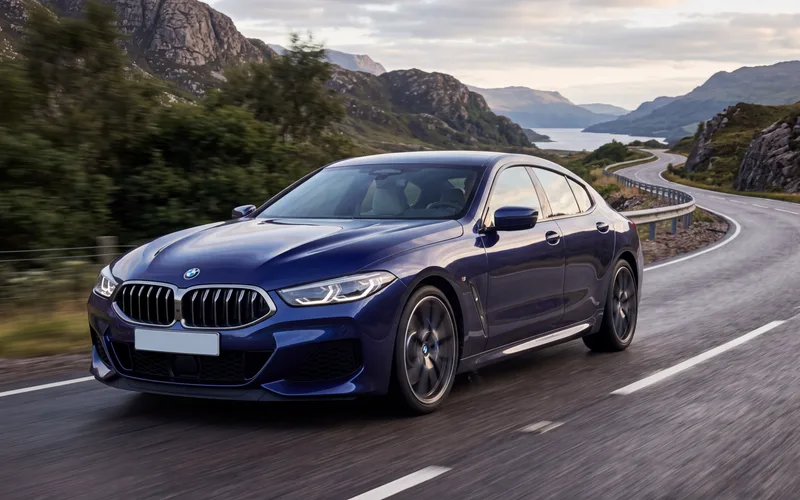 BMW 8 SeriesLuxury GTBetter at: All-weather usability
Nearly the same money buys all-wheel drive, 523 hp in M850i form and nearly triple the trunk space, making it the usable-every-day version of this idea.
Compare 2.72B-
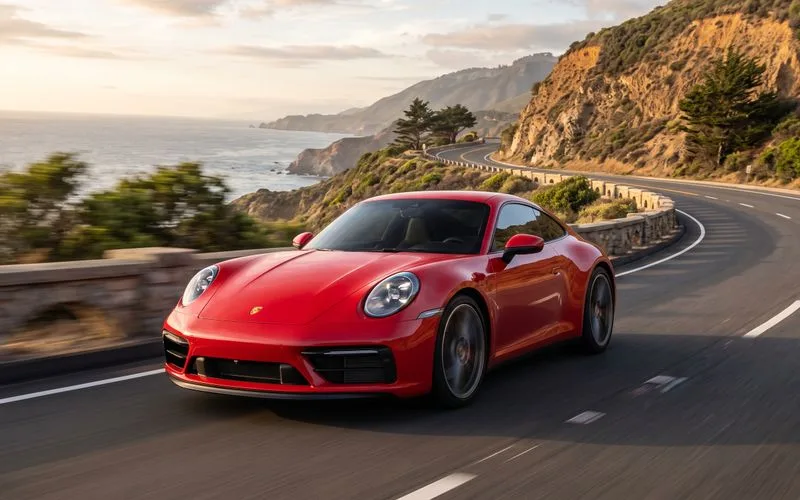 Porsche 911Sports CarBetter at: Driving & resale
If the driving matters more than the décor, the 911 is sharper in every dynamic measure and holds its value far better over five years.
Compare 2.74B-
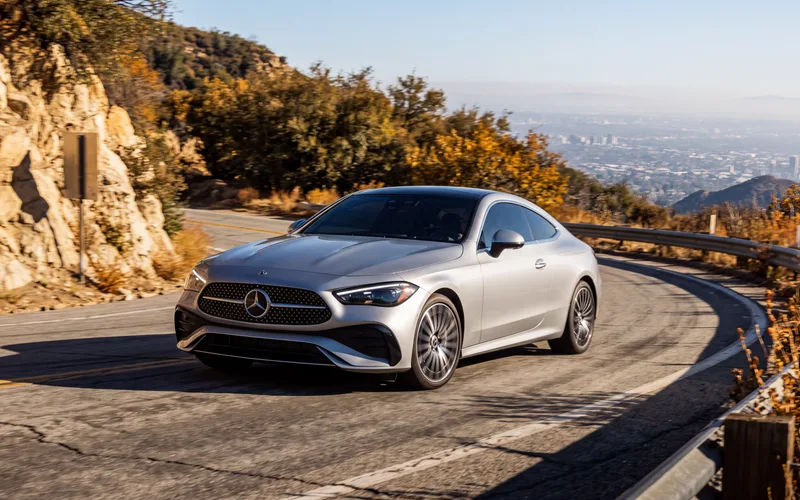 Mercedes-Benz CLE CoupeLuxury CoupeBetter at: Value & practicality
About half the price for a luxury coupe with real rear seats, a 14.8 cu ft trunk and available all-wheel drive, if the LC's compromises stop making sense.
CompareHow it's evolved
9 scored model years · 2018–2026
Subject scores by year
Hover or tap a score to see what moved it versus the year before. A corner mark flags a big swing.
| Year | Performance | Efficiency | Safety | Space | Cost | Reliability | Tech | Use-case | Driving | Value |
|---|---|---|---|---|---|---|---|---|---|---|
| 2026 | 74 | 10 | 61 | 51 | 16 | 87 | 72 | 28 | 73 | 65 |
| 2025 | 74 | 10 | 64 | 46 | 30 | 87 | 73 | 31 | 78 | 67 |
| 2024 | 73 | 9 | 63 | 46 | 16 | 86 | 72 | 31 | 79 | 67 |
| 2023 | 74 | 13 | 57 | 49 | 34 | 88 | 52 | 26 | 76 | 65 |
| 2022 | 74 | 13 | 57 | 49 | 34 | 87 | 52 | 26 | 76 | 64 |
| 2021 | 74 | 13 | 57 | 48 | 35 | 88 | 52 | 26 | 76 | 66 |
| 2020 | 74 | 13 | 57 | 48 | 41 | 83 | 49 | 25 | 75 | 65 |
| 2019 | 74 | 13 | 59 | 48 | 42 | 81 | 49 | 25 | 75 | 64 |
| 2018 | 74 | 14 | 54 | 46 | 41 | 83 | 43 | 25 | 75 | 66 |
Compare two years
Best fit & conditions
Higher scores mean a better fit for that use case. Learn more about use-case fit →
Subject profile
Academic Probation · NHTSA safety recalls
Nov 4, 2020Fuel system, gasoline: delivery: fuel pumpThe low-pressure fuel pump inside the fuel tank may fail.
Defect
Toyota Motor Engineering & Manufacturing (Toyota) is recalling certain 2018-2019 4Runner, 2019-2020 Avalon, 2019 Corolla Hatchback, 2017-2019 Highlander, 2018-2020 Camry, 2020 Corolla, 2018-2019 Land Cruiser, 2017-2020 Tacoma, 2019-2020 RAV4, 2019-2020 Sequoia, 2017-2020 Sienna, 2019-2020 Tundra, 2018-2020 Lexus ES350, 2017 Lexus GS200t, 2017-2019 Lexus GS350, 2019 Lexus GS300, 2018-2020 Lexus LC500h, 2019-2020 Lexus LS500, 2018-2019 Lexus GX460, 2017 Lexus IS200t, 2019 Lexus IS300, 2019 Lexus IS350, 2018-2020 Lexus LC500, 2018 Lexus LS500, 2019 Lexus LS500h, 2018-2019 Lexus LX570, 2017 Lexus RC200t, 2019 Lexus RC300, RC350, 2017 and 2019-2020 Lexus RX350, 2018-2020 RX350L, 2019 Lexus UX200, 2018-2019 Lexus NX300 vehicles. The low-pressure fuel pump inside the fuel tank may fail.
Risk
If the fuel pump fails, the engine can stall while driving, increasing the risk of a crash.
Remedy
Toyota will notify owners, and dealers will replace the fuel pump assembly with an improved one, free of charge. Owners of specific models were notified that remedy parts were available starting January 21, 2021. Owners of other models will be notified as remedy parts become available. Remedy parts should be available for all affected vehicles by late March 2021. Owners may contact Toyota customer service at 1-888-270-9371 or Lexus customer service at 1-800-255-3987. Note: This recall is an expansion of recall 20V-012. Toyota's number for this recall is 20TA02. Lexus' number for this recall is 20LA01.
NHTSA campaign 20V682000 ↗Manufacturer no. 20TA02, 20LA011,525,742 vehicles potentially affected (all models in the campaign)Owners notified Jan 21, 2021Filed by Toyota Motor Engineering & ManufacturingFiled as LC HYBRID, LC500Jan 13, 2020Fuel system, gasoline: delivery: fuel pumpToyota Motor Engineering & Manufacturing (Toyota) recalled certain 2018-2019 4Runner, Highlander, Camry, Land Cruiser, Sequoia, Sienna, Tacoma and Tundra, and Lexus RC 300, RC 350, GS 350, GX 460, IS 300, LC 500, LS 500, LX 570, RX 350L, and 2019 Toyota Avalon and Corolla, and certain Lexus NX 300, and ES 350 vehicles on January 13, 2020. On March 4, 2020, Toyota expanded the recall to include certain 2014-2015 Toyota 4Runner and Land Cruiser, 2018 Avalon, Corolla, 2014 FJ Cruiser, 2017 Sienna and Lexus 2018 ES 350, 2018-2019 GS 300, 2013-2014 GS350, 2014-2015 GX 460, IS 350 and LX 570, 2014 IS F, 2018-2019 IS 350, LC 500H and LS 500H, 2013-2015 LS 460, 2015 NX 200T and RC350, 2017 RC 200T and RX 350. Toyota also removed the 2018-2019 Toyota 4Runner and Land Cruiser and 2018-2019 Lexus GX 460 and LX 570 and 2019 NX300 from inclusion in this recall. On March 19, 2020, Toyota expanded the recall to include 2015 Lexus GS350 vehicles. The low-pressure fuel pump inside the fuel tank may fail.
Defect
Toyota Motor Engineering & Manufacturing (Toyota) recalled certain 2018-2019 4Runner, Highlander, Camry, Land Cruiser, Sequoia, Sienna, Tacoma and Tundra, and Lexus RC 300, RC 350, GS 350, GX 460, IS 300, LC 500, LS 500, LX 570, RX 350L, and 2019 Toyota Avalon and Corolla, and certain Lexus NX 300, and ES 350 vehicles on January 13, 2020. On March 4, 2020, Toyota expanded the recall to include certain 2014-2015 Toyota 4Runner and Land Cruiser, 2018 Avalon, Corolla, 2014 FJ Cruiser, 2017 Sienna and Lexus 2018 ES 350, 2018-2019 GS 300, 2013-2014 GS350, 2014-2015 GX 460, IS 350 and LX 570, 2014 IS F, 2018-2019 IS 350, LC 500H and LS 500H, 2013-2015 LS 460, 2015 NX 200T and RC350, 2017 RC 200T and RX 350. Toyota also removed the 2018-2019 Toyota 4Runner and Land Cruiser and 2018-2019 Lexus GX 460 and LX 570 and 2019 NX300 from inclusion in this recall. On March 19, 2020, Toyota expanded the recall to include 2015 Lexus GS350 vehicles. The low-pressure fuel pump inside the fuel tank may fail.
Risk
If the fuel pump fails, the engine can stall while driving, increasing the risk of a crash.
Remedy
Toyota will notify owners, and dealers will replace the fuel pump, free of charge. The recall began May 4, 2020. Owners may contact Toyota customer service at 1-888-270-9371 or Lexus customer service at 1-800-255-3987. Toyota's numbers for this recall are 20TB02 and 20TA02 for Toyota vehicles and 20LB01 and 20LA01 for Lexus vehicles.
NHTSA campaign 20V012000 ↗Manufacturer no. 20TB02/20TA02/20LB011,830,752 vehicles potentially affected (all models in the campaign)Owners notified May 1, 2020Filed by Toyota Motor Engineering & ManufacturingFiled as LC HYBRID, LC500Jul 24, 2019Electronic stability control (esc) · Service brakesThe brake booster pump may fail causing a deactivation of the Vehicle Stability Control system and a loss of braking assist. As such, these vehicles fail to comply with the requirements of Federal Motor Vehicle Safety Standard (FMVSS) number 126, "Electronic Stability Control Systems."
Defect
Toyota Motor Engineering & Manufacturing (Toyota) is recalling certain 2019 Lexus LS500, LC500, ES300h, UX250h, LS500h, Toyota Prius, RAV4 HV, 2019-2020 Toyota Prius Prime, and 2020 Corolla HV vehicles. The brake booster pump may fail causing a deactivation of the Vehicle Stability Control system and a loss of braking assist. As such, these vehicles fail to comply with the requirements of Federal Motor Vehicle Safety Standard (FMVSS) number 126, "Electronic Stability Control Systems."
Risk
Deactivation of the vehicle stability control system or a loss of braking assist increases the risk of a crash.
Remedy
Toyota will notify owners, and dealers will inspect and, if necessary, replace the brake booster pump, free of charge. The recall began September 20, 2019. Toyota owners may contact Toyota customer service at 1-888-270-9371 and Lexus owners may contact Lexus customer service at 1-800-255-3987. Toyota's numbers for this recall are K1L/K0L. Lexus' numbers for this recall are K2F/KLF.
NHTSA campaign 19V544000 ↗Manufacturer no. K1L/K0L, K2F/KLF6,925 vehicles potentially affected (all models in the campaign)Owners notified Sep 20, 2019Filed by Toyota Motor Engineering & ManufacturingFiled as LC500
3 recalls on other model years of the LC (2018, 2024–2025)
Oct 30, 2025Back over prevention: display functionPlease see the recall report for a complete list of models. A software error may cause the rearview camera to freeze or display a blank screen when the vehicle is in reverse. As such, these vehicles fail to comply with the requirements of Federal Motor Vehicle Safety Standard (FMVSS) number 111, "Rear Visibility."
Defect
Toyota Motor Engineering & Manufacturing (Toyota) is recalling certain 2022-2026 Toyota, Lexus, and Subaru Solterra vehicles equipped with a Panoramic View Monitor (PVM) system. Please see the recall report for a complete list of models. A software error may cause the rearview camera to freeze or display a blank screen when the vehicle is in reverse. As such, these vehicles fail to comply with the requirements of Federal Motor Vehicle Safety Standard (FMVSS) number 111, "Rear Visibility."
Risk
A rearview camera that fails to display an image can reduce the driver's view behind the vehicle, increasing the risk of a crash.
Remedy
Dealers will update the parking assist software, free of charge. Owner letters were mailed January 2, 2026. Owners may contact Toyota's customer service at 1-800-331-4331. Toyota's numbers for this recall are 25TB13 and 25LB06. Subaru's number for this recall is WRE25.
NHTSA campaign 25V744000 ↗Manufacturer no. 25TB13/25LB06/WRE251,024,407 vehicles potentially affected (all models in the campaign)Owners notified Dec 5, 2025Filed by Toyota Motor Engineering & ManufacturingFiled as LC, LC HYBRIDFeb 21, 2024Back over prevention: display functionDue to incorrect programming of the parking-assist electronic control unit (ECU) software, the rearview camera image may not immediately display within a couple of seconds after the shifter is placed into reverse. As such, these vehicles fail to comply with the requirements of Federal Motor Vehicle Safety Standard number 111, "Rear Visibility."
Defect
Toyota Motor Engineering & Manufacturing (Toyota) is recalling certain 2023 Mirai, Lexus LS500, LS500H, 2023-2024 Lexus ES250, ES300H, ES350, 2024 Lexus LC500, and LC500H vehicles equipped with a Panoramic View Monitor (PVM) system. Due to incorrect programming of the parking-assist electronic control unit (ECU) software, the rearview camera image may not immediately display within a couple of seconds after the shifter is placed into reverse. As such, these vehicles fail to comply with the requirements of Federal Motor Vehicle Safety Standard number 111, "Rear Visibility."
Risk
A rearview camera that fails to display an image can reduce the driver's rear view, increasing the risk of a crash.
Remedy
Dealers will update the parking assist ECU software, free of charge. Owner notification letters were mailed April 10, 2024. Owners may contact Toyota customer service at 1-800-331-4331. Toyota's numbers for this recall are 24TA01 and 24LA01.
NHTSA campaign 24V124000 ↗Manufacturer no. 24TA01 / 24LA0118,616 vehicles potentially affected (all models in the campaign)Owners notified Apr 10, 2024Filed by Toyota Motor Engineering & ManufacturingFiled as LC, LC HYBRIDFeb 14, 2018Fuel system, gasoline: delivery: fuel pumpSpecific operating conditions may result in damage to the pulsation damper in one of the high pressure fuel pumps, possibly causing a fatigue crack in the fuel pump cover.
Defect
Toyota Motor Engineering & Manufacturing (Toyota) is recalling certain 2016-2018 Lexus GS F, 2018 LC500, and 2015-2018 Lexus RC F vehicles, equipped with 5.0L V8 2UR-GSE engines with two high pressure fuel pumps. Specific operating conditions may result in damage to the pulsation damper in one of the high pressure fuel pumps, possibly causing a fatigue crack in the fuel pump cover.
Risk
A cracked cover may leak fuel, which, in the presence of an ignition source, can increase the risk of a fire.
Remedy
Toyota will notify owners, and dealers will replace the high pressure fuel pumps, free of charge. The recall is expected to begin April 2, 2018. Owners may contact Lexus customer service 1-800-255-3987. Toyota's numbers for this recall are J2B and JLB.
NHTSA campaign 18V107000 ↗Manufacturer no. J2B/JLB9,905 vehicles potentially affected (all models in the campaign)Owners notified Apr 5, 2018Filed by Toyota Motor Engineering & ManufacturingFiled as LC500
Source: NHTSA Office of Defects Investigation recall database, model years 2018–2026. Recalls are listed by model year as the manufacturer filed them; whether a specific car is affected depends on its VIN — check a VIN at nhtsa.gov ↗. NHTSA model names matched to this page: LC, LC HYBRID, LC500.
Detailed scoring by subject
1Performance & PowertrainOne of the LC's strongest categories.3.04B
The 2019 LC 500 carries the naturally aspirated 5.0L 2UR-GSE V8 rated 471 hp — unchanged from the 2018 launch year, as Lexus's own What's New release confirms (the 2019 revisions are transmission calibration, suspension, steering and engine mounts, not output). Strong for the coupe band but short of the turbocharged and supercharged German GTs it is cross-shopped against.
Peak twist of 398 lb-ft (540 N·m) arrives high at 4,800 rpm — the signature of a large naturally aspirated V8, so the figure flatters the LC less in everyday driving than the same number would from a turbo motor making it just off idle.
Lexus quotes 4.4 seconds for the 2019 LC 500 and independent instrumented runs came in behind that (MotorTrend 4.8 s, Edmunds 4.9 s), reflecting a 4,280 lb curb weight and an engine that has to be wound out. Quick enough to be a credible GT but a clear step behind the 911 and AMG GT in this peer set.
The 2UR-GSE is one of the last big naturally aspirated V8s in a luxury coupe and reviewers treat it as the LC's defining feature: no turbo lag, linear response to a 7,300 rpm redline, and an intake resonance tube plus active exhaust that give it a theatrical voice. 2019 adds modified rear engine mounts specifically for vibration isolation, a small genuine gain over the launch car; held just below the top of the band only because peak torque sits at 4,800 rpm, so it wants revs before it feels urgent.
2019 is the year Lexus addressed the 10-speed Direct-Shift automatic's main complaint: a reprogrammed shift program gives smoother part-throttle changes while making wider-throttle shifts more forceful, and 2019 testers found it holds gears sensibly and answers paddle inputs quickly. It sits at the top of the middle band rather than in the top one because ten closely spaced ratios still leave it busier and less decisive in the default modes than the ZF 8-speed and dual-clutch benchmarks in this class.
The 2019 LC is rear-wheel drive only across both trims — no AWD was ever offered on the GA-L LC, so there is no answer to BMW xDrive, Carrera 4 or AMG 4Matic+. The Torsen limited-slip differential bundled with the Sport/Performance packages aids traction but does not change the layout.
Two genuinely distinct powertrains were on sale for 2019 — the 5.0L V8 and the 3.5L multi-stage hybrid, one of them electrified — which puts the LC ahead of single-engine rivals such as the GR Supra and BRZ. It stops short of the top band because there is no plug-in, no EV, no higher-output F variant, and no convertible body yet (the LC 500 Convertible was only unveiled at the November 2019 LA Auto Show, as a later model year).
2Efficiency & RangeThe LC's lowest-graded category.0.00F
A 4,280 lb grand tourer pulled by a 5.0L naturally aspirated V8 with no cylinder deactivation and no electrification lands near the floor of the gas-coupe band. The multi-stage hybrid LC 500h is far thriftier at 30 MPG combined, but the V8 coupe is the volume car and the powertrain this scorecard describes.
Sixteen city MPG sits at the very floor of the coupe band — big-displacement V8, GT mass, and no hybrid assist to recover braking energy around town. The LC 500h's city figure is better by more than two-thirds.
Tall tenth-gear cruising and a slippery GT body lift the highway figure well clear of the city number, which fits the LC's touring brief, but EPA certifies the 2019 LC 500 at 25 MPG rather than the launch year's 26 — so it sits barely above the bottom of the coupe band and well behind the turbocharged German GTs.
A generous 21.7-gallon tank partly offsets the thirsty V8, giving genuinely usable if unremarkable touring range for a GT — better than most naturally aspirated V8 sports cars in this set, well short of what a turbo-six rival manages.
Nineteen combined MPG on required premium puts the LC 500 among the most expensive cars in the catalog to keep fuelled — roughly 790 gallons a year, every one of them at the priciest pump grade, and a $6.80 bill for every 25 miles driven. Choosing the hybrid cuts about $1,500/yr off that.
Premium unleaded is required, not merely recommended — the 2UR-GSE runs a 12.3:1 compression ratio and the hybrid's Atkinson-cycle V6 is likewise premium-specified. No E85, no diesel and no plug to fall back on. Held slightly above a strict-premium single-powertrain rival only because the LC 500h exists as a way to buy fewer of those gallons.
3SafetyMid-pack among this car's ten categories.1.94C-
NHTSA has never crash-tested the LC in any model year — routine for a low-volume grand tourer. Estimate reflects segment norms for a heavy, rigid GA-L platform coupe shared with the LS sedan, with a full airbag complement including knee and side-curtain bags.
IIHS has published no crashworthiness results for the LC — it appears in no Top Safety Pick list for 2019, so there is no award to credit and no Good ratings to point to. Scored mid-band on the strength of the GA-L architecture and standard airbag content rather than earned test data.
Lexus Safety System+ is standard on every 2019 LC: Pre-Collision System with pedestrian detection (AEB), All-Speed Dynamic Radar Cruise Control, Lane Departure Alert with Steering Assist and Intelligent High Beams. Having full-speed ACC standard on a single-trim car is strong, but blind-spot monitor, rear cross-traffic alert and parking sensors all sit behind the optional Convenience Package, which caps this below the top band.
The LC's Pre-Collision System (millimeter-wave radar plus forward camera) is the same LSS+ stack that earned IIHS Superior vehicle-to-vehicle front-crash-prevention ratings on 2019 Lexus models that were tested. Pedestrian detection is daytime-only on this generation of the system — nighttime pedestrian capability did not arrive until the later LSS+ 2.5 hardware — and the LC itself has no direct IIHS front-crash-prevention result.
Blind Spot Monitor and Rear Cross-Traffic Alert are optional on the 2019 LC, bundled with parking sensors in the Convenience Package rather than fitted as standard — a notable omission on a $93K car whose rear-quarter sightlines need the help. Coverage is alert-only with no braking or steering intervention when equipped.
Lane Departure Alert with Steering Assist is standard, but this generation of the Lexus system is a warning-plus-nudge that corrects toward a departing line rather than true lane centering, and it does not hold the car in the middle of the lane. Reviewers of 2019-era LSS+ describe the assist as light and intermittent on faded markings.
All-Speed Dynamic Radar Cruise Control is standard and works down to a stop, following traffic in stop-and-go — better standard content than several German rivals of the year, where full-range ACC is a package option. It is docked because there is no lane-centering layer to combine with it, so there is no integrated highway assist, only ACC plus a departure nudge.
No hands-free highway system is offered on the 2019 LC or on any Lexus of that model year; Lexus Teammate (Advanced Drive) did not reach the US market until the 2022 LS 500h.
Ultra-compact triple-projector LED headlamps with Intelligent High Beam (auto high/low) are standard on every LC, giving good reach and automatic glare management. IIHS has never rated LC headlights, and curve-adaptive projection is not a confirmed feature of the 2019 car, so this sits below a verified-Good score.
Forward and straight-back sightlines are better than the shape suggests, but small side mirrors, thick rear roof pillars and a shallow backlight leave a real rear three-quarter blind zone. A backup camera is standard; parking sensors are optional and there is no surround-view camera to compensate.
LATCH anchors are fitted to the two rear seats, but the 2+2 cabin has no rear doors, a narrow aperture past tilted front seats, and a severely raked roofline that leaves almost no height for a rear-facing seat. Installing a bulky seat is a physical struggle and two seats abreast is impractical.
4Space & ComfortGrades below the middle of the scale.1.18D
The LC is a fixed 2+2 throughout the 2018-start Z100 generation and the 2019 What's New list contains no packaging change, so four seats sits at the floor of the 4–5 coupe band alongside the BMW 8 Series and Mercedes-AMG GT.
A 53.0-inch-tall GT roofline leaves modest front headroom — low within the 36–40 in coupe band and short of the 8 Series and CLE Coupe, which sit near 39–40 in.
Mid-band for the segment and competitive with the German GTs — the front compartment is the one part of the LC's cabin genuinely sized for adults, and the 113.0-in wheelbase pays for it.
The fastback roofline collapses onto the rear seats: 32.2 in is effectively the floor of the 32–38 in coupe band, so the item scores near zero. Lexus does not publish this measurement in the MY19 brochure, hence MEDIUM.
32.5 in reads well against the 22–37 in coupe band and nominally beats the 8 Series, but the published figure flatters the car badly — 2019 road tests describe the back seat as unusable with the fronts set for an adult.
The trunk is the LC's single most-criticized practical flaw — roughly a third of the 8 Series' or CLE Coupe's and near the bottom of the 4–26 cu ft coupe band. Two carry-ons or one golf bag is the working limit.
Storage is sparse by design and the 2019 car is the least-provisioned version of it: a shallow console whose usable area is partly consumed by the Remote Touchpad, a single cupholder that blocks the climate controls in use, a small glovebox, no underfloor tricks, and — unlike later Lexus interiors — no Qi wireless charging pad anywhere in the range. The rear bench is the de facto luggage shelf and it neither folds nor passes through.
Heated AND ventilated 10-way power-adjustable leather front seats are standard rather than optional on the 2019 LC — unusual generosity at the price — and reviewers consistently name them among the best long-haul chairs in any GT. Kept out of the 90s by a firm seatback with limited lumbar adjustment and by rear seats nobody can sit in.
2019 is a genuine comfort-improvement year rather than a carry-over: Lexus gave the standard Adaptive Variable Suspension new damper-rod bushings and independent rebound and compression orifices specifically to widen the damping-force range for comfort, and added modified rear engine mounts. Reviewers of the 2019 car report a firm but never punitive ride that absorbs both large bumps and small imperfections. Scored below the 2023 car deliberately — 2019 still predates the 2021 chassis revision (aluminium lower arms, hollow stabilizers, lightweight coil springs, longer suspension stroke) and the 2023 AVS re-optimization, and 2019 testers still report pronounced impacts over sharp edges on the 21-inch wheels.
Extensive insulation and acoustic glass keep the 2019 coupe serene at a cruise, and the new-for-2019 rear engine mounts cut drivetrain vibration reaching the cabin. A notch below the class best for two reasons: tire and wind noise come through at highway speed on coarse surfaces, and the acoustically engineered intake plus the standard Active Sport Exhaust deliberately pipe the V8 in when the throttle opens. Enhanced Active Noise Control is a Convertible fitment that does not exist in this coupe-only model year.
Dual-zone climate control with Climate Concierge, heated-and-ventilated power front seats, a power-adjustable steering column and a standard glass roof with sunshade are all standard on the 2019 LC, which is a strong base for the criterion. It stops short of the top band because the heated steering wheel is not standard — it lives in the All-Weather Package — remote climate preconditioning runs through Lexus Enform Remote and is complimentary for only the first year before reverting to a paid subscription, and a 2+2 has no rear climate control.
5Cost of OwnershipOne of the LC's weakest categories.0.78F
The 2019 LC 500 coupe — the entry model, since the convertible was only unveiled in November 2019 as a later model year — opened at $92,300 before Lexus's $1,025 delivery fee, or $93,325 delivered. That is roughly 70% above the top of the coupe normalization band, so the item floors: the LC is an expensive car to buy by any measure the band can express.
The LC has no trim ladder for 2019 — the LC 500 coupe IS the volume model — so the representative price is the base car plus the options most buyers add. Consumer Guide's representative 2019 test car came to $96,940 with the $1,000 Convenience Package (blind-spot monitor, rear cross-traffic alert, parking assist), a $900 head-up display, the $1,220 Mark Levinson audio upgrade and $595 premium paint; the $5,960 Performance Package (carbon roof, rear-wheel steering, active rear wing, LSD) takes a car past $105,000.
CarEdge projects roughly $522 a year in maintenance and repair over the first five years of new ownership, helped by Toyota-derived mechanicals, a naturally aspirated V8 with no turbo hardware to fail, and four years of bumper-to-bumper coverage spanning most of the window. Confidence is held at MEDIUM because the estimate is class-modelled rather than measured on this low-volume nameplate — RepairPal has too little LC data to publish one at all.
The LC 500 coupe holds value unusually well: iSeeCars measures 31.2% five-year depreciation, and a 2019 car's five-year mark landed in 2024 with Edmunds True Market Value still near $68,800 retail for a great-condition 48,000-mile example against $93,325 delivered new. Low production volume, a naturally aspirated V8 that is increasingly rare, and Lexus's reliability reputation all support it; MEDIUM because trade-in and private-party books sit materially lower than retail (KBB $47,400–$58,700), so the realized figure depends on how the car is sold.
Lexus's standard 4-year/50,000-mile basic coverage applies to the 2019 LC. That matched the German luxury standard of the period — BMW, Mercedes and Porsche all ran 4/50 — and lands mid-band: better than the mainstream 3/36, short of the 5-year outliers.
Lexus covers the engine, transmission and drivetrain for 6 years/70,000 miles — two years and 20,000 miles beyond the 4/50 that BMW, Mercedes and Porsche stopped at in 2019, and the clearest ownership-cost edge the LC holds over its direct rivals. It still scores low in absolute terms because the band runs to the 10-year coverage mainstream brands use to buy credibility.
Included maintenance is thin — Lexus covers only the first two scheduled visits, at 6 months/5,000 miles and 12 months/10,000 miles, well short of BMW's multi-year Ultimate Care, though ahead of the nothing Porsche and Mercedes bundled in 2019. The surrounding perks are unusually strong: 4 years of unlimited-mileage roadside assistance plus Enform Safety Connect and Service Connect complimentary for a full 10 years on any 2018-or-newer Lexus (not a 1-year trial), and 2019 is the year the LC gained the Enform Remote smartphone app and a Wi-Fi hotspot, the app on a 1-year trial. Upper half of the middle band: short included maintenance carried by genuinely long-lived connected services.
$97,000 volume-trim price minus its estimated resale value after 5 years (68.8% retained, or about $66,736) leaves about $30,264 in depreciation. Add the projected $2,609 in 5-year maintenance and repairs, and owning this vehicle for 5 years costs about $32,873 in total.
6Reliability & QualityThe LC's best-graded category.3.48B+
2019 is the second model year of the single Z100 generation launched for 2018 — no new platform, engine or gearbox, but not a pure carry-over either: the Lexus newsroom lists a revised shift program for the 10-speed Direct-Shift automatic, new damper-rod bushings with independent rebound and compression orifices in the Adaptive Variable Suspension, a redesigned rear engine mount, stiffer steering-box bushings with a more robust aluminum steering support and revised VGRS tuning, plus newly standard Apple CarPlay, Amazon Alexa and Wi-Fi hotspot. The brand evidence behind any prediction is as strong as it ever gets for Lexus — first in both the Consumer Reports 2019 brand reliability ranking and the J.D. Power 2019 VDS — which is why this still lands at the top of the coupe field. It sits a notch below the same car's 2020 and 2023 entries because 2019 is the single worst model year of this generation on the recall record (three campaigns, including a braking/ESC defect) and because the chassis and driveline changes above mean 2019 hardware had no prior year of field service behind it. Held well out of the 90s because Consumer Reports publishes no predicted-reliability rating for the 2019 LC at all — volume is too low for a survey sample — and the car carries more failure surface than a mainstream Lexus (adaptive dampers, active rear wing, optional carbon/glass roof).
This is the strongest brand-dependability year in the LC's whole ten-year window and it scores accordingly — higher than the 2020 entry, where Lexus was second in the VDS and third at Consumer Reports. For the 2019 model year Lexus swept both of the studies this item names: first in the J.D. Power VDS for the eighth year running, and first in the Consumer Reports brand reliability ranking, unseating Mazda. Both results sit far above the industry and comfortably clear of every German premium brand, which is what the LC's rivals in this dataset are. Kept below the mid-90s only because a brand ranking is a fleet average dominated by ES/RX volume and says little about a hand-built 3,000-a-year halo coupe, and because Lexus's initial-quality standing that same year was merely above average rather than leading.
2019 is the most recall-exposed model year of this generation and the only one swept into two distinct defect families. NHTSA 19V544000 covers the 2019 LC 500 for a brake booster pump that may fail, deactivating Vehicle Stability Control and causing a loss of braking assist — an FMVSS 126 non-compliance, and the most consequential defect on this nameplate's record. On top of that, the 2019 car is named in both low-pressure fuel-pump campaigns (20V012000 and its 20V682000 expansion), where pump failure can stall the engine while driving. Three campaigns against a car of this price and volume is well past typical, which drops this below the mid-band. It does not fall into the low band because none of the three is specific to the LC — the brake-pump recall is a 6,925-unit campaign spanning LS, ES, UX, Prius and RAV4 hybrids, and the fuel-pump campaigns are an industry-wide Denso supplier issue covering more than 1.5 million Toyota and Lexus vehicles — all three have free dealer remedies, and no crash, fire or injury allegation attaches to the LC. One point in 2019's favour: 18V107000, the high-pressure fuel-pump recall that can crack a pump cover and leak fuel near an ignition source on the 2UR-GSE V8, covers only the 2018 LC 500 — the 2019 build is out of scope. Complaint volume across the generation stays in single digits.
The volume LC 500's 2UR-GSE 5.0-liter naturally aspirated V8 with Aisin's 10-speed Direct-Shift torque-converter automatic is still the most durable powertrain in this coupe segment, and 2019 gets a specific benefit: the high-pressure fuel-pump defect that cracked pump covers on the 2018 car (18V107000) does not list the 2019 build. No turbochargers, and D-4S port-plus-direct injection sidesteps the intake-valve carbon problem of pure direct injection; the UR V8 family has run since the mid-2000s across the LS 460, GX 460, Tundra and the F cars with no chronic failure mode, and the LC's state of tune is unstressed for its displacement. Scored a point below the 2020 entry and well below 2023 on two 2019-specific grounds: the 2019 car is named in both low-pressure fuel-pump campaigns rather than only the later expansion, so its fuel-delivery exposure is the broadest of any year here, and the 10-speed's shift program was revised for 2019, so the calibration in this car had no prior field service behind it (a software change on a proven gearbox, not new hardware). Also held short of the 90s because the alternative LC 500h Multi Stage Hybrid transaxle — a CVT plus a four-speed gearset — is genuinely complex with no comparable high-mileage sample.
The LC cabin is the most acclaimed interior Lexus has built and among the best in this dataset at any price, and it is unchanged from 2018 through 2020 — semi-aniline leather and Alcantara, the hand-stitched door architecture with its glass-backed pull and sail panel, magnesium paddles, a hand-trimmed shift knob, machined switchgear and knurled drive-mode dials, with essentially no low-rent surface within reach. Reviewers of the 2019 car single out materials and craftsmanship by name and reserve their criticism for the infotainment interface instead, so this scores level with the 2020 entry rather than below it. Held below the mid-90s for the same reason as the later years: the Remote Touch touchpad hardware and much of the secondary switchgear are shared with far cheaper Lexus models, which a GT at this price does not fully excuse, and 2019 predates the reprofiled varying-cross-section steering wheel introduced later in the generation.
Assembly quality is among the best in this dataset — the LC is built in deliberately low volume at Toyota's Motomachi plant, the line that built the LFA and is staffed by many of the same takumi, with the carbon-fiber resin-transfer-molding process carried over from that car and the LC line finished floor-to-ceiling in white for defect visibility. Panel gaps are tight and repeatable and there is no meaningful squeak-and-rattle thread in 2019 long-term tests or owner reports; Car and Driver calls fit and finish on the 2019 car 'excellent' and 'top-notch'. Scored three points under the 2020 entry on the supporting brand data rather than anything about the car: the J.D. Power 2019 Initial Quality Study was a weak year for Lexus in relative terms — Genesis, Kia and Hyundai swept the top three by a widening margin, no European brand beat the industry average at all, and Lexus was one of only three Japanese brands above 93 PP100 rather than the clear premium runner-up it was in 2020. 2019 is also only the second year of the body, with one fewer year of line convergence than 2020, and the touchpad infotainment is exactly the sort of thing that generates IQS complaints.
Lexus was the second-best measured luxury service experience in the US for this model year rather than the first: 881 in the J.D. Power 2019 Customer Service Index, behind Porsche at 893, which took the luxury top spot for the first time in the study's 38-year history. That is a two-point deduction against the 2020 entry, where Lexus led outright. In absolute terms the ownership experience is still excellent — loaners and pickup-and-delivery are standard practice, Lexus finished ahead of Cadillac, Infiniti and Mercedes-Benz, and low-volume flagship buyers sit at the front of that queue. Held further short of the top of the band on coverage: at roughly 240 US stores the network is materially thinner than BMW's or Mercedes-Benz's, which matters for a GT owner outside a major metro.
The weak spot in an otherwise exceptional ownership case, and it does not improve with age. The LC is a halo car built in the low thousands per year, so its body panels, glass, lighting, active rear wing and interior trim are model-unique, dealer-dependent, expensive and effectively unserved by either an aftermarket or a deep salvage supply; 21-inch tires and large brakes add running cost, and RepairPal has too little LC data to publish a reliable annual figure at all — itself a symptom of how few are on the road. It still clears the German GT field because the 2UR-GSE V8 and Aisin 10-speed are shared with other Lexus models, the LC uses conventional coil springs with adaptive dampers rather than the air suspension that is the LS's big-ticket failure, Lexus parts and labor price below the Germans', and independent shops will take the work. Scored level with the later model years: seven years on the road has not meaningfully deepened the salvage or aftermarket supply for a car built in these numbers, and the 2019 car's three open-then-remedied campaigns were all free dealer work rather than owner cost.
7Technology & InfotainmentGrades below the middle of the scale.1.28D
The 2019 LC runs a 10.3-inch color LCD multimedia display with the Lexus Navigation System standard, low-to-middling against the 7–15.5 in coupe band. The diagonal is only half the story — the panel cannot be touched at all — and the penalty for that lands on 7.1.2.
This is the 2019 LC's worst feature and the one thing reviewers say keeps an otherwise special car from being complete. There is no touchscreen: every input goes through the console Remote Touchpad, which is imprecise, demands sustained attention on the move, and buries routine functions in menus. Scored level with the otherwise identical 2020 car and below the 2023 one — like 2020, the 2019 car has no Android Auto, so half of buyers cannot escape the native system at all.
2019 is the model year Apple CarPlay arrives on the LC — a real step up from the 2018 launch car, which had none — but it is wired-only over an Apple-certified cable, and Android Auto is simply not offered on any 2019 LC; it does not reach the car until 2021. Half of US phone owners get no projection at all, which is below the 'wired standard' band because that band assumes both platforms.
2019 is the year the connected stack lands: the Lexus Navigation System is standard rather than package-gated, and Enform Dynamic Navigation, Dynamic Voice Command, Destination Assist and Amazon Alexa integration all arrive as new-for-2019 content, with Dynamic Navigation complimentary for up to three years. Mid-band because the on-board assistant is the old embedded command-grammar Voice Command, not the natural-language 'Hey Lexus' of Lexus Interface, and the cloud voice and destination services lapse to paid subscriptions after their trials.
The optional Mark Levinson 13-speaker, 915-watt Reference Surround Sound system is genuinely excellent and was co-developed for this cabin, and at $1,220 it is a cheap standalone box to tick on a $93,000 car. Held under 80 because the standard 12-speaker Lexus Premium system most cars leave the lot with is unremarkable, and the good system is an extra rather than standard equipment.
The LC's LFA-derived full TFT meter is standard on every 2019 car, not trim-gated, and its motorized centre ring physically slides aside to expose secondary menus — a distinctive execution that includes performance instrumentation with a G-meter. Short of the top band because the panel is smaller and lower-resolution than the 12.3-inch reconfigurable clusters the German rivals were fitting by 2019, and layout customization is limited.
There is no whole-vehicle over-the-air updating on the 2019 LC and no head-unit software updating either — the only over-the-air content is map and POI data via the new-for-2019 Enform Dynamic Navigation, which is complimentary for up to three years and then a paid subscription. Scored at the floor of the maps-only band and a notch below the 2020 car, whose connected stack had a further year of service maturity behind it.
2019 is the year the Lexus app reaches this car, and it arrives with more than the basics: remote engine start with climate, lock/unlock, vehicle locate and alerts, plus new smart-watch and Amazon Alexa skill integration, a standard Enform Wi-Fi hotspot, and Safety Connect and Service Connect complimentary for a full ten years of ownership rather than a short trial — genuinely generous for the period. Held mid-band because there is no digital key or phone-as-key of any kind and the Remote app itself is complimentary for only one year before becoming a paid subscription.
The weakest part of the car's technology package and a direct consequence of 2+2 GT packaging on a 2018-era interior: USB-A media/charge ports only with no USB-C anywhere, no Qi wireless charging pad on any package or option, no household AC outlet, and nothing provisioned for the rear seats. Confidence is MEDIUM only on the exact port count, which Lexus does not publish; the absences are confirmed by the brochure.
SmartAccess proximity entry with push-button Start/Stop is standard on every 2019 LC, paired with the illuminated flush pop-out door handles, and remote engine start is available through the new-for-2019 Lexus Enform Remote app. Firmly mid-band rather than higher: there is no phone-as-key, no hands-free trunk release, and remote start depends on a connected-services subscription after the first year rather than on the key fob.
Standard equipment stops at a backup camera. Intuitive Parking Assist — the front and rear clearance sonar — is not available on its own for 2019: it is bundled with Blind Spot Monitor into the $1,000 Convenience Package (and hence into Touring, Sport and Performance above it), and no 360-degree Panoramic View Monitor was offered at any price until 2024. Marked a point below the 2020 car, where Intuitive Parking Assist became a stand-alone option. That is a real gap in a car whose outward visibility is scored 52 in cat3.
A Head-Up Display is listed as an individual option on the one and only LC model rather than being locked behind a trim walk, so every 2019 buyer can specify it for $900 — and it suits this car's very low, fixed seating position particularly well. Not higher because it is a cost option rather than standard equipment, and the unit is the older, smaller projector rather than the large LS-class display.
8Use-Case FitOne of the LC's weakest categories.0.00F
A 2+2 with 32.5 in of quoted rear legroom and 32.2 in of rear headroom, reached only by tumbling a heavy power front seat past a single very long door. Lower anchors exist but are buried in tightly bolstered cushions, and a rear-facing seat pushes the front occupant unreasonably far forward. The 5.4 cu ft trunk will not take a stroller.
Lexus Safety System+ is standard on every 2019 LC along with eight airbags and a backup camera, which is good baseline content. But 2019 is a year worse than 2020 on the equipment families actually shop for — Blind Spot Monitor with Rear Cross-Traffic Alert is optional, bundled into the $1,000 Convenience Package, and only becomes standard for 2020 — and the LC has no family proposition at all: no NHTSA or IIHS crash results exist in any year of the generation, there is no rear-occupant alert, and the trims families buy do not include a $93,000 two-door with a vestigial back seat.
The front two seats are outstanding for a long day — heated, ventilated and scored 84 in cat4 — but the rear pair is a belted parcel shelf, there is no rear climate control, no rear ventilation, no rear USB and no rear amenities of any kind, and 5.4 cu ft will not hold luggage for four. As a family road-trip vehicle this is a two-person car with a boot for two carry-ons.
Mechanically the LC is a relaxing commuter for a 471-hp coupe, and 2019 improves it directly: reprogrammed 10-speed shift logic smooths part-throttle changes, revised steering assist and stiffer steering-box bushings sharpen low-speed response, and new rear engine mounts cut vibration. What holds it mid-band is everything around the driving — the Remote Touchpad is a genuine daily irritation, there is no Android Auto to fall back on in this model year, outward visibility is scored 52, parking sensors cost extra, and a low, wide GT on staggered low-profile rubber is tiring in stop-go traffic. Scored a point under the 2020 car, which additionally recalibrated Normal-mode accelerator tip-in.
Nineteen MPG combined on required premium works out to roughly $4,100 a year at EPA assumptions, before insurance on a six-figure coupe and before staggered 20- or 21-inch performance tires that Lexus itself warns will wear faster than conventional rubber. The one genuine offset is Lexus running costs — cat5 puts five-year maintenance and repair near $2,600 — but per-mile this is an expensive way to commute.
The turning circle is genuinely good for the class at 35.4 ft, but almost nothing else about parking this car is easy: 187.4 in long and 75.6 in wide with a long low nose whose corners are hard to place, thick C-pillars, a shallow backlight, and — for 2019 specifically — clearance sonar available only inside the $1,000 Convenience Package with no surround-view camera offered at any price. A backup camera is the only standard parking aid.
No US tow rating, no bed, no meaningful payload allowance, and a 5.4 cu ft trunk that will not take a stepladder, a toolbox or a sheet of anything. Scored in the low band as the criterion requires rather than omitted — the LC simply is not a work vehicle in any sense.
Mechanically this is one of the more durable things in the segment — the naturally aspirated 2UR-GSE V8 and Motomachi build quality are proven, and Lexus's reliability record is the best in the peer set — but the criterion asks about toughness under abuse, and every surface is the opposite: leather or available semi-aniline leather with an Alcantara headliner, no washable materials, low-profile staggered performance tires and minimal ground clearance. Credit for the drivetrain, nothing for the fitment.
No onboard AC inverter, no factory hitch, no roof rack provision, no washable surfaces and no tie-downs beyond a cargo net. There is no upfit ecosystem for this car because nobody has ever needed one.
This is what the LC is actually built for and 2019 is the year Lexus tuned it further toward touring — the AVS revision widened the damping range explicitly for comfort and new rear engine mounts cut drivetrain vibration. Heated and ventilated seats are good for a full day, the cabin is quiet at a cruise, All-Speed Dynamic Radar Cruise Control is standard, and the 21.7-gallon tank gives roughly 540 highway miles. Held below the top band by a 25 MPG highway figure on required premium, tire and wind noise on coarse surfaces, lane keeping that is marker-triggered nudging rather than true centering, and luggage capacity that limits the trip to two people travelling light.
Rear-wheel drive only with no AWD anywhere in the range, minimal ground clearance under a 53.0-inch-tall GT body, staggered low-profile performance tires, no roof rails, no hitch, no onboard power and no flat-folding anything. The optional Torsen limited-slip differential helps traction on a dry road and nothing else.
At 5.4 cu ft this is among the smallest trunks sold in the US — two carry-ons — the rear seatbacks neither fold nor pass through, and there are no roof rails, no hitch and no underfloor storage. The rear bench is the overflow shelf, which is the same space the criterion already refuses to count as seating.
9Driving ExperienceOne of the LC's strongest categories.3.09B
The 2019 LC turns in flatly and grips hard on a GA-L platform with standard Adaptive Variable Suspension, and the model year's stiffer steering-box bushings and more robust aluminum steering support mounting sharpen the front end's response. Reviewers agree it is a heavy GT rather than a sports car, at 4,280 lb on a long 113.0-in wheelbase. Scored deliberately below the 2023 car: 2019 predates the 2021 revision that removed 22 lb of suspension mass and added aluminium lower arms, hollow stabilizers, lightweight springs, a longer stroke and Active Cornering Assist, and it predates the 2023 re-optimization of the AVS settings on top of that.
2019 is the model year Lexus specifically re-engineered the LC's steering — altered assist levels, stiffer steering-box bushings, a more robust aluminum steering support mounting at the instrument panel and revised Variable Gear Ratio Steering tuning, all aimed at feel rather than ratio. Reviewers of the 2019 car describe it as pleasingly direct with a clear sense of the front end and real communication of pavement texture and cornering load. It stays short of the 80s for the reasons the segment's best do not: weighting is more consistent than communicative, the quick ratio makes some testers call it nervous at speed, and the 2021 model year brings a revised wheel and further chassis changes.
Large ventilated discs stop a heavy GT convincingly, Lexus lists enhanced braking among the systems engineered specifically for this platform, and reviewers of the car describe linear rather than grabby pedal feel with no fade complaints in road testing. Not higher because no instrumented stopping distance for the 2019 coupe was retrievable, and the strongest hardware — the performance brakes with aluminium calipers and high-friction pads — is tied to the upper packages rather than standard on every car.
The naturally aspirated 2UR-GSE is close to flawless in calibration — no turbo lag, linear tip-in and clean response to a 7,300 rpm redline — and 2019 is the year Lexus reprogrammed the 10-speed Direct-Shift automatic for smoother part-throttle shifts while keeping more forceful changes at wider throttle, and added modified rear engine mounts to isolate driveline vibration. Kept out of the 80s by a transmission that can still be indecisive among ten closely spaced ratios in the relaxed modes and by a torque peak at 4,800 rpm that wants revs before the car feels urgent. A point below the 2020 car, which additionally recalibrated Normal-mode accelerator tip-in.
This is the LC's signature strength and 2019 improves the vibration half of it directly with new rear engine mounts. The standard Active Sport Exhaust and an acoustically engineered intake produce what Lexus calls a full-throated howl to the redline and reviewers call a gratifyingly snarly note from one of the last big naturally aspirated V8s in a luxury coupe — noise that is the point rather than an intrusion, with no roughness through the controls.
Genuinely good for a 113.0-in-wheelbase GT on staggered rubber, and near the tight end of the 34–40 ft coupe band. Note that several spec databases publish the 17.7 ft figure without labelling it a radius, which halves the apparent circle — the curb-to-curb diameter is 35.4 ft.
The seat itself is excellent — a low, hip-point-perfect GT position with 10-way power adjustment, a power-adjustable steering column and heated-and-ventilated cushions scored 84 in cat4 — and the primary driving controls, including magnesium paddle shifters and aluminium pedals, fall to hand. Everything secondary drags it to mid-band: the Remote Touchpad demands eyes off the road, the drive-mode dials perched on the instrument binnacle are a reach, ingress and egress over a wide sill into a low cabin is awkward, and the long sloping hood makes the car's front corners hard to place.
The LC earns its take-the-long-way-home score on character rather than pace: the V8's sound and free-revving delivery, quick and — new for 2019 — more communicative steering, and a cabin that feels like an occasion every time. Short of the 80s because it is a 4,280 lb grand tourer whose instrumented 0–60 lands at 4.8–4.9 s against Lexus's 4.4 s claim, genuinely slower than the AMG GT, Supra and 911 it shares this peer set with, and it rewards a fast sweeping road far more than a tight one.
10Value & Market PositionMid-pack among this car's ten categories.2.34C+
There is effectively one level of LC and it arrives well equipped: the 471-hp V8, adaptive variable suspension, 20-inch wheels, leather-trimmed heated and ventilated power seats, a 10.3-inch display, a 12-speaker audio system and the full Lexus Safety System+ suite (pre-collision with pedestrian detection, radar cruise, lane departure alert with lane keep assist, intelligent high beams). 2019 is the year Apple CarPlay, Amazon Alexa, the Enform Remote app and a Wi-Fi hotspot became standard, closing the LC's most-criticised gap. It sits below the 2020 car because blind-spot monitoring and rear cross-traffic alert were still a $1,000 Convenience Package option in 2019 — they only became standard for 2020 — and Android Auto, Mark Levinson audio, the head-up display, navigation and the glass roof all remained extra-cost.
At $93,325 delivered the 2019 LC 500 brought more power than a base BMW 8 Series or a base 911 Carrera and undercut a comparably dramatic Mercedes SL or AMG GT by a wide margin, wrapped in a cabin reviewers rate among the best built at any price — Consumer Guide's summary is that it 'delivers invigorating performance and super-car looks for … less than super-car money'. What holds it out of the standout band is that the money buys presence rather than pace (4.4 s to 60 by Lexus's own claim, 4.8–4.9 s instrumented, against a 4,280 lb curb weight) and the touchpad infotainment remains the one thing every 2019 review complains about even with CarPlay newly aboard.
2019 is a coupe-only model year — the LC 500 Convertible was not unveiled until the November 2019 LA Auto Show, as a later model year — with the choice limited to the LC 500 V8, the LC 500h hybrid and a 100-unit Inspiration Series, no trim ladder, rear-wheel drive only, no manual and no F variant. Configuration flexibility comes entirely from packages (Convenience, Sport, Sport w/Carbon-Fiber Roof, Touring, Carbon Fiber, Performance), which is real but narrow next to rivals that ladder from a base six-cylinder to a full M or AMG car.
2019 is the weakest sales year of the LC's life to that point: 1,219 US units, down 38.4% on 2018's 1,979 and roughly half the 2,484 of the 2017 launch year. Nothing in the market explains it away — this is the second-year slump of a deliberately low-volume halo coupe after the early-adopter wave cleared, and the nameplate did not recover until the convertible arrived for 2021 (2,782 units). Scored a notch below the 2020 car, which at ~1,300 units at least had a pandemic-disrupted market as context.
Lexus carries genuine strength on the attributes that follow an owner — reliability reputation, dealer experience and class-leading resale — and in 2019 the LC was only two years into its life, still the brand's freshest design halo and routinely named among the most beautiful cars on sale. It sits below the top band because in this specific segment the badge lacks the motorsport-earned cachet of Porsche, AMG or BMW M, which is much of what buyers in the $95k coupe aisle are paying for; the weak 2019 sales figure is the practical expression of that gap.
Scored on buyer benefit, 2019 was a good year to negotiate an LC: US volume fell 38.4% to the nameplate's lowest full year, which means slow-turning inventory, long days-to-lot and real room to deal on a car Lexus was not supply-constrained on — the opposite of the contemporary 911 experience, where allocation scarcity pushed transactions to or above MSRP. It scores just below the 2020 car because 2019 had no equivalent of the brand-wide 0%-APR relief financing Lexus ran the following year. Confidence is LOW because the specific 2019-model-year LC incentive schedule is no longer published.
2019 is the second model year of the GA-L generation launched for 2018, and unlike a typical year-two carry-over it brought substantive engineering revisions — a reprogrammed 10-speed shift program, comfort-focused suspension retuning, revised power-steering calibration, modified rear engine mounts, plus Apple CarPlay, Alexa, the Enform Remote app and a Wi-Fi hotspot. That makes it the freshest the car had been, with redesign risk nil: the generation ultimately ran through 2026.
Reviewers were warm and consistent about the 2019 car — KBB's experts rated it 4.4 out of 5 and the styling, the naturally aspirated V8's sound, the ride/handling balance and the interior draw praise in essentially every write-up — but the scores stop short of class-leading: The Car Connection gave the 2019 LC 7.0 out of 10, docking it for space and weight, a full point below the 8.0 the facelifted 2020 car earned. The reservations repeat across outlets: a grand tourer that loses comparison tests to sharper European rivals, a nearly useless back seat, 5.4 cu ft of trunk, and the touchpad infotainment singled out as its weakest element. No 10Best or NACTOY honor.