
The verdict
A mixed-report mid-size luxury suv, strong on driving and held back by ownership.
The 2026 Cayenne is the luxury mid-size SUV to buy if the drive matters more than the spreadsheet — it steers, corners and stops better than anything else its size, and the cabin quality and Porsche badge back that up. What you pay for it is brutal: $89,150 to start before Porsche's à-la-carte options catalog pushes a real build past $100,000, 19 MPG on required premium fuel at an EPA-estimated $4,000 a year, and roughly $11,500 in maintenance and repairs over five years. It is also smaller inside than its footprint suggests — 33.2 inches of rear legroom, 27.3 cubic feet of cargo and no third row, ever. Buy it as a two-adults-plus-occasional-kids driver's car, not as the family hauler its size implies.
Jump to scoresStrengths
- Drives like nothing else this big
- Cabin quality and assembly at the top of the class
- Tech that's genuinely standard, not optional
What holds it back
- The fuel bill is the worst in the segment
- Buying and keeping it costs six figures
- Much smaller inside than its footprint suggests
Top alternatives
Cars shoppers cross-shop with the Porsche Cayenne 3.07B
3.07B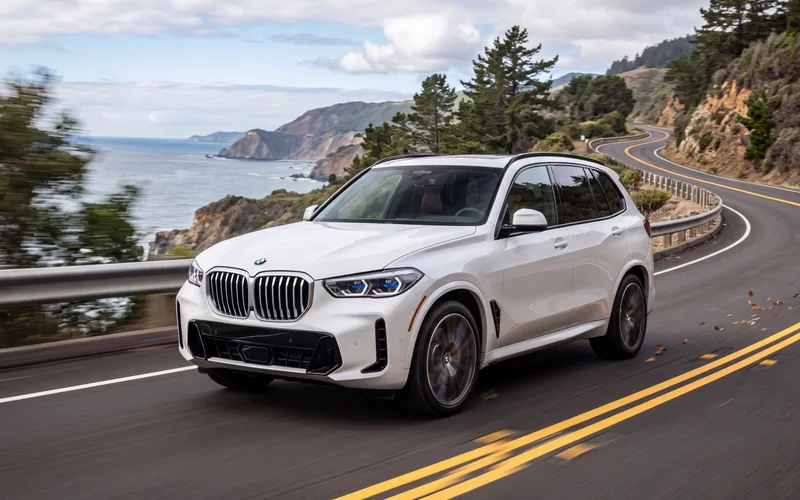 BMW X5Mid-Size Luxury SUVBetter at: Space and value
Gives you most of the luxury and a good share of the driving polish while adding real back-seat space, an optional third row and standard features Porsche charges thousands for.
Compare 2.28C
2.28C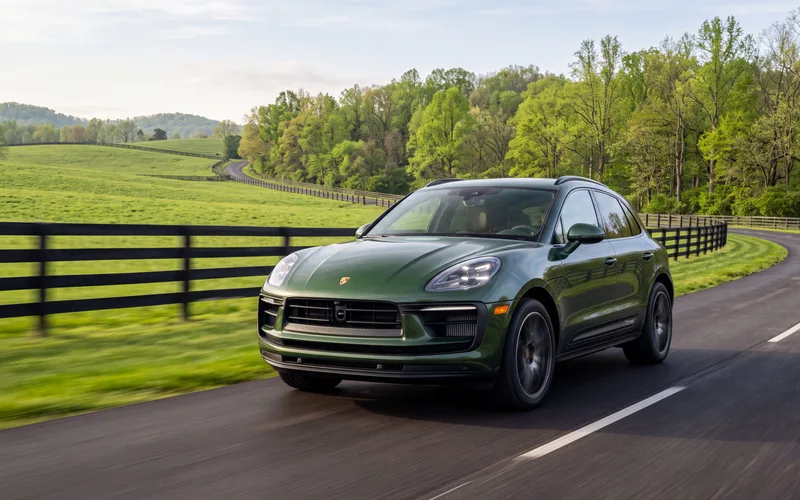 Porsche MacanCompact Luxury SUVBetter at: Price
The same Porsche steering and build quality for far less money, with running costs a shopper can actually live with — and only a modest space penalty over the Cayenne.
Compare 2.81B-
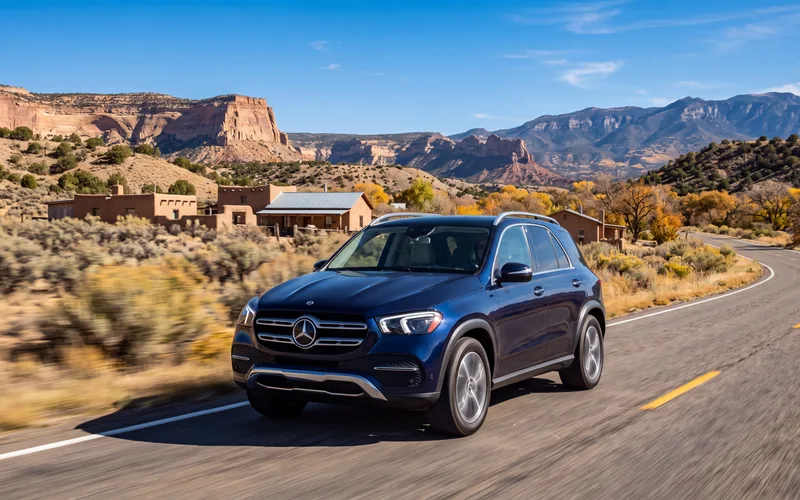 Mercedes-Benz GLEMid-Size Luxury SUVBetter at: Comfort
A more comfortable, roomier and better-equipped luxury SUV for the money if you're buying for passengers rather than for the driver's seat.
CompareProduction history
Best fit & conditions
Higher scores mean a better fit for that use case. Learn more about use-case fit →
Subject profile
Academic Probation · NHTSA safety recalls
Sep 23, 2025Fuel system, gasoline: delivery: fuel pumpThe fasteners securing the high pressure fuel pump may not be tightened properly, resulting in a fuel leak.
Defect
Porsche Cars North America, Inc. (Porsche) is recalling certain 2024-2026 Panamera, Cayenne, and 2025 Panamera E-Hybrid vehicles. The fasteners securing the high pressure fuel pump may not be tightened properly, resulting in a fuel leak.
Risk
A fuel leak in the presence of an ignition source increases the risk of a fire.
Remedy
Dealers will inspect and tighten the screw connections and replace the high pressure fuel pump and fuel lines as necessary, free of charge. Owner notification letters were mailed November 19, 2025. Owners may contact Porsche customer service at 1-800-767-7243. Porsche's number for this recall is ASA9. Vehicle Identification Numbers (VINs) involved in this recall will be searchable on NHTSA.gov beginning October 10, 2025.
NHTSA campaign 25V634000 ↗Manufacturer no. ASA9177 vehicles potentially affected (all models in the campaign)Owners notified Nov 19, 2025Filed by Porsche Cars North America, Inc.Filed as CAYENNE
18 recalls on other model years of the Cayenne (2017–2025)
Dec 19, 2025Back over prevention: sensing system: cameraThe rearview camera image may not display when the vehicle is placed in reverse. As such, these vehicles fail to comply with the requirements of Federal Motor Vehicle Safety Standard (FMVSS) number 111, "Rear Visibility."
Defect
Porsche Cars North America, Inc. (Porsche) is recalling certain 2019-2025 Cayenne, Cayenne E-Hybrid, 2020-2025 911, Taycan, 2024-2025 Panamera, and 2025 Panamera E-Hybrid vehicles. The rearview camera image may not display when the vehicle is placed in reverse. As such, these vehicles fail to comply with the requirements of Federal Motor Vehicle Safety Standard (FMVSS) number 111, "Rear Visibility."
Risk
A rearview image that does not display properly reduces the driver's view behind the vehicle, increasing the risk of a crash.
Remedy
Dealers will update the driver assistance software, free of charge. Owner notification letters were mailed February 13, 2026. Owners may contact Porsche customer service at 1-800-767-7243. Porsche's number for this recall is ASB2. Vehicle Identification Numbers (VINs) involved in this recall will be searchable on NHTSA.gov beginning January 19, 2026.
NHTSA campaign 25V896000 ↗Manufacturer no. ASB2172,107 vehicles potentially affected (all models in the campaign)Owners notified Feb 13, 2026Filed by Porsche Cars North America, Inc.Filed as CAYENNE, CAYENNE E-HYBRID, REDUNDANT CAYENNE E-HYBRIDJul 16, 2024Suspension: front: control arm: upper armThe driver's side front axle upper left control arm installed on the vehicles may have been installed with cracks, which can result in front axle control arm breaking and an unexpected loss of steering and wheel control.
Defect
Porsche Cars North America, Inc. (Porsche) is recalling certain 2024 Cayenne vehicles. The driver's side front axle upper left control arm installed on the vehicles may have been installed with cracks, which can result in front axle control arm breaking and an unexpected loss of steering and wheel control.
Risk
A sudden loss of steering control increases the risk of a crash.
Remedy
Dealers will replace the driver side left upper control arm, free of charge. Owner letters were mailed September 13, 2024. Owners may contact Porsche customer service at 1-800-767-7243. Porsche's number for this recall is ARB2.
NHTSA campaign 24V533000 ↗Manufacturer no. ARB22,475 vehicles potentially affected (all models in the campaign)Owners notified Sep 13, 2024Filed by Porsche Cars North America, Inc.Filed as CAYENNEDec 13, 2023Electrical system: propulsion system: charging: cable/cord: onboardPorsche Cars North America, Inc. (Porsche) is recalling various models and model years. Please see the recall report for a list of the included vehicles. When using the industrial 220V/240V plug at the 100% charge setting, some home power outlets may be incapable of handling the electrical current required to utilize the compact charging system, causing the outlet or charging cable to overheat.
Defect
Porsche Cars North America, Inc. (Porsche) is recalling various models and model years. Please see the recall report for a list of the included vehicles. When using the industrial 220V/240V plug at the 100% charge setting, some home power outlets may be incapable of handling the electrical current required to utilize the compact charging system, causing the outlet or charging cable to overheat.
Risk
An overheated outlet or charging cable can increase the risk of a fire.
Remedy
Owners are advised not to use the 220V/240V compact/portable charging cable and only use the 110V home charging cable or public charging stations. Dealers will supply a new 220V/240V compact/portable charging cable with an incorporated temperature sensor, free of charge. Owner notification letters were mailed on October 24, 2024. A second notice will be sent once remedy parts become available, anticipated mid-2024. Owners may contact Porsche customer service at 1-800-767-7243. Porsche's number for this recall is APB6.
NHTSA campaign 23V841000 ↗Manufacturer no. APB641,345 vehicles potentially affected (all models in the campaign)Owners notified Oct 24, 2024Filed by Porsche Cars North America, Inc.Filed as CAYENNE E-HYBRID, CAYENNE TURBO E-HYBRID, CAYENNE TURBO S E-HYBRID, REDUNDANT CAYENNE E-HYBRIDJul 27, 2023Exterior lighting: lighting control module: softwareAfter the vehicle is turned off, the rear hazard warning lights and the parking lights may not illuminate if they are activated within 10 seconds after the gateway control unit shuts off. As such, these vehicles fail to comply with the requirements of Federal Motor Vehicle Safety Standard number 108, "Lamps, Reflective Devices, and Associated Equipment."
Defect
Porsche Cars North America, Inc. (Porsche) is recalling certain 2024 Cayenne, Cayenne S, Cayenne Coupe, Cayenne Turbo GT, and Cayenne S Coupe vehicles. After the vehicle is turned off, the rear hazard warning lights and the parking lights may not illuminate if they are activated within 10 seconds after the gateway control unit shuts off. As such, these vehicles fail to comply with the requirements of Federal Motor Vehicle Safety Standard number 108, "Lamps, Reflective Devices, and Associated Equipment."
Risk
Rear hazard warning lights and parking lights that fail to illuminate can reduce the vehicle's visibility to other drivers, increasing the risk of a crash.
Remedy
Dealers will update the gateway control unit software, free of charge. Owner notification letters are expected to be mailed September 26, 2023. Owners may contact Porsche's customer service at 1-800-767-7243. Porsche's number for this recall is APB1.
NHTSA campaign 23V527000 ↗Manufacturer no. APB12,934 vehicles potentially affected (all models in the campaign)Owners notified Sep 15, 2023Filed by Porsche Cars North America, Inc.Filed as CAYENNE, CAYENNE COUPE, CAYENNE S, CAYENNE S COUPE, CAYENNE TURBO GTAug 30, 2022Exterior lighting: headlightsPlease see the recall report for a complete list of all affected models and model years. The caps that cover the low-beam headlight horizontal adjustment screws are missing, which can allow the headlights to be improperly adjusted. As such, these vehicles fail to comply with the requirements of Federal Motor Vehicle Safety Standard number 108, "Lamps, Reflective Devices, and Associated Equipment."
Defect
Porsche Cars North America, Inc. (Porsche) is recalling certain 2003-2020 Porsche Macan, Cayenne, Panamera, and Cayman S, 2001-2004 Boxster, Boxster S, 2004 Boxster 50 JAHRE SPYDER 550 vehicles. Please see the recall report for a complete list of all affected models and model years. The caps that cover the low-beam headlight horizontal adjustment screws are missing, which can allow the headlights to be improperly adjusted. As such, these vehicles fail to comply with the requirements of Federal Motor Vehicle Safety Standard number 108, "Lamps, Reflective Devices, and Associated Equipment."
Risk
Improperly adjusted headlights may not illuminate the road properly, or cause a glare to oncoming drivers, which can increase the risk of a crash.
Remedy
Dealers will inspect the headlights for sealing caps and install missing caps as necessary, free of charge. Owner notification letters were mailed October 28, 2022. Owners may contact Porsche's customer service at 1-800-767-7243. Porsche's number for this recall is ANB4.
NHTSA campaign 22V656000 ↗Manufacturer no. ANB4222,858 vehicles potentially affected (all models in the campaign)Owners notified Oct 28, 2022Filed by Porsche Cars North America, Inc.Filed as CAYENNEJan 28, 2022Suspension: rear · TiresThe rear axle alignment may not have been inspected after the repairs for Recall 21V-271 (AMA9) were performed.
Defect
Porsche Cars North America, Inc. (Porsche) is recalling certain 2021-2022 Cayenne vehicles. The rear axle alignment may not have been inspected after the repairs for Recall 21V-271 (AMA9) were performed.
Risk
Rear axle misalignment may cause premature or uneven tire wear, increasing the risk of a crash.
Remedy
Dealers will inspect the rear axle, adjust the alignment as necessary, and replace any prematurely or unevenly worn tires, free of charge. Owner notification letters were mailed March 10, 2022. Owners may contact Porsche customer service at 1-800-767-7243. Porsche's number for this recall is ANA1.
NHTSA campaign 22V040000 ↗Manufacturer no. ANA11,241 vehicles potentially affected (all models in the campaign)Owners notified Mar 10, 2022Filed by Porsche Cars North America, Inc.Filed as CAYENNEJun 30, 2021Steering: columnThe screw connection between the steering column and steering box may fail, which can result in a detached steering column.
Defect
Porsche Cars North America, Inc. (Porsche) is recalling certain 2021 Cayenne vehicles. The screw connection between the steering column and steering box may fail, which can result in a detached steering column.
Risk
A detached steering column can cause a loss of control, increasing the risk of a crash.
Remedy
Dealers will install a new screw, free of charge. Owner notification letters were mailed August 24, 2021. Owners may contact Porsche customer service at 1-800-767-7243. Porsche's number for this recall is AMB4.
NHTSA campaign 21V493000 ↗Manufacturer no. AMB427 vehicles potentially affected (all models in the campaign)Owners notified Aug 24, 2021Filed by Porsche Cars North America, Inc.Filed as CAYENNEMay 12, 2021EngineCracks may develop on the surface of the engine cylinder bore.
Defect
Porsche Cars North America, Inc. (Porsche) is recalling certain 2021 Cayenne Turbo, Cayenne GTS, and Cayenne GTS Coupe vehicles. Cracks may develop on the surface of the engine cylinder bore.
Risk
Cracks may cause engine damage and a stall or an oil leak, increasing the risk of a crash or fire.
Remedy
Dealers will replace the engine, free of charge. Owner notification letters were mailed July 9, 2021. Owners may contact Porsche customer service at 1-800-767-7243. Porsche's number for this recall is AMB1.
NHTSA campaign 21V341000 ↗Manufacturer no. AMB112 vehicles potentially affected (all models in the campaign)Owners notified Jul 9, 2021Filed by Porsche Cars North America, Inc.Filed as CAYENNE GTSMay 5, 2021Air bags: sensor: occupant classification: front passenger · SeatsThe passenger seat back heating element was not installed and may impact the calibration of the Occupant Classification System.
Defect
Porsche Cars North America, Inc. (Porsche) is recalling certain 2021 Cayenne GTS, Cayenne GTS Coupe, 2020-2021 Cayenne Coupe, Cayenne S Coupe, Cayenne E-Hybrid Coupe vehicles. The passenger seat back heating element was not installed and may impact the calibration of the Occupant Classification System.
Risk
The front passenger air bag may fail to deploy, increasing the risk of injury.
Remedy
Dealers will install a heating element, free of charge. Owner notification letters were mailed June 25, 2021. Owners may contact Porsche customer service at 1-800-767-7243. Porsche's number for this recall is AMB0.
NHTSA campaign 21V318000 ↗Manufacturer no. AMB0136 vehicles potentially affected (all models in the campaign)Owners notified Jun 25, 2021Filed by Porsche Cars North America, Inc.Filed as CAYENNE, CAYENNE E-HYBRID, CAYENNE GTS, CAYENNE S, REDUNDANT CAYENNE E-HYBRIDApr 21, 2021Suspension: rear: axle: non-powered axle assemblyThe lock nut on the trailing arm of the rear axle may break due to stress corrosion.
Defect
Porsche Cars North America, Inc. (Porsche) is recalling certain 2021 Cayenne, Cayenne S, Cayenne Turbo, Cayenne GTS, Cayenne Coupe, Cayenne S Coupe, Cayenne Turbo Coupe, and Cayenne GTS Coupe vehicles. The lock nut on the trailing arm of the rear axle may break due to stress corrosion.
Risk
A broken lock nut may misalign the rear axle, causing a loss of control and increasing the risk of a crash.
Remedy
Porsche will notify owners, and dealers will replace the lock nuts, free of charge. The recall began on June 18, 2021. Owners may contact Porsche customer service at 1-800-767-7243. Porsche's number for this recall is AMA9.
NHTSA campaign 21V271000 ↗Manufacturer no. AMA91,568 vehicles potentially affected (all models in the campaign)Owners notified Jun 18, 2021Filed by Porsche Cars North America, Inc.Filed as CAYENNEMay 13, 2020Power train: automatic transmission: cooling unit and linesAn insufficient weld on a transmission oil pipe may cause the vehicle to leak automatic transmission fluid (ATF).
Defect
Porsche Cars North America, Inc. (Porsche) is recalling certain 2020 Cayenne vehicles. An insufficient weld on a transmission oil pipe may cause the vehicle to leak automatic transmission fluid (ATF).
Risk
If transmission fluid leaks while driving, the road surface may be made slippery, increasing the risk of a crash.
Remedy
Porsche will notify owners, and dealers will inspect the transmission oil pipe and replace it if necessary, free of charge. The recall began September 8, 2020. Owners may contact Porsche customer service at 1-800-767-7243. Porsche's number for this recall is ALA5.
NHTSA campaign 20V271000 ↗Manufacturer no. ALA51,805 vehicles potentially affected (all models in the campaign)Owners notified Sep 8, 2020Filed by Porsche Cars North America, Inc.Filed as CAYENNEMay 13, 2020Fuel system, gasoline: delivery: hoses, lines/piping, and fittingsThe fuel line quick connector located in the engine compartment may leak.
Defect
Porsche Cars North America, Inc. (Porsche) is recalling certain 2019-2020 Cayenne Turbo and 2020 Cayenne Turbo Coupe, Turbo S Hybrid and Turbo S Hybrid Coupe vehicles. The fuel line quick connector located in the engine compartment may leak.
Risk
A fuel leak in the presence of an ignition source can increase the risk of a fire.
Remedy
Porsche will notify owners, and dealers will replace the fuel line and quick connector, free of charge. The recall began September 8, 2020. Owners may contact Porsche customer service at 1-800-767-7243. Porsche's number for this recall is ALA4.
NHTSA campaign 20V270000 ↗Manufacturer no. ALA42,253 vehicles potentially affected (all models in the campaign)Owners notified Sep 8, 2020Filed by Porsche Cars North America, Inc.Filed as CAYENNE S E-HYBRID, CAYENNE TURBO, CAYENNE TURBO COUPE, CAYENNE TURBO S HYB COUPEOct 16, 2019Electrical system: instrument cluster/panel · Service brakesThe instrument cluster may not provide a visual warning when the brake pads are worn out. As a result, these vehicles fail to comply with Federal Motor Vehicle Safety Standard (FMVSS) number 135, "Light vehicle brake systems."
Defect
Porsche Cars North America, Inc. (Porsche) is recalling certain 2017 Panamera 4, Panamera Turbo, Panamera Turbo Executive, 2017-2018 Panamera, Panamera 4S Executive, Panamera 4S, 2018 Panamera Turbo S Hybrid, Panamera 4 Hybrid Sport Turismo, Panamera 4 Sport Turismo, Panamera Turbo S Hybrid Sport Turismo, Panamera 4 Hybrid, Panamera 4 Executive, 2019 Cayenne Hybrid, 2019-2020 Cayenne, Cayenne S, Cayenne Turbo, 2020 Cayenne Coupe, Cayenne Turbo Coupe, and Cayenne S Coupe vehicles. The instrument cluster may not provide a visual warning when the brake pads are worn out. As a result, these vehicles fail to comply with Federal Motor Vehicle Safety Standard (FMVSS) number 135, "Light vehicle brake systems."
Risk
If the driver is not alerted when brake pads are worn out, the vehicle may not respond as expected when braking, increasing the risk of crash.
Remedy
Porsche will notify owners, and dealers will reprogram the instrument cluster, free of charge. The recall is began December 13, 2019. Owners may contact Porsche customer service at 1-800-767-7243. Porsche's number for this recall is AKB8. Note: This recall supersedes recall 19V115 and includes vehicles that were previously remedied under that campaign.
NHTSA campaign 19V735000 ↗Manufacturer no. AKB844,128 vehicles potentially affected (all models in the campaign)Owners notified Dec 13, 2019Filed by Porsche Cars North America, Inc.Filed as CAYENNEFeb 21, 2019Back over prevention: sensing system: camera · Visibility: rearview mirrors/devices: interiorA software failure may cause the rearview camera image display to be delayed in responding. As such, these vehicles fail to comply to Federal Motor Safety Standard (FMVSS) number 111, "Rearview Mirrors."
Defect
Porsche Cars North America, Inc (Porsche) is recalling certain 2019 Cayenne and Cayenne S vehicles. A software failure may cause the rearview camera image display to be delayed in responding. As such, these vehicles fail to comply to Federal Motor Safety Standard (FMVSS) number 111, "Rearview Mirrors."
Risk
A rearview camera display that does not function as designed can reduce the driver's view of what is behind the car, increasing the risk of a crash.
Remedy
Porsche will notify owners, and dealers will update the related software, free of charge. The recall began April 19, 2019. Owners may contact Porsche customer service at 1-800-767-7243. Porsche's number for this recall is AKA0.
NHTSA campaign 19V111000 ↗Manufacturer no. AKA098 vehicles potentially affected (all models in the campaign)Owners notified Apr 19, 2019Filed by Porsche Cars North America, Inc.Filed as CAYENNEFeb 20, 2019Electrical system: instrument cluster/panel · Service brakesThe instrument cluster may not provide a visual warning when the brake pads are worn out. As a result, these vehicles fail to comply with Federal Motor Vehicle Safety Standard (FMVSS) number 135, "Light vehicle brake systems."
Defect
Porsche Cars North America, Inc. (Porsche) is recalling certain 2018 Panamera 4 Executive, Panamera 4S Sport Turismo, Panamera 4 Hybrid, Panamera 4 Hybrid Executive, Panamera 4 Hybrid Sport Turismo, Panamera Turbo Sport Turismo, Panamera Turbo S Hybrid Executive, Panamera Turbo S Hybrid, Panamera 4 Sport Turismo and Panamera Turbo S Hybrid Sport Turismo vehicles, 2017-2018 Panamera, Panamera 4, Panamera Turbo Executive, Panamera 4S, Panamera Turbo and Panamera 4S Executive vehicles and 2019 Cayenne S and Cayenne vehicles. The instrument cluster may not provide a visual warning when the brake pads are worn out. As a result, these vehicles fail to comply with Federal Motor Vehicle Safety Standard (FMVSS) number 135, "Light vehicle brake systems."
Risk
If the driver is not alerted when brake pads are worn out, the driver may lose control of the vehicle while attempting to brake, increasing the risk of crash.
Remedy
Porsche will notify owners, and dealers will update the instrument cluster software, free of charge. The recall began April 19, 2019. Owners may contact Porsche customer service at 1-800-767-7243. Porsche's number for this recall is AKA1/AKA0.
NHTSA campaign 19V115000 ↗Manufacturer no. AKA1/AKA014,110 vehicles potentially affected (all models in the campaign)Owners notified Apr 19, 2019Filed by Porsche Cars North America, Inc.Filed as CAYENNE, CAYENNE SFeb 20, 2019Suspension: front: shock absorberPorsche Cars North America, Inc. (Porsche) is recalling one 2019 Cayenne Turbo vehicle. The affected vehicle has shock absorber forks that may allow the shock absorbers to loosen.
Defect
Porsche Cars North America, Inc. (Porsche) is recalling one 2019 Cayenne Turbo vehicle. The affected vehicle has shock absorber forks that may allow the shock absorbers to loosen.
Risk
Loose shock absorbers may impair vehicle steering, increasing the risk of crash.
Remedy
Porsche will notify the owner, and a dealers will replace the shock absorber forks, free of charge. The recall began April 19, 2019. Owners may contact Porsche customer service at 1-800-767-7243. Porsche's number for this recall is AKA2.
NHTSA campaign 19V112000 ↗Manufacturer no. AKA21 vehicles potentially affected (all models in the campaign)Owners notified Apr 19, 2019Filed by Porsche Cars North America, Inc.Filed as CAYENNENov 28, 2018EquipmentThe ski bag fastening strap may have been sewn with incorrect thread, possibly resulting in the strap seams tearing and the ski bag being unsecured in the event of a crash.
Defect
Porsche Cars North America, Inc. (Porsche) is recalling certain 2017 Porsche Cayenne Turbo S, Cayenne Turbo, Cayenne Plug-in Hybrid, Cayenne GTS, Cayenne Plug-in Hybrid Platinum Edition, Macan Turbo and Macan GTS vehicles, 2017-2018 Cayenne S, Macan, Cayenne Platinum Edition and Macan S vehicles and 2018 Cayenne vehicles equipped with the optional ski bag. The ski bag fastening strap may have been sewn with incorrect thread, possibly resulting in the strap seams tearing and the ski bag being unsecured in the event of a crash.
Risk
If the ski bag detaches during a crash, it can increase the risk of injury.
Remedy
Porsche will notify owners, and dealers will replace the ski bags, free of charge. The recall began January 10, 2019. Owners may contact Porsche customer service at 1-800-767-7243. Porsche's number for this recall is AJ12.
NHTSA campaign 18V844000 ↗Manufacturer no. AJ12142 vehicles potentially affected (all models in the campaign)Owners notified Jan 10, 2019Filed by Porsche Cars North America, Inc.Filed as CAYENNEOct 24, 2018Seat belts: rear/otherThe passenger side rear seat belt buckle may break under load, such as in the event of a crash. As such, these vehicles fail to comply with the requirements of Federal Motor Vehicle Safety Standard (FMVSS) number 209, "Seat Belt Assemblies."
Defect
Porsche Cars North America, Inc. (Porsche) is recalling certain 2019 Porsche Cayenne vehicles. The passenger side rear seat belt buckle may break under load, such as in the event of a crash. As such, these vehicles fail to comply with the requirements of Federal Motor Vehicle Safety Standard (FMVSS) number 209, "Seat Belt Assemblies."
Risk
If the seat belt buckle breaks in the event of a crash, the occupant will not be properly restrained, increasing their risk of injury.
Remedy
Porsche will notify owners, and dealers will replace the passenger rear seat belt buckle, free of charge. The recall began November 30, 2018. Owners may contact Porsche customer service at 1-800-767-7243. Porsche's number for this recall is AJ09.
NHTSA campaign 18V751000 ↗Manufacturer no. AJ09415 vehicles potentially affected (all models in the campaign)Owners notified Nov 30, 2018Filed by Porsche Cars North America, Inc.Filed as CAYENNE
Source: NHTSA Office of Defects Investigation recall database, model years 2017–2026. Recalls are listed by model year as the manufacturer filed them; whether a specific car is affected depends on its VIN — check a VIN at nhtsa.gov ↗. NHTSA model names matched to this page: CAYENNE, CAYENNE COUPE, CAYENNE E-HYBRID, CAYENNE GTS, CAYENNE S, CAYENNE S COUPE, CAYENNE S E-HYBRID, CAYENNE TURBO, CAYENNE TURBO COUPE, CAYENNE TURBO E-HYBRID, CAYENNE TURBO GT, CAYENNE TURBO S E-HYBRID, CAYENNE TURBO S HYB COUPE, REDUNDANT CAYENNE E-HYBRID.
Detailed scoring by subject
1Performance & PowertrainOne of the Cayenne's strongest categories.2.97B-
The volume trim is the base Cayenne with the 3.0-liter turbocharged V6, unchanged for 2026 from the 2024 facelift output of 348 hp; V8 and plug-in hybrid trims climb far higher.
Base Cayenne peak torque is 368 lb-ft from the single-turbo 3.0L V6, the figure introduced with the 2024 refresh and carried into 2026.
Porsche's own quoted 0–60 for the base Cayenne is 5.7 seconds, dropping to 5.4 seconds with the optional Sport Chrono Package; the untimed standard configuration is used here as the volume-trim figure.
The turbo V6 is quiet, smooth and near-lag-free once moving, but reviewers consistently flag low-speed drivetrain hesitation — a beat of delay pulling into traffic or resuming throttle after a rolling stop — which keeps it just below the seamless top band.
The eight-speed Tiptronic S shifts quickly and decisively, holds gears sensibly in Sport modes and never hunts on the highway; the only complaint is the same off-the-line slack that shows up at parking-lot speeds.
With the factory tow-hitch package the base Cayenne, S, E-Hybrid and S E-Hybrid are all rated at 7,716 lbs (3,500 kg) — near the top of the luxury mid-size SUV field; only the Turbo E-Hybrid is derated.
Every Cayenne is all-wheel drive — Porsche Traction Management with an active, electronically controlled multi-plate center clutch, plus available Porsche Torque Vectoring Plus with an electronic rear locking differential and rear-axle steering; the one gap is the absence of a low-range transfer case, dropped after the first generation.
Genuinely more capable than most luxury crossovers — a dedicated Offroad drive mode, hill descent control, and 8.2 in of clearance rising to about 9.6 in on the optional air suspension — but it is a pavement-first chassis with no low range, no lockers beyond the electronic rear diff, no factory skid plates on US cars and no off-road trim.
Among the broadest powertrain menus on sale: turbo V6, two states of twin-turbo V8 (S and GTS), the 650-hp Turbo GT Coupe, three distinct plug-in hybrids (E-Hybrid, S E-Hybrid, Turbo E-Hybrid, 463–729 hp), and for 2026 the all-new battery-electric Cayenne Electric/S/Turbo sold alongside rather than replacing the combustion cars.
2Efficiency & RangeOne of the Cayenne's weakest categories.0.00F
The volume 2026 Cayenne keeps the third-gen (9YA) 3.0L single-turbo V6 at 348 hp with the 8-speed Tiptronic and standard AWD, and EPA rates it at 19 MPG combined — bottom of the mid-size luxury SUV band, worse than an Audi Q7 or BMW X5 gas six.
A 4,900-lb luxury SUV on a turbo V6 with no hybrid assist on the volume trim posts 17 MPG in the city — the electrified rivals in this segment are three to five times better on the same cycle.
Highway is the Cayenne's best cycle at 23 MPG thanks to the tall 8-speed and stop-start, but it still trails the segment's efficient gas and hybrid entries.
EPA publishes no range figure for gasoline vehicles, so range is the standard 23.7-gallon (90 L) tank times the 19 MPG combined rating — roughly 450 miles, which a large tank rescues from poor efficiency. The optional 100 L tank pushes it to about 500 miles.
EPA's $4,000 annual estimate is above the top of the SUV cost band — the combination of 19 MPG and a premium-only requirement makes this among the most expensive mid-size luxury SUVs to fuel.
Premium gasoline is required, not merely recommended, on every gas Cayenne, and a 23.7-gallon tank means each fill is a large premium purchase; no E85 or diesel option exists. Only buyers who step up to an E-Hybrid trim get the cheaper home-charging path.
3SafetyMid-pack among this car's ten categories.2.45C+
NHTSA has never crash-tested the Cayenne — the agency's database returns no 2025 or 2026 entry at all, and the one 2024 record it holds is 'Not Rated' across every test. The estimate reflects the segment-typical 4-star showing for heavy MLB-platform luxury SUVs, matching how the untested Audi Q8 is treated.
The Cayenne holds no Top Safety Pick or TSP+ designation because IIHS has never rated it — low-volume luxury models are routinely skipped, and no US crashworthiness result exists for any year of the third generation. The 2017-protocol Euro NCAP 5-star result and the aluminium-intensive, roughly 50–50 aluminium/high-strength-steel body-in-white argue against any structural concern, but an untested car cannot be credited with award-level performance.
Every 2026 Cayenne includes Warn and Brake Assist (forward collision warning plus AEB with pedestrian and cyclist detection), lane keeping assist with traffic sign recognition, Lane Change Assist blind-spot monitoring, rear cross-traffic alert and front/rear ParkAssist. The gap is adaptive cruise control, which remains a paid option on a $89,900 SUV — an omission most luxury rivals closed years ago, and the single reason this sits below the top band.
Warn and Brake Assist monitors the road ahead for vehicles, pedestrians and cyclists, escalating from visual and audible warnings to a braking jolt and then supported braking, with Turn Assist covering left turns across traffic. There is no IIHS front-crash-prevention rating for the Cayenne at all, so daytime-versus-nighttime pedestrian performance is unverified — capable hardware without independent confirmation.
Lane Change Assist and rear cross-traffic alert are standard on every trim and cover both same-speed blind-spot occupants and fast-closing traffic from behind, which matters on a wide SUV with poor over-shoulder sightlines. Coverage is alert-only, though — no active steering or braking intervention and no trailer-aware mode despite the 7,716-lb tow rating — which keeps it out of the top band.
The standard car gets lane departure warning and reactive lane keeping assist with traffic sign recognition, but true lane centering — Porsche's Active Lane Keeping, which holds the car mid-lane with continuous gentle steering — is bundled into the optional adaptive cruise packages. Buyers who skip that box get warning-grade assistance only, so the volume configuration lands mid-band even though the optional system is well regarded.
When fitted, the system is one of the better ones in the class: full-speed-range adaptive cruise with smooth gap-keeping, and InnoDrive layering predictive route data over roughly the next 1.8 miles plus traffic-jam assist that steers and follows the queue up to about 37 mph. The penalty is purely availability — it is a $1,430–$2,740 option rather than standard equipment, so a meaningful share of Cayennes leave the lot with plain cruise control and a speed limiter.
Porsche offers no hands-free highway driving system on the 2026 Cayenne in the US — nothing comparable to Ford BlueCruise, GM Super Cruise or Tesla's supervised FSD. InnoDrive with Active Lane Keeping is a hands-on Level 2 system that nags and disengages when the driver releases the wheel.
Matrix LED headlights are standard across the entire range as of the 2023 facelift, with an 11-segment high beam that masks individual vehicles rather than simply dipping, plus adaptive cornering light and auto high beam; the optional HD-Matrix units add more than 64,000 pixels per side. Strong, genuinely standard hardware — held just below the top band only because IIHS has never published a headlight rating to confirm real-world beam performance.
The sports-car-influenced glasshouse works against the driver: narrow side windows, a shallow rear screen and thick pillars leave real blind zones to the side and rear, and the Coupé body style is worse still. Standard blind-spot warning and rear ParkAssist cover part of it, but the surround-view camera that does the most to compensate is an extra-cost option.
Wide-opening rear doors and easy-to-find anchors make installation straightforward, and there is enough second-row length to take a bulky rear-facing seat without pushing the front passenger forward. It falls short of the top band only because the second row is a five-seat bench too narrow for three seats abreast, and the optional rear bucket layout cuts capacity to two.
4Space & ComfortOne of the Cayenne's weakest categories.1.20D
The 2026 Cayenne is the third-generation (E3 9YA) gas/E-Hybrid SUV carried over alongside the newly launched Cayenne Electric, and it remains a strict two-row, five-seat SUV in Porsche's '4+1' layout — a narrow center rear position makes the fifth seat an occasional one.
Porsche does not publish US-format interior dimensions for the Cayenne — cars.com, KBB and iSeeCars all list them as N/A — so this is the Chrome Data figure carried across the unchanged third-generation body (the 2024 facelift changed styling, dash and powertrains, not the passenger cell).
Generous front legroom from the long 114.0-in wheelbase and a low, far-back seating position; standard 8-way power comfort seats, with 14-way and 18-way adaptive sport seats optional.
Second-row headroom is adequate for adults in the standard SUV body; the separately listed Cayenne Coupé gives up roof height (roofline lowered 20 mm) and is tighter behind.
The Cayenne's rear bench is fixed fore/aft (backrest angle adjusts; the sliding rear bench is a Cayenne Electric feature, not the gas car's), and rear legroom trails three-row rivals like the Q7 and even the two-row X5 by a wide margin — the clearest space compromise in the package.
No third row has ever been offered on any Cayenne generation, and Porsche has said a third row would compromise the chassis rigidity the Cayenne is built around — buyers needing seven seats are pushed to a Q7, X7, GLS or the forthcoming K1.
Behind-the-second-row volume is modest for a 194-in-long SUV — the battery under the load floor costs the E-Hybrid another 4.6 cu ft, and the Coupé body more still.
Seats-folded capacity sits near the bottom of the mid-size SUV band — usable and squarely shaped, but well short of a Q7 or GLE, let alone a three-row rival.
Everyday storage is competent but unremarkable and unimproved by the facelift: a wide-but-shallow center console, decent door pockets, cooled wireless charging and USB-C throughout, but no frunk on the gas car and no standout packaging trick.
Front seats are supportive and well-shaped for long stints with firm rather than plush padding, and 14-way or 18-way adaptive sport seats with memory are available; the rear bench is comfortable but firmer and constrained by the tight legroom.
PASM adaptive dampers are standard and the 2023/24 refresh's two-valve dampers widened the gap between comfort and sport modes, with optional adaptive air suspension (standard higher up the range) adding real compliance; body control is class-leading but there is a persistent underlying firmness on the big optional wheels.
Wind and road noise are well suppressed at highway speed and reviewers describe a vault-like isolation; the standard sport exhaust on GTS trims deliberately trades some of that away.
Everything is available — ventilated front and rear seats, heated rear seats, heated wheel, four-zone climate, massage, panoramic roof, soft-close doors — but on the $89K base car only 8-way heated front seats are standard and the rest sits in costly option packages, so a comparably equipped Cayenne costs far more than a rival that includes them.
5Cost of OwnershipThe Cayenne's lowest-graded category.0.00F
The 2026 Cayenne remains the third-generation 9YB (2023/MY2024 facelift) in gas and plug-in-hybrid form, with the new PPE-based Cayenne Electric arriving alongside it as a separate line; the entry gas model uses the 348-hp 3.0L twin-turbo V6 at $86,800 plus Porsche's $2,350 delivery, processing and handling fee. That lands roughly $25,000 above the top of the SUV normalization band, so the item bottoms out.
The base V6 is the volume seller, but Porsche's options-first sales model means real transaction prices sit far above sticker — a lightly optioned base Cayenne routinely clears $100k, and the E-Hybrid and S trims that many buyers step into start above that. Any of those readings sits well beyond the $68,000 top of the SUV band.
German performance-SUV service intervals, 21-inch staggered performance tires, large brakes and air suspension put the Cayenne near the top of the segment's running-cost range — above the $9,500 ceiling of the SUV band even before out-of-warranty repairs. Only the first service is complimentary; everything after is Porsche dealer labor.
Retention is the Cayenne's strongest ownership-cost trait — the Porsche badge holds value better than most German luxury SUVs — but the absolute dollar loss is enormous off a six-figure as-equipped price, and the plug-in hybrids depreciate a couple of points harder than the gas V6.
Porsche's New Vehicle Limited Warranty runs 4 years/50,000 miles — mid-pack for the luxury segment, better than the 4/50 offered by most German rivals only in that it also serves as the drivetrain coverage, and well short of Genesis or the Korean brands.
Porsche publishes no extended powertrain warranty: the same 4-year/50,000-mile limited warranty covers drivetrain components, so coverage expires at the bottom of the 5–10 year normalization band. Only the plug-in hybrid variants carry longer high-voltage battery coverage, and the volume trim is the gas V6.
Only the first scheduled service (1 yr/10,000 mi) is complimentary, paired with 4-year/50,000-mile Porsche Roadside Response and a 3-year Porsche Connect subscription that for 2026 adds the Porsche App Center and Amazon Alexa integration. That is a single free service plus basic roadside — squarely the middle band, behind Genesis's multi-year included maintenance (GV80 44.9) and BMW/Jaguar-style coverage, though ahead of rivals offering nothing at all.
$100,000 volume-trim price minus its estimated resale value after 5 years (51% retained, or about $51,000) leaves about $49,000 in depreciation. Add the projected $11,490 in 5-year maintenance and repairs, and owning this vehicle for 5 years costs about $60,490 in total.
6Reliability & QualityGrades above the middle of the scale.2.86B-
Consumer Reports predicts the 2026 Cayenne will be more reliable than the average new car, but says so from limited 2023–2025 data plus Porsche brand scores, with every trouble-spot category still 'NA'. Third-party ownership data pulls the other way, so this lands above average rather than top-tier.
Porsche sits near the top of every recent study that measures the brand: 3rd overall and 2nd among luxury brands in Consumer Reports' 2026 rankings, #1 in the 2026 J.D. Power Initial Quality Study, and 7th of all brands in the 2026 Vehicle Dependability Study. That is a consistently top-tier multi-year standing.
The 2026 Cayenne carries one open NHTSA recall, and it is not a trivial one — improperly tightened high-pressure fuel pump fasteners that can leak fuel and create a fire risk. The wider 9YA generation adds a 2024 cracked front upper control arm recall (steering-loss risk), a lighting-software recall, and a 173,538-vehicle rearview-camera FMVSS 111 recall spanning 2019–2025 Cayennes. Elevated but not systemic.
The 2026 gas and PHEV Cayenne is the third-generation 9YA carrying the EA839 3.0L turbo V6 and 4.0L twin-turbo V8 with the ZF-based 8-speed Tiptronic S — VW Group families with several years of service and no systemic failure pattern in this generation. Against that, the Cayenne nameplate has a long record of cooling-system weakness (plastic coolant pipes, water pumps at 60–100k miles), and the 25.9 kWh E-Hybrid pack introduced with the 2024 refresh has little accumulated mileage.
Reviewers consistently place the Cayenne cabin at or near the top of the mid-size luxury SUV class — supple leather, brushed aluminum and real wood with precise switchgear, the Taycan-derived dash from the 2024 refresh carried into 2026. Only minor gripes (some low-rent plastic on the steering wheel spokes) keep it off a perfect mark.
Assembly quality is a genuine Porsche strength and the initial-quality data backs it up: the brand ranked highest of all nameplates in the 2026 J.D. Power IQS with a large year-over-year improvement, and road tests report no squeaks or rattles even over rough surfaces.
Service satisfaction is best-in-industry — Porsche took the #1 spot in the 2026 J.D. Power Customer Service Index for the second straight year, well clear of the industry average. The offset is density: roughly 200 Porsche Centers nationwide means owners outside major metros can be a long drive from a franchised dealer.
Parts are dealer-centric and priced accordingly, and the wear items on this vehicle are unusually expensive. Average annual repair and maintenance cost runs roughly 50% above the luxury mid-size SUV norm, brake service alone is four figures per axle, and air suspension work at higher mileage runs into the thousands. Independent-shop and aftermarket support exists but does not make the parts cheap.
7Technology & InfotainmentOne of the Cayenne's strongest categories.3.35B+
The 2026 gas/E-Hybrid Cayenne is the facelifted third generation (9YB), which carries the Porsche Driver Experience cockpit introduced for 2024: a 12.3-inch high-resolution central PCM touchscreen standard on every trim, with a 10.9-inch passenger touchscreen as a separate option.
PCM 6.0 on the Driver Experience dashboard is fast, sharply rendered and logically laid out, and Porsche kept physical toggles for temperature and fan speed rather than burying climate in the screen — a meaningful advantage over most luxury rivals. Marks come off for the near-total absence of hard buttons beyond climate and for steering-wheel/cluster menu structures reviewers find unintuitive at first.
Wireless Apple CarPlay is standard across the range on PCM 6.0, and Android Auto is standard as well (added with PCM 6.0 and made wireless in a subsequent PCM update), with QR-code pairing and native Spotify/Apple Music apps. Not a full 100 because Android Auto's wireless support arrived by software update rather than at launch and is less consistently documented than CarPlay.
"Hey Porsche" natural-language voice control is standard and handles navigation, media and climate requests reliably, and online navigation with live traffic and route calculation is standard rather than an option. It is a good system but not a segment benchmark — it lacks the LLM-grade conversational assistant now appearing on rivals, and many owners still default to phone projection.
A three-tier ladder that is strong at every rung: a 10-speaker Sound Package Plus as the standard fit, a 14-speaker/710-watt Bose Surround Sound mid-option, and a 21-speaker/1,455-watt Burmester 3D High-End system that ranks among the best factory audio available in any SUV.
A fully digital 12.6-inch curved, free-standing cluster is standard on every 2026 Cayenne, with up to seven selectable views including a classic five-dial layout, map, night-vision and 3D driver-assistance displays. Crisp, highly configurable and standard equipment — top of the band.
The Cayenne supports genuine over-the-air software updates through PCM 6.x and Porsche Connect (e.g. the PCM 6.3.4 rollout in 2025), but in practice these are infotainment/PCM and map updates rather than the whole-vehicle, feature-adding releases Tesla, Rivian and Lucid ship. They also require an active Porsche Connect account with the online-update service enabled.
The My Porsche / Porsche Connect app covers the core set — remote lock/unlock, vehicle status, locate, alerts, and remote climate pre-conditioning and charge scheduling on E-Hybrid models — and Connect services come with a long complimentary period on new cars. Held back because phone-as-key is not offered on the gas/hybrid Cayenne (Porsche's Digital Key is limited to the 2026 Macan Electric and Cayenne Electric), and there is no remote engine start on the combustion models.
Four USB-C fast-charging ports split two front / two rear, plus a standard cooled wireless charging bay rated at up to 15 watts — better than the 5–7.5 W pads still common in the class. Short of the top band only because there is no household-style AC outlet or meaningful onboard export power.
Push-button start and a power tailgate are standard, but Porsche still charges for Comfort Access (proximity entry/exit plus hands-free foot-gesture tailgate) as an option on the volume Cayenne, there is no remote engine start on the combustion cars, and phone-as-key is reserved for the Electric. On a $90k luxury SUV where rivals make proximity entry standard, that is a mid-band result.
Front and rear ParkAssist with a reversing camera is standard, and the four-camera Surround View system giving a 360-degree composite view is standard on US Cayennes from 2025 onward, with 3D Surround View and Trained Parking Assist (records and replays a repeated parking maneuver) available above it. Image quality and the parking automation are both strong; scored a notch below the ceiling because the 3D/automated tiers remain optional.
A configurable color head-up display is offered as a factory option on the base Cayenne as well as the upper trims, adjustable for driver height directly from the steering wheel. It is not standard at any price and it is a conventional (non-augmented-reality) unit — the AR head-up display is exclusive to the new Cayenne Electric — so it sits at the lower edge of the top band.
8Use-Case FitMid-pack among this car's ten categories.1.87C-
Car-seat installation itself is easy — wide-opening rear doors, accessible LATCH anchors and enough second-row length for a bulky rear-facing seat — but the daily family logistics around it are compromised: five seats only with no third row ever offered, a fixed (non-sliding) rear bench, just 33.2 in of rear legroom, and 27.3 cu ft behind the second row for strollers and diaper bags (22.7 on the E-Hybrid).
The active-safety baseline is decent — Warn and Brake Assist (FCW/AEB with pedestrian and cyclist detection), lane keeping assist, Lane Change Assist blind-spot monitoring and rear cross-traffic alert standard on every trim — but two things hold this back for family buyers: neither NHTSA nor IIHS has ever crash-tested the Cayenne, so there are no US crashworthiness credentials to point to, and adaptive cruise with lane centering is a $1,430–$2,740 option on an $89,150 SUV.
Up front it is a genuinely excellent long-haul car — quiet, supportive seats, superb materials — and two rear USB-C ports are standard, but the second row is where family road trips get squeezed: 33.2 in of legroom, a firm fixed bench, and four-zone climate, heated/ventilated rear seats, the panoramic roof and the twin-10.1-inch rear entertainment screens all sitting in extra-cost packages. Luggage space with four aboard is the weak point at 27.3 cu ft.
The base V6 car is an easy, low-effort commuter — standard PASM adaptive damping, a quiet cabin, quick decisive 8-speed shifts and light-enough steering — but reviewers repeatedly flag a beat of drivetrain hesitation pulling into traffic or resuming throttle after a rolling stop, adaptive cruise for stop-and-go is a paid option, and the GTS's sport suspension and heavy steering make it noticeably more tiring around town.
This is the Cayenne's worst use case by a wide margin: 17 MPG city on required premium gasoline, an EPA annual fuel bill of $4,000, and consumables priced to match — staggered 21-inch performance tires, four-figure brake jobs per axle and an average annual repair spend around 50% above the luxury mid-size SUV norm. The E-Hybrid's 29 miles of EV range would cover many commutes, but that is a $105k+ trim, not the volume car.
A 40.0-ft turning circle is respectable for a 194.1-in-long, 86.4-in-wide SUV, and US cars now get surround-view cameras plus front and rear ParkAssist as standard, with rear-axle steering available to shrink it further. What keeps it mid-band is sightlines: the sports-car glasshouse gives narrow side windows, a shallow rear screen and thick pillars, so drivers lean on the cameras rather than their eyes in tight garages.
One genuine work credential and little else: with the optional hitch the Cayenne tows 7,716 lbs with a 772-lb tongue weight — near the top of the luxury mid-size SUV field and enough for a real trailer — and the torque and 8-speed handle the load easily. But there is no bed, no payload headroom worth the name, and only 27.3/60.3 cu ft of cargo, so it is a tow vehicle rather than a work vehicle.
The hardware underneath is sound — VW Group MLB chassis, EA839 V6 and ZF-based 8-speed with years of service — but everything wrapped around it is the opposite of work-tolerant: leather and Alcantara surfaces, air suspension and 21-inch performance rubber, dealer-only parts, and repair frequency and severity both rated much higher than average. There is no fleet presence and no wear-friendly trim option to fall back on.
The basics exist — lashing points in the load floor, a power tailgate, and a factory Loadspace Management System (two rails, telescopic rod, four tie-down points, strap roller) plus luggage nets and liners through Tequipment — but there is no onboard AC export power, no washable interior surfaces, and no upfit ecosystem in any commercial sense. It is a luxury cargo hold with cargo accessories, not a jobsite tool.
The Cayenne's best mission. The cabin is vault-quiet at speed, the front seats hold up over long stints, high-speed stability and steering are class benchmarks, and the 23.7-gallon tank stretches even 19 MPG to roughly 450 miles between stops (about 500 with the optional 26.4-gallon tank). Two things stop it reaching the top band: the fatigue-reducing kit — adaptive cruise, InnoDrive, Active Lane Keeping — is optional rather than standard, and every one of those stops is a large premium-fuel purchase.
More capable than most luxury crossovers for the way people actually use them: standard AWD with an active center clutch, a dedicated Offroad mode with hill descent control, 8.2 in of ground clearance rising to about 9.6 in on the optional air suspension, a 7,716-lb tow rating that covers boats and toy haulers, and a full Tequipment ladder of roof boxes, bike, ski and snowboard carriers. It stops short of the top band because it is a pavement-first chassis — no low range, no lockers beyond the electronic rear diff, no US skid plates — with a modest 165-lb roof load and no camping-grade onboard power.
Shape and access are good — a square hold, a standard power tailgate, a 40/20/40 split-folding rear seatback with adjustable recline, floor lashing points and underfloor stowage — but the raw numbers are near the bottom of the mid-size band at 27.3/60.3 cu ft, and the E-Hybrid's battery takes another 4.6 cu ft (22.7/56.8) while the Coupé takes more still. Roof rails, the roof transport system and the tow hitch are all extra-cost, so a gear-hauling Cayenne is an optioned-up Cayenne.
9Driving ExperienceThe Cayenne's best-graded category.3.37B+
The benchmark for how a 2.5-ton luxury SUV should corner: steel springs with PASM two-valve adaptive dampers are standard for 2026, body roll is minimal, grip is high and the chassis stays composed well past the point where rivals start leaning on their stability control. Optional adaptive air suspension, rear-axle steering and Porsche Torque Vectoring Plus sharpen it further, but even the base V6 on steel springs out-handles the segment.
Porsche's electromechanical rack remains among the most communicative in any SUV — accurate off-center, naturally weighted, and quick at 13.3:1 (12.2:1 with the optional rear-axle steering). It gives up a little texture to a 911 but is clearly ahead of the numb racks in most mid-size luxury rivals.
Firm, linear pedal and strong fade resistance from generously sized hardware, with Porsche Surface Coated Brakes and ceramics available up the range; the only deduction is on the plug-in hybrids, where the regen-to-friction handover leaves the pedal noticeably softer than the pure-gas cars.
The 348-hp single-turbo V6 and eight-speed Tiptronic S are smooth and near-lag-free once rolling, with peak torque from 1,500 rpm and a strong 50–70 mph punch, but reviewers consistently flag a beat of low-speed hesitation pulling into traffic or resuming throttle after a rolling stop — enough to keep it out of the impeccably-calibrated band.
The turbo V6 is well isolated and inoffensive — quiet at a cruise, no vibration through the controls — but its voice is anonymous next to the twin-turbo V8 in the S and GTS, so it is refined rather than rewarding to listen to.
The base 2026 Cayenne turns in 40.0 ft curb-to-curb, a wide circle typical of an E-segment SUV on a 114-inch wheelbase; the optional rear-axle steering cuts roughly 2.4 ft out of it but is not fitted to the volume configuration.
Excellent fundamentals — supportive, widely adjustable front seats, a low-slung sports-car driving position with a clear view over the hood, and the 2024 facelift's move of the shifter to the dash freed up the console while keeping physical climate controls rather than going full-touchscreen like the Taycan. The Taycan-derived control set is the catch: unlabeled steering-wheel rotary controls and a menu structure that takes real time to learn.
This is the SUV enthusiasts point to when arguing an SUV can be a driver's car — quick, tactile and eager on a good road, and rewarding even in base V6 form well before the V8 trims. It gives up a little to the very best only because the volume car's soundtrack is muted and the 22-inch wheel option makes the ride jittery.
10Value & Market PositionMid-pack among this car's ten categories.2.40C+
Base 2026 Cayenne covers the basics well — standard AWD, 20-inch wheels, matrix LED headlights, soft-close doors, 12.6-inch curved digital cluster and heated 8-way power front seats — but Porsche still charges for content rivals include: adaptive cruise control and 14-way comfort-memory seats both live inside the $6,850 Premium Plus Package. A $90K SUV where ACC is an option is thin next to a BMW X5 or Genesis GV80.
Performance-per-dollar is genuinely strong — the S E-Hybrid's 512 hp at just over $106K and the V8 GTS undercut equivalent AMG/M metal — but content-per-dollar is the segment's weakest, since the à-la-carte options catalog pushes a representative build well past $110K from an $86,800 start. Net: you pay a clear premium for the badge and the chassis, not for equipment.
Effectively the widest configuration range in the segment: three gas trims (base/S/GTS) plus three plug-in hybrids (E-Hybrid, S E-Hybrid, Turbo E-Hybrid), each in SUV or Coupé bodywork, on top of one of the industry's deepest individual-option catalogs. Buyers can spec anywhere from high-$80Ks to well over $170K.
20,314 US deliveries in 2025 made the Cayenne Porsche's second-best seller behind the Macan, which is solid absolute volume for a $90K-plus SUV — but it is down about 9% year over year and sits far behind mainstream luxury mid-sizers like the X5 and GLE. Steady mid-pack with a softening trajectory.
About as strong as brand equity gets: Porsche was named the most appealing premium brand in the J.D. Power US APEAL Study for a third consecutive year in 2026 (896/1,000, No. 1 overall across all brands) and ranked No. 1 overall in the 2026 US Initial Quality Study. That halo shows up directly in resale.
No factory cash rebates, and Porsche Financial Services lease/finance programs are unremarkable — but the Cayenne does not sell over sticker either, with real-world transactions averaging roughly $3,500 (about 3.8%) below MSRP. Modest negotiability, no genuine deal-making; leases are steep in absolute dollars.
The 2026 gas/PHEV Cayenne is the third-generation E3, on sale since 2019 and mid-cycle refreshed for 2024 (Taycan-style dash, 12.6-inch digital cluster, standard matrix LED, bigger 26 kWh PHEV battery), with a 2026 infotainment update adding the Porsche App Center, Alexa and Dolby Atmos audio. Replacement risk is low — Porsche has confirmed the combustion Cayenne runs past 2030 — but the new PPE-based Cayenne Electric arriving alongside it makes the ICE car visibly the older product.
Consistently reviewed as the driver's pick of the luxury mid-size SUV class — U.S. News ranks it #2 in Luxury Midsize SUVs at 9.1/10, MotorTrend scores it 8.1/10, and Edmunds' instrumented test called the Cayenne S the best all-around performance SUV. It rarely sweeps comparison tests outright because the pricing and thin base spec cost it points on value, and Edmunds' overall 6.8/10 reflects exactly that.