
The verdict
A mixed-report luxury gt, strong on driving and held back by ownership.
The 2026 Taycan is the best-driving electric car you can buy — the steering, brakes and chassis are genuinely in a class of one — and the 2025 facelift fixed its biggest flaw by pushing the rear-drive car to 318 EPA miles with 320 kW fast charging that refills 10-80% in about 18 minutes. What it asks in return is brutal: roughly $103,000 to start, closer to $118,000 as most people build one, about $3,600 a year to insure, and the worst depreciation of any vehicle sold in America at roughly 36% value retained after five years. It is also a strict four-seater with 33 inches of rear legroom and a 14.3 cu ft trunk, and Porsche still charges extra for blind-spot monitoring and adaptive cruise on a six-figure car. Buy it because you will drive it every day and love it — not because it is a sensible way to own an EV.
Jump to scoresStrengths
- The best-driving EV on sale, full stop
- Cheap to fuel and the fastest-charging car in the segment
- Screens, sound and software that justify the badge
What holds it back
- The worst depreciation of any car sold in America
- A four-seater with a small trunk and no rear room
- Porsche charges extra for safety gear rivals include
Top alternatives
Cars shoppers cross-shop with the Porsche Taycan 2.98B-
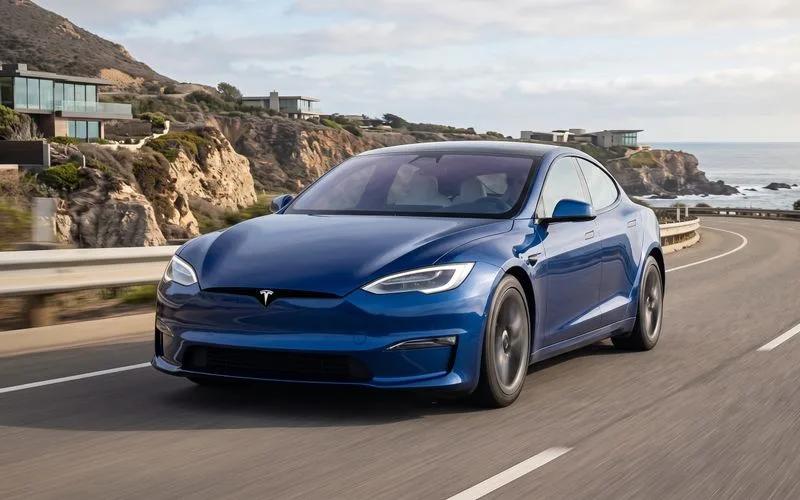 Tesla Model SFull-Size Luxury SedanBetter at: Range and value
Roughly $20,000 less for more power, about 400 miles of range and hatchback cargo space, if you can live without the Porsche's chassis and cabin.
Compare 2.86B-
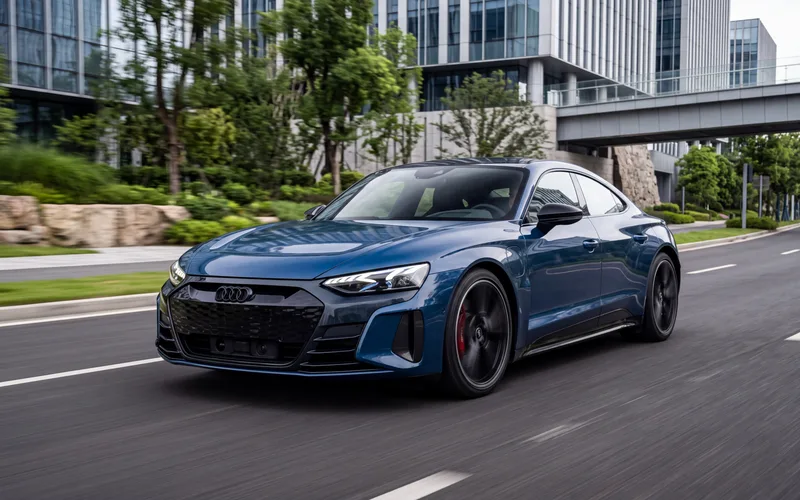 Audi e-tron GTLuxury GTBetter at: Standard equipment
The same 800-volt hardware and much of the same driving character for less money, with blind-spot monitoring and adaptive cruise included rather than optional.
Compare 3.09B
3.09B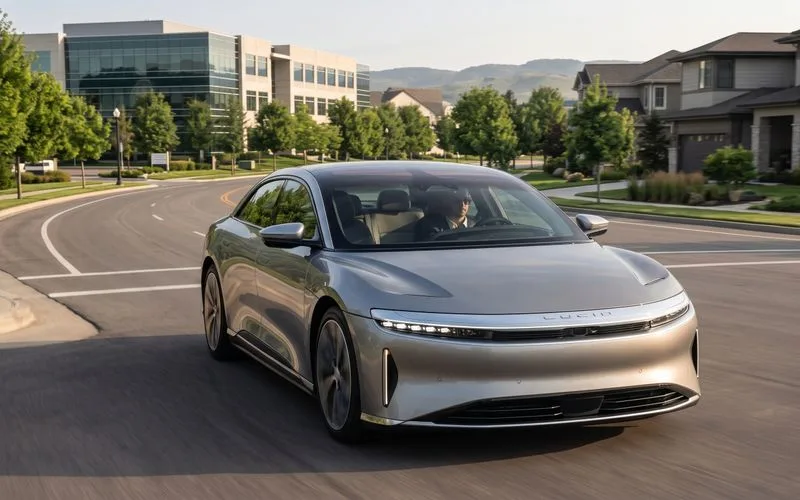 Lucid AirFull-Size Luxury SedanBetter at: Space and range
The choice for anyone who actually needs the back seat and the trunk, with 420-plus miles of range and a quieter, roomier cabin for less.
CompareProduction history
Best fit & conditions
Higher scores mean a better fit for that use case. Learn more about use-case fit →
Subject profile
Academic Probation · NHTSA safety recalls
No NHTSA safety recall is on record for the 2026 Porsche Taycan. Other model years of the Taycan have 28 — listed below.
28 recalls on other model years of the Taycan (2020–2025)
Dec 19, 2025Back over prevention: sensing system: cameraThe rearview camera image may not display when the vehicle is placed in reverse. As such, these vehicles fail to comply with the requirements of Federal Motor Vehicle Safety Standard (FMVSS) number 111, "Rear Visibility."
Defect
Porsche Cars North America, Inc. (Porsche) is recalling certain 2019-2025 Cayenne, Cayenne E-Hybrid, 2020-2025 911, Taycan, 2024-2025 Panamera, and 2025 Panamera E-Hybrid vehicles. The rearview camera image may not display when the vehicle is placed in reverse. As such, these vehicles fail to comply with the requirements of Federal Motor Vehicle Safety Standard (FMVSS) number 111, "Rear Visibility."
Risk
A rearview image that does not display properly reduces the driver's view behind the vehicle, increasing the risk of a crash.
Remedy
Dealers will update the driver assistance software, free of charge. Owner notification letters were mailed February 13, 2026. Owners may contact Porsche customer service at 1-800-767-7243. Porsche's number for this recall is ASB2. Vehicle Identification Numbers (VINs) involved in this recall will be searchable on NHTSA.gov beginning January 19, 2026.
NHTSA campaign 25V896000 ↗Manufacturer no. ASB2172,107 vehicles potentially affected (all models in the campaign)Owners notified Feb 13, 2026Filed by Porsche Cars North America, Inc.Filed as TAYCANJul 15, 2025Suspension: front: macpherson strutA retaining ring on top of the suspension strut may come loose, resulting in a dislodged strut and air loss from the strut spring.
Defect
Porsche Cars North America, Inc. (Porsche) is recalling certain 2025 Panamera E-hybrid, Taycan, and Panamera vehicles. A retaining ring on top of the suspension strut may come loose, resulting in a dislodged strut and air loss from the strut spring.
Risk
An air suspension strut failure may cause a loss of vehicle handling and control, increasing the risk of a crash.
Remedy
Dealers will inspect the retaining ring and reinstall it as necessary, free of charge. Owner notification letters were mailed August 15, 2025. Owners may contact Porsche's customer service at 1-800-767-7243. Porsche's number for this recall is ASA6.
NHTSA campaign 25V415000 ↗Manufacturer no. ASA6284 vehicles potentially affected (all models in the campaign)Owners notified Aug 15, 2025Filed by Porsche Cars North America, Inc.Filed as TAYCANMay 5, 2025Air bags: sensor: occupant classification: front passengerAn occupant classification system error may deactivate the front passenger air bag.
Defect
Porsche Cars North America, Inc. (Porsche) is recalling certain 2022-2023 Taycan vehicles. An occupant classification system error may deactivate the front passenger air bag.
Risk
An air bag that fails to deploy during a crash increases the risk of injury.
Remedy
Dealers will replace the front passenger seat cushion, free of charge. Owner notification letters were mailed November 24, 2025. Owners may contact Porsche customer service at 1-800-767-7243. Porsche's number for this recall is ASA2.
NHTSA campaign 25V221000 ↗Manufacturer no. ASA29,735 vehicles potentially affected (all models in the campaign)Owners notified Nov 24, 2025Filed by Porsche Cars North America, Inc.Filed as TAYCANOct 1, 2024Electrical system: propulsion system: traction battery · Electrical system: softwareThe high-voltage battery may experience a short circuit within the battery module.
Defect
Porsche Cars North America, Inc. (Porsche) is recalling certain 2021-2024 Taycan vehicles. The high-voltage battery may experience a short circuit within the battery module.
Risk
A short circuit in a high-voltage battery increases the risk of a fire.
Remedy
Dealers will install advanced diagnostic software as the final remedy, anticipated to be available in the first quarter of 2025. Porsche will monitor available online vehicle data and contact owners as necessary, to advise them to only charge the vehicle to 80% capacity until the battery can be replaced. For vehicles in which online data is unavailable, dealers will perform a diagnostic test and replace the battery module assembly, if necessary and advise owners to only charge to 80% capacity. Repairs will be performed free of charge. Owner notification letters were mailed August 6, 2025. Owners may contact Porsche customer service at 1-800-767-7243. Porsche's numbers for this recall are ARB6 and ARB7. This recall expands and replaces previous recall numbers 23V-840, 24V-215, and 24V-217.
NHTSA campaign 24V732000 ↗Manufacturer no. ARB6 / ARB727,527 vehicles potentially affected (all models in the campaign)Owners notified Aug 6, 2025Filed by Porsche Cars North America, Inc.Filed as TAYCANOct 1, 2024Electrical system: propulsion system: traction battery · Electrical system: softwareThe high-voltage battery may experience a short circuit within the battery module.
Defect
Porsche Cars North America, Inc. (Porsche) is recalling certain 2020-2023 Taycan vehicles. The high-voltage battery may experience a short circuit within the battery module.
Risk
A short circuit in a high-voltage battery increases the risk of a fire.
Remedy
Owners are advised to only charge their vehicles to a maximum of 80% battery capacity until the repair has been completed. Dealers will replace the affected modules in the high-voltage battery, free of charge. Owner notification letters were mailed November 22, 2024. Owners may contact Porsche customer service at 1-800-767-7243. Porsche's number for this recall is ARB5. This recall expands previous recall numbers 23V-840, 24V-215, and 24V-217. Vehicles previously repaired under the prior recalls will need to have the new remedy completed.
NHTSA campaign 24V731000 ↗Manufacturer no. ARB5193 vehicles potentially affected (all models in the campaign)Owners notified Nov 22, 2024Filed by Porsche Cars North America, Inc.Filed as TAYCANOct 1, 2024Back over prevention: sensing system: cameraThe rearview image may not immediately display when the vehicle is shifted into reverse. As such, these vehicles fail to comply with the requirements of Federal Motor Vehicle Safety Standard number 111, "Rear Visibility."
Defect
Porsche Cars North America, Inc. (Porsche) is recalling certain 2025 Taycan vehicles. The rearview image may not immediately display when the vehicle is shifted into reverse. As such, these vehicles fail to comply with the requirements of Federal Motor Vehicle Safety Standard number 111, "Rear Visibility."
Risk
A delayed rearview camera image reduces the driver's rear view, increasing the risk of a crash.
Remedy
Dealers will update the central computer software, free of charge. Owner notification letters were mailed on December 23, 2024. Owners may contact Porsche customer service at 1-800-767-7243. Porsche's number for this recall is ARB8.
NHTSA campaign 24V730000 ↗Manufacturer no. ARB8183 vehicles potentially affected (all models in the campaign)Owners notified Dec 23, 2024Filed by Porsche Cars North America, Inc.Filed as TAYCANSep 5, 2024Exterior lighting: lighting control module: softwareThe incorrect headlight control module software may have been installed. As such, these vehicles fail to comply with the requirements of Federal Motor Vehicle Safety Standard number 108, "Lamps, Reflective Devices, and Associated Equipment."
Defect
Porsche Cars North America, Inc. (Porsche) is recalling certain 2024 Taycan vehicles. The incorrect headlight control module software may have been installed. As such, these vehicles fail to comply with the requirements of Federal Motor Vehicle Safety Standard number 108, "Lamps, Reflective Devices, and Associated Equipment."
Risk
Incorrect headlight control module software may cause the parking lights not to operate as intended when the turn signals are activated, which can reduce vehicle visibility and increase the risk of a crash.
Remedy
Dealers will update the headlight control module software, free of charge. Owner notification letters were mailed October 25, 2024. Owners may contact Porsche customer service at 1-800-767-7243. Porsche's number for this recall is ARB4.
NHTSA campaign 24V654000 ↗Manufacturer no. ARB4954 vehicles potentially affected (all models in the campaign)Owners notified Oct 25, 2024Filed by Porsche Cars North America, Inc.Filed as TAYCANJun 19, 2024Service brakes, hydraulic: foundation components: hoses, lines/piping, and fittingsThe front brake hoses can develop cracks and leak brake fluid.
Defect
Porsche Cars North America, Inc. (Porsche) is recalling certain 2020-2025 Taycan vehicles. The front brake hoses can develop cracks and leak brake fluid.
Risk
A brake fluid leak can reduce braking performance and extend the distance required to stop, increasing the risk of a crash.
Remedy
Dealers will replace the front brake hoses, free of charge. Owner notification letters were mailed on January 29, 2025. Owners may contact Porsche customer service at 1-800-767-7243. Porsche's number for this recall is ARB0.
NHTSA campaign 24V455000 ↗Manufacturer no. ARB031,689 vehicles potentially affected (all models in the campaign)Owners notified Jan 29, 2025Filed by Porsche Cars North America, Inc.Filed as TAYCANMar 20, 2024Electrical system: propulsion system: traction batteryThe high-voltage battery may experience a short circuit within the battery modules.
Defect
Porsche Cars North America, Inc. (Porsche) is recalling certain 2021-2024 Taycan, 2020-2024 Taycan 4S, Taycan Turbo, 2021-2023 Taycan 4 Cross Turismo, 2022-2023 Taycan 4S Cross Turismo, Taycan Turbo S Cross Turismo, 2023 Taycan Turbo Cross Turismo, 2022-2024 Taycan GTS, Taycan GTS Sport Turismo, and 2020-2023 Taycan Turbo S vehicles. The high-voltage battery may experience a short circuit within the battery modules.
Risk
A short circuit in the battery increases the risk of a fire.
Remedy
Owners are advised to only charge their vehicles to a maximum of 80% battery capacity until the repair has been completed. Dealers will analyze the battery data and replace the high-voltage battery modules as necessary, free of charge. Owner notification letters were mailed on October 9, 2024. Owners may contact Porsche customer service at 1-800-767-7243. Porsche's number for this recall is ARA5.
NHTSA campaign 24V217000 ↗Manufacturer no. ARA5749 vehicles potentially affected (all models in the campaign)Owners notified Oct 9, 2024Filed by Porsche Cars North America, Inc.Filed as TAYCAN, TAYCAN 4 CROSS TURISMO, TAYCAN 4S, TAYCAN 4S CROSS TURISMO, TAYCAN GTS, TAYCAN GTS SPORT TURISMO, TAYCAN TURBO, TAYCAN TURBO SMar 20, 2024Electrical system: propulsion system: traction batteryThe high-voltage battery may experience a short circuit within the battery modules.
Defect
Porsche Cars North America, Inc. (Porsche) is recalling certain 2021-2023 Taycan, Taycan 4 Cross Turismo, 2020-2023 Taycan 4S, Taycan Turbo S, 2021-2022 Taycan 4S Cross Turismo, 2022 Taycan Turbo S Cross Turismo, 2022-2023 Taycan GTS, 2023 Taycan GTS Sport Turismo, and 2020-2021 Taycan Turbo vehicles. The high-voltage battery may experience a short circuit within the battery modules.
Risk
A short circuit in the battery increases the risk of a fire.
Remedy
Owners are advised to only charge their vehicles to a maximum of 80% battery capacity until the repair has been completed. Dealers will replace the affected modules in the high-voltage battery, free of charge. Owner notification letters were mailed on October 8, 2024. Owners may contact Porsche customer service at 1-800-767-7243. Porsche's number for this recall is ARA4.
NHTSA campaign 24V215000 ↗Manufacturer no. ARA4606 vehicles potentially affected (all models in the campaign)Owners notified Oct 8, 2024Filed by Porsche Cars North America, Inc.Filed as TAYCAN, TAYCAN 4 CROSS TURISMO, TAYCAN 4S, TAYCAN 4S CROSS TURISMO, TAYCAN GTS, TAYCAN GTS SPORT TURISMO, TAYCAN TURBO, TAYCAN TURBO SDec 13, 2023Electrical system: propulsion system: charging: cable/cord: onboardPorsche Cars North America, Inc. (Porsche) is recalling various models and model years. Please see the recall report for a list of the included vehicles. When using the industrial 220V/240V plug at the 100% charge setting, some home power outlets may be incapable of handling the electrical current required to utilize the compact charging system, causing the outlet or charging cable to overheat.
Defect
Porsche Cars North America, Inc. (Porsche) is recalling various models and model years. Please see the recall report for a list of the included vehicles. When using the industrial 220V/240V plug at the 100% charge setting, some home power outlets may be incapable of handling the electrical current required to utilize the compact charging system, causing the outlet or charging cable to overheat.
Risk
An overheated outlet or charging cable can increase the risk of a fire.
Remedy
Owners are advised not to use the 220V/240V compact/portable charging cable and only use the 110V home charging cable or public charging stations. Dealers will supply a new 220V/240V compact/portable charging cable with an incorporated temperature sensor, free of charge. Owner notification letters were mailed on October 24, 2024. A second notice will be sent once remedy parts become available, anticipated mid-2024. Owners may contact Porsche customer service at 1-800-767-7243. Porsche's number for this recall is APB6.
NHTSA campaign 23V841000 ↗Manufacturer no. APB641,345 vehicles potentially affected (all models in the campaign)Owners notified Oct 24, 2024Filed by Porsche Cars North America, Inc.Filed as TAYCAN, TAYCAN 4 CROSS TURISMO, TAYCAN 4S, TAYCAN 4S CROSS TURISMO, TAYCAN GTS, TAYCAN GTS SPORT TURISMO, TAYCAN TURBO, TAYCAN TURBO CROSS TURISM, TAYCAN TURBO S, TAYCAN TURBO S CROSS TURIDec 13, 2023Electrical system: propulsion system: traction batteryThe high-voltage battery may experience a short circuit within the battery modules.
Defect
Porsche Cars North America, Inc. (Porsche) is recalling certain 2021-2023 Porsche Taycan, 2021-2022 Taycan 4S, Taycan Turbo S, Taycan Turbo, Taycan 4 Cross Turismo, Taycan 4S Cross Turismo, Taycan Turbo Cross Turismo, 2022 Taycan GTS, and Taycan GTS Sport Turismo vehicles. The high-voltage battery may experience a short circuit within the battery modules.
Risk
A short circuit in the battery increases the risk of a fire.
Remedy
Dealers will inspect and repair the high-voltage battery by replacing modules as necessary, free of charge Owner notification letters were mailed on June 14, 2024. Owners may contact Porsche customer service at 1-800-767-7243. Porsche's number for this recall is APB5.
NHTSA campaign 23V840000 ↗Manufacturer no. APB5205 vehicles potentially affected (all models in the campaign)Owners notified Jun 14, 2024Filed by Porsche Cars North America, Inc.Filed as TAYCAN, TAYCAN 4 CROSS TURISMO, TAYCAN 4S, TAYCAN 4S CROSS TURISMO, TAYCAN GTS, TAYCAN GTS SPORT TURISMO, TAYCAN TURBO, TAYCAN TURBO CROSS TURISM, TAYCAN TURBO S, TAYCAN TURBO S CROSS TURISep 1, 2023Electrical system: propulsion system: traction batteryThe high-voltage battery may have an insufficient amount of sealant, which can allow liquid to accumulate in the battery.
Defect
Porsche Cars North America, Inc. (Porsche) is recalling certain 2023 Taycan, Taycan 4S, Taycan Turbo S, Taycan Turbo, Taycan GTS, Taycan 4 Cross Turismo, Taycan 4S Cross Turismo, Taycan Turbo S Cross Turismo, Taycan Turbo Cross Turismo, and Taycan GTS Sport Turismo vehicles. The high-voltage battery may have an insufficient amount of sealant, which can allow liquid to accumulate in the battery.
Risk
Liquid accumulation in the high voltage battery can cause electrical arcing, increasing the risk of a fire.
Remedy
Dealers will test the battery for leakage and replace the battery as necessary, free of charge. Owner notification letters are expected to be mailed October 31, 2023. Owners may contact Porsche's customer service at 1-800-767-7243. Porsche's number for this recall is APB2.
NHTSA campaign 23V615000 ↗Manufacturer no. APB24,777 vehicles potentially affected (all models in the campaign)Owners notified Oct 27, 2023Filed by Porsche Cars North America, Inc.Filed as TAYCAN, TAYCAN 4 CROSS TURISMO, TAYCAN 4S, TAYCAN 4S CROSS TURISMO, TAYCAN CROSS TURISMO, TAYCAN GTS, TAYCAN GTS SPORT TURISMO, TAYCAN TURBO, TAYCAN TURBO S, TAYCAN TURBO S CROSS TURIMay 16, 2023Electrical system: instrument cluster/panel · Service brakes, hydraulicAn incorrect warning indicator with an incorrect color is displayed in the instrument cluster when notifying owners of worn brake pads. As such, these vehicles fail to comply with the requirements of Federal Motor Vehicle Safety Standard numbers 135, "Light Vehicle Brake Systems," and 101, "Control and Displays."
Defect
Porsche Cars North America, Inc. (Porsche) is recalling certain 2020-2022 Taycan vehicles. An incorrect warning indicator with an incorrect color is displayed in the instrument cluster when notifying owners of worn brake pads. As such, these vehicles fail to comply with the requirements of Federal Motor Vehicle Safety Standard numbers 135, "Light Vehicle Brake Systems," and 101, "Control and Displays."
Risk
An incorrect warning indicator may be misinterpreted and result in driving on worn brake pads with reduced brake performance, increasing the risk of a crash.
Remedy
Dealers will update the software for the instrument cluster, free of charge. Owner notification letters are expected to be mailed July 14, 2023. Owners may contact Porsche's customer service at 1-800-767-7243. Porsche's number for this recall is APA5.
NHTSA campaign 23V347000 ↗Manufacturer no. APA571 vehicles potentially affected (all models in the campaign)Owners notified Jul 5, 2023Filed by Porsche Cars North America, Inc.Filed as TAYCANMay 3, 2023Structure: bodyDue to a process error in the car body production line, various welds may be missing from the vehicle body.
Defect
Porsche Cars North America, Inc. (Porsche) is recalling certain 2020 911 Carrera S, 2021 Taycan Turbo, and 2022 911 Carrera vehicles. Due to a process error in the car body production line, various welds may be missing from the vehicle body.
Risk
In the event of a crash, incomplete body welding may not provide adequate protection to occupants, increasing the risk of injury.
Remedy
Dealers will inspect and repair the welds, as necessary, free of charge. Owner notification letters are expected to be mailed June 30, 2023. Owners may contact Porsche's customer service at 1-800-767-7243. Porsche's number for this recall is APA4.
NHTSA campaign 23V313000 ↗Manufacturer no. APA43 vehicles potentially affected (all models in the campaign)Owners notified Jun 27, 2023Filed by Porsche Cars North America, Inc.Filed as TAYCAN TURBOMar 17, 2023Electrical system: instrument cluster/panel · Seat belts: front: warning light/devicesWhen there is an unbelted passenger, the seat belt warning light and audible chime will not activate as intended. As such, these vehicles fail to comply with the requirements of Federal Motor Vehicle Safety Standard number 208, "Occupant Crash Protection."
Defect
Porsche Cars North America, Inc. (Porsche) is recalling certain 2020 Taycan Turbo, 2021 Taycan, Taycan 4S Cross Turismo, 2022 Taycan, Taycan Turbo, Taycan GTS, Taycan 4 Cross Turismo, Taycan 4S Cross Turismo, 2020-2022 Taycan 4S and Taycan Turbo S, and 2023 Taycan vehicles. When there is an unbelted passenger, the seat belt warning light and audible chime will not activate as intended. As such, these vehicles fail to comply with the requirements of Federal Motor Vehicle Safety Standard number 208, "Occupant Crash Protection."
Risk
A malfunctioning seat belt warning system may not alert the passenger to buckle their seat belt, increasing the risk of injury in the event of a crash.
Remedy
Dealers will update the instrument cluster software, free of charge. Owner notification letters are expected to be mailed May 16, 2023. Owners may contact Porsche's customer service at 1-800-767-7243. Porsche's number for this recall is APA2.
NHTSA campaign 23V176000 ↗Manufacturer no. APA2130 vehicles potentially affected (all models in the campaign)Owners notified Apr 27, 2023Filed by Porsche Cars North America, Inc.Filed as TAYCAN, TAYCAN 4 CROSS TURISMO, TAYCAN 4S, TAYCAN 4S CROSS TURISMO, TAYCAN GTS, TAYCAN TURBO, TAYCAN TURBO CROSS TURISM, TAYCAN TURBO SDec 13, 2022Suspension: front: macpherson strutA retaining ring on top of the suspension strut may come loose, resulting in a dislodged strut and air loss from the strut spring.
Defect
Porsche Cars North America, Inc. (Porsche) is recalling certain 2021 Taycan, Taycan 4S, Taycan Turbo S, Taycan 4 Cross Turismo, and Taycan 4S Cross Turismo vehicles. A retaining ring on top of the suspension strut may come loose, resulting in a dislodged strut and air loss from the strut spring.
Risk
An air suspension strut failure may cause a loss of vehicle handling and control, increasing the risk of a crash.
Remedy
Dealers will inspect the suspension strut and replace it, if necessary, free of charge. Owner notification letters are expected to be mailed February 10, 2023. Owners may contact Porsche's customer service at 1-800-767-7243. Porsche's number for this recall is ANB8.
NHTSA campaign 22V921000 ↗Manufacturer no. ANB828 vehicles potentially affected (all models in the campaign)Owners notified Jan 27, 2023Filed by Porsche Cars North America, Inc.Filed as TAYCAN, TAYCAN 4SJun 8, 2022Back over prevention: sensing system: camera · Power train: automatic transmission: control module (tcm/pcm/tecm)A software error could cause the center screen (including rearview camera image) and the touch control panel remain to black directly after the ignition is activated. Also, the Real-Top-View (including rearview camera image) could display a flickering image. As such, these vehicles fail to comply with the requirements of Federal Motor Vehicle Safety Standard number 111, "Rear Visibility."
Defect
Porsche Cars North America, Inc. (Porsche) is recalling certain 2020-2022 Taycan vehicles. A software error could cause the center screen (including rearview camera image) and the touch control panel remain to black directly after the ignition is activated. Also, the Real-Top-View (including rearview camera image) could display a flickering image. As such, these vehicles fail to comply with the requirements of Federal Motor Vehicle Safety Standard number 111, "Rear Visibility."
Risk
A malfunctioning center screen or touch control panel may obstruct the driver's view of camera assisted driving functions, increasing the risk of a crash.
Remedy
Dealers will install new software, free of charge. Owner notification letters are expected to be mailed August 5, 2022. Owners may contact Porsche's customer service at 1-800-767-7243. Porsche's number for this recall is ANA6.
NHTSA campaign 22V404000 ↗Manufacturer no. ANA612,490 vehicles potentially affected (all models in the campaign)Owners notified Aug 5, 2022Filed by Porsche Cars North America, Inc.Filed as TAYCANApr 26, 2022SeatsThe driver and passenger seat wire harness could become damaged during horizontal seat adjustment.
Defect
Porsche Cars of North America, Inc. (Porsche) is recalling certain 2020-2021 Taycan vehicles. The driver and passenger seat wire harness could become damaged during horizontal seat adjustment.
Risk
A damaged seat wire harness may deactivate air bags, increasing the risk of injury in a crash.
Remedy
Dealers will inspect the seat wire harness for damage, add fabric tape to secure the harness, and repair damaged wires as necessary, free of charge. Owner notification letters were mailed July 22, 2022. Owners may contact Porsche's customer service at 1-800-767-7243. Porsche's number for this recall is ANA5.
NHTSA campaign 22V278000 ↗Manufacturer no. ANA59,570 vehicles potentially affected (all models in the campaign)Owners notified Jul 22, 2022Filed by Porsche Cars North America, Inc.Filed as TAYCANFeb 22, 2022Seat belts: rear/other: buckle assembly · Seat belts: rear/other: anchorageThe center seat belt buckle wiring harness may obstruct access to the right rear seat lower child seat anchors, preventing a child seat from being properly secured. As such, these vehicles fail to comply with the requirements of Federal Motor Vehicle Safety Standard number 225, "Child Restraint Anchorage Systems."
Defect
Porsche Cars North America, Inc. (Porsche) is recalling certain 2020-2021 Taycan vehicles equipped with an optional rear center seat. The center seat belt buckle wiring harness may obstruct access to the right rear seat lower child seat anchors, preventing a child seat from being properly secured. As such, these vehicles fail to comply with the requirements of Federal Motor Vehicle Safety Standard number 225, "Child Restraint Anchorage Systems."
Risk
An improperly secured child seat increases the risk of injury during a crash.
Remedy
Dealers will reroute and secure the center rear seat belt buckle wiring harness and, as necessary, replace a damaged buckle, free of charge. Owner notification letters were mailed April 7, 2022. Owners may contact Porsche customer service at 1-800-767-7243. Porsche's number for this recall is ANA4.
NHTSA campaign 22V100000 ↗Manufacturer no. ANA45,305 vehicles potentially affected (all models in the campaign)Owners notified Apr 7, 2022Filed by Porsche Cars North America, Inc.Filed as TAYCANFeb 2, 2022Suspension · TiresPorsche Cars North America, Inc. (Porsche) is recalling one 2021 Taycan vehicle. The front and rear suspension may be misaligned.
Defect
Porsche Cars North America, Inc. (Porsche) is recalling one 2021 Taycan vehicle. The front and rear suspension may be misaligned.
Risk
Suspension misalignment may cause premature or uneven tire wear, increasing the risk of a crash.
Remedy
Dealers will inspect the front and rear axles, adjust the alignment as necessary, and replace any prematurely or unevenly worn tires, free of charge. The owner notification letter was mailed March 10, 2022. Owners may contact Porsche customer service at 1-800-767-7243. Porsche's number for this recall is ANA2.
NHTSA campaign 22V052000 ↗Manufacturer no. ANA21 vehicles potentially affected (all models in the campaign)Owners notified Mar 10, 2022Filed by Porsche Cars North America, Inc.Filed as TAYCANNov 19, 2021Suspension: rearThe front and rear upper control arm screw connections on the rear axle may be loose.
Defect
Porsche Cars North America, Inc. (Porsche) is recalling certain 2020 Taycan vehicles. The front and rear upper control arm screw connections on the rear axle may be loose.
Risk
A loose control arm connection may fail, causing a loss of vehicle stability and increasing the risk of a crash.
Remedy
Dealers will replace the screw connections, free of charge. Owner notification letters were expected to be mailed January 13, 2022. Owners may contact Porsche customer service at 1-800-767-7243. Porsche's number for this recall is AMC3.
NHTSA campaign 21V911000 ↗Manufacturer no. AMC335 vehicles potentially affected (all models in the campaign)Owners notified Jan 13, 2022Filed by Porsche Cars North America, Inc.Filed as TAYCANOct 13, 2021Exterior lighting: hazard flashing warning lightsThe pre-collision automatic hazard lights may activate in non-emergency situations. As such, these vehicles fail to comply with the requirements of Federal Motor Vehicle Safety Standard number 108, "Lamps, Reflective Devices, and Associated Equipment."
Defect
Porsche Cars North America, Inc. (Porsche) is recalling certain 2020-2021 Taycan vehicles. The pre-collision automatic hazard lights may activate in non-emergency situations. As such, these vehicles fail to comply with the requirements of Federal Motor Vehicle Safety Standard number 108, "Lamps, Reflective Devices, and Associated Equipment."
Risk
An activation of hazard lights in non-emergency situations could confuse other drivers, increasing the risk of a crash.
Remedy
Dealers will reprogram the hazard lights, free of charge. Owner notification letters were mailed December 2, 2021. Owners may contact Porsche customer service at 1-800-767-7243. Porsche's number for this recall is AMC1.
NHTSA campaign 21V794000 ↗Manufacturer no. AMC111,827 vehicles potentially affected (all models in the campaign)Owners notified Dec 2, 2021Filed by Porsche Cars North America, Inc.Filed as TAYCANSep 8, 2021Service brakes, hydraulic: critical fasteners · Service brakes, hydraulic: foundation componentsThe pressure input rod connection on the brake booster may be loose and could detach.
Defect
Porsche Cars North America, Inc. (Porsche) is recalling certain 2020-2021 911 Carrera and Taycan vehicles. The pressure input rod connection on the brake booster may be loose and could detach.
Risk
A detached pressure input rod will cause the brake pedal to fail, increasing the risk of a crash.
Remedy
Dealers will repair or replace the brake booster as necessary, free of charge. Owner notification letters were mailed October 28, 2021. Owners may contact Porsche customer service at 1-800-767-7243. Porsche's number for this recall is AMB9.
NHTSA campaign 21V697000 ↗Manufacturer no. AMB911 vehicles potentially affected (all models in the campaign)Owners notified Oct 28, 2021Filed by Porsche Cars North America, Inc.Filed as TAYCANAug 4, 2021Seat belts · Seat belts: front: retractor · Seat belts: rear/other: retractorThe seat belt automatic locking retractors may deactivate early, which can prevent the child restraint system from securing properly. As such, these vehicles fail to comply with the requirements of Federal Motor Vehicle Safety Standard number 208, "Occupant Crash Protection."
Defect
Porsche Cars North America, Inc. (Porsche) is recalling certain 2021 911 Carrera Coupe, 911 Carrera S Coupe, 911 Carrera 4 Coupe, 911 Carrera 4S Coupe, 911 Turbo Coupe, 911 Turbo S Coupe, Panamera, Panamera 4 E-Hybrid, Panamera 4S, Panamera GTS, Panamera Turbo S, Taycan, Taycan 4S, Taycan Turbo, and Taycan Turbo S vehicles. The seat belt automatic locking retractors may deactivate early, which can prevent the child restraint system from securing properly. As such, these vehicles fail to comply with the requirements of Federal Motor Vehicle Safety Standard number 208, "Occupant Crash Protection."
Risk
An unsecured child restraint system can increase the risk of injury during a crash.
Remedy
Dealers will inspect and replace the seat belt assemblies, as necessary, free of charge. Owner notification letters were mailed October 1, 2021. Owners may contact Porsche customer service at 1-800-767-7243. Porsche's number for this recall is AMB6.
NHTSA campaign 21V608000 ↗Manufacturer no. AMB64,924 vehicles potentially affected (all models in the campaign)Owners notified Oct 1, 2021Filed by Porsche Cars North America, Inc.Filed as TAYCANJun 29, 2021Electrical system: propulsion system: traction motor: controller: software · Engine and engine cooling: engine: engine control module (ecu/ecm): softwareThe monitoring software can incorrectly detect a fault and shutdown the power train, causing a loss of motive power.
Defect
Porsche Cars North America, Inc. (Porsche) is recalling certain 2020-2021 Taycan Turbo, Taycan Turbo S, Taycan 4S, 2021 Taycan, Taycan Cross Turismo, Taycan Turbo S Cross Turismo, Taycan 4S Cross Turismo, and Taycan Turbo Cross Turismo vehicles. The monitoring software can incorrectly detect a fault and shutdown the power train, causing a loss of motive power.
Risk
A loss of motive power increases the risk of a crash.
Remedy
Dealers will reprogram the power electronics and the engine control unit, free of charge. Owner notification letters were mailed July 30, 2021. Owners may contact Porsche customer service at 1-800-767-7243. Porsche's number for this recall is AMB5.
NHTSA campaign 21V486000 ↗Manufacturer no. AMB510,373 vehicles potentially affected (all models in the campaign)Owners notified Jul 30, 2021Filed by Porsche Cars North America, Inc.Filed as TAYCANMay 17, 2021Suspension: frontThe front lower trailing arms were not forged correctly and may break.
Defect
Porsche Cars North America, Inc. (Porsche) is recalling certain 2021 Taycan, Panamera, Panamera Turbo S, Panamera GTS, Panamera 4, Panamera 4 Sport Turismo, Panamera 4 Executive, Panamera 4S Executive, Panamera 4S, Panamera 4S E-Hybrid, and Panamera 4 E-Hybrid vehicles. The front lower trailing arms were not forged correctly and may break.
Risk
A broken front lower trailing arm may cause a loss of vehicle control, increasing the risk of a crash.
Remedy
Dealers will replace the front lower trailing arms, free of charge. Owner notification letters were mailed October 1, 2021. Owners may contact Porsche customer service at 1-800-767-7243. Porsche's number for this recall is AMB2.
NHTSA campaign 21V362000 ↗Manufacturer no. AMB2565 vehicles potentially affected (all models in the campaign)Owners notified Oct 1, 2021Filed by Porsche Cars North America, Inc.Filed as TAYCANMar 10, 2021Suspension · Suspension: critical fastenersCertain suspension components may not have been tightened correctly and can loosen.
Defect
Porsche Cars North America, Inc. (Porsche) is recalling certain 2021 Porsche Taycan Turbo, Taycan Turbo S, Taycan, Taycan 4S, 911 Turbo S Coupe, Cayman, Cayman T, Cayman S, Cayman GT4, 911 Carrera Coupe, 911 Carrera S Coupe, 911 Carrera 4S Coupe, 911 Carrera 4S Targa, 911 Carrera Cabriolet, 911 Carrera S Cabriolet, 911 Carrera 4S Targa Heritage Design Edition, 911 Carrera 4S Cabriolet, 911 Turbo Coupe, 911 Turbo Cabriolet, 911 Turbo S Cabriolet, 718 Spyder, and Boxster vehicles. Certain suspension components may not have been tightened correctly and can loosen.
Risk
Loose suspension components may detach, causing a sudden loss of vehicle stability and control, and increasing the risk of a crash.
Remedy
Dealers will replace the affected suspension nuts and bolts. Dealers will also inspect surrounding components for damage, and replace any damaged parts as necessary. Repairs will be performed free of charge. Owner notification letters were mailed May 7, 2021. Owners may contact Porsche customer service at 1-800-767-7243. Porsche's number for this recall is AMA3.
NHTSA campaign 21V157000 ↗Manufacturer no. AMA3396 vehicles potentially affected (all models in the campaign)Owners notified May 7, 2021Filed by Porsche Cars North America, Inc.Filed as TAYCAN
Source: NHTSA Office of Defects Investigation recall database, model years 2020–2026. Recalls are listed by model year as the manufacturer filed them; whether a specific car is affected depends on its VIN — check a VIN at nhtsa.gov ↗. NHTSA model names matched to this page: TAYCAN, TAYCAN 4 CROSS TURISMO, TAYCAN 4S, TAYCAN 4S CROSS TURISMO, TAYCAN CROSS TURISMO, TAYCAN GTS, TAYCAN GTS SPORT TURISMO, TAYCAN TURBO, TAYCAN TURBO CROSS TURISM, TAYCAN TURBO S, TAYCAN TURBO S CROSS TURI.
Detailed scoring by subject
1Performance & PowertrainGrades above the middle of the scale.3.11B
The volume trim is the rear-drive base Taycan, which makes 402 hp (300 kW) on overboost with Launch Control and 321 hp nominal; the optional Performance Battery Plus raises it to 429 hp. The facelifted J1 lineup carried into 2026 spans an unusually wide output range topping out at the 1,092 hp Turbo GT.
The single rear motor in the base Taycan produces 410 Nm / 301 lb-ft — strong in absolute terms but modest against the dual-motor luxury EV field, since the base car forgoes the front motor entirely.
Porsche quotes 4.5 seconds to 60 mph for the base rear-drive Taycan with Launch Control; independent instrumented tests of Porsche EVs routinely beat the factory claim, so this is a conservative figure. The published range falls to 2.1 s on the Turbo GT.
The Taycan's 800V drivetrain is the reference point for EV power delivery in this class: instant, absolutely linear torque with no lag, no driveline shunt, and exceptional motor isolation. The facelift's revised rear motor and improved thermal management also make repeated full-power runs more consistent than most rivals manage.
The two-speed rear-axle transmission — still near-unique among EVs — is essentially imperceptible in normal driving, with the 1-2 shift only detectable under wide-open throttle. It buys both sharper standing acceleration and relaxed high-speed cruising, a genuine advantage over single-speed rivals.
Dual-motor AWD is available on every trim above the base car — 4, 4S, GTS, Turbo, Turbo S and Turbo GT — with genuinely sophisticated hardware including Porsche Traction Management, torque vectoring and available rear-axle steering. It falls short of a 90+ only because the volume base trim is rear-drive rather than AWD-standard.
The Taycan is EV-only with no gas, hybrid or PHEV alternative, which caps this item — but within the electric format the breadth is exceptional: six-plus distinct output tiers from 402 to 1,092 hp, two battery sizes, and both RWD and AWD layouts. Wide within one fuel type, narrow across fuel types.
2Efficiency & RangeOne of the Taycan's strongest categories.3.18B
EPA combined MPGe for the 2026 rear-drive Taycan as delivered — the 89 kWh (82.3 kWh usable) Performance Battery is standard on the base car, Taycan 4 and 4S for MY2026, with the 105 kWh Performance Battery Plus a paid option. Re-verified against EPA this run and unchanged. Efficiency is normalized against other EV sedans, where 91 MPGe sits low-middle: a ~5,000 lb 800V GT on wide performance rubber cannot match a Model 3's 130s, and Porsche has never pretended otherwise.
EPA city MPGe, re-verified and unchanged. The 2025-refresh Taycan carried into 2026 rates higher in the city than on the highway — the Macan-derived rear traction motor and recuperation raised from 290 to 400 kW recover far more energy in stop-start driving than the pre-facelift unit did. City is nonetheless the weakest item in the category against the EV sedan band, where the volume EVs post city figures in the 120–140 MPGe range.
EPA highway MPGe, re-verified and unchanged. A 0.22 drag coefficient — the slipperiest shape Porsche sells — keeps steady-state cruising strong, and highway is the item that holds up best against the EV sedan band. It still trails the aero-optimized volume EVs because the Taycan carries a performance chassis, wide tires and a two-speed rear transaxle rather than efficiency hardware.
EPA range for the standard-battery 2026 rear-drive car. The configuration question was re-checked this run and the answer held: for MY2026 the Performance Battery Plus is a cost option on the Taycan, Taycan 4 and 4S (standard only on the GTS and the new Black Edition sedans), and EPA publishes no rear-drive PB+ rating for 2026 at all — the oft-quoted 318 mi figure is the MY2025 rating for that optional pack. Against a band running to 650 miles for sedans, 274 is genuinely weak: a Model S or Lucid Air is 100–150 miles ahead, and range is the plain cost of this car's performance brief.
The Taycan's 800V architecture remains the segment benchmark. The standard 89 kWh Performance Battery peaks at 270 kW; the optional 105 kWh Performance Battery Plus is the pack that reaches the headline 320 kW figure introduced with the 2025 facelift. Porsche's own footnote makes that split explicit. Either pack holds high rates far longer than a 400V rival, which matters more in practice than the peak number alone — the standard pack averages 191 kW across the whole 10–80% window.
Porsche quotes 18 minutes 10–80% for the Taycan line, and the figure genuinely holds for the smaller pack rather than only the optional one: the 89 kWh battery has correspondingly less energy to add (70% of 82.3 kWh usable ≈ 58 kWh) at its lower 270 kW ceiling. Raised from MEDIUM to HIGH this run — an independent modeled charging curve for the exact 89 kWh Performance Battery returns 18m 03s, which corroborates Porsche's marketing figure for the standard configuration instead of leaving it resting on a PB+-footnoted claim. This is among the fastest 10–80% times of any EV sold in the US and is the strongest item in the category by a wide margin.
EPA's published annual energy cost, not an estimate — roughly a third of what a premium-fuel Panamera costs to run, and mid-pack among EV sedans, where the efficient ones land in the $550–$700 range. The figure assumes an owner who charges at home overnight; habitual DC fast-charging at public per-kWh rates can easily double it.
As an EV the Taycan escapes the premium-fuel requirement every combustion Porsche carries, and overnight Level 2 home charging is the cheapest energy of any powertrain here. Raised two points this run for developments that landed inside the 2026 model year: Porsche now ships a complimentary NACS/CCS adapter with the car, and in January 2026 enabled Plug & Charge across 27,500+ Tesla Superchargers plus ChargePoint roaming — so the Supercharger network is not merely reachable but authenticates and bills automatically, without a second app. Short of the mid-90s for two concrete reasons rather than sentiment: this generation still has no native NACS port, and a 400V Supercharger drives the 800V pack through an onboard step-up converter capped near 150 kW, well below its 270 kW ceiling; and standard 9.6 kW AC hardware means a full home recharge takes about 11.5 hours.
3SafetyMid-pack among this car's ten categories.2.53C+
NHTSA has never published an overall star rating for the Taycan (J1, 2020–2026); NCAP testing prioritizes high-volume models and the Taycan sells in the low thousands per year in the US. Inferred at 5 stars on stronger evidence than the usual untested-luxury convention: the Taycan itself was crash-tested by Euro NCAP and earned 5 stars, and its skateboard EV structure with a reinforced battery enclosure and long front crush space is the architecture that routinely takes NHTSA 5 stars.
IIHS has never tested the Taycan — no crashworthiness results, no front-crash-prevention result, no Top Safety Pick award — so there is no award credit to give. Placed a few points above the untested-Porsche baseline because, unlike the Panamera, the Taycan does have an independent crash result on record (Euro NCAP 5 stars with a strong adult-occupant score); that is indirect for US test protocols, particularly the small-overlap and updated side tests IIHS runs and Euro NCAP does not.
Porsche's à-la-carte packaging is the weakest in the luxury-sedan set and the Taycan follows the Panamera exactly: Warn and Brake Assist (AEB with pedestrian detection), lane-departure warning and ParkAssist with a reversing camera are standard, but Lane Change Assist (blind-spot monitoring), adaptive cruise control, InnoDrive and Surround View are separate paid options on every trim — a six-figure Turbo can leave the dealer without ACC or BSM. That is the literal case the 50-79 band describes, scored at its floor because moving up the range does not close the gap.
Porsche's radar-plus-camera Warn and Brake Assist includes pedestrian detection and is competent in reviewer use, but there is no IIHS front-crash-prevention result — vehicle-to-vehicle or pedestrian, day or night — to validate it. Euro NCAP's 2019 assessment credited the Taycan's AEB in car-to-car and vulnerable-road-user scenarios, which supports the adequate band without earning the nighttime-pedestrian credit that pushes a score past 80.
Lane Change Assist is alert-only — a mirror warning with no steering or braking intervention — and is a paid option rather than standard equipment; rear cross-traffic alert arrives bundled with the parking/Surround View options rather than on its own. Available across the range, but nothing here is standard or active, which sits at the bottom of the alert-only band. No safe-exit warning is offered, a feature the Audi rival includes.
Lane-departure warning is standard, but actual lane centering requires the optional Active Lane Keeping bundled into InnoDrive. Porsche tunes intervention deliberately light to preserve steering feel, which reviewers describe as unobtrusive but less confident and less sticky than BMW's or Mercedes' centering — functional with occasional wander rather than a system drivers hand the wheel to.
InnoDrive is one of the more sophisticated predictive systems on sale — it reads navigation data, upcoming curves, gradients and speed limits to adjust pace before the corner rather than reacting to it, with full-speed-range stop-and-go, and on the Taycan it ties into Porsche Intelligent Range Manager for route-aware energy management. Held below the 80s because the highway-assist integration is less seamless than the German rivals' combined steering-plus-cruise modes and because the whole capability is a costly option rather than standard.
Porsche offers no hands-free highway driving system in the US on any model — there is no Super Cruise, BlueCruise or Drive Pilot equivalent, and InnoDrive is a hands-on system requiring continuous wheel contact. Falls squarely in the no-hands-free band.
Matrix Design LED headlights with Porsche Dynamic Light System are standard across the refreshed Taycan range, and the optional HD Matrix units — roughly 32,000 addressable pixels per side, with glare-free high beam and lane-marking projection — are among the best-performing headlamps sold in any segment. Held just under the flagship tier because the strongest hardware is an upcharge and no IIHS headlight rating exists to confirm on-road reach.
The low fastback GT profile costs it here: a high beltline, thick raked C-pillars, a shallow steeply angled backlight and intrusive rear headrests leave a genuinely poor over-the-shoulder and rearward view, and the standard compensation is a plain reversing camera — Surround View is optional. Forward sightlines over the low cowl and short hood are good, which keeps it out of the bottom band.
Two outboard rear LATCH positions and no realistic three-across capability, in a 2+2-style cabin (a three-place rear bench is the alternative configuration) where the anchors sit in the seatback bight and the very low roofline makes lifting a rear-facing seat through the aperture awkward. Rear headroom of roughly 36 inches and the sculpted backrests further constrain fitment. Workable for one seat, a struggle for two — the lower half of the compromise band.
4Space & ComfortOne of the Taycan's weakest categories.1.48D
The US-market Taycan sedan ships as a four-seater with two sculpted individual rear buckets; Porsche offers a '4+1' rear bench that adds a narrow center position at no cost, but the volume configuration as listed on the spec sheet is four. Replaces the placeholder value of 4.8 seats.
Published US front headroom for the J1 Taycan sedan, unchanged by the 2025 facelift and carried into MY2026 — the facelift altered powertrain, battery and lighting but not the body shell or seating package. Good for a car only 54.3 in tall, helped by the battery 'foot garage' recesses that let occupants sit lower.
Mid-pack front legroom for the sedan band (40–44 in) — adequate rather than generous, and behind the Lucid Air (43.5 in) and Tesla Model S (42.7 in). Replaces the placeholder value of 42.1 in.
The fastback roofline cuts hard over the rear seat, leaving rear headroom near the bottom of the sedan band (35–39 in). Reviewers routinely note that taller adults brush the headliner in back. The placeholder had assumed 37.5 in.
Rear legroom sits just above the floor of the sedan band (32–42 in) — the 114.2 in wheelbase is largely spent on the battery, and the rear seat is a genuine 2+2 rather than a usable adult bench. Better than the closely related e-tron GT (30.6 in) but far behind the Model S (35.4 in), Lucid Air (37.5 in) and the full-size luxury sedans. The placeholder had assumed 38.6 in, which badly overstated the car.
Porsche quotes roughly 407 L (14.3 cu ft) behind the rear seats plus a small front trunk, which is mid-band for a sedan and well short of the frunk-rich Lucid Air (22.1 + 10.0 cu ft) or the hatchback-practical Model S. The Taycan sedan uses a conventional trunk lid, not the Panamera's liftback, so the folding rear seatbacks are less useful in practice. The placeholder's 18.8 cu ft was far too optimistic.
Serviceable but not clever: a shallow center console bin, modest door pockets, a wireless charging tray and an optional passenger-side display, plus a usable if small frunk. There is nothing on the order of the Model S sub-trunk or the Air's 10 cu ft frunk, and the low, tightly packaged cabin leaves few places for everyday items.
Front seats are a Porsche strength — the 14-way and optional 18-way adaptive sport seats with memory draw consistent praise for long-haul support, and ventilation and massage are available. Scored just below the Panamera (88) because the Taycan's rear buckets are tight enough that back-seat comfort is a genuine limitation rather than a footnote.
Adaptive air suspension with two-chamber/two-valve damping is standard on 4S and above (optional on the base rear-drive car), and the MY2025 facelift added Porsche Active Ride as an option — reviewers describe an unusually wide spread between compliant cruising and flat body control. Held below the Panamera (89) because the Taycan rides firmer on the large wheel-and-tire packages most buyers order.
No engine noise, standard acoustic front glazing and available double-glazed side glass make the Taycan very quiet at highway speed; the limiting factor is tire roar from the wide performance rubber, which keeps it a step behind the Lucid Air (92) and level with the e-tron GT (86).
The equipment is available and good — heat pump and two-zone climate standard, remote pre-conditioning through the Porsche Connect app, with four-zone climate, seat ventilation, rear seat heating, heated steering wheel and massage all on the options list. Scored in the same band as the Panamera (82) rather than higher because Porsche charges for nearly all of it on a six-figure car.
5Cost of OwnershipThe Taycan's lowest-graded category.0.00F
The entry rear-drive Taycan opens near $101,000 before a ~$2,000 destination charge for MY2026, a modest step up from the facelifted MY2025 car. Any figure in this range sits far above the $55,000 sedan band ceiling, so the item floors regardless of the exact number.
The rear-drive Taycan with the 105 kWh Performance Battery Plus is the representative US configuration and the one scored elsewhere on this card, but Porsche's a-la-carte option structure means real transactions land well above sticker once the bigger battery, air suspension and interior packages are added.
The EV drivetrain removes oil changes and regen braking stretches pad life, which puts the Taycan far below the Panamera's cost curve, but Porsche dealer labor rates and staggered 20–21 inch summer performance tires keep it above the luxury-sedan average. Upper trims with carbon-ceramic brakes cost materially more.
This is the Taycan's defining ownership weakness: it has repeatedly been named the fastest-depreciating vehicle sold in the US. Soft used-EV demand, federal credit distortion on used pricing, battery-tech pace, and the fact that heavily optioned cars recover almost nothing for their options combine to erase roughly two-thirds of the sticker in five years.
Porsche's New Vehicle Limited Warranty is 4 years or 50,000 miles, matching the German luxury norm — a year longer than the mainstream standard, but capped at fewer miles than most rivals allow.
As a BEV the Taycan carries the federally mandated 8-year/100,000-mile high-voltage battery warranty, a materially better structure than the Panamera's 4-year-only powertrain coverage. Non-battery electric drive hardware still expires with the bumper-to-bumper term, so the 8-year figure overstates coverage on the motors and two-speed gearbox.
Porsche includes no complimentary scheduled maintenance in the US — every service is owner-paid from the first visit, and that is the gap holding this out of the top band. What is included is genuinely useful for an EV: 4 years of roadside assistance, a multi-year Porsche Connect subscription with remote and route planning, and complimentary DC-fast charging sessions through Porsche Charging Service with Plug&Charge on the Electrify America network.
$118,000 volume-trim price minus its estimated resale value after 5 years (36% retained, or about $42,480) leaves about $75,520 in depreciation. Add the projected $6,000 in 5-year maintenance and repairs, and owning this vehicle for 5 years costs about $81,520 in total.
6Reliability & QualityMid-pack among this car's ten categories.2.33C+
The Taycan is the clearest case in the lineup of a strong brand carrying a weak individual model. It has been on sale in the US since MY2020 — long enough to accumulate real field data, and that data has been mixed to poor: Consumer Reports has repeatedly placed the Taycan below average on predicted reliability, driven by high-voltage electronics, control-unit and infotainment-software complaints rather than mechanical wear. The MY2025 facelift brought a revised rear motor, a larger pack and reworked charging electronics, which should reset part of the record, but the 2026 car is only the second year on that hardware. Scored below its J1 platform twin the Audi e-tron GT (62) because the Taycan is the higher-volume car the defects were actually reported on, and well below the Panamera (70).
Porsche is one of the few German luxury brands that scores well on dependability rather than just desirability — repeatedly first or near-first in J.D. Power's Initial Quality Study and APEAL, and consistently top-5 in Consumer Reports' brand reliability rankings, carried by the 911, Macan and Cayenne. That is materially better than Audi (60 on the e-tron GT), BMW or Mercedes-Benz, and it is the single item doing the most work to hold this category up. Held identical to the 2026 Panamera (86) — this is a brand-level judgment and must not diverge between two Porsches in the same model year.
The worst item in the category and the reason the Taycan grades below its Audi twin. This generation has drawn two separate campaign clusters that land squarely in the 'major or repeated recalls' band: sudden loss of drive power on early cars (MY2020-2022, tens of thousands of US vehicles, software/high-voltage control related), and a later high-voltage battery-module short-circuit campaign with fire risk, where the interim remedy was to limit state of charge to 80% pending module replacement. Add scattered suspension, restraint and lighting campaigns on top. The e-tron GT shares the battery campaign but not the power-loss history, and it scores 62 here; the Taycan carries both.
Mixed history rather than a proven family. The 800V J1 drivetrain — permanent-magnet synchronous motors with a two-speed rear transaxle, unique in the segment — has been in service since 2019 and has not shown a pattern of catastrophic mechanical drivetrain failure; an EV drivetrain also deletes most of the wear items that age a Panamera. Against that sits the fact that this is the specific powertrain family the power-loss and battery-module campaigns were written against, and the two-speed rear gearbox and 800V pack are added failure surface no rival EV sedan carries. Scored below the e-tron GT (68) on the same hardware because the Taycan is where the field problems surfaced, and well below the Panamera's mature V6/V8 + PDK combination (78).
Class-leading materials in a deliberately technical register: leather or Race-Tex surfaces, dense soft-touch coverage, aluminum and open-pore trim options, and switchgear damping that is a Porsche signature. It sits a couple of points under the Panamera (90) because the Taycan's screen-forward cabin — curved digital cluster, central touchscreen, optional passenger display — trades tactile switchgear for glass and piano-black surfaces, and the richest finishes sit behind expensive options. Level with the e-tron GT (88), which is the fair comparison.
Assembled on a dedicated line at Porsche's Zuffenhausen plant alongside the 911, and it shows: tight, consistent panel gaps, strong paint quality and low rattle and squeak rates, backed by Porsche's repeated top finishes in the J.D. Power Initial Quality Study. Held three points under the Panamera (93) because IQS counts infotainment and electronics complaints as initial-quality defects, and that is exactly where the Taycan's owner complaints concentrate — a physically excellent car with a software record that drags the initial-quality signal.
Quality over coverage, with an EV-specific penalty. Porsche runs roughly 200 US dealers — the thinnest network of the German luxury brands, behind Mercedes-Benz (~380), BMW (~350) and Audi (~300) — so owners outside major metros travel real distances. Porsche's consistently top-tier J.D. Power Customer Service Index standing pulls it back up. Scored two points under the Panamera (72) because not every Porsche dealer carries the high-voltage certification and equipment for Taycan-specific work, which narrows an already thin network, and below the e-tron GT (76), which has the same EV caveat over a larger dealer base.
Expensive, dealer-gated, with a catastrophic tail. Routine maintenance is genuinely cheaper than the Panamera's — no oil services, no plugs, no PDK service, and regenerative braking means brake hardware rarely wears — which is why it scores four points above the Panamera (40). But everything else runs the other way: out-of-warranty high-voltage work (pack modules, inverters, onboard charger, 800V DC-DC) is priced at Porsche dealer rates with essentially no aftermarket alternative, collision repair on the aluminum-intensive body is costly, and a 5,000-lb car on staggered performance tires eats rubber. Scored below the e-tron GT (50) on thinner aftermarket support and higher Porsche parts pricing.
7Technology & InfotainmentOne of the Taycan's strongest categories.3.70A
The J1 Taycan's Porsche Advanced Cockpit uses a 10.9-inch central PCM touchscreen on every 2026 trim, with the screen real estate spent instead on a 16.8-inch curved instrument cluster and an optional 10.9-inch passenger display. Replaces a placeholder value of 12.9 in, which appears to have conflated the Taycan with the larger 972 Panamera center screen.
PCM 6.0 is quick, crisply rendered and logically laid out, with a genuinely useful native EV layer (charging planner, range views) and a physical volume control retained. Held out of the 90s because HVAC lives on a capacitive touch panel below the screen and the 10.9-inch display is small for the class, so menus feel denser than in a BMW i5 or EQE.
Wireless Apple CarPlay and wireless Android Auto are both standard across the 2026 Taycan range, and CarPlay content can also be surfaced in the curved instrument cluster — deeper integration than most luxury rivals offer.
The standard 'Hey Porsche' natural-language assistant handles navigation, media and climate, and the native nav's Porsche Charging Planner — which sequences fast-charge stops and preconditions the battery en route — is one of the better EV routing implementations, giving owners a real reason not to default to phone projection. Sits at the low end of the top band because the assistant's conversational range is narrower than MBUX.
The optional Burmester 3D High-End Surround Sound system is among the best factory audio systems sold in any car, with BOSE Surround Sound as a strong mid-tier step and a competent standard Sound Package Plus underneath — and the near-silent EV cabin flatters all three.
A 16.8-inch curved, free-standing fully digital cluster is standard on every trim, with multiple selectable views including a classic Porsche five-dial layout, full map, and a CarPlay pane. It is one of the largest and most configurable clusters in the segment — squarely top band.
The Taycan is Porsche's flagship OTA platform: whole-vehicle over-the-air updates have repeatedly added features and revised drivetrain and charging behavior, not just maps. Kept below the low-90s because Porsche's release cadence is slower and less granular than Tesla's or Lucid's.
The My Porsche app covers the EV essentials well — remote charge control and timers, cabin preconditioning, lock/unlock, vehicle locate and charging-station search — and a phone digital key is available. Short of the top band because Porsche Connect services move to a paid subscription after the included term and the app draws periodic complaints about sync latency.
Four USB-C ports (two front, two rear) with charge-and-data capability cover both rows, and a wireless phone charging compartment is available. Held to the upper-middle band because wireless charging is not standard on the volume trim and there is no household AC outlet despite the large battery.
Push-button start is standard, a phone-as-key digital key is available, and app-based remote climate and charging give the Taycan more genuinely useful remote function than most combustion rivals. Not top band because Porsche Entry & Drive proximity entry remains a cost option rather than standard equipment on a six-figure car.
Front and rear ParkAssist with a reversing camera is standard, and Surround View with Active Parking Support plus Remote Park Assist are available — genuinely useful given the Taycan's width and poor rear visibility. Below the top band because surround view is optional rather than widely standard and image resolution trails the best German rivals.
The facelifted Taycan introduced Porsche's augmented-reality head-up display, which projects navigation arrows and ADAS graphics onto a large virtual image well ahead of the car — one of the more impressive HUDs on sale. Held below 90 because it is a standalone cost option on every trim, including the volume cars, rather than standard.
8Use-Case FitOne of the Taycan's weakest categories.1.03D
The Taycan sedan is a four-seat 2+2 with individual rear buckets (a 4+1 bench is a no-cost option), roughly 36 in of rear headroom and 33 in of rear legroom behind a hard-sloping fastback roof — lifting a rear-facing seat through that aperture is genuinely awkward, and outboard-only LATCH rules out three-across. The conventional trunk lid rather than the Panamera's liftback makes stroller loading worse than the body shape suggests. Scored just above the platform-twin e-tron GT on the strength of ~2.4 in more rear legroom and a 14.3 vs ~9.2 cu ft trunk, and below the Panamera, which has the taller aperture and the more usable rear bench.
Warn and Brake Assist with pedestrian detection and lane-departure warning are standard, but Porsche's à-la-carte packaging means Lane Change Assist (blind-spot), adaptive cruise, InnoDrive and Surround View are all paid options on every trim — the literal 'good safety but key features cost extra' case, and there is no family-priced trim that closes the gap. Placed a few points above the Panamera because the Taycan at least has an independent crash result on record (Euro NCAP 5 stars) where the Panamera has none; still well below the e-tron GT, which makes side assist, rear cross-traffic assist with braking and adaptive cruise standard on the same platform.
Fine for two adults plus kids, compromised for four adults: the front seats, ride and near-silent cabin are all excellent, but the rear buckets are tight in both directions, rear amenities (four-zone climate, rear seat heating) are all extra-cost on a six-figure car, there is no rear entertainment, and 14.3 cu ft of trunk with the rear seats occupied does not hold four people's luggage for a week. Above the e-tron GT for the extra rear legroom and usable trunk; below the Panamera, which offers meaningfully more rear room and a hatch.
The powertrain is the class reference for low-speed refinement — instant, absolutely linear torque, no lag or driveline shunt, a two-speed gearbox that is imperceptible in traffic, and a very quiet cabin — and standard adaptive damping keeps it civil. Held a few points under the e-tron GT rather than above it because the Taycan's rear visibility is worse, adaptive cruise is a cost option (the Audi's is standard) so stop-and-go relief is not a given, and Porsche deliberately favors coasting over true one-pedal driving. The low nose also needs care on driveways unless front-axle lift is specified.
The energy side is genuinely cheap — roughly 87 MPGe combined and about $900/yr at the EPA's 15k-mile assumption, better than the e-tron GT twin, with no oil changes and regen-extended pad life. The consumables side is not: Porsche dealer labor rates, staggered 20–21 in summer performance tires that wear fast and cost four figures a set, and among the highest insurance premiums of any sedan. Net roughly level with the e-tron GT and far above the Panamera, which pays for premium fuel. The prior placeholder of 90 credited the electricity bill while ignoring everything else that makes a mile in this car expensive.
Manageable with camera help but never easy: a wide body and low, long nose in city garages, and a genuinely poor over-the-shoulder and rearward view from the fastback roofline. The standard compensation is a plain reversing camera with front/rear ParkAssist — Surround View, Remote Park Assist, rear-axle steering and front-axle lift are all separate options. A point or two below the e-tron GT purely on the worse rearward sightlines, and well below the Panamera's more upright glasshouse.
Not meaningfully work-capable, and not intended to be. The Taycan sedan carries no US tow rating, has no payload provision beyond ordinary passenger-car capacity, and offers 14.3 cu ft of trunk behind a conventional lid. Marginally above the e-tron GT only because that trunk is materially larger than the Audi's; the low band is the correct home for a low-slung luxury GT.
Luxury-oriented in every dimension this item measures: an aluminum-intensive structure that is expensive to repair, air suspension, very low ground clearance, summer performance rubber, and leather or Race-Tex trim rather than wear-friendly surfaces. The 800V drivetrain itself is well proven and thermally robust, which keeps it off the floor, but there is no fleet presence and nothing here is built to be abused. Level with the Panamera and just above the e-tron GT.
Essentially no work-oriented provisions: no bed, no roof rails on the sedan body, no household AC outlet despite a 105 kWh pack, no hitch, and nothing beyond trunk hooks and a luggage net for securing loads. There is no upfit ecosystem of any kind, and every interior surface is chosen for showroom appeal rather than washability.
A superb two-up mile-eater held back from the top band by two things. In its favor: 318 EPA miles on the Performance Battery Plus, the best fast-charging hardware in the segment (800V, up to 320 kW, roughly 18 minutes 10–80%, holding high rates longer than 400V rivals), a route-aware Charging Planner that preconditions the pack, excellent long-haul seats, a very quiet cabin and an available AR head-up display. Against it: driver-assist fatigue relief is weak — adaptive cruise and lane centering are both cost options and there is no hands-free system at all — and the standard Performance Battery drops range to roughly 270 miles. Above the e-tron GT on range and charging, below the Panamera, which tours farther between stops.
Pavement-bound. Very low ground clearance, summer performance tires, no US tow rating, no roof rails on the sedan and no camping provisions — no household outlet, no flat-folding load floor. Air suspension raises the car modestly but this is not a light-off-pavement tool, and the raised Cross Turismo with its Gravel mode is a different body style, not this one. Scored below the e-tron GT because the volume Taycan trim is rear-drive where quattro AWD is standard on every e-tron GT.
Fits normal luggage, fights bulky gear. Roughly 17.2 cu ft between the 14.3 cu ft trunk and the 2.9 cu ft frunk is respectable for a GT, and the 60/40 rear seatbacks fold to about 37 cu ft — but that space is reached through a conventional trunk aperture rather than the Panamera's liftback or the Model S's hatch, so long or tall items simply will not pass. No roof rails and no hitch remove the usual escape routes. Clearly ahead of the e-tron GT's much smaller hold, far behind every hatchback rival in this set.
9Driving ExperienceThe Taycan's best-graded category.3.77A
The facelifted J1 Taycan carried into 2026 combines a very low center of gravity (floor-mounted battery), standard adaptive air suspension across the range, torque vectoring and optional rear-axle steering into the sharpest-handling electric sedan on sale; the fully active Porsche Active Ride suspension offered on 4S and above eliminates roll entirely and raises the ceiling further. Held below the mid-90s because the volume trim still carries roughly 4,900-5,200 lb, which shows in direction changes against a lighter combustion sports sedan. Re-scored from placeholder.
Porsche's electromechanical rack is the reference point in this segment for weighting, on-center precision and the amount of surface information it passes back — it is the attribute reviewers most consistently use to separate the Taycan from the Audi e-tron GT it shares a platform with, and from Tesla, Lucid and BMW EV rivals. Re-scored from placeholder.
The 2025 facelift raised peak recuperation to 400 kW, so nearly all everyday braking is handled by regen, yet Porsche's brake-by-wire blending is transparent enough that the handoff to the friction brakes is essentially undetectable — the benchmark calibration among EVs. Cast-iron discs are standard with surface-coated (PSCB) and carbon-ceramic (PCCB) upgrades available; the score sits just under the Panamera's because the Taycan's mass lengthens outright stopping distances. Re-scored from placeholder.
Instant, perfectly linear torque delivery with no stop/start, no shift interruption in normal driving and no driveline shunt; the two-speed rear transaxle is the only source of a perceptible ratio change and its upshift is essentially imperceptible outside full-throttle launches. Among the best-calibrated powertrains of any kind, electric or otherwise. Re-scored from placeholder.
Near-silent at any speed with no vibration through the wheel or pedals; Porsche deliberately allows a small amount of motor whine through for feedback and offers the Porsche Electric Sport Sound augmentation. Not a full-marks score only because the near-total absence of powertrain sound leaves tire and road noise as the dominant cabin noise on the wide performance tires. Re-scored from placeholder.
Porsche publishes roughly 11.7 m / 38.4 ft curb-to-curb for the Taycan as normally equipped, dropping to about 11.2 m / 36.7 ft with the optional rear-axle steering; since rear-axle steering is an extra-cost option rather than standard on the volume trim, the wider figure represents the configuration scored. Low in the sedan band — a genuine weak point in tight parking structures, though slightly better than the longer Panamera. Re-scored from a placeholder value of 37.3 ft.
A low, genuinely sports-car driving position with a wide seat and wheel adjustment range (14-way standard, 18-way adaptive sport seats optional) and a driver-focused instrument binnacle. Kept well out of the top band by the low roofline, which compromises ingress and egress, restricted over-the-shoulder and rearward sightlines, and climate and secondary functions living on touch surfaces rather than physical controls. Re-scored from placeholder.
The default enthusiast answer when the car has to be electric: steering, brake feel, chassis composure and instant response combine into something genuinely rewarding rather than merely fast. Scored just below the Panamera because the volume rear-drive Taycan trades the combustion Porsche's aural character and drama for silence, which costs it with some enthusiasts. Re-scored from placeholder.
10Value & Market PositionGrades above the middle of the scale.2.81B-
The base rear-drive Taycan (~$103,000 incl. destination) does include hardware rivals charge thousands for — adaptive air suspension with PASM standard across the entire range, Matrix Design LED headlights, a 16.8-inch curved digital cluster, 10.9-inch PCM with wireless CarPlay and Android Auto, a heat pump, 14-way power seats and front/rear ParkAssist with a reversing camera. It still sits only mid-band because Porsche option-gates equipment that is standard on far cheaper cars, and on this vehicle the gaps reach into active safety: blind-spot monitoring (Lane Change Assist), adaptive cruise (InnoDrive), lane centering, Entry & Drive keyless entry, Surround View, the head-up display and wireless phone charging are all extra-cost on a six-figure car. Re-scored down hard from the placeholder, which credited a generosity this car does not have.
Content-for-price is the Taycan's weakest commercial argument. About $103,000 buys a 402-hp single-motor rear-drive car rated at 318 miles only once the ~$5,800 Performance Battery Plus is added, and typical builds land near $118,000; a Tesla Model S undercuts it by roughly $20,000 with more power and range, and a Lucid Air offers 420-plus miles for less. Kept at the middle of the band rather than the bottom because what the money buys is real engineering rather than trim — an 800V architecture with 320 kW peak charging, a two-speed rear transaxle unique in the segment, standard air suspension, and the best chassis and steering in the class — but the buyer also absorbs the worst depreciation of any vehicle sold in the US, and heavily optioned cars recover almost nothing for their options.
The broadest single-nameplate lineup in this dataset's luxury-sedan set. The facelifted J1.II range carried into 2026 spans seven distinct output tiers — Taycan, 4, 4S, GTS, Turbo, Turbo S and Turbo GT, from 402 hp to 1,092 hp — in both RWD and AWD, with two battery sizes (89 kWh Performance Battery and 105 kWh Performance Battery Plus), three body styles (sedan, Sport Turismo, Cross Turismo), a deep à-la-carte option catalogue and Porsche Exclusive Manufaktur personalization, over a well-spaced ~$103,000–$235,000 ladder. Raised well above the placeholder; the only real gaps are the absence of any entry point under $100,000 and the single fuel type.
The Taycan is a low-volume halo EV whose trajectory turned sharply negative: after a strong launch run it gave back roughly half its global volume in 2024, with US deliveries falling into the low-to-mid four figures as premium-EV demand cooled and the pre-facelift car's range became uncompetitive. Re-scored down substantially from the placeholder into the 'declining sharply' band, though held above the segment floor because the nameplate is firmly established, it outsells the Audi e-tron GT it shares a platform with, and the 2025 facelift's much larger battery and 318-mile rating gave demand a partial lift going into 2026.
Porsche is close to the ceiling of this item — one of the most aspirational automotive brands sold in the US, with a loyal following, repeated top finishes in J.D. Power's Initial Quality Study and APEAL, and a halo that reliably supports both satisfaction and residuals across the rest of the range. Raised sharply from the placeholder. Set two points under the Panamera because the Taycan's own standing is more contested than the brand's: it is the model the depreciation headlines are written about, and the electric flagship is the part of the range where Porsche's traditional buyer base has been least enthusiastic.
Unusually good buyer leverage for a Porsche, and for the ordinary reason: soft demand. Slow-moving premium-EV inventory has made dealer discounting and supported Porsche Financial Services lease programs genuinely available on a nameplate that historically transacted at sticker, and the Taycan's collapsing residuals mean lease and used pricing can be strikingly favorable to the buyer. Raised from the placeholder on that buyer-benefit reading. Held out of the top band because there is no federal purchase credit in play — the Taycan has always been far above the $55,000 sedan cap and is not North American-assembled — so incentives depend entirely on manufacturer and dealer appetite rather than a reliable subsidy.
Mid-cycle, but on an unusually strong mid-cycle update. The J1 Taycan has been on sale since MY2020, making 2026 a seventh model year — old for an EV — and replacement risk is real. Offsetting that, the MY2025 facelift carried into 2026 was far more than cosmetic: a new rear motor, the larger 105 kWh Performance Battery Plus taking range from 242 to 318 miles, 320 kW peak charging, recuperation raised to 400 kW, an added Taycan 4 trim, more power throughout the range and a new augmented-reality head-up display. The 800V architecture underneath still leads the segment rather than trailing it. Essentially unchanged from the placeholder's estimate, which happened to land close.
One of the best-reviewed electric cars ever sold. The Taycan is the default enthusiast answer when the car has to be electric, and reviewers consistently pick it over the Audi e-tron GT it shares a platform with and over the Tesla Model S and Mercedes EQS on steering, brake feel and chassis composure; it swept the major awards at launch and the Turbo GT set the production-EV Nürburgring lap record. Raised from the placeholder. Held below the low 90s because it is rarely the outright buy recommendation in a full comparison test — reviewers dock it for range and practicality against Lucid and Tesla, Consumer Reports has placed it below average for reliability, and its depreciation has become a standing caveat in ownership-focused reviews.