

The verdict
A mixed-report mid-size luxury suv, strong on technology and held back by ownership.
The 2024 ZDX is Acura's first EV, built on GM's Ultium platform alongside the Cadillac Lyriq, and it delivers a genuinely quiet, well-equipped luxury cabin with Google Built-In, standard Bang & Olufsen audio, a standard head-up display, and 313 miles of EPA range on the volume A-Spec RWD. Where it stumbles is the money: a $65,850 starting price, a projected 38% five-year resale value, and roughly $47,800 in five-year ownership cost make it one of the more expensive ways into a mid-size luxury EV. Cargo space is the other sore spot — 28.7 cu ft behind the rear seats and 63.7 cu ft folded, with no frunk, is small for a nearly 198-inch SUV. Buy it for the comfort, the tech, and the aggressive launch-era lease deals; don't buy it expecting to hold value or haul much.
Jump to scoresStrengths
- Tech and infotainment that genuinely lead the segment
- Full driver-assist suite standard on both trims
- Silent, smooth, effortless to drive
What holds it back
- Brutal depreciation makes this an expensive car to own
- Not much room for your stuff
- Slow charging and middling efficiency for a big battery
Top alternatives
Cars shoppers cross-shop with the Acura ZDX 2.73B-
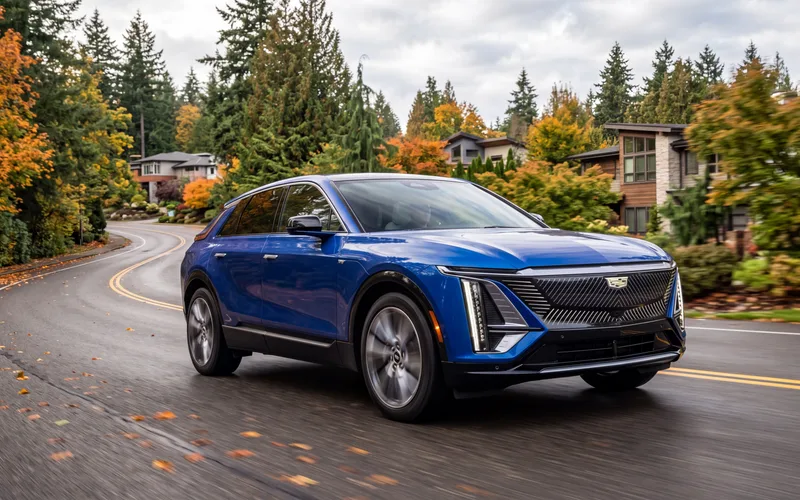 Cadillac LyriqMid-Size Luxury SUVBetter at: Value and hands-free
Same Ultium hardware, roughly $6,000 cheaper to start, adds Super Cruise hands-free driving, and its upright body swallows cargo the fastback ZDX can't.
Compare 2.74B-
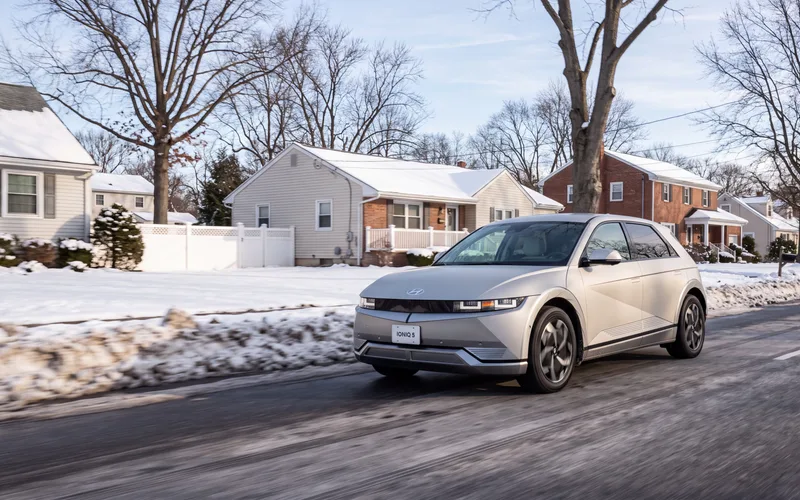 Hyundai Ioniq 5Compact SUVBetter at: Charging speed
Charges 10–80% in about 20 minutes on its 800-volt system versus 42 minutes for the ZDX, at a substantially lower price.
Compare 2.60C+
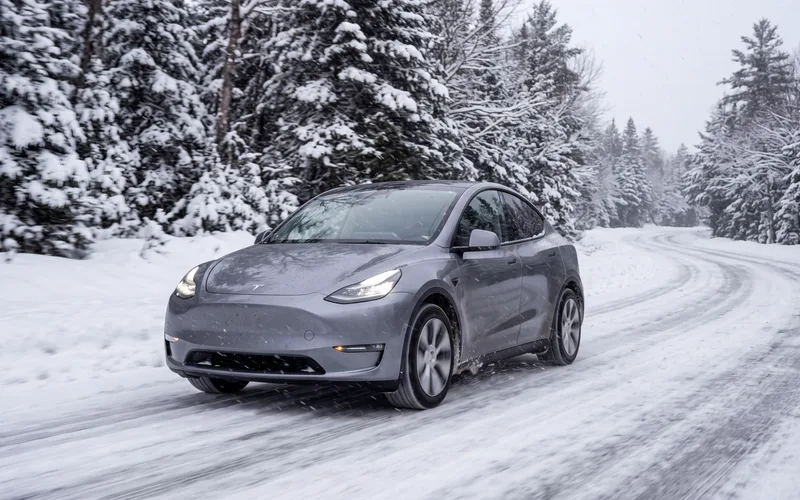 Tesla Model YCompact SUVBetter at: Resale value
More efficient, more usable cargo including a frunk, Supercharger access, and dramatically stronger resale than the ZDX's projected 38%.
CompareProduction history
Best fit & conditions
Higher scores mean a better fit for that use case. Learn more about use-case fit →
Subject profile
Academic Probation · NHTSA safety recalls
May 14, 2026Back over prevention: sensing system: cameraThe rearview camera screen may display a distorted or blank image.
Defect
American Honda Motor Company (Honda) is recalling certain 2024-2025 Honda Prologue and 2024 Acura ZDX vehicles. The rearview camera screen may display a distorted or blank image.
Risk
A rearview image that does not display correctly reduces the driver's view behind the vehicle, increasing the risk of a crash or injury.
Remedy
Dealers will replace the rearview camera, free of charge. Interim letters, notifying owners of the safety risk, were mailed July 7, 2026. Additional letters will be sent once the remedy is available, anticipated in late 2026. Owners may contact Honda's customer service at 1-888-234-2138. Honda's numbers for this recall are DO5 and RO6. The information in your report suggests that Honda (American Honda Motor Co.) may have been aware of this issue more than five business days before filing a report with NHTSA. Please be reminded that under Federal law, this agency is to be notified of all safety defect and/or noncompliance decisions within five business days. 49 CFR 573.6 Significant civil penalties can be assessed for this violation.
NHTSA campaign 26V306000 ↗Manufacturer no. DO5, RO659,887 vehicles potentially affected (all models in the campaign)Filed by Honda (American Honda Motor Co.)Filed as ZDXFeb 26, 2026Back over prevention: software · Electrical system: instrument cluster/panelDue to a software error, the instrument panel display may fail. Additionally, a software error may cause the rearview camera to display a blank screen when the vehicle is in reverse. As such, these vehicles fail to comply with the requirements of Federal Motor Vehicle Safety Standard (FMVSS) numbers 101, "Control and Displays," 111, "Rear Visibility," and 305, "Electric-Powered Vehicles."
Defect
Honda (American Honda Motor Co.) is recalling certain 2024 Acura ZDX and Prologue vehicles. Due to a software error, the instrument panel display may fail. Additionally, a software error may cause the rearview camera to display a blank screen when the vehicle is in reverse. As such, these vehicles fail to comply with the requirements of Federal Motor Vehicle Safety Standard (FMVSS) numbers 101, "Control and Displays," 111, "Rear Visibility," and 305, "Electric-Powered Vehicles."
Risk
An instrument panel display that fails to show critical safety information, such as the speedometer or warning lights, increases the risk of a crash or injury. Additionally, the loss of the rearview camera image can reduce the driver's rear visibility, increasing the risk of a crash or injury.
Remedy
Dealers will update the vehicle radio control module software, free of charge. Owner letters were mailed April 22, 2026. Owners may contact Honda's customer service at 1-888-234-2138. Honda's numbers for this recall are TNL and XNK. Vehicle Identification Numbers (VINs) involved in this recall will be searchable on NHTSA.gov beginning March 4, 2026.
NHTSA campaign 26V112000 ↗Manufacturer no. TNL, XNK65,135 vehicles potentially affected (all models in the campaign)Owners notified Apr 20, 2026Filed by Honda (American Honda Motor Co.)Filed as ZDXApr 10, 2025Suspension: front: stabilizer barThe passenger-side front stabilizer bar bracket bolts may have been improperly tightened, which can allow the bolts to loosen and separate from the vehicle frame. A detached stabilizer bar or bracket can damage the vehicle's high voltage cables or EV battery coolant lines.
Defect
Honda (American Honda Motor Co.) is recalling certain 2024 Acura ZDX vehicles. The passenger-side front stabilizer bar bracket bolts may have been improperly tightened, which can allow the bolts to loosen and separate from the vehicle frame. A detached stabilizer bar or bracket can damage the vehicle's high voltage cables or EV battery coolant lines.
Risk
Damaged cables or coolant lines can result in a vehicle shutdown, causing a loss of drive power and increasing the risk of a crash.
Remedy
Dealers will inspect and tighten the bolts, and repair the stabilizer bar and bracket, high voltage cables, and EV battery coolant lines as necessary, free of charge. Owner notification letters were mailed May 30, 2025. Owners may contact Honda customer service at 1-888-234-2138. Honda's number for this recall is SLH.
NHTSA campaign 25V234000 ↗Manufacturer no. SLH9 vehicles potentially affected (all models in the campaign)Owners notified May 28, 2025Filed by Honda (American Honda Motor Co.)Filed as ZDXJan 16, 2025Electrical system: propulsion system: cables · Electrical system: propulsion system: traction battery: thermal management: hoses, fittings, and reservoir · Suspension: front: stabilizer barThe front passenger stabilizer bar bracket bolts may become loose and detach from the frame, which can damage the high voltage cables or EV battery coolant lines.
Defect
Honda (American Honda Motor Co.) is recalling certain 2024 Acura ZDX vehicles. The front passenger stabilizer bar bracket bolts may become loose and detach from the frame, which can damage the high voltage cables or EV battery coolant lines.
Risk
Damaged high voltage cables or EV battery coolant lines can cause a loss of drive power, increasing the risk of a crash.
Remedy
Dealers will inspect and tighten the bolts, and repair the stabilizer bar and bracket, high voltage cables, and EV battery coolant lines as necessary, free of charge. Owner notification letters were mailed February 24, 2025. Owners may contact Honda's customer service at 1-888-234-2138. Honda's number for this recall is KKY.
NHTSA campaign 25V018000 ↗Manufacturer no. KKY118 vehicles potentially affected (all models in the campaign)Owners notified Feb 24, 2025Filed by Honda (American Honda Motor Co.)Filed as ZDXAug 15, 2024Service brakes, hydraulic: antilock/traction control/electronic limited slip: control unit/moduleThe anti-lock brake system (ABS) may activate unexpectedly and release brake pressure in the vehicle's service brake system.
Defect
Acura (American Honda Motor Co.) is recalling certain 2024 Acura ZDX All-Wheel Drive vehicles. The anti-lock brake system (ABS) may activate unexpectedly and release brake pressure in the vehicle's service brake system.
Risk
A release of brake pressure can cause a loss of braking ability, increasing the risk of a crash.
Remedy
The electronic brake control module software will be updated through an over-the-air (OTA) update or by a dealer, free of charge. Owner notification letters were mailed September 26, 2024. Owners may contact Acura customer service at 1-800-382-2238. Acura's number for this recall is UJE.
NHTSA campaign 24V614000 ↗Manufacturer no. UJE4,174 vehicles potentially affected (all models in the campaign)Owners notified Sep 26, 2024Filed by Honda (American Honda Motor Co.)Filed as ZDX
Source: NHTSA Office of Defects Investigation recall database, model years 2024. Recalls are listed by model year as the manufacturer filed them; whether a specific car is affected depends on its VIN — check a VIN at nhtsa.gov ↗. NHTSA model names matched to this page: ZDX.
Detailed scoring by subject
1Performance & PowertrainOne of the ZDX's weakest categories.1.61D
Volume trim is the A-Spec, which in RWD single-motor form makes 358 hp. Type S dual-motor AWD lifts output to 499 hp — strong for a mid-size luxury EV SUV.
A-Spec single-motor RWD is rated at 325 lb-ft. Type S dual-motor AWD steps up to 544 lb-ft, delivered instantly like all EVs.
A-Spec RWD is quoted at roughly 5.9 seconds 0–60 mph — respectable for a 5,700-lb EV SUV. Type S drops to about 4.4 seconds, quicker than a Cadillac Lyriq base and competitive with a BMW iX xDrive50.
Typical EV strengths: near-silent, instantaneous, linear thrust with no shifts or turbo lag; reviewers found the ZDX refined and quiet at speed, on par with the platform-sharing Lyriq. Type S adds strong roll-on response, though it stops short of the crispest luxury EV benchmarks (iX M60, EQS SUV AMG).
Single-speed direct-drive reduction gearing, as on all Ultium EVs — no shifts, no hunting, no CVT drone. One-pedal driving and paddle-adjustable regen are well-calibrated.
Type S is rated at 3,500 lbs with the factory tow package; A-Spec is not rated for meaningful trailer towing. Modest for a mid-size luxury SUV — well behind ICE peers (X5, GLE, Q7 at 6,000+ lbs) but on par with the Cadillac Lyriq platform-mate.
AWD is available across the range: optional dual-motor AWD on A-Spec and standard on Type S, with basic torque-split control but no low range or terrain modes. Base A-Spec buyers can still choose RWD, so AWD is not universal but is broadly accessible.
The ZDX is a pavement-focused luxury EV crossover: modest ground clearance (~6.3 in), no low range, no locking diffs, no dedicated off-road drive mode, no skid plates. Even the Type S is tuned for on-road performance, not trail work.
EV-only, with a single battery pack (~102 kWh usable) and two power tunes (358 hp single-motor RWD and 490–499 hp dual-motor AWD). No gas, hybrid, or PHEV alternative — buyers wanting anything but a BEV are excluded, and by 2024 many luxury rivals offer a wider ICE/hybrid/EV mix.
2Efficiency & RangeMid-pack among this car's ten categories.2.20C
EPA-rated 90 MPGe combined (37 kWh/100 mi) for the volume single-motor A-Spec RWD. Mid-pack for a large-battery EV SUV — the 102-kWh Ultium pack and 4,900-lb-plus curb weight cost it against lighter, more aerodynamic rivals. Corrects the prior 93 MPGe figure, which was not the published EPA rating.
EPA city rating of 96 MPGe for the A-Spec RWD. Regenerative braking helps, but the ZDX sits below the EV-class city norm because of its mass. Corrects the prior 100 MPGe figure.
EPA highway rating of 83 MPGe for the A-Spec RWD — respectable within the EV class and unusually close to its own city number, reflecting decent aerodynamics for a mid-size crossover. Corrects the prior 85 MPGe figure.
The 102-kWh usable Ultium pack gives the single-motor A-Spec RWD an EPA range of 313 miles — solidly above the mid-size luxury EV median and better than the mechanically identical Cadillac Lyriq's dual-motor figures, though short of Tesla and Lucid benchmarks.
190 kW peak DC fast charging across all three ZDX configurations — competitive for a 400-volt Ultium vehicle, but a step behind the 800-volt Hyundai/Kia E-GMP (235 kW) and Lucid/Tesla architectures that define the top of this band.
Acura publishes only a 20–80% time of 42 minutes, which works out to about 87 kW average across that window — the 400-volt Ultium curve tapers hard well before 80%. Measured 10–80% runs on the mechanically identical 102-kWh Lyriq land at 40–41 minutes, so 42 brackets both and is a poor showing against EVs that clear the same window in under 25 minutes.
EPA's estimated annual electricity cost is $850 at 15,000 mi/yr — near the low end of the EV cost band and a large running-cost advantage over any comparable gas luxury SUV. The prior $1,050 estimate was not the published EPA figure.
Electricity only — no premium-fuel obligation and no octane decision to make. An 11.5 kW onboard AC charger makes overnight Level 2 charging practical for owners with a 240V circuit; buyers without home charging face installation cost and dependence on a DC network the car's 42-minute 20–80% window does not exploit well, which keeps it out of the top of the band.
3SafetyOne of the ZDX's strongest categories.3.18B
The 2024 ZDX is Acura's first EV and shares GM's Ultium BEV3 architecture with the Chevrolet Blazer EV and Cadillac Lyriq, both of which earned 5-star NHTSA overall ratings; inferring 5-star for the ZDX pending its own tests.
The 2024 ZDX had not received a full IIHS crashworthiness evaluation at launch, so no Top Safety Pick award is on record; without confirmed Good ratings across the updated moderate-overlap and side tests it cannot be credited with an award-tier score.
AcuraWatch is standard on both A-Spec and Type S trims and bundles Collision Mitigation Braking (AEB), full-speed Adaptive Cruise with Low-Speed Follow, Lane Keeping Assist, Road Departure Mitigation, Traffic Sign Recognition, plus Blind Spot Information and Rear Cross Traffic Monitor — a comprehensive standard suite across the two-trim lineup.
Without ZDX-specific IIHS front crash prevention results, capability is inferred from AcuraWatch's current generation as deployed on the 2024 MDX/RDX/Integra (Superior V2V and pedestrian) — the ZDX uses the same camera+radar CMBS stack, so day performance should be strong, though ZDX-specific night pedestrian testing is unverified.
Blind Spot Information and Rear Cross Traffic Monitor are standard on both trims with reliable alerting, but coverage is warning-only — no active blind-spot steering or automatic braking intervention like some German rivals in the segment offer.
AcuraWatch LKAS provides competent lane-keeping assistance that reviewers describe as usable on well-marked highways, but the ZDX lacks the more polished lane-centering (and Traffic Jam Assist tuning) of Acura's newer ICE models and can wander on faded lines.
Full-speed-range adaptive cruise with Low-Speed Follow handles stop-and-go smoothly per reviewers, on par with AcuraWatch implementations elsewhere in the lineup, though highway-assist integration is less refined than Lexus Safety System+ 3.0 or GM's Super Cruise.
Despite riding on GM's Ultium platform, the 2024 ZDX does not offer Super Cruise or any hands-free highway driving system — Acura uses its own AcuraWatch (hands-on) suite, and hands must remain on the wheel at all times.
Signature Jewel Eye LED headlights are standard on both A-Spec and Type S with auto high beam; Acura's Jewel Eye systems have consistently earned IIHS Good ratings across the current Acura lineup, though ZDX-specific IIHS headlight testing is not yet published.
The ZDX's coupe-influenced fastback roofline, heavily raked rear glass, and thick rear pillars produce compromised over-the-shoulder and rearward sightlines; a multi-view rear camera is standard and a 360-degree Surround-View camera is available (standard on Type S) to compensate.
The ZDX offers standard second-row LATCH anchors in a two-row layout with wide rear-door apertures and generous rear legroom (thanks to the flat EV floor); anchors sit under upholstery flaps like most Acuras, workable but not the easiest in the segment.
4Space & ComfortOne of the ZDX's weakest categories.1.29D
The 2024 ZDX is offered exclusively as a five-passenger two-row midsize luxury SUV in both A-Spec and Type S trims — no six/seven-seat or third-row option.
Panoramic roof is standard on both A-Spec and Type S, so the with-roof measurement is the as-equipped figure for every ZDX buyer.
Front legroom is middle-of-the-pack for a midsize luxury SUV; adequate but not standout given the ZDX's 121.8 in wheelbase.
The sloped fastback roofline eats into rear headroom, though the flat glass panel keeps clearance respectable for the segment; taller adults will notice the intrusion versus the boxier Lyriq.
The dedicated Ultium skateboard architecture with long 121.8 in wheelbase and flat EV floor yields generous second-row legroom that reviewers consistently call out as a strong point.
The ZDX is strictly a two-row, five-passenger SUV — no third row is offered on any trim.
Cargo behind the rear seats is small for a nearly 198-in-long midsize luxury SUV and a common critique in reviews — the fastback roofline and lack of a frunk both hurt utility relative to the more upright Lyriq (26.4 cu ft) is comparable but the ZDX's tapered rear opening feels tighter in practice.
Maximum cargo with the 60/40 rear seat folded is well below midsize-luxury norms; the sloped roofline caps vertical loading and reviewers repeatedly flag hauling capacity as a weak point versus the boxier Ultium-platform Lyriq or the Model Y/BMW iX.
Storage is workable but unremarkable — deep center console with wireless charger, useful door bins, and an under-tunnel shelf — but there is no frunk (unlike Rivian, Tesla, Ford Lightning), no fold-flat front passenger seat, and no standout Pro Power-style onboard outlets. A meaningful miss on a purpose-built EV.
10-way power heated and ventilated front seats are standard on both trims with supportive cushions and good long-haul comfort; Type S adds 16-way front seats with massage. Rear bench is flat but well-cushioned with the long wheelbase paying off in adult comfort.
A-Spec's passive suspension on 20-inch wheels delivers a composed, well-damped ride that reviewers describe as one of the vehicle's more relaxed traits; Type S adds adaptive air suspension that impresses on smooth roads but can feel firm on broken pavement with the 22-inch wheels. Overall solid but not class-leading versus the plush Lyriq or Polestar 3.
The silent EV powertrain combined with acoustic front-door glass and Acura's Active Sound Control keeps highway wind and road noise well suppressed; testers consistently note a hushed cabin, on par with luxury-EV segment expectations though not quite Lyriq or EQE-quiet.
Comfort content is strong across the two-trim lineup: dual-zone auto climate, heated/ventilated 10-way power front seats, heated leather-wrapped steering wheel, heated rear outboard seats, remote pre-conditioning via AcuraLink, and panoramic glass roof are standard. Type S layers on massaging 16-way fronts and Alcantara/leather.
5Cost of OwnershipThe ZDX's lowest-graded category.0.00F
The 2024 ZDX launched in a compressed two-trim lineup with the A-Spec RWD as the entry point at $64,500 MSRP plus $1,350 destination — landing right at the top of the SUV price band.
A-Spec AWD (adds a front motor) is the practical volume configuration in the snow-belt midsize luxury SUV segment at ~$68,500 MSRP + $1,350 destination; Type S sits above at $74,850 all-in.
EV drivetrains skip oil changes, plugs, and belts — segment estimates for luxury EVs are ~$4,000–5,500 over 5 years (mostly tire rotations, cabin filters, brake fluid, wipers). Acura dealer labor is at the lower end of the luxury range, but 22-inch Type S tires and eventual pad/rotor service push the average up.
The 2024 ZDX is an unproven Acura EV nameplate on the GM Ultium platform, and it launched with steep dealer discounts and lease subvention that hurt used-market anchoring. Analyst residuals for luxury non-Tesla EVs are running well below segment norms — projections cluster in the mid-30s to low-40s of MSRP after 5 years.
Standard Acura new-vehicle limited warranty, mid-pack for the luxury segment — beats German 4/50k caps and matches Cadillac's, but trails Genesis (5/60k) and the Hyundai/Kia family.
Battery and EV drive components carry the federally mandated 8-year/100,000-mile floor. Non-EV powertrain coverage is 6/70k. Meets segment norms without exceeding Hyundai/Kia's 10/100k EV coverage.
Acura Complimentary Maintenance covers 2 years / 24,000 miles of factory-scheduled service (tire rotations, inspections, cabin filter) and 4 years / unlimited-mile Acura Roadside Assistance is standard. Launch buyers received a home charging credit (~$750 ChargePoint or install allowance) plus complimentary public DC-fast-charging sessions and AcuraLink connected-service trial. Solid mid-pack luxury package — not as generous as BMW's or Genesis's multi-year plans.
$69,850 volume-trim price minus its estimated resale value after 5 years (38% retained, or about $26,543) leaves about $43,307 in depreciation. Add the projected $4,500 in 5-year maintenance and repairs, and owning this vehicle for 5 years costs about $47,807 in total.
6Reliability & QualityMid-pack among this car's ten categories.2.11C
First model year of Acura's first-ever EV on GM's Ultium/BEV3 platform — no CR track record and Consumer Reports historically applies a below-average predicted-reliability score to all-new EV platforms in year one. GM's Ultium siblings (Lyriq, Blazer EV) had well-documented software and battery-module issues in the 2023-24 window that the ZDX inherited.
Acura is consistently top-10 in Consumer Reports brand reliability rankings and near the top of premium brands in J.D. Power VDS — but the ZDX is not a traditional Acura product (engineered/assembled by GM), so brand track record only partially applies to how this specific vehicle will age.
Very troubled 2024 launch — Acura issued a delivery hold in mid-2024 pending software calibration, and the ZDX has taken multiple NHTSA recalls tied to shared Ultium components (software, battery-module concerns) alongside its Lyriq/Blazer EV siblings. Recall count is well above typical for an Acura in its first calendar year.
Entirely new powertrain from Acura's perspective — GM Ultium 102 kWh (usable) NMC pack with LG cells, GM permanent-magnet/induction motor combo, no long-term durability data. Ultium is early-generation and shares supply chain with the recalled Chevy Bolt EV LG battery family, though pack architecture is different. No red-flag failure pattern yet, but no proven high-mileage track record either.
Reviewers generally praise the ZDX cabin — brushed aluminum, open-pore wood on Type S, Milano-style leather, and a large 11.3-inch Google-built-in touchscreen — very competitive at its ~$65-75K price band, though a step below Mercedes EQE SUV or BMW iX top-trim finishes.
Assembled at GM's Spring Hill, Tennessee plant on the same line as the Cadillac Lyriq — a plant/line still working through Ultium launch teething problems in 2024. Early press units and owner reports noted software glitches (infotainment freezes, phantom warnings) even after the delivery-hold recalibration; panel gaps are competitive but not class-leading.
Acura operates roughly 270 US dealers — thinner than mainstream Honda and well behind Tesla/Lexus for coverage — and EV service training was still ramping in 2024, the brand's first EV year. Service satisfaction for Acura runs above the premium-brand average, but EV-specific service capability was uneven at launch.
Platform sharing with the Cadillac Lyriq helps commodity Ultium parts availability, but Acura-badged trim and body panels route through Acura channels at premium pricing. As with any modern EV, high-voltage components (battery module, inverter) are dealer-only and expensive; aftermarket support for a first-year, low-volume EV is minimal.
7Technology & InfotainmentThe ZDX's best-graded category.3.40B+
Both 2024 ZDX trims (A-Spec and Type S) use an 11.3-inch center touchscreen paired with an 11-inch digital driver display — a landscape layout shared conceptually with the Cadillac Lyriq/Honda Prologue platform but smaller than Lyriq's 33-inch curved panel.
The 2024 ZDX uses Google Built-In (Google Assistant, Maps, Play Store) skinned by Acura — a modern, responsive system that reviewers generally praise for speed and Google integration. Some criticism for menu depth and subscription requirements for full Google functionality. Better than the touchpad-based MDX/RDX legacy systems.
Wireless Apple CarPlay and wireless Android Auto are standard on both A-Spec and Type S trims — a strong showing for a first-generation Acura EV.
Google Built-In provides native Google Maps with real-time traffic and EV-optimized routing plus Google Assistant natural-language voice control — genuinely competitive with the best in-car voice systems and materially better than the outgoing AcuraLink navigation.
Bang & Olufsen premium audio is standard on both trims: 18 speakers on A-Spec and an upgraded 23-speaker Bang & Olufsen system with Dolby Atmos on Type S — widely reviewed as excellent. Slightly below the ELS Studio 3D Signature Edition in MDX Type S at the very top of the class.
An 11-inch full-digital reconfigurable driver display is standard on every ZDX trim — crisp graphics, multiple layout options, and EV-specific views for range and energy flow.
The Google Built-In stack supports over-the-air updates for the infotainment system (maps, apps, system). GM's Ultium platform (which underpins the ZDX) also allows some vehicle-module OTA updates, but Acura has not marketed whole-vehicle OTA on the same scale as Tesla, Rivian, or Cadillac's own promotion of the Lyriq.
The AcuraLink app for the ZDX adds EV-specific remote functions: remote start/climate precondition, lock/unlock, vehicle locator, and charging control/schedule. Core features included for an introductory period; extended features are subscription-gated. No phone-as-key.
USB-C ports across both rows and a wireless phone charging pad are standard on both A-Spec and Type S trims. No 110V household outlet, which keeps it below the top of the class despite the EV powertrain.
Proximity smart entry, push-button start, remote engine start (fob + AcuraLink app), and hands-free power liftgate are standard on both ZDX trims. No phone-as-key offered — an increasingly common luxury feature (BMW, Genesis, Hyundai) that the ZDX lacks at launch.
Surround-view (360°) camera and front and rear parking sensors are standard on both ZDX trims. High-resolution rendering on the 11.3-inch display; no automated parking assist system.
A large color head-up display is standard on both A-Spec and Type S trims — no trim gating, no option box. Sharp graphics with turn-by-turn and EV info projected onto the windshield.
8Use-Case FitMid-pack among this car's ten categories.1.77C-
Wide rear-door apertures and 39.5 in of rear legroom on the flat Ultium floor make loading a child seat comfortable, and two outboard LATCH positions are standard; however, the ZDX is offered only as a five-passenger two-row (no third-row option for growing families), 28.7 cu ft behind the second row is tight for a stroller-plus-grocery run, and the sloped fastback roofline trims rear headroom to 38.4 in.
AcuraWatch (CMBS AEB, ACC with Low-Speed Follow, LKAS, RDM, TSR) plus Blind Spot Information and Rear Cross Traffic Monitor are standard on both A-Spec and Type S — every family buyer gets the full ADAS suite. Downside: NHTSA and IIHS had not published ZDX-specific crash-test results at the 2024 launch, so a Top Safety Pick award is not confirmed the way it is for the MDX; ratings are inferred from Ultium siblings.
Standard panoramic glass roof, heated/ventilated 10-way front seats, heated rear outboard seats, USB-C ports in both rows, dual-zone auto climate, remote pre-conditioning, and a quiet EV cabin support long-trip comfort for a family of four to five; but climate is dual-zone only (not tri-zone like MDX/QX60), 28.7 cu ft behind the second row limits luggage on longer trips, and 313 mi EPA range (278 mi Type S) means one or two DC-fast-charge stops added to any interstate haul.
Silent, instantaneous EV torque with paddle-adjustable regen and one-pedal driving makes stop-and-go effortless; full-speed adaptive cruise with Low-Speed Follow, quiet cabin (acoustic glass, Active Sound Control), and comfortable heated/ventilated seats reduce daily fatigue. Held back by the lack of a hands-free highway mode (no Super Cruise despite the Ultium platform) and a compromised over-the-shoulder view from the sloped roofline.
EPA-estimated ~$1,050/yr electricity cost on the volume A-Spec RWD (93 MPGe combined) is a fraction of what luxury-SUV rivals spend on premium gas, and EV maintenance (no oil, plugs, or belts) keeps running costs low. Offsets: a ~$2,700/yr full-coverage insurance premium and 20-inch (A-Spec) / 22-inch (Type S) tires push per-mile all-in cost above segment-EV leaders like Model Y.
At about 197.7 in long, 77.8 in wide, and roughly 5,700 lb curb weight, the ZDX is a full mid-size SUV with a substantial footprint; a multi-view rear camera is standard and a 360-degree Surround-View camera is standard on Type S (available on A-Spec Advance) plus front/rear parking sensors, but the fastback roofline's thick D-pillars and heavily raked rear glass create genuine blind spots that make tight urban parking a deliberate exercise.
Only the Type S is rated to tow, and only at 3,500 lb with the factory tow package — enough for a small utility trailer or jetski but well behind luxury-SUV work rigs (X5 7,200 lb, Q7 7,700 lb, Cayenne 7,700 lb). The base A-Spec has no meaningful tow rating, there is no bed, no dedicated payload rating, and no work-oriented drive modes. Range under trailer load drops sharply.
The ZDX is a first-year Acura BEV on GM's Ultium platform that shipped with well-documented software delays and stop-sale issues shared with the Blazer EV/Lyriq family — no fleet-proven durability track record. Interior is trimmed in Milano leather with Alcantara and open-pore wood on Type S, and the 22-inch tires and adaptive air suspension add complexity and cost under abuse. It is not built for jobsite hard use.
No 120V household outlet or vehicle-to-load capability — a real miss for a purpose-built EV where rivals (F-150 Lightning, Silverado EV, Rivian R1S) offer onboard AC power for tools and jobsite use. No bed, no washable cargo surfaces, no factory upfit ecosystem. Roof rails and a hitch (Type S) are available but the ZDX offers essentially no work-specific provisions.
Comfortable 10-way (16-way on Type S) heated/ventilated front seats, standard color HUD, quiet cabin, and full-speed ACC with Low-Speed Follow make it a low-fatigue highway car; 313 mi EPA range (278 mi Type S) plus ~190 kW DC fast charging (10–80% in ~40 min) is competitive within the luxury-EV set but forces one or two charging stops on any real interstate haul, and the ZDX lacks hands-free highway assist that Lyriq, X5 xDrive, and Ford rivals now offer.
Dual-motor AWD is available on A-Spec and standard on Type S with basic torque-split control, and Type S adds adaptive air suspension — but ground clearance is only about 6.3 in (fixed, not rising), there is no low-range transfer case, no dedicated off-road or overland drive mode, no skid plates, and no V2L camping power. The 3,500 lb tow rating (Type S) is enough for a small toy hauler but modest for the segment. Fine for gravel forest-service roads; not a true adventure enabler.
60/40 split-fold rear bench, 28.7 cu ft behind the rear seats and 63.7 cu ft max cargo — both meaningfully below segment norms (MDX 71.4 max, Aviator 77.7, iX 77.9, Lyriq comparable). No front trunk despite the dedicated EV skateboard architecture, no underfloor storage well, and no fold-flat front passenger seat. Roof rails and a factory hitch are available on Type S, so bike-rack and cargo-box use is straightforward; the interior just doesn't swallow bulky gear the way the segment expects.
9Driving ExperienceOne of the ZDX's strongest categories.2.63C+
The volume A-Spec is comfort-tuned on 20-in wheels and rides the well-sorted GM Ultium skateboard chassis; its low center of gravity keeps a ~5,700-lb SUV composed through fast corners, but it can't hide its mass or match the sharper BMW iX/Cayenne. Type S adds standard adaptive air suspension, Brembo brakes, and 22-in performance rubber that shifts it toward genuine sport-SUV territory — but the volume trim is the softer A-Spec.
Electric power steering is accurate and appropriately weighted but light on genuine road-texture feedback — typical of the Ultium platform. Type S gains a more direct calibration with the Sport+ drive mode, but the volume A-Spec is tuned for effortless cruising rather than communication.
Type S's Brembo 6-piston front / 4-piston rear setup gives strong, fade-resistant stops for a ~5,900-lb SUV. The A-Spec's standard brakes are adequate but work harder to arrest curb weight, and — as with sister Ultium cars at launch — regen-to-friction blending was flagged by reviewers as slightly grabby/inconsistent in the first-year software. Paddle-adjustable regen and one-pedal driving are welcome.
Single-speed EV drive unit delivers instantaneous, seamless thrust with no shifts, no turbo lag, and no stop/start harshness — a genuine EV strength. Held below the class best (iX, EQS SUV) by the well-documented Ultium software issues at launch (stop-sales in late 2023 through 2024) that briefly affected drivability calibration on early ZDXs, and by throttle mapping in Normal mode that some reviewers found a touch delayed.
Near-silent under load with only a subdued motor whine at highway speeds; acoustic laminated front glass and Active Sound Control keep the cabin hushed. Some reviewers noted a bit more high-frequency motor whine than the class benchmarks under hard acceleration, but everyday NVH is quiet-luxury quality.
Long 121.8-in wheelbase (shared with the Ultium platform) yields a wide turning diameter — near the upper end of the mid-size SUV band. Comparable to sister Cadillac Lyriq (~40.7 ft), noticeably worse than the tighter compact luxury EVs.
Commanding SUV driving position with 10-way power adjustment (16-way on Type S), heated/ventilated seats, standard color HUD, and — thankfully — real physical climate rocker switches beneath the 11.3-in touchscreen. Marred by the sloped fastback roofline and thick D-pillars that limit over-the-shoulder visibility, plus a lower dashtop than some three-row rivals.
The volume A-Spec is pleasant, quick, and quiet but comfort-tuned — a smooth luxury EV rather than an enthusiast pick. Type S is the genuinely fun variant with 499 hp, 4.4-s 0–60, launch control, Brembos, and adaptive air suspension, but it sits well above the A-Spec in price. Character overall is 'refined cruiser' rather than 'take the long way home.'
10Value & Market PositionMid-pack among this car's ten categories.2.36C+
The A-Spec (~$64.5k RWD) arrives well-equipped for a luxury EV: 11.3-inch touchscreen with Google Built-In, 11-speaker Bang & Olufsen, panoramic fixed roof, heated & ventilated leatherette seats, wireless CarPlay/Android Auto, hands-free power tailgate, and the full AcuraWatch ADAS suite (adaptive cruise, lane-keeping, blind-spot, rear cross-traffic). Good content for the money but not standout by luxury-EV norms — Cadillac Lyriq offers similar kit at a lower start.
The Type S at ~$73.5k delivers 499 hp, 544 lb-ft, adaptive air suspension, and Brembo brakes — an aggressive performance-EV value versus Audi SQ8 e-tron, BMW iX xDrive50 (~$88k), and Mercedes EQE 500 SUV. The A-Spec's ~$64.5k RWD start is priced above Cadillac Lyriq (~$59k) despite sharing Ultium hardware, and the 288–313 mi range is only competitive, not class-leading. Solid but not a bargain.
Just two trims — A-Spec (RWD or AWD) and Type S (AWD only) — spanning roughly $64.5k–$73.5k. No lower-priced entry, no third-row/long-range option, no distinct performance vs. luxury split beyond Type S. Narrow ladder that matches the first-year, halo-launch strategy but limits configuration flexibility versus rivals with 4–6 trims.
Delayed launch (spring 2024 on-sale from an original late-2023 promise) and a slow ramp meant modest first-year US volume — a few thousand units in CY2024 against Acura's much higher initial projections. Dealer inventory built up through late 2024, forcing aggressive incentives. Niche performer to start, not a segment mover.
Acura sits in the second tier of luxury brands — respected for reliability and value but lacking the aspirational halo of BMW/Mercedes/Audi/Porsche or the EV cachet of Tesla/Rivian/Lucid. The ZDX badge itself carries mixed legacy from the 2010–2013 first-gen crossover coupe (a commercial failure), which softens rather than helps image at launch.
Buyers benefit from the $7,500 federal EV lease credit passed through Acura Financial Services (assembled in Spring Hill, TN, on Ultium — leasing bypasses North American battery-sourcing requirements), plus growing dealer discounts and subvented lease multiples as inventory accumulated through 2024. Genuine buyer-side value even if it reflects slow demand.
All-new for 2024 — Acura's first EV and the first vehicle on GM's Ultium platform to wear a Honda-group badge. Ground-floor generation, current battery/motor tech, and 800V-adjacent 190 kW DC fast charging (Type S). No redesign risk; expect this generation to run through decade's end.
Reviews at launch were positive-but-qualified: praise for interior quality, ride comfort, Type S straight-line pace, and cabin quietness; criticism of below-segment EPA range (313 mi A-Spec RWD, 278 mi Type S), mediocre efficiency (~85–95 MPGe), heavy curb weight, and Google Built-In quirks shared with Lyriq. Not a comparison-test winner and absent from Car and Driver 10Best / MotorTrend SUV of the Year lists.