
The verdict
A strong mid-size luxury sedan, strong on technology and held back by ownership.
The redesigned 2026 A7 Sportback is the rare luxury car that looks like a coupe and loads like a wagon — 24.9 cu ft behind the rear seats and 49.1 cu ft with the seats folded, under one of the best-built cabins and sharpest screen setups in the segment. Standard quattro, 406 lb-ft of torque and a 4.5-second 0-60 make it a genuinely quick, quiet long-distance car. What you pay for that is severe: about $75,900 as typically equipped, 28 MPG combined on required premium, a 4-year/50,000-mile warranty that covers the powertrain no longer than the rest of the car, and roughly $50,400 in depreciation and upkeep over five years. Buy it for the shape, the cabin and the cargo hold — not for the math.
Jump to scoresStrengths
- Cargo space no sedan in this class can match
- Best-in-class screens and infotainment hardware
- Cabin materials and build quality are the segment benchmark
What holds it back
- Five-year ownership cost is brutal
- Thirsty, and premium fuel is required
- Warranty and included maintenance are the weakest part of the package
Top alternatives
Cars shoppers cross-shop with the Audi A7 2.97B-
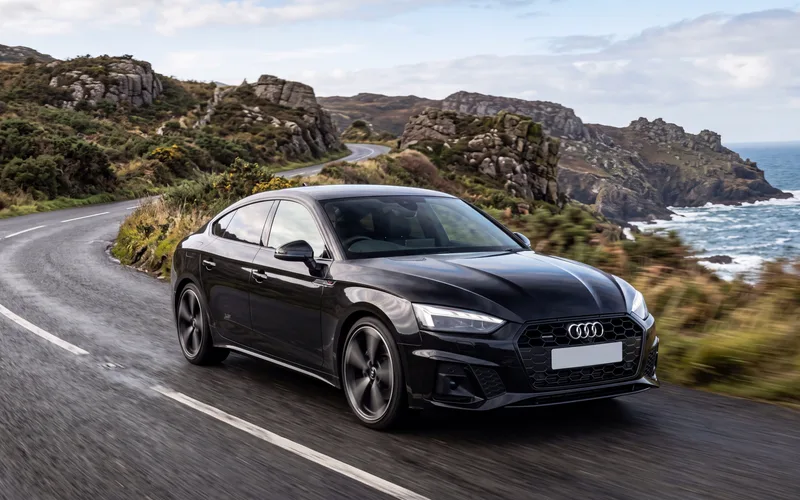 Audi A5 SportbackCompact Luxury SedanBetter at: Value
Same brand, same liftback shape and the same new MMI Panoramic cabin for thousands less, if you can live with a 2.0T and a smaller cargo hold.
Compare 2.72B-
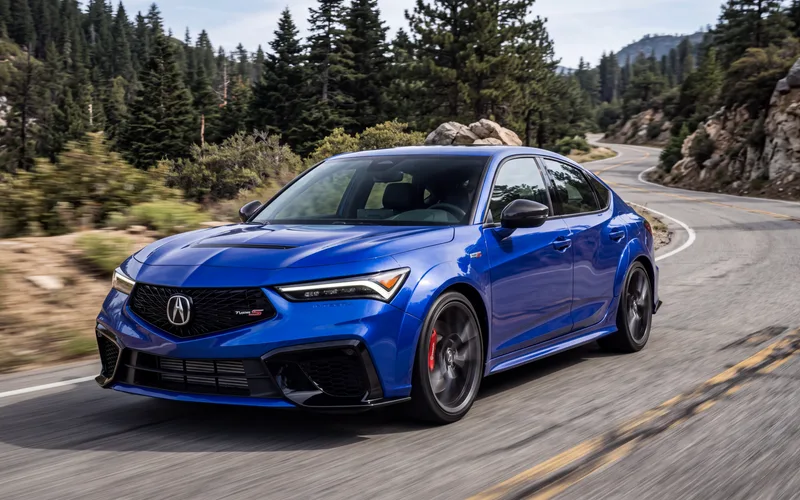 Acura Integra Type SSport CompactBetter at: Ownership cost
A fast, practical liftback at roughly half the A7's typically-equipped price with far friendlier five-year ownership costs.
Compare 2.63C+
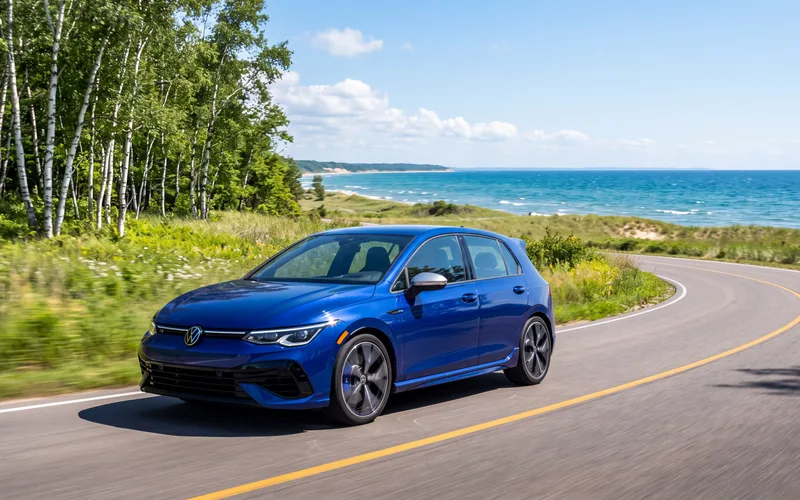 Volkswagen Golf RHot HatchBetter at: Driving fun
For a driver who wants quattro-style all-weather grip and real speed in a smaller, cheaper, more entertaining package.
CompareHow it's evolved
3 scored model years · 2024–2026
Subject scores by year
Hover or tap a score to see what moved it versus the year before. A corner mark flags a big swing.
| Year | Performance | Efficiency | Safety | Space | Cost | Reliability | Tech | Use-case | Driving | Value |
|---|---|---|---|---|---|---|---|---|---|---|
| 2026 | 73 | 43 | 79 | 73 | 10 | 72 | 82 | 60 | 72 | 72 |
| 2025 | 66 | 31 | 70 | 69 | 12 | 73 | 69 | 51 | 69 | 66 |
| 2024 | 64 | 31 | 65 | 69 | 10 | 73 | 68 | 51 | 69 | 64 |
Compare two years
Best fit & conditions
Higher scores mean a better fit for that use case. Learn more about use-case fit →
Subject profile
Academic Probation · NHTSA safety recalls
Dec 19, 2025Back over prevention: sensing system: cameraPlease see the recall report for a complete list of models. A software error may prevent the rearview camera image from displaying as intended. As such, these vehicles fail to comply with the requirements of Federal Motor Vehicle Safety Standard number 111, "Rear Visibility."
Defect
Volkswagen Group of America, Inc. (Audi) is recalling certain 2019-2026 vehicles. Please see the recall report for a complete list of models. A software error may prevent the rearview camera image from displaying as intended. As such, these vehicles fail to comply with the requirements of Federal Motor Vehicle Safety Standard number 111, "Rear Visibility."
Risk
A rearview image that does not display reduces the driver's view behind the vehicle, increasing the risk of a crash.
Remedy
Dealers will update the software, free of charge. Owner notification letters were mailed January 14, 2026. Owners may contact Audi customer service at 1-800-253-2834. Audi's number for this recall is 90TV. Vehicle Identification Numbers (VINs) involved in this recall became searchable on NHTSA.gov on December 23, 2025.
NHTSA campaign 25V900000 ↗Manufacturer no. 90TV356,894 vehicles potentially affected (all models in the campaign)Owners notified Jan 14, 2026Filed by Volkswagen Group of America, Inc.Filed as A7, RS 7, S7
23 recalls on other model years of the A7 (2017–2022)
Mar 4, 2026Lane departure: softwareDue to a software error, the lane departure warning system may be deactivated.
Defect
Volkswagen Group of America, Inc. (Audi) is recalling certain 2019 Audi Q8, Audi A7, and Audi A6 vehicles previously repaired under recall number 25V900. Due to a software error, the lane departure warning system may be deactivated.
Risk
The driver may be unaware that the lane departure warning system is deactivated and rely on a system that is not functional, increasing the risk of a crash.
Remedy
Dealers will update the software, free of charge. Owner notification letters were mailed March 13, 2026. Owners may contact Audi customer service at 1-800-253-2834. Audi's number for this recall is 90TW. Vehicle Identification Numbers (VINs) involved in this recall became searchable on NHTSA.gov on March 6, 2026.
NHTSA campaign 26V125000 ↗Manufacturer no. 90TW1,620 vehicles potentially affected (all models in the campaign)Owners notified Mar 13, 2026Filed by Volkswagen Group of America, Inc.Filed as A7Mar 31, 2025Electrical system: instrument cluster/panel · Electrical system: softwareDue to a software error, the instrument panel display may fail.
Defect
Volkswagen Group of America, Inc. (Audi) is recalling certain 2021 SQ8, A6 SEDAN, A7, A8, Q7, Q8, RS6 Avant, RS7, RSQ8, S6 SEDAN, S7, S8, A6 Allroad, and SQ7 vehicles. Due to a software error, the instrument panel display may fail.
Risk
An instrument panel display that fails to show critical safety information, such as the speedometer or warning lights, increases the risk of a crash.
Remedy
Dealers will update the instrument panel module software, free of charge. Owner notification letters were mailed April 24, 2025. Owners may contact Audi customer service at 1-800-253-2834. Audi's number for this recall is 90VC.
NHTSA campaign 25V201000 ↗Manufacturer no. 90VC44,387 vehicles potentially affected (all models in the campaign)Owners notified Apr 24, 2025Filed by Volkswagen Group of America, Inc.Filed as A7, RS 7, S7Feb 12, 2025Electrical system: propulsion system: traction batteryThe high-voltage battery may overheat.
Defect
Volkswagen Group of America, Inc. (Volkswagen) is recalling certain 2021-2024 Audi Q5, and 2022 A7 E Hybrid Electric PHEV vehicles. The high-voltage battery may overheat.
Risk
A high-voltage battery that overheats increases the risk of a fire.
Remedy
Dealers will install advanced diagnostic software , free of charge. Volkswagen will monitor available online vehicle data and contact owners as necessary, to advise them not to charge the vehicle until the battery can be replaced. For vehicles in which online data is unavailable, owners are advised not to charge their batteries until the final remedy becomes available. Repairs will be performed free of charge. This will be a Phased recall. Phase 1 will include Interim letters 2022-2023 model year vehicles. Phase 2 will include Owner letters 2021-2024 model year vehicles, and Phase 3 will include Interim letters 2022-2023 model year vehicles. Interim owner notification letters informing owners of the safety risk were mailed February 28, 2025, and May 7, 2025. A second notice will be sent once the final remedy is available. Owner notification letters were mailed May 1, 2025. Owners may contact Audi customer service at 1-800-253-2834. Volkswagen's number for this recall is 93AA. This recall expands and replaces previous NHTSA recall number 24V898.
NHTSA campaign 25V080000 ↗Manufacturer no. 93AA20,201 vehicles potentially affected (all models in the campaign)Owners notified May 1, 2025Filed by Volkswagen Group of America, Inc.Filed as A7 ENov 27, 2024Electrical system: propulsion system: traction batteryThe high-voltage battery may overheat.
Defect
Volkswagen Group of America, Inc. (Volkswagen) is recalling certain 2022-2023 Audi Q5 PHEV and 2022 Audi A7 PHEV vehicles. The high-voltage battery may overheat.
Risk
A high-voltage battery that overheats increases the risk of a fire.
Remedy
Dealers will install advanced diagnostic software as the final remedy, anticipated to be available in the second quarter of 2025. Volkswagen will monitor available online vehicle data and contact owners as necessary, to advise them not to charge the vehicle until the battery can be replaced. For vehicles in which online data is unavailable, owners are advised not to charge their batteries until the final remedy becomes available. Repairs will be performed free of charge. Owner notification letters were mailed May 1, 2025. Owners may contact Volkswagen Audi customer service at 1-800-253-2834. Volkswagen's number for this recall is 93AA. This recall has been replaced by NHTSA recall number 25V080.
NHTSA campaign 24V898000 ↗Manufacturer no. 93AA4,616 vehicles potentially affected (all models in the campaign)Owners notified May 1, 2025Filed by Volkswagen Group of America, Inc.Filed as A7Dec 13, 2023Electrical system: propulsion system: charging: cable/cord: onboardWhen using the industrial 220V/240V plug at the 100% charge setting, some home power outlets may be incapable of handling the electrical current required to utilize the compact charging system, causing the outlet or charging cable to overheat.
Defect
Volkswagen Group of America, Inc. (Audi) is recalling certain 2022-2024 RS e-tron GT, e-tron GT, Q4 e-tron Sportback, Q4 e-tron, 2020-2021 Audi A8, 2019-2024 e-tron Quattro, 2020-2024 e-tron Sportback Quattro, Q5, and 2021-2022 A7 vehicles. When using the industrial 220V/240V plug at the 100% charge setting, some home power outlets may be incapable of handling the electrical current required to utilize the compact charging system, causing the outlet or charging cable to overheat.
Risk
An overheated outlet or charging cable can increase the risk of a fire.
Remedy
Owners are advised not to use the 220V/240V compact/portable charging cable and only use the 110V home charging cable or public charging stations. Dealers will supply a new 220V/240V compact/portable charging cable with an incorporated temperature sensor, free of charge. Owner notification letters were mailed on March 28, 2024. Owners may contact Audi customer service at 1-800-253-2834. Audi's numbers for this recall are 93U6 and 93U8.
NHTSA campaign 23V842000 ↗Manufacturer no. 93U6/93U893,196 vehicles potentially affected (all models in the campaign)Owners notified Mar 28, 2024Filed by Volkswagen Group of America, Inc.Filed as A7Aug 25, 2023Service brakes, hydraulic: fluidAn incorrectly labeled brake fluid cap may have been installed, which can result in the use of the wrong type of brake fluid.
Defect
Volkswagen Group of America, Inc. (Audi) is recalling certain 2021 Audi S7, S6 Sedan, RS7, RS6 Avant, A6 Allroad, 2019-2021 A7, and A6 Sedan vehicles. An incorrectly labeled brake fluid cap may have been installed, which can result in the use of the wrong type of brake fluid.
Risk
Incorrect brake fluid can reduce braking ability and increase the risk of a crash.
Remedy
Dealers will inspect the brake fluid reservoir cap and, if necessary, replace it, free of charge. Owner notification letters are expected to be mailed October 17, 2023. Owners may contact Audi's customer service at 1-800-253-2834. Volkswagen's number for this recall is 47T9.
NHTSA campaign 23V601000 ↗Manufacturer no. 47T97,499 vehicles potentially affected (all models in the campaign)Owners notified Sep 25, 2023Filed by Volkswagen Group of America, Inc.Filed as A7, RS 7, S7Nov 21, 2022Electrical systemLiquid spilled in the rear seat may penetrate and cause the gateway control module to shut down.
Defect
Volkswagen Group of America, Inc. (Audi) is recalling certain 2020-2022 Audi S7, S6 Sedan, A6 Allroad, 2021-2022 RS7, RS6 Avant, 2019-2022 A7, and A6 Sedan vehicles. Liquid spilled in the rear seat may penetrate and cause the gateway control module to shut down.
Risk
A gateway control module shutdown will suddenly reduce engine power, increasing the risk of a crash.
Remedy
Dealers will install a protective cover, free of charge. Owner notification letters are expected to be mailed January 20, 2023. Owners may contact Audi's customer service at 1-800-253-2834. Audi's number for this recall is 90V2.
NHTSA campaign 22V861000 ↗Manufacturer no. 90V250,883 vehicles potentially affected (all models in the campaign)Owners notified Jan 19, 2023Filed by Volkswagen Group of America, Inc.Filed as A7, RS 7, S7Oct 26, 2022Back over prevention: display function · Equipment: electrical: infotainment: video (touch)screen/monitor/unitThe infotainment main unit may become damaged internally when the vehicle is shut off, resulting in an inoperative rearview camera display the next time the vehicle is started. As such, these vehicles fail to comply with the requirements of Federal Motor Vehicle Safety Standard number 111, "Rear Visibility."
Defect
Volkswagen Group of America, Inc. (Audi) is recalling certain 2021-2022 AUDI A8, A6 Allroad, E-TRON Quattro, 2022 S3, RSQ8, RS7, RS6 Avant, Q8, Q7, Q3, E-TRON Sportback Quattro, S5 Cabriolet, E-TRON GT, S5 Sportback, A7, A6, A5 Sportback, A5 Cabriolet, A4, A4 Allroad, A3, S8, SQ7, SQ8, S6, and S4 vehicles. The infotainment main unit may become damaged internally when the vehicle is shut off, resulting in an inoperative rearview camera display the next time the vehicle is started. As such, these vehicles fail to comply with the requirements of Federal Motor Vehicle Safety Standard number 111, "Rear Visibility."
Risk
An inoperative rearview camera display reduces the driver's rear visibility, increasing the risk of a crash.
Remedy
Dealers will replace the infotainment main unit, free of charge. Owner notification letters were mailed June 6, 2022. Owners may contact Audi's customer service at 1-800-253-2834. Audi's number for this recall is 91Ei.
NHTSA campaign 22V806000 ↗Manufacturer no. 91Ei6,076 vehicles potentially affected (all models in the campaign)Owners notified Jun 6, 2023Filed by Volkswagen Group of America, Inc.Filed as A7, RS 7Oct 5, 2022Back over prevention: display functionDue to a software issue, a blank or black screen may be displayed instead of the rearview camera image when the vehicle is placed in reverse gear. As such, these vehicles fail to comply with the requirements of Federal Motor Vehicle Safety Standard number 111, "Rear Visibility."
Defect
Volkswagen Group of America, Inc. (Volkswagen) is recalling certain 2021 Audi A8, RS7, RS6 Avant, RS5 Sportback, RS5 Coupe, Q8, Q7, Q5 Sportback, S4 Sedan, Q5, A7, A6, A6 Allroad, A5 Sportback, A5 Coupe, A5 Cabrioleet, A4 Sedan, A4 Allroad, E-Tron Sportback Quattro, SQ7, S5 Cabriolet, E-Tron Quattro, SQ8, SQ5 Sportback, SQ5, S8, S7, S6 Sedan, S5 Sportback, S5 Coupe, 2022 E-Tron GT, and 2021-2022 RSQ8 vehicles. Due to a software issue, a blank or black screen may be displayed instead of the rearview camera image when the vehicle is placed in reverse gear. As such, these vehicles fail to comply with the requirements of Federal Motor Vehicle Safety Standard number 111, "Rear Visibility."
Risk
A blank rearview camera display can reduce the driver's rear visibility, increasing the risk of a crash.
Remedy
Dealers will update the infotainment unit software, free of charge. Owner notification letters were mailed October 25, 2022. Owners may contact Audi's customer service at 1-800-253-2834. Volkswagen's number for this recall is 91DZ.
NHTSA campaign 22V742000 ↗Manufacturer no. 91DZ170,296 vehicles potentially affected (all models in the campaign)Owners notified Oct 25, 2022Filed by Volkswagen Group of America, Inc.Filed as A7, RS 7, S7Mar 23, 2022Engine and engine cooling: engine: gasoline: turbo/superchargerThe turbocharger oil supply strainer can become blocked, causing wear to the bearings due to lack of lubrication.
Defect
Volkswagen Group of America, Inc. (Audi) is recalling certain 2013-2017 A8, S6 Sedan, S7, S8, and 2014-2017 RS7 vehicles. The turbocharger oil supply strainer can become blocked, causing wear to the bearings due to lack of lubrication.
Risk
Worn bearings can cause the turbine wheel to contact the turbocharger housing or cause the shaft to break, causing an engine stall and increasing the risk of a crash.
Remedy
Dealers will replace the oil strainer and perform an oil change, free of charge. Owner notification letters were mailed August 4, 2022. Owners may contact Audi customer service at 1-800-253-2834. Audi's number for this recall is 21H7.
NHTSA campaign 22V178000 ↗Manufacturer no. 21H726,093 vehicles potentially affected (all models in the campaign)Owners notified Aug 4, 2022Filed by Volkswagen Group of America, Inc.Filed as RS 7, S7Mar 14, 2022Electrical system: instrument panel: fuel gauge: fuel level float/sensor/sending unitThe fuel level sender may stick, causing an inaccurate fuel level reading to be displayed on the instrument cluster.
Defect
Volkswagen Group of America, Inc. (Audi) is recalling certain 2021-2022 RS6 Avant and RS7, 2020-2022 A6 Allroad, S6 Sedan, and S7, and 2019-2022 A6 Sedan and A7 vehicles. The fuel level sender may stick, causing an inaccurate fuel level reading to be displayed on the instrument cluster.
Risk
An inaccurate fuel reading may cause an engine stall due to lack of fuel, increasing the risk of a crash.
Remedy
Dealers will install a new sensor in the tank, free of charge. Owner notification letters were mailed February 17, 2023. Owners may contact Audi customer service at 1-800-253-2834. Audi's number for this recall is 20DN.
NHTSA campaign 22V155000 ↗Manufacturer no. 20DN47,238 vehicles potentially affected (all models in the campaign)Owners notified Feb 17, 2023Filed by Volkswagen Group of America, Inc.Filed as A7, RS 7, S7Jan 26, 2022Suspension: rear: axle: non-powered axle assembly · TiresThe rear axle alignment may not have been inspected after the repairs for Recall 21V-295 (42L1) were performed.
Defect
Volkswagen Group of America, Inc. (Audi) is recalling certain 2019-2021 Audi A5 Sportback, RS5 Coupe, RS5 Sportback, S5 Sportback, 2020-2021 A4 Allroad, A4 Sedan, A5 Cabriolet, A5 Coupe, A6 Allroad, A6 Sedan, A7, A8, Q5, S4 Sedan, S5 Coupe, S5 Cabriolet, S6 Sedan, S7, S8, SQ5, 2021 Q5 Sportback, Q7, Q8, RS6 Avant, RS7, RSQ8, SQ5 Sportback, SQ7, and SQ8 vehicles. The rear axle alignment may not have been inspected after the repairs for Recall 21V-295 (42L1) were performed.
Risk
Rear axle misalignment may cause premature or uneven tire wear, increasing the risk of a crash.
Remedy
Dealers will inspect the rear axle, adjust the alignment as necessary, and replace any prematurely or unevenly worn tires, free of charge. Owner notification letters were mailed March 3, 2022. Owners may contact Audi customer service at 1-800-253-2834. Audi's number for this recall is 42L5.
NHTSA campaign 22V034000 ↗Manufacturer no. 42L531,058 vehicles potentially affected (all models in the campaign)Owners notified Mar 3, 2022Filed by Volkswagen Group of America, Inc.Filed as A7, RS 7, S7Aug 5, 2021Seat belts · Seat belts: rear/other: retractorThe rear seat belt automatic locking retractors may deactivate early, which can prevent the child restraint system from securing properly. As such, these vehicles fail to comply with the requirements of Federal Motor Vehicle Safety Standard number 208, "Occupant Crash Protection."
Defect
Volkswagen Group of America, Inc. (Volkswagen) is recalling certain 2021 Volkswagen ID4, Audi A4 Allroad, A4 Sedan, A5 Cabriolet, A5 Coupe, A5 Sportback, A6 Allroad, A6 Sedan, A7, A8, E-Tron Quattro, E-Tron Sportback Quattro, Q3, Q5, Q5 Sportback, Q7, Q8, RS5 Sportback, RS5 Coupe, RS6 Avant, RS7, RSQ8, S4 Sedan, S5 Cabriolet, S5 Coupe, S5 Sportback, S6 Sedan, S7, S8, SQ5, SQ5 Sportback, SQ7, SQ8, and 2021-2022 S3 Sedan vehicles. The rear seat belt automatic locking retractors may deactivate early, which can prevent the child restraint system from securing properly. As such, these vehicles fail to comply with the requirements of Federal Motor Vehicle Safety Standard number 208, "Occupant Crash Protection."
Risk
An unsecured child restraint system can increase the risk of injury during a crash.
Remedy
Dealers will inspect, and replace as necessary, the middle-rear seat belt assemblies, free of charge. Owner notification letters were mailed August 27, 2021. Owners may contact Volkswagen customer service at 1-800-893-5298 and Audi customer service at 1-800-253-2834. Volkswagen's numbers for this recall are 69CR (VW) and 69CS (Audi).
NHTSA campaign 21V606000 ↗Manufacturer no. 69CR, 69CS45,496 vehicles potentially affected (all models in the campaign)Owners notified Aug 27, 2021Filed by Volkswagen Group of America, Inc.Filed as A7, RS 7, S7May 12, 2021EngineCracks may develop on the surface of the engine cylinder bore.
Defect
Volkswagen Group of America, Inc. (Audi) is recalling certain 2021 Audi SQ7, RSQ8, RS7, RS6 AVANT, and SQ8 vehicles. Cracks may develop on the surface of the engine cylinder bore.
Risk
Cracks may cause engine damage and a stall or an oil leak, increasing the risk of a crash or fire.
Remedy
Dealers will replace the engine, free of charge. Owner notification letters were mailed July 9, 2021. Owners may contact Audi customer service at 1-800-253-2834. Audi's number for this recall is 10G9.
NHTSA campaign 21V339000 ↗Manufacturer no. 10G915 vehicles potentially affected (all models in the campaign)Owners notified Jul 9, 2021Filed by Volkswagen Group of America, Inc.Filed as RS 7Apr 26, 2021Suspension: rear: axle: non-powered axle assemblyThe lock nut on the trailing arm of the rear axle may break due to stress corrosion.
Defect
Volkswagen Group of America, Inc. (Audi) is recalling certain 2021 Q7, Q8, Q5 Sportback, SQ5 Sportback, RS6 Avant, RS7, RS Q8, 2020-2021 Audi S6 sedan, Q5, A8, S8, A7, A6 Allroad, A5 Cabriolet, A4 sedan, A4 Allroad, SQ5, S7, A6 sedan, S5 coupe, S4 sedan, S5 Cabriolet, A5 coupe, 2019-2021 RS5 coupe, A5 Sportback, S5 Sportback, RS5 Sportback vehicles. The lock nut on the trailing arm of the rear axle may break due to stress corrosion.
Risk
A broken lock nut may misalign the rear axle, causing a loss of control and increasing the risk of a crash.
Remedy
Dealers will replace the lock nuts and, if necessary, the associated bolts, free of charge. Owner notification letters were mailed June 4, 2021. Owners may contact Audi customer service at 1-800-253-2834. Audi's number for this recall is 42L1.
NHTSA campaign 21V295000 ↗Manufacturer no. 42L140,993 vehicles potentially affected (all models in the campaign)Owners notified Jun 4, 2021Filed by Volkswagen Group of America, Inc.Filed as A7, RS 7, S7Mar 10, 2021Air bagsThe score line on the passenger air bag may not have been manufactured correctly.
Defect
Volkswagen Group of America, Inc. (Audi) is recalling certain 2021 Audi RS6 Avant, RS7, 2020-2021 A6 Allroad, S6 Sedan, S7, 2019-2021 A6 Sedan, and A7 vehicles. The score line on the passenger air bag may not have been manufactured correctly.
Risk
An incorrectly manufactured air bag may not deploy properly, and could also eject plastic debris into the passenger compartment, increasing the risk of injury during a crash.
Remedy
Audi will notify owners, and dealers will inspect the passenger air bag score line, and repair it as necessary, free of charge. The recall begin March 26, 2021. Owners may contact Audi customer service at 1-800-253-2834. Audi's number for this recall is 70i2.
NHTSA campaign 21V159000 ↗Manufacturer no. 70i23,421 vehicles potentially affected (all models in the campaign)Owners notified Mar 26, 2021Filed by Volkswagen Group of America, Inc.Filed as A7, RS 7, S7Dec 2, 2020Air bags: sensor: side impact · Electrical systemThe electrical connector can detach from the door crash sensor in either of the front doors.
Defect
Volkswagen Group of America, Inc. (Audi) is recalling certain 2021 Audi A6 Allroad, Q7, RS6 and RS7 vehicles. The electrical connector can detach from the door crash sensor in either of the front doors.
Risk
A detached connector can delay the activation of the restraint systems, including the side air bag, curtain air bag and/or seat-belt pretensioners during a side impact crash, increasing the risk of injury.
Remedy
Audi will notify owners, and dealers will inspect, and as necessary, replace the crash sensors in both front doors, free of charge. The recall began December 23, 2020. Owners may contact Audi customer service at 1-800-253-2834. Audi's number for this recall is 69BM.
NHTSA campaign 20V749000 ↗Manufacturer no. 69BM166 vehicles potentially affected (all models in the campaign)Owners notified Dec 23, 2020Filed by Volkswagen Group of America, Inc.Filed as RS 7May 13, 2020Air bags: frontal: passenger side: inflator moduleThe passenger air bag may not properly deploy through the instrument panel tear seam.
Defect
Volkswagen Group of America, Inc. (Volkswagen) is recalling certain 2020 Audi A6, A6 Allroad and A7 vehicles. The passenger air bag may not properly deploy through the instrument panel tear seam.
Risk
In the event of a crash, the passenger air bag may not properly deploy and inflate, and small plastic parts may enter the cabin, increasing the risk of injury.
Remedy
Audi will notify owners, and dealers will replace the instrument panels, free of charge. The recall began June 24, 2020. Owners may contact Audi customer service at 1-800-822-2834. Volkswagen's number for this recall is 70H6.
NHTSA campaign 20V274000 ↗Manufacturer no. 70H6153 vehicles potentially affected (all models in the campaign)Owners notified Jun 24, 2020Filed by Volkswagen Group of America, Inc.Filed as A7Jan 16, 2019Fuel system, gasoline: fuel injection system: fuel railThe left and right fuel rails may leak fuel.
Defect
Volkswagen Group of America, Inc. (Audi) is recalling certain 2016-2018 Q7, A6 and A7 vehicles, and 2015-2018 Audi A8 vehicles. The left and right fuel rails may leak fuel.
Risk
A fuel leak in the presence of an ignition source can increase risk of a fire.
Remedy
Audi has notified owners, and dealers will replace the left and right fuel rail, free of charge. The recall began February 28, 2019. Owners may contact Audi customer service at 1-800-253-2834. Audi's number for this recall is 24DP.
NHTSA campaign 19V035000 ↗Manufacturer no. 24DP74,881 vehicles potentially affected (all models in the campaign)Owners notified Feb 28, 2019Filed by Volkswagen Group of America, Inc.Filed as A7Jun 4, 2018Air bags: sensor: occupant classificationStress or wear of the body-sensing mat within the front passenger seat may cause the Passenger Occupant Detection System (PODS) control module to malfunction.
Defect
Volkswagen Group of America, Inc. (Volkswagen) is recalling certain 2013-2018 Audi S6 and S7, 2012-2018 A7 and A6 Sedan, and 2014-2018 RS7 vehicles equipped with basic seats (with or without heating). Stress or wear of the body-sensing mat within the front passenger seat may cause the Passenger Occupant Detection System (PODS) control module to malfunction.
Risk
If the PODS module malfunctions, the front passenger air bag may not deploy properly in the event of a crash, increasing the risk of injury.
Remedy
Volkswagen will notify owners, and dealers will install a PODS system repair kit, free of charge. The recall began November 29, 2018. Owners may contact Audi customer service at 1-800-253-2834. Volkswagen's number for this recall is 74D5.
NHTSA campaign 18V370000 ↗Manufacturer no. 74D5139,249 vehicles potentially affected (all models in the campaign)Owners notified Nov 29, 2018Filed by Volkswagen Group of America, Inc.Filed as A7, RS 7, S7Feb 7, 2018Equipment: other: labelsThe tire information label on these vehicles incorrectly lists the combined maximum weight as 1146 lbs/520 kg, when the correct combined maximum weight is actually 992 lbs/450 kg. As such, these vehicles fail to comply with the requirements of Federal Motor Vehicle Safety Standard (FMVSS) number 110, "Tire Selection and Rims."
Defect
Volkswagen Group of America, Inc. (Volkswagen) is recalling certain 2014-2015 Audi S7 and 2016-2018 RS7 vehicles. The tire information label on these vehicles incorrectly lists the combined maximum weight as 1146 lbs/520 kg, when the correct combined maximum weight is actually 992 lbs/450 kg. As such, these vehicles fail to comply with the requirements of Federal Motor Vehicle Safety Standard (FMVSS) number 110, "Tire Selection and Rims."
Risk
If the operator were to load the vehicle based on information on the tire information label, they could overload the vehicle, increasing the risk of a crash.
Remedy
Audi will notify owners, and dealers will replace the tire information label, free of charge. The recall began on March 9, 2018. Owners may contact Audi customer service at 1-800-253-2834. Volkswagen's number for this recall is 44N9.
NHTSA campaign 18V096000 ↗Manufacturer no. 44N93,543 vehicles potentially affected (all models in the campaign)Owners notified Mar 9, 2018Filed by Volkswagen Group of America, Inc.Filed as RS 7May 1, 2017Air bags: side/windowThe affected vehicles have head curtain air bags that may not deploy properly in the event of a crash. As such, these vehicles fail to comply with the requirements of Federal Motor Vehicle Safety Standard (FMVSS) number 226, "Ejection Mitigation."
Defect
Volkswagen Group of America, Inc. (Volkswagen) is recalling certain 2015-2017 Audi A7 vehicles. The affected vehicles have head curtain air bags that may not deploy properly in the event of a crash. As such, these vehicles fail to comply with the requirements of Federal Motor Vehicle Safety Standard (FMVSS) number 226, "Ejection Mitigation."
Risk
If the head curtain airbag does not deploy properly in the event of a crash, an unbelted passenger has an increased risk of injury.
Remedy
Audi will notify owners, and dealers will replace the affected head curtain air bags, free of charge. The recall is expected to begin June 29, 2017. Owners may contact Audi customer service at 1-800-253-2834. Volkswagen's number for the recall is 69R2.
NHTSA campaign 17V293000 ↗Manufacturer no. 69R217,694 vehicles potentially affected (all models in the campaign)Owners notified Jul 3, 2017Filed by Volkswagen Group of America, Inc.Filed as A7Dec 29, 2016Air bags: frontal: driver side: inflator module · Air bags: frontal: passenger side: inflator module · Air bags: side/window · Seat belts: pretensionerAdditionally, certain 2017 Audi Q7, A4 Sedan, A4 Allroad, and 2018 Audi Q5 vehicles are being recalled because the seat belt pretensioners may not activate properly.
Defect
Volkswagen Group of America, Inc. (Volkswagen) is recalling certain model year 2017 Audi A7, A4, A6, Volkswagen Golf and Tiguan vehicles and 2016 Volkswagen e-Golf vehicles for driver frontal air bags, passenger frontal air bags or head air bags that may not deploy properly. Additionally, certain 2017 Audi Q7, A4 Sedan, A4 Allroad, and 2018 Audi Q5 vehicles are being recalled because the seat belt pretensioners may not activate properly.
Risk
In the event of a crash, if the air bags and/or the seat belt pretensioners do not inflate or function properly, the vehicle occupants have an increased risk of injury.
Remedy
Volkswagen and Audi will notify owners, and dealers will replace the affected air bags and seat belt pretensioners, free of charge. The recall began April 2017. Owners may contact Volkswagen customer service at 1-800-893-5298 or Audi customer service at 1-800-253-2834.
NHTSA campaign 16V955000 ↗Manufacturer no. VW: 69P4; Audi 69P25,947 vehicles potentially affected (all models in the campaign)Owners notified Feb 28, 2017Filed by Volkswagen Group of America, Inc.Filed as A7
Source: NHTSA Office of Defects Investigation recall database, model years 2017–2026. Recalls are listed by model year as the manufacturer filed them; whether a specific car is affected depends on its VIN — check a VIN at nhtsa.gov ↗. NHTSA model names matched to this page: A7, A7 E, RS 7, S7.
Detailed scoring by subject
1Performance & PowertrainOne of the A7's strongest categories.2.95B-
The new-generation 2026 A7 Sportback rides on the PPC platform shared with the redesigned A6 sedan and carries the same US-market volume powertrain: the 55 TFSI 3.0L turbocharged V6 with 48V mild-hybrid assist rated at 362 hp. Lower-output 2.0T fours appear elsewhere in the range in other markets but are not the US volume seller at the A7's price point.
Peak torque of the 3.0L V6 turbo with 48V mild-hybrid assist across a broad low-mid rpm plateau — same figure as the mechanically identical A6 sedan and a strong number in the mid-luxury liftback field.
Manufacturer 0–60 estimate for the volume 55 TFSI quattro on the PPC platform — the A7 Sportback shares curb weight and gearing with the A6 sedan within a few tenths, so real-world acceleration is effectively equivalent. S7 sits notably quicker and is scored separately.
The 3.0T V6 with 48V MHEV+ is Audi's smoothest current ICE offering: near-imperceptible auto stop-start, quiet cruising, and a muscular linear midrange. Slight lag off idle keeps it from a class-leading rating, but it's meaningfully more polished than the 2.0T-only A5 Sportback below it.
7-speed S tronic dual-clutch is decisive on the move with quick, well-timed shifts and a good manual mode. Low-speed creep and parking-lot maneuvers still show the mild lurch typical of Audi DCTs — an inherent trait rather than a step forward for this generation.
Quattro AWD is standard across the entire US A7 Sportback range with Audi's mature permanent AWD system (self-locking center diff on 55 TFSI, torque vectoring on demand). Sport differential optional on higher trims. No FWD A7 is sold in the US.
US A7 Sportback lineup is exclusively gas (55 TFSI V6 mild-hybrid, with the S7 as a separately scored performance halo above it) — no PHEV, no hybrid variant, and no BEV under the A7 nameplate (Audi routes electric buyers to the A6 e-tron / e-tron GT lines). Narrower than the BMW 5 Series family (530i / 530e PHEV / i5 EV) but on par with Mercedes CLS/E-Class fastback options.
2Efficiency & RangeOne of the A7's weakest categories.0.84F
The 2026 A7 (C9 generation, ICE-powered successor to the outgoing A6 in Audi's new odd=ICE / even=EV naming) uses the same 2.0T 45 TFSI + 48V MHEV as the A6 sedan on the PPC platform, returning about 28 MPG combined — a small gain over the outgoing A7 Sportback's 25 MPG but well behind hybrid mid-size luxury rivals like the Lexus ES Hybrid.
25 MPG city reflects the AWD 2.0T with a 7-speed DCT and only a 48V mild-hybrid — no true HEV regen or EV creep — so stop-and-go efficiency trails Lexus ES Hybrid (44 city) and the Mercedes E-Class PHEV by a wide margin.
34 MPG highway is decent for a standard-AWD mid-size luxury liftback with a turbo four, helped by the C9's slippery aero and a taller top-gear ratio in the 7-speed DCT, but still short of any electrified rival.
A 16.9-gallon fuel tank × 28 MPG combined yields roughly 473 mi mixed-driving range (~575 mi at the highway rating) — solid for a mid-size luxury liftback and roughly matching the A6 sedan.
At 28 MPG combined on required 91-octane premium and 15k mi/yr, fueleconomy.gov estimates roughly $2,350 in annual fuel — high for a hatchback because the premium-only fuel spec compounds the modest economy.
The A7's 2.0T is required — not just recommended — to run on 91-octane premium unleaded per Audi's owner's manual, adding roughly 40–60¢/gal versus regular. No E85, diesel, or home-charging alternative exists on this model.
3SafetyOne of the A7's strongest categories.3.37B+
The 2026 A7 shares the PPC-derived crash structure with its A6 sibling and has not yet been submitted to NHTSA's 2026 test cycle. The prior-generation A7 held a 5-star overall rating, and this Sportback body shares its safety cage with the A6 sedan.
Prior-generation A7 was an IIHS Top Safety Pick+ recipient with Good crashworthiness scores across the small-overlap and moderate-overlap fronts. The 2026 generation has not yet been rated under IIHS's updated protocols, so it earns a strong but conservative estimate — Audi's A5 sibling did earn 2026 TSP+ under the tougher new criteria.
Audi pre sense front (AEB with pedestrian detection), active lane assist, and adaptive cruise assist are standard on the volume Premium trim; Audi side assist (blind spot) and rear cross-traffic remain bundled in the Convenience/Assistance package on Premium, narrowly missing the 'all standard' bar.
Prior-generation Audi pre sense front earned Superior IIHS ratings for daytime vehicle-to-vehicle testing but only Advanced on nighttime pedestrian; the 2026 hardware is expected to hold ground but the A7 has not been independently retested under current protocols.
Audi side assist with rear cross-traffic assist and exit warning is available across the range with active alerts (steering-wheel LED plus mirror indicator); it is packaged rather than standard on the base Premium trim, standard on Premium Plus and Prestige.
Audi active lane assist provides adequate centering on well-marked highways; reviewers describe it as smooth in normal use but less confident than segment leaders (BMW Driving Assistant Pro, Genesis Highway Driving Assist), with occasional handoffs on faded lane lines.
Audi adaptive cruise assist combines full-speed-range ACC with lane centering and nav-linked speed adaptation; reviewers consistently praise the smoothness of stop-and-go behavior. Hands-on only, but among the more polished tier-2 systems in the segment.
Audi does not offer a hands-free highway driving system in the US on the 2026 A7 — no equivalent to Ford BlueCruise, GM Super Cruise, or Tesla FSD Supervised. All ADAS features remain hands-on driver-monitored assists.
LED headlights are standard, and Audi's Digital Matrix LED technology with adaptive high beam is available on upper trims — one of the strongest lighting offerings in the mid-size luxury segment. IIHS 'Good' rating expected across the trim range based on prior-gen results.
The Sportback's fast, sloping roofline and thick C-pillars produce noticeable rear-three-quarter blind zones and a shallow rear window — the visibility trade for the A7's fastback silhouette versus the A6 sedan. Camera compensation is good (rear camera standard, top-view/360 camera optional), and the low cowl gives a clear forward view.
Two outboard LATCH sets with anchors set moderately deep in the seat bight; the fastback roofline lowers rear-door head clearance versus the A6 sedan, making rear-facing infant seat installation more awkward. Rear legroom is generous enough for adult passengers behind a rear-facing seat, but three-across is impractical.
4Space & ComfortGrades above the middle of the scale.2.93B-
New-generation A7 Sportback continues as a five-passenger liftback in the US market — two front seats and a three-place rear bench (center position is a jump seat with a firm cushion and driveline hump).
Front headroom carries over closely from the C8 A7 Sportback and mirrors the new-generation A6 sedan on the shared PPC platform. Good for the segment though not class-leading — Genesis G80 and Volvo S90 measure a touch taller up front.
Front legroom is average for the mid-size luxury liftback field — enough for tall drivers but not standout. Correction of a placeholder value that overstated the figure at 43.0 in.
The sloping liftback roofline eats a bit of rear headroom versus the A6 sedan sibling — still adequate for average-height adults but tighter than upright rivals like the BMW 5 Series or Volvo S90 in back.
Rear legroom is competitive for the segment though behind the long-wheelbase-feel Mercedes E-Class and Genesis G80. Enough for two 6-footers behind average-height front occupants; the center-position occupant sacrifices leg space around the driveline hump.
This is the A7's structural advantage over the A6 sedan sibling — the liftback tailgate and low load lip open onto 24.9 cu ft behind the rear seats and ~49 cu ft with the 40/20/40 rear seatback folded, comfortably above the hatchback normalization band ceiling.
Competent everyday cabin storage — reasonable center console, door pockets sized for 1L bottles, and a covered bin under the wireless charging pad — but no standout innovations. The new MMI Panoramic dual-display cabin didn't add fresh storage tricks, and Genesis G80 offers a more inventive console layout.
Audi's sport seats have long earned praise for firm supportive cushioning, wide adjustability (12-way power on Premium Plus, 18-way S sport seats on Prestige/S line), and comfortable rear bench cushions. Long-haul friendly for front occupants; the rear middle seat remains the segment-standard compromise.
Standard adaptive damping delivers a composed, controlled ride with a slight sport bias on 20-inch wheels; optional air suspension (Prestige) transforms it into a genuinely plush cruiser. Best on 19-inch wheels and air; standard setup can transmit sharp impacts on broken pavement.
Audi's NVH engineering remains a segment strength — acoustic laminated front side glass is standard on the A7, active noise cancellation ties into the Bang & Olufsen 3D system, and the 3.0T V6 is barely audible at cruise thanks to the mild-hybrid smoothness. Highway wind and road noise are notably subdued for a fastback.
Heated front seats, three-zone automatic climate, heated leather-wrapped steering wheel (Premium Plus and up), and rear air vents are standard on the volume trim. Ventilated front seats, four-zone climate, and massaging front seats are Premium Plus/Prestige options — rich content for the segment though Mercedes E-Class ships more standard comfort kit.
5Cost of OwnershipThe A7's lowest-graded category.0.00F
The A7 fastback slots above the redesigned 2026 A6 sedan as Audi's mid-size luxury liftback, V6-only with quattro standard. Commands a ~$5–7k premium over the equivalent A6 sedan trim; well above the mid-size luxury hatchback band ceiling.
Premium Plus is the volume trim, adding matrix-design LEDs, Bang & Olufsen 3D audio, adaptive cruise, and the S line pack — real transactions cluster in the mid-$70s. Well above the hatchback band and slightly above the equivalent A6 Premium Plus.
Turbocharged V6 mild-hybrid with quattro AWD, premium-only fuel, and dealer-required servicing. Parts and labor track A6 class but slightly higher due to lower A7 volume, larger wheels/tires, and pricier body panels — above the segment ceiling.
Fastback/liftback body style depreciates slightly faster than the equivalent sedan as buyers migrate to SUVs; A7 has historically trailed A6 residuals by 1–2 pts. Off-warranty repair anxiety and heavy new-car incentives compress used values.
Standard Audi New Vehicle Limited Warranty. Middle-of-the-pack for luxury (BMW, Mercedes also 4/50); well behind Genesis (5/60) and Jaguar (5/60).
Audi eliminated the separate longer powertrain warranty starting MY2020 — powertrain coverage now matches the 4/50 basic. Well below the 5–10 yr band norm and dramatically shorter than Hyundai/Kia/Genesis's 10-yr powertrain.
No complimentary scheduled maintenance included — Audi discontinued Audi Care Free in 2020 and Audi Care is now a paid pre-paid plan. Package includes 4-yr / unlimited-mile roadside assistance, an Audi connect PLUS trial (6 mo–1 yr), and a 3-yr SiriusXM 360L trial. Behind BMW's historic 3-yr Ultimate Care benchmark and dramatically behind Genesis/Jaguar's included maintenance programs.
$75,900 volume-trim price minus its estimated resale value after 5 years (46% retained, or about $34,914) leaves about $40,986 in depreciation. Add the projected $9,400 in 5-year maintenance and repairs, and owning this vehicle for 5 years costs about $50,386 in total.
6Reliability & QualityGrades above the middle of the scale.2.86B-
The 2026 A7 Sportback launches on Audi's all-new Premium Platform Combustion (PPC) shared with the redesigned A6 sedan, with a new-generation MMI Panoramic electronics stack and 48V mild-hybrid V6 — first-year uncertainty on an all-new generation pulls it below more mature Audi models. Audi's brand-level predicted-reliability baseline sits in the fair/average tier per Consumer Reports.
Audi's multi-year dependability standing is mid-pack to below-average — better than Alfa Romeo/Land Rover but consistently trailing Lexus, Toyota, and Buick, and marginally behind BMW/Mercedes in recent J.D. Power VDS results. Identical brand baseline as sibling A6 sedan.
As an all-new C9-generation A7 Sportback for 2026, there is no accumulated recall or TSB record yet. First-year Audi launches typically pick up early software TSBs for MMI/infotainment and one or two contained mechanical campaigns; nothing systemic is indicated on the shared PPC platform.
The US-market 3.0T EA839 V6 with 48V mild-hybrid integration (55 TFSI) is an evolution of an engine family with a long high-mileage record; the ZF 7-speed S tronic wet-clutch DCT has shed the DQ200 dry-clutch reputation issues. Slight discount for the newer MHEV integration on a first-year platform.
The C9 A7 Sportback cabin steps up materials meaningfully over the smaller A5 Sportback — matte-metal switchgear, extensive soft-touch coverage, and Audi's signature dual-screen MMI Panoramic integrated cleanly, with less piano-black low-touch plastic than earlier Audis. Class-competitive with the Mercedes CLS/E-Class and ahead of the BMW 5 Series/i5 on tactile richness.
Audi assembly quality — panel gaps, switch action, cabin damping — is a segment benchmark and consistent across A-series liftbacks; the A7 Sportback is built at Neckarsulm with strong historical initial-quality scores. Small discount for first-year assembly variability on an all-new PPC platform.
~300 US Audi dealers — adequate national coverage but visibly sparser than BMW (~350) or Mercedes-Benz (~380), and thin in rural areas. Service satisfaction scores mid-pack for luxury. Brand-level baseline identical to A6 sedan.
European luxury parts pricing and specialized labor rates push repair costs well above mainstream sedans; the C9 A7 uses Audi-specific electronics, MHEV components, and a hatchback tailgate mechanism that further increase dealer dependence for diagnostics and complex repairs. Tracks the A6 sedan closely.
7Technology & InfotainmentThe A7's best-graded category.3.60A-
New-generation A7 Sportback moves to Audi's PPC platform and adopts the Digital Stage panoramic MMI shared with the 2026 A5 and A6: a 14.5-inch curved OLED touchscreen paired with an 11.9-inch Virtual Cockpit, with an optional 10.9-inch front-passenger display on upper trims.
New MMI runs on Audi's E3 1.2 electronics with an Android Automotive OS base — snappy response, sharp graphics, cloud-connected features. Reviewers dock the platform for eliminating the MMI rotary controller and pushing climate into menus.
Wireless Apple CarPlay and wireless Android Auto are standard across the new Audi lineup, with CarPlay also projectable to the optional passenger display.
New Audi Assistant supports natural-language commands with a generative-AI cloud backend; MMI Navigation Plus offers hybrid online/offline routing with predictive Audi Connect data.
Standard 10-speaker Audi sound system is competent; optional Bang & Olufsen Premium Sound System with 3D (16+ speakers) is a benchmark luxury audio upgrade offered on Premium Plus and Prestige trims.
11.9-inch Audi Virtual Cockpit Plus is standard across the range, with multiple layouts including full-screen navigation view — remains one of the sharpest, most configurable digital clusters in the luxury segment.
E3 1.2 electronics architecture supports over-the-air updates for infotainment, ADAS, and select vehicle systems, and Functions on Demand allows post-sale feature activation. Scope is broader than the outgoing A7 but still trails Tesla/Rivian whole-vehicle OTAs in cadence.
myAudi app covers remote lock/unlock, vehicle status, remote climate preconditioning, locate, and trip data; Digital Key (Apple Wallet UWB) is supported. Richer remote services sit behind an Audi Connect PLUS subscription after the trial.
Four USB-C ports (two front, two rear) with fast-charge output plus Audi Phone Box wireless charger with signal booster standard; no 120V household outlet.
Audi Advanced Key (proximity entry + push-button start) is standard on Premium Plus and Prestige, hands-free power liftgate is available, and Digital Key via smartphone (Apple Wallet UWB) is supported on the new platform.
Rear camera and front/rear parking sensors are standard; a high-resolution 360-degree top-view camera with Park Assist Plus (semi-automated parking) is optional on Premium Plus and standard on Prestige. Image quality ranks among the better luxury systems.
Full-color head-up display is offered but restricted to the Prestige trim (or as part of an option package on Premium Plus) — not standard on the volume Premium Plus trim.
8Use-Case FitOne of the A7's weakest categories.2.02C
Two full outboard LATCH sets on a five-passenger bench with 37.0 in of rear legroom and 37.2 in of rear headroom — enough for a rear-facing infant seat behind an average-height driver, and a 40/20/40 folding rear seatback helps with strollers. The sportback roofline crowds rear-facing installations more than the A6 sedan sibling (which measures 37.4 in headroom), and the wide liftback aperture is a genuine stroller-loading win over any sedan trunk lid.
Expected 5-star NHTSA and IIHS TSP+ credentials carried over from the prior-gen A7 and shared new-gen A6 platform, plus standard Audi pre sense front AEB with pedestrian detection, active lane assist, and adaptive cruise assist with lane centering on Premium. Held back at family price points because Audi side assist blind-spot monitor and rear cross-traffic remain bundled in the Convenience package on base Premium, and no rear-occupant reminder is marketed as standard.
The A7's structural advantage as a family tourer: 24.9 cu ft behind the rear seats swallows a family's road-trip luggage plus stroller with room to spare (~10 cu ft over the A6 sedan), standard three-zone automatic climate with rear vents, heated front seats standard, and a very quiet cabin (cat4 quietness 80) support long stints. Optional adaptive air suspension smooths freeway expansion joints for kids in back. Rear legroom of 37.0 in and the sloping fastback roofline still cap what four adults can endure over multi-hour trips.
The 362-hp 3.0T V6 with 48V mild-hybrid delivers muscular, low-effort midrange with near-imperceptible auto stop-start (cat1 refinement 78), quattro AWD standard, a hushed cabin (quietness 80), comfortable heated front seats, and polished adaptive cruise assist with stop-and-go and lane centering standard. Optional adaptive air suspension isolates road impacts. Held back only by the 7-speed S tronic DCT's mild low-speed creep hesitation that reviewers still flag on Audi DCTs.
EPA ~28 MPG combined (25/34 city/hwy) on required 91-octane premium works out to roughly $2,350/yr in fuel — well above hybrid rivals (Lexus ES Hybrid ~$1,600/yr) and any EV competitor (BMW i5, Genesis Electrified G80). Luxury tires, dealer-only servicing, and mid-pack projected reliability compound the per-mile penalty.
Mid-size luxury liftback footprint at roughly 195 in long and ~75 in wide — notably harder to park in tight urban spots than the A5 Sportback. Rearview camera and rear parking sensors standard; 360° top-view camera and Park Assist Plus available on Premium Plus and up. The sportback fastback roofline and thick C-pillars produce a shallow rear window and noticeable rear-three-quarter blind zones (worse than the A6 sedan's already thick pillars).
Mid-size luxury liftback with no published US tow rating, but the 24.9 cu ft cargo hold expanding to 49.1 cu ft with the 40/20/40 rear seatback folded genuinely swallows 8-foot 2x4s, ladders, and flat-pack furniture that would defeat any A6/A8 sedan trunk aperture. Meaningfully more work-useful than the A5 Sportback (34–35 cu ft folded) or A6 sedan (14.6 cu ft trunk) for a knowledge worker's occasional Home Depot run, but still no bed and no meaningful load rating.
Luxury-oriented cabin with standard leather-appointed seating, dual MMI Panoramic touchscreens, and open-pore wood/aluminum trim — none of it wear-friendly for daily tool loading. The EA839 3.0T V6 with 48V MHEV and 7-speed DCT carry mid-pack projected reliability and no fleet-vehicle deployment. Slightly better bones than the A5 Sportback (proven V6 vs. first-year EA888 evo5), but still a luxury tourer at heart.
No cargo bed, no factory roof rails, no onboard 110V outlet, and no factory-supported upfit ecosystem beyond cosmetic Audi Genuine Accessories. The liftback tailgate and 40/20/40 folding seatback give substantially more usable loading than any sedan for long items, and there is a 12V outlet plus a few tie-down hooks in the cargo bay — matching the A5 Sportback's ceiling, but no more.
One of the A7's headline missions: front seats widely praised for multi-hour support (cat4 seat comfort 78), a hushed cabin (quietness 80), adaptive air suspension optional (Prestige) for float-smooth freeway ride, polished adaptive cruise assist with lane centering, ~473 mi combined / ~575 mi highway range from the 16.9-gal tank, and 24.9 cu ft of liftback cargo that swallows four-up luggage without the sedan's aperture constraints. Held back only by lack of hands-free driving and 37.0 in of rear legroom that limits four-up multi-hour comfort behind adults.
quattro AWD is standard across the entire US A7 lineup (cat1.3.1 = 85) with self-locking center differential — genuinely useful in snow and light gravel — and the 24.9 cu ft liftback with 49.1 cu ft seats-folded swallows meaningful adventure gear (bikes with front wheel removed, ski boot bags, coolers). Held back by roughly 5.5 in of ground clearance, low front-bumper overhang, no US tow rating, and no factory roof-rail or hitch marketed for the sportback body.
The liftback is this vehicle's core strength: 24.9 cu ft behind the rear seats (class-leading in cat4) expands to 49.1 cu ft with the 40/20/40 seatback folded, and the wide power tailgate aperture takes bulky boxes, bikes, and long flat-pack items that would defeat any A6/A8 sedan trunk lid. Genuinely bigger than the A5 Sportback (21.8 → ~34 cu ft) and the segment's most flexible non-wagon. Held back only by the absence of factory roof rails, a factory hitch, and any underfloor cargo tray.
9Driving ExperienceGrades above the middle of the scale.2.90B-
The new-gen A7 Sportback shares the stiffer PPC chassis and standard quattro of the redesigned A6 sedan, and Audi has historically calibrated the A7 slightly firmer than its sedan sibling — the lower fastback roof helps CG marginally and the optional Sport Plus package adds rear-wheel steering and a 20 mm ride-height drop. Confidently planted and marginally more athletic than the A6, still short of a BMW 5 Series at maximum attack.
Shares the A6's electromechanical progressive rack with the rigidly bolted mount and added front-axle camber that reviewers specifically praised for feedback. No indication Audi has re-tuned the A7's steering away from the sedan's baseline.
Same brake hardware and brake-based torque vectoring as the A6 sedan. Firm pedal, strong stopping power, held up on mountain descents in first-drive testing. Curb weight is within a few tens of pounds of the A6 so stopping distances should track.
The 55 TFSI 3.0T V6 with 48V mild-hybrid assist delivers smooth, effortless surges and the 7-speed S tronic is decisive on the move. Docked for the same brief throttle hesitation off idle and occasionally rough stop/start restart that reviewers flagged in the mechanically identical A6.
Inherits Audi's added ~30% sound insulation, new engine/transmission mount bushings, foam-filled tires, and DCT gear-tooth acoustic optimization from the A6 program. Scored a shade below the A6 because the liftback opening admits marginally more rear-tire and wind noise than a fully separated trunk cavity — a longstanding tradeoff for A7-style bodystyles.
Shares the PPC platform, wheelbase, and steering geometry of the A6 sedan; volume trim ships without all-wheel steering so the representative curb-to-curb figure is 40.4 ft — beyond the top of the hatchback normalization band and a real weakness for tight-quarter maneuvering.
Same twin-curved-display cockpit as the A6 sedan with wide seat/wheel adjustment range and a low-set command position. Loses points for the touchscreen-heavy climate and secondary controls that displaced tactile buttons in this generation.
Satisfying to hustle thanks to strong steering feedback, potent V6, torque-vectoring brakes, and a marginally sportier chassis tune than the A6. Character is still refined-cruiser more than backroad hooligan — the S7/RS 7 handle the emotional end — but the A7 has traditionally been the more style-forward, driver-leaning of the A6/A7 pair.
10Value & Market PositionGrades above the middle of the scale.2.87B-
New-generation A7 Sportback on the PPC platform standardizes quattro AWD, the MMI Panoramic dual-display (11.9" cluster + 14.5" central), LED headlights, wireless Apple CarPlay/Android Auto, panoramic sunroof, heated power front seats, and the Audi Pre Sense driver-assist suite on volume Premium trim — same content ladder as the A6 sedan sibling. Head-up display, Bang & Olufsen 3D audio, adaptive cruise with lane-centering, and matrix-design LED headlights remain Premium Plus/Prestige. Solid at this price point but Genesis G80 and Volvo S90 counterparts still bundle more content at base.
A7 Sportback commands roughly a $7–10K premium over the A6 sedan for effectively the same drivetrain and interior content — buyers pay for the liftback silhouette and the 4-door coupe cachet, not for extra hardware. Fair value in isolation but weaker per-dollar than the A6 sedan, Genesis G80, or Lexus ES that undercut with similar or greater standard content.
Standard Premium / Premium Plus / Prestige ladder plus the S7 performance variant and S line appearance pack covers luxury cruiser through sport-flagship. Narrower than the A6 sibling in practice because there is no Avant/wagon or PHEV/EV alternative under the A7 badge — US buyers wanting a Sportback electric are routed to the A6 e-tron or e-tron GT.
The A7 Sportback has always been a low-volume niche play — the liftback body style struggles for mainstream traction and A7 US registrations trail the A6 sedan by a wide margin, and both together trail BMW 5 Series and Mercedes E-Class. Structural segment decline (mid-luxury sedan/liftback buyers migrating to Q7/Q8 crossovers) continues to pressure volume.
Audi carries strong aspirational premium equity in the US and the A7's frameless-door liftback silhouette has been one of the brand's design halos for a decade — it consistently earns 'best-looking Audi' pull-quotes and outsized brand desirability relative to its sales. Sits a notch above the A6 sedan for image and just behind the Mercedes CLS/BMW 8 Gran Coupe for pure fastback cachet.
Audi Financial Services runs competitive lease programs on A7 and the low-volume/high-inventory dynamic typical of a niche liftback often opens room to negotiate below MSRP even in a launch year. Not desperation pricing, but slightly more room for a deal than the A6 sedan sibling that is holding launch pricing firmer.
All-new generation A7 Sportback on Audi's Premium Platform Combustion (PPC) architecture, arriving in the US alongside the redesigned A6 sedan for MY2026. Brings the MMI Panoramic curved OLED dual-display, updated 55 TFSI mild-hybrid V6 powertrain, and revised exterior/interior design — among the freshest cars in the mid-luxury liftback space.
Early reviews of the PPC-platform new-gen A6/A7 family praise the Panoramic display, cabin refinement, ride quality, and quattro AWD tuning, but BMW 5 Series continues to lead dynamic comparison tests and Mercedes E-Class/CLS leads on rear-seat luxury and design theater. Well-reviewed refresh but not a 10Best or NACTOY nameplate.