
The verdict
A mixed-report subcompact luxury suv, strong on technology and held back by space.
The all-new 2026 Q3 is the most convincing entry-level Audi in years: one well-equipped S line trim at $44,995 with standard quattro, a 255-hp turbo four good for 5.5 seconds to 60 mph, and a genuinely class-leading dual-screen cabin. What it doesn't give you is space — 23.7 cu ft behind the rear seats and 48 cu ft with them folded are near the bottom of the segment, and 40.2 in of front legroom and 36.1 in of rear legroom make it a strictly two-adults-plus-two-kids car. Add 25 mpg combined on recommended premium, a $2,400/yr fuel bill, and a powertrain warranty that stops at 4 years/50,000 miles, and the running costs land well behind the class. Buy it for the badge, the interior and the tech; cross-shop a BMW X1 if you need the cargo hold.
Jump to scoresStrengths
- Best-in-class screens and infotainment
- Driver aids are standard, not an upsell
- A brand-new car with a loaded standard spec
What holds it back
- Cargo space is the worst part of the car
- Tight for people, front and rear
- Thirsty for a small SUV, and it wants premium
Top alternatives
Cars shoppers cross-shop with the Audi Q3 2.65C+
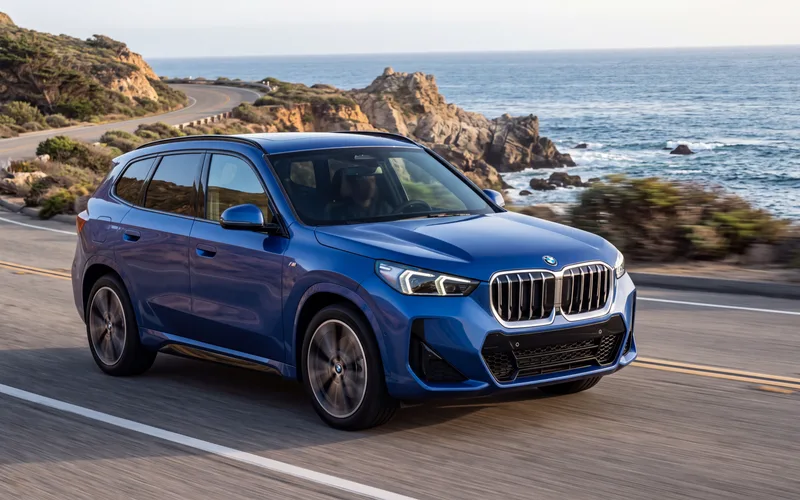 BMW X1Subcompact Luxury SUVBetter at: Cargo space
Same money and badge tier, but with 57.2 cu ft of max cargo, a roomier rear seat and a 3,500-lb tow rating instead of 1,500.
Compare 2.74B-
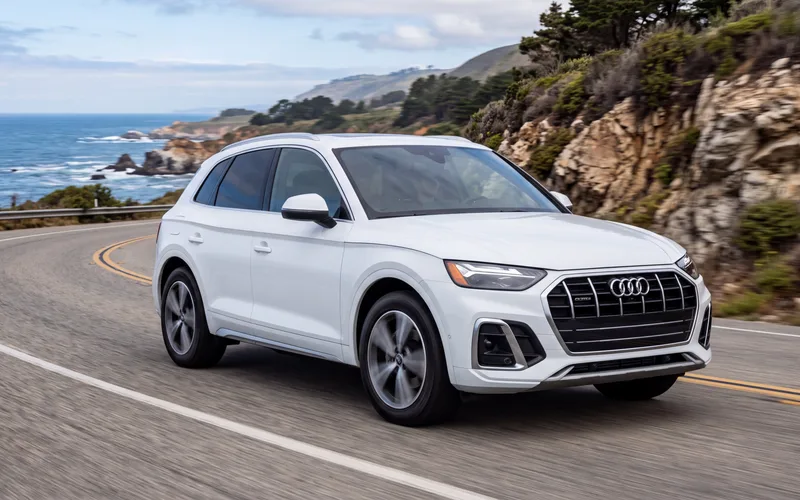 Audi Q5Compact Luxury SUVBetter at: Interior room
The natural step up in the same showroom if the Q3's 23.7 cu ft cargo hold and tight back seat are the dealbreaker.
Compare 2.28C
2.28C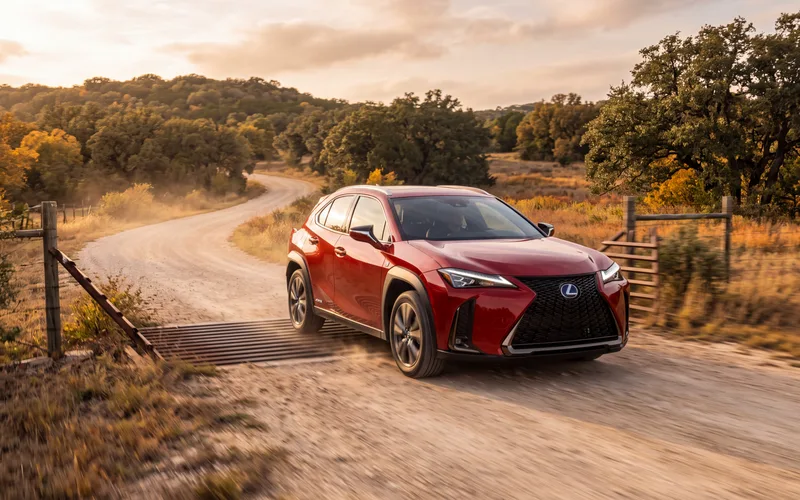 Lexus UXSubcompact Luxury SUVBetter at: Running costs
A hybrid on regular fuel and Lexus service costs cut the Q3's $2,400/yr fuel bill and $7,604 five-year upkeep sharply.
CompareHow it's evolved
10 scored model years · 2017–2026
Subject scores by year
Hover or tap a score to see what moved it versus the year before. A corner mark flags a big swing.
| Year | Performance | Efficiency | Safety | Space | Cost | Reliability | Tech | Use-case | Driving | Value |
|---|---|---|---|---|---|---|---|---|---|---|
| 2026 | 45 | 49 | 79 | 42 | 60 | 68 | 82 | 59 | 71 | 78 |
| 2025 | 34 | 34 | 70 | 41 | 45 | 73 | 64 | 53 | 65 | 63 |
| 2024 | 39 | 40 | 73 | 42 | 49 | 66 | 58 | 52 | 64 | 73 |
| 2023 | 37 | 44 | 68 | 41 | 46 | 72 | 57 | 53 | 63 | 68 |
| 2022 | 37 | 44 | 65 | 40 | 50 | 61 | 57 | 53 | 63 | 65 |
| 2021 | 37 | 40 | 61 | 41 | 48 | 61 | 55 | 50 | 61 | 72 |
| 2020 | 36 | 34 | 63 | 40 | 51 | 53 | 56 | 50 | 60 | 76 |
| 2019 | 35 | 34 | 63 | 39 | 54 | 59 | 56 | 49 | 58 | 75 |
| 2018 | 28 | 34 | 44 | 32 | 58 | 60 | 31 | 45 | 60 | 61 |
| 2017 | 28 | 34 | 34 | 29 | 59 | 60 | 26 | 42 | 56 | 58 |
Compare two years
Best fit & conditions
Higher scores mean a better fit for that use case. Learn more about use-case fit →
Subject profile
Academic Probation · NHTSA safety recalls
Apr 1, 2026Visibility: sun/moon roof assemblyIncorrect software may allow remote sunroof closing from a distance that prevents the operator from clearly seeing the sunroof. As such, these vehicles fail to comply with the requirements of Federal Motor Vehicle Safety Standard number 118, "Power-Operated Window Systems."
Defect
Volkswagen Group of America, Inc. (Audi) is recalling certain 2026 Q3 vehicles. Incorrect software may allow remote sunroof closing from a distance that prevents the operator from clearly seeing the sunroof. As such, these vehicles fail to comply with the requirements of Federal Motor Vehicle Safety Standard number 118, "Power-Operated Window Systems."
Risk
Closing the sunroof without the ability to see it can increase the risk of injury to occupants.
Remedy
Dealers will update the sunroof control module software and the owner's manual, free of charge. Owner notification letters were mailed April 22, 2026. Owners may contact Audi customer service at 1-800-253-2834. Audi's number for this recall is 57KS. Vehicle Identification Numbers (VINs) involved in this recall became searchable on NHTSA.gov on April 7, 2026.
NHTSA campaign 26V209000 ↗Manufacturer no. 57KS6,077 vehicles potentially affected (all models in the campaign)Owners notified Apr 22, 2026Filed by Volkswagen Group of America, Inc.Filed as Q3
17 recalls on other model years of the Q3 (2017–2025)
Sep 11, 2026SteeringOne of the bolts that attaches the steering rack to the subframe may corrode and break. If this happens, the steering rack housing can break.
Defect
Volkswagen Group of America, Inc. (Volkswagen) is recalling certain 2018 Tiguan, 2018-2019 Atlas, and 2019-2021 Audi Q3 vehicles. One of the bolts that attaches the steering rack to the subframe may corrode and break. If this happens, the steering rack housing can break.
Risk
A broken steering rack housing can result in a loss of steering control, increasing the risk of a crash.
Remedy
Dealers will replace the right-side steering rack mounting bolt, free of charge. Owner notification letters are expected to be mailed November 10, 2026. Owners may contact Volkswagen customer service at 1-800-893-5298. Volkswagen's numbers for this recall are 48LG and 48VT. Vehicle Identification Numbers (VINs) involved in this recall became searchable on NHTSA.gov on September 16, 2026.
NHTSA campaign 26V590000 ↗Manufacturer no. 48LG, 48VT208,724 vehicles potentially affected (all models in the campaign)Filed by Volkswagen Group of America, Inc.Filed as Q3Feb 12, 2025Back over prevention: softwareAn error may occur in the camera control unit at vehicle startup, resulting in the rearview camera image not displaying as intended. As such, these vehicles fail to comply with the requirements of Federal Motor Vehicle Safety Standard number 111, "Rear Visibility."
Defect
Volkswagen Group of America, Inc. (Volkswagen) is recalling certain 2022-2024 Tiguan, 2023 Arteon, and 2024-2025 Audi Q3 vehicles. An error may occur in the camera control unit at vehicle startup, resulting in the rearview camera image not displaying as intended. As such, these vehicles fail to comply with the requirements of Federal Motor Vehicle Safety Standard number 111, "Rear Visibility."
Risk
A rearview camera that does not display an image can reduce the driver's rear view, increasing the risk of a crash.
Remedy
Dealers will update the camera control unit software, free of charge. Owner notification letters were mailed to Audi owners April 3, 2024, and Volkswagen owners November 18, 2025.Volkswagen owners will receive a second notice once remedy parts become available. Owners may contact Volkswagen customer service at 1-800-893-5298 or Audi customer service at 1-800-253-2834. Volkswagen's numbers for this recall are (Volkswagen) 91NY and (Audi) 90AV.
NHTSA campaign 25V082000 ↗Manufacturer no. VW: 91NY, Audi: 90AV29,569 vehicles potentially affected (all models in the campaign)Owners notified Apr 3, 2025Filed by Volkswagen Group of America, Inc.Filed as Q3Apr 3, 2024Air bags: sensor: occupant classification: front passengerAn electrical connection in the front passenger seat for the occupant detection system (ODS) control module may loosen and deactivate the front passenger air bag.
Defect
Volkswagen Group of America, Inc. (Volkswagen) is recalling certain 2023 Audi S5 Cabriolet, A4 Allroad, Q5 Sportback, A3 Sedan, S5 Sportback, SQ7, TT Coupe, TT Roadster, RS5 Sportback, 2024 A8, E-Tron Quattro, E-Tron Sportback Quattro, Q8, RSQ8, 2023-2024 Q3, Q5, and Q7 vehicles. An electrical connection in the front passenger seat for the occupant detection system (ODS) control module may loosen and deactivate the front passenger air bag.
Risk
A deactivated front passenger air bag will not deploy during a crash, increasing the risk of injury.
Remedy
Dealers will replace the passenger seat occupant detection system control module, free of charge. Owner notification letters were mailed on May 8, 2024. Owners may contact Audi customer service at 1-800-253-2834. Volkswagen's number for this recall is 69GU.
NHTSA campaign 24V251000 ↗Manufacturer no. 69GU91 vehicles potentially affected (all models in the campaign)Owners notified May 8, 2024Filed by Volkswagen Group of America, Inc.Filed as Q3Oct 31, 2022Tires: pressure monitoring and regulating systemsThe tire pressure monitoring system may not detect an air pressure loss in adequate time when deflating occurs among all four tires simultaneously. As such, these vehicles fail to comply with the requirements of Federal Motor Vehicle Safety Standard number 138, "Tire Pressure Monitoring Systems."
Defect
Volkswagen Group of America, Inc. (Volkswagen) is recalling certain 2019 Volkswagen Tiguan LWB, Golf Sportswagen A7, Golf Alltrack, Golf R GP, Audi Q3, Audi A3 Cabriolet, 2019-2020 Jetta NF, Jetta GLI, Golf GTI, Atlas, Golf A7, Audi A3, 2020-2021 Atlas Cross Sport, and 2021 Atlas FL vehicles. The tire pressure monitoring system may not detect an air pressure loss in adequate time when deflating occurs among all four tires simultaneously. As such, these vehicles fail to comply with the requirements of Federal Motor Vehicle Safety Standard number 138, "Tire Pressure Monitoring Systems."
Risk
An undetected sudden loss of pressure in all four tires increases the risk of a crash.
Remedy
Dealers will update the TPMS software, free of charge. Owner notification letters were mailed November 18, 2022. Owners may contact Volkswagen's customer service at 1-800-893-5298 or AudiÂs customer service at 1-800-253-2834. Volkswagen's numbers for this recall are (Audi) 45J7, and (VW) 45J6 and 45J8.
NHTSA campaign 22V815000 ↗Manufacturer no. AU:45J7,VW:45J6,45J8296,044 vehicles potentially affected (all models in the campaign)Owners notified Nov 18, 2022Filed by Volkswagen Group of America, Inc.Filed as Q3Oct 26, 2022Back over prevention: display function · Equipment: electrical: infotainment: video (touch)screen/monitor/unitThe infotainment main unit may become damaged internally when the vehicle is shut off, resulting in an inoperative rearview camera display the next time the vehicle is started. As such, these vehicles fail to comply with the requirements of Federal Motor Vehicle Safety Standard number 111, "Rear Visibility."
Defect
Volkswagen Group of America, Inc. (Audi) is recalling certain 2021-2022 AUDI A8, A6 Allroad, E-TRON Quattro, 2022 S3, RSQ8, RS7, RS6 Avant, Q8, Q7, Q3, E-TRON Sportback Quattro, S5 Cabriolet, E-TRON GT, S5 Sportback, A7, A6, A5 Sportback, A5 Cabriolet, A4, A4 Allroad, A3, S8, SQ7, SQ8, S6, and S4 vehicles. The infotainment main unit may become damaged internally when the vehicle is shut off, resulting in an inoperative rearview camera display the next time the vehicle is started. As such, these vehicles fail to comply with the requirements of Federal Motor Vehicle Safety Standard number 111, "Rear Visibility."
Risk
An inoperative rearview camera display reduces the driver's rear visibility, increasing the risk of a crash.
Remedy
Dealers will replace the infotainment main unit, free of charge. Owner notification letters were mailed June 6, 2022. Owners may contact Audi's customer service at 1-800-253-2834. Audi's number for this recall is 91Ei.
NHTSA campaign 22V806000 ↗Manufacturer no. 91Ei6,076 vehicles potentially affected (all models in the campaign)Owners notified Jun 6, 2023Filed by Volkswagen Group of America, Inc.Filed as Q3Sep 19, 2022Visibility: glass, side/rearA window manufacturing error may allow the rear window to crack or break.
Defect
Volkswagen Group of America, Inc. (Volkswagen) is recalling certain 2022 Audi Q3 vehicles. A window manufacturing error may allow the rear window to crack or break.
Risk
A broken rear window may result in loose pieces of glass and increase the risk of injury.
Remedy
Dealers will check the manufacturing date of the vehicle's rear window and replace it as necessary, free of charge. Owner notification letters were mailed October 11, 2022. Owners may contact Audi 's customer service at 1-800-253-2834. Volkswagen's number for this recall is 64H4.
NHTSA campaign 22V701000 ↗Manufacturer no. 64H44 vehicles potentially affected (all models in the campaign)Owners notified Oct 11, 2022Filed by Volkswagen Group of America, Inc.Filed as Q3Sep 8, 2022Fuel system, gasoline: storageThe vent pipe within the fuel tank may have been damaged during fuel tank assembly.
Defect
Volkswagen Group of America, Inc. (Volkswagen) is recalling certain 2021-2022 Audi Q3 vehicles. The vent pipe within the fuel tank may have been damaged during fuel tank assembly.
Risk
A damaged vent pipe may allow fuel to spill out of the filler neck when the fuel cap is opened, increasing the risk of an injury.
Remedy
Dealers will inspect the internal vent pipe for damage and replace the charcoal canister and the fuel tank, if necessary, free of charge. Owner notification letters were mailed November 1, 2022. Owners may contact Audi's customer service at 1-800-253-2834. Volkswagen's number for this recall is 20DS.
NHTSA campaign 22V673000 ↗Manufacturer no. 20DS13,004 vehicles potentially affected (all models in the campaign)Owners notified Nov 1, 2022Filed by Volkswagen Group of America, Inc.Filed as Q3Feb 7, 2022Back over prevention: sensing system: cameraA software error may prevent the rearview image from initially displaying when the vehicle begins to reverse. As such, these vehicles fail to comply with the requirements of Federal Motor Vehicle Safety Standard number 111, "Rear Visibility."
Defect
Volkswagen Group of America, Inc. (Audi) is recalling certain 2022 Audi Q3 vehicles that failed to receive the software update under Recall 21V-825 (91CR). A software error may prevent the rearview image from initially displaying when the vehicle begins to reverse. As such, these vehicles fail to comply with the requirements of Federal Motor Vehicle Safety Standard number 111, "Rear Visibility."
Risk
A rearview camera that does not display an image reduces the driver's rear view, increasing the risk of a crash.
Remedy
Dealers will update the infotainment unit parameters, free of charge. Owner notification letters were mailed March 3, 2022. Owners may contact Audi customer service at 1-800-253-2834. Audi's number for this recall is 91DF.
NHTSA campaign 22V064000 ↗Manufacturer no. 91DF665 vehicles potentially affected (all models in the campaign)Owners notified Mar 3, 2022Filed by Volkswagen Group of America, Inc.Filed as Q3Oct 20, 2021Back over prevention: sensing system: cameraA software error may prevent the rear-view image from initially displaying when the vehicle begins to reverse. As such, these vehicles fail to comply with the requirements of Federal Motor Vehicle Safety Standard number 111, "Rear Visibility."
Defect
Volkswagen Group of America, Inc. (Audi) is recalling certain 2021 Audi A8 and S8, 2022 Audi A5 Sportback, A4 Sedan, E-Tron GT, Q3, Q5, RS6 Avant, A3 Sedan, S5 Sportback, Q5 Sportback, Q7, Q8, RSQ8, SQ7, SQ8, and S3 Sedan vehicles. A software error may prevent the rear-view image from initially displaying when the vehicle begins to reverse. As such, these vehicles fail to comply with the requirements of Federal Motor Vehicle Safety Standard number 111, "Rear Visibility."
Risk
A rear-view camera that does not display an image reduces the driver's rear view, increasing the risk of a crash.
Remedy
Dealers will update the infotainment unit parameters, free of charge. Owner notification letters were mailed November 9, 2021. Owners may contact Audi customer service at 1-800-253-2834. Audi's number for this recall is 91CR.
NHTSA campaign 21V825000 ↗Manufacturer no. 91CR2,857 vehicles potentially affected (all models in the campaign)Owners notified Nov 9, 2021Filed by Volkswagen Group of America, Inc.Filed as Q3Aug 5, 2021Seat belts · Seat belts: rear/other: retractorThe rear seat belt automatic locking retractors may deactivate early, which can prevent the child restraint system from securing properly. As such, these vehicles fail to comply with the requirements of Federal Motor Vehicle Safety Standard number 208, "Occupant Crash Protection."
Defect
Volkswagen Group of America, Inc. (Volkswagen) is recalling certain 2021 Volkswagen ID4, Audi A4 Allroad, A4 Sedan, A5 Cabriolet, A5 Coupe, A5 Sportback, A6 Allroad, A6 Sedan, A7, A8, E-Tron Quattro, E-Tron Sportback Quattro, Q3, Q5, Q5 Sportback, Q7, Q8, RS5 Sportback, RS5 Coupe, RS6 Avant, RS7, RSQ8, S4 Sedan, S5 Cabriolet, S5 Coupe, S5 Sportback, S6 Sedan, S7, S8, SQ5, SQ5 Sportback, SQ7, SQ8, and 2021-2022 S3 Sedan vehicles. The rear seat belt automatic locking retractors may deactivate early, which can prevent the child restraint system from securing properly. As such, these vehicles fail to comply with the requirements of Federal Motor Vehicle Safety Standard number 208, "Occupant Crash Protection."
Risk
An unsecured child restraint system can increase the risk of injury during a crash.
Remedy
Dealers will inspect, and replace as necessary, the middle-rear seat belt assemblies, free of charge. Owner notification letters were mailed August 27, 2021. Owners may contact Volkswagen customer service at 1-800-893-5298 and Audi customer service at 1-800-253-2834. Volkswagen's numbers for this recall are 69CR (VW) and 69CS (Audi).
NHTSA campaign 21V606000 ↗Manufacturer no. 69CR, 69CS45,496 vehicles potentially affected (all models in the campaign)Owners notified Aug 27, 2021Filed by Volkswagen Group of America, Inc.Filed as Q3Jan 27, 2021Steering: critical fastenersVolkswagen Group of America, Inc. (Audi) is recalling one 2019 Audi Q3 vehicle. Production deviation in the belt pully can prevent the circlip from properly engaging the steering rack.
Defect
Volkswagen Group of America, Inc. (Audi) is recalling one 2019 Audi Q3 vehicle. Production deviation in the belt pully can prevent the circlip from properly engaging the steering rack.
Risk
The circlip can detach and catch on surrounding components, causing the steering system to lock and increasing the risk of a crash.
Remedy
Audi will notify the owner, and a dealer will replace the steering rack, free of charge. The recall was completed February 28, 2021. Owners may contact Audi customer service at 1-800-253-2834. Audi's number for this recall is 48P7.
NHTSA campaign 21V027000 ↗Manufacturer no. 48P71 vehicles potentially affected (all models in the campaign)Owners notified Feb 28, 2021Filed by Volkswagen Group of America, Inc.Filed as Q3Dec 16, 2020Service brakes, hydraulic: pedals and linkagesThe brake pedal plate can bend or detach under the pressure applied during sudden stopping.
Defect
Volkswagen Group of America, Inc. (Volkswagen) is recalling certain 2020 Audi Q3 vehicles. The brake pedal plate can bend or detach under the pressure applied during sudden stopping.
Risk
A bent or detached brake pedal plate decreases the contact area for the driver's foot and increases the risk of a crash.
Remedy
Audi will notify owners, and dealers will inspect the weld between the brake pedal and the brake pedal plate and, as necessary, replace the entire brake pedal, free of charge. The recall began January 12, 2021. Owners may contact Audi customer service at 1-800-253-2834. Volkswagen's number for this recall is 46i7.
NHTSA campaign 20V786000 ↗Manufacturer no. 46i7313 vehicles potentially affected (all models in the campaign)Owners notified Jan 12, 2021Filed by Volkswagen Group of America, Inc.Filed as Q3Oct 19, 2020Seats · Seats: critical fastenersVolkswagen Group of America, Inc. (Audi) is recalling one 2020 Audi Q3 vehicle. The driver's seat frame may have incorrectly been bolted to the seat rail.
Defect
Volkswagen Group of America, Inc. (Audi) is recalling one 2020 Audi Q3 vehicle. The driver's seat frame may have incorrectly been bolted to the seat rail.
Risk
The incorrect bolt connection could fail, increasing the risk of injury in the event of a crash.
Remedy
Audi will notify owners, and dealers will inspect the bolt connection and, as necessary, replace the seat structure, free of charge. The recall began November 10, 2020. Owners may contact Audi customer service at 1-800-253-2834. Audi's number for this recall is 72L4.
NHTSA campaign 20V644000 ↗Manufacturer no. 72L41 vehicles potentially affected (all models in the campaign)Owners notified Nov 10, 2020Filed by Volkswagen Group of America, Inc.Filed as Q3May 13, 2020Air bags: frontal: passenger side: inflator moduleThe passenger air bag may not properly deploy through the instrument panel tear seam.
Defect
Volkswagen Group of America, Inc. (Volkswagen) is recalling certain 2019 Audi Q3 vehicles. The passenger air bag may not properly deploy through the instrument panel tear seam.
Risk
In the event of a crash, the passenger air bag may not properly deploy and inflate, and small plastic parts may enter the cabin, increasing the risk of injury.
Remedy
Audi will notify owners, and dealers will inspect the instrument panel and replace it, if necessary, free of charge. The recall began June 10, 2020. Owners may contact Audi customer service at 1-800-822-2834. Volkswagen's number for this recall is 70H7.
NHTSA campaign 20V273000 ↗Manufacturer no. 70H73,024 vehicles potentially affected (all models in the campaign)Owners notified Jun 10, 2020Filed by Volkswagen Group of America, Inc.Filed as Q3May 23, 2019Exterior lighting: turn signalAn inoperable front turn signal may not illuminate an indicator, failing to alert the driver to the issue. As such, these vehicles fail to comply with the requirements of Federal Motor Vehicle Safety Standard (FMVSS) number 108, "Lamps, Reflective Devices, and Associated Equipment."
Defect
Volkswagen Group of America, Inc. (Audi) is recalling certain 2016-2018 Audi Q3 vehicles equipped with LED headlights. An inoperable front turn signal may not illuminate an indicator, failing to alert the driver to the issue. As such, these vehicles fail to comply with the requirements of Federal Motor Vehicle Safety Standard (FMVSS) number 108, "Lamps, Reflective Devices, and Associated Equipment."
Risk
Without an indicator informing the driver of an inoperable turn signal, the driver may turn or change lanes without a signal, increasing the risk of crash.
Remedy
Audi will notify owners, and dealers will update the body control module (BCM), free of charge. The recall began June 21, 2019. Owners may contact Audi customer service at 1-800-253-2834. Audi's number for this recall is 97DK.
NHTSA campaign 19V385000 ↗Manufacturer no. 97DK23,241 vehicles potentially affected (all models in the campaign)Owners notified Jun 21, 2019Filed by Volkswagen Group of America, Inc.Filed as Q3Jun 26, 2017Exterior lighting: brake lights · Forward collision avoidance: crash imminent brakingIf the parking brake is used during emergency braking, the brake lights on the vehicle will not activate. As such, these vehicles fail to comply with Federal Motor Vehicle Safety Standard (FMVSS) number 108, "Lamps, Reflective Devices, and Associated Equipment."
Defect
Volkswagen Group of America, Inc. (Volkswagen) is recalling certain 2016-2017 Audi Q3 vehicles. If the parking brake is used during emergency braking, the brake lights on the vehicle will not activate. As such, these vehicles fail to comply with Federal Motor Vehicle Safety Standard (FMVSS) number 108, "Lamps, Reflective Devices, and Associated Equipment."
Risk
A vehicle approaching from behind may not have any warning that the vehicle is stopping, increasing the risk of a crash.
Remedy
Audi will notify owners, and dealers will update the vehicle software, free of charge. The recall began July 31, 2017. Owners may contact Audi customer service at 1-800-253-2834. Volkswagen's number for this recall is 45G6.
NHTSA campaign 17V400000 ↗Manufacturer no. 45G624,754 vehicles potentially affected (all models in the campaign)Owners notified Jul 31, 2017Filed by Volkswagen Group of America, Inc.Filed as Q3Sep 6, 2016Electrical system: software · Exterior lightingThe affected vehicles may have been programmed with new software that inadvertently makes the side marker lights inoperative in conjunction with the parking lights or the headlights. As such, these vehicles fail to comply with the requirements of Federal Motor Vehicle Safety Standard (FMVSS) number 108, "Lamps, Reflective Devices, and Associated Equipment."
Defect
Volkswagen Group of America, Inc. (Volkswagen) is recalling certain model year 2016 TT roadster, A3 cabriolet, A3 sedan and A3 e-tron, 2016-2017 TT coupe, 2017 A4 sedan and Q7 and 2015-2017 Q3 vehicles. The affected vehicles may have been programmed with new software that inadvertently makes the side marker lights inoperative in conjunction with the parking lights or the headlights. As such, these vehicles fail to comply with the requirements of Federal Motor Vehicle Safety Standard (FMVSS) number 108, "Lamps, Reflective Devices, and Associated Equipment."
Risk
If the side marker lights do not illuminate, the vehicle may be less visible at night, increasing the risk of a crash.
Remedy
Audi will notify owners, and dealers will upload revised software to correct the issue, free of charge. This recall began November 2016. Owners may contact Audi customer service at 1-800-253-2834. Volkswagen's number for this recall is 97CB.
NHTSA campaign 16V642000 ↗Manufacturer no. 97CB79,895 vehicles potentially affected (all models in the campaign)Owners notified Nov 1, 2016Filed by Volkswagen Group of America, Inc.Filed as Q3
Source: NHTSA Office of Defects Investigation recall database, model years 2017–2026. Recalls are listed by model year as the manufacturer filed them; whether a specific car is affected depends on its VIN — check a VIN at nhtsa.gov ↗. NHTSA model names matched to this page: Q3.
Detailed scoring by subject
1Performance & PowertrainOne of the Q3's weakest categories.1.01D
All-new 2026 Q3 offered in a single S line quattro trim in the US, powered by a turbocharged 2.0L I4 rated at 255 hp — replaces prior placeholder figure.
Standard (and only) 2.0T TFSI on the 2026 Q3 makes 273 lb-ft of torque.
Manufacturer-claimed 5.5-second 0–60 mph — genuinely quick for a subcompact luxury SUV thanks to the 255-hp 2.0T, standard quattro, and 7-speed S tronic DCT.
Audi's latest EA888 evo 2.0 TFSI is a well-sorted, smooth turbo-four; early Edmunds first-drive impressions of the 2026 Q3 describe the drivetrain as composed and responsive with minimal turbo lag.
Standard 7-speed S tronic dual-clutch: quick, crisp shifts under load per reviews; some low-speed shuffle typical of DCTs but well managed in this generation.
Q3 rated at 1,500 lbs maximum tow with 150-lb tongue load — modest, in line with subcompact luxury SUVs.
Quattro AWD is standard on the sole S line trim — no FWD variant offered in the US for 2026.
Pavement-oriented luxury crossover: standard quattro helps in light snow/gravel, but there's no low-range, no lockers, no dedicated off-road trim, and clearance is typical for the class (~6.7 in).
US 2026 Q3 lineup is pared to a single trim with a single powertrain (2.0T + 7-speed DCT + quattro) — no hybrid, PHEV, or EV variant available; take-it-or-leave-it.
2Efficiency & RangeOne of the Q3's weakest categories.1.31D
EPA-rated 25 MPG combined for the all-new 3rd-gen 2026 Q3 with standard quattro AWD and 2.0T (255 hp) — below the subcompact luxury SUV average and well behind hybrid rivals like the Lexus UX.
EPA city rating of 22 MPG reflects the turbocharged 2.0L I4 with standard AWD; typical for a gas-only luxury subcompact SUV but weak against segment leaders offering hybrids or EVs.
EPA highway 29 MPG — average for a gas-only luxury AWD SUV; the turbo helps on the highway but the 4,000+ lb curb weight and quattro drivetrain cap the efficiency ceiling.
16.4-gallon fuel tank multiplied by EPA-combined 25 MPG yields roughly 410 miles per fill — solid gas range but below segment average once electrified rivals with larger tanks or regen efficiency are considered.
EPA estimates $2,400/year based on 15,000 mi/yr and premium-fuel pricing; higher than most subcompact luxury rivals because of premium-fuel assumptions and modest 25 MPG combined economy.
Audi recommends 91-octane premium for the turbocharged 2.0L; the EPA annual-cost model uses premium pricing. The engine will run on regular with reduced output, so it's a recommendation rather than a hard requirement — mid-tier score.
3SafetyOne of the Q3's strongest categories.3.39B+
All-new third-generation Q3 launched for 2026 and has not yet been NHTSA-tested. Prior-generation Q3 (2019-2025) held a 5-star overall NHTSA rating; carrying that forward with reduced confidence given the redesigned platform.
Prior-generation Q3 earned IIHS Top Safety Pick with Good ratings in updated moderate overlap and side tests. The 2026 redesign has not been IIHS-tested yet, but Audi's structural engineering and standardization of front crash prevention should support a similar or improved result.
Redesigned 2026 Q3 standardizes Audi pre sense front (AEB with pedestrian detection), active lane assist, adaptive cruise assist with stop-and-go, and Audi side assist (blind-spot monitoring with rear cross-traffic) across the US lineup — a meaningful upgrade from the prior gen where side assist required an option package.
Audi pre sense front with pedestrian detection has historically earned Superior daytime vehicle-to-vehicle results in IIHS testing on related Audi products. New gen not yet tested; nighttime pedestrian performance under the newer IIHS protocol is unknown.
Audi side assist (blind-spot monitor) and rear cross-traffic assist are standard on the new-gen Q3 with alert plus corrective steering nudge on lane-change attempts. No trailer-aware coverage since Q3 is not tow-rated in the US.
Audi's active lane assist has been consistently reviewed as smooth and confident on highway divided roads with minimal ping-ponging, though it defers earlier than best-in-class systems on tighter arterials. Standard on the 2026 Q3.
Adaptive cruise assist with full stop-and-go, curve prediction, and integrated lane centering is standard. Reviewers describe smooth acceleration and confident spacing management, though it stops short of the hands-free capability found in premium Ford/GM peers.
Audi does not offer a Level 2+ hands-free driving system in the US market on any current model — no BlueCruise/Super Cruise/Highway Assist analog is available on the 2026 Q3. Adaptive cruise assist requires hands on the wheel.
LED headlights with high-beam assist are standard; the available Matrix LED with dynamic light distribution earns strong IIHS Good ratings historically. Base LED units are generally Acceptable in IIHS testing but lack the beam quality of the upgraded package.
Compact greenhouse with moderate C-pillar thickness — typical of the subcompact luxury SUV segment. Rear visibility is helped by standard rearview camera and available 360-degree top view; reviewers rate sightlines average to slightly above average.
Two sets of LATCH anchors in the outboard rear seats with fabric-guided access; anchors are seated but usable. Rear door opening is average for the subcompact class — a rear-facing infant seat fits but limits front-passenger legroom, and three-across is very tight.
4Space & ComfortThe Q3's lowest-graded category.0.80F
The Q3 is a two-row subcompact luxury SUV with five-passenger seating across all US trims — no third-row option is offered.
Front headroom is competitive for the subcompact luxury SUV segment; optional panoramic sunroof trims this figure slightly on higher trims.
Front legroom sits at the low end of the SUV normalization band — tight versus mainstream compact SUVs but typical of subcompact luxury packaging.
Rear headroom is average for a subcompact luxury SUV; adults over 6 ft may find the sloping roofline restrictive under the standard panoramic glass.
Rear legroom is adequate for two adults on short trips but noticeably behind class leaders like the Mercedes-Benz GLB or BMW X1.
The Q3 offers no third-row seating and no configuration adds one; this item scores at the low end for absence of a third row.
Cargo behind the second row is tight — smaller than most subcompact luxury rivals and well below the SUV segment norm.
Maximum cargo volume with rear seats folded sits below the 55 cu ft floor of the SUV normalization band, reflecting the Q3's compact footprint.
Competent everyday storage — reasonable door bins, a deep center console with wireless charging pad, and adjustable rear seatback recline — but no standout innovations relative to segment.
Front seats are well-bolstered with power adjustment and standard heat, praised for supportive long-haul comfort; rear bench is snug and firm for taller passengers.
Ride tuning skews firm and sporty — good body control on smooth pavement but transmits impacts over broken surfaces more than plusher rivals like the Volvo XC40 or Mercedes-Benz GLA.
Highway refinement is competitive for a subcompact luxury SUV with limited wind noise, though tire and road noise intrude on coarse pavement — not library-quiet like larger Audis.
Standard dual-zone automatic climate and heated front seats; heated steering wheel, ventilated seats, and panoramic sunroof available on Premium Plus and Prestige trims; no tri-zone climate offered.
5Cost of OwnershipMid-pack among this car's ten categories.2.04C
All-new second-generation Q3 launches for 2026 in a single S line trim; base MSRP $43,700 plus $1,295 destination fee.
Q3 is offered in one trim (S line) for 2026; typical build adds Technology or Convenience package (~$2,500) bringing an as-equipped price near $47,500.
German luxury service costs push the Q3 toward the upper end of the SUV band; Audi Signature Care covers first 3 years of scheduled maintenance but out-of-warranty items remain expensive.
The Q3 is one of the better-retaining Audi models, benefiting from entry-luxury demand and lower initial price relative to larger Q-series SUVs.
Standard Audi New Vehicle Limited Warranty — matches BMW/Mercedes-Benz but trails Genesis (5/60k) and Hyundai/Kia (5/60k) among peers.
Audi does not offer a separate longer powertrain warranty — powertrain coverage matches the 4/50k basic warranty, well below segment peers like Genesis (10/100k) and Hyundai/Kia.
Audi Signature Care (new for 2026) is now standard across the lineup: 3 years / 30,000 miles of scheduled maintenance plus 4-year roadside assistance and 12-year corrosion coverage — a meaningful, multi-year benefit package.
$47,500 volume-trim price minus its estimated resale value after 5 years (62% retained, or about $29,450) leaves about $18,050 in depreciation. Add the projected $7,604 in 5-year maintenance and repairs, and owning this vehicle for 5 years costs about $25,654 in total.
6Reliability & QualityMid-pack among this car's ten categories.2.57C+
All-new third-generation redesign on MQB Evo brings elevated first-year risk. Consumer Reports has historically rated the outgoing Q3 below average, and JD Power initial quality for Audi trails class leaders — placing predicted reliability in the below-average band for luxury subcompacts.
Audi consistently ranks mid-pack to lower in multi-year dependability studies — better than Land Rover/Jaguar but well behind Lexus, Buick, and Toyota. JD Power VDS typically places Audi around industry average with electrical and infotainment complaints elevated.
Prior-gen Q3 (F3) carried a handful of moderate NHTSA recalls (fuel pump, seatbelt pretensioner, camera software) and typical VW/Audi TSB volume around infotainment and DSG/S tronic behavior. No fire or catastrophic-failure campaigns, so typical recall activity without a systemic red flag.
The 2.0T EA888 evo4 four-cylinder is a mature, high-volume VW Group engine with a well-understood long-term track record (with expected timing-cover and PCV-related maintenance items). The 7-speed DQ381 S tronic dual-clutch is proven in current-gen VW/Audi applications, though DCTs still trail conventional torque converters for worst-case durability.
The redesigned 2026 Q3 moves to Audi's latest cabin architecture with an 11.9-inch driver display and 12.8-inch center touchscreen, wrapped in soft-touch surfaces, contrast stitching, and Audi's typical switchgear feel. Materials read a notch above BMW X1 and Mercedes GLA in most touch points, though the Q3 still uses harder plastics low in the cabin versus larger Q5/Q7 stablemates.
Audi assembly (Q3 built in Győr, Hungary) is generally tight with consistent panel gaps and few rattles reported in prior generations. First-year redesign carries modest launch-quality risk, so scored slightly below Audi's larger, more mature models but in line with the segment's premium build reputation.
Audi US operates roughly 300 dealers — adequate metro coverage but noticeably thinner than BMW (~350) and Mercedes-Benz (~380), with sparse rural presence. Service satisfaction lands mid-pack in JD Power CSI for premium brands.
European luxury parts pricing applies: OEM components (electronic modules, S tronic clutches, adaptive dampers) run well above mainstream equivalents, and independent shops with VAG expertise are less common outside metros. Aftermarket support exists (FCP Euro, ECS Tuning) but is narrower than mainstream SUVs.
7Technology & InfotainmentThe Q3's best-graded category.3.56A-
All-new third-gen (Type 89) Q3 adopts Audi's newer dual-display cockpit with a 12.8-inch central MMI touchscreen standard across the range.
New-gen MMI runs Audi's latest Android-based platform (shared with Q6 e-tron) with faster rendering and a clean menu hierarchy, but climate/audio still lean heavily on touch.
Wireless Apple CarPlay and Android Auto are standard on all US Q3 trims, mirrored on the 12.8-in display with fast pairing.
Latest MMI voice assistant supports natural-language queries with cloud recognition; native maps are crisp with real-time traffic, though many owners still default to CarPlay maps.
New Q3 debuts an optional Sonos premium sound system (~420W) that reviewers rate strongly; base 10-speaker system is adequate for the segment.
11.9-in Audi Virtual Cockpit Plus is standard on all trims — a highly configurable full-digital cluster that remains a segment benchmark.
New MMI platform supports over-the-air infotainment and map updates plus some connected-service enhancements, but Audi does not deliver Tesla/Rivian-style whole-vehicle feature drops.
myAudi app offers remote lock/unlock, vehicle status, locate, and remote-start on equipped Q3s; digital key via Apple/Google wallets on newer trims. Some connected features require subscription after trial.
Four USB-C ports (two front, two rear) plus a wireless charging pad on the volume trim; 12V outlet retained. No household AC outlet at this segment entry.
Push-button start standard; Comfort Key proximity entry and hands-free power tailgate on Premium Plus and above; digital-key support extends convenience for equipped users.
Rear camera and front/rear parking sensors standard; 360-degree surround-view camera and park assist optional on Premium Plus/Prestige with high-resolution rendering.
New-gen Q3 offers a head-up display option for the first time — bright and informative, but limited to Premium Plus and Prestige trims rather than standard.
8Use-Case FitMid-pack among this car's ten categories.1.97C-
Two LATCH sets on the outboard rear seats with fabric-guided access and a 40/20/40 split rear bench cover the basics, but 36.1 in of rear legroom and modest rear door apertures make rear-facing infant seats push the front passenger forward, and three-across car seats are effectively out. Behind class leaders on daily kid logistics and a touch tighter than the BMW X1.
New-gen Q3 makes side assist, active lane assist, adaptive cruise assist with stop-and-go and pre sense front standard across the sole US trim — a meaningful family-relevant ADAS suite at the price point. Prior gen was IIHS Top Safety Pick with Good crash results; 2026 gen not yet tested and lacks the fresh IIHS TSP+ certification the redesigned BMW X1 already carries.
Firm sport-tuned ride, snug rear bench for taller passengers, and only 23.7 cu ft behind the rear seats limit the Q3's usefulness on a multi-day family trip — bags for four adults plus a stroller is a squeeze, and reviewers flag the impact harshness on broken pavement as a fatigue factor.
Compact footprint, light steering, 255 hp / 273 lb-ft on tap and a refined 2.0T make it responsive in traffic, but the 7-speed S tronic dual-clutch retains the low-speed shuffle typical of DCTs and the firm ride transmits urban potholes more than plusher rivals like the Volvo XC40 or Lexus UX.
EPA-rated 25 mpg combined on premium-recommended fuel yields a $2,400/yr fuel bill per fueleconomy.gov, and Audi service pricing pushes 5-year maintenance & repair to ~$7,600 — bottom half of the luxury subcompact class and well behind hybrid rivals like the Lexus UX. No hybrid or PHEV Q3 offered in the US.
At roughly 176 in long the Q3 slots easily into tight spots; standard rear camera and front/rear parking sensors help, with a 360-degree top-view camera and park assist optional. A 39.8-ft turning circle is average rather than best-in-class, and outward sightlines are typical for the subcompact luxury pack.
1,500-lb maximum tow rating with 150-lb tongue is enough for a small utility trailer or jet ski but well below the 3,500-lb norm for subcompact luxury rivals like the BMW X1. No bed, minimal payload, no work-oriented trim — this is a city crossover, not a work tool.
Luxury cabin materials, an EA888 turbo-four requiring premium fuel, and a dual-clutch transmission are not the ingredients of a fleet-abused work vehicle. Audi has no commercial variant of the Q3 and it has no fleet reputation as a work truck substitute.
Standard cargo tie-downs and available roof rails cover the basics, but there's no onboard AC outlet, no washable-liner option, and effectively no aftermarket upfit ecosystem oriented around the Q3.
16.4-gal tank × 29 mpg highway yields ~475 mi of highway range, wind noise is well contained and standard adaptive cruise with stop-and-go plus active lane assist reduce driver fatigue on the interstate. Docked for the firm ride over broken pavement and the lack of any hands-off Level 2+ highway system (no BlueCruise/Super Cruise analog on Audi).
Standard quattro AWD is a genuine strength for gravel roads and light snow, and available roof rails plus a factory hitch handle a bike or kayak rack. But ~6.7 in ground clearance, pavement-oriented tires, no low-range/lockers/off-road drive mode, and a 1,500-lb tow ceiling limit heavier adventure use.
40/20/40 rear split and available hands-free tailgate help versatility, but 23.7 cu ft behind the second row and only 48 cu ft with seats folded put the Q3 near the bottom of the segment for gear capacity — noticeably behind the BMW X1 (57 cu ft max) and mainstream compact SUVs.
9Driving ExperienceGrades above the middle of the scale.2.83B-
All-new 3rd-gen Q3 on MQB Evo tightens body control with the firmer S line suspension tune — composed and secure through fast corners with standard quattro, but not as playful or communicative as the BMW X1 M35i or Mercedes-AMG GLA in the same class.
Electric power steering is accurate and appropriately weighted in Dynamic mode but returns little road feel — a typical Audi trait that lags the BMW X1 and Alfa Romeo Tonale for genuine feedback.
Firm, progressive pedal with strong initial bite from the standard four-wheel discs; no reported fade or grabbiness in early press evaluations of the 2026 car.
The EA888 evo 2.0 TFSI paired with the 7-speed S tronic pulls smoothly and cleanly with minimal turbo lag; the only rough edge is faint low-speed shuffle from the dual-clutch when creeping, a common trait of the box.
The turbo-four is audible under hard throttle but never coarse, and vibration through the wheel and pedals is well suppressed thanks to solid mounts and additional sound insulation in the new generation.
Curb-to-curb turning diameter of ~38.7 ft on the new-generation Q3 — average for the subcompact luxury SUV class and a modest improvement over the outgoing car in tight urban maneuvering.
Excellent front seat adjustment range, thick steering wheel, clear digital instrument cluster and elevated commanding view; a demerit for the redesigned dash migrating more secondary controls onto haptic touch surfaces at the expense of tactile buttons.
Quicker and more polished than before — 5.5 s to 60 mph with standard quattro is legitimately entertaining in short bursts — but the numb steering and calm-oriented character keep it short of the truly engaging picks in the class like the X1 M35i or Alfa Tonale.
10Value & Market PositionOne of the Q3's strongest categories.3.27B+
The redesigned 2026 Q3 arrives with a substantially higher standard-equipment level than the outgoing model — quattro AWD, panoramic sunroof, leather upholstery, heated front seats, tri-zone climate, 11.9-inch Virtual Cockpit + 12.8-inch central touchscreen, wireless CarPlay/Android Auto, LED headlights, power liftgate, and 18-inch wheels are all standard.
$43,700 (+$1,295 dest) is a $3,900 jump over the 2025, but buyers get 27 more hp, standard AWD, and a much richer base spec — content-per-dollar is solid vs BMW X1 and Mercedes GLA, though pricing pushes against the top of the subcompact-luxury bracket.
Audi has consolidated the US Q3 to a single trim — TFSI Quattro S Tronic — with only option packages to differentiate. No entry FWD trim, no S/RS variant at launch, no plug-in for the US, and no lower-priced door into the lineup, unlike BMW X1's sDrive/xDrive/M35i ladder.
Q3 delivered 10,906 US units in H1 2026 and is Audi's #2 seller, but that trails the BMW X1/X2 pair and comes as Audi USA overall fell 17% year-over-year, so the model is holding its own inside a weakening lineup rather than leading the segment.
The four-rings badge still carries clear entry-luxury cachet on par with BMW and Mercedes, with strong design and interior reputation, though Audi's current US momentum lags both German rivals and Lexus.
As a fresh redesign, incentives are modest but present — a $750 Loyalty Bonus, ~$1,948 average discount off MSRP, and lease deals from $529/mo (36 mo, $5,499 due). Reasonable buyer value without the desperation pricing seen on aging luxury SUVs.
The 2026 Q3 is a ground-up redesign on the new MQB Evo platform — new sheetmetal, all-new interior with dual displays, updated 2.0T making 255 hp, and a new 7-speed transmission. First units reach dealers in late February 2026.
First drives are broadly positive — CarBuzz calls it "raising the bar for entry-level luxury," Edmunds and US News praise the cabin and driving improvements, and Yahoo Autos says entry-level Audi "doesn't have to suck." Consumer Reports flags a finicky transmission as the main knock, and it's too new for major awards yet.