

The verdict
A struggling compact luxury suv, strong on driving and held back by efficiency.
The 2018 X3 is the launch year of BMW's third-generation G01, and it drives better than anything else in the compact luxury class did that year — a rear-drive-based chassis with near-even weight distribution, a 248-hp turbo four that hits 60 mph in 6.0 seconds, and 102-foot stops from 60. The catch is that it launched thin and it launched rough: automatic emergency braking, blind-spot monitoring, navigation, a touchscreen and even keyless entry were all extra-cost, and the year carries eleven NHTSA recalls, six of which are outright factory assembly errors. Eight years on, the $43,445 sticker has fallen to roughly $15,550 private-party, but the warranty is long gone and the $1,900 oil filter housing failure that leads this year's complaint list typically arrives around 101,000 miles. Buy it for the way it drives, price in the repairs, and check the window sticker for the option packages before you decide it has the safety gear you assume it has.
Jump to scoresStrengths
- It genuinely drives like a BMW, not a tall crossover
- The engine and gearbox pairing is the segment benchmark
- Crash protection is as good as it got in 2018
What holds it back
- Safety gear you'd assume is standard is not — and often costs thousands to reach
- Launch-year build quality: eleven recalls, six of them assembly errors
- Out-of-warranty repair bills are the real cost of ownership now
Top alternatives
Cars shoppers cross-shop with the BMW X3 2.69C+
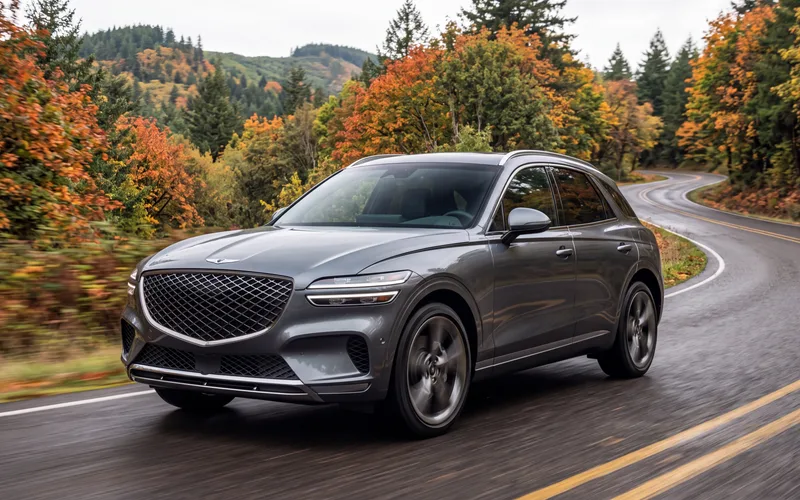 Genesis GV70Compact Luxury SUVBetter at: Value
Delivers comparable performance and a richer standard interior for thousands less, with a 10-year/100,000-mile powertrain warranty against BMW's 4-year/50,000-mile coverage.
Compare 2.72B-
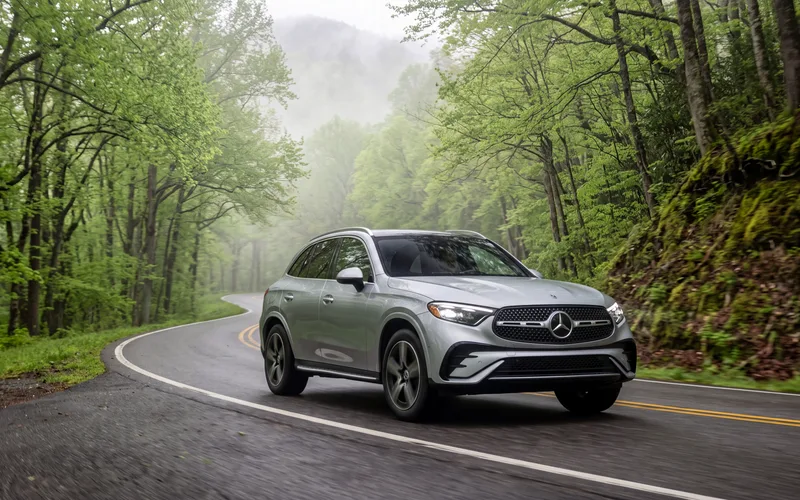 Mercedes-Benz GLCCompact Luxury SUVBetter at: Interior quality
The direct German rival with the nicer cabin — its materials and switchgear still feel a step above the redesigned X3's plastics and fabric trim.
Compare 2.63C+
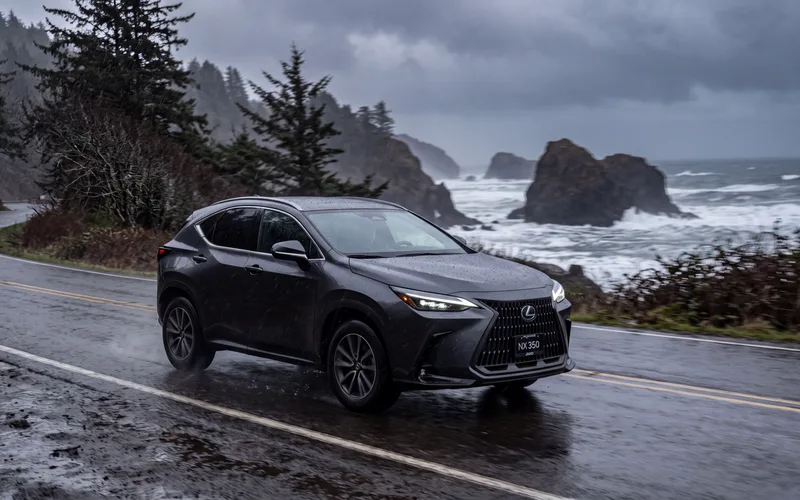 Lexus NXCompact Luxury SUVBetter at: Ownership cost
Far cheaper to run and repair, with hybrid efficiency on regular fuel instead of the X3's required 91 octane and $2,400-a-year EPA fuel estimate.
CompareHow it's evolved
10 scored model years · 2017–2026
Subject scores by year
Hover or tap a score to see what moved it versus the year before. A corner mark flags a big swing.
| Year | Performance | Efficiency | Safety | Space | Cost | Reliability | Tech | Use-case | Driving | Value |
|---|---|---|---|---|---|---|---|---|---|---|
| 2026 | 59 | 66 | 78 | 50 | 45 | 76 | 85 | 74 | 77 | 76 |
| 2025 | 57 | 66 | 71 | 48 | 36 | 59 | 83 | 61 | 73 | 77 |
| 2024 | 50 | 39 | 76 | 48 | 45 | 74 | 76 | 59 | 74 | 68 |
| 2023 | 51 | 41 | 77 | 46 | 44 | 73 | 77 | 56 | 74 | 71 |
| 2022 | 51 | 41 | 75 | 47 | 46 | 69 | 74 | 56 | 74 | 69 |
| 2021 | 53 | 46 | 71 | 47 | 45 | 65 | 66 | 56 | 74 | 66 |
| 2020 | 53 | 51 | 68 | 46 | 46 | 67 | 70 | 59 | 73 | 71 |
| 2019 | 52 | 47 | 67 | 46 | 47 | 63 | 58 | 58 | 73 | 70 |
| 2018 | 52 | 46 | 64 | 46 | 49 | 60 | 52 | 55 | 74 | 71 |
| 2017 | 46 | 41 | 51 | 45 | 48 | 66 | 45 | 54 | 68 | 65 |
Compare two years
Best fit & conditions
Higher scores mean a better fit for that use case. Learn more about use-case fit →
Subject profile
Trims & configurations
2 trimsScores above reflect the volume trim. Per-trim specs and scores are rolling out — the full lineup:
Academic Probation · NHTSA safety recalls
Oct 15, 2024StructureThe attachment for the rear cargo rail may become damaged in a rear crash and result in the cargo rail detaching.
Defect
BMW of North America, LLC (BMW) is recalling certain 2018-2022 X3 sDrive30i, X3 xDrive30i, X3 M40i, and X3 M vehicles. The attachment for the rear cargo rail may become damaged in a rear crash and result in the cargo rail detaching.
Risk
Interior rear cargo rail detachment during a crash can increase the risk of injury.
Remedy
Dealers will replace the rear cargo rail attachment bolts, free of charge. Owner notification letters were mailed December 12, 2024. Owners may contact BMW customer service at 1-800-525-7417. Vehicles in this recall were previously remedied for this issue under recall number 24V-534 and will need to have the new repair completed.
NHTSA campaign 24V764000 ↗8,725 vehicles potentially affected (all models in the campaign)Owners notified Dec 12, 2024Filed by BMW of North America, LLCFiled as X3Jul 17, 2024StructureThe attachment for the interior cargo rail may become damaged in a rear crash and result in the cargo rail detaching.
Defect
BMW of North America, LLC (BMW) is recalling certain 2018-2023 X3 sDrive30i, X3 xDrive30i, X3 M40i, and X3 M vehicles. The attachment for the interior cargo rail may become damaged in a rear crash and result in the cargo rail detaching.
Risk
Interior cargo rail detachment during a rear crash can increase the risk of injury.
Remedy
Dealers will replace the rear cargo rail attachment bolts, free of charge. Owner notification letters were mailed January 2, 2024. Owners may contact BMW customer service at 1-800-525-7417.
NHTSA campaign 24V534000 ↗282,387 vehicles potentially affected (all models in the campaign)Owners notified Jan 2, 2025Filed by BMW of North America, LLCFiled as X3Jul 8, 2021Air bags: frontal · Air bags: sensor: occupant classification: front passengerThe front passenger seat occupant classification system may have been improperly assembled, which could result in the misclassification of the seat as unoccupied, and deactivate the front air bag.
Defect
BMW of North America, LLC (BMW) is recalling certain 2018-2019 X3 sDrive30i, X3 xDrive30i, X3 M40i and 2019 X4 xDrive30i, and X4 M40i vehicles. The front passenger seat occupant classification system may have been improperly assembled, which could result in the misclassification of the seat as unoccupied, and deactivate the front air bag.
Risk
A deactivated front air bag will not deploy in the event of a crash, increasing the risk of injury.
Remedy
Dealers will replace the seat foam, which includes the occupant classification system, free of charge. Owner notification letters were mailed on September 3, 2021. Owners may contact BMW customer service at 1-800-525-7417.
NHTSA campaign 21V521000 ↗138 vehicles potentially affected (all models in the campaign)Owners notified Sep 3, 2021Filed by BMW of North America, LLCFiled as X3Mar 18, 2020Air bags: frontal: passenger side: inflator module · Electrical system: instrument cluster/panelThe instrument panel casing may not have been tightened properly to the passenger air bag.
Defect
BMW of North America, LLC (BMW) is recalling certain 2019-2020 X4 xDrive30i and X4 M40i, and 2018-2020 X3 sDrive30i, X3 xDrive30i, X3 M40i, and X3M vehicles. The instrument panel casing may not have been tightened properly to the passenger air bag.
Risk
In the event of a crash necessitating air bag deployment, the air bag could damage the instrument panel and cause small pieces of the panel to strike the driver or other occupants, increasing the risk of injury.
Remedy
BMW will notify owners, and dealers will replace the instrument panel casing, free of charge. The recall began May 15, 2020. Owners may contact BMW customer service at 1-800-525-7417.
NHTSA campaign 20V152000 ↗15 vehicles potentially affected (all models in the campaign)Owners notified May 15, 2020Filed by BMW of North America, LLCFiled as X3Sep 27, 2019Back over prevention: sensing system: cameraThe back-up camera and display settings can be adjusted such that the rear view image is no longer visible and the system will retain that setting the next time the vehicle is placed in reverse. As such, these vehicles fail to comply with the requirements of Federal Motor Vehicle Safety Standard (FMVSS) number 111, "Rearview Mirrors."
Defect
BMW of North America, LLC (BMW) is recalling certain 2018 540d, 2018-2020 530i, 530i xDrive, 540i, 540i xDrive, M550i xDrive, M5, 530e, 530e xDrive, X3 sDrive, X3 xDrive, X3 M40i, X3 M, and 2019-2020 X4 xDrive, X4 M40i, X4 M, X7 xDrive, X7 M50i, 740Li, 740Li xDrive, 750Li, 750Li xDrive, 8 Series Convertible and Coupe 840i, 840i xDrive, M850i xDrive, X5 sDrive, X5 xDrive, X5 M50i, X6 xDrive, X6 M50i, 330i, 330i xDrive, M340i, M340i xDrive, Z4 sDrive, Z4 M40i, 740Le xDrive and 745Le xDrive, 2018-2019 640i xDrive Gran Turismo and Rolls-Royce Phantom, 2019 M850i xDrive Gran Coupe and Rolls-Royce Cullinan and 2020 Toyota Supra vehicles. The back-up camera and display settings can be adjusted such that the rear view image is no longer visible and the system will retain that setting the next time the vehicle is placed in reverse. As such, these vehicles fail to comply with the requirements of Federal Motor Vehicle Safety Standard (FMVSS) number 111, "Rearview Mirrors."
Risk
The lack of an image in the back-up camera display increases the risk of a crash.
Remedy
BMW will notify owners, and dealers will update the back-up camera software, free of charge. The recall began November 8, 2019. Owners may contact BMW customer service at 1-800-525-7417 or Rolls-Royce at 1-877-877-3735. Toyota owners may contact Toyota customer service at 1-888-270-9371.
NHTSA campaign 19V684000 ↗257,473 vehicles potentially affected (all models in the campaign)Owners notified Nov 8, 2019Filed by BMW of North America, LLCFiled as X3Jul 31, 2019SeatsThe front seatback frames may have been improperly welded, allowing the seatback to unexpectedly fold forward or rearward.
Defect
BMW of North America, LLC (BMW) is recalling certain 2018-2019 X3 sDrive30i, xDrive30i and M40i and 2019 X4 xDrive30i and M40i vehicles. The front seatback frames may have been improperly welded, allowing the seatback to unexpectedly fold forward or rearward.
Risk
In the event of a crash, there is an increased risk of injury if the seatback folds forward or rearward.
Remedy
BMW will notify owners, and dealers will replace the front seats, free of charge. The recall began September 27, 2019. Owners may contact BMW customer service 1-800-525-7417.
NHTSA campaign 19V563000 ↗20 vehicles potentially affected (all models in the campaign)Owners notified Sep 27, 2019Filed by BMW of North America, LLCFiled as X3Jul 6, 2018Service brakes, hydraulic: foundation components: disc: caliperThe rear brake caliper pistons on these vehicles may have an insufficient coating, potentially reducing rear brake performance.
Defect
BMW of North America, LLC (BMW) is recalling certain 2018-2019 BMW X3 sDrive30i, X3 xDrive30i, X3 M40i and certain 2019 X4 xDrive30i and X4 M40i vehicles. The rear brake caliper pistons on these vehicles may have an insufficient coating, potentially reducing rear brake performance.
Risk
A reduction of braking performance can increase the risk of a crash.
Remedy
BMW will notify owners, and dealers will bleed the rear brake circuit, free of charge. The recall began August 31, 2018. Owners may contact BMW customer service at 1-800-525-7417.
NHTSA campaign 18V453000 ↗5,594 vehicles potentially affected (all models in the campaign)Owners notified Aug 31, 2018Filed by BMW of North America, LLCFiled as X3Jun 21, 2018Exterior lighting: turn signalThe rear turn signals on the outboard side panel will illuminate red, while the inboard turn signals simultaneously illuminate amber. As such, these vehicles fail to comply with the requirements of Federal Motor Vehicle Safety Standard (FMVSS) number 108, "Lamps, Reflective Devices, and Associated Equipment."
Defect
BMW of North America, LLC (BMW) is recalling certain 2018 BMW X3 xDrive30i and X3 M40i vehicles. The rear turn signals on the outboard side panel will illuminate red, while the inboard turn signals simultaneously illuminate amber. As such, these vehicles fail to comply with the requirements of Federal Motor Vehicle Safety Standard (FMVSS) number 108, "Lamps, Reflective Devices, and Associated Equipment."
Risk
Turn signals that flash multiple colors may confuse other drivers, increasing the risk of a crash.
Remedy
BMW will notify owners, and dealers will inspect the rear turn signal lights, and replace if necessary, free of charge. The recall began August 20, 2018. Owners may contact BMW customer service at 1-800-525-7417.
NHTSA campaign 18V431000 ↗5 vehicles potentially affected (all models in the campaign)Owners notified Aug 20, 2018Filed by BMW of North America, LLCFiled as X3Jun 6, 2018Lane departure: lane keep: steering assistThe steering wheel may be incompatible with the lane keeping assistant function and may not detect if the driver's hands are off the wheel.
Defect
BMW of North America, LLC (BMW) is recalling certain 2018-2019 BMW X3 xDrive30i, X3 sDrive30i, and X3 M40i vehicles equipped with the "Active Lane Keeping Assistant" option. The steering wheel may be incompatible with the lane keeping assistant function and may not detect if the driver's hands are off the wheel.
Risk
If the sensors do not properly detect the driver's hands are off the wheel, the driver may not be alerted by one or more warning signals, increasing the risk of a crash.
Remedy
BMW will notify owners, and dealers will inspect the steering wheel, replacing it if necessary, free of charge. The recall began on July 19, 2018. Owners may contact BMW customer service at 1-800-525-7417.
NHTSA campaign 18V374000 ↗51 vehicles potentially affected (all models in the campaign)Owners notified Jul 19, 2018Filed by BMW of North America, LLCFiled as X3Mar 7, 2018Structure: bodyThe rear spoiler may not have been properly attached during assembly, or may be missing screws, possibly causing the spoiler to detach while driving.
Defect
BMW of North America, LLC (BMW) is recalling certain 2018 BMW X3 xDrive30i and X3 M40i vehicles. The rear spoiler may not have been properly attached during assembly, or may be missing screws, possibly causing the spoiler to detach while driving.
Risk
If the spoiler detaches while driving, it can become a road hazard, increasing the risk of a crash.
Remedy
BMW will notify owners, and dealers will inspect the spoiler, correcting its attachment as necessary, free of charge. The recall is expected to begin May 1, 2018. Owners may contact BMW customer service at 1-800-525-7417.
NHTSA campaign 18V154000 ↗17,008 vehicles potentially affected (all models in the campaign)Owners notified Apr 27, 2018Filed by BMW of North America, LLCFiled as X3Nov 15, 2017Electrical system: instrument cluster/panelThese vehicles may have an error in the software for the instrument panel, causing the display to not properly illuminate. As such, these vehicles fail to comply with the requirements of Federal Motor Vehicle Safety Standard (FMVSS) number 101, "Control and Displays."
Defect
BMW of North America, LLC (BMW) is recalling certain 2018 230i, 230i xDrive, M240i, M240i xDrive, M2, and X3 xDrive 30i SAV vehicles. These vehicles may have an error in the software for the instrument panel, causing the display to not properly illuminate. As such, these vehicles fail to comply with the requirements of Federal Motor Vehicle Safety Standard (FMVSS) number 101, "Control and Displays."
Risk
If the display does not illuminate during start up or does not illuminate various control and warning symbols while driving, it can increase the risk of a crash.
Remedy
BMW will notify owners, and dealers will update the instrument cluster display software, free of charge. The recall is expected to begin January 8, 2018. Owners may contact BMW customer service at 1-800-525-7417.
NHTSA campaign 17V719000 ↗3,188 vehicles potentially affected (all models in the campaign)Owners notified Jan 12, 2018Filed by BMW of North America, LLCFiled as X3
35 recalls on other model years of the X3 (2017, 2019–2026)
Aug 12, 2026Steering: linkages: knuckle: spindle: armThe steering spindle may have been incorrectly attached to the steering column.
Defect
BMW of North America, LLC (BMW) is recalling certain 2024-2026 X3 sDrive30i, X3 30 xDrive, and X3 M50 xDrive vehicles. The steering spindle may have been incorrectly attached to the steering column.
Risk
An incorrectly attached steering spindle can lead to a loss of steering control, increasing the risk of a crash.
Remedy
Dealers will inspect the steering connection and replace hardware or replace the spindle and column, as necessary, free of charge. Owner notification letters are expected to be mailed October 2, 2026. Owners may contact BMW customer service at 1-800-525-7417. Vehicle Identification Numbers (VINs) involved in this recall will become searchable on NHTSA.gov beginning October 2, 2026.
NHTSA campaign 26V524000 ↗13 vehicles potentially affected (all models in the campaign)Filed by BMW of North America, LLCFiled as X3Jan 30, 2026Electrical system: starter assemblyPlease see the recall report for a complete list of all models. The engine starter may overheat and catch fire due to wear on an internal component.
Defect
BMW of North America, LLC (BMW) is recalling certain 2021-2023 Toyota Supra, 2022-2023 2 Series Coupe, 2021-2024 5 Series (xDrive), 2021-2022 Z4, 2022-2024 4 Series (Gran Coupe), 2021-2024 4 Series (Convertible and xDrive Convertible), 2021-2023 4 Series (Coupe), 2021-2024 3 Series, 2021-2023 X4, 2021-2024 X3 vehicles. Please see the recall report for a complete list of all models. The engine starter may overheat and catch fire due to wear on an internal component.
Risk
Fire increases the risk of injury.
Remedy
Dealers will replace the engine starter, free of charge. Owner notification letters were mailed July 21, 2026. Owners may contact BMW customer service at 1-800-525-7417 or Toyota's customer service at 1-800-331-4331. Vehicle Identification Numbers (VINs) involved in this recall will be searchable on NHTSA.gov beginning March 24, 2026.
NHTSA campaign 26V056000 ↗87,394 vehicles potentially affected (all models in the campaign)Owners notified Mar 27, 2026Filed by BMW of North America, LLCFiled as X3Dec 11, 2025Steering: linkages: drag: power assist system · Steering: steering control moduleWhile the vehicle is stationary, unexpected steering wheel movement (rotation) may occur.
Defect
BMW of North America, LLC is recalling certain 2025-2026 X3 vehicles. While the vehicle is stationary, unexpected steering wheel movement (rotation) may occur.
Risk
Unintended steering wheel movement while the vehicle is stationary increases the risk of an injury and on the road, a crash.
Remedy
The steering system software will be updated, free of charge, either over-the-air (OTA) or by a dealer. Owner notification letters were mailed February 6, 2026. Owners may contact BMW customer service at 1-800-525-7417. Vehicle Identification Numbers (VINs) involved in this recall will be searchable on NHTSA.gov beginning February 2, 2026.
NHTSA campaign 25V857000 ↗36,922 vehicles potentially affected (all models in the campaign)Owners notified Feb 6, 2026Filed by BMW of North America, LLCFiled as X3Sep 23, 2025Electrical system: starter assembly: relayThe engine starter relay may corrode, causing the relay to overheat and short circuit.
Defect
BMW of North America, LLC (BMW) is recalling certain 2019-2021 BMW 330i, 2019-2022 BMW Z4, 2020-2022 BMW 530i, X3, X4, Toyota Supra, 2021-2022 BMW 430i, 430i Convertible, and 2022 BMW 230i vehicles. The engine starter relay may corrode, causing the relay to overheat and short circuit.
Risk
A short circuit in the starter relay may increase the risk of a fire.
Remedy
Owners are advised to park their vehicles outside and away from structures until the remedy is complete. Dealers will replace the engine starter, free of charge. Owner notification letters were mailed February 6, 2026. Owners may contact BMW customer service at 1-800-525-7417. Vehicle Identification Numbers (VINs) involved in this recall became searchable on NHTSA.gov November 14, 2025.
NHTSA campaign 25V636000 ↗199,674 vehicles potentially affected (all models in the campaign)Owners notified Feb 6, 2026Filed by BMW of North America, LLCFiled as X3Apr 16, 2025Service brakes, hydraulic: foundation components: discThe front brake discs may have been damaged during transport before they were installed on the vehicle.
Defect
BMW of North America, LLC (BMW) is recalling certain 2025 X3 30 xDrive vehicles. The front brake discs may have been damaged during transport before they were installed on the vehicle.
Risk
Damaged front brakes may not function properly, increasing the risk of a crash.
Remedy
Dealers will replace the front brake discs and brake pads, free of charge. Owner notification letters are expected to be mailed June 6, 2025. Owners may contact BMW customer service at 1-800-525-7417.
NHTSA campaign 25V247000 ↗26 vehicles potentially affected (all models in the campaign)Owners notified Jun 5, 2025Filed by BMW of North America, LLCFiled as X3Apr 1, 2025Electrical system: alternator/generator/regulator · Electrical system: starter assemblyThe electrical connection between the starter-generator and battery may come loose.
Defect
BMW of North America, LLC (BMW) is recalling certain 2025 330i, 330i xDrive, 530i, 530i xDrive, 4 Series Coupe (430i, 430i xDrive), 4 Series Convertible (430i, 430i xDrive), 4 Series Gran Coupe (430i, 430i xDrive) and X3 30 xDrive vehicles. The electrical connection between the starter-generator and battery may come loose.
Risk
A loose starter-generator connection can result in an engine stall, increasing the risk of a crash. In addition, the wiring may overheat, increasing the risk of a fire.
Remedy
Dealers will inspect and replace the starter-generator and positive battery cable as necessary, free of charge. Interim owner letters notifying owners of the safety risk were mailed May 28, 2025. Second letters will be sent once the remedy is available. Owners may contact BMW customer service at 1-800-525-7417.
NHTSA campaign 25V202000 ↗4,557 vehicles potentially affected (all models in the campaign)Owners notified Aug 8, 2025Filed by BMW of North America, LLCFiled as X3Mar 12, 2025Electronic stability control (esc) · Service brakes, hydraulic: antilock/traction control/electronic limited slip · Service brakes, hydraulic: foundation components: hoses, lines/piping, and fittingsThe rear brake hoses may leak, causing a loss of rear brake function, and a loss of the Antilock Brake System (ABS) and the Dynamic Stability Control (DSC) system.
Defect
BMW of North America, LLC (BMW) is recalling certain 2025 X3 30 xDrive and X3 M50 xDrive vehicles. The rear brake hoses may leak, causing a loss of rear brake function, and a loss of the Antilock Brake System (ABS) and the Dynamic Stability Control (DSC) system.
Risk
A loss of rear brake function increases the risk of a crash.
Remedy
Dealers will replace the rear brake hoses, free of charge. Owner notification letters were mailed May 9, 2025. Owners may contact BMW customer service at 800-525-7417.
NHTSA campaign 25V154000 ↗192 vehicles potentially affected (all models in the campaign)Owners notified May 9, 2025Filed by BMW of North America, LLCFiled as X3Feb 21, 2025Electrical system: 12v/24v/48v battery: cablesThe connection between the positive battery cable and the starter-generator may have been improperly tightened and overheat.
Defect
BMW of North America, LLC (BMW) is recalling certain 2025 X3 30 xDrive vehicles. The connection between the positive battery cable and the starter-generator may have been improperly tightened and overheat.
Risk
An overheated battery cable connection can cause an engine stall and increase the risk of a crash. In addition, an overheated battery cable increases the risk of a fire.
Remedy
Dealers will inspect and tighten the connection between the positive battery cable and the starter-generator, or replace the positive battery cable and starter-generator if necessary, free of charge. Owner notification letters were mailed June 5, 2025. Owners may contact BMW customer service at 800-525-7417.
NHTSA campaign 25V109000 ↗114 vehicles potentially affected (all models in the campaign)Owners notified Jun 5, 2025Filed by BMW of North America, LLCFiled as X3Feb 20, 2025Latches/locks/linkages: doors: lockThe second-row seat side door locking modules may not function properly and allow the doors to be unlocked with a single motion. As such, these vehicles fail to comply with the requirements of Federal Motor Vehicle Safety Standard (FMVSS) number 206, "Door Locks and Door Retention Components."
Defect
BMW of North America, LLC (BMW) is recalling certain 2022-2024 X3 sDrive30i and X3 xDrive30i vehicles. The second-row seat side door locking modules may not function properly and allow the doors to be unlocked with a single motion. As such, these vehicles fail to comply with the requirements of Federal Motor Vehicle Safety Standard (FMVSS) number 206, "Door Locks and Door Retention Components."
Risk
Doors that can be inadvertently unlocked and unlatched may open unexpectedly, increasing the risk of injury to rear seat occupants.
Remedy
Dealers will replace the second-row seat side door locking modules, free of charge. A letter informing owners of the safety risk was mailed on April 21, 2025. Owners may contact BMW customer service at 800-525-7417.
NHTSA campaign 25V106000 ↗40,736 vehicles potentially affected (all models in the campaign)Owners notified Jun 13, 2025Filed by BMW of North America, LLCFiled as X3Dec 5, 2024Suspension: front: wheel bearingThe front wheel left-side swivel bearing may crack, causing a loss of vehicle handling and control.
Defect
BMW of North America, LLC (BMW) is recalling certain 2025 X3 30 vehicles. The front wheel left-side swivel bearing may crack, causing a loss of vehicle handling and control.
Risk
A loss of vehicle handling and control increases the risk of a crash.
Remedy
Dealers will replace the front left-side swivel bearing, free of charge. One owner was contacted December 12, 2024. Owners may contact BMW customer service at 1-800-525-7417.
NHTSA campaign 24V909000 ↗2 vehicles potentially affected (all models in the campaign)Owners notified Dec 12, 2024Filed by BMW of North America, LLCFiled as X3Nov 12, 2024Air bags: side/window: curtainThe gas generator in the right-side head curtain air bag may have been assembled incorrectly.
Defect
BMW of North America, LLC (BMW) is recalling certain 2025 X3 30 xDrive vehicles. The gas generator in the right-side head curtain air bag may have been assembled incorrectly.
Risk
An incorrectly assembled air bag can result in delayed activation or improper deployment of the head curtain air bag, increasing the risk of injury in a crash.
Remedy
Dealers will inspect and replace the right-side head curtain air bag, if necessary, free of charge. The vehicles have not been sold from dealer inventory and therefore no owner letters will be mailed. Owners may contact BMW customer service at 1-800-525-7417.
NHTSA campaign 24V856000 ↗2 vehicles potentially affected (all models in the campaign)Owners notified Nov 13, 2024Filed by BMW of North America, LLCFiled as X3Oct 17, 2024Air bags: passenger side frontal: cushionThe front passenger air bag fabric may have been damaged during transport between suppliers.
Defect
BMW of North America, LLC (BMW) is recalling certain 2025 X3 xDrive30i and X3 M50i vehicles. The front passenger air bag fabric may have been damaged during transport between suppliers.
Risk
A damaged air bag may not inflate properly, increasing the risk of injury in a crash.
Remedy
Dealers will replace the front passenger air bag, free of charge. None of the affected vehicles have been sold yet and therefore no owner notification letters will be mailed. Owners may contact BMW customer service at 1-800-525-7417.
NHTSA campaign 24V772000 ↗7 vehicles potentially affected (all models in the campaign)Owners notified Oct 31, 2024Filed by BMW of North America, LLCFiled as X3Aug 13, 2024Electrical system: wiring: connectors/plugs/receptacles · Engine and engine cooling: cooling system: pumpAn improperly sealed electrical connector on the water pump may be exposed to water and short circuit.
Defect
BMW of North America, LLC. (BMW) is recalling certain 2012-2015 X1 sDrive28i, X1 xDrive28i, 2012-2016 Z4 sDrive28i, 528i, 528i xDrive, 328i, 328xi, 2016-2018 X5 xdrive 40e, 2014-2016 228i, 228xi, 428i, 428i xDrive, 328xi Gran Turismo, 2013-2017 X3 sDrive28i, X3 xDrive28i, 2015-2018 X4 xDrive28i, 2015-2016 428xi vehicles. An improperly sealed electrical connector on the water pump may be exposed to water and short circuit.
Risk
An electrical short increases the risk of a fire.
Remedy
Dealers will inspect and replace the water pump and plug connector as necessary, and install a protective shield, free of charge. Owner notification letters were mailed on March 28, 2025. Owners may contact BMW customer service at 1-800-525-7417.
NHTSA campaign 24V608000 ↗720,796 vehicles potentially affected (all models in the campaign)Owners notified Mar 28, 2025Filed by BMW of North America, LLCFiled as X3Dec 6, 2023Power train: automatic transmission: control module (tcm/pcm/tecm)The weld seam of the integrated transmission control unit's cover may not have been manufactured properly, which could allow automatic transmission oil to leak into the transmission control unit.
Defect
BMW of North America, LLC (BMW) is recalling certain 2023 Toyota GR Supra, 3 Series Sedan (330i xDrive, M340i xDrive, M3), 5 Series Sedan (530i, 530i xDrive, M5), 4 Series Gran Coupe (430i, 430i xDrive), 4 Series Coupe (430i, 430i xDrive, M440i xDrive), 4 Series Convertible (430i, 430i xDrive, M440i xDrive), 8 Series Coupe (840i, M850i xDrive, M8), 8 Series Convertible (840i, M850i xDrive, M8), 8 Series Gran Coupe (850i xDrive, M8), X3 SAV (X3 xDrive30i, X3M), X4 SAV (X4 xDrive30i), X5 SAV (X5 xDrive40i, X5 M50i, X5M), X6 SAV (X6 xDrive40i, X6 M50i, X6M), and Z4 sDrive30i, Z4 M40i vehicles. The weld seam of the integrated transmission control unit's cover may not have been manufactured properly, which could allow automatic transmission oil to leak into the transmission control unit.
Risk
Transmission oil that leaks into the control unit can lead to a seizure of the transmission gears, causing a sudden loss of drive power and increasing the risk of a crash.
Remedy
Dealers will replace the transmission mechatronics module and the automatic transmission fluid, as necessary, free of charge. Owner notification letters were mailed January 26, 2024. Owners may contact BMW customer service at 1-800-525-7417.
NHTSA campaign 23V821000 ↗Manufacturer no. Toyota - 23TA14552 vehicles potentially affected (all models in the campaign)Owners notified Jan 26, 2024Filed by BMW of North America, LLCFiled as X3Nov 16, 2023SteeringThe steering gear may not have been tightened properly, which can allow it to loosen.
Defect
BMW of North America, LLC (BMW) is recalling certain 2024 2 Series Coupe (230i), 330i, X3 sDrive30i, X3 xDrive30i, X3 M40i, and X4 xDrive30i, X4 M40i vehicles. The steering gear may not have been tightened properly, which can allow it to loosen.
Risk
A loose steering gear can cause a loss of vehicle control, increasing the risk of a crash.
Remedy
Dealers will replace the steering gear, free of charge. Owner notification letters were mailed January 11, 2024. Owners may contact BMW customer service at 1-800-525-7417.
NHTSA campaign 23V770000 ↗201 vehicles potentially affected (all models in the campaign)Owners notified Jan 11, 2024Filed by BMW of North America, LLCFiled as X3Mar 29, 2023SeatsThe seat frame may not have been welded properly to the seat rails.
Defect
BMW of North America, LLC (BMW) is recalling certain 2019-2021 330i, 330i xDrive, M340i xDrive, 2020-2021 X3 sDrive30i, X3 xDrive30i, X3 M40i, X3M, 2021 X3 xDrive30e, X4 xDrive30i, and X4M vehicles. The seat frame may not have been welded properly to the seat rails.
Risk
An improperly welded seat frame may not properly restrain the occupant during a crash, increasing the risk of injury.
Remedy
Dealers will replace the seat frame and back rest, free of charge. Owner notification letters were mailed May 22, 2023. Owners may contact BMW customer service at 1-800-525-7417.
NHTSA campaign 23V211000 ↗51 vehicles potentially affected (all models in the campaign)Owners notified May 22, 2023Filed by BMW of North America, LLCFiled as X3Jul 20, 2022Fuel system, gasoline: fuel injection system: fuel railThe high-pressure fuel rail may crack and result in a fuel leak within the engine compartment.
Defect
BMW of North America, LLC (BMW) is recalling certain 2022 X1 xDrive 28i, X3 xDrive30i, and 228i Gran Coupe vehicles. The high-pressure fuel rail may crack and result in a fuel leak within the engine compartment.
Risk
A fuel leak in the presence of an ignition source increases the risk of a fire.
Remedy
Dealers will replace the high-pressure fuel rail, free of charge. Owner notification letters were mailed September 19, 2022. Owners may contact BMW customer service at 1-800-525-7417.
NHTSA campaign 22V513000 ↗5 vehicles potentially affected (all models in the campaign)Owners notified Sep 19, 2022Filed by BMW of North America, LLCFiled as X3Feb 9, 2022Power train: automatic transmissionThe mechatronics unit inside the transmission may not have been assembled properly, which could result in an internal leak.
Defect
BMW of North America, LLC (BMW) is recalling certain 2022 330i, 530i, X3 xDrive30i, and X4 xDrive30i vehicles. The mechatronics unit inside the transmission may not have been assembled properly, which could result in an internal leak.
Risk
An internal transmission leak can result in a vehicle rollaway, increasing the risk of a crash or injury.
Remedy
Dealers will replace the transmission mechatronics unit, free of charge. All of the vehicle population for this recall have been repaired. Owner notification letters were not mailed. Owners may contact BMW customer service at 1-800-525-7417.
NHTSA campaign 22V070000 ↗4 vehicles potentially affected (all models in the campaign)Owners notified Apr 4, 2022Filed by BMW of North America, LLCFiled as X3Nov 19, 2021Fuel system, dieselThe EGR cooler may leak internally, causing coolant to mix with diesel engine soot, which could result in smoldering particles and a melting intake manifold.
Defect
BMW of North America, LLC (BMW) is recalling certain 2013-2018 328d, 328d xDrive, 2014-2018 328d Sports Wagon, 328d xDrive Sports Wagon, 2014-2016 535d, 535d xDrive, 2015 740Ld xDrive, 2015-2017 X3 xDrive28d SAV, and 2014-2017 X5 xDrive35d SAV diesel vehicles equipped with an Exhaust Gas Recirculation (EGR) module with an integrated cooler. The EGR cooler may leak internally, causing coolant to mix with diesel engine soot, which could result in smoldering particles and a melting intake manifold.
Risk
A melting intake manifold increases the risk of a fire.
Remedy
Dealers will replace the EGR cooler and inspect the intake manifold, replacing it as necessary, free of charge. This recall includes all vehicles previously recalled under 18V-755. Vehicles previously recalled under 18V-755 will need to have the new remedy performed for this recall. An interim owner notification letter was mailed on January 18, 2022. The remedy is expected to be available in June 2022. Owner notification letters were mailed on July 6, 2022. Owners may contact BMW customer service at 1-800-525-7417.
NHTSA campaign 21V907000 ↗50,404 vehicles potentially affected (all models in the campaign)Owners notified Jul 6, 2022Filed by BMW of North America, LLCFiled as X3Aug 2, 2021EngineDuring engine start, the engine management software may cause loss of braking assist. Full mechanical braking (without assist) remains available.
Defect
BMW of North America, LLC (BMW) is recalling certain 2020 M340i, M340i xDrive, 540i, 540i xDrive, X3 M40i, 2020-2021 X4 M40i, 745Le xDrive, 2019-2021 Z4 M40i, and 2020-2021 Toyota Supra vehicles. During engine start, the engine management software may cause loss of braking assist. Full mechanical braking (without assist) remains available.
Risk
Loss of braking assist can increase the risk of a crash.
Remedy
Dealers will update the engine management software, free of charge. Owner notification letters were mailed on September 17, 2021. Owners may contact BMW customer service at 1-800-525-7417.
NHTSA campaign 21V598000 ↗50,024 vehicles potentially affected (all models in the campaign)Owners notified Sep 17, 2021Filed by BMW of North America, LLCFiled as X3Jul 29, 2021Fuel system, diesel: delivery: fuel pumpThe high-pressure fuel pump may fail.
Defect
BMW of North America, LLC (BMW) is recalling certain 2014-2018 328d, 328d xDrive, X5 xDrive35d, 2014-2016 535d, 535d xDrive, 2015 740Ld xDrive, and 2015-2017 X3 xDrive28d vehicles. The high-pressure fuel pump may fail.
Risk
Fuel pump failure can cause an engine stall while driving, increasing the risk of a crash.
Remedy
Dealers will replace the high-pressure fuel pump, free of charge. Owner notification letters were mailed on January 14, 2022. Owners may contact BMW customer service at 1-800-525-7417.
NHTSA campaign 21V586000 ↗11,216 vehicles potentially affected (all models in the campaign)Owners notified Jan 14, 2022Filed by BMW of North America, LLCFiled as X3Mar 24, 2021Fuel system, gasoline: storage: tank assemblyThe inlet check valve weld may fail, allowing the filling pipe to separate from the fuel tank.
Defect
BMW of North America, LLC (BMW) is recalling certain 2021 X3 sDrive30i, X3 xDrive30i, X3 M40i, X3M, and X4, and 2021 X4 xDrive30i vehicles. The inlet check valve weld may fail, allowing the filling pipe to separate from the fuel tank.
Risk
Fuel may leak through the failed weld, increasing the risk of a fire.
Remedy
BMW will notify owners, and dealers will replace the fuel tank, free of charge. The recall is scheduled to begin May 17, 2021. Owners were also contacted by telephone. To date, all repairs have been done. No further owner notification letters will be sent. Owners may contact BMW customer service at 1-800-525-7417.
NHTSA campaign 21V199000 ↗17 vehicles potentially affected (all models in the campaign)Owners notified May 10, 2021Filed by BMW of North America, LLCFiled as X3Feb 19, 2021Back over prevention: sensing system: camera · Back over prevention: softwareWhen shifting into Reverse, a small portion of the rearview image may be obscured, or the screen may not illuminate. As such, these vehicles fail to comply with the requirements of Federal Motor Vehicle Safety Standard (FMVSS) number 111, "Rear Visibility."
Defect
BMW of North America, LLC (BMW) is recalling certain 2019-2021 X3 sDrive30i, X3 xDrive30i, X3 M40i, X3M, X4 xDrive30i, X4 M40i, M550i, X4M, X5 sDrive40i, X5 xDrive40i, X5 xDrive50i, X5M, X5 M50i, X7 xDrive40i, X7 xDrive50i, X7 M50i, Alpina XB7, 330i, 330i xDrive, M340i, M340i xDrive, and 8 Series Coupe, Convertible and Grand Coupe, 840i, 840i xDrive, M850i xDrive, M8, 2020-2021 530e, 530e xDrive, 330e, 330e xDrive, 745Le, 745Le xDrive, X5 xDrive45e, X3 xDrive30e, X6 sDrive40i, X6 xDrive40i, X6 xDrive50i, X6 M50i, X6M, 530i, 530i xDrive, 540i, 540i xDrive, M550i xDrive, M5, 740i, 740Li, 740Li xDrive, M760i Drive, M760Li xDrive, 750Li xDrive Alpina, Alpina B7 xDrive, and 2021 4 Series Coupe 430i, 430i xDrive, M440i xDrive vehicles. When shifting into Reverse, a small portion of the rearview image may be obscured, or the screen may not illuminate. As such, these vehicles fail to comply with the requirements of Federal Motor Vehicle Safety Standard (FMVSS) number 111, "Rear Visibility."
Risk
If the driver relies on only the rearview camera image, the missing or reduced rearview image view can increase the risk of a crash or injury.
Remedy
BMW will notify owners, and dealers will inspect the rearview camera software and update it if necessary, free of charge. The recall began April 16, 2021. Owners may contact BMW customer service at 1-800-525-7417.
NHTSA campaign 21V096000 ↗13,858 vehicles potentially affected (all models in the campaign)Owners notified Apr 16, 2021Filed by BMW of North America, LLCFiled as X3Sep 30, 2020Electrical system: propulsion system: traction batteryDebris may have entered one or more of the hybrid battery cells during their production.
Defect
BMW of North America, LLC (BMW) is recalling certain 2020-2021 530e, 530e xDrive, 530e iPerformance and X3 xDrive30e and MINI Cooper Countryman All4 SE, 2020 BMW i8, and 2021 330e, 330e xDrive, 745Le xDrive and X5 xDrive45e vehicles. Debris may have entered one or more of the hybrid battery cells during their production.
Risk
The debris could result in a short-circuit, increasing the risk of fire or injury.
Remedy
BMW will inspect and, if necessary, replace the battery module free of charge. The remedy is currently being developed. Until the remedy is completed, drivers are instructed to not charge their vehicles. Drivers are instructed to not drive in manual mode, sport mode, and to not use the shift paddles. Owners were notified of the safety risk October 23, 2020. The recall began November 24, 2020. Owners may contact BMW customer service at 1-800-525-7417.
NHTSA campaign 20V601000 ↗4,509 vehicles potentially affected (all models in the campaign)Owners notified Nov 24, 2020Filed by BMW of North America, LLCFiled as X3Sep 30, 2020Back over prevention: sensing system: cameraA small portion of the rearview image may be slightly obscured. As such, these vehicles fail to comply with the requirements of Federal Motor Vehicle Safety Standard number 111, "Rear Visibility."
Defect
BMW of North America, LLC (BMW) is recalling certain 2020-2021 X3 sDrive 30i, X3 xDrive 30i, X3M 40i, X3 xDrive 30e, X4 xDrive 30i, X4M 40i, 530i, 540i, 540i xDrive, M550i xDrive, M5, 550e, 550e xDrive, and 550e iPerformance vehicles. A small portion of the rearview image may be slightly obscured. As such, these vehicles fail to comply with the requirements of Federal Motor Vehicle Safety Standard number 111, "Rear Visibility."
Risk
If the driver relies on only the rearview camera image, the reduced rearview image view can increase the risk of a crash or injury.
Remedy
BMW will notify owners, and dealers will inspect and, if necessary, program the rearview camera with updated software. The recall began November 18, 2020. Owners may contact BMW customer service at 1-800-525-7417.
NHTSA campaign 20V598000 ↗312 vehicles potentially affected (all models in the campaign)Owners notified Nov 18, 2020Filed by BMW of North America, LLCFiled as X3Aug 18, 2020Electrical system: 12v/24v/48v battery · Electrical system: propulsion system: traction batteryLoose welding beads may form a conductive path between the hybrid battery cells which could lead to a short-circuit.
Defect
BMW of North America, LLC (BMW) is recalling certain 2021 330e and X5 xDrive45e, 2020-2021 X3 xDrive30e, and 2020 MINI Countryman SE ALL4 vehicles. Loose welding beads may form a conductive path between the hybrid battery cells which could lead to a short-circuit.
Risk
A short-circuited hybrid battery may increase the risk of a fire.
Remedy
BMW will notify owners, and dealers will inspect and, if necessary, replace the battery modules, free of charge. BMW issued owners an interim notification on October 16, 2020. Although potentially affected BMW owners received interim owner notification letters, all potentially affected BMW owner vehicles have been remedied; therefore, BMW Final owner notification letters will not be necessary. Owners may contact BMW customer service at 1-800-525-7417.
NHTSA campaign 20V490000 ↗713 vehicles potentially affected (all models in the campaign)Owners notified Oct 12, 2020Filed by BMW of North America, LLCFiled as X3Jul 29, 2020Back over prevention: sensing system: camera · Electrical system: softwareThese vehicles were not programmed with rearview camera software during assembly, therefore, when the transmission is shifted to reverse, a rearview image is not displayed. As such, these vehicles fail to comply with the requirements of Federal Motor Vehicle Safety Standard number 111, "Rearview Mirrors."
Defect
BMW of North America, LLC (BMW) is recalling certain 2020 X3 sDrive40i, X3 xDrive40i and X3M40i vehicles. These vehicles were not programmed with rearview camera software during assembly, therefore, when the transmission is shifted to reverse, a rearview image is not displayed. As such, these vehicles fail to comply with the requirements of Federal Motor Vehicle Safety Standard number 111, "Rearview Mirrors."
Risk
An inoperative rearview camera display can increase the risk of a crash when reversing.
Remedy
BMW will notify owners, and dealers will program the affected vehicles with rearview camera software, free of charge. The recall began August 14, 2020. All vehicles have been remedied as of November 9, 2020. Owners may contact BMW customer service at 1-800-525-7417.
NHTSA campaign 20V443000 ↗5 vehicles potentially affected (all models in the campaign)Owners notified Aug 14, 2020Filed by BMW of North America, LLCFiled as X3Jun 15, 2020Steering: linkages: tie rod assemblyIn certain driving conditions, such as high temperatures and rough road surfaces, a steering gear tie rod may become damaged, possibly resulting in a fractured tie rod.
Defect
BMW of North America, LLC (BMW) is recalling certain 2019 Z4 sDrive30i, 2019-2020 330i xDrive, M340i and M340i xDrive, 2020 X3M and X4M, and Toyota Supra vehicles. In certain driving conditions, such as high temperatures and rough road surfaces, a steering gear tie rod may become damaged, possibly resulting in a fractured tie rod.
Risk
A damaged or fractured tie rod may affect vehicle handling and control, increasing the risk of a crash.
Remedy
BMW and Toyota will notify owners, and dealers will replace the steering gear tie rods, free of charge. The recall began August 14, 2020. Owners may contact BMW customer service at 1-800-525-7417 or Toyota customer service at 1-888-270-9371.
NHTSA campaign 20V355000 ↗Manufacturer no. Toyota: 20TA092,779 vehicles potentially affected (all models in the campaign)Owners notified Aug 14, 2020Filed by BMW of North America, LLCFiled as X3Mar 19, 2020Air bags · Seat belts: front: buckle assembly · Seat belts: front: warning light/devices · Seat belts: pretensionerThe sensors in the front seat belt buckles may inaccurately detect a belted occupant as unbelted, possibly causing the air bag and seat belt pretensioners to deploy improperly in the event of a crash.
Defect
BMW of North America, LLC (BMW) is recalling certain 2020 X3 xDrive30e, X4 xDrive30i, X4 M40i, X4M, 330i, 330i xDrive, M340i, 840i Gran Coupe, 840i xDrive Gran Coupe, M850i xDrive Gran Coupe, M8 Gran Coupe, X3 sDrive30i, X3 xDrive30i, X3 M40i, X3M, and 840i xDrive Convertible vehicles. The sensors in the front seat belt buckles may inaccurately detect a belted occupant as unbelted, possibly causing the air bag and seat belt pretensioners to deploy improperly in the event of a crash.
Risk
If the air bag and/or seat belt pretensioners deploy improperly in the event of a crash, there is an increased risk of injury to the driver and front passenger.
Remedy
BMW will notify owners, and dealers will inspect and replace the front seat belt buckles, as necessary, free of charge. The recall began May 18, 2020. Owners may contact BMW customer service at 1-800-525-7417.
NHTSA campaign 20V164000 ↗3,316 vehicles potentially affected (all models in the campaign)Owners notified May 18, 2020Filed by BMW of North America, LLCFiled as X3Oct 16, 2019Steering: rack and pinion: pinion shaftThe steering rack pinion teeth may break under load, resulting in a loss of steering control.
Defect
BMW of North America, LLC (BMW) is recalling certain 2020 BMW X3 M40i and X4 M40i vehicles. The steering rack pinion teeth may break under load, resulting in a loss of steering control.
Risk
A loss of steering control increases risk of a crash.
Remedy
BMW has notified owners, and dealers will replace the steering gear, free of charge. The recall began October 9, 2019. Owners may contact BMW customer service at 1-800-525-7417.
NHTSA campaign 19V738000 ↗20 vehicles potentially affected (all models in the campaign)Owners notified Oct 9, 2019Filed by BMW of North America, LLCFiled as X3Sep 25, 2019Steering · Suspension: frontThe front axle swivel bearings may not have been properly heat treated during manufacturing, reducing their strength and possibly causing them to break.
Defect
BMW of North America, LLC (BMW) is recalling certain 2020 X3 sDrive30i, X3 xDrive30i, and X3 M40i vehicles, X4 xDrive30i, and X4 M40i vehicles. The front axle swivel bearings may not have been properly heat treated during manufacturing, reducing their strength and possibly causing them to break.
Risk
Broken swivel bearings can cause a loss of vehicle control, increasing the risk of a crash.
Remedy
BMW has notified owners and instructed them to not drive their vehicles. Dealers will replace the front axle swivel bearings, free of charge. Owners may contact BMW customer service at 1-800-525-7417.
NHTSA campaign 19V678000 ↗368 vehicles potentially affected (all models in the campaign)Owners notified Sep 19, 2019Filed by BMW of North America, LLCFiled as X3Apr 10, 2019Air bags: frontal: passenger side: inflator module · Electrical system: instrument cluster/panelThe instrument panel assembly may have been improperly manufactured, possibly affecting the deployment of the passenger's frontal air bag.
Defect
BMW of North America, LLC (BMW) is recalling certain 2019 X3 sDrive30i, X3 xDrive30i, X3 M40i, and X4 M40i vehicles. The instrument panel assembly may have been improperly manufactured, possibly affecting the deployment of the passenger's frontal air bag.
Risk
If the front passenger air bag does not deploy properly in the event of a crash, the occupant has an increased risk of injury.
Remedy
BMW will notify owners, and dealers will replace the instrument panel assembly, free of charge. The recall began June 3, 2019. Owners may contact BMW customer service at 1-800-525-7417.
NHTSA campaign 19V291000 ↗50 vehicles potentially affected (all models in the campaign)Owners notified Jun 3, 2019Filed by BMW of North America, LLCFiled as X3Oct 25, 2018Engine and engine cooling: exhaust system: emission control: gas recirculation valve (egr valve)If the EGR cooler leaks internally, the coolant can mix with diesel engine soot. The high EGR temperatures may result in these particles possibly smoldering and melting the intake manifold.
Defect
BMW of North America, LLC (BMW) is recalling certain 2013-2018 BMW 328d and 328d xDrive, 2014-2018 328d Sports Wagon and 328d xDrive Sports Wagon, 2014-2016 535d and 535d xDrive, 2015 740Ld xDrive, 2015-2017 X3 xDrive28d SAV and 2014-2017 X5 xDrive35d SAV vehicles equipped with an Exhaust Gas Recirculation (EGR) module with an integrated cooler. If the EGR cooler leaks internally, the coolant can mix with diesel engine soot. The high EGR temperatures may result in these particles possibly smoldering and melting the intake manifold.
Risk
The melting intake manifold can increase the risk of a fire.
Remedy
BMW will notify owners, and dealers will inspect and replace the EGR cooler as necessary. If a leak has already occurred, the engine intake manifold will also be replaced. These repairs will be made free of charge. The recall began May 13, 2019. Owners may contact BMW customer service at 1-800-525-7417.
NHTSA campaign 18V755000 ↗44,368 vehicles potentially affected (all models in the campaign)Owners notified May 13, 2019Filed by BMW of North America, LLCFiled as X3Oct 3, 2016Steering: electric power assist systemBMW of North America, LLC (BMW) is recalling one model year 2017 BMW X3 xDrive 28i vehicle manufactured on June 7, 2016. This vehicle has electronic power steering (EPS), and the contact pins on the EPS control unit may not have been welded properly resulting in increased resistance.
Defect
BMW of North America, LLC (BMW) is recalling one model year 2017 BMW X3 xDrive 28i vehicle manufactured on June 7, 2016. This vehicle has electronic power steering (EPS), and the contact pins on the EPS control unit may not have been welded properly resulting in increased resistance.
Risk
An increase in pin contact resistance can increase the risk of a fire, even while the vehicle is parked and ignition is off.
Remedy
The vehicle was repaired at the dealership before sale. Therefore, an owner notification notice will not be issued for this campaign. Owners may contact BMW customer service at 1-800-525-7417.
NHTSA campaign 16V704000 ↗103 vehicles potentially affected (all models in the campaign)Owners notified Oct 11, 2016Filed by BMW of North America, LLCFiled as X3May 23, 2016Child seat: latch strapThe affected vehicles have lower anchor bars for securing child restraint seats that may become damaged when using the European-ISOFIX-type, rigid-style connector, child restraint system.
Defect
BMW of North America, LLC (BMW) is recalling certain model year 2011-2017, X3 sDrive28i, X3 xDrive28i and X3 xDrive35i, vehicles manufactured July 2, 2010 to April 14, 2016, 2015-2017 X3 xDrive28d vehicles manufactured March 10, 2014 to March 31, 2016, and 2015-2017 x4 xDrive28i, X4 xDrive35i and X4 xDriveM40i vehicles manufactured March3, 2014 to April 15, 2016. The affected vehicles have lower anchor bars for securing child restraint seats that may become damaged when using the European-ISOFIX-type, rigid-style connector, child restraint system.
Risk
Damaged lower anchor bars may increase the child's risk of injury in the event of a crash.
Remedy
BMW will notify owners, and dealers will weld a reinforcing bracket to the lower anchor bars and the vehicle body, free of charge. The recall began on July 13, 2016. Owners may contact BMW customer service at 1-800-525-7417.
NHTSA campaign 16V333000 ↗188,668 vehicles potentially affected (all models in the campaign)Owners notified Jul 13, 2016Filed by BMW of North America, LLCFiled as X3
Source: NHTSA Office of Defects Investigation recall database, model years 2017–2026. Recalls are listed by model year as the manufacturer filed them; whether a specific car is affected depends on its VIN — check a VIN at nhtsa.gov ↗. NHTSA model names matched to this page: X3.
Detailed scoring by subject
1Performance & PowertrainGrades below the middle of the scale.1.47D
2018 is the launch year of the third-generation G01 X3, and the US lineup is just two trims: the volume xDrive30i with BMW's 248-hp B46 2.0L TwinPower Turbo four, and the M40i with the 355-hp B58 six. There is no X3 M and no plug-in hybrid this year.
258 lb-ft available from 1,450 rpm gives the X3 easy part-throttle response and underwrites its 4,400-lb tow rating, though the peak figure is only mid-pack among compact SUVs.
BMW quotes 6.0 seconds to 60 mph for the xDrive30i — quick for a base compact-luxury SUV four-cylinder, but well adrift of the six-cylinder M40i at 4.6 s.
The B46 turbo four pulls cleanly with essentially no perceptible lag thanks to full torque from 1,450 rpm, and reviewers of the new-for-2018 X3 describe it as smooth and muted; it still sounds like a four next to the B58 six, and this pre-LCI car has no 48-volt mild-hybrid assist to smooth stop-start restarts.
The ZF-sourced eight-speed automatic is the segment benchmark — quick, decisive shifts that keep the small turbo four inside its torque plateau — and it drew consistent praise in the G01's launch-year reviews.
The G01 was the first BMW SAV offered with a factory-installed trailer hitch, and with it the 2018 X3 is rated at 4,400 lbs — mid-pack for a compact SUV, enough for a small boat or a pair of ATVs.
xDrive all-wheel drive is standard on every 2018 US X3 — there is no rear-drive variant this year — and it is a well-sorted rear-biased system with brake-based torque vectoring, but there is no low range, no locking differential and no terrain-mode suite.
The X3 is a road-biased Sports Activity Vehicle: roughly eight inches of clearance, modest approach and departure angles, all-season street tires, and no skid plates, low range, lockers or off-road trim. xDrive copes with a snowy road or a gravel drive and nothing past that.
The G01's launch year is the narrowest of the generation in the US: two gas turbos, the 2.0L four and the 3.0L six, both AWD-only. The xDrive30e plug-in hybrid and the X3 M were still two model years away, and BMW never sold the G01's diesels here.
2Efficiency & RangeThe X3's lowest-graded category.1.04D
EPA rates the volume 2018 xDrive30i at 25 MPG combined — respectable for an AWD compact luxury SUV in the G01's launch year, and a point below the later-in-generation 2020 car — but it takes premium fuel to get there.
22 MPG in town is around average for the segment — the small turbo four, tall-geared eight-speed and auto stop-start manage it with no hybrid assist at all, and real-world city-heavy testing lands close to it.
29 MPG on the highway is helped by tall top-gear gearing and the G01's weight reduction over the outgoing F25 — a solid figure for an all-wheel-drive compact luxury SUV.
A 17.2-gallon tank at 25 MPG combined gives about 430 miles between fills — enough for a comfortable road-trip leg, but short of the 500-plus miles bigger-tank rivals manage.
The EPA estimate stays high for a compact SUV despite decent MPG, because the premium-grade requirement adds a per-gallon penalty on every fill — the EPA figures it at $4,250 more in fuel over five years than the average new vehicle.
The B46 is a premium-fuel engine — BMW specifies 91 octane for rated output and the EPA computes the $3,050 annual cost at premium pricing, so owners pay the premium spread on every tank; there is no hybrid or plug-in option in 2018 to soften it.
3SafetyOne of the X3's strongest categories.2.30C+
NHTSA did not test the 2018 X3 — it is absent from the agency's 2018 BMW roster. The first rated year of the same G01 generation is 2019 (structurally identical, launched MY2018), which earned 5 stars overall.
Flawless crashworthiness for the launch year of the G01 — Good in all six IIHS tests including both driver- and passenger-side small overlap. Top Safety Pick+ was earned, but only conditionally: it applies solely to cars with the optional front crash prevention and the Executive-package headlights.
For 2018 the X3 shipped with essentially no active-safety content standard — AEB/forward collision warning, lane departure warning, blind-spot detection, rear cross-traffic alert and adaptive cruise were all inside the optional Driving Assistance and Driving Assistance Plus packages. BMW only made Active Driving Assistant standard from MY2019.
Both optional systems earned IIHS Superior for vehicle-to-vehicle, avoiding a collision outright in the 12 mph and 25 mph tests — top-tier braking hardware. It is held out of the 80+ band because pedestrian protection is daytime-only, IIHS ran no vehicle-to-pedestrian evaluation on this year, and none of it is fitted unless the buyer ordered a package.
Active Blind Spot Detection goes beyond a warning lamp — it adds a steering-wheel vibration alert — and rear cross-traffic alert is bundled with it, with front cross-traffic added in the Plus package. Availability is the limiter: none of it is standard on any 2018 trim, and there is no safe-exit warning.
Lane departure warning comes with the base Driving Assistance Package; genuine intervention — Active Lane Keeping Assistant with Side Collision Avoidance plus Traffic Jam Assistant — requires the Plus package. The 2018-era BMW system keeps a lane competently but reviewers of this generation describe correction rather than the settled centering the best systems manage.
Active Cruise Control with Stop & Go is a full-speed-range system that brakes to a standstill and resumes automatically, paired with Traffic Jam Assistant for low-speed highway following — capable and smooth by 2018 standards. Points come off for being locked behind the Driving Assistance Plus package rather than any deficiency in behavior.
No hands-free highway driving of any kind on the 2018 X3. Traffic Jam Assistant is a hands-on system that nags and disengages if the driver releases the wheel; BMW had no BlueCruise/Super Cruise equivalent in the US lineup this year.
Only the Executive-package headlamps rate Good; the base trim and the far more commonly ordered Convenience/Premium cars both rate Marginal. The volume configuration therefore leaves the showroom with Marginal lighting, and the base car has no high-beam assist and halogen reflector high-beams.
One of the G01's quiet strengths — a tall greenhouse with deep side glass, large door mirrors and short rear head restraints that stay out of the mirror view. A rearview camera is standard; the 360-degree surround view and park distance sensors that clean up the remaining blind zones are optional.
IIHS rates the LATCH hardware Marginal: only two positions carry complete anchor sets, the lower anchors sit too deep in the seat bight and the surrounding upholstery makes them awkward to reach. Cars.com additionally found the back seat too tight for a rear-facing infant seat without pushing the front passenger forward.
4Space & ComfortOne of the X3's weakest categories.1.09D
The G01 X3 is a strict two-row, five-seat SAV and BMW's own MY2018 technical data lists five seats for both US variants; no third-row or six/seven-seat build exists. Five is the floor of an SUV band that runs to eight, so this scores low by segment design rather than by any fault of the car.
41.1 inches sits in the top fifth of the SUV band — the G01's tall greenhouse and 66-inch roof give front occupants genuinely generous vertical space for a compact crossover. The panoramic moonroof, which is $1,350 stand-alone or bundled into the Convenience Package, costs 1.1 inches of it.
40.3 inches is barely off the bottom of the SUV band. The 2.2-inch wheelbase stretch the G01 gained over the F25 went to the second row and the cargo bay rather than to front stretch-out space; front occupants are not cramped, but the seat track is short by class standards.
39.1 inches is well into the upper part of the SUV band and one of the G01's quiet packaging strengths — the same tall roof and deep side glass that give the X3 its good outward visibility also leave rear passengers ample head clearance. The optional panoramic roof trims 0.6 inch.
36.4 inches lands mid-band and represents the single biggest interior gain of the 2018 redesign — the 2.2-inch longer wheelbase went largely here. It is enough for average-sized adults on a long trip, though it is not class-leading and IIHS/Cars.com both found it tight for a rear-facing infant seat.
There is no third row. The 2018 X3 is a 185.9-inch two-row SAV and BMW offered no seven-seat variant of the G01 at any point in its run, so the item scores near the floor by absence rather than by poor execution.
28.7 cubic feet is a competitive figure for a compact luxury SUV and a real gain over the F25, but the SUV band spans 25 to 80 cubic feet across every size of crossover, so a class-normal compact number still lands near the bottom against mid- and full-size three-row rivals.
62.7 cubic feet with the bench down is normal for the compact luxury class and the load floor is close to flat, but it sits in the lower quarter of an SUV band calibrated from 55 to 100 cubic feet. The standard 40/20/40 split with remote release levers in the cargo bay is more useful than the raw number suggests.
Solid and well-organized rather than inventive. BMW's Storage Package is standard equipment, the cargo bay has a load rail and tie-down anchor system plus an underfloor tray, and the 40/20/40 pass-through with reclining backrests is genuinely flexible. What is missing is any headline idea — no household outlet, no configurable console, no fold-flat front passenger seat — and the wireless-charging tray that would tidy phone stowage is a $500 option that first requires the $3,300 Premium Package.
A genuine strength, and unusually so for a base trim: sport seats with power-adjustable side bolsters are standard on every 2018 X3, and testers rate them highly over distance, including for very tall drivers. Two things keep it out of the top band — the rear bench is flat and firm next to the excellent fronts, and almost every comfort upgrade is paywalled, with heated seats at $500 or inside the Premium Package, lumbar support only within Convenience, and ventilated fronts at $750 gated behind both the Premium Package and specific Vernasca leather.
Firm but well-resolved — the recurring verdict on the launch G01 is that the ride is busier than the segment's softest cars yet absorbs real impacts properly, which is a materially better result than the choppy tune of the smaller X1. The limits are standard run-flat tires on every car and the fact that the Dynamic Damper Control that unlocks the compliant setting is a $1,000 option that first requires the Convenience or M Sport Package.
Well isolated for the class and a clear step above the X1 that sits below it in BMW's range — reviewers of the 2018 car describe outside noise as impressively muted and the interior as hushed. The deductions are specific rather than general: some wind noise off the driver's door glass at freeway speed, and standard run-flats that owners report turning noisy as they wear.
Better than the segment norm at the top of the option sheet and thinner than it should be at the bottom. Three-zone automatic climate control is standard — most 2018 compact luxury rivals gave two — and ventilated front seats are offered at all, which several competitors did not. But heated seats cost $500 or arrive with the $3,300 Premium Package, the heated wheel requires heated seats and lives in that same package, the panoramic moonroof is $1,350 or inside the $2,850 Convenience Package, and BMW offered no remote engine start on the 2018 US X3 at any price.
5Cost of OwnershipOne of the X3's weakest categories.1.26D
The 2018 US X3 range is just two variants and the all-wheel-drive xDrive30i is the entry car at $42,450 plus BMW's $995 destination and handling charge — there is no rear-drive sDrive30i for 2018 (BMW added that option only in July 2018, for the 2019 model year), so the cheapest way into a G01 X3 is $1,500 above the 2020 car's rear-drive entry point.
The xDrive30i is both the entry and the volume 2018 X3, but almost none leave a lot in base form: BMW's cumulative package ladder means a representative retail car adds the Convenience Package (panoramic moonroof, Comfort Access keyless entry, lumbar support, SiriusXM), leather in place of the standard SensaTec vinyl, and metallic paint, landing near $48,500.
Independent estimates for the X3 cluster between roughly $5,200 and $5,900 over five years, and the X3's poor repair-frequency record — plus this being the first build year of an all-new G01 platform, the year most exposed to early-production teething — argues for the top of that range rather than the middle.
The 2018 car passed its five-year mark in 2023, at the tail of the post-pandemic used-price bubble, which lifted its retention a few points above what the X3 normally manages; the published X3 residual studies bracket 46–50% and the 2018's timing puts it at the upper end of that, still short of the segment's residual leaders.
BMW's New Vehicle Limited Warranty on 2018 models runs 4 years or 50,000 miles — a year longer than the 3/36 most mainstream brands offer and level with Audi and Mercedes-Benz in the segment, but short of Jaguar's 5/60 and nowhere near Genesis.
BMW gives 2018 buyers no extended powertrain term: the 4-year/50,000-mile New Vehicle Limited Warranty is the whole of the coverage, below the 5-year/60,000-mile powertrain warranties that are the segment floor and far behind Genesis's 10/100.
BMW Ultimate Care covers factory-scheduled maintenance for 3 years/36,000 miles and roadside assistance runs the full 4 years with unlimited mileage — genuinely multi-year coverage, and better than the pay-from-day-one norm at Audi and Mercedes. It falls short of the top band because 2018 is on the reduced plan BMW cut in from MY2017 (down from the old 4-year/50,000-mile Ultimate Service), wear items such as brake pads, rotors, wipers and tires are excluded, the plan is non-transferable on a 2018 car, and the wireless Apple CarPlay this generation launched with was a paid subscription after the first year rather than the complimentary feature it became in late 2019.
$48,500 volume-trim price minus its estimated resale value after 5 years (48% retained, or about $23,280) leaves about $25,220 in depreciation. Add the projected $5,900 in 5-year maintenance and repairs, and owning this vehicle for 5 years costs about $31,120 in total.
6Reliability & QualityMid-pack among this car's ten categories.2.02C
2018 is the launch model year of the third-generation G01 — production began November 2017 — and it carries the penalty that implies. The two headline predictors disagree in a way that pins it mid-band at best: J.D. Power gives it a 'good' 4 out of 5 for predicted quality and reliability, while Consumer Reports rates it LESS reliable than other cars of the same model year, the opposite of the verdict CR reaches on the settled 2020 car. Eleven NHTSA campaigns and 76 owner complaints for a single model year are heavy for a compact luxury SUV, and the failure patterns are the generation's own launch bugs rather than ordinary wear — oil filter/cooler housing and coolant-connector leaks, iDrive 6.0 software glitches and rear driveshaft vibration at highway speed. It lands a full ten points under the 2020 X3 and just below the segment median.
The yardstick for a 2018 car is the 2021 dependability study, which surveyed owners of three-year-old 2018-model-year vehicles — and there BMW finished ahead of the 121 PP100 industry average but outside the leading group, behind Lexus, Porsche, Kia, Toyota, Buick and Cadillac. Initial quality that year was weaker still: the 2018 study was the one the Korean brands swept, with Porsche the only premium brand in the top five. Better than average and consistently ahead of Mercedes-Benz, Audi and Land Rover, but a step down from BMW's 2017-model-year standing and clearly short of the top-five finish the upper band demands.
Eleven NHTSA campaigns is the single worst number anywhere in this scorecard, and the composition is what pushes it into the bottom band rather than the count alone. Six of the eleven are outright assembly errors on a car that had just entered production at Spartanburg: front seatback frames improperly welded so the seatback can fold in a crash (remedied by replacing the front seats outright), the instrument panel casing not tightened to the passenger air bag, the occupant classification system misassembled so the front air bag can be deactivated on an occupied seat, a rear spoiler missing screws, rear brake caliper pistons with insufficient coating that reduces braking performance, and rear turn signals illuminating the wrong color. That is a launch-quality signature, not the ordinary software-and-compliance mix a settled year accumulates. Set against it, none of the eleven touches the engine or transmission, and 578 TSBs on file is unremarkable for an eight-year-old German luxury SUV.
The volume 2018 xDrive30i pairs the B46 2.0L turbo four (248 hp, the US-emissions member of the B48 family) with the longitudinal ZF 8HP eight-speed, and both cores are sound — the B-series designed out the timing-chain-guide failure that dogged the preceding N20, and the ZF has an industry-wide high-mileage record. The owner log agrees on the block itself: just one drivetrain and eight engine complaints out of 76. What scores it below the 2020 car is that the periphery on this specific year is documented as deficient rather than merely wear-prone. The plastic oil filter/cooler housing failing is the single most-reported problem for the model year at roughly $1,900, and BMW revised the expansion-tank coolant connector with a new part number for 2019 — an acknowledgement that the 2018 part leaked. Mid-band: no chronic failure in the engine or gearbox, but a first-year cooling system that the factory itself superseded.
The all-new G01 cabin was received well at launch — Consumer Reports praised the array of high-quality materials, Car and Driver found them convincingly premium, and the upper dash, switchgear and available wood or aluminum inlays all read as luxury-grade. The reservations are consistent and specific rather than sweeping: hard, scuff-prone plastic lining the lower door panels, a rough exposed plastic edge where the grab handle transitions to leather, and Edmunds' judgement that the leather, plastic and wood look 'a touch behind the curve' against German rivals, with the design less impressive than the Mercedes-Benz GLC or Volvo XC60. Standard SensaTec vinyl rather than leather at the base price is the other limiter. Competitive rather than class-leading, and unchanged from here to the 2022 facelift.
This is the clearest launch-year cost in the scorecard. The design is sound and press cars impressed — Consumer Reports called the assembly of the materials impeccable and panel gaps are tight — but the evidence from cars customers actually took delivery of points the other way. Six of the year's eleven recalls are manufacturing defects rather than design or compliance issues, including seatback frames welded wrong, an instrument panel casing left untightened against the passenger air bag, and a spoiler missing screws. Owner reporting matches: moonroof rattles and front seat base squeaks are described as very common on early G01s, one owner documenting a sunroof cassette broken from the factory, and Consumer Reports lists squeaks, rattles, wind noise, seals and weatherstripping and air and water leaks among the year's trouble spots. BMW was also outside the top five on initial quality for these cars. Generally solid with scattered but numerous complaints — the middle band, and ten points below the settled 2020 car.
Roughly 350 BMW centers across all 50 states is dense coverage by luxury standards — better reach than Genesis, Volvo or Land Rover, comparable to Mercedes-Benz — and the X3 is BMW's best-selling US model, so every one of them services this car routinely and stocks for it, backed by an unusually deep independent BMW-specialist network that matters more than dealer count once the car is out of warranty. All eleven of the year's recall remedies are performed free at any BMW center. Two things hold it mid-band: BMW ranks behind the Lexus/Porsche/Cadillac leaders on premium customer-service satisfaction, and 2018 shipped under the reduced Ultimate Care program BMW introduced for 2017 — three years/36,000 miles of complimentary scheduled maintenance with wear items excluded, rather than the old four years/50,000 miles.
Availability is a non-issue — the X3 is a high-volume model with abundant OE and aftermarket parts and deep independent-specialist support — so this scores almost entirely on cost, and an eight-year-old first-year G01 is close to the worst case. The 4-year/50,000-mile warranty and 3-year/36,000-mile included maintenance both expired years ago, and the car is now at exactly the mileage where this year's expensive items land: the oil filter/cooler housing job that leads the year's complaint list runs about $1,900 and is reported at an average 101,000 miles, with coolant-system work quoted to $3,000, on top of valve-cover gasket weeps, run-flat tires and dealer-only diagnostics. RepairPal puts both the frequency and the severity of repairs above the luxury-compact-SUV norm and ranks the nameplate second-to-last in its class. It scores below the 2020 car because every one of those repairs is now unwarranted and due rather than approaching.
7Technology & InfotainmentGrades below the middle of the scale.1.50D
The volume xDrive30i leaves the factory with a 6.5-inch display that is not a touchscreen at all — it is driven entirely by the iDrive rotary controller, and the rear-view camera image shares it. The 10.25-inch touchscreen BMW led the launch coverage with only arrives once navigation is ordered, and at 6.5 inches the standard panel falls below the bottom of the SUV band.
The G01 runs the full iDrive 6.0 / NBT EVO stack shared with the 5 Series rather than the entry-level head unit BMW put in the X1, and it is fast, logically tiled and unusually well equipped with redundant inputs — rotary controller, touchscreen, programmable shortcut buttons and optional gesture control. It scores below the top band because the volume build has none of that: a 6.5-inch non-touch panel with no shortcut row, and testers of even well-optioned cars found the iDrive-managed audio presets confusing.
Half the projection story is missing and the other half is expensive to reach. BMW's Apple CarPlay implementation is wireless, which was ahead of the industry in 2018, but it is a $300 factory option that cannot be ordered without either the $1,700 navigation system or the $3,300 Premium Package — so a base X3 on a dealer lot has no phone projection at all. Android Auto is not offered on any 2018 BMW; the brand did not support it until iDrive 7 in 2020.
The system itself is good — Navigation Professional on NBT EVO with real-time traffic and a natural-language-capable voice engine, a clear step above the entry navigation in BMW's smaller cars. The score is held to the middle band by availability: navigation is a $1,700 option rather than standard equipment, and because CarPlay also requires navigation or the Premium Package, a base 2018 X3 leaves the dealer with no maps and no phone-mirrored fallback either.
A standard hi-fi system with an in-dash CD player that is adequate rather than notable, and one genuinely good upgrade in the $875 harman/kardon surround system. Two things keep it mid-band: only two tiers were offered on the X3 — there is no Bowers & Wilkins step as on BMW's larger cars — and the harman/kardon box cannot be ticked without first buying the $3,300 Premium Package, and SiriusXM likewise requires the $2,850 Convenience Package.
The hardware is good and the access to it is bad. BMW's 12.3-inch Dynamic Digital Instrument Cluster is a crisp, mode-reactive display, but it appears only inside the $3,500 Executive Package, which requires the $3,300 Premium Package, which in turn requires the $2,850 Convenience Package — roughly $9,650 of stacked packages on a $42,450 car. Every X3 below that keeps conventional analog dials with a small central info panel.
Maps and services only. ConnectedDrive is standard on the 2018 X3 and the NBT EVO head unit can take over-the-air map and service updates, but there is no whole-vehicle software updating — BMW's Remote Software Upgrade arrived with iDrive 7 for the 2019 model year, so anything beyond the head unit on a 2018 X3 is a dealer visit. That Apple CarPlay had to be ordered as a build-time factory code rather than activated later is itself the evidence of the limit.
BMW Connected covers the useful core — remote lock and unlock, vehicle finder, send-to-car destinations, vehicle status — and the G01 adds Remote 3D View, which streams the surround-view cameras to the phone and was a genuine novelty in 2018. Two real limits: Remote Services is not standard, arriving only with the $1,700 navigation option or the Premium Package, so a base car has the telematics hardware without the app features; and there is no digital key, no remote engine start and no remote climate pre-conditioning on the 2018 US X3 at any price.
Thin and dated. The standard fit is a single front USB-A media connection with 12-volt sockets; extra USB capacity arrives only as 'Enhanced USB & Bluetooth', which is not orderable on its own — it comes bundled with the $500 wireless-charging option, which itself requires the $3,300 Premium Package and deletes the standard hands-free/USB code. There is no USB-C anywhere in the car and no household AC outlet, and the WiFi hotspot the same option brings needs a separate data subscription.
The basics are all standard — remote-fob entry with an alarm, push-button start, a power tailgate and a universal garage-door opener — which comfortably beats a traditional key. What is missing is everything above that on a $42,450 luxury vehicle: proximity Comfort Access is locked inside the $2,850 Convenience Package (or the $5,300 M Sport Package), the tailgate is button-operated rather than kick- or hands-free, and neither phone-as-key nor remote engine start was offered on the 2018 US X3.
A rear-view camera is standard on every 2018 X3, and above it BMW fields a strong package: the $1,300 Parking Assistance Package brings Surround View with 3D View, Active Park Distance Control and the self-steering Parking Assistant Plus, with the phone-streamed Remote 3D View on top — capable equipment that most 2018 rivals could not match. It stays out of the top band because none of it is reachable without first buying navigation or the Premium Package and the Convenience Package beneath it.
This is BMW's full-colour windshield-projected unit — not the flip-up combiner fitted to the X1 — and BMW claims the G01's projection area is 75 percent larger than its predecessor's, which makes it one of the better head-up displays of its era. It scores mid-band purely on reach: code 610 sits inside the $3,300 Premium Package, which cannot be ordered without the $2,850 Convenience Package first, so roughly $6,150 of packages stand between a buyer and it.
8Use-Case FitMid-pack among this car's ten categories.1.72C-
The everyday logistics are fine — wide rear door openings, a standard power tailgate, 28.7 cubic feet for a stroller and a 40/20/40 bench that reclines and drops from the cargo bay. The child-seat hardware is where it falls down: IIHS rates the LATCH anchors Marginal, with only two complete positions, anchors set too deep in the seat bight and awkward to work around, and Cars.com found the back seat not quite roomy enough for a rear-facing infant seat without moving the front passenger forward.
The crash structure is excellent and the equipment story is poor. The G01 earns five NHTSA stars and Good in all six IIHS crashworthiness tests, but for 2018 the X3 shipped with no active-safety content standard at all: automatic emergency braking, lane departure warning, blind-spot detection and rear cross-traffic alert all live in the $900 Driving Assistance Package, which cannot be ordered without the $3,300 Premium Package above the $2,850 Convenience Package — roughly $7,050 before a family gets AEB. The headlights on the volume build also rate Marginal.
Comfortable for four over distance: three-zone automatic climate control is standard, the rear backrests recline, headroom is generous at 39.1 inches, the cabin is well isolated and 28.7 cubic feet swallows a family's luggage with everyone aboard. It stops short of the top band because rear amenities are thin for the money — no rear entertainment was offered, rear window shades are a $250 extra, the panoramic roof costs $1,350, and the rear bench is flat and firm compared with the excellent front sport seats.
One of the X3's strongest suits. The B46 turbo four delivers all 258 lb-ft from 1,450 rpm so the car never feels strained in traffic, the ZF eight-speed is the segment benchmark for smoothness, the tall greenhouse gives genuinely good sightlines and a rear-view camera is standard. The deductions are small and specific — the auto stop-start is unassisted by any mild-hybrid system on this pre-LCI car, and testers criticised the push-forward/pull-back shift lever and the awkwardly placed Park button.
Expensive per mile despite respectable economy. 25 MPG combined is fine for an all-wheel-drive luxury crossover, but the B46 wants 91 octane, which is what pushes the EPA's annual bill to $3,050 — and the consumables match: standard run-flat tires cost more and wear faster than conventional rubber, and BMW's complimentary maintenance stops at three years, after which owner-paid service steps up sharply.
Easy to place for its size: a 39.4-foot turning circle is better than the class average, the 185.9-inch body is compact enough for street parking, the tall glasshouse and short rear head restraints give a clear view out, and a rear camera is standard. What keeps it mid-band is that the equipment which makes tight parking effortless — front and rear Park Distance Control, Surround View with 3D View, the self-steering Parking Assistant Plus — all sits behind the $1,300 Parking Assistance Package and its own package prerequisites.
More capable than the badge suggests, but nowhere near a work tool. The 2018 X3 was the first BMW SAV offered with a factory-installed trailer hitch and is rated at 4,400 lbs braked with it — competitive with mainstream compact SUVs and enough for a small boat or a pair of ATVs — and 62.7 cubic feet takes a real load. Against that: 937 lbs of payload is modest, there is no bed, no low range and no work-duty powertrain, and the $550 hitch is an option a minority of buyers ordered.
A luxury crossover in its first production year is close to the worst case for this item. The G01 launched in November 2017 and carries eleven NHTSA campaigns plus launch-year fit-and-finish complaints, parts and labour are BMW-priced, and there is no fleet or trade reputation to draw on. The one point in its favour is that standard SensaTec upholstery is a wipeable synthetic rather than cloth or hide.
The provisions are the ordinary passenger-car set and nothing more. A cargo load rail and tie-down anchor system, standard roof rails, trailer-hitch prewiring and 12-volt sockets cover strapping gear down and putting a rack on top; beyond that there is no onboard AC power, no bed or open load area, no washable floor, and no upfitter ecosystem of any kind around a compact luxury SAV.
A genuinely good tourer. Standard sport seats with power-adjustable bolsters draw praise for all-day comfort even from very tall drivers, the cabin is well isolated at speed, three-zone climate is standard, and 17.2 gallons at 29 MPG highway covers a long leg. Two things hold it under the top band — about 430 miles of combined range is mid-pack rather than exceptional, and the fatigue-reducing hardware is all optional, with Active Cruise Control with Stop & Go a $1,200 line item or part of the $1,700 Driving Assistance Plus Package.
Comfortably able to reach a trailhead and no further. xDrive all-wheel drive is standard on every 2018 US X3, Hill Descent Control is standard, ground clearance is a real 8.0 inches with 19.6 inches of fording depth, roof rails are standard and carry 220 lbs, and the 4,400-lb rating tows a boat or a pair of sleds. But this is a road-biased SAV — all-season run-flats, no low range, no locking differential, no skid plates and no off-road trim existed anywhere in the 2018 lineup.
Flexible in the ways that matter for gear. The 40/20/40 split means skis or lumber go down the middle with two passengers still seated, the backrests recline and drop remotely from levers in the cargo bay, the folded floor is close to flat at 62.7 cubic feet, roof rails are standard and a factory hitch is available. It is short of the top band only on absolute volume — a compact crossover cannot swallow what a mid-size three-row can — and there is no underfloor storage of any scale.
9Driving ExperienceThe X3's best-graded category.3.02B
The clearest strength of the whole scorecard, and the reason the launch G01 beat the Audi Q5 and Mercedes-Benz GLC in contemporary comparisons. It sits on BMW's rear-drive CLAR platform with 49.4/50.6 weight distribution, a double-joint strut front and five-link rear axle, rear-biased xDrive and standard Performance Control brake-based torque vectoring — reviewers call the handling sharp and the car thoroughly engaging. It stops short of the very top band because it remains a 4,156-lb tall crossover, and the sharpest setup needs the $1,400 Dynamic Handling Package.
Accurate and well weighted, and better than most crossovers of the era, but the best of it is an option rather than the default. Reviewers describe the variable sport steering as quick and precisely weighted with some road texture coming through; the standard electric rack is precise without telling the driver as much. At $150 stand-alone it is one of the cheapest meaningful upgrades on the sheet, but it is still not what the volume car leaves the lot with.
An outstanding instrumented result: 102 feet from 60 mph on all-season run-flats is a short stop for a 4,156-lb SUV and better than many sports sedans of the period. The hardware behind it is 13-inch vented front discs with the full DSC suite including Dynamic Brake Control, Cornering Brake Control, a dry-braking function and fade compensation, all standard. Nothing in the contemporary record suggests fade or a poorly judged pedal.
Very well calibrated. The B46 turbo four has its full 258 lb-ft from 1,450 rpm so tip-in is clean with no perceptible lag, and the ZF 8HP50 is the segment's benchmark automatic — quick, decisive and almost imperceptible in normal driving. The one real deduction is that this pre-LCI car has no 48-volt mild-hybrid system to smooth the auto stop-start restarts, which BMW only added to the G01 from 2020.
Inoffensive and well isolated at cruise — reviewers describe the exhaust as muted at steady speed, rising to a reasonably sporty growl under hard acceleration, with no vibration worth noting through the controls. It stays out of the top band for the honest reason that a four-cylinder in a $43,000 BMW sounds workmanlike next to the B58 straight-six one trim above, which is exactly the comparison buyers of this car make.
39.4 feet is the weakest number in this category — below the SUV band midpoint and a consequence of the G01's longitudinal engine, 112.8-inch wheelbase and rear-drive-based architecture. In practice the X3 is still easy to place thanks to its compact 185.9-inch length and good sightlines, but it takes more room to turn around than a transverse-engined rival of the same size.
Very good, with one real annoyance. Sport seats with power-adjustable side bolsters and power front adjustment are standard, 41.1 inches of front headroom and a tall greenhouse give a commanding, unobstructed view, and the sport leather wheel tilts and telescopes. Two deductions: the push-forward/pull-back shift lever and awkwardly sited Park button drew consistent criticism, and iDrive puts the most-used functions on a console rotary rather than in reach on the volume car's small non-touch screen.
The enthusiast's pick of the 2018 compact luxury SUV field. A rear-drive-based chassis with near-perfect weight distribution, standard Performance Control, 6.0 seconds to 60 mph and brakes that stop it in 102 feet add up to a crossover people genuinely enjoy driving, and reviewers of the launch car said so. What separates it from the 80s is that the four-cylinder soundtrack is ordinary and the real character car in the range is the 355-hp M40i one trim up.
10Value & Market PositionOne of the X3's strongest categories.2.80B-
The launch-year G01 is the thinnest-equipped X3 of its generation: the xDrive30i's standard screen is a 6.5-inch unit with no navigation, upholstery is SensaTec vinyl, and the panoramic moonroof, Comfort Access keyless entry, head-up display, 10.25-inch touchscreen, wireless Apple CarPlay and essentially the whole driver-assistance suite are options or package content. Standard kit is real but ordinary — 18-inch alloys, LED low beams, three-zone climate, power front seats, power liftgate, backup camera, 40:20:40 rear bench — while Volvo, Acura and Genesis rivals included leather, a sunroof and blind-spot monitoring at base. BMW went on to fix much of this within the same generation, making the 8.8-inch screen and navigation standard for 2020 and blind-spot monitoring standard for 2021.
At $43,445 delivered the xDrive30i undercuts the 2020 car by $1,500 and buys the segment's benchmark chassis, 248 hp with roughly 29 mpg combined, and crash performance good enough for IIHS Top Safety Pick+ — enough for Edmunds to pick it over the Q5 and GLC outright. What holds it to fair rather than a bargain is that the sticker buys comparatively little equipment, the package ladder takes a representative car to about $48,500, and the ownership arithmetic behind it is among the segment's worst.
2018 is the narrowest the G01 X3 range ever was in the US — two variants, one drivetrain layout: the 248-hp xDrive30i at $42,450 and the 355-hp M40i at $54,300, both all-wheel drive. The rear-drive sDrive30i, the xDrive30e plug-in hybrid and the X3 M all arrived later in the generation, so a 2018 buyer gets no cheaper entry point, no electrified option and no full M car. Option breadth is genuinely wide — xLine and M Sport design lines plus Convenience, Premium and Executive packages — but the trim ladder itself has a $12,000 hole in the middle and nothing below the mid-$40Ks.
The redesign landed hard: US X3 sales jumped 50.8% to 61,351 in calendar 2018 from 40,691 in 2017, making it BMW's best-selling US model and, per BMW itself, the best sales year of any Sports Activity Vehicle in the company's history to that point. The trajectory continued upward to 70,110 in 2019, so this is a fast riser rather than a one-year restock spike.
BMW is a genuinely aspirational badge in the US premium market with a loyal owner base, and in 2018 the X3 sat at the commercial heart of it as the brand's best-selling US model. The roundel's driver's-car halo supports transaction prices and residuals relative to mainstream rivals — though it is not converting into class-leading residuals, since the X3 depreciates slightly worse than its own segment average.
2018 is the worst buyer's market of the G01 run and the mirror image of the pandemic-year 2020 car: an all-new redesign that went on sale in November 2017 and immediately posted the brand's biggest-ever SAV sales year left dealers with little reason to discount early in the model year. BMW Financial Services' habitual subvented lease support was there, and cash and APR programmes appeared late in the run as 2019s arrived, but a buyer in the first half of 2018 was paying close to sticker.
This is the launch year of the third-generation G01 — an all-new car on BMW's CLAR rear-drive modular platform, up to 121 lb lighter than the F25 it replaced, with a 2.2-inch-longer wheelbase, a new cabin architecture and 5 Series-derived technology (iDrive 6.0, up to a 12.3-inch display, gesture control, wireless Apple CarPlay). A 2018 buyer carried zero imminent-replacement risk: the mid-life refresh was three and a half years away and the G45 successor seven.
The launch G01 was the best-received X3 of its generation: it won Edmunds' three-way comparison against the Audi Q5 and Mercedes-Benz GLC outright, took IIHS Top Safety Pick+ with Good ratings in all five crashworthiness tests and Superior ratings for both available AEB systems, and collected an iF Design Award plus European class honours. It stops short of the top band because the TSP+ depended on optional front crash prevention and specific headlights, the standard driver-assistance content drew consistent criticism, and it took no NACTOY or Car and Driver 10Best Trucks and SUVs award — BMW's 2018 10Best SUV entry was the X1, not the X3.