

The verdict
A mixed-report compact luxury suv, strong on driving and held back by ownership.
The 2020 BMW X3 is the compact luxury SUV that still drives like a BMW — a 248-hp turbo four, a superb ZF eight-speed, five NHTSA stars and a Top Safety Pick+ (with the right options), all wrapped in an airy, easy-to-see-out-of cabin. It was also the widest the range ever got, with a new plug-in hybrid and the first-ever 473-hp X3 M joining the lineup. The catch is money: 26 MPG combined on required premium fuel, roughly $2,900 a year in gas, about 45% of its price retained after five years, and a warranty that expired years ago on a model RepairPal ranks 10th of 11 luxury compact SUVs for reliability. Buy one used with service records and the Executive package headlights, and it's a genuinely rewarding car — buy one blind and it can get expensive fast.
Jump to scoresStrengths
- Still the driver's choice in the class
- Crash-test results at the top of the class
- iDrive 7 has aged better than almost anything else from 2020
What holds it back
- Depreciation and ownership costs are the story here
- Cargo room is compact-SUV small
- Bad headlights and awkward child-seat anchors
Top alternatives
Cars shoppers cross-shop with the BMW X3 2.69C+
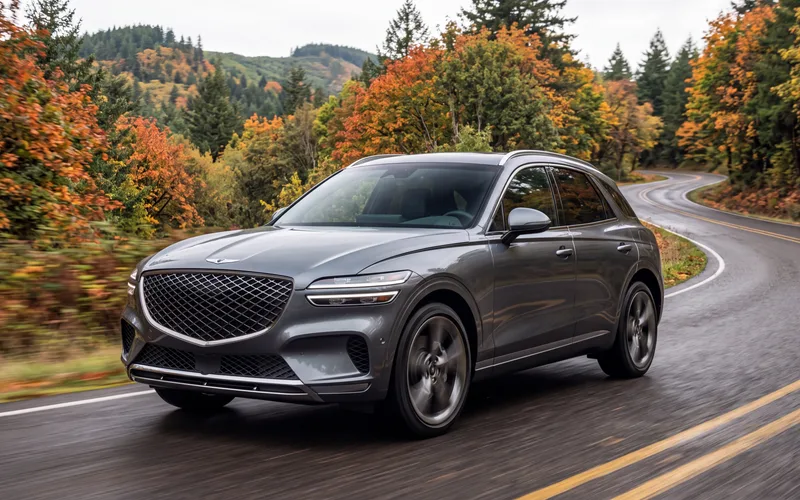 Genesis GV70Compact Luxury SUVBetter at: Value
Delivers comparable performance and a richer standard interior for thousands less, with a 10-year/100,000-mile powertrain warranty against BMW's 4-year/50,000-mile coverage.
Compare 2.72B-
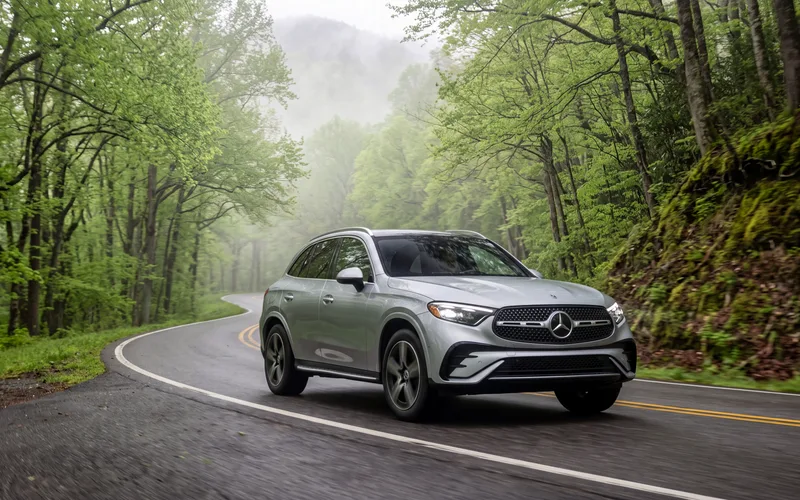 Mercedes-Benz GLCCompact Luxury SUVBetter at: Interior quality
The direct German rival with the nicer cabin — its materials and switchgear still feel a step above the redesigned X3's plastics and fabric trim.
Compare 2.63C+
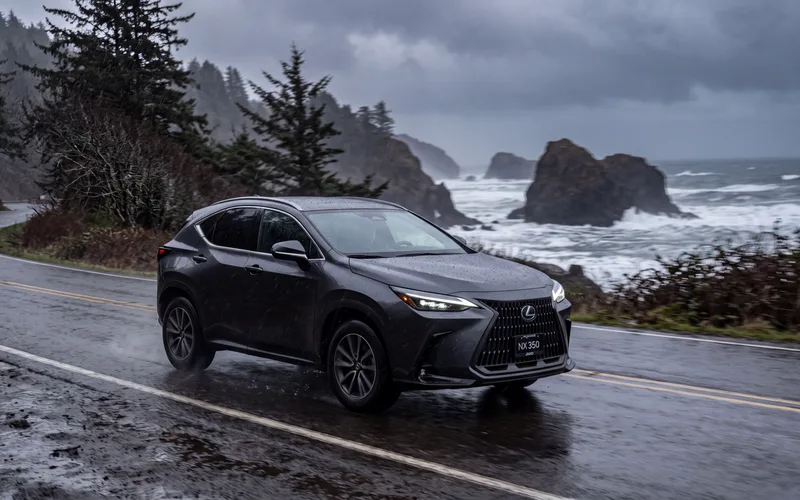 Lexus NXCompact Luxury SUVBetter at: Ownership cost
Far cheaper to run and repair, with hybrid efficiency on regular fuel instead of the X3's required 91 octane and $2,400-a-year EPA fuel estimate.
CompareHow it's evolved
10 scored model years · 2017–2026
Subject scores by year
Hover or tap a score to see what moved it versus the year before. A corner mark flags a big swing.
| Year | Performance | Efficiency | Safety | Space | Cost | Reliability | Tech | Use-case | Driving | Value |
|---|---|---|---|---|---|---|---|---|---|---|
| 2026 | 59 | 66 | 78 | 50 | 45 | 76 | 85 | 74 | 77 | 76 |
| 2025 | 57 | 66 | 71 | 48 | 36 | 59 | 83 | 61 | 73 | 77 |
| 2024 | 50 | 39 | 76 | 48 | 45 | 74 | 76 | 59 | 74 | 68 |
| 2023 | 51 | 41 | 77 | 46 | 44 | 73 | 77 | 56 | 74 | 71 |
| 2022 | 51 | 41 | 75 | 47 | 46 | 69 | 74 | 56 | 74 | 69 |
| 2021 | 53 | 46 | 71 | 47 | 45 | 65 | 66 | 56 | 74 | 66 |
| 2020 | 53 | 51 | 68 | 46 | 46 | 67 | 70 | 59 | 73 | 71 |
| 2019 | 52 | 47 | 67 | 46 | 47 | 63 | 58 | 58 | 73 | 70 |
| 2018 | 52 | 46 | 64 | 46 | 49 | 60 | 52 | 55 | 74 | 71 |
| 2017 | 46 | 41 | 51 | 45 | 48 | 66 | 45 | 54 | 68 | 65 |
Compare two years
Best fit & conditions
Higher scores mean a better fit for that use case. Learn more about use-case fit →
Subject profile
Trims & configurations
2 trimsScores above reflect the volume trim. Per-trim specs and scores are rolling out — the full lineup:
Academic Probation · NHTSA safety recalls
Sep 23, 2025Electrical system: starter assembly: relayThe engine starter relay may corrode, causing the relay to overheat and short circuit.
Defect
BMW of North America, LLC (BMW) is recalling certain 2019-2021 BMW 330i, 2019-2022 BMW Z4, 2020-2022 BMW 530i, X3, X4, Toyota Supra, 2021-2022 BMW 430i, 430i Convertible, and 2022 BMW 230i vehicles. The engine starter relay may corrode, causing the relay to overheat and short circuit.
Risk
A short circuit in the starter relay may increase the risk of a fire.
Remedy
Owners are advised to park their vehicles outside and away from structures until the remedy is complete. Dealers will replace the engine starter, free of charge. Owner notification letters were mailed February 6, 2026. Owners may contact BMW customer service at 1-800-525-7417. Vehicle Identification Numbers (VINs) involved in this recall became searchable on NHTSA.gov November 14, 2025.
NHTSA campaign 25V636000 ↗199,674 vehicles potentially affected (all models in the campaign)Owners notified Feb 6, 2026Filed by BMW of North America, LLCFiled as X3Oct 15, 2024StructureThe attachment for the rear cargo rail may become damaged in a rear crash and result in the cargo rail detaching.
Defect
BMW of North America, LLC (BMW) is recalling certain 2018-2022 X3 sDrive30i, X3 xDrive30i, X3 M40i, and X3 M vehicles. The attachment for the rear cargo rail may become damaged in a rear crash and result in the cargo rail detaching.
Risk
Interior rear cargo rail detachment during a crash can increase the risk of injury.
Remedy
Dealers will replace the rear cargo rail attachment bolts, free of charge. Owner notification letters were mailed December 12, 2024. Owners may contact BMW customer service at 1-800-525-7417. Vehicles in this recall were previously remedied for this issue under recall number 24V-534 and will need to have the new repair completed.
NHTSA campaign 24V764000 ↗8,725 vehicles potentially affected (all models in the campaign)Owners notified Dec 12, 2024Filed by BMW of North America, LLCFiled as X3Jul 17, 2024StructureThe attachment for the interior cargo rail may become damaged in a rear crash and result in the cargo rail detaching.
Defect
BMW of North America, LLC (BMW) is recalling certain 2018-2023 X3 sDrive30i, X3 xDrive30i, X3 M40i, and X3 M vehicles. The attachment for the interior cargo rail may become damaged in a rear crash and result in the cargo rail detaching.
Risk
Interior cargo rail detachment during a rear crash can increase the risk of injury.
Remedy
Dealers will replace the rear cargo rail attachment bolts, free of charge. Owner notification letters were mailed January 2, 2024. Owners may contact BMW customer service at 1-800-525-7417.
NHTSA campaign 24V534000 ↗282,387 vehicles potentially affected (all models in the campaign)Owners notified Jan 2, 2025Filed by BMW of North America, LLCFiled as X3Mar 29, 2023SeatsThe seat frame may not have been welded properly to the seat rails.
Defect
BMW of North America, LLC (BMW) is recalling certain 2019-2021 330i, 330i xDrive, M340i xDrive, 2020-2021 X3 sDrive30i, X3 xDrive30i, X3 M40i, X3M, 2021 X3 xDrive30e, X4 xDrive30i, and X4M vehicles. The seat frame may not have been welded properly to the seat rails.
Risk
An improperly welded seat frame may not properly restrain the occupant during a crash, increasing the risk of injury.
Remedy
Dealers will replace the seat frame and back rest, free of charge. Owner notification letters were mailed May 22, 2023. Owners may contact BMW customer service at 1-800-525-7417.
NHTSA campaign 23V211000 ↗51 vehicles potentially affected (all models in the campaign)Owners notified May 22, 2023Filed by BMW of North America, LLCFiled as X3Aug 2, 2021EngineDuring engine start, the engine management software may cause loss of braking assist. Full mechanical braking (without assist) remains available.
Defect
BMW of North America, LLC (BMW) is recalling certain 2020 M340i, M340i xDrive, 540i, 540i xDrive, X3 M40i, 2020-2021 X4 M40i, 745Le xDrive, 2019-2021 Z4 M40i, and 2020-2021 Toyota Supra vehicles. During engine start, the engine management software may cause loss of braking assist. Full mechanical braking (without assist) remains available.
Risk
Loss of braking assist can increase the risk of a crash.
Remedy
Dealers will update the engine management software, free of charge. Owner notification letters were mailed on September 17, 2021. Owners may contact BMW customer service at 1-800-525-7417.
NHTSA campaign 21V598000 ↗50,024 vehicles potentially affected (all models in the campaign)Owners notified Sep 17, 2021Filed by BMW of North America, LLCFiled as X3Feb 19, 2021Back over prevention: sensing system: camera · Back over prevention: softwareWhen shifting into Reverse, a small portion of the rearview image may be obscured, or the screen may not illuminate. As such, these vehicles fail to comply with the requirements of Federal Motor Vehicle Safety Standard (FMVSS) number 111, "Rear Visibility."
Defect
BMW of North America, LLC (BMW) is recalling certain 2019-2021 X3 sDrive30i, X3 xDrive30i, X3 M40i, X3M, X4 xDrive30i, X4 M40i, M550i, X4M, X5 sDrive40i, X5 xDrive40i, X5 xDrive50i, X5M, X5 M50i, X7 xDrive40i, X7 xDrive50i, X7 M50i, Alpina XB7, 330i, 330i xDrive, M340i, M340i xDrive, and 8 Series Coupe, Convertible and Grand Coupe, 840i, 840i xDrive, M850i xDrive, M8, 2020-2021 530e, 530e xDrive, 330e, 330e xDrive, 745Le, 745Le xDrive, X5 xDrive45e, X3 xDrive30e, X6 sDrive40i, X6 xDrive40i, X6 xDrive50i, X6 M50i, X6M, 530i, 530i xDrive, 540i, 540i xDrive, M550i xDrive, M5, 740i, 740Li, 740Li xDrive, M760i Drive, M760Li xDrive, 750Li xDrive Alpina, Alpina B7 xDrive, and 2021 4 Series Coupe 430i, 430i xDrive, M440i xDrive vehicles. When shifting into Reverse, a small portion of the rearview image may be obscured, or the screen may not illuminate. As such, these vehicles fail to comply with the requirements of Federal Motor Vehicle Safety Standard (FMVSS) number 111, "Rear Visibility."
Risk
If the driver relies on only the rearview camera image, the missing or reduced rearview image view can increase the risk of a crash or injury.
Remedy
BMW will notify owners, and dealers will inspect the rearview camera software and update it if necessary, free of charge. The recall began April 16, 2021. Owners may contact BMW customer service at 1-800-525-7417.
NHTSA campaign 21V096000 ↗13,858 vehicles potentially affected (all models in the campaign)Owners notified Apr 16, 2021Filed by BMW of North America, LLCFiled as X3Sep 30, 2020Electrical system: propulsion system: traction batteryDebris may have entered one or more of the hybrid battery cells during their production.
Defect
BMW of North America, LLC (BMW) is recalling certain 2020-2021 530e, 530e xDrive, 530e iPerformance and X3 xDrive30e and MINI Cooper Countryman All4 SE, 2020 BMW i8, and 2021 330e, 330e xDrive, 745Le xDrive and X5 xDrive45e vehicles. Debris may have entered one or more of the hybrid battery cells during their production.
Risk
The debris could result in a short-circuit, increasing the risk of fire or injury.
Remedy
BMW will inspect and, if necessary, replace the battery module free of charge. The remedy is currently being developed. Until the remedy is completed, drivers are instructed to not charge their vehicles. Drivers are instructed to not drive in manual mode, sport mode, and to not use the shift paddles. Owners were notified of the safety risk October 23, 2020. The recall began November 24, 2020. Owners may contact BMW customer service at 1-800-525-7417.
NHTSA campaign 20V601000 ↗4,509 vehicles potentially affected (all models in the campaign)Owners notified Nov 24, 2020Filed by BMW of North America, LLCFiled as X3Sep 30, 2020Back over prevention: sensing system: cameraA small portion of the rearview image may be slightly obscured. As such, these vehicles fail to comply with the requirements of Federal Motor Vehicle Safety Standard number 111, "Rear Visibility."
Defect
BMW of North America, LLC (BMW) is recalling certain 2020-2021 X3 sDrive 30i, X3 xDrive 30i, X3M 40i, X3 xDrive 30e, X4 xDrive 30i, X4M 40i, 530i, 540i, 540i xDrive, M550i xDrive, M5, 550e, 550e xDrive, and 550e iPerformance vehicles. A small portion of the rearview image may be slightly obscured. As such, these vehicles fail to comply with the requirements of Federal Motor Vehicle Safety Standard number 111, "Rear Visibility."
Risk
If the driver relies on only the rearview camera image, the reduced rearview image view can increase the risk of a crash or injury.
Remedy
BMW will notify owners, and dealers will inspect and, if necessary, program the rearview camera with updated software. The recall began November 18, 2020. Owners may contact BMW customer service at 1-800-525-7417.
NHTSA campaign 20V598000 ↗312 vehicles potentially affected (all models in the campaign)Owners notified Nov 18, 2020Filed by BMW of North America, LLCFiled as X3Aug 18, 2020Electrical system: 12v/24v/48v battery · Electrical system: propulsion system: traction batteryLoose welding beads may form a conductive path between the hybrid battery cells which could lead to a short-circuit.
Defect
BMW of North America, LLC (BMW) is recalling certain 2021 330e and X5 xDrive45e, 2020-2021 X3 xDrive30e, and 2020 MINI Countryman SE ALL4 vehicles. Loose welding beads may form a conductive path between the hybrid battery cells which could lead to a short-circuit.
Risk
A short-circuited hybrid battery may increase the risk of a fire.
Remedy
BMW will notify owners, and dealers will inspect and, if necessary, replace the battery modules, free of charge. BMW issued owners an interim notification on October 16, 2020. Although potentially affected BMW owners received interim owner notification letters, all potentially affected BMW owner vehicles have been remedied; therefore, BMW Final owner notification letters will not be necessary. Owners may contact BMW customer service at 1-800-525-7417.
NHTSA campaign 20V490000 ↗713 vehicles potentially affected (all models in the campaign)Owners notified Oct 12, 2020Filed by BMW of North America, LLCFiled as X3Jul 29, 2020Back over prevention: sensing system: camera · Electrical system: softwareThese vehicles were not programmed with rearview camera software during assembly, therefore, when the transmission is shifted to reverse, a rearview image is not displayed. As such, these vehicles fail to comply with the requirements of Federal Motor Vehicle Safety Standard number 111, "Rearview Mirrors."
Defect
BMW of North America, LLC (BMW) is recalling certain 2020 X3 sDrive40i, X3 xDrive40i and X3M40i vehicles. These vehicles were not programmed with rearview camera software during assembly, therefore, when the transmission is shifted to reverse, a rearview image is not displayed. As such, these vehicles fail to comply with the requirements of Federal Motor Vehicle Safety Standard number 111, "Rearview Mirrors."
Risk
An inoperative rearview camera display can increase the risk of a crash when reversing.
Remedy
BMW will notify owners, and dealers will program the affected vehicles with rearview camera software, free of charge. The recall began August 14, 2020. All vehicles have been remedied as of November 9, 2020. Owners may contact BMW customer service at 1-800-525-7417.
NHTSA campaign 20V443000 ↗5 vehicles potentially affected (all models in the campaign)Owners notified Aug 14, 2020Filed by BMW of North America, LLCFiled as X3Jun 15, 2020Steering: linkages: tie rod assemblyIn certain driving conditions, such as high temperatures and rough road surfaces, a steering gear tie rod may become damaged, possibly resulting in a fractured tie rod.
Defect
BMW of North America, LLC (BMW) is recalling certain 2019 Z4 sDrive30i, 2019-2020 330i xDrive, M340i and M340i xDrive, 2020 X3M and X4M, and Toyota Supra vehicles. In certain driving conditions, such as high temperatures and rough road surfaces, a steering gear tie rod may become damaged, possibly resulting in a fractured tie rod.
Risk
A damaged or fractured tie rod may affect vehicle handling and control, increasing the risk of a crash.
Remedy
BMW and Toyota will notify owners, and dealers will replace the steering gear tie rods, free of charge. The recall began August 14, 2020. Owners may contact BMW customer service at 1-800-525-7417 or Toyota customer service at 1-888-270-9371.
NHTSA campaign 20V355000 ↗Manufacturer no. Toyota: 20TA092,779 vehicles potentially affected (all models in the campaign)Owners notified Aug 14, 2020Filed by BMW of North America, LLCFiled as X3Mar 19, 2020Air bags · Seat belts: front: buckle assembly · Seat belts: front: warning light/devices · Seat belts: pretensionerThe sensors in the front seat belt buckles may inaccurately detect a belted occupant as unbelted, possibly causing the air bag and seat belt pretensioners to deploy improperly in the event of a crash.
Defect
BMW of North America, LLC (BMW) is recalling certain 2020 X3 xDrive30e, X4 xDrive30i, X4 M40i, X4M, 330i, 330i xDrive, M340i, 840i Gran Coupe, 840i xDrive Gran Coupe, M850i xDrive Gran Coupe, M8 Gran Coupe, X3 sDrive30i, X3 xDrive30i, X3 M40i, X3M, and 840i xDrive Convertible vehicles. The sensors in the front seat belt buckles may inaccurately detect a belted occupant as unbelted, possibly causing the air bag and seat belt pretensioners to deploy improperly in the event of a crash.
Risk
If the air bag and/or seat belt pretensioners deploy improperly in the event of a crash, there is an increased risk of injury to the driver and front passenger.
Remedy
BMW will notify owners, and dealers will inspect and replace the front seat belt buckles, as necessary, free of charge. The recall began May 18, 2020. Owners may contact BMW customer service at 1-800-525-7417.
NHTSA campaign 20V164000 ↗3,316 vehicles potentially affected (all models in the campaign)Owners notified May 18, 2020Filed by BMW of North America, LLCFiled as X3Mar 18, 2020Air bags: frontal: passenger side: inflator module · Electrical system: instrument cluster/panelThe instrument panel casing may not have been tightened properly to the passenger air bag.
Defect
BMW of North America, LLC (BMW) is recalling certain 2019-2020 X4 xDrive30i and X4 M40i, and 2018-2020 X3 sDrive30i, X3 xDrive30i, X3 M40i, and X3M vehicles. The instrument panel casing may not have been tightened properly to the passenger air bag.
Risk
In the event of a crash necessitating air bag deployment, the air bag could damage the instrument panel and cause small pieces of the panel to strike the driver or other occupants, increasing the risk of injury.
Remedy
BMW will notify owners, and dealers will replace the instrument panel casing, free of charge. The recall began May 15, 2020. Owners may contact BMW customer service at 1-800-525-7417.
NHTSA campaign 20V152000 ↗15 vehicles potentially affected (all models in the campaign)Owners notified May 15, 2020Filed by BMW of North America, LLCFiled as X3Oct 16, 2019Steering: rack and pinion: pinion shaftThe steering rack pinion teeth may break under load, resulting in a loss of steering control.
Defect
BMW of North America, LLC (BMW) is recalling certain 2020 BMW X3 M40i and X4 M40i vehicles. The steering rack pinion teeth may break under load, resulting in a loss of steering control.
Risk
A loss of steering control increases risk of a crash.
Remedy
BMW has notified owners, and dealers will replace the steering gear, free of charge. The recall began October 9, 2019. Owners may contact BMW customer service at 1-800-525-7417.
NHTSA campaign 19V738000 ↗20 vehicles potentially affected (all models in the campaign)Owners notified Oct 9, 2019Filed by BMW of North America, LLCFiled as X3Sep 27, 2019Back over prevention: sensing system: cameraThe back-up camera and display settings can be adjusted such that the rear view image is no longer visible and the system will retain that setting the next time the vehicle is placed in reverse. As such, these vehicles fail to comply with the requirements of Federal Motor Vehicle Safety Standard (FMVSS) number 111, "Rearview Mirrors."
Defect
BMW of North America, LLC (BMW) is recalling certain 2018 540d, 2018-2020 530i, 530i xDrive, 540i, 540i xDrive, M550i xDrive, M5, 530e, 530e xDrive, X3 sDrive, X3 xDrive, X3 M40i, X3 M, and 2019-2020 X4 xDrive, X4 M40i, X4 M, X7 xDrive, X7 M50i, 740Li, 740Li xDrive, 750Li, 750Li xDrive, 8 Series Convertible and Coupe 840i, 840i xDrive, M850i xDrive, X5 sDrive, X5 xDrive, X5 M50i, X6 xDrive, X6 M50i, 330i, 330i xDrive, M340i, M340i xDrive, Z4 sDrive, Z4 M40i, 740Le xDrive and 745Le xDrive, 2018-2019 640i xDrive Gran Turismo and Rolls-Royce Phantom, 2019 M850i xDrive Gran Coupe and Rolls-Royce Cullinan and 2020 Toyota Supra vehicles. The back-up camera and display settings can be adjusted such that the rear view image is no longer visible and the system will retain that setting the next time the vehicle is placed in reverse. As such, these vehicles fail to comply with the requirements of Federal Motor Vehicle Safety Standard (FMVSS) number 111, "Rearview Mirrors."
Risk
The lack of an image in the back-up camera display increases the risk of a crash.
Remedy
BMW will notify owners, and dealers will update the back-up camera software, free of charge. The recall began November 8, 2019. Owners may contact BMW customer service at 1-800-525-7417 or Rolls-Royce at 1-877-877-3735. Toyota owners may contact Toyota customer service at 1-888-270-9371.
NHTSA campaign 19V684000 ↗257,473 vehicles potentially affected (all models in the campaign)Owners notified Nov 8, 2019Filed by BMW of North America, LLCFiled as X3Sep 25, 2019Steering · Suspension: frontThe front axle swivel bearings may not have been properly heat treated during manufacturing, reducing their strength and possibly causing them to break.
Defect
BMW of North America, LLC (BMW) is recalling certain 2020 X3 sDrive30i, X3 xDrive30i, and X3 M40i vehicles, X4 xDrive30i, and X4 M40i vehicles. The front axle swivel bearings may not have been properly heat treated during manufacturing, reducing their strength and possibly causing them to break.
Risk
Broken swivel bearings can cause a loss of vehicle control, increasing the risk of a crash.
Remedy
BMW has notified owners and instructed them to not drive their vehicles. Dealers will replace the front axle swivel bearings, free of charge. Owners may contact BMW customer service at 1-800-525-7417.
NHTSA campaign 19V678000 ↗368 vehicles potentially affected (all models in the campaign)Owners notified Sep 19, 2019Filed by BMW of North America, LLCFiled as X3
30 recalls on other model years of the X3 (2017–2019, 2021–2026)
Aug 12, 2026Steering: linkages: knuckle: spindle: armThe steering spindle may have been incorrectly attached to the steering column.
Defect
BMW of North America, LLC (BMW) is recalling certain 2024-2026 X3 sDrive30i, X3 30 xDrive, and X3 M50 xDrive vehicles. The steering spindle may have been incorrectly attached to the steering column.
Risk
An incorrectly attached steering spindle can lead to a loss of steering control, increasing the risk of a crash.
Remedy
Dealers will inspect the steering connection and replace hardware or replace the spindle and column, as necessary, free of charge. Owner notification letters are expected to be mailed October 2, 2026. Owners may contact BMW customer service at 1-800-525-7417. Vehicle Identification Numbers (VINs) involved in this recall will become searchable on NHTSA.gov beginning October 2, 2026.
NHTSA campaign 26V524000 ↗13 vehicles potentially affected (all models in the campaign)Filed by BMW of North America, LLCFiled as X3Jan 30, 2026Electrical system: starter assemblyPlease see the recall report for a complete list of all models. The engine starter may overheat and catch fire due to wear on an internal component.
Defect
BMW of North America, LLC (BMW) is recalling certain 2021-2023 Toyota Supra, 2022-2023 2 Series Coupe, 2021-2024 5 Series (xDrive), 2021-2022 Z4, 2022-2024 4 Series (Gran Coupe), 2021-2024 4 Series (Convertible and xDrive Convertible), 2021-2023 4 Series (Coupe), 2021-2024 3 Series, 2021-2023 X4, 2021-2024 X3 vehicles. Please see the recall report for a complete list of all models. The engine starter may overheat and catch fire due to wear on an internal component.
Risk
Fire increases the risk of injury.
Remedy
Dealers will replace the engine starter, free of charge. Owner notification letters were mailed July 21, 2026. Owners may contact BMW customer service at 1-800-525-7417 or Toyota's customer service at 1-800-331-4331. Vehicle Identification Numbers (VINs) involved in this recall will be searchable on NHTSA.gov beginning March 24, 2026.
NHTSA campaign 26V056000 ↗87,394 vehicles potentially affected (all models in the campaign)Owners notified Mar 27, 2026Filed by BMW of North America, LLCFiled as X3Dec 11, 2025Steering: linkages: drag: power assist system · Steering: steering control moduleWhile the vehicle is stationary, unexpected steering wheel movement (rotation) may occur.
Defect
BMW of North America, LLC is recalling certain 2025-2026 X3 vehicles. While the vehicle is stationary, unexpected steering wheel movement (rotation) may occur.
Risk
Unintended steering wheel movement while the vehicle is stationary increases the risk of an injury and on the road, a crash.
Remedy
The steering system software will be updated, free of charge, either over-the-air (OTA) or by a dealer. Owner notification letters were mailed February 6, 2026. Owners may contact BMW customer service at 1-800-525-7417. Vehicle Identification Numbers (VINs) involved in this recall will be searchable on NHTSA.gov beginning February 2, 2026.
NHTSA campaign 25V857000 ↗36,922 vehicles potentially affected (all models in the campaign)Owners notified Feb 6, 2026Filed by BMW of North America, LLCFiled as X3Apr 16, 2025Service brakes, hydraulic: foundation components: discThe front brake discs may have been damaged during transport before they were installed on the vehicle.
Defect
BMW of North America, LLC (BMW) is recalling certain 2025 X3 30 xDrive vehicles. The front brake discs may have been damaged during transport before they were installed on the vehicle.
Risk
Damaged front brakes may not function properly, increasing the risk of a crash.
Remedy
Dealers will replace the front brake discs and brake pads, free of charge. Owner notification letters are expected to be mailed June 6, 2025. Owners may contact BMW customer service at 1-800-525-7417.
NHTSA campaign 25V247000 ↗26 vehicles potentially affected (all models in the campaign)Owners notified Jun 5, 2025Filed by BMW of North America, LLCFiled as X3Apr 1, 2025Electrical system: alternator/generator/regulator · Electrical system: starter assemblyThe electrical connection between the starter-generator and battery may come loose.
Defect
BMW of North America, LLC (BMW) is recalling certain 2025 330i, 330i xDrive, 530i, 530i xDrive, 4 Series Coupe (430i, 430i xDrive), 4 Series Convertible (430i, 430i xDrive), 4 Series Gran Coupe (430i, 430i xDrive) and X3 30 xDrive vehicles. The electrical connection between the starter-generator and battery may come loose.
Risk
A loose starter-generator connection can result in an engine stall, increasing the risk of a crash. In addition, the wiring may overheat, increasing the risk of a fire.
Remedy
Dealers will inspect and replace the starter-generator and positive battery cable as necessary, free of charge. Interim owner letters notifying owners of the safety risk were mailed May 28, 2025. Second letters will be sent once the remedy is available. Owners may contact BMW customer service at 1-800-525-7417.
NHTSA campaign 25V202000 ↗4,557 vehicles potentially affected (all models in the campaign)Owners notified Aug 8, 2025Filed by BMW of North America, LLCFiled as X3Mar 12, 2025Electronic stability control (esc) · Service brakes, hydraulic: antilock/traction control/electronic limited slip · Service brakes, hydraulic: foundation components: hoses, lines/piping, and fittingsThe rear brake hoses may leak, causing a loss of rear brake function, and a loss of the Antilock Brake System (ABS) and the Dynamic Stability Control (DSC) system.
Defect
BMW of North America, LLC (BMW) is recalling certain 2025 X3 30 xDrive and X3 M50 xDrive vehicles. The rear brake hoses may leak, causing a loss of rear brake function, and a loss of the Antilock Brake System (ABS) and the Dynamic Stability Control (DSC) system.
Risk
A loss of rear brake function increases the risk of a crash.
Remedy
Dealers will replace the rear brake hoses, free of charge. Owner notification letters were mailed May 9, 2025. Owners may contact BMW customer service at 800-525-7417.
NHTSA campaign 25V154000 ↗192 vehicles potentially affected (all models in the campaign)Owners notified May 9, 2025Filed by BMW of North America, LLCFiled as X3Feb 21, 2025Electrical system: 12v/24v/48v battery: cablesThe connection between the positive battery cable and the starter-generator may have been improperly tightened and overheat.
Defect
BMW of North America, LLC (BMW) is recalling certain 2025 X3 30 xDrive vehicles. The connection between the positive battery cable and the starter-generator may have been improperly tightened and overheat.
Risk
An overheated battery cable connection can cause an engine stall and increase the risk of a crash. In addition, an overheated battery cable increases the risk of a fire.
Remedy
Dealers will inspect and tighten the connection between the positive battery cable and the starter-generator, or replace the positive battery cable and starter-generator if necessary, free of charge. Owner notification letters were mailed June 5, 2025. Owners may contact BMW customer service at 800-525-7417.
NHTSA campaign 25V109000 ↗114 vehicles potentially affected (all models in the campaign)Owners notified Jun 5, 2025Filed by BMW of North America, LLCFiled as X3Feb 20, 2025Latches/locks/linkages: doors: lockThe second-row seat side door locking modules may not function properly and allow the doors to be unlocked with a single motion. As such, these vehicles fail to comply with the requirements of Federal Motor Vehicle Safety Standard (FMVSS) number 206, "Door Locks and Door Retention Components."
Defect
BMW of North America, LLC (BMW) is recalling certain 2022-2024 X3 sDrive30i and X3 xDrive30i vehicles. The second-row seat side door locking modules may not function properly and allow the doors to be unlocked with a single motion. As such, these vehicles fail to comply with the requirements of Federal Motor Vehicle Safety Standard (FMVSS) number 206, "Door Locks and Door Retention Components."
Risk
Doors that can be inadvertently unlocked and unlatched may open unexpectedly, increasing the risk of injury to rear seat occupants.
Remedy
Dealers will replace the second-row seat side door locking modules, free of charge. A letter informing owners of the safety risk was mailed on April 21, 2025. Owners may contact BMW customer service at 800-525-7417.
NHTSA campaign 25V106000 ↗40,736 vehicles potentially affected (all models in the campaign)Owners notified Jun 13, 2025Filed by BMW of North America, LLCFiled as X3Dec 5, 2024Suspension: front: wheel bearingThe front wheel left-side swivel bearing may crack, causing a loss of vehicle handling and control.
Defect
BMW of North America, LLC (BMW) is recalling certain 2025 X3 30 vehicles. The front wheel left-side swivel bearing may crack, causing a loss of vehicle handling and control.
Risk
A loss of vehicle handling and control increases the risk of a crash.
Remedy
Dealers will replace the front left-side swivel bearing, free of charge. One owner was contacted December 12, 2024. Owners may contact BMW customer service at 1-800-525-7417.
NHTSA campaign 24V909000 ↗2 vehicles potentially affected (all models in the campaign)Owners notified Dec 12, 2024Filed by BMW of North America, LLCFiled as X3Nov 12, 2024Air bags: side/window: curtainThe gas generator in the right-side head curtain air bag may have been assembled incorrectly.
Defect
BMW of North America, LLC (BMW) is recalling certain 2025 X3 30 xDrive vehicles. The gas generator in the right-side head curtain air bag may have been assembled incorrectly.
Risk
An incorrectly assembled air bag can result in delayed activation or improper deployment of the head curtain air bag, increasing the risk of injury in a crash.
Remedy
Dealers will inspect and replace the right-side head curtain air bag, if necessary, free of charge. The vehicles have not been sold from dealer inventory and therefore no owner letters will be mailed. Owners may contact BMW customer service at 1-800-525-7417.
NHTSA campaign 24V856000 ↗2 vehicles potentially affected (all models in the campaign)Owners notified Nov 13, 2024Filed by BMW of North America, LLCFiled as X3Oct 17, 2024Air bags: passenger side frontal: cushionThe front passenger air bag fabric may have been damaged during transport between suppliers.
Defect
BMW of North America, LLC (BMW) is recalling certain 2025 X3 xDrive30i and X3 M50i vehicles. The front passenger air bag fabric may have been damaged during transport between suppliers.
Risk
A damaged air bag may not inflate properly, increasing the risk of injury in a crash.
Remedy
Dealers will replace the front passenger air bag, free of charge. None of the affected vehicles have been sold yet and therefore no owner notification letters will be mailed. Owners may contact BMW customer service at 1-800-525-7417.
NHTSA campaign 24V772000 ↗7 vehicles potentially affected (all models in the campaign)Owners notified Oct 31, 2024Filed by BMW of North America, LLCFiled as X3Aug 13, 2024Electrical system: wiring: connectors/plugs/receptacles · Engine and engine cooling: cooling system: pumpAn improperly sealed electrical connector on the water pump may be exposed to water and short circuit.
Defect
BMW of North America, LLC. (BMW) is recalling certain 2012-2015 X1 sDrive28i, X1 xDrive28i, 2012-2016 Z4 sDrive28i, 528i, 528i xDrive, 328i, 328xi, 2016-2018 X5 xdrive 40e, 2014-2016 228i, 228xi, 428i, 428i xDrive, 328xi Gran Turismo, 2013-2017 X3 sDrive28i, X3 xDrive28i, 2015-2018 X4 xDrive28i, 2015-2016 428xi vehicles. An improperly sealed electrical connector on the water pump may be exposed to water and short circuit.
Risk
An electrical short increases the risk of a fire.
Remedy
Dealers will inspect and replace the water pump and plug connector as necessary, and install a protective shield, free of charge. Owner notification letters were mailed on March 28, 2025. Owners may contact BMW customer service at 1-800-525-7417.
NHTSA campaign 24V608000 ↗720,796 vehicles potentially affected (all models in the campaign)Owners notified Mar 28, 2025Filed by BMW of North America, LLCFiled as X3Dec 6, 2023Power train: automatic transmission: control module (tcm/pcm/tecm)The weld seam of the integrated transmission control unit's cover may not have been manufactured properly, which could allow automatic transmission oil to leak into the transmission control unit.
Defect
BMW of North America, LLC (BMW) is recalling certain 2023 Toyota GR Supra, 3 Series Sedan (330i xDrive, M340i xDrive, M3), 5 Series Sedan (530i, 530i xDrive, M5), 4 Series Gran Coupe (430i, 430i xDrive), 4 Series Coupe (430i, 430i xDrive, M440i xDrive), 4 Series Convertible (430i, 430i xDrive, M440i xDrive), 8 Series Coupe (840i, M850i xDrive, M8), 8 Series Convertible (840i, M850i xDrive, M8), 8 Series Gran Coupe (850i xDrive, M8), X3 SAV (X3 xDrive30i, X3M), X4 SAV (X4 xDrive30i), X5 SAV (X5 xDrive40i, X5 M50i, X5M), X6 SAV (X6 xDrive40i, X6 M50i, X6M), and Z4 sDrive30i, Z4 M40i vehicles. The weld seam of the integrated transmission control unit's cover may not have been manufactured properly, which could allow automatic transmission oil to leak into the transmission control unit.
Risk
Transmission oil that leaks into the control unit can lead to a seizure of the transmission gears, causing a sudden loss of drive power and increasing the risk of a crash.
Remedy
Dealers will replace the transmission mechatronics module and the automatic transmission fluid, as necessary, free of charge. Owner notification letters were mailed January 26, 2024. Owners may contact BMW customer service at 1-800-525-7417.
NHTSA campaign 23V821000 ↗Manufacturer no. Toyota - 23TA14552 vehicles potentially affected (all models in the campaign)Owners notified Jan 26, 2024Filed by BMW of North America, LLCFiled as X3Nov 16, 2023SteeringThe steering gear may not have been tightened properly, which can allow it to loosen.
Defect
BMW of North America, LLC (BMW) is recalling certain 2024 2 Series Coupe (230i), 330i, X3 sDrive30i, X3 xDrive30i, X3 M40i, and X4 xDrive30i, X4 M40i vehicles. The steering gear may not have been tightened properly, which can allow it to loosen.
Risk
A loose steering gear can cause a loss of vehicle control, increasing the risk of a crash.
Remedy
Dealers will replace the steering gear, free of charge. Owner notification letters were mailed January 11, 2024. Owners may contact BMW customer service at 1-800-525-7417.
NHTSA campaign 23V770000 ↗201 vehicles potentially affected (all models in the campaign)Owners notified Jan 11, 2024Filed by BMW of North America, LLCFiled as X3Jul 20, 2022Fuel system, gasoline: fuel injection system: fuel railThe high-pressure fuel rail may crack and result in a fuel leak within the engine compartment.
Defect
BMW of North America, LLC (BMW) is recalling certain 2022 X1 xDrive 28i, X3 xDrive30i, and 228i Gran Coupe vehicles. The high-pressure fuel rail may crack and result in a fuel leak within the engine compartment.
Risk
A fuel leak in the presence of an ignition source increases the risk of a fire.
Remedy
Dealers will replace the high-pressure fuel rail, free of charge. Owner notification letters were mailed September 19, 2022. Owners may contact BMW customer service at 1-800-525-7417.
NHTSA campaign 22V513000 ↗5 vehicles potentially affected (all models in the campaign)Owners notified Sep 19, 2022Filed by BMW of North America, LLCFiled as X3Feb 9, 2022Power train: automatic transmissionThe mechatronics unit inside the transmission may not have been assembled properly, which could result in an internal leak.
Defect
BMW of North America, LLC (BMW) is recalling certain 2022 330i, 530i, X3 xDrive30i, and X4 xDrive30i vehicles. The mechatronics unit inside the transmission may not have been assembled properly, which could result in an internal leak.
Risk
An internal transmission leak can result in a vehicle rollaway, increasing the risk of a crash or injury.
Remedy
Dealers will replace the transmission mechatronics unit, free of charge. All of the vehicle population for this recall have been repaired. Owner notification letters were not mailed. Owners may contact BMW customer service at 1-800-525-7417.
NHTSA campaign 22V070000 ↗4 vehicles potentially affected (all models in the campaign)Owners notified Apr 4, 2022Filed by BMW of North America, LLCFiled as X3Nov 19, 2021Fuel system, dieselThe EGR cooler may leak internally, causing coolant to mix with diesel engine soot, which could result in smoldering particles and a melting intake manifold.
Defect
BMW of North America, LLC (BMW) is recalling certain 2013-2018 328d, 328d xDrive, 2014-2018 328d Sports Wagon, 328d xDrive Sports Wagon, 2014-2016 535d, 535d xDrive, 2015 740Ld xDrive, 2015-2017 X3 xDrive28d SAV, and 2014-2017 X5 xDrive35d SAV diesel vehicles equipped with an Exhaust Gas Recirculation (EGR) module with an integrated cooler. The EGR cooler may leak internally, causing coolant to mix with diesel engine soot, which could result in smoldering particles and a melting intake manifold.
Risk
A melting intake manifold increases the risk of a fire.
Remedy
Dealers will replace the EGR cooler and inspect the intake manifold, replacing it as necessary, free of charge. This recall includes all vehicles previously recalled under 18V-755. Vehicles previously recalled under 18V-755 will need to have the new remedy performed for this recall. An interim owner notification letter was mailed on January 18, 2022. The remedy is expected to be available in June 2022. Owner notification letters were mailed on July 6, 2022. Owners may contact BMW customer service at 1-800-525-7417.
NHTSA campaign 21V907000 ↗50,404 vehicles potentially affected (all models in the campaign)Owners notified Jul 6, 2022Filed by BMW of North America, LLCFiled as X3Jul 29, 2021Fuel system, diesel: delivery: fuel pumpThe high-pressure fuel pump may fail.
Defect
BMW of North America, LLC (BMW) is recalling certain 2014-2018 328d, 328d xDrive, X5 xDrive35d, 2014-2016 535d, 535d xDrive, 2015 740Ld xDrive, and 2015-2017 X3 xDrive28d vehicles. The high-pressure fuel pump may fail.
Risk
Fuel pump failure can cause an engine stall while driving, increasing the risk of a crash.
Remedy
Dealers will replace the high-pressure fuel pump, free of charge. Owner notification letters were mailed on January 14, 2022. Owners may contact BMW customer service at 1-800-525-7417.
NHTSA campaign 21V586000 ↗11,216 vehicles potentially affected (all models in the campaign)Owners notified Jan 14, 2022Filed by BMW of North America, LLCFiled as X3Jul 8, 2021Air bags: frontal · Air bags: sensor: occupant classification: front passengerThe front passenger seat occupant classification system may have been improperly assembled, which could result in the misclassification of the seat as unoccupied, and deactivate the front air bag.
Defect
BMW of North America, LLC (BMW) is recalling certain 2018-2019 X3 sDrive30i, X3 xDrive30i, X3 M40i and 2019 X4 xDrive30i, and X4 M40i vehicles. The front passenger seat occupant classification system may have been improperly assembled, which could result in the misclassification of the seat as unoccupied, and deactivate the front air bag.
Risk
A deactivated front air bag will not deploy in the event of a crash, increasing the risk of injury.
Remedy
Dealers will replace the seat foam, which includes the occupant classification system, free of charge. Owner notification letters were mailed on September 3, 2021. Owners may contact BMW customer service at 1-800-525-7417.
NHTSA campaign 21V521000 ↗138 vehicles potentially affected (all models in the campaign)Owners notified Sep 3, 2021Filed by BMW of North America, LLCFiled as X3Mar 24, 2021Fuel system, gasoline: storage: tank assemblyThe inlet check valve weld may fail, allowing the filling pipe to separate from the fuel tank.
Defect
BMW of North America, LLC (BMW) is recalling certain 2021 X3 sDrive30i, X3 xDrive30i, X3 M40i, X3M, and X4, and 2021 X4 xDrive30i vehicles. The inlet check valve weld may fail, allowing the filling pipe to separate from the fuel tank.
Risk
Fuel may leak through the failed weld, increasing the risk of a fire.
Remedy
BMW will notify owners, and dealers will replace the fuel tank, free of charge. The recall is scheduled to begin May 17, 2021. Owners were also contacted by telephone. To date, all repairs have been done. No further owner notification letters will be sent. Owners may contact BMW customer service at 1-800-525-7417.
NHTSA campaign 21V199000 ↗17 vehicles potentially affected (all models in the campaign)Owners notified May 10, 2021Filed by BMW of North America, LLCFiled as X3Jul 31, 2019SeatsThe front seatback frames may have been improperly welded, allowing the seatback to unexpectedly fold forward or rearward.
Defect
BMW of North America, LLC (BMW) is recalling certain 2018-2019 X3 sDrive30i, xDrive30i and M40i and 2019 X4 xDrive30i and M40i vehicles. The front seatback frames may have been improperly welded, allowing the seatback to unexpectedly fold forward or rearward.
Risk
In the event of a crash, there is an increased risk of injury if the seatback folds forward or rearward.
Remedy
BMW will notify owners, and dealers will replace the front seats, free of charge. The recall began September 27, 2019. Owners may contact BMW customer service 1-800-525-7417.
NHTSA campaign 19V563000 ↗20 vehicles potentially affected (all models in the campaign)Owners notified Sep 27, 2019Filed by BMW of North America, LLCFiled as X3Apr 10, 2019Air bags: frontal: passenger side: inflator module · Electrical system: instrument cluster/panelThe instrument panel assembly may have been improperly manufactured, possibly affecting the deployment of the passenger's frontal air bag.
Defect
BMW of North America, LLC (BMW) is recalling certain 2019 X3 sDrive30i, X3 xDrive30i, X3 M40i, and X4 M40i vehicles. The instrument panel assembly may have been improperly manufactured, possibly affecting the deployment of the passenger's frontal air bag.
Risk
If the front passenger air bag does not deploy properly in the event of a crash, the occupant has an increased risk of injury.
Remedy
BMW will notify owners, and dealers will replace the instrument panel assembly, free of charge. The recall began June 3, 2019. Owners may contact BMW customer service at 1-800-525-7417.
NHTSA campaign 19V291000 ↗50 vehicles potentially affected (all models in the campaign)Owners notified Jun 3, 2019Filed by BMW of North America, LLCFiled as X3Oct 25, 2018Engine and engine cooling: exhaust system: emission control: gas recirculation valve (egr valve)If the EGR cooler leaks internally, the coolant can mix with diesel engine soot. The high EGR temperatures may result in these particles possibly smoldering and melting the intake manifold.
Defect
BMW of North America, LLC (BMW) is recalling certain 2013-2018 BMW 328d and 328d xDrive, 2014-2018 328d Sports Wagon and 328d xDrive Sports Wagon, 2014-2016 535d and 535d xDrive, 2015 740Ld xDrive, 2015-2017 X3 xDrive28d SAV and 2014-2017 X5 xDrive35d SAV vehicles equipped with an Exhaust Gas Recirculation (EGR) module with an integrated cooler. If the EGR cooler leaks internally, the coolant can mix with diesel engine soot. The high EGR temperatures may result in these particles possibly smoldering and melting the intake manifold.
Risk
The melting intake manifold can increase the risk of a fire.
Remedy
BMW will notify owners, and dealers will inspect and replace the EGR cooler as necessary. If a leak has already occurred, the engine intake manifold will also be replaced. These repairs will be made free of charge. The recall began May 13, 2019. Owners may contact BMW customer service at 1-800-525-7417.
NHTSA campaign 18V755000 ↗44,368 vehicles potentially affected (all models in the campaign)Owners notified May 13, 2019Filed by BMW of North America, LLCFiled as X3Jul 6, 2018Service brakes, hydraulic: foundation components: disc: caliperThe rear brake caliper pistons on these vehicles may have an insufficient coating, potentially reducing rear brake performance.
Defect
BMW of North America, LLC (BMW) is recalling certain 2018-2019 BMW X3 sDrive30i, X3 xDrive30i, X3 M40i and certain 2019 X4 xDrive30i and X4 M40i vehicles. The rear brake caliper pistons on these vehicles may have an insufficient coating, potentially reducing rear brake performance.
Risk
A reduction of braking performance can increase the risk of a crash.
Remedy
BMW will notify owners, and dealers will bleed the rear brake circuit, free of charge. The recall began August 31, 2018. Owners may contact BMW customer service at 1-800-525-7417.
NHTSA campaign 18V453000 ↗5,594 vehicles potentially affected (all models in the campaign)Owners notified Aug 31, 2018Filed by BMW of North America, LLCFiled as X3Jun 21, 2018Exterior lighting: turn signalThe rear turn signals on the outboard side panel will illuminate red, while the inboard turn signals simultaneously illuminate amber. As such, these vehicles fail to comply with the requirements of Federal Motor Vehicle Safety Standard (FMVSS) number 108, "Lamps, Reflective Devices, and Associated Equipment."
Defect
BMW of North America, LLC (BMW) is recalling certain 2018 BMW X3 xDrive30i and X3 M40i vehicles. The rear turn signals on the outboard side panel will illuminate red, while the inboard turn signals simultaneously illuminate amber. As such, these vehicles fail to comply with the requirements of Federal Motor Vehicle Safety Standard (FMVSS) number 108, "Lamps, Reflective Devices, and Associated Equipment."
Risk
Turn signals that flash multiple colors may confuse other drivers, increasing the risk of a crash.
Remedy
BMW will notify owners, and dealers will inspect the rear turn signal lights, and replace if necessary, free of charge. The recall began August 20, 2018. Owners may contact BMW customer service at 1-800-525-7417.
NHTSA campaign 18V431000 ↗5 vehicles potentially affected (all models in the campaign)Owners notified Aug 20, 2018Filed by BMW of North America, LLCFiled as X3Jun 6, 2018Lane departure: lane keep: steering assistThe steering wheel may be incompatible with the lane keeping assistant function and may not detect if the driver's hands are off the wheel.
Defect
BMW of North America, LLC (BMW) is recalling certain 2018-2019 BMW X3 xDrive30i, X3 sDrive30i, and X3 M40i vehicles equipped with the "Active Lane Keeping Assistant" option. The steering wheel may be incompatible with the lane keeping assistant function and may not detect if the driver's hands are off the wheel.
Risk
If the sensors do not properly detect the driver's hands are off the wheel, the driver may not be alerted by one or more warning signals, increasing the risk of a crash.
Remedy
BMW will notify owners, and dealers will inspect the steering wheel, replacing it if necessary, free of charge. The recall began on July 19, 2018. Owners may contact BMW customer service at 1-800-525-7417.
NHTSA campaign 18V374000 ↗51 vehicles potentially affected (all models in the campaign)Owners notified Jul 19, 2018Filed by BMW of North America, LLCFiled as X3Mar 7, 2018Structure: bodyThe rear spoiler may not have been properly attached during assembly, or may be missing screws, possibly causing the spoiler to detach while driving.
Defect
BMW of North America, LLC (BMW) is recalling certain 2018 BMW X3 xDrive30i and X3 M40i vehicles. The rear spoiler may not have been properly attached during assembly, or may be missing screws, possibly causing the spoiler to detach while driving.
Risk
If the spoiler detaches while driving, it can become a road hazard, increasing the risk of a crash.
Remedy
BMW will notify owners, and dealers will inspect the spoiler, correcting its attachment as necessary, free of charge. The recall is expected to begin May 1, 2018. Owners may contact BMW customer service at 1-800-525-7417.
NHTSA campaign 18V154000 ↗17,008 vehicles potentially affected (all models in the campaign)Owners notified Apr 27, 2018Filed by BMW of North America, LLCFiled as X3Nov 15, 2017Electrical system: instrument cluster/panelThese vehicles may have an error in the software for the instrument panel, causing the display to not properly illuminate. As such, these vehicles fail to comply with the requirements of Federal Motor Vehicle Safety Standard (FMVSS) number 101, "Control and Displays."
Defect
BMW of North America, LLC (BMW) is recalling certain 2018 230i, 230i xDrive, M240i, M240i xDrive, M2, and X3 xDrive 30i SAV vehicles. These vehicles may have an error in the software for the instrument panel, causing the display to not properly illuminate. As such, these vehicles fail to comply with the requirements of Federal Motor Vehicle Safety Standard (FMVSS) number 101, "Control and Displays."
Risk
If the display does not illuminate during start up or does not illuminate various control and warning symbols while driving, it can increase the risk of a crash.
Remedy
BMW will notify owners, and dealers will update the instrument cluster display software, free of charge. The recall is expected to begin January 8, 2018. Owners may contact BMW customer service at 1-800-525-7417.
NHTSA campaign 17V719000 ↗3,188 vehicles potentially affected (all models in the campaign)Owners notified Jan 12, 2018Filed by BMW of North America, LLCFiled as X3Oct 3, 2016Steering: electric power assist systemBMW of North America, LLC (BMW) is recalling one model year 2017 BMW X3 xDrive 28i vehicle manufactured on June 7, 2016. This vehicle has electronic power steering (EPS), and the contact pins on the EPS control unit may not have been welded properly resulting in increased resistance.
Defect
BMW of North America, LLC (BMW) is recalling one model year 2017 BMW X3 xDrive 28i vehicle manufactured on June 7, 2016. This vehicle has electronic power steering (EPS), and the contact pins on the EPS control unit may not have been welded properly resulting in increased resistance.
Risk
An increase in pin contact resistance can increase the risk of a fire, even while the vehicle is parked and ignition is off.
Remedy
The vehicle was repaired at the dealership before sale. Therefore, an owner notification notice will not be issued for this campaign. Owners may contact BMW customer service at 1-800-525-7417.
NHTSA campaign 16V704000 ↗103 vehicles potentially affected (all models in the campaign)Owners notified Oct 11, 2016Filed by BMW of North America, LLCFiled as X3May 23, 2016Child seat: latch strapThe affected vehicles have lower anchor bars for securing child restraint seats that may become damaged when using the European-ISOFIX-type, rigid-style connector, child restraint system.
Defect
BMW of North America, LLC (BMW) is recalling certain model year 2011-2017, X3 sDrive28i, X3 xDrive28i and X3 xDrive35i, vehicles manufactured July 2, 2010 to April 14, 2016, 2015-2017 X3 xDrive28d vehicles manufactured March 10, 2014 to March 31, 2016, and 2015-2017 x4 xDrive28i, X4 xDrive35i and X4 xDriveM40i vehicles manufactured March3, 2014 to April 15, 2016. The affected vehicles have lower anchor bars for securing child restraint seats that may become damaged when using the European-ISOFIX-type, rigid-style connector, child restraint system.
Risk
Damaged lower anchor bars may increase the child's risk of injury in the event of a crash.
Remedy
BMW will notify owners, and dealers will weld a reinforcing bracket to the lower anchor bars and the vehicle body, free of charge. The recall began on July 13, 2016. Owners may contact BMW customer service at 1-800-525-7417.
NHTSA campaign 16V333000 ↗188,668 vehicles potentially affected (all models in the campaign)Owners notified Jul 13, 2016Filed by BMW of North America, LLCFiled as X3
Source: NHTSA Office of Defects Investigation recall database, model years 2017–2026. Recalls are listed by model year as the manufacturer filed them; whether a specific car is affected depends on its VIN — check a VIN at nhtsa.gov ↗. NHTSA model names matched to this page: X3.
Detailed scoring by subject
1Performance & PowertrainGrades below the middle of the scale.1.57D
The volume 2020 X3 xDrive30i runs BMW's B46 2.0L TwinPower Turbo four at 248 hp; 2020 is a carry-over year for the 30i within the pre-LCI G01 generation (the US facelift arrived for 2022), though the lineup above it changed with the new X3 M.
258 lb-ft on tap from 1,450 rpm gives the X3 easy part-throttle response and covers its 4,400-lb tow rating, even though the peak figure is only mid-pack for the segment.
BMW quotes 6.0 seconds to 60 mph for the 30i models and independent testing lands within a couple of tenths — quick for a base compact-luxury SUV engine but well behind the six-cylinder trims.
The B46 turbo four pulls cleanly with minimal lag thanks to full torque at 1,450 rpm and reviewers describe it as quiet and smooth, but it still sounds like a four next to the B58 six and the 2020 30i has no 48-volt assist to smooth stop-start restarts (that arrived with the 2022 LCI).
The ZF-sourced eight-speed automatic is the segment benchmark — fast, decisive shifts that keep the small turbo four in its torque plateau — with only isolated criticism of low-speed responsiveness.
With the optional BMW trailer hitch the 2020 X3 is rated at 4,400 lbs on any trim — mid-pack for a compact SUV, enough for a small boat or a pair of ATVs.
xDrive all-wheel drive is standard on every 2020 X3 except the entry sDrive30i — a well-sorted rear-biased system with brake-based torque vectoring, but with no low range, locking differential or terrain-mode suite.
The X3 is a road-biased Sports Activity Vehicle: about eight inches of clearance, modest angles, all-season street tires, and no skid plates, low range, lockers or off-road trim. xDrive handles a snowy road or a gravel drive and nothing beyond that.
2020 is the broadest year of the G01: the 2.0L turbo four in RWD or AWD, the brand-new xDrive30e plug-in hybrid, the 382-hp B58 six in the M40i, and the first-ever X3 M / M Competition — an electrified option plus three distinct gas tunes, though still no full EV.
2Efficiency & RangeOne of the X3's weakest categories.1.41D
EPA rates the volume 2020 xDrive30i at 26 MPG combined — strong for an AWD compact luxury SUV and a point better than the 2021 car — but it takes premium fuel to get there.
24 MPG in town is well above average for the segment — the small turbo four, tall-geared eight-speed and auto stop-start manage it with no hybrid assist at all.
29 MPG on the highway is helped by tall top-gear gearing, and the AWD car matches the rear-drive sDrive30i exactly — xDrive costs nothing at a steady cruise.
A 17.2-gallon tank at 26 MPG combined gives roughly 447 miles between fills — comfortable for road trips, though short of the 500-plus miles larger-tank rivals manage.
The EPA estimate stays high for a compact SUV despite good MPG, because the premium-grade requirement adds a per-gallon penalty on every fill.
The B46 is a premium-fuel engine — BMW specifies 91 octane for rated output and the EPA computes the $2,900 annual cost at premium pricing, so owners pay the premium spread on every tank.
3SafetyMid-pack among this car's ten categories.2.62C+
NHTSA tested the 2020 X3 (gas, non-M) and awarded 5 stars overall, with 5 stars in both the frontal and side barrier programs and 4 stars for rollover resistance. The X3 M and the new-for-2020 xDrive30e PHEV were not separately tested.
The G01 X3 posts a clean sheet — Good in all six IIHS crashworthiness tests — and the 2020 model year did carry a Top Safety Pick+ award, unlike 2021. The award is qualified rather than outright: it applies only to cars ordered with optional front crash prevention and the Executive-package headlights, and under the tightened 2021 criteria (Good/Acceptable headlights required across every trim) the same car lost the award entirely the following year.
For 2020 the volume xDrive30i ships with Active Guard only — forward collision warning, city-speed automatic braking with daytime pedestrian detection, lane departure warning and speed limit info — plus standard front and rear park distance control and a rearview camera. Blind-spot detection and rear cross-traffic alert are not standard on any trim (they arrive with the $500 Driving Assistance Package that upgrades the car to Active Driving Assistant spec), and adaptive cruise needs the far pricier Professional package. BMW closed the blind-spot hole a year later by making Active Driving Assistant standard for 2021.
All three 2020 X3 system variants rate Superior for vehicle-to-vehicle front crash prevention and avoid the collision outright at both 12 and 25 mph — importantly including the standard Active Guard system, so the base car is not the weak one. IIHS published no vehicle-to-pedestrian evaluation for the 2020 X3, so the day/night pedestrian performance the top band asks for is unverified rather than demonstrated; BMW's own literature claims daytime pedestrian detection only.
Active Blind Spot Detection and rear cross-traffic alert are available on every 2020 trim but standard on none, sitting behind a $500 Driving Assistance Package — cheap, yet still a box the buyer has to tick, and plenty of used 2020 cars do without it. Coverage is alert-only: no active blind-spot steering intervention, no rear automatic braking on cross-traffic and no safe-exit warning, with front cross-traffic alert reserved for the much dearer Professional package.
Lane departure warning is the extent of the standard provision; true lane centering means the Driving Assistance Professional Package, which adds Active Lane Keeping Assistant with side collision avoidance and Traffic Jam Assistant. Reviewers rate that system smooth and trustworthy once fitted, but a 2020 xDrive30i as most were built vibrates the wheel at a lane line rather than steering back into the lane.
Active Cruise Control with Stop & Go is a genuinely strong full-speed-range system — smooth resume, confident gap-keeping — and pairs with Traffic Jam Assistant in the Driving Assistance Professional Package. The score reflects availability and cost rather than behavior: no 2020 trim includes it, and the representative volume car leaves the lot with plain cruise control unless the buyer spends roughly $1,700 more.
No hands-free mode was offered on the 2020 X3. BMW's Extended Traffic Jam Assistant requires the driver-attention (eye-tracking) camera, and the G01 X3 was never fitted with that hardware in this era — even with the Professional package it stayed on the X5, X7 and the larger sedans.
The X3's clear safety weak point. New for 2020, 30i models got LED headlights with cornering lights as standard, but IIHS still rates that LED projector low/high beam unit Marginal — it has no high-beam assist. The Good-rated lamps (LED projector low, LED reflector high, with high-beam assist) come only with the Executive package, an option rather than a trim, so the typical car on the road carries the worse lighting and the 2020 TSP+ award is conditional on avoiding it.
The G01's upright greenhouse is among the better ones in the compact luxury class — tall roof, deep side glass, restrained pillars, big door mirrors and low rear headrests that keep the mirror view clear. Standard front and rear park distance control plus a rearview camera cover the close-quarters gaps; a surround-view camera is available only in the Parking Assistance Package.
IIHS rates the X3's LATCH hardware Marginal for ease of use — the lower anchors sit too deep in the seat bight and the surrounding upholstery is awkward to work around. Rear-door openings and the room for a large child seat are genuinely good, so the demerit is the anchors themselves rather than the cabin.
4Space & ComfortOne of the X3's weakest categories.1.09D
The G01 X3 is a strictly two-row, five-seat compact SUV across the whole 2020 lineup — sDrive30i through X3 M Competition — with a 40/20/40-split reclining rear bench.
41.1 inches is among the roomier figures in the compact luxury class, a direct benefit of the G01's upright roofline; the panoramic moonroof in the Convenience Package costs about an inch.
40.3 inches sits at the very bottom of the SUV normalization band — the X3 gives its front occupants adequate but not generous stretch-out room, and the seat travel rather than the published number is what makes it work for tall drivers.
39.1 inches of second-row headroom is a strong figure for the segment and the clearest payoff of the X3's boxy greenhouse — six-footers sit upright in back without brushing the liner.
36.4 inches is mid-pack: comfortable for two adults on a long drive and workable for three across on shorter ones, but short of the space-efficient mainstream compacts and well short of a mid-size SUV.
There is no third row. BMW has never offered one in the X3 — buyers who need seven seats are pushed up to the X5 or X7 — so this item scores in the bottom band by definition rather than because a fitted third row is cramped.
28.7 cubic feet is competitive against direct compact-luxury rivals but sits at the bottom of a band calibrated across all SUVs including three-row mid- and full-size models, so the normalized score is harsh relative to how the X3 actually lives.
62.7 cubic feet with the bench down more than doubles the seats-up figure and the load floor is close to flat, but the absolute number is a compact-SUV number in a band that runs to 100.
Solid, conventional storage rather than clever: a deep covered console bin, usable door pockets, a covered tray ahead of the shifter, underfloor cargo storage with a cargo cover, and a genuinely useful 40/20/40 rear seat that passes skis through without giving up both outboard seats. Nothing here is an innovation — no configurable console, no household outlet, no frunk.
The front seats are a repeated strong point — broad adjustment range, real support on long stints, driver memory standard — and the rear bench reclines, which few rivals offer. Points come off for the base SensaTec vinyl on the volume car, power lumbar being a Convenience Package item, and a minority of owner reports finding the cushions firm.
Body control is excellent and the X3 never floats, but the standard-fit run-flat tires and the optional larger wheels make it busy over broken pavement — the split verdict in reviews and owner reports tracks almost exactly with wheel size and whether the Dynamic Handling package is fitted.
Wind and powertrain noise are well suppressed at highway speed, but tire roar from the run-flats over coarse pavement is the recurring complaint and keeps the X3 a step behind the class quiet leaders. Acoustic glass and active noise cancellation are not part of the volume car's specification.
Tri-zone automatic climate control standard is genuinely generous for a compact SUV, and the option sheet reaches a long way — heated and ventilated front seats, heated rear seats, heated steering wheel, rear sunshades, remote climate pre-conditioning through the app. The demerit is that on a $45,000 luxury SUV essentially none of the heated equipment is standard: heated front seats live in the Premium Package and the heated wheel and heated rear seats in the Executive Package.
5Cost of OwnershipThe X3's lowest-graded category.1.03D
The entry 2020 X3 is the rear-drive sDrive30i at $41,950 plus BMW's $995 destination and handling charge — $1,050 below the equivalent 2021 car and mid-pack for the compact luxury SUV class.
The all-wheel-drive xDrive30i is the volume 2020 X3 at $43,950 plus $995 destination = $44,945 before options, and BMW's package ladder means a representative retail car adds the Convenience Package (panoramic roof, keyless entry, lumbar), leather in place of the standard SensaTec, and metallic paint.
Independent estimates for the X3 cluster from roughly $5,200 to $5,900 across five years, and the model's poor repair-frequency record argues for the top of that range rather than the middle.
The 2020 car is past its five-year mark, so retention is observable rather than projected: current sixth-year book values sit near 40% of the as-equipped price, which back-fits to roughly 45% at year five and lands at the pessimistic end of the published X3 residual estimates.
BMW's New Vehicle Limited Warranty on 2020 models runs 4 years or 50,000 miles — a year longer than the 3/36 most mainstream brands offer, matching Mercedes-Benz and Audi in the segment without approaching Genesis or Jaguar.
Unlike most of the market, BMW provides no extended powertrain term on 2020 gas models: the 4-year/50,000-mile New Vehicle Limited Warranty is the whole of the coverage, short of the 5–10 year powertrain warranties that are the segment norm and far behind Genesis's 10/100.
BMW Ultimate Care covers scheduled maintenance for 3 years/36,000 miles and roadside assistance runs the full 4 years with unlimited mileage — genuinely multi-year coverage — but the standard tier is narrow after BMW cut back from the old 4/50 comprehensive plan, wear items (brake pads and rotors, wipers, tires, alignment) require paid Ultimate Care+, and on a 2020 car the plan is non-transferable, since BMW only made it transferable from MY2022.
$49,500 volume-trim price minus its estimated resale value after 5 years (45% retained, or about $22,275) leaves about $27,225 in depreciation. Add the projected $6,000 in 5-year maintenance and repairs, and owning this vehicle for 5 years costs about $33,225 in total.
6Reliability & QualityMid-pack among this car's ten categories.2.53C+
2020 is the third year of the G01 generation (launched for 2018) and a carry-over year mechanically for the volume xDrive30i, and the settled-in generation shows: Consumer Reports rates this model year above its peers rather than below, and J.D. Power puts it squarely at average. That combination — no source calling it bad, none calling it top-tier, and a real trouble-spot list covering water leaks, in-car electronics and premature brake wear — lands it mid-band, above its own G05 X5 sibling of the same year but well short of the Lexus benchmark in this segment.
BMW's standing over the window that brackets this car is mid-pack and sharply improving rather than consistently top-tier. When the 2020 X3 was on sale BMW sat 12th on Consumer Reports' brand card and below the industry average on initial quality; within two years it was a CR top-three brand, and the dependability study covering 2020-model-year cars put it fractionally better than average. Consistently ahead of Mercedes-Benz, Audi and Land Rover, consistently behind Lexus and Porsche.
Ten NHTSA campaigns is typical activity for a German luxury SUV of this age, and the mix is milder than the X5's of the same year — three of the ten are rearview-camera software/FMVSS 111 compliance fixes, and two more (hybrid battery cells) reach only the xDrive30e PHEV, not the gas xDrive30i being scored here. What holds it below the average band is the small number of genuinely serious items that do apply: a 2025 starter-relay corrosion campaign flagging a fire risk in a parked car, improperly welded seat frames, and two structural cargo-rail campaigns, on top of the generation's documented sunroof-drain water intrusion and rattle patterns.
The volume 2020 xDrive30i pairs the B46 2.0L turbocharged four (248 hp, the US-emissions member of the B48 family) with the ZF 8HP eight-speed. The core hardware is sound — the B-series corrected the timing-chain failure that dogged the preceding N20, and the ZF has an industry-wide high-mileage record — but the periphery is what owners pay for: valve-cover and oil-filter-housing gaskets weeping after roughly 60,000 miles, coolant-system leaks (radiator, expansion tank, turbo coolant return line) clustering around 80,000–90,000, and this model year's own fuel-system and emissions failures near 53,000. Solidly mid-band: no chronic failure mode in the engine or gearbox itself, but not the trouble-free long-haul reputation the B58 six earns.
The pre-facelift G01 cabin is well assembled and logically laid out, with a good upper dash and dense iDrive switchgear, but reviewers repeatedly called it austere for the money — hard, grainy, scratchy plastics below elbow level and on the door pulls, and standard SensaTec vinyl rather than leather at the base price. Competitive with the Audi Q5 on switchgear feel but a visible step behind the Mercedes-Benz GLC and Volvo XC60 on material richness, which is what keeps it out of the class-leading band and well below the same year's X5.
Spartanburg assembly gives the X3 tight panel gaps and a structurally solid feel, and by 2020 the G01 was three years into production rather than in its launch year. Against that sit two assembly-quality signals that are hard to dismiss: BMW was below the industry average on J.D. Power initial quality in 2020, and this model year carries a seat-frame welding recall plus a Consumer Reports trouble-spot list led by noises and leaks — recurring sunroof-drain water intrusion and squeaks and rattles that owners describe as out of keeping with the price.
Roughly 350 BMW centers across all 50 states is dense coverage by luxury standards — better reach than Genesis, Volvo or Land Rover, comparable to Mercedes-Benz — and the X3 is BMW's best-selling US model, so every one of them services this car routinely and stocks for it. Service satisfaction is the limiter: BMW sits mid-pack among premium brands rather than with the Lexus/Porsche/Cadillac leaders.
Availability is a non-issue — the X3 is a high-volume model with abundant OE and aftermarket parts and unusually deep independent-specialist support. Cost is what scores it, and a 2020 car is now the worst case: the 4-year/50,000-mile warranty and 3-year/36,000-mile included maintenance are both long expired, and this is precisely the mileage window where the generation's expensive items land — gasket and coolant-system leaks, premature brake rotors and pads, run-flat tires, and dealer-only diagnostics. RepairPal has both the frequency and severity of repairs above the luxury-compact-SUV norm.
7Technology & InfotainmentOne of the X3's strongest categories.2.73B-
For 2020 BMW made Live Cockpit Plus with navigation standard on the 30i models, which took the entry display from 6.5 to 8.8 inches — a real upgrade over 2019, but still the smaller of the two G01 screens, with the 10.25-inch unit reserved for the Premium/Executive packages and the six-cylinder trims.
The G01 picked up BMW Operating System 7.0 for the 2020 model year, and it is the class benchmark on ergonomics: fast tile-based graphics, a touchscreen and a rotary iDrive controller that both do everything, and hard buttons kept for climate and volume. The tile layout is more configurable than most owners will bother with, which is the only real criticism.
Wireless Apple CarPlay is standard with the navigation every 30i now carries — and BMW is one of the few brands that offers it wirelessly rather than wired — but a 2020 X3 left the factory with no Android Auto at all. BMW added wireless Android Auto to OS 7.0 cars from July 2020, reaching the US in stages later that year, so the capability arrived retroactively rather than being on the window sticker.
OS 7.0 brings the natural-language BMW Intelligent Personal Assistant ('Hey BMW'), which handles free-form climate, navigation and vehicle-function requests rather than fixed command strings, and BMW's own navigation is standard on every 2020 30i with live traffic and cloud-assisted routing. It is a system owners actually use rather than bypass for the phone.
The standard HiFi system is clean and adequately powerful for the class, and the optional Harman Kardon surround setup — 16 speakers, 464 watts — is one of the better mid-tier branded systems and is available on the volume 30i rather than restricted to the six-cylinder cars. There is no top-tier Bowers & Wilkins step above it in the X3 the way there is in BMW's larger models.
The volume xDrive30i as BMW builds it keeps analog dials with a small central info display; the 12.3-inch fully digital cluster comes only with BMW Live Cockpit Professional, which is standard on the M40i and X3 M but a package upgrade on the 30i. Where fitted it is crisp and configurable, but this is squarely the 'full digital on upper trims only' case.
Because the 2020 X3 shipped on Operating System 7.0 it is eligible for BMW's Remote Software Upgrade, and that channel proved to be more than a map refresh — it retroactively added wireless Android Auto, cloud-based BMW Maps and other functions to cars already on the road. It falls short of the top band only because the scope is infotainment and connected services rather than true whole-vehicle control-unit updating.
BMW Connected / My BMW covers the core set well — remote lock and unlock, vehicle finder, remote climate pre-conditioning, send-to-car destinations, vehicle status — and the app itself is polished. Two things hold it below the top band: the connected services are trial-then-subscription rather than free for the life of the car, and the 2020 X3 predates BMW Digital Key, which needed NFC hardware the pre-LCI G01 was not built with.
Adequate rather than abundant: front USB and 12-volt power plus rear-seat charging ports on the volume car, with wireless phone charging and the Wi-Fi hotspot bundled into the Premium and Executive packages instead of being standard. There is no household AC outlet and no high-wattage USB-C provision across all rows of the sort newer rivals ship.
Push-button start and a power liftgate are standard, but Comfort Access proximity entry — and with it the hands-free Smart Opener tailgate — sits inside the $2,250 Convenience Package, so a base-spec 2020 X3 still asks the driver to press the fob. No phone-as-key was offered on this car.
The standard provision is better than most rivals of the year — a rearview camera plus both front and rear park distance control on every trim — and the Parking Assistance Package adds a 3D surround-view system and self-parking. The surround view being optional, and its resolution being merely good rather than class-leading, keeps it out of the top band.
BMW's full-colour head-up display is one of the larger and better-rendered units on the market and can be ordered on the volume xDrive30i, not just the six-cylinder cars — but only by buying up through the Premium or Executive package, so it is available rather than commonplace.
8Use-Case FitMid-pack among this car's ten categories.1.96C-
The hardware around the child seat is good — wide rear door openings, a tall upright cabin, 39.1 in of rear headroom and a 40/20/40 bench that lets a middle pass-through coexist with two outboard seats — but the anchors themselves are the weak point, and 28.7 cu ft behind the second row is only just enough for a full-size stroller plus a grocery run.
The crash results a family cares about are there — 5 stars from NHTSA and Good in all six IIHS crashworthiness tests, with a 2020 Top Safety Pick+ — but the award is conditional on optional headlights and optional front crash prevention, and blind-spot detection, rear cross-traffic alert and adaptive cruise are all extra-cost on every 2020 trim. A typical used 2020 X3 may well have none of them.
Tri-zone climate standard and a reclining rear bench are real long-trip assets, and 447 miles of range means one fuel stop per driving day. Against that, the rear amenities are thin for the money — no rear entertainment, heated rear seats and sunshades cost extra — and with four aboard the 28.7 cu ft boot fills quickly on a week-long trip.
An easy car to live with in traffic: the ZF eight-speed is smooth and decisive, the 2.0-litre has all 258 lb-ft from 1,450 rpm so it never needs revving in stop-and-go, the steering is light in Comfort mode, and the tall greenhouse gives an unusually good view out. The absence of 48-volt assist means the stop/start restart is more noticeable than in the 2022-on cars.
26 MPG combined is respectable for an AWD luxury SUV, but every mile is bought with premium fuel, and the consumables are luxury-priced — staggered-capable 19- and 20-inch run-flats are expensive to replace and BMW's post-warranty service intervals are dear. The EPA's own annual figure is the plain read on it.
A genuinely compact footprint, a 39.4-ft turning circle, excellent sightlines from the upright glasshouse, and — unusually for the class in 2020 — front as well as rear parking sensors standard alongside the camera. It is not a small car, and the surround-view that would make tight garages trivial is optional.
The 4,400-lb tow rating with the factory hitch is at the strong end of the compact-SUV field and covers a small boat or a pair of ATVs, and the 258 lb-ft low-rpm torque plateau suits it. But there is no bed, cargo is 28.7 cu ft seats-up, and nothing about the car's specification is aimed at load-carrying work.
This is a luxury SUV with no fleet or trade history: premium fuel, run-flat tires, leather or SensaTec rather than wipe-clean surfaces, and BMW parts and labour prices once the four-year warranty lapses. The B46 four and ZF eight-speed are proven mechanically, which is the only reason this is not lower.
The provisions are the ordinary passenger-SUV set — cargo tie-down points, a cargo cover, standard roof rails that will take a rack, and an available trailer hitch. There is no onboard AC power, no washable interior, and no upfit ecosystem of the kind a work buyer would expect.
A strong tourer on the fundamentals — supportive front seats with broad adjustment, a settled high-speed gait, and 447 miles between fills — held back by run-flat road noise on coarse surfaces and by adaptive cruise with stop-and-go being a roughly $1,700 option rather than standard kit, which is precisely the feature that reduces highway fatigue.
xDrive all-wheel drive on the volume trim, about eight inches of clearance, a 4,400-lb tow rating and standard roof rails cover gravel forest roads, a bike rack and a small trailer to the trailhead. Beyond that it stops: street-biased all-seasons on run-flats, no low range, no locker, no skid plates and no terrain modes.
The 40/20/40 bench is the best kind for gear — skis or a long box through the centre while two passengers keep their seats — and the standard roof rails, underfloor bin and available hitch extend it further. The limit is simple volume: 62.7 cu ft with everything folded is a compact-SUV number, and the sloping tailgate costs some usable height.
9Driving ExperienceThe X3's best-graded category.2.96B-
The G01 is the compact luxury SUV that still drives like a car: rear-biased xDrive, minimal roll, accurate turn-in and a chassis that stays composed when the road tightens. It is the reference point reviewers use for the class rather than an also-ran, though the optional Dynamic Handling package with adaptive dampers is what sharpens it fully.
Accurate and consistently geared, and Sport mode adds real heft, but this is electric assistance with the feedback filtered out — and in the default Comfort setting reviewers find it light to the point of imprecision. Better than most of the class, short of the naturally-weighted top band.
Strong, well-modulated brakes with a firm pedal and short stops for a 3,900-lb SUV, helped by the grippy run-flat performance tires that hurt the ride. No fade complaints appear in the road tests, and there is no regen blending to muddy the pedal on the gas 30i.
The B46 turbo four and ZF eight-speed are one of the better-calibrated pairings in the class — full torque from 1,450 rpm makes tip-in clean, and the transmission's shifts are quick and largely imperceptible. The one blemish on the 2020 car is engine stop/start restart, which has no 48-volt starter-generator to smooth it; that only arrived with the 2022 refresh.
Quiet and unobtrusive when cruising, but worked hard the B46 sounds like what it is — a four-cylinder — with none of the character of the M40i's B58 six. Reviewers describe it as smooth and undramatic rather than pleasant.
Mid-pack for a compact SUV — the 112.8-inch wheelbase and the wide front tires keep it from being genuinely tight in a multi-storey car park, though it never feels unwieldy in ordinary use.
One of the X3's genuine strengths: a wide seat and wheel adjustment range that fits nearly any driver, a commanding but not perched seating height, excellent sightlines from the upright glasshouse, and — unlike the touchscreen-only rivals that followed — physical climate and volume controls plus the iDrive rotary controller within easy reach.
The chassis is the most entertaining in the compact luxury class and the X3 rewards a good road, but the volume 30i's four-cylinder supplies competence rather than drama — the cars enthusiasts actually get excited about in this range are the M40i and the new-for-2020 X3 M. Enjoyable, not thrilling.
10Value & Market PositionOne of the X3's strongest categories.2.79B-
2020 was a real content year for the X3 — the standard centre screen grew from 6.5 to 8.8 inches, navigation became standard, and wireless Apple CarPlay went from a subscription to complimentary — on top of standard LED headlights, a power tailgate, three-zone climate, 10-way power front seats and parking sensors. But it still trails the class on the items buyers notice: SensaTec vinyl rather than leather, an analog gauge pack, a panoramic roof and keyless entry locked in the Convenience Package, and no Android Auto or standard blind-spot monitoring, both of which arrived only for 2021.
At $44,945 delivered the xDrive30i buys 248 hp, the class-benchmark chassis and ZF eight-speed, a five-star NHTSA overall result, Good ratings in all six IIHS crashworthiness tests and an IIHS Top Safety Pick+ when correctly optioned — and unlike the 2021 car it could actually be bought below sticker. What holds it to fair rather than a bargain is the package ladder that takes a representative car to roughly $49,500 and ownership arithmetic that is among the segment's worst: ~45% five-year retention and roughly $6,000 in maintenance and repair.
2020 is the widest the G01 X3 range ever got in the US: six variants and four powertrains from $41,950 to $76,900, and the year the lineup was completed at both ends — the xDrive30e plug-in hybrid and the 473-hp X3 M with its 503-hp Competition version were both new for 2020, while the M40i's six went from 355 to 382 hp. Buyers choose rear- or all-wheel drive on the 248-hp four, a PHEV, a hot six, or a full M car, layered with xLine, M Sport, Convenience, Premium and Executive packages.
The X3 sold 59,941 units in the US in calendar 2020, down 14.5% from 2019's 70,110 — but that was a pandemic year in which BMW brand volume fell 17.5%, so the X3 outperformed its own brand and finished as BMW's best-selling US model. The rebound to a record 75,858 in 2021 confirms the dip was supply and lockdowns rather than the model losing the segment.
BMW is a genuinely aspirational badge in the US premium market with a loyal owner base, and the X3 sits at the commercial heart of it — the roundel still carries the driver's-car halo that supports transaction prices and residuals relative to non-premium rivals, even where the X3's own depreciation trails its class average.
2020 was the best buyer's market of the G01's entire run, and the mirror image of 2021's sold-out lots: BMW answered the pandemic collapse in demand with subvented financing, deferred payments and cash on the hood, and dealers with full inventories negotiated on top. That is meaningful help without the desperation pricing that would signal a failing model.
2020 is the third model year of the G01 generation launched for 2018 — squarely mid-cycle — but it is the substantive one, adding the xDrive30e plug-in hybrid, the X3 M and M Competition, more power for the M40i and a larger standard screen with navigation. Nothing about the platform, body or cabin architecture changed, and the mid-life refresh was still eighteen months out, so a 2020 buyer faced no imminent-replacement risk while also getting no new hardware underneath.
The 2020 X3 was well reviewed and, unlike the 2021 car, actually collected the segment's headline safety award: IIHS Top Safety Pick+ alongside a five-star NHTSA overall rating, with U.S. News placing it near the top of the luxury compact SUV class at 8.0/10. It stops short of the top band because the TSP+ required the optional front crash prevention and the Executive package's Good-rated headlights — standard LED projectors rated only Marginal — it took no major editorial award such as 10Best or NACTOY, and projected ownership cost is the standing complaint in nearly every review.