

The verdict
A mixed-report muscle car, strong on performance and held back by efficiency.
The reborn 2026 Charger is the most practical muscle car you can buy — five seats, standard all-wheel drive, and a 22.7 cu ft hatch that shames every trunked rival — wrapped around a 420-hp twin-turbo six or a 670-hp electric Scat Pack. What it costs you is money: 20 MPG combined and premium fuel run about $2,900 a year, a mid-$50k typical transaction depreciates roughly $30,250 in five years, and the warranty is the industry floor at 3/36 and 5/60. Reliability is an open question on a second-year platform with three brand-new powertrains, and crash-test agencies haven't rated this generation yet. Buy it for the space, the AWD grip and the enormous incentives on the hood — not for a cheap or worry-free five years.
Jump to scoresStrengths
- Real power in four flavors, and AWD on every one of them
- It hauls like a hatchback, not a coupe
- Cabin tech that punches above the segment
What holds it back
- The fuel bill is brutal on gas, and the EV can't go far
- Expensive to buy, expensive to keep, worth little later
- Baseline warranty and no included maintenance
Top alternatives
Cars shoppers cross-shop with the Dodge Charger 2.47C+
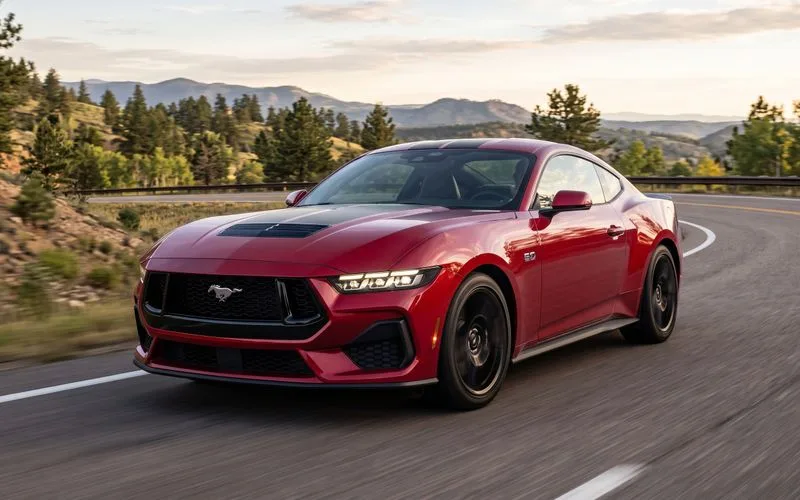 Ford MustangSports CarBetter at: Value
More power for less money with proven crash ratings, far stronger resale and available hands-free highway driving, if you can live without AWD and the back seat.
Compare 1.75C-
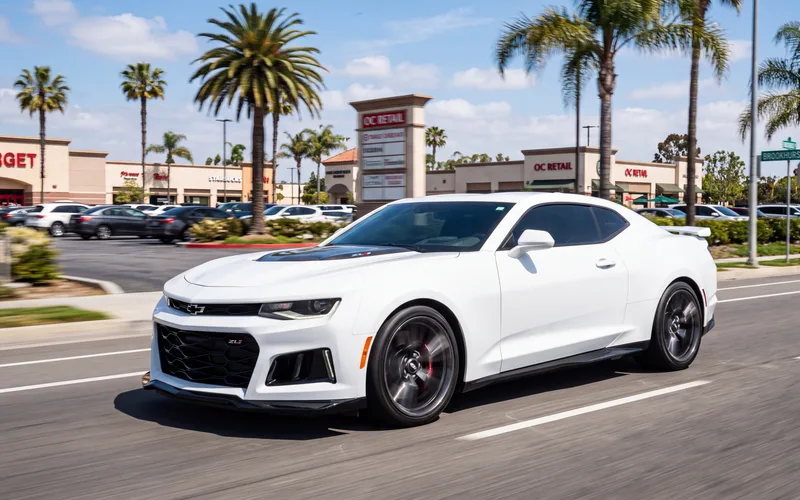 Chevrolet CamaroSports CarBetter at: Handling
A lighter, more agile traditional muscle coupe at a much lower price, for buyers who care more about how it corners than how new it is.
Compare 2.30C+
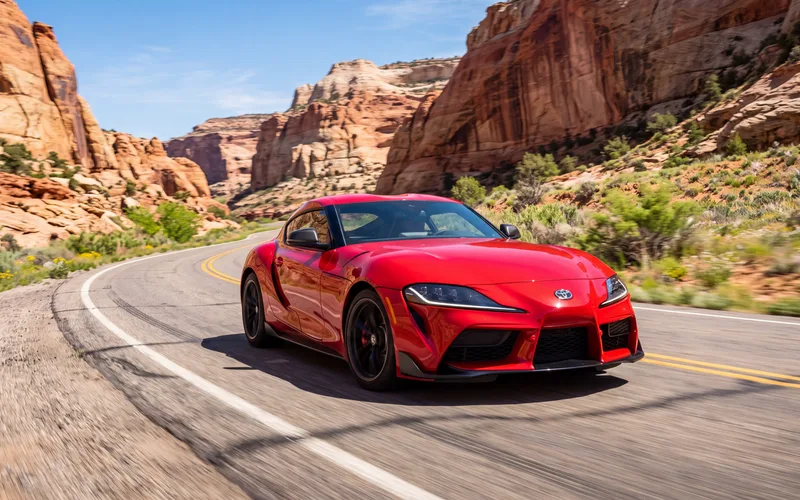 Toyota GR SupraSports CarBetter at: Ownership cost
Sharper, lighter and dramatically cheaper to run and own, with Toyota's reliability record behind it instead of a first-generation platform.
CompareHow it's evolved
10 scored model years · 2017–2026
Subject scores by year
Hover or tap a score to see what moved it versus the year before. A corner mark flags a big swing.
| Year | Performance | Efficiency | Safety | Space | Cost | Reliability | Tech | Use-case | Driving | Value |
|---|---|---|---|---|---|---|---|---|---|---|
| 2026 | 81 | 17 | 60 | 79 | 25 | 58 | 77 | 49 | 64 | 62 |
| 2025 | 81 | 65 | 52 | 77 | 13 | 53 | 68 | 41 | 64 | 60 |
| 2024 | 81 | 65 | 52 | 77 | 13 | 52 | 68 | 41 | 64 | 59 |
| 2023 | 51 | 30 | 47 | 70 | 58 | 68 | 44 | 37 | 54 | 58 |
| 2022 | 51 | 30 | 48 | 65 | 61 | 64 | 38 | 33 | 52 | 57 |
| 2021 | 53 | 30 | 54 | 70 | 52 | 70 | 43 | 37 | 54 | 63 |
| 2020 | 55 | 31 | 48 | 71 | 59 | 71 | 48 | 41 | 55 | 68 |
| 2019 | 51 | 30 | 47 | 69 | 58 | 66 | 50 | 42 | 59 | 66 |
| 2018 | 51 | 30 | 53 | 68 | 57 | 62 | 49 | 42 | 59 | 65 |
| 2017 | 53 | 31 | 55 | 69 | 67 | 56 | 45 | 40 | 59 | 77 |
Compare two years
Best fit & conditions
Higher scores mean a better fit for that use case. Learn more about use-case fit →
Subject profile
Academic Probation · NHTSA safety recalls
Aug 13, 2026Back over prevention: sensing system: cameraThe rearview camera image may fail to display when the vehicle is placed in reverse. As such, these vehicles fail to comply with the requirements of Federal Motor Vehicle Safety Standard (FMVSS) number 111, "Rear Visibility."
Defect
Chrysler (FCA US, LLC) is recalling certain 2026 Jeep Wrangler, Jeep Gladiator, Jeep Compass, Jeep Cherokee, Jeep Grand Cherokee, Jeep Grand Cherokee L, Jeep Grand Wagoneer, Jeep Grand Wagoneer L, Ram Promaster, Ram Promaster EV, Ram 1500, Ram 2500, Chrysler Pacifica Plug-In Hybrid, Chrysler Voyager, and 2026-2027 Chrysler Pacifica and Dodge Charger vehicles. The rearview camera image may fail to display when the vehicle is placed in reverse. As such, these vehicles fail to comply with the requirements of Federal Motor Vehicle Safety Standard (FMVSS) number 111, "Rear Visibility."
Risk
A rearview camera image that fails to display reduces the driver's view behind the vehicle, increasing the risk of a crash.
Remedy
Radio software will be updated by a dealer or through an over-the-air (OTA) update, free of charge. Owner notification letters were mailed beginning September 2, 2026. Owners may contact Chrysler customer service at 800-853-1403. Chrysler's number for this recall is 78D. Vehicle Identification Numbers (VINs) involved in this recall will be searchable on NHTSA.gov on August 20, 2026.
NHTSA campaign 26V531000 ↗Manufacturer no. 78D844,027 vehicles potentially affected (all models in the campaign)Owners notified Sep 2, 2026Filed by Chrysler (FCA US, LLC)Filed as CHARGER
20 recalls on other model years of the Charger (2017–2025)
Apr 23, 2026Electrical system: instrument cluster/panelA software error may cause the instrument panel display to fail. As such, these vehicles fail to comply with the requirements of Federal Motor Vehicle Safety Standard numbers 108, "Lamps, Reflective Devices, and Associated Equipment," 126, "Electronic Stability Control Systems for Light Vehicles," 135, "Light Vehicle Brake Systems," 138, "Tire Pressure Monitoring System," and/or 208, "Occupant Crash Protection."
Defect
Chrysler (FCA US, LLC) is recalling certain 2024-2025 Jeep Wagoneer S and Dodge Charger electric vehicles. A software error may cause the instrument panel display to fail. As such, these vehicles fail to comply with the requirements of Federal Motor Vehicle Safety Standard numbers 108, "Lamps, Reflective Devices, and Associated Equipment," 126, "Electronic Stability Control Systems for Light Vehicles," 135, "Light Vehicle Brake Systems," 138, "Tire Pressure Monitoring System," and/or 208, "Occupant Crash Protection."
Risk
An instrument panel display that fails to show critical safety information, such as gear selection and warning lights, increases the risk of a crash.
Remedy
Dealers will update the instrument panel software, free of charge. Owner notification letters were mailed May 14, 2026. Owners may contact FCA customer service at 1-800-853-1403. FCA's number for this recall is 39D. Vehicle Identification Numbers (VINs) involved in this recall will become searchable on NHTSA.gov beginning April 30, 2026.
NHTSA campaign 26V262000 ↗Manufacturer no. 39D20,271 vehicles potentially affected (all models in the campaign)Owners notified May 14, 2026Filed by Chrysler (FCA US, LLC)Filed as CHARGER EVSep 4, 2025Power train: automatic transmission: internal: park pawlAn incorrectly installed spring may cause the loss of the park function when the vehicleâs gear selector is placed in the park (P) position, which can result in a vehicle rollaway. As such, these vehicles fail to comply with the requirements of Federal Motor Vehicle Safety Standard (FMVSS) number 114, "Theft Protection and Rollaway Prevention."
Defect
Chrysler (FCA US, LLC) is recalling certain 2024-2025 Dodge Charger and Jeep Wagoneer S electric vehicles. An incorrectly installed spring may cause the loss of the park function when the vehicleâs gear selector is placed in the park (P) position, which can result in a vehicle rollaway. As such, these vehicles fail to comply with the requirements of Federal Motor Vehicle Safety Standard (FMVSS) number 114, "Theft Protection and Rollaway Prevention."
Risk
A vehicle rollaway increases the risk of a crash.
Remedy
Dealers will replace the electric drive module, free of charge. Owner notification letters were mailed September 25, 2025. Owners may contact Chrysler customer service at 800-853-1403. Chrysler's number for this recall is 63C. Vehicle Identification Numbers (VINs) involved in this recall will be searchable on NHTSA.gov beginning September 11, 2025.
NHTSA campaign 25V574000 ↗Manufacturer no. 63C75 vehicles potentially affected (all models in the campaign)Owners notified Sep 25, 2025Filed by Chrysler (FCA US, LLC)Filed as CHARGER EVJun 12, 2025Back over prevention: warnings: external/pedestrian alert · Forward collision avoidance: warnings: external/pedestrian alertThe amplifier may be missing software, which can prevent the amplifier from emitting exterior sound, including pedestrian warnings. As such, these vehicles fail to comply with the requirements of Federal Motor Vehicle Safety Standard number 141, "Minimum Sound Requirements for Hybrid Electric Vehicles."
Defect
Chrysler (FCA US, LLC) is recalling certain 2024-2025 Dodge Charger vehicles. The amplifier may be missing software, which can prevent the amplifier from emitting exterior sound, including pedestrian warnings. As such, these vehicles fail to comply with the requirements of Federal Motor Vehicle Safety Standard number 141, "Minimum Sound Requirements for Hybrid Electric Vehicles."
Risk
A vehicle that does not emit sound may fail to alert pedestrians of a moving vehicle, increasing the risk of a crash or injury.
Remedy
Dealers will inspect and update the amplifier software, as necessary free of charge. Owner notification letters were mailed June 26, 2025. Owners may contact Chrysler customer service at 800-853-1403. Chrysler's number for this recall is 44C.
NHTSA campaign 25V389000 ↗Manufacturer no. 44C8,390 vehicles potentially affected (all models in the campaign)Owners notified Jun 26, 2025Filed by Chrysler (FCA US, LLC)Filed as CHARGER EVAug 1, 2024Seats: critical fastenersThe left rear seat back may not lock in the upright position. As such, these vehicles fail to comply with the requirements of Federal Motor Vehicle Safety Standard number 207, "Seating Systems."
Defect
Chrysler (FCA US, LLC) is recalling certain 2023 Dodge Charger vehicles. The left rear seat back may not lock in the upright position. As such, these vehicles fail to comply with the requirements of Federal Motor Vehicle Safety Standard number 207, "Seating Systems."
Risk
A seat back that is not locked into position can increase the risk of injury in a crash.
Remedy
Dealers will inspect and adjust the seat back latch striker as necessary, free of charge. Owner notification letters were mailed August 15, 2024. Owners may contact FCA US, LLC customer service at 1-800-853-1403. FCA US LLC's number for this recall is 37B.
NHTSA campaign 24V574000 ↗Manufacturer no. 37B898 vehicles potentially affected (all models in the campaign)Owners notified Aug 15, 2024Filed by Chrysler (FCA US, LLC)Filed as CHARGERMar 14, 2024Air bags: side/window: curtain: inflatorThe right and left side curtain air bag inflators may rupture due to a manufacturing defect.
Defect
Chrysler (FCA US, LLC) (Stellantis) is recalling certain 2018-2021 Dodge Charger and Chrysler 300 vehicles. The right and left side curtain air bag inflators may rupture due to a manufacturing defect.
Risk
An inflator rupture may result in sharp metal fragments striking occupants, resulting in injury or death.
Remedy
Dealers will replace both side curtain air bags, free of charge. Owner notification letters were mailed beginning February 20, 2025. Owners may contact FCA US, LLC customer service at 1-800-853-1403. FCA US, LLC's number for this recall is 19B.
NHTSA campaign 24V198000 ↗Manufacturer no. 19B284,982 vehicles potentially affected (all models in the campaign)Owners notified Feb 20, 2025Filed by Chrysler (FCA US, LLC) (Stellantis)Filed as CHARGERFeb 15, 2024Parking brakeThe parking brake may be improperly adjusted, which can result in a vehicle roll away. As such, these vehicles fail to comply with the requirements of Federal Motor Vehicle Safety Standard number 135, "Light Vehicle Brake Systems."
Defect
Chrysler (FCA US, LLC) is recalling certain 2023 Chrysler 300, Dodge Charger, and Dodge Challenger vehicles. The parking brake may be improperly adjusted, which can result in a vehicle roll away. As such, these vehicles fail to comply with the requirements of Federal Motor Vehicle Safety Standard number 135, "Light Vehicle Brake Systems."
Risk
A vehicle roll away increases the risk of a crash or injury.
Remedy
Dealers will properly adjust the parking brake, free of charge. Owner notification letters were mailed February 29, 2024. Owners may contact Chrysler customer service at 1-800-853-1403. Chrysler's number for this recall is 01B.
NHTSA campaign 24V112000 ↗Manufacturer no. 01B1,808 vehicles potentially affected (all models in the campaign)Owners notified Feb 29, 2024Filed by Chrysler (FCA US, LLC)Filed as CHARGERNov 23, 2022Power train: manual transmission: column shift assemblyThe shifter assembly was not properly heat-treated, which can prevent the shifter from properly engaging in the "drive" position.
Defect
Chrysler (FCA US, LLC) is recalling certain 2022 Dodge Charger and Durango vehicles. The shifter assembly was not properly heat-treated, which can prevent the shifter from properly engaging in the "drive" position.
Risk
An improperly engaged shifter assembly may slip out of the "drive" position, resulting in a sudden loss of drive power, increasing the risk of a crash.
Remedy
Dealers will replace the shifter assembly, free of charge. Owner notification letters were mailed January 17, 2023. Owners may contact FCA US, LLC customer service at 1-800-853-1403. FCA US, LLC's number for this recall ZB3.
NHTSA campaign 22V866000 ↗Manufacturer no. ZB35,834 vehicles potentially affected (all models in the campaign)Owners notified Jan 17, 2023Filed by Chrysler (FCA US, LLC)Filed as CHARGEROct 27, 2022Tires: pressure monitoring and regulating systemsThe Tire Pressure Monitoring System (TPMS) sensor battery may fail prematurely and cause the sensor to become inoperative. As such, these vehicles fail to comply with the requirements of Federal Motor Vehicle Safety Standard number 138, "Tire Pressure Monitoring Systems."
Defect
Chrysler (FCA US LLC) is recalling certain 2022 Dodge Challenger, Dodge Charger, and Chrysler 300 vehicles. The Tire Pressure Monitoring System (TPMS) sensor battery may fail prematurely and cause the sensor to become inoperative. As such, these vehicles fail to comply with the requirements of Federal Motor Vehicle Safety Standard number 138, "Tire Pressure Monitoring Systems."
Risk
Inoperative TPMS sensors will not alert the driver to low tire pressure. In addition, a TPMS warning light that is already illuminated from a failed battery sensor will mask an actual tire pressure failure issue. Either of these scenarios can result in tire failure and increase the risk of a crash.
Remedy
Dealers will inspect and replace the TPMS sensors, as necessary, free of charge. Owner notification letters were mailed December 10, 2022. Owners may contact FCA US, LLC at 1-800-853-1403. FCA US, LLC's number for this recall is ZB5. This recall is an expansion of previous recall number 22V-504.
NHTSA campaign 22V808000 ↗Manufacturer no. ZB544,212 vehicles potentially affected (all models in the campaign)Owners notified Nov 10, 2022Filed by Chrysler (FCA US, LLC)Filed as CHARGERJul 14, 2022Tires: pressure monitoring and regulating systemsThe Tire Pressure Monitoring System (TPMS) sensor battery may fail prematurely and cause the sensor to become inoperative. As such, these vehicles fail to comply with the requirements of Federal Motor Vehicle Safety Standard number 138, "Tire Pressure Monitoring Systems."
Defect
Chrysler (FCA US LLC) is recalling certain 2022 Dodge Challenger, Dodge Charger, and Chrysler 300 vehicles. The Tire Pressure Monitoring System (TPMS) sensor battery may fail prematurely and cause the sensor to become inoperative. As such, these vehicles fail to comply with the requirements of Federal Motor Vehicle Safety Standard number 138, "Tire Pressure Monitoring Systems."
Risk
Inoperative TPMS sensors will not alert the driver to low tire pressure. In addition, a TPMS warning light that is already illuminated from a failed battery sensor will mask an actual tire pressure failure issue. Either of these scenarios can result in tire failure and increase the risk of a crash.
Remedy
Dealers will inspect and replace the TPMS sensors, as necessary, free of charge. Owner notification letters were mailed August 2, 2022. Owners may contact FCA US, LLC at 1-800-853-1403. FCA US, LLC's number for this recall is Z68.
NHTSA campaign 22V504000 ↗Manufacturer no. Z6852,340 vehicles potentially affected (all models in the campaign)Owners notified Aug 2, 2022Filed by Chrysler (FCA US, LLC)Filed as CHARGERJul 8, 2021Visibility: windshield · Visibility: windshield: critical fastenersDuring manufacturing, the windshield may not have been properly bonded to the vehicle, allowing it to detach in a crash. As such, these vehicles fail to comply with the requirements of Federal Motor Vehicle Safety Standard number 212, "Windshield Mounting."
Defect
Chrysler (FCA US, LLC) is recalling certain 2020-2021 Dodge Challenger, Dodge Charger, and Chrysler 300 vehicles. During manufacturing, the windshield may not have been properly bonded to the vehicle, allowing it to detach in a crash. As such, these vehicles fail to comply with the requirements of Federal Motor Vehicle Safety Standard number 212, "Windshield Mounting."
Risk
A windshield that separates from the vehicle during a crash can increase the risk of injury.
Remedy
Dealers will remove and replace the front windshield urethane sealant, free of charge. Owner notification letters were mailed on August 31, 2021. Owners may contact FCA US LLC customer service at 1-800-853-1403. FCA US LLC's number for this recall is Y47.
NHTSA campaign 21V516000 ↗Manufacturer no. Y4721,258 vehicles potentially affected (all models in the campaign)Owners notified Aug 31, 2021Filed by Chrysler (FCA US, LLC)Filed as CHARGERAug 27, 2020Back over prevention: sensing system: cameraAs such, these vehicles fail to comply with the requirements of Federal Motor Vehicle Safety Standard number 111, "Rearview Mirrors."
Defect
Chrysler (FCA US LLC) is recalling certain 2018-2020 Dodge Charger Pursuit vehicles equipped with a "stealth mode." When stealth mode is selected, the backup camera rearview image will not display when the vehicle is in reverse. As such, these vehicles fail to comply with the requirements of Federal Motor Vehicle Safety Standard number 111, "Rearview Mirrors."
Risk
The lack of a back-up camera display increases the risk of a crash.
Remedy
Chrysler will notify owners, and dealers will update body control module software to disable stealth mode when the vehicle is shifted into "Reverse", free of charge. The recall began October 22, 2020. Owners may contact Chrysler customer service at 1-800-853-1403. Chrysler's number for this recall is W62.
NHTSA campaign 20V512000 ↗Manufacturer no. W6226,361 vehicles potentially affected (all models in the campaign)Owners notified Oct 22, 2020Filed by Chrysler (FCA US LLC)Filed as CHARGEROct 24, 2019Service brakes · Tires · WheelsAn incompatible front wheel and brake package was installed and may allow the front tire to contact the steering knuckle, causing tire damage.
Defect
Chrysler (FCA US LLC) is recalling certain 2019 Dodge Challenger and Charger vehicles. An incompatible front wheel and brake package was installed and may allow the front tire to contact the steering knuckle, causing tire damage.
Risk
A damaged tire can suddenly lose air pressure and increase the risk of a crash.
Remedy
FCA US will notify owners, and dealers will replace the front wheels and inspect and replace the front tires, as necessary. In addition, dealers will inspect the wheel alignment, adjusting it if necessary. These repairs will be performed free of charge. The recall began December 19, 2019. Owners may contact FCA US customer service at 1-800-853-1403. FCA's number for this recall is VB0.
NHTSA campaign 19V758000 ↗Manufacturer no. VB0173 vehicles potentially affected (all models in the campaign)Owners notified Dec 19, 2019Filed by Chrysler (FCA US LLC)Filed as CHARGERMar 28, 2019Air bagsThe driver and passenger sun visors may lack the required air bag warning information. As such, these vehicles fail to comply with Federal Motor Vehicle Safety Standard (FMVSS) number 208, "Occupant Crash Protection."
Defect
Chrysler (FCA US LLC) is recalling certain 2019 Dodge Charger vehicles. The driver and passenger sun visors may lack the required air bag warning information. As such, these vehicles fail to comply with Federal Motor Vehicle Safety Standard (FMVSS) number 208, "Occupant Crash Protection."
Risk
Failure to provide the air bag warning information increases the risk of injury.
Remedy
Chrysler has notified owners, and dealers will replace the driver and passenger sun visors, free of charge. The recall began April 17, 2019. Owners may contact FCA US customer service at 1-800-853-1403. Chrysler's number for this recall is V35.
NHTSA campaign 19V246000 ↗Manufacturer no. V351,097 vehicles potentially affected (all models in the campaign)Owners notified Apr 17, 2019Filed by Chrysler (FCA US LLC)Filed as CHARGERMar 14, 2019Electrical system: instrument cluster/panelThe instrument cluster may not properly illuminate driver warnings. As such, these vehicles fail to comply with the requirements of Federal Motor Vehicle Safety Standard (FMVSS) number 101, "Control and Displays."
Defect
Chrysler (FCA US LLC) is recalling certain 2019 Dodge Challenger and Charger and Chrysler 300 vehicles. The instrument cluster may not properly illuminate driver warnings. As such, these vehicles fail to comply with the requirements of Federal Motor Vehicle Safety Standard (FMVSS) number 101, "Control and Displays."
Risk
Failure of the instrument cluster to properly illuminate may prevent the driver from receiving warnings about the vehicle's systems, increasing the risk of crash.
Remedy
Chrysler has notified owners, and dealers will update the instrument cluster software, free of charge. The recall began April 8, 2019. Owners may contact Chrysler customer service at 1-800-853-1403. Chrysler's number for this recall is V32.
NHTSA campaign 19V203000 ↗Manufacturer no. V327,929 vehicles potentially affected (all models in the campaign)Owners notified Apr 8, 2019Filed by Chrysler (FCA US LLC)Filed as CHARGERAug 9, 2018Electrical system: wiring: front underhoodThe powertrain control module may be equipped with a voltage regulator chip in the circuit board that may fail, causing a stall or a no start condition.
Defect
Chrysler (FCA US LLC) is recalling certain 2018 Jeep Renegade, Compass and Grand Cherokee, RAM 1500 and Promaster, Fiat 500x, Dodge Journey, Challenger, Charger and Durango and Chrysler 300x vehicles, 2017-2018 Jeep Wrangler, Dodge Grand Caravan and Chrysler Town and Country vehicles and 2018-2019 Jeep Cherokee and 2018 Chrysler Pacifica and Pacifica Hybrid vehicles. The powertrain control module may be equipped with a voltage regulator chip in the circuit board that may fail, causing a stall or a no start condition.
Risk
A vehicle stall can increase the risk of a crash.
Remedy
Chrysler will notify owners, and dealers will replace the powertrain control module, free of charge. The recall began October 2, 2018. Owners may contact Chrysler customer service at 1-800-853-1403. Chrysler's number for this recall is U87.
NHTSA campaign 18V524000 ↗Manufacturer no. U8712,779 vehicles potentially affected (all models in the campaign)Owners notified Oct 2, 2018Filed by Chrysler (FCA US LLC)Filed as CHARGERMay 17, 2018Electrical system: software · Electrical system: wiring · Vehicle speed control: cruise controlThese vehicles are being recalled to address a defect that could prevent the cruise control system from disengaging. If, when using cruise control, there is a short circuit within the vehicle's wiring, the driver may not be able to shut off the cruise control either by depressing the brake pedal or manually turning the system off once it has been engaged, resulting in either the vehicle maintaining its current speed or possibly accelerating.
Defect
Chrysler (FCA US LLC) is recalling certain 2014-2018 Dodge Journey, Charger and Durango, RAM 2500, 3500, 3500 Cab Chassis (more than 10,000lb), 4500 Cab Chassis and 5500 Cab Chassis, Jeep Cherokee and Grand Cherokee and Chrysler 300, 2014-2019 RAM 1500, 2015-2018 Dodge Challenger, 2015-2017 Chrysler 200, 2016-2018 RAM 3500 Cab Chassis (less than 10,000 lb), 2017-2018 Chrysler Pacifica and 2018 Jeep Wrangler vehicles. These vehicles are being recalled to address a defect that could prevent the cruise control system from disengaging. If, when using cruise control, there is a short circuit within the vehicle's wiring, the driver may not be able to shut off the cruise control either by depressing the brake pedal or manually turning the system off once it has been engaged, resulting in either the vehicle maintaining its current speed or possibly accelerating.
Risk
If the vehicle maintains its speed or accelerates despite attempts to deactivate the cruise control, there would be an increased risk of a crash.
Remedy
Chrysler will notify owners, and dealers will inspect the software, and perform a software flash on the engine or powertrain control module, free of charge. The recall began June 4, 2018. Owners may contact Chrysler customer service at 1-800-853-1403. Note: Owners are advised to stop using cruise control until the software update has been performed. In the event that cruise control cannot be disengaged while driving, owners should firmly and steadily apply the brakes and shift the transmission to neutral, placing the vehicle in park once it has stopped.
NHTSA campaign 18V332000 ↗Manufacturer no. U49,U59-U65,U68,U734,815,661 vehicles potentially affected (all models in the campaign)Owners notified Jun 4, 2018Filed by Chrysler (FCA US LLC)Filed as CHARGERMay 1, 2018Power train: driveline: driveshaftThe front driveshaft universal joint may seize or fracture causing the shaft to detach from the vehicle.
Defect
Chrysler (FCA US LLC) is recalling certain 2015-2018 Dodge Charger pursuit police vehicles equipped with all-wheel drive and V8 engines. The front driveshaft universal joint may seize or fracture causing the shaft to detach from the vehicle.
Risk
If the front driveshaft detaches from the vehicle it may become a road hazard, increasing the risk of a crash.
Remedy
Chrysler will notify owners, and dealers will replace the front driveshaft, free of charge. The recall began June 27, 2018. Owners may contact Chrysler customer service at 1-800-853-1403. Chrysler's number for this recall is U37.
NHTSA campaign 18V281000 ↗Manufacturer no. U3713,928 vehicles potentially affected (all models in the campaign)Owners notified Jun 27, 2018Filed by Chrysler (FCA US LLC)Filed as CHARGERMay 1, 2018Power train: automatic transmissionAn incorrect transmission park lock rod may have been installed in the transmission.
Defect
Chrysler (FCA US LLC) is recalling certain 2018 Dodge Charger, Durango and Challenger, Jeep Grand Cherokee and Wrangler, Chrysler 300, and RAM 1500 vehicles. An incorrect transmission park lock rod may have been installed in the transmission.
Risk
If the incorrect park lock rod is installed, the transmission may not shift into 'PARK' and keep the vehicle from moving, increasing the risk of unintended vehicle movement and the risk of a crash.
Remedy
Chrysler will notify owners, and dealers will install the correct park lock rod, free of charge. The recall began June 28, 2018. Owners may contact Chrysler customer service at 1-800-853-1403. Chrysler's number for this recall is U43.
NHTSA campaign 18V280000 ↗Manufacturer no. U4371 vehicles potentially affected (all models in the campaign)Owners notified Jun 28, 2018Filed by Chrysler (FCA US LLC)Filed as CHARGERAug 8, 2017Engine and engine cooling: engineThe engine oil cooler (EOC) hoses may fail resulting in a rapid loss of engine oil.
Defect
Chrysler (FCA US LLC) is recalling certain 2017 Dodge Challenger and Charger vehicles equipped with Hellcat engines. The engine oil cooler (EOC) hoses may fail resulting in a rapid loss of engine oil.
Risk
If an EOC line fails, oil may spray onto the windshield or contact a hot surface, impairing driver visibility and increasing the risk of a crash or fire.
Remedy
Chrysler will notify owners, and dealers will replace the EOC lines, free of charge. The recall began October 3, 2017. Owners may contact Chrysler customer service at 1-800-853-1403. Chrysler's number for this recall is T48.
NHTSA campaign 17V496000 ↗Manufacturer no. T481,207 vehicles potentially affected (all models in the campaign)Owners notified Oct 3, 2017Filed by Chrysler (FCA US LLC)Filed as CHARGERFeb 14, 2017Power train: axle assembly: axle shaftThe front driveshaft bolts may loosen and allow the front driveshaft to disconnect, potentially causing a loss of motive power.
Defect
Chrysler (FCA US LLC) is recalling certain 2014-2017 Dodge Charger and Chrysler 300 vehicles equipped with all-wheel drive (AWD). The front driveshaft bolts may loosen and allow the front driveshaft to disconnect, potentially causing a loss of motive power.
Risk
A loss of motive power can increase the risk of a crash.
Remedy
Chrysler will notify owners, and dealers will replace all eight front driveshaft bolts, free of charge. The recall began April 7, 2017. Owners may contact Chrysler customer service at 1-800-853-1403. Chrysler's number for this recall is T03.
NHTSA campaign 17V097000 ↗Manufacturer no. T0369,298 vehicles potentially affected (all models in the campaign)Owners notified Apr 7, 2017Filed by Chrysler (FCA US LLC)Filed as CHARGER
Source: NHTSA Office of Defects Investigation recall database, model years 2017–2026. Recalls are listed by model year as the manufacturer filed them; whether a specific car is affected depends on its VIN — check a VIN at nhtsa.gov ↗. NHTSA model names matched to this page: CHARGER, CHARGER EV.
Detailed scoring by subject
1Performance & PowertrainThe Charger's best-graded category.3.53A-
Volume gas R/T Sixpack uses the standard-output 3.0L twin-turbo Hurricane inline-six at 420 hp; lineup extends to the 670-hp Daytona Scat Pack EV with PowerShot.
R/T Sixpack's twin-turbo I6 makes 468 lb-ft; Scat Pack Sixpack rises to 531 lb-ft and the EV Scat Pack tops out at 627 lb-ft.
Gas R/T Sixpack runs a mid-4-second 0–60; the Daytona Scat Pack EV hits a manufacturer-claimed 3.3 s making it the quickest muscle car Dodge has built.
Twin-turbo Hurricane I6 is torque-rich with only mild off-boost lag but reviewers call its top-end note gruff and un-musical versus the outgoing HEMI V8; EV Daytona delivers instant seamless thrust with a controversial synthetic 'Fratzonic' exhaust. Above segment average, not benchmark.
Gas Sixpack trims use the ZF-derived TorqueFlite 8-speed automatic — crisp, decisive, and one of the segment's best manual-mode gearboxes. EV Daytona uses a direct-drive single-speed with no shift artifacts.
AWD is standard on every 2026 Charger — gas and EV, all trims — with a rear-drive mode that can send 100% of torque to the rear axle plus a dedicated Drift mode on Scat Pack. Broader coverage and more sophisticated drive-mode logic than any two-door muscle rival.
Four distinct powertrains span the range: SO twin-turbo I6 (420 hp R/T), HO twin-turbo I6 (550 hp Scat Pack), dual-motor EV (Daytona R/T 496 hp), and high-output dual-motor EV (Daytona Scat Pack 670 hp). No direct competitor offers both a modern gas performance engine and a full BEV in the same nameplate.
2Efficiency & RangeThe Charger's lowest-graded category.0.00F
Volume gas R/T Sixpack with the 3.0L twin-turbo Hurricane I6 posts an EPA-rated 20 MPG combined — well below coupe-segment norms. The Daytona BEV variants return roughly 70–78 MPGe combined depending on trim.
Twin-turbo I6 with standard AWD in a heavy muscle coupe returns just 17 MPG in EPA city testing — below the coupe segment band.
R/T Sixpack achieves 26 MPG highway — at the very bottom of the coupe segment normalization band. Turbo I6 with AWD in a large muscle coupe is inherently thirsty at speed.
Gas volume trim's ~18.5-gallon tank paired with 20 MPG combined yields roughly 370 mi of range. The EV Daytona R/T is rated 295 mi and the Scat Pack 241 mi (223 mi with Track Package).
20 MPG combined with required premium fuel at roughly $3.85/gal drives the gas Charger's annual energy cost to roughly $2,900/yr per EPA methodology (15,000 mi/yr) — above the coupe segment ceiling. EV variants dramatically undercut this.
The Hurricane twin-turbo I6 in every gas Charger trim requires 91-octane premium fuel — a real ongoing cost premium versus regular. Buyers who opt for the Daytona BEV sidestep the fuel bill entirely and can rely on cheap home charging, so the lineup as a whole delivers mixed requirements rather than uniformly costly ones.
3SafetyMid-pack among this car's ten categories.2.04C
The all-new 2024+ generation Charger (Daytona EV / Sixpack gas) has not been crash-tested by NHTSA as of mid-2026. Estimated at 4 stars based on modern STLA Large platform structure and typical results for 2-door muscle-coupe rivals (Mustang, Camaro), which land 4-5 stars.
IIHS has not published crashworthiness or award results for the new Charger generation, so no TSP/TSP+ can be claimed. Score reflects an unproven-but-modern-platform expectation; will update once IIHS results are published.
2026 Charger includes the Advanced Safety Group as standard content across the range on Daytona and Sixpack trims: forward collision warning with active braking, adaptive cruise with stop, lane departure warning with lane keep assist, blind-spot monitoring, and rear cross-path detection. Comprehensive on volume trims, on par with Mustang/Camaro peers.
No IIHS front-crash-prevention test results have been published for the new Charger. It uses the current-generation Stellantis camera+radar AEB stack (shared with Wagoneer/Grand Cherokee), which has generally rated Advanced or Superior on IIHS daytime tests but is unproven for the Charger specifically.
Blind-spot monitoring and rear cross-path detection are standard on all 2026 Charger trims (Daytona R/T, Daytona Scat Pack, Sixpack SO, Sixpack HO). Alert-only rather than active-intervention, useful given the coupe's compromised rearward sightlines.
Standard lane departure warning with lane keep assist provides gentle steering nudges rather than confident centering. Reviewers of related Stellantis products (Wagoneer, Grand Cherokee) describe the lane system as functional but not among class leaders for centering smoothness.
Adaptive Cruise Control with Stop is standard and works down to a full stop. No integrated highway-assist package that combines ACC with confident lane centering — competent but a step behind Ford Co-Pilot360 Active or GM's assisted-driving offerings.
The 2026 Charger does not offer hands-free highway driving. Stellantis has previewed a hands-free system (STLA AutoDrive) but it is not available on Charger for the 2026 model year. Mustang offers BlueCruise; the Charger has nothing comparable.
Full-LED headlamps with signature R-Wing daytime running light are standard; automatic high-beam control is included in the safety group. IIHS has not rated the new Charger's headlights, and the low, aggressive housing raises typical concerns about aim and glare on curves.
Two-door muscle-coupe proportions with long hood, high beltline, thick B/C-pillars, and small rear glass produce significant blind zones. Rearview camera and available surround-view help, but multiple outlet reviews call out limited natural sightlines vs sedans and typical of the Camaro/Mustang segment.
Two-door coupe layout with fold-forward front seats to reach the rear LATCH anchors, narrow door aperture, and tight rear seat. Two seats fit in a pinch, but rear-facing installations severely eat into front-seat legroom. Comparable to the Mustang/Camaro rear-seat LATCH experience — usable, not family-friendly.
4Space & ComfortOne of the Charger's strongest categories.3.36B+
Charger Daytona coupe is configured 2+3 for five occupants, a notable capacity advantage over Mustang/Camaro/Challenger (all 4-seat).
STLA Large platform Charger coupe offers strong front headroom in the segment, in line with the outgoing Challenger.
Generous front legroom on the long-wheelbase (121 in) coupe; front-seat space is a strength.
Rear headroom improves over outgoing Challenger thanks to a taller greenhouse and hatchback profile.
Rear legroom is usable but tight for adults — normal muscle-coupe compromise despite the long wheelbase.
The Charger's liftback hatch design yields 22.7 cu ft behind the rear seats — the largest cargo hold in the muscle-coupe segment by a wide margin.
Hatchback flexibility, fold-flat rear seats, and a small frunk on the EV give the Charger genuine cargo cleverness that no direct rival matches; center console and door bins are otherwise average.
Front performance seats are well-bolstered and generally praised; rear bench is tighter but usable. Long-haul comfort is solid but not class-leading.
Adaptive dampers on higher trims and a long wheelbase deliver composed body control; ride is firm-sport rather than plush, and the EV Scat Pack's mass (~5,800 lb) is felt over sharp inputs.
EV Daytona is inherently quiet at cruise; the 'Fratzonic Chambered Exhaust' synth is deliberately raucous when selected, and the twin-turbo Sixpack adds real engine noise, pulling the average down.
Heated and ventilated front seats, heated steering wheel, dual-zone auto climate, and remote pre-conditioning (EV) are standard or widely available; not as feature-rich as luxury coupes but strong for the segment.
5Cost of OwnershipOne of the Charger's weakest categories.0.00F
New-generation Charger coupe carries premium pricing versus prior LX Charger sedan; entry Sixpack S.O. gas coupe is the cheapest way into the lineup, with Daytona R/T EV starting north of $61k.
Typical transaction on a two-door Charger coupe lands mid-$50k range once popular option groups, wheels, and Track/Plus packages are added; EV Daytona R/T trims skew higher.
Twin-turbo Hurricane I6 with three turbochargers plus performance brakes/tires drives above-average service costs; EV Daytona lowers routine maintenance but consumes tires and brakes at similar rates.
Dodge historically posts weaker residuals than segment peers; the Daytona EV variant is depreciating faster still as buyers hesitate on a polarizing muscle-EV, dragging the model average down.
Stellantis provides the industry-baseline 3-year/36,000-mile bumper-to-bumper warranty across the Charger line; no length advantage over rivals.
Gas Sixpack (volume trim) carries the standard 5/60 powertrain warranty; Daytona EV variants receive the federal 8/100 battery-and-electric-drive-unit warranty but that only applies to EV trims.
No included scheduled maintenance; owners get 5 yr / 60,000 mi 24-hour roadside assistance on gas trims and a short SiriusXM Guardian / Uconnect connected-services trial. Daytona EV adds a modest public-charging trial but nothing on par with Hyundai/Kia or luxury peers.
$55,000 volume-trim price minus its estimated resale value after 5 years (45% retained, or about $24,750) leaves about $30,250 in depreciation. Add the projected $7,200 in 5-year maintenance and repairs, and owning this vehicle for 5 years costs about $37,450 in total.
6Reliability & QualityMid-pack among this car's ten categories.1.89C-
All-new STLA Large platform in its second model year with an unproven dual-motor EV drivetrain and a still-young Hurricane I-6; Consumer Reports has not issued a predicted-reliability rating for the new Charger, and early owner complaints skew below average for the class.
Genuinely mixed signals: Dodge finished #1 in the J.D. Power 2024 U.S. Vehicle Dependability Study, but that measures 3-year-old LX-platform Challenger/Charger — not this new architecture. Consumer Reports has ranked Dodge in the bottom third of brands the past three years.
The new Charger Daytona has been recalled multiple times in its first year of production (brake-system software, airbag/software-related issues) and carries a growing list of Uconnect 5 TSBs — typical Stellantis first-year-of-platform pattern rather than clean.
Dual-motor STLA Large EV drivetrain and 400V battery pack are brand-new with no long-term data; the Hurricane 3.0L twin-turbo I-6 in the SIXPACK is only in its third year across the Stellantis lineup (Wagoneer, Ram 1500) with mixed early reports on turbo/timing components.
Significant step up from the outgoing LX Charger — real Alcantara options, better switchgear, 12.3-in central display, digital gauge cluster — but materials still trail the price bracket (loaded Scat Pack tops $70K) with visible hard plastics on the doors and lower dash noted by reviewers.
First-year press cars drew consistent complaints for uneven panel gaps, interior rattles over rough pavement, and software glitches (Uconnect freezes, Fratzonic exhaust dropouts). Second-year build should be improved but Stellantis initial-quality scores remain below industry average.
Dodge sells through the shared Stellantis (Dodge/Chrysler/Jeep/Ram) dealer network — dense US coverage — but service satisfaction has ranked below the industry average in recent J.D. Power CSI studies, and EV-certified Charger service is limited to a subset of dealers.
Hurricane I-6 parts are shared with Ram 1500 and Wagoneer, keeping ICE service parts reasonably available. Daytona EV parts are proprietary with limited aftermarket to date, and body/collision parts on the new platform are dealer-only and expensive. Muscle-car aftermarket is huge but still legacy-Hemi-focused.
7Technology & InfotainmentOne of the Charger's strongest categories.3.23B+
New-generation Charger ships with a 12.3-inch Uconnect 5 center touchscreen standard across R/T, Scat Pack, and Daytona trims. Large for the muscle-coupe class and a big jump over the outgoing 8.4-inch Uconnect 4 unit.
Uconnect 5 is Android-based, ~5x faster than Uconnect 4 with ~0.05s touch response, and is widely praised in reviews as one of the best mainstream infotainment stacks. Layout is logical, physical volume/tune knobs retained, and reviewers highlight quick native menus and clean smartphone projection.
Wireless Apple CarPlay and wireless Android Auto are standard on the Uconnect 5 12.3-inch head unit across the Charger lineup, no upper-trim gating.
Uconnect 5 Nav with cloud-connected maps and Amazon Alexa Built-in is available/standard on upper trims; voice recognition is competent and Alexa handles conversational queries, but the native maps still trail Google Maps that most owners default to via CarPlay/AA.
Base 9-speaker Alpine system is a strong foundation, and an available 18-speaker 914-watt Alpine setup with subwoofer and Active Noise Control rivals many luxury-branded premium options at this price point.
Standard 16-inch fully digital cluster on the Daytona EV — the largest in the muscle-coupe segment — with configurable Performance Pages layouts; gas Charger trims get a 10.25-inch digital cluster which is still class-competitive.
Uconnect 5 supports over-the-air software updates for infotainment and vehicle systems on 2026 Charger via Dodge Connected Services, delivered over cellular or Wi-Fi. Not quite Tesla/Rivian breadth of whole-vehicle feature adds, but real OTA well beyond maps-only.
Dodge Connect / SiriusXM Guardian app offers remote start, lock/unlock, vehicle locator, and (Daytona) charging status, but core remote functions are behind a paid subscription after the trial and there is no phone-as-key. Functional but not class-leading.
Four USB-C ports (front and rear) and a wireless phone charging pad in the center console are standard on Scat Pack / Plus configurations, with USB-C available across trims. No household AC outlet, which is fine for a coupe but caps the score.
Passive keyless entry, push-button start, and remote start are standard across the 2026 Charger lineup, and the Dodge Connect app adds remote start from anywhere. No phone-as-key/UWB option, which is what separates this from a top score.
Rear camera and rear park-assist sensors standard; ParkView 360-degree surround-view camera with dynamic gridlines is available in the Plus Group on Scat Pack and Daytona, not standard. No hands-free automated parking.
Full-color HUD projecting speed, navigation, and drive-mode data is offered but restricted to Scat Pack Plus and Daytona Scat Pack Plus / upper packages — not available on volume R/T-class trims, which caps the score.
8Use-Case FitOne of the Charger's weakest categories.1.30D
Two-door coupe with 2+2 seating: rear LATCH exists but every install requires folding a front seat and reaching over, which is a daily annoyance with kids. Rear bench is slightly roomier than a Mustang's, but the 2-door access dominates.
Standard forward collision warning, automatic emergency braking, blind-spot monitoring, and lane-departure warning across trims, but adaptive cruise and higher-tier ADAS are packaged as options. No IIHS Top Safety Pick or full NHTSA rating yet for the new-generation coupe.
Rear bench is usable for two adults on short hops thanks to the long 121" wheelbase, but 2-door ingress and no dedicated rear climate/USBs cap multi-hour comfort. Hatchback cargo (22.7 cu ft) is a real family plus versus trunked rivals.
Daytona EV variants are smooth and torquey in stop-go traffic with strong regen, and standard AWD helps in weather; but the coupe's ~206" length, ~5,800 lb curb weight (EV), and fastback rearward visibility work against effortless daily use.
Daytona R/T EV cuts fuel cost dramatically (roughly 2.8-3.0 mi/kWh EPA); Sixpack gas trims land in the low-20s combined MPG range, which is average for a heavy AWD muscle coupe. Blended across the volume trim mix, per-mile cost is middling for the class.
Genuinely oversized coupe: ~206.6" long, ~79.8" wide, long wheelbase and heavy EV mass make tight parking a chore even with the standard rear camera. Front and rear parking sensors help but don't offset the footprint.
Muscle coupe with no meaningful work provisioning: no factory tow rating on the Daytona EV, negligible tow rating on gas trims, no bed, and cargo is a car-style hatch. Powertrain-under-load is strong, but there is nothing to haul.
Premium interior finishes and screens are not wear-friendly for jobsite abuse. STLA Large chassis is new and the Hurricane I6 has limited fleet history; EV variants add unknowns around battery longevity under hard use.
Essentially no work-focused features: no bed outlets, no upfit ecosystem, no washable surfaces. Cargo hatch has basic tie-downs only; not a jobsite tool by any measure.
Long wheelbase and GT-tuned suspension deliver reasonable highway comfort; Daytona R/T's ~308 mi EPA range is decent for an EV but below sedan-EV leaders, while Sixpack gas can top 350 mi highway. Adaptive cruise is optional not standard on the volume trims, capping ADAS-driven fatigue relief.
Standard AWD across all Charger coupe variants is unusual for the segment and helps on gravel or light snow, but low ground clearance, staggered performance tires, and no factory tow rating for toys keep it firmly pavement-biased.
Hatchback layout with 22.7 cu ft behind the rear seats and a 60/40 fold-flat rear bench is a real strength versus trunked muscle-coupe rivals; the Daytona EV adds a small (~4 cu ft) frunk. Roof rails and a factory hitch are not offered, capping bulk-gear ceiling.
9Driving ExperienceMid-pack among this car's ten categories.2.31C+
STLA Large multilink chassis is a real improvement over the old LX Charger — reviewers praise front-end response and body control, especially with the Scat Pack's adaptive dampers and 21" wheels. Curb weight (~5,800 lb Daytona EV; ~4,700–4,900 lb Sixpack) blunts agility versus lighter Mustang/Camaro coupes, keeping it secure but not truly nimble.
Steering is accurate and appropriately weighted in Sport, but reviewers consistently flag it as light on genuine feedback — a common critique for a modern EMPS setup in a heavy Stellantis EV/GT platform.
Big Brembo hardware (front six-piston on Scat Pack) and strong stopping power from the AWD platform, but regen blending on the Daytona has been called inconsistent in early reviews, and the pedal can feel long. Sixpack gas variant is more conventional.
Daytona dual-motor EV delivers immediate, linear thrust with no shift interruptions — a genuine strength. The Sixpack's twin-turbo 3.0L Hurricane I6 with ZF 8-speed is also well-calibrated with quick tip-in, though there is modest turbo lag off idle.
The Daytona's Fratzonic Chambered Exhaust — a synthesized V8-style soundtrack piped through an exhaust-shaped speaker — is polarizing: enthusiasts largely find it hollow versus the outgoing Hemi. The Sixpack's Hurricane I6 sounds competent but lacks V8 character, and turbo whoosh dominates at load. Refinement itself is fine; the character is compromised.
The two-door Charger on STLA Large is a physically large muscle coupe; published curb-to-curb turning diameter is approximately 39.4 ft, near the wide end of the coupe segment band.
Wide seat and telescoping-wheel range, low-slung muscle-coupe posture, and mostly logical control layout. Thick A-pillars and a very high beltline hurt over-the-shoulder and rear sightlines — typical for the segment.
Massive straight-line thrust, dramatic styling, and launch-control theater make it genuinely entertaining, but the fake-V8 Fratzonic soundtrack, heft, and loss of a real Hemi have muted enthusiast enthusiasm relative to the Mustang.
10Value & Market PositionMid-pack among this car's ten categories.2.16C
R/T and Scat Pack come reasonably loaded — 12.3-inch Uconnect 5 touchscreen, 16-inch digital cluster, standard AWD, Alpine audio, LED lighting, and standard driver-assist package. Content is competitive but not standout given the ~$60k R/T starting price.
Value has been the biggest critical knock: 400 hp EV for ~$60k reads poorly next to Mustang GT (480 hp, ~$47k) and used Hellcats, and the 5,500-lb+ curb weight plus modest Scat Pack range further dent the content-per-dollar case. Only heavy incentives make the math work.
Lineup at launch was narrow (Daytona R/T and Scat Pack coupe only); 2026 finally adds the four-door sedan body and the SIXPACK gas I6 in Standard Output (~420 hp) and High Output (~550 hp), but breadth still trails a broader Mustang range spanning EcoBoost, GT, Dark Horse and convertible.
Weak market reception is a defining story for the reborn Charger: Stellantis reported under 1,000 US Charger Daytona sales through much of 2024 with growing dealer inventory, prompting production adjustments and delayed variants. Muscle-car buyers have not embraced the EV-first approach.
Dodge retains strong muscle-car equity and a loyal enthusiast following, and the new Charger's aggressive styling has been well received visually. However, the EV pivot has polarized traditional buyers, and the brand's overall lineup has narrowed post-Challenger, tempering the halo.
Slow sales have produced some of the most aggressive incentives in the segment — five-figure cash off MSRP, sub-$500/mo lease specials on R/T, and stackable $7,500 EV lease credits. Excellent buyer leverage even if it signals weak demand.
All-new second-generation Charger on Stellantis' STLA Large platform launched for 2024; 2026 adds the sedan body style and introduces the SIXPACK Hurricane I6 gas variants — arguably the freshest muscle car on sale with no redesign risk for years.
Reviews across Car and Driver, MotorTrend, Edmunds, and Consumer Reports have been mixed — praise for styling, torque, and character; criticism for the roughly 5,500-lb weight, coupe packaging, controversial Fratzonic fake exhaust, and modest EV range. No major awards (no 10Best, no NACTOY finalist) and it lost most comparison tests against the Mustang.