

The verdict
A mixed-report compact luxury suv, strong on technology and held back by ownership.
The 2026 GV60 is a beautifully built, deeply quiet compact electric SUV that got a genuinely useful mid-cycle refresh — a bigger 84 kWh battery, a 27-inch OLED dash, and a factory NACS plug that opens Tesla Superchargers without an adapter. It charges 10-80% in about 18 minutes, costs roughly $750 a year in electricity, and comes with the best warranty in the luxury class (5yr/60k basic, 10yr/100k powertrain and battery). The catch is packaging and money: 24 cu ft of cargo is among the smallest in the segment, the back seat is knees-up tight, 282 miles of range trails rivals, and the GV60 is projected to keep only about 38% of its value after five years. Buy it if you love the car and negotiate hard — with up to $5,000 cash back and 0% APR on the table, nobody should pay the $57,520 sticker.
Jump to scoresStrengths
- Running costs an EV owner actually feels
- A cabin and screen that outclass the price tag
- Top-tier crash safety with the driver aids standard on every trim
What holds it back
- Depreciation is brutal — the worst number on the car
- Cargo space near the bottom of the segment
- Tight, knees-up back seat
Top alternatives
Cars shoppers cross-shop with the Genesis GV60 2.74B-
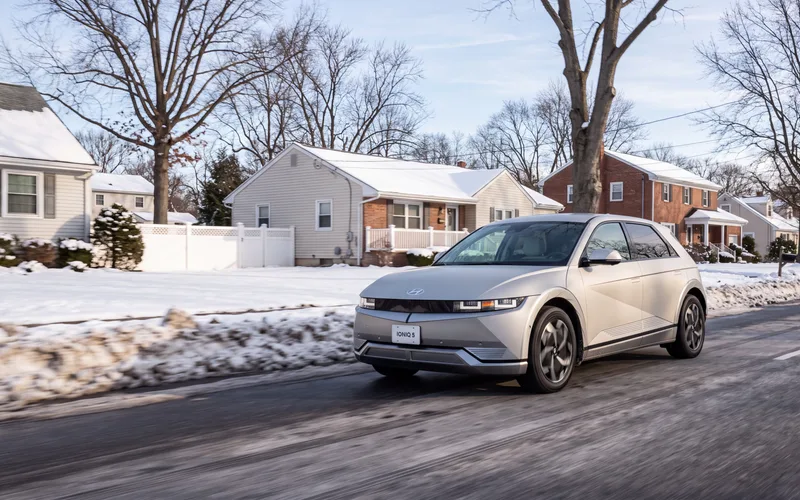 Hyundai Ioniq 5Compact SUVBetter at: Value
Identical 800V platform, charging speed and reliability record for roughly $8,000-$10,000 less, with a far more usable back seat and bigger cargo hold.
Compare 2.66C+
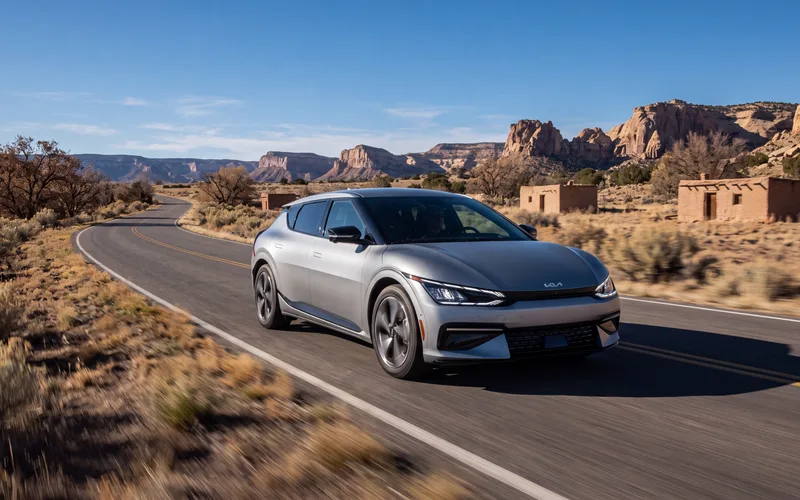 Kia EV6Compact SUVBetter at: Cargo space
The same fast-charging E-GMP hardware in a sportier package that costs less and carries more, if you can live without the Genesis cabin.
Compare 2.60C+
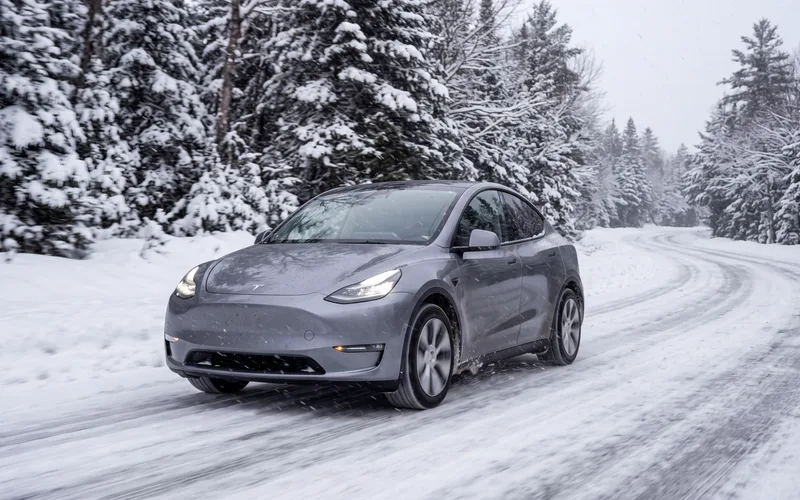 Tesla Model YCompact SUVBetter at: Resale value
More range, far more cargo room and dramatically better resale value for buyers who plan to own rather than lease.
CompareProduction history
Best fit & conditions
Higher scores mean a better fit for that use case. Learn more about use-case fit →
Subject profile
Academic Probation · NHTSA safety recalls
Jan 16, 2026Electrical system: instrument cluster/panelDue to a software error, the instrument panel display may fail. As such, these vehicles fail to comply with the requirements of Federal Motor Vehicle Safety Standard (FMVSS) number 101, "Controls and Displays."
Defect
Hyundai Motor America (Hyundai) is recalling certain Genesis 2025-2026 G80, GV80, 2026 G80 "Electrified," GV60, GV70 "Electrified" and GV70 vehicles. Due to a software error, the instrument panel display may fail. As such, these vehicles fail to comply with the requirements of Federal Motor Vehicle Safety Standard (FMVSS) number 101, "Controls and Displays."
Risk
An instrument panel display that fails to show critical safety information, such as the speedometer or fuel gauge, increases the risk of a crash.
Remedy
Owners are advised to disable the high definition (HD) radio feature until the recall remedy has been performed. The audio video navigation software will be updated over-the-air (OTA) or inspected and updated by a dealer, free of charge. Owner notification letters were mailed beginning February 17, 2026. Owners may contact Genesis customer service at 844-340-9741. Hyundai's number for this recall is 031G. Vehicle Identification Numbers (VINs) involved in this recall became searchable on NHTSA.gov beginning January 17, 2026.
NHTSA campaign 26V019000 ↗Manufacturer no. 031G83,877 vehicles potentially affected (all models in the campaign)Owners notified Feb 17, 2026Filed by Hyundai Motor AmericaFiled as GV60
9 recalls on other model years of the GV60 (2023–2025)
Sep 18, 2025Structure: exterior trim · Visibility: windshieldThe stainless-steel molding at the top of the windshield assembly may detach.
Defect
Hyundai Motor America (Hyundai) is recalling certain 2023-2025 Genesis GV60 electric vehicles. The stainless-steel molding at the top of the windshield assembly may detach.
Risk
Detached molding can create a road hazard for other vehicles, increasing the risk of a crash.
Remedy
Dealers will replace the windshield molding, free of charge. Owner notification letters are expected to be mailed beginning October 30, 2025. Owners may contact Genesis customer service at 844-340-9741. Hyundai's number for this recall is 028G. Vehicle Identification Numbers (VINs) involved in this recall became searchable on NHTSA.gov on September 20, 2025.
NHTSA campaign 25V624000 ↗Manufacturer no. 028G7,855 vehicles potentially affected (all models in the campaign)Owners notified Oct 30, 2025Filed by Hyundai Motor AmericaFiled as GV60Jul 17, 2025Electrical system: instrument cluster/panelDue to a software error, the instrument panel display may fail. As such, these vehicles fail to comply with the requirements of Federal Motor Vehicle Safety Standard (FMVSS) number 101, "Controls and Displays."
Defect
Hyundai Motor America (Hyundai) is recalling certain Genesis 2023-2025 G90 and GV60 vehicles. Due to a software error, the instrument panel display may fail. As such, these vehicles fail to comply with the requirements of Federal Motor Vehicle Safety Standard (FMVSS) number 101, "Controls and Displays."
Risk
An instrument panel display that fails to show critical safety information, such as the speedometer or warning lights, increases the risk of a crash.
Remedy
The instrument panel display software will be updated over-the-air (OTA) or by a dealer, free of charge. Owner notification letters were mailed August 22, 2025. Owners may contact Genesis customer service at 844-340-9741. Hyundai's number for this recall is 027G.
NHTSA campaign 25V474000 ↗Manufacturer no. 027G4,754 vehicles potentially affected (all models in the campaign)Owners notified Aug 22, 2025Filed by Hyundai Motor AmericaFiled as GV60Nov 18, 2024Electrical system: 12v/24v/48v battery · Electrical system: propulsion system: charging: module: softwareThe Integrated Charging Control Unit (ICCU) may become damaged and stop charging the 12-volt battery, which can result in a loss of drive power.
Defect
Hyundai Motor America (Hyundai) is recalling certain 2022-2024 IONIQ 5, 2023-2025 IONIQ 6, Genesis GV60, Genesis GV70 "Electrified," and Genesis G80 "Electrified" vehicles. The Integrated Charging Control Unit (ICCU) may become damaged and stop charging the 12-volt battery, which can result in a loss of drive power.
Risk
A loss of drive power increases the risk of a crash.
Remedy
Dealers will inspect and replace the ICCU and its fuse, as necessary. In addition, dealers will update the ICCU software. All repairs will be performed free of charge. Owner notification letters were mailed December 20, 2024. Owners may contact Hyundai customer service at 1-855-371-9460 or Genesis customer service at 1-844-340-9741. Hyundai's numbers for this recall are 272 (Hyundai) and 025G (Genesis). This recall expands and replaces previous recall number 24V-204. Vehicles previously repaired under recall 24V-204 will need to have the new remedy completed.
NHTSA campaign 24V868000 ↗Manufacturer no. 272 (H), 025G (G)145,642 vehicles potentially affected (all models in the campaign)Owners notified Dec 20, 2024Filed by Hyundai Motor AmericaFiled as GV60Aug 7, 2024Back over prevention: sensing system: cameraThe rearview camera display may shut off when the vehicle is driven in reverse. As such, these vehicles fail to comply with the requirements of Federal Motor Vehicle Safety Standard number 111, "Rear Visibility."
Defect
Hyundai Motor America (Hyundai) is recalling certain Genesis 2024-2025 GV60 hybrid and 2025 GV80 vehicles. The rearview camera display may shut off when the vehicle is driven in reverse. As such, these vehicles fail to comply with the requirements of Federal Motor Vehicle Safety Standard number 111, "Rear Visibility."
Risk
A rearview camera image that does not display decreases the driver's visibility, increasing the risk of a crash.
Remedy
Dealers will update the rearview camera software, free of charge. Owner notification letters were mailed September 11, 2024. Owners may contact Genesis Customer service at 1-844-340-9741. Hyundai's number for this recall is 024G.
NHTSA campaign 24V584000 ↗Manufacturer no. 024G1,488 vehicles potentially affected (all models in the campaign)Owners notified Sep 11, 2024Filed by Hyundai Motor AmericaFiled as GV60Mar 15, 2024Electrical system: 12v/24v/48v battery · Electrical system: propulsion system: charging: module: softwareThe Integrated Charging Control Unit (ICCU) may become damaged and stop charging the 12-Volt battery, which can result in a loss of drive power.
Defect
Hyundai Motor America (Hyundai) is recalling certain 2022-2024 IONIQ 5, 2023-2024 IONIQ 6, Genesis GV60, Genesis GV70 "Electrified," and Genesis G80 "Electrified" vehicles. The Integrated Charging Control Unit (ICCU) may become damaged and stop charging the 12-Volt battery, which can result in a loss of drive power.
Risk
A loss of drive power increases the risk of a crash.
Remedy
This recall is replaced by NHTSA recall number 24V-868. Vehicles already repaired under this recall will need to have the new remedy completed. Dealers will inspect and replace the ICCU and its fuse, as necessary. In addition, dealers will update the ICCU software. All repairs will be performed free of charge. Owner notification letters were mailed April 22, 2024. Owners may contact Hyundai customer service at 1-855-371-9460. Hyundai's number for this recall is 257/021G.
NHTSA campaign 24V204000 ↗Manufacturer no. 257/021G99,055 vehicles potentially affected (all models in the campaign)Owners notified Apr 22, 2024Filed by Hyundai Motor AmericaFiled as GV60Feb 1, 2024Power train: driveline: driveshaftThe rear inner driveshaft may have been improperly heat-treated, allowing it to break under load and resulting in a loss of drive power.
Defect
Hyundai Motor America (Hyundai) is recalling certain 2023 IONIQ 5, IONIQ 6, and Genesis GV60 vehicles. The rear inner driveshaft may have been improperly heat-treated, allowing it to break under load and resulting in a loss of drive power.
Risk
A loss of drive power increases the risk of a crash.
Remedy
Dealers will replace the rear inner driveshaft, free of charge. Owner notification letters were mailed March 29, 2024. Owners may contact Hyundai customer service at 1-855-371-9460. Hyundai's numbers for this recall are 253(H), 017G(G).
NHTSA campaign 24V065000 ↗Manufacturer no. 253 (H), 017G (G)1,165 vehicles potentially affected (all models in the campaign)Owners notified Mar 29, 2024Filed by Hyundai Motor AmericaFiled as GV60Aug 4, 2023Seat belts: front: retractorThe automatic locking retractor for the front passenger-side seat belt may prohibit the seat belt from fastening and/or extending properly. As such, these vehicles fail to comply with the requirements of Federal Motor Vehicle Safety Standard numbers 208, "Occupant Crash Protection" and 209, "Seat Belt Assemblies."
Defect
Hyundai Motor America (Hyundai) is recalling certain 2023 Genesis GV60 vehicles. The automatic locking retractor for the front passenger-side seat belt may prohibit the seat belt from fastening and/or extending properly. As such, these vehicles fail to comply with the requirements of Federal Motor Vehicle Safety Standard numbers 208, "Occupant Crash Protection" and 209, "Seat Belt Assemblies."
Risk
A seat belt that fails to fasten or extend properly may not adequately restrain an occupant in a crash, increasing the risk of injury.
Remedy
Dealers will inspect and replace the front passenger-side seat belt, as necessary, free of charge. Owner notification letters were mailed September 14, 2023. Owners may contact Hyundai customer service at 1-855-371-9460. Hyundai's number for this recall is 015G.
NHTSA campaign 23V557000 ↗Manufacturer no. 015G168 vehicles potentially affected (all models in the campaign)Owners notified Sep 14, 2023Filed by Hyundai Motor AmericaFiled as GV60Apr 26, 2023Power train: driveline: driveshaftHyundai Motor America (Hyundai) is recalling certain 2023 Genesis GV60 vehicles equipped with an all-wheel drive powertrain system.  The rear driveshafts may fracture, which can result in a loss of drive power.
Defect
Hyundai Motor America (Hyundai) is recalling certain 2023 Genesis GV60 vehicles equipped with an all-wheel drive powertrain system.  The rear driveshafts may fracture, which can result in a loss of drive power.
Risk
A loss of drive power increases the risk of a crash.
Remedy
Dealers will replace the left and right rear driveshafts, free of charge.  Owner notification letters were mailed June 23, 2023.  Owners may contact Hyundai customer service at 1-855-371-9460.  Hyundai's number for this recall is 014G.
NHTSA campaign 23V300000 ↗Manufacturer no. 014G1,790 vehicles potentially affected (all models in the campaign)Owners notified Jun 23, 2023Filed by Hyundai Motor AmericaFiled as GV60Feb 16, 2023Seat belts: front · Seat belts: pretensionerIn the event of a crash, the front driver-side and/or passenger-side seat belt pretensioners may explode upon deployment.
Defect
Hyundai Motor America (Hyundai) is recalling certain 2020-2023 Genesis GV80, 2021-2023 Genesis G80, 2022-2023 Genesis GV70, and 2023 Genesis GV60 vehicles. In the event of a crash, the front driver-side and/or passenger-side seat belt pretensioners may explode upon deployment.
Risk
An exploding seat belt pretensioner can project metal fragments into the vehicle, strike vehicle occupants, and result in injury.
Remedy
Dealers will secure the seat belt pretensioners with a cap, free of charge. Owner notification letters were mailed April 14, 2023. For GV60 owners, Interim notification letters, notifying owners of the safety risk, were mailed April 14, 2023. A second notice will be sent once the final remedy is available. Owners may contact Hyundai customer service at 1-855-371-9460. Hyundai's number for this recall is 012G. This recall supersedes and expands recall number 21V-796. Vehicles previously repaired under recall 21V-796 will need to have the new remedy completed.
NHTSA campaign 23V094000 ↗Manufacturer no. 012G65,517 vehicles potentially affected (all models in the campaign)Owners notified Apr 14, 2023Filed by Hyundai Motor AmericaFiled as GV60
Source: NHTSA Office of Defects Investigation recall database, model years 2023–2026. Recalls are listed by model year as the manufacturer filed them; whether a specific car is affected depends on its VIN — check a VIN at nhtsa.gov ↗. NHTSA model names matched to this page: GV60.
Detailed scoring by subject
1Performance & PowertrainOne of the GV60's weakest categories.1.58D
The 2026 facelift adds a single-motor RWD base trim (225 hp) below the mainstream dual-motor AWD and Advanced AWD trims, which share 314 hp; the Performance AWD makes 429 hp and 483 hp for 10 seconds on Boost. The volume configuration is the 314 hp dual-motor AWD.
Instant dual-motor torque is the GV60's strongest raw number — 446 lb-ft from the volume AWD powertrain is well above what comparable gas compact luxury SUVs produce.
The 314 hp AWD runs to 60 mph in roughly five seconds — Consumer Reports measured 5.1 s on a 2026 car and U.S. News puts the base AWD around 5 s; the heavier 84 kWh pack costs a tenth or two versus the old 77.4 kWh version. Performance AWD is quoted at 4.0 s with Boost engaged.
E-GMP dual-motor delivery is immediate and silent with no lag or transitions to manage, and reviewers of the 2026 car describe smooth, effortless thrust at any speed; it falls short of the very top of the band only because the regen blending on the strongest one-pedal setting is a little grabby.
A single-speed reduction gear means there is nothing to hunt or shift harshly, and paddle-adjustable regen (i-Pedal included) gives the driver useful control over deceleration; the facelift also adds a simulated multi-gear mode for drivers who want it.
Rated at 2,000 lbs like its E-GMP siblings — enough for a small utility trailer or a teardrop but near the bottom of the SUV band. Genesis US markets the hitch mainly as an accessory receiver and does not headline a tow rating, so the figure comes from spec tables rather than a Genesis press spec sheet.
Dual-motor AWD is standard on three of the four 2026 trims (only the new base RWD goes without) and it is a sophisticated system — a Disconnector Actuator System drops the front axle for efficiency, with torque vectoring, an e-LSD on Performance and a closed-course drift mode. No low range or terrain modes keeps it out of the top band.
Strictly a paved-road crossover: about 6.3 inches of clearance, road-biased tires on 19–21 inch wheels, an exposed underfloor battery, no skid plates, no terrain modes and no off-road trim. AWD traction on snow or gravel is the extent of it.
One powertrain type only — battery-electric, on a single 84 kWh pack. Buyers do get three output/drivetrain choices (225 hp RWD, 314 hp AWD, 429 hp Performance AWD), which is more spread than a one-configuration EV, but there is no gas, hybrid or PHEV alternative anywhere in the range.
2Efficiency & RangeGrades above the middle of the scale.3.13B
The facelifted 2026 GV60 moves to an 84 kWh pack on the 800V E-GMP platform; the volume dual-motor AWD on 19-inch wheels is EPA-rated 100 MPGe combined, mid-pack among EV SUVs.
Regenerative braking makes city the GV60's strongest cycle, as with every EV — 107 MPGe city for the volume AWD trim.
Highway efficiency drops relative to city, but the 0.28 Cd body from the facelift keeps the volume AWD at 93 MPGe — a strong highway figure for a dual-motor EV crossover.
The larger 84 kWh pack lifts range over the outgoing 77.4 kWh car (294 mi max to 306 mi), but 282 miles for the volume AWD is still short of what long-legged EV rivals deliver — this remains the GV60's clear efficiency weak point.
The 800V E-GMP architecture is the GV60's charging trump card: the 2026 car accepts roughly 250 kW, well clear of the 400V luxury compact EVs it competes with (Q4 e-tron 175 kW, Optiq 150 kW). Genesis publishes charger compatibility (350 kW) rather than a car-side acceptance figure, and third-party sources scatter across 233/250/263 kW, hence MEDIUM; 250 sits at the centre of that spread and in line with the sibling 84 kWh E-GMP cars already scored (Ioniq 5 ~260 kW, EV6 240 kW).
Eighteen minutes 10–80% is at the front of the entire EV field and the single best thing about living with a GV60 — it is the 800V pack doing the work, and it materially offsets the modest 282-mile range. The caveat is that hitting it needs 350 kW/800 V CCS hardware (via adapter, since the port is now NACS); on a 400V Supercharger the same window takes closer to half an hour.
EPA puts annual energy cost at $750 for the volume AWD at 15,000 mi/yr — near the low end of the EV SUV band and roughly a third of what a comparably quick gas luxury SUV burns.
No fuel grade to worry about and about the best energy access available on an EV today: a 10.9 kW onboard charger refills the pack overnight on a Level 2 circuit (~7 hours 10–100%), the native NACS port opens the Tesla Supercharger network with no adapter while a CCS adapter covers the rest, and vehicle-to-load turns the car into a power source. Raised from 92 to sit alongside the platform siblings already scored on the same 800V/NACS package (Ioniq 5 94, EV6 95) — the GV60 matches their charging hardware, and the 282-mile range that held it back is measured at 2.2.1 rather than here.
3SafetyOne of the GV60's strongest categories.3.60A-
NHTSA has published 2026-model-year ratings for both the GV60 BEV RWD and AWD, and both carry a 5-star overall score; the only sub-5 result is the 4-star frontal rating.
The facelifted 2026 GV60 is a 2026 IIHS TOP SAFETY PICK+ with Good in every crashworthiness test IIHS ran — small overlap front driver and passenger, updated moderate overlap front, and updated side — with no build-date qualifier. Held just short of the top of the band because headlights rate only Acceptable and roof strength/head restraints are unrated for this generation.
Every 2026 GV60, including the $54,020 base RWD, ships with Forward Collision-Avoidance Assist, Smart Cruise Control, Lane Keeping and Lane Following Assist, blind-spot monitoring with intervention, rear cross-traffic alert, Safe Exit Assist, rear occupant alert, driver attention warning, high-beam assist and front/rear parking sensors. Only the camera-based extras (Blind-Spot View Monitor, surround-view, Remote Smart Parking Assist, side parking sensors) wait for Advanced AWD and above, which is why this sits below a perfect score.
IIHS rates the standard system Good for vehicle-to-pedestrian front crash prevention — the top result, and the harder of the two evaluations — while the tougher 2.0 vehicle-to-vehicle test returns Acceptable, with the GV60 avoiding contact in most runs up to 37 mph. Strong overall, but short of a clean sweep on the vehicle-to-vehicle side.
Blind-Spot Collision-Avoidance Assist and Rear Cross-Traffic Collision-Avoidance Assist are standard on every trim and actively intervene rather than merely warning, and Safe Exit Assist is standard too — the door-opening case that matters most in urban use. The camera-in-cluster Blind-Spot View Monitor, the piece that best offsets the GV60's thick rear pillars, is reserved for Advanced AWD and up.
Lane Keeping Assist and Lane Following Assist are standard, with Highway Driving Assist 2 adding lane centering that holds through curves and signal-initiated lane changes. Reviewers of the refreshed 2026 car describe the tuning as calm and confident, easing the car back rather than ping-ponging, though it stops short of the very best systems in the class.
Full-speed-range Smart Cruise Control with stop-and-go is standard, and Highway Driving Assist 2 integrates it with lane centering and semi-automated lane changes across the lineup — one of the better-integrated non-hands-free highway systems, well judged in traffic per 2026 reviews.
Genesis offers no hands-free highway system on the 2026 GV60 at any price. Highway Driving Assist 2 is explicitly hands-on: the wheel-touch sensor escalates warnings the moment the driver lets go, and signal-initiated lane changes require hands on the wheel. Scored in the no-option band, slightly above the floor because HDA2 covers the same roads competently with hands resting on the rim.
The 2026 refresh brings Two-Line Micro Lens Array LED headlamps standard, and IIHS rates them Acceptable on all trims — consistent across the range with no bad variant, and a prerequisite of the car's TSP+ award, but a rung below Good. High-beam assist is standard. Some secondhand write-ups still quote a Marginal headlight rating; that conflicts with IIHS's own 2026 entry and with TSP+ eligibility, which requires Acceptable or better on every trim.
Forward and side sightlines are respectable for the class, but the GV60's steeply tapered coupe-like roofline shrinks the rear glass and thick rear pillars cut over-shoulder views. Camera compensation is only partial on the volume trims: a rear-view camera and front/rear parking sensors are standard, while the surround-view monitor, blind-spot camera view and digital rear-view mirror that would fix the problem start at Advanced AWD.
IIHS rates LATCH ease of use Acceptable: two rear outboard positions have complete hardware and the center gets a tether only, but the lower anchors sit too deep in the seat cushions and take digging to reach. Compact-EV rear-seat packaging compounds it — the second row is tight enough that fitting three seats across, or a rear-facing seat behind a tall driver, requires real compromise, though the reclining rear seatbacks do help with installation.
4Space & ComfortOne of the GV60's weakest categories.1.25D
The GV60 is a two-row, five-seat compact crossover in every 2026 trim — RWD, AWD, Advanced AWD and Performance AWD all seat five, with no second-row captain's chair or third-row option.
Published front headroom is 39.0 in, unchanged by the 2026 facelift, which altered fascias, lighting and the display but not the E-GMP body structure. Reviewers of the refreshed car confirm generous front headroom for taller occupants despite the tapering roofline.
42.3 in of front legroom is mid-pack for a compact luxury SUV — the dedicated EV platform's flat front floor makes the space feel more open than the number suggests, but the GV60's short 178.9 in overall length caps the absolute figure.
Two independent spec databases put second-row headroom at 38.1 in, a respectable figure for the class that the coupe-influenced roofline does not spoil as much as the exterior implies. Marked MEDIUM because the figure comes from aggregators rather than a Genesis-published table.
37.6 in of rear legroom is competitive on paper, but the E-GMP battery raises the rear floor so passengers sit knees-up, and reviewers consistently call the back seat tight for adults on longer trips — a case where the measured number flatters the real experience.
The GV60 has no third row and none is offered — it is a strictly two-row, five-seat compact crossover, and at 178.9 in long on a 114.2 in wheelbase there is no packaging room for one. Scored in the no-third-row band per the item's guidance.
24.0 cu ft behind the rear seats sits at the bottom of the SUV normalization band — the GV60 is one of the smallest cargo holds among compact luxury SUVs, a direct consequence of its short body and steeply raked tailgate. The load floor is low and wide, which helps usability, but does not add volume.
54.7 cu ft maximum lands just under the floor of the SUV band and trails E-GMP siblings on longer wheelbases — the Ioniq 5 and EV6 both offer more. The folded floor is essentially flat, so what space there is loads easily.
Better than competitive without reaching the standout band: the flat EV floor frees a deep console pass-through, the glovebox is genuinely large, the facelift reoriented the wireless charging pad horizontally so the phone is easier to grab, and V2L supplies 1.9 kW of household power from the battery for camping or tools. It falls short of the top band because the frunk is a token 1.9 cu ft (about half that on AWD) and, unlike the Ioniq 5 on the same platform, the GV60 gets neither a sliding rear bench nor a sliding center console.
The front seats are a genuine strength — 12-way power adjustment, heating and ventilation, Nappa leather and a driver's massage function on upper trims, described by reviewers as supple and road-trip friendly with strong backrest and under-thigh support. The rear bench pulls the score back to the middle of the band: the raised battery floor forces a knees-up posture and reviewers agree adults will not want long stints back there.
Genesis retuned the steering and suspension for comfort as part of the 2026 facelift, and reviewers report the result at the top of the class: a plush, supple ride helped by the electronically controlled suspension with camera-based Road Preview that pre-loads the dampers for bumps it sees coming. Composure is maintained at highway speed rather than traded away for softness, which is what puts it into the leading band.
Cabin refinement was an explicit target of the 2026 facelift, and it shows — Active Road Noise Cancellation plus acoustic laminated glass (extended to the rear side windows on Advanced AWD and above) leave very little wind or road noise at speed, and there is no engine to mask what remains. Multiple independent reviews of the refreshed car single out the isolation as a highlight.
Strong but tiered. Every 2026 GV60 gets eight-way power heated front seats and dual-zone climate, and the pillar-mounted rear vents distribute air evenly to the second row, with remote pre-conditioning through Genesis Connected Services. The features that define a luxury cabin in this class — ventilated front seats, a heated steering wheel, heated rear outboard seats and the driver's massage function — wait for Advanced AWD and above, which keeps it out of the top band.
5Cost of OwnershipThe GV60's lowest-graded category.1.20D
The 2026 GV60 opens with a single-motor RWD trim at $52,525 plus $1,495 destination = $54,020 delivered. That is a steep entry point for a compact SUV, but it undercuts the AWD-only US lineup the GV60 had through 2024 and sits below the Cadillac Lyriq and BMW iX class above it.
AWD is the expected configuration in this class and the $57,520 dual-motor AWD is the cheapest way to get it, making it the likely volume seller now that Genesis has split the old Advanced-only lineup into four trims. Buyers stepping to Advanced AWD pay $60,900.
An EV with no oil changes, no belts and regen-assisted brakes, layered on top of 3 years/36,000 miles of complimentary scheduled maintenance and a 5-year/60,000-mile bumper-to-bumper warranty — so most of a 5-year window is covered and out-of-pocket spend is mostly tires, cabin filters and brake fluid. CarEdge's model puts scheduled maintenance alone at $1,886 over five years; adding realistic tire and wear-item replacement for a ~4,700 lb EV lands near $3,900, cheaper than the Cadillac Optiq (~$4,600) and Audi Q4 e-tron (~$4,200) largely because Genesis covers more of it.
The GV60's single worst ownership metric and the reason this category can't climb: industry residual models put it among the steepest-depreciating vehicles on sale, well below the 40% floor of the SUV band. Low brand awareness, heavy incentive activity on outgoing stock and the broader luxury-EV used-market collapse all compound. The 2026 car's NACS port and 84 kWh pack should help at the margin, and the expiry of the federal EV credit removes one distortion from used pricing, but nothing in the data yet supports projecting a normal luxury residual.
At the top of the band and the best basic coverage in the compact luxury SUV class — a full year and 10,000 miles beyond the 4 yr/50,000 mi that BMW, Mercedes, Audi, Cadillac and Lexus all offer.
Tops the band. The 10-year/100,000-mile term covers both the drive units and the 84 kWh high-voltage battery — the expensive failure mode on an EV — versus the 8-year federal minimum most luxury rivals stop at. Original-owner only; it drops to 5 yr/60,000 mi for subsequent owners.
Comfortably in the top band and the strongest included-ownership package among compact luxury EVs. Three years/36,000 miles of complimentary scheduled maintenance — including battery system management at each visit — beats Cadillac's single covered visit and Audi's nothing outright, and it stacks with 5 years of unlimited-mile roadside assistance, 3 years of Genesis Connected Services (Digital Key 2, stolen vehicle recovery, Genesis Pay), Genesis Concierge, and a 3-month SiriusXM trial. On the EV side, 2026 models add a factory NACS port plus a complimentary CCS adapter, Plug and Charge at IONNA/Tesla/ChargePoint, and a home-charger-or-$500-charging-credit offer at purchase. Held short of the mid-90s only because the charging credit is a promotional offer rather than standard equipment.
$57,520 volume-trim price minus its estimated resale value after 5 years (38% retained, or about $21,858) leaves about $35,662 in depreciation. Add the projected $3,900 in 5-year maintenance and repairs, and owning this vehicle for 5 years costs about $39,562 in total.
6Reliability & QualityMid-pack among this car's ten categories.2.04C
The two authorities that matter disagree, and neither is enthusiastic. J.D. Power puts the 2026 GV60 at 71/100 predicted reliability — the bottom of its "Average" band — while Consumer Reports expects it to be less reliable than the average new car, projecting from 2023–2025 owner data plus the Genesis brand score. The consistent sore spot in owner data is in-car electronics rather than the drivetrain, which is the same pattern that produced this generation's instrument-cluster and rearview-camera recalls. The facelift's new 84 kWh pack and 27-inch display are fresh hardware with no field history yet, which argues against reading the mid-band JDP number as reassurance.
Genesis is excellent at delivering a clean car and merely mid-pack at keeping it that way. It surged to 2nd overall in the J.D. Power 2026 Initial Quality Study — up seven places from 9th — with the GV80 second in its segment and the G70 and G80 in their segment top threes. Long-term dependability is a different story: in the 2026 Vehicle Dependability Study (three-year-old vehicles, 204 PP100 industry average) Genesis lands in the upper half but nowhere near the premium podium of Lexus (151), Cadillac (175) and Porsche (182). Consumer Reports is harsher still, ranking Genesis 7th among luxury brands and 14th of 22 overall. Solidly mid-pack once the 90-day window closes.
The worst number in this category. NHTSA lists ten recall campaigns against the GV60 generation, and several are the severe kind rather than paperwork: two ICCU campaigns (24V204000 and the expanded 24V868000) in which a failed charging control unit stops charging the 12V battery and can cut drive power while moving; two rear-driveshaft recalls (23V300000, 24V065000) for shafts that may fracture; and 23V094000 for front seat-belt pretensioners that may explode on deployment. Repeated powertrain and safety-system campaigns on one generation is squarely the bottom-band description. The 2026 car itself is cleaner — it falls outside the ICCU and driveshaft populations and so far carries only 26V019000, an instrument-cluster software error, plus the 2023–2025 windshield-molding campaign — which is the only reason this sits at 42 rather than in the 30s.
Split verdict, and the split is the point. The E-GMP motors, 800V architecture and pack chemistry are the highest-volume EV hardware Hyundai Motor Group builds — shared with the Ioniq 5 and EV6 — and owner complaints cluster on real-world range and cold-weather behavior rather than cell degradation or motor failure. What drags it to the middle is the ICCU: a platform-wide weak link whose failure kills the 12V supply and can strand the car, documented across thousands of E-GMP vehicles and severe enough that Hyundai extended ICCU coverage to 15 years/180,000 miles. That extension is real protection and a real admission at once. The 2026 car's 84 kWh pack replacing the 77.4 kWh unit is also brand-new hardware with no field record, so the proven-family argument only partly transfers.
Class-leading, and the facelift raised it further. Reviewers of the 2026 car describe Nappa leather seating, quilted suede-like door inserts, and brushed-aluminum trim running the width of the dash, with the old twin-screen layout replaced by a single bezel-free 27-inch curved OLED. AutoGuide called the Aqua Green/Galaxy Black cabin "the most exquisite Genesis cabin yet and one of my all-time favorite interiors ever," and reviewers repeatedly note that Genesis retains real tactile controls alongside the big screen rather than burying functions in it. At $54,020–$73,370 this is materially richer than the Audi Q4 e-tron or Mercedes EQB cabins it is cross-shopped against.
Assembly quality is where Genesis's Initial Quality Study result actually earns its keep — 2nd overall among all brands in the 2026 IQS measures exactly the first-90-days defects, misalignment and rattles this item asks about, and the GV80's segment runner-up finish shows it is not one outlier model carrying the brand. Reviewers of the 2026 GV60 describe build quality as "second to none" and single out the clamshell hood, which removes the conventional shutlines across the front end. Held below the high 80s because the GV60 itself took no individual IQS award and because the brand's residual defect reporting skews toward electronics and infotainment — software faults that show up as cluster and camera recalls rather than panel gaps.
Adequate and improving, but thin and not yet well regarded. Genesis sells through roughly 199 US dealerships, of which only 84 were dedicated standalone Genesis facilities as of February 2026 after nine more opened — the rest still share a roof with Hyundai. Against Lexus, BMW or Mercedes networks two to four times denser, buyers outside major metros will drive to be serviced. On satisfaction the brand does not appear among the 2026 CSI premium leaders — Porsche 915, Infiniti 912, Lexus 900, Cadillac 891 against a premium average of 886 — and coverage of the study describes the Genesis dealership experience as lacking. Genesis Concierge valet pickup-and-delivery genuinely offsets the density problem for routine work, which keeps this mid-band rather than lower.
Dealer-dependent and expensive once out of warranty. GV60-specific components frequently ship from Korea, and owners report multi-week waits for recall work and EV-specific repairs; the aftermarket for a low-volume Korean luxury EV is effectively nonexistent. RepairPal estimates run high for the class — brake caliper replacement $4,324–$4,409, HVAC air-door actuator $1,183–$1,703. Two things keep this from the bottom band: sharing E-GMP with the Ioniq 5 and EV6 means the high-volume drivetrain and charging components are not bespoke, and Genesis's warranty stack (5 yr/60,000 mi basic, 10 yr/100,000 mi powertrain and battery, ICCU extended to 15 yr/180,000 mi, 3 yr/36,000 mi complimentary maintenance) means an original owner pays for very little of this within a normal ownership window.
7Technology & InfotainmentThe GV60's best-graded category.3.78A
The 2026 facelift replaces the pre-refresh dual 12.3-in screens with one 27-in OLED 'ccIC' panel standard on all four trims; the touch-operated center section is roughly half that panel, ~14–15 in diagonal, so it is recorded as the center touchscreen the way the 33-in Lyriq panel was.
The 2026 car moves to Genesis's newest ccNC-generation software on the 27-in panel, and reviewers of this exact model year call it fast, cleanly laid out and easy to learn, with Genesis still keeping redundant hardware keys, a climate row and the console rotary controller instead of burying functions in menus.
Wireless Apple CarPlay and Android Auto became standard on every 2026 trim with the refresh — a real fix, since Genesis previously forced a wired connection on the built-in-nav cars.
The refresh expands the 'Hey Genesis' AI voice assistant's command set and pairs it with a genuinely good native EV navigation system (charger-aware routing, battery preconditioning, over-the-air map updates); it handles natural phrasing for climate, media and destinations well but still trails the best conversational assistants for off-script requests.
The premium option is genuinely high-end — a 17-speaker, 1,400-watt Bang & Olufsen setup with a 14-channel amp, subwoofer and Dolby Atmos, standard on Performance — while the base RWD's 8-speaker system is merely adequate for a $54K luxury EV, which is what keeps this out of the top band.
The driver's half of the standard 27-in OLED is a crisp, configurable full-digital cluster on every trim — no analog fallback, no upper-trim gate — and the refresh removed the bezel that used to split it from the center display.
Genesis ships whole-vehicle OTA on the GV60 — not just maps and infotainment but electronic control units across the car — and the 2026 refresh explicitly expands that scope; Genesis has already delivered feature-adding OTA updates to GV60 owners, though it does not push them at Tesla/Rivian cadence.
Genesis Connected Services covers remote lock/unlock, remote climate and charge scheduling/monitoring, vehicle locate and valet/geofence alerts, and Digital Key 2 turns a phone or smartwatch into the key and shares it with up to three people — complimentary to the first owner rather than subscription-gated at purchase, though the app itself is competent rather than best-in-class.
USB-C data/power ports serve both rows, wireless phone charging is standard on every trim (and the refresh reoriented the pad from diagonal to horizontal so the phone actually stays put), and E-GMP vehicle-to-load turns the car itself into a 3.6 kW outlet for external devices — well beyond what a 12-volt-and-two-USB rival offers.
Proximity entry, push-button start and a power liftgate are standard, and phone-as-key is real here: Digital Key 2 (UWB smartphone/smartwatch, touch the handle, shareable with three people) plus a center-console fingerprint reader that authenticates and starts the car without any key at all. The 2026 refresh does delete Face Connect, the B-pillar facial-recognition unlock that was a GV60 signature.
Front and rear parking sensors, rear camera and rear parking collision-avoidance are standard; the high-resolution Surround View Monitor and turn-signal Blind-Spot View Monitor start at Advanced AWD, and Remote Smart Parking Assist 2 (drive the car in and out of a space from outside) is a Performance feature — strong equipment, but the 360 view is not standard on the two cheapest trims.
A color head-up display exists but is locked to the $74K Performance AWD — the base RWD, AWD and Advanced AWD trims that make up the volume of GV60 sales cannot be optioned with it, which is squarely the 'HUD limited to top trims' band.
8Use-Case FitMid-pack among this car's ten categories.2.07C
Workable but compromised. IIHS rates LATCH ease of use only Acceptable because the lower anchors sit too deep in the cushions, the second row is tight enough that three seats across or a rear-facing seat behind a tall driver forces real juggling, and 24.0 cu ft behind the rear seats is among the smallest holds in the compact luxury class — a stroller plus a grocery run is a genuine squeeze. Offsetting that: a power liftgate is standard on every trim, reclining rear seatbacks ease installation, and the low, flat load floor makes what space there is easy to reach.
The credentials families care about are all present on the cheapest trim: NHTSA 5-star overall, a 2026 IIHS TOP SAFETY PICK+ with Good in every crashworthiness test, and a standard ADAS suite on the $54,020 base RWD that includes forward collision avoidance, blind-spot and rear cross-traffic intervention, lane keeping and following, full-speed adaptive cruise, plus the two family-specific items — rear occupant alert and Safe Exit Assist. Short of the very top only because headlights rate Acceptable rather than Good, the vehicle-to-vehicle AEB test returns Acceptable, and the surround-view camera waits for Advanced AWD.
The front half of the car is excellent for long hauls — plush ride, near-silent cabin, supportive heated and ventilated seats — but the back half is where a family trip actually gets decided, and there the E-GMP battery forces a knees-up posture reviewers say adults will not tolerate for long. Rear amenities are respectable rather than generous (pillar-mounted vents, fold-down armrest with cupholders and USB-C, heated outboard seats from Advanced AWD up) and there is no rear entertainment provision. The binding constraint is luggage: 24.0 cu ft with all four seats occupied will not swallow a family's week of bags, and 282 miles of range adds charging stops to the itinerary.
This is what the GV60 is best at. Silent, lag-free dual-motor delivery with nothing to shift, three levels of paddle-selectable regen topped by true one-pedal i-Pedal that makes stop-and-go traffic almost effortless, a plush ride helped by camera-based Road Preview that pre-loads the dampers, and cabin isolation multiple 2026 reviews single out as a highlight. Highway Driving Assist 2 with stop-and-go Smart Cruise Control is standard on every trim, so the fatigue-reducing tech is not paywalled. Held just short of the ceiling by the grabby feel of the strongest regen setting and the poor over-shoulder view.
Per-mile running cost is close to as cheap as a luxury SUV gets. EPA rates the volume AWD at 100 MPGe combined and 107 MPGe in the city cycle that commuting actually resembles, with an annual energy bill of $750 at 15,000 mi/yr — roughly a third of a comparably quick gas rival. Consumables are minimal: no oil, no belts, regen-spared brake pads, and three years/36,000 miles of complimentary scheduled maintenance covering most of a typical lease or early ownership window. It misses the very top of the band because insurance runs above the SUV average at roughly $2,600/yr and the 20- and 21-inch tires on upper trims are expensive to replace.
The footprint genuinely helps in town — 179 in long and 74 in wide is small for the class, and the 39 ft curb-to-curb turning diameter is tight for an SUV on a 114 in wheelbase, so U-turns and multi-storey ramps are easy. Front and rear parking sensors, rear parking collision-avoidance and a rear camera are standard. What keeps it out of the top band is sightlines rather than size: the tapered coupe roofline shrinks the rear glass, a bar across the back window blocks the view further, and the surround-view monitor and blind-spot camera view that would fix it start at Advanced AWD, with Remote Smart Parking Assist reserved for the $73K Performance.
Not a work vehicle in any meaningful sense. The 2,000 lb braked tow rating shared with its E-GMP siblings covers a small utility trailer or a landscaping load and nothing beyond, against the 4,400–4,850 lbs that gas rivals like the Audi Q5, BMW X3 and Mercedes GLC pull. There is no bed, no published payload rating, and just 24.0 cu ft of cargo space behind the rear seats — one of the smallest holds in the segment. The one thing that works in its favor under load is the powertrain itself: 446 lb-ft of instant dual-motor torque never struggles to get a trailer moving, even if range collapses while towing.
Luxury-oriented rather than fragile. The mechanical case is decent — E-GMP is a high-volume, proven architecture shared with the Ioniq 5 and EV6, there is no engine or multi-speed transmission to abuse, and Genesis backs it with a class-best 5 yr/60,000 mi bumper-to-bumper and 10 yr/100,000 mi powertrain and battery warranty. Everything else points away from hard use: Nappa leather and soft-touch surfaces with no wear-friendly or vinyl trim option, 6.3 in of ground clearance over an exposed underfloor battery, road-biased tires on 19–21 in wheels, and no fleet or commercial presence to establish a track record.
One real work provision, and it is a good one: E-GMP vehicle-to-load turns the battery into a jobsite generator, 3.6 kW from the exterior charge-port adapter and 1.9 kW from the interior outlet — enough for corded power tools and more than the base inverters in several pickups. Factory flush roof rails take OEM or Thule crossbars rated around 165 lbs, a hitch receiver is available, and the cargo area has tie-downs and an underfloor bin. But the fundamentals for jobsite duty are absent: no bed or open load area, no washable or rubberized surfaces, a 24 cu ft hold too small for materials, and no upfit ecosystem of any kind.
A better mile-eater than its range figure suggests. The cabin is one of the quietest in the class thanks to Active Road Noise Cancellation and acoustic laminated glass, the ride stays composed at highway speed, the 12-way front seats with ventilation and a driver's massage function hold up over hours, and Highway Driving Assist 2 lane centering with stop-and-go cruise is standard rather than an upper-trim extra. Range is the honest limitation — 282 miles for the volume AWD trails long-legged EV rivals — but the 800V architecture makes stops genuinely short at 10–80% in about 18 minutes, and the newly standard native NACS port opens the Supercharger network without an adapter. The tight second row is what keeps it out of the top band for four-up touring.
Fine for trailheads and ski trips, out of its depth beyond them. Dual-motor AWD with torque vectoring is standard on three of four trims and handles snow and gravel confidently, factory flush roof rails accept crossbars for bikes, boxes and boards, the 2,000 lb hitch rating covers a teardrop or a small toy trailer, and V2L is a legitimate camping asset — 3.6 kW of household power at a campsite is more than most rivals offer at any price. The hard limits are geometry and hardware: 6.3 in of ground clearance, road tires, an exposed underfloor battery, no skid plates, no terrain or off-road modes and no off-road trim, plus a folded cargo bay too short at 54.7 cu ft to sleep in.
Flexible within a small box. Both volume figures sit at the bottom of the SUV range — 24.0 cu ft behind the second row and 54.7 cu ft with the 60/40 seatbacks down, less than the Ioniq 5 and EV6 on the same platform, a direct cost of the 179 in body and steeply raked tailgate. The frunk is a token 1.9 cu ft on RWD and roughly half that on AWD. What redeems it is usability rather than volume: the folded floor is essentially flat, the load height is low, there is underfloor storage, factory roof rails take crossbars for the bulky items that will not fit inside, and a hitch is available. Anything genuinely large — flat-pack furniture, a full set of luggage for five — goes on the roof or does not go.
9Driving ExperienceOne of the GV60's strongest categories.3.27B+
Rear-biased E-GMP layout, a floor-mounted 84.0 kWh pack and a quick 12.57:1 variable-ratio rack make the 2026 GV60 corner more like a hatchback than a crossover; grip and body control are strong for the class but curb weight (4,515 lb RWD to ~4,945 lb Performance) and grand-touring Michelin Primacy Tour A/S tires on every trim cap it, and adaptive damping is Performance-only.
The rack-mounted R-MDPS with variable gear ratio is fast and accurate off-center and weights up sensibly in Sport, but reviewers consistently describe the feedback as vague even in the sportiest setting — precise rather than communicative.
Stopping power is a class strength — 127 ft from 60 mph instrumented — and the integrated electronic booster gives selectable pedal feel plus three-stage paddle regen and i-Pedal one-pedal driving; blending is smooth once learned, though it can read slightly abrupt at first and volume trims make do with single-piston 13.6-in front discs versus the Performance's 14.2-in four-piston monoblocks.
An 800V single-speed EV with no shift events, no stop/start and immediate, linear tip-in; the 2026 refresh keeps the same 168 kW RWD / 234 kW AWD / 320 kW Performance motors with a 10-second 360 kW Boost mode that layers in extra thrust without driveline shunt.
Near-silent under load with no motor whine intruding; laminated glass all around and a lower 0.28 Cd after the refresh keep wind noise down, and the Performance adds road-noise Active Noise Cancellation. Only 21-inch tire roar on coarse surfaces keeps it from the very top.
Genesis publishes a single 39.2 ft curb-to-curb figure for every 2026 GV60 trim — mid-pack-to-wide for a compact luxury SUV despite the short 114.2-in wheelbase, a consequence of the wide 19–21-inch tires and 2.3 turns lock-to-lock.
Wide seat and wheel adjustment (power tilt/telescope, Ergo Motion driver's seat with cushion extension and bolster), a new three-spoke wheel and clear forward sightlines, but the seating height sits between hatchback and SUV rather than commanding, and the tapered roofline plus the bar across the rear glass badly restrict the over-shoulder view — mitigated by standard front/rear parking sensors and, on Performance, a digital center mirror.
The Performance's Boost button, Drift mode and e-LSD give the GV60 real character — testers call canyon runs "an absolute blast" — and even mid trims are quick and playful thanks to the rear bias; the 225 hp RWD base car is notably tamer, so the range-wide average sits below a dedicated sports SUV.
10Value & Market PositionGrades above the middle of the scale.2.86B-
The 2026 refresh makes the base $52,525 Standard RWD unusually complete for a luxury EV: the new 27-inch OLED combined cluster/infotainment display, Bang & Olufsen audio, fixed panoramic glass roof, 8-way power heated front seats, power liftgate, dual-zone climate, proximity entry and a native NACS port are all standard on every trim. Audi charges extra for comparable audio and display hardware on the Q4 e-tron, and Genesis layers on 3yr/36k complimentary maintenance plus 5/60 bumper-to-bumper and 10/100 powertrain coverage.
Content-per-dollar is fair rather than exceptional because the GV60's own platform-mates undercut it badly — a loaded Hyundai Ioniq 5 or Kia EV6 delivers the same E-GMP 800V hardware and similar range for roughly $8–10k less, and the $71,875 Performance is priced against far longer-legged rivals. The federal EV credit is gone for 2026, so the sticker is what buyers actually pay, and projected 5-year depreciation of 55–65% means the money spent up front does not come back.
Four configurations spanning $52,525 to $71,875 cover single-motor RWD, two dual-motor AWD steps and a 429-hp Performance, which is a reasonable ladder for a low-volume luxury EV. Flexibility is limited though: one battery size, no standalone option packages of consequence, and content is bundled by trim, so buyers who want Advanced-level comfort must also take AWD.
The GV60 is the worst-selling vehicle in the Genesis lineup and the trend is still down: 598 units through the first seven months of 2026, a 54% year-over-year decline, against a brand that sold 82,331 vehicles in 2025 and grew 10%. Even the mid-cycle refresh has not arrested the slide, which is a real buyer risk for parts, dealer familiarity and residuals.
Genesis has moved from upstart to genuinely credible luxury: second overall and second among premium brands in the J.D. Power 2026 Initial Quality Study at 151 PP100, up seven places, ahead of Lexus. The halo is real but not yet German-badge strong, and it does less for the GV60 specifically — Genesis's EV image trails its combustion SUVs, and weak GV60 residuals show the market discounting the badge on this model.
Slow sales translate directly into buyer leverage: up to $5,000 cash back and 0% APR financing are advertised on the 2026 GV60, alongside subvented leases and $400 college-grad / $500 military-first-responder bonuses. Nothing sells near MSRP, and inventory sitting on lots means real negotiating room — a clear win for the buyer even though it signals model weakness.
2026 is the mid-cycle refresh year in the US, and it is a substantive one: reshaped front fascia with Micro Lens Array headlights, 0.28 Cd, a single 27-inch bezel-free OLED display replacing the old dual screens, a new three-spoke wheel, and — the headline — an 84.0-kWh pack up from 77.4 kWh with up to 306 miles of range and a native NACS port. The underlying E-GMP 800V architecture dates to 2021 but remains among the fastest-charging in the class.
Reviewers consistently like the GV60 — U.S. News named the 2026 car Best Compact Electric SUV in its 2026 Best Hybrid and Electric Car Awards, Genesis's first win in the category, and AutoGuide scored it 80/100 calling it one of its favorite small EVs. It is rarely the outright comparison-test winner though: Edmunds rates it 7.6/10, and the recurring knocks are range that trails rivals (252 mi on AWD, ~190 mi observed in near-freezing weather) and tight rear seats.