
The verdict
A mixed-report mid-size luxury suv, strong on technology and held back by ownership.
The 2026 Discovery is a genuinely capable seven-seat luxury SUV that asks you to pay dearly for that capability. It tows 8,200 lbs with the inline-six, wades 35.4 in, rides on standard air suspension with 11.2 in of ground clearance, and packs a standard 3D surround camera and wireless CarPlay into a $60,200 starting price — a hardware story no BMW X5 or Audi Q7 matches at that money. The running costs are brutal: 21 MPG on required premium ($3,600/yr in fuel), roughly 39% resale after five years, only a 4-year/50,000-mile warranty with no separate powertrain term, and a brand sitting third from last in J.D. Power's 2026 dependability study. Buy it because you want what it does, not because it makes financial sense.
Jump to scoresStrengths
- Best-in-class towing and real off-road hardware
- Cameras, screens and charging fitted across the whole range
- A quiet, air-sprung long-haul cruiser
What holds it back
- Fuel costs are among the worst of any non-V8 SUV
- Worst-in-class depreciation and a bare-minimum warranty
- Reliability and repair costs are the brand's chronic problem
Top alternatives
Cars shoppers cross-shop with the Land Rover Discovery 2.88B-
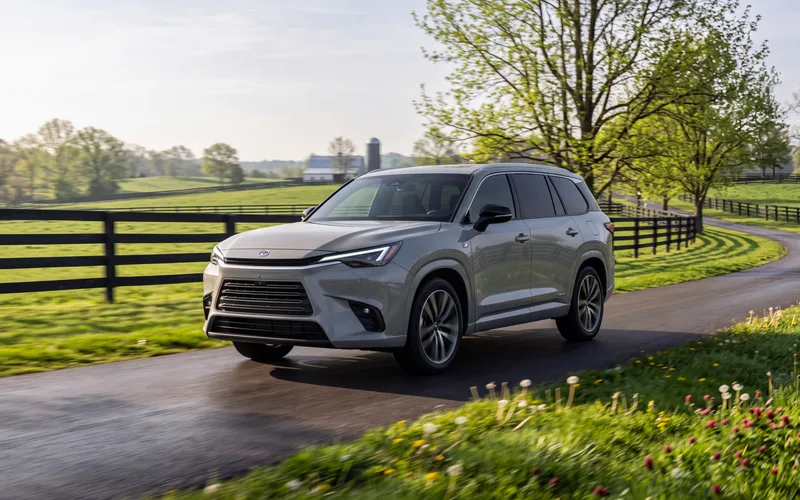 Lexus TXMid-Size Luxury SUVBetter at: Reliability
Delivers the three-row luxury brief with a genuinely adult third row, hybrid efficiency and Lexus dependability, at the cost of the Discovery's off-road and towing capability.
Compare 2.75B-
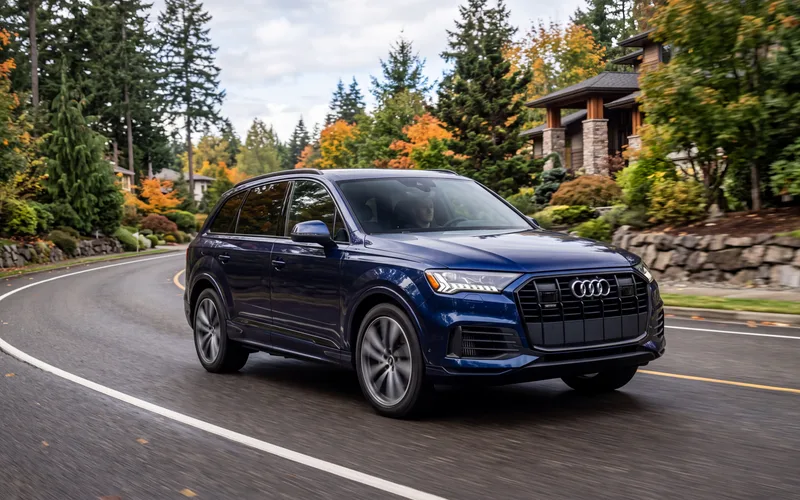 Audi Q7Mid-Size Luxury SUVBetter at: Resale value
The better-driving, better-resale three-row luxury SUV for buyers who will never use 11 inches of ground clearance or 8,200 lbs of towing.
Compare 2.34C+
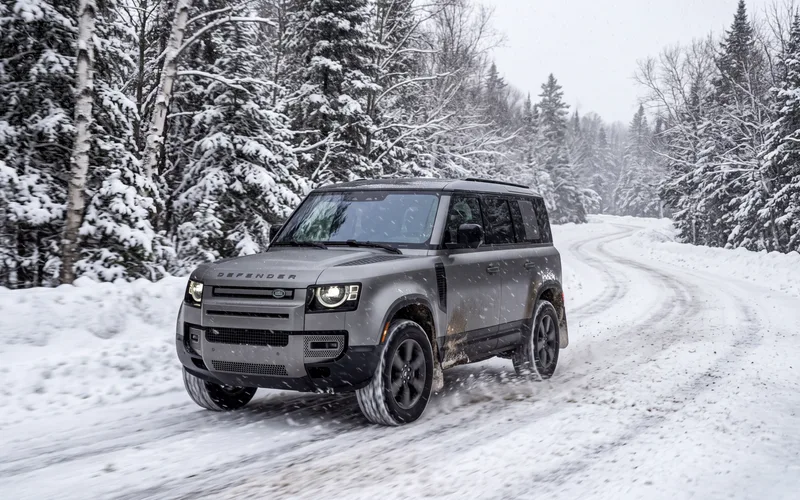 Land Rover DefenderLuxury Off-Road SUVBetter at: Resale value
The same JLR capability story with far stronger resale and desirability, if you can live with a firmer ride and a more utilitarian cabin.
CompareProduction history
Best fit & conditions
Higher scores mean a better fit for that use case. Learn more about use-case fit →
Subject profile
Academic Probation · NHTSA safety recalls
Jun 12, 2026Air bags: frontalThe driverâs air bag clockspring connector may corrode, which can cause the air bag not to deploy as intended.
Defect
Jaguar Land Rover North America, LLC (Land Rover) is recalling certain 2020-2026 Land Rover Defender, 2021-2026 Discovery, and 2022-2026 Range Rover vehicles. The driverâs air bag clockspring connector may corrode, which can cause the air bag not to deploy as intended.
Risk
An air bag that does not deploy as intended increases the risk of injury in a crash.
Remedy
Dealers will apply a protective lubricant gel to the driverâs air bag connector terminals, free of charge. Owner letters were mailed August 3, 2026. Owners may contact Land Rover's customer service at 800-637-6837. Land Rover's number for this recall is D120.
NHTSA campaign 26V389000 ↗Manufacturer no. D120250,857 vehicles potentially affected (all models in the campaign)Owners notified Jul 31, 2026Filed by Jaguar Land Rover North America, LLCFiled as DISCOVERY
16 recalls on other model years of the Discovery (2017–2025)
Sep 17, 2026Electrical system: propulsion system: dc/dc converterThe DC-DC converter may malfunction due to an electrical overload that can occur during high power demand. Additionally, a software error can cause the DC-DC converter to stop functioning at vehicle start-up under certain circumstances. Failure of the DC-DC converter will result in the loss of 12-Volt system charging and can lead to complete loss of drive power and exterior lighting.
Defect
Jaguar Land Rover North America, LLC (Land Rover) is recalling certain 2019-2024 Land Rover Range Rover Sport, 2020-2024 Land Rover Range Rover Evoque, Land Rover Range Rover, Land Rover Discovery Sport, Land Rover Defender, 2021-2024 Land Rover Range Rover Velar, Jaguar E-Pace, F-Pace, and Land Rover Discovery vehicles. The DC-DC converter may malfunction due to an electrical overload that can occur during high power demand. Additionally, a software error can cause the DC-DC converter to stop functioning at vehicle start-up under certain circumstances. Failure of the DC-DC converter will result in the loss of 12-Volt system charging and can lead to complete loss of drive power and exterior lighting.
Risk
A loss of drive power increases the risk of a crash.
Remedy
Dealers will update the vehicle software, free of charge. Interim letters notifying owners of the safety risk are expected to be mailed November 13, 2026. Additional letters will be sent once the final remedy is available. Owners may contact Land Rover's customer service at 800-637-6837. Land Rover's number for this recall is E008. This recall expands previous NHTSA recall number 26V248.
NHTSA campaign 26V599000 ↗Manufacturer no. E00823,677 vehicles potentially affected (all models in the campaign)Filed by Jaguar Land Rover North America, LLCFiled as DISCOVERYJul 16, 2026Back over prevention: sensing system: cameraWater may not be able to drain away from the rearview camera due to insufficient drain holes, which may result in damage to the rearview camera.
Defect
Jaguar Land Rover North America, LLC (Land Rover) is recalling certain 2021-2025 Land Rover Discovery vehicles. Water may not be able to drain away from the rearview camera due to insufficient drain holes, which may result in damage to the rearview camera.
Risk
A rearview camera image that does not display can decrease the driver's visibility, increasing the risk of a crash.
Remedy
Dealers will drill additional drain holes in the underside of the tailgate trim. Additionally, dealers will inspect and replace the rearview camera as necessary. Repairs will be performed free of charge. Owner notification letters were mailed September 10, 2026. Owners may contact Land Rover customer service at 1-800-637-6837. Land Rover's number for this recall is D145.
NHTSA campaign 26V458000 ↗Manufacturer no. D14515,535 vehicles potentially affected (all models in the campaign)Owners notified Sep 3, 2026Filed by Jaguar Land Rover North America, LLCFiled as DISCOVERYApr 17, 2026Electrical system: propulsion system: dc/dc converterInsufficient electrical load balancing during times of high demand can lead to a current overload condition and malfunction of the DCDC converter. A failure of the DC-DC converter will result in a loss of 12-Volt system charging and can lead to complete loss of drive power and exterior lighting.
Defect
Jaguar Land Rover North America, LLC (Land Rover) is recalling certain 2021-2024 Land Rover Range Rover Velar and Land Rover Discovery, 2020-2023 Land Rover Range Rover Evoque, 2019-2024 Land Rover Range Rover Sport, 2020-2024 Land Rover Range Rover, 2020 Land Rover Discovery Sport, 2020-2024 Land Rover Defender, 2021-2024 Jaguar F-Pace, and 2021-2022 Jaguar E-Pace mild-hybrid electric vehicles (MHEVs). Insufficient electrical load balancing during times of high demand can lead to a current overload condition and malfunction of the DCDC converter. A failure of the DC-DC converter will result in a loss of 12-Volt system charging and can lead to complete loss of drive power and exterior lighting.
Risk
A loss of drive power increases the risk of a crash.
Remedy
Dealers will update the central software, free of charge. Interim letters notifying owners of the safety risk were mailed June 17, 2026. Additional letters will be sent once the final remedy is available. Owners may contact Land Rover's customer service at 800-637-6837. Land Rover's numbers for this recall are D126 and H575.
NHTSA campaign 26V248000 ↗Manufacturer no. D126 H575170,169 vehicles potentially affected (all models in the campaign)Filed by Jaguar Land Rover North America, LLCFiled as DISCOVERYJun 17, 2024Engine and engine cooling: engine: oil/lubrication: filter/screenThe oil filter housing can crack and leak oil into the engine compartment.
Defect
Jaguar Land Rover North America, LLC (Land Rover) is recalling certain 2023-2024 Defender, 2024 Discovery, Range Rover, Range Rover Sport, and Range Rover Velar vehicles. The oil filter housing can crack and leak oil into the engine compartment.
Risk
An oil leak in the presence of an ignition source such as hot engine or exhaust components, can increase the risk of a fire.
Remedy
Dealers will replace the filter housing, oil filter, and o-rings, free of charge. Owner notification letters were mailed June 27, 2024. Owners may contact Land Rover customer service at 1-800-637-6837. Land Rover's number for this recall is N908.
NHTSA campaign 24V450000 ↗Manufacturer no. N9082,013 vehicles potentially affected (all models in the campaign)Owners notified Jun 27, 2024Filed by Jaguar Land Rover North America, LLCFiled as DISCOVERYJun 1, 2023Electrical system: instrument cluster/panel · Latches/locks/linkages: doors: latchThe UniLatch Keyless Vehicle (KV) entry function may fail to properly latch the rear passenger doors, which can result in the doors opening while driving. In addition, the instrument cluster open-door warning light may fail to alert the driver of this condition.
Defect
Jaguar Land Rover North America, LLC (Land Rover) is recalling certain 2017-2020 Land Rover Discovery vehicles. The UniLatch Keyless Vehicle (KV) entry function may fail to properly latch the rear passenger doors, which can result in the doors opening while driving. In addition, the instrument cluster open-door warning light may fail to alert the driver of this condition.
Risk
Rear passenger doors that open while driving can increase the risk of a crash. An instrument cluster warning light that fails to alert the driver about unsecured doors can increase the risk of injury in the event of a crash.
Remedy
Dealers will disable the UniLatch Keyless Vehicle (KV) entry function, free of charge. Owner notification letters were mailed July 26, 2023. Owners may contact Land Rover customer service at 1-800-637-6837. Land Rover's number for this recall is N798.
NHTSA campaign 23V393000 ↗Manufacturer no. N79829,861 vehicles potentially affected (all models in the campaign)Owners notified Jul 26, 2023Filed by Jaguar Land Rover North America, LLCFiled as DISCOVERYFeb 2, 2023Engine and engine cooling: engine: oil/lubricationThe engine cam carrier oil channel may be blocked, which can lead to an oil leak.
Defect
Jaguar Land Rover North America, LLC (Land Rover) is recalling certain 2019-2023 Range Rover Sport, 2020-2023 Range Rover, Defender, 2022-2023 Discovery, and 2023 Range Rover Velar vehicles. The engine cam carrier oil channel may be blocked, which can lead to an oil leak.
Risk
An oil leak in the presence of an ignition source can increase the risk of a fire.
Remedy
Dealers will inspect and replace the engine cam carrier and related components as necessary, free of charge. Owner notification letters were mailed March 29, 2023. Owners may contact Land Rover customer service at 1-800-637-6837. Land Rover's number for this recall is N763.
NHTSA campaign 23V044000 ↗Manufacturer no. N7636,724 vehicles potentially affected (all models in the campaign)Owners notified Mar 29, 2023Filed by Jaguar Land Rover North America, LLCFiled as DISCOVERYJul 21, 2022Seat belts: pretensionerThe driver and front passenger seat belt pretensioners may be damaged, which can cause the seat belts to not properly restrain occupants.
Defect
Jaguar Land Rover North America, LLC (Land Rover) is recalling certain 2022-23 Land Rover Defender, Discovery, Discovery Sport and 2022 Range Rover Sport and Range Rover Velar vehicles. The driver and front passenger seat belt pretensioners may be damaged, which can cause the seat belts to not properly restrain occupants.
Risk
Improperly restrained occupants have an increased risk of injury during a crash.
Remedy
Dealers will inspect and replace the front seat belt assemblies, as necessary, free of charge. Owner notification letters were mailed September 16, 2022. Owners may contact Land Rover customer service at 1-800-637-6837. Land Rover's number for this recall is N720.
NHTSA campaign 22V523000 ↗Manufacturer no. N7204,927 vehicles potentially affected (all models in the campaign)Owners notified Sep 16, 2022Filed by Jaguar Land Rover North America, LLCFiled as DISCOVERYAug 26, 2021Seat belts: front: retractor · Seat belts: rear/other: retractorThe seat belt automatic locking retractors may deactivate early, which can prevent the child restraint system from securing properly.
Defect
Jaguar Land Rover North America, LLC (Land Rover) is recalling certain 2021 Range Rover, 2022 Range Rover Sport, 2020-2021 Range Rover Velar, Discovery Sport, 2020-2022 Discovery, and Defender vehicles. The seat belt automatic locking retractors may deactivate early, which can prevent the child restraint system from securing properly.
Risk
An unsecured child restraint system can increase the risk of injury during a crash.
Remedy
Dealers will inspect and replace the seat belt assemblies as necessary, free of charge. Owner letters were mailed October 20, 2021. Owners may contact Land Rover customer service at 1-800-637-6837. Land Rover's number for this recall is N630.
NHTSA campaign 21V668000 ↗Manufacturer no. N63032,687 vehicles potentially affected (all models in the campaign)Owners notified Oct 20, 2021Filed by Jaguar Land Rover North America, LLCFiled as DISCOVERYJun 17, 2021Electrical system: 12v/24v/48v batteryA loose contact between the battery ground stud and the chassis may result in various electrical faults, possibly causing a loss of electrical power or the vehicle to shut down while driving.
Defect
Jaguar Land Rover North America, LLC (Land Rover) is recalling certain 2020-2021 Land Rover Discovery vehicles. A loose contact between the battery ground stud and the chassis may result in various electrical faults, possibly causing a loss of electrical power or the vehicle to shut down while driving.
Risk
A vehicle that shuts down or loses exterior lighting while driving increases the risk of a crash.
Remedy
Dealers will replace the ground stud, free of charge. Owner notification letters were mailed on August 10, 2021. Owners may contact Land Rover customer service at 1-800-637-6837. Land Rover's number for this recall is N607.
NHTSA campaign 21V457000 ↗Manufacturer no. N6071,383 vehicles potentially affected (all models in the campaign)Owners notified Aug 10, 2021Filed by Jaguar Land Rover North America, LLCFiled as DISCOVERYFeb 25, 2021Exterior lighting: headlights · Exterior lighting: lighting control module: softwareThe Auto High Beam (AHB) system does not indicate through the instrument cluster when the high beams are illuminated automatically. As such, these vehicles fail to comply with the requirements of Federal Motor Vehicle Safety Standard (FMVSS) number 108, "Lamps, Reflective Devices, and Associated Equipment."
Defect
Jaguar Land Rover North America, LLC. (Land Rover) is recalling certain 2018-2020 Range Rover, Range Rover Sport, Discovery, and Range Rover Velar vehicles. The Auto High Beam (AHB) system does not indicate through the instrument cluster when the high beams are illuminated automatically. As such, these vehicles fail to comply with the requirements of Federal Motor Vehicle Safety Standard (FMVSS) number 108, "Lamps, Reflective Devices, and Associated Equipment."
Risk
The driver may be unaware that the high beams are illuminated, reducing visibility for oncoming traffic, and increasing the risk of a crash.
Remedy
Land Rover will notify owners, and dealers will update the vehicle software, free of charge. The recall began April 7, 2021. Owners may contact Land Rover customer service at 1-800-637-6837. Land Rover's number for this recall is N556.
NHTSA campaign 21V117000 ↗Manufacturer no. N55626,805 vehicles potentially affected (all models in the campaign)Owners notified Apr 7, 2021Filed by Jaguar Land Rover North America, LLCFiled as DISCOVERYNov 10, 2020Electrical system: 12v/24v/48v batteryA loose contact between the battery ground stud and the chassis may result in various electrical faults, possibly causing a loss of electrical power or the vehicle to shut down while driving.
Defect
Jaguar Land Rover North America, LLC (Land Rover) is recalling certain 2019-2020 Discovery vehicles. A loose contact between the battery ground stud and the chassis may result in various electrical faults, possibly causing a loss of electrical power or the vehicle to shut down while driving.
Risk
If the vehicle shuts down or loses exterior lighting while driving there could be an increased risk of a crash.
Remedy
Land Rover will notify owners, and dealers will replace the ground stud, free of charge. The recall began December 17, 2020. Owners may contact Land Rover customer service at 1-800-369-1000. Land Rover's number for this recall is N400.
NHTSA campaign 20V694000 ↗Manufacturer no. N40011,084 vehicles potentially affected (all models in the campaign)Owners notified Dec 17, 2020Filed by Jaguar Land Rover North America, LLCFiled as DISCOVERYMar 12, 2020Electrical system: software · Exterior lightingWhen towing a trailer with the trailer lights connected to the trailer socket and the vehicle's Daytime Running Lights (DRL) are on, the trailer lights may not function.
Defect
Jaguar Land Rover North America, LLC (Land Rover) is recalling certain 2017-2018 Discovery vehicles equipped with low line headlight assemblies. When towing a trailer with the trailer lights connected to the trailer socket and the vehicle's Daytime Running Lights (DRL) are on, the trailer lights may not function.
Risk
If the trailer lights are not working, following traffic won't be aware the vehicle is slowing down or stopping, increasing the risk of a crash.
Remedy
Land Rover will notify owners, and dealers will update the Body Control Module software, free of charge. The recall began April 13, 2020. Owners may contact Land Rover customer service at 1-800-637-6837. Land Rover's number for this recall is N428.
NHTSA campaign 20V143000 ↗Manufacturer no. N4281,553 vehicles potentially affected (all models in the campaign)Owners notified Apr 13, 2020Filed by Jaguar Land Rover North America, LLCFiled as DISCOVERYJan 30, 2020Seats: mid/rear assemblyThe second row seat frame assembly may be missing fasteners, resulting in a seat frame with insufficient strength.
Defect
Jaguar Land Rover North America, LLC (Land Rover) is recalling certain 2020 Discovery vehicles. The second row seat frame assembly may be missing fasteners, resulting in a seat frame with insufficient strength.
Risk
In the event of a crash, the seats may not properly secure the occupants, increasing their risk of injury.
Remedy
Land Rover will notify owners, and dealers will replace the second row seat frame, tightening the bolts properly, free of charge. The recall began April 20, 2020. Owners may contact Land Rover customer service at 1-800-637-6837. Land Rover's number for this recall is N422.
NHTSA campaign 20V053000 ↗Manufacturer no. N42234 vehicles potentially affected (all models in the campaign)Owners notified Apr 20, 2020Filed by Jaguar Land Rover North America, LLCFiled as DISCOVERYJan 17, 2019EngineThe affected vehicles are equipped with V6 or V8 engines whose crankshaft pulley retaining bolt may fracture possibly resulting in engine failure.
Defect
Jaguar Land Rover North America, LLC (Land Rover) is recalling certain 2019 Range Rover, Range Rover Sport, Range Rover Velar and Discovery vehicles. The affected vehicles are equipped with V6 or V8 engines whose crankshaft pulley retaining bolt may fracture possibly resulting in engine failure.
Risk
Engine failure can increase the risk of crash.
Remedy
Land Rover has notified owners, and dealers will replace the crankshaft pulley center retaining bolt, free of charge. The recall began February 12, 2019. Owners may contact Land Rover customer service at 1-800-637-6837. Land Rover's number for this recall is N276.
NHTSA campaign 19V040000 ↗Manufacturer no. N2762,587 vehicles potentially affected (all models in the campaign)Owners notified Feb 12, 2019Filed by Jaguar Land Rover North America, LLCFiled as DISCOVERYSep 13, 2018Forward collision avoidance: automatic emergency brakingThe Autonomous Emergency Braking (AEB) system may be disabled without warning the driver that the system is not functional.
Defect
Jaguar Land Rover North America, LLC (Land Rover) is recalling certain 2018 Land Rover Range Rover, Land Rover Range Rover Sport and Land Rover Discovery vehicles. The Autonomous Emergency Braking (AEB) system may be disabled without warning the driver that the system is not functional.
Risk
If the AEB does not intervene when needed, without warning, there would be an increased risk of a crash.
Remedy
Land Rover will notify owners, and dealers will update the vehicle software, free of charge. The recall began October 17, 2018. Owners may contact Land Rover customer service at 1-800-637-6837, Option 9. Land Rover's number for this recall is N227.
NHTSA campaign 18V625000 ↗Manufacturer no. N22786 vehicles potentially affected (all models in the campaign)Owners notified Oct 17, 2018Filed by Jaguar Land Rover North America, LLCFiled as DISCOVERYMay 23, 2018Electrical system: software · Fuel system, gasolineThe fuel gauge on these vehicles may indicate that the fuel level is low and illuminate the warning lamp, when the fuel tank actually has more fuel. The engine management software may also cut off the engine when the vehicle has traveled approximately 17 more miles.
Defect
Jaguar Land Rover North America, LLC (Land Rover) is recalling certain 2017 Land Rover Range Rover, Range Rover Sport, and Discovery vehicles. The fuel gauge on these vehicles may indicate that the fuel level is low and illuminate the warning lamp, when the fuel tank actually has more fuel. The engine management software may also cut off the engine when the vehicle has traveled approximately 17 more miles.
Risk
If the engine were to shut off, it can cause loss of power brake assistance. An engine stall would cause a loss of drive power. Both scenarios can increase the risk of a crash.
Remedy
Land Rover will notify owners, and dealers will install a software update to correct the fuel level reading, free of charge. The recall began on June 22, 2018. Owners may Land Rover customer service at 1-800-637-6837. Land Rover's number for this recall is N206.
NHTSA campaign 18V337000 ↗Manufacturer no. N2061,917 vehicles potentially affected (all models in the campaign)Owners notified Jun 22, 2018Filed by Jaguar Land Rover North America, LLCFiled as DISCOVERY
Source: NHTSA Office of Defects Investigation recall database, model years 2017–2026. Recalls are listed by model year as the manufacturer filed them; whether a specific car is affected depends on its VIN — check a VIN at nhtsa.gov ↗. NHTSA model names matched to this page: DISCOVERY.
Detailed scoring by subject
1Performance & PowertrainMid-pack among this car's ten categories.2.35C+
The 2026 Discovery (fifth-gen L462) carries two gas powertrains in the US: the volume P300 S / P300 Dynamic SE use the 2.0L turbo Ingenium four at 296 hp, while the new P360 Gemini Edition and P360 Tempest Edition use the 3.0L mild-hybrid inline-six at 355 hp. Scored on the P300 Dynamic SE as the volume trim.
Peak torque of the volume P300 2.0L turbo four is 295 lb-ft; the optional 3.0L six adds a meaningful 74 lb-ft on top.
Manufacturer-quoted 6.9 s for the P300 volume trim — respectable but not quick for a luxury mid-size SUV, reflecting roughly 5,000 lb of unibody aluminium against a 2.0L four. The P360 six cuts it to 6.2 s.
The 48V mild-hybrid inline-six is quiet and well-mannered with clean throttle response, but reviewers note it never reaches the silkiness of a BMW straight-six; the volume 2.0L four is competent rather than refined, working audibly hard in a heavy three-row body. Mid-pack for the luxury mid-size class.
The ZF eight-speed automatic is standard across the range and shifts unobtrusively in normal driving, but reviewers report reluctance to kick down under full throttle — smooth rather than decisive.
Land Rover's own towing page rates the Discovery at up to 8,200 lbs — best-in-class for a mid-size luxury SUV and well past the top of the segment normalization band. Note the four-cylinder P300 is rated closer to 5,950 lbs, so the headline figure requires the P360 six.
Full-time all-wheel drive is standard on every 2026 trim, with a Torsen limited-slip centre differential as standard and an optional two-speed transfer case (low range) plus an active locking rear differential — genuine hardware sophistication that most mid-size luxury SUVs cannot match.
Real off-road credentials for a family three-row: 11.1–11.2 in of ground clearance on the standard electronic air suspension, 35.4 in wading depth with Wade Sensing, Terrain Response 2 with auto mode, All-Terrain Progress Control, hill descent control, and available low range plus a locking rear diff. Held below the 90s because there is no dedicated off-road trim (the SVX was cancelled), the tires are road-biased and the unibody body is tuned for comfort first.
Two gas engines for 2026 in the US — the 2.0L P300 four and the 3.0L P360 inline-six with a 48V mild-hybrid assist — with no PHEV, no full hybrid and no EV variant. The mild hybrid is an efficiency aid, not a distinct electrified powertrain, and the diesels sold overseas are not offered here. Adequate coverage of mainstream needs, nothing more.
2Efficiency & RangeOne of the Discovery's weakest categories.0.23F
The volume configuration is the P300 S / Dynamic SE with the 296-hp 2.0L turbo four and 8-speed automatic, EPA-rated 21 MPG combined. Counter-intuitively the 355-hp P360 inline-six mild hybrid, restricted to the new Gemini and Tempest editions, rates lower at 19 MPG despite its 48V assist — the extra mass and displacement outweigh the belt-integrated starter-generator.
City is the Discovery's weakest cycle — roughly 5,000 lb of aluminium-bodied, seven-seat SUV with permanent all-wheel drive and no true hybrid drive means stop-and-go running is expensive, and the P300's turbo four gives up little to the six here.
Highway is the Discovery's best case, helped by the L462's 17-percent-lower drag coefficient versus the outgoing body-on-frame car and tall 8-speed top gears, but the boxy stepped roof and high frontal area still cap it well short of car-based three-row rivals.
A large 90-litre (23.8 US gal) fuel tank rescues what mediocre economy would otherwise ruin — roughly 500 miles between fills is genuinely strong for a mid-size luxury SUV and matches the Range Rover's touring range. Derived from the EPA combined rating and the published tank capacity rather than a single published range figure, hence MEDIUM.
At EPA's standard 15,000 miles a year the Discovery burns roughly 715 gallons of premium, putting annual energy cost above the top of the SUV normalization band ($3,200) and among the most expensive non-V8 SUVs in the dataset. Choosing the inline-six pushes it to $4,000.
Every 2026 Discovery engine is rated on premium unleaded — EPA lists both the P300 and the P360 MHEV as premium-gasoline vehicles — so there is no regular-fuel escape hatch on any trim, and no diesel, E85 or home-charging alternative. Premium at roughly a dollar a gallon over regular compounds an already poor 21 MPG. Scored in line with the Defender (22) and below the Range Rover (38), which at least offers a plug-in that can cover short trips on cheap home electricity.
3SafetyOne of the Discovery's strongest categories.2.42C+
NHTSA has published no 5-Star Safety Ratings for the fifth-generation (L462) Discovery in any US model year, and 2026 is a carry-over of that generation with only trim changes (Gemini Edition replaces the P360 Dynamic SE, new Tempest flagship). The estimate is anchored on the L462's bonded-aluminium unibody — the first unibody Discovery, up to 480 kg lighter than the body-on-frame D4 — and its five-star Euro NCAP result, not on any published US test. Replaces a seeded placeholder value.
The Discovery holds no IIHS award and has no published IIHS crashworthiness results in any L462 model year, so it cannot reach the award band. The only structural evidence is a 2017 Euro NCAP five-star result (90% adult, 80% child) whose rating expired 1 January 2024 under a superseded protocol, and that test flagged real faults: insufficient driver-airbag pressure allowing the head to bottom out on the steering wheel, the driver's door unlatching during the side barrier impact, and poor rear-seat whiplash protection. A JLR stop-sale recall covering 2021–2026 Discovery driver-airbag clockspring connectors compounds the airbag concern.
This is the Discovery's clearest safety strength and an improvement over earlier L462 model years, where adaptive cruise was withheld until HSE. For 2026 the base P300 S ships the whole core suite — emergency braking with pedestrian and cyclist detection, adaptive cruise control, lane keep assist, Blind Spot Assist, rear cross-traffic monitor, 3D surround camera, driver condition monitor, traffic sign recognition with adaptive speed limiter, front and rear parking sensors and LED headlights with high-beam assist — with nothing on the AEB/ACC/LKA/BSM/RCTA list locked behind a package.
IIHS has run no front crash prevention test on the Discovery, so there is no Superior/Advanced rating to cite for either the vehicle-to-vehicle or the pedestrian protocol, and no nighttime pedestrian data exists at all. The only performance evidence is Euro NCAP's 2017 assessment, where the AEB City system avoided impacts up to 35 km/h and the vulnerable-road-user and safety-assist scores landed mid-pack; that is competent but measured under a protocol two generations behind current pedestrian and night testing. Scored below the Defender and Range Rover (70) because their Euro NCAP evidence is from a newer protocol.
Blind Spot Assist is standard on every 2026 trim and intervenes with a corrective steering nudge plus flashing icon and audible alert rather than only lighting a mirror telltale, which puts it in the active-intervention band. A rear cross-traffic monitor is likewise standard. It stops short of full marks because coverage is alert-and-nudge only at the rear — there is no trailer-aware blind-spot extension despite the Discovery's 8,200 lb tow rating, and no safe-exit assist for rear occupants.
Lane Keep Assist is standard across the 2026 range, but it is a departure-correction system that nudges at the lane edge rather than true centering; sustained centering requires the Steering Assist function bundled with adaptive cruise, and Land Rover's US materials confirm ACC is standard for 2026 without confirming Steering Assist is included on the base P300 S. Reviewers of JLR's implementation describe it as usable but not among the smoother systems, with intervention that announces itself rather than blending in.
Adaptive cruise is standard on every 2026 trim — a meaningful upgrade from the 2024 lineup, where it was withheld until HSE — and JLR's system is full-speed-range with stop-and-go, which suits the Discovery's long-haul brief. It lands mid-band rather than high because there is no integrated highway-assist mode layering navigation-linked speed or lane-change support on top, and the adaptive speed limiter, while standard, works from traffic-sign recognition rather than mapped data.
JLR offers no hands-free highway driving system on any 2026 Discovery trim, up to the $85,125 Tempest Edition. Steering Assist is a hands-on lane-centering aid with a torque-sensing wheel that nags and disengages if the driver lets go, so the Discovery sits in the no-hands-free band against rivals that offer BlueCruise, Super Cruise or equivalent.
IIHS has published no headlight rating for the Discovery, so there is no Good/Acceptable/Marginal grade to anchor on. The volume P300 S gets Signature LED headlights with automatic high-beam assist — adequate hardware but a tier below the Pixel LED units the Range Rover makes standard from SE, and adaptive matrix beam segmentation is not part of the base fitment. Scored in the middle band: capable auto high beam standard, premium beam-shaping reserved for trims above the volume car.
The Discovery keeps the nameplate's upright greenhouse, tall side glass and command driving position, so forward and three-quarter sightlines are genuinely good — reviewers note you sit above the roofline of most traffic. The 3D surround camera is standard on every trim, and an available ClearSight interior rear-view mirror routes a tailgate camera feed to the mirror, which is the right answer to the one real complaint: second- and third-row headrests chopping up the straight-back view. Docked slightly for the car's width and high hood line, which make judging the front corners harder than the sightlines suggest.
Unusually strong for a three-row luxury SUV: the Discovery carries four complete LATCH sets — both second-row outboard positions and both third-row seats — where most rivals give the third row tethers only. Cars.com's Car Seat Check graded the second-row Latch, infant seat and both convertible orientations all A, with lower anchors under a single large flap and outboard tether anchors clearly marked high on the seatback. Held out of the top band by the fixed head restraints, which stop boosters sitting flush and complicate third-row tether routing, and by slow powered third-row access over a high step-in.
4Space & ComfortMid-pack among this car's ten categories.2.28C
Every 2026 US Discovery trim (S, Landmark, Tempest) ships as a seven-seater with a standard third row — Land Rover markets it as "Seven-seat sophistication" and there is no five-seat US configuration.
Carry-over L462 body shell — the fifth-generation Discovery's published front headroom is unchanged for 2026, which is mid-pack for a mid-size SUV despite the tall, upright greenhouse.
Land Rover's published 39.1 in front legroom sits below the 40-in floor of the SUV band — the same figure the Defender and Range Rover publish, reflecting JLR's upright seating position and measurement method rather than a genuinely cramped cabin.
The Discovery's stepped roofline pays off in the second row — 39.0 in is near the top of the SUV band and among the better second-row headroom figures in the mid-size luxury class.
37.4 in of second-row legroom is adequate rather than generous for a three-row luxury SUV, though the sliding second row lets owners trade it against the third row's 33.5 in.
One of the more honest third rows in the mid-size luxury class — 33.5 in of legroom, stadium seating for forward visibility, plus third-row USB ports and available heated third-row seats — but access is compromised because the second row has no quick-release slide, so occupants depend on someone else to let them out. Adults fit for shorter trips; kids and teens fit fine.
Roughly 45 cu ft behind the folded third row is only mid-pack for a three-row SUV — the Discovery trades outright hold volume for its tall, squared-off shape and full-size spare. Landmark and Tempest lose 3 cu ft to the four-zone climate unit.
Land Rover's own 70.52 cu ft maximum is modest for a mid-size three-row SUV — the load floor is long but the tapering roof and thick side structure cost volume relative to boxier rivals.
Storage is a genuine Discovery signature: a hidden compartment behind the hinged climate panel, a deep cubby under the cupholders sized for several tablets, and Land Rover's claim of 21 separate stowage points, backed by power-folding second/third rows operable from the touchscreen or app, cargo hooks, tie-downs and a 12V/USB socket in the load bay. Landmark and Tempest add a refrigerated front console compartment. Marked down slightly because the secret compartment is unlit and has a history of sticking in cold weather.
Upright, throne-like front chairs with an 18-way power driver's seat and memory standard on the base S, rising to a 20-way massaging seat on Tempest; reviewers call the cushions well shaped over multi-hour stints but note limited thigh support, and the second row is flat-ish by luxury standards.
Electronic air suspension with Adaptive Dynamics is standard on every 2026 trim, and in Comfort mode the Discovery glides over broken pavement that unsettles a BMW X5 — a genuine long-haul cruiser. Held below the top band because the air springs can feel mildly floaty and the 21-in (Landmark) and 22-in (Tempest) wheels add impact harshness.
A consistently praised strength — the 3.0-liter mild-hybrid inline-six is smooth and distant at cruise and wind noise is well suppressed by the upright glasshouse, with a solar-attenuating windshield on Tempest. Not quite the isolation of a Range Rover, which is why it sits at the top of the middle band rather than above it.
Unusually rich even at the entry price: the $64,900 S already includes three-zone climate, heated front seats, a heated steering wheel, a sliding front sunroof with fixed rear panoramic roof and wireless charging. Landmark adds four-zone climate and a refrigerated console; Tempest adds ventilated front seats, and heated/cooled rear seats plus heated third-row seats are available. Remote climate pre-conditioning with a departure timer runs through the InControl app.
5Cost of OwnershipThe Discovery's lowest-graded category.0.00F
The 2026 Discovery (fifth-gen L462, post-2021 facelift) opens with the P300 S at $60,200 including destination — a mid-size luxury SUV entry price that sits well into the upper half of the segment band. Land Rover USA's live configurator now shows the 2027 car ($64,900 before destination), so the 2026-specific figure comes from model-year-tagged sources.
The P300 Dynamic SE is the mainstream mid-grade and the practical volume choice — the Gemini and Tempest above it are limited special editions. At $64,600 as typically equipped it lands near the top of the SUV price band, and options push real transaction prices higher still.
Five-year maintenance and repair projections land mid-pack because the 4-year/50,000-mile factory warranty absorbs most of the window — the Discovery's cost problem shows up in years 6–10 rather than the first five. CarEdge still puts a 51% probability of a major repair inside a decade, and the brand's shop-visit rate is roughly double the industry norm.
This is the Discovery's single worst ownership number and the reason the category scores as low as it does. Industry estimates put five-year retention in the high-30s — roughly 8–15 points below the luxury mid-size SUV average — so depreciation alone runs near $45K on a volume-trim car.
Land Rover's New Vehicle Limited Warranty is 4 years/50,000 miles — mid-pack for a luxury brand, matching BMW and Mercedes on years but with a lower mileage cap than Genesis or the Korean marques.
Land Rover publishes no extended powertrain warranty: bumper-to-bumper and powertrain coverage are folded into the single 4-year/50,000-mile New Vehicle Limited Warranty. Against a segment band that starts at 5 years, that is the floor — and a real weakness on a brand with the Discovery's repair history.
There is no factory complimentary scheduled maintenance on a 2026 Discovery — Land Rover sells a Prepaid Scheduled Maintenance Plan instead, and the EliteCare package that once bundled 5 yr/60,000 mi of service is long gone from the US lineup. What is included is genuinely useful but basic: 24-hour roadside assistance for the full warranty period, complimentary towing to the nearest retailer, trip-interruption reimbursement, the Retailer Mobile Technician program where available, and a connected-services/Pivi Pro data trial. That is squarely 'basic roadside only' territory, behind luxury rivals that still include a maintenance interval or two.
$64,600 volume-trim price minus its estimated resale value after 5 years (39% retained, or about $25,194) leaves about $39,406 in depreciation. Add the projected $5,549 in 5-year maintenance and repairs, and owning this vehicle for 5 years costs about $44,955 in total.
6Reliability & QualityOne of the Discovery's weakest categories.0.87F
Consumer Reports predicts below-average dependability for the 2026 Discovery, and U.S. News flags it among the lowest-reliability picks in the class; no major source rates it average or better.
Land Rover sits in the bottom five of the 2026 J.D. Power Vehicle Dependability Study and near the bottom of Consumer Reports' 2026 brand reliability table — a consistent multi-year bottom-third standing, not a one-year dip.
The L462 generation carries repeated safety-critical and fire-risk recalls rather than routine housekeeping campaigns, and the 2026 model year is already swept into the 250,857-vehicle airbag clockspring recall issued in June 2026.
The volume P300's 2.0T Ingenium petrol four is the better-regarded half of the Ingenium family and pairs with the proven ZF 8-speed, but the family's timing-chain and oil-consumption reputation and the MHEV-specific fire and 48V converter recalls keep this mid-band rather than higher.
Materials are a genuine strength — leather with twin-needle stitching, real wood and metal trim, and a cabin that reads as properly luxurious for a $60,200–$85,125 three-row, though the design is older than newer rivals from Lexus and BMW.
Physical assembly is solid — testers report no squeaks or rattles and exterior panel work on par with rivals — but owner reports of module-level electronic failures early in life keep initial-quality perception below the class leaders.
Roughly 200 US retailers is thin coverage outside major metros compared with mainstream and larger luxury brands, and Land Rover does not appear among the premium leaders for service satisfaction — partly offset by a strong support package.
Land Rover ownership costs run near double the industry average, shop visits are roughly twice as frequent, and parts are largely dealer-sourced with little meaningful aftermarket for this generation.
7Technology & InfotainmentThe Discovery's best-graded category.3.29B+
The 2026 Discovery (fifth-generation L462, unchanged in architecture since the 2021 facelift) runs Pivi Pro on an 11.4-inch curved-glass touchscreen, standard from the S through the Tempest Edition with no larger option anywhere in the range. That is the weakest single element of its tech case: it is the same panel Land Rover fits to the far cheaper Defender, and it sits below the 13.1-inch screens in the Range Rover and Range Rover Sport and below most mid-size luxury rivals.
Pivi Pro is a genuine generational improvement on JLR's old InControl Touch — it runs off its own backup battery so the whole interface is live the instant you press start, the tile layout is shallow, and the Discovery keeps real rotary controls for volume and climate. It stays in the mid-70s because the native navigation has documented quirks (erratic predictive text, messy destination results), the 11.4-inch panel limits what the split-screen view can usefully show, and reviewers consistently note that the surrounding 2017-era cabin's control placement was not thoughtfully designed.
Wireless Apple CarPlay and wireless Android Auto are standard on every 2026 Discovery trim through Pivi Pro, with no trim gating and no subscription attached, and a wireless charging pad is fitted alongside them so the phone can project and charge at once.
Pivi Pro ships with connected online navigation with live traffic and door-to-door routing, and Amazon Alexa is built in, which handles natural-language media, climate and destination requests better than JLR's own command-driven voice layer. It lands below the 80s because the native maps draw specific criticism for poor destination search and predictive text, and the connected-services data behind live traffic runs on an included term that eventually needs renewing — most owners default to CarPlay.
Audio is a real strength: a Meridian system is standard rather than a paid upgrade, a 12-speaker Meridian Surround setup is fitted on the volume configurations, and the Tempest Edition steps up to the fuller surround package. The Discovery's tall, well-insulated cabin is also a better acoustic environment than the hard-trimmed Defender's.
A 12.3-inch fully digital Interactive Driver Display is standard on every 2026 Discovery — crisp, configurable, and able to mirror full-screen navigation plus terrain, wade-sensing and driveline data rather than just repeating the trip computer. It is notably larger than the center screen it sits beside.
JLR's Software Over The Air system is standard on Pivi Pro vehicles and reaches well beyond the head unit — it updates multiple vehicle modules so infotainment, driver-assist and chassis calibrations can improve without a dealer visit. It sits below the Defender because JLR's feature-adding releases arrive on an occasional, quietly-shipped cadence, and the aging L462 platform is not a priority recipient of new functionality.
The Land Rover Remote app covers the expected core set — remote lock/unlock, remote climate preconditioning, vehicle locate with beep-and-flash, door/window status, fuel range and journey history — and every new Land Rover includes three years of the Remote subscription plus a year of Secure Tracker. It is held to the low 70s by a persistently mediocre reputation for responsiveness, the subscription lapse after the included term, and the absence of a true phone-as-key of the kind BMW and Mercedes now ship.
Device power is one of the Discovery's genuine tech wins and a direct consequence of its seven-seat family brief: up to nine USB ports are distributed across all three rows, wireless phone charging is standard, four-zone climate control is available, and the Gemini Edition adds a built-in cabin refrigerator. Third-row occupants get real charging access rather than an afterthought.
Keyless entry with push-button start and app-based remote climate is standard or near-standard, the gesture-operated power tailgate arrives on the upper 2026 editions, and the waterproof wearable Activity Key remains a genuinely useful Land Rover-specific option. It stays below the 80s because the gesture tailgate is not standard on the volume S grade and there is still no phone-as-key.
The 3D surround-view camera is standard across the entire 2026 range rather than an upper-trim upgrade, joined by front and rear parking aids and Land Rover's ClearSight Ground View, which stitches the forward cameras into a see-through-hood image of the ground and front wheels. That combination is best-in-class for a mid-size luxury SUV and is a real capability aid off-road, not a novelty.
A windshield-projected head-up display is standard only on the range-topping Tempest Edition and is an extra-cost option below it, so the volume S and Dynamic SE buyer has to pay for it. It is also a conventional unit rather than an augmented-reality display. That places it squarely in the trim-limited band — well ahead of rivals offering no HUD, behind those that make a large one easy to get.
8Use-Case FitOne of the Discovery's strongest categories.2.44C+
Seven seats are standard (not a cost option as on Q7/X5), the tall boxy body gives near-vertical rear door openings and stadium seating that make car-seat installs easy, and the sliding second row has full LATCH positions. It is held back by third-row access — Consumer Reports notes there is no quick-release for the second row, so third-row riders depend on someone else, and the touchscreen-actuated seat folding is slow — plus only 9.1 cu ft behind row three, which a full-size stroller will not clear.
The standard ADAS list is thorough for the price — AEB, lane keep assist, blind spot with rear traffic and Clear Exit monitors, traffic sign recognition with adaptive speed limiter, adaptive cruise, rear parking sensors and a 3D surround camera on every trim. The gap is verification: neither IIHS nor NHTSA rates any current Land Rover, so a family buying a 2026 Discovery has zero independent crash data, which caps this against rivals carrying Top Safety Pick awards.
Strong second-row road-trip package: four-zone climate, nine USB ports, sliding/reclining second row, big glasshouse and a cabin CR describes as exceptionally quiet, riding on air suspension. Two limits keep it out of the top band — the third row is sized for children rather than adults, and with all seven seats occupied there is only 9.1 cu ft for luggage, so a seven-up trip needs a roof box.
Air suspension, the 8-speed automatic and a quiet cabin make low-speed running relaxed, and the tall commanding seating position plus ClearSight Ground View reduce fatigue in traffic. Points come off for the sheer size in stop-and-go, a 296-hp 2.0-liter four that has to work in the volume P300, and climate/vehicle functions buried in the Pivi Pro touchscreen rather than on hard keys.
EPA rates the volume P300 at 19/24/21 mpg and the P360 mild-hybrid six at 17/23/19, both on required premium fuel — mid-pack for a luxury three-row but genuinely expensive per commuting mile against any hybrid or EV alternative. Land Rover consumables and out-of-warranty service costs, plus the brand's weak reliability record, push real running cost above the EPA math.
At 195.1 in long and 74.3 in tall this is a full three-row footprint that needs care in urban garages, and the tall body plus thick D-pillars limit over-shoulder vision. The camera suite compensates well — standard 3D surround view, rear sensors and ClearSight Ground View showing the area under the nose — so it is manageable rather than easy.
Towing is the Discovery's calling card — 8,200 lb with the P360 inline-six, best in the mid-size luxury three-row class, with Advanced Tow Assist, Trailer Stability Assist and self-leveling air suspension supporting it; the P300 four still pulls 5,952 lb. Against that, it is an enclosed luxury SUV with no bed and only 9.1 cu ft behind the third row, so hauling work materials means folding seats and accepting carpeted surfaces.
The L462 aluminium unibody with Terrain Response 2 and a two-speed transfer case is genuinely tough hardware, but Land Rover's reliability record is the problem: the Discovery has drawn below-average reliability marks from Consumer Reports, with owners reporting electrical, water-leak and door-mechanism faults, and there is no fleet or commercial presence in the US to point to. Repair costs on a $60k-plus JLR out of its 4-year/50,000-mile warranty are punishing for a work tool.
Land Rover's accessory catalog is deep — tow hitch/receiver, roof rails and cross bars, rubber load-space liners, cargo dividers and partitions — and the flat load floor with tie-downs handles light trade duty. But there is no onboard AC power outlet or bed, no US commercial/van variant (the Commercial is a Europe-only body style), and the leather-and-carpet cabin is the opposite of washable.
This is what the Discovery is best at: air-suspended ride, a cabin CR calls exceptionally quiet, supportive long-haul front seats and adaptive cruise with adaptive speed limiter standard. The 23.8-gallon tank at EPA highway figures gives roughly 550 miles of highway range on the P300 and about 545 on the P360 six, so fuel stops are not the limiting factor even if premium fuel makes them expensive.
Among the most capable vehicles in the luxury three-row class off pavement: up to 11.2 in of ground clearance on standard air suspension, 35.4 in wading depth, Terrain Response 2 with All-Terrain Progress Control, standard AWD, an optional two-speed transfer case and locking rear differential, and 8,200 lb of towing for a boat or toy hauler. Roof rails carry gear, though the 165-lb dynamic roof load is only average.
The flexibility itself is good — power-folding second and third rows operated from the touchscreen or the load space, a flat floor, underfloor storage, roof rails and an available hitch. Raw volume is the weak point: 74.3 cu ft maximum and 32.6 cu ft behind row two trail most three-row rivals by a wide margin, and 9.1 cu ft behind row three barely holds a weekend's bags for seven.
9Driving ExperienceMid-pack among this car's ten categories.2.01C
Secure and predictable but conspicuously soft for a luxury mid-size SUV: reviewers consistently report notable body roll, a high center of gravity and a lumbering feel that makes the Discovery seem larger than it is. The standard electronic air suspension is tuned for ride and off-road articulation rather than body control, and the 2026 model year is a carry-over on the fifth-gen L462 chassis with no dynamic hardware changes.
Bottom of the 'precise enough but numb' band — the rack is quick off-center yet very lightly weighted with little feedback, which reviewers say undermines any sense of precision. Easy and low-effort for parking and trail work, uninformative on a good road.
Brakes are sized for the Discovery's roughly 5,000 lb curb weight and 8,200 lb tow rating, and reviewers describe strong, confident stops with no fade complaints. Held mid-band because no current-generation instrumented 60-0 figure is published and the pedal is tuned soft for comfort rather than for feel.
The ZF eight-speed is unobtrusive in normal driving and the 48V mild-hybrid inline-six gives near-immediate throttle response, but the volume P300 2.0L four has to work hard against the weight and the transmission is reluctant to kick down at full throttle. Well-calibrated rather than seamless.
The Ingenium engines are well isolated — testers describe the cabin as impressively quiet with the powertrain muted at cruise — but the 2.0L four in the volume trim becomes audible and slightly coarse when pressed, which the mild-hybrid six avoids.
40.7 ft curb-to-curb on the volume P300 trim — near the bottom of the SUV normalization band and a real everyday liability, a consequence of the 115-in wheelbase and the Discovery's off-road-biased front suspension geometry.
The classic Land Rover command position is a genuine strength — tall, upright, throne-like seats with an excellent forward view over the hood — but the control layout works against it: haptic climate panel, multi-step audio adjustments, and rearward visibility compromised by the headrests and thick rear pillars. A high seat base also limits headroom-friendly adjustment for taller drivers.
The Discovery has real character — commanding view, genuine off-road ability with Terrain Response 2 and available low range, and a distinctive road presence — but it is explicitly not an enthusiast's SUV. Reviewers frame it as a comfortable, capable highway and trail cruiser rather than something you take the long way home in.
10Value & Market PositionMid-pack among this car's ten categories.2.05C
The $62,050 P300 S includes things rivals charge extra for or don't offer at all: electronic air suspension, full-time 4WD with Terrain Response 2, seven seats as standard, an 11.4-inch Pivi Pro touchscreen with wireless CarPlay/Android Auto, a 12.3-inch digital cluster, gesture tailgate and 20-inch wheels. It falls short of the top band because JLR still bundles much of the driver-assistance and comfort content into option packs rather than fitting it at base.
Seven seats, standard air suspension and genuine off-road hardware for low-$60Ks is a real content story, but the money argument weakens fast above the base car: the 355-hp P360 inline-six is locked to the $77K-plus Gemini and $85,350 Tempest editions, so the better powertrain can only be bought bundled with cosmetics. Worst-in-class depreciation and above-average upkeep erode the case further.
Four US trims spanning roughly $62K to $85K is a reasonable spread, but the lineup is narrow in kind: one body, 4WD only, and two of the four trims are limited-run special editions rather than ordinary rungs. Engine choice tracks trim tier instead of being freely configurable, and the US market gets no five-seat or commercial variant.
US volume is a fraction of what mainstream luxury three-rows move — a few thousand units a year against tens of thousands for the segment's leaders. The trajectory is at least stable-to-rising off the 2022 trough, which keeps it out of the very bottom of the band, but this is unambiguously a slow seller within Land Rover's own lineup, overshadowed by Defender and Range Rover.
Land Rover carries genuine aspirational cachet, and the Defender and Range Rover halo lifts every badge in the showroom. What holds this below the top band is a persistent quality reputation — the brand sits near the bottom of dependability rankings on electronics and air-suspension complaints — and the Discovery being the least-coveted nameplate under a badge people mostly want in Defender or Range Rover form.
Scored on buyer benefit, this is a strong point: subsidized financing is publicly advertised, transaction prices run below MSRP, and low volume gives real negotiating room. It stops short of the top of the band only because the discounts are modest in absolute terms on a $62K-plus vehicle rather than deep.
The fifth-generation L462 has been on sale since 2017 and its only substantive update — refreshed interior, larger screens, the I6 diesel/MHEV engine family — landed as a 2021 model, five years ago. 2026 brings no engineering change at all, just a trim reshuffle, and with Land Rover pivoting toward Defender-branded product the platform is visibly at the tail of its life even though no replacement date has been confirmed.
Reviews are broadly positive on cabin quality, ride comfort and off-road ability, but consistently critical of vague on-road handling, a cramped third row and the price of the six-cylinder cars — and the aggregate placement is mid-pack at best. It wins praise, not comparison tests, and carries no significant current-generation awards.