

The verdict
A mixed-report mid-size luxury suv, strong on technology and held back by ownership.
Overall 2.44 (C+) across 10 graded subjects. Its strongest is technology & infotainment at 3.95 (A+), its weakest cost of ownership at 0.00 (F). 7 of 10 subjects grade at C− or better.
Jump to scoresStrengths
- Technology & Infotainment
- Driving Experience
- Performance & Powertrain
What holds it back
- Cost of Ownership
- Reliability & Quality
- Space & Comfort
Top alternatives
Cars shoppers cross-shop with the Polestar Polestar 3 2.64C+
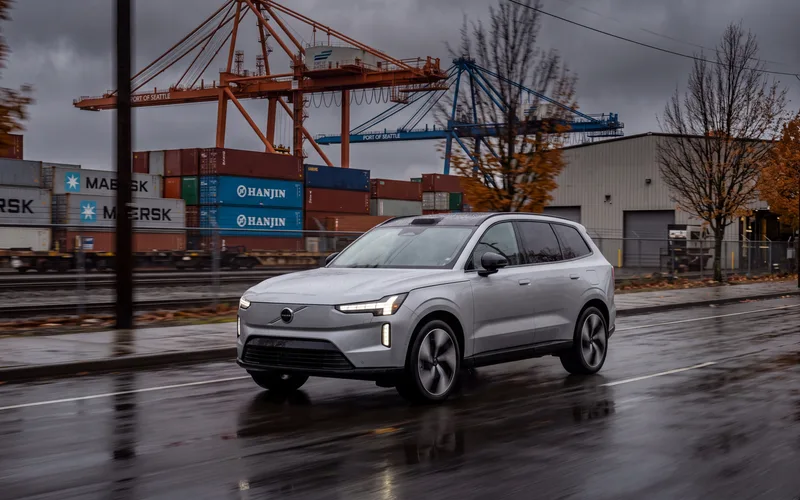 Volvo EX90Mid-Size Luxury SUVBetter at: Resale and space
Same platform, same factory and much of the same hardware, but with a third row, 5,000-pound towing and a brand that will still be selling and servicing cars in the US next year.
Compare 2.73B-
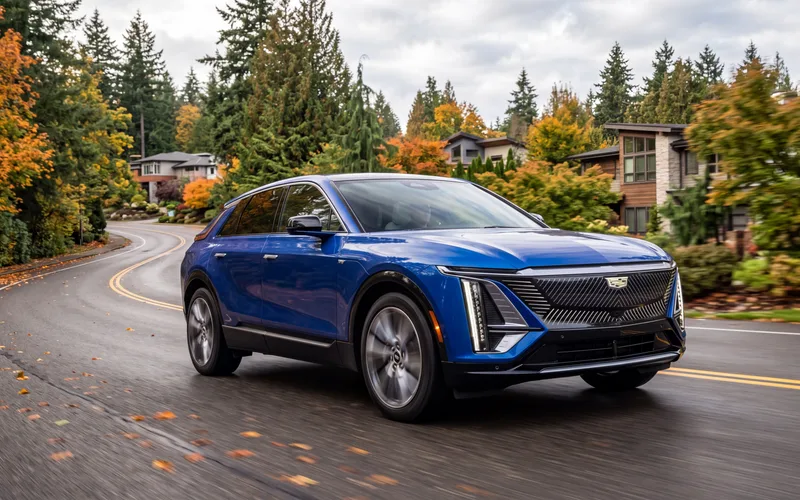 Cadillac LyriqMid-Size Luxury SUVBetter at: Value and support
Costs less, hauls more at 60.8 cubic feet folded, adds Super Cruise hands-free driving, and comes with a nationwide dealer network behind it.
Compare 3.20B+
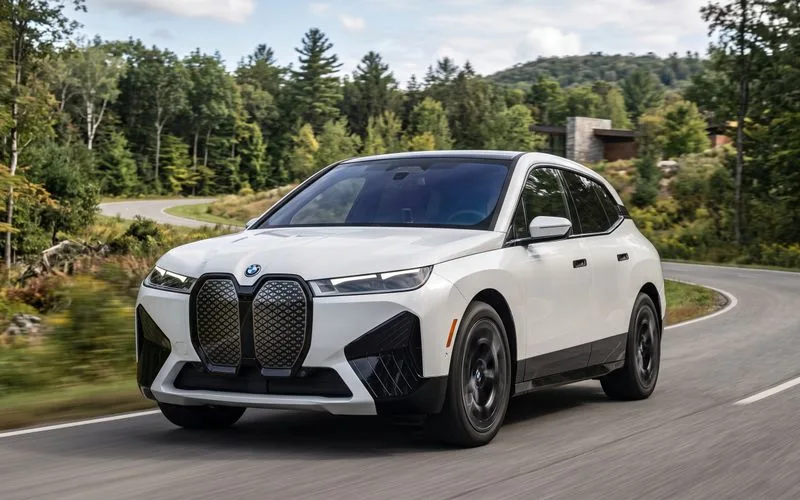 BMW iXMid-Size Luxury SUVBetter at: Cargo space
Matches the Polestar's luxury feel while offering far more cargo room and longer range, with resale that holds up over a five-year ownership period.
CompareSubject scores by year
Hover or tap a score to see what moved it versus the year before. A corner mark flags a big swing.
| Year | Performance | Efficiency | Safety | Space | Cost | Reliability | Tech | Use-case | Driving | Value |
|---|---|---|---|---|---|---|---|---|---|---|
| 2026 | 71 | 79 | 75 | 47 | 20 | 40 | 86 | 59 | 80 | 66 |
| 2025 | 73 | 71 | 70 | 54 | 22 | 41 | 87 | 69 | 84 | 72 |
| 2024 | 70 | 71 | 66 | 53 | 22 | 50 | 87 | 66 | 82 | 71 |
Compare two years
Best fit & conditions
Higher scores mean a better fit for that use case. Learn more about use-case fit →
Subject profile
Detailed scoring by subject
1Performance & PowertrainOne of the Polestar 3's strongest categories.2.94B-
The volume 2025 Long Range Dual Motor has two motors producing 489 hp; the optional Performance Pack raises the model-range maximum to 517 hp.
The standard dual-motor powertrain's 620 lb-ft exceeds the top of the SUV normalization band and delivers substantially more torque than most luxury SUVs.
Polestar quotes a quick 4.8-second run for the volume dual-motor version, with the Performance Pack trimming three tenths.
Reviewers consistently describe the dual-motor delivery as smooth, quiet and confidently responsive, with well-blended regenerative and friction braking. Its selectable range-oriented calibration can soften initial response, but normal delivery is exceptionally polished.
The single-speed direct-drive system eliminates shifting, hunting and gear-selection delays. The rear-motor disconnect operates for efficiency without reviewers identifying disruptive driveline transitions.
A 3,500-pound ceiling is useful for a small trailer but modest among mid-size luxury SUVs.
AWD is standard on both launch powertrain variants, supplemented by a true torque-vectoring dual-clutch rear axle and traction management. It lacks a conventional low range, but its road and slippery-surface sophistication is unusually strong.
Standard air suspension, about 8.3 inches of clearance, an Off-road mode that can add roughly two inches, and torque-vectoring AWD give it real light-trail ability. It remains a pavement-led luxury crossover without skid plates, lockers, low range or a dedicated rugged trim.
The 2025 launch range offers one battery and dual-motor AWD in standard and higher-output Performance forms. Those choices cover two performance levels but not distinct fuel types, battery sizes or fundamentally different launch drivetrains.
2Efficiency & RangeGrades above the middle of the scale.2.81B-
The 21-inch-wheel launch/volume configuration is moderately efficient for a large luxury EV SUV but trails the most efficient electric crossovers.
Regenerative braking helps city efficiency, although the Polestar's substantial mass keeps it below leading EV SUVs.
The streamlined body and rear-motor disconnect produce a respectable highway result for a heavy dual-motor luxury SUV.
A 315-mile EPA rating gives the volume trim solid road-trip range, while the Performance Pack's larger wheels and output reduce it substantially.
The 250-kW peak is strong for a 400-volt luxury EV and competitive with many peers, though below the quickest 800-volt systems.
Thirty minutes is respectable for the large 107-kWh-usable pack but materially slower than the roughly 18- to 25-minute leaders.
The EPA estimate is far below the fuel bill of a comparable premium-gas SUV, though less-efficient EVs can still cost more to charge than smaller electric crossovers.
No gasoline is required, an 11-kW onboard charger supports practical overnight home charging, and 250-kW CCS fast charging is strong. Home Level 2 installation and adapter-dependent access to the widest U.S. fast-charge network keep it below the easiest NACS-native EVs.
3SafetyGrades above the middle of the scale.2.77B-
NHTSA has not published an overall NCAP star rating for the 2025 Polestar 3. The required numeric value uses the dataset's neutral 4-star convention and is not a claimed test result.
IIHS has not evaluated the Polestar 3 or granted it an award, preventing a top-band score. Independent 2025 Euro NCAP testing nevertheless found a stable passenger compartment, strong side-impact protection, and 90% adult-occupant protection, supporting an above-neutral assessment.
The volume 2025 launch configuration includes every core rubric feature: AEB, full-speed adaptive cruise, lane keeping and centering, blind-spot intervention, and rear cross-traffic braking. Pilot and Plus packs were standard for the first model year.
Although IIHS has not tested it, the 2025 car performed strongly in comparable independent day/night and vulnerable-road-user testing. It nearly swept pedestrian and cyclist AEB points and avoided impacts in most car-to-car scenarios.
Standard coverage actively intervenes rather than merely warning: blind-spot monitoring can steer and rear cross-traffic detection can brake. Exit Assist also warns occupants about traffic approaching from behind, though trailer-aware blind-spot coverage is not advertised.
Lane departure prevention and lane centering are comprehensive and tested well for basic intervention, but the launch software was not consistently trustworthy. Reviewers reported wavering, unexplained Pilot Assist shutdowns, and failed lane-change attempts.
Standard adaptive cruise integrates stop-and-go speed control, lane centering, and assisted lane changes, but its fixed long following gap and awkward cancel/resume logic reduce refinement. Pilot Assist reliability issues further weaken the combined highway experience.
The 2025 Polestar 3 has no hands-free highway-driving mode. Pilot Assist is a supervised, hands-on Level 2 system, while optional lidar was future-facing hardware rather than an activated hands-free feature.
Active LED headlights, automatic leveling, active high beam, and cornering illumination provide strong standard hardware on the launch configuration. IIHS has not measured their illumination performance, so a Good-equivalent top-band rating is not justified.
Rearward visibility is compromised by the low roofline and rear design, but launch-standard Pilot equipment substantially compensates with a 360-degree camera, 3D view, parking sensors, and active blind-spot assistance.
Two child seats fit easily with accessible lower anchors and ample rear space, but fixed head restraints complicate some forward-facing and booster installations, and three seats do not fit across. This is excellent two-seat usability rather than class-leading maximum capacity.
4Space & ComfortOne of the Polestar 3's weakest categories.1.65D
The 2025 Polestar 3 is exclusively a five-seat, two-row SUV.
Polestar publishes exterior and cargo dimensions but no SAE headroom figure; this estimate reflects the low seating position, 64.1-in roof and reviewers' reports of ample room.
No official SAE legroom measurement is available; the estimate is based on the 117.5-in wheelbase and repeatedly reported spacious front compartment.
No official SAE figure is published; the low rear bench offsets the sleek roof and reviewers report abundant rear headroom.
No official SAE figure is published; the long wheelbase and dedicated EV floor produce generous adult rear space in multiple reviews.
There is no third row on any 2025 Polestar 3.
The sleek body sacrifices cargo volume despite useful underfloor storage.
Maximum capacity is below the SUV normalization floor and well behind boxier midsize rivals.
A 1.1-cu-ft frunk, 3.2-cu-ft underfloor well, ski hatch, flat EV floor and large lower console tray are useful, though the armrest bin is small and there is no AC outlet.
Supportive heated sport-comfort seats with cushion extensions and excellent adjustment earn repeated praise; ventilation and massage require the Nappa upgrade.
Dual-chamber air suspension on the volume dual-motor trim combines strong body control with impressive compliance, though large wheels can transmit some sharp impacts.
The EV drivetrain, laminated panoramic roof, acoustic windshield and side glass create a notably hushed cabin; Plus adds more acoustic glazing and active road-noise cancellation.
Three-zone climate, heat pump, front heat and remote parking climate are standard; rear heat, heated wheel and premium air cleaning require Plus, while ventilation/massage require Nappa.
5Cost of OwnershipThe Polestar 3's lowest-graded category.0.00F
The rear-drive Long Range Single Motor is the 2025 entry configuration. Its delivered MSRP sits above the SUV normalization ceiling.
The Long Range Dual Motor is the representative volume configuration and adds AWD and 483 hp without the Performance model's price premium.
The EV drivetrain and three years of included scheduled service keep routine costs low, though KBB anticipates repair expense in years four and five.
KBB projects exceptionally steep depreciation for this new luxury EV nameplate, leaving barely one-quarter of its $68,900 MSRP after five years.
Polestar's new-vehicle warranty matches the common premium-brand term but does not exceed it.
The relevant EV powertrain coverage is the high-voltage battery warranty, including repair or replacement below 70% state of health.
This is a strong luxury-EV ownership bundle: three years/30,000 miles of scheduled maintenance with pickup and delivery, four years of roadside assistance, lifetime OTA updates, and three years of 5G connectivity. It lacks a substantial charging-credit program, keeping it short of the very top score.
$74,800 volume-trim price minus its estimated resale value after 5 years (25.9% retained, or about $19,373) leaves about $55,427 in depreciation. Add the projected $4,043 in 5-year maintenance and repairs, and owning this vehicle for 5 years costs about $59,470 in total.
6Reliability & QualityOne of the Polestar 3's weakest categories.0.70F
The 2025 Polestar 3 is the first model year of the first SPA2 vehicle, so it has no mature model-level dependability record, and the available early evidence is below average rather than merely unknown. Repeated software, camera, key/app and charging complaints plus a very small owner sample showing poor reliability outweigh the fundamentally simple EV driveline.
Polestar is too young and low-volume to establish a convincing multi-year dependability record, and Consumer Reports explicitly excludes it for insufficient data. Its longer-running Polestar 2 supplies some relevant Volvo/Geely electrical-architecture history, but its recall and software record prevents an average score.
Six campaigns in a first model year is heavy activity, and several concern safety-critical or basic-quality failures rather than cosmetic corrections. The largest camera campaign covered essentially the early U.S. fleet, while separate campaigns addressed sudden propulsion loss, corrosion-driven electrical failures and loose rear-seat hardware.
The volume Long Range Dual Motor uses a new 111-kWh SPA2 battery and dual-motor system with too little high-mileage history to call proven. No widespread traction-battery failure pattern is established, but the converter recall and recurring owner reports of onboard-charger failures are meaningful early electrical-powertrain warnings.
Material quality is a genuine strength: broad soft-touch coverage, varied textures and carefully finished sustainable textiles give the cabin the richness expected of a mid-size luxury SUV. The standard WeaveTech cabin is convincing even without the costly Nappa upgrade, although minimalist switchgear does not always feel appropriate at this price.
Reviewers and owners generally praise the body and cabin's solid physical assembly, but first-year consistency is undermined by software faults and multiple manufacturing-defect campaigns. Harness-seal damage, incompletely manufactured exterior pieces, glass-roof inconsistencies and loose seat-back fasteners make an above-average assembly score untenable.
Polestar's U.S. network is exceptionally sparse for a technology-heavy luxury vehicle, making warranty visits burdensome outside major metro areas. Volvo-service-center support, roadside assistance and pickup within 100 miles soften the problem, but they do not approach the convenience of BMW, Mercedes-Benz or Lexus coverage.
Shared Volvo/SPA2 service infrastructure and strong factory coverage help during the warranty period, but this is a low-volume, first-year luxury EV with virtually no aftermarket and many model-specific electronic, glass, body and charging parts. Owner reports of cars waiting on charger modules and repeat dealer visits point to availability risk even before out-of-warranty repair pricing becomes relevant.
7Technology & InfotainmentThe Polestar 3's best-graded category.3.95A+
The portrait-format display is standard and near the top of the SUV size band.
The crisp Android Automotive interface is orderly and customizable, but too many functions live on-screen and early cars exhibited software glitches.
Wireless Apple CarPlay is standard; Android users receive deeply integrated Android Automotive/Google built-in rather than conventional Android Auto projection.
Google Assistant and native Google Maps provide excellent natural-language control and EV-aware navigation.
The 300-watt 10-speaker base system is credible, while Plus adds a superb 1,610-watt, 25-speaker Bowers & Wilkins Dolby Atmos system with active noise cancellation.
A crisp dedicated 9-in digital driver display is standard and can show navigation and assistance views, though it is less expansive than some rivals.
Polestar supports broad vehicle OTA updates, and its software-led platform can receive feature and system improvements remotely.
The app supports vehicle status, charging and climate functions plus digital key, though early-owner reliability has not always been polished.
Four USB-C ports and wireless phone charging cover both rows well, but only a 12V outlet is provided—no household AC or vehicle-to-load outlet.
Proximity handles, a foot-activated power tailgate, UWB-linked profiles and phone-as-key deliver full modern keyless convenience.
Launch/volume U.S. cars include Pilot equipment with a sharp 360-degree 3D view, five cameras and 12 parking sensors; the rear camera has a washer.
The informative windshield HUD is included with the Plus pack fitted to Launch Editions and available on regular trims.
8Use-Case FitMid-pack among this car's ten categories.2.65C+
The roomy rear bench and useful underfloor cargo handle a family of four well, though fixed rear head restraints complicate some forward-facing seats and cargo volume is modest.
A broad standard collision-avoidance suite, driver monitoring, ten airbags and direct occupant detection make the family-safety package unusually complete; Pilot Assist was included on U.S. launch cars.
Excellent seats, quiet air-suspended ride, three-zone climate and four USB-C ports suit four-person travel, but 21.1-cu-ft cargo limits luggage flexibility.
Smooth EV response, adjustable one-pedal drive, air suspension and strong driver assistance reduce fatigue, but poor rearward sightlines and unconventional touch controls add friction.
Electric operation lowers energy and routine-service costs, but the heavy dual-motor model's 38–39 kWh/100 miles is only average among EVs and its large tires are costly.
A 192.9-in length and 83.5-in mirror width are substantial, but a 38.8-ft circle, sensors and 360-degree camera keep it manageable.
AWD, 620 lb-ft and a 3,500-lb tow rating support light trailers, but modest cargo volume and range loss under load preclude serious work duty.
This first-year, technology-heavy luxury EV lacks a fleet durability record and its upscale surfaces and complex air suspension are poorly suited to repeated abuse.
The optional towbar and roof accessories offer basic utility, but there is no onboard AC power, bed, washable work interior or meaningful upfit ecosystem.
The 315-mile EPA dual-motor range, excellent seats, quiet ride, Pilot Assist and 250-kW peak charging make it a strong tourer, although a 30-minute 10–80% stop trails the quickest EVs.
Standard AWD, torque vectoring, roughly 8 inches of clearance, adjustable air suspension and 3,500-lb towing suit gravel roads and recreational gear, not hard-core trails.
The 60/40 bench, ski hatch, underfloor well, small frunk and hitch are versatile, but the low roof caps maximum cargo at only 49.8 cu ft.
9Driving ExperienceOne of the Polestar 3's strongest categories.3.70A
Torque vectoring and expertly tuned air suspension disguise the SUV's mass, delivering little roll and 0.92-g grip in an instrumented Performance test.
Steering is quick, accurate and offers three weights, but reviewers find feedback limited in the standard setting.
Large Brembo four-piston fronts deliver exceptional stopping performance and the adjustable regen is well integrated.
The dual-motor drivetrain provides immediate, seamless thrust with sophisticated rear torque vectoring and a disconnect clutch for efficient cruising.
Near-silent electric propulsion is exceptionally smooth under load, with acoustic glazing suppressing the little motor and road noise that remains.
The turning diameter is manageable for a 192.9-in midsize SUV but not especially tight.
Excellent seat adjustment and a dedicated driver display support the driving position, but rearward visibility, unlabeled steering controls and touchscreen dependence undermine ergonomics.
Abundant response, genuine chassis poise and adjustable dynamics give this heavy luxury EV unusual enthusiast appeal even without combustion sound.
10Value & Market PositionGrades above the middle of the scale.2.88B-
The 2025 base car is unusually complete, with the Pilot Pack and broad active-safety suite standard, plus a panoramic roof, large displays, Google built-in, and premium cabin materials. German rivals commonly reserve comparable driver assistance and convenience content for option packages.
Strong standard technology, long range, and the dual motor's 483 hp make the Polestar competitive, but its $68,900 entry and $74,800 volume-trim prices are high for a two-row SUV from a young brand. Direct rivals can offer more cabin space, stronger brand equity, or a third row for similar money.
Three powertrain steps—single-motor RWD, dual-motor AWD, and dual-motor Performance—plus Pilot, Plus, and Launch Edition combinations provide reasonable choice. The range is still narrow by luxury-SUV standards: every version is a five-seat EV with one battery and no third-row, alternate body, or combustion option.
The new model established a foothold but remained a niche U.S. seller, with about 6,700 units in 2025—far below leading luxury and electric SUVs. Heavy incentives and remaining 2025 inventory reinforce that acceptance was limited.
Polestar has a distinctive Scandinavian design and performance identity backed by Volvo engineering, giving it more cachet than an unknown startup. Limited awareness, a small retail footprint, weak residuals, and corporate uncertainty prevent established-premium-brand desirability.
Buyer savings are exceptional, though clearly driven by aging inventory and weak residual demand. As of the scoring date Polestar advertises $25,000 off a purchase or $20,000 off a lease, with additional loyalty or conquest bonuses.
The 2025 model is the U.S. launch year of the first Polestar 3 generation, with production beginning in 2024 on the new dedicated-electric SPA2 platform. It is a genuinely new vehicle rather than a carry-over or refresh, so redesign risk is minimal.
Reception is strongly positive for design, dynamics, refinement, and range, but not uniformly class-leading: software and control ergonomics draw recurring criticism, and no major U.S. comparison win or headline award was found. That places it near the top of the well-reviewed band rather than among dominant award winners.