
The verdict
A mixed-report sports car, strong on driving and held back by use-case.
The 2019 911 Carrera S is the final, fully-sorted year of the 991.2 generation, and it drives like it: benchmark steering, a 3.7-second manufacturer-claimed 0-60 (3.4s in Edmunds' own testing), and a flat-six/PDK combo reviewers routinely call the best in the business. That excellence comes with real trade-offs — a $106,150 as-tested price, 24 MPG combined on required premium fuel, rear seats too small for anyone but a small child, and zero independent NHTSA or IIHS crash-test data. Buy it for the way it drives and its class-leading resale value, not as a practical daily hauler.
Jump to scoresStrengths
- Benchmark handling and steering feel
- Class-leading powertrain and transmission
- Strong reliability and cabin quality
What holds it back
- Rear seats and cargo space are nearly unusable
- No independent crash-test data
- Steep price with no complimentary maintenance
Top alternatives
Cars shoppers cross-shop with the Porsche 911 2.49C+
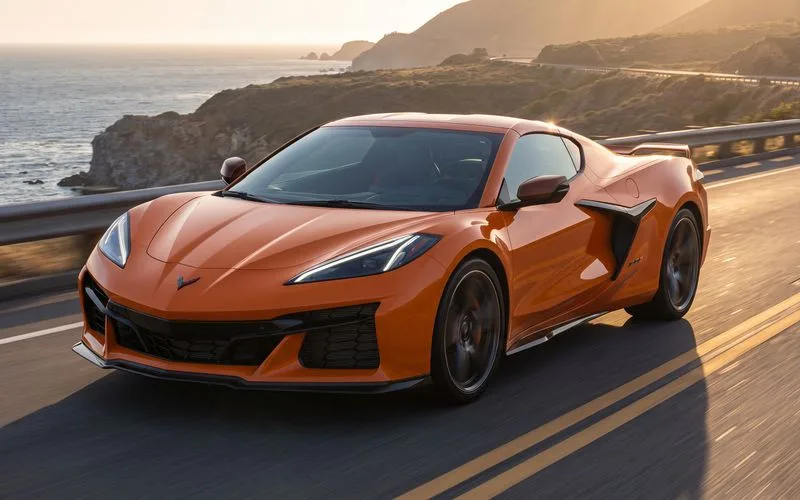 Chevrolet CorvetteSports CarBetter at: Value
It delivers more speed and more standard equipment for roughly $52,000 less, and costs about $4,000 less to service over five years.
Compare 2.01C
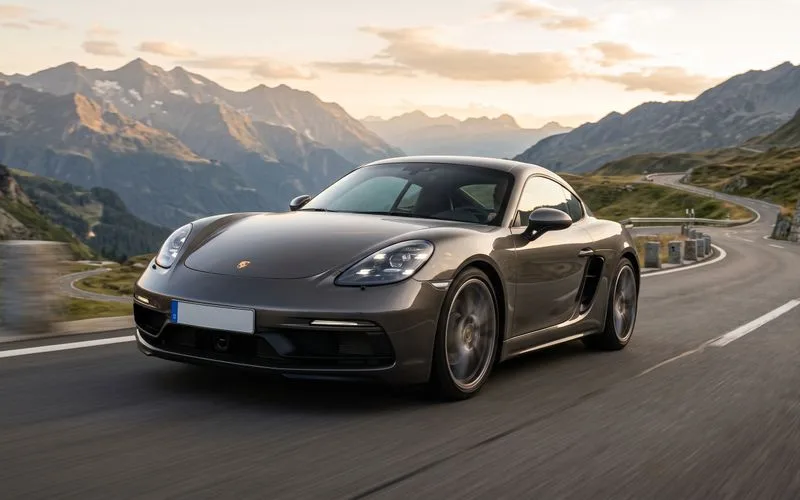 Porsche 718 CaymanSports CarBetter at: Price
The same Porsche driving quality and arguably better balance from a mid-engine layout, for meaningfully less money, if you can live without the 2+2.
Compare 2.77B-
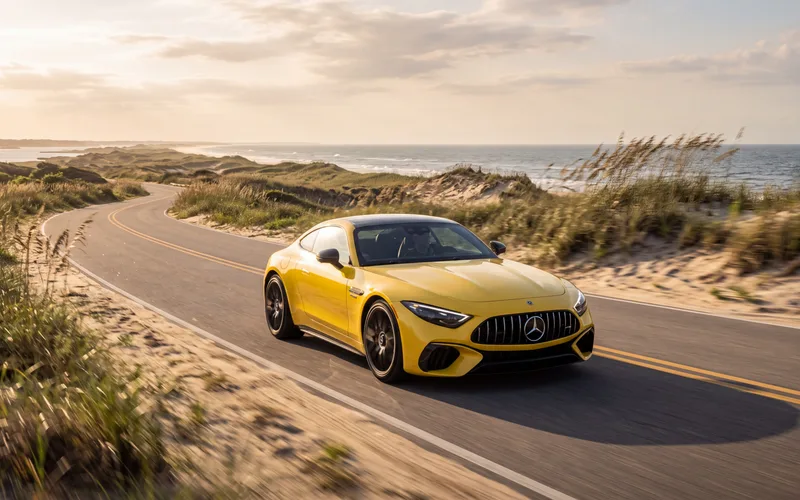 Mercedes-Benz AMG GTSports CarBetter at: Standard features
A plusher grand tourer that ships with the adaptive cruise, lane keeping and premium audio Porsche puts on the option list.
CompareHow it's evolved
10 scored model years · 2017–2026
Subject scores by year
Hover or tap a score to see what moved it versus the year before. A corner mark flags a big swing.
| Year | Performance | Efficiency | Safety | Space | Cost | Reliability | Tech | Use-case | Driving | Value |
|---|---|---|---|---|---|---|---|---|---|---|
| 2026 | 81 | 13 | 52 | 44 | 11 | 82 | 78 | 33 | 91 | 73 |
| 2025 | 80 | 11 | 55 | 44 | 11 | 77 | 74 | 34 | 89 | 74 |
| 2024 | 78 | 8 | 51 | 43 | 11 | 76 | 67 | 33 | 88 | 70 |
| 2023 | 78 | 8 | 50 | 43 | 11 | 72 | 67 | 34 | 88 | 71 |
| 2022 | 76 | 8 | 50 | 36 | 38 | 73 | 55 | 29 | 84 | 71 |
| 2021 | 71 | 8 | 49 | 37 | 61 | 77 | 50 | 30 | 84 | 67 |
| 2020 | 72 | 8 | 41 | 36 | 48 | 71 | 49 | 29 | 84 | 67 |
| 2019 | 81 | 31 | 37 | 36 | 41 | 79 | 42 | 31 | 84 | 62 |
| 2018 | 72 | 26 | 37 | 36 | 12 | 75 | 40 | 31 | 85 | 61 |
| 2017 | 78 | 21 | 24 | 37 | 60 | 71 | 32 | 27 | 80 | 65 |
Compare two years
Best fit & conditions
Higher scores mean a better fit for that use case. Learn more about use-case fit →
Subject profile
Academic Probation · NHTSA safety recalls
Mar 24, 2021Suspension: rearThe screw connection on the rear axle upper control arm may be loose.
Defect
Porsche Cars North America, Inc. (Porsche) is recalling certain 2019 Porsche 911 Speedster, 2020 Porsche 911 Carrera S Coupe, Carrera 4S Coupe, and Carrera S Cabriolet vehicles. The screw connection on the rear axle upper control arm may be loose.
Risk
A loose connection may fail, causing driving instability and increasing the risk of a crash.
Remedy
Porsche will notify owners, and dealers will rework and tighten the screw connection on the rear axle upper control arm, free of charge. Owner notification letters were mailed May 21, 2021. Owners may contact Porsche customer service at 1-800-767-7243. Porsche's number for this recall is AMA6.
NHTSA campaign 21V201000 ↗Manufacturer no. AMA67 vehicles potentially affected (all models in the campaign)Owners notified May 21, 2021Filed by Porsche Cars North America, Inc.Filed as 911, 911 CARRERADec 11, 2019Child seat · Equipment: other: owners/service/other manualThe Child Restraint System (CRS) instructions within the Owner's Manual may not provide enough specificity for proper installation. As such, these vehicles fail to comply with the requirements of Federal Motor Vehicle Safety Standard (FMVSS) number 225, "Child Restraint Anchorage Systems."
Defect
Porsche Cars North America, Inc. (Porsche) is recalling certain 2014 Cayman and Cayman S, 2014-2016 911 GT3, 2016 911 GT3 RS and 911 R, 2018 911 GT3 and 911 GT2 RS and 2019 911 GT3 RS, 911 GT3, and 911 GT2 RS vehicles. The Child Restraint System (CRS) instructions within the Owner's Manual may not provide enough specificity for proper installation. As such, these vehicles fail to comply with the requirements of Federal Motor Vehicle Safety Standard (FMVSS) number 225, "Child Restraint Anchorage Systems."
Risk
Improper CRS installation increases the risk of an injury to the occupant in the event of a crash.
Remedy
Porsche will notify owners, and dealers will provide a an Owner's Manual supplement with proper CRS installation instructions, free of charge. The recall began February 7, 2020. Owners may contact Porsche customer service at 1-800-767-7243. Porsche's number for this recall is AKC0.
NHTSA campaign 19V875000 ↗Manufacturer no. AKC015,501 vehicles potentially affected (all models in the campaign)Owners notified Feb 7, 2020Filed by Porsche Cars North America, Inc.Filed as 911 GT2 RS, 911 GT3, 911 GT3 RSJun 12, 2019Power train: axle assembly: axle shaft · Power train: axle hubsThe bolts connecting the driveshaft to the wheel hub may not have been properly tightened.
Defect
Porsche Cars North America, Inc. (Porsche) is recalling certain 2019 911 GT2 RS and 2020 911 Carrera S Coupe vehicles. The bolts connecting the driveshaft to the wheel hub may not have been properly tightened.
Risk
If the driveshaft disconnects from the wheel hub, it can increase the risk of crash.
Remedy
Porsche will notify owners, and dealers will properly tighten the driveshaft connection to the wheel hub, free of charge. The recall began August 9, 2019. Owners may contact Porsche customer service at 1-800-767-7243. Porsche's number for this recall is AKB2.
NHTSA campaign 19V445000 ↗Manufacturer no. AKB23 vehicles potentially affected (all models in the campaign)Owners notified Aug 9, 2019Filed by Porsche Cars North America, Inc.Filed as 911 CARRERA, 911 GT2
23 recalls on other model years of the 911 (2017–2018, 2020–2025)
Dec 19, 2025Back over prevention: sensing system: cameraThe rearview camera image may not display when the vehicle is placed in reverse. As such, these vehicles fail to comply with the requirements of Federal Motor Vehicle Safety Standard (FMVSS) number 111, "Rear Visibility."
Defect
Porsche Cars North America, Inc. (Porsche) is recalling certain 2019-2025 Cayenne, Cayenne E-Hybrid, 2020-2025 911, Taycan, 2024-2025 Panamera, and 2025 Panamera E-Hybrid vehicles. The rearview camera image may not display when the vehicle is placed in reverse. As such, these vehicles fail to comply with the requirements of Federal Motor Vehicle Safety Standard (FMVSS) number 111, "Rear Visibility."
Risk
A rearview image that does not display properly reduces the driver's view behind the vehicle, increasing the risk of a crash.
Remedy
Dealers will update the driver assistance software, free of charge. Owner notification letters were mailed February 13, 2026. Owners may contact Porsche customer service at 1-800-767-7243. Porsche's number for this recall is ASB2. Vehicle Identification Numbers (VINs) involved in this recall will be searchable on NHTSA.gov beginning January 19, 2026.
NHTSA campaign 25V896000 ↗Manufacturer no. ASB2172,107 vehicles potentially affected (all models in the campaign)Owners notified Feb 13, 2026Filed by Porsche Cars North America, Inc.Filed as 911Feb 12, 2025Exterior lighting: lighting control module: softwareA software error in the front-end electronics control module may result in the low beam headlights creating a glare for oncoming traffic. As such, these vehicles fail to comply with the requirements of Federal Motor Vehicle Safety Standard (FMVSS) number 108, "Lamps, Reflective Devices, and Associated Equipment."
Defect
Porsche Cars North America, Inc. (Porsche) is recalling certain 2025 911 vehicles. A software error in the front-end electronics control module may result in the low beam headlights creating a glare for oncoming traffic. As such, these vehicles fail to comply with the requirements of Federal Motor Vehicle Safety Standard (FMVSS) number 108, "Lamps, Reflective Devices, and Associated Equipment."
Risk
Excessive glare can decrease the visibility to oncoming drivers, increasing the risk of a crash.
Remedy
Dealers will update the front-end electronics control module software, free of charge. Owner notification letters were mailed April 1, 2025. Owners may contact Porsche customer service at 1-800-767-7243. Porsche's number for this recall is ASA1.
NHTSA campaign 25V079000 ↗Manufacturer no. ASA1878 vehicles potentially affected (all models in the campaign)Owners notified Apr 1, 2025Filed by Porsche Cars North America, Inc.Filed as 911Feb 12, 2025Seat belts: rear/other: buckle assemblyThe bolts for the rear seat belt buckles may not be tightened properly.
Defect
Porsche Cars North America, Inc. (Porsche) is recalling certain 2023 911 vehicles. The bolts for the rear seat belt buckles may not be tightened properly.
Risk
A loose seat belt buckle may not properly restrain an occupant during a crash, increasing the risk of injury.
Remedy
Dealers will inspect and tighten the rear seat belt buckle bolt, and reposition the aluminum butyl soundproofing mat as necessary, free of charge. Owner notification letters were mailed April 1, 2025. Owners may contact Porsche customer service at 1-800-767-7243. Porsche's number for this recall is ASA0.
NHTSA campaign 25V078000 ↗Manufacturer no. ASA0279 vehicles potentially affected (all models in the campaign)Owners notified Apr 1, 2025Filed by Porsche Cars North America, Inc.Filed as 911Oct 28, 2024Wheels: lugs/nuts/bolts/studsThe center lock wheel bolt may fracture and cause the wheel to detach.
Defect
Porsche Cars North America, Inc. (Porsche) is recalling certain 2025 Panamera, 2024 718 Cayman GT4 RS, 718 Spyder RS, and 2021-2024 911 vehicles. The center lock wheel bolt may fracture and cause the wheel to detach.
Risk
Wheel detachment can result in a loss of vehicle control, increasing the risk of a crash.
Remedy
Owners should not drive their vehicles until they have been repaired. Dealers will check the center lock wheel fastening system and replace any incorrectly manufactured parts, as necessary, free of charge. Owner notification letters were mailed on January 24, 2024. Owners may contact Porsche customer service at 1-800-767-7243. Porsche's number for this recall is ARC4.
NHTSA campaign 24V809000 ↗Manufacturer no. ARC42,251 vehicles potentially affected (all models in the campaign)Owners notified Jan 24, 2025Filed by Porsche Cars North America, Inc.Filed as 911Feb 28, 2024Visibility: glass, side/rear · Visibility: windshieldThe front windshield and rear window may not be properly secured and can detach.
Defect
Porsche Cars North America, Inc. (Porsche) is recalling certain 2020-2024 911 vehicles. The front windshield and rear window may not be properly secured and can detach.
Risk
During air bag deployment, an unsecured windshield may not support the front air bags as intended, increasing the risk of injury in a crash.
Remedy
Dealers will inspect and replace the windshield and rear window as necessary, free of charge. Owner notification letters were mailed on August 30, 2024. Owners may contact Porsche customer service at 1-800-767-7243. Porsche's number for this recall is ARA3.
NHTSA campaign 24V155000 ↗Manufacturer no. ARA38,101 vehicles potentially affected (all models in the campaign)Owners notified Aug 30, 2024Filed by Porsche Cars North America, Inc.Filed as 911Feb 20, 2024Seat belts: rear/other: retractorThe seat belt automatic locking retractor (ALR) may deactivate early, which can prevent the child restraint system from securing properly. As such, these vehicles fail to comply with the requirements of Federal Motor Vehicle Safety Standard number 208, "Occupant Crash Protection."
Defect
Porsche Cars North America, Inc. (Porsche) is recalling certain 2023 911 Carrera T, 911 Carrera 4 GTS, 911 Carrera GTS, 911 Turbo S, 911 Carrera 4 Cabriolet, 911 Carrera 4S Cabriolet, 911 Carrera S, 911 Turbo S Cabriolet, 911 Carrera 4, 911 Carrera 4 GTS Cabriolet, 911 Targa 4 GTS, 911 Carrera, 911 Carrera GTS Cabriolet, 911 Carrera 4S, 911 Targa 4S, 911 Turbo, and 911 Edition 50 Years Porsche Design vehicles. The seat belt automatic locking retractor (ALR) may deactivate early, which can prevent the child restraint system from securing properly. As such, these vehicles fail to comply with the requirements of Federal Motor Vehicle Safety Standard number 208, "Occupant Crash Protection."
Risk
An unsecured child restraint system can increase the risk of injury during a crash.
Remedy
Dealers will inspect and replace the rear three-point belts as necessary, free of charge. Owner notification letters were mailed April 11, 2024. Owners may contact Porsche customer service at 1-800-767-7243. Porsche's number for this recall is ARA2.
NHTSA campaign 24V123000 ↗Manufacturer no. ARA2910 vehicles potentially affected (all models in the campaign)Owners notified Apr 11, 2024Filed by Porsche Cars North America, Inc.Filed as 911 CARRERA, 911 CARRERA 4, 911 CARRERA 4 GTS, 911 CARRERA 4S, 911 CARRERA GTS, 911 CARRERA S, 911 CARRERA T, 911 TARGA 4S, 911 TURBO, 911 TURBO SOct 25, 2023Air bagsThe seat-mounted air bags may deploy unnecessarily during a crash.
Defect
Porsche Cars North America, Inc. (Porsche) is recalling certain 2021-2023 911 Turbo S, 2022 911 Turbo, 2022-2023 911 GT3 Touring, 911 GT3, 911 Carrera 4 GTS, 2022-2024 911 Carrera GTS, 2023 911 GT3 RS, 911 Dakar, and 2024 911 Carrera T vehicles equipped with optional full bucket seats. The seat-mounted air bags may deploy unnecessarily during a crash.
Risk
Air bags that deploy unnecessarily can increase the risk of injury.
Remedy
Dealers will reprogram the air bag control unit, free of charge. Owner notification letters were mailed December 11, 2023. Owners may contact Porsche's customer service at 1-800-767-7243. Porsche's number for this recall is APB3.
NHTSA campaign 23V715000 ↗Manufacturer no. APB32,923 vehicles potentially affected (all models in the campaign)Owners notified Dec 11, 2023Filed by Porsche Cars North America, Inc.Filed as 911 CARRERA 4 GTS, 911 CARRERA GTS, 911 CARRERA T, 911 DAKAR, 911 GT3, 911 GT3 RS, 911 TURBO, 911 TURBO SJun 26, 2023Exterior lighting: brake lightsA software error in the rear spoiler control unit may allow both the vehicle and spoiler center high-mounted brake lights to activate simultaneously when the rear spoiler is manually deployed at speeds below 56 MPH (90 km/h). As such, these vehicles fail to comply with the requirements of Federal Motor Vehicle Safety Standard number 108, "Lamps, Reflective Devices, and Associated Equipment."
Defect
Porsche Cars North America, Inc. (Porsche) is recalling certain 2022-2023 911 GT3 Touring vehicles. A software error in the rear spoiler control unit may allow both the vehicle and spoiler center high-mounted brake lights to activate simultaneously when the rear spoiler is manually deployed at speeds below 56 MPH (90 km/h). As such, these vehicles fail to comply with the requirements of Federal Motor Vehicle Safety Standard number 108, "Lamps, Reflective Devices, and Associated Equipment."
Risk
Simultaneous activation of both center high-mounted brake lights may cause confusion for other drivers, increasing the risk of a crash.
Remedy
Dealers will reprogram the rear spoiler control unit, free of charge. Owner notification letters are expected to be mailed August 24, 2023. Owners may contact Porsche customer service at 1-800-767-7243. Porsche's number for this recall is APA8.
NHTSA campaign 23V446000 ↗Manufacturer no. APA8700 vehicles potentially affected (all models in the campaign)Owners notified Aug 14, 2023Filed by Porsche Cars North America, Inc.Filed as 911 GT3May 3, 2023Structure: bodyDue to a process error in the car body production line, various welds may be missing from the vehicle body.
Defect
Porsche Cars North America, Inc. (Porsche) is recalling certain 2020 911 Carrera S, 2021 Taycan Turbo, and 2022 911 Carrera vehicles. Due to a process error in the car body production line, various welds may be missing from the vehicle body.
Risk
In the event of a crash, incomplete body welding may not provide adequate protection to occupants, increasing the risk of injury.
Remedy
Dealers will inspect and repair the welds, as necessary, free of charge. Owner notification letters are expected to be mailed June 30, 2023. Owners may contact Porsche's customer service at 1-800-767-7243. Porsche's number for this recall is APA4.
NHTSA campaign 23V313000 ↗Manufacturer no. APA43 vehicles potentially affected (all models in the campaign)Owners notified Jun 27, 2023Filed by Porsche Cars North America, Inc.Filed as 911 CARRERA, 911 CARRERA SDec 6, 2022Air bags: frontal · Structure: interior panels: dashboardIn the event of a crash with passenger air bag deployment, the dashboard console may break, causing the air bag to deploy improperly.
Defect
Porsche Cars North America, Inc. (Porsche) is recalling certain 2022-2023 911 vehicles. In the event of a crash with passenger air bag deployment, the dashboard console may break, causing the air bag to deploy improperly.
Risk
An improper air bag deployment increases the risk of injury in a crash.
Remedy
Dealers will replace the dashboard, free of charge. Owner notification letters were mailed June 14, 2023. Owners may contact Porsche's customer service at 1-800-767-7243. Porsche's number for this recall is ANB7.
NHTSA campaign 22V897000 ↗Manufacturer no. ANB753 vehicles potentially affected (all models in the campaign)Owners notified Jun 14, 2023Filed by Porsche Cars North America, Inc.Filed as 911Oct 25, 2022Seat belts: front: anchorage · SeatsThe screw that attaches the lower seat belt anchor to the seat frame may not have been tightened properly.
Defect
Porsche Cars North America, Inc. (Porsche) is recalling certain 2022 911 GT3 vehicles. The screw that attaches the lower seat belt anchor to the seat frame may not have been tightened properly.
Risk
An improperly tightened seat belt anchor can detach during a crash, increasing the risk of injury.
Remedy
Dealers will replace and tighten the screws. If the screw threads are damaged, the seat frame will also be replaced. Repairs will be performed free of charge. Owner notification letters are expected to be mailed December 23, 2022. Owners may contact Porsche's customer service at 1-800-767-7243. Porsche's number for this recall is ANB6.
NHTSA campaign 22V803000 ↗Manufacturer no. ANB615 vehicles potentially affected (all models in the campaign)Owners notified Dec 22, 2022Filed by Porsche Cars North America, Inc.Filed as 911 GT3Sep 8, 2021Service brakes, hydraulic: critical fasteners · Service brakes, hydraulic: foundation componentsThe pressure input rod connection on the brake booster may be loose and could detach.
Defect
Porsche Cars North America, Inc. (Porsche) is recalling certain 2020-2021 911 Carrera and Taycan vehicles. The pressure input rod connection on the brake booster may be loose and could detach.
Risk
A detached pressure input rod will cause the brake pedal to fail, increasing the risk of a crash.
Remedy
Dealers will repair or replace the brake booster as necessary, free of charge. Owner notification letters were mailed October 28, 2021. Owners may contact Porsche customer service at 1-800-767-7243. Porsche's number for this recall is AMB9.
NHTSA campaign 21V697000 ↗Manufacturer no. AMB911 vehicles potentially affected (all models in the campaign)Owners notified Oct 28, 2021Filed by Porsche Cars North America, Inc.Filed as 911 CARRERAAug 4, 2021Seat belts · Seat belts: front: retractor · Seat belts: rear/other: retractorThe seat belt automatic locking retractors may deactivate early, which can prevent the child restraint system from securing properly. As such, these vehicles fail to comply with the requirements of Federal Motor Vehicle Safety Standard number 208, "Occupant Crash Protection."
Defect
Porsche Cars North America, Inc. (Porsche) is recalling certain 2021 911 Carrera Coupe, 911 Carrera S Coupe, 911 Carrera 4 Coupe, 911 Carrera 4S Coupe, 911 Turbo Coupe, 911 Turbo S Coupe, Panamera, Panamera 4 E-Hybrid, Panamera 4S, Panamera GTS, Panamera Turbo S, Taycan, Taycan 4S, Taycan Turbo, and Taycan Turbo S vehicles. The seat belt automatic locking retractors may deactivate early, which can prevent the child restraint system from securing properly. As such, these vehicles fail to comply with the requirements of Federal Motor Vehicle Safety Standard number 208, "Occupant Crash Protection."
Risk
An unsecured child restraint system can increase the risk of injury during a crash.
Remedy
Dealers will inspect and replace the seat belt assemblies, as necessary, free of charge. Owner notification letters were mailed October 1, 2021. Owners may contact Porsche customer service at 1-800-767-7243. Porsche's number for this recall is AMB6.
NHTSA campaign 21V608000 ↗Manufacturer no. AMB64,924 vehicles potentially affected (all models in the campaign)Owners notified Oct 1, 2021Filed by Porsche Cars North America, Inc.Filed as 911Jun 23, 2021Air bags: sensor: occupant classification: front passenger · SeatsIncorrect passenger seat was installed and may cause a Occupant Classification System (OCS) malfunction.
Defect
Porsche Cars North America, Inc. (Porsche) is recalling certain 2021 911 Turbo Coupe, 911 Turbo S Coupe, 911 Carrera 4S Targa, 911 Carrera 4S Cabriolet, 911 Turbo S Cabriolet, and 911 Turbo Cabriolet vehicles. Incorrect passenger seat was installed and may cause a Occupant Classification System (OCS) malfunction.
Risk
An OCS malfunction may affect the front passenger air bag, increasing the risk of injury.
Remedy
Dealers will install the correct seat, free of charge. Owner notification letters were mailed November 16, 2021. Owners may contact Porsche customer service at 1-800-767-7243. Porsche's number for this recall is AMB3.
NHTSA campaign 21V467000 ↗Manufacturer no. AMB3149 vehicles potentially affected (all models in the campaign)Owners notified Nov 16, 2021Filed by Porsche Cars North America, Inc.Filed as 911Mar 10, 2021Suspension · Suspension: critical fastenersCertain suspension components may not have been tightened correctly and can loosen.
Defect
Porsche Cars North America, Inc. (Porsche) is recalling certain 2021 Porsche Taycan Turbo, Taycan Turbo S, Taycan, Taycan 4S, 911 Turbo S Coupe, Cayman, Cayman T, Cayman S, Cayman GT4, 911 Carrera Coupe, 911 Carrera S Coupe, 911 Carrera 4S Coupe, 911 Carrera 4S Targa, 911 Carrera Cabriolet, 911 Carrera S Cabriolet, 911 Carrera 4S Targa Heritage Design Edition, 911 Carrera 4S Cabriolet, 911 Turbo Coupe, 911 Turbo Cabriolet, 911 Turbo S Cabriolet, 718 Spyder, and Boxster vehicles. Certain suspension components may not have been tightened correctly and can loosen.
Risk
Loose suspension components may detach, causing a sudden loss of vehicle stability and control, and increasing the risk of a crash.
Remedy
Dealers will replace the affected suspension nuts and bolts. Dealers will also inspect surrounding components for damage, and replace any damaged parts as necessary. Repairs will be performed free of charge. Owner notification letters were mailed May 7, 2021. Owners may contact Porsche customer service at 1-800-767-7243. Porsche's number for this recall is AMA3.
NHTSA campaign 21V157000 ↗Manufacturer no. AMA3396 vehicles potentially affected (all models in the campaign)Owners notified May 7, 2021Filed by Porsche Cars North America, Inc.Filed as 911Jul 1, 2020Power train: driveline: differential unitThe front axle differential bracket may not have been tightened correctly. If it comes loose, the differential could potentially cause damage to surrounding components.
Defect
Porsche Cars North America, Inc. (Porsche) is recalling certain 2020 Porsche 911 Carrera 4S Coupe vehicles. The front axle differential bracket may not have been tightened correctly. If it comes loose, the differential could potentially cause damage to surrounding components.
Risk
Components such as the fuel tank or drive shafts may become damaged from the loose differential. Damage to the fuel tank can result in fuel leakage, which in the presence of an ignition source may increase the risk of a fire.
Remedy
Porsche will notify owners, and dealers will remove the front axle differential to check the screw threads, and to inspect surrounding components for any consequential damage. Depending on the inspection result, the front axle differential will be reinstalled or replaced using new screw joints torqued to the required specification. All work will be performed free of charge. The recall began August 20, 2020. Owners may contact Porsche customer service at 1-800-767-7243. Porsche's number for this recall is ALA8.
NHTSA campaign 20V381000 ↗Manufacturer no. ALA814 vehicles potentially affected (all models in the campaign)Owners notified Aug 20, 2020Filed by Porsche Cars North America, Inc.Filed as 911 CARRERADec 11, 2019Exterior lighting: hazard flashing warning lightsDue to a software error, the hazard warning lights may not function when activated by an operator. As such, these vehicles fail to comply with the requirements of Federal Motor Vehicle Safety Standard (FMVSS) number 108, "Lamps, Reflective Devices, and Associated Equipment."
Defect
Porsche Cars North America, Inc. (Porsche) is recalling certain 2020 911 Carrera S Coupe, Cabrio, Coupe, 4 Coupe, 4S Coupe, 4 Cabrio, 4S Cabrio, and S Cabrio vehicles. Due to a software error, the hazard warning lights may not function when activated by an operator. As such, these vehicles fail to comply with the requirements of Federal Motor Vehicle Safety Standard (FMVSS) number 108, "Lamps, Reflective Devices, and Associated Equipment."
Risk
If the hazard warning lights cannot be activated, there is an increased risk of a crash in a hazard situation.
Remedy
Porsche will notify owners, and dealers will reprogram the control unit, free of charge. The recall began February 7, 2020. Owners may contact Porsche customer service at 1-800-767-7243. Porsche's number for this recall is AKC1.
NHTSA campaign 19V878000 ↗Manufacturer no. AKC11,928 vehicles potentially affected (all models in the campaign)Owners notified Feb 7, 2020Filed by Porsche Cars North America, Inc.Filed as 911 CARRERAJul 17, 2019Air bags: air bag/restraint control moduleThe air bag Electronic Control Unit (ECU) may have a defective power supply capacitor that can result in air bag deactivation or inadvertent deployment of the air bags.
Defect
Porsche Cars North America, Inc. (Porsche) is recalling certain 2016-2017 911 and Boxster, 2016 Cayman and Panamera vehicles. The air bag Electronic Control Unit (ECU) may have a defective power supply capacitor that can result in air bag deactivation or inadvertent deployment of the air bags.
Risk
Deactivated air bags increase the risk of injury. Inadvertent deployment of the air bags increase the risk of a crash.
Remedy
Porsche will notify owners, and dealers will install new software and replace the air bag ECU as necessary, free of charge. Interim notices informing owners of the safety risk were mailed September 13, 2019. Owners received a second notice and the recall began February 12, 2020. Owners may contact Porsche customer service at 1-800-767-7243. Porsche's number for this recall is AKB4.
NHTSA campaign 19V533000 ↗Manufacturer no. AKB47,517 vehicles potentially affected (all models in the campaign)Owners notified Feb 12, 2020Filed by Porsche Cars North America, Inc.Filed as 911Mar 6, 2019Air bagsThe side air bag impact sensors may not have been properly tightened to the vehicle.
Defect
Porsche Cars North America, Inc. (Porsche) is recalling certain 2018 718 Boxster, Boxster S and Boxster GTS, 718 Cayman, Cayman S and Cayman GTS, 911 Carrera, Carrera T, Targa 4 GTS, Carrera 4, Carrera S, Carrera 4S, Carrera GTS, Carrera 4 GTS, Carrera Cabriolet, Carrera S Cabriolet, Carrera 4S Cabriolet, Carrera GTS Cabriolet, Carrera 4 GTS Cabriolet, Targa 4, Targa 4S, Turbo, Turbo S, Turbo S Exclusive Series, Turbo Cabriolet, Turbo S Cabriolet and GT3 vehicles. The side air bag impact sensors may not have been properly tightened to the vehicle.
Risk
In the event of a crash, the air bags may not deploy, increasing the risk of injury.
Remedy
Porsche will notify owners, and dealers will tighten the air bag sensors, as necessary, free of charge. The recall began May 17, 2019. Owners may contact Porsche customer service at 1-800-767-7243. Porsche's number for this recall is AKA4.
NHTSA campaign 19V179000 ↗Manufacturer no. AKA4417 vehicles potentially affected (all models in the campaign)Owners notified May 17, 2019Filed by Porsche Cars North America, Inc.Filed as 911Mar 2, 2017Visibility: windshieldDuring manufacturing, the windshield may not have been properly bonded to the vehicle, allowing it to detach in a crash. As such, these vehicles fail to comply with the requirements of Federal Motor Vehicle Safety Standard (FMVSS) number 212, "Windshield Mounting."
Defect
Porsche Cars North America, Inc. (Porsche) is recalling certain 2017 911 Carrera Cabriolet, 911 Carrera 4 Cabriolet, 911 Carrera 4S Cabriolet, 911 Carrera S Cabriolet, 911 Targa S, 911 Targa 4S, 911 Turbo Cabriolet, 718 Boxter and 718 Boxter S vehicles. During manufacturing, the windshield may not have been properly bonded to the vehicle, allowing it to detach in a crash. As such, these vehicles fail to comply with the requirements of Federal Motor Vehicle Safety Standard (FMVSS) number 212, "Windshield Mounting."
Risk
In the event of a crash, if the windshield separates from the vehicle, it can increase the risk of injury.
Remedy
Porsche will notify owners, and dealers will rebond the windshield, free of charge. The recall began on May 12, 2016. Owners may contact Porsche customer service at 1-800-767-7243. Porsche's number for the recall is AH04.
NHTSA campaign 17V135000 ↗Manufacturer no. AH0421 vehicles potentially affected (all models in the campaign)Owners notified May 12, 2017Filed by Porsche Cars North America, Inc.Filed as 911Mar 2, 2017Air bags: frontal: passenger side: inflator moduleThe passenger frontal air bag inflator initiator may fail to ignite during a crash.
Defect
Porsche Cars North America, Inc. (Porsche) is recalling certain 2016 911 GT3 RS and 911 R vehicles and 2017 911 Carrera, 911 Carrera Cabriolet, 911 Carrera 4, 911 Carrera 4S, 911 Carrera 4S Cabriolet, 911 Carrera S, 911 Carrera S Cabriolet, 911 Targa 4, 911 Targa 4S, 911 Turbo S, 911 Turbo S Cabriolet, 718 Boxster, 718 Boxster S, 718 Cayman and 718 Cayman S vehicles. The passenger frontal air bag inflator initiator may fail to ignite during a crash.
Risk
If the air bag inflator initiator fails to ignite, the passenger frontal air bag will not deploy, increasing the risk of injury in the event of a crash.
Remedy
Porsche will notify owners, and dealers will replace the affected air bags, free of charge. The recall began May 15, 2017. Owners may contact Porsche customer service at 1-800-767-7243. Porsche's number for this recall is AH03.
NHTSA campaign 17V134000 ↗Manufacturer no. AH03120 vehicles potentially affected (all models in the campaign)Owners notified May 15, 2017Filed by Porsche Cars North America, Inc.Filed as 911 CARRERA, 911 TARGA 4Jan 25, 2017Fuel system, gasoline: delivery: hoses, lines/piping, and fittingsThe screws that fasten the fuel collection pipes in the engine compartment may shear off, resulting in a fuel leak.
Defect
Porsche Cars North America, Inc. (Porsche) is recalling certain 2017 911 Carrera, 911 Carrera S, 911 Carrera 4, 911 Carrera 4S, 911 Targa 4, 911 Targa 4S + GTS, 911 Carrera Cabriolet, 911 Carrera S Cabriolet, 911 Carrera 4 Cabriolet, 911 Carrera 4S Cabriolet, 718 Boxster, 718 Boxster S, 718 Cayman, and 718 Cayman S vehicles. The screws that fasten the fuel collection pipes in the engine compartment may shear off, resulting in a fuel leak.
Risk
A fuel leak in the presence of an ignition source increases the risk of a fire.
Remedy
Porsche will notify owners, and dealers will install improved fastening screws, free of charge. The recall began March 27, 2017. Owners may contact Porsche customer service at 1-800-767-7243. Porsche's number for this recall is AH01.
NHTSA campaign 17V054000 ↗Manufacturer no. AH014,090 vehicles potentially affected (all models in the campaign)Owners notified Mar 27, 2017Filed by Porsche Cars North America, Inc.Filed as 911 CARRERA, 911 TARGA 4Dec 30, 2016Air bags: side/windowThe seat mounted side air bag inflator initiator may fail to ignite during a crash.
Defect
Porsche Cars North America, Inc. (Porsche) is recalling certain model year 2017 718 Boxster, 718 Boxster S, 718 Cayman, 718 Cayman S, 911 Carrera, 911 Carrera S, 911 Carrera S Cabriolet, 911 Carrera 4S, 911 Turbo, 911 Turbo S, 911 Carrera 4S Cabriolet, and 911 Turbo Cabriolet vehicles. The seat mounted side air bag inflator initiator may fail to ignite during a crash.
Risk
If the air bag inflator initiator fails to ignite, the side air bag will not deploy, increasing the risk of injury in the event of a crash.
Remedy
Porsche will notify owners, and dealers will replace the affected air bag modules, free of charge. The recall began April 2017. Owners may contact Porsche customer service at 1-800-767-7243. Porsche's number for this recall is AG10.
NHTSA campaign 16V946000 ↗Manufacturer no. AG1085 vehicles potentially affected (all models in the campaign)Owners notified Mar 27, 2017Filed by Porsche Cars North America, Inc.Filed as 911
Source: NHTSA Office of Defects Investigation recall database, model years 2017–2026. Recalls are listed by model year as the manufacturer filed them; whether a specific car is affected depends on its VIN — check a VIN at nhtsa.gov ↗. NHTSA model names matched to this page: 911, 911 CARRERA, 911 CARRERA 4, 911 CARRERA 4 GTS, 911 CARRERA 4S, 911 CARRERA GTS, 911 CARRERA S, 911 CARRERA T, 911 DAKAR, 911 GT2, 911 GT2 RS, 911 GT3, 911 GT3 RS, 911 TARGA 4, 911 TARGA 4S, 911 TURBO, 911 TURBO S.
Detailed scoring by subject
1Performance & PowertrainOne of the 911's strongest categories.3.53A-
US-market MY2019 911 is the outgoing 991.2 generation (facelifted 991) — Porsche's 992 replacement launched in the US as a 2020 model year, confirmed by fueleconomy.gov's 2019 911 Carrera S listing still showing the 991.2's 7-speed manual/7-speed PDK, not the 992's 8-speed-only PDK. Scoring the Carrera S coupe as volume trim.
Peak torque plateau from just above idle typical of Porsche's twin-turbo 9A2 flat-six in this generation.
Manufacturer figure used per research-order rule; independent instrumented testing came in quicker, which is typical of Porsche's conservative factory claims.
Porsche's small twin-turbo flat-six in this generation was consistently praised for negligible lag and linear, immediate response for a turbocharged engine — reviewers routinely noted it feels naturally aspirated in delivery despite the boost.
The 7-speed PDK dual-clutch was widely regarded as the benchmark automated transmission of its era — instant, imperceptible shifts with no hunting; the optional 7-speed manual was also praised for a precise, mechanical shift action.
AWD (Porsche Traction Management, an active electronically-controlled system) is available across most of the 2019 lineup — Carrera 4, Carrera 4S, Targa 4/4S, Carrera 4 GTS and Turbo/Turbo S — but is not standard on the volume Carrera S coupe, which ships RWD.
Exceptionally broad for a single nameplate: turbocharged 3.0L (370-450 hp Carrera/S/GTS tunes), turbocharged 3.8L (540-580 hp Turbo/Turbo S), and naturally aspirated 4.0L (500-502 hp GT3/GT3 RS/Speedster), each available with manual or PDK and RWD or AWD across coupe/Targa/Cabriolet body styles. Held out of the top band only because none of it is electrified.
2Efficiency & RangeOne of the 911's weakest categories.0.04F
US-market MY2019 911 is the outgoing 991.2 generation (992 launched in the US as MY2020) — confirmed by fueleconomy.gov's 2019 listing still showing the 991.2's 7-speed manual / 7-speed PDK gearboxes rather than the 992's 8-speed-only PDK.
EPA city figure for the volume PDK-equipped Carrera S coupe.
EPA highway figure for the volume PDK-equipped Carrera S coupe.
Porsche does not publish an EPA range figure for gas models; computed from the 991.2 Carrera S's standard 16.9 US-gal (64L) fuel tank and EPA combined MPG.
fueleconomy.gov's per-vehicle page did not surface a cached dollar figure for this listing; computed via the EPA's standard 15,000 mi/yr ÷ 24 combined MPG methodology using the 2019 US average premium-gasoline price (~$3.15/gal, AAA).
Premium (91+ octane) fuel is required across the entire 2019 911 lineup, with no flex-fuel or lower-octane allowance.
3SafetyGrades near the bottom of the scale.0.46F
Like every generation of the low-volume 911, the outgoing 991.2 has never been submitted for or received NHTSA New Car Assessment Program testing; no overall, frontal, side, or rollover stars are published for any 2019 911 configuration.
IIHS has never tested the 991.2-generation 911 in any crashworthiness category and it holds no Top Safety Pick or TSP+ award; this untested status is common across the low-volume sports-coupe segment (Corvette, BRZ, GR86, Z all lack IIHS ratings) but still leaves the car with zero independent crashworthiness evidence.
Every 2019 911 Carrera coupe comes standard with camera-based forward collision warning and automatic emergency braking, but Adaptive Cruise Control, Lane Keep Assist, and Lane Change Assist (blind-spot/rear-cross-traffic) are all options on the build sheet, including on the volume Carrera S — a wider gap than segment leaders that bundle more of the suite as standard.
The standard system uses a staged approach (visual/acoustic warning, then a brake jolt, then driver-brake reinforcement, then full autonomous braking if the driver doesn't react), but IIHS has not run its front crash prevention vehicle/pedestrian day/night tests on the 991.2 911, so there is no independent performance verification of the hardware.
Porsche Lane Change Assist — radar-based blind-spot monitoring with mirror-mounted warning lights, active above 19 mph — is available as an option on every 2019 911 trim, but it is alert-only with no active steering or braking intervention, and it is not standard on any trim.
Lane Keep Assist is a camera-based option that only nudges the car back within detected lane markings rather than offering true centering; it sits on the same options list as active cruise control rather than being bundled as standard, and reviewers of this generation describe it as a basic warning-and-nudge system rather than a system 911 buyers rely on.
Optional Adaptive Cruise Control adds stop-and-go distance control, well-regarded for smoothness in period reviews, but the 991.2 predates Porsche's InnoDrive predictive/GPS-aware cruise system introduced with the 992 — so there is no highway-assist layer beyond conventional radar cruise, and it remains a paid option rather than standard equipment.
No hands-free highway driving system is offered on the 2019 911; even the optional Adaptive Cruise Control setup requires hands on the wheel at all times.
The 2019 911 comes standard with Bi-Xenon headlights with auto-leveling; full LED headlights with Porsche Dynamic Light System (PDLS) or PDLS Plus dynamic-matrix beam are only available by stepping up to the Premium or Premium Plus packages. IIHS has not published a headlight rating for the 911, so the score reflects standard-equipment hardware a generation behind the LED-standard 992 rather than an independent test.
The 911's low beltline and relatively thin A-pillars give better forward sightlines than most sports/exotic coupes, and reviewers note the car is comparatively easy to place, but Edmunds specifically flags limited rear visibility and a below-average backup camera on this generation, and the fastback roofline shrinks the rear glass to a letterbox-like opening.
The 911's rear '+2' bench carries LATCH lower anchors and owners do fit compact convertible or booster seats, but the seat itself is tiny and shallow — more parcel shelf than true seating position — so installation is tight and only smaller/younger-child seats realistically fit.
4Space & ComfortOne of the 911's weakest categories.0.36F
US-market MY2019 911 is the outgoing 991.2 generation (facelifted 991; the all-new 992 launched in the US as a 2020 model year), scored here as the Carrera S coupe — the volume trim used across this scorecard's other categories. The 991.2 Carrera S is a 2+2: two full front seats plus two small rear jump seats intended for children only.
Front headroom sits mid-band for a low-slung 991.2-generation sports coupe; the cabin shell is shared across Carrera and Carrera S.
A long footwell and reclined seating position give front occupants generous legroom typical of a rear-engine sports coupe, unchanged between Carrera and Carrera S.
Falls below the coupe normalization band floor — the fastback roofline over the rear jump seats leaves almost no headroom for anyone but small children, a 911 hallmark that predates and postdates this generation.
Porsche does not publish a rear legroom figure for any 991/992-generation 911; owner and reviewer consensus places usable rear legroom near the bottom of the coupe band, sufficient only for pre-teens with the front seats pushed forward.
The 911's standalone luggage compartment is the front trunk; the rear seat area adds folding cargo space but isn't a true second trunk. Identical figure published for both Carrera and Carrera S coupe.
Door pockets, a modest center console bin, and a fold-flat rear seatback/parcel shelf give reasonably competitive everyday storage for a dedicated sports coupe, without any standout innovation.
Front sport seats (14-way power adjustable standard on the Carrera S, 18-way available) are widely praised for long-haul comfort and support; the rear seats are effectively unusable for adults, capping the overall item score despite the excellent front chairs.
Porsche Active Suspension Management (PASM) adaptive dampers are standard equipment on the Carrera S (a $2,090 option on the base Carrera), letting this trim settle into a genuinely composed, comfortable street ride on its standard 20-inch wheels while remaining tightly controlled for track use.
Reasonably composed at highway speed for a performance-focused sports car, though the standard staggered 20-inch performance tires and ever-present flat-six/exhaust note (by design) keep it from library-quiet territory.
Two-zone automatic climate control and heated seats are standard on the Carrera S, with ventilated seats and additional comfort options available — solid but not class-leading richness.
5Cost of OwnershipGrades near the bottom of the scale.0.74F
2019 is the final model year of the 991.2-generation 911 (facelifted 2016, replaced by the 992 for MY2020); entry Carrera coupe pricing, well above the segment's coupe price band reflecting the 911's luxury/sports-car positioning.
Carrera S is the historical best-selling US 911 variant; its as-typically-equipped price is the real cost baseline for this model year.
Estimates for the 911 vary by source and how much tire/brake wear is attributed: RepairPal's $1,072/yr average repair cost implies ~$5,360 over 5 years, while Edmunds' True Cost to Own figure runs closer to $9,500; the well-sorted, mature 991.2 platform (in its final production year, with turbo-specific service adding $400-600/yr over the naturally-aspirated 991.1) sits near the middle of that range.
The 911 is consistently cited as having the lowest 5-year depreciation of any car sold in the US; 78% is a typical (non-pandemic-distorted) retention figure for this nameplate, more conservative than the unusually high retention seen on 2020-2022 model years where chip-shortage scarcity inflated used prices. Well clear of the top of the coupe band regardless of the exact figure.
Standard Porsche New Vehicle Limited Warranty term, unchanged across 991.2 and 992 model years.
Porsche has never offered a standalone extended powertrain warranty in the US; the flat-six and PDK/manual are covered under the same 4-year/50,000-mile New Vehicle Limited Warranty as everything else, shorter than the 5-10 year powertrain terms common elsewhere.
No complimentary scheduled maintenance is included — Porsche's Scheduled Maintenance Program is a separately purchased prepaid plan — but 24-hour Porsche Roadside Assistance is bundled free for the full 4-year/50,000-mile warranty term, plus a one-year complimentary Porsche Connect Plus trial.
$106,150 volume-trim price minus its estimated resale value after 5 years (78% retained, or about $82,797) leaves about $23,353 in depreciation. Add the projected $7,500 in 5-year maintenance and repairs, and owning this vehicle for 5 years costs about $30,853 in total.
6Reliability & QualityOne of the 911's strongest categories.3.39B+
The 911 nameplate entered the 992 generation on a strong predicted-reliability footing: it was named JD Power's inaugural Most Dependable Model in the 2019 U.S. Vehicle Dependability Study, and Consumer Reports has historically rated the 911 above-average (its own methodology flags recent-generation 911s as roughly average in isolated categories, but the nameplate overall skews strong).
Porsche tied Toyota for 2nd place among all brands (108 problems per 100 vehicles) in JD Power's 2019 U.S. Vehicle Dependability Study, trailing only Lexus (106 PP100) — the first year every German brand beat the industry average, a consistent multi-year top-tier standing rather than a one-off result.
The new 992 generation's launch carried one notable early recall (NHTSA campaign 19V445, shared with the outgoing 991.2-based GT2 RS) for driveshaft-to-wheel-hub bolts that may not have been properly torqued — a real but minor, quickly remedied fastener issue rather than a systemic powertrain or safety-system defect. No other 992-specific recalls surfaced for the 2019 launch year; a later rearview-camera software recall applies only to 2020+ 911s.
The 992's 3.0L twin-turbo flat-six ('9A2 Evo') is an evolution of the proven 991.2-era turbocharged architecture with revised turbochargers and piezo injectors, paired with a new-for-992 8-speed PDK — a newer specific combination with no long-term high-mileage record yet, but built on a lineage with no known systemic red flags (unlike, say, the earlier 996/997 IMS bearing issue).
The 992 brought a significant interior upgrade over the 991: a redesigned full-width dashboard, larger central touchscreen, and reviewers consistently note rich leather, tactile switchgear with knurled metal detailing, and high-resolution displays — materials regarded as class-leading among sports coupes at this price point.
Porsche's assembly quality is consistently cited as a segment strength; long-term 992 owner reports describe tight panel gaps, no rattles or squeaks, and durable interior surfaces after regular use, consistent with the brand's reputation for tight, consistent assembly.
Porsche's roughly 200-dealer US network is thinner than mass-market or even most luxury brands, but service satisfaction is consistently rated among the best in the industry — Porsche has placed in the top three of JD Power's Customer Service Index for eight consecutive years and later took the #1 spot outright, reflecting strong per-dealer service quality even with lower geographic density.
Routine maintenance runs meaningfully above the luxury-midsize average ($1,072/yr vs. $739), and while shop-visit frequency for unscheduled repairs is actually slightly below segment average, individual repairs (e.g. air/oil separator failures) can run into the thousands. Parts are dealer-priced at a premium versus mainstream cars, offset somewhat by a large, mature Porsche independent-specialist and aftermarket network.
7Technology & InfotainmentGrades near the bottom of the scale.0.81F
US-market MY2019 911 is the outgoing 991.2 generation (the all-new 992, with its larger 10.9-inch PCM screen, launched in the US as a 2020 model year). The 991.2's PCM 4.0 system runs a 7.0-inch center touchscreen across the Carrera and Carrera S lineup, unchanged since the 2016 facelift.
PCM 4.0 was well-regarded in period reviews for a fast, logically laid-out interface with a sensible mix of touch and physical shortcut buttons — one of the more polished infotainment systems of its era even though its screen is small and its graphics look dated next to the following 992 generation.
Wired Apple CarPlay is standard across the 2019 911 lineup, but wireless CarPlay was not introduced until the PCM 6.0 running change arrived in mid-2021, and Android Auto was never offered on the 991.2 at all — Porsche didn't add Android Auto to any model until the 2022 model year (992).
Native PCM navigation is standard and functional, but voice control on this pre-refresh PCM is a rigid, command-based system rather than the natural-language "Hey Porsche" assistant introduced later with PCM 6.0; most owners defaulted to CarPlay routing on longer trips.
The base sound system is adequate; a 12-speaker/570-watt Bose Surround Sound system and a 13-speaker/915-watt Burmester 3D High-End Surround Sound system are available as options, unchanged across MY2017-2019.
The 991.2 keeps a central analog tachometer flanked by two analog gauges, each with a small embedded TFT display (roughly 4.6 in) for trip, telemetry and navigation data — a partial-digital cluster rather than the large full-digital display the nameplate moved to with the 992.
Porsche Connect pushes PCM map and some software updates remotely, but this is infotainment-scoped rather than the whole-vehicle OTA capability offered by some rivals, and the 991.2's connectivity hardware/software stack is a generation behind the 992's.
The Porsche Connect app provides vehicle status, remote lock/locate and trip data for the 991.2, but full functionality requires an ongoing Porsche Connect subscription after an initial trial period.
Front-cabin USB and a 12V outlet cover the car's effectively two-occupant use case; wireless phone charging is available only as part of an options package rather than standard, and the port count/spec is dated relative to later PCM hardware.
Push-button start is standard, but full passive keyless entry (Porsche's "Entry & Drive") is an extra-cost option rather than standard equipment on the 2019 lineup; Porsche's phone-as-key functionality did not exist yet on this generation.
A rearview camera and Park Assist front/rear sensors are available on the 2019 911, but Edmunds specifically flagged the backup camera quality as below-average for this generation, and a surround-view system was not offered until later PCM hardware.
No head-up display was offered on the 991.2 generation at all — Porsche did not bring a HUD to the 911 lineup until the 992.2 update years later, citing windshield curvature and packaging constraints from that era's audio hardware.
8Use-Case FitThe 911's lowest-graded category.0.00F
Two-door access, a low seating position, and rear jump seats rated for small children only make routine car-seat loading and daily kid duty consistently frustrating on this 991.2-generation Carrera S coupe.
Standard forward-collision warning, automatic emergency braking and stability control are solid, but adaptive cruise control, lane-keep assist and blind-spot monitoring are all extra-cost options on the 2019 Carrera S rather than standard, and the 2+2 layout limits the family safety proposition regardless of equipment.
With only two genuinely usable seats and a 5.12 cu ft front trunk, the 911 cannot support a multi-hour family road trip beyond two occupants and light luggage.
Despite its performance focus, the 991.2 Carrera S is famously easy to live with day to day: smooth PDK behavior in traffic, good visibility for a sports car, and a relaxed low-speed demeanor that reviewers repeatedly single out.
EPA-rated 24 mpg combined (PDK) on required premium fuel, plus Porsche-tier maintenance, tires and insurance costs, make the 911 Carrera S an expensive daily commuter relative to mainstream vehicles, though its combined figure is a bit better than some higher-output sports-car rivals.
A relatively compact footprint (177.1 in length) and a tight 36.7 ft turning circle make the 911 easier to place and park than most sports cars, though low-slung sightlines and a wide rear track require some care, and Edmunds specifically noted a below-average backup camera on this generation.
The 911 has no towing capacity, no cargo bed, and only a 5.12 cu ft front trunk — it offers essentially no work capability.
While the 911's chassis and flat-six powertrain have a strong general reliability reputation (Porsche placed 2nd in JD Power's 2019 Vehicle Dependability Study), the car is engineered and trimmed as a luxury sports coupe, not for fleet or work-duty abuse.
There are no tie-downs, upfit options, onboard work power, or washable work-oriented surfaces offered on the 911 — it has no jobsite relevance.
Comfortable, well-bolstered front sport seats and a composed highway ride (aided by standard PASM adaptive dampers on the Carrera S) support long stints, but a 16.9-gallon tank at 24 mpg combined yields roughly 400 miles of realistic touring range between fuel stops.
Low ground clearance, no roof rack provision, and standard rear-wheel drive (all-wheel drive is a separate Carrera 4S model) leave the 911 Carrera S with essentially no off-pavement or adventure-hauling capability.
A 5.12 cu ft front trunk plus a small rear parcel shelf with seats folded (9.18 cu ft) is the extent of the 911's gear-hauling flexibility — there are no roof rails, no factory hitch, and minimal underfloor storage.
9Driving ExperienceThe 911's best-graded category.3.71A
This MY2019 911 is the outgoing 991.2 generation (facelifted 991; the all-new 992 launched in the US as a 2020 model year), scored as the Carrera S coupe — the volume trim used across this scorecard. Standard PASM adaptive dampers, a wide staggered 20-inch tire setup, and the 991.2's benchmark chassis make it a class leader for handling composure.
Variable-ratio electromechanical steering delivers precise, well-weighted feedback that reviewers rank among the best in any modern performance car, even as period road tests noted a slight reduction in outright feel versus the preceding hydraulic-assist 991.1.
The Carrera S's standard six-piston aluminum monobloc front calipers with 350mm rotors (versus the base Carrera's four-piston/330mm setup) provide strong, consistent stopping power with excellent pedal feel.
The 3.0L twin-turbo flat-six paired with the standard 7-speed PDK dual-clutch delivers smooth, immediate throttle response with quick, seamless shifts; the Carrera S's 420 hp/368 lb-ft tune is noted for negligible turbo lag.
The flat-six's exhaust note is a core part of the 911's appeal and is generally well-regarded as characterful rather than intrusive, with the Carrera S's extra power giving it a slightly more assertive voice under load than the base Carrera.
A mid-pack turning circle for the coupe segment on the standard setup; rear-axle steering (optional on the Carrera S, not available on base Carrera) tightens this to 35.1 ft but isn't standard equipment.
A low, well-bolstered driving position with extensive seat/wheel adjustment and a driver-focused control layout is a 911 hallmark, though ingress/egress is more demanding than in a typical sedan.
The Carrera S is widely regarded by enthusiast press as the sweet spot of the 991.2 lineup — enough power to feel genuinely quick, combined with the model's trademark engaging dynamics, characterful sound, and everyday usability.
10Value & Market PositionMid-pack among this car's ten categories.2.19C
At $92,150 delivered the base 991.2 Carrera coupe includes partial leather, heated power sport seats, dual-zone climate, a PCM touchscreen with navigation and a Bose or optional Burmester audio upgrade, but blind-spot monitoring, adaptive cruise, lane-keep assist and surround-view camera are all extra-cost options — a long-standing Porsche criticism that persisted unchanged into the 992. A six-figure car charging extra for driver-assistance basics sits in the sparse band.
By 2019 the turbocharged 991.2 platform is fully sorted — 379 hp / 443 hp (Carrera/Carrera S) with genuinely benchmark chassis and steering feel — but a Corvette or Mustang delivers more raw performance per dollar, and this model year predates the chip-shortage-era resale spike that made later 911s look like a stronger value proposition in hindsight. Fair value for what is fundamentally an engineering/experience purchase rather than a spec-sheet one.
As the final model year of the 991 generation, 2019 offers the complete, fully matured lineup: Carrera, Carrera 4, Carrera S, Carrera 4S and GTS in coupe/Cabriolet, Targa 4/4S, Turbo and Turbo S, plus the Carrera T, GT3, GT3 RS, GT2 RS and limited-edition Speedster — 24 configurations spanning $91,100 to $293,200, the widest 911 range offered to that point.
Porsche posted record US retail sales in 2019 (61,568 units, +7.6%, a 10th consecutive year of growth), and the 911 held steady as the brand's enduring halo seller even in the final year of its generation, helped by strong demand for the GT3 RS, Speedster and GT2 RS limited runs. It remains a low-volume nameplate next to true mass-market sports coupes, but sits comfortably mid-to-upper pack for this segment.
Porsche, and the 911 nameplate specifically, remained one of the most aspirational brands in the market through 2019, reinforced by a record sales year and a string of halo-variant launches (GT3 RS, GT2 RS, 70th-anniversary Speedster) that kept enthusiast and collector attention on the outgoing generation right through its final model year.
As the outgoing 991.2 generation's final year with the 992 already revealed, dealers had modestly more room to move base Carrera/Carrera S stock than in a typical mid-cycle year, and some factory-subsidized financing/lease specials appeared. Limited-run halo variants (GT3 RS, GT2 RS, Speedster) still sold at or above MSRP with no negotiating room, keeping the model-wide average below the mid-band.
2019 is explicitly the final model year of the 991 generation (facelifted for 2016 as 991.2): the all-new 992 was already revealed in November 2018 and began US deliveries as the 2020 model year, so a 2019 buyer is purchasing a 7-year-old platform on the eve of a full redesign — about as low on freshness as this criterion measures.
The 991.2 generation closed out its run to near-unanimous critical acclaim, especially the 2019-only GT3 RS and GT2 RS and the 70th-anniversary Speedster, widely called among the best derivatives of the nameplate ever built; the 911 itself did not appear on Car and Driver's 10Best in this window (Porsche's slot went to the 718 Boxster/Cayman), which keeps it a notch below a perfect score despite the otherwise glowing reception.