
The verdict
A mixed-report sports car, strong on driving and held back by efficiency.
The 2023 Porsche 911 is the sports car the rest of the class is measured against, and this mid-cycle 992.1 year is one of the best of the run — the manual Carrera T returned and the GT3 RS, Dakar and Sport Classic all launched alongside it. A $107,550 base Carrera buys a 379-hp twin-turbo flat-six, 4.0 seconds to 60 mph, a chassis and steering rack nothing else matches, and the best resale value in the US market, with roughly 64% of sticker still there at five years. What it does not buy is equipment: blind-spot monitoring, adaptive cruise and lane keeping are all extra-cost on a six-figure car, and 2023 was the peak of dealer markups, so most buyers paid above sticker. Budget for 20 MPG on required premium, a $3,900-a-year fuel bill and a 4.6-cu-ft frunk as your only trunk.
Jump to scoresStrengths
- The best-driving car in the segment, still
- It barely depreciates
- A turbo engine that doesn't feel turbocharged, and the best dual-clutch made
What holds it back
- It costs six figures before the options sheet
- 20 MPG on required premium
- Almost no driver assistance is standard
Top alternatives
Cars shoppers cross-shop with the Porsche 911 2.49C+
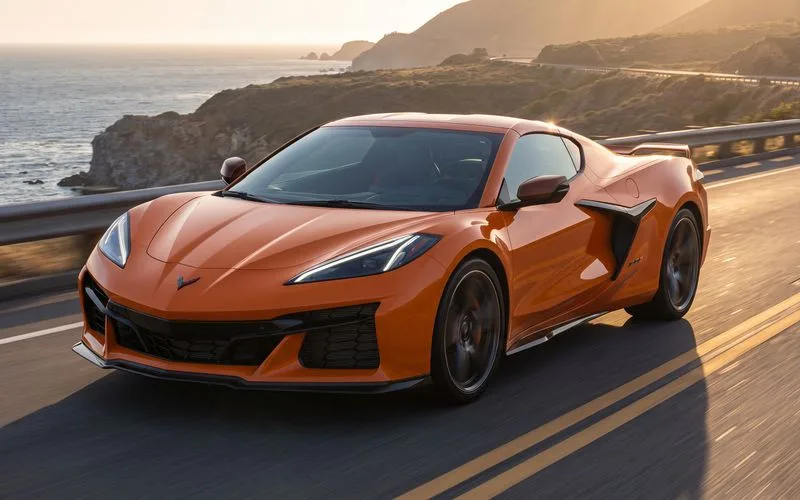 Chevrolet CorvetteSports CarBetter at: Value
It delivers more speed and more standard equipment for roughly $52,000 less, and costs about $4,000 less to service over five years.
Compare 2.01C
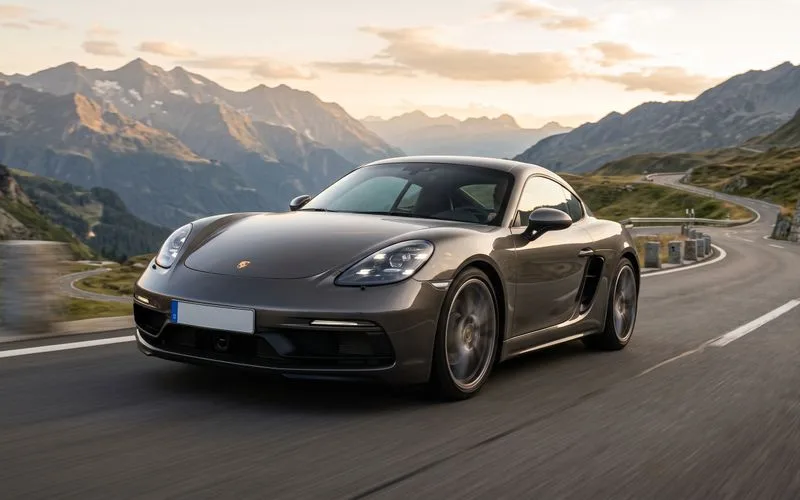 Porsche 718 CaymanSports CarBetter at: Price
The same Porsche driving quality and arguably better balance from a mid-engine layout, for meaningfully less money, if you can live without the 2+2.
Compare 2.77B-
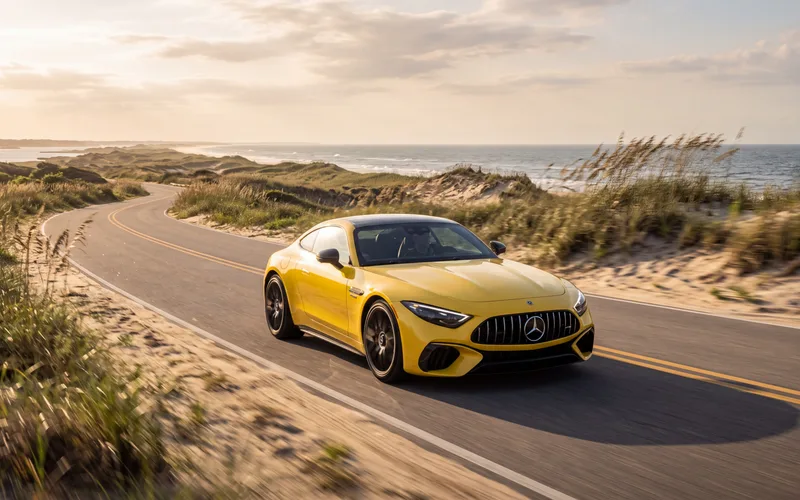 Mercedes-Benz AMG GTSports CarBetter at: Standard features
A plusher grand tourer that ships with the adaptive cruise, lane keeping and premium audio Porsche puts on the option list.
CompareHow it's evolved
10 scored model years · 2017–2026
Subject scores by year
Hover or tap a score to see what moved it versus the year before. A corner mark flags a big swing.
| Year | Performance | Efficiency | Safety | Space | Cost | Reliability | Tech | Use-case | Driving | Value |
|---|---|---|---|---|---|---|---|---|---|---|
| 2026 | 81 | 13 | 52 | 44 | 11 | 82 | 78 | 33 | 91 | 73 |
| 2025 | 80 | 11 | 55 | 44 | 11 | 77 | 74 | 34 | 89 | 74 |
| 2024 | 78 | 8 | 51 | 43 | 11 | 76 | 67 | 33 | 88 | 70 |
| 2023 | 78 | 8 | 50 | 43 | 11 | 72 | 67 | 34 | 88 | 71 |
| 2022 | 76 | 8 | 50 | 36 | 38 | 73 | 55 | 29 | 84 | 71 |
| 2021 | 71 | 8 | 49 | 37 | 61 | 77 | 50 | 30 | 84 | 67 |
| 2020 | 72 | 8 | 41 | 36 | 48 | 71 | 49 | 29 | 84 | 67 |
| 2019 | 81 | 31 | 37 | 36 | 41 | 79 | 42 | 31 | 84 | 62 |
| 2018 | 72 | 26 | 37 | 36 | 12 | 75 | 40 | 31 | 85 | 61 |
| 2017 | 78 | 21 | 24 | 37 | 60 | 71 | 32 | 27 | 80 | 65 |
Compare two years
Best fit & conditions
Higher scores mean a better fit for that use case. Learn more about use-case fit →
Subject profile
Academic Probation · NHTSA safety recalls
Dec 19, 2025Back over prevention: sensing system: cameraThe rearview camera image may not display when the vehicle is placed in reverse. As such, these vehicles fail to comply with the requirements of Federal Motor Vehicle Safety Standard (FMVSS) number 111, "Rear Visibility."
Defect
Porsche Cars North America, Inc. (Porsche) is recalling certain 2019-2025 Cayenne, Cayenne E-Hybrid, 2020-2025 911, Taycan, 2024-2025 Panamera, and 2025 Panamera E-Hybrid vehicles. The rearview camera image may not display when the vehicle is placed in reverse. As such, these vehicles fail to comply with the requirements of Federal Motor Vehicle Safety Standard (FMVSS) number 111, "Rear Visibility."
Risk
A rearview image that does not display properly reduces the driver's view behind the vehicle, increasing the risk of a crash.
Remedy
Dealers will update the driver assistance software, free of charge. Owner notification letters were mailed February 13, 2026. Owners may contact Porsche customer service at 1-800-767-7243. Porsche's number for this recall is ASB2. Vehicle Identification Numbers (VINs) involved in this recall will be searchable on NHTSA.gov beginning January 19, 2026.
NHTSA campaign 25V896000 ↗Manufacturer no. ASB2172,107 vehicles potentially affected (all models in the campaign)Owners notified Feb 13, 2026Filed by Porsche Cars North America, Inc.Filed as 911Feb 12, 2025Seat belts: rear/other: buckle assemblyThe bolts for the rear seat belt buckles may not be tightened properly.
Defect
Porsche Cars North America, Inc. (Porsche) is recalling certain 2023 911 vehicles. The bolts for the rear seat belt buckles may not be tightened properly.
Risk
A loose seat belt buckle may not properly restrain an occupant during a crash, increasing the risk of injury.
Remedy
Dealers will inspect and tighten the rear seat belt buckle bolt, and reposition the aluminum butyl soundproofing mat as necessary, free of charge. Owner notification letters were mailed April 1, 2025. Owners may contact Porsche customer service at 1-800-767-7243. Porsche's number for this recall is ASA0.
NHTSA campaign 25V078000 ↗Manufacturer no. ASA0279 vehicles potentially affected (all models in the campaign)Owners notified Apr 1, 2025Filed by Porsche Cars North America, Inc.Filed as 911Oct 28, 2024Wheels: lugs/nuts/bolts/studsThe center lock wheel bolt may fracture and cause the wheel to detach.
Defect
Porsche Cars North America, Inc. (Porsche) is recalling certain 2025 Panamera, 2024 718 Cayman GT4 RS, 718 Spyder RS, and 2021-2024 911 vehicles. The center lock wheel bolt may fracture and cause the wheel to detach.
Risk
Wheel detachment can result in a loss of vehicle control, increasing the risk of a crash.
Remedy
Owners should not drive their vehicles until they have been repaired. Dealers will check the center lock wheel fastening system and replace any incorrectly manufactured parts, as necessary, free of charge. Owner notification letters were mailed on January 24, 2024. Owners may contact Porsche customer service at 1-800-767-7243. Porsche's number for this recall is ARC4.
NHTSA campaign 24V809000 ↗Manufacturer no. ARC42,251 vehicles potentially affected (all models in the campaign)Owners notified Jan 24, 2025Filed by Porsche Cars North America, Inc.Filed as 911Feb 28, 2024Visibility: glass, side/rear · Visibility: windshieldThe front windshield and rear window may not be properly secured and can detach.
Defect
Porsche Cars North America, Inc. (Porsche) is recalling certain 2020-2024 911 vehicles. The front windshield and rear window may not be properly secured and can detach.
Risk
During air bag deployment, an unsecured windshield may not support the front air bags as intended, increasing the risk of injury in a crash.
Remedy
Dealers will inspect and replace the windshield and rear window as necessary, free of charge. Owner notification letters were mailed on August 30, 2024. Owners may contact Porsche customer service at 1-800-767-7243. Porsche's number for this recall is ARA3.
NHTSA campaign 24V155000 ↗Manufacturer no. ARA38,101 vehicles potentially affected (all models in the campaign)Owners notified Aug 30, 2024Filed by Porsche Cars North America, Inc.Filed as 911Feb 20, 2024Seat belts: rear/other: retractorThe seat belt automatic locking retractor (ALR) may deactivate early, which can prevent the child restraint system from securing properly. As such, these vehicles fail to comply with the requirements of Federal Motor Vehicle Safety Standard number 208, "Occupant Crash Protection."
Defect
Porsche Cars North America, Inc. (Porsche) is recalling certain 2023 911 Carrera T, 911 Carrera 4 GTS, 911 Carrera GTS, 911 Turbo S, 911 Carrera 4 Cabriolet, 911 Carrera 4S Cabriolet, 911 Carrera S, 911 Turbo S Cabriolet, 911 Carrera 4, 911 Carrera 4 GTS Cabriolet, 911 Targa 4 GTS, 911 Carrera, 911 Carrera GTS Cabriolet, 911 Carrera 4S, 911 Targa 4S, 911 Turbo, and 911 Edition 50 Years Porsche Design vehicles. The seat belt automatic locking retractor (ALR) may deactivate early, which can prevent the child restraint system from securing properly. As such, these vehicles fail to comply with the requirements of Federal Motor Vehicle Safety Standard number 208, "Occupant Crash Protection."
Risk
An unsecured child restraint system can increase the risk of injury during a crash.
Remedy
Dealers will inspect and replace the rear three-point belts as necessary, free of charge. Owner notification letters were mailed April 11, 2024. Owners may contact Porsche customer service at 1-800-767-7243. Porsche's number for this recall is ARA2.
NHTSA campaign 24V123000 ↗Manufacturer no. ARA2910 vehicles potentially affected (all models in the campaign)Owners notified Apr 11, 2024Filed by Porsche Cars North America, Inc.Filed as 911 CARRERA, 911 CARRERA 4, 911 CARRERA 4 GTS, 911 CARRERA 4S, 911 CARRERA GTS, 911 CARRERA S, 911 CARRERA T, 911 TARGA 4S, 911 TURBO, 911 TURBO SOct 25, 2023Air bagsThe seat-mounted air bags may deploy unnecessarily during a crash.
Defect
Porsche Cars North America, Inc. (Porsche) is recalling certain 2021-2023 911 Turbo S, 2022 911 Turbo, 2022-2023 911 GT3 Touring, 911 GT3, 911 Carrera 4 GTS, 2022-2024 911 Carrera GTS, 2023 911 GT3 RS, 911 Dakar, and 2024 911 Carrera T vehicles equipped with optional full bucket seats. The seat-mounted air bags may deploy unnecessarily during a crash.
Risk
Air bags that deploy unnecessarily can increase the risk of injury.
Remedy
Dealers will reprogram the air bag control unit, free of charge. Owner notification letters were mailed December 11, 2023. Owners may contact Porsche's customer service at 1-800-767-7243. Porsche's number for this recall is APB3.
NHTSA campaign 23V715000 ↗Manufacturer no. APB32,923 vehicles potentially affected (all models in the campaign)Owners notified Dec 11, 2023Filed by Porsche Cars North America, Inc.Filed as 911 CARRERA 4 GTS, 911 CARRERA GTS, 911 CARRERA T, 911 DAKAR, 911 GT3, 911 GT3 RS, 911 TURBO, 911 TURBO SJun 26, 2023Exterior lighting: brake lightsA software error in the rear spoiler control unit may allow both the vehicle and spoiler center high-mounted brake lights to activate simultaneously when the rear spoiler is manually deployed at speeds below 56 MPH (90 km/h). As such, these vehicles fail to comply with the requirements of Federal Motor Vehicle Safety Standard number 108, "Lamps, Reflective Devices, and Associated Equipment."
Defect
Porsche Cars North America, Inc. (Porsche) is recalling certain 2022-2023 911 GT3 Touring vehicles. A software error in the rear spoiler control unit may allow both the vehicle and spoiler center high-mounted brake lights to activate simultaneously when the rear spoiler is manually deployed at speeds below 56 MPH (90 km/h). As such, these vehicles fail to comply with the requirements of Federal Motor Vehicle Safety Standard number 108, "Lamps, Reflective Devices, and Associated Equipment."
Risk
Simultaneous activation of both center high-mounted brake lights may cause confusion for other drivers, increasing the risk of a crash.
Remedy
Dealers will reprogram the rear spoiler control unit, free of charge. Owner notification letters are expected to be mailed August 24, 2023. Owners may contact Porsche customer service at 1-800-767-7243. Porsche's number for this recall is APA8.
NHTSA campaign 23V446000 ↗Manufacturer no. APA8700 vehicles potentially affected (all models in the campaign)Owners notified Aug 14, 2023Filed by Porsche Cars North America, Inc.Filed as 911 GT3Dec 6, 2022Air bags: frontal · Structure: interior panels: dashboardIn the event of a crash with passenger air bag deployment, the dashboard console may break, causing the air bag to deploy improperly.
Defect
Porsche Cars North America, Inc. (Porsche) is recalling certain 2022-2023 911 vehicles. In the event of a crash with passenger air bag deployment, the dashboard console may break, causing the air bag to deploy improperly.
Risk
An improper air bag deployment increases the risk of injury in a crash.
Remedy
Dealers will replace the dashboard, free of charge. Owner notification letters were mailed June 14, 2023. Owners may contact Porsche's customer service at 1-800-767-7243. Porsche's number for this recall is ANB7.
NHTSA campaign 22V897000 ↗Manufacturer no. ANB753 vehicles potentially affected (all models in the campaign)Owners notified Jun 14, 2023Filed by Porsche Cars North America, Inc.Filed as 911
18 recalls on other model years of the 911 (2017–2022, 2025)
Feb 12, 2025Exterior lighting: lighting control module: softwareA software error in the front-end electronics control module may result in the low beam headlights creating a glare for oncoming traffic. As such, these vehicles fail to comply with the requirements of Federal Motor Vehicle Safety Standard (FMVSS) number 108, "Lamps, Reflective Devices, and Associated Equipment."
Defect
Porsche Cars North America, Inc. (Porsche) is recalling certain 2025 911 vehicles. A software error in the front-end electronics control module may result in the low beam headlights creating a glare for oncoming traffic. As such, these vehicles fail to comply with the requirements of Federal Motor Vehicle Safety Standard (FMVSS) number 108, "Lamps, Reflective Devices, and Associated Equipment."
Risk
Excessive glare can decrease the visibility to oncoming drivers, increasing the risk of a crash.
Remedy
Dealers will update the front-end electronics control module software, free of charge. Owner notification letters were mailed April 1, 2025. Owners may contact Porsche customer service at 1-800-767-7243. Porsche's number for this recall is ASA1.
NHTSA campaign 25V079000 ↗Manufacturer no. ASA1878 vehicles potentially affected (all models in the campaign)Owners notified Apr 1, 2025Filed by Porsche Cars North America, Inc.Filed as 911May 3, 2023Structure: bodyDue to a process error in the car body production line, various welds may be missing from the vehicle body.
Defect
Porsche Cars North America, Inc. (Porsche) is recalling certain 2020 911 Carrera S, 2021 Taycan Turbo, and 2022 911 Carrera vehicles. Due to a process error in the car body production line, various welds may be missing from the vehicle body.
Risk
In the event of a crash, incomplete body welding may not provide adequate protection to occupants, increasing the risk of injury.
Remedy
Dealers will inspect and repair the welds, as necessary, free of charge. Owner notification letters are expected to be mailed June 30, 2023. Owners may contact Porsche's customer service at 1-800-767-7243. Porsche's number for this recall is APA4.
NHTSA campaign 23V313000 ↗Manufacturer no. APA43 vehicles potentially affected (all models in the campaign)Owners notified Jun 27, 2023Filed by Porsche Cars North America, Inc.Filed as 911 CARRERA, 911 CARRERA SOct 25, 2022Seat belts: front: anchorage · SeatsThe screw that attaches the lower seat belt anchor to the seat frame may not have been tightened properly.
Defect
Porsche Cars North America, Inc. (Porsche) is recalling certain 2022 911 GT3 vehicles. The screw that attaches the lower seat belt anchor to the seat frame may not have been tightened properly.
Risk
An improperly tightened seat belt anchor can detach during a crash, increasing the risk of injury.
Remedy
Dealers will replace and tighten the screws. If the screw threads are damaged, the seat frame will also be replaced. Repairs will be performed free of charge. Owner notification letters are expected to be mailed December 23, 2022. Owners may contact Porsche's customer service at 1-800-767-7243. Porsche's number for this recall is ANB6.
NHTSA campaign 22V803000 ↗Manufacturer no. ANB615 vehicles potentially affected (all models in the campaign)Owners notified Dec 22, 2022Filed by Porsche Cars North America, Inc.Filed as 911 GT3Sep 8, 2021Service brakes, hydraulic: critical fasteners · Service brakes, hydraulic: foundation componentsThe pressure input rod connection on the brake booster may be loose and could detach.
Defect
Porsche Cars North America, Inc. (Porsche) is recalling certain 2020-2021 911 Carrera and Taycan vehicles. The pressure input rod connection on the brake booster may be loose and could detach.
Risk
A detached pressure input rod will cause the brake pedal to fail, increasing the risk of a crash.
Remedy
Dealers will repair or replace the brake booster as necessary, free of charge. Owner notification letters were mailed October 28, 2021. Owners may contact Porsche customer service at 1-800-767-7243. Porsche's number for this recall is AMB9.
NHTSA campaign 21V697000 ↗Manufacturer no. AMB911 vehicles potentially affected (all models in the campaign)Owners notified Oct 28, 2021Filed by Porsche Cars North America, Inc.Filed as 911 CARRERAAug 4, 2021Seat belts · Seat belts: front: retractor · Seat belts: rear/other: retractorThe seat belt automatic locking retractors may deactivate early, which can prevent the child restraint system from securing properly. As such, these vehicles fail to comply with the requirements of Federal Motor Vehicle Safety Standard number 208, "Occupant Crash Protection."
Defect
Porsche Cars North America, Inc. (Porsche) is recalling certain 2021 911 Carrera Coupe, 911 Carrera S Coupe, 911 Carrera 4 Coupe, 911 Carrera 4S Coupe, 911 Turbo Coupe, 911 Turbo S Coupe, Panamera, Panamera 4 E-Hybrid, Panamera 4S, Panamera GTS, Panamera Turbo S, Taycan, Taycan 4S, Taycan Turbo, and Taycan Turbo S vehicles. The seat belt automatic locking retractors may deactivate early, which can prevent the child restraint system from securing properly. As such, these vehicles fail to comply with the requirements of Federal Motor Vehicle Safety Standard number 208, "Occupant Crash Protection."
Risk
An unsecured child restraint system can increase the risk of injury during a crash.
Remedy
Dealers will inspect and replace the seat belt assemblies, as necessary, free of charge. Owner notification letters were mailed October 1, 2021. Owners may contact Porsche customer service at 1-800-767-7243. Porsche's number for this recall is AMB6.
NHTSA campaign 21V608000 ↗Manufacturer no. AMB64,924 vehicles potentially affected (all models in the campaign)Owners notified Oct 1, 2021Filed by Porsche Cars North America, Inc.Filed as 911Jun 23, 2021Air bags: sensor: occupant classification: front passenger · SeatsIncorrect passenger seat was installed and may cause a Occupant Classification System (OCS) malfunction.
Defect
Porsche Cars North America, Inc. (Porsche) is recalling certain 2021 911 Turbo Coupe, 911 Turbo S Coupe, 911 Carrera 4S Targa, 911 Carrera 4S Cabriolet, 911 Turbo S Cabriolet, and 911 Turbo Cabriolet vehicles. Incorrect passenger seat was installed and may cause a Occupant Classification System (OCS) malfunction.
Risk
An OCS malfunction may affect the front passenger air bag, increasing the risk of injury.
Remedy
Dealers will install the correct seat, free of charge. Owner notification letters were mailed November 16, 2021. Owners may contact Porsche customer service at 1-800-767-7243. Porsche's number for this recall is AMB3.
NHTSA campaign 21V467000 ↗Manufacturer no. AMB3149 vehicles potentially affected (all models in the campaign)Owners notified Nov 16, 2021Filed by Porsche Cars North America, Inc.Filed as 911Mar 24, 2021Suspension: rearThe screw connection on the rear axle upper control arm may be loose.
Defect
Porsche Cars North America, Inc. (Porsche) is recalling certain 2019 Porsche 911 Speedster, 2020 Porsche 911 Carrera S Coupe, Carrera 4S Coupe, and Carrera S Cabriolet vehicles. The screw connection on the rear axle upper control arm may be loose.
Risk
A loose connection may fail, causing driving instability and increasing the risk of a crash.
Remedy
Porsche will notify owners, and dealers will rework and tighten the screw connection on the rear axle upper control arm, free of charge. Owner notification letters were mailed May 21, 2021. Owners may contact Porsche customer service at 1-800-767-7243. Porsche's number for this recall is AMA6.
NHTSA campaign 21V201000 ↗Manufacturer no. AMA67 vehicles potentially affected (all models in the campaign)Owners notified May 21, 2021Filed by Porsche Cars North America, Inc.Filed as 911, 911 CARRERAMar 10, 2021Suspension · Suspension: critical fastenersCertain suspension components may not have been tightened correctly and can loosen.
Defect
Porsche Cars North America, Inc. (Porsche) is recalling certain 2021 Porsche Taycan Turbo, Taycan Turbo S, Taycan, Taycan 4S, 911 Turbo S Coupe, Cayman, Cayman T, Cayman S, Cayman GT4, 911 Carrera Coupe, 911 Carrera S Coupe, 911 Carrera 4S Coupe, 911 Carrera 4S Targa, 911 Carrera Cabriolet, 911 Carrera S Cabriolet, 911 Carrera 4S Targa Heritage Design Edition, 911 Carrera 4S Cabriolet, 911 Turbo Coupe, 911 Turbo Cabriolet, 911 Turbo S Cabriolet, 718 Spyder, and Boxster vehicles. Certain suspension components may not have been tightened correctly and can loosen.
Risk
Loose suspension components may detach, causing a sudden loss of vehicle stability and control, and increasing the risk of a crash.
Remedy
Dealers will replace the affected suspension nuts and bolts. Dealers will also inspect surrounding components for damage, and replace any damaged parts as necessary. Repairs will be performed free of charge. Owner notification letters were mailed May 7, 2021. Owners may contact Porsche customer service at 1-800-767-7243. Porsche's number for this recall is AMA3.
NHTSA campaign 21V157000 ↗Manufacturer no. AMA3396 vehicles potentially affected (all models in the campaign)Owners notified May 7, 2021Filed by Porsche Cars North America, Inc.Filed as 911Jul 1, 2020Power train: driveline: differential unitThe front axle differential bracket may not have been tightened correctly. If it comes loose, the differential could potentially cause damage to surrounding components.
Defect
Porsche Cars North America, Inc. (Porsche) is recalling certain 2020 Porsche 911 Carrera 4S Coupe vehicles. The front axle differential bracket may not have been tightened correctly. If it comes loose, the differential could potentially cause damage to surrounding components.
Risk
Components such as the fuel tank or drive shafts may become damaged from the loose differential. Damage to the fuel tank can result in fuel leakage, which in the presence of an ignition source may increase the risk of a fire.
Remedy
Porsche will notify owners, and dealers will remove the front axle differential to check the screw threads, and to inspect surrounding components for any consequential damage. Depending on the inspection result, the front axle differential will be reinstalled or replaced using new screw joints torqued to the required specification. All work will be performed free of charge. The recall began August 20, 2020. Owners may contact Porsche customer service at 1-800-767-7243. Porsche's number for this recall is ALA8.
NHTSA campaign 20V381000 ↗Manufacturer no. ALA814 vehicles potentially affected (all models in the campaign)Owners notified Aug 20, 2020Filed by Porsche Cars North America, Inc.Filed as 911 CARRERADec 11, 2019Exterior lighting: hazard flashing warning lightsDue to a software error, the hazard warning lights may not function when activated by an operator. As such, these vehicles fail to comply with the requirements of Federal Motor Vehicle Safety Standard (FMVSS) number 108, "Lamps, Reflective Devices, and Associated Equipment."
Defect
Porsche Cars North America, Inc. (Porsche) is recalling certain 2020 911 Carrera S Coupe, Cabrio, Coupe, 4 Coupe, 4S Coupe, 4 Cabrio, 4S Cabrio, and S Cabrio vehicles. Due to a software error, the hazard warning lights may not function when activated by an operator. As such, these vehicles fail to comply with the requirements of Federal Motor Vehicle Safety Standard (FMVSS) number 108, "Lamps, Reflective Devices, and Associated Equipment."
Risk
If the hazard warning lights cannot be activated, there is an increased risk of a crash in a hazard situation.
Remedy
Porsche will notify owners, and dealers will reprogram the control unit, free of charge. The recall began February 7, 2020. Owners may contact Porsche customer service at 1-800-767-7243. Porsche's number for this recall is AKC1.
NHTSA campaign 19V878000 ↗Manufacturer no. AKC11,928 vehicles potentially affected (all models in the campaign)Owners notified Feb 7, 2020Filed by Porsche Cars North America, Inc.Filed as 911 CARRERADec 11, 2019Child seat · Equipment: other: owners/service/other manualThe Child Restraint System (CRS) instructions within the Owner's Manual may not provide enough specificity for proper installation. As such, these vehicles fail to comply with the requirements of Federal Motor Vehicle Safety Standard (FMVSS) number 225, "Child Restraint Anchorage Systems."
Defect
Porsche Cars North America, Inc. (Porsche) is recalling certain 2014 Cayman and Cayman S, 2014-2016 911 GT3, 2016 911 GT3 RS and 911 R, 2018 911 GT3 and 911 GT2 RS and 2019 911 GT3 RS, 911 GT3, and 911 GT2 RS vehicles. The Child Restraint System (CRS) instructions within the Owner's Manual may not provide enough specificity for proper installation. As such, these vehicles fail to comply with the requirements of Federal Motor Vehicle Safety Standard (FMVSS) number 225, "Child Restraint Anchorage Systems."
Risk
Improper CRS installation increases the risk of an injury to the occupant in the event of a crash.
Remedy
Porsche will notify owners, and dealers will provide a an Owner's Manual supplement with proper CRS installation instructions, free of charge. The recall began February 7, 2020. Owners may contact Porsche customer service at 1-800-767-7243. Porsche's number for this recall is AKC0.
NHTSA campaign 19V875000 ↗Manufacturer no. AKC015,501 vehicles potentially affected (all models in the campaign)Owners notified Feb 7, 2020Filed by Porsche Cars North America, Inc.Filed as 911 GT2 RS, 911 GT3, 911 GT3 RSJul 17, 2019Air bags: air bag/restraint control moduleThe air bag Electronic Control Unit (ECU) may have a defective power supply capacitor that can result in air bag deactivation or inadvertent deployment of the air bags.
Defect
Porsche Cars North America, Inc. (Porsche) is recalling certain 2016-2017 911 and Boxster, 2016 Cayman and Panamera vehicles. The air bag Electronic Control Unit (ECU) may have a defective power supply capacitor that can result in air bag deactivation or inadvertent deployment of the air bags.
Risk
Deactivated air bags increase the risk of injury. Inadvertent deployment of the air bags increase the risk of a crash.
Remedy
Porsche will notify owners, and dealers will install new software and replace the air bag ECU as necessary, free of charge. Interim notices informing owners of the safety risk were mailed September 13, 2019. Owners received a second notice and the recall began February 12, 2020. Owners may contact Porsche customer service at 1-800-767-7243. Porsche's number for this recall is AKB4.
NHTSA campaign 19V533000 ↗Manufacturer no. AKB47,517 vehicles potentially affected (all models in the campaign)Owners notified Feb 12, 2020Filed by Porsche Cars North America, Inc.Filed as 911Jun 12, 2019Power train: axle assembly: axle shaft · Power train: axle hubsThe bolts connecting the driveshaft to the wheel hub may not have been properly tightened.
Defect
Porsche Cars North America, Inc. (Porsche) is recalling certain 2019 911 GT2 RS and 2020 911 Carrera S Coupe vehicles. The bolts connecting the driveshaft to the wheel hub may not have been properly tightened.
Risk
If the driveshaft disconnects from the wheel hub, it can increase the risk of crash.
Remedy
Porsche will notify owners, and dealers will properly tighten the driveshaft connection to the wheel hub, free of charge. The recall began August 9, 2019. Owners may contact Porsche customer service at 1-800-767-7243. Porsche's number for this recall is AKB2.
NHTSA campaign 19V445000 ↗Manufacturer no. AKB23 vehicles potentially affected (all models in the campaign)Owners notified Aug 9, 2019Filed by Porsche Cars North America, Inc.Filed as 911 CARRERA, 911 GT2Mar 6, 2019Air bagsThe side air bag impact sensors may not have been properly tightened to the vehicle.
Defect
Porsche Cars North America, Inc. (Porsche) is recalling certain 2018 718 Boxster, Boxster S and Boxster GTS, 718 Cayman, Cayman S and Cayman GTS, 911 Carrera, Carrera T, Targa 4 GTS, Carrera 4, Carrera S, Carrera 4S, Carrera GTS, Carrera 4 GTS, Carrera Cabriolet, Carrera S Cabriolet, Carrera 4S Cabriolet, Carrera GTS Cabriolet, Carrera 4 GTS Cabriolet, Targa 4, Targa 4S, Turbo, Turbo S, Turbo S Exclusive Series, Turbo Cabriolet, Turbo S Cabriolet and GT3 vehicles. The side air bag impact sensors may not have been properly tightened to the vehicle.
Risk
In the event of a crash, the air bags may not deploy, increasing the risk of injury.
Remedy
Porsche will notify owners, and dealers will tighten the air bag sensors, as necessary, free of charge. The recall began May 17, 2019. Owners may contact Porsche customer service at 1-800-767-7243. Porsche's number for this recall is AKA4.
NHTSA campaign 19V179000 ↗Manufacturer no. AKA4417 vehicles potentially affected (all models in the campaign)Owners notified May 17, 2019Filed by Porsche Cars North America, Inc.Filed as 911Mar 2, 2017Visibility: windshieldDuring manufacturing, the windshield may not have been properly bonded to the vehicle, allowing it to detach in a crash. As such, these vehicles fail to comply with the requirements of Federal Motor Vehicle Safety Standard (FMVSS) number 212, "Windshield Mounting."
Defect
Porsche Cars North America, Inc. (Porsche) is recalling certain 2017 911 Carrera Cabriolet, 911 Carrera 4 Cabriolet, 911 Carrera 4S Cabriolet, 911 Carrera S Cabriolet, 911 Targa S, 911 Targa 4S, 911 Turbo Cabriolet, 718 Boxter and 718 Boxter S vehicles. During manufacturing, the windshield may not have been properly bonded to the vehicle, allowing it to detach in a crash. As such, these vehicles fail to comply with the requirements of Federal Motor Vehicle Safety Standard (FMVSS) number 212, "Windshield Mounting."
Risk
In the event of a crash, if the windshield separates from the vehicle, it can increase the risk of injury.
Remedy
Porsche will notify owners, and dealers will rebond the windshield, free of charge. The recall began on May 12, 2016. Owners may contact Porsche customer service at 1-800-767-7243. Porsche's number for the recall is AH04.
NHTSA campaign 17V135000 ↗Manufacturer no. AH0421 vehicles potentially affected (all models in the campaign)Owners notified May 12, 2017Filed by Porsche Cars North America, Inc.Filed as 911Mar 2, 2017Air bags: frontal: passenger side: inflator moduleThe passenger frontal air bag inflator initiator may fail to ignite during a crash.
Defect
Porsche Cars North America, Inc. (Porsche) is recalling certain 2016 911 GT3 RS and 911 R vehicles and 2017 911 Carrera, 911 Carrera Cabriolet, 911 Carrera 4, 911 Carrera 4S, 911 Carrera 4S Cabriolet, 911 Carrera S, 911 Carrera S Cabriolet, 911 Targa 4, 911 Targa 4S, 911 Turbo S, 911 Turbo S Cabriolet, 718 Boxster, 718 Boxster S, 718 Cayman and 718 Cayman S vehicles. The passenger frontal air bag inflator initiator may fail to ignite during a crash.
Risk
If the air bag inflator initiator fails to ignite, the passenger frontal air bag will not deploy, increasing the risk of injury in the event of a crash.
Remedy
Porsche will notify owners, and dealers will replace the affected air bags, free of charge. The recall began May 15, 2017. Owners may contact Porsche customer service at 1-800-767-7243. Porsche's number for this recall is AH03.
NHTSA campaign 17V134000 ↗Manufacturer no. AH03120 vehicles potentially affected (all models in the campaign)Owners notified May 15, 2017Filed by Porsche Cars North America, Inc.Filed as 911 CARRERA, 911 TARGA 4Jan 25, 2017Fuel system, gasoline: delivery: hoses, lines/piping, and fittingsThe screws that fasten the fuel collection pipes in the engine compartment may shear off, resulting in a fuel leak.
Defect
Porsche Cars North America, Inc. (Porsche) is recalling certain 2017 911 Carrera, 911 Carrera S, 911 Carrera 4, 911 Carrera 4S, 911 Targa 4, 911 Targa 4S + GTS, 911 Carrera Cabriolet, 911 Carrera S Cabriolet, 911 Carrera 4 Cabriolet, 911 Carrera 4S Cabriolet, 718 Boxster, 718 Boxster S, 718 Cayman, and 718 Cayman S vehicles. The screws that fasten the fuel collection pipes in the engine compartment may shear off, resulting in a fuel leak.
Risk
A fuel leak in the presence of an ignition source increases the risk of a fire.
Remedy
Porsche will notify owners, and dealers will install improved fastening screws, free of charge. The recall began March 27, 2017. Owners may contact Porsche customer service at 1-800-767-7243. Porsche's number for this recall is AH01.
NHTSA campaign 17V054000 ↗Manufacturer no. AH014,090 vehicles potentially affected (all models in the campaign)Owners notified Mar 27, 2017Filed by Porsche Cars North America, Inc.Filed as 911 CARRERA, 911 TARGA 4Dec 30, 2016Air bags: side/windowThe seat mounted side air bag inflator initiator may fail to ignite during a crash.
Defect
Porsche Cars North America, Inc. (Porsche) is recalling certain model year 2017 718 Boxster, 718 Boxster S, 718 Cayman, 718 Cayman S, 911 Carrera, 911 Carrera S, 911 Carrera S Cabriolet, 911 Carrera 4S, 911 Turbo, 911 Turbo S, 911 Carrera 4S Cabriolet, and 911 Turbo Cabriolet vehicles. The seat mounted side air bag inflator initiator may fail to ignite during a crash.
Risk
If the air bag inflator initiator fails to ignite, the side air bag will not deploy, increasing the risk of injury in the event of a crash.
Remedy
Porsche will notify owners, and dealers will replace the affected air bag modules, free of charge. The recall began April 2017. Owners may contact Porsche customer service at 1-800-767-7243. Porsche's number for this recall is AG10.
NHTSA campaign 16V946000 ↗Manufacturer no. AG1085 vehicles potentially affected (all models in the campaign)Owners notified Mar 27, 2017Filed by Porsche Cars North America, Inc.Filed as 911
Source: NHTSA Office of Defects Investigation recall database, model years 2017–2026. Recalls are listed by model year as the manufacturer filed them; whether a specific car is affected depends on its VIN — check a VIN at nhtsa.gov ↗. NHTSA model names matched to this page: 911, 911 CARRERA, 911 CARRERA 4, 911 CARRERA 4 GTS, 911 CARRERA 4S, 911 CARRERA GTS, 911 CARRERA S, 911 CARRERA T, 911 DAKAR, 911 GT2, 911 GT2 RS, 911 GT3, 911 GT3 RS, 911 TARGA 4, 911 TARGA 4S, 911 TURBO, 911 TURBO S.
Detailed scoring by subject
1Performance & PowertrainOne of the 911's strongest categories.3.32B+
2023 is a mid-cycle 992.1 year and a carry-over for the volume Carrera: the 3.0L twin-turbo flat-six holds at 379 hp, unchanged from 2022 and 2024 and nine short of the 388 hp the 992.2 brings for 2025. Against a 495-hp base Corvette or a 577-hp AMG GT that is a modest headline number, which keeps this item in the low 60s even with a 640-hp Turbo S topping the range.
331 lb-ft is mid-band for a coupe and well short of the pushrod-V8 torque the American sports cars trade on, but it arrives as a broad plateau from just under 2,000 rpm rather than a spike, so the car is stronger in everyday use than the figure suggests. Unchanged across the whole 992.1 run.
Porsche's 4.0-second claim for the 992.1 Carrera (3.8 with Sport Chrono) is characteristically conservative — instrumented tests of the launch-control car have run into the low 3s. Carried over unchanged for 2023; the 992.2 trims a tenth off it from 2025.
The 992.1 twin-turbo flat-six is one of the least turbo-feeling forced-induction engines on sale — crisp throttle response with no perceptible boost step, a clean pull to the limiter, and a flat-six voice most turbo engines lose. Held below the mid-90s because the base Carrera is soft below ~2,000 rpm next to a large-displacement V8, and because the naturally aspirated GT3 and the new-for-2023 GT3 RS sold alongside it are the sharper reference points.
The 8-speed PDK is the benchmark dual-clutch — near-imperceptibly quick shifts, correct gear selection without hunting, and unusually civil creep and low-speed manners. Small deduction because reviewers find it slightly lazy to downshift when left fully in auto; 2023 is a strong year for the alternative, with the returning Carrera T making the 7-speed manual standard and the GT3/GT3 Touring offering the 6-speed GT manual.
All-wheel drive spans most of the 2023 range — Carrera 4, Carrera 4S, Targa 4, Targa 4S, Carrera 4 GTS, Targa 4 GTS, and standard on Turbo and Turbo S — and Porsche Traction Management's electronically controlled multi-plate front clutch is a rear-biased performance system rather than a safety net. 2023 is the year the 911 Dakar arrives with genuine loose-surface hardware (standard AWD, Rallye and Offroad modes, 50 mm of extra ride height plus a 30 mm lift), which is as close as the nameplate gets to the top band; the volume Carrera is still rear-drive only and AWD costs a step up the lineup, so it stays in the low 80s.
Three distinct engine families sell under the 2023 nameplate — the 3.0L twin-turbo flat-six in four states of tune (Carrera, Carrera T, S, GTS/Dakar), the 3.7L twin-turbo Turbo motor (including the 543-hp manual Sport Classic), and the naturally aspirated 4.0L GT3/GT3 Touring/GT3 RS engine — layered over a real choice of 7-speed manual, 6-speed GT manual or 8-speed PDK. That breadth is unusual for a sports car, but 2023 offers nothing electrified at all: the T-Hybrid GTS that would clear the framework's top band is two generations of update away, so this caps in the 50–79 band.
2Efficiency & RangeThe 911's lowest-graded category.0.00F
20 MPG combined for a 379-hp premium-fuel sports car is genuinely respectable, but the coupe gas band runs 18–42 MPG across the whole body type — including four-cylinder commuter coupes — so a flat-six lands near the floor. Unchanged from 2022 and 2024; the 992.2 picks up one MPG from 2025.
18 MPG city sits just above the 16 MPG coupe band floor and scores in single digits, though it is materially better than the V8 sports-car peers in stop-start use thanks to coasting and stop-start calibration. Flat across the volume 2023 variants — every 3.0L Carrera-family PDK car rates 18 city.
24 MPG highway makes the 911 a real long-distance cruiser on its tall top PDK ratio, but it sits exactly on the 24 MPG coupe band floor — a band calibrated across all coupes including four-cylinder ones — so the item scores zero. Only the 7-speed manual cars clear that floor at all in 2023, and none of them is the volume configuration.
Derived from the standard 64-litre (16.9-gal) tank at the EPA combined figure, which is the volume configuration. The 992.1's optional 90-litre tank — a cheap option that costs frunk space and is not offered on the 4S — pushes touring range past 470 miles.
The EPA label cost is $3,900 a year, well above the $3,200 ceiling of the coupe band, so this item bottoms out. Premium fuel does as much damage as the consumption does.
Premium unleaded is required across the entire 2023 911 range — Porsche specifies 98 RON (93 AKI) for rated output with 91 AKI the minimum — and there is no flex-fuel, diesel, hybrid or plug-in option anywhere in the lineup to soften running costs. In line with the premium-required sports and GT coupes already scored.
3SafetyGrades below the middle of the scale.1.36D
NHTSA has published no NCAP rating of any kind for the 2023 Porsche 911 — no overall, frontal, side or rollover star, and no rating record exists at all. The 992 generation has never been selected for NCAP testing in any model year; a six-figure sports car at this volume falls outside routine vehicle selection. Estimated at the segment-typical 4 stars from the 992's mixed aluminium-steel bodyshell and full POSIP airbag complement (dual-stage front, knee, seat-mounted thorax and door-mounted head airbags), but there is no tested figure behind the number.
IIHS has never crash-tested a 992-generation 911, so 2023 carries no Top Safety Pick or TSP+ and not one individual crashworthiness result. Untested with no known structural deficiency — behind it the 992's multi-material bodyshell, full POSIP airbag system and standard PSM — earns the middle of the no-award band rather than the untested-with-concerns floor. Scored two points under the 2024 car because 2023 is the model year carrying two crash-relevant recalls of its own on top of the generation-wide windshield campaign: the passenger-airbag dashboard console (22V897000, 2022–2023 only) and the rear seat-belt buckle bolts (25V078000, 2023 only). Both are conditions that specifically degrade restraint performance in the crash this item is about.
2023 sits mid-way through the 992.1 run and is a carry-over year for assistance content: the base Carrera leaves the factory with Warn and Brake Assist (forward-collision warning plus AEB with pedestrian detection), front and rear ParkAssist sensors, a reversing camera — and ordinary fixed-speed cruise control. Of the five features this item names, one is standard. Lane Keep Assist with Traffic Sign Recognition, blind-spot monitoring (Lane Change Assist), rear cross-traffic alert, adaptive cruise, Surround View and Night Vision Assist are all extra-cost; the first two do not become standard until the 992.2 arrives for 2025. One of five standard puts this at the bottom of the middle band, below the Corvette, which at least ships blind-spot and cross-traffic monitoring on its volume trim, and well above the 718 Cayman, which has none of the five at any price.
Warn and Brake Assist is standard on every 2023 911 — a camera-based system with radar support that warns in two stages and brakes autonomously against vehicles, pedestrians and cyclists. IIHS has never run front crash prevention on the 911 in either the vehicle-to-vehicle or the pedestrian protocol, so there is no Superior or Advanced result and, decisively for this item's top band, no nighttime pedestrian result at all. Scored on hardware generation and completeness rather than measured performance, level with the identically equipped 2024 car and a notch below the 992.2 years whose newer sensor set feeds the same function.
The 992.1's Lane Change Assist is radar blind-spot monitoring with LED warnings in the mirror triangles, bundling rear cross-traffic alert; it is alert-only, with no braking or steering intervention, and the exit/door-opening warning that broadens the system does not arrive until the 992.2. More to the point, none of it is standard — a 2023 Carrera ordered without the box has nothing watching its blind spots, which on a car with this rear three-quarter shape matters more than most. Optional plus alert-only plus no intervention sits just below the middle band, under the Corvette's standard-on-the-volume-trim provision and above the 718, which cannot be had with cross-traffic alert at all.
A 2023 911 has no lane assistance of any kind as delivered. Lane Keep Assist with Traffic Sign Recognition is an option — and the reactive kind, arming above roughly 40 mph and nudging the wheel back when the car crosses a marking — while genuine lane centering exists only inside the more expensive InnoDrive package with Active Lane Keeping. Nothing standard is the definition of the bottom band; it is scored at the top of that band rather than the floor because both the reactive and the centering systems are at least orderable and are competent when fitted, which is what separates this from the 718 Cayman, where lane keeping is not sold at any price.
Specified, the 992.1's adaptive cruise is a full-speed-range radar system with stop-and-go on PDK cars, and the InnoDrive layer above it reads navigation data ahead of the car to adjust speed predictively for corners, gradients and speed limits — a genuinely good implementation, bundled with an emergency stop assistant. None of it is standard: the volume 2023 Carrera ships with plain fixed-speed cruise control, and ACC, InnoDrive and Active Lane Keeping are all separate charges. A capable system the car does not leave the factory with lands mid-band — well clear of the Corvette, which cannot be had with adaptive cruise at any price, and well short of the German luxury coupes that make it standard.
Porsche offered no hands-free highway driving system on the 911 in 2023, and there is no BlueCruise or Super Cruise equivalent anywhere in the Porsche range for that model year. InnoDrive, the most capable assistance option on the car, is an explicitly hands-on predictive cruise and lane-keeping function. Floor of the band, level with the rest of the sports-car segment.
Every 2023 911 gets LED headlights with the Porsche Dynamic Light System — speed-sensitive, with dynamic cornering light — as standard, solid rather than exceptional hardware for a car at this price. The glare-free LED Matrix system with PDLS Plus, whose 84-LED array segments the high beam and adds high-beam assist plus motorway and fog functions, is an extra-cost option or arrives inside the Premium Package, so the volume car does not have it. IIHS has never rated 911 headlights, so there is no Good result to lean on either way. Scored level with the identically equipped 2024 car and below the 992.2 years, which make Matrix standard, and well clear of the 718, still on Bi-Xenon in 2023.
Forward and three-quarter visibility is the best in this segment and always has been: a low cowl, genuinely slim A-pillars and the crowns of both front fenders in view make the 911 easy to place on a road in a way mid-engine and long-hood rivals are not. Rearward is the penalty — thick C-pillars, shallow rear glass and a deck the driver cannot see over — offset by a standard reversing camera and ParkAssist sensors front and rear, with the 3D Surround View system and Night Vision Assist both on the options list. Held below where the sightlines alone would put it because the camera compensating for the worst view was itself recalled on this model year.
The Carrera coupe's 2+2 layout gives it something the Corvette and GR Supra cannot offer at all — ISOFIX/LATCH anchorages at both rear positions plus a front-passenger child-seat provision with airbag deactivation — but the execution is close to the practical floor. There are no rear doors, access is over a folded front seat, the rear backrests are upright and shallow, and owners report that fitting a rear-facing or high-back seat means pushing the front passenger seat well forward or removing the rear seat uprights outright to claw back four to six inches. Scored two points under the otherwise identical 2024 car because the rear seating position on this model year is the subject of a recall for under-torqued rear seat-belt buckle bolts — the anchorage a child seat's top tether and belt path depend on.
4Space & ComfortGrades near the bottom of the scale.0.83F
The 911 tops out at the 2+2 layout, which sits exactly on the floor of the 4–5 seat coupe band. 2023 is a mid-cycle 992.1 year and the rear bench remains standard equipment on the volume Carrera and Carrera S coupes.
Porsche publishes no US interior dimensions for the 992, and the mainstream spec databases carry the field as blank or zero for the 2023 car; the estimate sits mid-band, consistent with reviewer reports that the very low seat mounting leaves six-foot-plus drivers real head clearance.
Estimated above the coupe band midpoint — the deep footwell and long seat travel are a large part of why a 911 works as a daily driver for tall drivers — but the figure is inferred from the packaging rather than published.
The rear seats sit directly under the descending fastback roof, putting head clearance near the bottom of the 32–38 in coupe band and limiting the bench to children.
The rear bench is a short-hop or child-seat perch that only works with the front seats pushed forward, leaving estimated legroom far below the 32 in coupe band floor.
The rear-engine layout leaves a 132-litre frunk as the only enclosed luggage hold — barely above the 4 cu ft coupe band floor — though folding the rear seatbacks adds a real weekend-bag shelf that the number does not capture.
Door pockets, the shallow console bin and the glovebox are all small, and the 992.1 charges for the smartphone tray with inductive charging that the later facelift makes standard. What keeps it mid-band rather than low is the folding 2+2 seatbacks, which turn the rear well into the car's most useful storage surface.
The front seats are a long-haul benchmark for the segment — firm, well-shaped, deeply adjustable, and heated as standard on the 2023 Carrera — with 14-way and 18-way adaptive Sport Seats Plus on the options list. The rear perch is child-only, which keeps the item out of the top band.
PASM adaptive damping is standard and the 992.1 is the reference for a sports car that stays civil over broken pavement without giving up body control — Edmunds reports impacts are never harsh even in Sport mode. Held out of the very top band because the optional sport suspension telegraphs every road flaw and the staggered 19/20-in wheels stay busy at low speed.
Wind isolation is good enough for normal conversation at highway speed, but staggered summer tires on coarse pavement are the recurring complaint in 992 reviews and the rear-mounted flat-six sits directly behind the bulkhead — audible at cold start and never truly absent.
Dual-zone automatic climate control and heated front sport seats are standard on the 2023 Carrera, and Porsche keeps a real row of physical climate switches rather than burying HVAC in menus. It stays mid-band because the 992.1 still charges for the heated steering wheel and ventilated seats; there is no rear climate zone and, as a gas car, no remote pre-conditioning.
5Cost of OwnershipOne of the 911's weakest categories.0.00F
The entry 2023 Carrera coupe — a mid-cycle year of the 992.1 — opens at $106,100 before Porsche's $1,450 destination charge, about $8,500 less than the 2024 car that followed it. Even so it is nearly double the top of the coupe pricing band, so this item bottoms out.
The Carrera S is the historical US volume 911, and at $124,450 delivered it is also roughly where a base Carrera ends up once a buyer adds adaptive cruise, Lane Change Assist, Sport Chrono, metallic paint and ventilated seats. Porsche's a-la-carte structure means almost no 911 leaves a dealer at sticker, and in 2023 dealer market adjustments pushed real transaction prices further above this figure than in any adjacent model year.
Published estimates for the 911 spread widely — CarEdge models $5,380–$7,217 over five years, Edmunds $9,477, KBB nearer $11,700 — because they differ on how much tire and brake spend to attribute. The 4-year/50,000-mile warranty absorbs genuine repairs for most of the window, so the bill is dominated by Porsche dealer labor rates and wear items; $9,800 is the defensible midpoint, past the top of the coupe band but below the AMG-tier norm because the 911 is unusually reliable for the class.
This is the single line that keeps the category from collapsing. The 911 is repeatedly measured as the slowest-depreciating vehicle sold in America, and 2023 is a mid-cycle 992.1 rather than the final pre-facelift year, so it carries none of the end-of-generation discount that costs the 2024 car a point. Three years on, KBB still values a 2023 911 above $121,000 in private-party resale against a $107,550–$124,450 delivered price.
Porsche's New Vehicle Limited Warranty is 4 years / 50,000 miles brand-wide and was unchanged for 2023, matching the German luxury norm and Lexus and beating the 3/36 that Ford and Chevrolet give the Mustang and Corvette. Mid-band.
Porsche publishes no standalone extended powertrain coverage in the US: engine and transmission are covered only for the same 4-year/50,000-mile basic term, so protection on the most expensive components to repair ends at the bottom of the band. Buyers wanting more must buy Porsche Vehicle Service Protection.
Porsche included no complimentary scheduled maintenance in the US for 2023 — every visit is billed, and at Porsche labor rates that is the most expensive version of that policy in this segment. What is included is 24/7/365 Porsche Roadside Assistance for the full warranty term plus a Porsche Connect services trial. Real, but thin against rivals that include years of actual servicing, so this sits at the bottom of the basic-roadside-only band.
$124,450 volume-trim price minus its estimated resale value after 5 years (64% retained, or about $79,648) leaves about $44,802 in depreciation. Add the projected $9,800 in 5-year maintenance and repairs, and owning this vehicle for 5 years costs about $54,602 in total.
6Reliability & QualityOne of the 911's strongest categories.2.87B-
Consumer Reports has too small a sample to publish detailed predicted-reliability data for the 2023 911 and places it only at 'about average' for its model year — a step down from the 'more reliable than other cars from the same model year' it gives the 2024 car. The now-mature 992.1 hardware has no engine or transmission failure pattern, which keeps this comfortably mid-band, but the 2026 VDS read on three-year-old 2023 Porsches and RepairPal's severity-weighted rating both argue against a top-band score.
Porsche's standing across the studies bracketing this model year is good but distinctly more mixed than in 2024: strong initial quality (2nd premium brand in the 2023 IQS) and a solid three-year read on 2023-model-year cars (3rd premium, 7th overall in the 2026 VDS), but the 2023 VDS itself was a bad year for the brand at 20th overall, after 2nd in 2021 and 7th in 2022. Mid-to-upper band rather than the top-5-consistently band the guidance reserves for 80+.
2023 is the busiest recall year of the 992.1 run — eight NHTSA campaigns, versus four against the 2024 car — and the mix is worse rather than merely larger. Two are potentially catastrophic mechanical defects (windshield/rear glass that can detach in a crash, a center-lock wheel bolt that can fracture and release a wheel) and two more are restraint-system failures unique to this model year (an automatic locking retractor that deactivates early with a child seat, and rear seat belt buckle bolts left untightened). Nothing is powertrain-related and most campaigns are small-volume, which keeps it out of the bottom band, but this is materially above typical recall activity.
The 2023 Carrera runs the 3.0-liter twin-turbo 9A2 Evo flat-six and 8-speed PDK unchanged since the 992's 2019 launch, with the engine family itself dating to the 991.2 of 2016, and no engine or transmission failure pattern has emerged across that service life. Documented 992 complaints are ancillary and electrical — flat batteries, PCM lockups, engine-mount water intrusion, weeping coolant lines — rather than structural, and none of the eight 2023 recalls touches the powertrain, which is what holds this just below the top band.
The 992.1 cabin pairs leather, aluminum and optional carbon fiber with heavy, expensive-feeling switchgear and the retained analog central tachometer, and reviewers consistently rate the materials as commensurate with a six-figure sports car. Held short of a perfect score because the base Carrera still uses ordinary plastic trim low in the cabin and the piano-black center console is a fingerprint magnet.
Assembly quality is a genuine strength — reviewers single out the 911's fit and finish, and Porsche placed second among premium brands in the initial-quality study covering this model year. It lands below the 2024 car because in 2023 Porsche was beaten to the top premium spot by Alfa Romeo, and interior rattles (door cards in particular) remain the one complaint that recurs consistently on 992 owner forums.
Service satisfaction is among the best in the US market — Porsche placed second among premium brands in the 2023 CSI study, behind Lexus, a notch below the segment-topping result it posted in 2024. The network itself is small in absolute terms, roughly 200 US franchises concentrated in metro markets, so owners away from major cities face real distances for dealer service.
Running costs are near the worst of any brand: RepairPal rates the 911's ownership costs 'poor' and notes that while repairs are no more frequent than average they are far more likely to be severe, with real-world service budgets running four figures annually and mid-four-figures in major-service years. The car is rescued from the floor only by the deepest independent-specialist and aftermarket support of any European sports car, so parts are obtainable and dealer labor is avoidable.
7Technology & InfotainmentMid-pack among this car's ten categories.2.54C+
The 10.9-inch center display is standard on every 2023 911 and there is no larger option, which lands it below the middle of the 7–15.5 in coupe band — a small screen for a six-figure car, though Porsche spends the space well.
PCM 6.0 as revised in January 2022 — colour-coded icons, native Spotify, an expanded Voice Pilot — is quick and logically organized, and unlike the Corvette or AMG GT the 911 keeps a physical climate row and console toggles rather than burying HVAC in menus. A small deduction for the modest screen size and for the streaming/app expansion that only arrives with the later facelift.
Both wireless Apple CarPlay and wireless Android Auto are standard on the 2023 911. Porsche added the wireless Android Auto connection to PCM 6.0 in January 2022 for all newly configured cars, so the 2023 model year gets both untethered rather than the wired-Android compromise earlier 992s shipped with.
The "Hey Porsche" Voice Pilot takes natural-language commands — widened in the 2022 PCM update to reach news, the owner's manual and in-car music streaming — and the cloud-connected navigation offers online destination search and live traffic, a clear step above the voice systems in the Japanese sports cars. Below the top band because owners still commonly default to phone projection.
Two genuinely strong premium systems are on the 2023 options list — a 12-speaker Bose Surround Sound and a 13-speaker, 855-watt Burmester High-End — and the Burmester does real work masking the tire roar reviewers flag. Held out of the top band because both cost extra and the standard 8-speaker Sound Package Plus is unremarkable.
The 992.1 runs a physical analog central tachometer flanked by two 7-inch curved digital displays, so the cluster is only partly digital and the analog dial's outer edges are obscured by the steering wheel rim — a long-standing 992 complaint. It is a handsome, high-resolution setup, but a partial-digital cluster is squarely a 50–79 item.
Porsche's Online Software Update service delivers PCM, map and some vehicle-function updates over the air to PCM 6.0 cars, initiated by the owner from the My Porsche app rather than requiring a dealer visit. Short of the top band because it is not the whole-vehicle, feature-adding OTA pipeline an EV-native brand runs — and Porsche was explicit that the January 2022 feature drop could not be retrofitted to pre-update cars, which is exactly the limitation a true OTA architecture removes.
The My Porsche / Porsche Connect app covers vehicle status, remote lock/unlock, vehicle finder and update triggering, and the Connect subscription is included for the first years of ownership. It stays mid-band because a gas 911 has no remote engine start and no remote pre-conditioning, and Porsche Digital Key — phone-as-key — is not offered on the 911 at all.
Two USB-C ports in the front console cover the driver and passenger, but the smartphone tray with inductive charging is an extra-cost option on the 992.1 rather than standard equipment, there is nothing at all for the 2+2 rear, and there is no household outlet or onboard power.
The 2023 car starts by twisting the vestigial rotary stub to the left of the wheel rather than pressing a button — a deliberate heritage nod the facelift later abandons — and full Porsche Entry & Drive proximity entry is a cost option on top of the standard fob-button keyless entry. Phone-as-key is not available on the 911 in any form.
Front and rear ParkAssist sensors plus a reversing camera are standard on the 2023 Carrera and the image quality is good, which matters in a car with a long nose and thick rear pillars. Surround View and the automated parking assistant are both extra-cost, keeping it out of the top band.
There is no head-up display on the 911 and never has been on the 992 — it is not on the 2023 options list at any price, even though Porsche fits HUDs to the Taycan, Panamera, Cayenne and Macan.
8Use-Case FitOne of the 911's weakest categories.0.20F
The 2+2 bench is standard on the 2023 Carrera and Carrera S coupes — one genuine advantage over strict two-seat rivals like the Corvette or AMG GT, with ISOFIX/LATCH at both rear positions and a front-passenger airbag deactivation provision. Everything else works against family logistics: two long doors that need a wide parking space, a high sill to lift a child over, and rear seat bottoms too short for a booster.
The 2023 car's standard sheet stops at Warn and Brake Assist (forward collision warning plus AEB with pedestrian detection), front and rear parking sensors and a reversing camera; adaptive cruise, Lane Change Assist blind-spot monitoring and Lane Keep Assist are all cost options, and the 911 carries neither an NHTSA nor an IIHS crash rating.
Four-up long-distance travel is not on the menu: the rear bench has no vents, no amenities and no entertainment, and once anyone is sitting back there the front occupants have to give up seat travel. Putting four people in also consumes the fold-down shelf that is the car's only real luggage space beyond the 4.6 cu ft frunk.
Daily usability is the 911's signature trick and the 992.1 has it in full — the 8-speed PDK is seamless in stop-and-go, standard PASM adaptive damping takes the edge off broken pavement, and forward sightlines over the visible fender crowns are unusually good for the class. What it will not do is relieve the driver: adaptive cruise is an option box, so the volume car crawls in traffic on the driver's own right foot.
Every per-mile input is expensive: 20 MPG combined on required premium, an EPA-estimated $3,900 a year at 15,000 miles, staggered high-performance summer tires that wear in sets rather than pairs, and Porsche-rate servicing with no complimentary maintenance included.
A compact 177.9-in footprint, an upright greenhouse and visible front fender crowns make the 911 far easier to place in a city than its performance suggests, and front/rear parking sensors with a reversing camera are standard. Against that, the 36.8 ft turning circle is only mid-pack for a coupe, the low nose is vulnerable to driveway aprons, and the two long doors need real space to open.
The 911 has no tow rating, no payload provision and no cargo bay — a 132-litre frunk and a folded rear shelf are the entirety of its load-carrying ability. It is not a work vehicle in any sense the item measures.
The flat-six and PDK are genuinely robust and the 992 chassis is proven in endurance racing, so this is no fragile exotic — but leather trim, low-profile staggered summer tires and roughly 4.3 in of ground clearance make it entirely the wrong tool for abuse, and consumables are priced accordingly.
There are no work-oriented provisions at all: no bed, no tie-down points, no onboard AC power, no factory hitch and no upfit ecosystem beyond lifestyle accessories.
For two people the 911 is a genuinely accomplished mile-eater — heated sport seats that hold up over hundreds of miles, standard adaptive damping, and roughly 338 miles of range on the standard tank stretching past 470 with the optional 90-litre tank. It sits below the true grand tourers because tire roar never fully recedes and the driver-assist kit that reduces highway fatigue, adaptive cruise included, all costs extra on the 2023 car.
More capable than the number suggests in one narrow sense — Carrera 4, Carrera 4S, Targa 4 and the 4 GTS pair AWD with winter tires for credible all-season use, and Porsche sells a factory roof transport system rated to 165 lb for skis, bikes or a box. But ground clearance of roughly 4.3 in, summer rubber on the volume car and no tow rating keep it pavement-bound; the raised, Rallye-mode 911 Dakar that launched in this model year is a 2,500-unit special, not the car being scored.
Two-up weekend luggage genuinely works — the 132-litre frunk takes soft bags and the folded 2+2 seatbacks swallow a second layer plus golf clubs, and the optional roof rack adds real capacity for bulky gear. Anything hard-sided, tall or four-passenger is out, and there is no underfloor storage or hitch-mounted option.
9Driving ExperienceThe 911's best-graded category.3.97A+
The 992.1 is the coupe segment's dynamic benchmark: rear-engine traction out of corners, exceptional body control on standard PASM adaptive dampers, and grip that instrumented tests put around 1.08 g on the skidpad even in base Carrera form. Held just short of a sweep because the later facelift's revised damper hydraulics sharpen turn-in further.
The 911's electromechanical rack is the best-calibrated EPAS in production — alert just off-center, naturally weighted as cornering load builds, and unusually communicative about what the front axle is doing. It stops short of a sweep because even Porsche's own hydraulic-era cars, and the naturally aspirated GT3 sold alongside it, transmit more surface texture.
Firm, short-travel pedal with excellent modulation and genuinely short stops — instrumented 992 Carrera S and GTS tests haul down from 70 mph in about 140 feet, with no meaningful fade on repeated hard use. Scored below a clean sweep because the base car's cast-iron rotors will fade on a track day, where PCCB carbon-ceramics are a five-figure option.
The 379-hp 3.0-liter twin-turbo flat-six is one of the least turbo-feeling forced-induction engines on sale — crisp tip-in with no perceptible boost step and a clean pull to the limiter — paired with the 8-speed PDK, still the benchmark dual-clutch for both shift speed and low-speed civility. A point below the facelift car, whose larger GTS-derived turbochargers add 9 hp and trim response further.
The turbocharged flat-six has a hard-edged howl under load that carries clearly into the cabin from directly behind the bulkhead, with essentially no vibration through the wheel or pedals. Held below the top of the band because it sounds coarse until it is warm and revving, and the sport exhaust that unlocks the best of it is a cost option on the 2023 Carrera.
The 96.5-in wheelbase and compact footprint give the 911 a mid-band circle for a coupe — usable in a city but not exceptional — and the optional rear-axle steering shrinks it further by counter-steering the rear wheels at low speed.
A near-ideal low, feet-forward seating position with a deep seat-height range, squarely aligned pedals, a small-diameter wheel with generous reach and rake, and a physical climate row rather than menu-buried HVAC. Two deductions specific to the 992.1: the analog tachometer's outer edges are obscured by the wheel rim, and the low sill makes ingress and egress a deliberate act.
The 911 is the car the rest of the segment is defined against — rear-engine traction, steering precision, PDK response and a chassis that stays playful without turning nervous. 2023 is one of the strongest 992.1 years for enthusiasts specifically: the manual, lightweight, rear-seat-delete Carrera T returns, and the GT3 RS, Sport Classic and Dakar all arrive in the same model year.
10Value & Market PositionGrades above the middle of the scale.2.78B-
Porsche's a-la-carte philosophy is at its most aggressive on the 911, and the 2023 car has the thinnest standard floor of the three 992 model years scored here — it predates both the standard Spotify integration added for 2024 and the broadened standard ADAS suite of the 2025 facelift. At $107,550 delivered the base Carrera includes heated power seats, dual-zone climate, navigation, wireless CarPlay, keyless go, front and rear parking sensors with a reversing camera and forward-collision alert, but adaptive cruise control, lane-keep assist, Lane Change Assist (blind-spot monitoring), traffic-sign recognition and surround view are all extra-cost. A six-figure car that charges extra for blind-spot monitoring is out-equipped at base by a $44,000 Nissan Z, which is why this sits in the sparse band.
On raw content and performance per dollar the 911 loses badly — 379 hp and roughly 4.0 s to 60 for $107,550, against a 495 hp Corvette Stingray that does it in 2.9 s for about $66,000 with a fuller base spec. What pulls it back to fair value is depreciation: the 911 is the slowest-depreciating vehicle in the US market, so the gap in actual cost-to-own over an ownership cycle is a fraction of the gap in sticker. Scored a fraction above the 2024 car because 2023 delivered the same 992.1 hardware for about $8,500 less at the entry point, and the 2023 catalogue reached further at the top (GT3 RS, Dakar, Sport Classic). Placed above the AMG GT and Lexus LC, which cost similar money with far weaker residuals.
2023 is one of the two widest catalogues the 992.1 ever offered, and no nameplate at any price matches it. The ladder runs Carrera, Carrera 4, the newly reintroduced Carrera T, Carrera S, Carrera 4S, Carrera GTS and 4 GTS in coupe, Cabriolet and Targa bodies, then Turbo and Turbo S, GT3 and GT3 Touring, plus three halo cars launched for this model year alone — the 518 hp GT3 RS, the off-road 911 Dakar (2,500 units worldwide) and the manual-only Sport Classic (1,250 units). Rear- and all-wheel drive, PDK or a 7-speed manual, from $107,550 to about $274,000. Porsche Exclusive Manufaktur and Paint to Sample extend personalization beyond any rival's catalogue. Held just off the ceiling only because there is no entry point below the Carrera.
2023 was the 911's strongest US year since 2007 — 11,692 retail deliveries, up 14.6% year over year, inside a record 75,415-car year for Porsche Cars North America. In unit terms it sits third in this coupe field behind the Mustang and Corvette, but it outsells the AMG GT, Lexus LC and BMW 8 Series it actually competes with on price by multiples, and it did so in the fourth year of a generation. Scored as a durable, high-acceptance seller on a clear upswing rather than a volume leader, a notch below the record 2024 that followed.
This is the strongest brand position in the dataset. The 911 is the most recognized sports-car nameplate in the world, and 2023 — Porsche's 75th anniversary year — converted that image into hard commercial evidence rather than sentiment: the best US 911 volume in sixteen years, class-leading residuals, and pricing power so complete that dealers were adding market adjustments on top of a $107,550 entry price. Three limited halo cars sold out on announcement.
Scored on buyer benefit, and 2023 is the worst of the 992 years for it. Porsche put no factory cash or subsidized financing on the 911, and this was the peak of the post-pandemic allocation squeeze: the realistic outcome at a dealer was paying a market adjustment ABOVE sticker, not merely paying sticker, with waiting-list orders the only reliable route to MSRP. GT3 RS, Dakar and Sport Classic allocations drew far larger premiums. Scored below the 2024 (32) and 2025 (35) cars, where markups had faded and leftover inventory eventually discounted.
2023 is the fourth US model year of the 992, which launched for MY2020 — squarely mid-cycle, with the platform still competitive and no facelift yet announced (the 992.2 was not revealed until May 2024, so a 2023 buyer faced no visible redesign risk). What lifts it above a plain mid-cycle score is that 2023 was an unusually active year for the generation rather than a carry-over: the GT3 RS, the Dakar, the Sport Classic and the reintroduced Carrera T all arrived for this model year. Held out of the top band because the core Carrera hardware, cabin and partly analog instrument cluster were by then four years old.
The 2023 911 remained the fixed reference point every sports car is measured against, and this model year's halo cars collected the year's biggest enthusiast honors: the 992 GT3 RS won evo Car of the Year 2023 outright, with the new Carrera T also finishing in the nine-car final. Kelley Blue Book rates the 2023 car 4.7/5. Held just below the 2024 and 2025 scores because the 911 lost the two headline mainstream performance awards of the year — MotorTrend's Performance Vehicle of the Year went to the Corvette Z06 and World Performance Car to the Kia EV6 GT — and the 911 is ineligible for Car and Driver's 10Best under its price cap, where the 718 pair take Porsche's slots.