
The verdict
A capable sports car, strong on driving and held back by ownership.
The 2026 Porsche 911 is the best-driving car in this segment and one of the most expensive ways to own one. A base Carrera lands around $124,500 delivered with 388 hp and a 3.9-second 0-60 — numbers a $72,000 Corvette Stingray beats outright — but nothing else here matches its steering, ride composure, or build quality, and it holds roughly 63% of its value at five years, the best figure of any car sold in America. The catch is everything around the driving: 21 MPG combined on required premium, a 4.6 cu ft frunk, rear seats that fit children only, and an option list that charges extra for blind-spot monitoring on a six-figure car. Buy it because it is the one sports car you can genuinely drive every day, not because it is good value on paper.
Jump to scoresStrengths
- The benchmark every rival is measured against
- Depreciation that barely happens
- Built better than almost anything at any price
What holds it back
- Expensive to fuel, expensive per mile
- Six-figure price, à la carte everything
- Driver assistance is thin and mostly optional
Top alternatives
Cars shoppers cross-shop with the Porsche 911 2.49C+
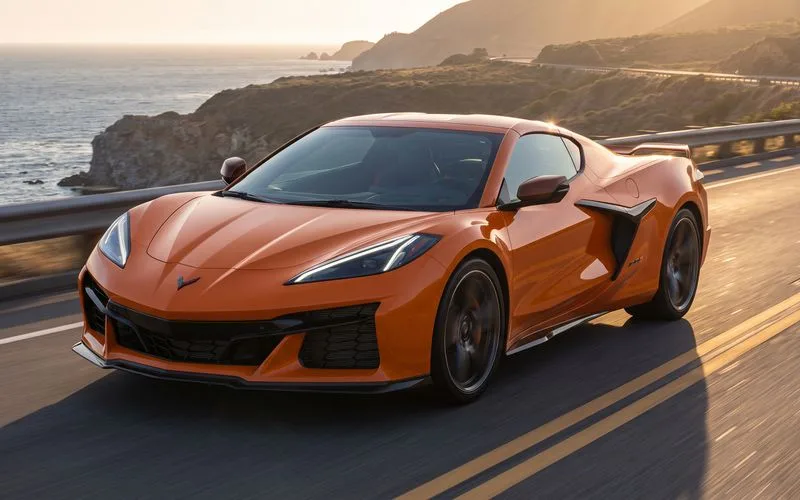 Chevrolet CorvetteSports CarBetter at: Value
It delivers more speed and more standard equipment for roughly $52,000 less, and costs about $4,000 less to service over five years.
Compare 2.01C
2.01C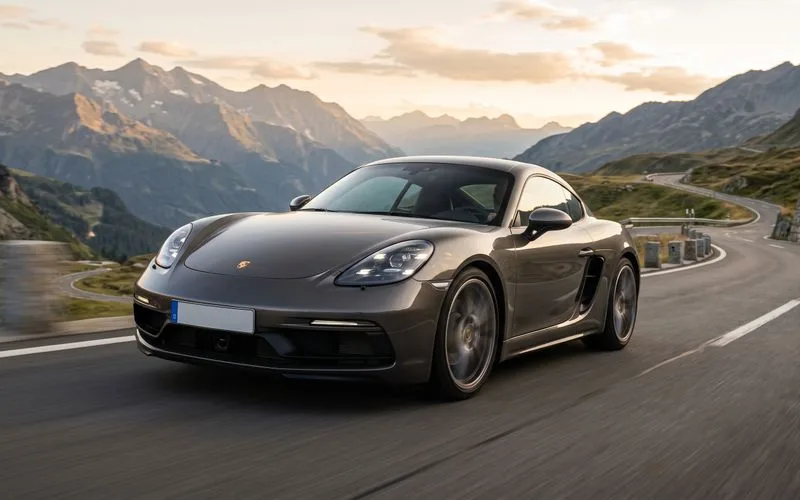 Porsche 718 CaymanSports CarBetter at: Price
The same Porsche driving quality and arguably better balance from a mid-engine layout, for meaningfully less money, if you can live without the 2+2.
Compare 2.77B-
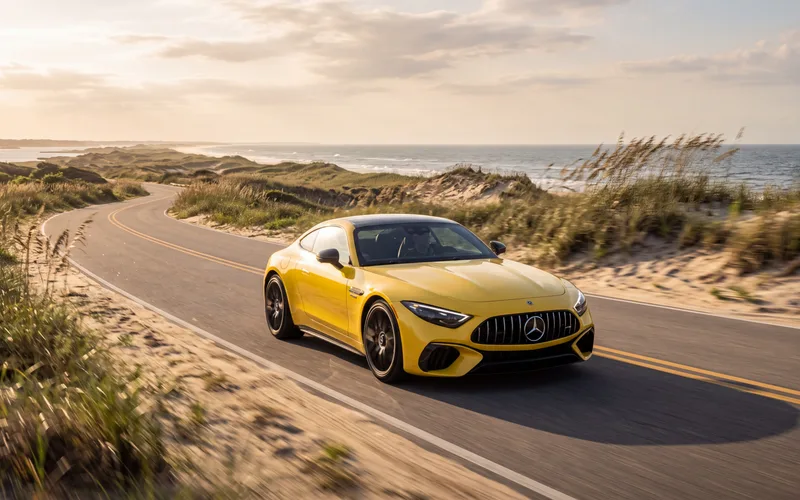 Mercedes-Benz AMG GTSports CarBetter at: Standard features
A plusher grand tourer that ships with the adaptive cruise, lane keeping and premium audio Porsche puts on the option list.
CompareHow it's evolved
10 scored model years · 2017–2026
Subject scores by year
Hover or tap a score to see what moved it versus the year before. A corner mark flags a big swing.
| Year | Performance | Efficiency | Safety | Space | Cost | Reliability | Tech | Use-case | Driving | Value |
|---|---|---|---|---|---|---|---|---|---|---|
| 2026 | 81 | 13 | 52 | 44 | 11 | 82 | 78 | 33 | 91 | 73 |
| 2025 | 80 | 11 | 55 | 44 | 11 | 77 | 74 | 34 | 89 | 74 |
| 2024 | 78 | 8 | 51 | 43 | 11 | 76 | 67 | 33 | 88 | 70 |
| 2023 | 78 | 8 | 50 | 43 | 11 | 72 | 67 | 34 | 88 | 71 |
| 2022 | 76 | 8 | 50 | 36 | 38 | 73 | 55 | 29 | 84 | 71 |
| 2021 | 71 | 8 | 49 | 37 | 61 | 77 | 50 | 30 | 84 | 67 |
| 2020 | 72 | 8 | 41 | 36 | 48 | 71 | 49 | 29 | 84 | 67 |
| 2019 | 81 | 31 | 37 | 36 | 41 | 79 | 42 | 31 | 84 | 62 |
| 2018 | 72 | 26 | 37 | 36 | 12 | 75 | 40 | 31 | 85 | 61 |
| 2017 | 78 | 21 | 24 | 37 | 60 | 71 | 32 | 27 | 80 | 65 |
Compare two years
Best fit & conditions
Higher scores mean a better fit for that use case. Learn more about use-case fit →
Subject profile
Academic Probation · NHTSA safety recalls
No NHTSA safety recall is on record for the 2026 Porsche 911. Other model years of the 911 have 26 — listed below.
26 recalls on other model years of the 911 (2017–2025)
Dec 19, 2025Back over prevention: sensing system: cameraThe rearview camera image may not display when the vehicle is placed in reverse. As such, these vehicles fail to comply with the requirements of Federal Motor Vehicle Safety Standard (FMVSS) number 111, "Rear Visibility."
Defect
Porsche Cars North America, Inc. (Porsche) is recalling certain 2019-2025 Cayenne, Cayenne E-Hybrid, 2020-2025 911, Taycan, 2024-2025 Panamera, and 2025 Panamera E-Hybrid vehicles. The rearview camera image may not display when the vehicle is placed in reverse. As such, these vehicles fail to comply with the requirements of Federal Motor Vehicle Safety Standard (FMVSS) number 111, "Rear Visibility."
Risk
A rearview image that does not display properly reduces the driver's view behind the vehicle, increasing the risk of a crash.
Remedy
Dealers will update the driver assistance software, free of charge. Owner notification letters were mailed February 13, 2026. Owners may contact Porsche customer service at 1-800-767-7243. Porsche's number for this recall is ASB2. Vehicle Identification Numbers (VINs) involved in this recall will be searchable on NHTSA.gov beginning January 19, 2026.
NHTSA campaign 25V896000 ↗Manufacturer no. ASB2172,107 vehicles potentially affected (all models in the campaign)Owners notified Feb 13, 2026Filed by Porsche Cars North America, Inc.Filed as 911Feb 12, 2025Exterior lighting: lighting control module: softwareA software error in the front-end electronics control module may result in the low beam headlights creating a glare for oncoming traffic. As such, these vehicles fail to comply with the requirements of Federal Motor Vehicle Safety Standard (FMVSS) number 108, "Lamps, Reflective Devices, and Associated Equipment."
Defect
Porsche Cars North America, Inc. (Porsche) is recalling certain 2025 911 vehicles. A software error in the front-end electronics control module may result in the low beam headlights creating a glare for oncoming traffic. As such, these vehicles fail to comply with the requirements of Federal Motor Vehicle Safety Standard (FMVSS) number 108, "Lamps, Reflective Devices, and Associated Equipment."
Risk
Excessive glare can decrease the visibility to oncoming drivers, increasing the risk of a crash.
Remedy
Dealers will update the front-end electronics control module software, free of charge. Owner notification letters were mailed April 1, 2025. Owners may contact Porsche customer service at 1-800-767-7243. Porsche's number for this recall is ASA1.
NHTSA campaign 25V079000 ↗Manufacturer no. ASA1878 vehicles potentially affected (all models in the campaign)Owners notified Apr 1, 2025Filed by Porsche Cars North America, Inc.Filed as 911Feb 12, 2025Seat belts: rear/other: buckle assemblyThe bolts for the rear seat belt buckles may not be tightened properly.
Defect
Porsche Cars North America, Inc. (Porsche) is recalling certain 2023 911 vehicles. The bolts for the rear seat belt buckles may not be tightened properly.
Risk
A loose seat belt buckle may not properly restrain an occupant during a crash, increasing the risk of injury.
Remedy
Dealers will inspect and tighten the rear seat belt buckle bolt, and reposition the aluminum butyl soundproofing mat as necessary, free of charge. Owner notification letters were mailed April 1, 2025. Owners may contact Porsche customer service at 1-800-767-7243. Porsche's number for this recall is ASA0.
NHTSA campaign 25V078000 ↗Manufacturer no. ASA0279 vehicles potentially affected (all models in the campaign)Owners notified Apr 1, 2025Filed by Porsche Cars North America, Inc.Filed as 911Oct 28, 2024Wheels: lugs/nuts/bolts/studsThe center lock wheel bolt may fracture and cause the wheel to detach.
Defect
Porsche Cars North America, Inc. (Porsche) is recalling certain 2025 Panamera, 2024 718 Cayman GT4 RS, 718 Spyder RS, and 2021-2024 911 vehicles. The center lock wheel bolt may fracture and cause the wheel to detach.
Risk
Wheel detachment can result in a loss of vehicle control, increasing the risk of a crash.
Remedy
Owners should not drive their vehicles until they have been repaired. Dealers will check the center lock wheel fastening system and replace any incorrectly manufactured parts, as necessary, free of charge. Owner notification letters were mailed on January 24, 2024. Owners may contact Porsche customer service at 1-800-767-7243. Porsche's number for this recall is ARC4.
NHTSA campaign 24V809000 ↗Manufacturer no. ARC42,251 vehicles potentially affected (all models in the campaign)Owners notified Jan 24, 2025Filed by Porsche Cars North America, Inc.Filed as 911Feb 28, 2024Visibility: glass, side/rear · Visibility: windshieldThe front windshield and rear window may not be properly secured and can detach.
Defect
Porsche Cars North America, Inc. (Porsche) is recalling certain 2020-2024 911 vehicles. The front windshield and rear window may not be properly secured and can detach.
Risk
During air bag deployment, an unsecured windshield may not support the front air bags as intended, increasing the risk of injury in a crash.
Remedy
Dealers will inspect and replace the windshield and rear window as necessary, free of charge. Owner notification letters were mailed on August 30, 2024. Owners may contact Porsche customer service at 1-800-767-7243. Porsche's number for this recall is ARA3.
NHTSA campaign 24V155000 ↗Manufacturer no. ARA38,101 vehicles potentially affected (all models in the campaign)Owners notified Aug 30, 2024Filed by Porsche Cars North America, Inc.Filed as 911Feb 20, 2024Seat belts: rear/other: retractorThe seat belt automatic locking retractor (ALR) may deactivate early, which can prevent the child restraint system from securing properly. As such, these vehicles fail to comply with the requirements of Federal Motor Vehicle Safety Standard number 208, "Occupant Crash Protection."
Defect
Porsche Cars North America, Inc. (Porsche) is recalling certain 2023 911 Carrera T, 911 Carrera 4 GTS, 911 Carrera GTS, 911 Turbo S, 911 Carrera 4 Cabriolet, 911 Carrera 4S Cabriolet, 911 Carrera S, 911 Turbo S Cabriolet, 911 Carrera 4, 911 Carrera 4 GTS Cabriolet, 911 Targa 4 GTS, 911 Carrera, 911 Carrera GTS Cabriolet, 911 Carrera 4S, 911 Targa 4S, 911 Turbo, and 911 Edition 50 Years Porsche Design vehicles. The seat belt automatic locking retractor (ALR) may deactivate early, which can prevent the child restraint system from securing properly. As such, these vehicles fail to comply with the requirements of Federal Motor Vehicle Safety Standard number 208, "Occupant Crash Protection."
Risk
An unsecured child restraint system can increase the risk of injury during a crash.
Remedy
Dealers will inspect and replace the rear three-point belts as necessary, free of charge. Owner notification letters were mailed April 11, 2024. Owners may contact Porsche customer service at 1-800-767-7243. Porsche's number for this recall is ARA2.
NHTSA campaign 24V123000 ↗Manufacturer no. ARA2910 vehicles potentially affected (all models in the campaign)Owners notified Apr 11, 2024Filed by Porsche Cars North America, Inc.Filed as 911 CARRERA, 911 CARRERA 4, 911 CARRERA 4 GTS, 911 CARRERA 4S, 911 CARRERA GTS, 911 CARRERA S, 911 CARRERA T, 911 TARGA 4S, 911 TURBO, 911 TURBO SOct 25, 2023Air bagsThe seat-mounted air bags may deploy unnecessarily during a crash.
Defect
Porsche Cars North America, Inc. (Porsche) is recalling certain 2021-2023 911 Turbo S, 2022 911 Turbo, 2022-2023 911 GT3 Touring, 911 GT3, 911 Carrera 4 GTS, 2022-2024 911 Carrera GTS, 2023 911 GT3 RS, 911 Dakar, and 2024 911 Carrera T vehicles equipped with optional full bucket seats. The seat-mounted air bags may deploy unnecessarily during a crash.
Risk
Air bags that deploy unnecessarily can increase the risk of injury.
Remedy
Dealers will reprogram the air bag control unit, free of charge. Owner notification letters were mailed December 11, 2023. Owners may contact Porsche's customer service at 1-800-767-7243. Porsche's number for this recall is APB3.
NHTSA campaign 23V715000 ↗Manufacturer no. APB32,923 vehicles potentially affected (all models in the campaign)Owners notified Dec 11, 2023Filed by Porsche Cars North America, Inc.Filed as 911 CARRERA 4 GTS, 911 CARRERA GTS, 911 CARRERA T, 911 DAKAR, 911 GT3, 911 GT3 RS, 911 TURBO, 911 TURBO SJun 26, 2023Exterior lighting: brake lightsA software error in the rear spoiler control unit may allow both the vehicle and spoiler center high-mounted brake lights to activate simultaneously when the rear spoiler is manually deployed at speeds below 56 MPH (90 km/h). As such, these vehicles fail to comply with the requirements of Federal Motor Vehicle Safety Standard number 108, "Lamps, Reflective Devices, and Associated Equipment."
Defect
Porsche Cars North America, Inc. (Porsche) is recalling certain 2022-2023 911 GT3 Touring vehicles. A software error in the rear spoiler control unit may allow both the vehicle and spoiler center high-mounted brake lights to activate simultaneously when the rear spoiler is manually deployed at speeds below 56 MPH (90 km/h). As such, these vehicles fail to comply with the requirements of Federal Motor Vehicle Safety Standard number 108, "Lamps, Reflective Devices, and Associated Equipment."
Risk
Simultaneous activation of both center high-mounted brake lights may cause confusion for other drivers, increasing the risk of a crash.
Remedy
Dealers will reprogram the rear spoiler control unit, free of charge. Owner notification letters are expected to be mailed August 24, 2023. Owners may contact Porsche customer service at 1-800-767-7243. Porsche's number for this recall is APA8.
NHTSA campaign 23V446000 ↗Manufacturer no. APA8700 vehicles potentially affected (all models in the campaign)Owners notified Aug 14, 2023Filed by Porsche Cars North America, Inc.Filed as 911 GT3May 3, 2023Structure: bodyDue to a process error in the car body production line, various welds may be missing from the vehicle body.
Defect
Porsche Cars North America, Inc. (Porsche) is recalling certain 2020 911 Carrera S, 2021 Taycan Turbo, and 2022 911 Carrera vehicles. Due to a process error in the car body production line, various welds may be missing from the vehicle body.
Risk
In the event of a crash, incomplete body welding may not provide adequate protection to occupants, increasing the risk of injury.
Remedy
Dealers will inspect and repair the welds, as necessary, free of charge. Owner notification letters are expected to be mailed June 30, 2023. Owners may contact Porsche's customer service at 1-800-767-7243. Porsche's number for this recall is APA4.
NHTSA campaign 23V313000 ↗Manufacturer no. APA43 vehicles potentially affected (all models in the campaign)Owners notified Jun 27, 2023Filed by Porsche Cars North America, Inc.Filed as 911 CARRERA, 911 CARRERA SDec 6, 2022Air bags: frontal · Structure: interior panels: dashboardIn the event of a crash with passenger air bag deployment, the dashboard console may break, causing the air bag to deploy improperly.
Defect
Porsche Cars North America, Inc. (Porsche) is recalling certain 2022-2023 911 vehicles. In the event of a crash with passenger air bag deployment, the dashboard console may break, causing the air bag to deploy improperly.
Risk
An improper air bag deployment increases the risk of injury in a crash.
Remedy
Dealers will replace the dashboard, free of charge. Owner notification letters were mailed June 14, 2023. Owners may contact Porsche's customer service at 1-800-767-7243. Porsche's number for this recall is ANB7.
NHTSA campaign 22V897000 ↗Manufacturer no. ANB753 vehicles potentially affected (all models in the campaign)Owners notified Jun 14, 2023Filed by Porsche Cars North America, Inc.Filed as 911Oct 25, 2022Seat belts: front: anchorage · SeatsThe screw that attaches the lower seat belt anchor to the seat frame may not have been tightened properly.
Defect
Porsche Cars North America, Inc. (Porsche) is recalling certain 2022 911 GT3 vehicles. The screw that attaches the lower seat belt anchor to the seat frame may not have been tightened properly.
Risk
An improperly tightened seat belt anchor can detach during a crash, increasing the risk of injury.
Remedy
Dealers will replace and tighten the screws. If the screw threads are damaged, the seat frame will also be replaced. Repairs will be performed free of charge. Owner notification letters are expected to be mailed December 23, 2022. Owners may contact Porsche's customer service at 1-800-767-7243. Porsche's number for this recall is ANB6.
NHTSA campaign 22V803000 ↗Manufacturer no. ANB615 vehicles potentially affected (all models in the campaign)Owners notified Dec 22, 2022Filed by Porsche Cars North America, Inc.Filed as 911 GT3Sep 8, 2021Service brakes, hydraulic: critical fasteners · Service brakes, hydraulic: foundation componentsThe pressure input rod connection on the brake booster may be loose and could detach.
Defect
Porsche Cars North America, Inc. (Porsche) is recalling certain 2020-2021 911 Carrera and Taycan vehicles. The pressure input rod connection on the brake booster may be loose and could detach.
Risk
A detached pressure input rod will cause the brake pedal to fail, increasing the risk of a crash.
Remedy
Dealers will repair or replace the brake booster as necessary, free of charge. Owner notification letters were mailed October 28, 2021. Owners may contact Porsche customer service at 1-800-767-7243. Porsche's number for this recall is AMB9.
NHTSA campaign 21V697000 ↗Manufacturer no. AMB911 vehicles potentially affected (all models in the campaign)Owners notified Oct 28, 2021Filed by Porsche Cars North America, Inc.Filed as 911 CARRERAAug 4, 2021Seat belts · Seat belts: front: retractor · Seat belts: rear/other: retractorThe seat belt automatic locking retractors may deactivate early, which can prevent the child restraint system from securing properly. As such, these vehicles fail to comply with the requirements of Federal Motor Vehicle Safety Standard number 208, "Occupant Crash Protection."
Defect
Porsche Cars North America, Inc. (Porsche) is recalling certain 2021 911 Carrera Coupe, 911 Carrera S Coupe, 911 Carrera 4 Coupe, 911 Carrera 4S Coupe, 911 Turbo Coupe, 911 Turbo S Coupe, Panamera, Panamera 4 E-Hybrid, Panamera 4S, Panamera GTS, Panamera Turbo S, Taycan, Taycan 4S, Taycan Turbo, and Taycan Turbo S vehicles. The seat belt automatic locking retractors may deactivate early, which can prevent the child restraint system from securing properly. As such, these vehicles fail to comply with the requirements of Federal Motor Vehicle Safety Standard number 208, "Occupant Crash Protection."
Risk
An unsecured child restraint system can increase the risk of injury during a crash.
Remedy
Dealers will inspect and replace the seat belt assemblies, as necessary, free of charge. Owner notification letters were mailed October 1, 2021. Owners may contact Porsche customer service at 1-800-767-7243. Porsche's number for this recall is AMB6.
NHTSA campaign 21V608000 ↗Manufacturer no. AMB64,924 vehicles potentially affected (all models in the campaign)Owners notified Oct 1, 2021Filed by Porsche Cars North America, Inc.Filed as 911Jun 23, 2021Air bags: sensor: occupant classification: front passenger · SeatsIncorrect passenger seat was installed and may cause a Occupant Classification System (OCS) malfunction.
Defect
Porsche Cars North America, Inc. (Porsche) is recalling certain 2021 911 Turbo Coupe, 911 Turbo S Coupe, 911 Carrera 4S Targa, 911 Carrera 4S Cabriolet, 911 Turbo S Cabriolet, and 911 Turbo Cabriolet vehicles. Incorrect passenger seat was installed and may cause a Occupant Classification System (OCS) malfunction.
Risk
An OCS malfunction may affect the front passenger air bag, increasing the risk of injury.
Remedy
Dealers will install the correct seat, free of charge. Owner notification letters were mailed November 16, 2021. Owners may contact Porsche customer service at 1-800-767-7243. Porsche's number for this recall is AMB3.
NHTSA campaign 21V467000 ↗Manufacturer no. AMB3149 vehicles potentially affected (all models in the campaign)Owners notified Nov 16, 2021Filed by Porsche Cars North America, Inc.Filed as 911Mar 24, 2021Suspension: rearThe screw connection on the rear axle upper control arm may be loose.
Defect
Porsche Cars North America, Inc. (Porsche) is recalling certain 2019 Porsche 911 Speedster, 2020 Porsche 911 Carrera S Coupe, Carrera 4S Coupe, and Carrera S Cabriolet vehicles. The screw connection on the rear axle upper control arm may be loose.
Risk
A loose connection may fail, causing driving instability and increasing the risk of a crash.
Remedy
Porsche will notify owners, and dealers will rework and tighten the screw connection on the rear axle upper control arm, free of charge. Owner notification letters were mailed May 21, 2021. Owners may contact Porsche customer service at 1-800-767-7243. Porsche's number for this recall is AMA6.
NHTSA campaign 21V201000 ↗Manufacturer no. AMA67 vehicles potentially affected (all models in the campaign)Owners notified May 21, 2021Filed by Porsche Cars North America, Inc.Filed as 911, 911 CARRERAMar 10, 2021Suspension · Suspension: critical fastenersCertain suspension components may not have been tightened correctly and can loosen.
Defect
Porsche Cars North America, Inc. (Porsche) is recalling certain 2021 Porsche Taycan Turbo, Taycan Turbo S, Taycan, Taycan 4S, 911 Turbo S Coupe, Cayman, Cayman T, Cayman S, Cayman GT4, 911 Carrera Coupe, 911 Carrera S Coupe, 911 Carrera 4S Coupe, 911 Carrera 4S Targa, 911 Carrera Cabriolet, 911 Carrera S Cabriolet, 911 Carrera 4S Targa Heritage Design Edition, 911 Carrera 4S Cabriolet, 911 Turbo Coupe, 911 Turbo Cabriolet, 911 Turbo S Cabriolet, 718 Spyder, and Boxster vehicles. Certain suspension components may not have been tightened correctly and can loosen.
Risk
Loose suspension components may detach, causing a sudden loss of vehicle stability and control, and increasing the risk of a crash.
Remedy
Dealers will replace the affected suspension nuts and bolts. Dealers will also inspect surrounding components for damage, and replace any damaged parts as necessary. Repairs will be performed free of charge. Owner notification letters were mailed May 7, 2021. Owners may contact Porsche customer service at 1-800-767-7243. Porsche's number for this recall is AMA3.
NHTSA campaign 21V157000 ↗Manufacturer no. AMA3396 vehicles potentially affected (all models in the campaign)Owners notified May 7, 2021Filed by Porsche Cars North America, Inc.Filed as 911Jul 1, 2020Power train: driveline: differential unitThe front axle differential bracket may not have been tightened correctly. If it comes loose, the differential could potentially cause damage to surrounding components.
Defect
Porsche Cars North America, Inc. (Porsche) is recalling certain 2020 Porsche 911 Carrera 4S Coupe vehicles. The front axle differential bracket may not have been tightened correctly. If it comes loose, the differential could potentially cause damage to surrounding components.
Risk
Components such as the fuel tank or drive shafts may become damaged from the loose differential. Damage to the fuel tank can result in fuel leakage, which in the presence of an ignition source may increase the risk of a fire.
Remedy
Porsche will notify owners, and dealers will remove the front axle differential to check the screw threads, and to inspect surrounding components for any consequential damage. Depending on the inspection result, the front axle differential will be reinstalled or replaced using new screw joints torqued to the required specification. All work will be performed free of charge. The recall began August 20, 2020. Owners may contact Porsche customer service at 1-800-767-7243. Porsche's number for this recall is ALA8.
NHTSA campaign 20V381000 ↗Manufacturer no. ALA814 vehicles potentially affected (all models in the campaign)Owners notified Aug 20, 2020Filed by Porsche Cars North America, Inc.Filed as 911 CARRERADec 11, 2019Exterior lighting: hazard flashing warning lightsDue to a software error, the hazard warning lights may not function when activated by an operator. As such, these vehicles fail to comply with the requirements of Federal Motor Vehicle Safety Standard (FMVSS) number 108, "Lamps, Reflective Devices, and Associated Equipment."
Defect
Porsche Cars North America, Inc. (Porsche) is recalling certain 2020 911 Carrera S Coupe, Cabrio, Coupe, 4 Coupe, 4S Coupe, 4 Cabrio, 4S Cabrio, and S Cabrio vehicles. Due to a software error, the hazard warning lights may not function when activated by an operator. As such, these vehicles fail to comply with the requirements of Federal Motor Vehicle Safety Standard (FMVSS) number 108, "Lamps, Reflective Devices, and Associated Equipment."
Risk
If the hazard warning lights cannot be activated, there is an increased risk of a crash in a hazard situation.
Remedy
Porsche will notify owners, and dealers will reprogram the control unit, free of charge. The recall began February 7, 2020. Owners may contact Porsche customer service at 1-800-767-7243. Porsche's number for this recall is AKC1.
NHTSA campaign 19V878000 ↗Manufacturer no. AKC11,928 vehicles potentially affected (all models in the campaign)Owners notified Feb 7, 2020Filed by Porsche Cars North America, Inc.Filed as 911 CARRERADec 11, 2019Child seat · Equipment: other: owners/service/other manualThe Child Restraint System (CRS) instructions within the Owner's Manual may not provide enough specificity for proper installation. As such, these vehicles fail to comply with the requirements of Federal Motor Vehicle Safety Standard (FMVSS) number 225, "Child Restraint Anchorage Systems."
Defect
Porsche Cars North America, Inc. (Porsche) is recalling certain 2014 Cayman and Cayman S, 2014-2016 911 GT3, 2016 911 GT3 RS and 911 R, 2018 911 GT3 and 911 GT2 RS and 2019 911 GT3 RS, 911 GT3, and 911 GT2 RS vehicles. The Child Restraint System (CRS) instructions within the Owner's Manual may not provide enough specificity for proper installation. As such, these vehicles fail to comply with the requirements of Federal Motor Vehicle Safety Standard (FMVSS) number 225, "Child Restraint Anchorage Systems."
Risk
Improper CRS installation increases the risk of an injury to the occupant in the event of a crash.
Remedy
Porsche will notify owners, and dealers will provide a an Owner's Manual supplement with proper CRS installation instructions, free of charge. The recall began February 7, 2020. Owners may contact Porsche customer service at 1-800-767-7243. Porsche's number for this recall is AKC0.
NHTSA campaign 19V875000 ↗Manufacturer no. AKC015,501 vehicles potentially affected (all models in the campaign)Owners notified Feb 7, 2020Filed by Porsche Cars North America, Inc.Filed as 911 GT2 RS, 911 GT3, 911 GT3 RSJul 17, 2019Air bags: air bag/restraint control moduleThe air bag Electronic Control Unit (ECU) may have a defective power supply capacitor that can result in air bag deactivation or inadvertent deployment of the air bags.
Defect
Porsche Cars North America, Inc. (Porsche) is recalling certain 2016-2017 911 and Boxster, 2016 Cayman and Panamera vehicles. The air bag Electronic Control Unit (ECU) may have a defective power supply capacitor that can result in air bag deactivation or inadvertent deployment of the air bags.
Risk
Deactivated air bags increase the risk of injury. Inadvertent deployment of the air bags increase the risk of a crash.
Remedy
Porsche will notify owners, and dealers will install new software and replace the air bag ECU as necessary, free of charge. Interim notices informing owners of the safety risk were mailed September 13, 2019. Owners received a second notice and the recall began February 12, 2020. Owners may contact Porsche customer service at 1-800-767-7243. Porsche's number for this recall is AKB4.
NHTSA campaign 19V533000 ↗Manufacturer no. AKB47,517 vehicles potentially affected (all models in the campaign)Owners notified Feb 12, 2020Filed by Porsche Cars North America, Inc.Filed as 911Jun 12, 2019Power train: axle assembly: axle shaft · Power train: axle hubsThe bolts connecting the driveshaft to the wheel hub may not have been properly tightened.
Defect
Porsche Cars North America, Inc. (Porsche) is recalling certain 2019 911 GT2 RS and 2020 911 Carrera S Coupe vehicles. The bolts connecting the driveshaft to the wheel hub may not have been properly tightened.
Risk
If the driveshaft disconnects from the wheel hub, it can increase the risk of crash.
Remedy
Porsche will notify owners, and dealers will properly tighten the driveshaft connection to the wheel hub, free of charge. The recall began August 9, 2019. Owners may contact Porsche customer service at 1-800-767-7243. Porsche's number for this recall is AKB2.
NHTSA campaign 19V445000 ↗Manufacturer no. AKB23 vehicles potentially affected (all models in the campaign)Owners notified Aug 9, 2019Filed by Porsche Cars North America, Inc.Filed as 911 CARRERA, 911 GT2Mar 6, 2019Air bagsThe side air bag impact sensors may not have been properly tightened to the vehicle.
Defect
Porsche Cars North America, Inc. (Porsche) is recalling certain 2018 718 Boxster, Boxster S and Boxster GTS, 718 Cayman, Cayman S and Cayman GTS, 911 Carrera, Carrera T, Targa 4 GTS, Carrera 4, Carrera S, Carrera 4S, Carrera GTS, Carrera 4 GTS, Carrera Cabriolet, Carrera S Cabriolet, Carrera 4S Cabriolet, Carrera GTS Cabriolet, Carrera 4 GTS Cabriolet, Targa 4, Targa 4S, Turbo, Turbo S, Turbo S Exclusive Series, Turbo Cabriolet, Turbo S Cabriolet and GT3 vehicles. The side air bag impact sensors may not have been properly tightened to the vehicle.
Risk
In the event of a crash, the air bags may not deploy, increasing the risk of injury.
Remedy
Porsche will notify owners, and dealers will tighten the air bag sensors, as necessary, free of charge. The recall began May 17, 2019. Owners may contact Porsche customer service at 1-800-767-7243. Porsche's number for this recall is AKA4.
NHTSA campaign 19V179000 ↗Manufacturer no. AKA4417 vehicles potentially affected (all models in the campaign)Owners notified May 17, 2019Filed by Porsche Cars North America, Inc.Filed as 911Mar 2, 2017Visibility: windshieldDuring manufacturing, the windshield may not have been properly bonded to the vehicle, allowing it to detach in a crash. As such, these vehicles fail to comply with the requirements of Federal Motor Vehicle Safety Standard (FMVSS) number 212, "Windshield Mounting."
Defect
Porsche Cars North America, Inc. (Porsche) is recalling certain 2017 911 Carrera Cabriolet, 911 Carrera 4 Cabriolet, 911 Carrera 4S Cabriolet, 911 Carrera S Cabriolet, 911 Targa S, 911 Targa 4S, 911 Turbo Cabriolet, 718 Boxter and 718 Boxter S vehicles. During manufacturing, the windshield may not have been properly bonded to the vehicle, allowing it to detach in a crash. As such, these vehicles fail to comply with the requirements of Federal Motor Vehicle Safety Standard (FMVSS) number 212, "Windshield Mounting."
Risk
In the event of a crash, if the windshield separates from the vehicle, it can increase the risk of injury.
Remedy
Porsche will notify owners, and dealers will rebond the windshield, free of charge. The recall began on May 12, 2016. Owners may contact Porsche customer service at 1-800-767-7243. Porsche's number for the recall is AH04.
NHTSA campaign 17V135000 ↗Manufacturer no. AH0421 vehicles potentially affected (all models in the campaign)Owners notified May 12, 2017Filed by Porsche Cars North America, Inc.Filed as 911Mar 2, 2017Air bags: frontal: passenger side: inflator moduleThe passenger frontal air bag inflator initiator may fail to ignite during a crash.
Defect
Porsche Cars North America, Inc. (Porsche) is recalling certain 2016 911 GT3 RS and 911 R vehicles and 2017 911 Carrera, 911 Carrera Cabriolet, 911 Carrera 4, 911 Carrera 4S, 911 Carrera 4S Cabriolet, 911 Carrera S, 911 Carrera S Cabriolet, 911 Targa 4, 911 Targa 4S, 911 Turbo S, 911 Turbo S Cabriolet, 718 Boxster, 718 Boxster S, 718 Cayman and 718 Cayman S vehicles. The passenger frontal air bag inflator initiator may fail to ignite during a crash.
Risk
If the air bag inflator initiator fails to ignite, the passenger frontal air bag will not deploy, increasing the risk of injury in the event of a crash.
Remedy
Porsche will notify owners, and dealers will replace the affected air bags, free of charge. The recall began May 15, 2017. Owners may contact Porsche customer service at 1-800-767-7243. Porsche's number for this recall is AH03.
NHTSA campaign 17V134000 ↗Manufacturer no. AH03120 vehicles potentially affected (all models in the campaign)Owners notified May 15, 2017Filed by Porsche Cars North America, Inc.Filed as 911 CARRERA, 911 TARGA 4Jan 25, 2017Fuel system, gasoline: delivery: hoses, lines/piping, and fittingsThe screws that fasten the fuel collection pipes in the engine compartment may shear off, resulting in a fuel leak.
Defect
Porsche Cars North America, Inc. (Porsche) is recalling certain 2017 911 Carrera, 911 Carrera S, 911 Carrera 4, 911 Carrera 4S, 911 Targa 4, 911 Targa 4S + GTS, 911 Carrera Cabriolet, 911 Carrera S Cabriolet, 911 Carrera 4 Cabriolet, 911 Carrera 4S Cabriolet, 718 Boxster, 718 Boxster S, 718 Cayman, and 718 Cayman S vehicles. The screws that fasten the fuel collection pipes in the engine compartment may shear off, resulting in a fuel leak.
Risk
A fuel leak in the presence of an ignition source increases the risk of a fire.
Remedy
Porsche will notify owners, and dealers will install improved fastening screws, free of charge. The recall began March 27, 2017. Owners may contact Porsche customer service at 1-800-767-7243. Porsche's number for this recall is AH01.
NHTSA campaign 17V054000 ↗Manufacturer no. AH014,090 vehicles potentially affected (all models in the campaign)Owners notified Mar 27, 2017Filed by Porsche Cars North America, Inc.Filed as 911 CARRERA, 911 TARGA 4Dec 30, 2016Air bags: side/windowThe seat mounted side air bag inflator initiator may fail to ignite during a crash.
Defect
Porsche Cars North America, Inc. (Porsche) is recalling certain model year 2017 718 Boxster, 718 Boxster S, 718 Cayman, 718 Cayman S, 911 Carrera, 911 Carrera S, 911 Carrera S Cabriolet, 911 Carrera 4S, 911 Turbo, 911 Turbo S, 911 Carrera 4S Cabriolet, and 911 Turbo Cabriolet vehicles. The seat mounted side air bag inflator initiator may fail to ignite during a crash.
Risk
If the air bag inflator initiator fails to ignite, the side air bag will not deploy, increasing the risk of injury in the event of a crash.
Remedy
Porsche will notify owners, and dealers will replace the affected air bag modules, free of charge. The recall began April 2017. Owners may contact Porsche customer service at 1-800-767-7243. Porsche's number for this recall is AG10.
NHTSA campaign 16V946000 ↗Manufacturer no. AG1085 vehicles potentially affected (all models in the campaign)Owners notified Mar 27, 2017Filed by Porsche Cars North America, Inc.Filed as 911
Source: NHTSA Office of Defects Investigation recall database, model years 2017–2026. Recalls are listed by model year as the manufacturer filed them; whether a specific car is affected depends on its VIN — check a VIN at nhtsa.gov ↗. NHTSA model names matched to this page: 911, 911 CARRERA, 911 CARRERA 4, 911 CARRERA 4 GTS, 911 CARRERA 4S, 911 CARRERA GTS, 911 CARRERA S, 911 CARRERA T, 911 DAKAR, 911 GT2, 911 GT2 RS, 911 GT3, 911 GT3 RS, 911 TARGA 4, 911 TARGA 4S, 911 TURBO, 911 TURBO S.
Detailed scoring by subject
1Performance & PowertrainOne of the 911's strongest categories.3.48B+
The volume Carrera coupe carries the 992.2 3.0L twin-turbo flat-six at 388 hp, unchanged for 2026 — a modest number against a 495 hp base Corvette or a 577 hp AMG GT, which is what pulls this item into the mid-60s despite the range topping out near 700 hp. The 911's case has never rested on peak output at the entry point; the lineup buys power in steps rather than handing it all to the base car.
The base Carrera's 331 lb-ft sits mid-band for a coupe — well short of the pushrod-V8 torque the American sports cars trade on, though the turbo flat-six delivers it across a broad plateau from roughly 2,000 rpm rather than in a single spike. The GTS T-Hybrid's electric exhaust-gas turbocharger is what actually transforms this trait higher up the range, filling in the bottom end the base car has to build toward.
Porsche quotes 3.9 seconds to 60 mph for the Sport Chrono-equipped Carrera, and the figure is famously conservative — instrumented tests of recent base 911s have landed in the low 3s, so the real-world number is likely better than what is scored here. Launch repeatability is the 911's structural advantage: rear weight bias plus PDK means the quoted time is available on demand rather than once with a cold clutch.
The twin-turbo flat-six is among the most immediate forced-induction engines sold — throttle response is close to naturally aspirated, lag is minimal, and delivery stays linear all the way to the cutoff rather than dumping boost in a lump. Held below the mid-90s only because the base Carrera is genuinely soft below about 2,000 rpm compared with a big-displacement V8, and because the naturally aspirated GT3 sitting in the same showroom is the sharper reference point.
The 8-speed PDK is the benchmark other dual-clutch gearboxes are measured against — imperceptibly fast shifts, gear logic that picks correctly without hunting, and, unusually for a DCT, genuinely smooth low-speed and creep behavior where rivals shunt. Porsche also still sells a 7-speed manual in the Carrera T and a 6-speed in the GT3 and GT3 Touring, so the driver actually gets a choice; the small deduction is that the manual is unavailable on the volume Carrera and Carrera S.
All-wheel drive runs through most of the range as the "4" models — Carrera 4, 4S and 4 GTS — is standard on Turbo and Turbo S, and is the only configuration offered on the Targa, so a buyer can have it at nearly any price point rather than only at the top. Porsche Traction Management's electronically controlled multi-plate front clutch is a sophisticated, genuinely rear-biased system rather than a safety net; the item stops short of the 90s because the volume Carrera is rear-drive and AWD is a paid step up, and because none of the off-road hardware the top band describes is relevant here.
Four genuinely distinct engine families are on sale under one nameplate for 2026 — the 3.0L twin-turbo flat-six in two states of tune, the naturally aspirated 4.0L GT3 engine, the 3.6L T-Hybrid in the GTS, and the T-Hybrid Turbo S — layered over a real transmission choice between PDK and two different manuals. The T-Hybrid clears the framework's bar of including an electrified option, but the electrification is purely performance-motivated: there is no plug-in, no EV variant, and nothing in the range aimed at efficiency, which is what keeps this out of the top few points.
2Efficiency & RangeOne of the 911's weakest categories.0.00F
The volume 992.2 Carrera's 3.0L twin-turbo flat-six with the 8-speed PDK returns roughly 21 MPG combined — strong for a 388-hp sports car but still below the 22 MPG floor of the coupe normalization band, so it scores 0. Replaces a placeholder that assumed 58.1 MPG.
18 MPG city for the base Carrera sits below the coupe band floor of 20 MPG, scoring 0 — though it is materially better than the V8 sports-car peers (Corvette Stingray 16, AMG GT 55 15).
25 MPG highway is respectable for the class — the tall eighth PDK ratio makes the 911 a genuine long-distance cruiser — but it falls just under the 26 MPG coupe band floor and scores 0.
Derived from the standard 16.9-gallon tank at 21 MPG combined. The optional 23.7-gallon (90 L) tank pushes real touring range close to 500 miles, but the volume configuration is the standard tank.
Derived rather than read off an EPA label: 15,000 mi ÷ 21 MPG ≈ 714 gal × ~$4.30/gal premium ≈ $3,050. That is above the $2,800 ceiling of the coupe band, so it scores 0 — though it is cheaper to fuel than the Corvette (~$3,450) or AMG GT (~$3,700).
Premium unleaded is required across the entire 911 range (Porsche specifies 98 RON / 93 AKI for rated output, 91 AKI minimum), with no flex-fuel, diesel or plug-in option to soften the running cost. In line with the premium-required sports and GT coupes: Corvette 22, AMG GT 25, 8 Series 25.
3SafetyGrades below the middle of the scale.1.50D
NHTSA has never published an NCAP overall star rating for the 992-generation 911, and 2026 is no exception — a low-volume six-figure sports car falls outside routine NCAP vehicle selection. Estimated at the segment-typical 4 stars from the 992's mixed aluminum-steel bodyshell and full airbag complement, but there is no tested figure behind it. Re-score: replaces a placeholder 4.9 stars that implied crash-test data the 911 does not have.
IIHS has not crash-tested the 992-generation 911, so there is no Top Safety Pick or TSP+ award and not one individual Good crashworthiness result on record. Untested with no known structural deficiency — and with Porsche's multi-material bodyshell and POSIP thorax/head airbag system behind it — earns the middle of the no-award band rather than the untested-with-concerns floor, a notch above the American sports cars on the strength of the engineering record.
Porsche sells driver assistance à la carte and the 911 is the purest expression of it: Warn and Brake Assist (forward collision warning with automatic braking and pedestrian detection) is standard on the volume Carrera, but Lane Change Assist (blind-spot monitoring), Lane Keeping Assist with Traffic Sign Recognition and Adaptive Cruise Control all remain individually priced options. A well-optioned 911 has a competitive suite; the car as it leaves the standard configuration does not, and that is what this item scores. Well behind the AMG GT (72) and Lexus LC (83), where the equivalent content is standard.
Warn and Brake Assist is a current-generation radar-and-camera system with pedestrian detection and a two-stage warning, standard across the range, but IIHS has never run front crash prevention testing on the 911 in either the vehicle-to-vehicle or the pedestrian protocol, so there is no Superior/Advanced rating and no nighttime pedestrian result to point to. Scored on the generation and completeness of the hardware rather than on measured performance.
Blind-spot coverage on the 911 is Lane Change Assist — a radar-based, alert-only mirror warning that is an extra-cost option rather than standard equipment — and rear cross-traffic alert does not appear on the 911's option list at all, unlike the Cayenne and Panamera. Optional alert-only monitoring with no cross-traffic function puts this at the top of the bottom band, just under the GR Supra (45), whose blind-spot monitoring is likewise optional.
Lane Keeping Assist with Traffic Sign Recognition is optional on the 911 and, when fitted, is a departure-warning-and-nudge system — there is no true lane centering on the car, by design. Porsche keeps the 911's steering free of sustained electronic input, defensible as a driving-purity decision and still near the bottom of the segment on capability. Ahead of the Corvette's near-absent provision (5), well short of the AMG GT's standard Active Lane Keeping Assist (70).
When specified, the 911's Adaptive Cruise Control is a full-speed-range radar system with stop-and-go on PDK cars, and the pricier Porsche InnoDrive layer adds route-predictive speed adjustment for corners and limits that reviewers rate among the better implementations of the idea. Both are extra-cost, neither combines with centering into a genuine highway assist, and the volume car leaves the showroom on plain cruise control — so a capable-but-optional system lands mid-band rather than higher.
Porsche offers no hands-free highway driving system on any 911, in 2026 or previously — there is no BlueCruise or Super Cruise equivalent for this car anywhere in the Porsche range, and nothing in the 992.2 update introduced one. Floor of the band, matching the other sports cars in the segment.
The 992.2 update made Matrix Design LED headlights with Porsche Dynamic Light System Plus standard rather than optional — auto high beam with selective segment masking on every 2026 911 — with a far higher-resolution HD Matrix system available above it. IIHS has never rated 911 headlights, so this rests on the hardware tier and consistently strong reviewer commentary about night reach rather than on a Good rating.
Forward and three-quarter visibility is the best in this segment and always has been: a low cowl, genuinely slim A-pillars and the crowns of both front fenders in view make the 911 easy to place on a road in a way mid-engine and long-hood rivals are not. The penalty is rearward — thick C-pillars, shallow rear glass and a rear deck you cannot see over — partly offset by a standard reversing camera and optional Surround View. Best of the sports cars scored here, short of a genuinely airy cabin.
The 911 coupe's 2+2 layout gives it something the Corvette and GR Supra cannot offer — rear ISOFIX/LATCH anchor points, plus a front-passenger child-seat provision with airbag deactivation — but the execution is close to the practical floor. There are no rear doors, the rear seatbacks are upright and shallow, and a rear-facing seat effectively requires the front passenger seat pushed most of the way forward. Workable for occasional short trips with one small child, not for daily car-seat duty; scored just below the Lexus LC (28), whose 2+2 is the roomier of the two.
4Space & ComfortGrades near the bottom of the scale.0.90F
The 992.2 Carrera coupe remains a 2+2, the minimum of the coupe band, so seating clamps to the floor. Real scoring replaces placeholder data.
Published 992 Carrera coupe front headroom sits mid-band for coupes — adequate for tall drivers thanks to the low seat mounting, but not generous. Real scoring replaces placeholder data.
Front legroom is above the coupe band midpoint — the long footwell and wide seat travel are a big part of why the 911 works as a daily driver. Real scoring replaces placeholder data.
Porsche does not publish 992 rear-seat dimensions; the sloping roofline puts rear headroom well below the 35 in coupe band floor, so the item clamps to zero. Real scoring replaces placeholder data.
The rear bench is a short-hop or child-seat perch rather than real seating; estimated legroom is far below the 32 in coupe band floor. Real scoring replaces placeholder data.
The rear-engine layout leaves only a 132-litre frunk, well under the 10 cu ft coupe band floor, so cargo scores zero even though folded rear seatbacks add usable space. Real scoring replaces placeholder data.
Small door pockets, a shallow console bin and fiddly pop-out dash cupholders are offset by the fold-down rear seatbacks, which turn the 2+2 into a genuinely useful weekend-luggage shelf — better real-world packaging than mid-engine rivals. Real scoring replaces placeholder data.
Front seats are a long-haul benchmark for the segment — firm, well-shaped cushioning with a deep adjustment range — but the token rear bench keeps the item out of the top band. Real scoring replaces placeholder data.
PASM adaptive damping is standard and the 911 is the reference point for a sports car that stays composed over broken pavement while holding flat body control — the main reason it works every day. Real scoring replaces placeholder data.
Wind isolation is strong and the cabin is calm enough for long highway stints, but wide staggered summer tires generate real road roar and the rear-mounted flat-six is always audible. Real scoring replaces placeholder data.
Two-zone automatic climate control is standard and the option book is deep, but heated seats, ventilated seats and a heated wheel are all extra-cost, there is no rear climate zone, and the gas 911 has no remote pre-conditioning. Real scoring replaces placeholder data.
5Cost of OwnershipThe 911's lowest-graded category.0.00F
The entry 992.2 Carrera coupe opens around $122K before destination, roughly $124–125K as delivered — more than double the top of the coupe pricing band, so this item bottoms out. Even the cheapest way into a 911 costs about what a loaded Corvette Z06 does.
The Carrera S is the historical US volume 911, opening near $148K as delivered, and Porsche's a-la-carte option structure means almost no 911 leaves a dealer at sticker — PCCB, PASM Sport, Sport Chrono, Burmester audio and paint-to-sample each add thousands.
Porsche dealer service runs roughly $800–$1,500 a visit on an annual/10,000-mile interval, and wear items are supercar-priced — staggered performance tires and rotors dominate the bill. The 911 is genuinely reliable for the class, which keeps unscheduled repair spend below the AMG-tier norm, but it still lands past the top of the coupe band.
This is the 911's single redeeming ownership-cost trait and the reason the category doesn't collapse: it is perennially the slowest-depreciating car sold in America, losing roughly a third of its value over five years against a 40%+ all-vehicle average. Allocation-constrained GT3 and special-edition cars frequently retain over 90%.
Porsche's New Vehicle Limited Warranty is 4 years / 50,000 miles, matching the German luxury norm (BMW, Mercedes-Benz) and Lexus, and beating the 3/36 that Ford and Chevrolet give the Mustang and Corvette.
Porsche publishes no extended powertrain coverage — engine and transmission are covered only for the same 4-year/50,000-mile basic term, so protection on the most expensive components to repair ends at the bottom of the band. Buyers wanting more must pay for a Porsche Extended Warranty.
Porsche includes no complimentary scheduled maintenance in the US — the most valuable perk in this class, and the expensive part at Porsche labor rates. What is included is roadside assistance for the warranty term plus a Porsche Connect services trial, which lands this at the bottom of the basic-roadside-only band.
$152,000 volume-trim price minus its estimated resale value after 5 years (63.4% retained, or about $96,368) leaves about $55,632 in depreciation. Add the projected $10,000 in 5-year maintenance and repairs, and owning this vehicle for 5 years costs about $65,632 in total.
6Reliability & QualityOne of the 911's strongest categories.3.55A-
The 911 is the strongest reliability case in the Porsche lineup and the inverse of the Taycan's story — a mature model carrying a strong brand rather than the other way round. The 992 has been on sale in the US since MY2020, so seven model years of field data sit behind the 2026 car, and the volume Carrera's 3.0L twin-turbo flat-six plus 8-speed PDK is settled hardware with no emergent failure mode. Consumer Reports has generally placed the 911 above average, and it is one of the models that carries Porsche's brand ranking. Held out of the high-80s because the 992.2 update is only in its second model year (all-digital cockpit, new T-Hybrid variants) and 911 volumes are thin enough that model-specific survey samples are small. Scored well above the Panamera (70) and Taycan (55), and above the mechanically comparable BMW 2 Series (80) and GR Supra (77).
Porsche is one of the few German luxury brands that scores well on dependability rather than just desirability — repeatedly first or near-first in J.D. Power's Initial Quality Study and APEAL, and consistently top-5 in Consumer Reports' brand reliability rankings. The 911 is one of the specific models carrying that ranking, alongside the Macan and Cayenne. Held identical to the 2026 Panamera and Taycan (both 86) — this is a brand-level judgment and must not diverge between Porsches in the same model year. Materially better than BMW (76), Mercedes-Benz (65) or Audi (65) as scored elsewhere in this dataset.
Typical-to-light campaign activity across the 992 generation with nothing systemic: the NHTSA actions that exist over MY2020-2026 are scattered chassis-fastener, restraint, lighting, camera-display and software items rather than a powertrain, fire or safety-system pattern, and absolute affected-unit counts stay small on 911 volumes. This is a materially cleaner record than the Taycan's (44), which carries both a loss-of-motive-power and a high-voltage battery-fire campaign, and better than the young 972 Panamera (74) because the 992 is a settled seven-year-old design. Marked down from the placeholder's optimistic 85 because early-992 activity was real rather than clean, and because the T-Hybrid GTS and Turbo S introduce fresh hardware whose campaign tail is not yet written.
The best-evidenced item in the category. The volume Carrera's 9A2-family 3.0L twin-turbo flat-six has been in service since the 991.2 in MY2017 with a strong high-mileage record and none of the IMS-bearing or bore-scoring reputation that dogged the older M96/M97 engines, and the 8-speed PDK is among the most durable dual-clutch transmissions in production. Known wear items are gaskets, coolant-system plastics and clutch packs rather than anything structural. Scored above the Panamera (78), whose E-Hybrid pack adds failure surface, and above the GR Supra's B58/ZF-8HP (87). The caveat is confined to trims outside the volume configuration: the GTS and Turbo S T-Hybrid hardware — 400V 1.9 kWh pack and electric exhaust-gas turbocharger, new for MY2025 — is genuinely unproven, and a buyer of those trims should read this item lower.
Class-leading materials in Porsche's technical register — leather and Race-Tex surfaces, dense soft-touch coverage, and switchgear damping that is a brand signature. Scored two points under the Panamera (90) and level with the Taycan (88): the 911 is a smaller, more focused cabin where the base Carrera arrives with partial leather and more hard surfaces than the flagship sedan unless optioned up, and the 992.2 replaced the last analog tachometer with a fully digital cluster, trading a piece of tactile character for screen area. The richest finishes sit behind expensive options, as they do across the lineup.
The strongest item in the category. The 911 is assembled at Porsche's Zuffenhausen plant — its home line, the one the Taycan was later added to — with tight, consistent panel gaps, strong paint quality and low rattle and squeak rates, backed by Porsche's repeated top finishes in the J.D. Power Initial Quality Study, which is exactly the initial-quality signal this item asks for. Scored level with the Panamera (93) and three points above the Taycan (90), which takes an IQS deduction for infotainment and electronics complaints the 911 does not carry.
Quality over coverage. Porsche runs roughly 200 US dealers — the thinnest network of the German luxury brands, well behind Mercedes-Benz (~380), BMW (~350) and Audi (~300) — so owners outside major metros travel real distances. What lifts it is service satisfaction: Porsche consistently ranks at or near the top of luxury brands in J.D. Power's Customer Service Index. Scored two points above the Panamera (72) and four above the Taycan (70) because the 911 carries no high-voltage certification caveat on the volume trim, is the model every Porsche dealer and technician knows best, and is backed by the deepest independent-specialist network of any car the brand sells. The placeholder's 85 ignored the network's thinness.
Expensive, but the best case in the Porsche lineup — the placeholder's 97 was badly wrong for a car of this kind. Parts are Porsche-priced and largely dealer-gated, consumables are punishing (staggered performance tires, oversized brake hardware), and rear-engine packaging means some driveline jobs are engine-out labor. Against that, the volume Carrera is the simplest mechanical layout Porsche sells — steel-spring PASM rather than air suspension, no high-voltage pack, no PHEV charging hardware — and the 911 has by far the largest independent-specialist and enthusiast aftermarket of any Porsche, which genuinely moves out-of-warranty cost. Scored above the Panamera (40) and Taycan (44) on those grounds, but kept well down the scale: this is still one of the more expensive cars on the US market to run, far behind the cheap-parts Corvette or the mass-market coupes in this segment.
7Technology & InfotainmentGrades above the middle of the scale.3.31B+
The 992.2 facelift carried over the 992's 10.9-inch PCM 6.0 center touchscreen unchanged — the redesign spent its display budget on the new digital gauge cluster, not the center stack. Small for a six-figure car in 2026.
PCM 6.0 is quick, logically laid out, and — unlike the AMG GT or Corvette — the 911 keeps physical climate controls and a row of console toggles rather than burying HVAC in menus. Held back by a screen smaller than rivals' and no redundant rotary controller.
Wireless Apple CarPlay and wireless Android Auto are both standard, and Porsche's CarPlay integration is unusually deep — vehicle functions are reachable from within the CarPlay environment rather than requiring a hop back to PCM.
"Hey Porsche" handles natural-language commands and cloud-connected native navigation offers real-time traffic and online destination search, but reviewers place it a clear step behind "Hey Mercedes" for conversational range and it lacks AR navigation overlays.
The optional Bose Surround Sound (12 speakers, ~570 W) and Burmester High-End 3D Surround (13 speakers, ~855 W) systems are both excellent, but the standard 8-speaker Sound Package Plus is modest — where the AMG GT ships Burmester and the 8 Series ships Harman Kardon as standard, the 911 charges for everything above basic.
The headline interior change of the 992.2: a standard 12.6-inch fully digital curved cluster with up to seven selectable views, including a Classic mode that recreates the five-dial layout. Crisp and highly configurable; the only real complaint is enthusiast regret over losing the analog center tachometer.
Porsche delivers over-the-air updates for PCM software and maps plus occasional vehicle-function updates through Porsche Connect, but the cadence and scope trail BMW's Remote Software Upgrade and nothing approaches Tesla-style feature additions.
The My Porsche app covers vehicle status, remote lock/unlock, vehicle finder and remote services, and Porsche Digital Key supports phone-as-key. But there is no remote engine start on the gas 911, remote climate depends on the optional auxiliary ventilation, and Connect services move to a paid subscription after the included term.
Two front USB-C ports, but wireless phone charging is an extra-cost smartphone compartment rather than standard equipment, the 2+2 rear seats get no charging provision at all, and there is no AC outlet. Thin for the price even allowing for the packaging constraints of a rear-engine 2+2.
The 992.2 replaced the traditional twist starter with a push-button to the left of the wheel, and Porsche Digital Key enables phone-as-key. Porsche Entry & Drive proximity entry has historically been a cost option on the Carrera rather than standard, which is why this lands below the BMW and Mercedes coupes.
ParkAssist with front and rear sensors plus a reversing camera is standard and the image quality is good, but Surround View is an extra-cost option and there is no automated parking system — a meaningful gap given how hard the 911's rear three-quarter view is to judge.
A full-color head-up display with 911-specific performance readouts is available, but it is a standalone option on every trim rather than standard on volume configurations, and it lacks the augmented-reality navigation overlays offered by Mercedes and BMW.
8Use-Case FitOne of the 911's weakest categories.0.18F
The 2+2 layout gives the 911 a real advantage over strict two-seat rivals — ISOFIX/LATCH anchorages at both rear positions mean a child seat can genuinely be carried — but a single long door per side, a ~24 in rear legroom well and a 4.6 cu ft frunk make daily kid logistics a chore. Re-scored from placeholder: the previous 78 was an invented number.
No NHTSA or IIHS crash ratings exist for the 911, and the driver-assist features families lean on — blind-spot monitoring, lane keeping, adaptive cruise — are all extra-cost options rather than standard equipment, with no rear-occupant reminder.
Four-up long-distance travel is not on the menu: the rear seats are occasional-use perches with no amenities, no meaningful rear vents and no entertainment, and once they are occupied the only luggage space left is the 4.6 cu ft frunk.
Daily usability is the 911's signature trick — the 8-speed PDK is seamless in stop-and-go, standard PASM adaptive dampers take the edge off broken pavement, the driving position and forward sightlines are excellent, and the controls are light. Firm damping, a low sill to climb over and a nose that needs watching at driveways keep it short of a truly effortless commuter.
Every per-mile input is expensive: 21 MPG combined on required 93-octane premium, roughly $3,050/yr in fuel at 15,000 miles, high-performance staggered 20/21-inch tires, and insurance near $3,300/yr. Nothing about this car is cheap to rack up miles in.
A compact 178 in footprint, an upright greenhouse and visible front fender tops make the 911 far easier to place in a city than its performance suggests, and a reversing camera is standard. Against that: a wide rear track hidden behind big haunches, a mediocre turning circle, low ground clearance that punishes ramps without the optional front-axle lift, and curb-vulnerable wheels.
The 911 has no tow rating, no payload provision and no cargo bay — a 4.6 cu ft frunk and a folded rear shelf are the entirety of its load-carrying ability. It is not a work vehicle in any sense this item measures.
The flat-six and PDK are genuinely robust and the chassis is proven in endurance racing, so this is no fragile exotic — but leather-and-Race-Tex interiors, low-profile performance tires, minimal ground clearance and Porsche-tier parts pricing make it emphatically luxury-oriented rather than fleet-tough.
There are no work-oriented provisions at all: no bed, no tie-down points, no onboard AC power, no hitch, and no upfit ecosystem beyond lifestyle accessories.
For two people the 911 is a genuinely accomplished mile-eater — supportive sport seats, adaptive damping, roughly 355 miles of range on the standard tank and near 500 with the optional 23.7-gallon tank. Tire roar on the staggered wheels and optional-only adaptive cruise blunt the fatigue-reduction case relative to a purpose-built GT.
AWD Carrera 4 variants plus winter tires make the 911 a credible all-season car, and Porsche does sell a roof transport system with a ski holder — but roughly 4.3 in of ground clearance, no tow rating and performance tires confine it to pavement and packed snow.
Two-up weekend luggage genuinely works — the 4.6 cu ft frunk plus the folded rear shelf takes soft bags and golf clubs — but there is no hatch, no seat-fold flexibility beyond the 2+2 backrests, no hitch and only a clip-on roof system for anything bulky.
9Driving ExperienceThe 911's best-graded category.4.00A+
The 992.2 Carrera carries into 2026 as the segment's dynamic benchmark: rear-engine traction out of corners, exceptional body control on standard PASM adaptive dampers, and grip in the 1.0-1.1 g range on summer rubber. Optional rear-axle steering and PDCC anti-roll control sharpen turn-in further; the Carrera T adds a 10 mm lower PASM Sport setup and a mechanical limited-slip differential.
The 911's electromechanical rack is widely regarded as the best-calibrated EPAS in production: quick off-center, naturally weighted as load builds, and unusually communicative about front-axle grip for an electrically assisted system. It gives up some of the texture of the older hydraulic 997 racks, which is why this sits below the handling score rather than at parity.
Firm, short-travel pedal with excellent modulation and strong fade resistance; 60-0 mph stops for the 992 Carrera land in the high-90s to low-100s of feet. Scored just below the handling mark because the base Carrera's cast-iron discs are the one component reviewers flag over repeated track laps — the Carrera S adopts the Turbo's larger 408 mm front rotors, and PCCB carbon-ceramics remain optional.
The 3.0-liter twin-turbo flat-six (388 hp in the 2026 Carrera, 473 hp in the Carrera S) pairs with the 8-speed PDK, still the benchmark dual-clutch for both shift speed and low-speed creep manners. Tip-in is crisp with only mild off-idle turbo lag; the GTS's 3.6-liter T-Hybrid uses an electrically assisted turbocharger that erases that lag almost entirely.
The turbocharged flat-six has a distinctive hard-edged wail under load and the optional sport exhaust sharpens it further, with essentially no vibration through the wheel or pedals. It scores below the dynamics items because forced induction mutes the top-end shriek that makes the naturally aspirated GT3 special, and there is real tire roar on coarse pavement given the wide rear rubber and minimal sound deadening.
The 911's 96.5-inch wheelbase and compact footprint give it a tight curb-to-curb circle for the segment, and optional rear-axle steering shrinks it further at low speed. Confidence is LOW because the exact published figure could not be verified against Porsche's spec sheet in this pass — it is carried from the 992 generation's published specification, which is unchanged for 2026.
A near-ideal low, feet-forward seating position with a deep seat-height range, squarely aligned pedals, and a small-diameter wheel that adjusts generously for reach and rake. Points come off for the low sill and deep bucket that make ingress and egress a chore, and for the 992.2's fully digital 12.6-inch curved cluster, which replaced the analog center tachometer that had been a 911 signature — though the physical ignition switch returned in this facelift.
The 911 is the car the rest of this segment is defined against — rear-engine traction, steering precision, PDK response, and a chassis that stays playful without turning nervous make it rewarding at any speed. That it also works as a daily driver, with usable ride quality and real luggage space, is precisely the 'take the long way home' quality this item measures.
10Value & Market PositionGrades above the middle of the scale.2.98B-
Porsche's a-la-carte option philosophy is at its most aggressive on the 911, and at roughly $124,000 delivered the base Carrera leaves genuine 2026 essentials on the option list: adaptive cruise control, Lane Change Assist (blind-spot), Lane Keeping Assist, heated and ventilated seats, wireless phone charging, head-up display, Surround View and Entry & Drive proximity access are all extra-cost. There is real standard hardware — Matrix LED headlights with PDLS Plus, PASM adaptive dampers, the 12.6 in curved digital cluster, 10.9 in PCM with wireless CarPlay and Android Auto, two-zone climate and ParkAssist with a reversing camera — which is why this sits at the top of the sparse band rather than the bottom. But it is deliberately the lowest standard-equipment score in this dataset's coupe field: a $122,000 car that charges extra for blind-spot monitoring is out-equipped at base by a $44,000 Nissan Z.
On raw content and performance per dollar the 911 loses badly — 388 hp and 3.9 s to 60 for about $124,000, against a 495 hp Corvette Stingray that does 2.9 s for roughly $72,000 with a fuller base spec. What pulls it back to fair value is depreciation: the 911 retains around 63% at five years, repeatedly the lowest-depreciating vehicle in the US market, so the gap in actual cost-to-own over an ownership cycle is a fraction of the gap in sticker. Placed above the AMG GT and Lexus LC, which cost similar money with weaker residuals, and well below the bang-for-buck plays in the class.
No nameplate at any price offers a wider configuration space. Three body styles (coupe, Cabriolet, Targa), rear- and all-wheel drive, both PDK and manual gearboxes, and a ladder that runs Carrera, Carrera T, Carrera S/4S, GTS/4 GTS T-Hybrid, Turbo, Turbo S, GT3, GT3 Touring and GT3 RS from roughly $124,000 to past $300,000. Porsche Exclusive Manufaktur and Paint to Sample then extend personalization further than any rival's catalogue. Scored the highest in the dataset's coupe field; held just off the ceiling only because there is no entry point below the Carrera.
The 911 runs around 13,000–14,000 US deliveries a year — third in this coupe field behind the Mustang and Corvette in unit terms, but multiples of the AMG GT, Lexus LC, Nissan Z and BMW 8 Series it actually competes with on price. Its distinguishing trait is stability rather than growth: 911 volume has held a narrow band across decades and through the 992 generation, and it was one of the steadier lines in Porsche's range while the Taycan and Macan absorbed the brand's recent softness. Scored as a durable, high-acceptance seller rather than a segment volume leader.
This is the strongest brand position in the dataset. Porsche carries the most aspirational badge among attainable performance marques, the 911 is the single most recognized sports-car nameplate in the world, and the image translates into hard commercial evidence rather than sentiment — class-leading residuals, sustained pricing power, and a deep repeat-buyer base that supports the Manufaktur and GT allocation model. Porsche is also a perennial J.D. Power APEAL leader, the study that most directly measures how much owners love the product.
Scored on buyer benefit, and there is very little here. Porsche puts essentially no cash on the hood of the 911, dealers hold firm at MSRP on Carrera and Carrera S, and the GT and Turbo variants remain allocation-controlled and routinely transact above sticker with dealer market adjustments. The only real relief is Porsche Financial Services lease and finance programs, which are competitive but not subsidized the way volume-brand offers are. Placed at the bottom of the coupe field alongside the other allocation-constrained specialty cars.
The 992 has been on sale in the US since MY2020, but the 992.2 facelift landed for MY2025 and is substantive rather than cosmetic — the 3.6L T-Hybrid GTS powertrain with its electric exhaust-gas turbocharger, a fully digital 12.6 in curved cluster replacing the analog tach, revised fascias and a switch to push-button start. MY2026 continues the rollout with the Turbo S T-Hybrid. Redesign risk for a buyer is low: Porsche has publicly extended the combustion 911's life and a successor generation is years out. Mid-cycle but current, and just below the Corvette, whose comparably-aged C8 got its own significant update for the 2026 model year itself.
The most decorated sports car in the business and the highest critical-reception score in this dataset. The 911 holds the record for Car and Driver 10Best appearances and keeps adding to it, wins or podiums essentially every sports-car comparison test it enters, and functions as the fixed reference point reviewers measure the Corvette, AMG GT and every new mid-engine challenger against. The 992.2's recurring criticisms are commercial rather than dynamic — price and the option list — which is exactly what the other items in this category already penalize.