
The verdict
A capable luxury gt, strong on driving and held back by ownership.
The 2026 Panamera is the large luxury sedan for people who actually want to drive one — steering, brakes and the 8-speed PDK are the class benchmarks, and the standard two-chamber air suspension makes it ride better than a car this sharp has any right to. The trade-offs are real and expensive: 21 MPG combined on required premium, roughly $3,100 a year in fuel, ~$13,500 in five-year maintenance, and 33.9 inches of rear legroom — about 10 inches less than a 7 Series. Porsche's à-la-carte options strategy compounds it, leaving adaptive cruise, blind-spot monitoring, keyless entry and surround-view cameras as extra-cost items on a $106,050 car that typically transacts near $135,000. Buy it because you love the way it drives, not because it's the smart six-figure sedan.
Jump to scoresStrengths
- Drives like nothing else with four doors
- Benchmark PDK gearbox and an unusually wide engine menu
- Genuinely comfortable on a long drive
What holds it back
- Thirsty, and premium-only
- Expensive to buy and brutally expensive to keep
- The back seat is a compromise, and it only holds four
Top alternatives
Cars shoppers cross-shop with the Porsche Panamera 3.51A-
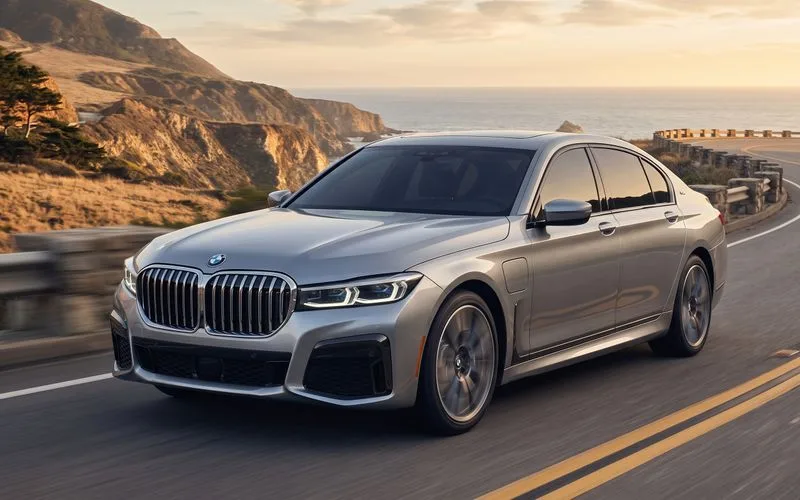 BMW 7 SeriesFull-Size Luxury SedanBetter at: Rear-seat space
If the back seat carries adults or you'd rather have the safety and convenience tech included than optioned, the 7 Series delivers 44.4 inches of rear legroom and a far richer standard spec for similar money.
Compare 2.69C+
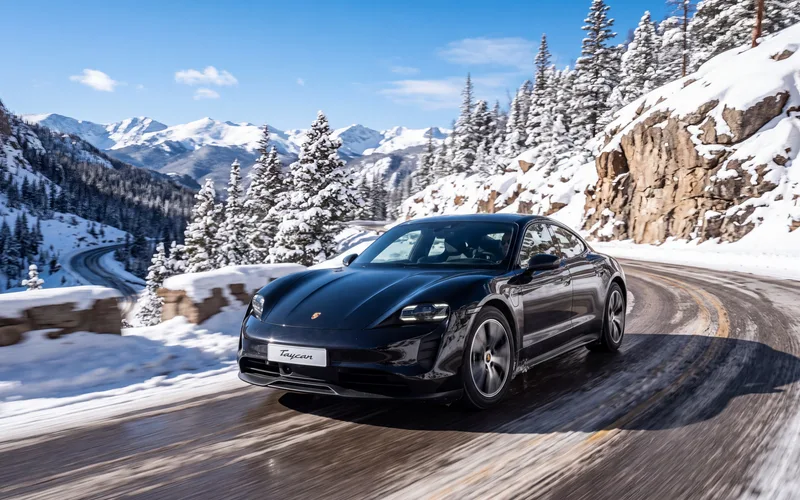 Porsche TaycanLuxury GTBetter at: Running costs
Same steering and chassis DNA without the 21 MPG premium-fuel penalty — the sensible way to buy a fast Porsche sedan if you can charge at home.
Compare 3.50A-
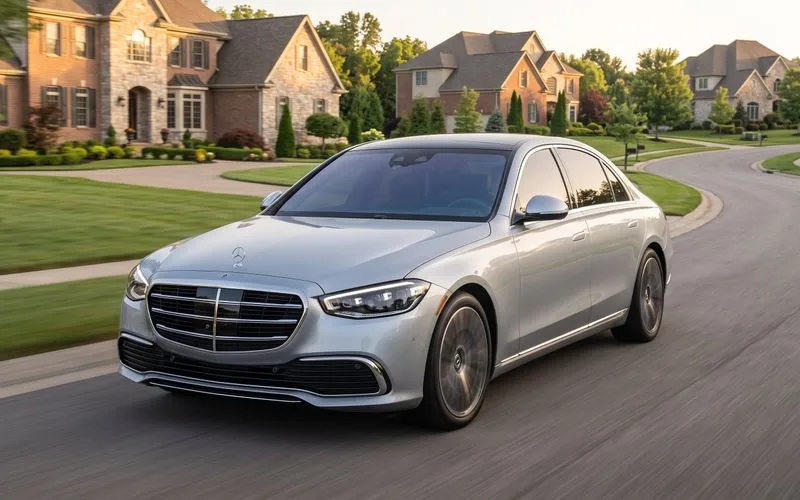 Mercedes-Benz S-ClassFull-Size Luxury SedanBetter at: Comfort and safety tech
The choice if quiet, plush isolation and a complete standard driver-assist suite matter more than how the car feels through a corner.
CompareProduction history
Best fit & conditions
Higher scores mean a better fit for that use case. Learn more about use-case fit →
Subject profile
Academic Probation · NHTSA safety recalls
Sep 23, 2025Fuel system, gasoline: delivery: fuel pumpThe fasteners securing the high pressure fuel pump may not be tightened properly, resulting in a fuel leak.
Defect
Porsche Cars North America, Inc. (Porsche) is recalling certain 2024-2026 Panamera, Cayenne, and 2025 Panamera E-Hybrid vehicles. The fasteners securing the high pressure fuel pump may not be tightened properly, resulting in a fuel leak.
Risk
A fuel leak in the presence of an ignition source increases the risk of a fire.
Remedy
Dealers will inspect and tighten the screw connections and replace the high pressure fuel pump and fuel lines as necessary, free of charge. Owner notification letters were mailed November 19, 2025. Owners may contact Porsche customer service at 1-800-767-7243. Porsche's number for this recall is ASA9. Vehicle Identification Numbers (VINs) involved in this recall will be searchable on NHTSA.gov beginning October 10, 2025.
NHTSA campaign 25V634000 ↗Manufacturer no. ASA9177 vehicles potentially affected (all models in the campaign)Owners notified Nov 19, 2025Filed by Porsche Cars North America, Inc.Filed as PANAMERA, PANAMERA 4 E-HYBRIDJul 15, 2025Suspension: front: macpherson strutA retaining ring on top of the suspension strut may come loose, resulting in a dislodged strut and air loss from the strut spring.
Defect
Porsche Cars North America, Inc. (Porsche) is recalling certain 2025 Panamera E-hybrid, Taycan, and Panamera vehicles. A retaining ring on top of the suspension strut may come loose, resulting in a dislodged strut and air loss from the strut spring.
Risk
An air suspension strut failure may cause a loss of vehicle handling and control, increasing the risk of a crash.
Remedy
Dealers will inspect the retaining ring and reinstall it as necessary, free of charge. Owner notification letters were mailed August 15, 2025. Owners may contact Porsche's customer service at 1-800-767-7243. Porsche's number for this recall is ASA6.
NHTSA campaign 25V415000 ↗Manufacturer no. ASA6284 vehicles potentially affected (all models in the campaign)Owners notified Aug 15, 2025Filed by Porsche Cars North America, Inc.Filed as PANAMERA, PANAMERA 4 E-HYBRID
12 recalls on other model years of the Panamera (2017–2025)
Dec 19, 2025Back over prevention: sensing system: cameraThe rearview camera image may not display when the vehicle is placed in reverse. As such, these vehicles fail to comply with the requirements of Federal Motor Vehicle Safety Standard (FMVSS) number 111, "Rear Visibility."
Defect
Porsche Cars North America, Inc. (Porsche) is recalling certain 2019-2025 Cayenne, Cayenne E-Hybrid, 2020-2025 911, Taycan, 2024-2025 Panamera, and 2025 Panamera E-Hybrid vehicles. The rearview camera image may not display when the vehicle is placed in reverse. As such, these vehicles fail to comply with the requirements of Federal Motor Vehicle Safety Standard (FMVSS) number 111, "Rear Visibility."
Risk
A rearview image that does not display properly reduces the driver's view behind the vehicle, increasing the risk of a crash.
Remedy
Dealers will update the driver assistance software, free of charge. Owner notification letters were mailed February 13, 2026. Owners may contact Porsche customer service at 1-800-767-7243. Porsche's number for this recall is ASB2. Vehicle Identification Numbers (VINs) involved in this recall will be searchable on NHTSA.gov beginning January 19, 2026.
NHTSA campaign 25V896000 ↗Manufacturer no. ASB2172,107 vehicles potentially affected (all models in the campaign)Owners notified Feb 13, 2026Filed by Porsche Cars North America, Inc.Filed as PANAMERA, PANAMERA 4 E-HYBRIDDec 13, 2023Electrical system: propulsion system: charging: cable/cord: onboardPorsche Cars North America, Inc. (Porsche) is recalling various models and model years. Please see the recall report for a list of the included vehicles. When using the industrial 220V/240V plug at the 100% charge setting, some home power outlets may be incapable of handling the electrical current required to utilize the compact charging system, causing the outlet or charging cable to overheat.
Defect
Porsche Cars North America, Inc. (Porsche) is recalling various models and model years. Please see the recall report for a list of the included vehicles. When using the industrial 220V/240V plug at the 100% charge setting, some home power outlets may be incapable of handling the electrical current required to utilize the compact charging system, causing the outlet or charging cable to overheat.
Risk
An overheated outlet or charging cable can increase the risk of a fire.
Remedy
Owners are advised not to use the 220V/240V compact/portable charging cable and only use the 110V home charging cable or public charging stations. Dealers will supply a new 220V/240V compact/portable charging cable with an incorporated temperature sensor, free of charge. Owner notification letters were mailed on October 24, 2024. A second notice will be sent once remedy parts become available, anticipated mid-2024. Owners may contact Porsche customer service at 1-800-767-7243. Porsche's number for this recall is APB6.
NHTSA campaign 23V841000 ↗Manufacturer no. APB641,345 vehicles potentially affected (all models in the campaign)Owners notified Oct 24, 2024Filed by Porsche Cars North America, Inc.Filed as PANAMERA 4 E-HYBRID, PANAMERA 4S E-HYBRID, PANAMERA TURBO S E-HYBRIDJun 26, 2023Seat belts: rear/other: anchorageThe screw that attaches the lower seat belt anchor to the seat frame on the outboard rear seats may not have been tightened properly.
Defect
Porsche Cars North America, Inc. (Porsche) is recalling certain 2016-2020 Macan S, 2017-2020 Macan, 2017 Panamera Turbo, 2018 and 2020 Macan Turbo and Panamera 4, 2018 Macan Sport Edition, Panamera 4 E-Hybrid, and 2019 Panamera 4 Sport Turismo vehicles. The screw that attaches the lower seat belt anchor to the seat frame on the outboard rear seats may not have been tightened properly.
Risk
An improperly tightened seat belt anchor can detach during a crash, increasing the risk of injury.
Remedy
Dealers will replace and tighten the lower rear outboard seat belt anchor screws, free of charge. Owner notification letters are expected to be mailed August 24, 2023. Owners may contact Porsche's customer service at 1-800-767-7243. Porsche's number for this recall is APA9.
NHTSA campaign 23V443000 ↗Manufacturer no. APA937 vehicles potentially affected (all models in the campaign)Owners notified Aug 14, 2023Filed by Porsche Cars North America, Inc.Filed as PANAMERA 4, PANAMERA 4 E-HYBRID, PANAMERA 4 SPORT TURISMO, PANAMERA TURBOJan 27, 2023Electrical systemPlease see the recall report for a complete list of specific model names and model years. Humidity may enter the external coolant pump for the climate control system and cause an electrical short circuit.
Defect
Porsche Cars North America, Inc. (Porsche) is recalling certain 2017-2021 Panamera, Panamera 4, Panamera GTS and Panamera Turbo vehicles. Please see the recall report for a complete list of specific model names and model years. Humidity may enter the external coolant pump for the climate control system and cause an electrical short circuit.
Risk
An electrical short circuit increases the risk of a vehicle fire.
Remedy
Dealers will replace the external coolant pump and inspect and replace the plug-in connection, if necessary, free of charge. Interim owner notification letters informing owners of the safety risk were mailed March 6, 2023. Owners will receive a second notice once remedy becomes available, anticipated July 2023. Owners may contact Porsche's customer service at 1-800-767-7243. Porsche's number for this recall is APA1.
NHTSA campaign 23V033000 ↗Manufacturer no. APA124,467 vehicles potentially affected (all models in the campaign)Owners notified Jun 29, 2023Filed by Porsche Cars North America, Inc.Filed as PANAMERA, PANAMERA 4, PANAMERA 4 EXECUTIVE, PANAMERA 4 SPORT TURISMO, PANAMERA 4S, PANAMERA 4S EXECUTIVE, PANAMERA 4S SPORT TURISMO, PANAMERA GTS, PANAMERA GTS SPORT TURISM, PANAMERA TURBO, PANAMERA TURBO EXECUTIVE, PANAMERA TURBO S, PANAMERA TURBO S EXECUTIV, PANAMERA TURBO SPORT TURIAug 4, 2021Seat belts · Seat belts: front: retractor · Seat belts: rear/other: retractorThe seat belt automatic locking retractors may deactivate early, which can prevent the child restraint system from securing properly. As such, these vehicles fail to comply with the requirements of Federal Motor Vehicle Safety Standard number 208, "Occupant Crash Protection."
Defect
Porsche Cars North America, Inc. (Porsche) is recalling certain 2021 911 Carrera Coupe, 911 Carrera S Coupe, 911 Carrera 4 Coupe, 911 Carrera 4S Coupe, 911 Turbo Coupe, 911 Turbo S Coupe, Panamera, Panamera 4 E-Hybrid, Panamera 4S, Panamera GTS, Panamera Turbo S, Taycan, Taycan 4S, Taycan Turbo, and Taycan Turbo S vehicles. The seat belt automatic locking retractors may deactivate early, which can prevent the child restraint system from securing properly. As such, these vehicles fail to comply with the requirements of Federal Motor Vehicle Safety Standard number 208, "Occupant Crash Protection."
Risk
An unsecured child restraint system can increase the risk of injury during a crash.
Remedy
Dealers will inspect and replace the seat belt assemblies, as necessary, free of charge. Owner notification letters were mailed October 1, 2021. Owners may contact Porsche customer service at 1-800-767-7243. Porsche's number for this recall is AMB6.
NHTSA campaign 21V608000 ↗Manufacturer no. AMB64,924 vehicles potentially affected (all models in the campaign)Owners notified Oct 1, 2021Filed by Porsche Cars North America, Inc.Filed as PANAMERA, PANAMERA 4 E-HYBRID, PANAMERA 4S, PANAMERA GTS, PANAMERA TURBO SMay 17, 2021Suspension: frontThe front lower trailing arms were not forged correctly and may break.
Defect
Porsche Cars North America, Inc. (Porsche) is recalling certain 2021 Taycan, Panamera, Panamera Turbo S, Panamera GTS, Panamera 4, Panamera 4 Sport Turismo, Panamera 4 Executive, Panamera 4S Executive, Panamera 4S, Panamera 4S E-Hybrid, and Panamera 4 E-Hybrid vehicles. The front lower trailing arms were not forged correctly and may break.
Risk
A broken front lower trailing arm may cause a loss of vehicle control, increasing the risk of a crash.
Remedy
Dealers will replace the front lower trailing arms, free of charge. Owner notification letters were mailed October 1, 2021. Owners may contact Porsche customer service at 1-800-767-7243. Porsche's number for this recall is AMB2.
NHTSA campaign 21V362000 ↗Manufacturer no. AMB2565 vehicles potentially affected (all models in the campaign)Owners notified Oct 1, 2021Filed by Porsche Cars North America, Inc.Filed as PANAMERA, PANAMERA 4, PANAMERA 4 E-HYBRID, PANAMERA 4S, PANAMERA 4S E-HYBRID, PANAMERA GTS, PANAMERA TURBO SOct 16, 2019Electrical system: instrument cluster/panel · Service brakesThe instrument cluster may not provide a visual warning when the brake pads are worn out. As a result, these vehicles fail to comply with Federal Motor Vehicle Safety Standard (FMVSS) number 135, "Light vehicle brake systems."
Defect
Porsche Cars North America, Inc. (Porsche) is recalling certain 2017 Panamera 4, Panamera Turbo, Panamera Turbo Executive, 2017-2018 Panamera, Panamera 4S Executive, Panamera 4S, 2018 Panamera Turbo S Hybrid, Panamera 4 Hybrid Sport Turismo, Panamera 4 Sport Turismo, Panamera Turbo S Hybrid Sport Turismo, Panamera 4 Hybrid, Panamera 4 Executive, 2019 Cayenne Hybrid, 2019-2020 Cayenne, Cayenne S, Cayenne Turbo, 2020 Cayenne Coupe, Cayenne Turbo Coupe, and Cayenne S Coupe vehicles. The instrument cluster may not provide a visual warning when the brake pads are worn out. As a result, these vehicles fail to comply with Federal Motor Vehicle Safety Standard (FMVSS) number 135, "Light vehicle brake systems."
Risk
If the driver is not alerted when brake pads are worn out, the vehicle may not respond as expected when braking, increasing the risk of crash.
Remedy
Porsche will notify owners, and dealers will reprogram the instrument cluster, free of charge. The recall is began December 13, 2019. Owners may contact Porsche customer service at 1-800-767-7243. Porsche's number for this recall is AKB8. Note: This recall supersedes recall 19V115 and includes vehicles that were previously remedied under that campaign.
NHTSA campaign 19V735000 ↗Manufacturer no. AKB844,128 vehicles potentially affected (all models in the campaign)Owners notified Dec 13, 2019Filed by Porsche Cars North America, Inc.Filed as PANAMERAMar 6, 2019Electrical systemIncorrect soldering of a control unit may result in the intermittent failure of various systems, possible affecting vehicle driveability.
Defect
Porsche Cars North America, Inc is recalling certain 2018 Panamera, Panamera 4, Panamera 4 E-Hybrid, Panamera 4 E-Hybrid Executive, Panamera 4 E- Hybrid Sport Turismo, Panamera 4S, Panamera Turbo, Panamera Turbo Executive, Panamera 4 Sport Turismo, Panamera Turbo S E-Hybrid Sport Turismo, vehicles. Incorrect soldering of a control unit may result in the intermittent failure of various systems, possible affecting vehicle driveability.
Risk
Impaired vehicle driveability can increase the risk of a crash.
Remedy
Porsche Cars North America will notify owners, and dealers will replace the affected control units, free of charge. The recall began May 17, 2019. Owners may contact Porsche's customer service at 1-800-767-7243. Porsche's number for this recall is AKA5.
NHTSA campaign 19V180000 ↗Manufacturer no. AKA5182 vehicles potentially affected (all models in the campaign)Owners notified May 17, 2019Filed by Porsche Cars North America, Inc.Filed as PANAMERA, PANAMERA 4, PANAMERA 4 EXECUTIVE, PANAMERA 4 HYBRID, PANAMERA 4 HYBRID EXECUTI, PANAMERA 4 HYBRID SPORT T, PANAMERA 4 SPORT TURISMO, PANAMERA 4S, PANAMERA 4S EXECUTIVE, PANAMERA 4S SPORT TURISMO, PANAMERA TURBO, PANAMERA TURBO EXECUTIVE, PANAMERA TURBO S E-HYBRID, PANAMERA TURBO S HYBRID, PANAMERA TURBO S HYBRID E, PANAMERA TURBO S HYBRID S, PANAMERA TURBO SPORT TURIFeb 20, 2019Electrical system: instrument cluster/panel · Service brakesThe instrument cluster may not provide a visual warning when the brake pads are worn out. As a result, these vehicles fail to comply with Federal Motor Vehicle Safety Standard (FMVSS) number 135, "Light vehicle brake systems."
Defect
Porsche Cars North America, Inc. (Porsche) is recalling certain 2018 Panamera 4 Executive, Panamera 4S Sport Turismo, Panamera 4 Hybrid, Panamera 4 Hybrid Executive, Panamera 4 Hybrid Sport Turismo, Panamera Turbo Sport Turismo, Panamera Turbo S Hybrid Executive, Panamera Turbo S Hybrid, Panamera 4 Sport Turismo and Panamera Turbo S Hybrid Sport Turismo vehicles, 2017-2018 Panamera, Panamera 4, Panamera Turbo Executive, Panamera 4S, Panamera Turbo and Panamera 4S Executive vehicles and 2019 Cayenne S and Cayenne vehicles. The instrument cluster may not provide a visual warning when the brake pads are worn out. As a result, these vehicles fail to comply with Federal Motor Vehicle Safety Standard (FMVSS) number 135, "Light vehicle brake systems."
Risk
If the driver is not alerted when brake pads are worn out, the driver may lose control of the vehicle while attempting to brake, increasing the risk of crash.
Remedy
Porsche will notify owners, and dealers will update the instrument cluster software, free of charge. The recall began April 19, 2019. Owners may contact Porsche customer service at 1-800-767-7243. Porsche's number for this recall is AKA1/AKA0.
NHTSA campaign 19V115000 ↗Manufacturer no. AKA1/AKA014,110 vehicles potentially affected (all models in the campaign)Owners notified Apr 19, 2019Filed by Porsche Cars North America, Inc.Filed as PANAMERA, PANAMERA 4, PANAMERA 4 EXECUTIVE, PANAMERA 4 HYBRID, PANAMERA 4 HYBRID EXECUTI, PANAMERA 4 HYBRID SPORT T, PANAMERA 4 SPORT TURISMO, PANAMERA 4S, PANAMERA 4S EXECUTIVE, PANAMERA 4S SPORT TURISMO, PANAMERA TURBO, PANAMERA TURBO EXECUTIVE, PANAMERA TURBO S HYBRID, PANAMERA TURBO S HYBRID E, PANAMERA TURBO S HYBRID S, PANAMERA TURBO SPORT TURIDec 19, 2018Steering: electric power assist systemA software failure may result in an intermittent loss of electric power steering assist.
Defect
Porsche Cars North America, Inc. (Porsche) is recalling certain 2017-2018 Porsche Panamera, Panamera 4, Panamera 4S, Panamera Turbo, Panamera 4S Executive, Panamera Turbo Executive, 2018 Panamera 4 Executive, Panamera 4 E-Hybrid, Panamera Turbo S E-Hybrid, Panamera 4 E-Hybrid Executive, Panamera S E-Hybrid Executive, Panamera 4 Sport Turismo, Panamera 4S Sport Turismo, Panamera 4 E-Hybrid Sport Turismo, Panamera Turbo Sport Turismo, and Panamera Turbo S Sport Turismo vehicles. A software failure may result in an intermittent loss of electric power steering assist.
Risk
An intermittent loss of power steering assist can increase the risk of a crash.
Remedy
Porsche will notify owners, and dealers will reprogram the power steering control unit, free of charge. Owners may contact Porsche customer service at 1-800-767-7243. Porsche's number for this recall is AJ13.
NHTSA campaign 18V898000 ↗Manufacturer no. AJ1317,667 vehicles potentially affected (all models in the campaign)Owners notified Mar 21, 2019Filed by Porsche Cars North America, Inc.Filed as PANAMERANov 28, 2018Service brakes, hydraulicThe brake lines installed on the front axle may corrode over time. Corrosion inside the line may affect the front braking performance.
Defect
Porsche Cars North America, Inc. (Porsche) is recalling certain 2018 Porsche Panamera Turbo S Hybrid Executive, Panamera 4 Hybrid, Panamera Turbo S Hybrid, Panamera 4 Hybrid Executive, Panamera 4 Hybrid Sport Turismo, and Panamera Turbo S Hybrid Sport Turismo vehicles. The brake lines installed on the front axle may corrode over time. Corrosion inside the line may affect the front braking performance.
Risk
Braking ability that is reduced due to a corroded brake line can increase the risk of a crash.
Remedy
Porsche will notify owners, and dealers will replace the brake line, and any damaged brake components, free of charge. The recall began June 26, 2019. Owners may contact Porsche customer service at 1-800-767-7243. Porsche's number for this recall is AJ11.
NHTSA campaign 18V841000 ↗Manufacturer no. AJ11112 vehicles potentially affected (all models in the campaign)Owners notified Jun 26, 2019Filed by Porsche Cars North America, Inc.Filed as PANAMERAJun 13, 2018Suspension: rearThe connecting links may detach from the rear-axle anti-roll bar potentially damaging the surrounding suspension parts and affecting the vehicle's handling.
Defect
Porsche Cars North America, Inc. (Porsche) is recalling certain 2017-2018 Panamera 4S, Panamera Turbo and Panamera Turbo Executive and 2018 Panamera Turbo S E-Hybrid, Panamera Turbo S E-Hybrid Executive, Panamera 4S Sport Turismo, Panamera Turbo Sport Turismo, Panamera Turbo S E-Hybrid Sport Turismo, and Panamera 4S Executive vehicles. The connecting links may detach from the rear-axle anti-roll bar potentially damaging the surrounding suspension parts and affecting the vehicle's handling.
Risk
An unexpected change to the vehicle's handling can increase the risk of a crash.
Remedy
Porsche will notify owners, and dealers will replace the connecting links for the anti-roll bar, free of charge. The recall began October 2, 2018. Owners may contact Porsche customer service at 1-800-767-7243. Porsche's number for this recall is AJ06.
NHTSA campaign 18V388000 ↗Manufacturer no. AJ06715 vehicles potentially affected (all models in the campaign)Owners notified Oct 2, 2018Filed by Porsche Cars North America, Inc.Filed as PANAMERA 4S, PANAMERA 4S EXECUTIVE, PANAMERA 4S SPORT TURISMO, PANAMERA TURBO, PANAMERA TURBO EXECUTIVE, PANAMERA TURBO S E-HYBRID, PANAMERA TURBO SPORT TURI
Source: NHTSA Office of Defects Investigation recall database, model years 2017–2026. Recalls are listed by model year as the manufacturer filed them; whether a specific car is affected depends on its VIN — check a VIN at nhtsa.gov ↗. NHTSA model names matched to this page: PANAMERA, PANAMERA 4, PANAMERA 4 E-HYBRID, PANAMERA 4 EXECUTIVE, PANAMERA 4 HYBRID, PANAMERA 4 HYBRID EXECUTI, PANAMERA 4 HYBRID SPORT T, PANAMERA 4 SPORT TURISMO, PANAMERA 4S, PANAMERA 4S E-HYBRID, PANAMERA 4S EXECUTIVE, PANAMERA 4S SPORT TURISMO, PANAMERA GTS, PANAMERA GTS SPORT TURISM, PANAMERA TURBO, PANAMERA TURBO EXECUTIVE, PANAMERA TURBO S, PANAMERA TURBO S E-HYBRID, PANAMERA TURBO S EXECUTIV, PANAMERA TURBO S HYBRID, PANAMERA TURBO S HYBRID E, PANAMERA TURBO S HYBRID S, PANAMERA TURBO SPORT TURI.
Detailed scoring by subject
1Performance & PowertrainOne of the Panamera's strongest categories.3.25B+
Volume trim is the rear-drive base Panamera with the 2.9L twin-turbo V6 at 348 hp, unchanged through the current 972-generation run. The lineup climbs steeply above it: 463 hp (4 E-Hybrid), 493 hp (GTS V8), 536 hp (4S E-Hybrid), 670 hp (Turbo E-Hybrid) and 771 hp (Turbo S E-Hybrid).
The base 2.9L twin-turbo V6 makes 368 lb-ft on a broad plateau, strong for a sedan of this class and well clear of the segment midpoint. Torque scales dramatically up the range as the PHEV motor's instant output stacks onto the V6 and V8.
Manufacturer-quoted 4.7 seconds for the base rear-drive car, dropping to 4.5 with the Sport Chrono package's launch control. Porsche's claims are historically conservative and instrumented tests usually come in a few tenths quicker, so the published figure is the cautious choice here.
The 2.9L twin-turbo V6 is a benchmark for response in this class — negligible lag off idle, linear delivery to redline, and none of the coarseness that afflicts rivals' downsized turbo sixes. The current-generation PHEVs also markedly improved engine-start and regen-to-friction blending over the previous car, so refinement holds up across the range rather than only on the gas trims.
The 8-speed PDK dual-clutch is the class reference: near-instant upshifts, decisive rev-matched downshifts, no hunting between ratios, and a manual mode that actually holds the gear you ask for. It is the single strongest element of the Panamera's powertrain.
AWD is standard on every trim above the base car — Panamera 4, all four E-Hybrids, GTS and both Turbos — leaving only the entry rear-drive model without it. Porsche Traction Management is a sophisticated active system, backed by available torque vectoring and rear-axle steering. No low range, but that is irrelevant for a luxury GT sedan.
Among the broadest powertrain menus of any sedan on sale: a twin-turbo V6 in rear- and all-wheel drive, a twin-turbo V8 in the GTS, and four distinct plug-in hybrids spanning 463 to 771 hp. Buyers can choose output, drivetrain and electrification largely independently, which almost no rival matches.
2Efficiency & RangeOne of the Panamera's weakest categories.0.00F
Base Panamera's 2.9L twin-turbo V6 returns roughly 21 MPG combined, below the 22 MPG floor of the sedan normalization band. The 4 E-Hybrid and other PHEV trims post materially higher MPGe but are not the volume configuration.
City economy of roughly 18 MPG sits below the 20 MPG floor of the sedan band — a 4,400 lb twin-turbo GT with no hybrid assist on the volume trim.
Highway economy of roughly 26 MPG lands exactly at the floor of the sedan band; tall PDK gearing and good aerodynamics help, but displacement and mass cap the result.
A large standard fuel tank offsets mediocre economy, producing genuinely useful GT touring range in the middle of the sedan band. The optional larger tank extends it further.
At EPA's 15,000 mi/yr and 55/45 city/highway split the base Panamera burns roughly 718 gallons of premium, exceeding the $2,800 ceiling of the sedan band. Premium-only fueling is the compounding factor, not just the consumption.
Premium (91+ octane) is required, not merely recommended, across the entire Panamera range, with no regular-fuel, E85 or diesel option. The volume trim has no plug, so there is no cheap home-charging path to offset the fuel bill.
3SafetyMid-pack among this car's ten categories.2.22C
NHTSA has never published an overall star rating for any Panamera generation, including the 972 (2024–2026); NCAP testing prioritizes high-volume models and the Panamera sells in the low thousands per year in the US. Estimated at 4.5 stars from the untested-luxury-flagship convention already used for the A8, i7 and G90.
The Panamera carries no IIHS ratings at all — no crashworthiness results, no Top Safety Pick award, no individual test scores for the 972 generation — so there is nothing to credit beyond a structurally substantial MSB-platform body engineered to global standards. Scored in the middle of the no-award band rather than the penalty band, since the absence reflects low sales volume rather than known poor results.
Porsche's à-la-carte packaging is the weakest in the luxury-sedan set: Warn and Brake Assist (AEB with pedestrian detection) and lane-departure warning are standard, but Lane Change Assist (blind-spot monitoring), adaptive cruise control, InnoDrive and Surround View are all separate paid options — on every trim, not just the base car, so even a six-figure Turbo E-Hybrid can leave the dealer without ACC or BSM. This is the literal case the 50-79 band describes (core standard, BSM and ACC optional), scored at its floor because the gaps are not recovered by moving up the range.
Porsche's radar-plus-camera Warn and Brake Assist includes pedestrian detection and is competent in reviewer use, but there is no IIHS front-crash-prevention result — vehicle-to-vehicle or pedestrian, day or night — to validate it. Scored in the adequate band without the nighttime-pedestrian credit that would push it past 80.
Lane Change Assist is alert-only (mirror warning, no steering or braking intervention) and is a paid option rather than standard equipment; rear cross-traffic alert arrives bundled with the parking/surround-view options rather than on its own. Available across the range, but nothing here is standard or active, which caps it at the bottom of the alert-only band.
Lane-departure warning is standard, but actual lane centering requires the optional Active Lane Keeping bundled into InnoDrive. Porsche tunes intervention deliberately light to preserve steering feel, which reviewers describe as unobtrusive but less confident and less sticky than BMW's or Mercedes' centering — functional with occasional wander rather than a system drivers hand the wheel to.
InnoDrive is one of the more sophisticated predictive systems on sale — it reads navigation data, upcoming curves, gradients and speed limits to adjust pace before the corner rather than reacting to it, with full-speed-range stop-and-go. Held below the 80s because the highway-assist integration is less seamless than the German rivals' combined steering-plus-cruise modes and because the whole capability is a costly option.
Porsche offers no hands-free highway driving system in the US on any model — there is no Super Cruise, BlueCruise or Drive Pilot equivalent, and InnoDrive is a hands-on system requiring continuous wheel contact. Falls squarely in the no-hands-free band.
Matrix LED headlights with Porsche Dynamic Light System are standard on the 972, and the optional HD Matrix units — roughly 32,000 addressable pixels per side — are among the best-performing headlamps sold in any segment. Held just under the A8/i7/S-Class tier because the strongest hardware is an upcharge and no IIHS headlight rating exists to confirm on-road reach.
The fastback GT profile costs it here: a high beltline, thick raked C-pillars and a shallow, steeply angled rear window leave a genuinely poor over-the-shoulder and rearward view, and the standard compensation is a plain reversing camera — Surround View is optional. Forward sightlines over the low cowl are good, which keeps it out of the bottom band.
Two sets of rear LATCH anchors on the outboard seats and no realistic three-across capability, in a cabin whose low roofline makes lifting a child into a seat awkward and whose heavily bolstered rear backrests fight the base of wider convertible seats. Workable for one or two seats with some effort, which is the middle of the compromise band.
4Space & ComfortMid-pack among this car's ten categories.1.93C-
The Panamera ships in the US as a strict four-seater with two sculpted rear buckets split by a full-length console; a rear bench that makes it a five-seater is an option box rather than the standard configuration. Scored on the volume 4-seat build, which sits at the floor of the sedan band.
Mid-pack front headroom for a sedan — the low GT roofline costs it against upright full-size luxury sedans like the S-Class (42.1 in) and 7 Series (41.6 in), but there is no shortage of room for tall front occupants.
Front legroom is squarely average for the class and slightly ahead of the S-Class (41.4 in) and 7 Series (41.6 in) on paper; the deep footwell and long seat travel of the 14-way adaptive sport seats suit tall drivers well.
The fastback roofline pinches rear headroom to mid-band, though Porsche recesses the rear seat cushion low in the floor so adults clear the headliner better than the silhouette suggests. Well behind the S-Class (39.4 in) but clearly better than the Audi e-tron GT (36.0 in).
This is the Panamera's biggest packaging compromise and the main drag on the category: at 33.9 in it trails every mainstream mid-size sedan and gives up roughly 10 in to the 7 Series (44.4 in) and S-Class (43.8 in). Buyers who need real rear-seat room have to step up to the Executive long-wheelbase body.
The strongest number in the category. The Panamera is a liftback rather than a true sedan, so the hatch opens onto a wide, square load bay that is far more usable than the trunk aperture of an S-Class (12.8 cu ft) and matches the 7 Series (17.7 cu ft) on volume. Plug-in hybrid models lose meaningful space to the battery under the load floor.
The folding rear seats plus hatchback tailgate are a genuine practicality edge over every three-box rival in the class, and the load bay adds tie-downs and a powered tailgate. Small-item storage is only adequate: the full-length rear console eats what would be a middle seat, the front console bin is shallow, and the shift to a glass-heavy touch interface left few open trays.
Porsche's front seats are a long-standing benchmark — the standard 14-way Comfort seats and optional 18-way adaptive sport seats pair firm, well-shaped cushions with wide adjustment and adjustable side bolsters, and they hold up over long stints better than softer rivals. The rear buckets are supportive and nicely shaped, but the low cushion and limited legroom cap the score short of the limousine class.
A standout. The third-generation car adopted a two-valve, two-chamber adaptive air suspension that widened the gap between comfort and sport modes considerably, and the optional Porsche Active Ride system actively counters roll, dive and squat to a degree no conventional damper matches. Reviewers describe it as flat and unbothered over broken pavement while still steering like a Porsche; only the softest full-size limousines feel plusher at low speed.
Well isolated at highway speed with laminated acoustic glass, and quieter still in hybrid models running on electric power. It stops short of library-quiet because Porsche deliberately lets powertrain character through and because the standard performance tire sizes generate more road roar than the comfort-biased rubber on an S-Class or 7 Series.
The equipment list is deep — heated and ventilated front seats, heated rear seats, heated wheel, four-zone climate, massage function, ionizer, ambient lighting, and remote cabin preconditioning on E-Hybrid models. The score is held back by Porsche's pricing model rather than the hardware: much of this stays optional even on expensive trims, where German rivals bundle more of it as standard.
5Cost of OwnershipThe Panamera's lowest-graded category.0.00F
The entry rear-drive Panamera with the 2.9L twin-turbo V6 opens around $104K before a ~$2,050 destination charge, a typical single-digit step up from the MY2025 car. Any figure in this range sits far above the $55,000 sedan band ceiling, so the item floors regardless of the exact number.
US Panamera volume has shifted toward the all-wheel-drive plug-in hybrids, and Porsche's a-la-carte options structure means real transactions land well above sticker — a Panamera 4 E-Hybrid with the usual air-suspension, PDCC and interior packages clears $130K comfortably.
Porsche's annual/10,000-mile service intervals run several hundred to well over a thousand dollars a visit, and the Panamera piles on air-suspension, big-brake and staggered performance-tire consumables. Class estimates for the model sit in the low-to-mid five figures across five years, above the $9,000 sedan band ceiling.
The Panamera depreciates hard in absolute dollars — roughly half of a six-figure sticker — but the Porsche badge keeps it meaningfully ahead of the German full-size flagship sedans in its price bracket. Heavily optioned and plug-in-hybrid examples retain the least.
Porsche's New Vehicle Limited Warranty is 4 years or 50,000 miles, matching the German luxury norm — a year longer than the mainstream standard, but capped at fewer miles than most rivals allow.
Porsche offers no extended powertrain coverage beyond the bumper-to-bumper term, so engine and transmission protection expires at 4 years — the weakest structure in the segment against mainstream 5–10 year powertrain terms. Only the plug-in hybrid's high-voltage battery carries the mandated 8-year/100,000-mile coverage.
Porsche includes no complimentary scheduled maintenance in the US — every service from the first one is owner-paid, which is the defining gap here. What is included is 4 years of roadside assistance, a multi-year Porsche Connect subscription with remote and navigation services, and a Mobile Charger with the E-Hybrid models.
$135,000 volume-trim price minus its estimated resale value after 5 years (48% retained, or about $64,800) leaves about $70,200 in depreciation. Add the projected $13,500 in 5-year maintenance and repairs, and owning this vehicle for 5 years costs about $83,700 in total.
6Reliability & QualityGrades above the middle of the scale.3.13B
Porsche's brand-level dependability standing is genuinely strong, but the Panamera is the least reliability-leaning car in its lineup: a low-volume, mechanically dense GT only in its third model year on the 972 platform, with Porsche Active Ride hydraulic suspension and a PHEV-heavy 2026 range adding failure surface. Consumer Reports has never had enough Panamera sample to publish a confident predicted-reliability figure, so the signal is mixed rather than top-tier — average-predictions band, ahead of the S-Class (68) and A8 (62) but behind the 7 Series (78).
Porsche is one of the few German luxury brands that scores well on dependability rather than just desirability — repeatedly first or near-first in J.D. Power's Initial Quality Study and APEAL, and consistently top-5 in Consumer Reports' brand reliability rankings, carried by the 911, Macan and Cayenne. That is a materially better record than BMW (76 here), Mercedes-Benz (65) or Audi (65).
The 972-generation Panamera (MY2024+) has drawn scattered NHTSA campaigns typical of a new German flagship launch — software, electrical and restraint-system items — without a systemic powertrain or fire defect of the kind that has dogged the W223 S-Class (62). Volume is low enough that absolute recall counts stay small, but the generation is young and the long-tail TSB pattern for Active Ride and the E-Hybrid charging hardware is not yet established.
Mature cores, newer hybrid hardware. The 2.9L twin-turbo V6 (EA839, shared with Audi S4/S5 and Cayenne) and the 4.0L twin-turbo V8 (EA825) are both established engine families with reasonable high-mileage records, and the 8-speed PDK dual-clutch has been in Panamera service since the 971 in 2017 with a solid durability reputation. The offset is the E-Hybrid hardware — a roughly 26 kWh pack with the e-motor integrated into the PDK housing, new with this generation and covering most of the 2026 range — plus Porsche Active Ride, unproven high-complexity chassis hardware.
Class-leading materials with a technical rather than opulent character: leather and Race-Tex surfaces, dense soft-touch coverage, and switchgear damping that is a Porsche signature. It lands just below the S-Class (96) and 7 Series (94) on sheer richness because Porsche gates the most exotic finishes behind expensive options and the 972 moved climate control to haptic touch panels, trading some tactile quality for visual cleanliness.
The strongest item in the category. Panamera assembly at Porsche's Leipzig plant produces tight, consistent panel gaps and low rattle and squeak rates, and Porsche's repeated top finishes in the J.D. Power Initial Quality Study are exactly the initial-quality signal this item asks for — a better-evidenced position than the A8 (92), 7 Series (88) or S-Class (89) can claim.
A quality-over-coverage network. Porsche runs roughly 200 US dealers — the thinnest of the German luxury brands, well behind Mercedes-Benz (~380), BMW (~350) and Audi (~300) — which means real travel distance for owners outside major metros. What lifts it back into the upper-middle band is service satisfaction: Porsche consistently ranks at or near the top of luxury brands in J.D. Power's Customer Service Index.
Among the most expensive cars on the US market to keep running out of warranty — scored below the S-Class (42) and well below the A8 (50). Parts are effectively dealer-only at Porsche pricing, and the expensive assemblies are exactly the ones this car is built around: Porsche Active Ride hydraulic units, adaptive air suspension, the E-Hybrid high-voltage pack and charging hardware, PDK service, and oversized brake hardware. The one mitigation is a genuine independent Porsche specialist network, which the Mercedes and Audi flagships largely lack.
7Technology & InfotainmentOne of the Panamera's strongest categories.3.58A-
The 972-generation Panamera's Porsche Driver Experience layout uses a 12.3-inch central PCM touchscreen on every trim, with a separate 12.6-inch curved instrument display and an optional 10.9-inch passenger screen. Replaces a placeholder value of 14.3 in, which conflated the multi-screen array with a single center display.
PCM 6.0 is fast, crisply rendered, and logically organized, and Porsche retained a physical volume knob plus a dedicated climate row rather than burying HVAC in menus. Held below the 90s because that climate row is touch-capacitive rather than true buttons and the drive-mode and start controls moved locations this generation.
Wireless Apple CarPlay and wireless Android Auto are both standard across the Panamera range, and CarPlay content can also be surfaced in the digital instrument cluster — better integration than most rivals offer.
The 'Hey Porsche' natural-language assistant is standard and handles navigation, media and climate commands, and Porsche Connect's online-routing native nav with satellite imagery is genuinely good. Sits at the bottom of the top band because the assistant is narrower in scope than MBUX and many owners still default to phone projection.
The optional Burmester 3D High-End Surround Sound system is one of the best factory audio systems sold in any car, with BOSE Surround Sound as a strong mid-tier option and a competent standard Sound Package Plus underneath.
A 12.6-inch curved, free-standing fully digital cluster is standard, with multiple selectable views including a classic five-dial Porsche layout, full map, and ADAS display. Crisp, configurable, and standard across the range — squarely in the top band.
Porsche delivers over-the-air infotainment, map and some control-unit updates through Porsche Connect, and has shipped feature-adding OTA releases on this software generation. Scored just above the infotainment-only band rather than in the top band because updates are not the routine whole-vehicle, feature-adding cadence of Tesla, Lucid or Rivian.
The My Porsche app covers the core set — remote lock/unlock, vehicle locate and status, remote climate pre-conditioning, and charging control plus departure timers on the E-Hybrid models. Kept mid-band because Porsche Connect reverts to a paid subscription after the included term and there is no broadly available phone-as-key.
USB-C data/charge ports are provided front and rear and a wireless phone-charging compartment is available, which covers both rows properly in a four-seat GT. Short of the top band because there is no household AC outlet and wireless charging is not universally standard across configurations.
Push-button start and a power tailgate are standard, but Porsche continues to sell Comfort Access proximity entry as a cost option rather than fitting it as standard, and there is no phone-as-key. On a six-figure luxury GT that is a real gap against BMW, Mercedes and Genesis rivals that include keyless entry and offer digital keys.
Front and rear parking sensors with a reversing camera are standard, and the Surround View system with 360-degree imaging and semi-automated Park Assist is available and well regarded for image quality. Held just below the top band because surround view is an extra-cost package, not volume-trim standard.
The current Panamera offers an augmented-reality head-up display that projects navigation and assistance graphics onto the road ahead at a large apparent image size — one of the better HUDs on sale. Scored in the low 80s rather than higher because it is an option, not standard on the volume trim.
8Use-Case FitOne of the Panamera's weakest categories.1.31D
The 972 Panamera ships as a 2+2 four-seater with fixed rear buckets split by a full-length center tunnel (cat4.1.1 = 4 seats, five-seat bench optional), and 33.9 in of rear legroom (cat4.1.5 = 19) under a 37.0 in roofline makes rear-facing seats and adult-assisted buckling awkward. The liftback tailgate and folding rear seatbacks are the redeeming feature — strollers load through a hatch opening rather than a trunk slot, which is why this sits above the strict-four-seat e-tron GT (32) and far below the 7 Series (82).
Neither NHTSA nor IIHS publishes ratings for the Panamera, so families get no third-party crash credential at all, and Porsche's driver-assist content is option-gated: Warn and Brake Assist with pedestrian detection is standard, but Lane Change Assist, rear cross-traffic alert and InnoDrive adaptive cruise are extra-cost. That is the inverse of the S-Class (85), where the full L2 bundle is standard on every US car.
Up front this is a genuinely great four-hour car — standard adaptive air suspension, excellent seats and low wind noise — and 17.6 cu ft of luggage space stays usable with all four seats occupied. The rear is the limiter: 33.9 in of legroom, a hard center tunnel, and four-zone climate, rear seat heating and massage all sitting on the option sheet rather than in the base car.
The 8-speed PDK and standard air suspension make the Panamera far more civil in traffic than its performance brief suggests, and E-Hybrid trims commute in near-silent EV mode. It loses ground to the S-Class (88) and 7 Series (87) on two counts that bite daily: adaptive cruise requires the optional InnoDrive package, and rear visibility is genuinely poor behind the sloping backlight unless Surround View is specified.
At roughly 21 MPG combined on required premium, about $3,100/yr in fuel at 15k mi, and ~$3,300/yr to insure, the gas Panamera is one of the more expensive ways to cover a commute — worse than the S-Class (55) on both economy and consumables, since staggered performance tires and large brakes are wear items priced accordingly. The score is not lower only because the 4 E-Hybrid can cover a typical suburban commute on grid electricity.
At roughly 199 in long the Panamera is meaningfully shorter than the 7 Series (212.2 in) and S-Class (208.2 in), and optional rear-axle steering tightens the turning circle usefully, so the footprint itself is manageable. What costs it points is the low, unsightable nose, the shallow backlight, and the fact that Surround View with Active Parking Support is an option rather than standard equipment at a six-figure price.
There is no US tow rating, no bed, and no payload headroom beyond passengers and luggage — this is not a work vehicle in any sense the item measures. It earns a few points over the 7 Series (12) and S-Class (13) purely because the liftback tailgate and folding rear seatbacks open up roughly 47 cu ft, so it can actually swallow a jobsite-sized box that will not fit through a conventional trunk aperture.
Everything about the car is aimed away from abuse: leather and Race-Tex surfaces, standard air suspension, a low front fascia that grounds on rough approaches, and 20-21 in performance tires. There is no fleet or trade presence to draw a durability reputation from, and out-of-warranty repair costs are among the highest in the dataset.
No bed, no factory hitch, no 120V cargo-area outlet, no washable surfaces and no upfit ecosystem. The luggage compartment does at least offer tie-down eyelets, a luggage net and underfloor stowage, which keeps it a couple of points clear of the fixed-trunk 7 Series (12) and S-Class (13).
This is the Panamera's stated mission and it executes: standard air suspension, benchmark front seats, a quiet cabin, and roughly 445 mi of gas range from the 21.1 gal tank (about 475 with the optional larger tank). It falls short of the 7 Series (91) and S-Class (89) only on driver-assist fatigue reduction — lane centering arrives solely inside the optional InnoDrive package and reviewers rate its behavior behind the German rivals.
PTM all-wheel drive is standard on everything except the rear-drive base car and the air suspension can raise the body for a gravel drive or an unplowed street, so snow and dirt roads are within scope. Beyond that it is pavement-bound: very low ground clearance, summer-biased performance tires as delivered, no tow rating for a trailer or hitch rack, and no standard roof rails.
The liftback body is the Panamera's practicality trump card — 17.6 cu ft expanding to roughly 47 cu ft through a full hatch opening takes bulky, awkward gear that the 7 Series' larger-on-paper 19.2 cu ft trunk simply cannot pass. It stops short of the top band because E-Hybrid trims lose volume to the battery, there is no factory hitch or roof rail, and the four-seat layout leaves a narrow folded pass-through.
9Driving ExperienceThe Panamera's best-graded category.3.67A-
The third-generation (972) Panamera carried into 2026 pairs standard two-chamber adaptive air suspension with two-valve dampers and optional PDCC roll stabilization, rear-axle steering and torque vectoring; even the volume Panamera / Panamera 4 corners with body control and grip no other full-size luxury sedan matches, and the E-Hybrid-only Porsche Active Ride fully active suspension raises the ceiling further. Held below the mid-90s because the volume trim is a 4,500 lb-plus GT whose ultimate agility still trails a compact sports sedan. Re-scored from placeholder.
Porsche's electromechanical rack remains the segment benchmark for weighting, on-center precision and genuine road feedback, and it is the single dynamic attribute reviewers most consistently single out as separating the Panamera from German and Japanese rivals. Re-scored from placeholder.
Six-piston front calipers on large rotors are standard, with surface-coated (PSCB) and carbon-ceramic (PCCB) upgrades available; stopping power and fade resistance are strong and pedal feel on the non-hybrid volume trim is firm and linear. Docked slightly because the E-Hybrid variants blend regen through a brake-by-wire pedal that is good but not quite as transparent as the pure-combustion setup. Re-scored from placeholder.
The volume Panamera / Panamera 4 pairs the 2.9L twin-turbo V6 with Porsche's 8-speed PDK, among the best-calibrated dual-clutch transmissions in production — crisp shifts, clean tip-in and unobtrusive stop/start. Held under the mid-90s because the PDK can still show mild low-speed hesitation and the E-Hybrid variants occasionally mark their engine-start transition. Re-scored from placeholder.
Cruising refinement is excellent and there is no coarseness or vibration through the controls, but the volume trim's twin-turbo V6 has a muted, comparatively anonymous voice under load — the memorable engine note belongs to the V8 GTS and Turbo models rather than the car most buyers take home. Re-scored from placeholder.
A 198.8-inch-long car on a 116.1-inch wheelbase turns in roughly 11.9 m / 39.0 ft curb-to-curb as the volume trim is normally equipped; the optional rear-axle steering cuts that to roughly 11.3 m / 37.1 ft but is not standard, so the wider figure represents the volume configuration. Near the bottom of the sedan band — maneuverability in tight parking structures is a genuine weak point. Re-scored from a placeholder value of 37.9 ft.
A low, sports-car-like seating position with a wide adjustment range (14-way standard, 18-way optional) and a driver-focused layout, helped by the 972 moving the gear selector off the console to the dash. Kept out of the top band by the touch-sensitive center console controls and the restricted over-the-shoulder and rearward sightlines the fastback roofline imposes. Re-scored from placeholder.
The Panamera remains the default answer when an enthusiast needs four doors: steering, brakes, PDK response and chassis composure combine into a car that rewards the long way home in a way no other full-size luxury sedan does. Score unchanged from the prior file, but now evidence-backed rather than a placeholder.
10Value & Market PositionGrades above the middle of the scale.2.73B-
The base Panamera (~$106,050 incl. destination) includes genuinely expensive hardware — adaptive air suspension with PASM, 8-speed PDK, 12.6-inch curved cluster, 12.3-inch PCM touchscreen, wireless CarPlay and Android Auto, matrix LED headlights, 14-way power leather seats, ParkAssist front/rear with reversing camera — but Porsche still option-gates convenience items that full-size luxury rivals make standard. Re-scored down from the placeholder because adaptive cruise, Comfort Access keyless entry, surround-view camera, head-up display, ventilated seats and 4-zone climate are all extra-cost on a six-figure car, which puts it at the bottom of the 'competitive' band rather than the top.
Content-for-price is the Panamera's weakest commercial argument: the ~$106K base car makes 348 hp, typical builds land $130,000–$160,000 once Porsche's options are added, and this vehicle's cat5 scoring puts 5-year retention near 48% with ~$13,500 in maintenance and repair. Re-scored down from the placeholder, which ignored all of that; it stays mid-band rather than low because performance-per-dollar is genuinely strong further up the range (GTS, Turbo E-Hybrid, 771-hp Turbo S E-Hybrid) and the standard air suspension and PDK are hardware rivals charge extra for.
By 2026 the 972 lineup is complete and unusually wide for a single nameplate: Panamera and Panamera 4 (2.9L twin-turbo V6, 348 hp), GTS (4.0L twin-turbo V8), and four PHEVs — 4 E-Hybrid, 4S E-Hybrid, Turbo E-Hybrid and Turbo S E-Hybrid (771 hp) — spanning RWD and AWD across a well-spaced ~$106K–$228K ladder, plus Porsche Exclusive Manufaktur personalization. Raised from the placeholder; the only real gaps are body styles, since the third generation dropped the Sport Turismo wagon and offers no US long-wheelbase Executive.
The Panamera is a low-volume halo sedan — recent US annual volume in the low-to-mid four figures, a small fraction of Cayenne and Macan sales and behind the Mercedes-Benz S-Class and BMW 7 Series in its own price bracket — in a full-size luxury sedan segment that keeps shrinking as buyers move to SUVs. Re-scored down from the placeholder: the third generation gave volume a launch lift and the car is firmly accepted in its niche (it outsells the Audi A8), but it is a steady niche seller, not a segment leader or fast riser.
Porsche is about as strong as automotive brand equity gets — a perennial J.D. Power APEAL leader, repeatedly ranked among the world's strongest brands in brand-value studies, with the 911 and the motorsport program conferring a halo no rival full-size sedan brand matches. Raised from the placeholder to sit above BMW (88 on the 7 Series) because the badge is a primary purchase driver for this car rather than merely a positive.
Scored on buyer benefit, the Panamera is poor: Porsche runs among the thinnest factory incentive programs of any US brand, allocation-constrained pricing leaves little negotiating room, and there is no complimentary maintenance to offset it. Cut hard from the placeholder; the score is not lower only because the Panamera is one of Porsche's slower-moving lines, so aged dealer inventory and occasional Porsche Financial Services lease support do surface, unlike on high-demand 911 and Cayenne stock.
The third-generation (972) Panamera launched for MY2024, making 2026 the third model year on a platform whose technology is still current — Porsche Active Ride, the ~25.9 kWh PHEV battery, the Porsche Driver Experience cockpit and PCM 6.0. Raised from the placeholder because the lineup was only completed for MY2025 (GTS, 4 E-Hybrid, 4S E-Hybrid, Turbo S E-Hybrid), so much of the range is newer than the generation date implies; the next expected event is a mid-cycle refresh, not a replacement.
The third-generation Panamera is very strongly received — reviewers consistently make it the driver's choice among large luxury sedans, with Porsche Active Ride widely treated as a genuine chassis breakthrough and the PDK and steering held up as segment benchmarks. Raised from the placeholder, but held below the top of the band because it is not a clean sweep: comparison tests that weight rear-seat space, ride isolation, standard content and price still favor the S-Class and 7 Series, and reviewers reliably criticize the options strategy and the capacitive controls.