

The verdict
A mixed-report mid-size luxury suv, strong on safety and held back by efficiency.
The 2017 MDX is the sensible-shoes pick of the luxury three-row class, and 2017 is arguably the best year of its generation: the mid-cycle facelift made the full AcuraWatch safety suite standard on every trim, took IIHS TOP SAFETY PICK+ and a 5-star NHTSA rating, and still started at $44,890 when a comparably equipped BMW X5 or Mercedes GLE wanted roughly $15,000 more and gave you only two rows. What you give up is the stuff you touch every day — a clunky two-screen infotainment system with no Apple CarPlay or Android Auto (that came for 2018, and Acura won't retrofit it), and a nine-speed automatic that hesitates and thumps in traffic. As a nine-year-old used buy it stays cheap to run, because most of it is Honda underneath — but check the service history for the connecting-rod-bearing recall and the 2016–17 transmission fluid-warmer bulletin before you sign anything.
Jump to scoresStrengths
- Safety gear that was standard when rivals still charged for it
- Luxury-SUV content without the luxury-SUV price
- Cheap to keep for a car with a luxury badge
What holds it back
- No CarPlay, no Android Auto, and a two-screen setup nobody liked
- Thirsty, and it wants premium fuel
- The nine-speed automatic is this car's known sore spot
Top alternatives
Cars shoppers cross-shop with the Acura MDX 2.88B-
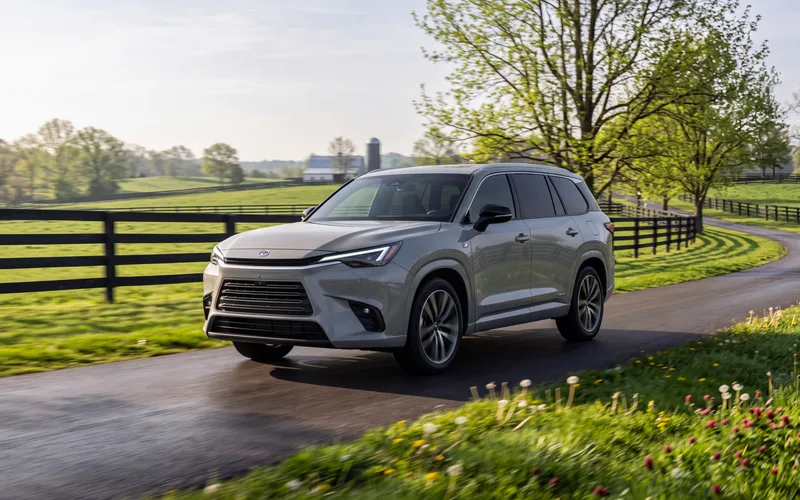 Lexus TXMid-Size Luxury SUVBetter at: Space and efficiency
Same money buys a hybrid or plug-in powertrain, a third row adults fit in, and 97.0 cu ft of maximum cargo against the MDX's 71.4.
Compare 2.43C+
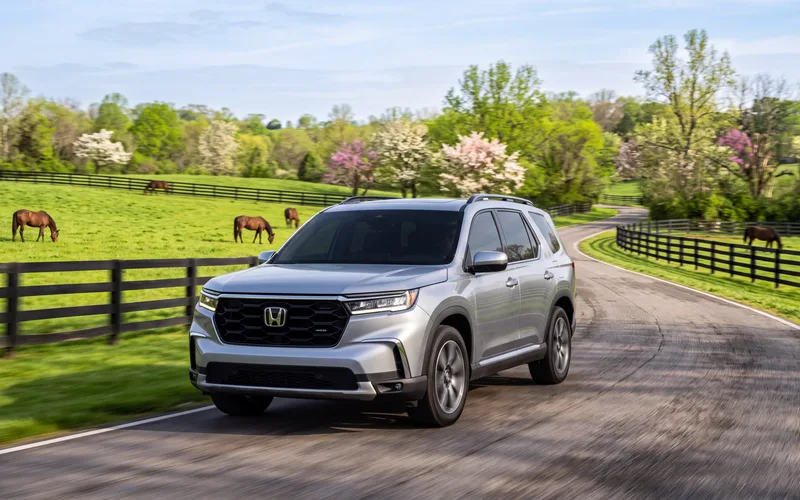 Honda PilotMid-Size SUVBetter at: Value
The same V6 and transmission with more room inside, regular fuel, and roughly $15,000 left in your pocket.
Compare 3.07B
3.07B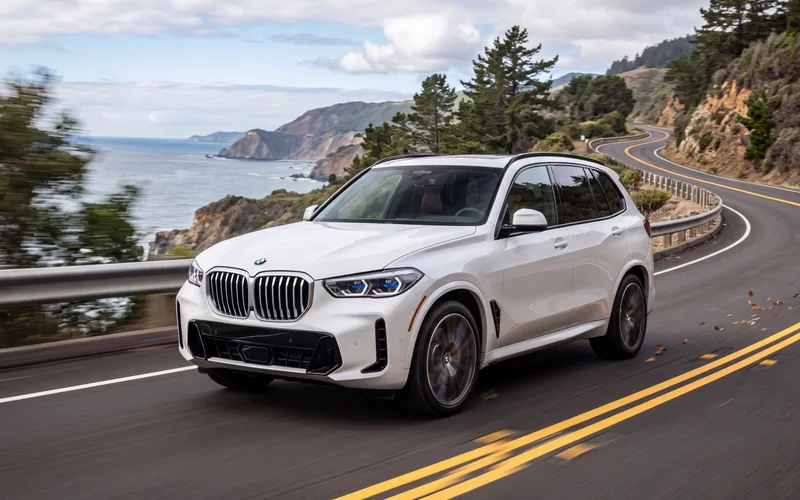 BMW X5Mid-Size Luxury SUVBetter at: Performance
Considerably more power, 7,200 lbs of towing, and a plug-in option for buyers willing to spend about $15,000 more.
CompareHow it's evolved
9 scored model years · 2017–2026
Subject scores by year
Hover or tap a score to see what moved it versus the year before. A corner mark flags a big swing.
| Year | Performance | Efficiency | Safety | Space | Cost | Reliability | Tech | Use-case | Driving | Value |
|---|---|---|---|---|---|---|---|---|---|---|
| 2026 | 51 | 31 | 83 | 61 | 47 | 76 | 79 | 66 | 69 | 76 |
| 2025 | 52 | 28 | 81 | 60 | 37 | 71 | 77 | 64 | 67 | 75 |
| 2024 | 52 | 28 | 81 | 60 | 45 | 69 | 69 | 64 | 68 | 73 |
| 2023 | 52 | 28 | 83 | 60 | 43 | 74 | 69 | 64 | 67 | 76 |
| 2022 | 52 | 28 | 84 | 60 | 45 | 59 | 66 | 63 | 66 | 72 |
| 2020 | 52 | 35 | 72 | 57 | 46 | 59 | 44 | 62 | 68 | 69 |
| 2019 | 52 | 35 | 73 | 57 | 46 | 56 | 44 | 62 | 69 | 71 |
| 2018 | 52 | 30 | 73 | 56 | 48 | 54 | 44 | 60 | 67 | 72 |
| 2017 | 52 | 30 | 74 | 56 | 49 | 57 | 37 | 60 | 66 | 73 |
Compare two years
Best fit & conditions
Higher scores mean a better fit for that use case. Learn more about use-case fit →
Subject profile
Academic Probation · NHTSA safety recalls
Jun 4, 2026Structure: frame and members · Suspension: rearThe rear subframe may corrode at the suspension mounting points, which can result in rear suspension component failure.
Defect
American Honda Motor Company (Honda) is recalling certain 2016-2022 Honda Pilot, 2017-2023 Ridgeline, 2019-2023 Passport, and 2014-2020 Acura MDX vehicles that were sold in Connecticut, Delaware, District of Columbia, Illinois, Indiana, Iowa, Kentucky, Maine, Maryland, Massachusetts, Michigan, Minnesota, Missouri, New Hampshire, New Jersey, New York, Ohio, Pennsylvania, Rhode Island, Vermont, Virginia, West Virginia, or Wisconsin. The rear subframe may corrode at the suspension mounting points, which can result in rear suspension component failure.
Risk
Failure of rear suspension components, such as the rear control arm, can cause a loss of vehicle handling and control, increasing the risk of a crash or injury.
Remedy
Dealers will inspect the rear subframe and install a rear subframe reinforcement kit and, as necessary, repair or replace the rear subframe components, free of charge. Interim letters notifying owners of the safety risk were mailed July 27, 2026. Additional letters will be sent once the final remedy is available, anticipated in the fall of 2026. Owners may contact Honda's customer service at 1-888-234-2138. Honda's numbers for this recall are AOU and AOT. Vehicle Identification Numbers (VINs) involved in this recall will become searchable on NHTSA.gov beginning June 10, 2026.
NHTSA campaign 26V365000 ↗Manufacturer no. AOU, AOT965,561 vehicles potentially affected (all models in the campaign)Filed by Honda (American Honda Motor Co.)Filed as MDXMay 21, 2026Air bags: sensor: occupant classification: front passengerThe front passenger seat weight sensor may crack and short circuit, which can cause the air bags to deploy unintentionally during a crash.
Defect
Honda (American Honda Motor Co.) is recalling certain 2018-2021, 2023 Acura TLX, 2019-2024 RDX, 2017-2020, 2022-2026 MDX, 2017-2021, 2023, 2025 Honda Ridgeline, 2017-2022 Pilot, 2019-2021 Passport, 2018-2026 Odyssey, 2019-2022 Insight, 2019-2021 HR-V, 2018-2020 Fit, 2020-2022 CR-V Hybrid, 2017-2022 CR-V, 2017-2018, 2021 Civic Type R, 2017-2021 Civic hatchback, 2016-2020 Civic coupe, 2016-2022 Civic, 2017-2022 Accord Hybrid, and 2016-2022 Accord vehicles. The front passenger seat weight sensor may crack and short circuit, which can cause the air bags to deploy unintentionally during a crash.
Risk
Air bags that deploy unintentionally during a crash increase the risk of injury.
Remedy
Dealers will replace the seat weight sensors, free of charge. Owner notification letters were mailed July 7, 2026. Owners may contact Honda's customer service at 1-888-234-2138. Honda's numbers for this recall are BOL, WO9, OOA, WOM, XOH, NOC, POD, BOE, UOF, POB, EOG, AOI, QO8, TOJ, DO7, and SOK. This recall expands previous NHTSA recall number 24V064. Vehicle Identification Numbers (VINs) involved in this recall will be searchable on NHTSA.gov beginning May 29, 2026.
NHTSA campaign 26V332000 ↗Manufacturer no. Refer to Comments98,892 vehicles potentially affected (all models in the campaign)Owners notified Jul 6, 2026Filed by Honda (American Honda Motor Co.)Filed as MDXApr 17, 2025Exterior lighting · Interior lightingMoisture may enter the tailgate lid light assembly and wiring harness, which can cause the interior and exterior lights to fail, including the lid lights, position lights, license plate lights and taillights.
Defect
Honda (American Honda Motor Co.) is recalling certain 2014-2020 Acura MDX vehicles. Moisture may enter the tailgate lid light assembly and wiring harness, which can cause the interior and exterior lights to fail, including the lid lights, position lights, license plate lights and taillights.
Risk
Vehicle lights that fail to illuminate can decrease visibility and increase the risk of a crash.
Remedy
Dealers will inspect the wiring and install a fuse harness, replace the lid light, and repair the body dust sealer, as necessary, free of charge. Owner notification letters were mailed May 30, 2025. Owners may contact Acura's customer service at 1-800-382-2238. Acura's number for this recall is FLI. Vehicles included in this recall that were previously repaired under NHTSA recall number 19V-256 will need to have the new remedy completed.
NHTSA campaign 25V259000 ↗Manufacturer no. FLI152,800 vehicles potentially affected (all models in the campaign)Owners notified May 28, 2025Filed by Honda (American Honda Motor Co.)Filed as MDXDec 18, 2023Fuel system, gasoline: delivery: fuel pumpThe fuel pump inside the fuel tank may fail.
Defect
Honda (American Honda Motor Co.) is recalling certain 2013-2023 Honda Accord, Civic Coupe, Civic Sedan, Civic Hatchback, Civic Type R, CR-V, HR-V, Ridgeline, Odyssey, Acura ILX, MDX, MDX Hybrid, RDX, RLX, TLX, 2019-2022 Honda Insight, Passport, 2020 Honda CR-V Hybrid, 2018-2019 Honda Clarity PHEV, Fit, and 2015-2020 Honda Accord Hybrid, Pilot, Acura NSX vehicles. The fuel pump inside the fuel tank may fail.
Risk
Fuel pump failure can cause an engine stall while driving, increasing the risk of a crash.
Remedy
Dealers will replace the fuel pump module, free of charge. Owner letters were mailed September 6, 2024. Owners may contact Honda customer service at 1-888-234-2138. Honda's numbers for this recall are KGC and KGD. This recall is an expansion of NHTSA recall numbers 21V-215 and 20V-314.
NHTSA campaign 23V858000 ↗Manufacturer no. KGC, KGD2,490,460 vehicles potentially affected (all models in the campaign)Owners notified Mar 29, 2024Filed by Honda (American Honda Motor Co.)Filed as MDX, MDX HYBRIDNov 13, 2023Engine and engine cooling: engine: hard parts internal/mechanicalDue to a manufacturing error, the connecting rod bearing in the engine may wear and seize, damaging the engine.
Defect
Honda (American Honda Motor Co.) is recalling certain 2015-2020 Acura TLX, 2016-2020 Acura MDX, 2016 and 2018-2019 Pilot, 2017 and 2019 Ridgeline, and 2018-2019 Odyssey vehicles. Due to a manufacturing error, the connecting rod bearing in the engine may wear and seize, damaging the engine.
Risk
A damaged engine may run improperly or stall while driving, increasing the risk of a fire, crash, or injury.
Remedy
Dealers will inspect and repair, or replace the engine as necessary, free of charge. Owner letters were mailed March 28, 2024. 2016-2017 Acura MDX owner letters were mailed November 1, 2024. 2016-2020 Acura MDX owner letters are expected to be mailed in mid-December 2024. Honda began mailing owner notification letters as of March 18, 2024. 2015-2016 Acura owner letters are expected to be mailed mid-December 2024, 2018 Acura TLX owner letters are expected to be mailed the end of March/early April 2024, 2019 Acura TLX owner letters are expected to be mailed mid-May 2024, 2020 Acura TLX owner letters are expected to be mailed mid-June 2024, and 2016-2020 Acura MDX owner letters are expected to be mailed January 27, 2025. Owners may contact Honda customer service at 1-888-234-2138. Honda's numbers for these recalls are XG1 and GG0.
NHTSA campaign 23V751000 ↗Manufacturer no. XG1, GG0248,999 vehicles potentially affected (all models in the campaign)Owners notified Mar 28, 2024Filed by Honda (American Honda Motor Co.)Filed as MDXMar 28, 2019Exterior lighting · Exterior lighting: tail lightsMoisture may enter the tailgate lid lights, possibly causing a loss of the tailgate lid lights and the taillights.
Defect
Honda (American Honda Motor Co.) is recalling certain 2014-2019 Acura MDX and 2017-2019 Acura MDX Sport Hybrid vehicles. Moisture may enter the tailgate lid lights, possibly causing a loss of the tailgate lid lights and the taillights.
Risk
Loss of the taillights reduces the vehicle's visibility, increasing the risk of crash.
Remedy
Acura will notify owners, and dealers will modify the tailgate lid lights and install updated gaskets and a wiring sub-harness or will replace both tailgate lid lights. The repairs will be performed free of charge. The recall began May 7, 2019. Owners may contact Acura customer service at 1-888-234-2138. Acura's number for this recall is M49.
NHTSA campaign 19V256000 ↗Manufacturer no. M49322,897 vehicles potentially affected (all models in the campaign)Owners notified May 7, 2019Filed by Honda (American Honda Motor Co.)Filed as MDX, MDX SPORT HYBRIDJan 29, 2019Fuel system, other: delivery: fuel pumpParticulates in fuel may adhere to the internal components of the fuel pump, reducing its performance.
Defect
Honda (American Honda Motor Co.) is recalling certain 2016-2018 Acura MDX, 2015-2019 Acura TLX and 2015-2017 Honda Accord vehicles, equipped with a 3.5L V6 engine. Particulates in fuel may adhere to the internal components of the fuel pump, reducing its performance.
Risk
Reduced fuel pump performance can result in an engine stall, increasing the risk of crash.
Remedy
Honda will notify owners, and dealers will update the fuel injection engine control unit (FI-ECU) software and, if necessary, replace the fuel pump, free of charge. The recall began March 25, 2019. Owners may contact customer service at 1-888-234-2138. Acura's recall number for this recall is P3W. Honda's recall number for this recall is N3X.
NHTSA campaign 19V060000 ↗Manufacturer no. N3X, P3W437,032 vehicles potentially affected (all models in the campaign)Owners notified Mar 25, 2019Filed by Honda (American Honda Motor Co.)Filed as MDXNov 1, 2018Service brakes, hydraulic: foundation components: disc: caliperThe rear brake caliper pistons may have an insufficient coating, causing gas pockets to form, reducing brake performance. As such, these vehicles fail to comply with the requirements of Federal Motor Vehicle Safety Standard (FMVSS) number 135, "Light Vehicle Brake Systems."
Defect
Honda (American Honda Motor Co.) is recalling certain 2017-2019 Acura MDX, 2017-2018 Acura MDX Sport Hybrid, 2018-2019 Honda HR-V and Honda Odyssey, and 2016 Honda HR-V vehicles. The rear brake caliper pistons may have an insufficient coating, causing gas pockets to form, reducing brake performance. As such, these vehicles fail to comply with the requirements of Federal Motor Vehicle Safety Standard (FMVSS) number 135, "Light Vehicle Brake Systems."
Risk
A reduction of braking performance increases the risk of a crash.
Remedy
Owners will be notified, and Honda or Acura dealers will bleed the brakes, free of charge. The recall began December 11, 2018. Owners may contact Honda customer service at 1-888-234-2138. Honda's numbers for this recall are C31 and L30.
NHTSA campaign 18V777000 ↗Manufacturer no. C31, L3064,785 vehicles potentially affected (all models in the campaign)Owners notified Dec 11, 2018Filed by Honda (American Honda Motor Co.)Filed as MDX, MDX SPORT HYBRIDJun 30, 2017Fuel system, gasoline: delivery: hoses, lines/piping, and fittingsThe affected vehicles have an engine fuel feed hose and a fuel purge hose that may have been misrouted during vehicle assembly.
Defect
Honda (American Honda Motor Co.) is recalling certain 2017 Acura MDX Sport Hybrid vehicles. The affected vehicles have an engine fuel feed hose and a fuel purge hose that may have been misrouted during vehicle assembly.
Risk
The misrouting can cause the hoses to be damaged from contact with other components, potentially resulting in a fuel leak. A fuel leak in the presence of an ignition source may increase the risk of a fire.
Remedy
Acura will notify owners, and dealers will inspect the routing of the fuel feed hose and the fuel purge hose. If misrouted, the hoses will be replaced and installed correctly, free of charge. The recall began on August 14, 2017. Owners may contact Acura Client Relations at 1-888-234-2138. Honda's number for this recall is KF8.
NHTSA campaign 17V424000 ↗Manufacturer no. KF8193 vehicles potentially affected (all models in the campaign)Owners notified Aug 14, 2017Filed by Honda (American Honda Motor Co.)Filed as MDX SPORT HYBRID
8 recalls on other model years of the MDX (2018–2020, 2022–2025)
Jun 12, 2025Service brakes, hydraulic: pedals and linkagesThe brake pedal pivot pin was not secured properly, which can cause the pedal to shift out of position. As such, these vehicles fail to comply with Federal Motor Vehicle Safety Standard numbers 108, "Lamps, Reflective Devices, and Associated Equipment" and 135, "Light Vehicle Brake Systems."
Defect
Honda (American Honda Motor Co.) is recalling certain 2021-2025 Acura TLX, 2023-2025 Acura MDX, and 2023-2025 Honda Pilot vehicles. The brake pedal pivot pin was not secured properly, which can cause the pedal to shift out of position. As such, these vehicles fail to comply with Federal Motor Vehicle Safety Standard numbers 108, "Lamps, Reflective Devices, and Associated Equipment" and 135, "Light Vehicle Brake Systems."
Risk
A brake pedal that shifts out of position can prevent the driver from applying the brakes as intended, increasing the risk of a crash or injury.
Remedy
Dealers will inspect and replace the brake pedal assembly as necessary, free of charge. Owner notification letters were mailed July 29, 2025. Owners may contact Honda's customer service at 1-888-234-2138. Honda's numbers for this recall are FLX and XLY.
NHTSA campaign 25V391000 ↗Manufacturer no. FLX, XLY259,033 vehicles potentially affected (all models in the campaign)Owners notified Jul 28, 2025Filed by Honda (American Honda Motor Co.)Filed as MDXJan 23, 2025Back over prevention: software · Equipment: electrical: infotainment: video (touch)screen/monitor/unitThe touchscreen in the center console may go blank, resulting in the rearview camera image not displaying as intended. As such, these vehicles fail to comply with the requirements of Federal Motor Vehicle Safety Standard (FMVSS) number 111, "Rear Visibility."
Defect
Honda (American Honda Motor Co.) is recalling certain 2025 Acura MDX vehicles. The touchscreen in the center console may go blank, resulting in the rearview camera image not displaying as intended. As such, these vehicles fail to comply with the requirements of Federal Motor Vehicle Safety Standard (FMVSS) number 111, "Rear Visibility."
Risk
A rearview camera that does not display an image can reduce the driver's rear view, increasing the risk of a crash.
Remedy
Dealers will replace the center information display unit, free of charge. Owner notification letters were mailed March 3, 2025. Owners may contact Honda's customer service at 1-888-234-2138. Honda's number for this recall is RKZ.
NHTSA campaign 25V032000 ↗Manufacturer no. RKZ9,221 vehicles potentially affected (all models in the campaign)Owners notified Mar 3, 2025Filed by Honda (American Honda Motor Co.)Filed as MDXJan 23, 2025Electrical system: software · Fuel system, gasoline: fuel injection systemA software error in the fuel injection electronic control unit (FI-ECU) may cause an engine stall or a loss of power.
Defect
Honda (American Honda Motor Co.) is recalling certain 2022-2025 Acura MDX Type-S, 2023-2025 Honda Pilot, and 2021-2025 Acura TLX Type-S vehicles. A software error in the fuel injection electronic control unit (FI-ECU) may cause an engine stall or a loss of power.
Risk
An engine stall or loss of power can increase the risk of a crash or injury.
Remedy
Dealers will reprogram the FI-ECU software, free of charge. Owner notification letters were mailed March 17, 2025. Owners may contact Honda's customer service at 1-888-234-2138. Honda's numbers for this recall are EL1 and AL0.
NHTSA campaign 25V031000 ↗Manufacturer no. EL1, AL0294,612 vehicles potentially affected (all models in the campaign)Owners notified Mar 17, 2025Filed by Honda (American Honda Motor Co.)Filed as MDX TYPE SFeb 1, 2024Air bags: sensor: occupant classification: front passengerThe front passenger seat weight sensor may crack and short circuit, failing to suppress the air bag as intended.
Defect
Honda (American Honda Motor Co.) is recalling certain 2020-2022 Pilot, Accord, Civic sedan, HR-V, Odyssey, 2020 Civic coupe, Fit, 2021-2022 Civic hatchback, 2021 Civic Type R, Insight, 2020-2021 CR-V, CR-V Hybrid, Passport, Ridgeline, Accord Hybrid, 2020 Acura MDX, 2022 Acura MDX, 2020-2022 Acura RDX, and 2020-2021 Acura TLX vehicles. The front passenger seat weight sensor may crack and short circuit, failing to suppress the air bag as intended.
Risk
An air bag that deploys unintentionally during a crash can increase the risk of injury.
Remedy
Dealers will replace the seat weight sensors, free of charge. Owner notification letters were mailed March 28, 2024. This is a phased recall. Owners may contact Honda customer service at 1-888-234-2138. Honda's numbers for these recalls are XHP and VHQ.
NHTSA campaign 24V064000 ↗Manufacturer no. XHP, VHQ750,114 vehicles potentially affected (all models in the campaign)Owners notified Mar 28, 2024Filed by Honda (American Honda Motor Co.)Filed as MDXJun 29, 2023Service brakes, hydraulic: foundation components: master cylinderThe tie rod fastener that connects the brake booster and the brake master cylinder may have been improperly assembled during manufacturing, which can cause the brake master cylinder to separate from the booster assembly.
Defect
Honda (American Honda Motor Co.) is recalling certain 2020-2021 Civic, 2020-2023 Ridgeline, 2021-2023 Passport, 2021-2022 Pilot, and 2020 Acura MDX vehicles. The tie rod fastener that connects the brake booster and the brake master cylinder may have been improperly assembled during manufacturing, which can cause the brake master cylinder to separate from the booster assembly.
Risk
Brake master cylinder separation can cause a loss of brake function and increase the risk of a crash.
Remedy
Dealers will inspect and repair the brake booster assembly as necessary, free of charge. Owner notification letters were mailed August 7, 2023. Owners may contact Honda customer service at 1-888-234-2138. Honda's numbers for this recall are VEU, AEV, and ZET.
NHTSA campaign 23V458000 ↗Manufacturer no. VEU, AEV, ZET124,077 vehicles potentially affected (all models in the campaign)Owners notified Aug 7, 2023Filed by Honda (American Honda Motor Co.)Filed as MDXMar 25, 2021Fuel system, gasoline: delivery: fuel pumpThe low-pressure fuel pump inside the fuel tank may fail.
Defect
Honda (American Honda Motor Co.) is recalling certain 2019-2020 Acura MDX, MDX Sport Hybrid, RDX, TLX, Honda Accord, Civic Hatchback, Insight, 2019 Acura ILX, Honda Accord Hybrid, Civic Coupe, Civic Coupe Si, Civic Sedan, Civic Sedan Si, Civic Type R, Fit, HR-V, Odyssey, Passport, Pilot and Ridgeline, and 2018-2019 CR-V vehicles. The low-pressure fuel pump inside the fuel tank may fail.
Risk
Fuel pump failure can cause an engine stall while driving, increasing the risk of a crash.
Remedy
Honda will notify owners, and dealers will replace the fuel pump assembly, free of charge. Owner letters were mailed May 18, 2021. Owners may contact Honda customer service at 1-888-234-2138. Note: This recall is an expansion of recall 20V-314.
NHTSA campaign 21V215000 ↗Manufacturer no. Multiple Codes624,552 vehicles potentially affected (all models in the campaign)Owners notified May 18, 2021Filed by Honda (American Honda Motor Co.)Filed as MDX, MDX SPORT HYBRIDApr 12, 2019Engine and engine cooling: engine: gasoline: belts and associated pulleysThe timing belt teeth may separate from the belt.
Defect
Honda (American Honda Motor Co.) is recalling certain 2018-2019 Acura MDX and Honda Pilot vehicles and 2019 Acura RLX, RLX Sport Hybrid, TLX and Honda Odyssey and Ridgeline vehicles. The timing belt teeth may separate from the belt.
Risk
Teeth separation from the timing belt may result in an engine stall, increasing the risk of crash.
Remedy
Honda will notify owners, and dealers will inspect the vehicle and replace any affected timing belt free of charge. Vehicles receiving a replacement timing belt will also have the engine inspected and any damaged components will be replaced for free. The recall began June 7, 2019. Honda owners may contact customer service at 1-888-234-2138. Honda's number for this recall is L4M. Acura owners may contact customer service at 1-888-234-2138. Acura's number for this recall is Z4L.
NHTSA campaign 19V298000 ↗Manufacturer no. L4M, Z4L93,946 vehicles potentially affected (all models in the campaign)Owners notified Jun 7, 2019Filed by Honda (American Honda Motor Co.)Filed as MDXApr 5, 2018SeatsThe front driver and passenger powered seats in the Honda vehicles and the driver powered seats in the Acura vehicles may have been assembled with improperly manufactured rivets. In the event of a crash, the rivets can break causing the seats not to be secured to the floor. As such, these vehicles may fail to comply with the requirements of Federal Motor Vehicle Safety Standard (FMVSS) number 207, "Seating Systems," and 210, "Seat Belt Assembly Anchorages."
Defect
Honda (American Honda Motor Co.) is recalling certain 2018 Honda Pilot and Ridgeline vehicles and 2018 Acura MDX vehicles. The front driver and passenger powered seats in the Honda vehicles and the driver powered seats in the Acura vehicles may have been assembled with improperly manufactured rivets. In the event of a crash, the rivets can break causing the seats not to be secured to the floor. As such, these vehicles may fail to comply with the requirements of Federal Motor Vehicle Safety Standard (FMVSS) number 207, "Seating Systems," and 210, "Seat Belt Assembly Anchorages."
Risk
In the event of a crash, if the seat does not remain secured to the floor, the seat occupant has an increased risk of injury.
Remedy
Honda will notify owners, and dealers will replace the driver seat frame assembly in Acura MDX vehicles, and replace the driver and front passenger seat slide rail frames in Honda Pilot and Ridgeline vehicles, free of charge. The recall began May 30, 2018. Owners may contact Honda customer service at 1-888-234-2138. Honda's numbers for this recall is D0S, and T0T.
NHTSA campaign 18V221000 ↗Manufacturer no. D0S, T0T5,810 vehicles potentially affected (all models in the campaign)Owners notified May 30, 2018Filed by Honda (American Honda Motor Co.)Filed as MDX
Source: NHTSA Office of Defects Investigation recall database, model years 2017–2026. Recalls are listed by model year as the manufacturer filed them; whether a specific car is affected depends on its VIN — check a VIN at nhtsa.gov ↗. NHTSA model names matched to this page: MDX, MDX HYBRID, MDX SPORT HYBRID, MDX TYPE S.
Detailed scoring by subject
1Performance & PowertrainGrades below the middle of the scale.1.45D
The 2017 refresh left the 3.5L V6 untouched at 290 hp — the facelift was styling, the aluminum front fenders and standard AcuraWatch, not the engine. Competitive for a mid-size luxury three-row but well short of the turbo-six and V8 rivals that anchor the top of the SUV band.
A naturally aspirated V6 makes its peak high in the rev range, so the MDX has to be worked to feel quick in a way the turbocharged German rivals do not — the figure is mid-pack for the segment and the delivery is more peaky than the number suggests.
Genuinely brisk for a 4,300-lb three-row crossover and quicker than the numbers imply, because SH-AWD puts the power down cleanly off the line. Mid-band for the segment: quick enough to never feel strained, not quick enough to be a selling point.
The naturally aspirated V6 is smooth and linear with no turbo lag to manage, and throttle response is immediate — reviewers consistently praise the engine itself as the refined half of the powertrain. It loses points for needing revs to deliver, and for the audible Variable Cylinder Management transitions under light load.
The ZF-sourced 9-speed automatic is the 2017 MDX's clear weak point and 2017 is before Acura's recalibration work — reviewers report hesitant, occasionally clunky low-speed shifts, reluctance to downshift promptly, and gear hunting in traffic. The push-button gear selector compounds it by making manual intervention awkward.
5,000 lbs with SH-AWD is competitive for a unibody mid-size luxury three-row and enough for a mid-size boat or a two-horse trailer, though the FWD models drop to 3,500 lbs — the drivetrain choice, not the trim, sets the rating.
Super Handling All-Wheel Drive is offered on every 2017 trim level rather than being restricted to top packages, and it is a genuinely sophisticated system — it overdrives and torque-vectors between the rear wheels rather than merely splitting front-to-rear. It stops short of the top band only because there is no low range or terrain-mode breadth.
Unambiguously pavement-oriented: roughly 7.3 in of unladen ground clearance, shallow approach and departure angles, road-biased all-season tires, no skid plates, no low range and no locking differentials. SH-AWD makes it sure-footed on a wet or snowy road, which is the extent of the ambition.
2017 is the year the MDX gained a genuinely distinct second powertrain — the 3.0L Sport Hybrid SH-AWD with three motors and a 7-speed dual-clutch, alongside the 3.5L V6 with the 9-speed in FWD or SH-AWD form. Two distinct choices including an electrified one, but the hybrid arrived mid-year and only in Advance-package guise, so real-world choice was narrow.
2Efficiency & RangeThe MDX's lowest-graded category.0.00F
A big naturally aspirated V6 in a 4,300-lb three-row lands in the bottom third of the gas-SUV band, and the volume Technology-package car misses the 1 MPG that Idle Stop buys because for 2017 that feature was Advance-package-only.
City is where the MDX's weight and the absence of stop-start on the volume trim cost it most — 18 MPG is near the floor of the gas-SUV band and the Sport Hybrid's 26 MPG shows how much was being left on the table.
Highway is the MDX's best showing — the tall 9-speed's top gears and cylinder deactivation let the V6 cruise efficiently, and 26 MPG is respectable for an AWD three-row even if it is only mid-band.
A 19.5-gallon tank paired with mediocre combined economy yields a usable but unremarkable ~410-mile range — enough for a full day's driving between stops, and the premium-fuel requirement makes each of those stops expensive.
The combination that hurts most: below-average combined MPG multiplied by a premium-fuel surcharge puts the volume MDX at the very top of the gas-SUV cost band. It is the single largest running-cost penalty of owning one.
Acura lists 91-octane premium as recommended rather than required for the 3.5L V6, so knock sensors and adaptive timing will tolerate regular with some loss of output — that flexibility keeps it out of the bottom band, but owners following the recommendation pay a per-gallon surcharge on already-mediocre economy.
3SafetyThe MDX's best-graded category.2.99B-
The refreshed 2017 MDX earned NHTSA's top 5-star overall score, identical for FWD and SH-AWD, with 5 stars in every crash mode and 4 stars on rollover — the standard outcome for a tall three-row crossover.
A named 2017 TOP SAFETY PICK+ — Good in all five crashworthiness tests IIHS ran plus a Superior front crash prevention rating, with no trim or optional-equipment qualifier on the award. It sits at the low end of the top band rather than the top of it because IIHS never ran the passenger-side small overlap test on this body, and because the 2017 TSP+ bar accepted Acceptable headlights (the same car dropped to plain TOP SAFETY PICK for 2018 when that bar rose to Good).
2017 is the year AcuraWatch became standard on every MDX trim — CMBS/AEB, forward collision warning, lane departure warning, road departure mitigation, lane keeping assist and full-range adaptive cruise with low-speed follow, all previously Technology- or Advance-package content. Acura called it a first in the luxury SUV category and it genuinely was ahead of the 2017 norm. What holds it out of the top band is that blind-spot information and rear cross-traffic monitor are not in the suite and still require the Technology package.
The now-standard CMBS earned IIHS's top Superior rating for vehicle-to-vehicle front crash prevention, avoiding a collision outright in both the 12 and 25 mph runs. It falls short of the top band only because IIHS published no pedestrian front crash prevention result for this vehicle-year — day or night — so the pedestrian half of the modern test is unverified rather than passed.
Blind Spot Information and Rear Cross Traffic Monitor are alert-only — a mirror indicator plus an audible chime, with no steering or braking intervention and no safe-exit warning — and BSI is disabled below roughly 20 mph. Both are Technology-package content rather than part of standard AcuraWatch, so a base 2017 MDX has neither.
LKAS attempts genuine lane centering off a camera and the electric power steering rather than bounce-off-the-line correction, and it is standard alongside LDW and road departure mitigation for the first time in 2017. Reviewers who got it engaged found the steering smooth and well-centered, but the system needs clear markings, holds only within a limited speed window, and owners report inconsistent engagement — enough to keep it out of the top band.
Adaptive Cruise Control with Low-Speed Follow became standard on every 2017 trim and works down to a full stop in traffic — a real competitive advantage at this price in 2017, and reviewers described the speed control as calm and smooth. It stops short of the top band because it pairs with an LKAS that does not reliably hold, so there is no integrated, marketed highway-assist mode — just two features running side by side.
No hands-free highway driving system was offered on the 2017 MDX or anywhere in Acura's 2017 lineup. AcuraWatch is a hands-on driver-support suite and LKAS requires steering torque input to stay active.
IIHS rated the restyled Jewel Eye LED headlights Acceptable — one step below Good, with a single rating covering the whole lineup, so there is no better-lit halo trim but also no Marginal/Poor volume trim. Newly standard auto high-beam lifts real-world nighttime performance; the Acceptable rating cleared the 2017 TSP+ bar but is exactly what cost the car TSP+ a year later.
A large glass area and a high, commanding seating position make the MDX easy to place, but the styling-driven rear pillars are thick and the over-the-shoulder view is compromised. Camera compensation is uneven: a multi-angle rearview camera with dynamic guidelines is standard, but the new six-angle surround-view system and the eight parking sensors are both Advance-package exclusives, so the volume Technology trim relies on mirrors and alerts rather than a top-down view.
The volume Technology trim's three-place second-row bench offers a generous number of LATCH positions for the class, but IIHS docked the hardware itself to Acceptable: lower anchors set too deep in the seat bight and top tethers that are hard to locate. The third row has tether anchors only and no lower anchors, so a rear-facing seat cannot go back there — and the Advance package's second-row captain's chairs trade the middle position away entirely.
4Space & ComfortMid-pack among this car's ten categories.1.75C-
The volume 2017 MDX seats seven on a 60/40-split second-row bench; only the Advance package's captain's chairs drop it to six.
Acura publishes a single first-row headroom figure for both FWD and SH-AWD; it is modest for a mid-size SUV because the moonroof is standard fleet-wide.
First-row legroom is mid-pack for the mid-size luxury SUV class and unchanged by the 2017 facelift, which altered sheetmetal rather than the passenger cell.
Second-row headroom is genuinely good and slightly better than the front row; the third row's 35.6 in is where the packaging runs out.
Acura's headline second-row figure is 36.6 in with the sliding bench in its nominal position; sliding it fully rearward yields a competitive 38.5 in, at the third row's expense.
The third row is a genuine kid seat rather than a token one — access is easy thanks to the standard One-Touch Smart Slide walk-in second row — but 28.1 in of legroom and 35.6 in of headroom rule out adults on anything beyond a short hop.
Acura publishes the strict SAE J1100 figure of 38.4 cu ft; the larger 43.4 cu ft number adds the floor space ahead of the second row and is the one Acura says compares to rivals' quoted figures.
Maximum cargo volume is well behind boxier three-row SUVs — the MDX's tapered roofline and low load floor trade absolute volume for the crossover shape.
Better than average for the class: a deep underfloor 'Hidden Cargo Storage with Smart Lid' and a multi-function console with sliding tray are standard, and the third row folds flat into the floor — but the 110-volt outlet is package-gated rather than standard.
The front sport seats (10-way power driver with power lumbar, 8-way passenger) and the sliding/reclining second row draw consistent praise for long-haul comfort; the score is held short of the top band by a third row that is uncomfortable for anyone but children.
The third-generation MDX rides comfortably — reviewers report the suspension rounding the edges off most bumps — but the 2017 facelift's optional 20-inch wheels on Technology and Advance grades trade some of that compliance away.
Quietness is one of the MDX's clearest strengths — acoustic windshield and front side glass plus Active Sound Control and active engine mounts are standard, and reviewers describe road noise as a distant murmur.
Tri-zone automatic climate control and heated front seats are standard on every 2017 MDX, but ventilated front seats, a heated steering wheel and heated second-row seats all require the Advance package or a Tech+Entertainment combination, and remote start is Technology-package content.
5Cost of OwnershipOne of the MDX's weakest categories.1.29D
Acura's own 2017-model-year launch pricing table lists the front-drive base MDX at $43,950 MSRP plus a $940 destination charge, so $44,890 delivered — the cheapest the facelifted third-generation car ever started. Acura took a $100 increase partway through the model year, and the following year's release confirms the run-out figure by describing the 2018 car's $44,200 as "just $150 more than the outgoing model."
SH-AWD with the Technology Package is the core-volume configuration on the third-generation MDX: SH-AWD is the drivetrain most buyers in this segment took, and the Technology Package is what adds blind-spot monitoring, rear cross-traffic monitor, navigation, front and rear parking sensors, 20-inch wheels, remote engine start, power-folding mirrors and 10-speaker ELS audio — none of which the base car carries. The Advance grades and the new-for-2017 Sport Hybrid sit above it and account for a minority of the mix.
The 3.5L J35 V6 is long-serving, high-volume Honda hardware and RepairPal rates the 2017 MDX 4.0/5.0 with below-class repair costs and unscheduled shop visits at the all-vehicle average, but 2017 is the model year the ZF-derived 9-speed automatic spread to every MDX including the front-drivers, and that gearbox carried a harsh-shift service history Acura kept recalibrating into 2019. A 2017 buyer also paid for every scheduled service from the first oil change, and dealer-rate luxury servicing pushes the real figure above CarEdge's scheduled-maintenance-only basis without approaching German-brand territory.
Model-level residual studies put the MDX at almost exactly 50% retention at five years, marginally better than its own segment average; the 2017 car sits a point or two above that baseline because its five-year mark fell in calendar 2022, at the peak of the used-vehicle price spike, whereas the 2018 and 2019 cars hit theirs into a softening market. Even so, roughly half of sticker is a weak result against the SUV band, which tops out at 70%, and the nine-year-old cars now book in the low-to-mid teens.
Acura's new-vehicle limited warranty is 4 years or 50,000 miles, matching the luxury-brand convention BMW, Mercedes and Audi held in 2017 but short of the 5-year/60,000-mile terms Hyundai's group was using to attack the market. 24-hour roadside assistance runs for the same 4-year/50,000-mile term.
Six years or 70,000 miles on engine, transmission and front and rear drive components — longer than most German luxury coverage of the period, but well short of the 10-year/100,000-mile powertrain terms the Hyundai/Kia group offered in 2017, which is what the top of this band is calibrated to. The Sport Hybrid's battery carries separate coverage, but the volume gas SH-AWD trim scored here does not.
A 2017 MDX owner pays for every scheduled service from the first oil change — Acura's complimentary Maintenance Package (2 years / 24,000 miles) and the multi-year AcuraLink subscription were not introduced until the 2023 model year. What is included is 24-hour roadside assistance running with the 4-year/50,000-mile warranty plus a short AcuraLink trial, which is exactly the "basic roadside only" case at the floor of the middle band; the Maintenance Minder system reduces unnecessary visits but does not pay for them.
$51,300 volume-trim price minus its estimated resale value after 5 years (52% retained, or about $26,676) leaves about $24,624 in depreciation. Add the projected $5,300 in 5-year maintenance and repairs, and owning this vehicle for 5 years costs about $29,924 in total.
6Reliability & QualityMid-pack among this car's ten categories.1.85C-
2017 is the facelift year of the third-generation MDX (new diamond pentagon grille, aluminum front fenders, AcuraWatch standard across the range) and it is the strongest of the late third-generation years on the survey data that matters most: Consumer Reports rates it "more reliable than other cars from the same model year," where the 2018 car is only about average and the 2019 car is below average. J.D. Power disagrees, holding predicted reliability to a below-average 2.5 out of 5, and CarComplaints has logged 283 owner reports concentrated on hesitation and the then-new automatic braking. A genuinely positive CR verdict against a below-average J.D. Power one is a mixed signal with an upward lean — the top of the average band rather than the middle of it.
Acura's standing is good but not top-tier, and the two authorities disagree in a way that resolves to upper-mid-pack. Consumer Reports has consistently placed Acura among the stronger makes on the strength of shared Honda mechanicals, while J.D. Power's Vehicle Dependability Study keeps it out of the leading group — the 2020 VDS, which surveys three-year-old vehicles and therefore samples this exact 2017 cohort, was led by Genesis at 89 PP100 with Lexus 100, Buick 103, Porsche 104 and Toyota 113 against a 134 PP100 industry average, and Acura was not among them. This is a brand-level fact rather than a 2017-specific one, so it is scored consistently across this generation's model years.
Eight NHTSA campaigns reach the 2017 MDX — fewer than the 2018 car's ten or the 2019 car's nine, and materially better in composition because 2017 falls outside the 2018-2019 timing belt recall, leaving one engine-internal campaign rather than two. What it does carry is still serious: the 2016-2020 connecting rod bearing defect that can seize and destroy the engine, the rear brake caliper coating campaign in its first affected year, two separate fuel-pump stall campaigns, tailgate/taillight water ingress recalled twice for the same failure, an airbag occupant-classification sensor and salt-belt rear subframe corrosion. On top of that sits a 2017-specific service action rather than a recall: Acura Service Bulletin 17-026 covers improperly manufactured 9-speed ATF warmers on a limited number of 2016-17 MDX that let coolant and ATF mix and can permanently destroy both engine and transmission, backed by a warranty extension to 10 years unlimited mileage. Better than its neighbouring years, still well below a clean record.
The engine family is a strength and the transmission is this generation's known weakness, with 2017 sitting on the wrong side of every fix. The 290-hp 3.5L J35 V6 is among the better-proven engines sold in the US — naturally aspirated, shared with the Pilot, Odyssey, Ridgeline and TLX, routinely run past 200,000 miles — and 2017 escapes the timing belt recall, leaving only the 2016-2020 rod bearing campaign against it. The ZF 9HP nine-speed is the problem: 2017 is its second model year in the MDX (it replaced the 6-speed for 2016) and it is pre-revision, so it carries the signature hesitation and hard low-speed shifting complaints that cluster on 2016-2017 cars — poor acceleration/hesitation is CarComplaints' number-one 2017 MDX problem at about 24,000 miles. 2017 is also one of only two model years exposed to the ATF warmer cross-contamination defect, the one failure mode in this powertrain that can take out the engine and the transmission together. Acura revised the transmission's mechanicals and calibration for 2019 and abandoned the unit for an in-house 10-speed in the 2022 redesign.
The 2017 refresh was largely exterior and safety-tech — the grille, aluminum front fenders and standard AcuraWatch — while the interior materials upgrade and genuine Desert Olive Ash wood trim waited for 2019, so this is the pre-upgrade cabin. Reviewers found it mostly upscale and genuinely well-appointed at the top of the range, where the Advance/Elite grades add real open-grain olive wood, a heated steering wheel and second-row captain's chairs, but consistently placed it a rung below the Lexus RX 350 and Volvo XC90 it is priced against, with Honda-grade plastics and switchgear visible on the volume trims. Competitive for the segment, not luxurious for the money.
Assembly quality is the better half of this subcategory for 2017. The MDX is built at East Liberty, Ohio on a long-running line, Consumer Reports calls the interior fit and finish impressive, reviewers of the refreshed car reported buzzes, rattles and squeaks as effectively absent, and owners specifically noted the 2017 as a step up from the year before. What holds it just above the segment midpoint rather than well above is body sealing, which is a documented and unresolved defect rather than scattered noise: moisture entering the rear lighting was recalled in 2019 and recalled again in 2025 for the same failure on the same cars, meaning the first remedy did not hold, and CR's 2017 trouble spots include front-end rattles under Drive System.
Roughly 270 franchised US Acura dealers is thin against Honda's thousand-odd and below Lexus, so rural owners travel further for warranty work — but the network is nationwide, service satisfaction is respectable, and the practical fallback matters more on a nine-year-old car than on a new one: any Honda dealer or competent independent can service the J35 V6 and most of the chassis hardware. Adequate coverage with a solid reputation, short of the dense premium networks that earn the top band. Brand-level and scored consistently across this generation's model years.
This is the MDX's strongest reliability-adjacent trait and the reason it stays cheap to keep past warranty, which is the relevant question for a 2017 car now well outside it. So much of the vehicle is Honda — the J35 V6, much of the chassis and electrical hardware, shared with the Pilot, Odyssey, Ridgeline and TLX — that parts volumes are mainstream rather than luxury, aftermarket and remanufactured supply is deep, and independent shops will work on it without specialist tooling. Routine maintenance and common repairs price near a mainstream three-row crossover rather than a German luxury SUV. The ZF 9-speed is the one component where a major failure gets genuinely expensive, though the 10-year unlimited-mileage ATF warmer warranty extension covers the worst 2017-specific version of that risk for eligible VINs.
7Technology & InfotainmentOne of the MDX's weakest categories.0.46F
The only touch-capable center screen on the 2017 MDX is the 7-inch lower ODMD; the larger 8-inch upper screen is driven by the console knob, so it does not count as a touchscreen.
The two-screen ODMD arrangement was the most criticized part of the 2017 MDX — a learning curve, split logic between a knob-driven upper map screen and a resistive-feeling lower touch panel, and graphics reviewers judged below luxury-segment standard; the capacitive lower screen that improved matters did not arrive until 2018.
The 2017 MDX offers no phone projection of any kind — neither wireless nor wired. Acura added Apple CarPlay and Android Auto to the MDX for the 2018 model year and confirmed it would not be made backward-compatible; 2017 buyers get only Siri Eyes Free and Bluetooth streaming.
Native navigation with 3D view, AcuraLink real-time traffic and Song By Voice are competent but package-gated to Technology and Advance grades, and the command-word voice system is a generation behind natural-language assistants; with no CarPlay to fall back on, base-trim buyers have no navigation at all.
ELS Studio premium audio remains one of the best-regarded factory systems at any price, offered in 10-, 11- and 12-speaker forms, and even the standard 8-speaker Acura Premium system is a solid base.
The 2017 MDX uses conventional analog gauges flanking a color Multi-Information Display — useful and configurable in a limited way, but nothing approaching a full-digital cluster, and turn-by-turn content in it requires the Technology package.
There is no over-the-air software update capability on the 2017 MDX. AcuraLink delivers live traffic and connected services over the air, but navigation map and system software updates are dealer- or disc/USB-based.
The AcuraLink app covers the core remote set — satellite-connected remote start with climate, lock/unlock, Find My Car, security alerts — but the functions sit behind tiered subscription packages after a complimentary period, and there is no digital key.
Five USB ports are standard for 2017 — one 1.0-amp data port plus two 2.5-amp charge ports in the glove box and two in the second row — which was generous at the time, but all are USB-A, third-row ports require the Advance package, there is no wireless charging, and the 110-volt outlet is Entertainment-package content.
Keyless Access with personalized settings, pushbutton ignition and a remote-linked power tailgate are standard across the range, but remote engine start requires the Technology package and there is no hands-free liftgate or phone-as-key.
A multi-angle rear camera with dynamic guidelines is standard, but front and rear parking sensors and the six-angle Surround-View Camera System are both restricted to the top Advance package, and there is no automated parking.
No head-up display is offered on the 2017 MDX at any trim. The Advance package's 'Head-Up Warning' is not a HUD — it flashes collision-warning light onto the base of the windshield when CMBS is about to intervene, and displays no speed, navigation or driving information.
8Use-Case FitMid-pack among this car's ten categories.2.05C
Family logistics are a genuine MDX strength: seven seats standard, a One-Touch Smart Slide walk-in second row that clears third-row access with a child seat still installed on the outboard position, wide door openings and a standard power tailgate — held back only by an IIHS 'Acceptable' rather than 'Good+' LATCH ease-of-use rating.
2017 is the year AcuraWatch became standard on every MDX trim — collision mitigation braking, adaptive cruise with low-speed follow, lane keeping and road departure mitigation on the base car — backed by a 5-star NHTSA overall and IIHS Good ratings across the crashworthiness tests; blind-spot monitoring and cross-traffic alert, however, still cost the Technology package.
Standard tri-zone climate, a quiet cabin and comfortable first two rows make this a good family tourer, and DVD rear entertainment up to a 16.2-inch ultrawide screen is available — but the third row is a short-trip-only kid space and cargo room behind it is only 15.0 cu ft with all seven aboard.
Light controls, good visibility and a quiet, smooth 290-hp V6 make the MDX relaxing in traffic, but the ZF-sourced 9-speed automatic's low-speed hesitation and abrupt engagements are the recurring complaint in exactly the stop-and-go conditions commuters live in.
21 MPG combined on required premium fuel puts running costs near the bottom of the practical range for a commuter; the EPA's own annual estimate is about $3,600 a year, and only the Advance package's Idle Stop or the FWD car claws back a single MPG.
A 38.7 ft curb-to-curb turning circle on a 111.0 in wheelbase is workable but unremarkable for the class, and the aids that make a big three-row SUV easy in tight spaces — front/rear parking sensors and the surround-view camera — are locked to the top Advance package.
A 5,000 lb tow rating with SH-AWD (3,500 lb FWD) covers a small trailer or a pair of jet skis, but this is a unibody luxury crossover with no bed, no meaningful payload headroom and no work-oriented powertrain option.
The J35 V6 has a long, well-proven service record, but the rest of the package is aimed squarely at luxury use — leather everywhere, no wear-friendly interior option, and the 9-speed automatic carried a reputation for driveability and durability complaints in its early years.
Almost nothing here is aimed at work: roof rails require the Advance package, the single 110-volt outlet is Entertainment-package content, there is no washable interior surface and no meaningful upfit ecosystem beyond dealer-accessory racks and a hitch.
This is the MDX's best mission — a notably quiet cabin, comfortable front and second-row seats, roughly 410–430 miles between fills, and adaptive cruise with low-speed follow standard on every 2017 trim to cut highway fatigue.
SH-AWD is genuinely capable in snow and on gravel, but 7.3 in of ground clearance, no low range, no off-road package or hardware on any trim, and roof rails that require the top package cap this at pavement-and-forest-road duty.
The third row folds flat into the floor, the second row splits 60/40 and slides, and a deep underfloor bin with a smart lid hides valuables — but 68.4 cu ft maximum is modest for a three-row SUV, and roof rails for a box or bike carrier are Advance-package content.
9Driving ExperienceOne of the MDX's strongest categories.2.49C+
SH-AWD's rearward and side-to-side torque vectoring gives the MDX more corner-exit composure than most three-row crossovers and 0.83 g of grip is respectable for the class, but reviewers agree the third-generation car traded away the agility earlier MDXs had.
Accurate enough and well weighted for daily use, but vagueness on center and an absence of feedback are the consistent criticism of this generation — the 2017 facelift did not retune it.
Instrumented stops are good for a 4,200 lb three-row SUV — 121 ft from 60 mph and 188 ft from 70 mph — and the standard electric parking brake with automatic brake hold works cleanly in traffic; pedal feel is firm rather than communicative.
The 290-hp V6 itself is smooth and eager, but the 9-speed automatic behind it is the weak link — hesitant and abrupt at low speed — and the Advance package's Idle Stop adds a restart shudder that the rest of the range avoids.
The V6 sounds good when extended and stays near-silent when it isn't, helped by standard Active Sound Control and active engine mounts that cancel low-frequency driveline vibration.
Acura publishes one turning diameter for both drivetrains — mid-pack for a 196-inch, 111-inch-wheelbase three-row SUV.
The 10-way power driver's seat with power lumbar and electronic tilt/telescopic column suit a wide range of drivers, and sightlines are good — but the split-screen ODMD scatters common controls between a knob, a touch panel and hard buttons, which costs it the top band.
A willing V6, standard paddle shifters and SH-AWD give the MDX more character than the average family three-row, but vague steering and a comfort-first chassis mean nobody recommends it as a driver's car.
10Value & Market PositionOne of the MDX's strongest categories.2.95B-
2017 is the year the MDX became, by Acura's own claim, the first luxury SUV in its class to make a full driver-assist suite standard on every grade: the $44,890 base car includes AcuraWatch — collision mitigation braking with forward collision warning, adaptive cruise with low-speed follow, lane keeping assist and road departure mitigation — alongside three rows of leather-trimmed seating, a moonroof, tri-zone climate, power liftgate, Jewel Eye LED headlights, keyless access with push-button start, a multi-angle rearview camera, and newly standard electric parking brake with automatic brake hold, auto high beam, SiriusXM 2.0 and four 2.5-amp USB ports. A 2017 BMW X5 or Mercedes GLE still billed separately for most of that content and arrived with two rows. It sits below the 2018 car because Apple CarPlay and Android Auto were still a model year away, and below the top band because blind-spot monitoring and rear cross-traffic monitor — table stakes by then — sit behind the $4,410 Technology Package with navigation and premium audio.
The cheapest entry point of the whole third-generation run — three usable rows, a 290-hp V6, torque-vectoring SH-AWD and a class-first standard ADAS suite for $44,890 to $51,300 delivered — undercut a 2017 BMW X5 or Mercedes GLE by roughly $15,000 and the Audi Q7 by several thousand, and U.S. News made exactly that case by naming the MDX its Best Luxury Three-Row SUV for the Money for a fifth consecutive year. The value case was also at its strongest here: the Telluride, Palisade and Aviator that later undercut the MDX on content were all 2020-model-year arrivals. It is held out of the top band by what buyers give up for the badge — a dual-screen infotainment layout reviewers found distracting, a 9-speed automatic newly extended to every trim and still drawing harsh-shift complaints, a tight third row and more road noise than the class norm.
Twelve published configurations spanning $44,890 to $59,340 delivered, across two drivetrains (FWD and SH-AWD), two powertrains (the 290-hp 3.5L V6 with the 9-speed automatic, and the new-for-2017 Sport Hybrid's three-motor SH-AWD with a 7-speed DCT) and well-spaced Technology, Technology & Entertainment, Advance and Advance & Entertainment steps. 2017 is the year electrification first appeared on an MDX. It sits a notch below the 2019 car, which slotted an A-Spec variant between Technology and Advance, and the gap at the bottom is the same across the generation: there is no inexpensive entry point, since even the base car is a $45,000 luxury SUV.
54,886 US deliveries in calendar 2017 kept the MDX Acura's best-selling model and the strongest seller in luxury three-row by a wide margin over the Audi Q7, Infiniti QX60 and Lincoln MKT — a sixth consecutive 50,000-plus year, and the shallowest year-over-year decline (−1.1%) of the facelift era. Acura's claim to be the best-selling three-row luxury SUV of all time is unusually strong market standing; the score stays out of the top band because volume was drifting down from the 2014 launch-year peak rather than rising, as newer rivals filled the segment.
Acura sat in the second tier of US luxury in 2017 — respected for engineering, reliability and value with a loyal repeat-buyer base, but without the status halo of BMW, Mercedes, Audi or Porsche. This was close to the brand's low ebb for desirability: the second-generation NSX had only just gone on sale as a slow-selling halo, Type S had not returned to any volume model, and the performance revival did not begin until the 2021 TLX. Roughly level with Lincoln and Infiniti, a clear step behind Lexus.
A reasonable year to negotiate but not a bargain year. Industry incentive spending hit record levels through 2017, and Acura layered special APR and lease cash on top of the stackable loyalty and conquest allowances it has used continuously on the MDX. What holds this below the 2018 and 2019 cars is that 2017 was the freshly facelifted model year, launched in June 2016 with a class-first standard-safety story and demand still firm — discounting on a just-refreshed MDX was thinner than on the run-out years that followed, and Acura even took a $100 in-year price increase.
2017 is the fourth model year of the third-generation MDX launched for 2014, but it is the facelift year itself and the freshest the generation ever was: a new diamond-pentagon front end previewed by the Acura Precision Concept, aluminum front fenders replacing steel to cut mass, the ZF-derived 9-speed automatic extended to every trim including the front-drivers, idle stop on Advance grades, AcuraWatch standardized across the lineup, and an entirely new Sport Hybrid SH-AWD powertrain derived from the NSX. That is a substantial mid-cycle update rather than a trim shuffle. It stays out of the top band because the platform, cabin architecture and dual-screen infotainment layout were untouched and a generation behind what the Aviator, Telluride, Palisade and X5 would bring three years later.
The best-decorated year of the third generation on safety and value, though still not a comparison-test winner on driving or interior merit. The 2017 MDX took IIHS TOP SAFETY PICK+ for a fourth consecutive year — a rating the 2018 car lost on Acceptable headlights alone — alongside NHTSA's five-star overall, U.S. News' Best Luxury Three-Row SUV for the Money for a fifth straight year, and Edmunds' Most Wanted Luxury Midsize SUV. Reviewers' recurring complaints — the dual-screen infotainment, the 9-speed's manners now that every trim had it, a tight third row, road noise — kept it framed as the sensible pick of the class rather than the outright best.