

The verdict
A struggling subcompact luxury suv, strong on value and held back by technology.
The 2017 BMW X1 was the critics' pick of the subcompact luxury class — Car and Driver's first-ever 10Best SUV in the segment, an IIHS Top Safety Pick, with 228 hp, a 6.3-second 0-60 and 58.7 cubic feet of cargo behind a folded bench. Nearly a decade later, the story is different: this is the second year of a generation owners and reliability surveys single out as the one to avoid, and it is the year BMW cut free maintenance from 4 years to 3. The bigger problem for a used shopper is what a 2017 X1 does not have — no blind-spot monitoring at any price, headlights IIHS rated Poor or Marginal in all four configurations, and a rearview camera that cost $1,150 extra, so most cars on the lot have none. Buy one for the way it drives and the room it packs into 174.8 inches, with a pre-purchase inspection and a repair budget, not because the roundel promises cheap luxury.
Jump to scoresStrengths
- Crash protection that swept the tests
- The class benchmark on reputation and volume
- Quick, tidy and genuinely good at stopping
What holds it back
- Almost no crash-avoidance tech, and some you cannot buy
- Headlights IIHS rated Poor to Marginal — every version
- Repairs are dealer-priced on a subcompact crossover
Top alternatives
Cars shoppers cross-shop with the BMW X1 2.43C+
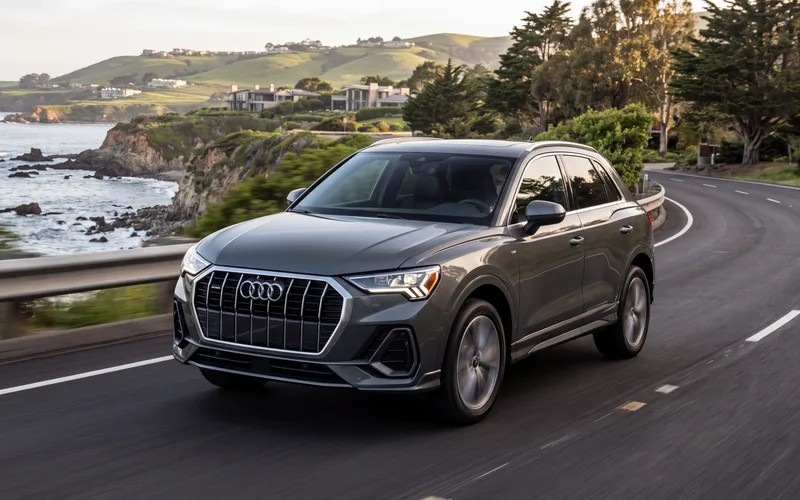 Audi Q3Subcompact Luxury SUVBetter at: Ride comfort
The most direct German cross-shop — similar money and badge weight, with a smoother automatic and a calmer ride than the X1's firm setup.
Compare 2.19C
2.19C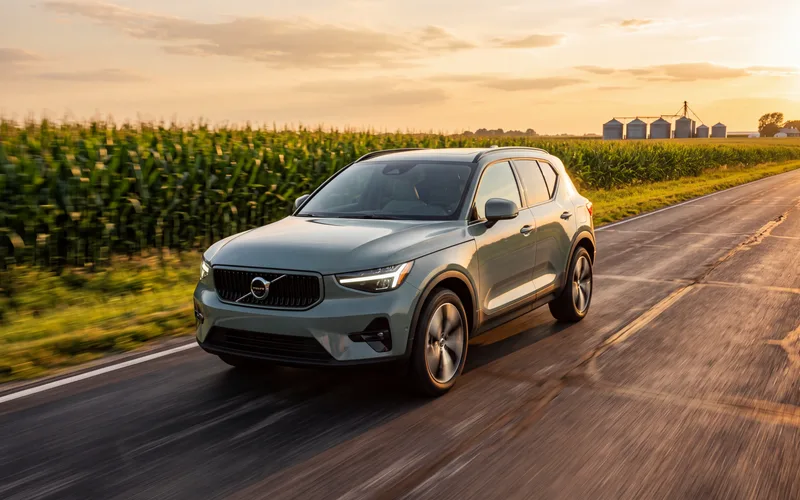 Volvo XC40Subcompact Luxury SUVBetter at: Standard content
Gives you more standard equipment for the base price and a softer ride, so you spend less time on BMW's option sheet to get a well-equipped car.
Compare 2.28C
2.28C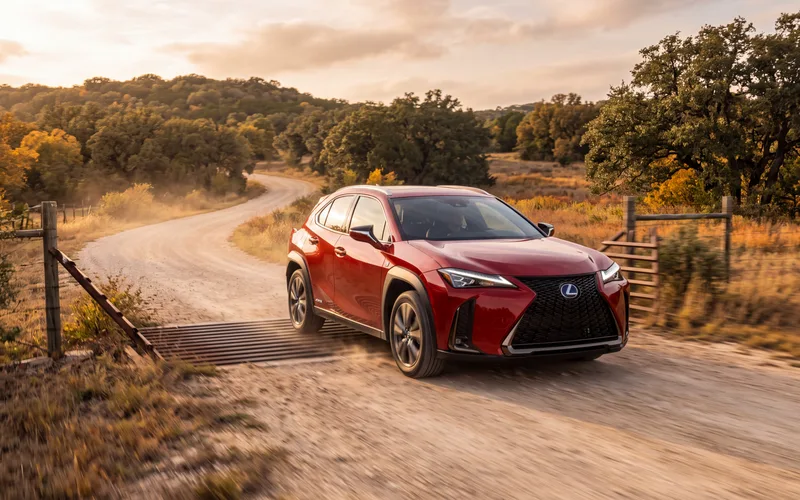 Lexus UXSubcompact Luxury SUVBetter at: Ownership cost
Runs on regular fuel with hybrid economy and Lexus dependability, sidestepping the X1's premium-fuel requirement and $8,200 five-year maintenance estimate.
CompareHow it's evolved
10 scored model years · 2017–2026
Subject scores by year
Hover or tap a score to see what moved it versus the year before. A corner mark flags a big swing.
| Year | Performance | Efficiency | Safety | Space | Cost | Reliability | Tech | Use-case | Driving | Value |
|---|---|---|---|---|---|---|---|---|---|---|
| 2026 | 47 | 57 | 79 | 48 | 48 | 77 | 80 | 67 | 73 | 80 |
| 2025 | 46 | 52 | 64 | 46 | 55 | 66 | 76 | 58 | 69 | 69 |
| 2024 | 47 | 53 | 74 | 48 | 55 | 66 | 76 | 62 | 69 | 73 |
| 2023 | 44 | 54 | 72 | 46 | 54 | 64 | 72 | 56 | 67 | 67 |
| 2022 | 43 | 47 | 65 | 42 | 55 | 73 | 64 | 55 | 68 | 55 |
| 2021 | 44 | 47 | 58 | 42 | 55 | 71 | 52 | 50 | 71 | 65 |
| 2020 | 44 | 47 | 58 | 43 | 55 | 69 | 52 | 53 | 68 | 65 |
| 2019 | 44 | 43 | 62 | 42 | 55 | 64 | 48 | 52 | 66 | 62 |
| 2018 | 44 | 43 | 53 | 42 | 60 | 64 | 40 | 49 | 65 | 67 |
| 2017 | 44 | 43 | 52 | 42 | 58 | 63 | 35 | 48 | 65 | 69 |
Compare two years
Best fit & conditions
Higher scores mean a better fit for that use case. Learn more about use-case fit →
Subject profile
Academic Probation · NHTSA safety recalls
May 9, 2019Structure: body: roof and pillarsIn the event of a crash where the occupants head contacts the B-pillar, the pillar may not absorb an adequate amount of the impact. As such, these vehicles fail to comply with the requirements of Federal Motor Vehicle Safety Standard (FMVSS) number 201, "Occupant Protection in Interior Impact."
Defect
BMW of North America, LLC (BMW) is recalling certain 2016-2019 X1 sDrive28i and X1 xDrive28i vehicles. In the event of a crash where the occupants head contacts the B-pillar, the pillar may not absorb an adequate amount of the impact. As such, these vehicles fail to comply with the requirements of Federal Motor Vehicle Safety Standard (FMVSS) number 201, "Occupant Protection in Interior Impact."
Risk
In the event of a crash, the insufficient impact absorption can increase the risk of injury.
Remedy
BMW will notify owners, and dealers will replace the vertical trim pieces on the upper portion of the interior B-Pillars, free of charge. Interim letters notifying owners of the safety risk were mailed July 1, 2019. Second notices will be sent as parts become available, starting on September 27, 2019. Owners may contact BMW customer service at 1-800-525-7417.
NHTSA campaign 19V349000 ↗106,182 vehicles potentially affected (all models in the campaign)Owners notified Sep 27, 2019Filed by BMW of North America, LLCFiled as X1Jan 26, 2017Air bags: frontal: passenger side: inflator moduleThe affected vehicles have an instrument panel that may not allow the front passenger air bag to deploy properly in the event of a crash.
Defect
BMW of North America, LLC (BMW) is recalling certain 2016-2017 X1 xDrive28i and X1 sDrive28i vehicles. The affected vehicles have an instrument panel that may not allow the front passenger air bag to deploy properly in the event of a crash.
Risk
In the event of a crash, if the front passenger air bag does not deploy properly, it can increase the risk of injury.
Remedy
BMW will notify owners, and dealers will replace the instrument panel, free of charge. The recall began May 2017. Owners may contact BMW customer service at 1-800-525-7417.
NHTSA campaign 17V062000 ↗16,771 vehicles potentially affected (all models in the campaign)Owners notified Feb 10, 2017Filed by BMW of North America, LLCFiled as X1 SAVDec 20, 2016Air bagsThe affected vehicles have seat- mounted side air bag inflator initiators that may fail to ignite during a crash.
Defect
BMW of North America, LLC (BMW) is recalling certain model year 2017 BMW 640i, 640i xDrive, 650i, 650i xDrive, M6, 535i, 535i xDrive, 430i, 430i xDrive, 440i, 440i xDrive, M4, X1 sDrive28i, X1 xDrive28i, i3, i8, Rolls-Royce Dawn, Mini Clubman Cooper, Clubman Cooper S, Cooper All4, Cooper S All4, Mini 4-Door Cooper, Cooper S, Mini 2-Door Cooper, Cooper S, John Cooper Works and 2016 BMW 528i, 528i xDrive, 535i, 535i xDrive, 550i, 550i xDrive, M5 and 535d vehicles. The affected vehicles have seat- mounted side air bag inflator initiators that may fail to ignite during a crash.
Risk
If the air bag inflator initiator fails to ignite, the seat-mounted air bag will not deploy, increasing the risk of injury.
Remedy
BMW will notify owners, and dealers will replace the air bag modules, free of charge. The recall began February 6, 2017. Owners may contact BMW customer service at 1-800-525-7417.
NHTSA campaign 16V914000 ↗3,506 vehicles potentially affected (all models in the campaign)Owners notified Feb 10, 2017Filed by BMW of North America, LLCFiled as X1 SAVOct 17, 2016Seat belts: front: retractorThe vehicle-sensitive locking mechanism of the seat belt Emergency Locking Retractor (ELR) for the driver's seat may not lock as designed. As such, these vehicles fail to comply with the requirements of the Federal Motor Vehicle Safety Standard (FMVSS) number 209, "Seat Belt Assemblies."
Defect
BMW of North America, LLC (BMW) is recalling certain model year 2016-2017 X1 sDrive28i, X1 xDrive28i, MINI Hardtop 4 Door Cooper, Mini Hardtop 4 Door Cooper S, MINI Cooper Clubman, and Cooper S Clubman, 2017 Rolls-Royce Ghost, and 2016 528i vehicles. The vehicle-sensitive locking mechanism of the seat belt Emergency Locking Retractor (ELR) for the driver's seat may not lock as designed. As such, these vehicles fail to comply with the requirements of the Federal Motor Vehicle Safety Standard (FMVSS) number 209, "Seat Belt Assemblies."
Risk
In the event of a crash where heavy braking is applied, the Emergency Locking Retractor (ELR) may activate when the occupant is more forward in the seat, possibly increasing the risk of injury.
Remedy
BMW will notify owners, and dealers will replace the driver's seat belt assembly, free of charge. The recall began July 3, 2019. Owners may contact BMW customer service at 1-800-525-7417.
NHTSA campaign 16V747000 ↗15,455 vehicles potentially affected (all models in the campaign)Owners notified Jul 3, 2019Filed by BMW of North America, LLCFiled as X1
15 recalls on other model years of the X1 (2018–2026)
Jul 1, 2026Electronic stability control (esc) · Service brakes, hydraulic: power assist: electric: control moduleThe integrated brake (IB) system may malfunction and result in a loss of power brake assist or cause the Antilock Brake (ABS) and Dynamic Stability Control (DSC) systems to not function properly.
Defect
BMW of North America, LLC (BMW) is recalling certain 2025 Mini Cooper S, Mini Countryman S All4, X2, 2024 Rolls-Royce Spectre, 2023-2025 i7, 7 Series, X7, 2024-2025 i5, 5 Series, 2023-2024 XM, X1, 2024-2025 X6, and X5 vehicles. The integrated brake (IB) system may malfunction and result in a loss of power brake assist or cause the Antilock Brake (ABS) and Dynamic Stability Control (DSC) systems to not function properly.
Risk
A loss of power brake assist can extend the distance required to stop the vehicle. Additionally, malfunctioning ABS and/or DSC systems can cause a loss of vehicle control. Either of these scenarios can increase the risk of a crash.
Remedy
The Integrated brake system will be inspected and, if necessary, replaced, free of charge. Owner notification letters are expected to be mailed August 21, 2026. Owners may contact BMW customer service at 1-800-525-7417 or Rolls-Royce customer service at 1-877-877-3735. Vehicle Identification Numbers (VINs) involved in this recall will become searchable on NHTSA.gov beginning August 21, 2026. Vehicles previously repaired under recall 24V739 or 24V104 will need to have the new remedy completed.
NHTSA campaign 26V422000 ↗428 vehicles potentially affected (all models in the campaign)Owners notified Aug 25, 2026Filed by BMW of North America, LLCFiled as X1Oct 21, 2025Seat belts: rear/other: retractorThe housing pin in the rear (left and/or right) seat belt retractors may have been damaged during production, resulting in the retractor not locking the seat belt as intended. As such, these vehicles fail to comply to Federal Motor Vehicle Safety Standard number 209, "Seat Belt Assemblies."
Defect
BMW of North America, LLC is recalling certain 2026 2 Series Gran Coupe, X1, X2, and Mini Countryman S ALL4 vehicles. The housing pin in the rear (left and/or right) seat belt retractors may have been damaged during production, resulting in the retractor not locking the seat belt as intended. As such, these vehicles fail to comply to Federal Motor Vehicle Safety Standard number 209, "Seat Belt Assemblies."
Risk
A damaged seat belt retractor may not properly restrain an occupant during a crash, increasing the risk of injury.
Remedy
Dealers will replace the rear (left and/or right) seat belts, free of charge. Owner notification letters were mailed December 18, 2025. Owners may contact BMW customer service at 1-800-525-7417. Vehicle Identification Numbers (VINs) involved in this recall became searchable on NHTSA.gov December 12, 2025.
NHTSA campaign 25V717000 ↗1,024 vehicles potentially affected (all models in the campaign)Owners notified Dec 18, 2025Filed by BMW of North America, LLCFiled as X1Sep 17, 2025Seat belts: front: retractorThe torsion bar in both front seat belt retractors may have been damaged during production.
Defect
BMW of North America, LLC is recalling certain 2025-2026 X1 and X2, MINI Cooper Convertible, MINI Cooper, Mini Countryman S ALL4, and 2025 MINI Countryman SE ALL4 vehicles. The torsion bar in both front seat belt retractors may have been damaged during production.
Risk
A damaged seat belt retractor may not properly restrain an occupant during a crash, increasing the risk of injury.
Remedy
Dealers will replace both front seat belt retractors, free of charge. Owner notification letters were mailed November 13, 2025. Owners may contact BMW customer service at 1-800-525-7417. Vehicle Identification Numbers (VINs) will be searchable on NHTSA.gov on November 7, 2025.
NHTSA campaign 25V616000 ↗1,571 vehicles potentially affected (all models in the campaign)Owners notified Nov 13, 2025Filed by BMW of North America, LLCFiled as X1Nov 4, 2024Structure: body: roof and pillarsThe left and right-side B-Pillar reinforcement plates may have been manufactured with insufficient structural strength.
Defect
BMW of North America, LLC (BMW) is recalling certain 2025 X1 xDrive28i and X1 M35i vehicles. The left and right-side B-Pillar reinforcement plates may have been manufactured with insufficient structural strength.
Risk
A B-Pillar structure with reduced strength may not adequately protect passengers in a crash, increasing the risk of injury.
Remedy
Dealers will inspect the left-side and right-side B-Pillar and, if affected, replace the B-Pillar, free of charge. Owner notification letters were mailed May 7, 2025. Owners may contact BMW customer service at 1-800-525-7417.
NHTSA campaign 24V829000 ↗3,312 vehicles potentially affected (all models in the campaign)Owners notified May 7, 2025Filed by BMW of North America, LLCFiled as X1Oct 2, 2024Electronic stability control (esc) · Service brakes, hydraulic: power assist: electric: control modulePlease see the recall report for a complete list of models and model years. The integrated brake (IB) system may malfunction and result in a loss of power brake assist or cause the Antilock Brake (ABS) and Dynamic Stability Control (DSC) systems to not function properly.
Defect
BMW of North America, LLC. (BMW) is recalling certain 2023-2024 X1, X5, X6, X7, XM, 530i, i5, 740i, 760i, i7, and 750e vehicles. Please see the recall report for a complete list of models and model years. The integrated brake (IB) system may malfunction and result in a loss of power brake assist or cause the Antilock Brake (ABS) and Dynamic Stability Control (DSC) systems to not function properly.
Risk
A loss of power brake assist can extend the distance required to stop the vehicle. Additionally, malfunctioning ABS and/or DSC systems can cause a loss of vehicle control. Either of these scenarios can increase the risk of a crash.
Remedy
Dealers will replace the integrated brake module, free of charge. Interim owner notification letters notifying owners of the safety risk are expected to be mailed November 22, 2024. Second letters will be mailed once the parts are available. Owners may contact BMW customer service at 1-800-525-7417. Vehicles in this recall were previously repaired under recall number 24V-104 and will need to have the new remedy completed.
NHTSA campaign 24V739000 ↗11,579 vehicles potentially affected (all models in the campaign)Owners notified Nov 27, 2024Filed by BMW of North America, LLCFiled as X1Sep 18, 2024Electronic stability control (esc): control module · Service brakes, hydraulic: antilock/traction control/electronic limited slip: control unit/modulePlease refer to the recall report for the complete list of models. The welds in the servomotor of the integrated brake control module may break, causing a loss of power brake assist and rear brake function. In addition, the Antilock Brake System (ABS) and Dynamic Stability Control (DSC) system may not function.
Defect
BMW of North America (BMW) is recalling certain 2023-2024 X1, 2024-2025 X5, 2025 X6, 2023-2025 X7, 740i, 760i, 2024 XM, 530i, 540i, i7, 750e, X2, 2024-2025 i5, 2024 Rolls Royce Spectre, 2025 MINI Countryman S ALL4, JCW Countryman ALL4, and 2025 MINI Hardtop 2 Door (Cooper, Cooper S) vehicles. Please refer to the recall report for the complete list of models. The welds in the servomotor of the integrated brake control module may break, causing a loss of power brake assist and rear brake function. In addition, the Antilock Brake System (ABS) and Dynamic Stability Control (DSC) system may not function.
Risk
A loss of brake power assist or rear brake function can result in extended stopping distance. A loss of ABS or DSC can cause a loss of vehicle handling and control. Either of these scenarios can increase the risk of a crash.
Remedy
Dealers will replace the integrated brake system, free of charge. Owner notification letters were mailed November 13, 2024. Owners can contact BMW Customer Service at 1-800-525-7417.
NHTSA campaign 24V697000 ↗309 vehicles potentially affected (all models in the campaign)Owners notified Nov 13, 2024Filed by BMW of North America, LLCFiled as X1Feb 12, 2024Electronic stability control (esc) · Service brakes, hydraulic: power assist: electric: control modulePlease see the recall report for a complete list of models and model years. The integrated brake (IB) system may malfunction and result in a loss of power brake assist or cause the Antilock Brake (ABS) and Dynamic Stability Control (DSC) systems to not function properly.
Defect
BMW of North America, LLC. (BMW) is recalling certain 2023-2025 BMW, MINI, and Rolls-Royce vehicles. Please see the recall report for a complete list of models and model years. The integrated brake (IB) system may malfunction and result in a loss of power brake assist or cause the Antilock Brake (ABS) and Dynamic Stability Control (DSC) systems to not function properly.
Risk
A loss of power brake assist can extend the distance required to stop the vehicle. Additionally, malfunctioning ABS and/or DSC systems can cause a loss of vehicle control. Either of these scenarios can increase the risk of a crash.
Remedy
Dealers will replace the integrated brake system, free of charge. Owner notification letters were mailed between June and December 2024. Owners may contact BMW customer service at 1-800-525-7417 or Rolls Royce customer service at 1-877-877-3735.
NHTSA campaign 24V104000 ↗266,716 vehicles potentially affected (all models in the campaign)Owners notified Jun 28, 2024Filed by BMW of North America, LLCFiled as X1Apr 12, 2023Seat belts: rear/otherOn the second-row outboard seats, the seat belts may have been pinched by an interior trim panel during vehicle assembly.
Defect
BMW of North America, LLC (BMW) is recalling certain 2023 X1 xDrive28i, X1 M35i vehicles. On the second-row outboard seats, the seat belts may have been pinched by an interior trim panel during vehicle assembly.
Risk
A pinched seat belt may not function properly, increasing the risk of injury during a crash.
Remedy
Dealers will inspect and adjust the interior trim panel, as necessary, free of charge. Owner notification letters were mailed June 9, 2023. Owners may contact BMW customer service at 1-800-525-7417.
NHTSA campaign 23V260000 ↗1,465 vehicles potentially affected (all models in the campaign)Owners notified Jun 9, 2023Filed by BMW of North America, LLCFiled as X1Feb 14, 2023Air bags: frontalThe front driver's air bag may have been manufactured incorrectly and may not deploy as intended during a crash.
Defect
BMW of North America, LLC (BMW) is recalling certain 2022-2023 iX xDrive40, iX xDrive50, iX M60 and 2022-2023 X1 xDrive28i vehicles. The front driver's air bag may have been manufactured incorrectly and may not deploy as intended during a crash.
Risk
A driver's air bag that does not deploy as intended during a crash increases the risk of injury.
Remedy
Dealers will replace the driver's air bag, free of charge. Owner notification letters were mailed April 14, 2023. Owners may contact BMW customer service at 1-800-525-7417.
NHTSA campaign 23V079000 ↗15,803 vehicles potentially affected (all models in the campaign)Owners notified Apr 14, 2023Filed by BMW of North America, LLCFiled as X1Jul 20, 2022Fuel system, gasoline: fuel injection system: fuel railThe high-pressure fuel rail may crack and result in a fuel leak within the engine compartment.
Defect
BMW of North America, LLC (BMW) is recalling certain 2022 X1 xDrive 28i, X3 xDrive30i, and 228i Gran Coupe vehicles. The high-pressure fuel rail may crack and result in a fuel leak within the engine compartment.
Risk
A fuel leak in the presence of an ignition source increases the risk of a fire.
Remedy
Dealers will replace the high-pressure fuel rail, free of charge. Owner notification letters were mailed September 19, 2022. Owners may contact BMW customer service at 1-800-525-7417.
NHTSA campaign 22V513000 ↗5 vehicles potentially affected (all models in the campaign)Owners notified Sep 19, 2022Filed by BMW of North America, LLCFiled as X1Jul 21, 2021Seat beltsThe passenger seat belt Automatic Locking Retractor (ALR) may deactivate early, before the webbing fully retracts. As such, these assemblies fail to comply with the requirements of Federal Motor Vehicle Safety Standard number 208, "Occupant Crash Protection."
Defect
BMW of North America, LLC (BMW) is recalling certain 2021 2 Series (230i, 230i xDrive, M240i, M240i xDrive), 330e, 330e Xdrive, 4 Series Coupe (430i, 430i xDrive, M440i xDrive) M4 Coupe, M4 Competition Coupe, BMW 4 Series Convertible (430i, M440i), BMW X1 sDrive28i, xDrive28i, 2 Series Gran Coupe (228i, 228i xDrive, M235i xDrive), M2 Competition Coupe, 330i, 330i xDrive, M340i, M340i xDrive, M3, M3 Competition, 530i, 530i xDrive, 540i, 540i xDrive, MINI Hardtop 2 Door (Cooper, CooperS, JCW), X2 sDrive28i, X2 xDrive28i, X2 M35i, Z4 sDrive30i, Z4 M40i, MINI Hardtop 2 Door (Cooper SE), MINI Convertible (Cooper, Cooper S, JCW), MINI Clubman (Cooper S, Cooper S All4, JCW), MINI Countryman (Cooper, Cooper All4, Cooper S, Cooper S All4, JCW All4), Rolls Royce Ghost, MINI Countryman (Cooper S E All4), Rolls Royce Phantom, Rolls Royce Cullinan, and Toyota Supra vehicles. The passenger seat belt Automatic Locking Retractor (ALR) may deactivate early, before the webbing fully retracts. As such, these assemblies fail to comply with the requirements of Federal Motor Vehicle Safety Standard number 208, "Occupant Crash Protection."
Risk
During a crash, a seat belt retractor that does not function as intended increases the risk of injury.
Remedy
Dealers will inspect the seat belt retractors (including the seat belts) and, if necessary, replace the retractors, free of charge. Owner notification letters were mailed on September 3, 2021. Owners may contact BMW customer service at 1-800-525-7417; 1-866-825-1525 (MINI); 1-877-877-3735 (Rolls Royce); and 1-888-270-9371 (Toyota).
NHTSA campaign 21V554000 ↗21,537 vehicles potentially affected (all models in the campaign)Owners notified Sep 3, 2021Filed by BMW of North America, LLCFiled as X1May 20, 2020Air bags · Air bags: air bag/restraint control module · Air bags: side/window: curtainDue to a problem with the rollover sensor within the air bag control unit, in the event of a rollover crash, the head air bag, seat belt pretensioners and other safety systems, may not activate.
Defect
BMW of North America, LLC (BMW) is recalling certain 2020 X1 xDrive28i, X1 sDrive28i, X2 xDrive28i and X2 sDrive28i, 2020 MINI Clubman Cooper S All4, 2021 MINI Hardtop 2 Door (Cooper, Cooper S, John Cooper Works and Cooper S E) and MINI Hardtop 4 Door (Cooper and Cooper S) vehicles. Due to a problem with the rollover sensor within the air bag control unit, in the event of a rollover crash, the head air bag, seat belt pretensioners and other safety systems, may not activate.
Risk
If the safety systems do not deploy as intended in a roll over crash, it may increase the risk of injury.
Remedy
BMW will notify owners, and dealers will replace the air bag control unit, free of charge. The recall began July 17, 2020. Owners may contact BMW customer service at 1-800-525-7417 or MINI customer service at 1-866-825-1525.
NHTSA campaign 20V283000 ↗76 vehicles potentially affected (all models in the campaign)Owners notified Jul 17, 2020Filed by BMW of North America, LLCFiled as X1Aug 14, 2019Steering: linkages: tie rod assemblyThe steering gear tie rod may have been assembled incorrectly, which may result in excessive wear of the tie rod end, eventually causing it to break.
Defect
BMW of North America, LLC (BMW) is recalling certain 2018-2019 BMW X1 sDrive28i, X1 xDrive28i, 2019 X2 xDrive28i, MINI Cooper S Convertible, Countryman, and John Cooper Works Countryman vehicles. The steering gear tie rod may have been assembled incorrectly, which may result in excessive wear of the tie rod end, eventually causing it to break.
Risk
A broken steering tie rod would lead to a loss of vehicle control, increasing the risk of a crash.
Remedy
BMW will notify owners, and dealers will inspect the vehicles and replace the tie rods and ball joints as necessary, free of charge. The recall began October 11, 2019. Owners may contact BMW customer service at 1-800-525-7417 or MINI customer service at 1-866-825-1525.
NHTSA campaign 19V601000 ↗32 vehicles potentially affected (all models in the campaign)Owners notified Oct 11, 2019Filed by BMW of North America, LLCFiled as X1Jan 30, 2019Exterior lighting: tail lightsContaminated hardware may cause the attachment brackets of the taillight housings to crack, causing the lights to loosen or possibly detach from the vehicle.
Defect
BMW of North America, LLC (BMW) is recalling certain 2018-2019 BMW X1 sDrive28i and X1 xDrive28i vehicles. Contaminated hardware may cause the attachment brackets of the taillight housings to crack, causing the lights to loosen or possibly detach from the vehicle.
Risk
If a taillight detaches from the vehicle, it would no longer provide the required lighting to following traffic, or it may become a road hazard, increasing the risk of a crash.
Remedy
BMW will notify owners, and dealers will properly secure the taillights, free of charge. The recall began March 28, 2019. Owners may contact BMW customer service at 1-800-525-7417.
NHTSA campaign 19V074000 ↗5,920 vehicles potentially affected (all models in the campaign)Owners notified Mar 28, 2019Filed by BMW of North America, LLCFiled as X1Jul 11, 2018Engine and engine cooling: engineThe crankshaft sensor may be equipped with incorrect firmware, preventing the sensor from properly processing input from the crankshaft reluctor ring, possibly resulting in a vehicle stall. On September 12, 2018, BMW expanded the recall to a total of 5,309 vehicles including certain 2018-2019 BMW 540d xDrive, 230i M240i, M240i xDrive, X2 sDrive28i, X2 xDrive28i, X1 sDrive28i, X1 xDrive28i, 330i, 330i xDrive, 340i, 340i xDrive, 330i xDrive Gran Turismo, 530i, 530i xDrive, 540i, 540i xDrive, 530e, 530e xDrive, 640i xDrive Gran Turismo, 330e, 2019 430i Gran Coupe, 430i xDrive Gran Coupe, 440i Gran Coupe, 440i xDrive Gran Coupe, 430i, 430i xDrive, 440i, 440i xDrive, 740i, 740i xDrive, MINI Cooper, Cooper S, JCW, MINI Countryman (Cooper, Cooper All4, Cooper S, Cooper S All4, JCW All4), and MINI Clubman (Cooper, Cooper S, Cooper All4, Cooper S All4, JCW All4) vehicles.
Defect
BMW of North America, LLC (BMW) is recalling certain 2018 BMW 540d xDrive vehicles. The crankshaft sensor may be equipped with incorrect firmware, preventing the sensor from properly processing input from the crankshaft reluctor ring, possibly resulting in a vehicle stall. On September 12, 2018, BMW expanded the recall to a total of 5,309 vehicles including certain 2018-2019 BMW 540d xDrive, 230i M240i, M240i xDrive, X2 sDrive28i, X2 xDrive28i, X1 sDrive28i, X1 xDrive28i, 330i, 330i xDrive, 340i, 340i xDrive, 330i xDrive Gran Turismo, 530i, 530i xDrive, 540i, 540i xDrive, 530e, 530e xDrive, 640i xDrive Gran Turismo, 330e, 2019 430i Gran Coupe, 430i xDrive Gran Coupe, 440i Gran Coupe, 440i xDrive Gran Coupe, 430i, 430i xDrive, 440i, 440i xDrive, 740i, 740i xDrive, MINI Cooper, Cooper S, JCW, MINI Countryman (Cooper, Cooper All4, Cooper S, Cooper S All4, JCW All4), and MINI Clubman (Cooper, Cooper S, Cooper All4, Cooper S All4, JCW All4) vehicles.
Risk
A vehicle stall can increase the risk of a crash.
Remedy
BMW will notify owners, and dealers will replace the crankshaft sensor, free of charge. The recall began September 6, 2018. Owners may contact BMW customer service at 1-800-525-7417.
NHTSA campaign 18V465000 ↗5,309 vehicles potentially affected (all models in the campaign)Owners notified Sep 6, 2018Filed by BMW of North America, LLCFiled as X1
Source: NHTSA Office of Defects Investigation recall database, model years 2017–2026. Recalls are listed by model year as the manufacturer filed them; whether a specific car is affected depends on its VIN — check a VIN at nhtsa.gov ↗. NHTSA model names matched to this page: X1, X1 SAV.
Detailed scoring by subject
1Performance & PowertrainGrades near the bottom of the scale.0.92F
2017 is the second US model year of the second-generation F48 and a powertrain carry-over: a single 2.0L TwinPower Turbo four (B46A20O0, from the B48 family) rated at 228 hp in both trims. Modest output for the class and the only engine offered — there is no six-cylinder or M-badged X1 in this generation.
258 lb-ft (350 N·m) on tap from 1,450 rpm and held to 4,500 rpm — the flat plateau is why the car feels quicker in traffic than 228 hp suggests. It is 37 lb-ft short of the U11 generation that eventually replaced it.
Independent tests of the pre-LCI F48 xDrive28i bracket 6.3–6.5 seconds, consistent with BMW's own claim for the chassis. Genuinely brisk for a subcompact crossover and quicker than most mainstream rivals, though not a performance claim.
The B46 turbo four is smooth and strong once moving, with minimal lag above idle thanks to the 1,450 rpm torque peak, but pre-LCI cars drew consistent criticism for inconsistent throttle tip-in from a standstill and for cabin noise isolation a notch below BMW's larger models. Solid rather than polished, and slightly behind the 2020 facelift on the same hardware.
The 8-speed Steptronic torque-converter automatic is the best-executed part of the drivetrain — quick to kick down, decisive, and near-imperceptible in normal driving. Reviewers flag only a slightly jerky character in Sport+; there is no dual-clutch hesitation of the kind that later affected the U11 X1.
BMW USA publishes no trailer rating for the F48 X1, so the working figure is the approved Class III hitch rating for this chassis — 3,500 lbs gross trailer weight, the same number carried on every other F48 X1 model-year scorecard. Enough for a small utility trailer or a personal watercraft; unremarkable for the segment.
2017 is the first year US buyers get a choice: the new front-drive sDrive28i or the xDrive28i, at $2,000 more, with the same engine and equipment availability — so AWD is neither standard nor gated to a top trim. The hardware is a transverse hang-on clutch pack with brake-based torque vectoring: effective in rain and snow, but there is no low range, locking differential or terrain-mode selector.
Entirely pavement-oriented. Ground clearance is 7.2 inches — modest even by crossover standards — and the 2017 lineup offers no off-road trim, skid plating, low range, locking differential or terrain-mode system. Optional xDrive and the xLine appearance package are the whole of the provision: fine on gravel or an unplowed street, nothing beyond.
One engine, one gearbox, two drivetrains. US buyers got the 228 hp 2.0T with the 8-speed automatic in either FWD or AWD form and nothing else — no diesel, no six-cylinder, no performance variant and no electrification (the xDrive25e plug-in hybrid was a later, non-US model). The newly added drivetrain choice is the only thing lifting this above a single-configuration score.
2Efficiency & RangeOne of the X1's weakest categories.0.83F
EPA-rated 25 MPG combined for the AWD volume trim — respectable for a ~3,650 lb luxury crossover with a 228 hp turbo four, and one MPG behind what the same drivetrain would achieve after the 2020 gear-ratio revision. As a conventional gas powertrain it gives ground to hybrid-equipped mainstream rivals.
22 MPG in town, helped by standard auto stop-start — mid-pack among gas subcompact crossovers, unremarkable against any hybrid, but reasonable given the AWD hardware and premium-fuel tuning.
31 MPG at a cruise is the X1's strongest efficiency figure, a product of the tall top gear in the 8-speed Steptronic and a small frontal area. The front-drive sDrive28i adds one more.
The 16.1-gallon tank and 25 MPG combined work out to roughly 402 miles between fills — a useful figure for a car this size, though the EPA does not publish a total-range number for gas vehicles so it is a computed rather than a quoted value.
EPA puts annual fuel spend at $3,050 at standard assumptions. The MPG numbers are decent, but the premium grade converts a mid-pack economy result into a poor running cost — this is the weakest line on the card and what pulls the category below the segment median.
Premium gasoline for the B46 turbo four, an unavoidable per-gallon penalty for the life of the car. There is no way to configure around it in the US in 2017: no diesel, no hybrid, no plug-in, and both trims — FWD and AWD — carry the same requirement.
3SafetyGrades below the middle of the scale.1.51D
NHTSA never crash-tested the 2017 X1 in either drive configuration, so this is the generation result the item's rules call for: the structurally identical 2018 F48 earned 5 stars overall, with a clean sweep of 5s in side impact and a 4-star frontal result held down by the driver measure. The F48's structure did not change between 2017 and 2018 — Wikipedia records no facelift until the 2020 LCI — and the same 5-star result repeats for the 2020 car.
The 2017 X1 is a full IIHS Top Safety Pick and posts Good in all six crashworthiness evaluations, including driver- and passenger-side small overlap front — a sweep many subcompact luxury crossovers of this era did not manage, and the second consecutive year the X1 took the award. It falls short of TSP+ only on headlights, which are scored separately at 3.3.1, and the award carries an asterisk: it applies only to cars ordered with the optional front crash prevention system.
A base 2017 X1 leaves the showroom with essentially no driver assistance at all. Standard content stops at the passive and stability systems — ABS with brake drying, stability and traction control, front side and knee airbags, full-length curtain airbags, hill descent control. Every electronic aid is an extra: even the rearview camera and parking sensors sit inside the Driver Assistance package, AEB and lane departure warning inside Driver Assistance Plus, and adaptive cruise is a separate $1,000 line. Blind-spot monitoring and lane keeping assist cannot be ordered at any price. NHTSA's own equipment record for the 2017 car reads forward collision warning Optional, lane departure warning 'No'. This is a rung below the 2020 X1, which at least made Active Driving Assistant standard.
When fitted, the system is credible but not strong: IIHS rates front crash prevention Advanced rather than Superior, and City Collision Mitigation only brakes autonomously up to roughly 37 mph unless the camera-based adaptive cruise is also ordered, which extends useful reaction to highway speeds. Two things hold it in the bottom band anyway — it is optional equipment rather than standard, so the representative car often has no AEB at all, and this generation's pedestrian detection was later judged worthless in daylight testing, with IIHS giving the 2018–22 X1 No Credit and no nighttime capability at all.
The F48 X1 offers no blind-spot monitoring and no rear cross-traffic alert — not standard, not optional, not in any package, for the whole 2016–22 run. Safe-exit alert and trailer-aware coverage are equally absent. The 2017 car is a notch below even the 2020 in this respect, because the only partial cover in the range, front and rear Park Distance Control, is itself an option here rather than standard equipment, and parking sensors do nothing for a lane change. This is close to the floor of the item for a luxury-badged crossover.
Warning only, and not even that on a standard car. Lane departure warning arrives only with the optional Driver Assistance Plus package; there is no lane keeping assist and no lane centering on any 2017 X1 at any price, so the car can announce a drift and then do nothing about it. NHTSA records lane departure warning as simply unavailable on the 2017 model year — it first appears as 'Optional' in their 2018 record — which puts this year below the 2020 car, where the warning at least became standard.
Active Cruise Control with Stop & Go is a genuine full-speed-range system that brakes to a standstill and resumes in traffic, and BMW's radar/camera implementation of this era is smooth and well-regarded. What holds it mid-band is cost and scope: it is a $1,000 stand-alone extra that Edmunds notes must be bought together with the Driver Assistance Plus package, so a real-world 2017 X1 frequently has no adaptive cruise at all, and with no lane centering available anywhere in the range there is no combined highway assist behind it — the car manages speed and gap and never steers.
No hands-free driving of any kind is offered on the 2017 X1. BMW's Traffic Jam Assistant was confined to larger CLAR-platform models at this point and did not reach the UKL2-based X1 until the U11 redesign for 2023; with no lane centering available on the F48 at all, the steering hardware for hands-off operation is simply not in the car.
IIHS tested four separate 2017 X1 headlight configurations and not one reached Acceptable, let alone Good. The standard halogen reflectors rate Poor with or without high-beam assist, and paying up for the LED projectors buys only a step to Marginal. Automatic high beams are themselves locked inside the optional Driver Assistance Plus package and made no difference to either rating. This is the single result that cost the car its Top Safety Pick+.
The natural sightlines are a genuine strength — the upright windshield, tall glasshouse, fold-forward rear head restraints and high seating position give the X1 better all-round vision than most small crossovers, and reviewers say so plainly. The electronic compensation is the weakness, and in 2017 it is worse than the rest of the generation: no surround-view camera is offered, no blind-spot system exists, and the rearview camera and parking sensors are options inside the Driver Assistance package rather than standard fitment, so a base car covers its rear blind zone with mirrors alone.
IIHS rates the X1's LATCH hardware Acceptable rather than Good — the anchors work but take some digging, the classic mid-band result. Space is what redeems it: the second-generation car added 1.4 inches of rear legroom over the E84 for 40.4 inches total, unusually generous for a subcompact luxury crossover, and Cars.com found car-seat installation improved markedly against the outgoing model. The bench is still narrow, so three seats across is not realistic.
4Space & ComfortOne of the X1's weakest categories.0.80F
The F48 X1 is a strict two-row, five-seat crossover; 2017 adds the front-drive sDrive28i alongside the xDrive28i but no seating variation. Five seats is the floor of an SUV band that runs to eight, so the item scores low by design rather than by any fault of the car.
41.9 inches sits near the top of the SUV band and far above the subcompact-luxury norm — the upright F48 greenhouse, which raised the roof over the outgoing E84, is the X1's clearest packaging advantage over the lower-slung Q3 and GLA. The panoramic moonroof in the Premium Package costs about two inches of it.
40.4 inches is barely above the bottom of the SUV band — the 105.1-inch wheelbase is spent on rear-seat and cargo room rather than on front stretch-out space. Front occupants are not cramped, but the seat track is short by class standards and tall drivers run out of travel before rear passengers run out of knee room.
39.4 inches lands in the top fifth of the SUV band and is exceptional for a 175-inch subcompact — the second-generation redesign raised the rear roof substantially over the outgoing car, and reviewers singled it out as the X1's headline packaging gain. It is the single best dimension on this scorecard.
37.0 inches is comfortably mid-band and generous for the segment — Consumer Reports found the X1's rear legroom improved on the Mercedes-Benz GLA it was cross-shopped against. The roughly $350 sliding/reclining rear bench lets owners trade legroom against cargo depth, a genuine flexibility advantage in a car this short.
There is no third row. The 2017 X1 is a 174.8-inch two-row crossover and no seven-seat variant was offered anywhere in the F48 range, so the item scores near the floor by absence rather than by poor execution.
27.1 cubic feet is a strong figure for a subcompact luxury crossover and was a headline improvement over the first-generation X1, but the SUV band spans 25 to 80 cubic feet across every size of crossover, so a class-competitive subcompact number still lands near the bottom against three-row rivals.
58.7 cubic feet with the bench down is competitive within the segment and the load floor is close to flat, but it sits at the low end of an SUV band calibrated from 55 to 100 cubic feet. The standard 40/20/40 split adds a centre pass-through for skis or lumber that most rivals' 60/40 benches cannot match.
Competent and conventional rather than clever. A covered centre console bin, two cupholders, usable door pockets, a standard cargo cover, tie-down hooks and a shallow underfloor cargo bin cover the basics, and the 40/20/40 pass-through plus the optional sliding/reclining bench are real flexibility features. What is absent is anything from the top band — no household outlet, no configurable console, no meaningful hidden storage — and reviewers who praise the X1's passenger and cargo room never single out its small-item storage.
Eight-way power front seats with driver memory are standard and the padding is well judged, but Consumer Reports specifically faults inadequate front thigh support — the short cushion is the recurring complaint in an otherwise firm, German-idiom seat. The rear bench benefits from the segment's best headroom and near-best legroom. Heated front seats are a paid option and ventilated seats are not offered at any price.
The X1's weakest comfort trait and the one every contemporary reviewer flags. It rides better than the first-generation car and isolates well at speed, but it responds firmly to individual bumps and turns jittery over broken surfaces — a taut tune in service of body control rather than plushness. Cars ordered with the M Sport suspension or 19-inch wheels are firmer still.
Below par for the badge and consistently criticized: road noise in particular reaches the cabin at a level reviewers call loud specifically by luxury-brand standards, though wind and powertrain isolation at steady highway speed is more acceptable. Standard run-flat tires on 18-inch wheels contribute, and neither acoustic glazing nor active noise cancellation appears on the 2017 equipment list.
Dual-zone automatic climate control, a power liftgate and a leather-wrapped tilt-and-telescoping wheel are standard, but on a two-trim car almost every comfort feature buyers actually want is a paid extra: heated front seats and a heated steering wheel are options, the panoramic moonroof, keyless entry and hands-free liftgate live in the Premium Package, and leather replaces the standard SensaTec vinyl only at extra cost. Ventilated seats, a rear climate zone and remote engine start are unavailable at any price on the 2017 US X1.
5Cost of OwnershipMid-pack among this car's ten categories.1.89C-
The entry 2017 X1 is the front-drive sDrive28i, new to the US for this model year alongside the carried-over xDrive28i, at $33,750 plus BMW's $995 destination and handling charge. That is the cheapest way into a BMW SUV in 2017 and sits in the lower half of the SUV price band.
All-wheel drive is the volume configuration in the luxury subcompact class, so the xDrive28i at $35,750 + $995 destination = $36,745 is the representative starting point, but the 2017 X1's à-la-carte structure means almost no retail car leaves stripped — a realistic build adds metallic paint ($700), the Cold Weather Package ($550) and the Premium Package ($2,550) for $40,545, and the Driving Assistance Package ($1,150) that is the only way to get a backup camera pushes it to $41,695.
Independent estimates put a five-year X1 just under $6,000 — cheaper than BMW's inline-six SUVs because the B46 four-cylinder and the transverse UKL2 hardware are simpler and less costly to service — but 2017 is the first model year BMW cut complimentary maintenance from 4 yr/50k to 3 yr/36k, so two of the five years fall entirely out of pocket, and RepairPal's above-average repair frequency for the model argues against the low end of the range.
This is closer to observed than projected: the 2017 X1 reached five years in 2022, the peak of the used-car shortage, which lifted actual retention above what BMW residuals implied at the time. Nameplate-wide estimates sit at 52–53% retained, but those are averages over calmer years and a heavily optioned X1 never recovers its option money, so the honest figure lands around half of sticker.
BMW's New Vehicle Limited Warranty on 2017 models runs 4 years or 50,000 miles — a year longer than the 3/36 most mainstream brands offered and level with Mercedes-Benz and Audi, but short of the 5-year terms Jaguar and Genesis were using at the time.
Unlike nearly every mainstream and most luxury rivals, BMW gives the B46 engine, the eight-speed Steptronic and the xDrive driveline no coverage beyond the bumper-to-bumper term, so the X1 falls below the 5-year floor of a band calibrated against the 5–10 year powertrain warranties that are the segment norm.
Genuine multi-year included coverage — BMW Ultimate Care pays for factory-scheduled maintenance for 3 years / 36,000 miles, layered on 4 years of unlimited-mileage 24/7 roadside assistance, a 12-year rust warranty and BMW Assist eCall/TeleServices as standard equipment — and in 2017 that still beat Mercedes-Benz and Audi, both of which sold their maintenance plans separately. It sits below the top of the band because 2017 is precisely the year BMW cut the program: the 4-year/50,000-mile BMW Maintenance Program that covered a 2016 X1 including wear items (brake pads and rotors, wipers) was replaced by the shorter Ultimate Care, with wear items moved to the paid Ultimate Care+ tier, and the plan is non-transferable to a second owner.
$41,500 volume-trim price minus its estimated resale value after 5 years (50% retained, or about $20,750) leaves about $20,750 in depreciation. Add the projected $5,800 in 5-year maintenance and repairs, and owning this vehicle for 5 years costs about $26,550 in total.
6Reliability & QualityOne of the X1's strongest categories.2.28C
The professional predictions are mildly positive — J.D. Power gives the 2017 X1 3.5 of 5 for quality and reliability, above the 3.0 used-vehicle average, and RepairPal rates the nameplate 3.5 of 5.0 — but the owner-reported record for this specific year is the weakest of the F48 generation. 2017 is only the second US model year of the F48 and it carries 201 logged complaints led by drivetrain, with the gear-selector fault as the signature failure; multiple year-by-year reliability surveys single out 2016 and 2017 as the F48 years to avoid and 2018-onward as the sorted ones. Average predictions against a demonstrably rough early-production record puts this mid-band, below the 2020 LCI car.
The 2017 model year caught BMW at its strongest dependability standing of the last decade. The three-year dependability study covering these exact 2017 cars ranked BMW 8th of all brands, well ahead of Mercedes-Benz (23rd) and Audi (16th), and Consumer Reports placed BMW 4th on its 2017 brand report card. BMW also beat both German rivals on initial quality that year and took more premium segment awards than any other brand. Consistently upper-tier, but short of the top band that demands a top-five finish in every study, and the German luxury cohort as a whole still trails Lexus and the Korean brands on long-term dependability.
The recall load itself is light — two NHTSA campaigns, both FMVSS non-compliances with cheap remedies rather than powertrain or fire defects: a driver's seat-belt emergency locking retractor that may not lock as designed, and B-pillar interior trim that absorbs too little head impact across the whole 2016–2019 X1 run. What pulls this below the segment median is the non-recall service record, which is the worst of the F48 generation. The gear-selector torsion spring failing and throwing a 'Secure vehicle against rolling' warning is effectively universal on 2016–2017 cars and is not covered by any campaign, and owners also report control-arm and bushing wear, premature brake-pad wear, water-pump failure, valve-cover and oil-pan seal leaks, and wind noise from the rear door glass and sunroof.
The mechanical hardware is sound: the B46A20 2.0L turbo four is the modular-family engine that resolved the N20's timing-chain-guide failures, with aggregated owner data putting roughly 92% of B46s still running past 180,000 miles, and behind it sits a conventional Aisin-sourced 8-speed torque-converter automatic rather than a dual-clutch. What holds the score below the 2020 car is that 2017 sits in the first two years of B46 and UKL2 production and the drivetrain is where owners actually complain: 44 drivetrain complaints lead the 2017 X1's log, typical failure lands around 42,500 miles, and the recurring items are the bolt-ons rather than the block — cooling-system plastics and water pumps (owners report four-figure bills), oil-seal weeps, and the gear-selector spring that renders the shifter unable to register Park.
This is the pre-LCI F48 cabin and reviewers judged it a step below what the badge implies. Upper surfaces are soft-touch with contrast stitching and available wood or aluminum inlays, but the volume car ships in SensaTec synthetic hide, and Consumer Reports states outright that interior quality is a notch below BMW's standards, singling out chintzy sun visors and hard plastic lower door panels; KBB owner reviews call the seat materials cheap for the money. Owner reviews echo that the X1 cabin feels weaker than other BMWs of the period. Competent for a subcompact crossover, underwhelming at a luxury asking price — clearly below the 2020 facelift car and well below the X5's cabin.
Assembly is better than the materials and better than the mechanical record. The Regensburg-built X1 is structurally solid, BMW ranked ahead of both Audi and Mercedes-Benz in the 2017 initial-quality study, and neither of the year's two recalls is an assembly-origin defect — both are supplier/design non-compliances. It does not reach the upper band because 2017 carries 26 body-and-paint complaints out of 201, and the F48 sealing and trim complaints owners report most — wind noise from the rear door glass and around the sunroof, interior thunks over bumps traced to suspension bushings — are exactly the scattered-quality signature that keeps a car out of the 80s.
Roughly 350 BMW centers across all 50 states is dense coverage by luxury standards — thinner rurally than any mainstream brand but broader than Genesis, Volvo or Land Rover — and every one of them still services a nine-year-old X1, with a deep independent BMW-specialist network behind them that matters more than dealer count on an out-of-warranty car. Two things hold it to the middle of the band: BMW sits third among premium brands on customer-service satisfaction rather than at the top, and 2017 is the model year BMW cut its complimentary maintenance from 4 years/50,000 miles to 3 years/36,000 miles and dropped wear items from coverage — so this car shipped with materially less service support than the 2016 that preceded it.
The X1's weakest ownership dimension, and 2017 is at the worst point of the curve. Availability is genuinely fine — the F48 sold in volume, and FCP Euro, ECS Tuning and the independent-specialist network stock it — but the pricing is not: RepairPal puts average annual repair and maintenance at $915 for the nameplate and $824 for the 2017 specifically, calls the ownership costs poor, and the 4-year/50,000-mile warranty expired on every one of these cars by 2021. The signature failure is the giveaway: dealers quote $2,500–$4,000 to replace the whole gear-selector assembly because BMW will not sell the ten-dollar torsion spring that actually broke, and owners report water-pump jobs over $4,000. That is dealer-only pricing on a subcompact crossover, and it scores near the bottom.
7Technology & InfotainmentThe X1's lowest-graded category.0.28F
The volume configuration ships a 6.5-inch display that is not a touchscreen at all — it is driven entirely by the iDrive rotary controller, with a touchpad on the knob only when navigation is ordered. At 6.5 inches it falls below the bottom of the SUV band, and the larger 8.8-inch panel arrives only inside the most expensive option package on the car.
iDrive's menu logic and the rotary controller were among the best-regarded interfaces of the era — quick, predictable and safer to use on the move than the touch-first systems that replaced them. What holds the 2017 X1 back is the hardware it runs on: a 6.5-inch non-touch screen in the volume configuration, the entry-level Entrynav head unit rather than the NBT Evo used elsewhere in the range, and a controller touchpad that only appears with the navigation option.
Neither projection system was available on the 2017 US X1. BMW began selling Apple CarPlay as option 6CP for the 2017 model year, but only on cars built with Navigation Professional on NBT Evo hardware — which the X1's Entrynav head unit is not — and the X1 did not join the CarPlay list until the 2018–2019 model years. BMW offered no Android Auto anywhere in its range until 2020. Phone integration on this car is Bluetooth audio and a USB input, nothing more.
Navigation is not standard — it arrives only inside the $2,550 Technology Package, so the volume 2017 X1 leaves the dealer with no maps at all and, with no CarPlay to fall back on, no practical phone-mirrored alternative either. Cars so equipped get BMW's competent (if command-word-driven, not natural-language) voice control and a real-time-traffic nav system; that is a good system gated behind the most expensive box on the order sheet.
A seven-speaker system with HD Radio, a CD player and USB is standard and is adequate rather than notable, while the optional Harman Kardon upgrade is a genuinely good premium system and the reason this scores above the middle of the band. No third audio tier was offered.
Conventional analog dials with a small monochrome trip computer between them, on every trim. No configurable digital gauge display was offered on the 2017 X1 at any price — BMW's full-digital cluster stayed in the larger, NBT Evo-based models that year.
Effectively none. BMW's Remote Software Upgrade — genuine whole-vehicle over-the-air updating — did not arrive until the 2018–2019 iDrive 7 cars, and even map refreshes on a 2017 X1 are a USB-stick or dealer job on the Entrynav head unit. The ConnectedDrive telematics link carries services and traffic data, not software.
BMW Connected, launched the year before, covers the core functions — remote door lock and unlock, vehicle finder, destination send-to-car and journey management — but the useful ones sit behind ConnectedDrive Remote Services, which is a trial-then-subscription arrangement rather than an included feature, and the app of this era was slower and less reliable than the My BMW app that replaced it. There is no digital key and no remote engine start on the 2017 US X1.
Thin even by 2017 standards: a single USB-A input in the centre console plus 12-volt sockets, with nothing for second-row passengers. Wireless phone charging was not on the 2017 X1's option sheet — it arrived on this car later in the F48 run — and there is no USB-C and no household outlet anywhere in the vehicle.
Remote-fob keyless entry and push-button start are standard, and the power liftgate is standard — better than a plain key. But proximity Comfort Access and the hands-free kick-open liftgate are both locked inside the Premium Package on a two-trim car, there is no phone-as-key, and remote engine start is not offered at all.
The 2017 X1 leaves the factory with no reversing camera unless a buyer pays for one — the rear camera, front and rear Park Distance Control and the semi-automated Parking Assistant all live together in the $1,150 Driver Assistance Package, a year before the federal backup-camera mandate would have forced the issue. A surround-view system was not offered on this car. That a luxury-badged crossover could be sold without a rear camera is what pins this near the bottom of the band.
A head-up display is available, but it is the flip-up plastic combiner type rather than the windshield-projected unit BMW fitted to its larger cars, and it can only be had by buying the $2,550 Technology Package on a car whose base price is $33,750. Available and useful, but expensive and second-tier in execution.
8Use-Case FitGrades below the middle of the scale.1.24D
Genuinely good for a car this small: a low step-in height, wide-opening rear doors, the segment's best rear headroom at 39.4 inches and 37.0 inches of legroom mean a rear-facing seat fits without pushing the front passenger to the dashboard, and the 40/20/40 bench with an optional five-inch slide adds real flexibility. Two things cap it — LATCH hardware that IIHS rated only acceptable rather than good, and 27.1 cubic feet of cargo that a full-size stroller plus a week's shopping fills quickly.
The structure is strong — five NHTSA stars for the generation and good IIHS crashworthiness — but almost nothing that prevents a crash is standard. Forward collision warning, city collision mitigation, pedestrian detection, lane departure warning and automatic high beams all sit in the $700 Driver Assistance Plus package, blind-spot monitoring is essentially absent, headlights rate poorly, and even the reversing camera costs $1,150. A family buying the trim they can afford gets crash protection and very little crash avoidance.
The rear bench is spacious and the optional recline helps, but the amenities that make a long trip with children bearable are missing: no rear climate zone, no rear USB ports, no rear window sunshades or entertainment, and only 27.1 cubic feet behind the seats for four people's luggage. The busy ride and the road noise Consumer Reports calls loud for a luxury car both compound over hours rather than fading.
Small, quick and easy to place, with an 8-speed Steptronic that is close to imperceptible in traffic and a commanding, low-effort driving position. Two things stop it being relaxing: reviewers consistently report inconsistent accelerator tip-in from a standstill, and the firm suspension keeps the car busy on the pockmarked pavement most commutes are made of.
26 MPG combined from the AWD car is respectable for the segment, but the fuel is premium and the consumables are BMW's: run-flat tires that are expensive and non-repairable, and a service schedule that goes fully owner-paid after 3 years/36,000 miles. The EPA puts annual fuel alone at roughly $3,050, which is not what a cheap commute costs.
One of the X1's real strengths: 174.8 inches long on a 105.1-inch wheelbase, a tight 37.4-foot turning circle, upright glass and a high seating position make it easy to thread and easy to place. The score is held back only by the fact that the reversing camera and parking sensors are a $1,150 option rather than equipment, so the volume car reverses on mirrors alone.
Not a work vehicle in any serious sense. BMW publishes no US trailer rating at all; the approved Class III hitch for this chassis is good for about 3,500 lbs, payload is 899 lbs, and the 58.7 cubic feet behind a folded bench is a weekend-project space rather than a jobsite one. The 2.0T and 8-speed would cope with a light trailer; nothing about the car invites it.
A luxury crossover on a front-drive platform with no fleet history, no wear-friendly interior option, and run-flat tires that fail expensively on rough surfaces. The B46 engine and ZF 8-speed are sound hardware, but out-of-warranty parts and labour on this car are costly enough that hard use is an economic problem before it is a mechanical one.
Standard roof rails, cargo tie-downs, a cargo cover and a power liftgate are the whole provision. There is no onboard AC power, no bed or open load area, no factory upfit ecosystem beyond BMW's own roof-box and bike-carrier accessories, and no washable surfaces — a nice set of features for hauling gear, not for working out of.
Roughly 400–420 miles on a 16.1-gallon tank is a respectable stint and adaptive cruise control is available, so the mechanical basis for a long day is there. The endurance limits are comfort ones: front seats with thigh support Consumer Reports calls inadequate, road noise loud for the badge, and a suspension that stays busy on concrete. It tours competently rather than effortlessly.
Fine on gravel, forest roads and unplowed streets and no further. Optional xDrive is a transverse hang-on clutch pack with brake-based torque vectoring, ground clearance is 7.2 inches, and 2017 offers no off-road package, skid plating, low range, locking differential or terrain-mode selector. Standard roof rails and an approximately 3,500-lb hitch rating carry bikes and a small trailer; there is no onboard power for camping.
The strongest of the adventure items. A standard 40/20/40 split with a centre pass-through takes skis or lumber without sacrificing both rear seats, the optional bench slides about five inches to trade legroom for depth, roof rails are standard and a hitch is available. The ceiling is simply size — 27.1 cubic feet with the seats up and 58.7 with them down is a subcompact's allowance, however cleverly divided.
9Driving ExperienceOne of the X1's strongest categories.2.38C+
The numbers are better than the reputation: 0.86 g on the skidpad is strong for a tall subcompact crossover, body control is tight and the car changes direction crisply. What costs it the top band is that the move to the front-drive UKL2 platform stripped away the rear-drive balance the badge implies — Consumer Reports found it no more rewarding to drive than a mainstream Ford Escape, which is a verdict about character rather than grip.
Accurate and consistently weighted, but the one dynamic trait every reviewer singles out as un-BMW: the electric rack transmits almost nothing from the front tires. It points where you aim it and tells you nothing about what happens next — precise but numb, which is squarely the middle band.
A genuinely strong result — 109 feet from 60 mph on all-season rubber is a short stop for a 3,543-lb crossover, and the pedal is firm and progressive in the way BMW's chassis engineers get right even on the cars enthusiasts complain about. Nothing in the contemporary record suggests fade or inconsistency.
Strong and smooth once rolling — 258 lb-ft from 1,450 rpm and an 8-speed Steptronic that shifts almost imperceptibly — but let down by calibration at the very bottom of the range. Reviewers repeatedly flag inconsistent accelerator tip-in from a standstill on the pre-facelift car, which is exactly the situation a commuter meets most often.
The B46 four is well balanced and inoffensive at cruise, but it sounds workmanlike rather than sporting when extended, and the pre-facelift X1's isolation is a step below BMW's larger models — contemporary reviewers put its refinement 'a notch below BMW's high standards.' Audible but not intrusive, which is the middle of the band.
37.4 feet is comfortably better than the SUV band midpoint and a real everyday asset — combined with a 174.8-inch overall length it makes the X1 easy to U-turn and easy to park. It is unchanged across the F48 run.
The upright greenhouse pays off here: a high hip point with a low step-in, 41.9 inches of front headroom, big glass and thin-enough pillars for good sightlines, with eight-way power seats, memory and a tilt-and-telescoping wheel standard. Two deductions — front thigh support is short enough that Consumer Reports calls it inadequate, and iDrive's rotary controller puts the most-used functions on the console rather than in reach on a screen, which suits some drivers and frustrates others.
Quicker and keener than most subcompact crossovers — 6.3–6.5 seconds to 60, 0.86 g of grip, a willing engine and a chassis that never feels lumpy. But it is a car you appreciate rather than enjoy: the numb steering and the front-drive layout drain the character the badge promises, and the enthusiast press was clear that this is the least engaging way into the brand. Pleasant, not memorable.
10Value & Market PositionThe X1's best-graded category.2.69C+
The 2017 X1's base spec is thin for a $34,745 luxury vehicle, and the clearest tell is that a rearview camera is not standard — it lives inside the $1,150 Driving Assistance Package, in the last model year before backup cameras became federally mandated. SensaTec vinyl, not leather, is the standard upholstery; heated seats, keyless entry, LED headlights, a moonroof, navigation, Apple CarPlay and the Active Driving Assistant collision-warning suite are all extra-cost, most of them bundled into packages. What is standard is respectable but ordinary: 18-inch alloys, power tailgate, power front seats, automatic climate control, rain-sensing wipers and auto headlights, fog lights, alarm, privacy glass, roof rails and the xLine design treatment.
Judged on hardware rather than trinkets the X1 is a genuinely strong buy — 228 hp and 258 lb-ft, roughly a 6.3-second 0–60, an eight-speed automatic and the largest cargo hold in the class for under $37,000 delivered with all-wheel drive, which is why reviewers repeatedly called it the class benchmark. The value erodes on the options sheet: BMW charges $1,150 for a backup camera and $2,550 for the package that unlocks keyless entry and LED headlights, so a normally equipped car lands near $41,500 and a well-equipped one past $48,000, territory where the content-per-dollar argument stops working.
The US 2017 X1 is a two-choice lineup — sDrive28i or xDrive28i — with one engine, one transmission and no performance, diesel or electrified variant, so the trim ladder itself offers essentially a single decision (front- or all-wheel drive). What breadth exists comes from design lines and packages rather than trims: xLine is standard, with M Sport and Luxury as alternatives, and buyers can spread spend across five packages. That is enough flexibility to build a $36,745 car or a $48,000 one, but it is not a well-spaced range.
2017 is the X1's best sales year ever in the US — 30,826 units, up 10.8% on 2016 — and it came in a year when the BMW brand overall was roughly flat, so the X1 was actively gaining share inside its own showroom as well as in the market. Volume in the low thirty-thousands puts it at the front of the luxury subcompact SUV class rather than mid-pack, and the second-generation car had more than doubled the outgoing E84's volume in two years.
BMW is one of the most aspirational mass-luxury badges in the US and the roundel is much of why buyers cross-shop an X1 at all against a Mercedes GLA or Audi Q3. It sits short of the top of the band for two reasons specific to this car: it is the brand's entry model on the front-drive UKL2 platform shared with Mini rather than BMW's rear-drive architecture — a point enthusiast press made about the F48 at launch — and BMW's reputation for out-of-warranty running costs works against the badge once the 4/50 coverage lapses.
2017 was a strong buyer's market for a BMW and the X1 sat in the part of the lineup where that showed most. BMW was among the two or three heaviest incentive spenders of any automaker in the US that year, running subsidized BMW Financial Services APR offers, aggressive lease support and loyalty/conquest credits on the entry models, so an X1 could routinely be bought or leased well under sticker. It scores near the top of the band rather than at it because the money was brand-wide discounting to hold the luxury sales race, not desperation pricing on a car nobody wanted — X1 volume was at its all-time peak the same year.
2017 is the second model year of the F48 generation and about as fresh as this car ever was: an all-new platform, body and engine arrived for 2016, and 2017 added the front-drive sDrive28i to the US range. The generation ran to 2022 before the U11 replaced it and the mid-cycle LCI facelift did not come until 2020, so a 2017 buyer was near the start of the cycle with no redesign risk in sight — held just below the top of the band only because iDrive on the base car was still the 6.5-inch non-touch screen and the platform was one year old rather than brand new.
The 2017 X1 is the rare case where the car actually was the pick of its class, not the runner-up: it won Car and Driver's inaugural 10Best Trucks and SUVs award in the subcompact luxury SUV category, topped Kelley Blue Book's best-luxury-subcompact-SUV list with a 4.6/5 expert rating, and took an IIHS Top Safety Pick with Good scores across all five crash tests. Reviewers were near-unanimous on the combination of driving dynamics, cargo space and braking; the standing criticisms are about content-for-price and a firm ride rather than the car itself.