

The verdict
A mixed-report subcompact luxury suv, strong on value and held back by performance.
The 2026 BMW X1 is the easiest way into a BMW SUV — $42,600 to start with standard xDrive all-wheel drive, an IIHS Top Safety Pick+ rating, and a pair of crisp screens running the latest iDrive. It drives with real athleticism for a small crossover and swallows 25.7 cu ft of cargo behind the rear seat, more than an Audi Q3 or Mercedes GLA. The catches are running costs and low-speed manners: it demands 91-octane premium, BMW's powertrain warranty stops at 4 years/50,000 miles with no extension, five-year maintenance runs around $8,200, and the 7-speed dual-clutch lurches and hesitates in parking lots. Buy it for the badge, the tech and the handling — not for a cheap ownership experience.
Jump to scoresStrengths
- Top-tier crash and collision-avoidance credentials
- Cabin tech that feels a class above
- Badge equity and a strong resale-adjacent market position
What holds it back
- Ownership costs are the X1's biggest liability
- Cargo and rear space are small once you look outside the subcompact class
- Modest output and a one-engine lineup
Top alternatives
Cars shoppers cross-shop with the BMW X1 2.43C+
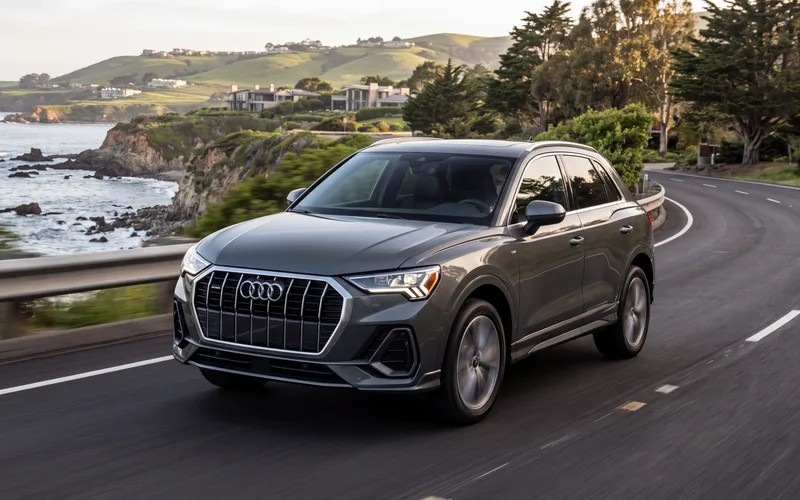 Audi Q3Subcompact Luxury SUVBetter at: Ride comfort
The most direct German cross-shop — similar money and badge weight, with a smoother automatic and a calmer ride than the X1's firm setup.
Compare 2.19C
2.19C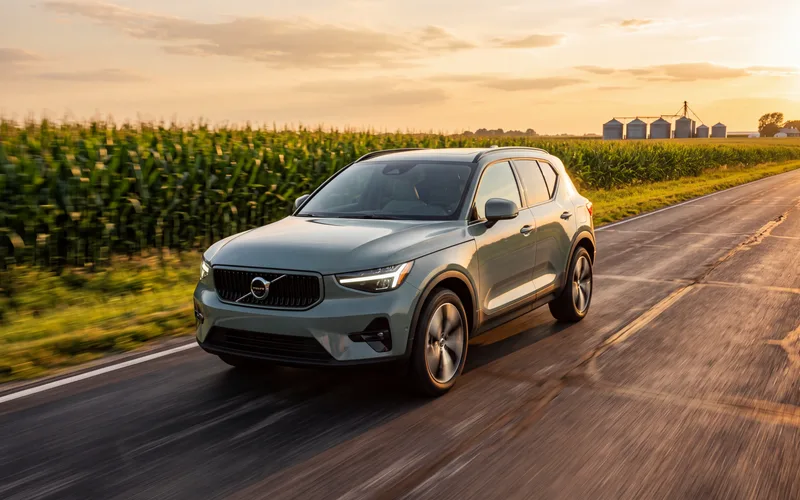 Volvo XC40Subcompact Luxury SUVBetter at: Standard content
Gives you more standard equipment for the base price and a softer ride, so you spend less time on BMW's option sheet to get a well-equipped car.
Compare 2.28C
2.28C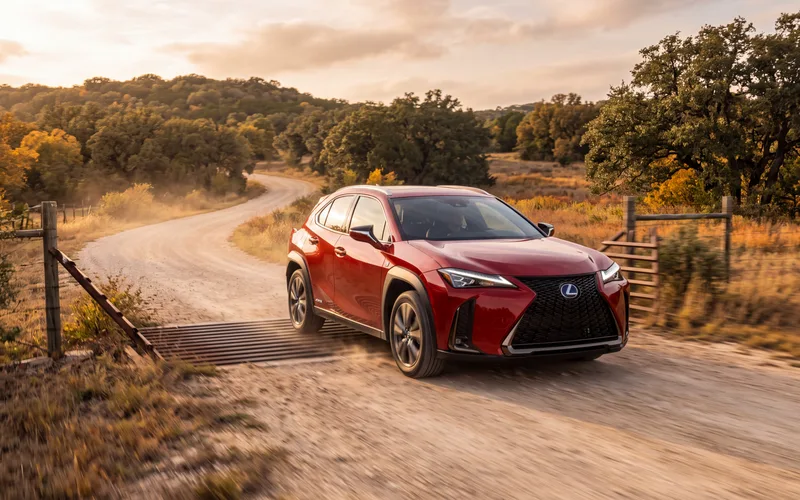 Lexus UXSubcompact Luxury SUVBetter at: Ownership cost
Runs on regular fuel with hybrid economy and Lexus dependability, sidestepping the X1's premium-fuel requirement and $8,200 five-year maintenance estimate.
CompareHow it's evolved
10 scored model years · 2017–2026
Subject scores by year
Hover or tap a score to see what moved it versus the year before. A corner mark flags a big swing.
| Year | Performance | Efficiency | Safety | Space | Cost | Reliability | Tech | Use-case | Driving | Value |
|---|---|---|---|---|---|---|---|---|---|---|
| 2026 | 47 | 57 | 79 | 48 | 48 | 77 | 80 | 67 | 73 | 80 |
| 2025 | 46 | 52 | 64 | 46 | 55 | 66 | 76 | 58 | 69 | 69 |
| 2024 | 47 | 53 | 74 | 48 | 55 | 66 | 76 | 62 | 69 | 73 |
| 2023 | 44 | 54 | 72 | 46 | 54 | 64 | 72 | 56 | 67 | 67 |
| 2022 | 43 | 47 | 65 | 42 | 55 | 73 | 64 | 55 | 68 | 55 |
| 2021 | 44 | 47 | 58 | 42 | 55 | 71 | 52 | 50 | 71 | 65 |
| 2020 | 44 | 47 | 58 | 43 | 55 | 69 | 52 | 53 | 68 | 65 |
| 2019 | 44 | 43 | 62 | 42 | 55 | 64 | 48 | 52 | 66 | 62 |
| 2018 | 44 | 43 | 53 | 42 | 60 | 64 | 40 | 49 | 65 | 67 |
| 2017 | 44 | 43 | 52 | 42 | 58 | 63 | 35 | 48 | 65 | 69 |
Compare two years
Best fit & conditions
Higher scores mean a better fit for that use case. Learn more about use-case fit →
Subject profile
Academic Probation · NHTSA safety recalls
Oct 21, 2025Seat belts: rear/other: retractorThe housing pin in the rear (left and/or right) seat belt retractors may have been damaged during production, resulting in the retractor not locking the seat belt as intended. As such, these vehicles fail to comply to Federal Motor Vehicle Safety Standard number 209, "Seat Belt Assemblies."
Defect
BMW of North America, LLC is recalling certain 2026 2 Series Gran Coupe, X1, X2, and Mini Countryman S ALL4 vehicles. The housing pin in the rear (left and/or right) seat belt retractors may have been damaged during production, resulting in the retractor not locking the seat belt as intended. As such, these vehicles fail to comply to Federal Motor Vehicle Safety Standard number 209, "Seat Belt Assemblies."
Risk
A damaged seat belt retractor may not properly restrain an occupant during a crash, increasing the risk of injury.
Remedy
Dealers will replace the rear (left and/or right) seat belts, free of charge. Owner notification letters were mailed December 18, 2025. Owners may contact BMW customer service at 1-800-525-7417. Vehicle Identification Numbers (VINs) involved in this recall became searchable on NHTSA.gov December 12, 2025.
NHTSA campaign 25V717000 ↗1,024 vehicles potentially affected (all models in the campaign)Owners notified Dec 18, 2025Filed by BMW of North America, LLCFiled as X1Sep 17, 2025Seat belts: front: retractorThe torsion bar in both front seat belt retractors may have been damaged during production.
Defect
BMW of North America, LLC is recalling certain 2025-2026 X1 and X2, MINI Cooper Convertible, MINI Cooper, Mini Countryman S ALL4, and 2025 MINI Countryman SE ALL4 vehicles. The torsion bar in both front seat belt retractors may have been damaged during production.
Risk
A damaged seat belt retractor may not properly restrain an occupant during a crash, increasing the risk of injury.
Remedy
Dealers will replace both front seat belt retractors, free of charge. Owner notification letters were mailed November 13, 2025. Owners may contact BMW customer service at 1-800-525-7417. Vehicle Identification Numbers (VINs) will be searchable on NHTSA.gov on November 7, 2025.
NHTSA campaign 25V616000 ↗1,571 vehicles potentially affected (all models in the campaign)Owners notified Nov 13, 2025Filed by BMW of North America, LLCFiled as X1
17 recalls on other model years of the X1 (2017–2025)
Jul 1, 2026Electronic stability control (esc) · Service brakes, hydraulic: power assist: electric: control moduleThe integrated brake (IB) system may malfunction and result in a loss of power brake assist or cause the Antilock Brake (ABS) and Dynamic Stability Control (DSC) systems to not function properly.
Defect
BMW of North America, LLC (BMW) is recalling certain 2025 Mini Cooper S, Mini Countryman S All4, X2, 2024 Rolls-Royce Spectre, 2023-2025 i7, 7 Series, X7, 2024-2025 i5, 5 Series, 2023-2024 XM, X1, 2024-2025 X6, and X5 vehicles. The integrated brake (IB) system may malfunction and result in a loss of power brake assist or cause the Antilock Brake (ABS) and Dynamic Stability Control (DSC) systems to not function properly.
Risk
A loss of power brake assist can extend the distance required to stop the vehicle. Additionally, malfunctioning ABS and/or DSC systems can cause a loss of vehicle control. Either of these scenarios can increase the risk of a crash.
Remedy
The Integrated brake system will be inspected and, if necessary, replaced, free of charge. Owner notification letters are expected to be mailed August 21, 2026. Owners may contact BMW customer service at 1-800-525-7417 or Rolls-Royce customer service at 1-877-877-3735. Vehicle Identification Numbers (VINs) involved in this recall will become searchable on NHTSA.gov beginning August 21, 2026. Vehicles previously repaired under recall 24V739 or 24V104 will need to have the new remedy completed.
NHTSA campaign 26V422000 ↗428 vehicles potentially affected (all models in the campaign)Owners notified Aug 25, 2026Filed by BMW of North America, LLCFiled as X1Nov 4, 2024Structure: body: roof and pillarsThe left and right-side B-Pillar reinforcement plates may have been manufactured with insufficient structural strength.
Defect
BMW of North America, LLC (BMW) is recalling certain 2025 X1 xDrive28i and X1 M35i vehicles. The left and right-side B-Pillar reinforcement plates may have been manufactured with insufficient structural strength.
Risk
A B-Pillar structure with reduced strength may not adequately protect passengers in a crash, increasing the risk of injury.
Remedy
Dealers will inspect the left-side and right-side B-Pillar and, if affected, replace the B-Pillar, free of charge. Owner notification letters were mailed May 7, 2025. Owners may contact BMW customer service at 1-800-525-7417.
NHTSA campaign 24V829000 ↗3,312 vehicles potentially affected (all models in the campaign)Owners notified May 7, 2025Filed by BMW of North America, LLCFiled as X1Oct 2, 2024Electronic stability control (esc) · Service brakes, hydraulic: power assist: electric: control modulePlease see the recall report for a complete list of models and model years. The integrated brake (IB) system may malfunction and result in a loss of power brake assist or cause the Antilock Brake (ABS) and Dynamic Stability Control (DSC) systems to not function properly.
Defect
BMW of North America, LLC. (BMW) is recalling certain 2023-2024 X1, X5, X6, X7, XM, 530i, i5, 740i, 760i, i7, and 750e vehicles. Please see the recall report for a complete list of models and model years. The integrated brake (IB) system may malfunction and result in a loss of power brake assist or cause the Antilock Brake (ABS) and Dynamic Stability Control (DSC) systems to not function properly.
Risk
A loss of power brake assist can extend the distance required to stop the vehicle. Additionally, malfunctioning ABS and/or DSC systems can cause a loss of vehicle control. Either of these scenarios can increase the risk of a crash.
Remedy
Dealers will replace the integrated brake module, free of charge. Interim owner notification letters notifying owners of the safety risk are expected to be mailed November 22, 2024. Second letters will be mailed once the parts are available. Owners may contact BMW customer service at 1-800-525-7417. Vehicles in this recall were previously repaired under recall number 24V-104 and will need to have the new remedy completed.
NHTSA campaign 24V739000 ↗11,579 vehicles potentially affected (all models in the campaign)Owners notified Nov 27, 2024Filed by BMW of North America, LLCFiled as X1Sep 18, 2024Electronic stability control (esc): control module · Service brakes, hydraulic: antilock/traction control/electronic limited slip: control unit/modulePlease refer to the recall report for the complete list of models. The welds in the servomotor of the integrated brake control module may break, causing a loss of power brake assist and rear brake function. In addition, the Antilock Brake System (ABS) and Dynamic Stability Control (DSC) system may not function.
Defect
BMW of North America (BMW) is recalling certain 2023-2024 X1, 2024-2025 X5, 2025 X6, 2023-2025 X7, 740i, 760i, 2024 XM, 530i, 540i, i7, 750e, X2, 2024-2025 i5, 2024 Rolls Royce Spectre, 2025 MINI Countryman S ALL4, JCW Countryman ALL4, and 2025 MINI Hardtop 2 Door (Cooper, Cooper S) vehicles. Please refer to the recall report for the complete list of models. The welds in the servomotor of the integrated brake control module may break, causing a loss of power brake assist and rear brake function. In addition, the Antilock Brake System (ABS) and Dynamic Stability Control (DSC) system may not function.
Risk
A loss of brake power assist or rear brake function can result in extended stopping distance. A loss of ABS or DSC can cause a loss of vehicle handling and control. Either of these scenarios can increase the risk of a crash.
Remedy
Dealers will replace the integrated brake system, free of charge. Owner notification letters were mailed November 13, 2024. Owners can contact BMW Customer Service at 1-800-525-7417.
NHTSA campaign 24V697000 ↗309 vehicles potentially affected (all models in the campaign)Owners notified Nov 13, 2024Filed by BMW of North America, LLCFiled as X1Feb 12, 2024Electronic stability control (esc) · Service brakes, hydraulic: power assist: electric: control modulePlease see the recall report for a complete list of models and model years. The integrated brake (IB) system may malfunction and result in a loss of power brake assist or cause the Antilock Brake (ABS) and Dynamic Stability Control (DSC) systems to not function properly.
Defect
BMW of North America, LLC. (BMW) is recalling certain 2023-2025 BMW, MINI, and Rolls-Royce vehicles. Please see the recall report for a complete list of models and model years. The integrated brake (IB) system may malfunction and result in a loss of power brake assist or cause the Antilock Brake (ABS) and Dynamic Stability Control (DSC) systems to not function properly.
Risk
A loss of power brake assist can extend the distance required to stop the vehicle. Additionally, malfunctioning ABS and/or DSC systems can cause a loss of vehicle control. Either of these scenarios can increase the risk of a crash.
Remedy
Dealers will replace the integrated brake system, free of charge. Owner notification letters were mailed between June and December 2024. Owners may contact BMW customer service at 1-800-525-7417 or Rolls Royce customer service at 1-877-877-3735.
NHTSA campaign 24V104000 ↗266,716 vehicles potentially affected (all models in the campaign)Owners notified Jun 28, 2024Filed by BMW of North America, LLCFiled as X1Apr 12, 2023Seat belts: rear/otherOn the second-row outboard seats, the seat belts may have been pinched by an interior trim panel during vehicle assembly.
Defect
BMW of North America, LLC (BMW) is recalling certain 2023 X1 xDrive28i, X1 M35i vehicles. On the second-row outboard seats, the seat belts may have been pinched by an interior trim panel during vehicle assembly.
Risk
A pinched seat belt may not function properly, increasing the risk of injury during a crash.
Remedy
Dealers will inspect and adjust the interior trim panel, as necessary, free of charge. Owner notification letters were mailed June 9, 2023. Owners may contact BMW customer service at 1-800-525-7417.
NHTSA campaign 23V260000 ↗1,465 vehicles potentially affected (all models in the campaign)Owners notified Jun 9, 2023Filed by BMW of North America, LLCFiled as X1Feb 14, 2023Air bags: frontalThe front driver's air bag may have been manufactured incorrectly and may not deploy as intended during a crash.
Defect
BMW of North America, LLC (BMW) is recalling certain 2022-2023 iX xDrive40, iX xDrive50, iX M60 and 2022-2023 X1 xDrive28i vehicles. The front driver's air bag may have been manufactured incorrectly and may not deploy as intended during a crash.
Risk
A driver's air bag that does not deploy as intended during a crash increases the risk of injury.
Remedy
Dealers will replace the driver's air bag, free of charge. Owner notification letters were mailed April 14, 2023. Owners may contact BMW customer service at 1-800-525-7417.
NHTSA campaign 23V079000 ↗15,803 vehicles potentially affected (all models in the campaign)Owners notified Apr 14, 2023Filed by BMW of North America, LLCFiled as X1Jul 20, 2022Fuel system, gasoline: fuel injection system: fuel railThe high-pressure fuel rail may crack and result in a fuel leak within the engine compartment.
Defect
BMW of North America, LLC (BMW) is recalling certain 2022 X1 xDrive 28i, X3 xDrive30i, and 228i Gran Coupe vehicles. The high-pressure fuel rail may crack and result in a fuel leak within the engine compartment.
Risk
A fuel leak in the presence of an ignition source increases the risk of a fire.
Remedy
Dealers will replace the high-pressure fuel rail, free of charge. Owner notification letters were mailed September 19, 2022. Owners may contact BMW customer service at 1-800-525-7417.
NHTSA campaign 22V513000 ↗5 vehicles potentially affected (all models in the campaign)Owners notified Sep 19, 2022Filed by BMW of North America, LLCFiled as X1Jul 21, 2021Seat beltsThe passenger seat belt Automatic Locking Retractor (ALR) may deactivate early, before the webbing fully retracts. As such, these assemblies fail to comply with the requirements of Federal Motor Vehicle Safety Standard number 208, "Occupant Crash Protection."
Defect
BMW of North America, LLC (BMW) is recalling certain 2021 2 Series (230i, 230i xDrive, M240i, M240i xDrive), 330e, 330e Xdrive, 4 Series Coupe (430i, 430i xDrive, M440i xDrive) M4 Coupe, M4 Competition Coupe, BMW 4 Series Convertible (430i, M440i), BMW X1 sDrive28i, xDrive28i, 2 Series Gran Coupe (228i, 228i xDrive, M235i xDrive), M2 Competition Coupe, 330i, 330i xDrive, M340i, M340i xDrive, M3, M3 Competition, 530i, 530i xDrive, 540i, 540i xDrive, MINI Hardtop 2 Door (Cooper, CooperS, JCW), X2 sDrive28i, X2 xDrive28i, X2 M35i, Z4 sDrive30i, Z4 M40i, MINI Hardtop 2 Door (Cooper SE), MINI Convertible (Cooper, Cooper S, JCW), MINI Clubman (Cooper S, Cooper S All4, JCW), MINI Countryman (Cooper, Cooper All4, Cooper S, Cooper S All4, JCW All4), Rolls Royce Ghost, MINI Countryman (Cooper S E All4), Rolls Royce Phantom, Rolls Royce Cullinan, and Toyota Supra vehicles. The passenger seat belt Automatic Locking Retractor (ALR) may deactivate early, before the webbing fully retracts. As such, these assemblies fail to comply with the requirements of Federal Motor Vehicle Safety Standard number 208, "Occupant Crash Protection."
Risk
During a crash, a seat belt retractor that does not function as intended increases the risk of injury.
Remedy
Dealers will inspect the seat belt retractors (including the seat belts) and, if necessary, replace the retractors, free of charge. Owner notification letters were mailed on September 3, 2021. Owners may contact BMW customer service at 1-800-525-7417; 1-866-825-1525 (MINI); 1-877-877-3735 (Rolls Royce); and 1-888-270-9371 (Toyota).
NHTSA campaign 21V554000 ↗21,537 vehicles potentially affected (all models in the campaign)Owners notified Sep 3, 2021Filed by BMW of North America, LLCFiled as X1May 20, 2020Air bags · Air bags: air bag/restraint control module · Air bags: side/window: curtainDue to a problem with the rollover sensor within the air bag control unit, in the event of a rollover crash, the head air bag, seat belt pretensioners and other safety systems, may not activate.
Defect
BMW of North America, LLC (BMW) is recalling certain 2020 X1 xDrive28i, X1 sDrive28i, X2 xDrive28i and X2 sDrive28i, 2020 MINI Clubman Cooper S All4, 2021 MINI Hardtop 2 Door (Cooper, Cooper S, John Cooper Works and Cooper S E) and MINI Hardtop 4 Door (Cooper and Cooper S) vehicles. Due to a problem with the rollover sensor within the air bag control unit, in the event of a rollover crash, the head air bag, seat belt pretensioners and other safety systems, may not activate.
Risk
If the safety systems do not deploy as intended in a roll over crash, it may increase the risk of injury.
Remedy
BMW will notify owners, and dealers will replace the air bag control unit, free of charge. The recall began July 17, 2020. Owners may contact BMW customer service at 1-800-525-7417 or MINI customer service at 1-866-825-1525.
NHTSA campaign 20V283000 ↗76 vehicles potentially affected (all models in the campaign)Owners notified Jul 17, 2020Filed by BMW of North America, LLCFiled as X1Aug 14, 2019Steering: linkages: tie rod assemblyThe steering gear tie rod may have been assembled incorrectly, which may result in excessive wear of the tie rod end, eventually causing it to break.
Defect
BMW of North America, LLC (BMW) is recalling certain 2018-2019 BMW X1 sDrive28i, X1 xDrive28i, 2019 X2 xDrive28i, MINI Cooper S Convertible, Countryman, and John Cooper Works Countryman vehicles. The steering gear tie rod may have been assembled incorrectly, which may result in excessive wear of the tie rod end, eventually causing it to break.
Risk
A broken steering tie rod would lead to a loss of vehicle control, increasing the risk of a crash.
Remedy
BMW will notify owners, and dealers will inspect the vehicles and replace the tie rods and ball joints as necessary, free of charge. The recall began October 11, 2019. Owners may contact BMW customer service at 1-800-525-7417 or MINI customer service at 1-866-825-1525.
NHTSA campaign 19V601000 ↗32 vehicles potentially affected (all models in the campaign)Owners notified Oct 11, 2019Filed by BMW of North America, LLCFiled as X1May 9, 2019Structure: body: roof and pillarsIn the event of a crash where the occupants head contacts the B-pillar, the pillar may not absorb an adequate amount of the impact. As such, these vehicles fail to comply with the requirements of Federal Motor Vehicle Safety Standard (FMVSS) number 201, "Occupant Protection in Interior Impact."
Defect
BMW of North America, LLC (BMW) is recalling certain 2016-2019 X1 sDrive28i and X1 xDrive28i vehicles. In the event of a crash where the occupants head contacts the B-pillar, the pillar may not absorb an adequate amount of the impact. As such, these vehicles fail to comply with the requirements of Federal Motor Vehicle Safety Standard (FMVSS) number 201, "Occupant Protection in Interior Impact."
Risk
In the event of a crash, the insufficient impact absorption can increase the risk of injury.
Remedy
BMW will notify owners, and dealers will replace the vertical trim pieces on the upper portion of the interior B-Pillars, free of charge. Interim letters notifying owners of the safety risk were mailed July 1, 2019. Second notices will be sent as parts become available, starting on September 27, 2019. Owners may contact BMW customer service at 1-800-525-7417.
NHTSA campaign 19V349000 ↗106,182 vehicles potentially affected (all models in the campaign)Owners notified Sep 27, 2019Filed by BMW of North America, LLCFiled as X1Jan 30, 2019Exterior lighting: tail lightsContaminated hardware may cause the attachment brackets of the taillight housings to crack, causing the lights to loosen or possibly detach from the vehicle.
Defect
BMW of North America, LLC (BMW) is recalling certain 2018-2019 BMW X1 sDrive28i and X1 xDrive28i vehicles. Contaminated hardware may cause the attachment brackets of the taillight housings to crack, causing the lights to loosen or possibly detach from the vehicle.
Risk
If a taillight detaches from the vehicle, it would no longer provide the required lighting to following traffic, or it may become a road hazard, increasing the risk of a crash.
Remedy
BMW will notify owners, and dealers will properly secure the taillights, free of charge. The recall began March 28, 2019. Owners may contact BMW customer service at 1-800-525-7417.
NHTSA campaign 19V074000 ↗5,920 vehicles potentially affected (all models in the campaign)Owners notified Mar 28, 2019Filed by BMW of North America, LLCFiled as X1Jul 11, 2018Engine and engine cooling: engineThe crankshaft sensor may be equipped with incorrect firmware, preventing the sensor from properly processing input from the crankshaft reluctor ring, possibly resulting in a vehicle stall. On September 12, 2018, BMW expanded the recall to a total of 5,309 vehicles including certain 2018-2019 BMW 540d xDrive, 230i M240i, M240i xDrive, X2 sDrive28i, X2 xDrive28i, X1 sDrive28i, X1 xDrive28i, 330i, 330i xDrive, 340i, 340i xDrive, 330i xDrive Gran Turismo, 530i, 530i xDrive, 540i, 540i xDrive, 530e, 530e xDrive, 640i xDrive Gran Turismo, 330e, 2019 430i Gran Coupe, 430i xDrive Gran Coupe, 440i Gran Coupe, 440i xDrive Gran Coupe, 430i, 430i xDrive, 440i, 440i xDrive, 740i, 740i xDrive, MINI Cooper, Cooper S, JCW, MINI Countryman (Cooper, Cooper All4, Cooper S, Cooper S All4, JCW All4), and MINI Clubman (Cooper, Cooper S, Cooper All4, Cooper S All4, JCW All4) vehicles.
Defect
BMW of North America, LLC (BMW) is recalling certain 2018 BMW 540d xDrive vehicles. The crankshaft sensor may be equipped with incorrect firmware, preventing the sensor from properly processing input from the crankshaft reluctor ring, possibly resulting in a vehicle stall. On September 12, 2018, BMW expanded the recall to a total of 5,309 vehicles including certain 2018-2019 BMW 540d xDrive, 230i M240i, M240i xDrive, X2 sDrive28i, X2 xDrive28i, X1 sDrive28i, X1 xDrive28i, 330i, 330i xDrive, 340i, 340i xDrive, 330i xDrive Gran Turismo, 530i, 530i xDrive, 540i, 540i xDrive, 530e, 530e xDrive, 640i xDrive Gran Turismo, 330e, 2019 430i Gran Coupe, 430i xDrive Gran Coupe, 440i Gran Coupe, 440i xDrive Gran Coupe, 430i, 430i xDrive, 440i, 440i xDrive, 740i, 740i xDrive, MINI Cooper, Cooper S, JCW, MINI Countryman (Cooper, Cooper All4, Cooper S, Cooper S All4, JCW All4), and MINI Clubman (Cooper, Cooper S, Cooper All4, Cooper S All4, JCW All4) vehicles.
Risk
A vehicle stall can increase the risk of a crash.
Remedy
BMW will notify owners, and dealers will replace the crankshaft sensor, free of charge. The recall began September 6, 2018. Owners may contact BMW customer service at 1-800-525-7417.
NHTSA campaign 18V465000 ↗5,309 vehicles potentially affected (all models in the campaign)Owners notified Sep 6, 2018Filed by BMW of North America, LLCFiled as X1Jan 26, 2017Air bags: frontal: passenger side: inflator moduleThe affected vehicles have an instrument panel that may not allow the front passenger air bag to deploy properly in the event of a crash.
Defect
BMW of North America, LLC (BMW) is recalling certain 2016-2017 X1 xDrive28i and X1 sDrive28i vehicles. The affected vehicles have an instrument panel that may not allow the front passenger air bag to deploy properly in the event of a crash.
Risk
In the event of a crash, if the front passenger air bag does not deploy properly, it can increase the risk of injury.
Remedy
BMW will notify owners, and dealers will replace the instrument panel, free of charge. The recall began May 2017. Owners may contact BMW customer service at 1-800-525-7417.
NHTSA campaign 17V062000 ↗16,771 vehicles potentially affected (all models in the campaign)Owners notified Feb 10, 2017Filed by BMW of North America, LLCFiled as X1 SAVDec 20, 2016Air bagsThe affected vehicles have seat- mounted side air bag inflator initiators that may fail to ignite during a crash.
Defect
BMW of North America, LLC (BMW) is recalling certain model year 2017 BMW 640i, 640i xDrive, 650i, 650i xDrive, M6, 535i, 535i xDrive, 430i, 430i xDrive, 440i, 440i xDrive, M4, X1 sDrive28i, X1 xDrive28i, i3, i8, Rolls-Royce Dawn, Mini Clubman Cooper, Clubman Cooper S, Cooper All4, Cooper S All4, Mini 4-Door Cooper, Cooper S, Mini 2-Door Cooper, Cooper S, John Cooper Works and 2016 BMW 528i, 528i xDrive, 535i, 535i xDrive, 550i, 550i xDrive, M5 and 535d vehicles. The affected vehicles have seat- mounted side air bag inflator initiators that may fail to ignite during a crash.
Risk
If the air bag inflator initiator fails to ignite, the seat-mounted air bag will not deploy, increasing the risk of injury.
Remedy
BMW will notify owners, and dealers will replace the air bag modules, free of charge. The recall began February 6, 2017. Owners may contact BMW customer service at 1-800-525-7417.
NHTSA campaign 16V914000 ↗3,506 vehicles potentially affected (all models in the campaign)Owners notified Feb 10, 2017Filed by BMW of North America, LLCFiled as X1 SAVOct 17, 2016Seat belts: front: retractorThe vehicle-sensitive locking mechanism of the seat belt Emergency Locking Retractor (ELR) for the driver's seat may not lock as designed. As such, these vehicles fail to comply with the requirements of the Federal Motor Vehicle Safety Standard (FMVSS) number 209, "Seat Belt Assemblies."
Defect
BMW of North America, LLC (BMW) is recalling certain model year 2016-2017 X1 sDrive28i, X1 xDrive28i, MINI Hardtop 4 Door Cooper, Mini Hardtop 4 Door Cooper S, MINI Cooper Clubman, and Cooper S Clubman, 2017 Rolls-Royce Ghost, and 2016 528i vehicles. The vehicle-sensitive locking mechanism of the seat belt Emergency Locking Retractor (ELR) for the driver's seat may not lock as designed. As such, these vehicles fail to comply with the requirements of the Federal Motor Vehicle Safety Standard (FMVSS) number 209, "Seat Belt Assemblies."
Risk
In the event of a crash where heavy braking is applied, the Emergency Locking Retractor (ELR) may activate when the occupant is more forward in the seat, possibly increasing the risk of injury.
Remedy
BMW will notify owners, and dealers will replace the driver's seat belt assembly, free of charge. The recall began July 3, 2019. Owners may contact BMW customer service at 1-800-525-7417.
NHTSA campaign 16V747000 ↗15,455 vehicles potentially affected (all models in the campaign)Owners notified Jul 3, 2019Filed by BMW of North America, LLCFiled as X1
Source: NHTSA Office of Defects Investigation recall database, model years 2017–2026. Recalls are listed by model year as the manufacturer filed them; whether a specific car is affected depends on its VIN — check a VIN at nhtsa.gov ↗. NHTSA model names matched to this page: X1, X1 SAV.
Detailed scoring by subject
1Performance & PowertrainThe X1's lowest-graded category.1.14D
The volume xDrive28i trim uses BMW's 2.0L TwinPower turbo I4 rated at 241 hp; the M35i tops the range at 312 hp.
Peak torque is 295 lb-ft from the 2.0L turbo I4 across both US trims.
BMW-quoted 0–60 mph for the volume xDrive28i is 6.2 s; the M35i drops to 5.2 s.
Once rolling, the 2.0T pulls strongly and the DCT is quick, but reviewers flag a harsh auto stop-start, some turbo lag off the line, and a low-speed lurch that hurts drivability in traffic.
The 7-speed dual-clutch snaps off crisp shifts at pace, but low-speed manners are the X1's biggest dynamic flaw — creep, tip-in lurch, and hesitation in parking-lot maneuvers.
BMW rates the 2026 X1 at 3,500 lbs max towing when properly equipped, applied to all US trims.
xDrive AWD is standard on both 2026 US trims (xDrive28i and M35i); the FWD sDrive28i is not offered in the US. The system uses brake-based torque vectoring but has no low-range or lockers.
The X1 is a pavement-focused subcompact luxury crossover. Ground clearance is a respectable 8.1 in but there is no dedicated off-road trim, terrain-mode dial, skid plates, or low range.
US buyers get gas only — a single 2.0L turbo I4 family in two tunes (241 hp xDrive28i, 312 hp M35i). No hybrid, PHEV, or EV variant is offered stateside; the electric iX1 remains Europe-only for 2026.
2Efficiency & RangeMid-pack among this car's ten categories.1.80C-
EPA-rated 28 MPG combined for the U11 xDrive28i (2.0L turbo I4, 7-speed DCT, standard AWD) — the US volume trim carries over unchanged into 2026. The M35i performance trim is notably thirstier.
EPA-rated 25 MPG city for the xDrive28i. Adequate for the subcompact luxury SUV segment but nothing exceptional given the standard AWD and 2.0L turbo.
EPA-rated 34 MPG highway is a strength — the 7-speed DCT and modest curb weight help on the highway cycle, though it trails the best turbo-4 luxury SUV rivals.
About 400 miles of combined range from the 14.3-gallon tank at the EPA combined figure — mid-pack for the subcompact luxury SUV segment.
EPA estimates roughly $2,300/yr at 15k miles using premium fuel — middling for the segment because the premium-fuel requirement offsets the reasonable 28 MPG combined figure.
BMW requires premium 91-octane gasoline for the X1's B48 turbo-4 — not merely recommended. No E85, diesel, hybrid, or home-charging option to soften the running-cost hit, which is a real negative versus regular-fuel subcompact luxury rivals.
3SafetyOne of the X1's strongest categories.3.35B+
NHTSA awarded the current-generation X1 4 of 5 stars overall, with a 5-star side-impact result and 4 stars in frontal and rollover categories.
The 2026 X1 is an IIHS Top Safety Pick+ (highest honor), earning Good ratings in updated moderate overlap, small overlap, updated side, headlights, and front crash prevention (pedestrian + updated vehicle-to-vehicle), plus a Good LATCH rating.
Standard on the base xDrive28i includes AEB with pedestrian detection, forward-collision warning, active blind-spot detection, rear cross-traffic alert, and lane-departure warning; adaptive cruise control and lane centering are bundled into the $500 Driving Assistance Plus package, keeping full ACC + lane centering off the standard trim.
IIHS Good rating on both the updated vehicle-to-vehicle front crash prevention test and the pedestrian front crash prevention test (day and night) — the top tier required for TSP+.
Active Blind Spot Detection and rear cross-traffic alert are standard on all trims, with active intervention available; parking assistant package adds cross-traffic braking on higher configurations.
Lane-departure warning and lane-keep assist are standard, but lane centering requires the $500 Driving Assistance Plus package; reviewers describe the centering as smooth and well-mannered without ping-ponging when equipped.
Adaptive cruise with stop-and-go is refined and unobtrusive per Car and Driver/Edmunds reviews, but it is optional at $500 and full highway assist behavior requires the $1,700 Driving Assistance Professional package.
US-market X1 offers hands-off driving via the $1,700 Driving Assistance Professional package but only in traffic up to ~40 mph, which is well behind BlueCruise/Super Cruise for open-highway coverage; the higher-speed European Highway Assistant has not been extended to the US X1.
IIHS rates the headlights Good across all trims — a prerequisite for the 2026 Top Safety Pick+ — with standard adaptive LED headlights and automatic high beams.
Tall greenhouse and upright seating give good forward and side sightlines for a subcompact luxury SUV, and a 360-degree camera plus parking assist becomes standard for 2026, compensating for a chunky rear pillar.
IIHS rates the X1's LATCH ease-of-use Good, with two rear seating positions carrying complete LATCH hardware and the wide-opening rear doors of the U11 body making seat installation manageable, though 3-across is tight in the class.
4Space & ComfortOne of the X1's weakest categories.1.22D
The X1 xDrive28i is a five-passenger subcompact SUV with a single-row bench in the second row; no six/seven-seat configuration is offered.
Volume xDrive28i front headroom carries over from the U11 generation; panoramic moonroof (common option) reduces headroom slightly.
Front legroom is at the low end of the SUV band — a subcompact-luxury reality, but front-seat space is still adequate for tall drivers.
The U11 X1's boxier roofline delivers strong second-row headroom for a subcompact — better than most sedans and coupe-SUV rivals.
The U11 X1 gained roughly an inch of rear legroom vs. the F48 predecessor; 37.5 in is competitive for a subcompact luxury SUV but well short of mid-size class.
The X1 is a two-row SUV; no third row is offered in any configuration. Scored per the framework's 0–49 band for 'no third row or token seating.'
25.7 cu ft behind the rear seat is strong for a subcompact luxury SUV (beats Q3, GLA, XT4) but sits at the bottom of the shared SUV normalization band that stretches to 80 cu ft for full-size utilities.
57.2 cu ft with the 40/20/40-split rear seat folded is above-average for subcompact luxury but still near the floor of the 55–100 SUV band.
Competent everyday storage — floating center console with tray beneath, 40/20/40-split folding rear seat with pass-through, hands-free power tailgate, deep door bins — but no headline innovation (no frunk, no in-bed trunk analog, no fold-flat front passenger).
Standard SensaTec front seats offer decent support with 8-way power adjustment and driver memory; long-haul comfort is competent but not class-leading — reviewers cite firm cushions and note the optional M Sport seats materially improve bolstering.
The X1 rides firmer than most subcompact luxury rivals (XC40, Q3), with reviewers repeatedly calling out impact harshness over sharp bumps on the standard suspension — especially with the larger 19–20 in wheels common on M Sport trims. Adaptive M suspension improves it but is an option.
Wind and road noise are well-suppressed for the price point but tire roar over coarse surfaces is noticeable, and the 2.0T's coarse note intrudes under hard acceleration. Acoustic glass and additional insulation come with the Premium package.
Dual-zone automatic climate, rear vents and 8-way power front seats with driver memory are standard, but heated front seats, heated steering wheel and heated rear seats live inside the Convenience/Premium packages, and ventilated seats and 4-zone climate aren't offered at all.
5Cost of OwnershipOne of the X1's weakest categories.1.22D
2026 X1 xDrive28i is the entry US trim; base pricing carries a modest year-over-year bump from 2025 MY. Competitive against Audi Q3 and Mercedes GLA/GLB.
Most X1 buyers add the Premium Package (~$3,300) and Driving Assistance (~$400); typical transaction lands in the mid-to-high $40k range before dealer add-ons.
BMW post-warranty maintenance is expensive — synthetic-only oil, premium fluids, high labor rates. CarEdge/RepairPal put X1 5-year costs at the high end of the subcompact luxury segment even with BMW Ultimate Care covering years 1-3.
X1 depreciates faster than mainstream compact SUVs but holds up reasonably in the luxury subcompact class thanks to demand and BMW badge equity. Below Lexus/Porsche retention but ahead of larger BMWs.
BMW's standard 4-year/50k coverage is a year longer than segment-standard 3-year plans but shorter mileage cap than Hyundai/Genesis.
BMW does not offer a separate extended powertrain warranty — coverage matches the 4-year/50k basic term, well short of Genesis or Hyundai/Kia (10/100k).
BMW Ultimate Care includes 3-year/36,000-mile scheduled maintenance (oil, filters, brake fluid, cabin filter), 4-year roadside assistance, and 1-year connected-services trials. Not class-leading versus Genesis or Jaguar, but solid for the segment.
$47,500 volume-trim price minus its estimated resale value after 5 years (51% retained, or about $24,225) leaves about $23,275 in depreciation. Add the projected $8,200 in 5-year maintenance and repairs, and owning this vehicle for 5 years costs about $31,475 in total.
6Reliability & QualityGrades above the middle of the scale.3.22B+
The U11 X1 (launched 2023MY) has posted average-to-above-average predicted reliability in recent Consumer Reports coverage; J.D. Power quality data for the current generation places it mid-pack for the subcompact luxury segment. No systemic problems have surfaced through the first three model years.
BMW has been climbing in dependability studies — recent Consumer Reports brand rankings place it around 8th-11th of ~30 brands, and J.D. Power VDS results have moved BMW into the top half of luxury brands. Solid but not top-tier like Lexus.
U11-generation X1 has accumulated a handful of NHTSA recalls typical of a modern luxury vehicle (electronics, seat/airbag calibrations, minor software), with nothing systemic on the powertrain. Recall count is in line with segment norms.
The 2.0L B48 turbocharged I4 is a mature, well-proven engine family used across BMW's lineup with a good high-mileage record. The newer 7-speed Steptronic dual-clutch (replacing the 8-speed torque converter auto in the U11) is less time-tested but shares design lineage with proven BMW DCT applications.
The U11 X1 interior looks premium with curved display, ambient lighting, and quality upper surfaces, but reviewers consistently note hard plastics in lower door panels and console areas that read below the price point. Competitive with Mercedes GLA, arguably behind Audi Q3.
Assembly quality is a traditional BMW strength; the X1 (built in Regensburg, Germany) generally posts tight panel gaps and consistent trim alignment. Some early U11 owner reports mention iDrive 9 software glitches rather than hardware assembly faults.
BMW has roughly 340+ US dealers with dense coverage in major metros and reasonable rural presence for a luxury brand. J.D. Power Customer Service Index typically ranks BMW mid-pack among luxury brands — solid but not standout.
BMW parts and service pricing runs well above mainstream and above many luxury peers; RepairPal and long-term ownership data consistently rank BMW among the most expensive brands to maintain. Aftermarket support exists but many components remain dealer-priced.
7Technology & InfotainmentOne of the X1's strongest categories.3.41B+
10.7-inch center touchscreen paired with a 10.25-inch digital cluster in BMW's Curved Display, standard on both xDrive28i and M35i.
iDrive 9 with QuickSelect is fast, sharp, and configurable, but the touch-first layout that eliminates the rotary knob draws mixed reviewer sentiment for on-the-move usability.
Wireless Apple CarPlay and wireless Android Auto are standard on all trims.
BMW Intelligent Personal Assistant offers natural-language voice control and the native cloud-based navigation with live traffic is among the better OEM systems, but not class-leading versus AI-first rivals.
Base audio is competent for the class; the optional Harman Kardon system (via the $1,500 Technology Package) is well-regarded but not standard.
Crisp 10.25-inch fully digital cluster standard on all trims as part of the Curved Display.
BMW Remote Software Upgrades deliver whole-vehicle OTA updates that add and improve features (e.g. Digital Key functionality, Remote Parking) via the My BMW app.
My BMW app is polished with remote lock/status/climate, remote parking, vehicle finder, and BMW Digital Key (phone-as-key via Apple Wallet / Google Wallet); ConnectedDrive Remote Services are standard for a multi-year term.
Wireless smartphone charging tray is now standard for 2026, joining USB-C ports front and rear; no household AC outlets.
Comfort Access proximity entry with push-button start is now standard for 2026, a power liftgate is standard, and BMW Digital Key allows phone-as-key.
For 2026 the X1 offers a 360-degree Surround View camera and Parking Assistant Plus with Automated Parking; base cars still get only a rear camera, so it lives on the option sheet rather than being standard.
Full-color HUD is offered only via the $1,500 Technology Package — not available on volume-trim base configurations without that option.
8Use-Case FitMid-pack among this car's ten categories.2.53C+
Two full LATCH sets on the rear outboard seats plus a tether anchor for the middle earned IIHS's 'Good' ease-of-use rating, and the 40/20/40 split rear seat plus adult-usable back seat make daily kid duty workable for a subcompact luxury SUV; door apertures and floor height are still tighter than a compact-class SUV.
The 2026 X1 is an IIHS Top Safety Pick+ with 'Good' ratings across small/moderate overlap fronts and side, and the 2026 refresh makes 360-degree camera, Automated Parking Assistance and adaptive cruise with lane centering standard on top of the existing FCW, AEB, blind-spot and lane-departure suite.
Rear seat legroom leads most subcompact luxury rivals (better than Q3, GLA) and cargo behind the second row (~27 cu ft) swallows a stroller and weekend bags, but reviewers consistently flag the firm ride over broken pavement — especially on the 19s — as a fatigue factor on multi-hour drives.
Nimble handling, light steering and a compact 177.2-inch footprint make it easy to place in traffic, but Edmunds and Car and Driver both call out the 7-speed DCT + turbo combo as prone to a low-speed lurch off idle and the ride as too firm over urban imperfections, which erodes the effortlessness of daily use.
EPA 25/34/28 mpg is average for an extra-small luxury SUV and per-mile running cost is pushed up by the premium-fuel requirement and BMW-tier maintenance/insurance; efficiency trails hybrid subcompacts and undercuts EV rivals like the EX30 on energy cost.
Short 177.2-in length and 106-in wheelbase plus newly-standard 360-degree camera and Automated Parking Assist make tight-lot life easy; only downside is the low-speed DCT hesitation when creeping in and out of spaces.
A 3,500-lb tow rating and 994-lb payload let it manage a small utility trailer or a jet ski, but this is a city luxury crossover — no bed, no upfit orientation, and the DCT is not the drivetrain you'd pick for repeated heavy loads.
Luxury-oriented cabin materials, a complex DCT, and a premium-fuel turbo powertrain are not chosen for fleet abuse; no work-oriented trim and no fleet reputation as a jobsite vehicle.
Cargo-floor tie-downs and available roof rails/hitch exist, but there is no onboard AC power, no washable-liner package, and effectively zero commercial upfit ecosystem around the X1.
~380-mile highway range (34 mpg × ~14 gal tank), quiet highway manners and standard adaptive cruise with lane centering make it a competent tourer, but the firm suspension over expansion joints drops it a rung below segment comfort leaders (XC40, GLA) for long-haul use.
Standard xDrive AWD, a 3,500-lb hitch, and available roof rails cover bike-rack, kayak and gravel-road adventures, but ~7.2 inches of ground clearance, road-biased tires and no dedicated off-road drive modes rule out anything beyond mild trails.
27.2 cu ft behind the rear seats expanding to ~57 cu ft with the 40/20/40 seat folded is class-leading practicality, and available roof rails plus hitch add rack/bike-carrier options — hurt slightly by no true underfloor storage on the ICE X1.
9Driving ExperienceGrades above the middle of the scale.2.97B-
U11 X1 xDrive28i handles with genuine composure for a subcompact luxury SUV — flat cornering, quick turn-in, and well-controlled body motions with the M Sport suspension. Not as playful as the older longitudinal X1 but among the more athletic entries in the subcompact luxury class.
Rack is quick and accurate with natural on-center weighting, but the transverse-engine platform has dulled the feedback versus the outgoing longitudinal X1. Precise enough that most drivers won't complain, but enthusiasts note the numbness.
Firm, linear pedal with strong initial bite and good fade resistance — typical BMW brake tuning. Stopping distances in the ~170 ft (70–0 mph) range are competitive with segment leaders.
The 2.0T (241 hp) delivers strong mid-range and quick tip-in, but the new 7-speed dual-clutch transmission can be jerky at low speeds — particularly on stop-and-go transitions and hesitant creep from a stop. Once rolling, shifts are crisp.
B48 2.0-liter turbo is generally civil, with a subdued cruising note, but can sound thrashy and slightly coarse when pushed hard past 5,000 rpm. Vibration through the wheel and pedals is well isolated.
Curb-to-curb turning diameter of the U11 X1 xDrive28i per BMW USA specification.
Commanding seating position, wide seat and wheel adjustment range, and clear forward sightlines. The iDrive 9 curved-display dashboard, however, routes climate and many everyday controls into touch menus with no physical HVAC knobs — a common ergonomics complaint.
The volume xDrive28i is quick, composed, and satisfying without feeling special — an appliance with athletic bones. The M35i variant genuinely earns its badge (0–60 in the low-5s, 312 hp) but isn't the volume trim.
10Value & Market PositionThe X1's best-graded category.3.44B+
The X1 xDrive28i includes standard LED headlights, 10.25" digital instrument cluster with 10.7" curved infotainment (iDrive 9), wireless Apple CarPlay/Android Auto, heated front seats, power tailgate, panoramic sunroof, and Active Driving Assistant. However, heated steering wheel, Harman Kardon audio, ventilated seats, and Driving Assistance Professional remain in extra-cost packages — competitive but not class-leading versus Volvo XC40 which packs more standard content.
Starting near $41,500 with standard xDrive AWD, 241 hp turbo-4, and the latest iDrive 9 curved display, the X1 delivers solid content-for-price. But BMW's a-la-carte options bloat as-tested pricing quickly (Premium, Driving Assistance Pro, and M Sport packages each add $1,500-$3,500), which erodes the value story versus the more inclusive Volvo XC40 Ultra.
US lineup is narrow: xDrive28i and the performance-focused M35i — no FWD sDrive18i as sold in Europe, and no PHEV (xDrive30e) for the US; the electric iX1 is a separate model. Buyers rely on option packages to differentiate configurations rather than a graduated trim ladder, limiting budget flexibility.
The X1 is consistently among the top three subcompact luxury SUVs by US volume, competing with the Audi Q3 and Mercedes-Benz GLA. It has been BMW's entry-point volume growth model since the U11 generation launched, appealing to first-time luxury buyers and downsizers.
BMW retains one of the strongest premium-brand halos in the US market with high aspirational value and a loyal owner base. Interbrand's Best Global Brands lists BMW in the top tier, and KBB has repeatedly named BMW its Most Trusted Luxury Brand.
BMW Financial Services regularly runs competitive lease specials on the X1 (its highest-volume SUV), with subsidized money factors and residuals that keep monthly payments attractive. Cash incentives are more modest, and dealer supply remains healthy enough that MSRP-plus pricing is uncommon.
The current U11 generation launched as a 2023 model, making 2026 the fourth model year — mid-cycle. It gained the curved iDrive 9 display and the M35i variant at launch, and an LCI refresh is expected in the 2027 timeframe. Still current tech, but no longer brand-new.
The U11 X1 has been well-received: Car and Driver praised its handling and cabin tech, Edmunds ranks it near the top of subcompact luxury SUVs, and it commonly appears in 'best of' segment roundups. It has not swept top awards like NACTOY, but consistently places in comparison-test top halves.