

The verdict
A struggling compact suv, strong on value and held back by performance.
The 2018 CR-V is a practical, safety-focused family SUV built around a huge back seat (40.4 in of rear legroom) and a strong ownership story — a 5-star NHTSA rating, a projected ~$2,425 in five-year maintenance, and America's best-selling SUV badge that year with 379,021 units sold. The trade-off is a modest 1.5L turbo four (190 hp, 1,500-lb tow rating) paired with an early-generation reliability footnote — the well-documented fuel-dilution issue on this exact engine — plus a dated, 7-inch non-wireless touchscreen that was one of the CR-V's weakest-reviewed attributes at launch. It's the right call for a space- and safety-first buyer who isn't chasing power, towing, or cutting-edge tech, and who's comfortable with (or shops around) the 1.5T's known oil-dilution history.
Jump to scoresStrengths
- Segment-leading back seat
- Excellent crash protection
- Cheap to own, strong resale
What holds it back
- Dated, criticized infotainment
- Modest power, weak towing
- The 1.5T's well-known oil-dilution history
Top alternatives
Cars shoppers cross-shop with the Honda CR-V 2.56C+
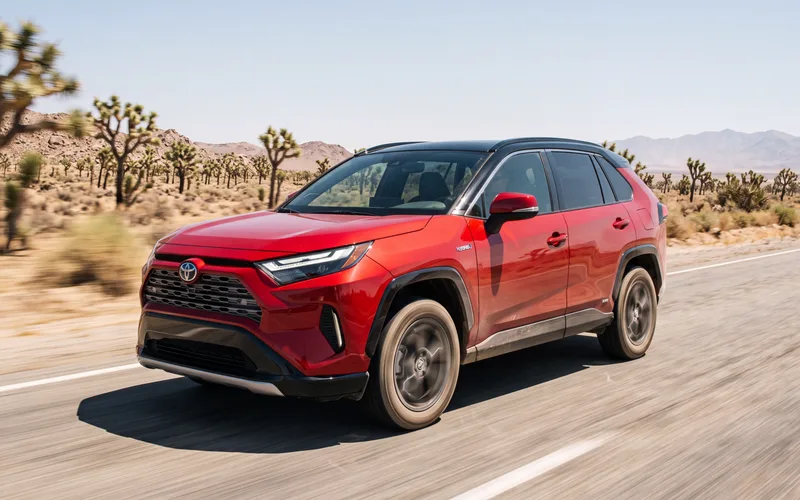 Toyota RAV4Compact SUV
The eternal rivalry: the CR-V wins on rear legroom (41.0 in vs.
Compare 2.44C+
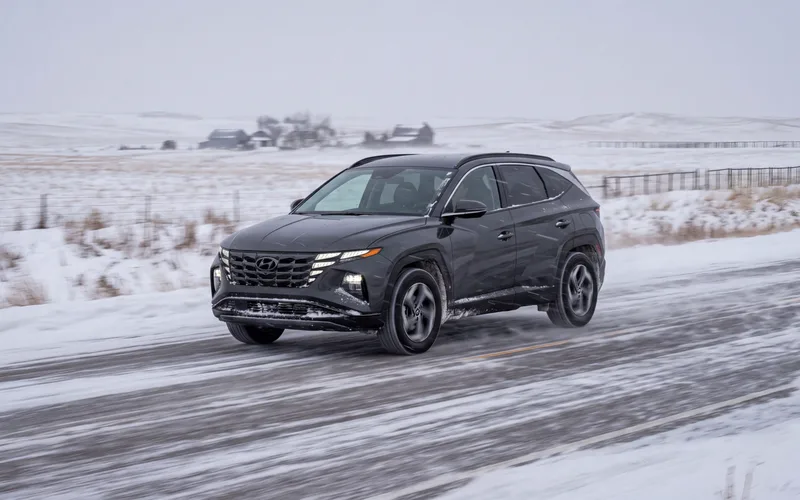 Hyundai TucsonCompact SUV
Tucson trumps the CR-V on warranty (5-yr/60k basic, 10-yr/100k powertrain vs.
Compare 2.40C+
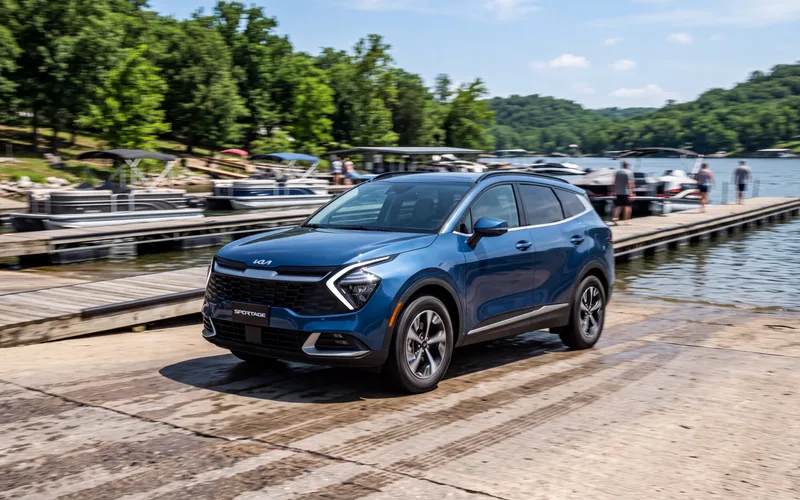 Kia SportageCompact SUV
Sportage undercuts the CR-V on price at each trim, offers dual 12.3-in curved displays, a 10-yr/100k powertrain warranty, and available surround-view camera.
CompareHow it's evolved
10 scored model years · 2017–2026
Subject scores by year
Hover or tap a score to see what moved it versus the year before. A corner mark flags a big swing.
| Year | Performance | Efficiency | Safety | Space | Cost | Reliability | Tech | Use-case | Driving | Value |
|---|---|---|---|---|---|---|---|---|---|---|
| 2026 | 32 | 68 | 69 | 56 | 66 | 70 | 60 | 68 | 70 | 73 |
| 2025 | 31 | 59 | 72 | 52 | 59 | 70 | 48 | 62 | 63 | 71 |
| 2024 | 31 | 63 | 72 | 52 | 67 | 72 | 48 | 62 | 63 | 72 |
| 2023 | 31 | 63 | 73 | 52 | 63 | 70 | 45 | 61 | 63 | 71 |
| 2022 | 30 | 64 | 72 | 52 | 67 | 72 | 34 | 60 | 60 | 59 |
| 2021 | 32 | 69 | 76 | 52 | 65 | 68 | 35 | 58 | 60 | 65 |
| 2020 | 28 | 64 | 71 | 50 | 64 | 66 | 33 | 57 | 59 | 66 |
| 2019 | 29 | 65 | 65 | 51 | 73 | 68 | 36 | 57 | 60 | 74 |
| 2018 | 29 | 65 | 69 | 50 | 68 | 59 | 30 | 55 | 58 | 71 |
| 2017 | 29 | 65 | 68 | 52 | 69 | 54 | 34 | 56 | 58 | 74 |
Compare two years
Best fit & conditions
Higher scores mean a better fit for that use case. Learn more about use-case fit →
Subject profile
Trims & configurations
6 trimsScores above reflect the volume trim. Per-trim specs and scores are rolling out — the full lineup:
Academic Probation · NHTSA safety recalls
May 21, 2026Air bags: sensor: occupant classification: front passengerThe front passenger seat weight sensor may crack and short circuit, which can cause the air bags to deploy unintentionally during a crash.
Defect
Honda (American Honda Motor Co.) is recalling certain 2018-2021, 2023 Acura TLX, 2019-2024 RDX, 2017-2020, 2022-2026 MDX, 2017-2021, 2023, 2025 Honda Ridgeline, 2017-2022 Pilot, 2019-2021 Passport, 2018-2026 Odyssey, 2019-2022 Insight, 2019-2021 HR-V, 2018-2020 Fit, 2020-2022 CR-V Hybrid, 2017-2022 CR-V, 2017-2018, 2021 Civic Type R, 2017-2021 Civic hatchback, 2016-2020 Civic coupe, 2016-2022 Civic, 2017-2022 Accord Hybrid, and 2016-2022 Accord vehicles. The front passenger seat weight sensor may crack and short circuit, which can cause the air bags to deploy unintentionally during a crash.
Risk
Air bags that deploy unintentionally during a crash increase the risk of injury.
Remedy
Dealers will replace the seat weight sensors, free of charge. Owner notification letters were mailed July 7, 2026. Owners may contact Honda's customer service at 1-888-234-2138. Honda's numbers for this recall are BOL, WO9, OOA, WOM, XOH, NOC, POD, BOE, UOF, POB, EOG, AOI, QO8, TOJ, DO7, and SOK. This recall expands previous NHTSA recall number 24V064. Vehicle Identification Numbers (VINs) involved in this recall will be searchable on NHTSA.gov beginning May 29, 2026.
NHTSA campaign 26V332000 ↗Manufacturer no. Refer to Comments98,892 vehicles potentially affected (all models in the campaign)Owners notified Jul 6, 2026Filed by Honda (American Honda Motor Co.)Filed as CR-V, CR-V HYBRIDDec 18, 2023Fuel system, gasoline: delivery: fuel pumpThe fuel pump inside the fuel tank may fail.
Defect
Honda (American Honda Motor Co.) is recalling certain 2013-2023 Honda Accord, Civic Coupe, Civic Sedan, Civic Hatchback, Civic Type R, CR-V, HR-V, Ridgeline, Odyssey, Acura ILX, MDX, MDX Hybrid, RDX, RLX, TLX, 2019-2022 Honda Insight, Passport, 2020 Honda CR-V Hybrid, 2018-2019 Honda Clarity PHEV, Fit, and 2015-2020 Honda Accord Hybrid, Pilot, Acura NSX vehicles. The fuel pump inside the fuel tank may fail.
Risk
Fuel pump failure can cause an engine stall while driving, increasing the risk of a crash.
Remedy
Dealers will replace the fuel pump module, free of charge. Owner letters were mailed September 6, 2024. Owners may contact Honda customer service at 1-888-234-2138. Honda's numbers for this recall are KGC and KGD. This recall is an expansion of NHTSA recall numbers 21V-215 and 20V-314.
NHTSA campaign 23V858000 ↗Manufacturer no. KGC, KGD2,490,460 vehicles potentially affected (all models in the campaign)Owners notified Mar 29, 2024Filed by Honda (American Honda Motor Co.)Filed as CR-V, CR-V HYBRIDMar 9, 2023Seat belts: front: buckle assemblyA manufacturing issue with the front seat belts may cause the seat belt buckle channel to interfere with the release button, preventing the seat belt buckle from latching.
Defect
Honda (American Honda Motor Co.) is recalling certain 2017-2020 CR-V, 2018-2019 Accord and Accord Hybrid, 2018-2020 Odyssey, 2019 Insight, and 2019-2020 Acura RDX vehicles. A manufacturing issue with the front seat belts may cause the seat belt buckle channel to interfere with the release button, preventing the seat belt buckle from latching.
Risk
An unlatched seat belt cannot properly restrain the seat occupant during a crash, increasing their risk of injury.
Remedy
Dealers will replace the driver and front passenger seat belt buckle release buttons or the buckle assemblies as necessary, free of charge. Owner notification letters were mailed April 18, 2023. Owners may contact Honda customer service at 1-888-234-2138. Honda's numbers for this recall are NDA, QDB, BDC, MDD, LD9. TDF, FDG, ODH, YDI, ZDE.
NHTSA campaign 23V158000 ↗Manufacturer no. NDA, QDB, BDC, MDD448,613 vehicles potentially affected (all models in the campaign)Owners notified Apr 18, 2023Filed by Honda (American Honda Motor Co.)Filed as CR-VMar 25, 2021Fuel system, gasoline: delivery: fuel pumpThe low-pressure fuel pump inside the fuel tank may fail.
Defect
Honda (American Honda Motor Co.) is recalling certain 2019-2020 Acura MDX, MDX Sport Hybrid, RDX, TLX, Honda Accord, Civic Hatchback, Insight, 2019 Acura ILX, Honda Accord Hybrid, Civic Coupe, Civic Coupe Si, Civic Sedan, Civic Sedan Si, Civic Type R, Fit, HR-V, Odyssey, Passport, Pilot and Ridgeline, and 2018-2019 CR-V vehicles. The low-pressure fuel pump inside the fuel tank may fail.
Risk
Fuel pump failure can cause an engine stall while driving, increasing the risk of a crash.
Remedy
Honda will notify owners, and dealers will replace the fuel pump assembly, free of charge. Owner letters were mailed May 18, 2021. Owners may contact Honda customer service at 1-888-234-2138. Note: This recall is an expansion of recall 20V-314.
NHTSA campaign 21V215000 ↗Manufacturer no. Multiple Codes624,552 vehicles potentially affected (all models in the campaign)Owners notified May 18, 2021Filed by Honda (American Honda Motor Co.)Filed as CR-VSep 27, 2018Steering: electric power assist systemThe magnet that controls the torque sensor output signal for the electronic power steering system may not be properly secured, allowing the magnet to become dislodged. During a full lock turn, the dislodged magnet may cause steering assist to be applied in the opposite direction.
Defect
Honda (American Honda Motor Co.) is recalling certain 2017-2018 Honda Civic and CR-V vehicles. The magnet that controls the torque sensor output signal for the electronic power steering system may not be properly secured, allowing the magnet to become dislodged. During a full lock turn, the dislodged magnet may cause steering assist to be applied in the opposite direction.
Risk
The unintended steering input reduces vehicle maneuverability and increases the risk of a crash.
Remedy
Honda will notify owners, and dealers will replace the steering gearbox assembly, free of charge. The recall began November 9, 2018. Owners may contact Honda customer service at 1-888-234-2138. Honda's numbers for this recall are C2N, P2O.
NHTSA campaign 18V663000 ↗Manufacturer no. C2N, P2O54 vehicles potentially affected (all models in the campaign)Owners notified Nov 9, 2018Filed by Honda (American Honda Motor Co.)Filed as CR-V
23 recalls on other model years of the CR-V (2017, 2019–2026)
Oct 8, 2026Tires: temporary/emergency spare tireWhen using the tire repair kit, pressure may build within the sealant bottle, causing the bottle cap to detach.
Defect
Honda (American Honda Motor Co.) is recalling certain 2023-2026 CR-V Hybrid, Accord Hybrid, and 2025 CR-V Fuel Cell EV vehicles that were previously remedied under NHTSA recall number 26V366. When using the tire repair kit, pressure may build within the sealant bottle, causing the bottle cap to detach.
Risk
A detached bottle cap can become a projectile and strike the user or others nearby, increasing the risk of injury.
Remedy
Dealers will inspect and replace the tire repair kit nozzle, as necessary, free of charge. Owner notification letters are expected to be mailed November 16, 2026. Owners may contact Honda's customer service at 1-866-784-1870. Honda's number for this recall is PPW. Vehicle Identification Numbers (VINs) involved in this recall will be searchable on NHTSA.gov beginning October 17, 2026. Vehicles previously repaired under recall 26V366 will need to have the new remedy completed.
NHTSA campaign 26V663000 ↗Manufacturer no. PPW4,804 vehicles potentially affected (all models in the campaign)Filed by Honda (American Honda Motor Co.)Filed as CR-V FUEL CELL EV, CR-V HYBRIDJun 4, 2026Tires: temporary/emergency spare tireWhen using the tire repair kit, pressure may build within the sealant bottle, causing the bottle cap to detach.
Defect
Honda (American Honda Motor Co.) is recalling certain 2023-2026 CR-V Hybrid, Accord Hybrid, and 2025-2026 CR-V Fuel Cell EV vehicles. When using the tire repair kit, pressure may build within the sealant bottle, causing the bottle cap to detach.
Risk
A detached bottle cap can become a projectile and strike the user or others nearby, increasing the risk of injury.
Remedy
Dealers will replace the tire repair kit nozzle or sealant bottle, free of charge. Interim letters notifying owners of the safety risk were mailed July 27, 2026. Additional letters will be sent once the final remedy is available, anticipated in Fall 2026. Owners may contact Honda's customer service at 1-866-784-1870. Honda's number for this recall is DOV. Vehicle Identification Numbers (VINs) involved in this recall will be searchable on NHTSA.gov beginning June 11, 2026.
NHTSA campaign 26V366000 ↗Manufacturer no. DOV1,048,613 vehicles potentially affected (all models in the campaign)Filed by Honda (American Honda Motor Co.)Filed as CR-V FUEL CELL EV, CR-V HYBRIDDec 11, 2025Electrical system: propulsion system: fuel cellCoolant inside the fuel cell stack may leak into the fuel cell stack case, causing an internal short circuit. As such, these vehicles fail to comply with the requirements of Federal Motor Vehicle Safety Standard number 305, "Electric-powered vehicles: Electrolyte Spillage and Electrical Shock Protection."
Defect
Honda (American Honda Motor Co.) is recalling certain 2025 Honda CR-V Fuel Cell EV vehicles. Coolant inside the fuel cell stack may leak into the fuel cell stack case, causing an internal short circuit. As such, these vehicles fail to comply with the requirements of Federal Motor Vehicle Safety Standard number 305, "Electric-powered vehicles: Electrolyte Spillage and Electrical Shock Protection."
Risk
An internal short circuit in a fuel cell can cause a loss of drive power, increasing the risk of a crash or injury.
Remedy
Dealers will replace the fuel cell stack assembly, free of charge. Owner notification letters were mailed February 3 2026. Owners may contact Honda's customer service at 1-888-234-2138. Honda's number for this recall is CN4. Vehicle Identification Numbers (VINs) involved in this recall will be searchable on NHTSA.gov beginning December 16, 2025.
NHTSA campaign 25V858000 ↗Manufacturer no. CN4388 vehicles potentially affected (all models in the campaign)Owners notified Feb 2, 2026Filed by Honda (American Honda Motor Co.)Filed as CR-V FUEL CELL EVJun 5, 2025Fuel system, gasoline: delivery: hoses, lines/piping, and fittingsThe fuel feed hose may have been improperly installed, allowing fuel to leak. As such, these vehicles fail to comply with the requirements of Federal Motor Vehicle Safety Standard number 301, "Fuel System Integrity."
Defect
Honda (American Honda Motor Co.) is recalling certain 2025 Honda CR-V Hybrid vehicles. The fuel feed hose may have been improperly installed, allowing fuel to leak. As such, these vehicles fail to comply with the requirements of Federal Motor Vehicle Safety Standard number 301, "Fuel System Integrity."
Risk
A fuel leak in the presence of an ignition source increases the risk of a fire.
Remedy
Dealers will install a new fuel feed hose and connector cover, free of charge. Owners may contact Honda's customer service at 1-888-234-2138. Honda's number for this recall is TLS.
NHTSA campaign 25V378000 ↗Manufacturer no. TLS6 vehicles potentially affected (all models in the campaign)Filed by Honda (American Honda Motor Co.)Filed as CR-V HYBRIDOct 14, 2024Fuel system, gasoline: delivery: fuel pumpThe high-pressure fuel pump may crack and leak fuel.
Defect
Honda (American Honda Motor Co.) is recalling certain 2023-2024 Honda Accord, Accord Hybrid, 2023-2025 Honda CR-V Hybrid, and 2025 Honda Civic and Civic Hybrid vehicles. The high-pressure fuel pump may crack and leak fuel.
Risk
A fuel leak in the presence of an ignition source can increase the risk of a fire.
Remedy
Dealers will inspect and replace the high-pressure fuel pump as necessary, free of charge. Owner letters were mailed February 20, 2025. Owners may contact Honda customer service at 1-888-234-2138. Honda's number for this recall is PJW.
NHTSA campaign 24V763000 ↗Manufacturer no. PJW720,810 vehicles potentially affected (all models in the campaign)Owners notified Feb 20, 2025Filed by Honda (American Honda Motor Co.)Filed as CR-V HYBRIDOct 3, 2024Electrical system: propulsion system: traction batteryThe high voltage battery modules may have been manufactured incorrectly, which can cause the battery terminal or busbar to break and spark.
Defect
Honda (American Honda Motor Co.) is recalling certain 2023 Honda CR-V Hybrid vehicles. The high voltage battery modules may have been manufactured incorrectly, which can cause the battery terminal or busbar to break and spark.
Risk
An electrical spark increases the risk of an injury or fire. In addition, a loss of drive power may occur, which can increase the risk of a crash.
Remedy
Dealers will replace the battery module, free of charge. Owner notification letters were mailed November 27, 2024. Owners may contact Honda Customer Service at 1-888-234-2138. Honda's number for this recall is HJR.
NHTSA campaign 24V745000 ↗Manufacturer no. HJR98 vehicles potentially affected (all models in the campaign)Owners notified Nov 27, 2024Filed by Honda (American Honda Motor Co.)Filed as CR-V HYBRIDOct 3, 2024SteeringThe steering gearbox assembly may have been manufactured incorrectly, which can cause excessive internal friction and lead to difficulty steering the vehicle.
Defect
Honda (American Honda Motor Co.) is recalling certain 2023-2025 Acura Integra, Civic Type R, CR-V Hybrid, CR-V, HR-V, 2022-2025 Civic, Civic Hatchback, 2024-2025 Acura Integra Type S, 2025 CR-V Fuel Cell EV, Civic Hybrid, and Civic Hatchback Hybrid vehicles. The steering gearbox assembly may have been manufactured incorrectly, which can cause excessive internal friction and lead to difficulty steering the vehicle.
Risk
Difficulty steering can increase the risk of a crash.
Remedy
Dealers will replace the worm gear spring and redistribute or add grease as necessary, free of charge. Owner notification letters were mailed November 18, 2024. Owners may contact Honda Customer Service at 1-888-234-2138. Honda's numbers for this recall are SJS, MJU, QJT and VJV.
NHTSA campaign 24V744000 ↗Manufacturer no. SJS, MJU, QJT, VJV1,693,199 vehicles potentially affected (all models in the campaign)Owners notified Nov 18, 2024Filed by Honda (American Honda Motor Co.)Filed as CR-V, CR-V FUEL CELL EV, CR-V HYBRIDJul 2, 2024Tires: markingsThe tire identification number (TIN) is missing the four-digit date code. As such, these vehicles fail to comply with the requirements of Federal Motor Vehicle Safety Standard number 139, "New Pneumatic Radial Tires for Light Vehicles."
Defect
Honda (America Honda Motor Co.) is recalling certain 2024 CR-V vehicles. The tire identification number (TIN) is missing the four-digit date code. As such, these vehicles fail to comply with the requirements of Federal Motor Vehicle Safety Standard number 139, "New Pneumatic Radial Tires for Light Vehicles."
Risk
An owner whose TIN information is missing may not recognize that their vehicle is involved in a safety recall and continue to drive on recalled tires, increasing the risk of a crash.
Remedy
Dealers will inspect and replace the tires as necessary, free of charge. Owner notification letters were mailed August 27, 2024. Owners may contact Honda customer service at 1-888-234-2138. Honda's number for this recall is BIS.
NHTSA campaign 24V508000 ↗Manufacturer no. BIS1,725 vehicles potentially affected (all models in the campaign)Owners notified Aug 27, 2024Filed by Honda (American Honda Motor Co.)Filed as CR-VFeb 1, 2024Air bags: sensor: occupant classification: front passengerThe front passenger seat weight sensor may crack and short circuit, failing to suppress the air bag as intended.
Defect
Honda (American Honda Motor Co.) is recalling certain 2020-2022 Pilot, Accord, Civic sedan, HR-V, Odyssey, 2020 Civic coupe, Fit, 2021-2022 Civic hatchback, 2021 Civic Type R, Insight, 2020-2021 CR-V, CR-V Hybrid, Passport, Ridgeline, Accord Hybrid, 2020 Acura MDX, 2022 Acura MDX, 2020-2022 Acura RDX, and 2020-2021 Acura TLX vehicles. The front passenger seat weight sensor may crack and short circuit, failing to suppress the air bag as intended.
Risk
An air bag that deploys unintentionally during a crash can increase the risk of injury.
Remedy
Dealers will replace the seat weight sensors, free of charge. Owner notification letters were mailed March 28, 2024. This is a phased recall. Owners may contact Honda customer service at 1-888-234-2138. Honda's numbers for these recalls are XHP and VHQ.
NHTSA campaign 24V064000 ↗Manufacturer no. XHP, VHQ750,114 vehicles potentially affected (all models in the campaign)Owners notified Mar 28, 2024Filed by Honda (American Honda Motor Co.)Filed as CR-V, CR-V HYBRIDDec 13, 2023Electrical system: 12v/24v/48v battery: cablesThe 12-Volt battery cable routed outside of the body frame is missing a fuse on the power circuit, which can allow the battery cable to short circuit or overheat during a crash.
Defect
Honda (American Honda Motor Co.) is recalling certain 2020-2022 CR-V Hybrid vehicles. The 12-Volt battery cable routed outside of the body frame is missing a fuse on the power circuit, which can allow the battery cable to short circuit or overheat during a crash.
Risk
An overheated battery cable or short circuit can increase the risk of a fire or injury in a crash.
Remedy
Dealers will replace the battery cable, free of charge. Owner notification letters were mailed January 29, 2024. Owners may contact Honda customer service at 1-888-234-2138. Honda's number for this recall is FGB.
NHTSA campaign 23V844000 ↗Manufacturer no. FGB106,030 vehicles potentially affected (all models in the campaign)Owners notified Jan 29, 2024Filed by Honda (American Honda Motor Co.)Filed as CR-V HYBRIDAug 17, 2023Power train: automatic transmission: internal: cvtThe electronic transmission may have been improperly manufactured, which can result in a loss of drive power.
Defect
Honda (American Honda Motor Co.) is recalling certain 2023 CR-V Hybrid and Accord Hybrid vehicles. The electronic transmission may have been improperly manufactured, which can result in a loss of drive power.
Risk
A loss of drive power can increase the risk of a crash.
Remedy
Dealers will replace the electronic continuously variable transmission (e-CVT), free of charge. Owner notification letters were mailed October 11, 2023. Owners may contact Honda customer service at 1-888-234-2138. Honda's numbers for this recall are NFG and HFF.
NHTSA campaign 23V588000 ↗Manufacturer no. NFG, HFF19 vehicles potentially affected (all models in the campaign)Owners notified Oct 11, 2023Filed by Honda (American Honda Motor Co.)Filed as CR-V HYBRIDJul 27, 2023Equipment: other: labelsThe certification label on the driver's side door states incorrect Gross Vehicle Weight Rating (GVWR), Gross Axle Weight Rating (GAWR), and tire size information. As such, these vehicles fail to comply with the requirements of Federal Motor Vehicle Safety Standard number 110, "Tire Selection and Rims."
Defect
Honda (American Honda Motor Co.) is recalling certain 2017, 2020, and 2022 CR-V vehicles. The certification label on the driver's side door states incorrect Gross Vehicle Weight Rating (GVWR), Gross Axle Weight Rating (GAWR), and tire size information. As such, these vehicles fail to comply with the requirements of Federal Motor Vehicle Safety Standard number 110, "Tire Selection and Rims."
Risk
An incorrectly sized tire may cause premature tread wear, or a tire blow out, increasing the risk of a crash.
Remedy
Dealers will install a new corrected label, free of charge. Owner notification letters were mailed September 18, 2023. Owners may contact Honda customer service at 1-888-234-2138. Honda's number for this recall is CF7.
NHTSA campaign 23V524000 ↗Manufacturer no. CF75 vehicles potentially affected (all models in the campaign)Owners notified Sep 18, 2023Filed by Honda (American Honda Motor Co.)Filed as CR-VFeb 16, 2023Seats: front assembly: reclinerThe front passenger seat back frame may not have been welded properly, which can cause the seat back position to fail in the event of a crash. As such, these vehicles fail to comply with the requirements of Federal Motor Vehicle Safety Standard numbers 207, "Seating Systems" and 201, "Occupant Protection in Interior Impact."
Defect
Honda (American Honda Motor Co.) is recalling certain 2023 CR-V vehicles. The front passenger seat back frame may not have been welded properly, which can cause the seat back position to fail in the event of a crash. As such, these vehicles fail to comply with the requirements of Federal Motor Vehicle Safety Standard numbers 207, "Seating Systems" and 201, "Occupant Protection in Interior Impact."
Risk
A seat back position that fails may not adequately restrain the occupant during a crash, increasing the risk of injury.
Remedy
Dealers will replace the front passenger seat back frame assembly, free of charge. Owner notification letters were mailed March 27, 2023. Owners may contact Honda customer service at 1-888-234-2138. Honda's number for this recall is 6PK.
NHTSA campaign 23V092000 ↗Manufacturer no. 6PK98 vehicles potentially affected (all models in the campaign)Owners notified Mar 27, 2023Filed by Honda (American Honda Motor Co.)Filed as CR-VMay 26, 2022Fuel system, gasoline: storage: tank assemblyThe clip for the absorber inside the fuel tank was not secured properly and may detach, which can cause an inaccurate fuel gauge reading.
Defect
Honda (American Honda Motor Co.) is recalling certain 2020 CR-V vehicles. The clip for the absorber inside the fuel tank was not secured properly and may detach, which can cause an inaccurate fuel gauge reading.
Risk
An inaccurate fuel gauge may result in the vehicle unexpectedly running out of fuel and stalling, increasing the risk of a crash.
Remedy
Dealers will replace the fuel tank, free of charge. Owner notification letters were mailed July 5, 2022. Owners may contact Honda customer service at 1-888-234-2138. Honda's number for this recall is RCB.
NHTSA campaign 22V380000 ↗Manufacturer no. RCB212 vehicles potentially affected (all models in the campaign)Owners notified Jul 5, 2022Filed by Honda (American Honda Motor Co.)Filed as CR-VDec 2, 2021Power train: driveline: driveshaftA component in the right or left front driveshaft may have been improperly heat-treated, which could result in driveshaft failure.
Defect
Honda (American Honda Motor Co.) is recalling certain 2021 Acura RDX and 2022 CR-V Hybrid vehicles. A component in the right or left front driveshaft may have been improperly heat-treated, which could result in driveshaft failure.
Risk
Driveshaft failure can cause a sudden loss of drive power, or cause the vehicle to roll away when parked if the parking brake is not applied. Either condition can increase the risk of a crash or injury.
Remedy
Dealers will replace the right or left front driveshaft as necessary, free of charge. Owner notification letters were mailed January 24, 2022. Owners may contact Honda customer service 1-888-234-2138. Honda's numbers for this recall are BBY, NBW, and OBX.
NHTSA campaign 21V939000 ↗Manufacturer no. BBY, NBW, OBX279 vehicles potentially affected (all models in the campaign)Owners notified Jan 24, 2022Filed by Honda (American Honda Motor Co.)Filed as CR-V HYBRIDNov 18, 2021Seat belts: rear/other: retractorThe automatic locking retractor on the second-row center seat belt assembly may deactivate improperly, which can result in an unsecured child restraint system. As such, these vehicles fail to comply with the requirements of Federal Motor Vehicle Safety Standard number 208, "Occupant Crash Protection."
Defect
Honda (American Honda Motor Co.) is recalling certain 2021 Accord Sedan, Accord Hybrid, CR-V, Ridgeline, 2022 Insight and CR-V Hybrid vehicles. The automatic locking retractor on the second-row center seat belt assembly may deactivate improperly, which can result in an unsecured child restraint system. As such, these vehicles fail to comply with the requirements of Federal Motor Vehicle Safety Standard number 208, "Occupant Crash Protection."
Risk
An unsecured child restraint system can increase the risk of injury during a crash.
Remedy
Dealers will replace the second-row center seat belt assembly, free of charge. Owner notification letters were mailed January 14, 2022. Owners may contact Honda customer service at 1-888-234-2138.
NHTSA campaign 21V900000 ↗Manufacturer no. ABS, BBT, NBQ, RBR4,346 vehicles potentially affected (all models in the campaign)Owners notified Jan 14, 2022Filed by Honda (American Honda Motor Co.)Filed as CR-V, CR-V HYBRIDDec 17, 2020Electrical system: 12v/24v/48v battery · Electrical system: propulsion system: charging: module: software · Electrical system: propulsion system: dc/dc converterThe DC-DC converter may shut down and prevent the 12-volt battery from recharging, possibly resulting in a loss of drive power.
Defect
Honda (American Honda Motor Co.) is recalling certain 2020 CR-V Hybrid, Accord Hybrid, and 2020-2021 Insight vehicles. The DC-DC converter may shut down and prevent the 12-volt battery from recharging, possibly resulting in a loss of drive power.
Risk
A loss of drive power can increase the risk of a crash.
Remedy
Honda will notify owners, and dealers will update the power converter unit (PCU) software, free of charge. The recall began February 12, 2021. Owners can contact Honda customer service at 1-888-234-2138. Honda's number for this recall is K9E.
NHTSA campaign 20V798000 ↗Manufacturer no. K9E27,838 vehicles potentially affected (all models in the campaign)Owners notified Feb 12, 2021Filed by Honda (American Honda Motor Co.)Filed as CR-V HYBRIDDec 5, 2019Structure: frame and membersThe rear subframe bolts were improperly manufactured and may loosen, allowing the rear subframe to separate.
Defect
Honda (American Honda Motor Co.) is recalling certain 2019-2020 CR-V vehicles. The rear subframe bolts were improperly manufactured and may loosen, allowing the rear subframe to separate.
Risk
A separated rear subframe reduces vehicle handling and can suddenly disable the vehicle, increasing the risk of a crash.
Remedy
Honda will notify owners, and dealers will inspect the rear subframe bolts and retorque them or replace them, as necessary, free of charge. The recall began January 27, 2020. Owners may contact Honda customer service at 1-888-234-2138. Honda's number for this recall is R6M.
NHTSA campaign 19V865000 ↗Manufacturer no. R6M358 vehicles potentially affected (all models in the campaign)Owners notified Jan 27, 2020Filed by Honda (American Honda Motor Co.)Filed as CR-VSep 26, 2019Equipment: other: owners/service/other manualThe owner's guide incorrectly describes when the "Passenger Airbag Off" indicator should illuminate. As such, these vehicles fail to comply with the requirements of Federal Motor Vehicle Safety Standard (FMVSS) number 208, "Occupant Crash Protection."
Defect
Honda (American Honda Motor Co.) is recalling certain 2019 CR-V vehicles. The owner's guide incorrectly describes when the "Passenger Airbag Off" indicator should illuminate. As such, these vehicles fail to comply with the requirements of Federal Motor Vehicle Safety Standard (FMVSS) number 208, "Occupant Crash Protection."
Risk
If the front passenger does not correctly understand how the airbag functions, they may be at an increased risk of personal injury in the event of a crash.
Remedy
Honda will notify owners and provide a sticker with the correct information to be added to the owner's guide, free of charge. The recall began November 14, 2019. Owner's may contact Honda customer service at 1-888-234-2138. Honda's number for this recall is X6G.
NHTSA campaign 19V694000 ↗Manufacturer no. X6G336,468 vehicles potentially affected (all models in the campaign)Owners notified Nov 14, 2019Filed by Honda (American Honda Motor Co.)Filed as CR-VAug 1, 2019Fuel system, gasoline: storage: tank assemblyThe joint weld between the fuel tank and the vapor return line may have been insufficiently welded, causing the weld to fail.
Defect
Honda (American Honda Motor Co.) is recalling certain 2019 CR-V vehicles. The joint weld between the fuel tank and the vapor return line may have been insufficiently welded, causing the weld to fail.
Risk
The failed weld may allow fuel to leak, increasing the risk of a fire in the presence of an ignition source.
Remedy
Honda will notify owners, and dealers will replace the fuel tank, free of charge. The recall began September 16, 2019. Owners may contact Honda customer service at 1-888-234-2138. Honda's number for this recall is A5I.
NHTSA campaign 19V569000 ↗Manufacturer no. A5I134 vehicles potentially affected (all models in the campaign)Owners notified Sep 16, 2019Filed by Honda (American Honda Motor Co.)Filed as CR-VMay 21, 2019Air bags: frontal: driver clockspring/spiral cassette · Air bags: frontal: driver side: inflator module · Electrical system: horn · Steering: steering wheel/handle barThe metal core of the steering wheel may have burrs which can damage the harnesses routed within, potentially disabling the driver's air bag or causing it to deploy without warning.
Defect
Honda (American Honda Motor Co.) is recalling certain 2019 CR-V vehicles. The metal core of the steering wheel may have burrs which can damage the harnesses routed within, potentially disabling the driver's air bag or causing it to deploy without warning.
Risk
In the event of a crash, a disabled air bag would increase the risk of injury. An uncommanded deployment of the driver's air bag also increases the risk of injury and a crash.
Remedy
Honda will notify owners, and dealers will install a protective cover on the steering wheel core and replace clockspring and the harnesses within, free of charge. The recall began July 8, 2019. Owners may contact Honda customer service at 1-888-234-2138. Honda's number for this recall is R4S.
NHTSA campaign 19V383000 ↗Manufacturer no. R4S161,252 vehicles potentially affected (all models in the campaign)Owners notified Jul 8, 2019Filed by Honda (American Honda Motor Co.)Filed as CR-VJul 13, 2017Fuel system, gasoline: delivery: hoses, lines/piping, and fittingsThe affected vehicles have a fuel supply pipe that may have been improperly manufactured, possibly resulting in the pipe disconnecting and leaking while driving.
Defect
Honda (American Honda Motor Co.) is recalling certain 2017 Honda CR-V 2WD and AWD vehicles. The affected vehicles have a fuel supply pipe that may have been improperly manufactured, possibly resulting in the pipe disconnecting and leaking while driving.
Risk
If the pipe disconnects, the engine will stall, increasing the risk of a crash. Additionally, the disconnected pipe may leak fuel, which, in the presence of an ignition source, can increase the risk of a fire.
Remedy
Honda will notify owners, and dealers will replace the fuel supply pipe, free of charge. The recall began August 31, 2017. Owners may contact Honda customer service at 1-888-234-2138. Honda's number for this recall is KH1.
NHTSA campaign 17V442000 ↗Manufacturer no. KH132,233 vehicles potentially affected (all models in the campaign)Owners notified Aug 31, 2017Filed by Honda (American Honda Motor Co.)Filed as CR-VApr 18, 2017Equipment: other: labelsThe Certification Labels on the affected vehicles were printed with ink that may be inadvertently wiped away with an alcohol solvent. As such, these vehicles fail to comply with the requirements of 49 CFR Part 567, "Certification."
Defect
Honda (American Honda Motor Co.) is recalling certain 2017 CR-V and Acura RDX vehicles. The Certification Labels on the affected vehicles were printed with ink that may be inadvertently wiped away with an alcohol solvent. As such, these vehicles fail to comply with the requirements of 49 CFR Part 567, "Certification."
Risk
If the label information can be wiped away, the operator may not be able to refer to the information, possibly resulting in the vehicle being overloaded, which can increase the risk of a crash.
Remedy
Honda and Acura will notify owners, and dealers will replace the Certification Label, free of charge. The recall began June 2017. Owners may contact Honda customer service at 1-888-234-2138. Honda's numbers for this recall are KF3 (CR-V)and KF4 (RDX).
NHTSA campaign 17V256000 ↗Manufacturer no. KF3, KF41,425 vehicles potentially affected (all models in the campaign)Owners notified Jun 9, 2017Filed by Honda (American Honda Motor Co.)Filed as CR-V
Source: NHTSA Office of Defects Investigation recall database, model years 2017–2026. Recalls are listed by model year as the manufacturer filed them; whether a specific car is affected depends on its VIN — check a VIN at nhtsa.gov ↗. NHTSA model names matched to this page: CR-V, CR-V FUEL CELL EV, CR-V HYBRID.
Detailed scoring by subject
1Performance & PowertrainThe CR-V's lowest-graded category.0.00F
EX is the volume trim for 2018 and carries the 1.5L turbo four standard across EX and above; only base LX uses the lower-output 2.4L, unchanged from the prior year of this generation.
Broad flat torque curve typical of a small turbo four; peak figure is modest for the compact SUV class.
This generation's 1.5T AWD powertrain is unchanged from 2017 through 2018; MotorWeek's instrumented test recorded 7.5 s and other outlets (The Drive) recorded 7.6 s on the same drivetrain.
The 1.5L turbo is smooth around town but exhibits noticeable low-rpm turbo lag and four-cylinder drone under hard acceleration, a common complaint in period reviews of this generation.
The CVT is tuned to avoid obvious hunting and pairs well electronically with the turbo engine at part throttle, though it produces the characteristic CVT drone and some hesitation under hard acceleration.
Honda's published towing figure for the 2018 CR-V, unchanged across trims and FWD/AWD configurations.
Real Time AWD with Intelligent Control is optional on LX/EX/EX-L and standard on Touring, proactively sending torque rearward under acceleration, but it remains a basic front-biased system with no low-range, locking differential, or terrain-mode suite.
Unibody crossover with modest ground clearance and no off-road hardware, skid plates, or dedicated off-road trim; built for pavement and light gravel, not trails.
2018 offers only gasoline power — a 2.4L naturally aspirated four on LX and a 1.5L turbo four on EX and above — with no electrified option; the CR-V Hybrid did not arrive until the 2020 model year.
2Efficiency & RangeMid-pack among this car's ten categories.2.36C+
EPA rating for the gas 1.5L turbo AWD configuration (EX volume trim), the scored powertrain class; FWD rates 1 MPG higher and the base LX's 2.4L is 1–2 MPG lower.
EPA city rating for the gas 1.5L turbo AWD configuration.
EPA highway rating for the gas 1.5L turbo AWD configuration.
EPA-published total range figure for the gas 1.5L turbo AWD configuration on the 14.0-gallon fuel tank.
EPA annual fuel cost estimate at 15,000 mi/yr for the gas 1.5L turbo AWD configuration.
Runs on regular unleaded across all 2018 CR-V trims and both engine options, with no premium recommendation.
3SafetyOne of the CR-V's strongest categories.2.65C+
NHTSA's full 5-star overall rating for the 2018 CR-V (both FWD and AWD), with 4 stars on rollover resistance pulling it off a perfect score across sub-tests.
Good ratings on every crashworthiness test except the newer side-impact protocol (Acceptable). IIHS's Top Safety Pick for the 2018 CR-V is gated on the optional front crash prevention plus specific headlights, and only the Touring trim's LED headlights qualify (Acceptable-rated) — the volume EX-L tested Marginal for headlights, so the scored configuration does not carry the award despite near-uniform Good crashworthiness.
The volume EX-L trim carries the full Honda Sensing suite (CMBS/AEB, FCW, RDM, LDW, ACC with Low-Speed Follow, LKAS) plus Blind Spot Information System and Cross Traffic Monitor, all standard — a comprehensive package for the segment and era. It falls short of the top band only because the entry LX trim gets none of it at all, not even as an option, rather than it being merely optional there.
IIHS rated the CMBS Superior for vehicle-to-vehicle front crash prevention and Superior for daytime pedestrian detection (EX trim and above, covering the scored EX-L), avoiding collisions in both the 12 mph and 25 mph test tracks. IIHS had not yet added a nighttime pedestrian test for this generation, so no night-performance data exists for the 2018 model year.
Blind Spot Information System and a rear Cross Traffic Monitor are standard on EX and above (including the scored EX-L), but both are alert-only — audible/visual warnings with no steering or braking intervention, and no trailer-aware mode. Entirely absent on the base LX.
LKAS provides genuine lane-centering steering input with lane-departure warning as backup, standard on EX and above, but this pre-Sensing-2.0 implementation is widely reported by owners to bounce between lane markers rather than track the center smoothly — a known rough edge Honda addressed in later updates.
ACC with Low-Speed Follow operates through the full speed range including stop-and-go, standard on EX and above, but 2018 Honda Sensing does not present ACC and LKAS as an integrated highway-assist mode — they function as separate systems rather than one cohesive hands-on highway package, and contemporary reviews note occasional rough resume/following behavior typical of this generation.
No hands-free highway-driving mode exists anywhere in the 2018 CR-V lineup; Honda Sensing in this generation is a hands-on suite (LKAS requires continuous steering input).
IIHS rated the halogen projector headlights Marginal on LX, EX and EX-L (the scored volume trim among them) with no high-beam assist on LX and high-beam assist but still Marginal performance on EX/EX-L; even the range-topping Touring's LED units only reach Acceptable, not Good, on any trim.
Reviewers consistently praise the fifth-generation CR-V's sightlines: slim A-pillars, low beltline/door glass, a visible hood for front positioning, and a square, well-framed rear window; manageable blind spots are cited as a segment strength rather than a weakness.
IIHS's LATCH ease-of-use evaluation for the 2018 CR-V came back Acceptable overall — anchors are present and usable but involve some digging/compromise rather than best-in-class access; the CR-V's five-seat layout and conventional rear doors support fitting multiple car seats without major difficulty.
4Space & ComfortOne of the CR-V's weakest categories.1.33D
Standard five-passenger, two-row layout across LX/EX/EX-L/Touring for 2018.
Moonroof is standard from EX up, which is the volume trim and slightly reduces front headroom versus the moonroof-delete LX.
Consistent across trims; fifth-generation CR-V's wheelbase stretch improved on the prior generation.
Second row sits clear of the moonroof housing, giving generous rear headroom for the compact SUV class.
The fifth-generation CR-V's longer wheelbase gave it segment-leading rear legroom at launch, carried through 2018.
The 2018 CR-V is a strict two-row, five-seat SUV in the US market — no third-row option was offered in any trim or market configuration.
Strong for a compact SUV, among the largest behind-seat cargo figures in the class at the time.
Class-competitive maximum cargo volume with the 60/40 split rear seats folded flat.
A deep, sliding-tray center console bin, large door pockets and a low cargo floor were praised as practical, everyday-usable storage, without standout innovations like a giga-console.
Reviewers repeatedly singled out the front seats as supportive and all-day comfortable, with the rear bench also well regarded for the class; not segment-benchmark but a consistent strength.
A well-controlled, firm-but-compliant ride that absorbs most bumps without float or harshness; a genuine class strength though not segment-leading plush.
Reasonably quiet at a cruise, but the 1.5L turbo-four and CVT produce noticeable noise under harder acceleration, and tire roar is average for the class.
Heated front seats arrive on EX and up; no heated steering wheel or rear climate vents are offered on any 2018 trim, leaving comfort equipment middling versus rivals that offer more at this price.
5Cost of OwnershipOne of the CR-V's strongest categories.2.63C+
Entry LX FWD trim MSRP plus the $995 destination charge, per Honda's official 2018 CR-V pricing release.
EX-L was the highest-volume trim in the fifth-generation lineup (most common in surviving used-market inventory) and AWD take rate is high for CR-V in this segment; priced at EX-L AWD MSRP plus destination.
CarEdge's class-data estimate for the CR-V's 5-year maintenance and repair spend, well below typical compact-SUV costs and consistent with Honda's reputation for cheap routine upkeep.
iSeeCars depreciation data for the 2018 CR-V specifically shows about 39% five-year depreciation, i.e. roughly 61% retention, consistent with the model's 2018 Edmunds Best Retained Value Award for the compact SUV class.
Standard 3-year/36,000-mile bumper-to-bumper coverage, matching the mainstream-brand norm (Toyota, Mazda, Subaru, VW) rather than the longer Korean-brand terms, so it sits near the low end of the segment range.
Standard 5-year/60,000-mile powertrain coverage — typical for the mainstream segment but well short of Hyundai/Kia's 10-year/100,000-mile terms, so it scores near the floor of the observed band.
2018 Honda had no complimentary scheduled-maintenance program (Honda Service Pass didn't launch until MY2023); owners get only 24-hour roadside assistance bundled into the 3-year/36,000-mile basic warranty term, with no connected-service trials or charging credits applicable to a gas model.
$31,945 volume-trim price minus its estimated resale value after 5 years (61% retained, or about $19,486) leaves about $12,459 in depreciation. Add the projected $2,425 in 5-year maintenance and repairs, and owning this vehicle for 5 years costs about $14,884 in total.
6Reliability & QualityMid-pack among this car's ten categories.2.00C
Mixed signals: CR's overall reliability read on the nameplate is roughly average, but the 2017-18 model years specifically carry a well-documented defect (fuel diluting into engine oil on the new 1.5T) that generated a large volume of owner complaints and an eventual extended-warranty program, which is exactly the kind of year-specific red flag that pulls this below the class median.
Honda's long-run brand reputation for dependability is strong, but the J.D. Power 2018 Vehicle Dependability Study (which reflects three-year-old vehicles from this generation's era) ranked Honda a weak 27th of 32 brands — a notable dip coinciding with the downsized-turbo engine rollout across the lineup, including the CR-V's 1.5T.
This generation (2017-2022) carries a heavier-than-typical recall/TSB load: a Denso fuel pump recall (~2.49M Honda/Acura vehicles including this generation of CR-V), a seat belt buckle recall (~448k vehicles), a front passenger airbag sensor recall, plus the separate, widely covered oil-dilution TSB/extended-warranty campaign on the 1.5T engine that affected over a million 2017-18 CR-Vs and Civics. That combination is more than 'typical recall activity, nothing systemic.'
The L15B7 1.5L turbo four, new for this generation starting MY2017, is the specific engine implicated in the fuel-dilution-into-oil problem reported heavily in cold-weather climates with short-trip driving, raising real concerns about long-term internal wear; it lacks the long high-mileage track record of Honda's prior naturally-aspirated engines and is a genuine red flag for this exact model year rather than a mixed-but-clean newer design.
Reviewers consistently praised the redesigned cabin's material richness for the price — soft-touch upper dash and door panels, convincing trim inserts, leather on EX-L/Touring — competitive with or ahead of segment rivals, though the lower beltline reverts to harder plastics typical of the class.
Assembly consistency was repeatedly called out as a strength — tight panel gaps, no rattles reported in test vehicles, and owner reviews describing fit and finish as 'top notch,' comparable to Honda's Acura luxury line.
Honda runs one of the largest, most geographically dense dealer networks in the US (over 1,000 dealers in this era), giving CR-V owners easy access to service nationwide; general service satisfaction for the brand is solid though not class-leading.
RepairPal rates the CR-V 4.5/5 for reliability-adjusted ownership and reports average annual repair costs well below both the compact-SUV segment average and the all-vehicle average, reflecting cheap, widely available parts and a huge aftermarket/independent-shop support base.
7Technology & InfotainmentOne of the CR-V's weakest categories.0.00F
The 7-inch WVGA Display Audio touchscreen is standard from EX up (the volume trim); base LX has a smaller non-touch 5-inch LCD.
The Display Audio system was widely criticized at launch for laggy touch response, confusing menus, and the notorious deletion of a physical volume knob (replaced by a touch-slider), a complaint so persistent Honda reinstated a volume knob for the 2019 model year.
Apple CarPlay and Android Auto are available on EX and above but only via wired USB connection; wireless projection was not offered on any 2018 CR-V trim, and LX gets neither at all.
Built-in voice recognition was basic and often bypassed for Siri/Google Assistant via phone projection; the Garmin-based factory navigation was Touring-trim-only and dated compared to phone mapping.
A 180-watt, 6-speaker system is standard; EX-L and Touring step up to an 8-speaker setup with HD Radio, which is adequate but not a standout premium audio package.
The 2018 CR-V uses traditional analog gauges with a small monochrome/color multi-information display between them — no configurable full-digital cluster is offered on any trim.
No over-the-air software update capability of any kind existed on the 2018 CR-V; map/software updates, where available, required a dealer visit or USB/SD card.
HondaLink in 2018 provided basic connected services (automatic collision notification, maintenance alerts, roadside assistance) but did not offer app-based remote start, lock/unlock, or vehicle locate for the CR-V — those arrived in later model years.
A single front USB port plus a 2.5-amp charge-only USB port in the second row is the extent of device power; no wireless charging pad was offered on any 2018 trim (added only in the 2020 refresh).
Smart Entry proximity access with push-button start and walk-away auto lock, plus remote engine start, are standard from EX up — solid for the class though absent on base LX.
A rearview camera with dynamic guidelines is standard across all trims, but no front or 360-degree camera system and no parking sensors were offered on any 2018 trim, including Touring.
No head-up display was offered on any 2018 CR-V trim.
8Use-Case FitMid-pack among this car's ten categories.1.70C-
Wide rear door openings, a low load floor, and segment-leading rear legroom make car-seat installation and everyday kid-hauling easy for a compact SUV.
The CR-V earned an IIHS Top Safety Pick for 2018 with Honda Sensing (AEB, lane-keeping assist, adaptive cruise, road departure mitigation) standard on EX and up, but the base LX — the most affordable family trim — omits Honda Sensing entirely.
Strong rear legroom and a large behind-seat cargo hold support multi-hour family trips, though rear climate vents and rear entertainment/USB-data ports are not offered.
Light, well-weighted steering, a smooth CVT in light traffic, good outward visibility and a tight turning circle make the CR-V relaxed in daily commuting.
EPA-rated 27/33/30 mpg city/highway/combined for the 1.5L turbo AWD volume configuration is good for a gas compact SUV of its era, keeping per-mile fuel costs reasonable, though it trails the segment's hybrid entrants.
A compact footprint and 37.4-ft turning circle, plus a standard backup camera with dynamic guidelines, make the CR-V easy to park and maneuver in the city.
A 1,500 lb tow rating and 850 lb payload are modest even by compact-SUV standards, and there is no factory towing package or auxiliary cargo capability — this is not a work-oriented vehicle.
Honda's broader reliability reputation suggests the chassis and 1.5T/CVT powertrain should hold up to moderate abuse, but the CR-V is not a vehicle built or marketed for fleet/work duty, and the 1.5T engine saw early oil-dilution concerns in cold climates.
No onboard power inverter, no dedicated tie-down provisions, and no upfit/accessory ecosystem exist for the CR-V — it offers essentially no jobsite-specific functionality.
Comfortable front seats, a composed highway ride, and adaptive cruise control (EX+) support long trips, with a combined-economy-based range of roughly 370-400 miles on a 14-gallon tank.
Available real-time AWD and standard roof rails (EX+) support light gravel-road and gear-hauling use, but 8.2 in of ground clearance and street-biased tires limit genuine off-pavement ability.
A 60/40-split, fold-flat rear seat and a low, wide 75.8 cu ft max cargo hold with available roof rails give solid gear-hauling flexibility for a compact SUV.
9Driving ExperienceMid-pack among this car's ten categories.1.89C-
Composed body control and minimal roll let the CR-V be driven confidently on a curvy road without unsettling passengers — a strength for the compact SUV class, if not outright engaging.
Steering weight builds naturally and returns to center smoothly for confident freeway tracking, praised as a class standout, though genuine road feedback is limited.
No major complaints about pedal feel or stopping distances surface in period reviews; brakes are described as responsive and well-matched to the chassis, in line with the segment norm.
The 1.5L turbo-four combined with a CVT exhibits noticeable turbo lag off the line and some CVT drone under hard acceleration, a widely repeated criticism of the 2017-2019 CR-V powertrain.
The 1.5T becomes noticeably coarse and vocal under hard throttle, with CVT drone amplifying the sensation — a frequently cited refinement shortfall versus segment rivals.
A tight turning circle for the class aids maneuverability, consistent across trims.
A higher seating position with good outward visibility, straightforward control layout, and easy ingress/egress are consistent CR-V strengths, with power seat adjustment on EX-L and up.
The CR-V is a competent, appliance-like family SUV rather than an enthusiast's choice — reviewers consistently describe it as pleasant but unremarkable to drive rather than engaging.
10Value & Market PositionThe CR-V's best-graded category.2.79B-
For 2018 Honda made the full Honda Sensing suite (adaptive cruise, collision mitigation braking, lane-keeping assist, road-departure mitigation) standard across every CR-V trim including base LX, a notable value move that many rivals still charged extra for or reserved for upper trims; base cloth seats and manual-adjust basics keep it short of 'loaded'.
Segment-leading cargo/passenger space, the strong turbo EX-and-up powertrain, and standard driver-assist tech give solid content for the price, though Edmunds and owner surveys flagged value as the CR-V's weakest-rated attribute relative to its styling and comfort scores.
Four trims (LX, EX, EX-L, EX-L w/Navi, Touring) each offered in FWD or AWD span a reasonable $24,250–$34,150 MSRP range from work-a-day to loaded, though there is no hybrid or performance variant for 2018 and gaps between trims are fairly wide.
The CR-V was America's best-selling SUV and Honda's best-selling nameplate overall in 2018, with an all-time monthly sales record set that December — an unambiguous segment leader.
Honda carries a strong mainstream reputation for reliability and resale that supports steady demand, but it is not an aspirational or halo brand the way a luxury or enthusiast marque is — image here is solidly positive rather than beloved.
Owner-forum and dealer pricing threads from the period describe essentially no financing incentives and minimal cash discounting — some buyers paid at or very close to MSRP, especially on EX/EX-L/Touring trims, because demand was outrunning supply.
2018 is the second model year of the fifth generation (launched for MY2017 on the current Civic-derived platform, running through MY2022), so the car is current with no imminent redesign risk but isn't the brand-new launch year either.
The 2018 CR-V was a consistent comparison-test contender and genuine award winner: NHTSA 5-star overall rating with top marks in nearly every test, an IIHS 2018 Top Safety Pick, and U.S. News' Best Compact SUV for the Money and for Families awards, alongside strong buff-book scores.