
The verdict
A mixed-report subcompact luxury suv, strong on safety and held back by performance.
The 2026 GLA is the cheapest way into a Mercedes SUV at $42,750, and it delivers the part of that promise you can see and touch — a genuinely upscale twin-screen cabin, the best voice assistant in the class, and a well-sorted chassis. What it does not deliver is space or cheap ownership: 15.4 cu ft behind the rear seats is the smallest cargo hold in the subcompact luxury class, 35.4 in of rear legroom is over two inches tighter than a BMW X1, and the 221-hp turbo four demands premium fuel while Kelley Blue Book projects roughly $12,720 in maintenance and repairs over five years. Buy it if you're one or two people who want the badge and the tech in a car that parks anywhere. If more than two people ride regularly, or the running costs matter, the segment has better answers.
Jump to scoresStrengths
- Cabin technology that actually earns the badge
- Strong active-safety hardware, if you tick the box
- Effortless in a city that has no parking
What holds it back
- The smallest cargo hold in the class, by a wide margin
- A back seat adults tolerate rather than enjoy
- Expensive to keep, and the warranty stops early
Top alternatives
Cars shoppers cross-shop with the Mercedes-Benz GLA 2.65C+
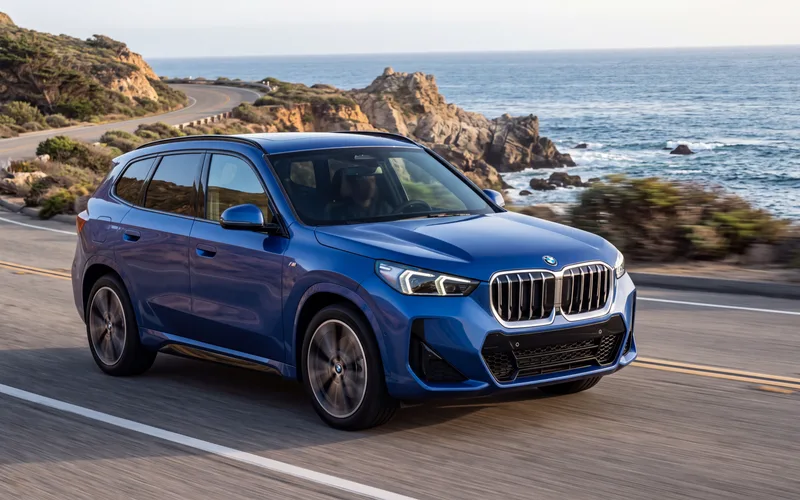 BMW X1Subcompact Luxury SUVBetter at: Space and value
The same money buys the same premium-badge experience with 10 more cubic feet of cargo, two more inches of rear legroom, and three years of included maintenance.
Compare 2.47C+
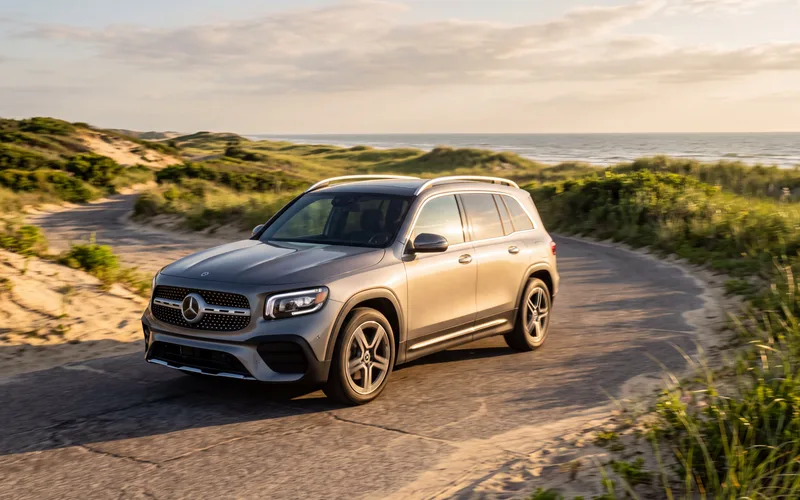 Mercedes-Benz GLBSubcompact Luxury SUVBetter at: Practicality
Same powertrain and same showroom, but a boxier body that fixes the GLA's rear-seat and cargo squeeze and even offers a third row.
Compare 2.28C
2.28C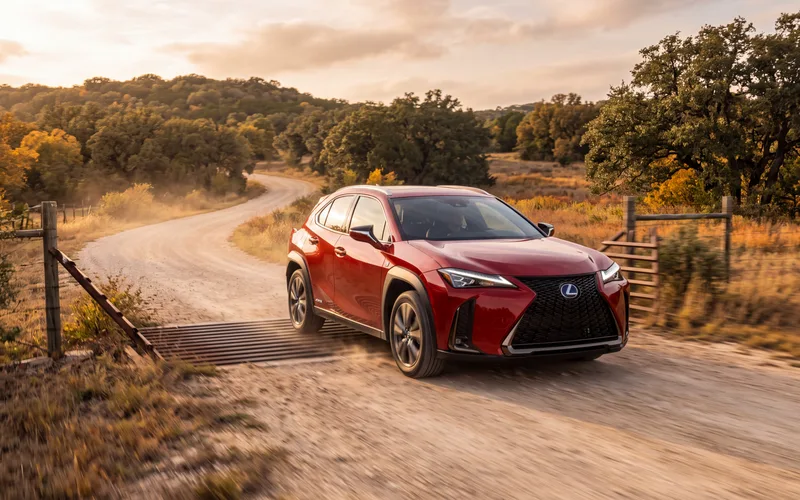 Lexus UXSubcompact Luxury SUVBetter at: Ownership cost
For buyers spooked by Mercedes running costs, the UX pairs a regular-fuel hybrid with Lexus reliability and far lower five-year service bills.
CompareHow it's evolved
10 scored model years · 2017–2026
Subject scores by year
Hover or tap a score to see what moved it versus the year before. A corner mark flags a big swing.
| Year | Performance | Efficiency | Safety | Space | Cost | Reliability | Tech | Use-case | Driving | Value |
|---|---|---|---|---|---|---|---|---|---|---|
| 2026 | 37 | 54 | 79 | 43 | 41 | 67 | 76 | 62 | 71 | 73 |
| 2025 | 37 | 50 | 50 | 42 | 47 | 66 | 71 | 48 | 66 | 72 |
| 2024 | 37 | 45 | 50 | 42 | 43 | 65 | 71 | 48 | 66 | 71 |
| 2023 | 37 | 41 | 49 | 42 | 46 | 65 | 60 | 47 | 65 | 67 |
| 2022 | 37 | 41 | 48 | 42 | 48 | 64 | 59 | 46 | 65 | 66 |
| 2021 | 37 | 46 | 48 | 41 | 50 | 59 | 59 | 46 | 65 | 68 |
| 2020 | 33 | 38 | 40 | 33 | 47 | 63 | 35 | 41 | 58 | 52 |
| 2019 | 35 | 43 | 40 | 33 | 47 | 58 | 35 | 41 | 58 | 54 |
| 2018 | 34 | 43 | 40 | 33 | 47 | 58 | 36 | 41 | 58 | 55 |
| 2017 | 34 | 43 | 38 | 33 | 47 | 57 | 34 | 40 | 58 | 54 |
Compare two years
Best fit & conditions
Higher scores mean a better fit for that use case. Learn more about use-case fit →
Subject profile
Academic Probation · NHTSA safety recalls
Mar 6, 2026Latches/locks/linkages: doors: latchThe bowden cable may have been incorrectly installed, which can prevent the door from opening from inside the vehicle.
Defect
Mercedes-Benz USA, LLC (MBUSA) is recalling certain 2026 GLA 250 vehicles. The bowden cable may have been incorrectly installed, which can prevent the door from opening from inside the vehicle.
Risk
A door that cannot be opened may trap occupants inside the vehicle, which can increase the risk of injury.
Remedy
Dealers will inspect and repair the bowden cable assembly as necessary, free of charge. Owner notification letters were mailed May 1, 2026. Owners may contact MBUSA customer service at 1-800-367-6372. Vehicle Identification Numbers (VINs) involved in this recall will be searchable on NHTSA.gov beginning March 13, 2026.
NHTSA campaign 26V134000 ↗10 vehicles potentially affected (all models in the campaign)Owners notified May 1, 2026Filed by Mercedes-Benz USA, LLCFiled as GLA 250
25 recalls on other model years of the GLA (2017–2025)
Jul 24, 2026Latches/locks/linkages: doors: lockPlease refer to MBUSA's recall report for specific model information. The micro-switch in the driver's door lock may corrode and fail to detect an open door, preventing the electronic parking brake or "Auto-Park" feature from engaging automatically. This may result in a vehicle rollaway.
Defect
Mercedes-Benz USA, LLC (MBUSA) is recalling certain 2020-2021 CLA, 2019-2022 A-Class, 2022-2023 C-Class, 2024 CLE, 2020-2026 GLA/GLB, and 2023-2024 GLC vehicles. Please refer to MBUSA's recall report for specific model information. The micro-switch in the driver's door lock may corrode and fail to detect an open door, preventing the electronic parking brake or "Auto-Park" feature from engaging automatically. This may result in a vehicle rollaway.
Risk
A vehicle rollaway increases the risk of a crash or injury.
Remedy
Dealers will replace the driver's door lock, free of charge. Owner notification letters are expected to be mailed September 18, 2026. This will be a phased campaign, with the remedy becoming available in different phases based on model and model years. Owners may contact MBUSA customer service at 1-800-367-6372. Vehicle Identification Numbers (VINs) involved in this recall will be searchable on NHTSA.gov beginning July 31, 2026.
NHTSA campaign 26V481000 ↗310,667 vehicles potentially affected (all models in the campaign)Owners notified Sep 18, 2026Filed by Mercedes-Benz USA, LLCFiled as AMG GLA 35, AMG GLA35, AMG GLA45, GLA 250, GLA 250 4MATICAug 8, 2025Exterior lighting: headlightsThe front headlights may have missing headlight aim markings, which can result in improperly aimed headlights. As such, these vehicles fail to comply with the requirements of Federal Motor Vehicle Safety Standard number 108, "Lamps, Reflective Devices, and Associated Equipment."
Defect
Mercedes-Benz USA, LLC (MBUSA) is recalling certain 2024 AMG GLA 35 4MATIC, GLA 250 4MATIC, and GLA 250 vehicles. The front headlights may have missing headlight aim markings, which can result in improperly aimed headlights. As such, these vehicles fail to comply with the requirements of Federal Motor Vehicle Safety Standard number 108, "Lamps, Reflective Devices, and Associated Equipment."
Risk
Incorrectly aimed headlights can reduce driver visibility or create a glare for oncoming traffic, increasing the risk of a crash.
Remedy
Dealers will inspect and replace the headlights as necessary, free of charge. Owner notification letters were mailed October 3, 2025. Owners may contact MBUSA customer service at 1-800-367-6372. MBUSA's number for this recall is 2025090005.
NHTSA campaign 25V511000 ↗Manufacturer no. 2025090005136 vehicles potentially affected (all models in the campaign)Owners notified Oct 3, 2025Filed by Mercedes-Benz USA, LLCFiled as AMG GLA 35 4MATIC, GLA 250, GLA 250 4MATICDec 15, 2023Structure: body: roof and pillarsPlease refer to MBUSA's recall report for specific vehicle details. The front roof panel located between the windshield and the panoramic sunroof may not have been bonded correctly to the vehicle during a prior repair, allowing the front panel to detach from the vehicle.
Defect
Mercedes-Benz USA, LLC (MBUSA) is recalling certain 2014-2020 C-Class, CLA, GLA, S-Class, GLC, and GLE vehicles. Please refer to MBUSA's recall report for specific vehicle details. The front roof panel located between the windshield and the panoramic sunroof may not have been bonded correctly to the vehicle during a prior repair, allowing the front panel to detach from the vehicle.
Risk
A detached roof panel can become a road hazard, increasing the risk of a crash.
Remedy
Dealers will replace the front panel, free of charge. Owner notification letters were mailed on August 2, 2024. Owner notification letters will be mailed in phases, on, March 22,2024, and August 2, 2024. Owners may contact MBUSA customer service at 1-800-367-6372. This recall is an expansion of NHTSA recall number 21V-197.
NHTSA campaign 23V854000 ↗2,976 vehicles potentially affected (all models in the campaign)Owners notified Mar 22, 2024Filed by Mercedes-Benz USA, LLCFiled as GLA 250Nov 1, 2023Equipment: other: owners/service/other manual · Service brakes, hydraulic: foundation components: disc: padsThe vehicles may not be equipped with an inspection gauge to check the wear of the rear brake pads. In addition, information for using this inspection gauge might not be included in the owner's manual. As such, these vehicles fail to comply with the requirements of Federal Motor Vehicle Safety Standard number 135, "Light Vehicle Brake Systems."
Defect
Mercedes-Benz USA, LLC (MBUSA) is recalling certain 2019-2020 A220, 2020 CLA250, GLB250, AMG A35, AMG CLA45, AMG CLA35, and 2021 GLA250 vehicles. The vehicles may not be equipped with an inspection gauge to check the wear of the rear brake pads. In addition, information for using this inspection gauge might not be included in the owner's manual. As such, these vehicles fail to comply with the requirements of Federal Motor Vehicle Safety Standard number 135, "Light Vehicle Brake Systems."
Risk
Driving with worn brake pads can reduce braking ability, increasing the risk of a crash.
Remedy
Dealers will install an inspection gauge and provide supplemental owner's manual information, free of charge. Owner notification letters were mailed on February 29, 2024. Owners may contact MBUSA customer service at 1-800-367-6372.
NHTSA campaign 23V732000 ↗42,742 vehicles potentially affected (all models in the campaign)Owners notified Feb 29, 2024Filed by Mercedes-Benz USA, LLCFiled as GLA 250Oct 2, 2023Exterior lighting: headlightsThe headlights may be incorrectly adjusted. As such, these vehicles fail to comply with the requirements of Federal Motor Vehicle Safety Standard number 108, "Lamps, Reflective Devices, and Associated Equipment."
Defect
Mercedes-Benz USA, LLC (MBUSA) is recalling certain 2022 A220, GLA250, and AMG GLA35 vehicles. The headlights may be incorrectly adjusted. As such, these vehicles fail to comply with the requirements of Federal Motor Vehicle Safety Standard number 108, "Lamps, Reflective Devices, and Associated Equipment."
Risk
Incorrectly adjusted headlights can reduce the visibility of oncoming traffic, increasing the risk of a crash.
Remedy
Dealers will inspect and correct the headlight adjustment, as necessary, free of charge. Owner notification letters were mailed November 3, 2023. Owners may contact MBUSA customer service at 1-800-367-6372. MBUSA's number for this recall is 2023100005.
NHTSA campaign 23V662000 ↗Manufacturer no. 202310000532 vehicles potentially affected (all models in the campaign)Owners notified Nov 3, 2023Filed by Mercedes-Benz USA, LLCFiled as AMG GLA35, GLA 250May 20, 2022Communication: auto crash notification · Electrical system: softwarePlease refer to MBUSA's recall report for specific vehicle model details. An error in the communication module's SIM card software can cause a mobile network connection failure, disabling the emergency call (eCall) system.
Defect
Mercedes-Benz USA, LLC (MBUSA) is recalling certain 2017-2022 CLA-Class, GLA-Class, GLE-Class, GLS-Class, SLC-Class, A-Class, AMG GT-Class, C-Class, E-Class, S-Class, SL-Class, GLC-Class, CLS-Class, GLB-Class, and G-Class vehicles. Please refer to MBUSA's recall report for specific vehicle model details. An error in the communication module's SIM card software can cause a mobile network connection failure, disabling the emergency call (eCall) system.
Risk
A disabled eCall system would prevent a vehicle occupant from contacting the emergency services call center in an emergency, potentially delaying emergency responders and increasing the risk of injury.
Remedy
The communication module software will be updated through an Over-the-Air (OTA) update or by a dealer, free of charge. Owner notification letters were mailed July 8, 2022. Owner notification letters will be mailed in phases, on July 8, 2022, May 17, 2024, July 29, 2024, and September 27, 2024. Owners may contact MBUSA customer service at 1-800-367-6372. MBUSA's numbers are for this recall is 2022060005 and 2023110006.
NHTSA campaign 22V365000 ↗Manufacturer no. See Recall Schedule242,722 vehicles potentially affected (all models in the campaign)Owners notified Jul 8, 2022Filed by Mercedes-Benz USA, LLCFiled as AMG GLA35, AMG GLA45, GLA 250Apr 8, 2022Back over prevention: display functionPlease refer to MBUSA's recall report for specific vehicle model details. The rearview camera may not display the rearview image due to a software error. As such, these vehicles fail to comply with the requirements of Federal Motor Vehicle Safety Standard number 111, "Rear Visibility."
Defect
Mercedes-Benz USA, LLC (MBUSA) is recalling certain 2018-2021 CLA-Class, GLE/GLS-Class, A-Class, C-Class, E-Class, E-Class Coupe/Convertible, GLA/GLB-Class, GLC-Class, and CLS-Class vehicles. Please refer to MBUSA's recall report for specific vehicle model details. The rearview camera may not display the rearview image due to a software error. As such, these vehicles fail to comply with the requirements of Federal Motor Vehicle Safety Standard number 111, "Rear Visibility."
Risk
An inoperable rearview camera display reduces the driver's rear view, increasing the risk of a crash.
Remedy
Dealers will update the rearview camera software, free of charge. Owner notification letters were mailed July 15, 2022. Owners may contact MBUSA customer service at 1-800-367-6372. MBUSA's number for this recall is 2022060007.
NHTSA campaign 22V232000 ↗Manufacturer no. 2022060007126,443 vehicles potentially affected (all models in the campaign)Owners notified Jul 15, 2022Filed by Mercedes-Benz USA, LLCFiled as AMG GLA35, AMG GLA45, GLA 250Mar 4, 2022Service brakes, hydraulic: foundation components: disc: caliperThe rear brake caliper housing fasteners may be loose, which can reduce brake performance or cause rear brake components to detach from the vehicle.
Defect
Mercedes-Benz USA, LLC (MBUSA) is recalling certain 2020 AMG CLA 35 and 2021 GLA 250 vehicles. The rear brake caliper housing fasteners may be loose, which can reduce brake performance or cause rear brake components to detach from the vehicle.
Risk
Reduced brake performance can increase the risk of a crash. In addition, detached brake components can create a road hazard, and increase the risk of a crash for other drivers.
Remedy
Dealers will inspect and tighten the fasteners on the rear brake caliper housings, as necessary, free of charge. Owner notification letters were mailed March 25, 2022. Owners may contact MBUSA customer service at 1-800-367-6372.
NHTSA campaign 22V125000 ↗Manufacturer no. 20220300064 vehicles potentially affected (all models in the campaign)Owners notified Mar 25, 2022Filed by Mercedes-Benz USA, LLCFiled as GLA 250Dec 13, 2021Fuel system, gasoline: fuel injection system: fuel rail · Fuel system, gasoline: fuel injection system: injectorsDuring the manufacturing process, particles may have been trapped between the fuel rail and injectors, which can cause a fuel leak.
Defect
Mercedes-Benz USA, LLC (MBUSA) is recalling certain 2019 AMG G63, C300, E300, G550, AMG GT63, AMG GT53, 2019-2020 A220, GLA250, GLC300, 2016 C300, 2020 AMG A35, AMG C43, AMG C63, CLA250, E350, E450, GLB250, GLE450, GLS450, GLS580, S560, and SL550 vehicles equipped with a gasoline engine. During the manufacturing process, particles may have been trapped between the fuel rail and injectors, which can cause a fuel leak.
Risk
A fuel leak in the presence of an ignition source, such as hot engine or exhaust components, can increase the risk of a fire.
Remedy
Dealers will replace the fuel rail and fuel injectors, free of charge. Owner notification letters were mailed April 22, 2022. Owners may contact MBUSA customer service at 1-800-367-6372. MBUSA's number for the recall is 2022030003.
NHTSA campaign 21V961000 ↗Manufacturer no. 2022030003139 vehicles potentially affected (all models in the campaign)Owners notified Apr 22, 2022Filed by Mercedes-Benz USA, LLCFiled as GLA 250May 14, 2021Back over prevention: sensing system: camera · Electrical system: softwarePlease refer to MBUSA's recall report for specific vehicle model details. The MBUX multimedia system software may cause the display to remain black, or reboot after startup. This could result in the rearview camera image not displaying properly. As such, these vehicles fail to comply with the requirements of Federal Motor Vehicle Safety Standard (FMVSS) number 111, "Rear Visibility."
Defect
Mercedes-Benz USA, LLC (MBUSA) is recalling certain 2019-2021 CLA-Class, GLE/GLS-Class, A-Class, E-Class, E-Class Coupe and Convertible, GLA/GLB-Class, GLC-Class, CLS-Class, and AMG GT-Class 4-door Coupe vehicles. Please refer to MBUSA's recall report for specific vehicle model details. The MBUX multimedia system software may cause the display to remain black, or reboot after startup. This could result in the rearview camera image not displaying properly. As such, these vehicles fail to comply with the requirements of Federal Motor Vehicle Safety Standard (FMVSS) number 111, "Rear Visibility."
Risk
A backup camera that displays a blank image reduces the driver's rear view, increasing the risk of a crash or injury.
Remedy
The multimedia system software will be updated by a dealer, or through an over-the-air (OTA) update, free of charge. Owner notification letters were mailed beginning June 28, 2021. Owners may contact MBUSA customer service at 1-800-367-6373. MBUSA's number for this recall is 2021050012.
NHTSA campaign 21V354000 ↗Manufacturer no. 2021050012343,191 vehicles potentially affected (all models in the campaign)Owners notified Jun 28, 2021Filed by Mercedes-Benz USA, LLCFiled as AMG GLA35, AMG GLA45, GLA 250Apr 1, 2021Steering · Steering: gear box: shaft sectorThe steering shaft bore hole for the universal joint bearing may allow excessive movement that, over time, could result in the separation of the bearing and universal joint.
Defect
Mercedes-Benz USA, LLC (MBUSA) is recalling certain 2017 B250e, CLA250, 2017-2018 AMG CLA45, GLA250, and AMG GLA45 vehicles. The steering shaft bore hole for the universal joint bearing may allow excessive movement that, over time, could result in the separation of the bearing and universal joint.
Risk
A separated universal joint bearing can cause a loss of steering control and increase the risk of a crash.
Remedy
MBUSA will notify owners, and dealers will inspect, and as necessary, replace the steering shaft, free of charge. Owner notification letters were mailed July 23, 2021. Owners may contact MBUSA customer service at 1-800-367-6372. MBUSA's number for this recall is 2021060001.
NHTSA campaign 21V229000 ↗Manufacturer no. 20210600014,992 vehicles potentially affected (all models in the campaign)Owners notified Jul 23, 2021Filed by Mercedes-Benz USA, LLCFiled as AMG GLA45, GLA 250Mar 19, 2021Structure: body: roof and pillarsThe front roof panel located between the windshield and the panoramic sunroof may not have been bonded correctly to the vehicle during a prior repair.
Defect
Mercedes-Benz USA, LLC (MBUSA) is recalling certain 2017-2020 C300 Coupe, C43 Coupe AMG, C43 AMG, 2015-2020 C300, GLA250, 2016-2018 C350e, CLA45 Coupe AMG, 2015 C400, S65 AMG, 2015-2019 C63 AMG, 2016 C450, 2015-2016 GLA45 AMG, S600, 2016-2020 GLC300, 2017-2019 GLC43 AMG, GLE43 Coupe AMG, 2014-2019 CLA250 Coupe, 2014-2015 CLA45 AMG, 2018 GLC63 AMG, 2014-2017 S550, 2018-2020 S450, 2016-2019 GLE63 Coupe AMG, 2016 GLE450 Coupe, 2014-2020 S63 AMG, 2018-2019 S560, and 2019 GLC350e vehicles equipped with a panoramic sunroof. The front roof panel located between the windshield and the panoramic sunroof may not have been bonded correctly to the vehicle during a prior repair.
Risk
The adhesive bonding of the front panel might deteriorate, possibly causing the front panel to detach from the vehicle and become a road hazard, increasing the risk of a crash.
Remedy
Mercedes-Benz dealer will remove the bonded panel and will install a new front panel by following the detailed repair instructions and using the approved primer, cleaner and adhesive, free of charge. Owner notification letters were mailed on September 3, 2021 and October 26, 2021. Owners may contact MBUSA customer service at 1-800-367-6372.
NHTSA campaign 21V197000 ↗Manufacturer no. 202107001015,096 vehicles potentially affected (all models in the campaign)Owners notified Sep 3, 2021Filed by Mercedes-Benz USA, LLCFiled as GLA 250Feb 22, 2021Air bags: frontalThe ground connection for the front passenger air bag may not be mounted properly, which could result in an inadvertent deployment.
Defect
Mercedes-Benz USA, LLC (MBUSA) is recalling certain GLA250 vehicles. The ground connection for the front passenger air bag may not be mounted properly, which could result in an inadvertent deployment.
Risk
Inadvertent air bag deployment can increase the risk of injury for an occupant in the front passenger seat, and increase the possibility of a vehicle crash.
Remedy
MBUSA will notify owners, and dealers will inspect the ground connection for the passenger air bag and correct it, if necessary, free of charge. The recall began March 26, 2021. Owners may contact MBUSA customer service at 1-800-367-6372. MBUSA's number for this recall is 2021020037.
NHTSA campaign 21V102000 ↗Manufacturer no. 202102003736 vehicles potentially affected (all models in the campaign)Owners notified Mar 26, 2021Filed by Mercedes-Benz USA, LLCFiled as GLA 250Feb 12, 2021Communication · Communication: auto crash notificationOn June 18, 2021, an additional 9 vehicles were added, including certain 2021 GLA250, GLC300, 2018 S450, E400, and 2017 CLA250 vehicles. The communication module might have been inadvertently deactivated during a service visit, which could have disabled the Emergency Call (eCall) function.
Defect
Mercedes-Benz USA, LLC (MBUSA) is recalling certain 2017-2019 C300, E300, 2018-2020 CLA250, 2020 CLS450, AMG E53, AMG GT53, GLE450, 2018 AMG E63, AMG GTA, 2017-2020 GLA250, GLC300, 2019 GLC350, AMG GLC43, 2017-2018 GLE350, 2019 AMG GLC 43, GLC350, GLE400, 2017 GLS450, S550, C300 Cabrio, and 2018-2019 S560 vehicles. On June 18, 2021, an additional 9 vehicles were added, including certain 2021 GLA250, GLC300, 2018 S450, E400, and 2017 CLA250 vehicles. The communication module might have been inadvertently deactivated during a service visit, which could have disabled the Emergency Call (eCall) function.
Risk
A disabled eCall system would prevent a vehicle occupant from contacting emergency services through the call center in an emergency, potentially delaying emergency responders and increasing the risk of injury.
Remedy
MBUSA will notify owners, and dealers will inspect the communication module and activate it, if necessary, free of charge. The recall began March 31, 2021. Letters for the owners of the 9 additional vehicles were mailed July 9, 2021. Owners may contact MBUSA customer service at 1-800-367-6372. MBUSA's number for this recall is 2021030005.
NHTSA campaign 21V072000 ↗Manufacturer no. 202103000567 vehicles potentially affected (all models in the campaign)Owners notified Mar 31, 2021Filed by Mercedes-Benz USA, LLCFiled as GLA 250Feb 5, 2021Communication: auto crash notification · Electrical system: softwarePlease refer to the Part 573 report for specific vehicle model details. The software design of the communication module may fail to communicate the correct vehicle location for the emergency call system (eCall) in the event of a crash.
Defect
Mercedes-Benz USA, LLC (MBUSA) is recalling certain 2016 - 2021 CLA-Class, GLA-Class, GLE-Class, GLS-Class, SLC-Class, A-Class, GT-Class, C-Class, E-Class, S-Class, CLS-Class, SL-Class, B-Class, GLB-Class, GLC-Class, and G-Class vehicles. Please refer to the Part 573 report for specific vehicle model details. The software design of the communication module may fail to communicate the correct vehicle location for the emergency call system (eCall) in the event of a crash.
Risk
Failure of the eCall system may result in emergency responders being dispatched to the wrong location, increasing the risk of injury following a crash.
Remedy
MBUSA will notify owners, and the communication module software will be updated by a dealer, or through an over-the-air (OTA) update, free of charge. The recall began March 12, 2021. Owners may contact MBUSA customer service at 1-877-762-8267. MBUSA's number for this recall is 2021020025.
NHTSA campaign 21V058000 ↗Manufacturer no. 20210200251,292,258 vehicles potentially affected (all models in the campaign)Owners notified Mar 12, 2021Filed by Mercedes-Benz USA, LLCFiled as AMG GLA35, AMG GLA45, GLA 250Jan 29, 2021Power train: automatic transmission · Power train: automatic transmission: control module (tcm/pcm/tecm)The power supply for the automatic transmission control unit might be interrupted while driving, possibly causing the transmission to shift into neutral.
Defect
Mercedes-Benz USA, LLC (MBUSA) is recalling certain 2019 GLA 250 vehicles. The power supply for the automatic transmission control unit might be interrupted while driving, possibly causing the transmission to shift into neutral.
Risk
If the transmission shifts into neutral while driving, there would be loss of drive power, increasing the risk of a crash.
Remedy
MBUSA will notify owners, and dealers will replace the transmission control unit, free of charge. The recall began March 18, 2021. Owners may contact MBUSA customer service at 1-800-367-6372. MBUSA's number for this recall is 2021020038.
NHTSA campaign 21V033000 ↗Manufacturer no. 20210200384 vehicles potentially affected (all models in the campaign)Owners notified Mar 19, 2021Filed by Mercedes-Benz USA, LLCFiled as GLA 250Oct 30, 2020Electrical system: wiring: fuses and circuit breakers · Electronic stability control (esc) · Engine · Forward collision avoidance: dynamic brake support/brake assist · Steering: electric power assist systemThe engine compartment fusebox may come loose over time, potentially damaging fuses and disrupting certain vehicle functions such as engine, power steering assist, electronic stability control (ESP), and Active Brake Assist.
Defect
Mercedes-Benz USA, LLC. (MBUSA) is recalling certain 2019 GLA250 vehicles. The engine compartment fusebox may come loose over time, potentially damaging fuses and disrupting certain vehicle functions such as engine, power steering assist, electronic stability control (ESP), and Active Brake Assist.
Risk
A loss of engine operation, power steering assist, ESP system, or Active Brake Assist can increase the risk of a crash.
Remedy
MBUSA will notify owners, and dealers will inspect the engine compartment fusebox mounting and correct it, as necessary, free of charge. The recall began December 11, 2020. Owners may contact MBUSA customer service at 1-800-367-6372. MBUSA's number for this recall is 2020110007.
NHTSA campaign 20V672000 ↗Manufacturer no. 202011000747 vehicles potentially affected (all models in the campaign)Owners notified Dec 11, 2020Filed by Mercedes-Benz USA, LLC.Filed as GLA 250Aug 12, 2019Seat belts: rear/otherThe left anchor plate of the rear middle seatbelt may be loose.
Defect
Mercedes-Benz USA, LLC. (MBUSA) is recalling certain 2018-2019 GLA250 and GLA250 4MATIC vehicles. The left anchor plate of the rear middle seatbelt may be loose.
Risk
The seatbelt for a passenger seated in the rear middle seating position might not be properly secured, which could increase the risk of an injury in the event of a crash.
Remedy
MBUSA will notify owners, and dealers will inspect the left anchor plate of the rear middle seatbelt, correcting its installation as necessary, free of charge. The recall began September 13, 2019. Owners may contact MBUSA customer service at 1-800-367-6372. MBUSA's number for this recall is 2019080010.
NHTSA campaign 19V585000 ↗Manufacturer no. 20190800103,435 vehicles potentially affected (all models in the campaign)Owners notified Sep 13, 2019Filed by Mercedes-Benz USA, LLC.Filed as GLA 250Feb 26, 2019SeatsAn incorrect rear seat back covering carpet could have been installed on the split-rear seat back. As a result, the child seat anchorage point (top tether) on the center positon of the rear seat may be covered and inaccessible for use. As such, these vehicles fail to comply to Federal Motor Safety Standard (FMVSS) number 225, "Child Restraint Anchorage Systems."
Defect
Mercedes-Benz USA, LLC (Mercedes) is recalling certain 2018-2019 GLA-250 and GLA250 4MATIC vehicles. An incorrect rear seat back covering carpet could have been installed on the split-rear seat back. As a result, the child seat anchorage point (top tether) on the center positon of the rear seat may be covered and inaccessible for use. As such, these vehicles fail to comply to Federal Motor Safety Standard (FMVSS) number 225, "Child Restraint Anchorage Systems."
Risk
If the upper anchorage point is covered, the child seat will not be able to be secured as intended in the center position of the rear seat, increasing the risk of injury in the event of a crash.
Remedy
Mercedes will notify owners, and dealers will check the rear seat back covering carpet on the affected vehicles and replace it if necessary, free of charge. The recall began April 6, 2019. Owners may contact Mercedes-Benz's customer service at 1-800-367-6372. Mercedes' number for this recall is 2019030003.
NHTSA campaign 19V132000 ↗Manufacturer no. 20190300038 vehicles potentially affected (all models in the campaign)Owners notified Apr 6, 2019Filed by Mercedes-Benz USA, LLC.Filed as GLA 250Dec 19, 2018Air bags: side/window · Visibility: sun/moon roof assemblyThe sunroof bonding may allow water to leak into the vehicle.
Defect
Mercedes-Benz USA, LLC (Mercedes) is recalling certain 2018-2019 GLA250 and GLA250 4MATIC vehicles. The sunroof bonding may allow water to leak into the vehicle.
Risk
Water leaking into the vehicle from around the sunroof may affect the electrical contacts of the window air bag, potentially causing the window air bag to not deploy as intended, increasing the risk of injury in the event of a crash.
Remedy
Mercedes has notified owners, and dealers will inspect the bonding of the panorama sliding sunroof and the electrical contacts of the window air bag on the affected vehicles, replacing the components as necessary, free of charge. The recall began April 12, 2019. Owners may contact Mercedes customer service at 1-800-367-6372. MBUSA's number for this recall is 2019030006.
NHTSA campaign 18V912000 ↗Manufacturer no. 201903000613 vehicles potentially affected (all models in the campaign)Owners notified Apr 12, 2019Filed by Mercedes-Benz USA, LLC.Filed as GLA 250Jun 15, 2018Child seat: tether: connector/clipThe child seat top tether anchorage point on the center position of the rear seat may not have been installed. As such, these vehicles fail to comply with the requirements of Federal Motor Vehicle Safety Standard (FMVSS) number 225, "Child Restraint Anchorage Systems."
Defect
Mercedes-Benz USA, LLC (MBUSA) is recalling certain 2018 Mercedes-Benz GLA250 and GLA250 4Matic vehicles. The child seat top tether anchorage point on the center position of the rear seat may not have been installed. As such, these vehicles fail to comply with the requirements of Federal Motor Vehicle Safety Standard (FMVSS) number 225, "Child Restraint Anchorage Systems."
Risk
If the top tether anchorage point is missing, a child seat will not be able to be properly installed in the center rear seat position, increasing the risk of injury.
Remedy
MBUSA will notify owners, and dealers will replace the rear seat backrest, free of charge. The recall began August 15, 2018. Owners may contact MBUSA customer service at 1-800-367-6372.
NHTSA campaign 18V405000 ↗Manufacturer no. 2018070008399 vehicles potentially affected (all models in the campaign)Owners notified Aug 15, 2018Filed by Mercedes-Benz USA, LLC.Filed as GLA 250Oct 16, 2017Exterior lighting: headlightsThe low beam headlight settings on these vehicles may deviate from the required specification, reducing the range of light. As such, these vehicles fail to comply with the requirements of Federal Motor Vehicle Safety Standard (FMVSS) number 108, "Lamps, Reflective Devices, and Associated Equipment."
Defect
Mercedes-Benz USA, LLC (MBUSA) is recalling certain 2018 GLA250 4Matic vehicles. The low beam headlight settings on these vehicles may deviate from the required specification, reducing the range of light. As such, these vehicles fail to comply with the requirements of Federal Motor Vehicle Safety Standard (FMVSS) number 108, "Lamps, Reflective Devices, and Associated Equipment."
Risk
Reduced headlight range can affect visibility and increase the risk of a crash.
Remedy
MBUSA owns the affected vehicles. Dealers will inspect the headlight adjustment, correcting it as necessary, free of charge. The recall began on October 27, 2017. Owners may contact MBUSA customer service at 1-877-496-3691. MBUSA's number for this recall is 2017100009.
NHTSA campaign 17V653000 ↗Manufacturer no. 20171000098 vehicles potentially affected (all models in the campaign)Owners notified Oct 27, 2017Filed by Mercedes-Benz USA, LLC.Filed as GLA 250Oct 6, 2017Air bags: frontalMercedes-Benz USA, LLC. (MBUSA) is recalling these vehicles: 2014-2018 CLA250, CLA250 4Matic, CLA45 AMG 4Matic, 2015-2018 GLA250, GLA250 4Matic, GLA45 AMG 4Matic, C300 4Matic, C63S AMG, 2012-2014 C250, C350, C300 4Matic, E550 4Matic, 2013-2014 C63 AMG, 2012-2015 C250 Coupe, C350 Coupe, C63 AMG Coupe, 2013-2015 C350 4Matic Coupe, GLK250 4Matic BlueTec, GLK350, GLK350 4Matic, 2016-2017 C350e, C43 AMG, 2015 C400 4Matic, 2016-2018 C63 AMG, GLC300, GLC300 4Matic, 2017-2018 C300 Coupe, C300 4Matic Coupe, C43 AMG, C63 AMG Coupe, C63S AMG Coupe, C300 Cabriolet, C300 4Matic Cabriolet, C43 AMG Cabriolet, C63 AMG Cabriolet, C63S AMG Cabriolet, GLC300 4Matic Coupe, GLC43 AMG, GLC43 AMG Coupe, 2014 E350 Coupe, E350 4Matic Coupe, E350 Cabriolet, E400 Hybrid, 2015-2017 E400 Coupe, E400 4Matic Coupe, E400 Cabriolet, 2014-2017 E550 Coupe, E550 Cabriolet, B250e, 2014-2016 E250 BlueTec, E63 AMG 4Matic Wagon, 2012-2013 E350 BlueTec, 2012-2016 E350, E350 4Matic, 2015-2016 E400, E400 4Matic, 2012 E63 AMG, 2014-2015 E250 4Matic BlueTec, 2013-2016 E350 Wagon, 2017 GLC300d 4Matic, and 2018 GLC350e 4Matic. The driver's air bag may unexpectedly deploy due to insufficient grounding of the steering components if an electrostatic discharge occurs and the air bag clockspring is broken.
Defect
Mercedes-Benz USA, LLC. (MBUSA) is recalling these vehicles: 2014-2018 CLA250, CLA250 4Matic, CLA45 AMG 4Matic, 2015-2018 GLA250, GLA250 4Matic, GLA45 AMG 4Matic, C300 4Matic, C63S AMG, 2012-2014 C250, C350, C300 4Matic, E550 4Matic, 2013-2014 C63 AMG, 2012-2015 C250 Coupe, C350 Coupe, C63 AMG Coupe, 2013-2015 C350 4Matic Coupe, GLK250 4Matic BlueTec, GLK350, GLK350 4Matic, 2016-2017 C350e, C43 AMG, 2015 C400 4Matic, 2016-2018 C63 AMG, GLC300, GLC300 4Matic, 2017-2018 C300 Coupe, C300 4Matic Coupe, C43 AMG, C63 AMG Coupe, C63S AMG Coupe, C300 Cabriolet, C300 4Matic Cabriolet, C43 AMG Cabriolet, C63 AMG Cabriolet, C63S AMG Cabriolet, GLC300 4Matic Coupe, GLC43 AMG, GLC43 AMG Coupe, 2014 E350 Coupe, E350 4Matic Coupe, E350 Cabriolet, E400 Hybrid, 2015-2017 E400 Coupe, E400 4Matic Coupe, E400 Cabriolet, 2014-2017 E550 Coupe, E550 Cabriolet, B250e, 2014-2016 E250 BlueTec, E63 AMG 4Matic Wagon, 2012-2013 E350 BlueTec, 2012-2016 E350, E350 4Matic, 2015-2016 E400, E400 4Matic, 2012 E63 AMG, 2014-2015 E250 4Matic BlueTec, 2013-2016 E350 Wagon, 2017 GLC300d 4Matic, and 2018 GLC350e 4Matic. The driver's air bag may unexpectedly deploy due to insufficient grounding of the steering components if an electrostatic discharge occurs and the air bag clockspring is broken.
Risk
If the driver air bag inadvertently deploys, it can increase the risk of injury and a crash.
Remedy
MBUSA will notify owners, and dealers will add sufficient grounding to the steering components, free of charge. The recall began in December 6, 2017. Owners may contact MBUSA customer service at 1-877-496-3691.
NHTSA campaign 17V627000 ↗Manufacturer no. 2017110011495,290 vehicles potentially affected (all models in the campaign)Owners notified Dec 6, 2017Filed by Mercedes-Benz USA, LLC.Filed as AMG GLA45, GLA 250Feb 23, 2017Electrical system: starter assembly · Engine and engine cooling: engineIn the event that the engine or transmission cannot turn over, the starting current limiter may overheat from the repeated attempts of the starter motor attempting to start the vehicle.
Defect
Mercedes-Benz USA, LLC. (MBUSA) is recalling certain 2015-2017 C300 4Matic, C300, CLA250, CLA250 4Matic and CLA45 AMG vehicles, 2017 C300 4Matic Cabrio, C300 4Matic Coupe, C300 Cabrio, C300 Coupe, E300, E300 4Matic, E400 4Matic Wagon, E43 AMG 4Matic, GLA250, GLA250 4Matic and GLC300 4Matic Coupe vehicles and 2016 C350e and GLC300 vehicles and 2016-2017 C450 4Matic AMG Sport and GLC300 4Matic vehicles. In the event that the engine or transmission cannot turn over, the starting current limiter may overheat from the repeated attempts of the starter motor attempting to start the vehicle.
Risk
If the starting current limiter overheats, the surrounding components can melt, increasing the risk of a fire.
Remedy
MBUSA will notify owners, and dealers will install an additional fuse in the electrical line to the starter, free of charge. The recall began August 31, 2017. Owners may contact MBUSA customer service at 1-800-367-6372. MBUSA's number for this recall is 2017080002.
NHTSA campaign 17V114000 ↗Manufacturer no. 2017080002307,629 vehicles potentially affected (all models in the campaign)Owners notified Aug 31, 2017Filed by Mercedes-Benz USA, LLC.Filed as GLA 250Feb 8, 2017Air bags: frontal: passenger side: inflator moduleThe pelvis air bag or the front passenger air bag inflator initiator may fail to ignite in the event of a crash.
Defect
Mercedes-Benz USA, LLC (MBUSA) is recalling certain 2017 CLA250, CLA250 4Matic, E400 Coupe, E400 4Matic Coupe, E550 Coupe, E400 Cabriolet, E550 Cabriolet, E300, E300 4Matic, E400 Wagon, GLA250, and GLA250 4Matic vehicles. The pelvis air bag or the front passenger air bag inflator initiator may fail to ignite in the event of a crash.
Risk
If the pelvis airbag or the front passenger airbag does not deploy as intended in the event of a crash, the occupants have an increased risk of injury.
Remedy
MBUSA will notify owners, and dealers will replace the affected air bag modules, free of charge. The recall began March 2017. Owners may contact MBUSA customer service at 1-800-367-6372.
NHTSA campaign 17V080000 ↗2,112 vehicles potentially affected (all models in the campaign)Owners notified May 26, 2017Filed by Mercedes-Benz USA, LLC.Filed as GLA 250
Source: NHTSA Office of Defects Investigation recall database, model years 2017–2026. Recalls are listed by model year as the manufacturer filed them; whether a specific car is affected depends on its VIN — check a VIN at nhtsa.gov ↗. NHTSA model names matched to this page: AMG GLA 35, AMG GLA 35 4MATIC, AMG GLA35, AMG GLA45, GLA 250, GLA 250 4MATIC.
Detailed scoring by subject
1Performance & PowertrainThe GLA's lowest-graded category.0.43F
Volume-trim GLA 250/4MATIC runs a 2.0L turbo-four with 48V mild-hybrid rated at 221 hp; AMG GLA 35 tops the range at 302 hp. Modest output for the SUV band.
Volume GLA 250 makes 258 lb-ft from the M260 2.0T; AMG GLA 35 climbs to 295 lb-ft.
Manufacturer 0–60 for GLA 250 4MATIC is 6.6 s; AMG GLA 35 quoted at 5.1 s and tested by Car and Driver at 4.7 s.
Reviewers describe the 2.0T + 48V mild-hybrid as smooth and quiet in normal driving with refined power delivery, though some note turbo lag and slow downshifts when pushed for passing power.
The 8-speed dual-clutch (AMG SPEEDSHIFT DCT on 35) is generally praised for quick, precise upshifts, but exhibits typical DCT low-speed hesitation and slower kick-down response.
Mercedes-Benz USA does not emphasize a US towing rating for the GLA; international ratings equate to roughly 3,900 lbs braked, but US dealers and reviewers characterize the GLA as a light-duty tower at best.
4MATIC is optional on the GLA 250 and standard on AMG GLA 35; the variable AWD system adds an Off-Road drive mode when the 4MATIC package is fitted. AWD widely available but not standard on the volume trim.
Pavement-oriented crossover with only ~5.2–5.3 in of ground clearance; 4MATIC adds an Off-Road mode and hill descent aid but there are no lockers, skid plates, or dedicated off-road trim — usable on light gravel and snow only.
Single gas 2.0L turbo + 48V mild-hybrid powertrain across the range, offered in two tuning states (GLA 250 and AMG GLA 35). No hybrid, PHEV, or EV variant — the EQB is the separate electric analog.
2Efficiency & RangeGrades below the middle of the scale.1.59D
GLA 250 4MATIC (volume AWD trim) is EPA-rated 28 MPG combined; FWD returns 29 MPG. Turbo 2.0L I4 with 8-speed DCT, no electrification in US lineup.
EPA city rating for the 4MATIC volume trim; unchanged from prior model year with the same powertrain.
EPA highway rating for the 4MATIC volume trim; DCT tuned for cruising delivers a competitive highway number.
Calculated from EPA combined MPG and manufacturer-listed tank capacity; FWD trim extends slightly to ~392 mi.
EPA-style estimate: 15,000 mi / 28 MPG × ~$4.30/gal premium ≈ $2,300. Slightly better on FWD; worse if premium prices spike.
Premium unleaded (91 octane) is required across the GLA lineup — no regular-gas fallback, no home-charging alternative. Costly relative to mainstream subcompact SUVs that run on regular.
3SafetyThe GLA's best-graded category.3.34B+
NHTSA has not published a full overall rating for the current H247-generation GLA sold in the US; 5-star estimate reflects Mercedes-Benz structural pedigree and the Euro NCAP 5-star result for the current generation.
Current-generation GLA earns mostly Good ratings in legacy IIHS crashworthiness tests but does not appear on recent Top Safety Pick lists — updated moderate overlap and headlight ratings on volume trims hold it back from award status.
Standard Active Brake Assist (AEB with pedestrian detection), Blind Spot Assist, and Attention Assist cover the essentials, but adaptive cruise and lane centering require the optional Driver Assistance Package on the volume trim.
Mercedes-Benz Active Brake Assist consistently earns Superior IIHS front crash prevention ratings across the lineup; day and night vehicle-to-vehicle and pedestrian scenarios are well covered.
Blind Spot Assist is standard; rear cross-traffic alert comes with the Parking Assistance Package, and Active Blind Spot Assist (with braking intervention) is bundled in the Driver Assistance Package.
Active Lane Keeping Assist plus Active Steering Assist (optional Driver Assistance Package) delivers smooth, confident lane centering that reviewers rate among the better luxury systems, though centering requires the option package.
DISTRONIC adaptive cruise with stop-and-go is a full-speed-range system with predictive route-based speed adjustment via MBUX Navigation Plus; well-integrated with Active Steering Assist, though optional on the volume trim.
Mercedes-Benz DRIVE PILOT (the brand's hands-free/eyes-off Level 3 system) is limited to the S-Class and EQS; no hands-free highway system is available on the GLA.
Standard LED High Performance headlights typically rate Acceptable in IIHS testing; optional MULTIBEAM LED with adaptive high beam earns Good but is not standard on the volume trim.
SUV seating height gives a reasonable command view, but thick rear pillars and a rising beltline pinch rear visibility; standard rearview camera and optional 360-degree camera help in tight spaces.
LATCH anchors are accessible behind seatback flaps in the outboard positions, but the subcompact footprint means tight rear-seat legroom with rear-facing seats and no realistic three-across capability.
4Space & ComfortOne of the GLA's weakest categories.0.89F
GLA is a 5-seat subcompact luxury SUV in all US-market configurations; no optional third row is offered (the larger GLB is Mercedes' 7-seat subcompact).
Published front headroom for the GLA 250 is 40.0 in without the panoramic sunroof, dropping to about 39.5 in when equipped with the near-universal glass roof.
Front legroom of 40.9 in sits at the low end of the SUV band; drivers over six feet fit but the footwell is snug.
Second-row headroom of 38.5 in is roughly mid-pack for the SUV band; the sloped roofline eats some effective space but the number itself is competitive.
Second-row legroom of 35.4 in is tight — adults fit for short trips but knees brush the front seatbacks. This is the GLA's biggest packaging weakness versus rivals like the BMW X1 (37.6 in) and Audi Q3 (36.1 in).
The GLA is a strict two-row 5-seater; no third row is available or offered. Per scoring guidance, 'no third row' scores in the 0-49 band.
Cargo volume behind the second row is only 15.4 cu ft — well below the SUV band's 25 cu ft floor and one of the smallest cargo holds in the subcompact luxury SUV class (BMW X1 25.7, Audi Q3 23.7).
Maximum cargo volume with the second row folded is 50.5 cu ft, below the SUV band's 55 cu ft floor. Rivals routinely exceed this (X1 57.2, Q3 48.0, XC40 57.5).
Modest interior storage: small door bins, shallow center console, wireless-charging phone tray, and a covered cupholder area. Nothing standout in the subcompact luxury class — no in-frunk storage, no clever underfloor bins.
Well-bolstered front sport seats are supportive on long drives with power adjustment and lumbar; MB-Tex is durable but a step below the leather in larger Mercedes SUVs. Rear seat cushion is short and the tight legroom limits comfort for adults on longer trips.
Short wheelbase and firm suspension tuning (especially with AMG Line and 19-20 in wheels) give the GLA a busy, sometimes jittery ride over broken pavement. Adaptive damping helps on higher trims but the segment offers plusher options (Volvo XC40, Lexus UX).
Wind and powertrain noise are well suppressed at highway speed, but road noise on coarse pavement is above best-in-class. Acoustic front glass is optional. Roughly par with BMW X1, behind Volvo XC40 and Lexus UX.
Dual-zone automatic climate and heated front seats are standard, with heated steering wheel and ventilated seats optional. Rear vents are provided but a rear climate zone is not offered. Remote pre-conditioning via Mercedes me is standard; comfort content is competitive for the segment though ventilated seats trail some rivals in availability.
5Cost of OwnershipOne of the GLA's weakest categories.0.74F
Base GLA 250 FWD MSRP $41,500 plus $1,250 destination = $42,750; entry-level pricing for a subcompact luxury SUV, above the BMW X1 sDrive28i but competitive with Audi Q3 and Cadillac XT4.
GLA 250 4MATIC starts around $44,750; typical buyer adds the Exclusive package ($1,600) plus a couple of individual options, bringing a well-equipped 4MATIC to roughly $46,500. 4MATIC AWD is the dominant volume configuration.
Mercedes-Benz premium parts and dealer-only service labor push 5-year maintenance + repair well above the subcompact-SUV segment ceiling; scheduled A/B services, DCT fluid, and brakes are expensive relative to mainstream peers.
The GLA is one of the better-retaining Mercedes models thanks to steady CPO demand for entry-luxury SUVs; CarEdge projects 44% depreciation over 5 years, better than the Mercedes lineup average of ~47% retention.
Standard Mercedes-Benz new-vehicle limited warranty; matches BMW, Audi, and Volvo at 4 yr / 50k mi but trails Genesis (5 yr) and Jaguar (5 yr) among luxury peers.
Mercedes-Benz does not offer separate powertrain coverage beyond the basic warranty term; powertrain expires with the bumper-to-bumper at 4 yr / 50,000 mi, well short of the 5–10 yr luxury norm.
Mercedes-Benz includes 3-year complimentary Roadside Assistance and a Mercedes me Connect connected-services trial, but bundles NO complimentary scheduled maintenance — required A/B services are out-of-pocket or via a paid Prepaid Maintenance plan. Weaker than BMW's 3-yr/36k Ultimate Care and Volvo's 3-yr scheduled maintenance; ahead of brands with no roadside.
$46,500 volume-trim price minus its estimated resale value after 5 years (56% retained, or about $26,040) leaves about $20,460 in depreciation. Add the projected $12,720 in 5-year maintenance and repairs, and owning this vehicle for 5 years costs about $33,180 in total.
6Reliability & QualityMid-pack among this car's ten categories.2.52C+
Consumer Reports has rated the GLA below-average for predicted reliability in recent surveys, with owner-reported issues around in-car electronics, climate system, and drive-system components on the current H247 generation. J.D. Power quality/dependability scores for the GLA trend around or slightly below segment average.
Mercedes-Benz consistently lands in the bottom half of Consumer Reports brand reliability rankings (recent years placing it in the 20s among ~30 brands), and J.D. Power VDS scores are typically below the industry average — well behind Lexus, Genesis, BMW, and Acura at the luxury end.
The current-generation GLA (H247, 2021+) has been subject to multiple NHTSA recalls including steering coupling, fuel pump, rear camera display, and eCall system issues — typical volume for the segment but not clean. TSB activity is normal for a Mercedes model.
The GLA 250 pairs the M260 2.0L turbo I4 with an 8-speed dual-clutch (8G-DCT). The M260 is a relatively young engine family with no widespread red flags but limited long-term data, while dual-clutch transmissions in this platform (shared with GLB/CLA/A-Class) have generated some owner complaints about low-speed refinement and clutch wear.
The GLA's cabin delivers a premium look with the twin-screen MBUX layout, turbine vents, and available leather/microfiber upholstery — clearly above mainstream rivals. Reviewers consistently note hard plastics in lower door panels and center console areas that feel below Mercedes' larger SUVs, keeping it competitive rather than class-leading.
Assembly at Mercedes' Rastatt (Germany) and Kecskemet (Hungary) plants is generally tight with consistent panel gaps and few reported rattles on the current GLA. J.D. Power Initial Quality scores for the model trend at or slightly above segment average.
Mercedes-Benz operates ~380+ US dealerships with strong metro coverage and typical luxury-brand amenities. Customer service satisfaction ranks respectably in J.D. Power CSI but consistently trails Lexus and other top-ranked luxury brands.
Mercedes-Benz OEM parts and dealer labor rates are among the highest in the luxury segment — RepairPal and CarEdge estimate GLA annual maintenance costs meaningfully above segment average. Aftermarket support exists but complex electronic and MBUX systems typically drive dealer-only repairs.
7Technology & InfotainmentOne of the GLA's strongest categories.3.18B
The 2026 GLA carries over the first-generation MBUX package: a 10.25-inch center touchscreen paired with a 10.25-inch digital cluster. Mercedes has not offered a larger screen on the GLA — no portrait 11.9-inch unit as in the newer GLC.
MBUX (first-gen) is quick and graphically polished with strong voice integration, but reviewers consistently ding the touch-capacitive steering-wheel pads and the deep menu structure. Solid, not class-leading — the newer MBUX in the GLC is a step ahead.
Wireless Apple CarPlay and wireless Android Auto are standard across the entire GLA lineup.
'Hey Mercedes' natural-language voice assistant is class-leading — it handles conversational climate, navigation, and vehicle-function commands with context. Native MBUX navigation includes AR turn-by-turn overlays and live traffic.
Base audio is adequate; the optional Burmester surround-sound system (part of the Premium Package on higher trims) is well-regarded and matches the segment's best. AMG GLA 45 gets Burmester more readily.
A 10.25-inch fully digital gauge cluster is standard on all 2026 GLA trims with multiple configurable views (Classic, Sport, Progressive). Not the largest in the luxury segment but crisp and configurable.
Mercedes me connect supports OTA updates for the MBUX infotainment/maps and select app features, but the GLA lacks the whole-vehicle software OTA architecture seen on EQE/EQS or Tesla. Infotainment-tier OTA, not vehicle-wide.
Mercedes me connect app offers remote lock/unlock, locate, and status; remote start and other 'Remote' services are gated behind a paid subscription after the trial. No standard digital key on the GLA (Digital Vehicle Key is an EQ-and-up feature).
USB-C ports are standard in the front and rear rows; wireless smartphone charging is part of the Premium Package rather than standard. No household AC outlet — normal for the subcompact luxury class.
KEYLESS-GO with hands-free access is bundled in the Premium Package rather than standard on the GLA 250, and hands-free liftgate access is packaged. Push-button start is standard. No phone-as-key on GLA.
Rear-view camera and Active Parking Assist with front/rear PARKTRONIC sensors are standard; 360-degree Surround View camera is optional as part of the Parking Assistance Package. Image quality is good but resolution is below newer MBUX-2 systems.
A color head-up display is optional in the Premium Package (not standard). Coverage/size is smaller than the AR-projection HUD on larger Mercedes models, but it is available on the volume GLA 250 trim.
8Use-Case FitMid-pack among this car's ten categories.2.19C
Rear legroom of ~35.6 in is tight once a rear-facing seat is installed and forces front passengers to slide forward. Door openings are small and the 15.4 cu ft cargo hold barely swallows a full-size stroller. LATCH is standard on both outboard seats.
Standard Active Brake Assist, Attention Assist, and Blind Spot Assist cover the basics, but adaptive cruise, lane-keeping, and evasive-steer assist live in the $1,700+ Driver Assistance Package. Euro NCAP 5-star; no current IIHS Top Safety Pick award.
Quiet cabin and supportive front seats travel well, but the tight second row, absence of rear climate vents on base trims, and small cargo with all seats up limit multi-hour, four-plus-passenger trips.
Compact footprint, light steering, refined 221-hp 2.0T with 8-speed DCT, and MBUX voice control make daily errands effortless. Low-speed DCT hesitation is the main knock.
EPA 28 mpg combined (FWD) / 27 (4MATIC) is class-competitive for a luxury subcompact, but the required 91-octane premium and Mercedes service intervals raise real per-mile costs.
173.9-in overall length is among the shortest SUVs on sale, with a tight ~37-ft turning circle, standard rearview camera, and available Parking Package with 360-degree camera.
Not marketed for towing in the US market; European ratings top out around 3,500 lb braked, and cargo capacity is limited to 15.4 / 50.5 cu ft. Adequate only for light urban duty.
Luxury-tuned interior surfaces and a dual-clutch transmission favor comfort over abuse tolerance. No commercial or fleet track record, and the MFA2 front-drive platform is unproven under sustained heavy loads.
No onboard 120V power, only basic cargo tie-downs, no bed or ladder-rack ecosystem, and easily-marked leatherette upholstery. Aftermarket work-oriented upfits are essentially non-existent.
Quiet cabin, well-bolstered seats, and a ~380-mile combined tank range (13.7-gal capacity × 28 mpg) suit interstate cruising. Highway ADAS requires the optional Driver Assistance Package; base ACC/lane centering are not standard.
4MATIC AWD is available and roof rails are an option, but ground clearance sits near 5.5 in with no dedicated Off-Road package for the US, limiting real trail use to smooth gravel and light snow.
15.4 cu ft behind the second row expands to 50.5 cu ft folded, with a 40/20/40 split, adjustable seatback recline, and available roof rails plus hitch. Cargo floor is high and the opening is narrow, so bulky items are a squeeze.
9Driving ExperienceGrades above the middle of the scale.2.79B-
Body motions stay well controlled with tidy, predictable direction changes; feels more like a lifted sedan than a traditional SUV. Comfort-biased tuning trails the sportier BMW X1 at the limit but sits ahead of the Audi Q3.
Steering is quick and accurately weighted with acceptable on-center feel, though feedback is muted — typical Mercedes electric-assist calibration favoring precision over communication.
Pedal feel is smooth and confident in everyday driving, but instrumented 60–0 mph stops are long for the class at ~138 ft due to economy-oriented all-season tires rather than the brakes themselves.
The 221-hp 2.0T with 48-volt mild-hybrid and 8-speed dual-clutch is refined once rolling but the DCT can hesitate off the line, and power arrives in a rush after a brief pause at part-throttle tip-in.
The turbocharged four is audible under hard acceleration but inoffensive at cruise; active noise cancellation and a well-insulated cabin keep drivetrain intrusion in check for the segment.
Curb-to-curb turning diameter of 37.4 ft is mid-pack for a subcompact luxury SUV — competent in tight parking situations but not class-leading.
Raised seating position with power-adjustable seat and steering column plus Mercedes' current MBUX layout deliver a well-sorted driver station; tall passengers may find headroom snug and outward vision is only average due to thick pillars.
Willing chassis and eager steering make the GLA more entertaining than the average subcompact luxury SUV, but the comfort-biased suspension tune and DCT hesitation stop it short of genuinely engaging — the AMG variants own that role.
10Value & Market PositionOne of the GLA's strongest categories.2.92B-
GLA 250 opens near $43K with MBUX dual 10.25" displays, wireless CarPlay/Android Auto, LED headlights, heated front seats, blind-spot assist, active brake assist and 18" wheels — a competent base, but the usual Mercedes optional-package pattern gates heated steering wheel, panoramic roof, adaptive cruise, memory seats and ambient upgrades behind $2K–$3K packs. In line with BMW X1, less generous at base than Volvo XC40 or Lexus UX.
Content-for-price is roughly average for subcompact luxury: base ~$43K climbs to $50K+ well-equipped, and cargo and rear-seat space trail most rivals for the money. AMG GLA 35 at ~$58K offers solid performance-per-dollar, but overall the GLA is neither a bargain nor overpriced against X1, Q3, XC40 and UX.
Three-tier lineup — GLA 250 (FWD), GLA 250 4MATIC (AWD) and AMG GLA 35 (302 hp AWD) — spanning roughly $43K to $58K with a genuine performance flagship. AMG GLA 45 is no longer offered in the US, capping the top end. Reasonable range with only modest gaps between price tiers.
GLA is a steady mid-pack seller in a hotly-contested segment — Mercedes' US volume concentrates in GLC and GLE, with GLA and GLB together forming the entry tier. BMW X1 outsells it, and the segment overall trends toward larger compacts. Not a leader, not a decliner.
Three-pointed star carries some of the strongest luxury brand equity in the market — the GLA's badge appeal is a primary purchase driver, and many buyers cross-shop only BMW/Audi peers. Aspirational status is a major asset at this price point.
As the brand's entry SUV, GLA typically carries competitive lease programs, loyalty/conquest cash and captive-financing offers month over month. Meaningful buyer benefits are commonly available without desperation pricing.
Current H247 generation launched for MY2021 and received a mid-cycle refresh for MY2024 with the updated MBUX, revised styling and mild-hybrid tweaks. 2026 is two years post-refresh; a full next-generation replacement on the MMA platform (following the CLA EV) is expected but not imminent. Solidly mid-cycle.
GLA typically lands mid-to-lower in subcompact luxury comparisons — reviewers praise MBUX and interior ambience but flag tight rear seat, smallest-in-class cargo and a firm ride on run-flats. Consistently placed behind X1, XC40 and UX in comparison tests; no major 10Best, Top Pick or NACTOY recognition.