
The verdict
A mixed-report luxury coupe, strong on driving and held back by efficiency.
The 2020 BMW 2 Series is a driver's car first and a luxury car a distant second. For $36,295 delivered you get a rear-drive BMW coupe with near 50-50 weight balance, an available six-speed manual, and a chassis reviewers still rate among the best of its era — plus an unusually clean reliability record (J.D. Power's most dependable Small Premium Car, one recall in six years). What you don't get is equipment: the standard screen is a 6.5-inch non-touch iDrive display, there's no digital gauge cluster or head-up display at any price, and navigation, Apple CarPlay and heated seats all live behind a $3,050 package. Buy it because you want to drive it; buy something else if you want a modern cabin, a usable back seat, or cheap running costs.
Jump to scoresStrengths
- The chassis is the whole point — and it delivers
- A real manual — or one of the best automatics ever made
- The most dependable small BMW you can buy
What holds it back
- The technology is a generation behind — badly
- Fuel and running costs bite
- Driver aids stop at 'warning'
Top alternatives
Cars shoppers cross-shop with the BMW 2 Series 2.88B-
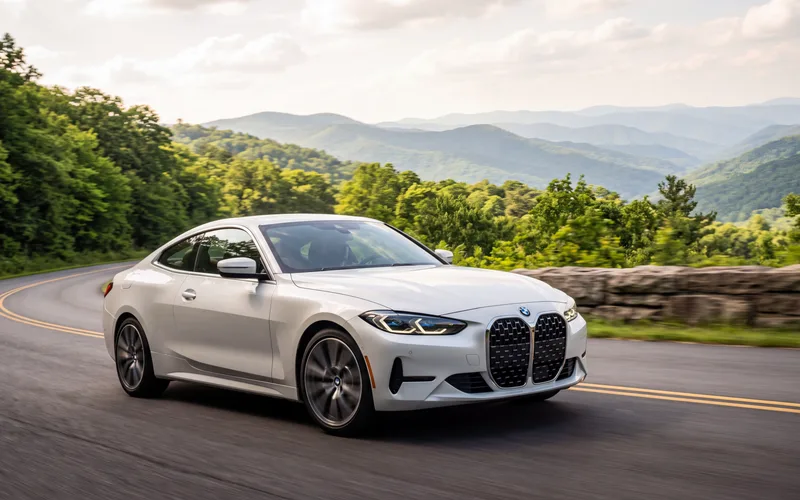 BMW 4 SeriesLuxury CoupeBetter at: Space and refinement
Same BMW driving character with a usable back seat, a calmer ride, and a much larger 14.9-inch display for a few thousand dollars more.
Compare 2.30C+
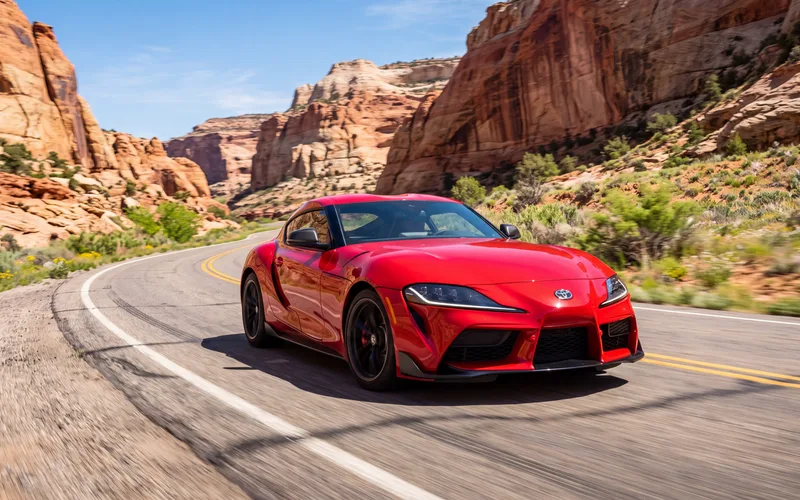 Toyota GR SupraSports CarBetter at: Ownership cost
Gets you the same B58 inline-six in a sharper two-seat package with Toyota service costs instead of BMW's roughly $7,800 five-year bill.
Compare 2.74B-
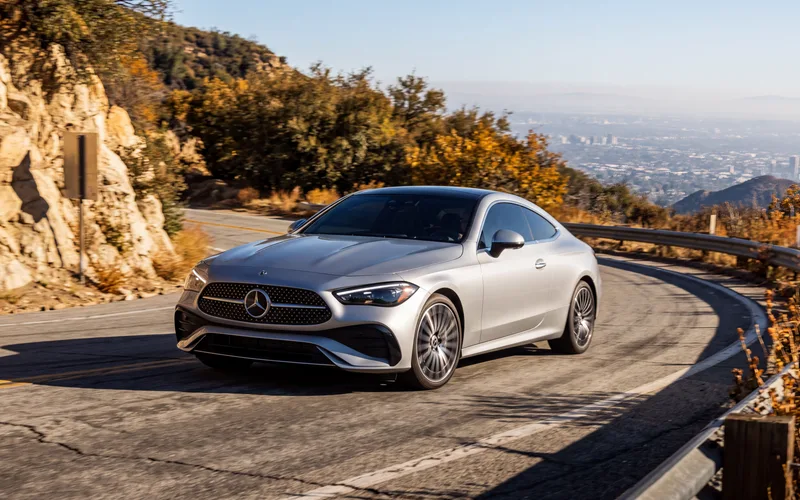 Mercedes-Benz CLE CoupeLuxury CoupeBetter at: Luxury feel
The pick if you want the coupe to feel like a luxury item rather than a sports car, with a plusher cabin and a softer ride.
CompareHow it's evolved
10 scored model years · 2017–2026
Subject scores by year
Hover or tap a score to see what moved it versus the year before. A corner mark flags a big swing.
| Year | Performance | Efficiency | Safety | Space | Cost | Reliability | Tech | Use-case | Driving | Value |
|---|---|---|---|---|---|---|---|---|---|---|
| 2026 | 59 | 34 | 74 | 58 | 43 | 79 | 77 | 47 | 78 | 73 |
| 2025 | 60 | 41 | 67 | 56 | 47 | 74 | 78 | 44 | 80 | 73 |
| 2024 | 60 | 35 | 60 | 52 | 49 | 75 | 78 | 39 | 76 | 75 |
| 2023 | 62 | 39 | 62 | 56 | 55 | 77 | 79 | 41 | 77 | 70 |
| 2022 | 57 | 39 | 62 | 52 | 59 | 75 | 73 | 40 | 78 | 70 |
| 2021 | 55 | 34 | 56 | 56 | 56 | 77 | 49 | 38 | 78 | 61 |
| 2020 | 56 | 31 | 56 | 55 | 60 | 77 | 42 | 38 | 78 | 62 |
| 2019 | 55 | 35 | 55 | 55 | 58 | 76 | 41 | 38 | 78 | 64 |
| 2018 | 55 | 35 | 51 | 56 | 61 | 76 | 39 | 37 | 78 | 65 |
| 2017 | 55 | 35 | 51 | 56 | 65 | 78 | 37 | 37 | 77 | 67 |
Compare two years
Best fit & conditions
Higher scores mean a better fit for that use case. Learn more about use-case fit →
Subject profile
Academic Probation · NHTSA safety recalls
Aug 16, 2023Electrical system: software · Seat beltsThe receiver audio module control unit software may fail to properly generate audible seat belt warnings to the driver to fasten their seat belt. As such, these vehicles fail to comply with the requirements of Federal Motor Vehicle Safety Standard number 208, "Occupant Crash Protection."
Defect
BMW of North America, LLC (BMW) is recalling certain 2019-2022 330i, 330i xDrive, M340i, 2022 430i Coupe, 2021-2022 430i, M440i Convertible, and 2020-2022 228i xDrive Gran Coupe vehicles. The receiver audio module control unit software may fail to properly generate audible seat belt warnings to the driver to fasten their seat belt. As such, these vehicles fail to comply with the requirements of Federal Motor Vehicle Safety Standard number 208, "Occupant Crash Protection."
Risk
An audible chime that does not properly alert the driver to fasten their seat belt increases the risk of injury in a crash.
Remedy
Dealers will update the receiver audio module software, free of charge. Owner notification letters were mailed October 12, 2023. Owners may contact BMW customer service at 1-800-525-7417.
NHTSA campaign 23V584000 ↗144 vehicles potentially affected (all models in the campaign)Owners notified Oct 12, 2023Filed by BMW of North America, LLCFiled as 228IFeb 18, 2021Visibility: power window devices and controls · Visibility: sun/moon roof assemblyIf the driver initiates an automatic closure of the sunroof, and the vehicle key status is changed to "off" or "lock," the sunroof may continue to close. As such, these vehicles fail to comply with the requirements of Federal Motor Vehicle Safety Standard (FMVSS) number 118, "Power-operated Window Systems."
Defect
BMW of North America, LLC (BMW) is recalling certain 2020-2021 228i, 228i xDrive, and M235i xDrive vehicles. If the driver initiates an automatic closure of the sunroof, and the vehicle key status is changed to "off" or "lock," the sunroof may continue to close. As such, these vehicles fail to comply with the requirements of Federal Motor Vehicle Safety Standard (FMVSS) number 118, "Power-operated Window Systems."
Risk
If the sunroof continues to close after the vehicle is shut off, it may increase the risk of injury.
Remedy
BMW will notify owners, and dealers will update the sunroof electronic coding software, free of charge. The recall began April 16, 2021. Owners may contact BMW customer service at 1-800-525-7417.
NHTSA campaign 21V091000 ↗14,011 vehicles potentially affected (all models in the campaign)Owners notified Apr 16, 2021Filed by BMW of North America, LLCFiled as 228I, M235IMay 9, 2019Air bags: knee bolsterThe driver and passenger knee air bag assemblies may have been improperly folded and assembled.
Defect
BMW of North America, LLC (BMW) is recalling certain 2019-2020 230i, 230i xDrive, M240i, M240i xDrive, M2 Competition Coupe, 430i, 430i xDrive, 440i, 440i xDrive, M4, and 2019 330i xDrive Sportswagon vehicles. The driver and passenger knee air bag assemblies may have been improperly folded and assembled.
Risk
An improperly folded and assembled air bag may not deploy as intended, increasing risk of injury.
Remedy
BMW will notify owners, and dealers will replace the knee air bag modules, free of charge. The recall began July 8, 2019. Owners may contact BMW customer service at 1-800-525-7417.
NHTSA campaign 19V352000 ↗5,079 vehicles potentially affected (all models in the campaign)Owners notified Jul 8, 2019Filed by BMW of North America, LLCFiled as 230I, M240I
13 recalls on other model years of the 2 Series (2018, 2021–2024, 2026)
Feb 4, 2026Exterior lightingThese vehicles are equipped with rear lights that may not function properly. As such, these vehicles fail to comply with the requirements of Federal Motor Vehicle Safety Standard (FMVSS) number 108, Lamps, reflective devices, and assoc. equipment."
Defect
BMW of North America, LLC (BMW) is recalling certain 2026 228i Gran Coupe, 228i xDrive Gran Coupe, and M235i xDrive Gran Coupe vehicles. These vehicles are equipped with rear lights that may not function properly. As such, these vehicles fail to comply with the requirements of Federal Motor Vehicle Safety Standard (FMVSS) number 108, Lamps, reflective devices, and assoc. equipment."
Risk
A rear taillight, brake light, or rear turn signal light that functions improperly, increases the risk of a crash.
Remedy
Dealers will replace the rear lights, free of charge. Owner notification letters were mailed April 2, 2026. Owners may contact BMW customer service at 1-800-525-7417. Vehicle Identification Numbers (VINs) involved in this recall will be searchable on NHTSA.gov beginning March 27, 2026.
NHTSA campaign 26V064000 ↗202 vehicles potentially affected (all models in the campaign)Owners notified Apr 2, 2026Filed by BMW of North America, LLCFiled as 228I GRAN COUPE, 228I XDRIVE GRAN COUPE, M235I XDRIVE GRAN COUPEJan 30, 2026Electrical system: starter assemblyPlease see the recall report for a complete list of all models. The engine starter may overheat and catch fire due to wear on an internal component.
Defect
BMW of North America, LLC (BMW) is recalling certain 2021-2023 Toyota Supra, 2022-2023 2 Series Coupe, 2021-2024 5 Series (xDrive), 2021-2022 Z4, 2022-2024 4 Series (Gran Coupe), 2021-2024 4 Series (Convertible and xDrive Convertible), 2021-2023 4 Series (Coupe), 2021-2024 3 Series, 2021-2023 X4, 2021-2024 X3 vehicles. Please see the recall report for a complete list of all models. The engine starter may overheat and catch fire due to wear on an internal component.
Risk
Fire increases the risk of injury.
Remedy
Dealers will replace the engine starter, free of charge. Owner notification letters were mailed July 21, 2026. Owners may contact BMW customer service at 1-800-525-7417 or Toyota's customer service at 1-800-331-4331. Vehicle Identification Numbers (VINs) involved in this recall will be searchable on NHTSA.gov beginning March 24, 2026.
NHTSA campaign 26V056000 ↗87,394 vehicles potentially affected (all models in the campaign)Owners notified Mar 27, 2026Filed by BMW of North America, LLCFiled as 230IOct 21, 2025Seat belts: rear/other: retractorThe housing pin in the rear (left and/or right) seat belt retractors may have been damaged during production, resulting in the retractor not locking the seat belt as intended. As such, these vehicles fail to comply to Federal Motor Vehicle Safety Standard number 209, "Seat Belt Assemblies."
Defect
BMW of North America, LLC is recalling certain 2026 2 Series Gran Coupe, X1, X2, and Mini Countryman S ALL4 vehicles. The housing pin in the rear (left and/or right) seat belt retractors may have been damaged during production, resulting in the retractor not locking the seat belt as intended. As such, these vehicles fail to comply to Federal Motor Vehicle Safety Standard number 209, "Seat Belt Assemblies."
Risk
A damaged seat belt retractor may not properly restrain an occupant during a crash, increasing the risk of injury.
Remedy
Dealers will replace the rear (left and/or right) seat belts, free of charge. Owner notification letters were mailed December 18, 2025. Owners may contact BMW customer service at 1-800-525-7417. Vehicle Identification Numbers (VINs) involved in this recall became searchable on NHTSA.gov December 12, 2025.
NHTSA campaign 25V717000 ↗1,024 vehicles potentially affected (all models in the campaign)Owners notified Dec 18, 2025Filed by BMW of North America, LLCFiled as 228I GRAN COUPE, 228I XDRIVE GRAN COUPE, M235I XDRIVE GRAN COUPESep 23, 2025Electrical system: starter assembly: relayThe engine starter relay may corrode, causing the relay to overheat and short circuit.
Defect
BMW of North America, LLC (BMW) is recalling certain 2019-2021 BMW 330i, 2019-2022 BMW Z4, 2020-2022 BMW 530i, X3, X4, Toyota Supra, 2021-2022 BMW 430i, 430i Convertible, and 2022 BMW 230i vehicles. The engine starter relay may corrode, causing the relay to overheat and short circuit.
Risk
A short circuit in the starter relay may increase the risk of a fire.
Remedy
Owners are advised to park their vehicles outside and away from structures until the remedy is complete. Dealers will replace the engine starter, free of charge. Owner notification letters were mailed February 6, 2026. Owners may contact BMW customer service at 1-800-525-7417. Vehicle Identification Numbers (VINs) involved in this recall became searchable on NHTSA.gov November 14, 2025.
NHTSA campaign 25V636000 ↗199,674 vehicles potentially affected (all models in the campaign)Owners notified Feb 6, 2026Filed by BMW of North America, LLCFiled as 230ISep 25, 2024Structure: bodyThe bolts that connect the front body structure to the vehicle chassis may not have been tightened properly.
Defect
BMW of North America, LLC (BMW) is recalling certain 2023-2024 228i, 228i xDrive, and 2025 MINI Countryman S ALL4 vehicles. The bolts that connect the front body structure to the vehicle chassis may not have been tightened properly.
Risk
A loose front body structure may not adequately protect occupants in a crash, increasing the risk of injury.
Remedy
Dealers will inspect and if necessary, tighten the front structure bolts, free of charge. Owner notification letters were mailed November 18, 2024. Owners may contact BMW Customer Service at 1-800-525-7417.
NHTSA campaign 24V711000 ↗7 vehicles potentially affected (all models in the campaign)Owners notified Nov 18, 2024Filed by BMW of North America, LLCFiled as 228I, 228I XDRIVENov 16, 2023SteeringThe steering gear may not have been tightened properly, which can allow it to loosen.
Defect
BMW of North America, LLC (BMW) is recalling certain 2024 2 Series Coupe (230i), 330i, X3 sDrive30i, X3 xDrive30i, X3 M40i, and X4 xDrive30i, X4 M40i vehicles. The steering gear may not have been tightened properly, which can allow it to loosen.
Risk
A loose steering gear can cause a loss of vehicle control, increasing the risk of a crash.
Remedy
Dealers will replace the steering gear, free of charge. Owner notification letters were mailed January 11, 2024. Owners may contact BMW customer service at 1-800-525-7417.
NHTSA campaign 23V770000 ↗201 vehicles potentially affected (all models in the campaign)Owners notified Jan 11, 2024Filed by BMW of North America, LLCFiled as 230IFeb 17, 2023Electrical system: software · Visibility: power window devices and controlsWhen the digital key is removed from the vehicle, the Electronic Control Unit (ECU) software may still allow the power windows and sunroof to be closed. As such, these vehicles fail to comply with the requirements of Federal Motor Vehicle Safety Standard number 118, "Power-operated Window Systems."
Defect
BMW of North Americal, LLC (BMW) is recalling certain 2023 8 Series Coupe (840i, 840i xDrive, M850i xDrive, M8), 8 Series Convertible (840i, 840i xDrive, M850i xDrive, M8), 8 Series Gran Coupe (840i, 840i xDrive, M850i xDrive, M8, Alpine B8 xDrive), 2 Series Coupe (230i, 230i xDrive, M240i xDrive, M2), and 2022-2023 Z4 sDrive30i, Z4 M40i vehicles. When the digital key is removed from the vehicle, the Electronic Control Unit (ECU) software may still allow the power windows and sunroof to be closed. As such, these vehicles fail to comply with the requirements of Federal Motor Vehicle Safety Standard number 118, "Power-operated Window Systems."
Risk
Unintentionally closing the windows or sunroof without the key present can increase the risk of injury to occupants inside the vehicle.
Remedy
Dealers will update the software for the Electronic Control Unit (ECU), free of charge. In addition, the digital key function via cellular service and Wi-Fi capability will be deactivated until the vehicle is updated with new software. Owner notification letters are expected to be mailed April 11, 2023. Owners may contact BMW customer service at 1-800-525-7417.
NHTSA campaign 23V099000 ↗3,193 vehicles potentially affected (all models in the campaign)Owners notified Apr 18, 2023Filed by BMW of North America, LLCFiled as 230I, M240IFeb 1, 2023Air bags: side/windowThe second-row seat backrest cover panels for the side air bags may break during deployment of the side air bags.
Defect
BMW of North America, LLC (BMW) is recalling certain 2023 2 Series Coupe (230i, 230i XDrive, M240i, M240i xDrive) vehicles. The second-row seat backrest cover panels for the side air bags may break during deployment of the side air bags.
Risk
A backrest cover panel that breaks during side air bag deployment may cause the air bag to deploy improperly, increasing the risk of injury to second-row seat occupants.
Remedy
Dealers will replace the rear seat backrest side air bag cover panels, free of charge. Owner notification letters were mailed March 31, 2023. Owners may contact BMW customer service at 1-800-525-7417.
NHTSA campaign 23V039000 ↗804 vehicles potentially affected (all models in the campaign)Owners notified Mar 31, 2023Filed by BMW of North America, LLCFiled as 230I, M240IJul 20, 2022Fuel system, gasoline: fuel injection system: fuel railThe high-pressure fuel rail may crack and result in a fuel leak within the engine compartment.
Defect
BMW of North America, LLC (BMW) is recalling certain 2022 X1 xDrive 28i, X3 xDrive30i, and 228i Gran Coupe vehicles. The high-pressure fuel rail may crack and result in a fuel leak within the engine compartment.
Risk
A fuel leak in the presence of an ignition source increases the risk of a fire.
Remedy
Dealers will replace the high-pressure fuel rail, free of charge. Owner notification letters were mailed September 19, 2022. Owners may contact BMW customer service at 1-800-525-7417.
NHTSA campaign 22V513000 ↗5 vehicles potentially affected (all models in the campaign)Owners notified Sep 19, 2022Filed by BMW of North America, LLCFiled as 228IJul 21, 2021Seat beltsThe passenger seat belt Automatic Locking Retractor (ALR) may deactivate early, before the webbing fully retracts. As such, these assemblies fail to comply with the requirements of Federal Motor Vehicle Safety Standard number 208, "Occupant Crash Protection."
Defect
BMW of North America, LLC (BMW) is recalling certain 2021 2 Series (230i, 230i xDrive, M240i, M240i xDrive), 330e, 330e Xdrive, 4 Series Coupe (430i, 430i xDrive, M440i xDrive) M4 Coupe, M4 Competition Coupe, BMW 4 Series Convertible (430i, M440i), BMW X1 sDrive28i, xDrive28i, 2 Series Gran Coupe (228i, 228i xDrive, M235i xDrive), M2 Competition Coupe, 330i, 330i xDrive, M340i, M340i xDrive, M3, M3 Competition, 530i, 530i xDrive, 540i, 540i xDrive, MINI Hardtop 2 Door (Cooper, CooperS, JCW), X2 sDrive28i, X2 xDrive28i, X2 M35i, Z4 sDrive30i, Z4 M40i, MINI Hardtop 2 Door (Cooper SE), MINI Convertible (Cooper, Cooper S, JCW), MINI Clubman (Cooper S, Cooper S All4, JCW), MINI Countryman (Cooper, Cooper All4, Cooper S, Cooper S All4, JCW All4), Rolls Royce Ghost, MINI Countryman (Cooper S E All4), Rolls Royce Phantom, Rolls Royce Cullinan, and Toyota Supra vehicles. The passenger seat belt Automatic Locking Retractor (ALR) may deactivate early, before the webbing fully retracts. As such, these assemblies fail to comply with the requirements of Federal Motor Vehicle Safety Standard number 208, "Occupant Crash Protection."
Risk
During a crash, a seat belt retractor that does not function as intended increases the risk of injury.
Remedy
Dealers will inspect the seat belt retractors (including the seat belts) and, if necessary, replace the retractors, free of charge. Owner notification letters were mailed on September 3, 2021. Owners may contact BMW customer service at 1-800-525-7417; 1-866-825-1525 (MINI); 1-877-877-3735 (Rolls Royce); and 1-888-270-9371 (Toyota).
NHTSA campaign 21V554000 ↗21,537 vehicles potentially affected (all models in the campaign)Owners notified Sep 3, 2021Filed by BMW of North America, LLCFiled as 228I, 230I, M235I, M240IMay 12, 2021Structure: body: roof and pillarsSupports within the roof liner may be insecurely attached.
Defect
BMW of North America, LLC (BMW) is recalling certain 2021 BMW 230i and M240i vehicles. Supports within the roof liner may be insecurely attached.
Risk
The support may separate from the roof liner and fall into the passenger compartment, increasing the risk of injury during a crash necessitating the deployment of the head air bag.
Remedy
Dealers will inspect and repair or replace the roof liner as necessary, free of charge. Owner notification letters will not be sent. The one owner was notified on June 15, 2021 by telephone and the vehicle has been repaired. Owners may contact BMW customer service at 1-800-525-7417.
NHTSA campaign 21V342000 ↗2 vehicles potentially affected (all models in the campaign)Owners notified Jun 15, 2021Filed by BMW of North America, LLCFiled as 230I, M240IJul 11, 2018Engine and engine cooling: engineThe crankshaft sensor may be equipped with incorrect firmware, preventing the sensor from properly processing input from the crankshaft reluctor ring, possibly resulting in a vehicle stall. On September 12, 2018, BMW expanded the recall to a total of 5,309 vehicles including certain 2018-2019 BMW 540d xDrive, 230i M240i, M240i xDrive, X2 sDrive28i, X2 xDrive28i, X1 sDrive28i, X1 xDrive28i, 330i, 330i xDrive, 340i, 340i xDrive, 330i xDrive Gran Turismo, 530i, 530i xDrive, 540i, 540i xDrive, 530e, 530e xDrive, 640i xDrive Gran Turismo, 330e, 2019 430i Gran Coupe, 430i xDrive Gran Coupe, 440i Gran Coupe, 440i xDrive Gran Coupe, 430i, 430i xDrive, 440i, 440i xDrive, 740i, 740i xDrive, MINI Cooper, Cooper S, JCW, MINI Countryman (Cooper, Cooper All4, Cooper S, Cooper S All4, JCW All4), and MINI Clubman (Cooper, Cooper S, Cooper All4, Cooper S All4, JCW All4) vehicles.
Defect
BMW of North America, LLC (BMW) is recalling certain 2018 BMW 540d xDrive vehicles. The crankshaft sensor may be equipped with incorrect firmware, preventing the sensor from properly processing input from the crankshaft reluctor ring, possibly resulting in a vehicle stall. On September 12, 2018, BMW expanded the recall to a total of 5,309 vehicles including certain 2018-2019 BMW 540d xDrive, 230i M240i, M240i xDrive, X2 sDrive28i, X2 xDrive28i, X1 sDrive28i, X1 xDrive28i, 330i, 330i xDrive, 340i, 340i xDrive, 330i xDrive Gran Turismo, 530i, 530i xDrive, 540i, 540i xDrive, 530e, 530e xDrive, 640i xDrive Gran Turismo, 330e, 2019 430i Gran Coupe, 430i xDrive Gran Coupe, 440i Gran Coupe, 440i xDrive Gran Coupe, 430i, 430i xDrive, 440i, 440i xDrive, 740i, 740i xDrive, MINI Cooper, Cooper S, JCW, MINI Countryman (Cooper, Cooper All4, Cooper S, Cooper S All4, JCW All4), and MINI Clubman (Cooper, Cooper S, Cooper All4, Cooper S All4, JCW All4) vehicles.
Risk
A vehicle stall can increase the risk of a crash.
Remedy
BMW will notify owners, and dealers will replace the crankshaft sensor, free of charge. The recall began September 6, 2018. Owners may contact BMW customer service at 1-800-525-7417.
NHTSA campaign 18V465000 ↗5,309 vehicles potentially affected (all models in the campaign)Owners notified Sep 6, 2018Filed by BMW of North America, LLCFiled as 230I, M240INov 15, 2017Electrical system: instrument cluster/panelThese vehicles may have an error in the software for the instrument panel, causing the display to not properly illuminate. As such, these vehicles fail to comply with the requirements of Federal Motor Vehicle Safety Standard (FMVSS) number 101, "Control and Displays."
Defect
BMW of North America, LLC (BMW) is recalling certain 2018 230i, 230i xDrive, M240i, M240i xDrive, M2, and X3 xDrive 30i SAV vehicles. These vehicles may have an error in the software for the instrument panel, causing the display to not properly illuminate. As such, these vehicles fail to comply with the requirements of Federal Motor Vehicle Safety Standard (FMVSS) number 101, "Control and Displays."
Risk
If the display does not illuminate during start up or does not illuminate various control and warning symbols while driving, it can increase the risk of a crash.
Remedy
BMW will notify owners, and dealers will update the instrument cluster display software, free of charge. The recall is expected to begin January 8, 2018. Owners may contact BMW customer service at 1-800-525-7417.
NHTSA campaign 17V719000 ↗3,188 vehicles potentially affected (all models in the campaign)Owners notified Jan 12, 2018Filed by BMW of North America, LLCFiled as 230I, M240I
Source: NHTSA Office of Defects Investigation recall database, model years 2017–2026. Recalls are listed by model year as the manufacturer filed them; whether a specific car is affected depends on its VIN — check a VIN at nhtsa.gov ↗. NHTSA model names matched to this page: 228I, 228I GRAN COUPE, 228I XDRIVE, 228I XDRIVE GRAN COUPE, 230I, M235I, M235I XDRIVE GRAN COUPE, M240I.
Detailed scoring by subject
1Performance & PowertrainMid-pack among this car's ten categories.1.75C-
2020 sits inside the first-generation F22 2 Series Coupe (the G42 was not revealed until July 2021 and entered production September 2021 as a 2022 car), so the volume 230i runs the US-market B46B20O0 2.0L TwinPower Turbo four at 248 hp — unchanged from 2019 and still short of the 255 hp the G42 230i would bring.
The 230i's 2.0L turbo delivers 350 Nm (258 lb-ft) across a wide 1,450–4,800 rpm plateau, which is what makes the car feel stronger in everyday driving than its four-cylinder output suggests.
BMW's own 2020 figure for the volume configuration — rear-drive 230i with the 8-speed Steptronic — is 5.6 s, with the manual 0.2 s slower and xDrive 0.1 s quicker; quick for a 248 hp car but only mid-pack in a coupe band that reaches down to 3.0 s.
The B46 2.0L turbo is responsive with little perceptible lag thanks to the low-rpm torque plateau, and stop-start is well damped, but reviewers consistently note the four-cylinder sounds flat and gets coarse near redline next to the M240i's B58 inline-six.
The volume 230i's ZF 8HP50 8-speed Steptronic is one of the best conventional automatics of its era — fast, decisive, and untroubled by hunting — and 2020 still offers a genuine 6-speed manual (GS6-17HG on the 230i, GS6-45BZ on the M240i) on rear-drive cars, a choice the next generation removes entirely.
xDrive all-wheel drive is optional across the whole 2020 coupe range — 230i and M240i alike — but it is a rear-biased on-road system with no low range, locking differential, or terrain modes, and specifying it forces the automatic transmission.
2020 is the broadest year of the F22 coupe on the gasoline side — the 2.0L turbo four in the 230i, the 3.0L B58 six in the M240i, and the S55 twin-turbo six in the M2 Competition (405 hp) and the new-for-2020 M2 CS (444 hp) — but there is no hybrid, plug-in, or electric option anywhere in the range.
2Efficiency & RangeThe 2 Series's lowest-graded category.0.01F
EPA rates the volume 2020 230i Coupe — rear-drive with the 8-speed automatic — at 27 MPG combined, one MPG below the same car's 2021 rating, which is a solid result for a rear-drive luxury coupe but unremarkable against a coupe band that includes far more economy-minded body styles.
24 MPG in town is respectable for a rear-drive turbocharged coupe, helped by auto stop-start and the 8-speed's tall gearing — the manual and the xDrive both give up three MPG here.
32 MPG highway is good in absolute terms for a 248 hp rear-drive coupe and is the one figure the manual matches the automatic on, but it lands mid-band against a coupe range that runs to 45 MPG.
The F22's small 13.7-gallon tank is the binding constraint — decent fuel economy still yields only 370 miles between fills, near the bottom of the coupe range band, and the xDrive drops under 330.
At 27 MPG combined the 230i burns roughly 555 gallons a year, so the cost is driven as much by the premium-fuel assumption as by consumption — the EPA still puts it $3,000 above a five-year average vehicle.
BMW's own 2020 spec sheet lists 91 AKI as recommended with 89 AKI as the usable minimum, so premium is advised rather than strictly required — but every EPA rating and cost estimate for the car is computed at premium pricing, so owners effectively pay it.
3SafetyMid-pack among this car's ten categories.1.75C-
NHTSA never crash-tested the F22 2 Series Coupe, and 2020 sits mid-generation (the F22 ran 2014–2021; the G42 did not enter production until September 2021), so no star rating exists for either the RWD or xDrive two-door. The estimate leans on the one hard crash dataset that does exist for this exact car — IIHS Good in all five crashworthiness tests — discounted below a full 5 stars because it is a substitute measurement on a small, light body that NHTSA's frontal test, which weighs vehicle mass, tends to penalize.
IIHS tested this generation and the structure did well: Good in all five crashworthiness tests — small overlap front (driver), moderate overlap front, side, roof strength and head restraints & seats. It carries no Top Safety Pick because the standard LED headlights rate Marginal and the car was never run through the passenger-side small overlap test, so the award criteria go unmet even with clean crash results. That puts it at the top of the middle band rather than in the award band.
Standard content on the 2020 volume 230i is the floor of BMW's Active Guard set — Frontal Collision Warning with City Collision Mitigation (low-speed AEB), Lane Departure Warning, rear Park Distance Control and a reversing camera. Everything a buyer would actually shop on costs extra: Active Blind Spot Detection sits in the Driving Assistance Package, Active Cruise Control with Stop & Go is a separate option requiring a Premium package, Speed Limit Info is still a package item for 2020 (it only became standard for 2021), no lane keeping or centering is offered at any price, and this bodystyle has no rear cross-traffic alert. Sources disagree on blind-spot status — some write-ups call it standard, but those describe the unrelated front-drive 2 Series Gran Coupe (F44) — so it is scored as optional here.
IIHS tested the system directly and rated it Advanced for vehicle-to-vehicle front crash prevention across the 2019–21 cars — solid daytime performance from standard rather than optional equipment. It falls short of the top band because IIHS published no pedestrian front crash prevention result for this coupe at all, day or night, and the standard function is city-speed collision mitigation rather than full-speed autonomous braking.
Active Blind Spot Detection is orderable but is not standard — it comes inside the Driving Assistance Package, so a base 230i leaves the lot without it. Coverage is alert-only with no steering or braking intervention, and the F22 two-door was never offered rear cross-traffic alert, which is the half of this item that matters most when reversing a low coupe out of a parking row.
Warning-grade only. Lane Departure Warning is standard and vibrates the wheel, but there is no lane keep assist that steers and no lane centering available on the F22 at any price — BMW's Driving Assistant Professional / Steering and Lane Control Assistant was never offered on this bodystyle, which is why the car sits a generation behind the 3 and 4 Series sharing its showroom.
Active Cruise Control with Stop & Go is available and BMW's calibration is smooth and well regarded — it brakes to a standstill and resumes cleanly in traffic. It is held to mid-band because the volume 230i ships with plain Dynamic Cruise Control and ACC is an extra-cost option gated behind a Premium package, and because with no lane centering to pair it with there is no combined highway-assist mode at all; the driver steers every mile.
No hands-free capability at any trim or price. BMW had no hands-free highway system in the US lineup for 2020 at all — Highway Assistant did not arrive until model year 2023 on the X7, iX and 7 Series — and the F22 2 Series lacks even the lane-centering hardware such a system would need.
This is the car's weakest safety measurement and it is measured, not inferred: IIHS rates the standard LED projectors Marginal, and even the optional Adaptive Full LED units with curve-adaptive lighting and high-beam assist only reach Acceptable. The volume 230i therefore leaves the factory with Marginal-rated lighting, and no configuration of this car can buy a Good rating — the same shortfall that keeps it off the Top Safety Pick list.
Good for a coupe on natural sightlines — the F22's relatively upright side glass and slim pillars keep over-the-shoulder blind spots modest, and the short hood is easy to place. The limitation is directly rearward: the shallow rear window makes it hard to judge what is behind, and while a reversing camera and rear Park Distance Control are standard, the surround-view camera and Park Assistant that would compensate are extra-cost options.
The hardware itself is genuinely good — IIHS rates this car's LATCH ease of use Good, with two rear seating positions properly equipped, better than most two-doors manage. Architecture is what caps it: every installation goes through one long door after tumbling a front seat, and the sloping roofline cuts the vertical clearance needed to lift a seat in and out. Workable for one child seat, not a two-seat family car.
4Space & ComfortMid-pack among this car's ten categories.1.72C-
2020 sits mid-generation in the F22 coupe (2014–2021; the G42 did not enter production until September 2021), and the car is a strict four-seater — two front buckets and a two-place rear bench divided by a fixed center section — with no five-seat configuration on any trim.
BMW's own 2020 spec table gives 1,018 mm of maximum front headroom — 40.1 in, at the very top of the coupe band. The F22's greenhouse is more upright and its roofline flatter than the fastback G42 that replaced it for 2022 at 39.8 in.
41.5 in is low-mid band — the F22's 2,690 mm (105.9 in) wheelbase is the shortest in the luxury-coupe set, so front occupants get less stretch-out room than most rivals, though long seat travel means tall drivers still fit comfortably.
36.5 in of second-row headroom is genuinely good for a 2+2 and beats the fastback G42's 35.0 in by an inch and a half — the F22's conventional notchback roof is the reason, and it is the one packaging dimension where the older car clearly wins.
33.0 in scores well inside the wide coupe band, but it is the binding practical constraint on this car: reviewers put adults back there only for short hops, and the short wheelbase means the front seats have to give ground for anyone much over 5'8" to sit behind.
A 390-litre trunk is competitive for a compact luxury coupe — enough for a weekend's luggage for two — and it is one of the few dimensions the 2022 generation change did not move, so the F22 gives away nothing here to its successor.
Thin, and dated even by 2020 standards: shallow door pockets, a small covered console bin, two cupholders, a sliding front armrest and a split-folding rear seatback are the whole story. Nothing here is clever — no underfloor or secondary storage, no built-in wireless charging tray on the US coupe (BMW sold a Qi cradle as a dealer accessory instead), and the through-loading system that improves long-item flexibility is a separate paid option rather than standard.
The front seats are a genuine strength — 10-way power sport buckets are standard on the 230i and reviewers call them comfortable and supportive with enough adjustment range to find an ideal driving position. The rear bench is the drag on the score: firm, upright and legroom-limited, so the pairing lands solidly mid-band rather than in the long-haul-benchmark band this item reserves for cars comfortable front AND rear.
Firm and short-travel. The F22's 105.9 in wheelbase and standard run-flat tires let more sharp-edged impacts through than the segment norm, and the $4,550 M Sport package with its sport suspension and 18-inch wheels — a very common 2020 build — makes it busier still. Body control is excellent, which is the flip side of the same tuning, so it stays composed rather than crashy.
Average for the class. The eight-speed keeps the 2.0L four loafing at highway cruise and wind noise is well managed for a small two-door, but the F22 shell dates to 2014 acoustic standards and rides on run-flats, so tire roar over coarse surfaces is the dominant noise — and no acoustic glass or active noise cancellation is offered on this bodystyle at any price.
Dual-zone automatic climate control is standard and that is essentially where standard comfort equipment stops. Heated front seats and a heated steering wheel are locked inside the $3,050 Premium Package — nearly double what the equivalent package cost a year later, when BMW cut it to $1,600 — and the moonroof, lumbar support and auto-dimming mirrors are extra-cost too. Ventilated seats and rear climate controls are not offered on this bodystyle at any price. Scored a notch below the otherwise identical 2021 car purely because the 2020 buyer pays materially more for the same comfort content.
5Cost of OwnershipMid-pack among this car's ten categories.2.04C
2020 sits in the run-out years of the first-generation F22 coupe (the G42 was not revealed until July 2021), and the entry 230i Coupe opens at $35,300 plus BMW's $995 destination charge. That is inexpensive by luxury-coupe standards — roughly $1,000 less delivered than the G42 230i would ask two model years later — and lands the car in the better half of the coupe price band.
Edmunds identifies the 230i as the 2 Series' most popular trim, and essentially every US car carries the Premium Package because navigation (and with it Apple CarPlay), heated front seats, a heated steering wheel, ambient lighting and remote services are all extra-cost on the base car. Base $35,300 + $3,050 Premium + $995 destination is the realistic volume build at about $39,345; cars adding the $4,550 M Sport Package run several thousand higher.
Years 1–3 are close to free — Ultimate Care covers factory-scheduled maintenance to 36,000 miles and the 4-yr/50,000-mi warranty absorbs repairs — so out-of-pocket concentrates in years 4–5 plus the wear items Ultimate Care excludes, which on this car means run-flat tires, brake pads and rotors and wipers. Sources bracket the from-new figure widely (CarEdge $4,477, Edmunds materially higher on a used-purchase basis), and $6,600 sits between them, in the expensive half of the coupe band — normal for a turbocharged German rear-drive coupe, and marginally under the G42's figure since the F22 is the simpler, older platform.
The 2020 cars have now passed their five-year mark, so this is measured rather than projected: iSeeCars records 56.2% retention for the 2020 2 Series Coupe specifically, well ahead of the 51.7% it reports for the nameplate averaged across body styles and close to the 45.6% luxury-compact class norm turned the right way up. KBB's current $18,800 resale on a $36,295 delivered MSRP is 51.8% at six years, which is consistent with ~56% one year earlier; the rear-drive coupe body style holds up better than the Gran Coupe and convertible that drag the nameplate figure down.
BMW's New Vehicle Limited Warranty runs 4 years or 50,000 miles, whichever comes first — the German luxury standard, matching Audi and Mercedes-Benz and a year longer than the mainstream 3-yr/36,000-mi norm, but short of the 5-year terms Genesis and Jaguar were offering in 2020.
BMW publishes no extended powertrain warranty, so the 230i's B46 turbo four and its driveline are covered for the same 4 yr / 50,000 mi as the bumper-to-bumper term and nothing longer. That falls below the 5-year floor of the segment band and far behind the Hyundai/Kia/Genesis 10-yr/100,000-mi standard — a real exposure given how steep out-of-warranty repair bills run on a turbocharged German coupe.
Every 2020 BMW includes BMW Ultimate Care — complimentary factory-scheduled maintenance for 3 years / 36,000 miles (engine oil and filter, brake fluid, engine air and cabin microfilters, spark plugs and vehicle checks, scheduled by Condition Based Service) — plus 4 years of unlimited-mileage roadside assistance and a BMW ConnectedDrive services trial. 2020 also benefits from BMW's December 2019 reversal of the Apple CarPlay subscription fee, which made CarPlay free in perpetuity on nav-equipped MY2019 and MY2020 cars and refunded owners who had paid. Multi-year included maintenance beats Audi (Audi Care is a paid add-on) and Porsche, but this scores below a comparable MY2022 BMW on two counts: Ultimate Care is non-transferable on pre-2022 cars, so a second owner inherits nothing, and wear items — brake pads, rotors, run-flat tires, wipers — are covered only under the paid Ultimate Care+ upgrade.
$39,345 volume-trim price minus its estimated resale value after 5 years (56% retained, or about $22,033) leaves about $17,312 in depreciation. Add the projected $6,600 in 5-year maintenance and repairs, and owning this vehicle for 5 years costs about $23,912 in total.
6Reliability & QualityOne of the 2 Series's strongest categories.3.22B+
2020 is the seventh model year of the F22 coupe, and the generation has the strongest third-party dependability record of anything BMW sells small: J.D. Power's 2020 Vehicle Dependability Study — which surveys three-year-old cars, i.e. the same F22 coupe at MY2017 — named the 2 Series the most dependable Small Premium Car outright, and Consumer Reports' 2020 2 Series page reports it as "much more reliable than other cars from the same model year." Held out of the very top band because CR's underlying detail is empty: every trouble spot on the 2020 car reads NA for want of survey responses on a low-volume coupe, so the headline verdict rests on a thin sample.
Judged on this exact model year, BMW is upper-mid-pack rather than top-five: the 2023 J.D. Power VDS, which surveys three-year-old MY2020 vehicles, put BMW at 184 PP100 — a whisker better than the 186 industry average and 15th overall, with only Lexus, Genesis and Cadillac ahead of it among premium brands. Consumer Reports' contemporaneous November 2020 survey told the same mid-pack story, BMW 12th with a reliability score of 52/100, and no German brand except Porsche cracked the top ten.
The 2020 coupe carries exactly one NHTSA campaign — improperly folded driver and passenger knee airbag modules, remedied by replacement, with no park-it or park-outside advisory — which is an unusually clean sheet for a luxury car and cleaner than the 2021 car's two campaigns. Nothing powertrain, cooling, electrical or fire-related. Kept short of a perfect band for the B46/B58 family's well-known TSB and wear-item chatter (oil filter housing, valve cover gaskets) rather than for anything specific to the coupe.
The volume 230i runs the B46 2.0L turbo four — mechanically a B48 with different emissions hardware — behind the ZF 8HP50 automatic, and the M240i's B58 3.0L six is among BMW's most over-built modern engines (durable enough that Toyota bought it for the Supra). Both are mature by 2020 and routinely reach high mileage on scheduled maintenance. Docked from the top band for the family's documented wear items: the plastic oil filter housing, valve-cover gasket leaks, and plastic-impeller water pumps.
Reviewers rate the cabin genuinely well-made — Edmunds calls the materials top-notch and precisely fitted, with plentiful soft-touch surfaces and BMW's crisp switchgear — but this is a 2014-vintage interior late in its life, with hard plastics in the lower and rear zones and a small, visually dated iDrive display that the 2022 G42 redesign finally addressed. Competitive for a high-$30Ks luxury coupe rather than class-leading.
Seven model years of Leipzig production left the F22 structurally tight, with no pattern of rattles, misalignment or paint complaints in owner or press reports, and reviewers single out how precisely the cabin is assembled. Held to the middle band because BMW's initial-quality standing for this exact model year was below the industry norm — the brand sat under the 166 PP100 average in the 2020 IQS, in the group of premium marques dragged down by complex infotainment.
BMW runs roughly 340 US centers — dense in metros, thinner in rural areas, but broader at regional level than Audi or Jaguar — and every 2020 2 Series shipped with BMW Ultimate Care, three years/36,000 miles of included scheduled maintenance on top of the 4-year/50,000-mile warranty and 4 years of unlimited-mileage roadside assistance, so the early service relationship carries no out-of-pocket friction. Not top-band because BMW sat outside the top five luxury brands for service satisfaction in the model year's own CSI study.
Availability is the strength: the F22 shares its B46/B58 engines, ZF transmission and most chassis hardware with the high-volume F30 3 Series, and the BMW specialist aftermarket (FCP Euro, ECS Tuning, Turner) is deep and cheap by luxury standards. Cost is what pins the score down — OEM parts pricing and BMW dealer labor put out-of-warranty upkeep well above mainstream norms, and individual jobs escalate quickly once the maintenance plan lapses.
7Technology & InfotainmentOne of the 2 Series's weakest categories.0.79F
The volume 230i left the factory in 2020 with a 6.5-inch iDrive screen worked entirely through the console rotary controller, below the floor of the coupe band and without touch input at all. The 8.8-inch touch-capable display arrived only bundled with navigation in the Premium Package, and it became standard equipment on this car a year later — a real 2020-specific shortfall, not a carry-over from the 2021 spec.
The interaction model holds up better than the hardware: the iDrive rotary controller with programmable shortcut keys plus full physical climate and audio switchgear is still one of the fastest ways to work a car's menus, and iDrive 6 responds instantly. It is held below the 2021 car because the base 2020 screen is small and non-touch, the graphics are a generation behind the iDrive 7 cars in the same showroom, and reviewers describe the menu structure as esoteric with a real learning curve.
Half the equation is optional and half is missing entirely. BMW's CarPlay implementation is wireless with no cable option and, after BMW scrapped the annual subscription in December 2019, 2020 cars carry it at no ongoing cost — but on the 2020 coupe it is Premium Package content requiring the $3,050 upgrade, not standard equipment (it only became standard for 2021). Android Auto was never offered on this bodystyle at any price: it required iDrive 7, which the F22 never received, so it reached the 2 Series Gran Coupe but not the two-door.
BMW's voice recognition of this era is singled out by reviewers as unusually accurate, and the iDrive 6 maps are clear and quick. The problem for 2020 is availability rather than quality: a base 230i has no navigation at all — it and Advanced Real-Time Traffic Information sit inside the $3,050 Premium Package and only became standard for 2021 — and there is no natural-language Intelligent Personal Assistant, which arrived with iDrive 7 the F22 never got.
Conventional and adequate rather than a selling point. The standard seven-speaker HiFi system is clear if unexceptional in a small cabin, and the optional Harman Kardon upgrade on the 2 Series is BMW's lesser S674A hi-fi package rather than the S688A surround system fitted to the 3 and 5 Series — a modest step up, not a showcase. SiriusXM was still an extra-cost item for 2020, becoming standard only the following year.
Analog only. BMW never offered its Live Cockpit Professional digital cluster on the F22 in any market or model year — the 2020 driver gets conventional dials with a small info window between them, and the fully digital 12.3-inch cluster reached this nameplate only with the G42 for 2022. The score is not zero because the gauges themselves are clear and legible.
Maps and connected services only. BMW's Remote Software Upgrade — whole-vehicle over-the-air updates that add features — launched with the iDrive 7 / Operating System 7 cars, and the F22 was never migrated to it. A 2020 2 Series can pull map and services data over the air but cannot receive vehicle software updates without a dealer visit, and in 2020 even the connected-services layer was package-gated rather than standard.
The My BMW / BMW Connected app itself is capable — remote lock, unlock, vehicle finder, flash, send-to-car destinations — but on a 2020 coupe none of it is standard: Remote Services rides in the $3,050 Premium Package and became standard equipment only for 2021. Above that, BMW's Digital Key needed NFC hardware the F22 never received, so there is no phone-as-key, and factory remote engine start is not offered on this bodystyle at all.
The weakest technology dimension. The 2020 coupe's device provisions are a single USB-A port and three 12V sockets, with nothing at all for the rear seats, no USB-C anywhere and no built-in wireless charging pad on the US car — BMW's answer was a dealer-fit Qi cradle accessory. Adequate when the F22 launched in 2014, clearly outdated against 2020 rivals fitting USB-C and standard charging trays.
The basics are covered — US feature lists put proximity keyless entry and push-button start on the standard 230i — but nothing above the basics is. App-based remote lock/unlock and vehicle finder are Premium Package content rather than standard, there is no phone-as-key on this platform, no factory remote engine start, and no hands-free trunk release on a coupe with a conventional lid.
The standard content is decent for the era — a reversing camera fitted to every car plus rear Park Distance Control — and Park Assistant adds front and rear sensors with self-parking. It stays mid-band because that Park Assistant is a $1,000 option rather than common equipment, surround view is optional at best, and the camera resolution is a generation behind BMW's iDrive 7 cars.
Not offered at any price. BMW never made a factory head-up display available on the F22 platform in any model year or trim, including the M240i and M2 — owners who want one fit BMW's dash-mounted accessory unit or an aftermarket product — and the 2 Series Coupe gained a factory HUD only with the G42 for 2022.
8Use-Case FitOne of the 2 Series's weakest categories.0.48F
The hardware is better than the architecture: IIHS rates this car's LATCH ease of use Good with two properly equipped rear positions, which is unusual for a two-door. But every installation goes through one long door after tumbling a front seat forward, the sloping roof cuts the vertical clearance needed to lift a seat in and out, and there is no third belt position or seat-layout flexibility. Workable for one child seat, frustrating as a daily family routine.
The crash structure is proven — IIHS Good in all five crashworthiness tests — but almost nothing families shop on is standard. Blind-spot detection lives in an option package, there is no rear cross-traffic alert on this bodystyle, no lane keeping at any price, and the standard LED headlights rate Marginal, which is why the car holds no Top Safety Pick. There is no rear-occupant reminder, and for 2020 even Speed Limit Info is still package content — it became standard only for 2021.
Fine for two adults, compromised for four: 33.0 in of rear legroom against 36.5 in of rear headroom means the back seat is legroom-limited rather than headroom-limited, there are no rear vents, outlets or amenities of any kind, and with four aboard the 13.8 cu ft trunk is the only luggage space. It sits slightly above the fastback G42 that replaced it purely on the extra inch and a half of rear headroom.
One of this car's strongest missions. The 2.0L turbo four and ZF eight-speed are smooth and unhurried in traffic, the footprint is small, the front seats support you, and physical climate and audio controls plus the iDrive rotary mean daily tasks never require poking a screen. What holds it out of the top band is the firm run-flat ride over city pavement, Active Cruise Control being an extra-cost option rather than standard, and the effort of dropping into a low two-door several times a day.
Middling to poor per commuting mile. 27 MPG combined from a 248 hp rear-drive coupe is respectable engineering, but the engine requires premium fuel, EPA puts annual fuel spend at $2,800, and the consumables are luxury-priced — run-flat tires that must be replaced rather than repaired, BMW brake and service pricing, and post-warranty exposure from year five. The xDrive version at 24 MPG combined and $3,150/yr is worse still.
Easy city company: 174.7 inches long on a 105.9-inch wheelbase with a 35.8 ft curb-to-curb circle, and a reversing camera plus rear Park Distance Control standard on every 230i. Two demerits keep it below the top band — the shallow rear window makes it hard to judge what is directly behind, and the long coupe doors need real clearance in tight bays.
Not a work vehicle in any sense. BMW publishes no US towing or payload rating for the 2020 2 Series Coupe, there is no bed or flat load floor, and useful cargo is limited to a 13.8 cu ft trunk plus a folded rear seatback reached through a narrow coupe aperture.
The mechanicals themselves are durable — the 2.0L turbo four and ZF 8HP have a good long-term record and this vehicle-year scores 80 on powertrain durability — but everything surrounding them points away from work use: SensaTec and soft trim rather than wear surfaces, low-profile run-flats on a low-riding body with 140 mm of ground clearance, no fleet or trade presence to draw a reputation from, and luxury-tier repair costs when something does break.
Effectively nil. No onboard AC power, no bed or tie-down system, no factory hitch or roof-rail provision in the US market, no washable interior surfaces, and no upfit ecosystem of any kind. Not even a household outlet is available at any price — the car's entire device provision is a USB port and three 12V sockets.
A competent two-up tourer rather than a great one. Roughly 370 miles of EPA range from the 13.7-gallon tank, supportive front seats and an eight-speed that keeps the four-cylinder loafing at cruise are the strengths; the firm run-flat ride and tire roar wear on you over a long day, and fatigue management is thin — Active Cruise Control is an extra-cost option and the F22 was never offered lane centering, so there is no highway-assist mode and the driver steers every mile.
xDrive all-wheel drive is optional on both the 230i and M240i, which makes the car credible on a snowy or wet road, and that is where the outdoor case ends: 140 mm of ground clearance, run-flat performance tires, no loose-surface drive modes, no factory roof-rail provision, no US tow rating and no onboard power for camping.
Better than a strict two-seat sports car but restrictive in absolute terms: the rear seatback folds to let long items through into the 13.8 cu ft trunk and the rear bench doubles as a gear shelf, yet the trunk opening is a narrow coupe aperture with a high lip, the through-loading system is a paid option, and with no roof rails or hitch there is nothing to hang bulky gear off. Bikes, a ski box or camping kit simply do not fit.
9Driving ExperienceThe 2 Series's best-graded category.3.29B+
The F22 is the enthusiast's favorite modern small BMW for a reason, and BMW's own 2020 figures show why: a short 2,690 mm wheelbase, a 49.2% rear weight split that is as close to 50/50 as production tolerances allow, rear drive and a curb weight around 3,400 lb for the RWD 230i make it eager to change direction and unusually communicative at the limit for a 2020 luxury car. It gives away outright grip and body control to a 911 or Supra, which keeps it just below the top of the class rather than at it.
Accurate and well-weighted, but this is the generation where BMW's electric racks lost most of their feedback — testers describe the F22's steering as sharp and precise yet numb through the rim. The Variable Sport Steering that comes with the M Sport package quickens the response without restoring road feel, and Servotronic speed-sensitive assistance is standard.
A strength. The 230i is light for its class and rides on performance run-flats, and instrumented tests of this generation put 70-0 mph stops in the low 150-foot range — genuinely short — with the firm, linear pedal BMW was known for before regenerative blending arrived. It stays below the top band because no fade testing is published for the standard non-M brake package and the heavier M240i leans harder on broadly similar hardware.
A well-calibrated pairing: the B46 2.0T pulls from a 258 lb-ft torque plateau that starts at 1,450 rpm with minimal lag, and the ZF-sourced 8HP50 eight-speed Steptronic is among the best conventional automatics of its era — decisive, quick and never hunting. The rough edge is auto stop-start, which has no 48V mild-hybrid smoothing on this car and restarts audibly.
Inoffensive rather than pleasant. Vibration isolation is good and the four is near-silent at a cruise, but reviewers are consistent that the B46's top end is acoustically flat next to the B58 inline-six in the M240i sharing the same bodyshell — the one direct A/B comparison available, and the one that costs the 230i points here.
BMW's own 2020 spec table gives 10.9 m for the rear-drive 230i — 35.8 ft, toward the tight end of the coupe band and tighter than the wider-tracked G42 that replaced it at 36.4 ft. The short wheelbase and narrow body make city U-turns easy; specifying xDrive costs about 1.3 ft of that agility.
A classically good BMW cockpit: a low, well-supported seating position in 10-way power sport seats with enough adjustment range for a wide range of drivers, a proper iDrive rotary controller, and full physical climate and audio switchgear rather than screen menus. Marked down for the shallow rear window, the effort of getting in and out of a low two-door, and an infotainment menu structure reviewers call esoteric.
This is the car's whole argument. A genuine six-speed manual is still orderable on the rear-drive 230i and M240i for 2020 — a choice the next generation deletes entirely — on the last compact rear-drive BMW built on the old small-car architecture, and 2020 is also the year the 444 hp M2 CS joined the range to top it off. Enthusiasts actively recommend it. What holds it short of the segment's best is the 230i's flat four-cylinder soundtrack — the character gap the M240i's inline-six fills.
10Value & Market PositionOne of the 2 Series's strongest categories.2.19C
This is the 2020 2 Series' weakest suit: a $36,295 luxury coupe whose standard iDrive display is a 6.5-inch non-touch unit with a seven-speaker stereo, and where navigation, Apple CarPlay, a moonroof, heated seats, a heated steering wheel, real leather, adaptive cruise and blind-spot monitoring are all extra-cost. Standard kit is respectable but basic — SensaTec upholstery, 10-way power sport front seats, dual-zone automatic climate, keyless start, LED headlights, forward collision warning, and rain-sensing wipers newly standard for 2020 — so a buyer who wants the equipment a rival includes has to reach the $3,050 Premium Package, and BMW's à-la-carte habit is exactly the sort of thing the low band describes.
Judged on content the 2 Series is mediocre value, but judged on capability per dollar it is strong — $36,295 buys a genuine rear-drive BMW coupe with a 248 hp turbo four, a ZF 8-speed (or a real 6-speed manual), near 50-50 balance and a chassis reviewers rated among the best of its era, undercutting an Audi A5 or Mercedes C-Class coupe by several thousand dollars. The M240i's 335 hp inline-six for $46,795 was one of the era's genuine performance bargains. It nets out as fair-to-good rather than a standout because the equipment gap has to be bought back with packages.
For a small two-door the 2020 range is unusually deep: 230i and M240i, each in rear-drive or xDrive and coupe or convertible, with a genuine 6-speed manual still offered on the rear-drive cars alongside the 8-speed automatic, topped by the 405 hp M2 Competition and the new-for-2020 444 hp M2 CS. That spans roughly $36k to $85k with sensible gaps. The one real hole is the bottom — there is no cheaper three-cylinder or de-contented entry model in the US, so the ladder starts at a luxury price.
The F22 coupe and convertible were in clear decline by 2020 — the nameplate peaked at 15,519 US units in 2016 and had faded to 8,015 by 2019, and 2020 added a pandemic-shortened selling year to a body style two years from replacement. The 13,209 units BMW recorded for the '2 Series' in 2020 flatter the coupe badly: that figure is reset by the arrival of the front-drive 2 Series Gran Coupe, an entirely different car on the UKL2 platform, and BMW brand volume was down 17.5% overall that year. Small rear-drive coupes were a shrinking niche and this one was near the end of its run.
BMW is one of the strongest badges in the business and the 2 Series traded directly on it — the smallest, cheapest way into a rear-drive BMW coupe, marketed and reviewed as the spiritual successor to the compact 3 Series coupes enthusiasts revere. The brand halo is the reason the car's resale holds above its luxury-compact class average despite thin standard equipment and fading sales; the only drag is BMW's mixed reputation for long-term running costs.
Scored for buyer benefit, 2020 was an unusually good year to buy this car. It was a run-out model year for the F22, and BMW layered pandemic-era support on top of the usual luxury-coupe negotiability: financing cash, lease credits, loyalty credits for existing lessees, and a lease-payment-credit program covering up to $500/month for the first two months. TrueCar's nationwide data puts the average 230i transaction around $33,805 against a $36,295 delivered MSRP, roughly 7% off sticker. It stops short of the top band only because BMW's discounting here really did signal a slow-selling body style rather than simple generosity.
By 2020 the F22 was six model years old — launched for 2014, facelifted back in July 2017 — and its replacement was a known quantity, with the G42 revealed in July 2021 and in production that September as a 2022 car. The 2020 updates amount to trim: darkened taillights, a gloss-black grille frame on the 230i, gloss-black mirror caps on the M240i, and rain-sensing wipers made standard. The dated cabin is the giveaway — a 6.5-inch base iDrive screen and an analogue gauge cluster while BMW's newer cars had moved to iDrive 7 and digital instruments. A buyer in 2020 was buying two years before a full redesign.
Reviewers still liked it a lot — U.S. News scored the 2020 2 Series 8.2/10 and ranked it #5 among 2020 luxury small cars, top third of the class, and Edmunds and KBB both singled out the chassis and the performance-for-price. But the honours had moved on: no 2 Series variant appears on Car and Driver's 2020 10Best list (the nameplate's last appearance there was the M235i in 2016), there is no NACTOY or IIHS Top Safety Pick to point to, and the 2020 accolades BMW does claim for the badge went to the front-drive Gran Coupe (Most Beautiful Car of the Year, Festival Automobile International) and the M2 CS (evo Car of the Year), not the volume 230i. Well-reviewed, rarely the pick of the class.