

The verdict
A capable full-size suv, strong on space and held back by ownership.
The 2026 Wagoneer is one of the most capable family haulers you can buy — 10,000 lbs of towing, 116.7 cu ft of cargo space, and a second row with 42.7 inches of legroom that genuinely fits adults. The 420-hp Hurricane twin-turbo six is quick and smooth, and the cabin tech (standard 12-inch Uconnect 5, wireless CarPlay, available 23-speaker McIntosh audio) is a class high point. What it asks in return is steep: a $71,695 volume trim that keeps only about 43% of its value after five years, 18 MPG combined, a floor-level 3/36 warranty, and a recall record and reliability reputation that trail almost everything else in the segment. Buy it for the capability and the space, and only if you can absorb roughly $48,000 in five-year depreciation and upkeep — or lean hard on the $5,000–$10,000 discounts that are currently routine on dealer lots.
Jump to scoresStrengths
- Best-in-class towing and real work capability
- Enormous, genuinely usable interior space
- Class-leading cabin technology and audio
What holds it back
- The depreciation is brutal
- Thirsty, and it wants mid-grade fuel
- Bottom-of-the-market warranty for a $70K vehicle
Top alternatives
Cars shoppers cross-shop with the Jeep Wagoneer 2.92B-
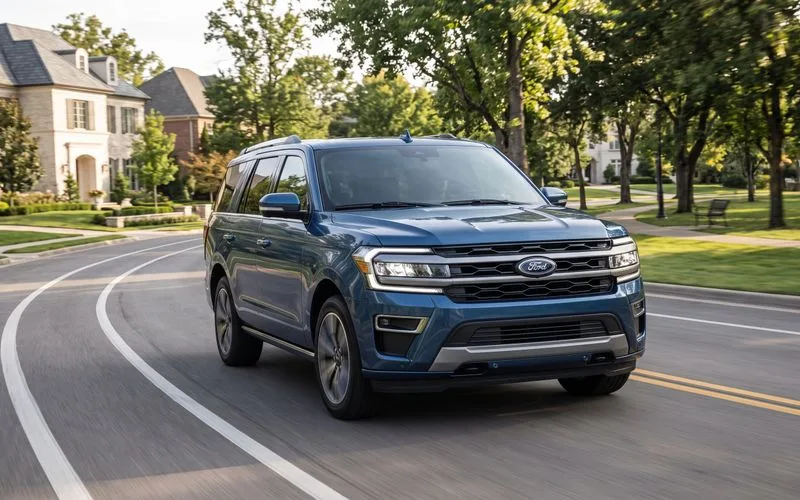 Ford ExpeditionFull-Size SUVBetter at: Overall value
Nearly the same size and mission with better reliability, better value per dollar, and onboard AC power the Wagoneer does not offer.
Compare 2.63C+
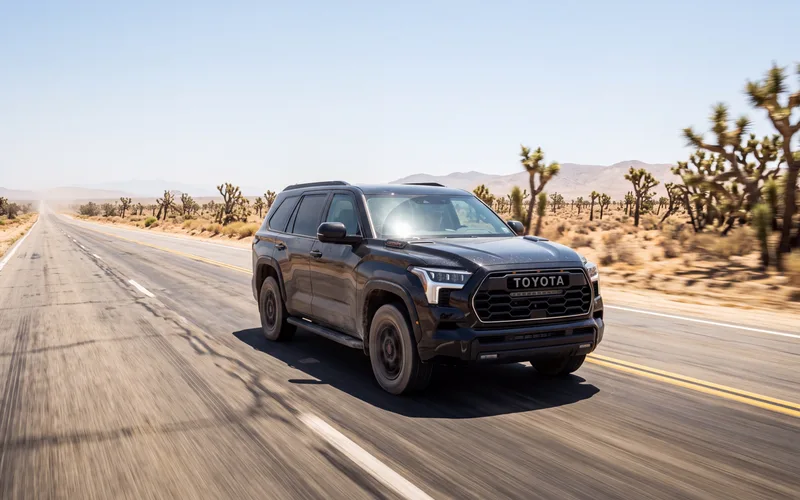 Toyota SequoiaFull-Size SUVBetter at: Reliability
A standard hybrid V6 and Toyota's dependability record fix the Wagoneer's two biggest problems — fuel cost and long-term risk.
Compare 2.79B-
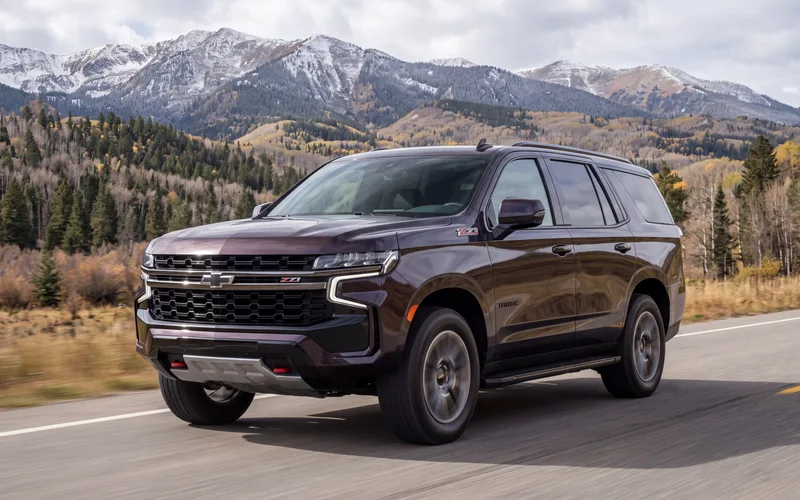 Chevrolet TahoeFull-Size SUVBetter at: Resale value
Costs less up front, holds its value far better, and is the safer financial choice if you plan to sell in five years.
CompareSubject scores by year
Hover or tap a score to see what moved it versus the year before. A corner mark flags a big swing.
| Year | Performance | Efficiency | Safety | Space | Cost | Reliability | Tech | Use-case | Driving | Value |
|---|---|---|---|---|---|---|---|---|---|---|
| 2026 | 77 | 32 | 68 | 85 | 14 | 54 | 79 | 70 | 66 | 64 |
| 2025 | 74 | 36 | 64 | 82 | 32 | 52 | 74 | 68 | 63 | 62 |
| 2024 | 75 | 36 | 69 | 82 | 24 | 48 | 73 | 68 | 61 | 68 |
| 2023 | 77 | 36 | 68 | 83 | 27 | 43 | 74 | 65 | 62 | 67 |
| 2022 | 66 | 22 | 66 | 83 | 23 | 40 | 74 | 63 | 59 | 57 |
Compare two years
Best fit & conditions
Higher scores mean a better fit for that use case. Learn more about use-case fit →
Subject profile
Academic Probation · NHTSA safety recalls
Mar 12, 2026Structure: body: hatchback/liftgate: hinge and attachmentsThe liftgate hinge cover may not be properly clipped into position and may detach from the vehicle.
Defect
Chrysler (FCA US, LLC) is recalling certain 2024-2026 Jeep Wagoneer S vehicles. The liftgate hinge cover may not be properly clipped into position and may detach from the vehicle.
Risk
A detached hinge cover can become a road hazard for other vehicles, increasing the risk of a crash.
Remedy
Dealer will inspect, repair, or replace the hinge cover as necessary, free of charge. Owner notification letters were mailed May 1, 2026. Owners may contact FCA US, LLC customer service at 1-800-853-1403. FCA US, LLC's number for this recall is 26D. Vehicle Identification Numbers (VINs) involved in this recall will become searchable on NHTSA.gov on March 19, 2026.
NHTSA campaign 26V141000 ↗Manufacturer no. 26D11,767 vehicles potentially affected (all models in the campaign)Owners notified May 1, 2026Filed by Chrysler (FCA US, LLC)Filed as WAGONEER SFeb 2, 2026Electrical system: integrated trailer brake control · Exterior lighting: brake lights · Exterior lighting: turn signalDue to an improperly designed trailer tow module, the trailer lights may fail to illuminate and the trailer brakes may fail.
Defect
Chrysler (FCA US, LLC) is recalling certain 2024-2026 Jeep Wagoneer S, 2025-2026 Ram 1500 Pickup, Ram 2500 Pickup, Ram 3500 Pickup, Ram 3500 Cab Chassis, Ram 4500 Cab Chassis, Ram 5500 Cab Chassis, and 2026 Jeep Cherokee vehicles. Due to an improperly designed trailer tow module, the trailer lights may fail to illuminate and the trailer brakes may fail.
Risk
Trailer brake lights and turn signals that do not illuminate reduce visibility to other drivers, increasing the risk of a crash. Additionally, trailer brakes that fail increase the risk of a crash.
Remedy
Dealers will replace the trailer tow module, free of charge. Owner notification letters were mailed beginning March 17, 2026. Owners may contact FCA US, LLC customer service at 1-800-853-1403. FCA US, LLC's number for this recall is 03D. Vehicle Identification Numbers (VINs) involved in this recall became searchable on NHTSA.gov on February 10, 2026.
NHTSA campaign 26V059000 ↗Manufacturer no. 03D456,287 vehicles potentially affected (all models in the campaign)Owners notified Mar 17, 2026Filed by Chrysler (FCA US, LLC)Filed as WAGONEER S
18 recalls on other model years of the Wagoneer (2022–2025)
Sep 10, 2026Structure: body: roof and pillarsThe pivot bolts for the roof rack crossbars may not have been tightened properly, allowing them to detach.
Defect
Chrysler (FCA US, LLC) is recalling certain 2022-2025 Jeep Wagoneer, 2022-2026 Jeep Grand Wagoneer, 2023-2025 Jeep Wagoneer L, and 2023-2026 Jeep Grand Wagoneer L vehicles. The pivot bolts for the roof rack crossbars may not have been tightened properly, allowing them to detach.
Risk
Detached roof rack crossbars can create a road hazard, increasing the risk of a crash.
Remedy
Dealers will replace the roof rack crossbar pivot bolts, free of charge. Interim notification letters, notifying owners of the safety risk, are expected to be mailed October 8, 2026. A second notice will be sent once the final remedy is available. Owners may contact Chrysler customer service at 1-800-853-1403. Chrysler's number for this recall is 81D. Vehicle Identification Numbers (VINs) involved in this recall will become searchable on NHTSA.gov on September 17, 2026.
NHTSA campaign 26V584000 ↗Manufacturer no. 81D97,349 vehicles potentially affected (all models in the campaign)Filed by Chrysler (FCA US, LLC)Filed as WAGONEER, WAGONEER LSep 1, 2026Tires: pressure monitoring and regulating systemsDue to a software error, the tire pressure monitoring system may fail to detect low tire pressure and/or fail to illuminate the tire pressure monitoring system (TPMS) warning light as intended. As such, these vehicles fail to comply with the requirements of Federal Motor Vehicle Safety Standard (FMVSS) number 138, "Tire Pressure Monitoring System."
Defect
Chrysler (FCA US LLC) is recalling certain 2024-2025 Jeep Wagoneer, 2024-2026 Jeep Grand Cherokee, Jeep Grand Cherokee L, Jeep Grand Cherokee 4XE, Jeep Grand Wagoneer, 2025 Jeep Wagoneer L, 2025-2026 Jeep Grand Wagoneer L, and 2026 Jeep Cherokee vehicles. Due to a software error, the tire pressure monitoring system may fail to detect low tire pressure and/or fail to illuminate the tire pressure monitoring system (TPMS) warning light as intended. As such, these vehicles fail to comply with the requirements of Federal Motor Vehicle Safety Standard (FMVSS) number 138, "Tire Pressure Monitoring System."
Risk
A TPMS warning light that fails to notify the driver of low tire pressure increases the risk of a crash.
Remedy
Dealers will update the radio frequency hub software, free of charge. Owner notification letters were mailed beginning September 17, 2026. Owners may contact FCA US, LLC customer service at 1-800-853-1403. FCA US, LLC's number for this recall is 54D. Vehicle Identification Numbers (VINs) involved in this recall will become searchable on NHTSA.gov on September 9, 2026.
NHTSA campaign 26V559000 ↗Manufacturer no. 54D201,975 vehicles potentially affected (all models in the campaign)Owners notified Sep 17, 2026Filed by Chrysler (FCA US, LLC)Filed as WAGONEER, WAGONEER LJun 30, 2026Power train: automatic transmission: gear position indication (prndl)A software error may cause the transmission gear selection indicator not to display. As such, these vehicles fail to comply with the requirements of Federal Motor Vehicle Safety Standard number 102, "Transmission shift lever sequence, starter interlock, and transmission braking effect."
Defect
Chrysler (FCA US, LLC) is recalling certain 2022-2024 Jeep Grand Cherokee, 2023 Jeep Wagoneer, 2024 Jeep Grand Cherokee L, and Jeep Wagoneer L vehicles. A software error may cause the transmission gear selection indicator not to display. As such, these vehicles fail to comply with the requirements of Federal Motor Vehicle Safety Standard number 102, "Transmission shift lever sequence, starter interlock, and transmission braking effect."
Risk
A missing gear selection indicator may lead to unintended vehicle movement or a vehicle rollaway, increasing the risk of a crash.
Remedy
Dealers will update the shifter module software, free of charge. Owner notification letters were mailed August 20, 2026. Owners may contact Chrysler customer service at 800-853-1403. Chrysler's number for this recall is 30D. Vehicle Identification Numbers (VINs) involved in this recall will become searchable on NHTSA.gov beginning July 9, 2026.
NHTSA campaign 26V413000 ↗Manufacturer no. 30D7 vehicles potentially affected (all models in the campaign)Owners notified Aug 20, 2026Filed by Chrysler (FCA US, LLC)Filed as WAGONEER, WAGONEER LApr 23, 2026Electrical system: instrument cluster/panelA software error may cause the instrument panel display to fail. As such, these vehicles fail to comply with the requirements of Federal Motor Vehicle Safety Standard numbers 108, "Lamps, Reflective Devices, and Associated Equipment," 126, "Electronic Stability Control Systems for Light Vehicles," 135, "Light Vehicle Brake Systems," 138, "Tire Pressure Monitoring System," and/or 208, "Occupant Crash Protection."
Defect
Chrysler (FCA US, LLC) is recalling certain 2024-2025 Jeep Wagoneer S and Dodge Charger electric vehicles. A software error may cause the instrument panel display to fail. As such, these vehicles fail to comply with the requirements of Federal Motor Vehicle Safety Standard numbers 108, "Lamps, Reflective Devices, and Associated Equipment," 126, "Electronic Stability Control Systems for Light Vehicles," 135, "Light Vehicle Brake Systems," 138, "Tire Pressure Monitoring System," and/or 208, "Occupant Crash Protection."
Risk
An instrument panel display that fails to show critical safety information, such as gear selection and warning lights, increases the risk of a crash.
Remedy
Dealers will update the instrument panel software, free of charge. Owner notification letters were mailed May 14, 2026. Owners may contact FCA customer service at 1-800-853-1403. FCA's number for this recall is 39D. Vehicle Identification Numbers (VINs) involved in this recall will become searchable on NHTSA.gov beginning April 30, 2026.
NHTSA campaign 26V262000 ↗Manufacturer no. 39D20,271 vehicles potentially affected (all models in the campaign)Owners notified May 14, 2026Filed by Chrysler (FCA US, LLC)Filed as WAGONEER SSep 25, 2025Structure: exterior trimThe quarter trim on the driver and passenger windows may not have been properly secured, which can allow it to detach.
Defect
Chrysler (FCA US, LLC) is recalling certain 2022-2024 Jeep Wagoneer and Jeep Grand Wagoneer vehicles. The quarter trim on the driver and passenger windows may not have been properly secured, which can allow it to detach.
Risk
Detached trim pieces can create a road hazard for other vehicles, increasing the risk of a crash.
Remedy
Dealers will inspect and replace the quarter window glass assembly, as necessary, free of charge. Owner notification letters were mailed beginning February 19, 2026. Owners may contact FCA customer service at 1-800-853-1403. FCA's number for this recall is 88C. Vehicle Identification Numbers (VINs) involved in this recall will be searchable on NHTSA.gov beginning October 2, 2025.
NHTSA campaign 25V642000 ↗Manufacturer no. 88C123,396 vehicles potentially affected (all models in the campaign)Owners notified Feb 19, 2026Filed by Chrysler (FCA US, LLC)Filed as WAGONEERSep 11, 2025Structure: exterior trimThe trim on the driver and passenger doors may not have been installed properly, which can allow it to detach.
Defect
Chrysler (FCA US, LLC) is recalling certain 2022-2025 Jeep Wagoneer and Jeep Grand Wagoneer vehicles. The trim on the driver and passenger doors may not have been installed properly, which can allow it to detach.
Risk
Detached trim pieces can create a road hazard for other vehicles, increasing the risk of a crash.
Remedy
Dealers will inspect and replace the door trim, as necessary, free of charge. Owner notification letters were mailed September 25, 2025. Owners may contact FCA customer service at 1-800-853-1403. FCA's number for this recall is 77C. Vehicle Identification Numbers (VINs) involved in this recall will be searchable on NHTSA.gov beginning September 18, 2025.
NHTSA campaign 25V593000 ↗Manufacturer no. 77C163,735 vehicles potentially affected (all models in the campaign)Owners notified Sep 25, 2025Filed by Chrysler (FCA US, LLC)Filed as WAGONEERSep 4, 2025Structure: bodyThe vehicles are equipped with an incorrect cross car beam in the instrument panel. As such, these vehicles fail to comply with the requirements of Federal Motor Vehicle Safety Standard number 208, "Occupant Crash Protection."
Defect
Chrysler (FCA US, LLC) is recalling certain 2025 Jeep Wagoneer S vehicles. The vehicles are equipped with an incorrect cross car beam in the instrument panel. As such, these vehicles fail to comply with the requirements of Federal Motor Vehicle Safety Standard number 208, "Occupant Crash Protection."
Risk
An incorrect cross beam may not adequately protect occupants in a crash, increasing the risk of injury.
Remedy
Dealers will replace the cross beam, free of charge. Owner notification letters were mailed October 16, 2025. Owners may contact Chrysler customer service at 800-853-1403. Chrysler's number for this recall is 71C. Vehicle Identification Numbers (VINs) involved in this recall will be searchable on NHTSA.gov beginning September 11, 2025.
NHTSA campaign 25V575000 ↗Manufacturer no. 71C8 vehicles potentially affected (all models in the campaign)Owners notified Oct 16, 2025Filed by Chrysler (FCA US, LLC)Filed as WAGONEER SSep 4, 2025Power train: automatic transmission: internal: park pawlAn incorrectly installed spring may cause the loss of the park function when the vehicleâs gear selector is placed in the park (P) position, which can result in a vehicle rollaway. As such, these vehicles fail to comply with the requirements of Federal Motor Vehicle Safety Standard (FMVSS) number 114, "Theft Protection and Rollaway Prevention."
Defect
Chrysler (FCA US, LLC) is recalling certain 2024-2025 Dodge Charger and Jeep Wagoneer S electric vehicles. An incorrectly installed spring may cause the loss of the park function when the vehicleâs gear selector is placed in the park (P) position, which can result in a vehicle rollaway. As such, these vehicles fail to comply with the requirements of Federal Motor Vehicle Safety Standard (FMVSS) number 114, "Theft Protection and Rollaway Prevention."
Risk
A vehicle rollaway increases the risk of a crash.
Remedy
Dealers will replace the electric drive module, free of charge. Owner notification letters were mailed September 25, 2025. Owners may contact Chrysler customer service at 800-853-1403. Chrysler's number for this recall is 63C. Vehicle Identification Numbers (VINs) involved in this recall will be searchable on NHTSA.gov beginning September 11, 2025.
NHTSA campaign 25V574000 ↗Manufacturer no. 63C75 vehicles potentially affected (all models in the campaign)Owners notified Sep 25, 2025Filed by Chrysler (FCA US, LLC)Filed as WAGONEER SMar 20, 2025Exterior lighting: headlightsThe headlight vertical aim adjustment is not accessible, and the horizontal aim adjustment is not covered as intended. As a result, the headlights may not be able to be adjusted properly. As such, these vehicles fail to comply with the requirements of Federal Motor Vehicle Safety Standard (FMVSS) number 108, "Lamps, Reflective Devices, and Associated Equipment."
Defect
Chrysler (FCA US, LLC) is recalling certain 2024-2025 Jeep Wagoneer S battery electric (BEV) vehicles. The headlight vertical aim adjustment is not accessible, and the horizontal aim adjustment is not covered as intended. As a result, the headlights may not be able to be adjusted properly. As such, these vehicles fail to comply with the requirements of Federal Motor Vehicle Safety Standard (FMVSS) number 108, "Lamps, Reflective Devices, and Associated Equipment."
Risk
Incorrectly adjusted headlights can reduce driver visibility or create a glare for oncoming traffic, increasing the risk of a crash.
Remedy
Dealers will remove the plugs from the vertical aim and install plugs on the horizontal aim, as necessary free of charge. Owner notification letters were mailed April 3, 2025. Owners may contact Chrysler customer service at 800-853-1403. Chrysler's number for this recall is 23C.
NHTSA campaign 25V174000 ↗Manufacturer no. 23C3,919 vehicles potentially affected (all models in the campaign)Owners notified Apr 3, 2025Filed by Chrysler (FCA US, LLC)Filed as WAGONEER SDec 19, 2024Back over prevention: softwareIncorrect software in the rearview camera module may cause the rearview camera image not to display. As such, these vehicles fail to comply with the requirements of Federal Motor Vehicle Safety Standard (FMVSS) number 111, "Rear Visibility."
Defect
Chrysler (FCA US, LLC) is recalling certain 2024 Jeep Wagoneer, Grand Wagoneer, Grand Cherokee, and Grand Cherokee L vehicles. Incorrect software in the rearview camera module may cause the rearview camera image not to display. As such, these vehicles fail to comply with the requirements of Federal Motor Vehicle Safety Standard (FMVSS) number 111, "Rear Visibility."
Risk
A rearview camera image that does not display decreases the driver's visibility, increasing the risk of a crash.
Remedy
Dealers will update the rearview camera module software, free of charge. Owner notification letters were mailed January 21, 2025. Owners may contact FCA customer service at 1-800-853-1403. FCA's number for this recall is D5B.
NHTSA campaign 24V944000 ↗Manufacturer no. D5B79,365 vehicles potentially affected (all models in the campaign)Owners notified Jan 21, 2025Filed by Chrysler (FCA US, LLC)Filed as WAGONEERJun 13, 2024Back over prevention: sensing system: cameraThe radio software may prevent the rearview image from displaying. As such, these vehicles fail to comply with the requirements of Federal Motor Vehicle Safety Standard number 111, "Rear Visibility."
Defect
Chrysler (FCA US, LLC) is recalling certain 2021-2022 Dodge Durango, 2021-2023 Chrysler Pacifica, Jeep Grand Cherokee L, 2022 Ram 1500, 2500, 3500, Chrysler Voyager, 2022-2023 Jeep Compass, Grand Cherokee, Wagoneer, Grand Wagoneer, and Ram Promaster vehicles. The radio software may prevent the rearview image from displaying. As such, these vehicles fail to comply with the requirements of Federal Motor Vehicle Safety Standard number 111, "Rear Visibility."
Risk
A rearview camera image that does not display decreases the driver's visibility, increasing the risk of a crash.
Remedy
Dealers will update the radio software or the software will be OTA, "Over-The-Air," free of charge. Owner notification letters were mailed beginning July 9, 2024. Owners may contact FCA US, LLC customer service at 1-800-853-1403. FCA US, LLC's numbers for this recall are 66B and 79B.
NHTSA campaign 24V436000 ↗Manufacturer no. 66B, 79B1,033,433 vehicles potentially affected (all models in the campaign)Owners notified Jul 9, 2024Filed by Chrysler (FCA US, LLC)Filed as WAGONEERMar 14, 2024Air bags: frontal: driver clockspring/spiral cassette · Steering: columnThe steering column control module may not be welded properly, which can prevent the driver's air bag from deploying in a crash. As such, these vehicles fail to comply with the requirements of Federal Motor Vehicle Safety Standard number 208, "Occupant Crash Protection."
Defect
Chrysler (FCA US, LLC) (Stellantis) is recalling certain 2023-2024 Ram 1500, Jeep Wrangler, Jeep Wagoneer, Jeep Grand Wagoneer, Chrysler Pacifica, Ram 3500, Ram 3500 cab chassis, Ram 2500, Ram 4500 cab chassis, Ram 5500 cab chassis, 2023 Jeep Gladiator, Jeep Grand Cherokee, Jeep Grand Cherokee L, Ram 3500 Cab Chassis with a GVWR less than 10,000 lbs., and Chrysler Voyager vehicles. The steering column control module may not be welded properly, which can prevent the driver's air bag from deploying in a crash. As such, these vehicles fail to comply with the requirements of Federal Motor Vehicle Safety Standard number 208, "Occupant Crash Protection."
Risk
An air bag that does not deploy in a crash can increase the risk of injury.
Remedy
Dealers will inspect and replace the steering column control module, as necessary free of charge. Some owner notification letters were mailed April 11, 2024 through June 20, 2024. Owners may contact FCA US, LLC customer service at 1-800-853-1403. FCA US, LLC's numbers for this recall are 14B, 33B, 34B, 35B, 36B.
NHTSA campaign 24V199000 ↗Manufacturer no. 14B,33B,34B,35B,36B38,164 vehicles potentially affected (all models in the campaign)Owners notified Apr 11, 2024Filed by Chrysler (FCA US, LLC) (Stellantis)Filed as WAGONEEROct 26, 2023Seat belts: rear/other: buckle assemblyThe third-row seat belts may not allow occupants to properly access or fasten the seat belt to the buckle. As such, these vehicles fail to comply with the requirements of Federal Motor Vehicle Safety Standard numbers 208, "Occupant Crash Protection" and 209, "Seat Belt Assemblies."
Defect
Chrysler (FCA US, LLC) is recalling certain 2022-2024 Jeep Wagoneer and Grand Wagoneer vehicles. The third-row seat belts may not allow occupants to properly access or fasten the seat belt to the buckle. As such, these vehicles fail to comply with the requirements of Federal Motor Vehicle Safety Standard numbers 208, "Occupant Crash Protection" and 209, "Seat Belt Assemblies."
Risk
An unfastened seat belt may increase the risk of injury to occupants during a crash.
Remedy
Dealers will inspect and replace the third-row seat belt buckle, as necessary, free of charge. Owner notification letters were mailed November 16, 2023. Owners may contact FCA US, LLC customer service at 1-800-853-1403. FCA US, LLC's number for this recall is A7A.
NHTSA campaign 23V716000 ↗Manufacturer no. A7A97,066 vehicles potentially affected (all models in the campaign)Owners notified Nov 16, 2023Filed by Chrysler (FCA US, LLC)Filed as WAGONEERAug 14, 2023Back over prevention: display functionThe Central Vision Park Assist module (CVPAM) software may prevent the rearview image from displaying when the vehicle is placed in reverse. As such, these vehicles fail to comply with the requirements of Federal Motor Vehicle Safety Standard number 111, "Rear Visibility."
Defect
Chrysler (FCA US, LLC) is recalling certain 2022-2023 Jeep Grand Cherokee, 2021-2023 Jeep Grand Cherokee L, and 2022-2024 Jeep Wagoneer and Grand Wagoneer vehicles. The Central Vision Park Assist module (CVPAM) software may prevent the rearview image from displaying when the vehicle is placed in reverse. As such, these vehicles fail to comply with the requirements of Federal Motor Vehicle Safety Standard number 111, "Rear Visibility."
Risk
A rearview image that does not display while in reverse decreases the driver's visibility of the rear view, increasing the risk of injury or crash.
Remedy
Dealers will update the Central Vision Park Assist Module software, free of charge. Owner notification letters were mailed August 31, 2023. Owners may contact FCA US, LLC customer service at 1-800-853-1403. FCA US, LLC's number for this recall is 56A.
NHTSA campaign 23V577000 ↗Manufacturer no. 56A162,713 vehicles potentially affected (all models in the campaign)Owners notified Aug 31, 2023Filed by Chrysler (FCA US, LLC)Filed as WAGONEERAug 3, 2023Structure: body: roof and pillarsThe upper B-pillar interior trim may not be fully seated and could interfere with the side curtain air bag (SABIC) deployment. As such, these vehicles fail to comply with the requirements of Federal Motor Vehicle Safety Standard number 226, "Ejection Mitigation."
Defect
Chrysler (FCA US, LLC) is recalling certain 2022-2023 Jeep Wagoneer and Grand Wagoneer vehicles. The upper B-pillar interior trim may not be fully seated and could interfere with the side curtain air bag (SABIC) deployment. As such, these vehicles fail to comply with the requirements of Federal Motor Vehicle Safety Standard number 226, "Ejection Mitigation."
Risk
A compromised deployment of the SABIC can reduce occupant protection in the event of a crash, increasing the risk of injury.
Remedy
Dealers will inspect and reseat or replace the trim pieces as necessary, free of charge. Owner notification letters were mailed August 17, 2023. Owners may contact FCA US, LLC customer service at 1-800-853-1403. FCA US, LLC's number for this recall is 76A.
NHTSA campaign 23V545000 ↗Manufacturer no. 76A44,708 vehicles potentially affected (all models in the campaign)Owners notified Aug 17, 2023Filed by Chrysler (FCA US, LLC)Filed as WAGONEERDec 21, 2021Back over prevention: display functionThe radio software may prevent the rearview image from displaying. As such, these vehicles fail to comply with the requirements of Federal Motor Vehicle Safety Standard number 111, "Rear Visibility."
Defect
Chrysler (FCA US, LLC) is recalling certain 2022 Jeep Wagoneer and Grand Wagoneer vehicles. The radio software may prevent the rearview image from displaying. As such, these vehicles fail to comply with the requirements of Federal Motor Vehicle Safety Standard number 111, "Rear Visibility."
Risk
A rearview camera that does not display an image reduces the driver's rear view, increasing the risk of a crash.
Remedy
Dealers will reprogram the radio software, free of charge. All affected vehicles are still within dealership inventory and therefore no owner notification letters will be sent. Owners may contact FCA US, LLC customer service at 1-800-853-1403. FCA US, LLC's number for this recall is YA1.
NHTSA campaign 21V00A000 ↗Manufacturer no. YA17 vehicles potentially affected (all models in the campaign)Owners notified Jan 24, 2022Filed by Chrysler (FCA US, LLC)Filed as WAGONEERNov 23, 2021SeatsThe second-row center-seat recliner pull strap may bind on the seat trim surface, preventing the seat back from locking into the upright position. As such, these vehicles fail to comply with the requirements of Federal Motor Vehicle Safety Standard number 207, "Seating Systems."
Defect
Chrysler (FCA US, LLC) is recalling certain 2022 Jeep Wagoneer and Grand Wagoneer vehicles. The second-row center-seat recliner pull strap may bind on the seat trim surface, preventing the seat back from locking into the upright position. As such, these vehicles fail to comply with the requirements of Federal Motor Vehicle Safety Standard number 207, "Seating Systems."
Risk
A seat back that is not locked into position can increase the risk of injury in a crash.
Remedy
Dealers will inspect and replace as necessary, the rear center-seat recliner strap, free of charge. Owner notification letters were mailed December 23, 2021. Owners may contact FCA US, LLC customer service at 1-800-853-1403. FCA US, LLC's number for this recall is Y86.
NHTSA campaign 21V919000 ↗Manufacturer no. Y86793 vehicles potentially affected (all models in the campaign)Owners notified Dec 23, 2021Filed by Chrysler (FCA US, LLC)Filed as WAGONEERNov 10, 2021Air bags · Air bags: air bag/restraint control module: softwareThe Occupant Restraint Controller (ORC) may have incorrect software which can disable the driver, passenger, and knee air bags without warning.
Defect
Chrysler (FCA US, LLC) is recalling certain 2021 Jeep Grand Cherokee L, 2022 Jeep Wagoneer, and Grand Wagoneer vehicles. The Occupant Restraint Controller (ORC) may have incorrect software which can disable the driver, passenger, and knee air bags without warning.
Risk
Disabled air bags can increase the risk of injury to occupants in a crash.
Remedy
Dealers will reprogram the ORC, free of charge. Owner notification letters were mailed December 2, 2021. Owners may contact FCA US, LLC customer service at 1-800-853-1403. FCA US, LLC's number for this recall is Y79.
NHTSA campaign 21V873000 ↗Manufacturer no. Y7999,255 vehicles potentially affected (all models in the campaign)Owners notified Dec 2, 2021Filed by Chrysler (FCA US, LLC)Filed as WAGONEER
Source: NHTSA Office of Defects Investigation recall database, model years 2022–2026. Recalls are listed by model year as the manufacturer filed them; whether a specific car is affected depends on its VIN — check a VIN at nhtsa.gov ↗. NHTSA model names matched to this page: WAGONEER, WAGONEER L, WAGONEER S.
Detailed scoring by subject
1Performance & PowertrainOne of the Wagoneer's strongest categories.3.25B+
For 2026 Jeep consolidated the lineup under the Grand Wagoneer name and made the standard-output 3.0L Hurricane twin-turbo I6 the base powertrain (420 hp), replacing the 2025 Wagoneer's high-output Hurricane. The 510 hp high-output engine remains available on upper trims.
The volume-trim 3.0L Hurricane SO twin-turbo I6 makes 468 lb-ft — very strong for the segment and near the top of the SUV normalization band.
Manufacturer claims sub-5.5 seconds with the standard-output Hurricane; independent test drives report low-to-mid-5-second runs for the 420 hp SO powertrain. Old placeholder assumed a ~8.8 s time; a proper reading with a twin-turbo I6 in this bracket is dramatically quicker.
The Hurricane twin-turbo I6 is broadly praised for muscular, linear delivery and V8-like torque with minimal turbo lag; a few reviewers note occasional coarseness at high load. Well above segment average for a full-size gas SUV powertrain.
The eight-speed automatic (Stellantis in-house 8-speed for 2026) is quick to downshift and refined, in line with the ZF 8HP lineage it succeeds. No CVT drone; reviewers describe shifts as well-timed and imperceptible in cruising.
Best-in-class max towing rating in the full-size SUV segment, well beyond the SUV normalization ceiling of 8,000 lbs — item scores at the cap.
For 2026 4WD is optional on the base Grand Wagoneer trim and standard on Limited Altitude, Summit, and Obsidian trims; offerings include Quadra-Trac I, Quadra-Trac II, and Quadra-Drive II with 2-speed transfer case and low range on upper trims. Sophisticated across the range, but no longer universal.
Body-on-frame construction, available Quadra-Lift air suspension (up to ~10 in of ground clearance), 2-speed transfer case with low range, and Selec-Terrain drive modes give genuine light-to-moderate off-road credentials — but no locking rear differential and no dedicated off-road trim (no Trailhawk/Rubicon variant); length and weight limit tight-trail usability.
For 2026 the lineup is limited to two tunes of the same Hurricane twin-turbo I6 (420 hp SO and 510 hp HO) — no hybrid, PHEV, or diesel. A REEV (range-extending EV) variant has been announced but is not yet on sale in this gas Wagoneer body; the fully-electric Wagoneer S is a separate model. Narrow for the segment.
2Efficiency & RangeOne of the Wagoneer's weakest categories.0.06F
EPA combined for the volume 4×4 configuration with the 3.0L Hurricane Twin-Turbo SO inline-six is 18 mpg; the lighter 4×2 and mild-hybrid Limited Reserve edge up to 19 mpg combined. The Wagoneer nameplate was retired for 2026 and consolidated under Grand Wagoneer, so this scores the 2026 Grand Wagoneer as the carry-forward entity.
EPA city rating for the 4×4 volume trim; 2WD and 48-volt mild-hybrid Limited Reserve variants gain one mpg.
EPA highway rating for the 4×4 volume trim with the 3.0L Hurricane SO; the 4×2 hits 24 mpg on the highway.
EPA-implied range for the 4×4 volume trim (combined MPG × tank capacity); Jeep's marketing quotes ~530 mi on the combined cycle. The long-wheelbase L adds a 30.5-gal tank for ~549 mi.
EPA-style estimate: 15,000 mi ÷ 18 combined mpg × ~$3.79/gal mid-grade ≈ $3,150. Series III/higher trims with the Hurricane HO require 91-octane premium and push toward ~$3,300+/yr; owners routinely report higher real-world spend.
The base 3.0L Hurricane Twin-Turbo SO accepts 87-octane regular but Jeep recommends 89-octane mid-grade for advertised output; the 3.0L Hurricane HO offered on Series III/higher trims (510 hp) requires 91-octane premium. No E85 or diesel; the upcoming REEV variant will need home Level 2 charging plus premium gas for the range-extender.
3SafetyMid-pack among this car's ten categories.2.60C+
NHTSA gives the 2026 Wagoneer 4 stars overall — 5 stars in both frontal and side impact but 3 stars on rollover resistance, held down by the tall, heavy full-size SUV body.
Not a Top Safety Pick. IIHS gives Good ratings in small-overlap front (driver & passenger) and the updated side-impact test, but only Marginal on the updated moderate-overlap front test (rear-seat occupant chest-injury concerns) and Marginal for seat-belt reminders. A Marginal on a key crashworthiness test drags this well below TSP contenders.
Comprehensive suite is standard across every 2026 trim: Full-Speed Forward Collision Warning w/ Active Braking (pedestrian + cyclist), Adaptive Cruise Control with Stop-and-Go, Active Lane Management, Blind-Spot Monitoring with Rear Cross Path Detection, Drowsy Driver Detection, Automatic High Beam, and 360-degree Surround View camera. Active Driving Assist (integrated ACC + lane centering, hands-on Level 2) is standard from Series II up.
Full-speed AEB with pedestrian and cyclist detection is standard. IIHS's 2026 front-crash-prevention evaluation of the Wagoneer/Grand Wagoneer earned Acceptable on the tougher vehicle-to-vehicle 2.0 test and Good on pedestrian avoidance — capable but a notch below top-tier systems.
Blind-Spot Monitoring and Rear Cross Path Detection are standard on every 2026 Wagoneer. Trailer-aware blind spot ships with the standard tow package, and a Digital Rearview Mirror is offered to help around a full third-row load — better than the class norm because the coverage is fully standard.
Active Lane Management (LKA + LDW) is standard and Active Driving Assist adds lane centering paired with ACC on Series II and up. Reviewers describe centering as competent and steady on the highway but slightly slow to react in curves — better than base LKA-only systems, short of Genesis/Lexus polish.
Full-speed Adaptive Cruise Control with Stop-and-Go plus Active Driving Assist (integrated ACC + lane centering) is standard on Series II and above. Behavior is smooth in stop-and-go and highway cruising — a clear step up from base cruise, though slightly less refined than premium Japanese/Korean systems.
Hands-Free Active Driving Assist (Level 2, camera-based driver monitor) is available on Wagoneer Series III / Grand Wagoneer via the Advanced Protech Group. It works on approved divided highways but its mapped road network lags Ford BlueCruise and GM Super Cruise coverage.
LED headlamps are standard across the 2026 range, with adaptive/auto high beam included in the standard safety suite. IIHS rates them Good on higher trims and Acceptable on the volume trim, keeping the whole lineup out of the Marginal zone.
The commanding, upright seating position and large glass area give strong natural sightlines for a full-size SUV. Standard 360-degree Surround View camera on all trims compensates for the long hood and considerable footprint in tight parking maneuvers. Third-row headrests can obscure the rearview mirror.
Full-size cabin means very wide rear-door openings, easy-to-find LATCH anchors under labeled flaps on the second-row outboard seats, and roomy install angles for rear-facing seats without cramping the front row. Third-row access with a car seat in row 2 works but takes some maneuvering.
4Space & ComfortThe Wagoneer's best-graded category.3.76A
Full-size 3-row body-on-frame SUV; base second-row 40/20/40 bench seats 8, optional second-row captain's chairs reduce total to 7. Corrected from placeholder 6.3 to actual 8-passenger max.
Tall, upright greenhouse yields class-competitive front headroom without sunroof; drops to 39.8 in with the panoramic roof commonly optioned on Series II/III trims.
Front legroom is at the low end of the full-size SUV band despite the Wagoneer's overall size; second- and third-row space are prioritized. Corrected from placeholder 42.6 in.
Upright greenhouse gives 2nd-row occupants best-in-band headroom for the SUV segment; scores at the top of the normalization range.
Second-row legroom is exceptionally generous for the class — beats top of the SUV normalization band and rivals Chevy Suburban/Ford Expedition. Corrected from placeholder 38 in.
Third row offers 36.6 in of legroom and 39.1 in of headroom — genuinely adult-usable for medium-length trips with easy power-fold access via the second row. Not quite the class benchmark (Expedition Max/Wagoneer L are better) but well above minivan-lite third rows in competitors like the Grand Cherokee L.
Standard-wheelbase Wagoneer offers 70.8 cu ft behind the 2nd row — top-tier for full-size 3-row SUVs, beating Ford Expedition (~57.6). Corrected from placeholder 77.3.
Max cargo volume is genuinely cavernous — top of the SUV normalization band. Corrected from placeholder 91.7 cu ft.
Large center console with multiple bins, deep door pockets, up to 8 USB-C/USB-A ports across three rows, wireless charging, and 12V outlets throughout. Competitive execution for the segment but lacking standout features like Ford's Pro Power onboard AC or Rivian's gear tunnel.
Front seats widely praised for long-haul comfort — 12-way power adjust, quilted-leather Nappa on Series III trims, available massage and ventilation. Second-row captain's chairs are similarly well-cushioned. Only knock is somewhat flat lower cushions on the base Series I.
Optional air suspension (standard on Series II and up) delivers composed, well-damped ride that's plush at speed but firm-ish over sharp inputs due to body-on-frame chassis. Steel-spring base trim rides noticeably busier. Not quite Navigator/Escalade plush, but well ahead of Tahoe/Yukon on steel springs.
Active noise cancellation, acoustic-laminated windshield and front side glass, and thick body insulation yield hushed highway cruising. Twin-turbo Hurricane I6 stays smooth and muted. Slightly more wind noise around the large A-pillars than Navigator/Escalade.
4-zone automatic climate control standard, heated front seats and steering wheel standard, ventilated fronts and heated 2nd row available from Series II. Available massage, quilted Nappa leather, and rear-seat entertainment on Series III. Comprehensive for the class, though massage/rear-entertainment come later in the trim walk than Escalade.
5Cost of OwnershipThe Wagoneer's lowest-graded category.0.00F
Series II is the entry Wagoneer trim for 2026 (Series I was discontinued after 2023). At ~$61,000 MSRP + ~$2,195 destination, the Wagoneer opens well above mainstream full-size SUVs and in near-luxury territory — poor for the SUV price band.
Series III is the volume trim, adding leather, upgraded audio, and driver-assist content; typically-equipped 4x4 examples land in the low-$70k range. Series III L (extended) pushes to $75k+.
Full-size Stellantis SUV with the 3.0L Hurricane I6 (standard) and heavy-duty Ram-derived driveline; repair complexity and first-generation recall history put 5-yr maintenance + expected repairs in the $7k range.
The reborn Wagoneer is one of the fastest-depreciating full-size SUVs — heavy incentives, luxury MSRPs paired with Jeep-brand resale, and early-run recalls have hit residuals hard. Projections put 5-yr retention in the low-40s.
Standard 3/36 industry-minimum basic warranty — no luxury-brand advantage despite Wagoneer's near-luxury pricing (Lincoln, Genesis, and Volvo offer 4/50).
Segment-floor 5/60 powertrain coverage; trails Hyundai/Kia (10/100), Mitsubishi (10/100), and even Lincoln (6/70).
Wagoneer Client Services is materially richer than base Jeep Wave — dedicated 24/7 concierge, complimentary first scheduled maintenance visit, 5-yr/60k 24/7 roadside, VIP service pickup/delivery, and connected-service trials — but still short of the 2-year/24k complimentary maintenance offered by BMW, Volvo, and Toyota.
$71,695 volume-trim price minus its estimated resale value after 5 years (43% retained, or about $30,829) leaves about $40,866 in depreciation. Add the projected $7,100 in 5-year maintenance and repairs, and owning this vehicle for 5 years costs about $47,966 in total.
6Reliability & QualityOne of the Wagoneer's weakest categories.1.61D
Consumer Reports has consistently rated the Wagoneer near the bottom of the full-size SUV segment for predicted reliability since its 2022 launch, citing recurring problems with in-car electronics, UConnect 5, drive system, and body integrity. The 2026 model carries the same platform forward with the Hurricane inline-six adopted in 2024, and pairing a still-new powertrain with a maturing platform keeps predicted reliability below segment average.
Jeep sits in the bottom third of Consumer Reports brand reliability rankings and below the industry average in J.D. Power's Vehicle Dependability Study, reflecting persistent electrical, software, and build-quality issues across the Stellantis lineup that the Wagoneer inherits.
The WS-generation Wagoneer has accumulated an unusually heavy recall load since its 2022 launch, spanning rear-camera image, side-curtain airbag, brake pedal, drive-shaft, seat-belt, wiring, and steering-column campaigns, with multiple stop-sale advisories on top. This puts it well above segment norms for recall activity even before typical Stellantis software TSBs are counted.
For 2026 the volume Wagoneer runs the 3.0L twin-turbo Hurricane inline-six adopted across the range in 2024, paired with the ZF 8HP75 eight-speed automatic. The ZF 8HP is an industry benchmark for durability, but the Hurricane is a brand-new high-output boosted engine with only two model years of field data, and the earlier 5.7L Hemi it replaced (running eTorque and MDS) had a mixed durability record, so the composite reads as unproven rather than best-in-class.
The Wagoneer targets the full-size luxury segment with quilted leather, open-pore wood, real metal trim, and available McIntosh 19- or 23-speaker audio, and reviewers consistently describe cabin materials as a genuine step above the Grand Cherokee. It doesn't fully match Escalade or Navigator top trims but is competitive with mainstream-badge rivals like Sequoia Capstone and Expedition Platinum.
As a body-on-frame full-size SUV the Wagoneer has been criticized in early production for panel gaps, occasional cabin rattles, and software glitches around the multi-screen dashboard. Jeep's below-average Initial Quality Study standing carries through, though later production years and 2024+ mid-cycle changes have improved consistency.
Jeep runs one of the largest US dealer networks (~2,500 rooftops) with broad metro and rural coverage, though only a subset carry the dedicated Wagoneer showroom experience. J.D. Power's Customer Service Index has Jeep below the mass-market average, which is the main drag on this score.
Volume parts flow through the Stellantis network, but Wagoneer-specific components — Quadra-Lift air suspension, the passenger-side infotainment screen, night-vision camera, and Hurricane I6 turbo hardware — are expensive out of warranty and largely dealer-only. RepairPal and independent-shop data place Wagoneer repair cost above the mass-market full-size SUV average even before those luxury systems are counted.
7Technology & InfotainmentOne of the Wagoneer's strongest categories.3.37B+
For 2026 Jeep folded the standalone Wagoneer nameplate into the Grand Wagoneer lineup; every configuration ships with a 12-inch Uconnect 5 NAV center touchscreen. Upper trims add a 10.25-in passenger interactive display and a 10.25-in comfort display.
Uconnect 5 remains one of the best mainstream systems — quick boot, logical menus, and Jeep kept physical HVAC and volume controls alongside the touchscreen. The Grand Wagoneer's multi-screen setup (center + driver + passenger interactive display) adds capability without cluttering the primary UI.
Wireless Apple CarPlay and wireless Android Auto are standard on every 2026 Grand Wagoneer trim — one of the strongest connectivity baselines in the full-size luxury SUV segment.
Uconnect 5 NAV is standard on every trim (unlike the Grand Cherokee where it's an upgrade), pairing TomTom-based connected navigation with Amazon Alexa Built-in for natural-language voice; the built-in nav is competent though many owners still default to CarPlay/Google Maps.
Genuinely class-leading audio ladder: 9-speaker Alpine with subwoofer standard on every trim, 19-speaker/950W McIntosh MX950 on Summit and available on Limited, and a flagship 23-speaker/1,375W McIntosh MX1375 reference system with 24-channel amplifier and 12-inch dual-voice-coil subwoofer on Summit Reserve.
A 10.25-inch full-color reconfigurable digital cluster is standard on every 2026 Grand Wagoneer trim, upgraded to a 12.3-inch unit on higher iterations — crisp graphics and multiple layout modes across the range.
Uconnect 5 supports over-the-air updates for the infotainment system, maps, and connected services, but Stellantis has not extended OTA to body-control or powertrain modules the way Tesla, Rivian, or Lucid have — feature-adding whole-vehicle updates are not part of the story.
The Jeep app (Uconnect Services) supports remote start, lock/unlock, locate, vehicle status, and scheduled functions; a 12-month trial is included, then most features move behind a paid subscription and there is no phone-as-key on the 2026 Grand Wagoneer — a gap versus Navigator (Ford Phone-as-a-Key) and BMW/Mercedes.
USB-C and USB-A ports across all three rows, wireless phone charging standard on Limited Altitude and above, a 4G LTE Wi-Fi hotspot for up to 8 devices, and — on upper trims — two 10.1-inch rear-seat entertainment screens with Amazon Fire TV Built-In. Port count and rear-cabin power are class-competitive.
Passive Keyless Enter-N-Go with push-button start and hands-free power liftgate are standard on Limited Altitude and above; remote start is available via key fob and the Jeep app on all trims. No phone-as-key is offered on the 2026 Grand Wagoneer.
Surround View 360-degree camera with washer, ParkSense front/rear parking sensors with parallel/perpendicular Active Parking Assist, and a Night Vision camera are available across the lineup; standard on Summit and above. Above-average camera resolution and useful automated parking on top trims.
For 2026 Jeep enlarged the Grand Wagoneer's head-up display to project information at twice the previous virtual distance; HUD is available on Summit, Obsidian, and Summit Reserve trims but is not offered on the base and Limited Altitude volume trims.
8Use-Case FitGrades above the middle of the scale.2.77B-
Full-size 3-row body with 8-passenger seating (or 7 w/ captain's chairs), extra-wide rear door openings, well-marked LATCH anchors on outboard 2nd-row seats, and a class-topping 42.7 in of 2nd-row legroom that comfortably accepts rear-facing seats without pushing the front row. Third-row access with a car seat in row 2 takes some maneuvering, otherwise a benchmark family hauler.
Full ADAS suite standard on every 2026 trim (FCW+AEB w/ pedestrian and cyclist, ACC with Stop-and-Go, Active Lane Management, BSM + Rear Cross Path, 360 Surround View), which is unusually strong for a family price point. Crash-test story is more mixed: 4-star NHTSA overall (3-star rollover) and Marginal on the updated IIHS moderate-overlap front test plus Marginal seat-belt reminders keep it out of Top Safety Pick territory.
Excellent all-row comfort proposition: standard 4-zone climate, available heated 2nd row, dual 10.1-inch rear-seat entertainment screens with Amazon Fire TV Built-In on upper trims, up to 8 USB ports and a 4G LTE Wi-Fi hotspot, 116.7 cu ft max cargo (70.8 cu ft behind row 2) that swallows a family's luggage even with all seats occupied, and available Quadra-Lift air suspension for a plush cruise.
The Hurricane twin-turbo I6 with 8-speed automatic is smooth and effortless at low speed, hands-free Active Driving Assist is available on upper trims for stop-and-go commuting, and the commanding view out is a plus. But a ~6,000 lb curb weight and ~211 in length make lane changes, U-turns, and tight suburban traffic tiring versus a right-sized daily driver.
18 mpg EPA combined (16 city) and Jeep recommends 89-octane mid-grade even on the Hurricane SO — Hurricane HO trims require 91-octane premium. Projected fuel cost of ~$3,150/yr at 15,000 mi is well above the segment average and there is no meaningful electrified option available at launch on this bodystyle.
Around 214.7 in overall length (SWB) with a wide-turning-circle body-on-frame chassis makes urban parking a chore. Standard Surround View 360 camera, available ParkSense front/rear sensors, and Active Parking Assist on upper trims help, but the footprint fundamentally outclasses tight urban environments.
Best-in-class 10,000 lb max tow rating for the full-size SUV segment, 468–500 lb-ft of torque from the Hurricane I6, integrated trailer brake controller, class-IV hitch standard on 4x4, 116.7 cu ft cargo behind row 1, and ~1,600 lb payload — a serious work tool for towing horse trailers, boats, or heavy campers.
Body-on-frame chassis and Ram-derived driveline give the mechanical hardware a fighting chance under load, and the ZF-family 8-speed is well proven. Working against it: 15+ NHTSA recalls since 2022 launch, below-average J.D. Power dependability, and a still-young Hurricane I6 with limited long-term field data — a real risk for hard-use owners.
Standard trailer tow package, integrated brake controller, trailer-aware blind-spot detection, and multiple 12V/USB power points cover the towing side. But there is no exportable onboard AC power (unlike Ford Pro Power on the Expedition/F-150), the luxury Nappa-leather interior is impractical for muddy/dusty jobsite duty, and there is no dedicated upfit ecosystem for commercial use.
Genuinely excellent mile-eater: hushed cabin (~66 dBA @ 70 mph), plush air-suspension ride on Series II+, supportive available massage seats, hands-free Active Driving Assist on upper trims, and ~477 mi range on the SWB (up to ~549 mi on the L with the 30.5-gal tank). Only mark against it is efficiency-limited range compared to hybrid-competitor Navigator.
Serious real-world adventure credentials for a luxury 3-row: available Quadra-Trac II / Quadra-Drive II 4WD with 2-speed transfer case and low range, up to ~10 in of ground clearance with Quadra-Lift air suspension, Selec-Terrain modes (Auto/Sport/Rock/Snow/Sand/Mud), and 10,000 lb tow rating for boats/trailers. Not a Trailhawk/Rubicon — no locking rear diff and no dedicated off-road trim — but very capable on gravel, snow, and mild trails.
116.7 cu ft max cargo — top of the SUV normalization band — with 70.8 cu ft behind the 2nd row, roof rails/available crossbars, standard Class IV hitch on 4x4, hands-free power liftgate, underfloor storage cubbies, and a wide flat load floor with all rows folded. Exceptional gear-hauling flexibility for bikes, kayaks, camping loads, or ski gear.
9Driving ExperienceMid-pack among this car's ten categories.2.49C+
Body-on-frame chassis with ~6,000 lb curb weight limits agility, but the available Quadra-Lift air suspension (standard on Series II+) delivers composed body control that clearly beats the Tahoe/Yukon on steel springs. Not in the same handling league as unibody rivals (BMW X7) or the newer independent-rear Escalade/Navigator on dynamic dampers.
Electric power steering is accurate and well-weighted on-center for a full-size SUV but numb through the wheel — typical of the body-on-frame full-size segment. No selectable weighting modes on volume trims.
Large four-wheel disc brakes with progressive pedal feel; instrumented 70-0 mph stops in the 180–190 ft range, which is average-to-slightly-long for the full-size SUV band due to the ~6,000 lb curb weight. No unusual fade issues reported, but the pedal softens under repeated use.
The Hurricane 3.0L twin-turbo I6 delivers V8-like torque with minimal lag; inline-6 architecture is inherently balanced and the 8-speed automatic shifts imperceptibly in cruise. A few reviewers note occasional coarseness at high load, which keeps this from a top-of-band score.
The inline-6's inherent balance plus active noise cancellation and acoustic-laminated glass keep the powertrain nearly inaudible at cruise. Under hard throttle the twin-turbo Hurricane emits a workmanlike growl rather than a compelling exhaust note — pleasant, not exciting.
Curb-to-curb turning diameter is near the wide end of the full-size SUV band due to the long wheelbase and body-on-frame architecture — parking-lot maneuvers require deliberate planning. The long-wheelbase L version is worse still at ~42.6 ft.
Commanding SUV driving position with 12-way power seat, power tilt/telescoping wheel, and outstanding forward visibility. The tri-screen layout (driver display + center touchscreen + passenger touchscreen) puts most functions within reach, though some HVAC and drive-mode controls are buried in the touchscreen. Wide A-pillars slightly compromise oblique sightlines.
Strong straight-line thrust from the Hurricane is the highlight, but the Wagoneer is a heavy body-on-frame family/tow rig — never remotely playful, no sporty drive mode with real bite, and the numb steering keeps it from feeling engaging. Enjoyable to cruise in, not to hustle. Prior placeholder score of 95 was well out of calibration.
10Value & Market PositionMid-pack among this car's ten categories.2.35C+
Series II base (~$63K incl. destination) includes leather-trimmed seats, 12-inch touchscreen, 10.25-inch digital cluster, tri-zone climate, wireless CarPlay/Android Auto, adaptive cruise, blind-spot with rear cross-path, and full ADAS suite — competitive content for a full-size 3-row, but Ford Expedition Platinum ($77K), Chevy Tahoe High Country, and Nissan Armada Platinum arrive better-equipped per dollar. Marquee features like the McIntosh audio, night-vision, front passenger screen, and rear-seat entertainment are pushed to Series III/Carbide.
Volume Series III 4x4 lands in the low-$70Ks and Series III L Carbide pushes into the $80Ks — territory where Ford Expedition Platinum Max, Lexus LX 500h, and entry Escalades become the comparison. Reviewers consistently ding Wagoneer for luxury pricing without luxury polish; Consumer Reports and Edmunds flag value as a weak point relative to Expedition and Sequoia.
For 2026 the lineup spans Series II, Series II Carbide, Series III, and Series III Carbide, each offered in standard and long-wheelbase Wagoneer L body — reasonable spread across two body lengths with 4x4 optional or standard. Narrower than Grand Cherokee's nine-plus lineup, and only two tunes of the Hurricane I6 (SO/HO) — no hybrid, PHEV, or diesel.
Wagoneer (combined with Grand Wagoneer) sold roughly 30,000-35,000 units in 2025 — well below Chevy Tahoe (~110K), Chevy Suburban (~55K), Ford Expedition (~55K), GMC Yukon (~50K), and Toyota Sequoia (~50K). Sales trended down from the 2022 launch peak; the 2026 refresh is expected to stabilize but not reverse the gap. A slow seller in absolute segment terms.
The Wagoneer nameplate carries genuine American SUV heritage (1963-1991 originals) and Jeep remains an iconic brand with strong loyalty, but the modern Wagoneer's positioning as a Jeep-branded premium sub-brand is still finding its footing — buyers cross-shop against Escalade, Navigator, and Lexus LX, which carry more badge equity. Stellantis quality perception issues weigh on the image.
Slow sales and Stellantis inventory pressure have made the Wagoneer one of the most incentivized full-size SUVs on the market. July 2026 offers include 0% APR / 36 months plus $5,000-$7,000 in cash rebates on 2026 stock, aggressive lease programs, and routine $8-10K off-MSRP discounts on Series III examples. Signals brand weakness but a real buyer benefit.
Current-generation Wagoneer launched for MY2022, making 2026 the fourth model year on the platform. Jeep delivered a substantial 2026 mid-cycle refresh: 3.0L Hurricane twin-turbo I6 replacing the 5.7L Hemi V8 as the standard powertrain, new in-house 8-speed automatic, updated 12-inch touchscreen, refreshed exterior trim, and simplified trim lineup. Current but not brand-new.
Reviews of the 2026 refresh are respectful but rarely enthusiastic: MotorTrend and Autoblog praise the Hurricane's smooth power and interior spaciousness but consistently note body-on-frame ride roughness, glitchy Uconnect behavior, and value questions. NACTOY 2022 Utility finalist (lost to Genesis GV70); absent from Car and Driver 2026 10Best Trucks and SUVs and IIHS Top Safety Pick+ lists. Well-reviewed, rarely the pick of its class.