

The verdict
A struggling sports car, strong on performance and held back by efficiency.
The 2020 Nissan GT-R Premium delivers 565 hp, a 2.9-second 0-60 sprint, and standard all-wheel drive for $115,235 — genuine supercar performance at a fraction of exotic-car money. But that bargain comes with real trade-offs: 18 MPG combined on required premium fuel, a rear seat too cramped to use, an 8-inch touchscreen with no Android Auto, and not a single piece of driver-assistance safety tech on any trim. It's a phenomenal weekend and track car for a solo driver or couple who can live without rear seats, real cargo space, or modern safety features, not a daily-driver bargain once fuel, insurance, and specialist maintenance are counted.
Jump to scoresStrengths
- Supercar-grade acceleration
- Standard all-wheel drive with genuine handling chops
- Track-ready brakes and outright thrill
What holds it back
- Expensive to fuel, even for a supercar
- Essentially no driver-assistance safety features
- Rear seats are unusable for real passengers
Top alternatives
Cars shoppers cross-shop with the Nissan GT-R 2.49C+
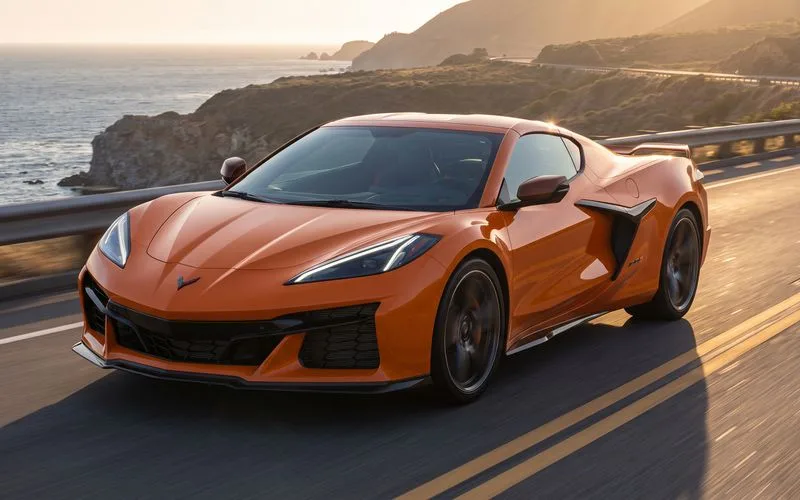 Chevrolet CorvetteSports CarBetter at: Value
Matches or beats the GT-R's acceleration for $50,000 less, with a modern interior and a full safety suite the Nissan simply doesn't offer.
Compare 2.72B-
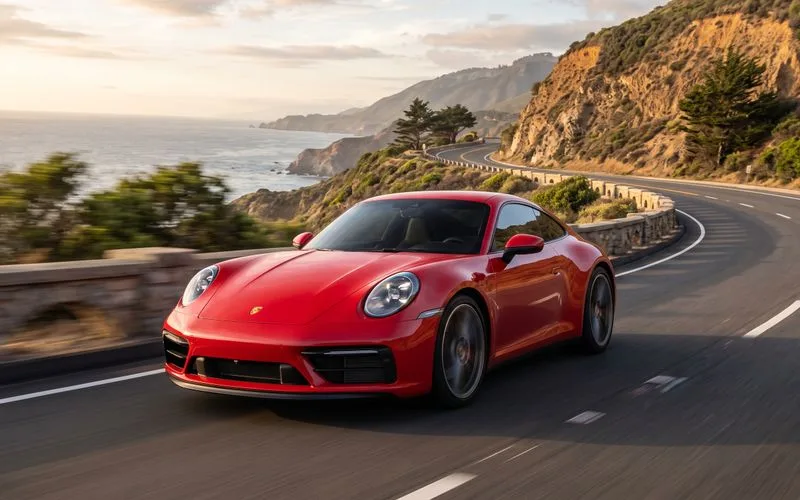 Porsche 911Sports CarBetter at: Everyday polish
The all-round choice at this money — better ride, better cabin, real driver aids and a lineup that spans budgets, if you can live with less straight-line pace per dollar.
Compare 2.77B-
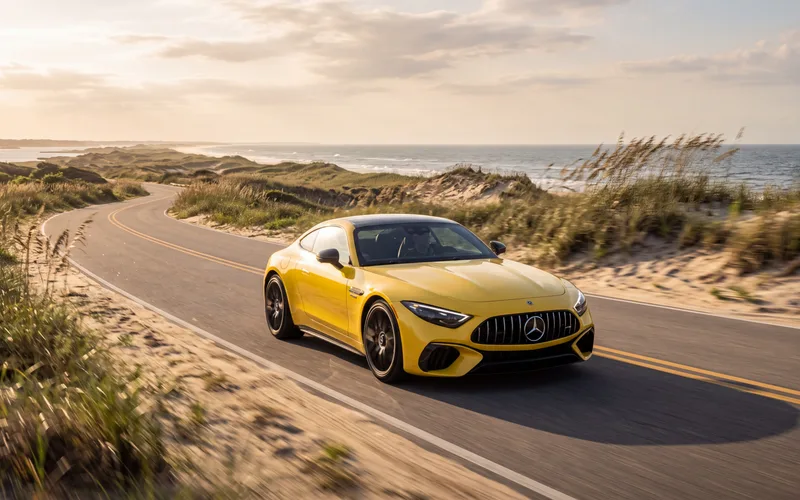 Mercedes-Benz AMG GTSports CarBetter at: Interior & tech
For a buyer who wants the six-figure experience inside as well as outside: current infotainment, adaptive cruise and materials that match the price.
CompareHow it's evolved
8 scored model years · 2017–2024
Subject scores by year
Hover or tap a score to see what moved it versus the year before. A corner mark flags a big swing.
| Year | Performance | Efficiency | Safety | Space | Cost | Reliability | Tech | Use-case | Driving | Value |
|---|---|---|---|---|---|---|---|---|---|---|
| 2024 | 85 | 6 | 25 | 39 | 7 | 67 | 38 | 28 | 79 | 52 |
| 2023 | 85 | 6 | 25 | 43 | 14 | 67 | 38 | 29 | 79 | 51 |
| 2022 | 85 | 6 | 25 | 43 | 6 | 66 | 38 | 29 | 78 | 45 |
| 2021 | 86 | 6 | 25 | 43 | 6 | 64 | 37 | 22 | 77 | 46 |
| 2020 | 85 | 6 | 25 | 36 | 76 | 64 | 37 | 26 | 75 | 48 |
| 2019 | 85 | 6 | 26 | 36 | 29 | 63 | 37 | 25 | 76 | 55 |
| 2018 | 83 | 6 | 26 | 37 | 24 | 64 | 37 | 23 | 76 | 58 |
| 2017 | 84 | 6 | 26 | 37 | 18 | 67 | 37 | 24 | 78 | 65 |
Compare two years
Best fit & conditions
Higher scores mean a better fit for that use case. Learn more about use-case fit →
Subject profile
Academic Probation · NHTSA safety recalls
No NHTSA safety recall is on record for the 2020 Nissan GT-R. Other model years of the GT-R have 2 — listed below.
2 recalls on other model years of the GT-R (2019, 2021)
May 27, 2021Steering: linkages: knuckle: spindle: arm · Suspension: rear: axle: spindleThe front steering knuckle or rear axle housing may have insufficient strength due to improper heat-treatment.
Defect
Nissan North America, Inc. (Nissan) is recalling certain 2020 Nissan Murano, INFINITI QX60, 2021 Nissan GT-R, INFINITI QX50, and Q50 vehicles. The front steering knuckle or rear axle housing may have insufficient strength due to improper heat-treatment.
Risk
The steering knuckle or rear axle could deform upon impact, such as from hitting a curb, resulting in a loss of steering control, or possible wheel separation. Both of these conditions can increase the risk of a crash.
Remedy
Dealers will inspect and replace the front steering knuckle and rear axle housing, as necessary, free of charge. Owner notification letters were mailed July 26, 2021. Nissan owners may contact customer service at 1-800-867-7669. INFINITI owners may contact customer service at 1-800-662-6200.
NHTSA campaign 21V402000 ↗14,276 vehicles potentially affected (all models in the campaign)Owners notified Jul 26, 2021Filed by Nissan North America, Inc.Filed as GT-RSep 12, 2019Back over prevention: sensing system: cameraAdditionally included are 2019 Nissan GT-R and Taxi and Infiniti QX50, QX60, Q70, Q70L vehicles. The back-up camera and display settings can be adjusted such that the rear view image is no longer visible and the system will retain that setting the next time the vehicle is placed in reverse. As such, these vehicles fail to comply with the requirements of Federal Motor Vehicle Safety Standard (FMVSS) number 111, "Rear Visibility."
Defect
Nissan North America, Inc. (Nissan) is recalling certain 2018-2019 Nissan Altima, Armada, Frontier, Kicks, Leaf, Maxima, Murano, NV, NV200, Pathfinder, Rogue, Rogue Sport, Sentra, Titan, Titan Diesel, Versa Note and Versa Sedan vehicles, as well as Infiniti Q50, Q60, QX30 and QX80 vehicles. Additionally included are 2019 Nissan GT-R and Taxi and Infiniti QX50, QX60, Q70, Q70L vehicles. The back-up camera and display settings can be adjusted such that the rear view image is no longer visible and the system will retain that setting the next time the vehicle is placed in reverse. As such, these vehicles fail to comply with the requirements of Federal Motor Vehicle Safety Standard (FMVSS) number 111, "Rear Visibility."
Risk
The lack of an image in the back-up camera display increases the risk of a crash.
Remedy
Nissan will notify owners in phases, having dealers update the back-up camera settings software, free of charge. The recall began November 11, 2019 and all affected VINs should be activated. Owners may contact Nissan customer service at 1-800-867-7669 or INFINITI customer service at 1-800-662-6200.
NHTSA campaign 19V654000 ↗1,228,830 vehicles potentially affected (all models in the campaign)Owners notified Nov 11, 2019Filed by Nissan North America, Inc.Filed as GT-R
Source: NHTSA Office of Defects Investigation recall database, model years 2017–2024. Recalls are listed by model year as the manufacturer filed them; whether a specific car is affected depends on its VIN — check a VIN at nhtsa.gov ↗. NHTSA model names matched to this page: GT-R.
Detailed scoring by subject
1Performance & PowertrainThe GT-R's best-graded category.3.78A
Volume Premium trim's hand-assembled VR38DETT 3.8L twin-turbo V6 is unchanged for 2020, a carry-over year within the post-2016 facelift generation per Wikipedia; figure corroborated by Nissan's own 2020 pricing release and multiple outlets.
Same VR38DETT V6 as 2019, carried over for 2020 per Wikipedia's production history; torque figure consistent across manufacturer and enthusiast/press sources for the Premium volume trim.
Manufacturer/press figure of 2.9 s corroborated by Edmunds' instrumented test of a 2020 GT-R at 3.1 s using launch control, both well within the top of the coupe band.
The twin-turbo V6 delivers strong, largely lag-free power once underway and reviewers consistently praise its brutal, linear thrust, but road tests (Edmunds, Car and Driver) note the drivetrain feels stiff, clunky and mechanical at low speed and in traffic — a long-standing GT-R trait carried into the 2020 model year.
The 6-speed dual-clutch is decisive and crisp at speed with rapid, well-timed shifts, but reviewers note low-speed jerkiness/hesitation and driveline harshness in stop-and-go driving that keeps it from the top tier despite its track-focused strengths.
ATTESA E-TS Pro all-wheel drive is standard across the entire 2020 GT-R lineup (Premium, Track Edition, NISMO, 50th Anniversary), pairing an electronically controlled rear-biased torque split with a rear-mounted transaxle — one of the more sophisticated AWD systems in any sports car.
Every 2020 GT-R trim (Premium, Track Edition, NISMO, 50th Anniversary) uses the same VR38DETT twin-turbo 3.8L V6 with no hybrid, alternative-displacement, or 4-cylinder options — only differing states of tune (565 vs 600 hp). A single engine family across the range is a take-it-or-leave-it lineup by this item's standard.
2Efficiency & RangeThe GT-R's lowest-graded category.0.00F
2020 is a carry-over year within the current facelifted generation (per Wikipedia, no powertrain change) — the unchanged VR38DETT 3.8L twin-turbo V6 and ATTESA AWD driveline apply across every 2020 trim. 18 MPG combined sits well under the coupe band floor of 22, so this scores zero — worse than the Corvette (~19) and in line with the AMG GT.
16 MPG city sits under the coupe band floor of 20, so it scores zero. AWD hardware and the GT-R's roughly 3,900 lb curb weight cost it in stop-and-go running relative to the lighter RWD sports coupes in this dataset.
22 MPG highway is under the coupe band floor of 26, so it scores zero. Tall gearing helps some at cruise, but the twin-turbo V6 and AWD hardware never let the GT-R approach the highway economy of a Supra or Mustang EcoBoost.
A 19.5-gallon tank at 18 MPG combined works out to roughly 351 miles between fills, which lands in the lower third of the coupe band (280-650) but is actually a genuine strength relative to smaller-tanked rivals like the GR86/BRZ pair (~290 mi) — the GT-R's large tank partly offsets its poor economy.
EPA's own published annual cost of $4,200 is well above the coupe band ceiling of $2,800 (lower is better), so this scores zero — among the priciest cars to fuel in the coupe calibration set, consistent with its 18 MPG combined premium-only rating.
Premium 91-octane is required, not merely recommended — the VR38DETT's turbo boost and compression ratio leave no margin for regular. No E85, no diesel, no electrified alternative on any 2020 trim. Bottom band, in line with other forced-induction, premium-only sports/GT cars in this dataset (Corvette, AMG GT, Nissan Z).
3SafetyOne of the GT-R's weakest categories.0.00F
NHTSA opened a record for the 2020 GT-R but never crash-tested it — every rating field returns "Not Rated." Carried at the dataset's standard untested-supercar placeholder of 4 stars, the same value used for the Corvette, 911, GR Supra, Nissan Z, AMG GT and R8, and the same treatment given the confirmed 2021-2024 GT-R model years.
The GT-R has never been tested by IIHS across its 18-year production run — the institute buys its own test cars, and a six-figure low-volume coupe isn't worth the outlay — so 2020 carries no award, no crashworthiness result, and no basis for credit above the untested baseline. Structurally the car sits ahead of most supercars (steel/aluminium Premium Midship platform with Zone Body Construction, front and rear crumple zones, high-strength side door guard beams, energy-absorbing steering column, knee bolsters), but the airbag set is front-occupant only: dual-stage front bags, front seat-mounted side bags and roof-mounted curtain bags covering the front row, with nothing protecting the heads of anyone in the 2+2 rear. 2020's headline changes — new turbochargers for stronger low-end response, a quicker-shifting recalibrated DCT, retuned suspension, and the Bayside Blue 50th Anniversary Edition appearance package on Premium and Track Edition — are all mechanical or cosmetic and add nothing to the restraint system, so this is placed with the other untested coupe peers (Corvette 55, Supra 55, Z 55, R8 54), a few points under them for the rear-occupant gap.
The 2020 GT-R offers no driver-assistance suite at all — not standard, not optional — on any grade (Premium, Track Edition, NISMO, or the new-for-2020 50th Anniversary Edition appearance package). No AEB, no forward collision warning, no lane departure warning, no lane keeping, no blind-spot monitoring, no rear cross-traffic alert, no adaptive cruise. The active-safety content is limited to Vehicle Dynamic Control (ESC) with three driver-selectable modes, Traction Control, ABS with Electronic Brake force Distribution, TPMS, a RearView Monitor and parking sensors — the federally-mandated floor plus parking aids, unchanged from 2019 and carried unchanged through 2021-2024. Even the Corvette (15) and the ADAS-free Audi R8 (5) are no worse; this is the bottom of the segment.
There is no automatic emergency braking system to rate — the 2020 GT-R has neither vehicle-to-vehicle nor pedestrian AEB, and IIHS has never run a front crash prevention evaluation on it. The 3 points reflect only that the car has ABS with brake assist and Brembo hardware (six-piston monoblock front, four-piston rear) once a human presses the pedal; no automated intervention exists at any speed, day or night.
No blind-spot monitoring, no rear cross-traffic alert and no safe-exit alert on any 2020 grade, including the new 50th Anniversary Edition — and this is the car that needs them most, given the thick C-pillar. Rear parking sensors and the RearView Monitor cover backing out of a space at walking pace and nothing else; the aftermarket sells convex blind-spot mirrors specifically for the R35 because the factory offers no answer.
No lane departure warning, no lane keep assist and no lane centering — there is no forward camera in the car to support them. Nissan's ProPILOT hardware, standard or optional on much of the 2020 US lineup (Rogue, Altima), was never fitted to the R35, deliberately, on the grounds that it would intrude on the driving experience.
Plain speed-hold cruise control only — no radar, no following distance, no stop-and-go, no highway assist. It earns the handful of points over a car with no cruise at all and nothing more; scored beside the Audi R8 (6) and Corvette (8), which are in the same pre-radar position, and far below the AMG GT (78) and Supra (60).
No hands-free highway system, and no path to one — the GT-R never received ProPILOT Assist, let alone a hands-off tier. The car cannot even hold a lane, which is the prerequisite.
4-bulb LED headlamps with AFS (Nissan's steering-responsive Adaptive Front-lighting System) and integrated LED running lights have been standard on Premium-grade R35 GT-Rs since the 2017 facelift, carrying unchanged into 2020 — adaptive curve lighting standard on the volume trim is genuinely good hardware and better than the fixed projectors on several rivals. No IIHS headlight rating exists to confirm the beam pattern, and there is no auto high-beam function, so this sits at the untested-but-well-equipped level shared with the Corvette, Z and Supra (62) rather than the 911/AMG GT tier (78) whose lights are IIHS-verified.
Split verdict, unchanged for 2020. Forward and over-the-shoulder-left visibility is better than the mid-engine supercar norm — the GT-R is front-engined with an upright, tall-ish greenhouse and a driving position reviewers consistently call easy to place for a car this fast. The rear three-quarter is the problem: a very thick C-pillar and the high tail create a genuine blind zone that owners routinely patch with aftermarket convex mirrors, and with no blind-spot monitor there is zero electronic compensation. The RearView Monitor plus parking sensors cover low-speed maneuvering only — there is no surround-view camera. Lands just above the GR Supra (45, worse sightlines and no parking aids) and below the Corvette (58) and 911 (70, 360-degree camera).
Nominally a four-seater with LATCH hardware, functionally unusable — and the R35 rear seat is unchanged for 2020. Cars.com's Car Seat Check found the GT-R's lower anchors sit an inch or two above where the rear cushion ends, so a connector physically cannot reach them, and the top tether anchors on the rear shelf sit under removable covers with too little clearance to clip into easily; the heavily bolstered rear seat also pushes a car seat off at an angle. Add roughly 26.4 in of rear legroom and 33.5 in of rear headroom (the front seat must be moved forward to fit anything rear-facing), two-door access over a fixed front bucket, and curtain airbags that cover only the front row, and the rear seat is a parcel shelf that happens to have belts. Below the 911's 2+2 (26), which at least offers workable anchors.
4Space & ComfortGrades near the bottom of the scale.0.39F
Every 2020 GT-R trim (Premium, 50th Anniversary, Track Edition, NISMO) is a 2+2 with a nominal rear bench, unchanged for the model year.
Front headroom of 38.1 in sits mid-band for a coupe, consistent across all 2020 GT-R trims per the manufacturer spec sheet.
44.6 inches of front legroom is at the top of the coupe band, reflecting the GT-R's long wheelbase and front-mid engine placement freeing up cabin length for the driver and passenger.
Rear headroom of 33.5 in is well below the coupe band floor — the fastback roofline and rear seat's near-token role leave little space for a rear occupant's head.
26.4 inches of rear legroom is far below the coupe band floor. Reviewers describe the rear seats as padded storage shelves best used for luggage rather than usable seating for adults.
8.8 cubic feet of trunk space falls below the coupe normalization band floor — a small trunk even by sports-coupe standards, though about typical for a performance-focused 2+2.
Cabin storage is sparse: two front cupholders and a single rear cupholder are essentially the extent of it, with the rear bench itself functioning as overflow cargo space rather than offering dedicated storage solutions.
Front leather-appointed sport seats draw consistent praise for long-trip comfort and lateral support, though their aggressive bolstering and lumbar shape can be a deal-breaker for some drivers; the rear seats are not realistically usable by adults, dragging the overall item down from a front-seat-only score.
The Bilstein DampTronic adaptive suspension on the volume Premium trim is firm but tolerable in Comfort mode, described by some testers as no rougher than a sporty German sedan; other reviews call the ride harsh and jolting on rough pavement even in its softest setting, and the NISMO-tuned Track Edition/NISMO trims ride noticeably stiffer still.
The cabin is notably loud at speed — turbo, exhaust, and road noise all intrude, a trait reviewers describe as unrefined even if some drivers appreciate the mechanical feedback. No acoustic glass or active noise cancellation is offered to quiet it down.
Dual Zone Automatic Temperature Control and heated front seats are standard across every 2020 trim, a reasonable baseline, but the GT-R offers no ventilated seats, no heated steering wheel, and no remote pre-conditioning on any trim — a sparser comfort-tech list than rival luxury coupes at this price.
5Cost of OwnershipOne of the GT-R's strongest categories.3.16B
The Premium is the entry grade for 2020 — Nissan carried the same $113,540 Premium price forward from the prior year while adding a 50th Anniversary Edition package and a new-for-2020 Track Edition above it. Base MSRP is roughly double the coupe band ceiling of $55,000, so the item floors regardless.
Premium is the volume grade for 2020 — the 50th Anniversary package, Track Edition and NISMO are all low-volume halo variants well above it. The Premium option sheet is essentially paint and accessories, so a typically equipped car lands a few hundred to ~$1,000 over base.
GT-R servicing is dealer-network-restricted and priced like a European exotic: ~$300 dealer oil changes, $900–$1,200 transmission/differential fluid services, and $3,000–$5,000 30,000-mile interval work, plus ~$2,000 run-flat tire sets. The R35 drivetrain and service schedule are unchanged for 2020.
The R35's residuals are the best thing about owning one, and by 2026 there are real 6-year data points for this exact model year. CarEdge's generic depreciation model projects ~42-47% depreciation, but that estimate is a class-wide curve skewed by higher-priced trims and does not match actual transactions. Limited annual production (~2,700 GT-Rs/yr) has instead pushed clean 2020 GT-Rs to sell for a premium over their original sticker, well above the coupe band ceiling either way.
Standard Nissan coverage with no GT-R uplift, unchanged across every R35 model year — the segment floor, and shorter than the 4-year terms German rivals offer at a fraction of this car's price.
Nissan's standard 5-year/60,000-mile powertrain term applies to the hand-built VR38DETT with no extension, sitting at the bottom of the 5–10 year band.
No included scheduled maintenance — Nissan's Maintenance Care oil-change program is a mainstream-model offer the GT-R does not qualify for, and there is no national free-service program. What comes with the car is the standard 3-year/36,000-mile roadside assistance plus access to the GT-R-certified dealer network, which is a service restriction as much as a perk.
$116,235 volume-trim price minus its estimated resale value after 5 years (100% retained, or about $116,235) leaves about $0 in depreciation. Add the projected $8,000 in 5-year maintenance and repairs, and owning this vehicle for 5 years costs about $8,000 in total.
6Reliability & QualityMid-pack among this car's ten categories.2.35C+
Low annual sales volume (a few hundred to low-thousand units/year in the US) means neither Consumer Reports nor J.D. Power publish a dedicated predicted-reliability score for the GT-R specifically, so this is inferred from powertrain and owner-forum signal rather than a fleet study.
Nissan sits mid-pack across the major dependability studies — solid on RepairPal's shop-repair-data index but middling in Consumer Reports' owner-survey ranking — so brand-level support for the GT-R's reliability standing is average, not top-tier.
NHTSA shows zero safety recalls filed against the 2020 model year specifically; the GT-R's one notable recall (front steering knuckle / rear axle housing heat-treatment) applies to MY2021 vehicles, not 2020.
The hand-built VR38DETT twin-turbo V6 has a strong high-mileage reputation (100k+ miles common with maintenance) with no systemic engine failure mode, but the rear-mounted GR6 dual-clutch transaxle is a recognized weak point — solenoid clogging, bellhousing rattle, and clutch wear under aggressive use — which pulls the combined powertrain score down from what the engine alone would earn.
Reviewers consistently describe the cabin as a step behind rivals at the GT-R's price point — 'typical Nissan' switchgear and plastics amid the nappa leather and Bose system — a carryover critique for the largely unchanged R35 interior by 2020.
Each GT-R is hand-assembled by a single technician in a dedicated clean-room at Nissan's Tochigi plant, and reviewers describe the cockpit as tight and functional despite dated styling — assembly quality is not a common complaint even where material grade is.
The GT-R rides on Nissan's dense, nationwide dealer network and the brand ranks near the top of J.D. Power's dealer-service-satisfaction study, but factory GT-R work has historically required specially trained technicians at a subset of dealers rather than being available at every store, so coverage is good but not as universal as a mainstream Nissan model.
Routine service is specialist-priced rather than mainstream-Nissan-priced — transmission/differential fluid service runs over $1,000 at 18,000-mile intervals, a brake job with pads and rotors runs roughly $5,000, and a tire set is close to $1,900 — offset somewhat by a healthy independent-specialist and aftermarket-parts network that undercuts dealer labor rates.
7Technology & InfotainmentGrades near the bottom of the scale.0.42F
8-inch center touchscreen with integrated navigation is standard and unchanged across GT-R Premium, Track Edition and Nismo for 2020; small by 2020 sports-coupe standards, unchanged since the 2017 facelift.
The GT-R's NissanConnect system carries dated graphics and a menu structure largely unchanged since the mid-2010s facelift; reviewers consistently flag it as the car's weakest area relative to its six-figure price, well behind newer rivals' infotainment.
Wired Apple CarPlay is standard through the factory 8-inch screen, but Android Auto is not offered from the factory on any 2020 GT-R trim, and no wireless projection exists; aftermarket kits are the only path to wireless CarPlay or Android Auto.
NissanConnect's built-in voice-activated navigation is functional but dated, with limited natural-language recognition; most owners default to CarPlay maps instead.
An 11-speaker Bose system with two subwoofers is standard across all 2020 GT-R trims — a genuine strength even though there is no higher premium tier above it.
The main cluster is analog (speedometer/tachometer) with a small reconfigurable multi-info display showing oil pressure, coolant temperature and steering angle; the more comprehensive digital data (g-force, boost, drivetrain telemetry) lives on the separate Polyphony Digital-designed central touchscreen readouts, not the driver's binnacle.
No evidence of over-the-air software update capability for the 2020 GT-R's infotainment or vehicle systems; map/software updates on this generation of NissanConnect are handled via SD card or dealer visit.
The GT-R is compatible with NissanConnect Services / MyNISSAN app for remote engine start/stop, door lock/unlock, horn/lights and vehicle status, gated behind a trial-then-subscription model; no digital key.
Only two USB ports are fitted, no USB-C, and no wireless charging pad is offered on any 2020 GT-R trim.
Nissan Intelligent Key proximity entry with push-button start is standard, and remote engine start is available via the key fob/NissanConnect app; there is no phone-as-key.
A rearview camera and front/rear parking sensors are standard on Premium and Nismo trims, but there is no 360-degree Around View Monitor offered on the GT-R.
No head-up display is offered on any 2020 GT-R trim, standard or optional.
8Use-Case FitOne of the GT-R's weakest categories.0.00F
The 2020 GT-R is a 2+2 with four belts and rear LATCH hardware, putting it a step above the strict two-seaters in this segment, but the rear bench measures 26.4 in of legroom and 33.5 in of headroom (both below the coupe normalization floor) and the lower anchors sit above where the seat cushion ends, unreachable by a connector. Two long, heavy doors, a low fastback roofline and a fixed rear backrest turn loading a child seat into a contortion, and a stroller has to share an 8.8 cu ft trunk with a narrow, high-liftover opening. 2020's headline changes (new turbochargers, a recalibrated DCT, a retuned suspension, and the Bayside Blue 50th Anniversary Edition package on Premium and Track Edition) are mechanical and cosmetic and touch nothing about the rear seat.
The weakest family-safety proposition in the coupe field. The 2020 GT-R offers no driver-assistance content on any grade — Premium, Track Edition, 50th Anniversary Edition or NISMO alike — no automatic emergency braking, no forward collision warning, no blind-spot monitoring, no rear cross-traffic alert, no lane departure warning, and no rear-occupant alert. NHTSA opened a record for the 2020 GT-R but never crash-tested it, and IIHS has never tested any R35 model year, so a family shopper has no independent crashworthiness data to lean on. What is left standard is VDC/TCS stability and traction control, ABS/EBD, a RearView Monitor, TPMS and front-occupant-only airbag coverage.
Four seatbelts, but no family is doing a multi-hour trip in this car. The rear pair is unusable for anyone past early childhood, there are no rear climate outlets or rear amenities of any kind, and the 8.8 cu ft trunk cannot hold four people's luggage once the rear seats are occupied. Front-row comfort is genuinely good — leather sport seats reviewers call supportive for long trips — but the ride is described as brutal and jolting on rough pavement even in its softest setting, and the cabin is loud enough at speed that reviewers call it unrefined, both of which work against anyone riding along for hours.
Everyday usability is the R35's signature claim and much of it holds for 2020: standard ATTESA E-TS Pro all-wheel drive removes the wet-road drama that defines rear-drive rivals, front legroom of 44.6 in is the best in the segment, the front-mid engine layout and upright greenhouse make the nose easy to place, and 2020's recalibrated dual-clutch transmission shifts more smoothly at low speed than earlier model years. What holds it out of the relaxed-daily-driver band is real and shows up directly in this year's own comfort scoring: the Bilstein DampTronic suspension is described as brutal and constantly jolting on rough pavement even in Comfort mode, cabin noise is called unrefined, and there is no adaptive cruise control of any kind for stop-and-go traffic.
One of the most expensive cars per commuting mile in the coupe field. EPA rates the 2020 GT-R at 18 MPG combined (16 city/22 highway) on required premium fuel — about $4,200 a year at the EPA's 15,000-mile assumption — and the consumables compound it: full-coverage insurance averages roughly $4,244 a year and scheduled maintenance and wear items run around $1,600 a year at a certified GT-R dealer. No stop-start, no cylinder deactivation and no electrification soften any of it.
Better on paper than in practice. At roughly 185 in long the GT-R is shorter than a midsize sedan, the driving position is high enough to see the corners of the hood, and front and rear parking sensors plus a RearView Monitor are standard on Premium and higher for 2020. But it is roughly 74.6 in wide, the thick C-pillar makes over-the-shoulder checks guesswork, there is no surround-view camera or active parking assist at any price, and the low front lip turns speed bumps and steep driveway aprons into an approach-angle problem.
No work capability of any kind. Nissan publishes no towing capacity or payload figure for the 2020 US-market GT-R, no factory or dealer-accessory hitch is offered on any grade, and the cargo hold is a sealed 8.8 cu ft trunk behind a fixed rear backrest. The 467 lb-ft the twin-turbo V6 makes is the only point in the item's favor and it has nowhere to go.
Half the drivetrain is genuinely tough — the hand-assembled VR38DETT and ATTESA AWD system carry a long record of surviving track abuse — but this vehicle's own reliability scoring for 2020 is more measured than the badge's reputation suggests, and nothing about the car is oriented toward fleet or work-truck abuse: the leather-appointed interior has no wear-friendly alternative, summer-biased run-flat tires punish rough surfaces, and low ground clearance rules out unpaved use.
Essentially nil. No onboard AC power outlet, no bed or open load area, no tie-down points, no roof rails or rack provision, no hitch, no washable surfaces and no upfit ecosystem — the GT-R's aftermarket is aimed entirely at power and aero, not at work. Device power is USB ports and a 12-volt outlet, a phone-charging provision rather than a jobsite one.
The GT-R was engineered as much as a grand tourer as a sports car, and the range and drivetrain bones support it: a 19.5-gallon tank at 18 MPG combined gives roughly 350 miles between stops, front legroom of 44.6 in is class-leading, and standard all-wheel drive makes high-speed cruising stable in any weather. Two things cap it hard for 2020 specifically: this vehicle's own ride and cabin-noise scoring for the year describes a suspension that is jolting on rough pavement and a cabin reviewers call unrefined, and there is no adaptive cruise control, no lane centering and no highway assist at any price, so every mile of a genuinely long haul is driven manually.
The best of a weak field, on the strength of one thing: ATTESA E-TS Pro all-wheel drive is standard on every 2020 grade rather than optional, and fitted with winter tires the R35 has a long, well-documented record as a genuinely all-weather supercar. Everything else this item asks about is missing — low ground clearance ends any ambition past a smooth gravel road, the standard run-flat tires are summer-biased, and there are no roof rails, no rack provision, no hitch, no tow rating and no 110V outlet for camping.
Capacity is respectable for a supercar and flexibility is nonexistent. The 8.8 cu ft trunk takes two carry-ons or a set of golf clubs, and the vestigial rear seats absorb soft overflow. But the rear backrest is fixed, so there is no fold-down and no pass-through for anything long, the opening is narrow with a high liftover, and with no roof rails and no hitch there is no way to carry gear outside the body at all.
9Driving ExperienceOne of the GT-R's strongest categories.3.07B
2020 Premium carries the R35's AWD ATTESA E-TS Pro system, wide 20-inch Bridgestone Potenza tires and Bilstein-tuned suspension; grip and cornering composure remain class-leading even against far newer rivals, at the cost of feeling nose-heavy and less playful than a rear-drive rival at the very limit.
Hydraulic rack is accurate and linear at speed with 'minimal corrections' needed near its 196-mph top end, but reviewers consistently describe it as requiring hefty effort with limited road feedback compared to segment leaders.
Premium trim carries large Brembo 6-piston front/4-piston rear steel discs with strong, fade-resistant stopping power and a firm pedal; the Nismo's carbon-ceramic Brembo package (16.1 in front rotors) is a step further but not the volume trim's setup.
The 3.8L twin-turbo VR38DETT with 6-speed dual-clutch is explosive once moving, but the DCT retains its long-standing low-speed clunkiness/driveline shudder in parking-lot maneuvers, a trait carried through the 2020 model year.
The twin-turbo V6 and transmission produce a busy mechanical soundtrack with noticeable gear whine and turbo-muffled exhaust note rather than an emotive engine sound, and cruising drone is a common complaint versus naturally aspirated rivals.
Curb-to-curb turning diameter derived from the widely reported 18.3 ft turning radius for the R35 GT-R, consistent across recent model years including 2020.
Low, snug driver-focused seating with good pedal/wheel relationship and revised 2020 seat bolstering, but a low roofline hurts rear visibility and the cabin controls/infotainment layout feel dated next to newer rivals.
Despite its heft and transmission roughness at low speed, the GT-R remains a genuine enthusiast icon — explosive acceleration (mid-2-second 0-60 range), immense grip, and a 'defies physics' reputation that automotive press has maintained across its production run, including 2020.
10Value & Market PositionGrades below the middle of the scale.1.24D
For 2020 Nissan revised engine tuning, added an optional carbon-fiber roof/carbon-ceramic brakes and a 50th Anniversary appearance package, but the $113,540 Premium's core cabin content — Bose 11-speaker audio, leather seats, nav — is dated relative to price, and reviewers flagged the near-total absence of driver-assist features and no Apple CarPlay/Android Auto even at this price point.
The GT-R's founding value proposition — supercar-rivaling AWD performance (mid-2 second 0-60 range, sub-8-minute Nürburgring pedigree) for far less than Ferrari/Lamborghini money — still holds against exotics, but by 2020 that gap narrowed against cheaper in-segment rivals offering similar or better outright performance for tens of thousands less, softening the bang-for-buck case at this price tier.
2020 lineup was Premium ($113,540), Track Edition ($145,540), NISMO ($210,740), plus a 50th Anniversary Edition appearance package (+$8,500) — a narrow, single-powertrain (AWD, dual-clutch only, no manual) range spanning a very wide price spread rather than offering meaningfully different configurations to match a range of budgets.
US GT-R volume was minuscule in 2020 (roughly 300 units for the year) — it is a low-volume halo model by design, not a mainstream seller, and sits at the very bottom of the coupe segment on sales strength.
Nissan as a mainstream brand carries no luxury halo, but the GT-R nameplate itself ('Godzilla') has an outsized enthusiast following and cult reputation independent of the parent brand, supporting solid desirability and resale within its niche despite Nissan's average overall brand image in this period.
As a low-volume, made-to-order halo model, the GT-R historically transacts close to sticker with minimal factory incentives or aggressive financing offers, unlike higher-volume mainstream Nissan models.
The R35 generation debuted for 2007 and by 2020 was 13 years old; the 2020 model year brought a mid-cycle update (revised front fascia, new 20-inch RAYS wheels, interior trim tweaks, retuned engine) but not a new generation, and reviewers explicitly framed the car as aging with a long-rumored, still-unreleased successor.
The GT-R carries a strong legacy critical reputation (2009 Motor Trend Car of the Year, repeated 'best performance car' mentions through the 2010s) and 2020 reviewers still praised its grip, handling and everyday usability, but by 2020 it was rarely the pick in head-to-head comparisons against fresher rivals, with dated infotainment/interior tech consistently cited as a drag on the verdict.