

The verdict
A mixed-report wagon, strong on space and held back by performance.
The redesigned 2026 Outback is the same thing it has always been — a wagon that behaves like an SUV — only boxier, roomier, and better equipped. Standard all-wheel drive on every trim, 8.7 inches of ground clearance, 34.6 cubic feet of cargo behind the back seat, and Subaru's EyeSight safety suite included at no cost make it one of the most genuinely useful vehicles under $40,000. What you give up is speed and running costs: the volume 180-hp 2.5-liter engine needs about 8.8 seconds to reach 60 mph, fuel economy lands around 28 MPG combined at a time when hybrid rivals do far better, and the warranty is plain-vanilla 3-year/36,000-mile coverage. Buy it for the capability and the cargo hold, not for the driving or the fuel bill.
Jump to scoresStrengths
- Cargo and passenger space that shames most SUVs
- All-wheel drive and ground clearance on every single trim
- Safety gear included, not upsold
What holds it back
- The engine most buyers get is slow
- Fuel economy is ordinary and there is no hybrid
- Bare-minimum warranty and no free maintenance
Top alternatives
Cars shoppers cross-shop with the Subaru Outback 2.82B-
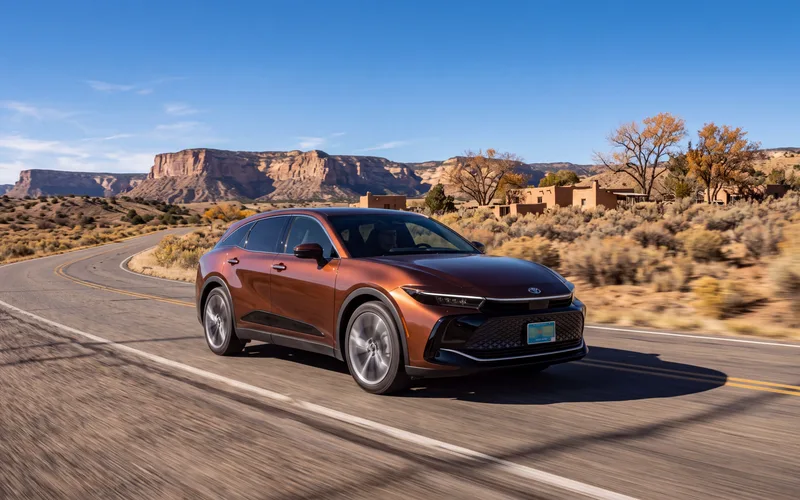 Toyota Crown SigniaMid-Size WagonBetter at: Efficiency
It answers the Outback's two weakest points at once — hybrid efficiency far beyond 28 MPG and Toyota's reliability record — in the same two-row AWD wagon shape.
Compare 2.70B-
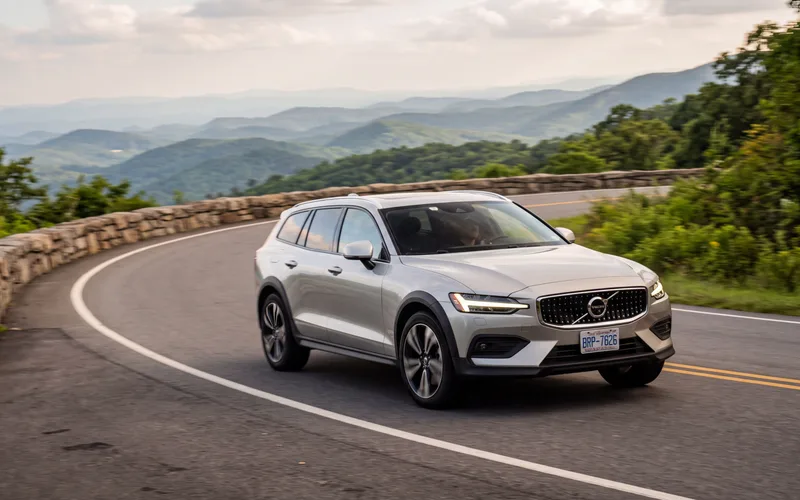 Volvo V60 Cross CountryLuxury WagonBetter at: Interior quality
The same lifted-wagon idea executed with a nicer interior, a stronger engine and much better road manners, if you can live with less cargo room for the money.
Compare2.48C+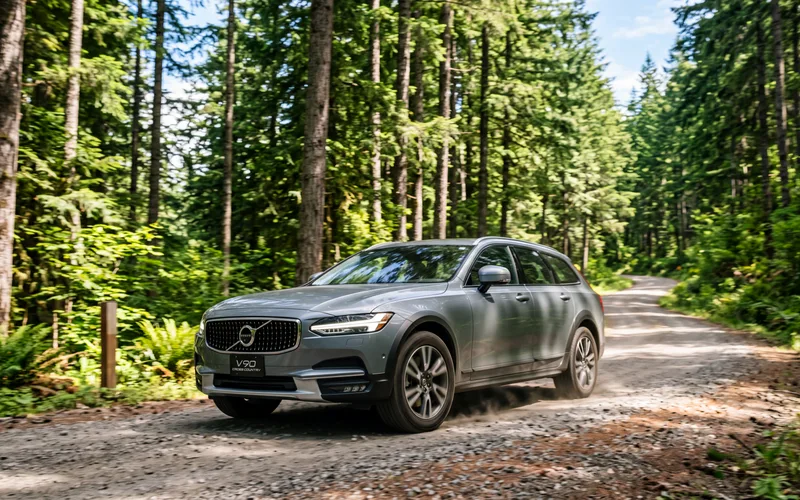 Volvo V90 Cross CountryLuxury WagonBetter at: Refinement
A larger, genuinely premium raised wagon for buyers who want the Outback's utility without its cheap plastics and coarse boxer engine.
CompareHow it's evolved
10 scored model years · 2017–2026
Subject scores by year
Hover or tap a score to see what moved it versus the year before. A corner mark flags a big swing.
| Year | Performance | Efficiency | Safety | Space | Cost | Reliability | Tech | Use-case | Driving | Value |
|---|---|---|---|---|---|---|---|---|---|---|
| 2026 | 36 | 54 | 79 | 83 | 54 | 61 | 59 | 72 | 60 | 76 |
| 2025 | 36 | 52 | 73 | 85 | 59 | 77 | 57 | 72 | 64 | 70 |
| 2024 | 35 | 52 | 76 | 85 | 61 | 77 | 56 | 72 | 64 | 72 |
| 2023 | 35 | 52 | 77 | 85 | 62 | 76 | 55 | 72 | 64 | 75 |
| 2022 | 35 | 56 | 77 | 85 | 64 | 70 | 48 | 71 | 63 | 73 |
| 2021 | 38 | 57 | 78 | 83 | 65 | 70 | 49 | 67 | 62 | 73 |
| 2020 | 37 | 57 | 73 | 85 | 69 | 71 | 48 | 68 | 62 | 76 |
| 2019 | 35 | 53 | 71 | 80 | 70 | 70 | 37 | 64 | 59 | 68 |
| 2018 | 33 | 52 | 70 | 80 | 65 | 69 | 51 | 66 | 58 | 66 |
| 2017 | 33 | 52 | 61 | 80 | 66 | 62 | 28 | 63 | 61 | 70 |
Compare two years
Best fit & conditions
Higher scores mean a better fit for that use case. Learn more about use-case fit →
Subject profile
Trims & configurations
6 trimsScores above reflect the volume trim. Per-trim specs and scores are rolling out — the full lineup:
Academic Probation · NHTSA safety recalls
No NHTSA safety recall is on record for the 2026 Subaru Outback. Other model years of the Outback have 19 — listed below.
19 recalls on other model years of the Outback (2017–2023)
Mar 22, 2024Air bags: sensor: occupant classification: front passengerA capacitor in the sensors for the Occupant Detection System (ODS) may crack and short circuit, which can prevent the front passenger air bag from deploying in a crash.
Defect
Subaru of America, Inc. (Subaru) is recalling certain 2020-2022 Outback and Legacy vehicles. A capacitor in the sensors for the Occupant Detection System (ODS) may crack and short circuit, which can prevent the front passenger air bag from deploying in a crash.
Risk
An air bag that does not deploy during a crash can increase the risk of injury.
Remedy
Dealers will replace the ODS sensors on the front passenger seat, free of charge. Owner notifications were mailed February 3, 2025. Owners may contact Subaru customer service at 1-844-373-6614. Subaru's number for this recall is WRA-24.
NHTSA campaign 24V227000 ↗Manufacturer no. WRA-24118,723 vehicles potentially affected (all models in the campaign)Owners notified Feb 3, 2025Filed by Subaru of America, Inc.Filed as OUTBACKNov 9, 2023Power train: automatic transmission: park/neutral start interlock switchAn insufficient weld may allow water to enter the inhibitor switch, causing it to fail.
Defect
Subaru of America, Inc. is recalling certain model year 2021 Crosstrek, 2022 Forester, 2021-2023 Legacy, and Outback vehicles. An insufficient weld may allow water to enter the inhibitor switch, causing it to fail.
Risk
An inoperative inhibitor switch may prevent the reverse lights from illuminating and the rearview camera image from displaying, increasing the risk of a crash.
Remedy
Dealers will replace the inhibitor switch, free of charge. Owner notification letters were mailed January 8, 2024. Owners may contact Subaru customer service at 1-800-782-2783. Subaru's number for this recall is WRQ-23.
NHTSA campaign 23V755000 ↗Manufacturer no. WRQ-2395,830 vehicles potentially affected (all models in the campaign)Owners notified Jan 8, 2024Filed by Subaru of America, Inc.Filed as OUTBACKSep 21, 2023Power train: driveline: driveshaftThe center support bolts for the driveshaft may loosen, resulting in the disconnection of the front end of the driveshaft.
Defect
Subaru of America, Inc. (Subaru) is recalling certain 2023 Outback, Legacy, Ascent, and Impreza vehicles. The center support bolts for the driveshaft may loosen, resulting in the disconnection of the front end of the driveshaft.
Risk
Separation of the front end of the driveshaft increases the risk of a crash.
Remedy
Dealers will clean the bolt mounting surfaces of the center support brace and install new bolts, free of charge. Owner notification letters were mailed November 20, 2023. Owners may contact Subaru's customer service at 1-844-373-6614. Subaru's number for this recall is WRN-23.
NHTSA campaign 23V647000 ↗Manufacturer no. WRN-234,311 vehicles potentially affected (all models in the campaign)Owners notified Nov 20, 2023Filed by Subaru of America, Inc.Filed as OUTBACKSep 22, 2022Visibility: windshieldThe incorrect paint clearcoat may have been applied, which can cause the windshield to be insufficiently bonded to the vehicle. As such, these vehicles fail to comply with the requirements of Federal Motor Vehicle Safety Standard number 212, "Windshield Mounting."
Defect
Subaru of America, Inc. (Subaru) is recalling certain 2022 Impreza and Outback vehicles. The incorrect paint clearcoat may have been applied, which can cause the windshield to be insufficiently bonded to the vehicle. As such, these vehicles fail to comply with the requirements of Federal Motor Vehicle Safety Standard number 212, "Windshield Mounting."
Risk
An insufficiently bonded windshield can detach during a crash, increasing the risk of injury.
Remedy
Subaru will offer owners a vehicle exchange or repurchase, free of charge. Owner notification letters are expected to be mailed November 21, 2022. Owners may contact Subaru's customer service at 1-844-373-6614. Subaru's number for this recall is WRH-22.
NHTSA campaign 22V712000 ↗Manufacturer no. WRH-2242 vehicles potentially affected (all models in the campaign)Owners notified Nov 11, 2022Filed by Subaru of America, Inc.Filed as OUTBACKJul 8, 2022Power train: automatic transmission: control module (tcm/pcm/tecm) · Power train: driveline: chain/beltA programming error in the Transmission Control Unit (TCU) may allow the clutch to engage before the drive chain is completely clamped.
Defect
Subaru of America, Inc. (Subaru) is recalling certain 2020-2021 Outback and Legacy vehicles. A programming error in the Transmission Control Unit (TCU) may allow the clutch to engage before the drive chain is completely clamped.
Risk
An improperly secured drive chain may slip and break, causing a loss of drive power and increasing the risk of a crash.
Remedy
Dealers will reprogram the TCU, inspect TCU data for chain slip, and visually inspect the chain guide. If evidence of chain slippage or damage is found, the transmission will be replaced. Repairs will be performed free of charge. Owner notification letters are expected to be mailed August 24, 2022. Owners may contact Subaru's customer service at 1-844-373-6614. Subaru's number for this recall is WRK-22. This recall is an expansion of previous recall number 21V-955.
NHTSA campaign 22V485000 ↗Manufacturer no. WRK-22182 vehicles potentially affected (all models in the campaign)Owners notified Aug 24, 2022Filed by Subaru of America, Inc.Filed as OUTBACKJul 1, 2022Electrical system: wiring · Engine and engine cooling: engine: engine control module (ecu/ecm)The engine wiring harness may have been damaged, resulting in a loose electrical connection to the engine control unit (ECU).
Defect
Subaru of America, Inc. (Subaru) is recalling certain 2022 Outback vehicles. The engine wiring harness may have been damaged, resulting in a loose electrical connection to the engine control unit (ECU).
Risk
A loose electrical connection to the ECU may cause an engine stall, increasing the risk of a crash.
Remedy
Dealers will replace the engine wiring harness and ECU, free of charge. Owner notification letters are expected to be mailed August 30, 2022. Owners may contact Subaru's customer service at 1-844-373-6614. Subaru's number for this recall is WRC-22.
NHTSA campaign 22V473000 ↗Manufacturer no. WRC-2215 vehicles potentially affected (all models in the campaign)Owners notified Aug 1, 2022Filed by Subaru of America, Inc.Filed as OUTBACKDec 9, 2021Power train: automatic transmission: control module (tcm/pcm/tecm) · Power train: driveline: chain/beltA programming error in the Transmission Control Unit (TCU) may allow the clutch to engage before the drive chain is completely clamped.
Defect
Subaru of America, Inc. (Subaru) is recalling certain 2019-2020 Ascent, 2020 Legacy and Outback vehicles. A programming error in the Transmission Control Unit (TCU) may allow the clutch to engage before the drive chain is completely clamped.
Risk
An improperly secured drive chain may slip and break, causing a loss of drive power and increasing the risk of a crash.
Remedy
Dealers will reprogram the TCU, inspect TCU data for chain slip, and visually inspect the chain guide. If evidence of chain slippage or damage is found, the transmission will be replaced. Repairs will be performed free of charge. Owner notification letters were mailed August 19, 2022. This recall includes all vehicles previously recalled under 19V-855. Vehicles previously recalled under 19V-855 will need to have the new remedy performed for this recall once available. Owners may contact Subaru customer service at 1-844-373-6614. Subaru's number for this recall is WRK-21.
NHTSA campaign 21V955000 ↗Manufacturer no. WRK-21198,255 vehicles potentially affected (all models in the campaign)Owners notified Aug 19, 2022Filed by Subaru of America, Inc.Filed as OUTBACKJul 29, 2021Fuel system, gasoline: delivery: fuel pumpThe low-pressure fuel pump inside the fuel tank may fail.
Defect
Subaru of America, Inc. (Subaru) is recalling certain 2019-2020 Ascent, 2018 Forester, 2018-2020 Impreza, Legacy, Outback, 2018-2019 BRZ, WRX, and Toyota 86 vehicles. The low-pressure fuel pump inside the fuel tank may fail.
Risk
Fuel pump failure can cause an engine stall while driving, increasing the risk of a crash.
Remedy
Dealers will replace the low-pressure fuel pump, free of charge. Owner notification letters were mailed September 24, 2021. Subaru and Toyota owners may call customer service at 1-844-373-6614. Subaru's number for this recall is WRG-21.
NHTSA campaign 21V587000 ↗Manufacturer no. WRG-21175,968 vehicles potentially affected (all models in the campaign)Owners notified Sep 24, 2021Filed by Subaru of America, Inc.Filed as OUTBACKJan 26, 2021Power train: shift linkage/cable/rodThe continuously variable transmission (CVT) select lever cable nut may not have been tightened properly, allowing the nut to loosen.
Defect
Subaru of America, Inc. (Subaru) is recalling certain 2021 Outback and Impreza vehicles. The continuously variable transmission (CVT) select lever cable nut may not have been tightened properly, allowing the nut to loosen.
Risk
A loose nut can lead to a lost of retention in the CVT select lever cable and the gear selector not functioning properly, increasing risk of crash.
Remedy
Subaru will notify owners, and dealers will inspect, and, if necessary, tighten the nut, free of charge. The recall began February 12, 2021. Owners may contact Subaru customer service at 1-844-373-6614. Subaru's number for this recall is WRA-21.
NHTSA campaign 21V024000 ↗Manufacturer no. WRA-21383 vehicles potentially affected (all models in the campaign)Owners notified Feb 12, 2021Filed by Subaru of America, Inc.Filed as OUTBACKDec 10, 2020Back over prevention: display functionThe August 2020 over-the-air software update may have timed out without completing the installation, corrupting the data, and causing the rearview display to shutoff intermittently. As such, these vehicles fail to comply with the requirements of Federal Motor Vehicle Safety Standard number 111, "Rear Visibility."
Defect
Subaru of America, Inc. (Subaru) is recalling certain 2020 Legacy and Outback vehicles equipped with "high" grade and "mid" grade multimedia navigation. The August 2020 over-the-air software update may have timed out without completing the installation, corrupting the data, and causing the rearview display to shutoff intermittently. As such, these vehicles fail to comply with the requirements of Federal Motor Vehicle Safety Standard number 111, "Rear Visibility."
Risk
The intermittent loss of the rearview image reduces the driver's visibility and increases the risk of crash.
Remedy
Subaru will notify owners, and dealers will reprogram the software and, if necessary, replace the Cockpit Control Module, free of charge. The recall began January 22, 2021. Owners may contact Subaru customer service at 1-844-373-6614. Subaru's number for this recall is WRH-20.
NHTSA campaign 20V766000 ↗Manufacturer no. WRH-207,741 vehicles potentially affected (all models in the campaign)Owners notified Jan 22, 2021Filed by Subaru of America, Inc.Filed as OUTBACKApr 16, 2020Fuel system, gasoline: delivery: fuel pumpThe low pressure fuel pump may become inoperative.
Defect
Subaru of America, Inc. (Subaru) is recalling certain 2019 Impreza, Outback, Legacy, and Ascent vehicles. The low pressure fuel pump may become inoperative.
Risk
If the low pressure fuel pump fails, the engine may stall without the ability to restart the vehicle, increasing the risk of a crash.
Remedy
Subaru will notify owners, and dealers will replace the low pressure fuel pump, free of charge. The recall began June 4, 2020. Owners may contact Subaru customer service at 1-844-373-6614. Subaru's number for this recall is WRD-20.
NHTSA campaign 20V218000 ↗Manufacturer no. WRD-20188,207 vehicles potentially affected (all models in the campaign)Owners notified Jun 4, 2020Filed by Subaru of America, Inc.Filed as OUTBACKDec 19, 2019Air bags: air bag/restraint control moduleA replacement air bag control module may have been installed that is not compatible with the passenger air bag module, possibly affecting air bag deployment.
Defect
Subaru of America, Inc. (Subaru) is recalling certain 2016-2017 Outback vehicles. A replacement air bag control module may have been installed that is not compatible with the passenger air bag module, possibly affecting air bag deployment.
Risk
In the event of a crash necessitating passenger frontal air bag deployment, the air bag may not deploy properly, increasing the risk of injury.
Remedy
Subaru will notify owners, and dealers will replace the passenger air bag module, free of charge. The recall began February 3, 2020. Owners may contact Subaru customer service at 1-844-373-6614. Subaru's number for this recall is WUX-09.
NHTSA campaign 19V910000 ↗Manufacturer no. WUX-0946 vehicles potentially affected (all models in the campaign)Owners notified Feb 3, 2020Filed by Subaru of America, Inc.Filed as OUTBACKSep 18, 2019Service brakes, hydraulic: pedals and linkagesThe brake pedal mounting bracket may have a missing or insufficiently tightened bolt.
Defect
Subaru of America, Inc. (Subaru) is recalling certain 2020 Outback and Legacy vehicles. The brake pedal mounting bracket may have a missing or insufficiently tightened bolt.
Risk
A missing or loose bolt may cause the brake pedal mounting area to deform over time, which can reduce braking performance and increase the risk of a crash.
Remedy
Subaru will notify owners, and dealers will inspect the brake pedal mounting bracket hardware and replace the hardware or brake pedal assembly, as necessary, free of charge. The recall began October 1, 2019. Owners may contact Subaru customer service at 1-844-373-6614. Subaru's number for this recall is WUL-97.
NHTSA campaign 19V664000 ↗Manufacturer no. WUL-973,467 vehicles potentially affected (all models in the campaign)Owners notified Oct 1, 2019Filed by Subaru of America, Inc.Filed as OUTBACKJun 26, 2019StructureSpot welds located on the duct below the cowl panel may have been improperly applied, impacting the vehicle's body strength.
Defect
Subaru of America, Inc. (Subaru) is recalling certain 2019 Legacy and Outback vehicles. Spot welds located on the duct below the cowl panel may have been improperly applied, impacting the vehicle's body strength.
Risk
In the event of a crash, the reduced strength of the vehicle body may increase the risk of injury.
Remedy
Subaru will notify owners, and dealers will inspect the vehicles and repair or repurchase the vehicle, as necessary, free of charge. The recall began July 26, 2019. Owners may contact Subaru customer service at 1-844-373-6614. Subaru's number for this recall is WUH-93.
NHTSA campaign 19V493000 ↗Manufacturer no. WUH-932,107 vehicles potentially affected (all models in the campaign)Owners notified Jul 26, 2019Filed by Subaru of America, Inc.Filed as OUTBACKDec 31, 2018Visibility: rearview mirrors/devicesIn the affected vehicles, a software issue may cause the audio display system to not initialize, resulting in the camera display remaining blank. If this occurs, the rearview image will not display while backing up the vehicle. As a result, the vehicles fail to comply with requirements of Federal Motor Vehicle Safety (FMVSS) number 111, "Rearview Mirrors."
Defect
Subaru of America, Inc. (Subaru) is recalling certain 2018 Legacy, Outback, and BRZ vehicles. In the affected vehicles, a software issue may cause the audio display system to not initialize, resulting in the camera display remaining blank. If this occurs, the rearview image will not display while backing up the vehicle. As a result, the vehicles fail to comply with requirements of Federal Motor Vehicle Safety (FMVSS) number 111, "Rearview Mirrors."
Risk
Failure to display the rearview image while backing up increases the risk of crash.
Remedy
Subaru has notified owners, and dealers will reprogram the audio system display software, free of charge. The recall began on February 5, 2019. Owners may contact Subaru customer service at 1-844-373-6614. Subaru's number for this recall is WTZ-85.
NHTSA campaign 18V935000 ↗Manufacturer no. WTZ-8571,190 vehicles potentially affected (all models in the campaign)Owners notified Feb 5, 2019Filed by Subaru of America, Inc.Filed as OUTBACKNov 1, 2018Electrical system: software · Fuel system, gasolineDue to a software error, the low fuel warning light may not illuminate at the intended remaining fuel level and the miles-to-empty display may incorrectly indicate a positive number despite the tank being empty.
Defect
Subaru of America, Inc. (Subaru) is recalling certain 2018 Subaru Legacy and Outback vehicles. Due to a software error, the low fuel warning light may not illuminate at the intended remaining fuel level and the miles-to-empty display may incorrectly indicate a positive number despite the tank being empty.
Risk
The inaccurate fuel display may cause a driver to unexpectedly run out of fuel and the vehicle to stall, increasing the risk of a crash.
Remedy
Subaru will notify owners, and dealers will reprogram the combination meter software, free of charge. The recall began February 20, 2019. Owners may contact Subaru customer service at 1-844-373-6614. Subaru's number for this recall is WTW-82.
NHTSA campaign 18V773000 ↗Manufacturer no. WTW-82228,648 vehicles potentially affected (all models in the campaign)Owners notified Feb 20, 2019Filed by Subaru of America, Inc.Filed as OUTBACKOct 6, 2016Air bags: knee bolster · Steering: columnIn the affected vehicles, the knee guard bracket may not be properly attached to the steering beam assembly.
Defect
Subaru of America, Inc. (Subaru) is recalling certain model year 2017 Legacy and Outback vehicles manufactured September 21, 2016, to September 23, 2016. In the affected vehicles, the knee guard bracket may not be properly attached to the steering beam assembly.
Risk
If the knee guard is not properly attached and the driver is not wearing a seatbelt, the knee guard may not be able to properly restrain the driver's lower body in the event of a crash, increasing the risk of injury.
Remedy
Subaru will notify owners, and dealers will inspect the knee guard welding on each vehicle's steering beam, replacing the beam as necessary, free of charge. The recall began November 14, 2016. Owners may contact Subaru customer service at 1-800-782-2783. Subaru's number for this recall is WTL-72.
NHTSA campaign 16V716000 ↗Manufacturer no. WTL-7254 vehicles potentially affected (all models in the campaign)Owners notified Nov 14, 2016Filed by Subaru of America, Inc.Filed as OUTBACKAug 3, 2016Service brakes, hydraulic: foundation components: disc: caliper · SuspensionThe affected vehicles may have improperly tightened attaching bolts for the front left and right brake calipers, wheel hubs, and the right stabilizer clamp.
Defect
Subaru of America, Inc. (Subaru) is recalling certain model year 2017 Outback vehicles manufactured June 20, 2016, to June 23, 2016. The affected vehicles may have improperly tightened attaching bolts for the front left and right brake calipers, wheel hubs, and the right stabilizer clamp.
Risk
If any of the front brake caliper, wheel hub or stabilizer clamp attaching bolts loosen or detach, the related components would also become loose and may detach possibly making the vehicle unstable and reducing the braking capability. These conditions would increase the risk of a crash.
Remedy
Subaru has notified owners, and dealers will inspect the bolts for proper torque, and replace any loose bolts, free of charge. The recall began on August 8, 2016. Owners may contact Subaru customer service at 1-800-782-2783. Subaru's number for this recall is WTE-66.
NHTSA campaign 16V576000 ↗Manufacturer no. WTE-6699 vehicles potentially affected (all models in the campaign)Owners notified Aug 8, 2016Filed by Subaru of America, Inc.Filed as OUTBACKMay 11, 2016Steering: columnThe steering column on the affected vehicles may have been improperly machined, and as a result, turning the steering wheel may have no effect on the direction of the wheels.
Defect
Subaru of America, Inc. (Subaru) is recalling certain model year 2016-2017 Legacy and Outback vehicles manufactured February 29, 2016, to May 6, 2016. The steering column on the affected vehicles may have been improperly machined, and as a result, turning the steering wheel may have no effect on the direction of the wheels.
Risk
The loss of steering ability would increase the risk of a crash.
Remedy
Subaru will notify owners, and dealers will inspect the lot number on the steering column, replacing the steering column, as necessary, free of charge. The recall began May 13, 2016. Owners may contact Subaru customer service at 1-800-782-2783 or by visiting http://www.wtd65.service-campaign.com. Subaru's number for this recall is WTD-65. Note: Until the vehicles have been inspected, owners are advised not to drive their vehicles.
NHTSA campaign 16V292000 ↗Manufacturer no. WTD-6548,819 vehicles potentially affected (all models in the campaign)Owners notified May 13, 2016Filed by Subaru of America, Inc.Filed as OUTBACK
Source: NHTSA Office of Defects Investigation recall database, model years 2017–2026. Recalls are listed by model year as the manufacturer filed them; whether a specific car is affected depends on its VIN — check a VIN at nhtsa.gov ↗. NHTSA model names matched to this page: OUTBACK.
Detailed scoring by subject
1Performance & PowertrainThe Outback's lowest-graded category.0.37F
Volume Premium trim uses the carryover 2.5L naturally aspirated flat-four boxer rated at 180 hp; the optional 2.4L turbocharged flat-four in the XT and Wilderness trims produces 260 hp.
Peak torque on the volume 2.5L NA boxer is 178 lb-ft; the 2.4L turbo lifts that to 277 lb-ft on XT/Wilderness trims.
The 180-hp 2.5L with CVT and standard AWD is a modest performer at roughly 8.7–9.0 seconds to 60 mph; the 2.4L turbo cuts that to the low sixes.
The 2.5L boxer is smooth in light-load cruising but gets coarse and buzzy when pushed, and throttle response is muted by CVT tuning; the optional turbo is noticeably more refined, but the volume Premium trim rides on the NA engine.
Subaru's Lineartronic CVT with 8-speed manual simulation is well-calibrated for daily driving and better than most competitors' CVTs, but exhibits the usual rubber-band feel and drone under hard acceleration.
Symmetrical full-time AWD is standard on every 2026 Outback trim — a defining Subaru attribute — with X-MODE terrain modes standard and dual-function X-MODE (Snow/Dirt and Deep Snow/Mud) with Hill Descent Control on higher trims and Wilderness.
Two gasoline powertrains only (2.5L NA and 2.4L turbo boxer) — no hybrid, PHEV, or EV variant, which lags most 2026 mainstream wagon/crossover competitors that offer at least one electrified option.
2Efficiency & RangeOne of the Outback's weakest categories.1.66D
Redesigned 7th-gen Outback carries over the 2.5L flat-four (~180 hp) with CVT and standard AWD; the boxier upright body is expected to trim ~1 MPG off the prior 29 MPG combined rating. EPA figures for the 2026 model year not yet published as of scoring date.
City figure expected to match outgoing 2.5L Outback (26 MPG) since powertrain and CVT are largely carryover; body redesign has minimal impact on city cycle vs highway.
Highway figure expected to drop ~1 MPG from the outgoing 32 MPG rating due to less aerodynamic upright body of the 2026 redesign.
Fuel tank carried over at approximately 18.5 gallons; combined range calculated from estimated 28 MPG combined figure for volume 2.5L trim.
Calculated per EPA method: 15,000 mi / 28 MPG x ~$3.55/gal regular. Actual EPA sticker figure for 2026 not yet published; estimate scales from combined MPG projection.
Both the 2.5L naturally-aspirated and 2.4L turbocharged flat-four engines are tuned for regular 87-octane unleaded — Subaru does not require premium fuel on any Outback trim, including the turbo XT and Wilderness. No E85 or diesel option; straightforward gas station fueling.
3SafetyOne of the Outback's strongest categories.3.37B+
The prior-generation Outback earned a 5-star NHTSA overall rating every model year of its run; the 2026 seventh-generation redesign retains standard AWD and a full airbag/EyeSight suite so a 5-star result is the strong expectation, though not yet officially certified for the new bodyshell.
The prior-generation Outback earned IIHS Top Safety Pick+ multiple years running with Good ratings across small overlap, moderate overlap (updated), side, roof, and head restraints. The 2026 redesign shares Subaru's proven Global Platform architecture, so a return to TSP/TSP+ is the expected outcome once tested, but the new body has not yet been evaluated.
Subaru's EyeSight driver assist suite is standard on every 2026 Outback trim and includes pre-collision braking, adaptive cruise, lane keep assist, lane departure warning/sway warning, lead vehicle start alert, and pre-collision throttle management. The redesigned 2026 also makes Blind-Spot Detection with Rear Cross-Traffic Alert and Reverse Automatic Braking standard across the range, giving a genuinely comprehensive baseline.
EyeSight's stereo-camera AEB has consistently earned Superior/Advanced ratings in IIHS vehicle-to-vehicle and daytime pedestrian front-crash-prevention tests on the prior generation. Nighttime pedestrian performance has historically been solid though not class-leading versus radar-fused systems.
Blind-Spot Detection, Lane Change Assist, and Rear Cross-Traffic Alert are standard across the 2026 line, up from being optional on lower trims previously. Coverage is alert-based (visual + audible) without active steering intervention; trailer-aware coverage is not offered.
EyeSight's Lane Centering Function is available when adaptive cruise is engaged and reviewers describe it as smooth and predictable on well-marked highways, if less confident on faded lines or tight curves compared with best-in-class systems from Ford/GM. Lane departure/sway warning are standard and calibrated conservatively.
EyeSight offers full-speed-range adaptive cruise with stop-and-go and integrates lane centering into a well-regarded highway assist package that is standard on every trim. Distance-keeping is smooth and following distances adjust naturally; occasional late braking in dense traffic is the main criticism.
Subaru does not offer a hands-free highway driving system on any 2026 Outback trim. EyeSight remains a hands-on lane-centering + ACC system with driver monitoring only for attention/drowsiness, not for hands-free permission.
Steering-responsive LED headlights with automatic high beam assist are standard across the 2026 lineup, and the prior generation earned Good IIHS headlight ratings on most trims. Consistent Good ratings across every trim without curve/glare demerits are the reason for a strong score short of class-leading matrix systems.
The redesigned 2026 Outback adopts a more upright, boxier greenhouse with tall side glass and slim D-pillars, aiding rearward and side sightlines that are already a segment strength. A standard rearview camera and available surround-view assist further compensate the mild pillar thickness at the A-pillar.
The Outback provides two full LATCH sets in the outboard rear positions with a third tether at center, and the wide rear door openings and flat rear floor make installing rear-facing seats straightforward. Anchors sit behind removable seat-bight flaps rather than being fully exposed, costing a small usability point in IIHS-style evaluations.
4Space & ComfortThe Outback's best-graded category.3.64A-
Standard 2-row, 5-passenger configuration across every trim of the redesigned 7th-gen Outback.
Boxier, more upright 7th-gen cabin gains front headroom over the outgoing 40.1 in; slightly trimmed with the available panoramic moonroof.
Front legroom carries over from the 6th-gen platform; ample for tall drivers and mid-pack for the wagon set.
The redesigned Outback's taller, more upright roofline meaningfully boosts second-row headroom over the outgoing 39.1 in.
Rear legroom largely carries over from prior generation; comfortable for two six-footers on long trips.
Class-leading cargo for a wagon and well beyond the wagon segment norm (10-20 cu ft) — closer to compact-SUV volumes.
Long track record of practical storage — deep center console bin, big door pockets, wide dash tray, integrated crossbars on the roof rails, underfloor cargo bin, and tie-downs — competitive but not category-redefining.
Subaru's front seats have been consistently praised for long-haul comfort; Limited/Touring add power lumbar plus heating and ventilation. Rear bench is flat but supportive with a reclining backrest.
8.7-in ground clearance and long-travel suspension deliver a supple, compliant ride that soaks up broken pavement well; body motions stay well-controlled for a tall wagon. Wilderness variant firmer but more capable off-road.
The boxer-four's coarse note and generous glass area let noticeable road and engine noise into the cabin at highway speeds; Subaru claims added sound deadening and thicker acoustic glass for 2026 that improves things without leapfrogging the segment.
Heated front seats and dual-zone auto climate available broadly across trims; heated steering wheel, heated rear seats, and ventilated front seats reserved for Limited/Touring; no true remote pre-conditioning package like plug-in rivals.
5Cost of OwnershipOne of the Outback's weakest categories.1.61D
Fully redesigned 7th-gen 2026 Outback moves upmarket in style and content. Base MSRP est. mid-$32k plus ~$1,395 destination, up modestly from the 2025 base of ~$29,995.
Premium trim (typical volume seller) with EyeSight, larger touchscreen, and Symmetrical AWD standard. Trim range spans base ~$33k to Touring XT ~$45k.
Subaru boxer engine and CVT service intervals are conventional; brand ranks near mid-pack in RepairPal cost data. Standard AWD adds tire and driveline wear vs FWD wagons.
Subaru brand consistently ranks top-5 in retention studies; Outback in particular has a loyal buyer base that supports strong used values. First-year residual on all-new generation may soften slightly.
Subaru offers the industry-standard 3-year/36,000-mile bumper-to-bumper warranty — no differentiation vs mainstream competition.
Standard 5-year/60,000-mile powertrain warranty, well behind Hyundai/Kia (10/100k) and Mitsubishi. Rust-perforation coverage runs 5 yr / unlimited miles as a small bonus.
No included scheduled maintenance (unlike Toyota's 2-yr ToyotaCare or BMW's 3-yr plan). Package includes 3-year Starlink Safety Plus connected-services trial and 3-year/36,000-mile roadside assistance bundled with basic warranty.
$37,000 volume-trim price minus its estimated resale value after 5 years (53% retained, or about $19,610) leaves about $17,390 in depreciation. Add the projected $5,100 in 5-year maintenance and repairs, and owning this vehicle for 5 years costs about $22,490 in total.
6Reliability & QualityMid-pack among this car's ten categories.2.14C
2026 is a redesigned generation, which historically lowers first-year predicted reliability scores. Prior-gen Outback has hovered around average in Consumer Reports predicted reliability, with J.D. Power quality signals typically dragged down by Starlink infotainment complaints.
Subaru sits mid-pack in recent multi-year dependability studies — better than most domestic and European brands, but well behind Toyota/Lexus/Honda. Steady but not top-tier.
Prior-gen Outback (2020+) accumulated a typical volume of recalls — Starlink software, fuel pump, seatbelt/airbag-related items — without a systemic pattern. The 2026 redesign carries unknown first-year exposure.
The FB25 boxer and FA24 turbo are proven and generally durable, though the FB-series has a legacy oil-consumption reputation on earlier variants. Subaru's Lineartronic CVT has matured but remains a wear item compared with a conventional automatic.
The 2026 redesign brought a materials upgrade over the prior gen — better dash and door panel treatments, though mainstream trims still show expected hard plastics in low-touch areas. Competitive for a mainstream wagon under $40k.
Subaru assembly quality is generally solid, but first-year cars off a redesigned platform typically show scattered rattles and trim-alignment complaints until running changes stabilize.
Subaru's roughly 640 US dealers give solid nationwide coverage — dense in the Northeast, Pacific Northwest, and Mountain West, thinner in the South. The brand consistently posts strong owner loyalty and above-average dealer satisfaction.
Parts availability is generally good given Outback volume, and aftermarket support is healthy. Standard AWD, boxer engine, and CVT push some repair costs above the family-sedan norm but well below European rivals.
7Technology & InfotainmentMid-pack among this car's ten categories.1.94C-
Redesigned 2026 Outback carries the tall portrait 12.1-in Starlink touchscreen on the volume Premium trim and above; base still uses dual 7-in displays.
Subaru's Starlink 12.1-in system has been widely criticized in the outgoing generation for laggy inputs and touch-buried HVAC/audio controls; the 2026 redesign refines menus and returns some physical shortcuts but reviewers still describe it as a step behind class leaders.
Wireless Apple CarPlay and Android Auto come standard with the 12.1-in Starlink system on Premium and up; base trim still offers wired projection on its dual 7-in screens.
Built-in TomTom navigation is available on Limited and up and the Starlink voice assistant handles basic commands, but most owners default to CarPlay/Android Auto for maps and voice.
Standard 6-speaker system is unremarkable, but the optional 11-speaker Harman Kardon (Limited/Touring) is a genuine upgrade that reviewers rate as good, not class-leading, for the segment.
Higher trims add a configurable digital gauge display alongside a color multi-info screen; base trims retain analog dials with a smaller color MID, so it is a mixed rollout rather than fully digital across the lineup.
Starlink supports over-the-air map and infotainment updates but Subaru does not push full-vehicle software updates that add powertrain or ADAS features the way Tesla, Ford, or Rivian do.
MySubaru with Starlink Safety Plus/Security Plus delivers remote start with climate, lock/unlock, locate, and geofencing, but the richer remote features sit behind a paid Starlink subscription after the trial and there is no digital key.
USB-C ports are available in both rows and a wireless charging pad is offered on upper trims; there is no household AC outlet on the gas Outback.
Push-button start and proximity keyless entry are standard from Premium up, hands-free power liftgate is available on Limited and Touring, and Starlink adds remote start via the app; no phone-as-key option.
Rear camera is standard, front-view camera aids parking on Limited and up, and Touring offers a surround-view/360 camera with reverse automatic braking; image quality is average for the class.
Subaru does not offer a head-up display on the 2026 Outback at any trim level.
8Use-Case FitGrades above the middle of the scale.2.86B-
Wide-opening rear doors, low step-in for a lifted wagon and exposed LATCH anchors make car-seat installs easy; the 2026 redesign's more upright body improves headroom for rear-facing seats and stroller loading in the tall cargo bay.
EyeSight (AEB, adaptive cruise, lane centering) is standard on every trim — a segment-leading value at the price families actually pay — plus standard rear-seat reminder and blind-spot monitoring on volume trims.
Standard symmetrical AWD, comfortable seats, expanded cargo behind row 2 in the 2026 redesign, and a quiet cabin make it a solid four-up tourer; rear amenities are basic (vents, USB-C) with no rear entertainment.
CVT delivers smooth stop-and-go, standard EyeSight adaptive cruise with lane centering reduces traffic fatigue, and wagon visibility beats most crossovers; the 2.5L feels breathless and the CVT drones under hard throttle.
~26 city / 32 hwy / 29 combined MPG on the 2.5L AWD is respectable for a standard-AWD wagon but well behind hybrid rivals like the Crown Signia; regular fuel and Subaru's average consumables costs keep per-mile costs moderate.
At ~191 in long and ~73 in wide with a ~36 ft turning circle, Outback is manageable but not compact-car nimble; standard rearview camera and available surround-view help in tight urban lots.
2,700 lb tow rating standard (3,500 lb on Wilderness turbo) covers small utility trailers and a couple of dirt bikes, but no bed, modest ~900 lb payload, and CVT limit real work duty.
Boxer engine and symmetrical AWD have a strong long-life reputation in rural/mountain use, and StarTex water-repellent upholstery on Wilderness is wipe-clean; the CVT and cloth/leather interiors are less punishment-proof than a truck.
Standard raised roof rails with integrated crossbars, tie-downs and available hitch make it a competent light-duty gear-hauler, but no cargo bed, no 120V outlet, and limited commercial upfit ecosystem cap its work-tool credentials.
Standard EyeSight adaptive cruise with lane centering, quiet cabin, comfortable seats, standard AWD for weather confidence, and ~590-mile highway range from an 18.5-gal tank make it a genuinely relaxing mile-eater.
Standard symmetrical AWD with dual-mode X-Mode, 8.7 in ground clearance (9.5 in Wilderness), skid plates and 3,500 lb tow on Wilderness make Outback one of the most adventure-capable non-truck wagons sold — the segment's defining trait.
Wagon shape delivers a long, low, wide load floor (~34 cu ft rear / ~75 cu ft with 60/40 folded), standard integrated crossbar roof rails and available hitch — the classic Outback strength for camping and bulky gear.
9Driving ExperienceMid-pack among this car's ten categories.2.03C
The 2026 redesign leans further into SUV-like proportions with 8.7 in of ground clearance and a taller body, so cornering brings noticeable body roll; standard symmetrical AWD delivers strong grip and composure in adverse conditions but the Outback is secure rather than agile on dry pavement, well behind the Volvo V60/V90 Cross Country and a touch below the Crown Signia's composure.
Subaru's electric power steering is tuned for effortless low-speed use and highway stability rather than driver engagement — accurate enough for placement but light on-center and largely devoid of feedback.
Pedal travel is moderate with predictable initial bite; instrumented 70–0 mph stops on the outgoing platform land in the mid-170 ft range — average for the class — and there is no reported fade in normal use.
The volume 2.5L NA boxer paired to Subaru's Lineartronic CVT is calibrated well for gentle daily driving but tip-in response is muted and the CVT hunts under demand; the optional 2.4L turbo is markedly more responsive but is not the volume drivetrain.
The horizontally opposed boxer has a distinctive off-beat thrum that becomes coarse and droning at high loads with the CVT holding revs; cruising refinement is acceptable but the powertrain never disappears the way the Crown Signia's hybrid or the Volvo turbo-fours do.
Subaru publishes a 36.1 ft curb-to-curb turning diameter on the current Outback platform; the 2026 redesign retains a similar wheelbase, so the same figure carries forward pending confirmation on 2026-spec sheets.
Traditional Subaru strengths carry into the 2026 redesign — tall, commanding seating position, excellent outward visibility from thin pillars and a low beltline, easy step-in, and generous seat and steering wheel adjustment; the new interior restores more physical controls for climate and audio versus the outgoing tablet-first layout.
The Outback is engineered for capability and comfort rather than enjoyment — steady and secure but forgettable on a favorite road; the Wilderness trim adds off-road character that will delight the right buyer, but nothing in the lineup encourages spirited on-pavement driving.
10Value & Market PositionOne of the Outback's strongest categories.3.14B
Standard symmetrical AWD across every trim, EyeSight driver-assist suite (adaptive cruise, lane-keep, auto emergency braking), roof rails, and a large center touchscreen on all trims is generous versus mainstream rivals that charge extra for AWD or safety tech.
Base MSRP in the low-$30k range delivers AWD, safety tech, and rugged capability that competitors match only with pricier option packages; XT and Wilderness variants stretch closer to $45k, where the value case narrows against better-equipped SUVs.
Lineup covers Premium, Limited, Touring, and Wilderness with 2.5L NA and 2.4L turbo XT drivetrain choices on upper trims, giving buyers a real ladder from value to loaded — narrower than a full-line SUV but broad for a wagon.
The Outback is consistently the best-selling wagon-body vehicle in the US by a wide margin, historically moving well over 130,000 units per year — a segment leader with no realistic mainstream challenger.
Subaru holds an unusually loyal, positive brand image around AWD, safety, outdoors lifestyle, and pet/dog-friendly marketing, though it lacks the aspirational premium halo of Volvo or the luxury Germans.
Subaru historically runs a disciplined dealer/incentive model and a first-year redesign like the 2026 Outback typically ships with minimal cash back or subvented financing; buyers can expect near-MSRP transactions early in the model year.
The 2026 Outback is an all-new 7th-generation redesign on a revised platform with new boxier styling, updated interior with more physical controls, and a reworked infotainment layout — one of the freshest vehicles in the segment.
The Outback nameplate has an established record of IIHS Top Safety Pick+ wins and strong comparison-test showings in the wagon/rugged-crossover space; the redesigned 2026 has been received positively for addressing prior tech-and-styling gripes, though full award slates are still landing.