

The verdict
A struggling compact luxury suv, strong on value and held back by ownership.
The 2018 Q5 is the launch year of Audi's redesigned compact luxury SUV, and it was the class favorite when new — 252 hp, standard quattro, 5.9 seconds to 60, 25 MPG combined, a five-star NHTSA rating and a cabin reviewers called the best-built in the segment. Eight years on, that same launch year is the problem: 201 NHTSA complaints (against 24 for the 2020 car), six recalls including two brake campaigns, and a sunroof-drain defect that floods the rear electronics and draws $8,000–$12,300 dealer quotes with no recall behind it. A $46,475 Premium Plus is worth roughly $13,000 today, so the buying is cheap and the repairs are not. Buy one only with the drain and water-intrusion history documented, a pre-purchase inspection, and cash set aside — the 4-year/50,000-mile warranty expired long ago and Audi never offered a longer powertrain term.
Jump to scoresStrengths
- A genuinely fresh, critically acclaimed car in its day
- Five NHTSA stars and top-grade child-seat hardware
- The best-built cabin in the segment, and it's quiet
What holds it back
- The sunroof-drain flood, and a launch-year defect record to match
- Depreciation, premium fuel and no powertrain warranty behind you
- Cargo space is the smallest part of the package
Top alternatives
Cars shoppers cross-shop with the Audi Q5 2.79B-
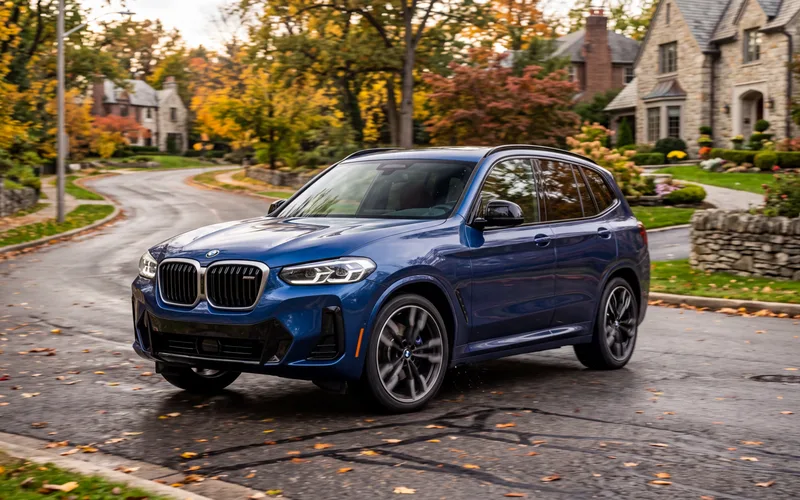 BMW X3Compact Luxury SUVBetter at: Driving dynamics
The most direct rival — same price, same class, sharper to drive and currently carrying incentives the redesigned Q5 does not.
Compare 2.69C+
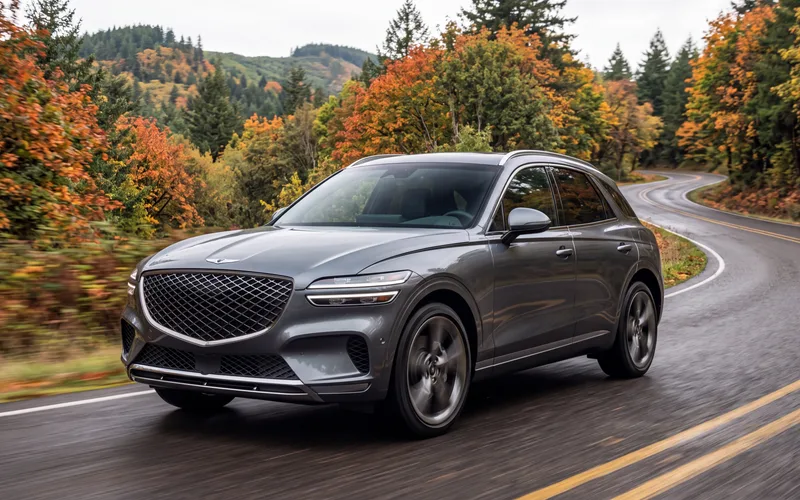 Genesis GV70Compact Luxury SUVBetter at: Value and warranty
Delivers comparable luxury and more standard equipment for thousands less, with a 10-year/100,000-mile powertrain warranty against Audi's 4-year/50,000.
Compare 2.63C+
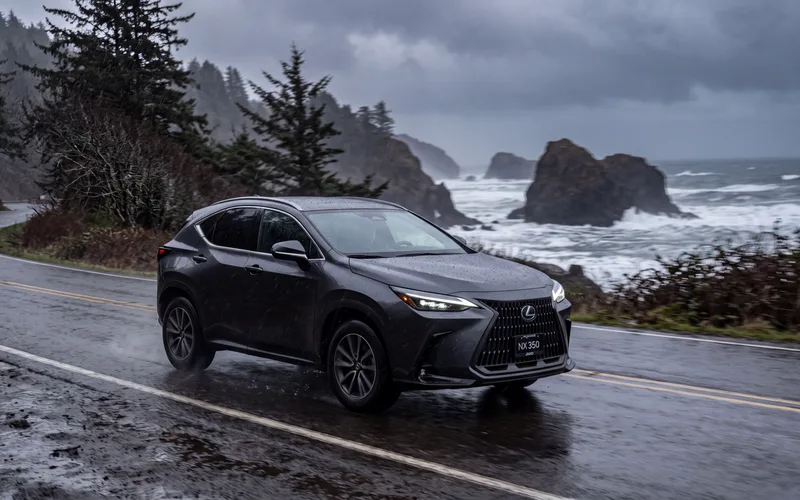 Lexus NXCompact Luxury SUVBetter at: Running costs
Hybrid economy near 39 MPG on regular fuel plus top-of-class reliability and resale, if the Q5's ~$2,413 annual fuel bill is the sticking point.
CompareHow it's evolved
10 scored model years · 2017–2026
Subject scores by year
Hover or tap a score to see what moved it versus the year before. A corner mark flags a big swing.
| Year | Performance | Efficiency | Safety | Space | Cost | Reliability | Tech | Use-case | Driving | Value |
|---|---|---|---|---|---|---|---|---|---|---|
| 2026 | 58 | 45 | 84 | 46 | 42 | 72 | 85 | 72 | 72 | 77 |
| 2025 | 55 | 45 | 82 | 46 | 33 | 54 | 83 | 64 | 68 | 72 |
| 2024 | 56 | 42 | 69 | 47 | 35 | 59 | 67 | 59 | 70 | 68 |
| 2023 | 55 | 49 | 76 | 47 | 41 | 55 | 69 | 59 | 66 | 71 |
| 2022 | 54 | 49 | 78 | 48 | 43 | 49 | 67 | 60 | 67 | 67 |
| 2021 | 54 | 49 | 75 | 47 | 43 | 48 | 66 | 59 | 62 | 74 |
| 2020 | 53 | 44 | 63 | 50 | 41 | 56 | 60 | 57 | 66 | 72 |
| 2019 | 51 | 44 | 61 | 50 | 42 | 50 | 61 | 57 | 67 | 73 |
| 2018 | 50 | 47 | 70 | 51 | 47 | 47 | 57 | 57 | 67 | 73 |
| 2017 | 49 | 36 | 47 | 46 | 46 | 50 | 34 | 55 | 69 | 63 |
Compare two years
Best fit & conditions
Higher scores mean a better fit for that use case. Learn more about use-case fit →
Subject profile
Academic Probation · NHTSA safety recalls
Dec 8, 2021Electrical system: body control module/bcm · Structure: bodyA liquid spill in the rear seat, or water ingress from an insufficient body seam underneath the vehicle may allow liquid to penetrate the gateway control module, causing it to shutdown.
Defect
Volkswagen Group of America, Inc. (Audi) is recalling certain 2021-2022 Q5 Sportback, SQ5 Sportback, 2018-2022 Q5, and SQ5 vehicles. A liquid spill in the rear seat, or water ingress from an insufficient body seam underneath the vehicle may allow liquid to penetrate the gateway control module, causing it to shutdown.
Risk
A gateway control module shutdown will suddenly reduce engine power, increasing the risk of a crash.
Remedy
Dealers will install a protective cover on the gateway control module and seal an underbody seam as necessary, free of charge. Owner notification letters were mailed January 21, 2022. Owners may contact Audi customer service at 1-800-253-2834. Audi's number for this recall is 90S9.
NHTSA campaign 21V947000 ↗Manufacturer no. 90S9288,991 vehicles potentially affected (all models in the campaign)Owners notified Jan 21, 2022Filed by Volkswagen Group of America, Inc.Filed as Q5, Q5 SPORTBACK, SQ5Oct 16, 2019Structure: bodyThe rear wheel arch cover trim may loosen and detach from the vehicle.
Defect
Volkswagen Group of America, Inc. (Audi) is recalling certain 2018-2019 Audi SQ5 and 2018-2020 Audi Q5 vehicles. The rear wheel arch cover trim may loosen and detach from the vehicle.
Risk
The detached trim may become a road hazard, increasing the risk of crash.
Remedy
Audi will notify owners, and dealers will replace the four clips securing the forward part of the rear wheel arch trim, free of charge. The recall began November 1, 2019. Owners may contact Audi customer service at 1-800-253-2834. Audi's number for this recall is 66K8.
NHTSA campaign 19V737000 ↗Manufacturer no. 66K8174,278 vehicles potentially affected (all models in the campaign)Owners notified Nov 1, 2019Filed by Volkswagen Group of America, Inc.Filed as Q5, SQ5Jun 5, 2019Wheels: hubThe wheel arch cover trim may loosen and detach.
Defect
Volkswagen Group of America, Inc. (Volkswagen) is recalling certain 2018-2019 Audi Q5 and SQ5 vehicles. The wheel arch cover trim may loosen and detach.
Risk
The detached trim may become a road hazard, increasing the risk of crash.
Remedy
Volkswagen will notify owners, and dealers will secure the wheel arch trim with an additional screw and nut, free of charge. The recall began July 26, 2019. Owners may contact Volkswagen customer at 1-800-253-2834. Volkswagen's number for this recall is 66K6.
NHTSA campaign 19V416000 ↗Manufacturer no. 66K6/66K7126,161 vehicles potentially affected (all models in the campaign)Owners notified Jul 26, 2019Filed by Volkswagen Group of America, Inc.Filed as Q5, SQ5Apr 8, 2019Service brakes, hydraulic: foundation components: master cylinderThe brake master cylinder casting may be too short.
Defect
Volkswagen Group of America, Inc. (Audi) is recalling certain 2018-2019 Audi Q5 and SQ5 vehicles. The brake master cylinder casting may be too short.
Risk
A short casting can cause a sudden loss of brakes, increasing the risk of crash. The electronic parking brake and its emergency brake function are not affected and will still function.
Remedy
Audi has notified owners, and dealers will inspect the brake master cylinder, replacing it as necessary, free of charge. The recall began May 3, 2019. Owners may contact Audi customer service at 1-800-253-2834. Audi's number for this recall is 47O9.
NHTSA campaign 19V277000 ↗Manufacturer no. 47O912,645 vehicles potentially affected (all models in the campaign)Owners notified May 3, 2019Filed by Volkswagen Group of America, Inc.Filed as Q5, SQ5Jun 1, 2018Service brakes, hydraulic: foundation components: disc: caliperThe brake caliper pistons on these vehicles may have insufficient coating, potentially reducing the brake performance.
Defect
Volkswagen Group of America, Inc. (Volkswagen) is recalling certain 2018 Volkswagen Atlas, Passat, Beetle, Beetle Convertible, Golf, Golf SportWagen and GTI and Audi Q5 and SQ5 vehicles. The brake caliper pistons on these vehicles may have insufficient coating, potentially reducing the brake performance.
Risk
A reduction of braking performance can increase the risk of a crash.
Remedy
Volkswagen and Audi will notify their owners. Audi dealers will bleed the rear brakes. Volkswagen dealers will bleed the front and rear brake calipers. Note: Owners are advised not to drive their vehicles until the brake system has been checked. The recall began June 29, 2018. Owners may contact Volkswagen customer service at 1-800-893-5298 and Audi customer service at 1-800-253-2834. Volkswagen's numbers for this recall are 47N8, 47N9, and 47N6.
NHTSA campaign 18V369000 ↗Manufacturer no. 47N8, 47N9, 47N610,225 vehicles potentially affected (all models in the campaign)Owners notified Jun 29, 2018Filed by Volkswagen Group of America, Inc.Filed as Q5, SQ5Dec 29, 2016Air bags: frontal: driver side: inflator module · Air bags: frontal: passenger side: inflator module · Air bags: side/window · Seat belts: pretensionerAdditionally, certain 2017 Audi Q7, A4 Sedan, A4 Allroad, and 2018 Audi Q5 vehicles are being recalled because the seat belt pretensioners may not activate properly.
Defect
Volkswagen Group of America, Inc. (Volkswagen) is recalling certain model year 2017 Audi A7, A4, A6, Volkswagen Golf and Tiguan vehicles and 2016 Volkswagen e-Golf vehicles for driver frontal air bags, passenger frontal air bags or head air bags that may not deploy properly. Additionally, certain 2017 Audi Q7, A4 Sedan, A4 Allroad, and 2018 Audi Q5 vehicles are being recalled because the seat belt pretensioners may not activate properly.
Risk
In the event of a crash, if the air bags and/or the seat belt pretensioners do not inflate or function properly, the vehicle occupants have an increased risk of injury.
Remedy
Volkswagen and Audi will notify owners, and dealers will replace the affected air bags and seat belt pretensioners, free of charge. The recall began April 2017. Owners may contact Volkswagen customer service at 1-800-893-5298 or Audi customer service at 1-800-253-2834.
NHTSA campaign 16V955000 ↗Manufacturer no. VW: 69P4; Audi 69P25,947 vehicles potentially affected (all models in the campaign)Owners notified Feb 28, 2017Filed by Volkswagen Group of America, Inc.Filed as Q5
21 recalls on other model years of the Q5 (2017, 2019–2025)
Apr 24, 2026Seat belts: pretensionerThe driver and front passenger seat belts may have been manufactured incorrectly, and fail to properly restrain occupants during a crash.
Defect
Volkswagen Group of America, Inc. (Audi) is recalling certain 2025 Q5, Q5 Sportback, SQ5, and SQ5 Sportback vehicles. The driver and front passenger seat belts may have been manufactured incorrectly, and fail to properly restrain occupants during a crash.
Risk
Improperly restrained occupants have an increased risk of injury during a crash.
Remedy
Dealers will replace the driver and front passenger seat belts as necessary, free of charge. Owner notification letters were mailed May 29, 2026. Owners may contact Audi's customer service at 1-800-253-2834. Audi's number for this recall is 69GT.
NHTSA campaign 26V266000 ↗Manufacturer no. 69GT7,425 vehicles potentially affected (all models in the campaign)Owners notified May 29, 2026Filed by Volkswagen Group of America, Inc.Filed as Q5, Q5 SPORTBACK, SQ5, SQ5 SPORTBACKMay 7, 2025EngineThe cylinder head cover screws may have been improperly tightened.
Defect
Volkswagen Group of America, Inc. (Audi) is recalling certain 2022-2024 Q5 Quattro and Q5 Sportback Quattro vehicles. The cylinder head cover screws may have been improperly tightened.
Risk
The screws can loosen, allowing oil to leak and increasing the risk of a fire.
Remedy
Dealers will inspect and replace the screws as necessary, free of charge. Owner notification letters were mailed June 5, 2025. Owners may contact Audi customer service at 1-800-253-2834. Audi's number for this recall is 15ZK.
NHTSA campaign 25V294000 ↗Manufacturer no. 15ZK89,417 vehicles potentially affected (all models in the campaign)Owners notified Jun 4, 2025Filed by Volkswagen Group of America, Inc.Filed as Q5, Q5 SPORTBACKFeb 12, 2025Electrical system: propulsion system: traction batteryThe high-voltage battery may overheat.
Defect
Volkswagen Group of America, Inc. (Volkswagen) is recalling certain 2021-2024 Audi Q5, and 2022 A7 E Hybrid Electric PHEV vehicles. The high-voltage battery may overheat.
Risk
A high-voltage battery that overheats increases the risk of a fire.
Remedy
Dealers will install advanced diagnostic software , free of charge. Volkswagen will monitor available online vehicle data and contact owners as necessary, to advise them not to charge the vehicle until the battery can be replaced. For vehicles in which online data is unavailable, owners are advised not to charge their batteries until the final remedy becomes available. Repairs will be performed free of charge. This will be a Phased recall. Phase 1 will include Interim letters 2022-2023 model year vehicles. Phase 2 will include Owner letters 2021-2024 model year vehicles, and Phase 3 will include Interim letters 2022-2023 model year vehicles. Interim owner notification letters informing owners of the safety risk were mailed February 28, 2025, and May 7, 2025. A second notice will be sent once the final remedy is available. Owner notification letters were mailed May 1, 2025. Owners may contact Audi customer service at 1-800-253-2834. Volkswagen's number for this recall is 93AA. This recall expands and replaces previous NHTSA recall number 24V898.
NHTSA campaign 25V080000 ↗Manufacturer no. 93AA20,201 vehicles potentially affected (all models in the campaign)Owners notified May 1, 2025Filed by Volkswagen Group of America, Inc.Filed as Q5Nov 27, 2024Electrical system: propulsion system: traction batteryThe high-voltage battery may overheat.
Defect
Volkswagen Group of America, Inc. (Volkswagen) is recalling certain 2022-2023 Audi Q5 PHEV and 2022 Audi A7 PHEV vehicles. The high-voltage battery may overheat.
Risk
A high-voltage battery that overheats increases the risk of a fire.
Remedy
Dealers will install advanced diagnostic software as the final remedy, anticipated to be available in the second quarter of 2025. Volkswagen will monitor available online vehicle data and contact owners as necessary, to advise them not to charge the vehicle until the battery can be replaced. For vehicles in which online data is unavailable, owners are advised not to charge their batteries until the final remedy becomes available. Repairs will be performed free of charge. Owner notification letters were mailed May 1, 2025. Owners may contact Volkswagen Audi customer service at 1-800-253-2834. Volkswagen's number for this recall is 93AA. This recall has been replaced by NHTSA recall number 25V080.
NHTSA campaign 24V898000 ↗Manufacturer no. 93AA4,616 vehicles potentially affected (all models in the campaign)Owners notified May 1, 2025Filed by Volkswagen Group of America, Inc.Filed as Q5Apr 3, 2024Air bags: sensor: occupant classification: front passengerAn electrical connection in the front passenger seat for the occupant detection system (ODS) control module may loosen and deactivate the front passenger air bag.
Defect
Volkswagen Group of America, Inc. (Volkswagen) is recalling certain 2023 Audi S5 Cabriolet, A4 Allroad, Q5 Sportback, A3 Sedan, S5 Sportback, SQ7, TT Coupe, TT Roadster, RS5 Sportback, 2024 A8, E-Tron Quattro, E-Tron Sportback Quattro, Q8, RSQ8, 2023-2024 Q3, Q5, and Q7 vehicles. An electrical connection in the front passenger seat for the occupant detection system (ODS) control module may loosen and deactivate the front passenger air bag.
Risk
A deactivated front passenger air bag will not deploy during a crash, increasing the risk of injury.
Remedy
Dealers will replace the passenger seat occupant detection system control module, free of charge. Owner notification letters were mailed on May 8, 2024. Owners may contact Audi customer service at 1-800-253-2834. Volkswagen's number for this recall is 69GU.
NHTSA campaign 24V251000 ↗Manufacturer no. 69GU91 vehicles potentially affected (all models in the campaign)Owners notified May 8, 2024Filed by Volkswagen Group of America, Inc.Filed as Q5Dec 13, 2023Electrical system: propulsion system: charging: cable/cord: onboardWhen using the industrial 220V/240V plug at the 100% charge setting, some home power outlets may be incapable of handling the electrical current required to utilize the compact charging system, causing the outlet or charging cable to overheat.
Defect
Volkswagen Group of America, Inc. (Audi) is recalling certain 2022-2024 RS e-tron GT, e-tron GT, Q4 e-tron Sportback, Q4 e-tron, 2020-2021 Audi A8, 2019-2024 e-tron Quattro, 2020-2024 e-tron Sportback Quattro, Q5, and 2021-2022 A7 vehicles. When using the industrial 220V/240V plug at the 100% charge setting, some home power outlets may be incapable of handling the electrical current required to utilize the compact charging system, causing the outlet or charging cable to overheat.
Risk
An overheated outlet or charging cable can increase the risk of a fire.
Remedy
Owners are advised not to use the 220V/240V compact/portable charging cable and only use the 110V home charging cable or public charging stations. Dealers will supply a new 220V/240V compact/portable charging cable with an incorporated temperature sensor, free of charge. Owner notification letters were mailed on March 28, 2024. Owners may contact Audi customer service at 1-800-253-2834. Audi's numbers for this recall are 93U6 and 93U8.
NHTSA campaign 23V842000 ↗Manufacturer no. 93U6/93U893,196 vehicles potentially affected (all models in the campaign)Owners notified Mar 28, 2024Filed by Volkswagen Group of America, Inc.Filed as Q5Oct 7, 2022Engine and engine cooling: engine: hard parts internal/mechanicalThe engine connecting rod bearings may become damaged, which can result in engine failure.
Defect
Volkswagen Group of America, Inc. (Volkswagen) is recalling certain 2021-2023 Audi Q5 Sportback, Q5, 2022-2023 Volkswagen Atlas FL, and Atlas Cross Sport vehicles. The engine connecting rod bearings may become damaged, which can result in engine failure.
Risk
A damaged engine can result in engine failure and a stall, increasing the risk of a crash. If the engine failure causes an oil leak, it can increase the risk of a fire.
Remedy
Dealers will inspect and, if necessary, replace an affected engine, free of charge. Owner notification letters are expected to be mailed December 6, 2022. Owners may contact Volkswagen's customer service at 1-800-893-5298 and Audi's customer service at 1-800-253-2834. Volkswagen's numbers for this recall are 13i4 (VW) and 13i5 (Audi).
NHTSA campaign 22V753000 ↗Manufacturer no. VW: 13i4, Audi: 13i576,515 vehicles potentially affected (all models in the campaign)Owners notified Nov 8, 2022Filed by Volkswagen Group of America, Inc.Filed as Q5, Q5 SPORTBACKOct 5, 2022Back over prevention: display functionDue to a software issue, a blank or black screen may be displayed instead of the rearview camera image when the vehicle is placed in reverse gear. As such, these vehicles fail to comply with the requirements of Federal Motor Vehicle Safety Standard number 111, "Rear Visibility."
Defect
Volkswagen Group of America, Inc. (Volkswagen) is recalling certain 2021 Audi A8, RS7, RS6 Avant, RS5 Sportback, RS5 Coupe, Q8, Q7, Q5 Sportback, S4 Sedan, Q5, A7, A6, A6 Allroad, A5 Sportback, A5 Coupe, A5 Cabrioleet, A4 Sedan, A4 Allroad, E-Tron Sportback Quattro, SQ7, S5 Cabriolet, E-Tron Quattro, SQ8, SQ5 Sportback, SQ5, S8, S7, S6 Sedan, S5 Sportback, S5 Coupe, 2022 E-Tron GT, and 2021-2022 RSQ8 vehicles. Due to a software issue, a blank or black screen may be displayed instead of the rearview camera image when the vehicle is placed in reverse gear. As such, these vehicles fail to comply with the requirements of Federal Motor Vehicle Safety Standard number 111, "Rear Visibility."
Risk
A blank rearview camera display can reduce the driver's rear visibility, increasing the risk of a crash.
Remedy
Dealers will update the infotainment unit software, free of charge. Owner notification letters were mailed October 25, 2022. Owners may contact Audi's customer service at 1-800-253-2834. Volkswagen's number for this recall is 91DZ.
NHTSA campaign 22V742000 ↗Manufacturer no. 91DZ170,296 vehicles potentially affected (all models in the campaign)Owners notified Oct 25, 2022Filed by Volkswagen Group of America, Inc.Filed as Q5, SQ5Aug 3, 2022Structure: body: tailgateVolkswagen Group of America, Inc. (Audi) is recalling one 2022 Audi SQ5 Sportback vehicle. The connections that join the metal sheets to form the rear lid may have been improperly connected.
Defect
Volkswagen Group of America, Inc. (Audi) is recalling one 2022 Audi SQ5 Sportback vehicle. The connections that join the metal sheets to form the rear lid may have been improperly connected.
Risk
An improperly connected rear lid may decrease the structural protection of the vehicle during a crash, increasing the risk of injury.
Remedy
A dealer will replace the rear lid, free of charge. The owner notification letter is expected to be mailed September 30, 2022. Owners may contact Audi's customer service at 1-800-253-2834. Audi's number for this recall is 55M6.
NHTSA campaign 22V567000 ↗Manufacturer no. 55M61 vehicles potentially affected (all models in the campaign)Owners notified Sep 28, 2022Filed by Volkswagen Group of America, Inc.Filed as SQ5May 23, 2022Engine and engine cooling: engine: engine control module (ecu/ecm)The semiconductor inside the engine control unit may short-circuit and cause an engine stall.
Defect
Volkswagen Group of America, Inc. (Audi) is recalling certain 2022 Audi A6 Sedan, A4 Sedan, Q5, and Q5 Sportback vehicles. The semiconductor inside the engine control unit may short-circuit and cause an engine stall.
Risk
An engine stall can increase the risk of a crash.
Remedy
Dealers will replace the engine control unit, free of charge. Owner notification letters were mailed July 18, 2022. Owners may contact Audi customer service at 1-800-253-2834. Audi's number for this recall is 24iH.
NHTSA campaign 22V368000 ↗Manufacturer no. 24iH72 vehicles potentially affected (all models in the campaign)Owners notified Jul 18, 2022Filed by Volkswagen Group of America, Inc.Filed as Q5 SPORTBACKJan 26, 2022Suspension: rear: axle: non-powered axle assembly · TiresThe rear axle alignment may not have been inspected after the repairs for Recall 21V-295 (42L1) were performed.
Defect
Volkswagen Group of America, Inc. (Audi) is recalling certain 2019-2021 Audi A5 Sportback, RS5 Coupe, RS5 Sportback, S5 Sportback, 2020-2021 A4 Allroad, A4 Sedan, A5 Cabriolet, A5 Coupe, A6 Allroad, A6 Sedan, A7, A8, Q5, S4 Sedan, S5 Coupe, S5 Cabriolet, S6 Sedan, S7, S8, SQ5, 2021 Q5 Sportback, Q7, Q8, RS6 Avant, RS7, RSQ8, SQ5 Sportback, SQ7, and SQ8 vehicles. The rear axle alignment may not have been inspected after the repairs for Recall 21V-295 (42L1) were performed.
Risk
Rear axle misalignment may cause premature or uneven tire wear, increasing the risk of a crash.
Remedy
Dealers will inspect the rear axle, adjust the alignment as necessary, and replace any prematurely or unevenly worn tires, free of charge. Owner notification letters were mailed March 3, 2022. Owners may contact Audi customer service at 1-800-253-2834. Audi's number for this recall is 42L5.
NHTSA campaign 22V034000 ↗Manufacturer no. 42L531,058 vehicles potentially affected (all models in the campaign)Owners notified Mar 3, 2022Filed by Volkswagen Group of America, Inc.Filed as Q5, SQ5Oct 20, 2021Back over prevention: sensing system: cameraA software error may prevent the rear-view image from initially displaying when the vehicle begins to reverse. As such, these vehicles fail to comply with the requirements of Federal Motor Vehicle Safety Standard number 111, "Rear Visibility."
Defect
Volkswagen Group of America, Inc. (Audi) is recalling certain 2021 Audi A8 and S8, 2022 Audi A5 Sportback, A4 Sedan, E-Tron GT, Q3, Q5, RS6 Avant, A3 Sedan, S5 Sportback, Q5 Sportback, Q7, Q8, RSQ8, SQ7, SQ8, and S3 Sedan vehicles. A software error may prevent the rear-view image from initially displaying when the vehicle begins to reverse. As such, these vehicles fail to comply with the requirements of Federal Motor Vehicle Safety Standard number 111, "Rear Visibility."
Risk
A rear-view camera that does not display an image reduces the driver's rear view, increasing the risk of a crash.
Remedy
Dealers will update the infotainment unit parameters, free of charge. Owner notification letters were mailed November 9, 2021. Owners may contact Audi customer service at 1-800-253-2834. Audi's number for this recall is 91CR.
NHTSA campaign 21V825000 ↗Manufacturer no. 91CR2,857 vehicles potentially affected (all models in the campaign)Owners notified Nov 9, 2021Filed by Volkswagen Group of America, Inc.Filed as Q5 SPORTBACKAug 5, 2021Seat belts · Seat belts: rear/other: retractorThe rear seat belt automatic locking retractors may deactivate early, which can prevent the child restraint system from securing properly. As such, these vehicles fail to comply with the requirements of Federal Motor Vehicle Safety Standard number 208, "Occupant Crash Protection."
Defect
Volkswagen Group of America, Inc. (Volkswagen) is recalling certain 2021 Volkswagen ID4, Audi A4 Allroad, A4 Sedan, A5 Cabriolet, A5 Coupe, A5 Sportback, A6 Allroad, A6 Sedan, A7, A8, E-Tron Quattro, E-Tron Sportback Quattro, Q3, Q5, Q5 Sportback, Q7, Q8, RS5 Sportback, RS5 Coupe, RS6 Avant, RS7, RSQ8, S4 Sedan, S5 Cabriolet, S5 Coupe, S5 Sportback, S6 Sedan, S7, S8, SQ5, SQ5 Sportback, SQ7, SQ8, and 2021-2022 S3 Sedan vehicles. The rear seat belt automatic locking retractors may deactivate early, which can prevent the child restraint system from securing properly. As such, these vehicles fail to comply with the requirements of Federal Motor Vehicle Safety Standard number 208, "Occupant Crash Protection."
Risk
An unsecured child restraint system can increase the risk of injury during a crash.
Remedy
Dealers will inspect, and replace as necessary, the middle-rear seat belt assemblies, free of charge. Owner notification letters were mailed August 27, 2021. Owners may contact Volkswagen customer service at 1-800-893-5298 and Audi customer service at 1-800-253-2834. Volkswagen's numbers for this recall are 69CR (VW) and 69CS (Audi).
NHTSA campaign 21V606000 ↗Manufacturer no. 69CR, 69CS45,496 vehicles potentially affected (all models in the campaign)Owners notified Aug 27, 2021Filed by Volkswagen Group of America, Inc.Filed as Q5, SQ5Apr 26, 2021Suspension: rear: axle: non-powered axle assemblyThe lock nut on the trailing arm of the rear axle may break due to stress corrosion.
Defect
Volkswagen Group of America, Inc. (Audi) is recalling certain 2021 Q7, Q8, Q5 Sportback, SQ5 Sportback, RS6 Avant, RS7, RS Q8, 2020-2021 Audi S6 sedan, Q5, A8, S8, A7, A6 Allroad, A5 Cabriolet, A4 sedan, A4 Allroad, SQ5, S7, A6 sedan, S5 coupe, S4 sedan, S5 Cabriolet, A5 coupe, 2019-2021 RS5 coupe, A5 Sportback, S5 Sportback, RS5 Sportback vehicles. The lock nut on the trailing arm of the rear axle may break due to stress corrosion.
Risk
A broken lock nut may misalign the rear axle, causing a loss of control and increasing the risk of a crash.
Remedy
Dealers will replace the lock nuts and, if necessary, the associated bolts, free of charge. Owner notification letters were mailed June 4, 2021. Owners may contact Audi customer service at 1-800-253-2834. Audi's number for this recall is 42L1.
NHTSA campaign 21V295000 ↗Manufacturer no. 42L140,993 vehicles potentially affected (all models in the campaign)Owners notified Jun 4, 2021Filed by Volkswagen Group of America, Inc.Filed as Q5, SQ5Aug 26, 2020SeatsParts of the front seat frame and backrest adjuster may not have been welded properly.
Defect
Volkswagen Group of America, Inc. (Volkswagen ) is recalling certain 2020 Volkswagen Atlas Cross Sport, Jetta, Jetta GLI and Tiguan and Audi Q5 and SQ5 and 2021 Volkswagen Atlas vehicles. Parts of the front seat frame and backrest adjuster may not have been welded properly.
Risk
In the event of a rear-end crash, the backrest adjustment could break, possibly reducing the amount of occupant restraint, thus increasing risk of injury.
Remedy
Volkswagen will notify owners, and dealers will inspect the front seats, and, as necessary, replace the seatback frames, free of charge. The recall began September 11, 2020. Volkswagen owners may contact their customer service at 1-888-241-2289. Audi owners may contact their customer service at 1-800-893-5298. Volkswagen's numbers for this recall are 72L1, 72K8, and 72K9.
NHTSA campaign 20V505000 ↗Manufacturer no. 72L1, 72K8, 72K95,376 vehicles potentially affected (all models in the campaign)Owners notified Sep 11, 2020Filed by Volkswagen Group of America, Inc.Filed as Q5, SQ5Jun 19, 2019Air bags: frontal: passenger side: inflator module · Electrical system: instrument cluster/panelIn the event of a crash deploying the passenger's frontal air bag, the instrument panel carrier may break due to incorrect welding. If the carrier breaks, there may be damage to the passenger frontal air bag.
Defect
Volkswagen Group of America, Inc. (Volkswagen) is recalling certain 2019 Audi Q5 and SQ5 vehicles. In the event of a crash deploying the passenger's frontal air bag, the instrument panel carrier may break due to incorrect welding. If the carrier breaks, there may be damage to the passenger frontal air bag.
Risk
A damaged frontal air bag may not provide adequate protection, increasing the risk of an injury.
Remedy
Audi will notify owners, and dealers will replace the instrument panel and the passenger frontal air bag, free of charge. The recall began August 16, 2019. Owners may contact Volkswagen customer service at 1-800-253-2834. Volkswagen's number for this recall is 90N1.
NHTSA campaign 19V473000 ↗Manufacturer no. 90N128 vehicles potentially affected (all models in the campaign)Owners notified Aug 16, 2019Filed by Volkswagen Group of America, Inc.Filed as Q5, SQ5Apr 11, 2018Engine and engine cooling: cooling systemThese vehicles, equipped with 2.0l Turbo FSI engines, have an electric coolant pump that can either become blocked with debris from the cooling system causing it to overheat or can short-circuit from moisture within the pump.
Defect
Volkswagen Group of America, Inc. (Volkswagen) is recalling certain 2013-2017 Audi A5 Cabriolet, A5 Sedan and Audi Q5 vehicles, 2012-2015 Audi A6 vehicles and 2013-2016 Audi A4 Sedan and A4 allroad vehicles. These vehicles, equipped with 2.0l Turbo FSI engines, have an electric coolant pump that can either become blocked with debris from the cooling system causing it to overheat or can short-circuit from moisture within the pump.
Risk
A blocked pump or a short-circuited pump can increase the risk of a fire.
Remedy
Audi will notify owners, and dealers will replace the pumps, free of charge. The recall began September 14, 2018. Owners may contact Audi customer service at 1-800-253-2834. Audi's number's for this recall is 19N3/19N4. Note: This recall is in additional to the coolant pump software update applied as a remedy under recall 17V002.
NHTSA campaign 18V229000 ↗Manufacturer no. 19N3/19N4342,867 vehicles potentially affected (all models in the campaign)Owners notified Sep 14, 2018Filed by Volkswagen Group of America, Inc.Filed as Q5May 3, 2017Fuel system, gasoline: delivery: fuel pumpThese gasoline-powered vehicles have a fuel pump flange that may crack, allowing fuel to leak.
Defect
Volkswagen Group of America, Inc. (Volkswagen) is recalling certain model year 2013-2017 Audi Q5 and 2013-2017 Audi Q7 vehicles. These gasoline-powered vehicles have a fuel pump flange that may crack, allowing fuel to leak.
Risk
A fuel leak in the presence of an ignition source increases the risk of a fire.
Remedy
Audi will notify owners, and dealers will replace the fuel pump flange if cracks are present. Flanges that do not have cracks will have a protective film applied. These repairs will be performed free of charge. The recall began July 3, 2017. Owners may contact Audi customer service at 1-800-253-2834. Volkswagen's number for this recall is 20Z8. Note: This recall is an expansion of recall 16V-660.
NHTSA campaign 17V298000 ↗Manufacturer no. 20Z8240,487 vehicles potentially affected (all models in the campaign)Owners notified Jul 3, 2017Filed by Volkswagen Group of America, Inc.Filed as Q5May 3, 2017Power train: automatic transmission: gear position indication (prndl)Due to a manufacturing defect within the gearbox, despite selecting the Park position, the vehicle may still unexpectedly roll.
Defect
Volkswagen Group of America, Inc. (Volkswagen) is recalling certain 2017 Audi Q5 vehicles. Due to a manufacturing defect within the gearbox, despite selecting the Park position, the vehicle may still unexpectedly roll.
Risk
Despite selecting 'Park', if the parking brake is not applied, the vehicle may rollaway, increasing the risk of a crash.
Remedy
Audi will notify owners, and dealers will replace the geabox in the affected vehicles, free of charge. The recall began May 15, 2017. Owners may contact Audi customer service at 1-800-253-2834. Volkswagen's number for this recall is 37K6.
NHTSA campaign 17V297000 ↗Manufacturer no. 37K65 vehicles potentially affected (all models in the campaign)Owners notified May 15, 2017Filed by Volkswagen Group of America, Inc.Filed as Q5Jan 3, 2017Engine and engine cooling: cooling systemThese vehicles, equipped with 2.0l Turbo FSI engines, have an electric coolant pump that can be blocked with debris from the cooling system, resulting in the pump overheating.
Defect
Volkswagen Group of America, Inc. (Volkswagen) is recalling certain 2013-2017 Audi A5, A5 Cabriolet and Q5 vehicles, 2013-2016 Audi Allroad and Audi A4 vehicles and 2012-2015 Audi A6 vehicles. These vehicles, equipped with 2.0l Turbo FSI engines, have an electric coolant pump that can be blocked with debris from the cooling system, resulting in the pump overheating.
Risk
If the coolant pump overheats, it can increase the risk of a fire.
Remedy
Audi will notify owners, and dealers will update the software so that the power supply to the coolant pump is deactivated if the pump becomes blocked with debris, free of charge. The recall is expected to begin February 20, 2017. Owners may contact Audi customer service at 1-800-253-2834. Volkswagen's number for this recall is 19M1.
NHTSA campaign 17V002000 ↗Manufacturer no. 19M1342,867 vehicles potentially affected (all models in the campaign)Owners notified Mar 3, 2017Filed by Volkswagen Group of America, Inc.Filed as Q5Jan 3, 2017Air bags: side/window · Visibility: sun/moon roof assemblyThe sunroof drainage system may allow water to soak into the foam surrounding the side head air bag inflator canister resulting in the corrosion of the canister. If this happens, the corrosion can weaken the canister and the inflator could fracture without air bag deployment, propelling fragments into the passenger compartment, striking and causing serious injury to vehicle occupants.
Defect
Volkswagen Group of America, Inc. (Volkswagen) is recalling certain 2011-2017 Audi Q5 vehicles. The sunroof drainage system may allow water to soak into the foam surrounding the side head air bag inflator canister resulting in the corrosion of the canister. If this happens, the corrosion can weaken the canister and the inflator could fracture without air bag deployment, propelling fragments into the passenger compartment, striking and causing serious injury to vehicle occupants.
Risk
An inflator rupture may result in metal fragments striking the driver or other occupants resulting in serious injury or death.
Remedy
Audi will notify owners, and dealers will inspect the inflator and either coat it or replace it, as necessary, after removing the surrounding foam, free of charge. The recall is expected to began March 2017. Owners may contact Audi customer service at 1-800-253-2834. Volkswagen's number for this recall is 69P1.
NHTSA campaign 17V001000 ↗Manufacturer no. 69P1234,057 vehicles potentially affected (all models in the campaign)Owners notified Mar 3, 2017Filed by Volkswagen Group of America, Inc.Filed as Q5
Source: NHTSA Office of Defects Investigation recall database, model years 2017–2026. Recalls are listed by model year as the manufacturer filed them; whether a specific car is affected depends on its VIN — check a VIN at nhtsa.gov ↗. NHTSA model names matched to this page: Q5, Q5 SPORTBACK, SQ5, SQ5 SPORTBACK.
Detailed scoring by subject
1Performance & PowertrainGrades below the middle of the scale.1.31D
2018 is the first US model year of the second-generation (Typ FY) Q5, which went on sale in spring 2017, and the redesign brings the higher-output EA888 2.0T: 252 hp against the 220 hp the outgoing 8R carried through 2017.
The second-generation car's 2.0T adds 15 lb-ft over the 2017 engine and holds peak torque from 1,600 rpm, which is what makes a 4,000-lb crossover feel brisk in town on a four-cylinder.
5.9 seconds is the widely reproduced figure for the 252-hp 2.0T with the seven-speed dual-clutch — nearly a second quicker than the 2017 car and quicker than the contemporary BMW X3 xDrive30i and Mercedes GLC 300.
The revised 2.0T is quiet, strong from 1,600 rpm and well isolated — a clear step on from the 2017 car — but it is still a four-cylinder that goes flat-sounding when extended, and reviewers consistently note a beat of hesitation off the line before boost and the dual-clutch agree with each other.
The seven-speed S tronic dual-clutch that replaces the 8R's torque-converter Tiptronic shifts faster and holds ratios more intelligently at speed, but it inherits the classic dual-clutch weakness at walking pace — hesitation then surge in parking manoeuvres — which is a real day-to-day demerit against the smooth conventional automatics in the X3 and GLC.
Unchanged from the previous generation at 4,400 lbs properly equipped — mid-pack for a compact luxury SUV, enough for a small camper or a pair of watercraft, and dependent on ordering the tow package on an upper trim.
Every US 2018 Q5 is quattro — there is no front-drive version at any price — and drive select includes an offroad mode. It sits just below the 2017 car's mechanical Torsen setup because quattro ultra is a clutch-disconnect system that runs front-drive when it can, and there is still no low range or locking differential.
8.2 inches of clearance, standard all-wheel drive and an offroad setting in Audi drive select cover snow, gravel and a rutted driveway, but the 2018 range has no off-road trim, no skid plating, no locker and no low range, and it rides on street tyres.
The redesign narrowed the range to a single engine: for 2018 every US Q5 is the 252-hp 2.0T with the seven-speed dual-clutch and quattro. The 3.0T V6 that sat above it in 2017 is gone, the diesel never returned after the emissions scandal, and the plug-in hybrid is still three model years away — the performance V6 now lives only in the separately badged SQ5.
2Efficiency & RangeOne of the Q5's weakest categories.1.17D
The second-generation car gains three combined MPG over the 2017 Q5 despite making 32 more horsepower — the payoff from the lighter MLB Evo platform, the quattro ultra system that disconnects the rear axle when cruising, and the dual-clutch's taller ratios.
23 MPG city is a three-point gain on the outgoing car and good for an all-wheel-drive luxury crossover with no electrified assist, helped by stop/start and the rear-axle disconnect.
27 MPG highway is unchanged from the 2017 car — the redesign's efficiency gains landed in city driving rather than at a steady cruise — and it is only mid-pack against gas compact SUVs.
The tank shrinks by about a gallon against the 8R but the three-MPG economy gain more than covers it, so the second-generation Q5 goes roughly 25 miles further between stops — a genuinely useful road-trip figure for the class.
Better than the 2017 car's $3,450 but still poor in absolute terms: 25 MPG combined is respectable, and the damage is done by the premium-grade requirement, which adds roughly 40–60 cents a gallon over a regular-fuel SUV returning the same economy.
Premium is the specified grade, not a suggestion — the EPA rates the Q5 on premium gasoline and the 2.0T's compression and boost are calibrated for it — so the grade penalty is paid on roughly 16 fills a year and lands this in the costly-fuel band rather than the mid one.
3SafetyOne of the Q5's strongest categories.2.72B-
The second-generation (Typ FY) Q5 was NCAP-tested for the 2018 model year and earned the maximum overall rating, with four stars only in the rollover resistance evaluation typical of a raised SUV.
Good in all six IIHS crashworthiness tests — including both driver- and passenger-side small overlap — plus Superior front crash prevention, which earned 2018 Top Safety Pick. Marginal-to-Poor headlights across every variation kept it off the TSP+ list.
Audi pre sense city (AEB with pedestrian detection to 52 mph) was standard on every 2018 Q5 including the base Premium, but that is where the standard content stops: blind-spot monitoring and rear cross-traffic alert required stepping up to Premium Plus, and adaptive cruise plus active lane assist were locked behind the $1,800 Driver Assistance Package that only became orderable partway into the model year.
IIHS rated the Q5's front crash prevention Superior in vehicle-to-vehicle testing, and the standard-fit pre sense city system earned that rating rather than an optional upgrade. IIHS had not yet begun vehicle-to-pedestrian testing for the 2018 model year, so there is no verified daytime or nighttime pedestrian result to credit.
Audi side assist, rear cross-traffic alert and rear-collision/exit warnings were available and bundled as standard from Premium Plus upward, which covers most of the volume mix — but the coverage is alert-only with no braking intervention, and the base Premium goes without.
Active lane assist provided steering correction and, combined with adaptive cruise, a low-speed Traffic Jam Assist that would follow the lane in stop-and-go traffic — capable for 2018 but an optional-package item that nudged rather than held a confident center on open highway.
The MLB Evo Q5 offered full-speed-range adaptive cruise with stop-and-go and Traffic Jam Assist, a refined and well-reviewed system for its era with smooth spacing control. The score is held back because it is a paid package rather than fitted equipment, and the assist function is limited to low-speed congested traffic.
No hands-free highway system was offered on the 2018 Q5 in any trim or package; Audi's Traffic Jam Assist is a hands-on Level 2 function requiring continuous steering-wheel contact.
IIHS rated all six headlight variations offered on the 2018 Q5 either Marginal or Poor — the base xenon setup was Poor and even the LED configurations only reached Marginal. This was the single failing that kept an otherwise all-Good car off the TSP+ list, and high-beam assist was an extra-cost item.
Reviewers consistently praised the second-generation Q5's sightlines — slim windshield pillars, door-mounted mirrors that open up the forward quarter, large side glass and a rear window clear enough not to require the camera. A 360-degree camera and parking sensors were available to cover the remaining gaps.
IIHS awarded the Q5 a Good LATCH ease-of-use rating — the top grade and uncommon in this segment — with two full sets of easily reached lower anchors and three tethers. Wide rear door openings and a 40/20/40 sliding rear bench make seat installation straightforward, though the compact cabin makes three seats abreast a squeeze.
4Space & ComfortGrades below the middle of the scale.1.40D
The all-new second-generation (Typ FY) Q5 that launched for 2018 is a strictly two-row, five-seat compact SUV; no third row or six-seat configuration was offered, and there was no Sportback body until the 2021 facelift.
Audi published 41.7 in of front headroom for the launch-year second-generation car — generous for a compact SUV, and about an inch and a half of it goes back to the panoramic roof fitted to the volume Premium Plus. Audi re-based this published measurement with the 2021 refresh (39.6 in), so any later year-over-year change is a reporting change rather than a packaging one.
41.0 inches of front legroom is unchanged from the outgoing 8R and from every other trim in the 2018 range, and it sits near the floor of the SUV normalization band — adequate for a tall driver, but this is a genuinely compact vehicle on a 111.0-inch wheelbase.
The upright pre-facelift greenhouse gives 39.3 in of second-row headroom, near the top of the compact-SUV range; the panoramic roof standard on Premium Plus and Prestige trims it to 37.7 in.
37.8 inches is competitive on paper and the sliding, reclining rear bench lets passengers claim more of it; Consumer Reports found the redesigned car's back seat 'surprisingly roomy for this class', which is a step on from the cramped 8R it replaced.
There is no third row in any 2018 Q5 — the nameplate has been a two-row, five-seat crossover for its entire life, and Audi pushed US buyers needing seven seats to the Q7.
Roughly 26 to 27 cubic feet behind the rear seats sits at the very floor of the SUV normalization band on either measurement basis — smaller than a mainstream compact SUV and this car's most concrete practicality limit, though sliding the bench forward recovers some depth. Two figures circulate for this generation: Audi's own 26.8 cu ft (carried by US News and iSeeCars) and the 25.1 cu ft SAE figure Cars.com and Edmunds publish.
Even taking Audi's own 60.4 cu ft, a seats-down Q5 holds meaningfully less than a CR-V or RAV4 and sits near the bottom of the SUV band; on the SAE basis it falls below the band floor entirely. Audi moved to a lower published basis with the 2021 refresh (54.0 cu ft), so the drop across the generation is largely a reporting change.
Conventional luxury-crossover storage: a modest covered console, decent door bins, a tray ahead of the shifter and a sliding/reclining 40/20/40 rear bench — but no underfloor bin, no household outlet, and wireless charging exists only as the Audi phone box inside an option package rather than as a designed-in feature.
The launch-year car's front seats drew consistent praise — firm, supportive and widely power-adjustable on eight-way standard chairs — and Consumer Reports found the rear bench unusually roomy for the class; the demerits are that heated fronts are an extra on the base Premium and the low rear cushion is short on thigh support for tall adults.
On the standard five-link suspension with 18- or 19-inch wheels the redesigned Q5 absorbs broken pavement well while staying tightly controlled — Consumer Reports called the ride absorbent despite a firm setup — and only the S line sport suspension and 20-inch Prestige wheels make it busy around town.
Isolation is the clearest comfort strength of the launch-year car: Consumer Reports ranked it highly for cabin tranquility with an impressively quiet engine, and Prestige adds acoustic side glass. Coarse-pavement road roar on the larger wheel packages is the only real intrusion.
Tri-zone automatic climate control and leather are standard from the base Premium, which is generous, but 2018 puts more of the comfort content behind money than later years did: heated front seats are a stand-alone option on Premium (standard from Premium Plus), ventilated sport seats and the heated rear seats/heated steering wheel are Premium Plus options, and no 2018 Q5 offers remote engine start or app pre-conditioning.
5Cost of OwnershipThe Q5's lowest-graded category.1.10D
The all-new second-generation (Typ FY) Q5 opened at $41,500 for the 2.0T Premium quattro, plus Audi's $975 destination charge for 2018, so the real entry price is $42,475. Quattro all-wheel drive is standard at that figure, where the contemporary BMW X3 sDrive30i and Mercedes GLC 300 both started as rear-drive cars.
Premium Plus is the volume configuration because it is where the content a $45,000 luxury SUV buyer expects becomes standard — panoramic sunroof, full LED headlights, heated front seats with memory, keyless entry, front and rear parking sensors, and Audi side assist blind-spot monitoring with rear cross-traffic alert are all optional or unavailable on the base Premium. At $45,500 + $975 destination it lands at $46,475, and a typically ordered car adds metallic paint and the navigation/technology content to roughly $47,500.
RepairPal measures the 2018 Q5 at $730/yr in scheduled maintenance and $928/yr in unscheduled repair with a high shop-visit frequency but a low probability of a severe repair, which brackets a five-year total near $5,300 once the free first service is netted out; CarEdge's model-level projection of $4,061 cumulative sits below that and is the optimistic end. The 2018 car pulls in two directions — it is the cheapest year of this generation to service on 2018-era parts and labor and Audi covered the first 10,000-mile visit, but it is also the launch model year, carrying six NHTSA recalls including a gateway control module killed by water intrusion and a short-cast brake master cylinder, and launch-year teething shows up as shop visits even when the repair itself is warranty-covered.
The 2018 cars are now eight years old, so this is observed rather than forecast: the Q5 gives up about 54% of its value across five years, retaining roughly 46%, and the 2018 model year in particular sits in KBB's worst quartile for depreciation among 2018 SUVs. The percentage is only mid-pack against the 48.8% luxury-compact-SUV average, but because the car starts near $47,000 the same percentage costs far more absolute money than it would on a mainstream SUV — which is what drags this category down.
Audi's New Vehicle Limited Warranty ran 4 years/50,000 miles on 2018 models — a year longer than the 3-year/36,000-mile German and Japanese norm of the period, but short of Jaguar's 5/60,000 and Genesis's 5/60,000 terms. Corrosion perforation coverage runs 12 years, unlimited miles.
Audi publishes no extended powertrain term: the 252-hp 2.0T, the seven-speed dual-clutch S tronic and the quattro hardware are covered by the same 4-year/50,000-mile New Vehicle Limited Warranty and nothing beyond it. That is the weakest structure in the segment — Genesis covered powertrain for 10 years/100,000 miles and mainstream brands ran 5/60,000 — and it bites harder on a launch-year German dual-clutch than on most, because the expensive failures land after year four with no coverage at all.
The 2018 Q5 does include complimentary scheduled maintenance, but exactly one visit: Audi covered the first service at 10,000 miles or one year — which is why the Audi Care prepaid plan sold against model years 2017–2019 starts at the 20k service rather than the 10k service it covers on later cars. Alongside that sit 4-year/50,000-mile 24-hour roadside assistance and Audi connect CARE telematics (emergency and roadside call, service scheduling) from delivery, plus a six-month Audi connect PRIME trial on cars ordered with MMI Navigation plus. One free oil service is a genuinely short included-maintenance period and it is well behind what the class offered in 2018 — BMW covered 3 years/36,000 miles, Genesis 3 years/36,000 miles with unlimited visits, Volvo the first three visits, and Jaguar a full 5 years/60,000 miles — but it is real coverage the 2020 car no longer had, so this sits a little above the bottom of the middle band rather than at it.
$47,500 volume-trim price minus its estimated resale value after 5 years (46% retained, or about $21,850) leaves about $25,650 in depreciation. Add the projected $5,300 in 5-year maintenance and repairs, and owning this vehicle for 5 years costs about $30,950 in total.
6Reliability & QualityOne of the Q5's weakest categories.1.15D
Both consumer-facing predictors put this car below average and the field data agrees emphatically. Consumer Reports rates the 2018 Q5 less reliable than other vehicles of its model year, and J.D. Power assigns a below-average 2.5/5 predicted reliability. What separates this from a routine below-average score is the NHTSA complaint load: 201 filings for the 2018 model year against 24 for the 2020 Q5 and 32 for the 2023 — a factor of eight on the same nameplate, and the single clearest signal that 2018 is a launch-year car. Electrical system dominates at 70 of 201, and 40 of the 201 complaints describe sunroof-drain water intrusion specifically. Scored in the below-average band but above the 2017 car because the FY generation sheds the 8R's oil-consumption and timing-chain legacy, and because Audi's own dependability reading for this cohort (2021 VDS) is far closer to average than its later ones.
Audi's standing depends heavily on which window you read, and for this cohort the era-correct measurement is the kindest one on record. The 2021 Vehicle Dependability Study surveys three-year-old 2018 model-year vehicles — precisely this car's owners — and put Audi at 127 PP100 against a 121 industry average, modestly below par rather than bottom-third, in the cleanest study year J.D. Power had ever recorded. Everything measured later is worse: 252 PP100 and among the bottom four brands in the 2023 VDS, last of all brands in the 2025 IQS, 27th of 31 in the 2026 VDS, and 28th of 32 at RepairPal. Scored mid-pack because a buyer of this specific model year is choosing a cohort that measured near average, while the brand's trajectory since gives no reason to round up. This is a brand property, so it is scored on the era rather than on the Q5's own record.
Six NHTSA campaigns, and unusually for a modern luxury SUV two of them are braking defects: 19V277000 covers a brake master cylinder casting that may be too short and cause "a sudden loss of brakes," and 18V369000 covers caliper pistons with insufficient coating, a campaign severe enough that NHTSA's own remedy text advises owners not to drive until the brake system has been checked. Add a seat-belt-pretensioner campaign that may not activate in a crash, the gateway control module water-ingress campaign that suddenly reduces engine power, and two separate wheel-arch-trim recalls — the second issued because the first fix did not hold. Worse than the campaign list is the defect that never became one: Audi TSB 2075969/2 documents sunroof drain hoses kinked during factory headliner installation, and that failure floods the rear fuse box and comfort control module, killing brake lights, turn signals and reverse lights. It accounts for 40 of the model year's 201 complaints, draws $8,000–$12,300 dealer quotes, and has produced at least two lawsuits — all outside any recall, so owners pay. Low band: repeated safety-system campaigns plus a systemic uncorrected assembly defect is what that band describes.
The engine is the better half. The 252-hp 2.0T is the Gen 3 EA888 (DAYB), the revision that fixed the oil-consumption, piston-ring and two-piece timing-chain-tensioner failures defining the earlier units — a genuine step up from the CPMB engine in the 2017 car, though intake-valve carbon buildup, high-pressure-fuel-pump wear and thermostat/water-pump attention remain expected shop items. The transmission is the risk: 2018 replaces the 8-speed Tiptronic torque converter with the DL382 seven-speed S tronic dual clutch, which launched in this very car, and specialists document mechatronic-unit failure, clutch slip under load and speed-sensor faults as its characteristic modes, on top of fluid service every 40–50k miles the owner cannot skip. Field data supports the mid band rather than anything better: 31 ENGINE plus 10 POWER TRAIN complaints of 201, including engine replacements at 34,000 and 55,000 miles quoted at $9,100–$15,000, a failed thermostat overheating the engine, and motor mounts leaking at 45,000 miles for $3,200. Not lower, because no powertrain recall was ever issued against this model year and the failures read as scattered rather than fleet-wide.
The clearest strength in the category and the payoff of a clean-sheet interior: reviewers were close to unanimous that the all-new 2018 cabin sets the material benchmark for the compact luxury segment, and — the detail that matters most for a scorecard written on the volume trim — Edmunds specifically notes the quality holds across every trim level rather than only the expensive ones. Soft-touch surfaces, genuine wood or aluminium inlays, precisely fitted panels and switchgear with a deliberate action. Into the class-leading band and above the equivalent 2020 item because in 2018 this architecture was brand new rather than four model years old, with rivals not yet having answered it.
Static assembly reviews well — panel fit, door closings and cabin execution all draw praise — but this item also covers initial quality and in-service assembly defects, and on that side the 2018 Q5's record is poor in a specific, documented way: nearly every fault that puts this car in the shop originated on the production line, in its first year at Audi's then-new Mexican plant. TSB 2075969/2 attributes the drain leaks to sunroof hoses kinked during factory headliner installation; recall 21V947000 names "an insufficient body seam underneath the vehicle" as a water path to the gateway module; 19V277000 covers a brake master cylinder casting that may be too short and 18V369000 caliper pistons with insufficient coating; and the wheel-arch trim needed two campaigns to stay attached. Owners then report the downstream results — five inches of standing water over a burned-out control module, rear coil springs snapping at 46,000–67,000 miles with retention pads dislocated, a rusted-through front subframe. Scored below the mid band because manufacturing-tolerance defects on brake castings and body sealing are a different order of problem from scattered rattles; held off the floor because the assembled structure and cabin themselves are not what reviewers or owners criticise.
Audi retails through 300-plus franchised dealers covering all 50 states — adequate national coverage for a luxury brand but visibly thinner than BMW's or Mercedes-Benz's, leaving real gaps outside metro areas, and network quality matters more than usual here because this car's signature failures are dealer-diagnosis jobs on modules buried behind trim. Service satisfaction is mid-pack among premium brands in J.D. Power's Customer Service Index rather than a selling point. The 2018 Q5's complaint record contains repeated documented service failures on exactly that: a recall remedy performed but the module failing catastrophically anyway, a dealer taking payment for a thermostat replacement the owner says was never done, and repeated refusals of goodwill on the unrecalled water-intrusion repair. Scored identically to the same-year Q3 because the network is a brand property, not a model one.
Supply is the good half and better than the outgoing 8R's: the Q5 is Audi's US volume model and the MLB Evo platform and EA888 engine are shared with the B9 A4, A5 and SQ5, so mechanical parts are abundant and the European specialist aftermarket covers the car thoroughly. Cost is the bad half, and it is worse than luxury-segment normal rather than merely expensive — RepairPal puts Q5 upkeep at $928 a year against $807 for luxury midsize SUVs and $652 across all vehicles, with double the segment's rate of unscheduled shop visits. What pushes this below the equivalent 2020 item is exposure: an eight-year-old car is far past its 4-year/50,000-mile warranty with no powertrain term behind it, and the repairs this model year actually needs are the dealer-only, labour-heavy kind that no aftermarket discount reaches — comfort control modules and harnesses buried behind the headliner at $8,000–$12,300, engine replacement at $9,100–$15,000, rear springs at $1,013–$2,000, motor mounts at $3,200. Not lower than the 2017 car only because parts commonality and specialist coverage on the MLB Evo generation are genuinely broader.
7Technology & InfotainmentMid-pack among this car's ten categories.1.86C-
The launch-year second-generation Q5 uses Audi's fixed dash-top MMI display operated by a rotary knob with a handwriting touchpad, not a touchscreen at all. Navigation — and with it the 8.3-inch screen — was an option on both Premium and Premium Plus for 2018, so the volume Premium Plus leaves the factory with the 7.0-inch display unless the $2,600 navigation and virtual cockpit package is ordered.
MMI's rotary-and-touchpad interface is quick, logically nested and backed by a full panel of physical climate controls, and it reviewed as one of the better systems of its era; the demerits are that it has no touch input at all — awkward for phone projection — and that the electronic gear selector needs learning.
Audi smartphone interface — wired Apple CarPlay and Android Auto — is standard on every 2018 trim including the base Premium, the textbook 'wired standard' case; no wireless projection was offered on the Q5 until the MIB3 system arrived with the 2021 refresh.
MMI Navigation plus with Audi connect brings cloud-assisted natural-language voice, online routing with live traffic and Google Earth imagery mirrored into the virtual cockpit — genuinely good for 2018 — but it is optional on both the Premium and the volume Premium Plus and standard only on Prestige, so most cars rely on phone projection for maps.
The Bang & Olufsen 3D system — 19 speakers and 755 watts with height channels — is among the better setups in the compact-luxury class and is standard on Prestige and optional on Premium Plus, sitting above a competent 10-speaker system standard everywhere else.
The 12.3-inch Audi virtual cockpit was a class benchmark in 2018 — crisp, reconfigurable and capable of full-screen Google Earth mapping — but on the launch-year car it is a $2,600 option on both Premium and Premium Plus and standard only on Prestige; the volume trim as delivered keeps analog gauges with a small central display.
The 2018 Q5's MIB2 electronics support over-the-air navigation map updating through Audi connect and nothing more — no infotainment feature drops and certainly no whole-vehicle updates to powertrain, chassis or driver-assist software — and even that is unavailable on cars without the optional navigation module.
myAudi with Audi connect CARE covers the basics from purchase — remote lock/unlock, vehicle status, car finder, stolen-vehicle locator and emergency call — but the 2018 Q5 has no app-based remote engine start, no digital phone key, and the navigation and Wi-Fi hotspot services sit behind an Audi connect PRIME subscription once the included trial lapses.
Two front USB-A ports and 12V outlets are standard — Audi did not move the Q5 to USB-C until the 2021 refresh — with rear USB power tied to the rear console panel of the tri-zone climate system; wireless charging exists only as the extra-cost Audi phone box, and no household AC outlet is offered anywhere in the range.
Push-button ignition and — unusually for the era — a power liftgate are standard on every 2018 trim including the base Premium, and proximity keyless entry becomes standard from Premium Plus (a Convenience package item on Premium); there is no phone-as-key and no remote engine start at any price.
A rearview camera is standard on every trim, but for 2018 even the front and rear parking sensors wait for Premium Plus, and the bird's-eye 360-degree view is Prestige equipment — a step behind the later post-facelift cars, where Park Assist Plus became standard across the range.
A head-up display is offered but only on the range-topping Prestige — it cannot be added to the Premium or the volume Premium Plus at any price, which is exactly the mid-band 'top trims only' case.
8Use-Case FitMid-pack among this car's ten categories.1.87C-
IIHS rates the 2018 Q5's LATCH hardware Good — two complete outboard positions with easily reached lower anchors — and wide rear door openings plus a 40/20/40 bench that slides and reclines make working around a bulky rear-facing seat straightforward; the ceiling is cargo, at roughly 27 cu ft behind the seats, which is tight for a stroller plus a week of gear.
Crash results are excellent — five NHTSA stars and Good in all six IIHS tests for 2018 Top Safety Pick — and low-speed AEB with pedestrian detection is standard on every trim, but the assists families shop for are priced away: blind-spot and rear cross-traffic alert start at Premium Plus and adaptive cruise with lane assist is an $1,800 package. Marginal-to-Poor headlights across all six variations cost the car TSP+ outright.
A quiet cabin, tri-zone climate with rear vents standard from the base trim, supportive front seats and a rear bench Consumer Reports called surprisingly roomy make the Q5 a pleasant four-up tourer — but there are no rear-seat entertainment provisions, rear device power depends on the rear console panel, and roughly 27 cu ft behind the seats means a family of four packs light or adds a roof box.
Light controls, a compact 183.6-inch footprint, excellent sightlines and a hushed cabin make the Q5 low-effort in traffic, but the seven-speed dual-clutch's hesitation at rolling stops and the counterintuitive electronic gear selector are the recurring day-to-day complaints, and stop-and-go adaptive cruise is an extra-cost package rather than standard equipment.
25 MPG combined was best-in-segment for 2018 and Consumer Reports measured 24 overall, but the fuel is premium, the EPA bill is $3,050 a year, and Audi's included maintenance stops after a single 10,000-mile visit — so the true cost per commuting mile lands well above a mainstream compact SUV.
183.6 inches long on a 111.0-inch wheelbase with a 38.4-ft turning circle makes the Q5 genuinely easy to place in a city, and the pre-facelift greenhouse gives unusually good sightlines; a rear camera is standard, though for 2018 even parking sensors wait for Premium Plus and the 360-degree view is Prestige-only.
Properly equipped the 2.0T pulls 4,400 lbs braked, which covers a small trailer or a pair of watercraft, but there is no bed, only about 60 cu ft of maximum cargo volume and no payload headroom worth planning work around — and the tow provision itself requires an upper trim.
The Gen 3 EA888 2.0T and MLB Evo platform are proven high-volume hardware, but this is a leather-lined luxury crossover with a dual-clutch gearbox, low-profile tires and Audi-dealer service costs, and the 2018 model year specifically carries below-average predicted reliability plus six NHTSA recall campaigns — no fleet runs Q5s and no wear-friendly interior or floor option exists.
Cargo tie-downs, 12V outlets, standard roof rails with accessory crossbars and a dealer-fit trailer hitch are the whole story — no onboard AC power, no washable surfaces and no commercial upfit ecosystem behind the model.
This is the Q5's best mission: a notably quiet, well-damped highway ride, firm supportive front seats and an 18.5-gallon tank giving roughly 460 miles of EPA combined range. It gives up ground only because adaptive cruise with Traffic Jam Assist is an $1,800 option here rather than standard fatigue-reducing equipment.
Every US 2018 Q5 is quattro all-wheel drive with 8.2 inches of ground clearance, an offroad drive-select mode, standard roof rails and a 4,400-lb tow rating — genuinely fine on gravel, snow and trailhead access roads — but there is no low range, locker, skid plating or off-road trim, and the quattro ultra system runs front-drive until it senses slip.
The 40/20/40 rear bench slides, reclines and folds near-flat, roof rails and a power liftgate are standard on every trim, and accessory crossbars and a hitch expand capacity — but the hold itself is small for the class (about 27 cu ft seats-up, 60 max), and there is no underfloor bin, so bulky gear goes on the roof.
9Driving ExperienceOne of the Q5's strongest categories.2.52C+
Standard quattro, the stiff new MLB Evo structure and a five-link suspension give the redesigned Q5 confident, neutral cornering with little roll for its height — KBB found it took mountain roads with sedan-like precision — but it is composed rather than involving, and reviewers place it behind the BMW X3 and Porsche Macan for engagement.
The electric rack is precise and sensibly weighted — the car is easy to place accurately and reviewers describe the steering as confident and responsive — but it is short on genuine feedback, which is the most consistent dynamic criticism levelled at this generation.
Firm, easily modulated pedal with stopping power in line with the compact-luxury class, and no regenerative blending to muddy the feel — the 2018 gas 2.0T is a conventional powertrain with plain stop/start, years before the 12-volt mild hybrid arrived with the 2021 refresh. No published instrumented 60-0 figure was located for the 2018 car.
Once rolling the 252-hp 2.0T is smooth and strong from 1,600 rpm and the seven-speed S tronic shifts crisply, but the dual-clutch hesitates on rolling stops and in parking-lot creep and turbo lag blunts the initial tip-in — the launch-year car's most-cited drivability flaw.
The EA888 four is well isolated and effectively silent at cruise, with no coarseness through pedals or wheel — Consumer Reports singled out the engine's quietness — but it has little acoustic character when extended, sounding ordinary rather than sonorous; the V6 SQ5 is where the noise gets interesting.
38.4 feet is mid-pack for a compact SUV — tight enough for parking structures and city U-turns without being a standout — and helped in practice by the Q5's short 183.6-inch overall length.
A genuine strength: height-adjustable eight-way power seats, slim windshield pillars and door-mounted mirrors that open up the forward quarter give unusually good all-round sightlines, and a full panel of physical climate and audio controls keeps common functions out of menus. The counterintuitive electronic gear selector is the one ergonomic misstep.
Quick — 5.9 seconds to 60 on Audi's claim, quicker than the V6 it replaced — and always composed, but feedback-light steering, a silent four-cylinder and a comfort-first tune make the 2.0T pleasant rather than memorable; enthusiasts are pointed at the 354-hp SQ5 instead.
10Value & Market PositionThe Q5's best-graded category.2.93B-
The $42,475 Premium covers the structural basics well — quattro all-wheel drive standard where the BMW X3 sDrive30i and Mercedes GLC 300 were rear-drive, leather upholstery, eight-way power front seats, tri-zone automatic climate, a 40/20/40 sliding and reclining rear bench, power liftgate, rain-sensing wipers, xenon headlights with LED running lights, Apple CarPlay and Android Auto, a 10-speaker system, and Audi pre sense city automatic emergency braking. What is missing is everything a buyer at this price treats as luxury-SUV table stakes: heated front seats, the panoramic sunroof, full LED headlights, MMI navigation, the Audi virtual cockpit and Audi side assist blind-spot monitoring are all optional or wait for the $4,000 Premium Plus step, and virtual cockpit plus the panoramic roof effectively wait for the $9,300 Prestige Package. Audi's answer to a well-equipped rival in 2018 was a more expensive configuration, which holds this below the competitive midpoint.
The Q5 is priced level with the X3 and GLC rather than under them, so the value case rests on what the money buys rather than on the money saved — standard quattro, 252 hp and a 5.9-second 0–60 that outran most of the class at launch, and a cabin reviewers repeatedly called the segment's best-built. Against that, the option ladder is steep enough that a Premium Plus with navigation lands near $48,000, and the Acura RDX and Volvo XC60 undercut it outright on content for money. Fair value for a newly redesigned German premium SUV, neither a bargain nor overpriced.
Reasonable choice with real gaps. Three equipment levels — Premium at $41,500, Premium Plus at $45,500, Prestige at $50,800 — each also orderable with the Technology/Navigation content, giving roughly six configurations, with the 354-hp SQ5 above them for buyers wanting more. But the drivetrain menu is take-it-or-leave-it: one 2.0-liter turbo four, one seven-speed dual-clutch, quattro only, no rear-drive or lower-priced entry point beneath $42,475, and no electrified variant at all — the 55 TFSI e plug-in hybrid that broadens this lineup does not arrive until 2020. The $4,000 and $9,300 steps between levels are also wide enough that buyers routinely pay for content they did not want.
2018 was the Q5's best year ever in the United States and the launch year of the new generation: 69,978 units, Audi's single best-selling model, and one of the two or three top sellers in the compact luxury SUV segment. The trajectory is the strong part — the redesign lifted the nameplate to a record while Audi of America as a whole edged down, and every subsequent year of the generation sold below it.
Audi sat firmly in the aspirational German premium tier in 2018, third of the three by US volume but with quattro as genuine equity in snow-belt markets and an interior-design reputation arguably the strongest of the group — the halo helps the Q5 rather than dragging on it. What keeps it out of the top band is a durability reputation that trails the badge, which shows up in resale and long-term repair frequency rather than in showroom desire, and the residual reputational weight of Dieselgate still attached to the Volkswagen Group at the time.
This is the year to pay for a Q5, not to bargain for one. The 2018 was the launch model year of the redesigned Typ FY car, arriving in US showrooms in spring 2017 into a compact-luxury-SUV market at its peak, and it sold to a record 69,978 units — the conditions under which incentive spend is at its thinnest and dealers hold close to sticker on the popular Premium Plus configurations. Audi ran its usual captive-finance lease support through Audi Financial Services, so the car was leasable on competitive money factors and a buyer late in the model year could find modest dealer discounting on Prestige stock, but there is no evidence of the meaningful cash or subvented-APR programs the same car carried in later years. Scored on buyer benefit, that is thin.
As fresh as this nameplate gets: 2018 is the first US model year of the second-generation (Typ FY) Q5, an all-new car on the MLB Evo platform shared with the B9 A4 and A5, replacing a first-generation design that had run since 2009 and was eight years old. Everything is new — body, interior, the 252-hp 2.0T with seven-speed dual-clutch replacing the old car's engine range including its V6, and a larger package inside. There is no redesign risk for a 2018 buyer; the facelift is three model years away and the next full generation seven.
The redesigned Q5 arrived to the strongest press of any year of its generation: US News ranked it the best luxury compact SUV of 2018 at 9.3/10, a full 0.4 clear of the Porsche Macan, and named it Best Luxury Compact SUV for Families; Kelley Blue Book gave it the 2018 Luxury SUV Best Buy award. It is short of a sweep rather than short of praise — enthusiast comparison tests generally handed the driving-dynamics win to the BMW X3 and the Macan, and the recurring criticisms (a numb, over-isolated chassis and below-average cargo volume) are consistent across outlets. Most-recommended in the class, not the winner of every test in it.