

The verdict
A mixed-report compact luxury suv, strong on safety and held back by ownership.
The 2022 Audi Q5 is a quiet, beautifully finished compact luxury SUV with standard quattro all-wheel drive, a 2022 IIHS Top Safety Pick+ crash record and NHTSA's full five stars — an easy car to live with and a genuinely nice place to sit. What it asks in return is money and patience: 25 MPG combined on premium fuel works out to about $3,050 a year, roughly 46% of its value is gone by year five, and this specific model year carries the worst recall record of its generation, including a connecting-rod campaign covering 76,515 vehicles that can end in engine replacement. Practicality is the other catch — 25.8 cubic feet behind the rear seats is less than a Honda CR-V offers for half the price. Buy a 2022 Q5 for how it looks, rides and protects you, check its recall history against the VIN before you sign, and budget for repairs now that the 4-year/50,000-mile warranty has run out.
Jump to scoresStrengths
- Top-tier crash protection, standard on every trim
- A cabin that still feels expensive
- Quattro on every car, plus a genuinely wide lineup
What holds it back
- Cargo space is the worst part of owning one
- Depreciation and warranty gaps make it expensive to own
- The worst reliability year of this generation
Top alternatives
Cars shoppers cross-shop with the Audi Q5 2.79B-
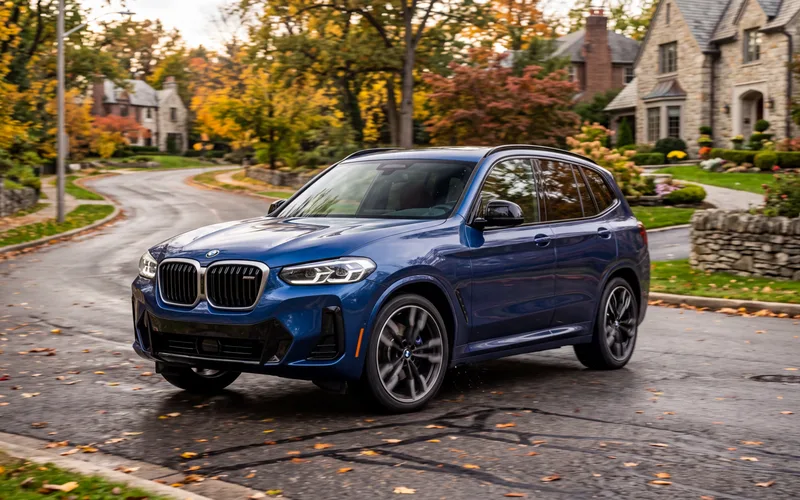 BMW X3Compact Luxury SUVBetter at: Driving dynamics
The most direct rival — same price, same class, sharper to drive and currently carrying incentives the redesigned Q5 does not.
Compare 2.69C+
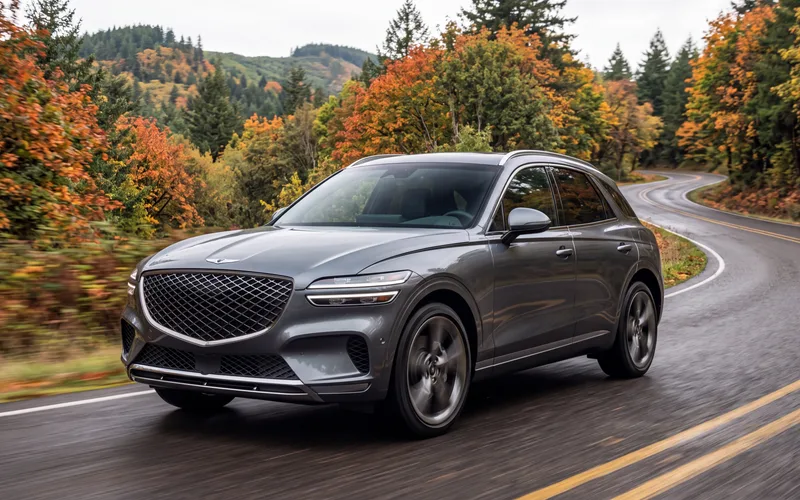 Genesis GV70Compact Luxury SUVBetter at: Value and warranty
Delivers comparable luxury and more standard equipment for thousands less, with a 10-year/100,000-mile powertrain warranty against Audi's 4-year/50,000.
Compare 2.63C+
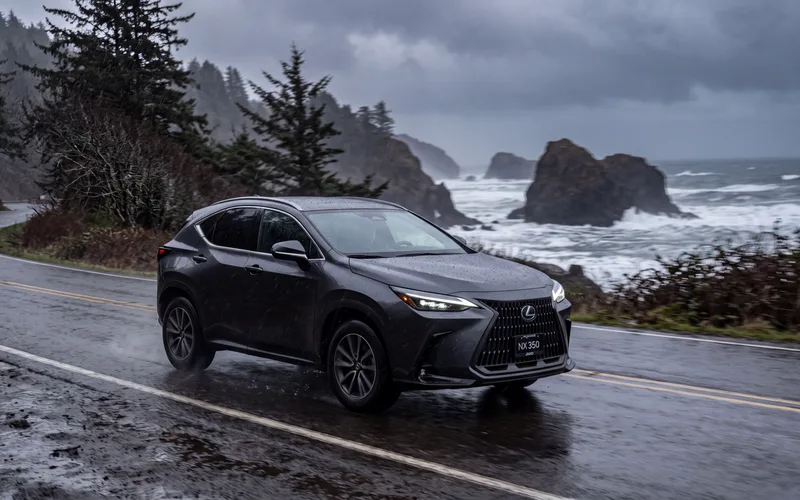 Lexus NXCompact Luxury SUVBetter at: Running costs
Hybrid economy near 39 MPG on regular fuel plus top-of-class reliability and resale, if the Q5's ~$2,413 annual fuel bill is the sticking point.
CompareHow it's evolved
10 scored model years · 2017–2026
Subject scores by year
Hover or tap a score to see what moved it versus the year before. A corner mark flags a big swing.
| Year | Performance | Efficiency | Safety | Space | Cost | Reliability | Tech | Use-case | Driving | Value |
|---|---|---|---|---|---|---|---|---|---|---|
| 2026 | 58 | 45 | 84 | 46 | 42 | 72 | 85 | 72 | 72 | 77 |
| 2025 | 55 | 45 | 82 | 46 | 33 | 54 | 83 | 64 | 68 | 72 |
| 2024 | 56 | 42 | 69 | 47 | 35 | 59 | 67 | 59 | 70 | 68 |
| 2023 | 55 | 49 | 76 | 47 | 41 | 55 | 69 | 59 | 66 | 71 |
| 2022 | 54 | 49 | 78 | 48 | 43 | 49 | 67 | 60 | 67 | 67 |
| 2021 | 54 | 49 | 75 | 47 | 43 | 48 | 66 | 59 | 62 | 74 |
| 2020 | 53 | 44 | 63 | 50 | 41 | 56 | 60 | 57 | 66 | 72 |
| 2019 | 51 | 44 | 61 | 50 | 42 | 50 | 61 | 57 | 67 | 73 |
| 2018 | 50 | 47 | 70 | 51 | 47 | 47 | 57 | 57 | 67 | 73 |
| 2017 | 49 | 36 | 47 | 46 | 46 | 50 | 34 | 55 | 69 | 63 |
Compare two years
Best fit & conditions
Higher scores mean a better fit for that use case. Learn more about use-case fit →
Subject profile
Academic Probation · NHTSA safety recalls
May 7, 2025EngineThe cylinder head cover screws may have been improperly tightened.
Defect
Volkswagen Group of America, Inc. (Audi) is recalling certain 2022-2024 Q5 Quattro and Q5 Sportback Quattro vehicles. The cylinder head cover screws may have been improperly tightened.
Risk
The screws can loosen, allowing oil to leak and increasing the risk of a fire.
Remedy
Dealers will inspect and replace the screws as necessary, free of charge. Owner notification letters were mailed June 5, 2025. Owners may contact Audi customer service at 1-800-253-2834. Audi's number for this recall is 15ZK.
NHTSA campaign 25V294000 ↗Manufacturer no. 15ZK89,417 vehicles potentially affected (all models in the campaign)Owners notified Jun 4, 2025Filed by Volkswagen Group of America, Inc.Filed as Q5, Q5 SPORTBACKFeb 12, 2025Electrical system: propulsion system: traction batteryThe high-voltage battery may overheat.
Defect
Volkswagen Group of America, Inc. (Volkswagen) is recalling certain 2021-2024 Audi Q5, and 2022 A7 E Hybrid Electric PHEV vehicles. The high-voltage battery may overheat.
Risk
A high-voltage battery that overheats increases the risk of a fire.
Remedy
Dealers will install advanced diagnostic software , free of charge. Volkswagen will monitor available online vehicle data and contact owners as necessary, to advise them not to charge the vehicle until the battery can be replaced. For vehicles in which online data is unavailable, owners are advised not to charge their batteries until the final remedy becomes available. Repairs will be performed free of charge. This will be a Phased recall. Phase 1 will include Interim letters 2022-2023 model year vehicles. Phase 2 will include Owner letters 2021-2024 model year vehicles, and Phase 3 will include Interim letters 2022-2023 model year vehicles. Interim owner notification letters informing owners of the safety risk were mailed February 28, 2025, and May 7, 2025. A second notice will be sent once the final remedy is available. Owner notification letters were mailed May 1, 2025. Owners may contact Audi customer service at 1-800-253-2834. Volkswagen's number for this recall is 93AA. This recall expands and replaces previous NHTSA recall number 24V898.
NHTSA campaign 25V080000 ↗Manufacturer no. 93AA20,201 vehicles potentially affected (all models in the campaign)Owners notified May 1, 2025Filed by Volkswagen Group of America, Inc.Filed as Q5Nov 27, 2024Electrical system: propulsion system: traction batteryThe high-voltage battery may overheat.
Defect
Volkswagen Group of America, Inc. (Volkswagen) is recalling certain 2022-2023 Audi Q5 PHEV and 2022 Audi A7 PHEV vehicles. The high-voltage battery may overheat.
Risk
A high-voltage battery that overheats increases the risk of a fire.
Remedy
Dealers will install advanced diagnostic software as the final remedy, anticipated to be available in the second quarter of 2025. Volkswagen will monitor available online vehicle data and contact owners as necessary, to advise them not to charge the vehicle until the battery can be replaced. For vehicles in which online data is unavailable, owners are advised not to charge their batteries until the final remedy becomes available. Repairs will be performed free of charge. Owner notification letters were mailed May 1, 2025. Owners may contact Volkswagen Audi customer service at 1-800-253-2834. Volkswagen's number for this recall is 93AA. This recall has been replaced by NHTSA recall number 25V080.
NHTSA campaign 24V898000 ↗Manufacturer no. 93AA4,616 vehicles potentially affected (all models in the campaign)Owners notified May 1, 2025Filed by Volkswagen Group of America, Inc.Filed as Q5Dec 13, 2023Electrical system: propulsion system: charging: cable/cord: onboardWhen using the industrial 220V/240V plug at the 100% charge setting, some home power outlets may be incapable of handling the electrical current required to utilize the compact charging system, causing the outlet or charging cable to overheat.
Defect
Volkswagen Group of America, Inc. (Audi) is recalling certain 2022-2024 RS e-tron GT, e-tron GT, Q4 e-tron Sportback, Q4 e-tron, 2020-2021 Audi A8, 2019-2024 e-tron Quattro, 2020-2024 e-tron Sportback Quattro, Q5, and 2021-2022 A7 vehicles. When using the industrial 220V/240V plug at the 100% charge setting, some home power outlets may be incapable of handling the electrical current required to utilize the compact charging system, causing the outlet or charging cable to overheat.
Risk
An overheated outlet or charging cable can increase the risk of a fire.
Remedy
Owners are advised not to use the 220V/240V compact/portable charging cable and only use the 110V home charging cable or public charging stations. Dealers will supply a new 220V/240V compact/portable charging cable with an incorporated temperature sensor, free of charge. Owner notification letters were mailed on March 28, 2024. Owners may contact Audi customer service at 1-800-253-2834. Audi's numbers for this recall are 93U6 and 93U8.
NHTSA campaign 23V842000 ↗Manufacturer no. 93U6/93U893,196 vehicles potentially affected (all models in the campaign)Owners notified Mar 28, 2024Filed by Volkswagen Group of America, Inc.Filed as Q5Oct 7, 2022Engine and engine cooling: engine: hard parts internal/mechanicalThe engine connecting rod bearings may become damaged, which can result in engine failure.
Defect
Volkswagen Group of America, Inc. (Volkswagen) is recalling certain 2021-2023 Audi Q5 Sportback, Q5, 2022-2023 Volkswagen Atlas FL, and Atlas Cross Sport vehicles. The engine connecting rod bearings may become damaged, which can result in engine failure.
Risk
A damaged engine can result in engine failure and a stall, increasing the risk of a crash. If the engine failure causes an oil leak, it can increase the risk of a fire.
Remedy
Dealers will inspect and, if necessary, replace an affected engine, free of charge. Owner notification letters are expected to be mailed December 6, 2022. Owners may contact Volkswagen's customer service at 1-800-893-5298 and Audi's customer service at 1-800-253-2834. Volkswagen's numbers for this recall are 13i4 (VW) and 13i5 (Audi).
NHTSA campaign 22V753000 ↗Manufacturer no. VW: 13i4, Audi: 13i576,515 vehicles potentially affected (all models in the campaign)Owners notified Nov 8, 2022Filed by Volkswagen Group of America, Inc.Filed as Q5, Q5 SPORTBACKAug 3, 2022Structure: body: tailgateVolkswagen Group of America, Inc. (Audi) is recalling one 2022 Audi SQ5 Sportback vehicle. The connections that join the metal sheets to form the rear lid may have been improperly connected.
Defect
Volkswagen Group of America, Inc. (Audi) is recalling one 2022 Audi SQ5 Sportback vehicle. The connections that join the metal sheets to form the rear lid may have been improperly connected.
Risk
An improperly connected rear lid may decrease the structural protection of the vehicle during a crash, increasing the risk of injury.
Remedy
A dealer will replace the rear lid, free of charge. The owner notification letter is expected to be mailed September 30, 2022. Owners may contact Audi's customer service at 1-800-253-2834. Audi's number for this recall is 55M6.
NHTSA campaign 22V567000 ↗Manufacturer no. 55M61 vehicles potentially affected (all models in the campaign)Owners notified Sep 28, 2022Filed by Volkswagen Group of America, Inc.Filed as SQ5May 23, 2022Engine and engine cooling: engine: engine control module (ecu/ecm)The semiconductor inside the engine control unit may short-circuit and cause an engine stall.
Defect
Volkswagen Group of America, Inc. (Audi) is recalling certain 2022 Audi A6 Sedan, A4 Sedan, Q5, and Q5 Sportback vehicles. The semiconductor inside the engine control unit may short-circuit and cause an engine stall.
Risk
An engine stall can increase the risk of a crash.
Remedy
Dealers will replace the engine control unit, free of charge. Owner notification letters were mailed July 18, 2022. Owners may contact Audi customer service at 1-800-253-2834. Audi's number for this recall is 24iH.
NHTSA campaign 22V368000 ↗Manufacturer no. 24iH72 vehicles potentially affected (all models in the campaign)Owners notified Jul 18, 2022Filed by Volkswagen Group of America, Inc.Filed as Q5 SPORTBACKDec 8, 2021Electrical system: body control module/bcm · Structure: bodyA liquid spill in the rear seat, or water ingress from an insufficient body seam underneath the vehicle may allow liquid to penetrate the gateway control module, causing it to shutdown.
Defect
Volkswagen Group of America, Inc. (Audi) is recalling certain 2021-2022 Q5 Sportback, SQ5 Sportback, 2018-2022 Q5, and SQ5 vehicles. A liquid spill in the rear seat, or water ingress from an insufficient body seam underneath the vehicle may allow liquid to penetrate the gateway control module, causing it to shutdown.
Risk
A gateway control module shutdown will suddenly reduce engine power, increasing the risk of a crash.
Remedy
Dealers will install a protective cover on the gateway control module and seal an underbody seam as necessary, free of charge. Owner notification letters were mailed January 21, 2022. Owners may contact Audi customer service at 1-800-253-2834. Audi's number for this recall is 90S9.
NHTSA campaign 21V947000 ↗Manufacturer no. 90S9288,991 vehicles potentially affected (all models in the campaign)Owners notified Jan 21, 2022Filed by Volkswagen Group of America, Inc.Filed as Q5, Q5 SPORTBACK, SQ5Oct 20, 2021Back over prevention: sensing system: cameraA software error may prevent the rear-view image from initially displaying when the vehicle begins to reverse. As such, these vehicles fail to comply with the requirements of Federal Motor Vehicle Safety Standard number 111, "Rear Visibility."
Defect
Volkswagen Group of America, Inc. (Audi) is recalling certain 2021 Audi A8 and S8, 2022 Audi A5 Sportback, A4 Sedan, E-Tron GT, Q3, Q5, RS6 Avant, A3 Sedan, S5 Sportback, Q5 Sportback, Q7, Q8, RSQ8, SQ7, SQ8, and S3 Sedan vehicles. A software error may prevent the rear-view image from initially displaying when the vehicle begins to reverse. As such, these vehicles fail to comply with the requirements of Federal Motor Vehicle Safety Standard number 111, "Rear Visibility."
Risk
A rear-view camera that does not display an image reduces the driver's rear view, increasing the risk of a crash.
Remedy
Dealers will update the infotainment unit parameters, free of charge. Owner notification letters were mailed November 9, 2021. Owners may contact Audi customer service at 1-800-253-2834. Audi's number for this recall is 91CR.
NHTSA campaign 21V825000 ↗Manufacturer no. 91CR2,857 vehicles potentially affected (all models in the campaign)Owners notified Nov 9, 2021Filed by Volkswagen Group of America, Inc.Filed as Q5 SPORTBACK
18 recalls on other model years of the Q5 (2017–2021, 2023–2025)
Apr 24, 2026Seat belts: pretensionerThe driver and front passenger seat belts may have been manufactured incorrectly, and fail to properly restrain occupants during a crash.
Defect
Volkswagen Group of America, Inc. (Audi) is recalling certain 2025 Q5, Q5 Sportback, SQ5, and SQ5 Sportback vehicles. The driver and front passenger seat belts may have been manufactured incorrectly, and fail to properly restrain occupants during a crash.
Risk
Improperly restrained occupants have an increased risk of injury during a crash.
Remedy
Dealers will replace the driver and front passenger seat belts as necessary, free of charge. Owner notification letters were mailed May 29, 2026. Owners may contact Audi's customer service at 1-800-253-2834. Audi's number for this recall is 69GT.
NHTSA campaign 26V266000 ↗Manufacturer no. 69GT7,425 vehicles potentially affected (all models in the campaign)Owners notified May 29, 2026Filed by Volkswagen Group of America, Inc.Filed as Q5, Q5 SPORTBACK, SQ5, SQ5 SPORTBACKApr 3, 2024Air bags: sensor: occupant classification: front passengerAn electrical connection in the front passenger seat for the occupant detection system (ODS) control module may loosen and deactivate the front passenger air bag.
Defect
Volkswagen Group of America, Inc. (Volkswagen) is recalling certain 2023 Audi S5 Cabriolet, A4 Allroad, Q5 Sportback, A3 Sedan, S5 Sportback, SQ7, TT Coupe, TT Roadster, RS5 Sportback, 2024 A8, E-Tron Quattro, E-Tron Sportback Quattro, Q8, RSQ8, 2023-2024 Q3, Q5, and Q7 vehicles. An electrical connection in the front passenger seat for the occupant detection system (ODS) control module may loosen and deactivate the front passenger air bag.
Risk
A deactivated front passenger air bag will not deploy during a crash, increasing the risk of injury.
Remedy
Dealers will replace the passenger seat occupant detection system control module, free of charge. Owner notification letters were mailed on May 8, 2024. Owners may contact Audi customer service at 1-800-253-2834. Volkswagen's number for this recall is 69GU.
NHTSA campaign 24V251000 ↗Manufacturer no. 69GU91 vehicles potentially affected (all models in the campaign)Owners notified May 8, 2024Filed by Volkswagen Group of America, Inc.Filed as Q5Oct 5, 2022Back over prevention: display functionDue to a software issue, a blank or black screen may be displayed instead of the rearview camera image when the vehicle is placed in reverse gear. As such, these vehicles fail to comply with the requirements of Federal Motor Vehicle Safety Standard number 111, "Rear Visibility."
Defect
Volkswagen Group of America, Inc. (Volkswagen) is recalling certain 2021 Audi A8, RS7, RS6 Avant, RS5 Sportback, RS5 Coupe, Q8, Q7, Q5 Sportback, S4 Sedan, Q5, A7, A6, A6 Allroad, A5 Sportback, A5 Coupe, A5 Cabrioleet, A4 Sedan, A4 Allroad, E-Tron Sportback Quattro, SQ7, S5 Cabriolet, E-Tron Quattro, SQ8, SQ5 Sportback, SQ5, S8, S7, S6 Sedan, S5 Sportback, S5 Coupe, 2022 E-Tron GT, and 2021-2022 RSQ8 vehicles. Due to a software issue, a blank or black screen may be displayed instead of the rearview camera image when the vehicle is placed in reverse gear. As such, these vehicles fail to comply with the requirements of Federal Motor Vehicle Safety Standard number 111, "Rear Visibility."
Risk
A blank rearview camera display can reduce the driver's rear visibility, increasing the risk of a crash.
Remedy
Dealers will update the infotainment unit software, free of charge. Owner notification letters were mailed October 25, 2022. Owners may contact Audi's customer service at 1-800-253-2834. Volkswagen's number for this recall is 91DZ.
NHTSA campaign 22V742000 ↗Manufacturer no. 91DZ170,296 vehicles potentially affected (all models in the campaign)Owners notified Oct 25, 2022Filed by Volkswagen Group of America, Inc.Filed as Q5, SQ5Jan 26, 2022Suspension: rear: axle: non-powered axle assembly · TiresThe rear axle alignment may not have been inspected after the repairs for Recall 21V-295 (42L1) were performed.
Defect
Volkswagen Group of America, Inc. (Audi) is recalling certain 2019-2021 Audi A5 Sportback, RS5 Coupe, RS5 Sportback, S5 Sportback, 2020-2021 A4 Allroad, A4 Sedan, A5 Cabriolet, A5 Coupe, A6 Allroad, A6 Sedan, A7, A8, Q5, S4 Sedan, S5 Coupe, S5 Cabriolet, S6 Sedan, S7, S8, SQ5, 2021 Q5 Sportback, Q7, Q8, RS6 Avant, RS7, RSQ8, SQ5 Sportback, SQ7, and SQ8 vehicles. The rear axle alignment may not have been inspected after the repairs for Recall 21V-295 (42L1) were performed.
Risk
Rear axle misalignment may cause premature or uneven tire wear, increasing the risk of a crash.
Remedy
Dealers will inspect the rear axle, adjust the alignment as necessary, and replace any prematurely or unevenly worn tires, free of charge. Owner notification letters were mailed March 3, 2022. Owners may contact Audi customer service at 1-800-253-2834. Audi's number for this recall is 42L5.
NHTSA campaign 22V034000 ↗Manufacturer no. 42L531,058 vehicles potentially affected (all models in the campaign)Owners notified Mar 3, 2022Filed by Volkswagen Group of America, Inc.Filed as Q5, SQ5Aug 5, 2021Seat belts · Seat belts: rear/other: retractorThe rear seat belt automatic locking retractors may deactivate early, which can prevent the child restraint system from securing properly. As such, these vehicles fail to comply with the requirements of Federal Motor Vehicle Safety Standard number 208, "Occupant Crash Protection."
Defect
Volkswagen Group of America, Inc. (Volkswagen) is recalling certain 2021 Volkswagen ID4, Audi A4 Allroad, A4 Sedan, A5 Cabriolet, A5 Coupe, A5 Sportback, A6 Allroad, A6 Sedan, A7, A8, E-Tron Quattro, E-Tron Sportback Quattro, Q3, Q5, Q5 Sportback, Q7, Q8, RS5 Sportback, RS5 Coupe, RS6 Avant, RS7, RSQ8, S4 Sedan, S5 Cabriolet, S5 Coupe, S5 Sportback, S6 Sedan, S7, S8, SQ5, SQ5 Sportback, SQ7, SQ8, and 2021-2022 S3 Sedan vehicles. The rear seat belt automatic locking retractors may deactivate early, which can prevent the child restraint system from securing properly. As such, these vehicles fail to comply with the requirements of Federal Motor Vehicle Safety Standard number 208, "Occupant Crash Protection."
Risk
An unsecured child restraint system can increase the risk of injury during a crash.
Remedy
Dealers will inspect, and replace as necessary, the middle-rear seat belt assemblies, free of charge. Owner notification letters were mailed August 27, 2021. Owners may contact Volkswagen customer service at 1-800-893-5298 and Audi customer service at 1-800-253-2834. Volkswagen's numbers for this recall are 69CR (VW) and 69CS (Audi).
NHTSA campaign 21V606000 ↗Manufacturer no. 69CR, 69CS45,496 vehicles potentially affected (all models in the campaign)Owners notified Aug 27, 2021Filed by Volkswagen Group of America, Inc.Filed as Q5, SQ5Apr 26, 2021Suspension: rear: axle: non-powered axle assemblyThe lock nut on the trailing arm of the rear axle may break due to stress corrosion.
Defect
Volkswagen Group of America, Inc. (Audi) is recalling certain 2021 Q7, Q8, Q5 Sportback, SQ5 Sportback, RS6 Avant, RS7, RS Q8, 2020-2021 Audi S6 sedan, Q5, A8, S8, A7, A6 Allroad, A5 Cabriolet, A4 sedan, A4 Allroad, SQ5, S7, A6 sedan, S5 coupe, S4 sedan, S5 Cabriolet, A5 coupe, 2019-2021 RS5 coupe, A5 Sportback, S5 Sportback, RS5 Sportback vehicles. The lock nut on the trailing arm of the rear axle may break due to stress corrosion.
Risk
A broken lock nut may misalign the rear axle, causing a loss of control and increasing the risk of a crash.
Remedy
Dealers will replace the lock nuts and, if necessary, the associated bolts, free of charge. Owner notification letters were mailed June 4, 2021. Owners may contact Audi customer service at 1-800-253-2834. Audi's number for this recall is 42L1.
NHTSA campaign 21V295000 ↗Manufacturer no. 42L140,993 vehicles potentially affected (all models in the campaign)Owners notified Jun 4, 2021Filed by Volkswagen Group of America, Inc.Filed as Q5, SQ5Aug 26, 2020SeatsParts of the front seat frame and backrest adjuster may not have been welded properly.
Defect
Volkswagen Group of America, Inc. (Volkswagen ) is recalling certain 2020 Volkswagen Atlas Cross Sport, Jetta, Jetta GLI and Tiguan and Audi Q5 and SQ5 and 2021 Volkswagen Atlas vehicles. Parts of the front seat frame and backrest adjuster may not have been welded properly.
Risk
In the event of a rear-end crash, the backrest adjustment could break, possibly reducing the amount of occupant restraint, thus increasing risk of injury.
Remedy
Volkswagen will notify owners, and dealers will inspect the front seats, and, as necessary, replace the seatback frames, free of charge. The recall began September 11, 2020. Volkswagen owners may contact their customer service at 1-888-241-2289. Audi owners may contact their customer service at 1-800-893-5298. Volkswagen's numbers for this recall are 72L1, 72K8, and 72K9.
NHTSA campaign 20V505000 ↗Manufacturer no. 72L1, 72K8, 72K95,376 vehicles potentially affected (all models in the campaign)Owners notified Sep 11, 2020Filed by Volkswagen Group of America, Inc.Filed as Q5, SQ5Oct 16, 2019Structure: bodyThe rear wheel arch cover trim may loosen and detach from the vehicle.
Defect
Volkswagen Group of America, Inc. (Audi) is recalling certain 2018-2019 Audi SQ5 and 2018-2020 Audi Q5 vehicles. The rear wheel arch cover trim may loosen and detach from the vehicle.
Risk
The detached trim may become a road hazard, increasing the risk of crash.
Remedy
Audi will notify owners, and dealers will replace the four clips securing the forward part of the rear wheel arch trim, free of charge. The recall began November 1, 2019. Owners may contact Audi customer service at 1-800-253-2834. Audi's number for this recall is 66K8.
NHTSA campaign 19V737000 ↗Manufacturer no. 66K8174,278 vehicles potentially affected (all models in the campaign)Owners notified Nov 1, 2019Filed by Volkswagen Group of America, Inc.Filed as Q5, SQ5Jun 19, 2019Air bags: frontal: passenger side: inflator module · Electrical system: instrument cluster/panelIn the event of a crash deploying the passenger's frontal air bag, the instrument panel carrier may break due to incorrect welding. If the carrier breaks, there may be damage to the passenger frontal air bag.
Defect
Volkswagen Group of America, Inc. (Volkswagen) is recalling certain 2019 Audi Q5 and SQ5 vehicles. In the event of a crash deploying the passenger's frontal air bag, the instrument panel carrier may break due to incorrect welding. If the carrier breaks, there may be damage to the passenger frontal air bag.
Risk
A damaged frontal air bag may not provide adequate protection, increasing the risk of an injury.
Remedy
Audi will notify owners, and dealers will replace the instrument panel and the passenger frontal air bag, free of charge. The recall began August 16, 2019. Owners may contact Volkswagen customer service at 1-800-253-2834. Volkswagen's number for this recall is 90N1.
NHTSA campaign 19V473000 ↗Manufacturer no. 90N128 vehicles potentially affected (all models in the campaign)Owners notified Aug 16, 2019Filed by Volkswagen Group of America, Inc.Filed as Q5, SQ5Jun 5, 2019Wheels: hubThe wheel arch cover trim may loosen and detach.
Defect
Volkswagen Group of America, Inc. (Volkswagen) is recalling certain 2018-2019 Audi Q5 and SQ5 vehicles. The wheel arch cover trim may loosen and detach.
Risk
The detached trim may become a road hazard, increasing the risk of crash.
Remedy
Volkswagen will notify owners, and dealers will secure the wheel arch trim with an additional screw and nut, free of charge. The recall began July 26, 2019. Owners may contact Volkswagen customer at 1-800-253-2834. Volkswagen's number for this recall is 66K6.
NHTSA campaign 19V416000 ↗Manufacturer no. 66K6/66K7126,161 vehicles potentially affected (all models in the campaign)Owners notified Jul 26, 2019Filed by Volkswagen Group of America, Inc.Filed as Q5, SQ5Apr 8, 2019Service brakes, hydraulic: foundation components: master cylinderThe brake master cylinder casting may be too short.
Defect
Volkswagen Group of America, Inc. (Audi) is recalling certain 2018-2019 Audi Q5 and SQ5 vehicles. The brake master cylinder casting may be too short.
Risk
A short casting can cause a sudden loss of brakes, increasing the risk of crash. The electronic parking brake and its emergency brake function are not affected and will still function.
Remedy
Audi has notified owners, and dealers will inspect the brake master cylinder, replacing it as necessary, free of charge. The recall began May 3, 2019. Owners may contact Audi customer service at 1-800-253-2834. Audi's number for this recall is 47O9.
NHTSA campaign 19V277000 ↗Manufacturer no. 47O912,645 vehicles potentially affected (all models in the campaign)Owners notified May 3, 2019Filed by Volkswagen Group of America, Inc.Filed as Q5, SQ5Jun 1, 2018Service brakes, hydraulic: foundation components: disc: caliperThe brake caliper pistons on these vehicles may have insufficient coating, potentially reducing the brake performance.
Defect
Volkswagen Group of America, Inc. (Volkswagen) is recalling certain 2018 Volkswagen Atlas, Passat, Beetle, Beetle Convertible, Golf, Golf SportWagen and GTI and Audi Q5 and SQ5 vehicles. The brake caliper pistons on these vehicles may have insufficient coating, potentially reducing the brake performance.
Risk
A reduction of braking performance can increase the risk of a crash.
Remedy
Volkswagen and Audi will notify their owners. Audi dealers will bleed the rear brakes. Volkswagen dealers will bleed the front and rear brake calipers. Note: Owners are advised not to drive their vehicles until the brake system has been checked. The recall began June 29, 2018. Owners may contact Volkswagen customer service at 1-800-893-5298 and Audi customer service at 1-800-253-2834. Volkswagen's numbers for this recall are 47N8, 47N9, and 47N6.
NHTSA campaign 18V369000 ↗Manufacturer no. 47N8, 47N9, 47N610,225 vehicles potentially affected (all models in the campaign)Owners notified Jun 29, 2018Filed by Volkswagen Group of America, Inc.Filed as Q5, SQ5Apr 11, 2018Engine and engine cooling: cooling systemThese vehicles, equipped with 2.0l Turbo FSI engines, have an electric coolant pump that can either become blocked with debris from the cooling system causing it to overheat or can short-circuit from moisture within the pump.
Defect
Volkswagen Group of America, Inc. (Volkswagen) is recalling certain 2013-2017 Audi A5 Cabriolet, A5 Sedan and Audi Q5 vehicles, 2012-2015 Audi A6 vehicles and 2013-2016 Audi A4 Sedan and A4 allroad vehicles. These vehicles, equipped with 2.0l Turbo FSI engines, have an electric coolant pump that can either become blocked with debris from the cooling system causing it to overheat or can short-circuit from moisture within the pump.
Risk
A blocked pump or a short-circuited pump can increase the risk of a fire.
Remedy
Audi will notify owners, and dealers will replace the pumps, free of charge. The recall began September 14, 2018. Owners may contact Audi customer service at 1-800-253-2834. Audi's number's for this recall is 19N3/19N4. Note: This recall is in additional to the coolant pump software update applied as a remedy under recall 17V002.
NHTSA campaign 18V229000 ↗Manufacturer no. 19N3/19N4342,867 vehicles potentially affected (all models in the campaign)Owners notified Sep 14, 2018Filed by Volkswagen Group of America, Inc.Filed as Q5May 3, 2017Fuel system, gasoline: delivery: fuel pumpThese gasoline-powered vehicles have a fuel pump flange that may crack, allowing fuel to leak.
Defect
Volkswagen Group of America, Inc. (Volkswagen) is recalling certain model year 2013-2017 Audi Q5 and 2013-2017 Audi Q7 vehicles. These gasoline-powered vehicles have a fuel pump flange that may crack, allowing fuel to leak.
Risk
A fuel leak in the presence of an ignition source increases the risk of a fire.
Remedy
Audi will notify owners, and dealers will replace the fuel pump flange if cracks are present. Flanges that do not have cracks will have a protective film applied. These repairs will be performed free of charge. The recall began July 3, 2017. Owners may contact Audi customer service at 1-800-253-2834. Volkswagen's number for this recall is 20Z8. Note: This recall is an expansion of recall 16V-660.
NHTSA campaign 17V298000 ↗Manufacturer no. 20Z8240,487 vehicles potentially affected (all models in the campaign)Owners notified Jul 3, 2017Filed by Volkswagen Group of America, Inc.Filed as Q5May 3, 2017Power train: automatic transmission: gear position indication (prndl)Due to a manufacturing defect within the gearbox, despite selecting the Park position, the vehicle may still unexpectedly roll.
Defect
Volkswagen Group of America, Inc. (Volkswagen) is recalling certain 2017 Audi Q5 vehicles. Due to a manufacturing defect within the gearbox, despite selecting the Park position, the vehicle may still unexpectedly roll.
Risk
Despite selecting 'Park', if the parking brake is not applied, the vehicle may rollaway, increasing the risk of a crash.
Remedy
Audi will notify owners, and dealers will replace the geabox in the affected vehicles, free of charge. The recall began May 15, 2017. Owners may contact Audi customer service at 1-800-253-2834. Volkswagen's number for this recall is 37K6.
NHTSA campaign 17V297000 ↗Manufacturer no. 37K65 vehicles potentially affected (all models in the campaign)Owners notified May 15, 2017Filed by Volkswagen Group of America, Inc.Filed as Q5Jan 3, 2017Engine and engine cooling: cooling systemThese vehicles, equipped with 2.0l Turbo FSI engines, have an electric coolant pump that can be blocked with debris from the cooling system, resulting in the pump overheating.
Defect
Volkswagen Group of America, Inc. (Volkswagen) is recalling certain 2013-2017 Audi A5, A5 Cabriolet and Q5 vehicles, 2013-2016 Audi Allroad and Audi A4 vehicles and 2012-2015 Audi A6 vehicles. These vehicles, equipped with 2.0l Turbo FSI engines, have an electric coolant pump that can be blocked with debris from the cooling system, resulting in the pump overheating.
Risk
If the coolant pump overheats, it can increase the risk of a fire.
Remedy
Audi will notify owners, and dealers will update the software so that the power supply to the coolant pump is deactivated if the pump becomes blocked with debris, free of charge. The recall is expected to begin February 20, 2017. Owners may contact Audi customer service at 1-800-253-2834. Volkswagen's number for this recall is 19M1.
NHTSA campaign 17V002000 ↗Manufacturer no. 19M1342,867 vehicles potentially affected (all models in the campaign)Owners notified Mar 3, 2017Filed by Volkswagen Group of America, Inc.Filed as Q5Jan 3, 2017Air bags: side/window · Visibility: sun/moon roof assemblyThe sunroof drainage system may allow water to soak into the foam surrounding the side head air bag inflator canister resulting in the corrosion of the canister. If this happens, the corrosion can weaken the canister and the inflator could fracture without air bag deployment, propelling fragments into the passenger compartment, striking and causing serious injury to vehicle occupants.
Defect
Volkswagen Group of America, Inc. (Volkswagen) is recalling certain 2011-2017 Audi Q5 vehicles. The sunroof drainage system may allow water to soak into the foam surrounding the side head air bag inflator canister resulting in the corrosion of the canister. If this happens, the corrosion can weaken the canister and the inflator could fracture without air bag deployment, propelling fragments into the passenger compartment, striking and causing serious injury to vehicle occupants.
Risk
An inflator rupture may result in metal fragments striking the driver or other occupants resulting in serious injury or death.
Remedy
Audi will notify owners, and dealers will inspect the inflator and either coat it or replace it, as necessary, after removing the surrounding foam, free of charge. The recall is expected to began March 2017. Owners may contact Audi customer service at 1-800-253-2834. Volkswagen's number for this recall is 69P1.
NHTSA campaign 17V001000 ↗Manufacturer no. 69P1234,057 vehicles potentially affected (all models in the campaign)Owners notified Mar 3, 2017Filed by Volkswagen Group of America, Inc.Filed as Q5Dec 29, 2016Air bags: frontal: driver side: inflator module · Air bags: frontal: passenger side: inflator module · Air bags: side/window · Seat belts: pretensionerAdditionally, certain 2017 Audi Q7, A4 Sedan, A4 Allroad, and 2018 Audi Q5 vehicles are being recalled because the seat belt pretensioners may not activate properly.
Defect
Volkswagen Group of America, Inc. (Volkswagen) is recalling certain model year 2017 Audi A7, A4, A6, Volkswagen Golf and Tiguan vehicles and 2016 Volkswagen e-Golf vehicles for driver frontal air bags, passenger frontal air bags or head air bags that may not deploy properly. Additionally, certain 2017 Audi Q7, A4 Sedan, A4 Allroad, and 2018 Audi Q5 vehicles are being recalled because the seat belt pretensioners may not activate properly.
Risk
In the event of a crash, if the air bags and/or the seat belt pretensioners do not inflate or function properly, the vehicle occupants have an increased risk of injury.
Remedy
Volkswagen and Audi will notify owners, and dealers will replace the affected air bags and seat belt pretensioners, free of charge. The recall began April 2017. Owners may contact Volkswagen customer service at 1-800-893-5298 or Audi customer service at 1-800-253-2834.
NHTSA campaign 16V955000 ↗Manufacturer no. VW: 69P4; Audi 69P25,947 vehicles potentially affected (all models in the campaign)Owners notified Feb 28, 2017Filed by Volkswagen Group of America, Inc.Filed as Q5
Source: NHTSA Office of Defects Investigation recall database, model years 2017–2026. Recalls are listed by model year as the manufacturer filed them; whether a specific car is affected depends on its VIN — check a VIN at nhtsa.gov ↗. NHTSA model names matched to this page: Q5, Q5 SPORTBACK, SQ5, SQ5 SPORTBACK.
Detailed scoring by subject
1Performance & PowertrainGrades below the middle of the scale.1.64D
The volume 45 TFSI quattro carries the 2.0L EA888 turbo four with a 12-volt mild-hybrid system, rated 261 hp; 2022 is a carry-over year for this engine within the facelifted second generation (Typ FY, 2021 refresh).
The 45 TFSI's 273 lb-ft arrives from 1,600 rpm, which is what gives the Q5 its easy midrange despite modest peak power for a luxury compact SUV.
Audi's 5.7-second claim for the 45 TFSI is close to honest — independent track testing returns 6.0 seconds flat, which is squarely mid-pack for a compact luxury SUV.
The mild-hybrid 2.0T is quiet and torquey once spooled and pulls smoothly to redline, but reviewers repeatedly describe the delivery as adequate rather than sharp, with lag off the line before the turbo comes in.
The seven-speed S tronic dual-clutch shifts crisply at speed but is the Q5's weakest link in traffic — slow to engage, indecisive on part-throttle, and prone to lurching at parking-lot speeds.
Properly equipped with the factory trailer-hitch prep, the 45 TFSI tows 4,400 lbs braked — mid-pack for the segment and double the plug-in hybrid's rating.
Every US 2022 Q5 is quattro all-wheel drive at every trim and price — there is no front-drive version — with brake-based torque vectoring and an Audi drive select offroad mode; it forfeits points only for having no low range or locking differential.
8.2 inches of clearance and an offroad drive-select mode cover snow, gravel and a rutted trailhead, but there is no off-road trim, no skid plating, no locker and no low range — this is a paved-road luxury crossover.
2022 widened the range rather than carrying it over: four distinct powertrains — the new 201-hp 40 TFSI base, the 261-hp 45 TFSI mild hybrid, the 349-hp SQ5 V6 and the 362-hp 55 TFSI e plug-in hybrid — across two body styles (SUV and Sportback).
2Efficiency & RangeGrades below the middle of the scale.1.31D
EPA rates every non-plug-in 2022 Q5 quattro at 25 MPG combined; the 12-volt mild-hybrid system helps, but quattro and the dual-clutch keep it ordinary among gas compact luxury SUVs.
23 MPG city with mild-hybrid stop/start — respectable for a quattro-standard luxury crossover, and unchanged across the standard, S line and Sportback bodies for 2022.
29 MPG highway is the Q5's strongest EPA figure; the S line's larger wheels and the Sportback's roofline each cost a highway MPG.
An 18.5-gallon tank at the EPA's 25 MPG combined gives 462 miles between fills — comfortably above the segment floor without being a standout.
The EPA's $3,050 estimate is driven as much by the premium-grade fuel as by the 25 MPG figure; the same efficiency on regular unleaded would cost several hundred dollars less a year.
EPA lists the Q5 as premium recommended rather than required, so it will run on regular with reduced output — but the owner pays the premium differential on every one of those 18.5-gallon fills, which is exactly the mid-band case.
3SafetyThe Q5's best-graded category.3.28B+
The 2022 Q5 quattro carries NHTSA's maximum 5-star overall rating, with 5 stars in both frontal and side crash and 4 stars for rollover resistance — typical for a taller crossover body.
The 2022 Q5 is a 2022 IIHS TOP SAFETY PICK+ with Good ratings in all six crashworthiness evaluations — driver- and passenger-side small overlap, moderate overlap, original side, roof strength and head restraints. It sits at the top of the band; it is short of a perfect score only because it was not evaluated in the tougher updated side test that IIHS was rolling out.
The base 45 TFSI Premium carries a genuinely broad standard set — Audi pre sense city low-speed AEB with forward collision warning, active lane assist (lane departure warning/keeping), Audi side assist blind-spot monitoring with rear cross-traffic assist, rear automatic braking, front and rear parking sensors and auto high beams. Adaptive cruise is the one core item missing: it arrives with Premium Plus (adaptive cruise assist with traffic jam assist), which places this squarely in the mid band rather than the top one.
IIHS rates the Q5's front crash prevention Superior for vehicle-to-vehicle (both the standard and optional systems) and Advanced for daytime vehicle-to-pedestrian. It falls short of the top band because the daytime pedestrian result is Advanced rather than Superior and IIHS published no nighttime pedestrian result for this vehicle.
Audi side assist blind-spot monitoring with rear cross-traffic assist is standard on every 2022 Q5 trim, and it is backed by standard rear automatic braking plus exit warning — coverage that reaches beyond alert-only at the rear. It stays below the top band because the side/blind-spot function itself warns rather than steering to intervene.
Audi active lane assist (departure warning with corrective steering) is standard, and true lane centering via adaptive cruise assist arrives on Premium Plus and above where reviewers describe it as steady on marked highways. The mid-band score reflects that centering is not available on the volume base trim and that Audi's system hands back readily on faded markings or tight curves rather than holding centre confidently.
Audi adaptive cruise assist is a refined full-speed-range system with stop-and-go traffic jam assist that blends distance control, lane centering and route data, and it is well regarded for smooth spacing changes. The score is held short of the top band because it is not fitted to the base Premium — buyers must step to Premium Plus to get it.
Audi offered no hands-free highway driving system in the US for 2022 — adaptive cruise assist is a hands-on Level 2 system that nags for steering-wheel torque. There is no BlueCruise/Super Cruise equivalent at any trim or price.
IIHS rates the Prestige trim's headlights Good but the volume Premium and Premium Plus trims only Acceptable — good enough to clear the 2022 TSP+ bar (which required Good or Acceptable standard across the range) but not the best-in-class result. LED lighting and auto high beams are standard throughout.
The Q5's upright greenhouse, thin-ish A-pillars with a quarter window ahead of the mirror and a squared-off rear glass give better sightlines than most compact luxury crossovers, and a 360-degree top-view camera is available from Premium Plus. Rear three-quarter view over the thick C-pillar is the weak spot, and the surround camera is not standard on the base trim.
IIHS rates the Q5's LATCH hardware Good for ease of use — two sets of lower anchors in the outboard rear seats sitting under easy removable covers, with clear top-tether routing and wide rear door openings. It stops short of the very top of the band because the compact rear bench makes three-across seat fitment tight.
4Space & ComfortOne of the Q5's weakest categories.1.17D
The Q5 is a strictly two-row, five-seat compact luxury SUV; no 2022 trim, powertrain or body style offered a third row or a six-seat configuration.
Audi publishes the figure both ways for this generation — 39.6 in without a roof opening, 38.1 in with the panoramic roof that 2022 made standard on Premium — which puts the Q5 mid-pack for a compact SUV.
40.9 inches of front legroom is constant across the 2022 range and sits at the bottom of the SUV normalization band — sufficient for tall drivers but no more than that by class standards.
The upright standard-body Q5 gives 39.3 in of second-row headroom, near the top of the compact-SUV range; the panoramic roof costs about 1.6 in and the Sportback's cascading roofline more again.
38.0 inches reads competitive on paper, but Consumer Reports names modest rear legroom as the Q5's main drawback and the low-mounted rear cushion limits thigh support regardless of the published figure.
There is no third row in any 2022 Q5 — the nameplate has been a two-row five-seater for its whole second generation — so buyers needing seven seats are pushed up to the Q7.
Roughly 26 cubic feet behind the rear seats sits at the very floor of the SUV normalization band — the Q5's most concrete practicality limitation and one Consumer Reports singles out.
54 cubic feet maximum falls below the SUV band floor — a Q5 with the seats down swallows meaningfully less than a mainstream CR-V or RAV4, let alone a larger crossover.
Ordinary luxury-crossover storage: a modest covered console, useful door bins, a tray for the wireless charging pad and a 40/20/40 rear bench that slides and reclines, but no underfloor bin, no household outlet and no standout packaging idea — and owners specifically complain the cubbies are small and awkwardly placed.
Consumer Reports calls both rows comfortable and supportive, and the firm, well-bolstered sport seats draw praise on long stints; the rear bench's low cushion and modest legroom are what keep this out of the top band.
On the standard suspension the Q5 rides steady and supple and filters harsh impacts well, but the S line sport suspension and 20-inch wheels that most 2022 45 TFSI cars carry turn the ride firm around town — Consumer Reports flags that firmness directly.
Isolation is a genuine Q5 strength — thorough sound deadening leaves essentially no wind noise at highway speed, with only coarse-pavement road roar from the largest wheel-and-tire packages intruding.
Three-zone automatic climate control, heated front seats, leather and (for 2022) a panoramic sunroof are standard on the base Premium, which is generous — but the heated steering wheel waits for Premium Plus, ventilated fronts and heated rears for the Warm Weather package or Prestige, and there is no remote engine pre-conditioning on any 2022 Q5.
5Cost of OwnershipThe Q5's lowest-graded category.0.85F
The 201-hp 40 TFSI quattro Premium remains the entry point for 2022, at $43,300 before Audi's $1,095 destination charge — roughly $1,000 below where the 2023 car landed after that year's price increase.
The 261-hp 45 TFSI in Premium Plus form is the mainstream US configuration and the drivetrain scored elsewhere in this scorecard; for 2022 the S line exterior became standard on every 45 TFSI, so 'S line Premium Plus' is simply the volume car rather than an appearance upgrade.
Two industry estimates bracket the same range, and the 4-year/50,000-mile warranty absorbs most repair exposure until about year four at 15k mi/yr — but the Q5 runs above its class on owner-reported repair frequency, so the tail of the window carries the cost.
Two independent residual trackers land within half a point of each other at roughly 46% retention and both put the Q5 behind its own segment average, so German luxury depreciation dominates the cost of owning this car; 2022 cars bought at the inflated transaction prices of that year fare no better against sticker.
Audi's 4-year/50,000-mile new-vehicle limited warranty matches the German premium norm and beats a 3-year term, but its 50,000-mile cap bites earlier than the mileage allowances Genesis or Hyundai-owned brands offer at similar money.
Audi does not extend powertrain coverage beyond the bumper-to-bumper term, so the 2.0T and quattro driveline are unprotected after 50,000 miles — less than half the 10-year/100,000-mile coverage a Genesis GV70 buyer gets in the same price bracket.
No included scheduled maintenance for 2022 — Audi Care is a prepaid option quoted around $1,399 on 2022 cars — leaving four years of 24-hour roadside assistance and short Audi connect trials as the actual perks. That is squarely 'basic roadside only', well behind Genesis (three years of scheduled maintenance with valet pickup) and the included first services at BMW and Lexus.
$51,895 volume-trim price minus its estimated resale value after 5 years (46% retained, or about $23,872) leaves about $28,023 in depreciation. Add the projected $4,650 in 5-year maintenance and repairs, and owning this vehicle for 5 years costs about $32,673 in total.
6Reliability & QualityOne of the Q5's weakest categories.1.31D
Every source that covers this exact model year reads below average, and the 2022 car reads worse than the Q5 years either side of it. Consumer Reports states outright that the 2022 Q5 "is less reliable than other cars from the same model year." The three-year dependability study aimed precisely at this cohort agrees: the 2025 J.D. Power VDS surveyed 34,175 original owners of 2022 model-year vehicles and put Audi at 273 PP100 against a 202 industry average — Audi's worst VDS reading on record and the bottom of the brand table. The owner-complaint load corroborates rather than contradicts: 45 NHTSA filings against 32 for the 2023 Q5 and 24 for the 2020, with five crashes, two fires and five injuries among them. Scored below the 2023 car's 46 rather than level with it because 2022 adds what the other years lack — a connecting-rod-bearing engine recall with documented failures and an actual engine fire — and held above the bottom of the band because the underlying architecture is sound and the failure modes cluster in electronics and driver assistance rather than being uniformly catastrophic.
Audi's multi-year standing is bottom-third on the J.D. Power side and mid-pack on the Consumer Reports side, so the two major sources disagree on severity rather than agreeing the brand is sound — which is what keeps this at the boundary of the failing band rather than inside it. The readings that bracket this car are consistently poor: 239 PP100 and 30th of 33 ranked brands in the 2022 Initial Quality Study, the study year in which this car was new, against a 180 industry average; 273 PP100 in the 2025 VDS covering exactly this model year; and last of all brands in the 2025 IQS. Scored identically to the same-generation Q5 years already on file because this is a brand property, not a model one, and the underlying picture has not moved.
This is the worst recall year of the second-generation Q5 and the reason the category sits where it does. Five NHTSA campaigns reach the gas car and three of them are engine campaigns: connecting rod bearings that can destroy the engine and, via an oil leak, start a fire (76,515 units); cylinder head cover screws left improperly tightened, again with a stated fire risk; and an engine control unit whose semiconductor can short-circuit and stall the car. Behind those sit a rearview-camera software campaign that is an outright FMVSS 111 non-compliance (170,296 units) and the gateway-control-module campaign, whose remedy — a protective cover — this model year's owners report failing in service, with water reaching the module through a hole in the bag. Consumer Reports counts nine recall records against the nameplate year once the three PHEV campaigns are included, two of them high-voltage battery fire risk. Scored in the low band because "major or repeated recalls (powertrain, fire, safety systems)" is a literal description of this record, and lifted off the floor because every campaign carries a defined free remedy and none required a stop-drive order.
The engine family is proven — the 2.0L EA888 has been in continuous VW Group production since 2008 and the revisions used here resolved the oil-consumption and timing-chain failures of the early units — but the specific 2022 build of it is not, and this item asks about the powertrain that was actually fitted. A federal recall covering 76,515 vehicles states that connecting-rod machining deviations put metal particles into the oil circuit and can destroy the bearings, and the complaint record shows that happening: an engine that failed and ignited a fire with the owner citing recall 22V753 by number, violent shaking and undriveability at 800 miles and three weeks of ownership, sudden loss of power at 60 mph at 20,000 miles, repeated stalls that two dealers could not code, and abnormal oil consumption across two separate engines over 14 months. Around it sit two more powertrain campaigns — the fire-risk cylinder-head-cover fastener recall and the ECU short-circuit stall — plus the standing costs of the seven-speed S tronic dual-clutch (mechatronic and clutch-pack failure modes, a 40–50k-mile fluid service the owner cannot skip) and the EA888's known carbon buildup, valve-cover and oil-filter-housing seepage and water-pump attention by 80k miles. Scored below the 2020 and 2023 Q5 on the same engine because neither carries this combination, and kept at the top of the low band rather than lower because the rod-bearing defect is a bounded production deviation with an inspect-and-replace remedy, not a design fault in the engine family.
The cabin is the Q5's clearest strength in this category and reviewers are broadly agreed on it: genuine metal, leather and wood rather than the VW-grade plastics its Q3 sibling is criticised for, with leather upholstery and wood trim fitted from the entry Premium trim rather than reserved for the expensive ones — and 2022 has the Generation 3 MMI hardware and the 10.1-inch freestanding touchscreen the 2021 facelift brought. Held out of the class-leading band because the praise is not unanimous — reviewers note that the plastics low in the cabin are disappointingly cheap on closer inspection — and because this is a 2017 interior architecture in its sixth model year while rivals' cabins moved on faster.
Static assembly reviews well — Edmunds calls out tight panel fit throughout the cabin — but this item also asks about initial-quality reports and in-service assembly defects, and on both the 2022 car reads poorly. The contemporaneous initial-quality read is the one that covers precisely this car when new: Audi 30th of 33 brands at 239 PP100 against a 180 industry average in the 2022 IQS. The complaint log then reads as a list of things assembled, sealed or wired wrong rather than designed wrong: a gateway-module protective bag that developed a hole and let the module submerge, panoramic-roof drainage admitting water into the electrical system, two spontaneous sunroof failures with no impact found, a factory hitch receiver loose after 200 miles of towing, an alternator dead a month from new, a horn that does not work with the engine off, and MMI screens that go blank mid-drive and need a hard reset. Mid-band rather than lower because none of it is misaligned bodywork or the gross assembly failure the low band describes, and because reviewers do not criticise the built structure itself.
Roughly 300–310 US Audi dealers gives adequate national coverage but is visibly thinner than BMW's (~350) or Mercedes-Benz's (~380), leaving real gaps outside metro areas, and service satisfaction is mid-pack for a premium brand rather than a reason to buy. Network quality matters more than usual on this model year because its defining faults are dealer-only diagnosis jobs, and this year's record contains specific service failures of the kind that cost an owner months: intermittent engine stalls that two separate dealers could not reproduce or code, a connecting-rod recall inspection that passed a car which then died on the highway 1,000 miles later, an engine replacement the dealer could not schedule for "a month or longer" with no loaner commitment, and a high-voltage battery recall whose parts were still unavailable a year after notification. Scored at the same level as the 2020 car rather than the 2023 one for that reason; the network itself is a brand property, not a model one.
Supply is the good half: the Q5 is Audi's US volume model and shares the MLB Evo platform and the EA888 engine with the A4, A5 and SQ5, so mechanical parts are abundant and the European specialist aftermarket covers it thoroughly. Cost is the bad half and it runs above the segment rather than merely luxury-normal — RepairPal puts Q5 upkeep at $928 a year against an $807 luxury-midsize-SUV average — and the parts this car actually needs are the wrong kind: gateway and comfort control modules, MMI head units, pre sense sensors and roof drain hoses buried behind trim, all effectively dealer-only and labour-heavy. The 4-year/50,000-mile warranty has no separate powertrain term behind it and has now expired on a 2022 car, so the rod-bearing and oil-consumption exposure documented above falls to the owner from here. Not lower because CarEdge's ten-year projection still lands under the luxury-SUV average and because the recall campaigns themselves are remedied free of charge.
7Technology & InfotainmentOne of the Q5's strongest categories.2.54C+
The facelifted second-generation Q5 uses one 10.1-inch MMI touch display across the entire 2022 range; unlike most rivals there is no step-up screen, so the base Premium and the Prestige get the same hardware.
MIB3-generation MMI is quick and logically organized, confirms inputs with haptic feedback and keeps a dedicated climate and drive-mode panel below the screen rather than burying HVAC in menus — though Consumer Reports still faults Audi for leaning on capacitive-touch surfaces instead of knobs and criticises the learning curve.
Wireless Apple CarPlay is standard on every 2022 trim including the base Premium, but Android Auto is the wired implementation — a half-measure that keeps this out of the top band.
MMI navigation plus with cloud-assisted natural-language voice, online routing and Google Earth imagery is good when fitted, but on the 2022 Q5 it is standard only on the range-topping Prestige — the volume Premium Plus needs the extra-cost Navigation package, and the base Premium relies on phone projection entirely.
The standard 10-speaker system is competent, and the optional Bang & Olufsen 3D Premium Sound System — 19 speakers with height channels — is among the better setups in the compact-luxury class, but on the 2022 car it comes with the Prestige rather than being reachable from the volume trim on its own.
The volume Premium Plus and the Prestige get the 12.3-inch Audi virtual cockpit plus — a crisp, fully configurable cluster that remains a class benchmark — but the base Premium is not full-digital for 2022: it keeps analog dials with a 7-inch color driver information display between them.
Over-the-air capability is confined to the infotainment domain — navigation map refreshes and occasional MMI software pushes through Audi connect — with no whole-vehicle updates reaching the powertrain, chassis or driver-assist systems.
myAudi with Audi connect CARE covers the basics free from purchase — remote lock/unlock, vehicle status, car finder, stolen-vehicle locator and emergency call — but the 2022 Q5 has no app-based remote engine start and no digital phone key, and navigation/Wi-Fi services sit behind an Audi connect PRIME or PLUS subscription once the trial lapses.
Two USB-C data/charge ports and wireless device charging are standard from the base Premium for 2022 — ahead of rivals still shipping USB-A — with rear ports fitted as well, but there is no household AC outlet anywhere in the car and the port count stays modest.
Push-button start, keyless convenience and a power liftgate are standard from the base Premium, but the hands-free kick-to-open gate is a packaged upgrade, there is no phone-as-key, and Audi offered no remote engine start on the 2022 Q5 in any form.
Every 2022 Q5 gets a rearview camera plus front and rear parking sensors with Park Assist Plus as standard — unusually generous for a base trim — and the 360-degree top view camera arrives one step up at Premium Plus rather than being reserved for the range-topper.
A head-up display with road-sign recognition is offered but locked to the top Prestige trim — it cannot be added to the Premium or the volume Premium Plus — which is exactly the mid-band 'top trims only' case.
8Use-Case FitMid-pack among this car's ten categories.2.04C
Car-seat logistics are a genuine strength — IIHS rates the LATCH hardware Good for ease of use and Cars.com graded every seat type an A, with anchors under easy removable covers — but the rear bench is too narrow for three seats across and the 25.8 cu ft hold limits stroller-plus-gear days.
Top crash credentials on the trims families actually buy — 2022 IIHS Top Safety Pick+ with Good in all six crashworthiness tests and NHTSA five stars overall — backed by AEB, blind-spot monitoring, rear cross-traffic alert and rear automatic braking standard on the base car; the gaps are Acceptable rather than Good headlights on Premium and Premium Plus, and adaptive cruise assist not being standard.
Quiet, well-insulated and equipped with three-zone climate and rear vents from the base trim, which makes four-up touring pleasant, but the modest rear legroom and a 25.8 cu ft hold mean luggage for a full car is the constraint on any long trip.
Refined, compact and easy to see out of, but the seven-speed dual-clutch is the everyday weak point — reviewers report turbo lag off the line and hesitant, sometimes lurching low-speed behavior that takes finesse in the default drive mode.
25 MPG combined is ordinary for a compact crossover before the premium-fuel requirement is counted, and the EPA's $3,050 annual fuel bill plus Audi-tier consumables and no complimentary maintenance make this an expensive way to cover commuting miles.
A 184.3-inch footprint and 38.7-foot turning circle are mid-pack rather than nimble, but standard front and rear sensors with Park Assist Plus on every trim and a 360-degree top view camera from Premium Plus make tight spaces easy, helped by an upright greenhouse with good sightlines.
The 45 TFSI's 4,400-lb braked rating with the factory trailer-hitch prep is above average for a compact luxury crossover and covers a small trailer or a pair of jet skis, but 1,279 lb of payload and 25.8 cu ft of cargo mean this is light-duty work at most — there is no bed, no heavy hauling and the PHEV drops to 2,000 lbs.
The MLB Evo platform and EA888 engine are proven high-volume hardware, but this is a leather-lined luxury crossover with no fleet reputation, and the 2022 car specifically reads below average on reliability with five NHTSA recall campaigns including engine connecting-rod and coolant-pump actions.
Standard aluminum roof rails and a factory trailer-hitch prep package with a genuine-accessory ecosystem of racks and carriers cover recreational loads, but there is no onboard AC power, no washable interior surface and no upfitter provision of any kind.
A strong mile-eater: a quiet, well-insulated cabin, supportive long-haul sport seats, roughly 460 miles between fills and adaptive cruise assist with traffic-jam assist available to cut highway fatigue — held back only by that assist not being standard on the base trim.
Quattro all-wheel drive on every trim, 8.2 inches of clearance, an offroad drive-select mode, standard roof rails and a 4,400-lb tow rating make gravel roads, trailheads and toy-hauling genuinely easy — but there is no low range, no locking differential, no skid plating and no off-road trim, so this stops at the maintained-dirt-road level.
The 40/20/40 rear bench slides, reclines and folds to a near-flat 6-foot load floor, and standard roof rails plus an available hitch move bulky gear outside the car — but 25.8 cu ft behind the seats and 54.0 cu ft maximum are small enough that anything genuinely bulky has to go on the roof.
9Driving ExperienceMid-pack among this car's ten categories.2.51C+
A stiff MLB Evo structure, standard quattro and a well-judged suspension tune give the Q5 real grip and body control — Consumer Reports rates its handling among the best of any SUV — but it stays composed rather than playful, without the responses of a Macan or Stelvio.
Accurate on-center and easy to place, but the electric rack is light and short on feedback — the most consistent dynamic criticism of the 2022 car and the main thing separating it from the segment's driver's cars.
Firm, immediate pedal with stopping power on tap and no fade or grabbiness reported; the 45 TFSI's mild-hybrid system is 12-volt belt-alternator only, so there is no regenerative blending to muddy the pedal.
Strong and smooth once the turbo is lit and the 273 lb-ft plateau arrives from 1,600 rpm, but the seven-speed dual-clutch's hesitation and low-speed lurching in traffic — compounded by off-the-line turbo lag — is the best-documented complaint about how this car drives.
The EA888 four is well isolated, near-silent at cruise and free of coarseness through the controls — Consumer Reports calls it refined-sounding — but it has no acoustic character of its own; the SQ5's V6 is where the noise gets interesting.
38.7 feet is mid-pack for a compact SUV — easy enough in a parking structure, but the wider wheel-and-tire packages and the plug-in hybrid push it toward 39.5 ft.
Broad seat and wheel adjustment behind firm, well-bolstered sport seats, an upright greenhouse with good sightlines in every direction, and climate and drive-mode controls kept on their own panel below the screen — the demerit is that those controls are capacitive rather than knobs, which Consumer Reports says pulls attention off the road.
Quick enough at 5.7 seconds to 60 and always composed — and Consumer Reports rates its handling among the best in any SUV — but light steering, a characterless four-cylinder and a dual-clutch that wants Sport mode to feel awake make the 45 TFSI satisfying rather than memorable; enthusiasts are pointed at the SQ5.
10Value & Market PositionOne of the Q5's strongest categories.2.51C+
The $44,395 Premium is properly equipped for a German base trim — quattro AWD standard, freestanding 10.1-inch MMI touch display, leather upholstery from the entry trim, panoramic sunroof, heated front seats and three-zone climate — and 2022 added standard S line exterior trim with illuminated door sill inlays on every 45 TFSI plus a new 18-inch Premium wheel. But adaptive cruise control was still an option in 2022 (it only became standard across the range for 2023), and Virtual Cockpit Plus, navigation, side assist and the premium audio all wait behind Premium Plus or option packages, which is where Genesis and Lexus rivals include them outright.
Standard quattro, 261 hp in the volume 45 TFSI and a cabin reviewers still rate among the segment's best make the low-$50Ks volume trim defensible, but the 2022 car is no bargain: reviewers rank it mid-pack rather than best-in-class, cargo room trails the segment, options inflate the sticker quickly, and in 2022 buyers frequently paid at or above sticker on top of that.
Among the broadest lineups in the class for 2022: two body styles (SUV and the Sportback added for 2021), three trims each, three powertrains — 201-hp 40 TFSI, 261-hp 45 TFSI and the 362-hp 55 TFSI e plug-in hybrid, upgraded to a 17.9-kWh battery for 2022 — plus the 349-hp SQ5 V6 in both bodies, spanning roughly $44K to $66K, with the new Black optic package widening the appearance choices.
The Q5 was Audi's best-selling model in the US in 2022 and a volume leader in the luxury compact SUV class, holding up — and by the broader Q5-family measure growing — in a year when Audi's overall US sales fell 5% on constrained supply.
Audi carries genuine aspirational pull, with strong interior-design credibility and quattro equity placing it alongside BMW and Mercedes in the premium tier; the halo is undercut by a middling reliability reputation and depreciation that runs about five points worse than the segment average.
2022 was the worst year in modern memory to negotiate: the semiconductor shortage kept Q5 inventory thin, industry incentives fell to record lows around 2% of transaction price, and luxury brands including Audi transacted above the industry norm — buyers routinely paid sticker or a market adjustment on top of it. This is 'sells at or over MSRP, no deals to be had' territory, a full band below the modest factory cash and lease support that reappeared in 2023.
2022 sits one year after the facelift, which is the strongest point of this generation's second half — the 2021 update brought the revised grille, bumpers and side sills plus the third-generation MMI infotainment, and 2022 layers on the standard S line look, the Black optic package and the bigger PHEV battery. Still a mid-cycle car on the MLB Evo platform introduced for MY2018, with a redesign three model years out, but materially fresher than the 2023 and 2024 carry-over years.
Well-reviewed and safety-decorated — the IIHS gave the 2022 Q5 its Top Safety Pick+ with Good ratings across every crashworthiness test, and NHTSA gave it five stars overall — but reviewers put it mid-pack rather than at the head of a strong class, criticizing steering response, ride polish and below-average cargo room against the BMW X3 and Genesis GV70.