
The verdict
A struggling off-road suv, strong on ownership and held back by safety.
The 2017 Wrangler is the last year of the old-school JK generation, and it drives like it: clumsy on-road handling, a loud cabin, and essentially no driver-assistance safety tech. But nothing at this price matches its 42.2-degree approach angle, locking differentials, and removable doors/roof, and it holds resale value (about 70% after 5 years) better than almost anything else on sale. Buy this one for what it does off-pavement and despite what it does on it — shoppers who mostly drive on highways should look at the tech-laden, better-riding 2018+ JL instead.
Jump to scoresStrengths
- Benchmark off-road hardware
- Class-leading resale value
- Generous open-top cabin space
What holds it back
- Almost no modern safety technology
- Dated, barebones infotainment
- Rough ride and a loud cabin
Top alternatives
Cars shoppers cross-shop with the Jeep Wrangler 1.95C-
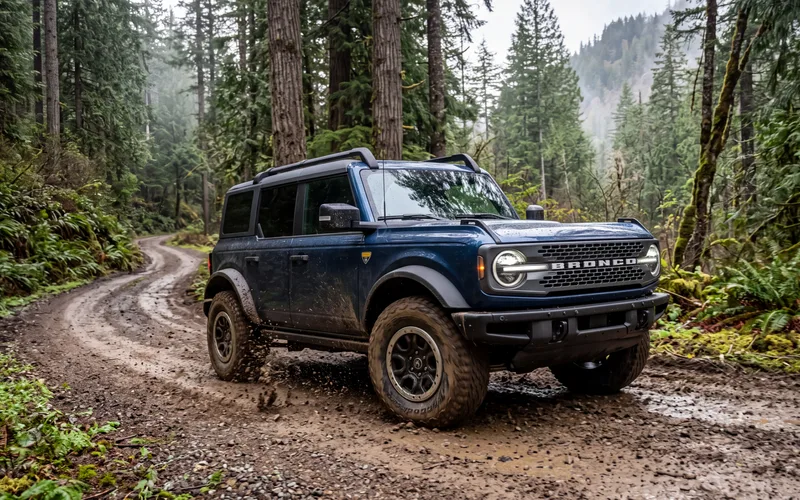 Ford BroncoOff-Road SUVBetter at: On-road manners
Nearly the same off-road brief with independent front suspension, better steering and a quieter cabin, so it survives the commute far better between trail weekends.
Compare 2.38C+
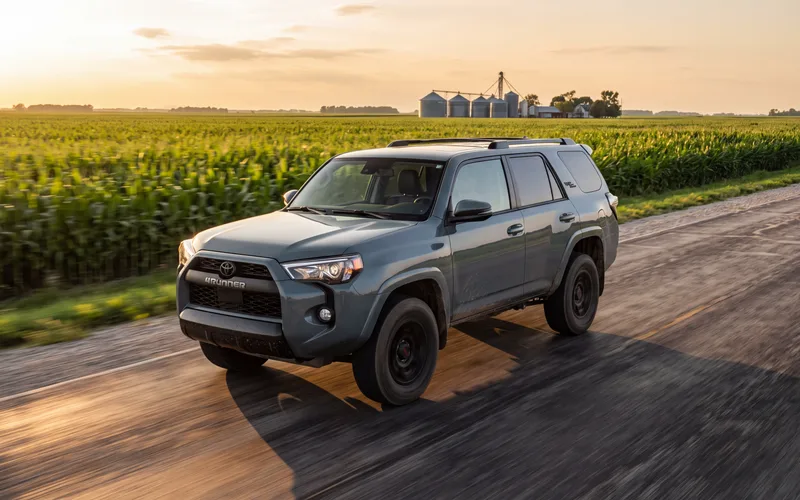 Toyota 4RunnerOff-Road SUVBetter at: Towing & reliability
Tows 6,000 lb, offers a third row, includes its full safety suite as standard, and carries a reliability reputation the Wrangler can't claim.
Compare 2.43C+
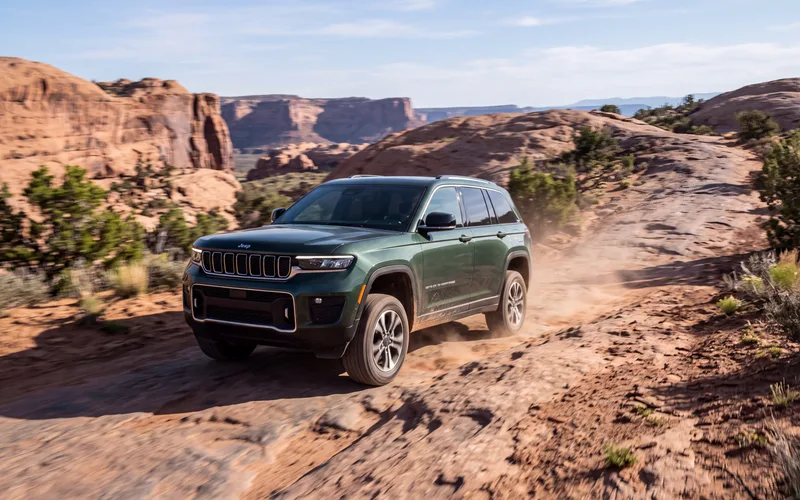 Jeep Grand CherokeeMid-Size SUVBetter at: Comfort & towing
The Jeep to buy when the trail hardware isn't essential — double the tow rating, real ride comfort and a modern driver-assist suite.
CompareHow it's evolved
10 scored model years · 2017–2026
Subject scores by year
Hover or tap a score to see what moved it versus the year before. A corner mark flags a big swing.
| Year | Performance | Efficiency | Safety | Space | Cost | Reliability | Tech | Use-case | Driving | Value |
|---|---|---|---|---|---|---|---|---|---|---|
| 2026 | 53 | 37 | 55 | 47 | 59 | 62 | 68 | 55 | 54 | 65 |
| 2025 | 58 | 35 | 42 | 44 | 62 | 46 | 64 | 55 | 49 | 68 |
| 2024 | 58 | 35 | 46 | 45 | 60 | 52 | 63 | 55 | 52 | 67 |
| 2023 | 54 | 35 | 41 | 43 | 60 | 53 | 44 | 52 | 51 | 60 |
| 2022 | 52 | 41 | 41 | 43 | 69 | 52 | 45 | 53 | 51 | 64 |
| 2021 | 53 | 41 | 41 | 41 | 52 | 45 | 40 | 46 | 46 | 65 |
| 2020 | 54 | 35 | 40 | 42 | 65 | 56 | 32 | 48 | 48 | 71 |
| 2019 | 49 | 36 | 44 | 44 | 66 | 45 | 34 | 47 | 45 | 72 |
| 2018 | 55 | 38 | 38 | 42 | 66 | 52 | 34 | 51 | 48 | 74 |
| 2017 | 47 | 26 | 14 | 36 | 65 | 57 | 18 | 34 | 38 | 59 |
Compare two years
Best fit & conditions
Higher scores mean a better fit for that use case. Learn more about use-case fit →
Subject profile
Trims & configurations
6 trimsScores above reflect the volume trim. Per-trim specs and scores are rolling out — the full lineup:
Academic Probation · NHTSA safety recalls
Sep 26, 2019Seat belts: front: anchorageThe driver's seat belt buckle mounting strap may fracture and separate from the seat frame.
Defect
Chrysler (FCA US LLC) is recalling certain 2011-2018 Jeep Wrangler right hand drive vehicles. The driver's seat belt buckle mounting strap may fracture and separate from the seat frame.
Risk
A separated or severed seat belt buckle strap will result in an inoperable seat belt, increasing the risk of injury in the event of a crash.
Remedy
FCA US will notify owners, and dealers will replace the driver's seat belt buckle, free of charge. Interim notices informing owners of the safety risk were mailed November 19, 2019. Owners will received a second letter and the recall began March 26, 2020. Owners may contact FCA customer service at 1-800-853-1403. FCA's number for this recall is VA6.
NHTSA campaign 19V680000 ↗Manufacturer no. VA611,463 vehicles potentially affected (all models in the campaign)Owners notified Mar 26, 2020Filed by Chrysler (FCA US LLC)Filed as WRANGLERAug 9, 2018Electrical system: wiring: front underhoodThe powertrain control module may be equipped with a voltage regulator chip in the circuit board that may fail, causing a stall or a no start condition.
Defect
Chrysler (FCA US LLC) is recalling certain 2018 Jeep Renegade, Compass and Grand Cherokee, RAM 1500 and Promaster, Fiat 500x, Dodge Journey, Challenger, Charger and Durango and Chrysler 300x vehicles, 2017-2018 Jeep Wrangler, Dodge Grand Caravan and Chrysler Town and Country vehicles and 2018-2019 Jeep Cherokee and 2018 Chrysler Pacifica and Pacifica Hybrid vehicles. The powertrain control module may be equipped with a voltage regulator chip in the circuit board that may fail, causing a stall or a no start condition.
Risk
A vehicle stall can increase the risk of a crash.
Remedy
Chrysler will notify owners, and dealers will replace the powertrain control module, free of charge. The recall began October 2, 2018. Owners may contact Chrysler customer service at 1-800-853-1403. Chrysler's number for this recall is U87.
NHTSA campaign 18V524000 ↗Manufacturer no. U8712,779 vehicles potentially affected (all models in the campaign)Owners notified Oct 2, 2018Filed by Chrysler (FCA US LLC)Filed as WRANGLERFeb 8, 2018Exterior lighting: brake lights: switchThe brake switches on these vehicles may malfunction, keeping the brake lights illuminated and/or allowing the vehicle to be shifted out of the PARK position without the brake pedal being pushed.
Defect
Chrysler (FCA US LLC) is recalling certain 2017 Dodge Caravan and Jeep Wrangler vehicles. The brake switches on these vehicles may malfunction, keeping the brake lights illuminated and/or allowing the vehicle to be shifted out of the PARK position without the brake pedal being pushed.
Risk
Having the brake lamps continuously illuminated or being able to shift the vehicle out of PARK when the brake pedal is not pressed (and the ignition is in the RUN mode) can increase the risk of a crash.
Remedy
Chrysler will notify owners, and dealers will replace the brake switches, free of charge. The recall began March 22, 2018. Owners may contact Chrysler customer service at 1-800-853-1403. Chrysler's number for this recall is U09.
NHTSA campaign 18V098000 ↗Manufacturer no. U0939,456 vehicles potentially affected (all models in the campaign)Owners notified Mar 22, 2018Filed by Chrysler (FCA US LLC)Filed as WRANGLERNov 23, 2016Fuel system, gasoline: storage: tank assemblyThe affected vehicles may have a fuel tank that has a cracked or broken control valve, possibly resulting in a fuel leak in a rollover event, debris in the fuel tank and/or the potential of over fueling the vehicle.
Defect
Chrysler (FCA US LLC) is recalling certain model year 2017 Jeep Wrangler vehicles manufactured November 1, 2016, to November 3, 2016. The affected vehicles may have a fuel tank that has a cracked or broken control valve, possibly resulting in a fuel leak in a rollover event, debris in the fuel tank and/or the potential of over fueling the vehicle.
Risk
A fuel leak in the presence of an ignition source can increase the risk of a fire.
Remedy
Chrysler will notify owners, and Jeep dealers will inspect the fuel tank and replace fuel tank and sending unit, as necessary, free of charge. The recall began January 12, 2017. Owners may contact Chrysler customer service at 1-800-853-1403. Chrysler's number for this recall is S90.
NHTSA campaign 16V849000 ↗Manufacturer no. S90359 vehicles potentially affected (all models in the campaign)Owners notified Jan 12, 2017Filed by Chrysler (FCA US LLC)Filed as WRANGLEROct 13, 2016Air bags: frontal: sensor/control module-inactiveIn certain crash conditions, the front impact sensor wiring may be pulled until it detaches before a signal can be received by the Occupant Restraint Controller (ORC).
Defect
Chrysler (FCA US LLC) is recalling certain model year 2016-2017 Jeep Wrangler vehicles manufactured June 16, 2015, to August 14, 2016. In certain crash conditions, the front impact sensor wiring may be pulled until it detaches before a signal can be received by the Occupant Restraint Controller (ORC).
Risk
If the ORC module does not receive a signal from the front impact sensor, both frontal air bags and the seat belt pretensioners will not deploy in the event of a crash, increasing the risk of injury.
Remedy
Chrysler will notify owners, and dealers will reroute the front impact sensor wiring and relocate the impact sensor branch, free of charge. The recall began on November 10, 2016. Owners may contact Chrysler customer service at 1-800-853-1403. Chrysler's number for this recall is S76.
NHTSA campaign 16V734000 ↗Manufacturer no. S76182,743 vehicles potentially affected (all models in the campaign)Owners notified Nov 10, 2016Filed by Chrysler (FCA US LLC)Filed as WRANGLER
42 recalls on other model years of the Wrangler (2018–2026)
Aug 13, 2026Back over prevention: sensing system: cameraThe rearview camera image may fail to display when the vehicle is placed in reverse. As such, these vehicles fail to comply with the requirements of Federal Motor Vehicle Safety Standard (FMVSS) number 111, "Rear Visibility."
Defect
Chrysler (FCA US, LLC) is recalling certain 2026 Jeep Wrangler, Jeep Gladiator, Jeep Compass, Jeep Cherokee, Jeep Grand Cherokee, Jeep Grand Cherokee L, Jeep Grand Wagoneer, Jeep Grand Wagoneer L, Ram Promaster, Ram Promaster EV, Ram 1500, Ram 2500, Chrysler Pacifica Plug-In Hybrid, Chrysler Voyager, and 2026-2027 Chrysler Pacifica and Dodge Charger vehicles. The rearview camera image may fail to display when the vehicle is placed in reverse. As such, these vehicles fail to comply with the requirements of Federal Motor Vehicle Safety Standard (FMVSS) number 111, "Rear Visibility."
Risk
A rearview camera image that fails to display reduces the driver's view behind the vehicle, increasing the risk of a crash.
Remedy
Radio software will be updated by a dealer or through an over-the-air (OTA) update, free of charge. Owner notification letters were mailed beginning September 2, 2026. Owners may contact Chrysler customer service at 800-853-1403. Chrysler's number for this recall is 78D. Vehicle Identification Numbers (VINs) involved in this recall will be searchable on NHTSA.gov on August 20, 2026.
NHTSA campaign 26V531000 ↗Manufacturer no. 78D844,027 vehicles potentially affected (all models in the campaign)Owners notified Sep 2, 2026Filed by Chrysler (FCA US, LLC)Filed as WRANGLERJul 16, 2026WheelsThe walls for the steel wheels may be too thin, allowing them to crack or detach, which can result in a loss of vehicle control.
Defect
Chrysler (FCA US, LLC) is recalling certain 2026 Jeep Gladiator and Jeep Wrangler vehicles. The walls for the steel wheels may be too thin, allowing them to crack or detach, which can result in a loss of vehicle control.
Risk
Loss of vehicle control increases the risk of a crash.
Remedy
Dealers will inspect and replace the steel wheels and valve stems, as necessary, free of charge. Owner notification letters are expected to be mailed September 4, 2026. Owners may contact FCA customer service at 1-800-853-1403. FCA's number for this recall is 05D. Vehicle Identification Numbers (VINs) involved in this recall will become searchable on NHTSA.gov beginning July 23, 2026.
NHTSA campaign 26V456000 ↗Manufacturer no. 05D641 vehicles potentially affected (all models in the campaign)Owners notified Jul 30, 2026Filed by Chrysler (FCA US, LLC)Filed as WRANGLERJun 4, 2026Steering: hydraulic power assist: pumpThe electric hydraulic power steering pump wiring may overheat and cause a vehicle fire, even when the vehicle is parked with the ignition in the "Off" position.
Defect
Chrysler (FCA US, LLC) is recalling certain 2021-2025 Jeep Wrangler, Wrangler 4XE, and Jeep Gladiator vehicles. The electric hydraulic power steering pump wiring may overheat and cause a vehicle fire, even when the vehicle is parked with the ignition in the "Off" position.
Risk
A vehicle fire increases the risk of injury.
Remedy
Owners are advised to park outside and away from structures, until their vehicle is repaired. Dealers will inspect and replace the wiring and electric hydraulic power steering pump, as necessary, free of charge. Owner notification letters are expected to be mailed July 9, 2026. Owners may contact FCA US LLC customer service at 1-800-853-1403. FCA US LLC's number for this recall is 21D. The Vehicle Identification Numbers (VINs) involved in this recall will become searchable on NHTSA.gov on June 11, 2026.
NHTSA campaign 26V363000 ↗Manufacturer no. 21D1,076,999 vehicles potentially affected (all models in the campaign)Owners notified Jul 9, 2026Filed by Chrysler (FCA US, LLC)Filed as WRANGLERMay 21, 2026Back over prevention: sensing system: cameraContamination in the central vision processing module or improper programming may cause the rearview camera image not to display. As such, these vehicles fail to comply with the requirements of Federal Motor Vehicle Safety Standard (FMVSS) number 111, "Rear Visibility."
Defect
Chrysler (FCA US, LLC) is recalling certain 2019 and 2023 Chrysler Pacifica, 2024 Ram 1500, Ram 2500, and 2024-2025 Jeep Wrangler vehicles. Contamination in the central vision processing module or improper programming may cause the rearview camera image not to display. As such, these vehicles fail to comply with the requirements of Federal Motor Vehicle Safety Standard (FMVSS) number 111, "Rear Visibility."
Risk
A rearview image that does not display reduces the driver's view behind the vehicle, increasing the risk of a crash.
Remedy
Dealers will update the central vision processing module software or replace the module, as necessary, free of charge. Owner notification letters are expected to be mailed beginning July 16, 2026. Owners may contact Chrysler customer service at 800-853-1403. Chrysler's number for this recall is 46D. Vehicle Identification Numbers (VINs) involved in this recall will be searchable on NHTSA.gov on May 28, 2026.
NHTSA campaign 26V327000 ↗Manufacturer no. 46D16 vehicles potentially affected (all models in the campaign)Owners notified Jul 16, 2026Filed by Chrysler (FCA US, LLC)Filed as WRANGLERApr 9, 2026Child seat: vehicle tether anchorThe child seat tether welds on the second-row, right-side seat frame may be insufficient, which can reduce the seat's ability to properly restrain a child during a crash. As such, these vehicles fail to comply with the requirements of Federal Motor Vehicle Safety Standard number 225, "Child Restraint Anchorage Systems."
Defect
Chrysler (FCA US, LLC) is recalling certain 2026 Jeep Wrangler vehicles. The child seat tether welds on the second-row, right-side seat frame may be insufficient, which can reduce the seat's ability to properly restrain a child during a crash. As such, these vehicles fail to comply with the requirements of Federal Motor Vehicle Safety Standard number 225, "Child Restraint Anchorage Systems."
Risk
A child that is not properly restrained during a crash can have an increased risk of injury.
Remedy
Dealers will replace the second-row, right-side seat frame, free of charge. Owner notification letters were mailed May 29, 2026. Owners may contact FCA customer service at 1-800-853-1403. FCA's number for this recall is 27D. Vehicle Identification Numbers (VINs) involved in this recall will become searchable on NHTSA.gov beginning April 16, 2026.
NHTSA campaign 26V224000 ↗Manufacturer no. 27D32 vehicles potentially affected (all models in the campaign)Owners notified May 29, 2026Filed by Chrysler (FCA US, LLC)Filed as WRANGLEROct 30, 2025Electrical system: propulsion system: traction batteryThe high voltage battery may fail internally and lead to a vehicle fire while parked or driving.
Defect
Chrysler (FCA US, LLC) is recalling certain 2020-2025 Jeep Wrangler 4Xe and 2022-2026 Grand Cherokee 4Xe vehicles. The high voltage battery may fail internally and lead to a vehicle fire while parked or driving.
Risk
A vehicle fire can increase the risk of injury.
Remedy
Owners are advised to park outside and away from structures and not to charge their vehicles until the remedy is completed. Dealers will update the high voltage battery software, and replace the high voltage battery, as necessary, free of charge. Some owner notification letters were mailed beginning December 17, 2025. The remaining owner notification letters will be mailed at a later date. Owners may contact Chrysler customer service at 800-853-1403. Chrysler's number for this recall is 68C. Vehicle Identification Numbers (VINs) involved in this recall will be searchable on NHTSA.gov beginning November 6, 2025. Vehicles that were previously recalled for the same issue under NHTSA Recalls 24V720 and 23V787 will need to have the new remedy performed.
NHTSA campaign 25V741000 ↗Manufacturer no. 68C320,068 vehicles potentially affected (all models in the campaign)Owners notified Dec 17, 2025Filed by Chrysler (FCA US, LLC)Filed as WRANGLERAug 14, 2025Tires: pressure monitoring and regulating systemsThe remote start antenna cable may be pinched, which can cause the tire pressure monitoring system (TPMS) warning light not to illuminate as intended. As such, these vehicles fail to comply with the requirements of Federal Motor Vehicle Safety Standard number 138, "Tire Pressure Monitoring Systems."
Defect
Chrysler (FCA US, LLC) is recalling certain 2024-2025 Jeep Wrangler vehicles. The remote start antenna cable may be pinched, which can cause the tire pressure monitoring system (TPMS) warning light not to illuminate as intended. As such, these vehicles fail to comply with the requirements of Federal Motor Vehicle Safety Standard number 138, "Tire Pressure Monitoring Systems."
Risk
A TPMS warning light that fails to notify the driver of a problem increases the risk of a crash.
Remedy
Dealers will inspect and replace the remote start antenna cable as necessary, free of charge. Owner notification letters were mailed September 2, 2025. Owners may contact FCA US, LLC customer service at 1-800-853-1403. FCA US, LLC's number for this recall is 56C.
NHTSA campaign 25V527000 ↗Manufacturer no. 56C22,906 vehicles potentially affected (all models in the campaign)Owners notified Sep 2, 2025Filed by Chrysler (FCA US, LLC)Filed as WRANGLERNov 19, 2024Electrical system: wiring · Exterior lightingThe incorrect dash wiring harness was installed, which can result in inoperative trailer lighting. As such, these vehicles fail to comply with the requirements of Federal Motor Vehicle Safety Standard number 108, "Lamps, Reflective Devices, and Associated Equipment."
Defect
Chrysler (FCA US, LLC) is recalling certain 2024 Jeep Wrangler vehicles. The incorrect dash wiring harness was installed, which can result in inoperative trailer lighting. As such, these vehicles fail to comply with the requirements of Federal Motor Vehicle Safety Standard number 108, "Lamps, Reflective Devices, and Associated Equipment."
Risk
Trailer lights that fail to illuminate can reduce the vehicle's visibility to other drivers, increasing the risk of a crash.
Remedy
Dealers will inspect and replace the dash wiring harness as necessary, free of charge. Owner notification letters were mailed December 19, 2024. Owners may contact FCA customer service at 1-800-853-1403. FCA's number for this recall is B9B.
NHTSA campaign 24V871000 ↗Manufacturer no. B9B34 vehicles potentially affected (all models in the campaign)Owners notified Dec 19, 2024Filed by Chrysler (FCA US, LLC)Filed as WRANGLERSep 12, 2024Back over prevention: sensing system: camera · Exterior lighting: brake lightsThe wiring harness for the rearview camera and the center brake light may short circuit, which can disable the rearview camera image and center brake light. As such, these vehicles fail to comply with the requirements of Federal Motor Vehicle Safety Standard numbers 111, "Rear Visibility" and 108, "Lamps, Reflective Devices, and Associated Equipment."
Defect
Chrysler (FCA US, LLC) is recalling certain 2018-2024 Jeep Wrangler vehicles. The wiring harness for the rearview camera and the center brake light may short circuit, which can disable the rearview camera image and center brake light. As such, these vehicles fail to comply with the requirements of Federal Motor Vehicle Safety Standard numbers 111, "Rear Visibility" and 108, "Lamps, Reflective Devices, and Associated Equipment."
Risk
A rearview camera image that does not display decreases the driver's visibility, increasing the risk of a crash. Additionally, a center brake light that fails to illuminate can fail to indicate to other drivers that the vehicle is slowing down, increasing the risk of a crash.
Remedy
Dealers replaced the harness for the center brake light and rearview camera and/or the spare tire carrier/harness assembly, as necessary, free of charge. All vehicles were repaired by January 15, 2024. Owner notification letters were mailed September 26, 2024. Owners may contact FCA US, LLC customer service at 1-800-853-1403. FCA US, LLC's number for this recall is 77B.
NHTSA campaign 24V676000 ↗Manufacturer no. 77B46 vehicles potentially affected (all models in the campaign)Owners notified Sep 26, 2024Filed by Chrysler (FCA US, LLC)Filed as WRANGLERSep 5, 2024Electrical system: instrument cluster/panelThe instrument panel cluster may experience an internal short circuit and fail. As such, these vehicles fail to comply with the requirements of Federal Motor Vehicle Safety Standard number 101, "Controls and Displays."
Defect
Chrysler (FCA US, LLC) is recalling certain 2020-2024 Jeep Gladiator and 2018-2024 Jeep Wrangler vehicles. The instrument panel cluster may experience an internal short circuit and fail. As such, these vehicles fail to comply with the requirements of Federal Motor Vehicle Safety Standard number 101, "Controls and Displays."
Risk
An instrument panel that fails to display critical safety information, such as the speedometer or warning lights, can increase the risk of a crash.
Remedy
Dealers will replace the instrument panel cluster, free of charge. Owner notification letters were mailed between October 3, 2024, and January 23, 2025. Owners may contact FCA customer service at 1-800-853-1403. FCA's number for this recall is 30B.
NHTSA campaign 24V652000 ↗Manufacturer no. 30B32,863 vehicles potentially affected (all models in the campaign)Owners notified Oct 3, 2024Filed by Chrysler (FCA US, LLC)Filed as WRANGLERAug 8, 2024Exterior lighting: tail lightsAs such, these vehicles fail to comply with the requirements of Federal Motor Vehicle Safety Standard number 108, "Lamps, Reflective Devices, and Associated Equipment."
Defect
Chrysler (FCA US, LLC) is recalling certain 2024 Jeep Wrangler vehicles. The vehicles are equipped with incorrect tail lights that may be obstructed by the spare tire. As such, these vehicles fail to comply with the requirements of Federal Motor Vehicle Safety Standard number 108, "Lamps, Reflective Devices, and Associated Equipment."
Risk
Obstructed tail lights can reduce the vehicle's visibility to other drivers, increasing the risk of a crash.
Remedy
Dealers will replace the tail lights, free of charge. Owner notification letters were mailed August 29, 2024. Owners may contact FCA customer service at 1-800-853-1403. FCA's number for this recall is 90B.
NHTSA campaign 24V585000 ↗Manufacturer no. 90B27 vehicles potentially affected (all models in the campaign)Owners notified Aug 29, 2024Filed by Chrysler (FCA US, LLC)Filed as WRANGLERAug 1, 2024Power train: manual transmission: control module: softwareThe software for the powertrain control module may cause an engine stall, which can result in a loss of drive power.
Defect
Chrysler (FCA US, LLC) is recalling certain 2021 Jeep Wrangler and Jeep Gladiator vehicles that were previously remedied under NHTSA recall number 23V-116. The software for the powertrain control module may cause an engine stall, which can result in a loss of drive power.
Risk
A loss of drive power increases the risk of a crash.
Remedy
Dealers will update the powertrain control module software, free of charge. Owner notification letters were mailed August 15, 2024. Owners may contact FCA US, LLC customer service at 1-800-853-1403. FCA US LLC's number for this recall is 92B. Vehicles previously repaired under recall 23V-116 will need to have the new remedy completed.
NHTSA campaign 24V572000 ↗Manufacturer no. 92B94 vehicles potentially affected (all models in the campaign)Owners notified Aug 15, 2024Filed by Chrysler (FCA US, LLC)Filed as WRANGLERJun 6, 2024Exterior lighting: tail lights · Exterior lighting: turn signalThe power distribution center may prevent the trailer turn signal lights and taillights from operating as intended. As such, these vehicles fail to comply with the requirements of Federal Motor Vehicle Safety Standard number 108, "Lamps, Reflective Devices, and Associated Equipment."
Defect
Chrysler (FCA US, LLC) is recalling certain 2024 Jeep Wrangler vehicles. The power distribution center may prevent the trailer turn signal lights and taillights from operating as intended. As such, these vehicles fail to comply with the requirements of Federal Motor Vehicle Safety Standard number 108, "Lamps, Reflective Devices, and Associated Equipment."
Risk
Trailer taillights and turn signal lights that do not illuminate as intended can increase the risk of a crash.
Remedy
Dealers will replace the power distribution center, free of charge. Owner notification letters were mailed July 2, 2024. Owners may contact FCA US, LLC customer service at 1-800-853-1403. FCA US, LLC's number for this recall is 57B.
NHTSA campaign 24V414000 ↗Manufacturer no. 57B4 vehicles potentially affected (all models in the campaign)Owners notified Jul 2, 2024Filed by Chrysler (FCA US, LLC)Filed as WRANGLERMar 14, 2024Air bags: frontal: driver clockspring/spiral cassette · Steering: columnThe steering column control module may not be welded properly, which can prevent the driver's air bag from deploying in a crash. As such, these vehicles fail to comply with the requirements of Federal Motor Vehicle Safety Standard number 208, "Occupant Crash Protection."
Defect
Chrysler (FCA US, LLC) (Stellantis) is recalling certain 2023-2024 Ram 1500, Jeep Wrangler, Jeep Wagoneer, Jeep Grand Wagoneer, Chrysler Pacifica, Ram 3500, Ram 3500 cab chassis, Ram 2500, Ram 4500 cab chassis, Ram 5500 cab chassis, 2023 Jeep Gladiator, Jeep Grand Cherokee, Jeep Grand Cherokee L, Ram 3500 Cab Chassis with a GVWR less than 10,000 lbs., and Chrysler Voyager vehicles. The steering column control module may not be welded properly, which can prevent the driver's air bag from deploying in a crash. As such, these vehicles fail to comply with the requirements of Federal Motor Vehicle Safety Standard number 208, "Occupant Crash Protection."
Risk
An air bag that does not deploy in a crash can increase the risk of injury.
Remedy
Dealers will inspect and replace the steering column control module, as necessary free of charge. Some owner notification letters were mailed April 11, 2024 through June 20, 2024. Owners may contact FCA US, LLC customer service at 1-800-853-1403. FCA US, LLC's numbers for this recall are 14B, 33B, 34B, 35B, 36B.
NHTSA campaign 24V199000 ↗Manufacturer no. 14B,33B,34B,35B,36B38,164 vehicles potentially affected (all models in the campaign)Owners notified Apr 11, 2024Filed by Chrysler (FCA US, LLC) (Stellantis)Filed as WRANGLERFeb 15, 2024Visibility: defroster/defogger/hvac systemA hybrid control processor (HCP) software error may cause the defrosting and defogging system to be inoperative. As such, these vehicles fail to comply with the requirements of Federal Motor Vehicle Safety Standard number 103, "Windshield Defrosting and Defogging Systems."
Defect
Chrysler (FCA US, LLC) is recalling certain 2021-2024 Jeep Wrangler and 2022-2024 Jeep Grand Cherokee vehicles. A hybrid control processor (HCP) software error may cause the defrosting and defogging system to be inoperative. As such, these vehicles fail to comply with the requirements of Federal Motor Vehicle Safety Standard number 103, "Windshield Defrosting and Defogging Systems."
Risk
An inoperative windshield defrosting and defogging system may decrease the driver's visibility, increasing the risk of a crash.
Remedy
Dealers will update the HCP software, free of charge. Owner notification letters were mailed February 29, 2024. Owners may contact Chrysler customer service at 1-800-853-1403. Chrysler's number for this recall is 04B.
NHTSA campaign 24V111000 ↗Manufacturer no. 04B199,143 vehicles potentially affected (all models in the campaign)Owners notified Feb 29, 2024Filed by Chrysler (FCA US, LLC)Filed as WRANGLERNov 22, 2023Electrical system: propulsion system: traction batteryThe high voltage battery may fail internally and lead to a vehicle fire while parked or driving.
Defect
Chrysler (FCA US, LLC) is recalling certain 2021-2023 Jeep Wrangler Plug-In Hybrid Electric (PHEV) vehicles. The high voltage battery may fail internally and lead to a vehicle fire while parked or driving.
Risk
A vehicle fire while parked or driving can increase the risk of injury.
Remedy
Owners are advised not to recharge their vehicles, and to park outside and away from structures, until they are repaired. Dealers will update the high voltage battery pack software and replace the battery pack assembly if necessary, free of charge. Owner notification letters were mailed March 7, 2024. Owners may contact FCA US, LLC customer service at 1-800-853-1403. FCA US, LLC's number for this recall is 89A. This recall is superseded by NHTSA Recall 24V-720.
NHTSA campaign 23V787000 ↗Manufacturer no. B9A32,125 vehicles potentially affected (all models in the campaign)Owners notified Mar 7, 2024Filed by Chrysler (FCA US, LLC)Filed as WRANGLERSep 18, 2023Power train: manual transmissionThe rearview camera may fail to display the rearview image and the reverse lights may not illuminate when the vehicle is placed in reverse. As such, these vehicles fail to comply with the requirements of Federal Motor Vehicle Safety Standard numbers 111, "Rear Visibility" and 108, "Lamps, Reflective Devices, and Associated Equipment."
Defect
Chrysler (FCA US), LLC is recalling certain 2022-2023 Jeep Wrangler and Gladiator vehicles equipped with a manual transmission. The rearview camera may fail to display the rearview image and the reverse lights may not illuminate when the vehicle is placed in reverse. As such, these vehicles fail to comply with the requirements of Federal Motor Vehicle Safety Standard numbers 111, "Rear Visibility" and 108, "Lamps, Reflective Devices, and Associated Equipment."
Risk
A disabled rearview image can decrease the driver's visibility of the rear view, and disabled reverse lights may not alert others that the vehicle is reversing, increasing the risk of injury or crash.
Remedy
Dealers will replace the gear position sensor, free of charge. Owner notification letters were mailed November 16, 2023. Owners may contact FCA US, LLC customer service at 1-800-853-1403. FCA US, LLC's number for this recall is 92A.
NHTSA campaign 23V641000 ↗Manufacturer no. 92A6,298 vehicles potentially affected (all models in the campaign)Owners notified Nov 16, 2023Filed by Chrysler (FCA US, LLC)Filed as WRANGLERAug 10, 2023Exterior lighting: brake lightsThe spare tire may obstruct the view of the center high-mount brake light. As such, these vehicles fail to comply with the requirements of Federal Motor Vehicle Safety Standard number 108, "Lamps, Reflective Devices, and Associated Equipment."
Defect
Chrysler (FCA US, LLC) is recalling certain 2023 Jeep Wrangler vehicles. The spare tire may obstruct the view of the center high-mount brake light. As such, these vehicles fail to comply with the requirements of Federal Motor Vehicle Safety Standard number 108, "Lamps, Reflective Devices, and Associated Equipment."
Risk
A brake light that is obstructed may not be visible to other drivers to indicate the intention to slow or stop, increasing the risk of a crash.
Remedy
Dealers will replace the spare tire carrier assembly, free of charge. Owner notification letters were mailed September 28, 2023. Owners may contact FCA US, LLC customer service at 1-800-853-1403. FCA US, LLC's number for this recall is 84A.
NHTSA campaign 23V565000 ↗Manufacturer no. 84A16 vehicles potentially affected (all models in the campaign)Owners notified Sep 28, 2023Filed by Chrysler (FCA US, LLC)Filed as WRANGLERApr 27, 2023Electrical system: propulsion system: traction batteryThe high voltage (HV) battery pack assembly was built with incorrect fasteners to secure the 200-amp fuse, which can generate excessive heat.
Defect
Chrysler (FCA US, LLC) is recalling certain 2022-2023 Jeep Wrangler Plug-In Hybrid Electric vehicles (PHEV). The high voltage (HV) battery pack assembly was built with incorrect fasteners to secure the 200-amp fuse, which can generate excessive heat.
Risk
Excessive heat may cause the fuse to fail and result in a loss of drive power, increasing the risk of a crash.
Remedy
Dealers will inspect and replace the HV battery fuse, as necessary. Dealers will also inspect the battery assembly for damage and replace it, if necessary. Repairs will be performed free of charge. Owner notification letters were mailed May 23, 2023. Owners may contact Chrysler customer service at 1-800-853-1403. Chrysler's number for this recall is 53A. This recall is an expansion of previous recall 22V-768.
NHTSA campaign 23V303000 ↗Manufacturer no. 53A2,564 vehicles potentially affected (all models in the campaign)Owners notified May 23, 2023Filed by Chrysler (FCA US, LLC)Filed as WRANGLERApr 13, 2023Fuel system, diesel: delivery: fuel pumpThe high pressure fuel pump (HPFP) may fail.
Defect
Chrysler (FCA US, LLC) is recalling certain 2021-2023 Jeep Wrangler, Gladiator, and 2022-2023 Ram 1500 vehicles equipped with a 3.0L diesel engine. The high pressure fuel pump (HPFP) may fail.
Risk
Fuel pump failure can result in an engine stall, increasing the risk of a crash.
Remedy
Dealers will replace the HPFP and replace additional fuel system components, as necessary, free of charge. Owner notification letters were mailed October 17, 2023. Owners may contact FCA US, LLC customer service at 1-800-853-1403. FCA US, LLC's number for this recall is 01A.
NHTSA campaign 23V263000 ↗Manufacturer no. 01A45,832 vehicles potentially affected (all models in the campaign)Owners notified Oct 17, 2023Filed by Chrysler (FCA US, LLC)Filed as WRANGLERMar 23, 2023Structure: frame and membersA stud on the frame assembly may puncture the fuel tank in a crash, which can result in a fuel leak.
Defect
Chrysler (FCA US, LLC) is recalling certain 2020-2022 Jeep Wrangler vehicles. A stud on the frame assembly may puncture the fuel tank in a crash, which can result in a fuel leak.
Risk
A fuel leak in the presence of an ignition source increases the risk of a fire.
Remedy
Dealers will inspect and, if necessary, remove the frame stud and apply paint, free of charge. Owner notification letters were mailed April 6, 2023. Owners may contact FCA US, LLC customer service at 1-800-853-1403. FCA US, LLC's number for this recall is 28A.
NHTSA campaign 23V191000 ↗Manufacturer no. 28A35,829 vehicles potentially affected (all models in the campaign)Owners notified Apr 6, 2023Filed by Chrysler (FCA US, LLC)Filed as WRANGLERFeb 23, 2023Power train: clutch assemblyThe clutch pressure plate may overheat and fracture.
Defect
Chrysler (FCA US, LLC) is recalling certain 2018-2023 Jeep Wrangler, and 2020-2023 Jeep Gladiator vehicles equipped with manual transmissions. The clutch pressure plate may overheat and fracture.
Risk
Overheated clutch components may increase the risk of a fire. Additionally, damage to other nearby components can result in debris falling onto the road or a loss of drive, increasing the risk of a crash.
Remedy
Dealers will replace the clutch assembly and update the software, free of charge. Owner notification letters were mailed from November 16, 2023 through July 25, 2024. Owners may contact (FCA US, LLC) customer service at 1-800-853-1403. FCA US LLC's number for this recall is 19A. This recall expands and replaces previous recall 21V-028. Vehicles previously repaired under recall 21V-028 will need to have the new remedy completed.
NHTSA campaign 23V116000 ↗Manufacturer no. 19A69,201 vehicles potentially affected (all models in the campaign)Owners notified Nov 16, 2023Filed by Chrysler (FCA US, LLC)Filed as WRANGLERNov 23, 2022EngineA loss of communication may cause an engine shutdown.
Defect
Chrysler (FCA US, LLC) is recalling certain 2021-2023 Jeep Wrangler 4xe vehicles equipped with 2.0L Plug-In Hybrid Electric Vehicle engines. A loss of communication may cause an engine shutdown.
Risk
An engine shutdown can cause a loss of drive power, increasing the risk of a crash.
Remedy
There is more than one involved component and calibration software. Updating the calibration software in the Transmission Control Module, Hybrid Control Processor and Auxiliary Hybrid Control Processor that changes fail safe from shut down to limp home. Dealers will update the transmission control module software, Hybrid Control Processor and Auxiliary Hybrid Control Processor, free of charge. Owner notification letters were mailed December 22, 2022. Owners may contact FCA US, LLC customer service at 1-800-853-1403. FCA US, LLC's number for this recall ZB7.
NHTSA campaign 22V865000 ↗Manufacturer no. ZB762,909 vehicles potentially affected (all models in the campaign)Owners notified Dec 22, 2022Filed by Chrysler (FCA US, LLC)Filed as WRANGLEROct 13, 2022Electrical system: propulsion system: traction batteryThe high voltage (HV) battery pack assembly was built with incorrect fasteners to secure the 200-amp fuse, which can generate excessive heat.
Defect
Chrysler (FCA US, LLC) is recalling certain 2022-2023 Jeep Wrangler Plug-In Hybrid Electric (PHEV) vehicles. The high voltage (HV) battery pack assembly was built with incorrect fasteners to secure the 200-amp fuse, which can generate excessive heat.
Risk
Excessive heat may cause the fuse to fail and result in a loss of drive power, increasing the risk of a crash.
Remedy
Dealers will inspect and replace the HV battery fuse, as necessary. Dealers will also inspect the battery assembly for damage and replace it, if necessary. Repairs will be performed free of charge. Owner notification letters were mailed December 8, 2022. Owners may contact Chrysler customer service at 1-800-853-1403. Chrysler's number for this recall is Z71.
NHTSA campaign 22V768000 ↗Manufacturer no. Z7113,722 vehicles potentially affected (all models in the campaign)Owners notified Dec 8, 2022Filed by Chrysler (FCA US, LLC)Filed as WRANGLEROct 13, 2022Engine · Fuel system, gasoline: delivery: fuel pumpThe high pressure fuel pump (HPFP) may fail, causing an engine stall.
Defect
Chrysler (FCA US, LLC) is recalling certain 2020-2022 Jeep Wrangler, Ram 1500, and 2021-2022 Jeep Gladiator vehicles equipped with 3.0L diesel engines. The high pressure fuel pump (HPFP) may fail, causing an engine stall.
Risk
An engine stall can increase the risk of a crash.
Remedy
Dealers will replace the HPFP and inspect and replace additional fuel system components, as necessary, free of charge. Owner notification letters were mailed October 17, 2023. Owners may contact Chrysler customer service at 1-800-853-1403. Chrysler's number for this recall is Z96.
NHTSA campaign 22V767000 ↗Manufacturer no. Z9660,413 vehicles potentially affected (all models in the campaign)Owners notified Oct 17, 2023Filed by Chrysler (FCA US, LLC)Filed as WRANGLEROct 13, 2022Seat belts: pretensionerThe front seat belt retractors may have an improperly welded micro gas generator, which can result in seat belt pretensioner failure.
Defect
Chrysler (FCA US, LLC) is recalling certain 2022 Ram 1500, Jeep Gladiator, and 2021 Jeep Wrangler vehicles. The front seat belt retractors may have an improperly welded micro gas generator, which can result in seat belt pretensioner failure.
Risk
A seat belt with pretensioner failure may not properly restrain an occupant during a crash, increasing the risk of injury.
Remedy
Dealers will replace the front seat belt retractors. free of charge. Owner notification letters were mailed December 8, 2022. Owners may contact Chrysler customer service at 1-800-853-1403. Chrysler's number for this recall is Z95.
NHTSA campaign 22V766000 ↗Manufacturer no. Z952,802 vehicles potentially affected (all models in the campaign)Owners notified Dec 8, 2022Filed by Chrysler (FCA US, LLC)Filed as WRANGLERAug 25, 2022Back over prevention: display functionA radio software error may prevent the rearview image from displaying. As such, these vehicles fail to comply with the requirements of Federal Motor Vehicle Safety Standard number 111, "Rear Visibility."
Defect
Chrysler (FCA US, LLC) is recalling certain 2020-2021 Jeep Wrangler, RAM 1500 and 2021 Jeep Gladiator vehicles. A radio software error may prevent the rearview image from displaying. As such, these vehicles fail to comply with the requirements of Federal Motor Vehicle Safety Standard number 111, "Rear Visibility."
Risk
A rearview camera that does not display an image reduces the driver's rear view, increasing the risk of a crash.
Remedy
Dealers will update the radio software, free of charge. Owner notification letters were mailed October 6, 2022. Owners may contact FCA US, LLC customer service at 1-800-853-1403. FCA, LLC's number for this recall is Z86.
NHTSA campaign 22V638000 ↗Manufacturer no. Z867,895 vehicles potentially affected (all models in the campaign)Owners notified Oct 6, 2022Filed by Chrysler (FCA US, LLC)Filed as WRANGLERMay 12, 2022Exterior lightingThe side marker lights may not function due to an incompatible tail light assembly wiring harness. As such, these vehicles fail to comply with the requirements of Federal Motor Vehicle Safety Standard number 108, "Lamps, Reflective Devices, and Associated Equipment."
Defect
Chryler (FCA US, LLC) is recalling certain 2022 Jeep Wrangler vehicles. The side marker lights may not function due to an incompatible tail light assembly wiring harness. As such, these vehicles fail to comply with the requirements of Federal Motor Vehicle Safety Standard number 108, "Lamps, Reflective Devices, and Associated Equipment."
Risk
Nonfunctional side marker lights may reduce vehicle visibility to other drivers, increasing the risk of a crash.
Remedy
FCA will replace the tail light assemblies, free of charge. Owner notification letters were mailed on May 26, 2022 and August 3, 2023. Owners may contact FCA US, LLC customer service at 1-800-853-1403. FCA US, LLC's number for this recall is Z43.
NHTSA campaign 22V326000 ↗Manufacturer no. Z4316 vehicles potentially affected (all models in the campaign)Owners notified May 26, 2022Filed by Chrysler (FCA US, LLC)Filed as WRANGLERAug 26, 2021Fuel system, gasoline: delivery: hoses, lines/piping, and fittingsA cracked fuel supply line connector may leak fuel into the engine compartment.
Defect
Chrysler (FCA US, LLC) is recalling certain 2020 Jeep Wrangler vehicles equipped with the 2.0 Liter engine. A cracked fuel supply line connector may leak fuel into the engine compartment.
Risk
A fuel leak in the presence of an ignition source increases the risk of fire.
Remedy
Dealers will inspect and replace the fuel supply line as needed, free of charge. Owner notification letters were mailed on September 10, 2021. Owners may contact FCA US LLC customer service at 1-800-853-140. FCA US LLC's number for this recall is Y10.
NHTSA campaign 21V665000 ↗Manufacturer no. Y1014,410 vehicles potentially affected (all models in the campaign)Owners notified Sep 10, 2021Filed by Chrysler (FCA US, LLC)Filed as WRANGLERJan 28, 2021Power train: clutch assemblyThe clutch pressure plate may overheat and fracture.
Defect
Chrysler (FCA US, LLC) is recalling certain 2018-2021 Jeep Wrangler and 2020-2021 Jeep Gladiator vehicles equipped with manual transmissions. The clutch pressure plate may overheat and fracture.
Risk
Overheated clutch components may increase the risk of a fire. Additionally, damage to other nearby components can result in debris falling onto the road or a loss of drive, increasing the risk of a crash.
Remedy
FCA US LLC will notify owners, and dealers will add software to reduce engine torque capability when clutch assembly temperatures rise to a level that may damage the inner pressure plate, free of charge." FCA has ordered a stop sale for the affected vehicles as of February 25, 2021. Owner notification letters were mailed on March 4, 2021.
NHTSA campaign 21V028000 ↗Manufacturer no. Y0142,887 vehicles potentially affected (all models in the campaign)Owners notified Mar 4, 2021Filed by Chrysler (FCA US, LLC)Filed as WRANGLERSep 24, 2020Seat belts · Seat belts: front: retractorIn the event of a crash, a front seat belt retractor may not properly slow the occupant's forward movement after locking.
Defect
Chrysler (FCA US LLC) is recalling certain 2019 Jeep Wrangler and Ram 2500, 2019-2020 Ram 1500 and 2020 Jeep Gladiator vehicles. In the event of a crash, a front seat belt retractor may not properly slow the occupant's forward movement after locking.
Risk
In the event of a crash, if the front seat belts fail to lock, there is an increased risk of injury.
Remedy
Chrysler will notify owners, and dealers will replace the front seat belt retractors, free of charge. The recall began November 12, 2020. Owners may contact Chrysler customer service at 1-800-853-1403. Chrysler's number for this recall is W67.
NHTSA campaign 20V580000 ↗Manufacturer no. W672,114 vehicles potentially affected (all models in the campaign)Owners notified Nov 12, 2020Filed by Chrysler (FCA US LLC)Filed as WRANGLERSep 10, 2020Back over prevention: sensing system: cameraA software error can cause the rearview camera image to remain displayed after the vehicle has been shifted out of reverse. As such, these vehicles fail to comply with the requirements of Federal Motor Vehicle Safety Standard (FMVSS) number 111, "Rearview Mirrors."
Defect
Chrysler (FCA US LLC) is recalling certain 2020 Jeep Gladiator and Jeep Cherokee, 2019-2020 Ram 1500 Pickup, Ram 2500 Pickup, Ram 3500 Pickup, Chrysler Pacifica, Dodge Durango, Jeep Grand Cherokee, Jeep Wrangler, and Jeep Renegade and 2019 Dodge Challenger vehicles equipped with 8.4" or 12" radio displays. A software error can cause the rearview camera image to remain displayed after the vehicle has been shifted out of reverse. As such, these vehicles fail to comply with the requirements of Federal Motor Vehicle Safety Standard (FMVSS) number 111, "Rearview Mirrors."
Risk
The lingering rearview image can distract the driver, increasing the risk of a crash.
Remedy
Chrysler has notified owners, and dealers will update the radio display software, free of charge. Optionally, owners can choose to remotely update their software via an Over-The-Air (OTA) update available as of May 1, 2020. The recall began April 27, 2020. Owners may contact Chrysler customer service at 1-800-853-1403. Chrysler's number for this recall is W30-W37.
NHTSA campaign 20V191000 ↗Manufacturer no. W30-W37319,610 vehicles potentially affected (all models in the campaign)Owners notified Apr 27, 2020Filed by Chrysler (FCA US LLC)Filed as WRANGLERMar 3, 2020Power train: clutch assemblyThe clutch pressure plate may overheat and fracture.
Defect
Chrysler (FCA US LLC) is recalling certain 2018-2020 Jeep Wrangler and 2020 Gladiator vehicles equipped with manual transmissions. The clutch pressure plate may overheat and fracture.
Risk
The overheated clutch components may increase the risk of a fire. Additionally, damage to other nearby components can result in debris falling onto the road or a loss of drive, increasing the risk of a crash.
Remedy
Chrysler will notify owners, and dealers will reroute a wire harness and inspect the clutch system, and replace components as needed. The recall began April 30, 2020. Owners may contact Chrysler customer service at 1-800-853-1403. Chrysler's number for this recall is W12.
NHTSA campaign 20V124000 ↗Manufacturer no. W1233,237 vehicles potentially affected (all models in the campaign)Owners notified Apr 30, 2020Filed by Chrysler (FCA US LLC)Filed as WRANGLERJan 24, 2020Suspension: front: control arm: lower armThe left side lower control arm bracket and weld may not be correctly positioned.
Defect
Chrysler (FCA US LLC) is recalling certain 2020 Jeep Wrangler vehicles. The left side lower control arm bracket and weld may not be correctly positioned.
Risk
The improper weld may allow the lower control arm to separate from the axle which can increase the risk of a crash.
Remedy
Chrysler will notify owners, and dealers will inspect the front axles, replacing them as necessary, free of charge. The recall began February 27, 2020. Owners may contact Chrysler customer service at 1-800-853-1403. Chrysler's number for this recall is W01.
NHTSA campaign 20V042000 ↗Manufacturer no. W013,005 vehicles potentially affected (all models in the campaign)Owners notified Feb 27, 2020Filed by Chrysler (FCA US LLC)Filed as WRANGLERApr 23, 2019EquipmentThe top cover of the roof top tent may crack or break, possibly resulting in the cover detaching from the vehicle while moving.
Defect
Erwin Hymer Group USA LP dba American Fastbacks (EHGUSA-AF) is recalling certain 2018 Jeep Wrangler vehicles sold with a roof top tent installed. The top cover of the roof top tent may crack or break, possibly resulting in the cover detaching from the vehicle while moving.
Risk
If the roof top tent cover detaches from the vehicle while moving, it can create a road hazard, increasing the risk of a crash.
Remedy
The remedy for this recall is still under development. The recall began May 9, 2019. Owners may contact American Fastbacks customer service at 1-844-533-7997 extension 301. Note: Vehicles in this recall are also included in recall 19V-190.
NHTSA campaign 19V320000 ↗94 vehicles potentially affected (all models in the campaign)Owners notified May 9, 2019Filed by EHG USA LP dba American FastbacksFiled as WRANGLERMar 14, 2019SteeringThese vehicles have improperly machined steering column stub shafts that may break, possibly causing the steering wheel to detach from the steering column.
Defect
Chrysler (FCA US LLC) is recalling certain 2019 Jeep Wrangler and 2019 Ram 1500 vehicles. These vehicles have improperly machined steering column stub shafts that may break, possibly causing the steering wheel to detach from the steering column.
Risk
If the steering wheel detaches from the steering column, the driver may lose control of the vehicle, increasing the risk of crash.
Remedy
Chrysler will notify owners, and dealers will inspect the steering column, replacing it, as necessary, free of charge. The recall began April 5, 2019. Owners may contact FCA US customer service at 1-800-853-1403. Chrysler's number for this recall is V29.
NHTSA campaign 19V201000 ↗Manufacturer no. V2952 vehicles potentially affected (all models in the campaign)Owners notified Apr 5, 2019Filed by Chrysler (FCA US LLC)Filed as WRANGLERNov 8, 2018Latches/locks/linkages: doors: latchThe right rear passenger door latch may not be in the correct location, possibly preventing the door from latching properly.
Defect
Chrysler (FCA US LLC) is recalling certain 2018 Jeep Wrangler four-door vehicles. The right rear passenger door latch may not be in the correct location, possibly preventing the door from latching properly.
Risk
If the right rear passenger door opens unexpectedly, it can increase the risk of injury.
Remedy
Chrysler will notify owners, and dealers will repair the right rear door latch reinforcement, free of charge. The recall begin December 6, 2018. Owners may contact Chrysler customer service at 1-800-853-1403. Chrysler's number for this recall is UB6.
NHTSA campaign 18V786000 ↗Manufacturer no. UB652 vehicles potentially affected (all models in the campaign)Owners notified Dec 6, 2018Filed by Chrysler (FCA US LLC)Filed as WRANGLERSep 28, 2018Structure: frame and membersThe front track bar brackets may be improperly welded, which can cause the bracket to separate from the frame, reducing steering capability.
Defect
Chrysler (FCA US LLC) is recalling certain 2018-2019 Jeep Wrangler vehicles. The front track bar brackets may be improperly welded, which can cause the bracket to separate from the frame, reducing steering capability.
Risk
An unexpected reduction in steering ability, can increase the risk of a crash.
Remedy
Chrysler will notify owners, and dealers will inspect and repair the track bar bracket welds, as necessary, free of charge. The recall is expected to begin November 17, 2018. Owners may contact Chrysler customer service at 1-800-853-1403. Chrysler's number for this recall is UA5.
NHTSA campaign 18V675000 ↗Manufacturer no. UA518,055 vehicles potentially affected (all models in the campaign)Owners notified Oct 24, 2018Filed by Chrysler (FCA US LLC)Filed as WRANGLERMay 25, 2018SteeringThe intermediate steering shaft may not have been properly welded causing a split where the external spline is formed.
Defect
Chrysler (FCA US LLC) is recalling certain 2018 Jeep Wrangler vehicles. The intermediate steering shaft may not have been properly welded causing a split where the external spline is formed.
Risk
If the weld seam splits, the steering wheel may lose center positioning causing a loss of steering responsiveness and increasing the risk of a crash.
Remedy
Chrysler will notify owners, and dealers will inspect and, as necessary, replace the intermediate steering shaft, free of charge. The recall began June 21, 2018. Owners may contact Chrysler customer service at 1-800-853-1403. Chrysler's number for this recall is U48.
NHTSA campaign 18V343000 ↗Manufacturer no. U48539 vehicles potentially affected (all models in the campaign)Owners notified Jun 21, 2018Filed by Chrysler (FCA US LLC)Filed as WRANGLERMay 17, 2018Electrical system: software · Electrical system: wiring · Vehicle speed control: cruise controlThese vehicles are being recalled to address a defect that could prevent the cruise control system from disengaging. If, when using cruise control, there is a short circuit within the vehicle's wiring, the driver may not be able to shut off the cruise control either by depressing the brake pedal or manually turning the system off once it has been engaged, resulting in either the vehicle maintaining its current speed or possibly accelerating.
Defect
Chrysler (FCA US LLC) is recalling certain 2014-2018 Dodge Journey, Charger and Durango, RAM 2500, 3500, 3500 Cab Chassis (more than 10,000lb), 4500 Cab Chassis and 5500 Cab Chassis, Jeep Cherokee and Grand Cherokee and Chrysler 300, 2014-2019 RAM 1500, 2015-2018 Dodge Challenger, 2015-2017 Chrysler 200, 2016-2018 RAM 3500 Cab Chassis (less than 10,000 lb), 2017-2018 Chrysler Pacifica and 2018 Jeep Wrangler vehicles. These vehicles are being recalled to address a defect that could prevent the cruise control system from disengaging. If, when using cruise control, there is a short circuit within the vehicle's wiring, the driver may not be able to shut off the cruise control either by depressing the brake pedal or manually turning the system off once it has been engaged, resulting in either the vehicle maintaining its current speed or possibly accelerating.
Risk
If the vehicle maintains its speed or accelerates despite attempts to deactivate the cruise control, there would be an increased risk of a crash.
Remedy
Chrysler will notify owners, and dealers will inspect the software, and perform a software flash on the engine or powertrain control module, free of charge. The recall began June 4, 2018. Owners may contact Chrysler customer service at 1-800-853-1403. Note: Owners are advised to stop using cruise control until the software update has been performed. In the event that cruise control cannot be disengaged while driving, owners should firmly and steadily apply the brakes and shift the transmission to neutral, placing the vehicle in park once it has stopped.
NHTSA campaign 18V332000 ↗Manufacturer no. U49,U59-U65,U68,U734,815,661 vehicles potentially affected (all models in the campaign)Owners notified Jun 4, 2018Filed by Chrysler (FCA US LLC)Filed as WRANGLERMay 1, 2018Power train: automatic transmissionAn incorrect transmission park lock rod may have been installed in the transmission.
Defect
Chrysler (FCA US LLC) is recalling certain 2018 Dodge Charger, Durango and Challenger, Jeep Grand Cherokee and Wrangler, Chrysler 300, and RAM 1500 vehicles. An incorrect transmission park lock rod may have been installed in the transmission.
Risk
If the incorrect park lock rod is installed, the transmission may not shift into 'PARK' and keep the vehicle from moving, increasing the risk of unintended vehicle movement and the risk of a crash.
Remedy
Chrysler will notify owners, and dealers will install the correct park lock rod, free of charge. The recall began June 28, 2018. Owners may contact Chrysler customer service at 1-800-853-1403. Chrysler's number for this recall is U43.
NHTSA campaign 18V280000 ↗Manufacturer no. U4371 vehicles potentially affected (all models in the campaign)Owners notified Jun 28, 2018Filed by Chrysler (FCA US LLC)Filed as WRANGLERApr 12, 2018Seats: mid/rear assembly · Structure: frame and membersThe rear under body ladder rail may corrode, possibly reducing the strength of the rear floor pan and causing the left rear seat mount to become loose.
Defect
Chrysler (FCA US LLC) is recalling certain 2018 Jeep Wrangler vehicles. The rear under body ladder rail may corrode, possibly reducing the strength of the rear floor pan and causing the left rear seat mount to become loose.
Risk
If the floor pan strength is reduced and/or the rear seat mount becomes loose, the rear seat may detach in a crash, increasing the risk of injury.
Remedy
Chrysler will notify owners, and dealers will inspect and, as necessary, coat the interior and exterior of the driver's side rear underbody ladder rail with three-part rust protection. The recall began September 11, 2018. Owners may contact Chrysler customer service at 1-800-853-1403. Chrysler's number for this recall is U27.
NHTSA campaign 18V231000 ↗Manufacturer no. U27106 vehicles potentially affected (all models in the campaign)Owners notified Sep 11, 2018Filed by Chrysler (FCA US LLC)Filed as WRANGLER
Source: NHTSA Office of Defects Investigation recall database, model years 2017–2026. Recalls are listed by model year as the manufacturer filed them; whether a specific car is affected depends on its VIN — check a VIN at nhtsa.gov ↗. NHTSA model names matched to this page: WRANGLER.
Detailed scoring by subject
1Performance & PowertrainGrades below the middle of the scale.1.13D
Sole engine for the 2017 US-market Wrangler; the same 3.6L Pentastar V6 across Sport, Sahara and Rubicon.
Peak torque of the standard 3.6L Pentastar V6, unchanged across trims.
No primary-source (Car and Driver/Motor Trend) instrumented test for MY2017 specifically surfaced; aggregator-sourced figures for Unlimited Sahara/Rubicon automatics cluster in this band, consistent with period tests of the unchanged JK drivetrain.
The Pentastar V6 itself is smooth and torquey with no turbo lag, but period reviews note it works hard to move the Wrangler's boxy, heavy body, and there is no hybrid system to smooth delivery further.
The 2017 Wrangler still uses a dated 5-speed automatic (or 6-speed manual) — one generation behind the ZF 8-speed the JL introduced in 2018 — adequate and predictable but prone to noticeable gear hunting and not class-leading.
Official manufacturer maximum when properly equipped; base config without the tow package/3.73 axle is rated lower.
4WD is standard on every 2017 Wrangler trim (there is no 2WD option), with two distinct systems: Command-Trac (Sport/Sahara, 2.72:1 low range) and Rock-Trac (Rubicon, 4.0:1 low range with front/rear locking diffs and a disconnecting front sway bar) — genuinely sophisticated hardware, not just a badge.
The segment benchmark for off-road credibility: dedicated Rubicon trim with dual Dana 44 axles, front/rear locking differentials, disconnecting front sway bar, 32-in tires, and class-leading approach/breakover/departure angles.
Single powertrain for MY2017 — only the 3.6L Pentastar V6, paired with a 6-speed manual or 5-speed automatic. No 4-cylinder, diesel, hybrid or plug-in option existed on the JK; the 4xe PHEV didn't arrive until the next-generation JL in 2021.
2Efficiency & RangeOne of the Wrangler's weakest categories.0.00F
Same 18 MPG combined EPA rating applies to both body styles and both transmissions for the 3.6L V6 4WD Wrangler.
Unlimited (the higher-volume 4-door body style) rates 16 city; the 2-door rates 17 city on the same drivetrain.
Unlimited automatic rates 20 highway; manual-transmission and 2-door variants rate 21 highway.
Computed from EPA combined MPG and manufacturer fuel tank capacity; the 22.5-gal Unlimited tank figure is EPA-sourced, the 18.6-gal 2-door figure is corroborated by multiple secondary sources but not confirmed directly off fueleconomy.gov in this pass.
EPA's standard annual fuel cost estimate at 15,000 mi/yr and average fuel prices, same for both body styles at 18 MPG combined.
The Pentastar V6 runs on regular unleaded with no premium recommendation, and there is no plug-in charging complexity to weigh.
3SafetyThe Wrangler's lowest-graded category.0.00F
NHTSA tested only rollover (3 stars, both body styles) and frontal (Unlimited 4-door: 3★ driver, 2★ passenger; 2-door: not tested); no side-impact test and no combined overall star rating exists for the JK-generation Wrangler.
Good in both small-overlap and moderate-overlap front tests, but Marginal in the side test with a known concern (driver door opened during the side-impact test) and no standard side airbags for head/chest protection — a real safety gap flagged by IIHS. No Top Safety Pick award.
The 2017 model year is the final year of the JK generation (redesigned JL arrives for 2018), and JK-generation Wranglers offered essentially no advanced driver-assistance systems on any trim — not even as an option.
No forward collision warning or automatic emergency braking system was available on the 2017 Wrangler in any trim, so there is no IIHS front crash prevention rating to speak of.
No factory blind-spot monitoring or rear cross-traffic alert was offered on any 2017 Wrangler trim; JK-generation owners resorted to aftermarket blind-spot mirror/radar kits, underscoring the absence of a factory system.
No lane departure warning or lane keep assist was available on any 2017 Wrangler trim.
Only conventional fixed-speed cruise control was available; adaptive cruise control was not offered on any 2017 Wrangler trim.
No hands-free highway driving system existed on the Wrangler in this era.
IIHS rated the Wrangler's headlights Poor across both trim variants tested, among the worst-performing headlights in the 2017 IIHS headlight study.
The Wrangler's upright windshield, flat hood and slab sides give a commanding view of the vehicle's corners that off-road drivers specifically value for placement, but the hardtop's thick D-pillars, spare tire, and (on the soft top) small rear window meaningfully compromise rear and three-quarter visibility.
On the four-door Wrangler Unlimited, lower LATCH anchors are exposed and straightforward to use and top tethers sit at the base of the seatback, but the tight rear seat forces front-seat occupants to sit far forward with larger convertible seats installed, and the two-door body style requires folding the seat forward entirely to access the rear.
4Space & ComfortGrades near the bottom of the scale.0.39F
Volume trim is the 4-door Unlimited, which seats 5; the 2-door seats 4. Low in the SUV 4-8 band since it caps at 5 with no larger-seating option.
Open-top design gives generous front headroom, above the SUV segment midpoint.
Mid-pack front legroom for the SUV segment band (40-44.5 in).
Boxy upright cabin and open-top design give strong rear headroom near the top of the SUV band.
Rear legroom sits in the middle of the SUV band, adequate for the 4-door but not class-leading.
The Wrangler Unlimited is strictly a two-row, 5-seat SUV with no third-row option on any trim in 2017.
Behind-second-row cargo volume is low within the SUV 25-80 band; the boxy shape helps usability but raw capacity trails midsize rivals.
Max cargo volume with seats folded sits below the middle of the SUV 55-100 band.
Removable doors/roof and washable rubberized floors are novel utility, but door bins, console space and underfloor storage are cramped and dated compared to modern SUVs.
Flat, upright seats were consistently called out as a weak point; KBB owner survey specifically flagged comfort as the Wrangler's weakest attribute.
Solid front axle and off-road-tuned suspension produce an unsettled, snappy ride on pavement, widely criticized by reviewers.
Removable soft/hard top, boxy aerodynamics and knobby off-road tires produce heavy wind, road, and tire noise at highway speed, among the loudest cabins in the segment.
Heated front seats and heated steering wheel were optional only on upper Sahara trim via a cold-weather package; no rear climate controls or ventilated seats offered on any 2017 trim.
5Cost of OwnershipThe Wrangler's best-graded category.2.38C+
Entry 2-door Sport 4x4 is the cheapest configuration for MY2017; destination was $995 for most of the model year, rising to $1,095 later in the run.
The 4-door Unlimited body style accounted for the large majority of Wrangler sales by 2017, with Sport/Sport S and Sahara the volume trims; Unlimited Sport 4x4 is the representative configuration.
Solid-axle body-on-frame construction with straightforward mechanicals keeps individual repairs affordable, but the JK is a known-issue platform (TIPM electrical faults, oil cooler/filter housing leaks) that pushes 5-year totals to the higher end of the SUV band.
The Wrangler is a perennial class leader in resale value, consistently outperforming the midsize SUV average depreciation by a wide margin — a multi-year KBB Best Resale Value and 5-Year Cost to Own award winner through this generation.
Standard FCA bumper-to-bumper coverage for the era, matching the segment norm.
Standard FCA powertrain coverage for the era, matching the segment norm.
2017 predates the Jeep Wave loyalty program (launched circa 2019), so the only complimentary coverage was standard 5-year/60,000-mile roadside assistance bundled into the powertrain warranty — no complimentary scheduled maintenance, oil changes, or connected-service trials were included.
$32,870 volume-trim price minus its estimated resale value after 5 years (70% retained, or about $23,009) leaves about $9,861 in depreciation. Add the projected $7,300 in 5-year maintenance and repairs, and owning this vehicle for 5 years costs about $17,161 in total.
6Reliability & QualityOne of the Wrangler's strongest categories.1.82C-
JD Power's own quality/reliability rating for the 2017 Wrangler sits below average (2.5/5), but by 2017 the JK generation's Pentastar V6 era (2013-2017) is widely regarded by owners and independent trackers as the most sorted stretch of the JK's 11-year run, after the early cylinder-head and driveline issues of 2007-2012 were resolved. Mixed signal: below-average scored rating, but a genuinely improved track record within the generation.
Jeep has a persistent multi-year record of finishing in the bottom tier of J.D. Power's Vehicle Dependability Study and Consumer Reports brand rankings through the 2010s and into the following decade, a period that spans the 2017 model year.
The 2017 Wrangler carries several NHTSA recalls tied to its production window — a fuel tank control valve that could crack in a rollover (Nov 2016 build window), a brake-switch defect letting the vehicle be shifted out of Park without the brake pedal depressed (Aug-Sep 2017 builds), and a powertrain control module voltage-regulator chip that could cause stalling/no-start (2017-2018MY, campaign opened Oct 2018). None involve fire or a systemic powertrain failure across the whole model year, but the count and mix (safety, brake, powertrain electronics) is more than a clean sheet.
The 2017 Wrangler's 3.6L Pentastar V6 (standard, paired with a 5-speed automatic or 6-speed manual) is a proven, high-mileage-capable design by this point in its run — the early-2010s cylinder-head issues that affected the first Pentastar years were resolved well before 2017, and owner/mechanic consensus puts realistic longevity at 200,000-250,000+ miles with routine maintenance (oil cooler and water pump are the known wear items, not structural engine failures).
Reviewers consistently describe the JK-generation cabin as function-first: mostly hard, wipe-clean plastics with minimal soft-touch surfacing, a design choice that trades cabin richness for the doors-off/top-off/washable-interior utility the Wrangler is built around. It reads as basic even against other off-road-oriented SUVs at a similar price point, not just against mainstream crossovers.
Assembly of the fixed structure is generally solid, but the Wrangler's removable doors, fold-down windshield and lift-off hardtop are inherent sources of wind noise, water intrusion and rattles that a unibody SUV doesn't have to contend with — reviewers note a notably raw, loud cabin and scattered rattle/leak complaints tied specifically to those modular panels rather than to sloppy assembly of fixed body panels.
Jeep is sold through FCA's large, long-established US dealer network (shared with Dodge/Chrysler/Ram at most stores), giving it broad geographic coverage comparable to other domestic mainstream brands; service satisfaction for the brand is unremarkable rather than a standout in either direction.
The JK Wrangler has one of the largest aftermarket support ecosystems of any vehicle sold in the US — dedicated parts houses (Quadratec, Crown Automotive, Rough Country, Bestop, Teraflex, Omix-ADA and others) stock everything from wear items to full drivetrain components, keeping both OEM and aftermarket parts cheap and abundant relative to most SUVs, on top of Jeep's own dealer parts network.
7Technology & InfotainmentOne of the Wrangler's weakest categories.0.00F
Base Wrangler radios have no touchscreen at all; the largest available screen for 2017 is the optional 6.5 in Uconnect 430/430N unit, well below the SUV segment's 7-15.5 in band.
The dated Uconnect 430 interface (last refreshed years earlier for the JK) is functional but visually and technically behind the newer Uconnect 4/4C systems arriving elsewhere in the lineup by 2017.
The 2017 JK Wrangler's Uconnect 430 does not support Apple CarPlay or Android Auto in any form, wired or wireless, on any trim.
Basic voice-command calling/audio control and an optional GPS nav (Uconnect 430N/RBZ) are available, but the system is dated and nav is a costly add-on rather than a full-featured experience.
A 9-speaker Alpine premium audio system was optional on upper trims, but the base speaker setup is modest and open-top/soft-top acoustics undercut sound quality regardless of head unit.
The 2017 Wrangler uses analog gauges with only a small monochrome trip-computer display in the cluster; no configurable digital cluster is offered on any trim.
The JK-generation Uconnect system predates FCA's OTA update rollout; updates require a dealer visit or USB-loaded firmware, with no over-the-air capability.
Uconnect Access with remote functions was not offered on the 2017 Wrangler; owners have no factory remote-start/lock/locate app for this model.
A single USB port and 12V outlet are standard, with no wireless charging and no rear-row USB on any 2017 trim.
Remote keyless entry is standard, but proximity/push-button start and phone-as-key are not offered on the 2017 Wrangler at all.
A basic rear backup camera is available only as part of an option package (not standard even on Sahara), with no parking sensors or 360-degree camera offered on any trim.
No head-up display is offered on any 2017 Wrangler trim.
8Use-Case FitGrades near the bottom of the scale.0.25F
Narrow rear door openings, a high step-in, and a removable-door/soft-top design (which loses child-lock convenience) make everyday car-seat loading awkward; IIHS also rated LATCH anchor accessibility Marginal.
No forward-collision warning or automatic braking is offered on any 2017 trim, headlights rated Poor by IIHS, side crash rated Marginal, and the Wrangler is one of the few vehicles still sold without standard side airbags.
Loud cabin, choppy highway ride, flat seats, and minimal rear-seat amenities make multi-hour family trips notably uncomfortable compared to typical SUVs.
Consumer Reports describes handling as "very clumsy" with numb, slow steering, and a snappy ride — all fatiguing in daily commuting compared to typical SUVs.
The standard 3.6L V6 returns roughly 17/21 mpg city/highway, well below typical SUV commuting economy, driving higher per-mile fuel costs.
The compact footprint (especially the 2-door) helps in tight spaces, but a wide turning circle on the Unlimited, a rear-mounted spare blocking visibility, and no standard backup camera work against it.
Modest towing (2,000 lbs 2-door / 3,500 lbs 4-door) and payload (roughly 1,000-1,200 lbs) trail dedicated work vehicles, and there is no cargo bed.
Solid front and rear axles, skid plates, and a simple body-on-frame design give it a rugged, fleet/off-road-proven reputation, offset by mixed owner-reported reliability and several NHTSA recalls for this model year.
No bed or onboard power outlets for tools, and washable rubber floors help but there are few factory tie-downs or jobsite-oriented provisions; upfit ecosystem is overwhelmingly off-road/recreation focused rather than work focused.
Loud wind/road noise, a choppy ride, and no adaptive cruise or lane-keeping assistance make sustained highway stints tiring; fuel range is also modest given ~21 mpg highway and a roughly 18.6-gallon tank.
Best-in-class off-road hardware — solid axles, up to 10 in ground clearance, locking differentials and a 42.2-degree approach angle on Rubicon, plus a fully removable roof and doors — makes it a genuine adventure benchmark.
Folding rear seats and roof-rack availability accommodate bulky outdoor gear reasonably well, though raw cargo volume trails many midsize SUVs and the removable top limits secure lockable storage.
9Driving ExperienceGrades near the bottom of the scale.0.53F
Solid front axle, high center of gravity, and body-on-frame construction produce clumsy, top-heavy cornering behavior that Consumer Reports singled out as a weakness.
The recirculating-ball steering setup carried over from the JK generation is numb and slow to respond, criticized consistently by reviewers.
Braking is adequate for the vehicle's weight and use case but unremarkable, with a soft pedal typical of the segment and no standout stopping performance reported.
The 3.6L Pentastar V6 paired with the optional 5-speed automatic (or standard 6-speed manual) is a genuine strength of the JK generation — smooth and reasonably responsive, a notable improvement over the prior 3.8L V6.
Engine noise under load is acceptable, but wind, tire, and drivetrain noise combine at highway speed to make the cabin one of the louder in the segment, especially with the soft top fitted.
The 4-door Unlimited's turning circle is toward the wide end of the SUV 34-42 ft band (worse for maneuverability), a tradeoff of its longer wheelbase versus the tighter 2-door.
The upright seating position and tall stance give good outward visibility, but a tight, offset footwell (especially with the manual clutch) and a high step-in for shorter drivers are recurring complaints.
Despite poor on-road manners, the open-air experience, removable doors/roof, and unmatched off-road character make the Wrangler a genuine enthusiast favorite — owners and reviewers alike consistently describe it as fun despite its compromises.
10Value & Market PositionOne of the Wrangler's strongest categories.1.98C-
Base 2017 Sport trim was spartan by mainstream-SUV standards (vinyl floors, manual windows/locks available on the 2-door), but every trim included genuine off-road hardware — Command-Trac 4x4, tow hooks, skid plates, removable doors/top — that rivals don't offer at any price, which offsets the light on-road content.
Judged purely on content-per-dollar the Wrangler is unremarkable — interior materials and refinement lag mainstream crossovers at the same price — but factoring in genuine off-road capability and an aftermarket/customization ecosystem no rival matches, buyers get real capability-per-dollar even if not comfort-per-dollar.
Wide lineup for MY2017: Sport, Sport S, Sahara and Rubicon, each in 2-door and 4-door Unlimited body styles, manual or automatic transmission, plus special editions (75th Anniversary, Big Bear, Smoky Mountain, Chief), giving genuine spread from budget to loaded.
Wrangler sales were strong and climbing toward the record set by the following generation, with the nameplate effectively unrivaled in its off-road SUV niche since the Toyota FJ Cruiser's 2014 discontinuation — a near-default choice for dedicated off-road buyers.
The Wrangler carries the strongest brand halo in the Jeep lineup and one of the strongest in the industry — direct descendant of the WWII Jeep, with a large, loyal owner community and enthusiast following.
High demand and the off-road niche's lack of direct rivals meant Wrangler historically carried thin incentives and sold close to sticker — good for resale, poor for buyers hunting a deal.
2017 is the final model year of the JK generation that launched for 2007 (facelifted 2011) — the oldest possible point in its life cycle, with the all-new JL generation already announced and arriving for MY2018.
Reviewers consistently praised off-road capability and open-air versatility while dinging on-road refinement, wind noise and ride quality, so the Wrangler wins value/resale/loyalty-type awards rather than mainstream comparison tests or 10Best-style recognition.