

The verdict
A mixed-report compact luxury suv, strong on technology and held back by ownership.
The 2026 Volvo XC60 is the calm, comfortable, safety-first pick in the compact luxury SUV class — five NHTSA stars, the best front seats in the segment, 38.0 inches of rear legroom that beats a BMW X3, and a big infotainment fix this year with an 11.2-inch Google built-in screen that's finally quick. What it doesn't do is impress on paper: the volume B5 makes 247 hp and takes 6.5 seconds to 60 mph, it drinks premium fuel at 26 MPG combined for a $2,900-a-year EPA fuel bill, it tows only 3,500 lbs, and it holds roughly 48% of its $50,995 price after five years. Volvo also finished 30th of 31 brands in J.D. Power's 2026 dependability study, and the 2026 cars have already drawn recalls for loose seat bolts and damaged belt retractors. Buy it if you want a serene, beautifully finished family hauler and can live with average performance and above-average running costs; skip it if the numbers on the window sticker matter more than the way it feels.
Jump to scoresStrengths
- Safety gear that isn't paywalled — and five NHTSA stars
- The infotainment finally works — and the audio is world-class
- Best seats in the class, and a rear bench adults actually fit in
What holds it back
- Expensive to run, and it depreciates faster than its rivals
- Mild-hybrid fuel economy that isn't a hybrid's
- Brand reliability is a real concern, and the 2026 cars are already under recall
Top alternatives
Cars shoppers cross-shop with the Volvo XC60 2.63C+
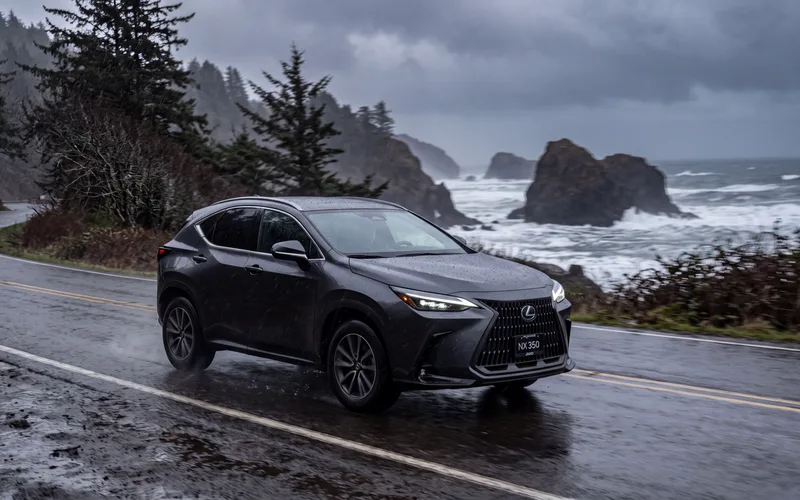 Lexus NXCompact Luxury SUVBetter at: Running costs
A true hybrid powertrain, class-best resale at roughly 60% after five years, and Lexus reliability address the XC60's three biggest weaknesses at once.
Compare 2.79B-
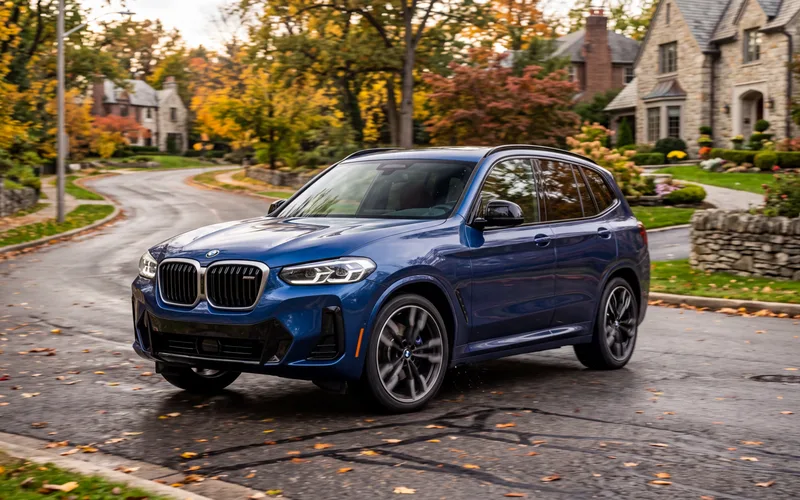 BMW X3Compact Luxury SUVBetter at: Performance & cargo
Quicker (6.1s to 60), far roomier in back at 31 cu ft, tows 4,850 lbs, and actually rewards the driver — everything the comfort-tuned XC60 isn't.
Compare 2.69C+
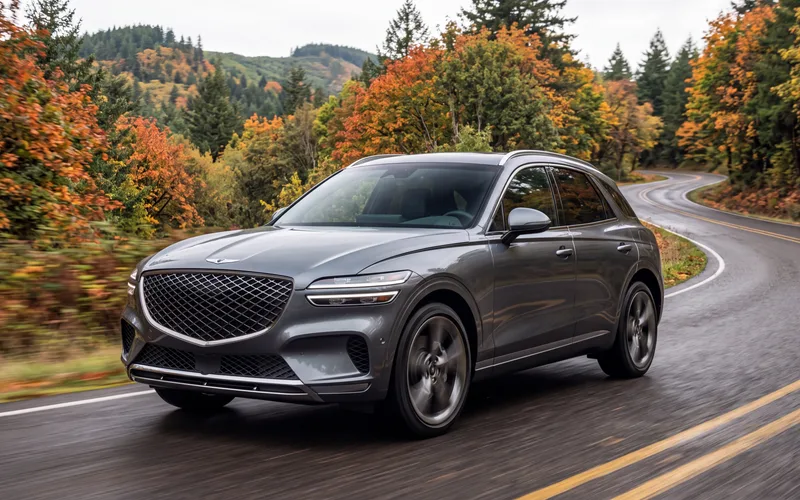 Genesis GV70Compact Luxury SUVBetter at: Value & warranty
More power and a much longer warranty for similar money, if you can live with slightly less rear legroom and cargo space.
CompareHow it's evolved
10 scored model years · 2017–2026
Subject scores by year
Hover or tap a score to see what moved it versus the year before. A corner mark flags a big swing.
| Year | Performance | Efficiency | Safety | Space | Cost | Reliability | Tech | Use-case | Driving | Value |
|---|---|---|---|---|---|---|---|---|---|---|
| 2026 | 49 | 53 | 77 | 51 | 42 | 56 | 79 | 72 | 71 | 70 |
| 2025 | 49 | 51 | 73 | 50 | 46 | 60 | 72 | 70 | 70 | 68 |
| 2024 | 49 | 45 | 75 | 50 | 48 | 61 | 71 | 70 | 70 | 69 |
| 2023 | 48 | 46 | 78 | 49 | 47 | 60 | 72 | 70 | 69 | 69 |
| 2022 | 49 | 41 | 78 | 49 | 53 | 59 | 70 | 69 | 69 | 68 |
| 2021 | 49 | 41 | 77 | 49 | 52 | 59 | 58 | 68 | 69 | 67 |
| 2020 | 49 | 35 | 72 | 47 | 52 | 56 | 57 | 61 | 63 | 69 |
| 2019 | 49 | 35 | 72 | 47 | 53 | 54 | 56 | 61 | 63 | 69 |
| 2018 | 49 | 41 | 72 | 46 | 52 | 60 | 54 | 61 | 63 | 72 |
| 2017 | 44 | 45 | 63 | 43 | 57 | 59 | 31 | 54 | 58 | 62 |
Compare two years
Best fit & conditions
Higher scores mean a better fit for that use case. Learn more about use-case fit →
Subject profile
Academic Probation · NHTSA safety recalls
Nov 25, 2025Seats: critical fastenersThe front seat bolts may have been improperly tightened, resulting in loose bolts.
Defect
Volvo Car USA, LLC (Volvo) is recalling certain 2026 XC60MHEV, 2018 and 2025 XC60 vehicles. The front seat bolts may have been improperly tightened, resulting in loose bolts.
Risk
A seat with loose bolts may not properly restrain an occupant during a crash, increasing the risk of injury.
Remedy
Dealers will tighten the front seat bolts, free of charge. Owner notification letters were mailed December 17, 2025. Owners may contact Volvo's customer service at 1-800-458-1552. Volvo's number for this recall is R10345. Vehicle Identification Numbers (VINs) involved in this recall will be searchable on NHTSA.gov beginning December 5, 2025.
NHTSA campaign 25V818000 ↗Manufacturer no. R103453 vehicles potentially affected (all models in the campaign)Owners notified Dec 17, 2025Filed by Volvo Car USA, LLCFiled as XC60, XC60MHEVSep 10, 2025Seat belts: front: retractorThe torsion bar in the front seat belt retractors may have been damaged during production.
Defect
Volvo Car USA, LLC (Volvo Car) is recalling certain 2026 Volvo XC90MHEV, XC60MHEV, V90CCMHEV, and V60CCMHEV vehicles. The torsion bar in the front seat belt retractors may have been damaged during production.
Risk
A damaged retractor may not properly restrain an occupant during a crash, increasing the risk of injury.
Remedy
Dealers will replace both front seat belt retractors, free of charge. Owner notification letters were mailed November 17, 2025. Owners may contact Volvo Car's customer service at 1-800-458-1552. Volvo Car's number for this recall is R10340. Vehicle Identification Numbers (VINs) involved in this recall will be searchable on NHTSA.gov beginning September 17, 2025.
NHTSA campaign 25V589000 ↗Manufacturer no. R103401,357 vehicles potentially affected (all models in the campaign)Owners notified Nov 10, 2025Filed by Volvo Car USA, LLCFiled as XC60MHEVJun 12, 2025Service brakes · Service brakes, hydraulic: power assist: electric: control module: softwareIn certain driving scenarios while coasting down a hill and using "B" mode or "One Pedal Drive," the vehicle may lose brake function.
Defect
Volvo Car USA, LLC (Volvo Car) is recalling certain 2023 Volvo C40 BEV, 2025 EC40, 2023-2024 XC40 BEV, 2020-2026 XC90 PHEV, 2022-2026 XC60 PHEV, 2023-2025 S60 PHEV, 2024-2025 V60 PHEV, and 2025-2026 EX40 and 2025 S90 PHEV vehicles. In certain driving scenarios while coasting down a hill and using "B" mode or "One Pedal Drive," the vehicle may lose brake function.
Risk
A loss of brake function increases the risk of a crash.
Remedy
Owners are advised not to use "B" Mode (for plug-in hybrid vehicles) or "One Pedal Drive" (for pure electric vehicles) until the repair has been completed. The brake module software will be updated over-the-air (OTA) or by a dealer, free of charge. Owner notification letters were mailed July 15, 2025. Owners may contact Volvo Car's customer service at 1-800-458-1552. Volvo Car's number for this recall is R10329.
NHTSA campaign 25V392000 ↗Manufacturer no. R1032911,469 vehicles potentially affected (all models in the campaign)Owners notified Jul 15, 2025Filed by Volvo Car USA, LLCFiled as XC60PHEV
21 recalls on other model years of the XC60 (2017–2025)
Dec 23, 2025Back over prevention: softwareThe rearview camera image may not display when the vehicle is placed in reverse. As such, these vehicles fail to comply with the requirements of Federal Motor Vehicle Safety Standard number 111, "Rear Visibility."
Defect
Volvo Car USA, LLC (Volvo Car) is recalling certain 2021-2025 XC40, 2022 V90, 2022-2024 C40BEV, 2022-2025 S90, V90CC, XC60, 2023-2025 S60, V60, V60CC, XC90, and 2025 EC40, and EX40 vehicles. The rearview camera image may not display when the vehicle is placed in reverse. As such, these vehicles fail to comply with the requirements of Federal Motor Vehicle Safety Standard number 111, "Rear Visibility."
Risk
A rearview camera image that does not display reduces the driver's view behind the vehicle, increasing the risk of a crash.
Remedy
The software will be updated by a dealer or through an over-the-air (OTA) update, free of charge. Owner notification letters were mailed February 24, 2026. Owners may contact Volvo Carâs customer service at 1-800-458-1552. Volvo Car's number for this recall is R10333. Vehicle Identification Numbers (VINs) involved in this recall will be searchable on NHTSA.gov beginning February 16, 2026. This recall replaces previous NHTSA recall number 25V282. Vehicles previously repaired under recall 25V282 will need to have the new remedy performed.
NHTSA campaign 25V908000 ↗Manufacturer no. R10333413,151 vehicles potentially affected (all models in the campaign)Owners notified Mar 2, 2026Filed by Volvo Car USA, LLCFiled as XC60May 8, 2025Back over prevention: softwareThe rearview camera image may not display when the vehicle is placed in reverse. As such, these vehicles fail to comply with the requirements of Federal Motor Vehicle Safety Standard number 111, "Rear Visibility."
Defect
Volvo Car USA, LLC (Volvo Car) is recalling certain 2021-2025 XC40, 2022 V90, 2022-2025 S90, V90CC, C40, XC60, 2023-2025 S60, V60, V60CC, XC90, and 2025 EC40 and EX40 vehicles. The rearview camera image may not display when the vehicle is placed in reverse. As such, these vehicles fail to comply with the requirements of Federal Motor Vehicle Safety Standard number 111, "Rear Visibility."
Risk
A rearview camera image that does not display reduces the driver's view of what is behind the vehicle, increasing the risk of a crash.
Remedy
The software will be updated by a dealer or through an over-the-air (OTA) update, free of charge. Owner notification letters were mailed June 27, 2025. Owners may contact Volvo Car customer service at 1-800-458-1552. Volvo Car's number for this recall is R10320.
NHTSA campaign 25V282000 ↗Manufacturer no. R10320413,151 vehicles potentially affected (all models in the campaign)Owners notified Jun 27, 2025Filed by Volvo Car USA, LLCFiled as XC60Mar 24, 2025Electrical system: propulsion system: traction battery · Electrical system: softwareThe high-voltage battery may experience a short circuit within the battery module when the battery is fully charged and the vehicle is parked.
Defect
Volvo Car USA, LLC (Volvo Car) is recalling certain 2020-2021 S90, 2020-2022 S60, V60, XC60, XC90, and 2022 V90 plug-in hybrid vehicles. The high-voltage battery may experience a short circuit within the battery module when the battery is fully charged and the vehicle is parked.
Risk
A short circuit in a high-voltage battery increases the risk of a fire.
Remedy
Owners are advised not to charge their vehicles until the remedy has been completed. Dealers will inspect and replace the high-voltage battery module as necessary. In addition, dealers will update the software to monitor the battery. All repairs will be performed free of charge. Owner notification letters were mailed May 28, 2025. Owners may contact Volvo Car's customer service at 1-800-458-1552. Volvo Car's number for this recall is R10312.
NHTSA campaign 25V179000 ↗Manufacturer no. R103127,483 vehicles potentially affected (all models in the campaign)Owners notified May 14, 2025Filed by Volvo Car USA, LLCFiled as XC60Oct 23, 2024Service brakes, hydraulic: pedals and linkagesThe pushrod screw joint, connecting to the brake pedal to the hydraulic brake unit, may be loose.
Defect
Volvo Car USA, LLC (Volvo Car) is recalling certain 2020 S60, V60, S90I, XC60 and XC90 hybrid vehicles. The pushrod screw joint, connecting to the brake pedal to the hydraulic brake unit, may be loose.
Risk
A loose brake pedal can result in a loss of braking function, increasing the risk of a crash.
Remedy
Dealers will tighten the brake pedal pushrod screw joint, free of charge. Owner notification letters were mailed December 17, 2024. Owners may contact Volvo Car customer service at 1-800-458-1552. Volvo's number for this recall is R10289.
NHTSA campaign 24V788000 ↗Manufacturer no. R10289291 vehicles potentially affected (all models in the campaign)Owners notified Dec 17, 2024Filed by Volvo Car USA, LLCFiled as XC60PHEVMar 22, 2023Electrical systemA diagnostic trouble code (DTC) may be falsely detected for the emergency call system (e-call) and display "e-Call Service Required" in the driver information module (DIM).
Defect
Volvo Car USA, LLC (Volvo Car) is recalling certain 2023 S60, V60CC, XC60, XC90, XC40, and C40 vehicles. A diagnostic trouble code (DTC) may be falsely detected for the emergency call system (e-call) and display "e-Call Service Required" in the driver information module (DIM).
Risk
The false warning message could prevent the detection of an actual e-call system failure, which could delay an emergency response during a crash, increasing the risk of injury.
Remedy
Dealers will update the telematics and connectivity antenna module (TCAM) software, free of charge. Owner notification letters are expected to be mailed May 16, 2023. Owners may contact Volvo Car's customer service 1-800-458-1552. Volvo Car's number for this recall is R10225.
NHTSA campaign 23V188000 ↗Manufacturer no. R10225393 vehicles potentially affected (all models in the campaign)Owners notified Apr 21, 2023Filed by Volvo Car USA, LLCFiled as XC60Jan 19, 2023Service brakes, hydraulicA diagnostic error in the Brake Control Module 2 (BCM2) may cause a loss of Antilock Brake System (ABS), Electronic Stability Control (ESC), and traction control.
Defect
Volvo Car USA, LLC (Volvo Car) is recalling certain 2023 S60, V60, V60CC, V90CC, XC60, XC90, XC40, and C40 vehicles. A diagnostic error in the Brake Control Module 2 (BCM2) may cause a loss of Antilock Brake System (ABS), Electronic Stability Control (ESC), and traction control.
Risk
A reduction in brake support functions can increase the risk of a crash.
Remedy
Volvo will release an over-the-air (OTA) BCM2 software update, free of charge. Owner notification letters are expected to be mailed March 15, 2023. Owners may contact Volvo Car customer service at 1-800-458-1552. Volvo Car's number for this recall is R10217.
NHTSA campaign 23V012000 ↗Manufacturer no. R1021727,457 vehicles potentially affected (all models in the campaign)Owners notified Feb 27, 2023Filed by Volvo Car USA, LLCFiled as XC60Jan 5, 2023SteeringDuring steering gear assembly, double screws may have been assembled on top of each other, which can cause a screw to fall into the gearbox housing.
Defect
Volvo Car USA, LLC (Volvo Car) is recalling certain 2019-2022 V60CC, XC60, and XC90 vehicles. During steering gear assembly, double screws may have been assembled on top of each other, which can cause a screw to fall into the gearbox housing.
Risk
A screw inside the gearbox housing can cause the steering wheel to lock up and increase the risk of a crash.
Remedy
Dealers will replace the steering gear, free of charge. Owner notification letters are expected to be mailed March 1, 2023. Owners may contact Volvo Car's customer service at 1-800-458-1552. Volvo Car's number for this recall is R10213.
NHTSA campaign 23V001000 ↗Manufacturer no. R1021374 vehicles potentially affected (all models in the campaign)Owners notified Jan 31, 2023Filed by Volvo Car USA, LLCFiled as XC60Oct 20, 2022Engine and engine cooling: engine: engine control module (ecu/ecm)An electronic control module (ECM) software error may prevent the combustion engine from starting, causing a loss of drive power.
Defect
Volvo Car USA, LLC (Volvo Car) is recalling certain 2022-2023 S60, V60, S90L, XC60, and XC90 vehicles. An electronic control module (ECM) software error may prevent the combustion engine from starting, causing a loss of drive power.
Risk
The vehicle may lose drive power as the high voltage battery is depleted, increasing the risk of a crash.
Remedy
Dealers will update the ECM software, free of charge. Owner notification letters are expected to be mailed December 8, 2022. Owners may contact Volvo Car's customer service at 1-800-458-1552. Volvo Car's number for this recall is R10198.
NHTSA campaign 22V793000 ↗Manufacturer no. R1019815,674 vehicles potentially affected (all models in the campaign)Owners notified Dec 9, 2022Filed by Volvo Car USA, LLCFiled as XC60Sep 15, 2021Service brakes, hydraulic · Service brakes, hydraulic: antilock/traction control/electronic limited slipAn improperly welded rotor and shaft may separate within the integrated brake system.
Defect
Volvo Car USA, LLC (Volvo Car) is recalling certain 2021 S90L, 2020-2021 XC60, and XC90 vehicles. An improperly welded rotor and shaft may separate within the integrated brake system.
Risk
Separation of the rotor and shaft may cause a reduction in braking assistance and a loss of the Antilock Brake System (ABS) and Electronic Stability Control (ESC), increasing the risk of a crash.
Remedy
Dealers will replace the hydraulic unit, free of charge. Owner notification letters were mailed October 22, 2021. Owners may contact Volvo Car customer service at 1-888-458-1552. Volvo Car's number for this recall is R10120.
NHTSA campaign 21V716000 ↗Manufacturer no. R101209 vehicles potentially affected (all models in the campaign)Owners notified Oct 22, 2021Filed by Volvo Car USA, LLCFiled as XC60Sep 1, 2021Seat belts · Seat belts: front: retractor · Seat belts: rear/other: retractorThe seat belt automatic locking retractors may deactivate early, which can prevent the child restraint system from securing properly. As such, these vehicles fail to comply with the requirements of Federal Motor Vehicle Safety Standard number 208, "Occupant Crash Protection."
Defect
Volvo Car USA, LLC (Volvo Car) is recalling certain 2021 XC40, XC 40 Recharge, V60CC, V90, V90CC, XC90, and 2021-2022 V60, XC60, S60 vehicles. The seat belt automatic locking retractors may deactivate early, which can prevent the child restraint system from securing properly. As such, these vehicles fail to comply with the requirements of Federal Motor Vehicle Safety Standard number 208, "Occupant Crash Protection."
Risk
An unsecured child restraint system can increase the risk of injury during a crash.
Remedy
Dealers will inspect and replace the seat belt assemblies, as necessary, free of charge. Owner notification letters were mailed October 13, 2021. Owners may contact Volvo Car customer service at 1-888-458-1552. Volvo Car's number for this recall is R10111.
NHTSA campaign 21V682000 ↗Manufacturer no. R1011119,149 vehicles potentially affected (all models in the campaign)Owners notified Oct 12, 2021Filed by Volvo Car USA, LLCFiled as XC60Jun 2, 2021Electrical system: wiring: fuses and circuit breakers · Fuel system, gasoline: delivery: fuel pumpThe low-pressure fuel pump can blow a fuse and fail.
Defect
Volvo Car USA, LLC (Volvo Car) is recalling certain 2019-2020 V90, XC60, S60, V60, V60CC, S90, V90CC, S90L, and XC90 vehicles. The low-pressure fuel pump can blow a fuse and fail.
Risk
Failure of the low-pressure fuel pump can cause a stall, increasing the risk of a crash.
Remedy
Dealers will replace the fuse, free of charge. Owner notification letters were mailed July 2, 2021. Owners may contact Volvo Car customer service at 1-888-458-1552. Volvo Car's number for this recall is R10100.
NHTSA campaign 21V414000 ↗Manufacturer no. R1010085,550 vehicles potentially affected (all models in the campaign)Owners notified Jul 2, 2021Filed by Volvo Car USA, LLCFiled as XC60Jan 7, 2021Air bags · Air bags: air bag/restraint control module · Seat belts: pretensionerThe Supplementary Restraint System (SRS) control unit may not have been properly attached to the car body and may detach during a crash.
Defect
Volvo Cars USA, LLC (Volvo Car) is recalling certain 2021 Volvo V60, V60 Cross Country, V90, V90 Cross Country, XC60, and XC90 vehicles. The Supplementary Restraint System (SRS) control unit may not have been properly attached to the car body and may detach during a crash.
Risk
A detached SRS control unit can decrease the performance of occupant protection systems such as air bags, seat belts, and high voltage battery disconnect, increasing the risk of injury during a crash.
Remedy
Volvo Car will notify owners, and dealers will inspect and, as necessary, tighten the SRS control unit mounting screws, free of charge. The recall began February 12, 2021. Owners may contact Volvo Car customer service at 1-888-458-1552. Volvo Car's number for this recall is R10068.
NHTSA campaign 21V001000 ↗Manufacturer no. R100682,883 vehicles potentially affected (all models in the campaign)Owners notified Feb 15, 2021Filed by Volvo Car USA, LLCFiled as XC60Aug 25, 2020Visibility/wiper · Visibility: windshield wiper/washer: linkagesThe nuts that secure the front wipers may not have been sufficiently tightened, possibly causing the wipers to not function properly.
Defect
Volvo Car of N.A., LLC (Volvo Cars) is recalling certain 2018-2020 XC60 vehicles. The nuts that secure the front wipers may not have been sufficiently tightened, possibly causing the wipers to not function properly.
Risk
The risk of the front wiper arms nut fixation to loosen and not holding the arm in correct position, the wiper function could be reduced and vision could be impaired, thus increasing the risk of a crash.
Remedy
Volvo Car will notify owners, and dealers will tighten the nuts holding the front windshield wiper arms in position, free of charge. The recall began September 29, 2020. Owners may contact Volvo Car customer service at 1-800-458-1552. Volvo Car's number for this recall is R10044.
NHTSA campaign 20V503000 ↗Manufacturer no. R1004487,226 vehicles potentially affected (all models in the campaign)Owners notified Sep 29, 2020Filed by Volvo Car USA LLCFiled as XC60Mar 12, 2020Forward collision avoidance: automatic emergency braking · Forward collision avoidance: software: pedestrian/cyclist/object/obstacle/ recognitionDue to a software/hardware incompatibility, the Automatic Emergency Brake (AEB) system may not detect obstacles and engage as intended.
Defect
Volvo Cars USA LLC (Volvo Cars) is recalling certain 2019-2020 S60, V60, V60 Cross Country, S90L, V90, V90 Cross Country, XC40, XC60, and XC90 vehicles. Due to a software/hardware incompatibility, the Automatic Emergency Brake (AEB) system may not detect obstacles and engage as intended.
Risk
If the automatic emergency braking system does not engage as intended, it can increase the risk of a crash.
Remedy
Volvo will notify owners, and dealers will update the Active Safety Domain Master (ASDM) software, free of charge. The recall began April 9, 2020. Owners may contact Volvo customer service at 1-800-458-1552. Volvo's number for this recall is R29998.
NHTSA campaign 20V144000 ↗Manufacturer no. R29998121,605 vehicles potentially affected (all models in the campaign)Owners notified Apr 9, 2020Filed by Volvo Car USA LLCFiled as XC60Mar 20, 2019SeatsThe driver and passenger front seat rail rear flange nuts may not have been installed during assembly.
Defect
Volvo Car USA LLC (Volvo) is recalling certain 2018-2019 XC60 and S90 vehicles. The driver and passenger front seat rail rear flange nuts may not have been installed during assembly.
Risk
If the nuts are missing, in the event of a crash, the front seat structure and position may be affected, increasing the risk of injury.
Remedy
Volvo will notify owners, and dealers will inspect the front seat rails for missing flange nuts, installing them as necessary, free of charge. The recall began May 7, 2019. Owners may contact Volvo customer service at 1-800-458-1552. Volvo's number for this recall is R19931.
NHTSA campaign 19V220000 ↗Manufacturer no. R199312,297 vehicles potentially affected (all models in the campaign)Owners notified May 7, 2019Filed by Volvo Car USA LLCFiled as XC60Jan 18, 2019Structure: body: tailgateUnder certain conditions and cold temperatures, the tailgate lifting arms may freeze which may cause the lifting arms to separate from the vehicle.
Defect
Volvo Car USA LLC (Volvo) is recalling certain 2018-2019 Volvo XC60 vehicles. Under certain conditions and cold temperatures, the tailgate lifting arms may freeze which may cause the lifting arms to separate from the vehicle.
Risk
If the tailgate lifting arms separate, the arms could project rearward with significant force, increasing the risk of injury.
Remedy
Volvo has notified owners, and dealers will replace the tailgate lift arms with an improved designed, free of charge. The recall began May 14, 2019. Owners may contact Volvo customer service at 1-800-458-1552. Volvo's number for this recall is R89910.
NHTSA campaign 19V046000 ↗Manufacturer no. R8991045,990 vehicles potentially affected (all models in the campaign)Owners notified May 14, 2019Filed by Volvo Car USA LLCFiled as XC60Nov 13, 2018Electrical system: softwareThe software installed in the Vehicle Connectivity Module (VCM) may have an error causing the Telematics and Driver Support Systems to function improperly. As a result, the GPS will not provide location information to emergency personnel in the event of an emergency.
Defect
Volvo Car USA LLC (Volvo) is recalling certain 2017-2019 Volvo XC90, S90, V60, V60 Cross Country, V90, XC40, XC60, and V90 Cross Country vehicles. The software installed in the Vehicle Connectivity Module (VCM) may have an error causing the Telematics and Driver Support Systems to function improperly. As a result, the GPS will not provide location information to emergency personnel in the event of an emergency.
Risk
If the GPS location is not provided to emergency personnel it can inhibit emergency response in the event of a crash or injury.
Remedy
Volvo will notify owners, and dealers will correct the software, free of charge. The recall began December 26, 2018. Owners may contact Volvo customer service at 1-800-458-1552. Volvo's number for this recall is R39917.
NHTSA campaign 18V800000 ↗Manufacturer no. R3991717,548 vehicles potentially affected (all models in the campaign)Owners notified Dec 26, 2018Filed by Volvo Car USA LLCFiled as XC60Sep 5, 2018Equipment: electricalCapacitors within these charging systems may fail, possibly resulting in a shock hazard or a fire.
Defect
Volvo Car USA LLC (Volvo) is recalling certain 2019 Volvo XC60 hybrid electric vehicles, equipped with certain AeroVironment electric vehicle TurboCord and TurboDock/TurboDX charging systems. Capacitors within these charging systems may fail, possibly resulting in a shock hazard or a fire.
Risk
An electrical shock or a fire can increase the risk of injury or death.
Remedy
Volvo will notify owners, and dealers will inspect the charge cord, replacing it as necessary, free of charge. The recall began November 1, 2018. Owners may contact Volvo customer service at 1-800-458-1552. Volvo's number for this recall is R39901. Note: Owners are advised not to use the charging cord until it is inspected.
NHTSA campaign 18V589000 ↗Manufacturer no. R39901172 vehicles potentially affected (all models in the campaign)Owners notified Nov 1, 2018Filed by Volvo Car USA LLCFiled as XC60Mar 1, 2017Air bagsThe affected vehicles have driver and front passenger seat side mounted side air bags (SAB) with inflator initiators that may fail to ignite during a crash. As such, these vehicles fail to comply with the requirements of Federal Motor Vehicle Safety Standard (FMVSS) number 208, "Occupant Crash Protection" and number 214, "Side Impact Protection."
Defect
Volvo Car USA LLC (Volvo) is recalling certain 2017 S60, S60CC, V60, V60 Cross Country, and XC60 vehicles. The affected vehicles have driver and front passenger seat side mounted side air bags (SAB) with inflator initiators that may fail to ignite during a crash. As such, these vehicles fail to comply with the requirements of Federal Motor Vehicle Safety Standard (FMVSS) number 208, "Occupant Crash Protection" and number 214, "Side Impact Protection."
Risk
If the air bag inflator initiator fails to ignite, the air bag will not deploy, increasing the risk of injury.
Remedy
Volvo will notify owners, and dealers will inspect and, if necessary, replace the front seat side air bags, free of charge. The recall began March 31, 2017. Owners may contact Volvo customer service at 1-800-458-1552. Volvo's number for this recall is R89712. Note: This recall is an expansion of recall 16V-918.
NHTSA campaign 17V127000 ↗Manufacturer no. R89712112 vehicles potentially affected (all models in the campaign)Owners notified Apr 21, 2017Filed by Volvo Car USA LLCFiled as XC60Dec 21, 2016Air bagsThe affected vehicles have driver and front passenger seat side mounted side air bags (SAB) with inflator initiators that may fail to ignite during a crash. As such, these vehicles fail to comply with the requirements of Federal Motor Vehicle Safety Standard (FMVSS) number 208, "Occupant Crash Protection" and number 214, "Side Impact Protection."
Defect
Volvo Car USA LLC (Volvo) is recalling certain model year 2017 S60 and S60 Cross Country, V60 and V60 Cross Country, and XC60 vehicles manufactured August 16, 2016, through October 21, 2016. The affected vehicles have driver and front passenger seat side mounted side air bags (SAB) with inflator initiators that may fail to ignite during a crash. As such, these vehicles fail to comply with the requirements of Federal Motor Vehicle Safety Standard (FMVSS) number 208, "Occupant Crash Protection" and number 214, "Side Impact Protection."
Risk
If the air bag inflator initiator fails to ignite, the air bag will not deploy, increasing the risk of injury.
Remedy
Volvo will notify owners, and dealers will inspect and, if necessary, replace the front seat side air bags, free of charge. The recall is expected to begin on February 13, 2017. Owners may contact Volvo customer service at 1-800-458-1552. Volvo's number for this recall is R89712.
NHTSA campaign 16V918000 ↗Manufacturer no. R89712376 vehicles potentially affected (all models in the campaign)Owners notified Feb 13, 2017Filed by Volvo Car USA LLCFiled as XC60Nov 2, 2016Seat belts: front: buckle assemblyOn the affected vehicles, the front passenger seat belt buckle attaching stud may loosen, allowing the buckle to separate from the seat belt bracket. As such, these vehicles fail to comply with the requirements of Federal Motor Vehicle Safety Standard (FMVSS) number 210, "Seat Belt Assembly Anchorages" and number 209, "Seat Belt Assemblies."
Defect
Volvo Car USA LLC (Volvo) is recalling certain model year 2016-2017 XC90, S90, XC60, V60 Cross Country, V60, S60 Cross Country, S60, and S60 Inscription vehicles manufactured February 16, 2015, to August 22, 2016. On the affected vehicles, the front passenger seat belt buckle attaching stud may loosen, allowing the buckle to separate from the seat belt bracket. As such, these vehicles fail to comply with the requirements of Federal Motor Vehicle Safety Standard (FMVSS) number 210, "Seat Belt Assembly Anchorages" and number 209, "Seat Belt Assemblies."
Risk
If the seat belt buckle separates from the bracket, the front seat passenger may not be adequately restrained in the event of a crash, increasing their risk of injury in the event of a crash.
Remedy
Volvo will notify owners, and dealers will inspect the front passenger seat belt buckle stud, replacing the seat belt buckle as needed, free of charge. The recall began January 2017. Owners may contact Volvo customer service at 1-800-458-1552. Volvo's number for this recall is R89708.
NHTSA campaign 16V798000 ↗Manufacturer no. R8970874,027 vehicles potentially affected (all models in the campaign)Owners notified Dec 16, 2016Filed by Volvo Car USA LLCFiled as XC60
Source: NHTSA Office of Defects Investigation recall database, model years 2017–2026. Recalls are listed by model year as the manufacturer filed them; whether a specific car is affected depends on its VIN — check a VIN at nhtsa.gov ↗. NHTSA model names matched to this page: XC60, XC60MHEV, XC60PHEV.
Detailed scoring by subject
1Performance & PowertrainOne of the XC60's weakest categories.1.29D
The volume B5 AWD powertrain is a 2.0L turbo four with a 48V integrated starter-generator rated at 247 hp combined; the T8 plug-in hybrid tops the range at 455 hp system output. The 2025 facelift carried over unchanged mechanicals into the 2026 model year.
B5 peak torque is 266 lb-ft (360 Nm) from 1,800 rpm, matching the 360 Nm figure Wikipedia cites for the facelifted 2.0T mild hybrid; the T8 PHEV adds a rear e-motor for 523 lb-ft combined.
Volvo's own US figure for the B5 AWD is 6.5 seconds to 60 mph; independent testing runs slower (Edmunds recorded 7.4 s), so the manufacturer claim is used per source precedence but confidence is held at MEDIUM. The T8 is quoted at roughly 4.9 s to 62 mph.
The 48V mild-hybrid B5 pulls cleanly from low revs with the ISG filling in off-idle, and reviewers describe it as smooth and satisfying; the 2.0L four still sounds strained and buzzy when worked hard, and the T8's engine-start transitions can intrude. Good rather than class-leading in a segment where six-cylinder rivals exist.
The 8-speed automatic (standard on both B5 and T8) shifts smoothly and unobtrusively once rolling and rarely hunts, but the XC60 remains known for a beat of hesitation pulling away from a stop and lazy kickdown when a quick gap-shoot is needed. Competent and calm, not crisp.
Volvo rates every 2026 XC60 at 3,500 lbs when properly equipped, identical across B5 and T8 — below the 4,400 lbs that the Audi Q5 and BMW X3 offer in the same segment.
All-wheel drive is standard on every US 2026 XC60 — there is no front-drive variant at any price — with the B5 using a clutch-based on-demand system and the T8 driving the rear axle electrically for through-the-road AWD. Sophistication stops short of low range, lockers or true torque vectoring, so it lands below quattro-class hardware.
Roughly 8.5–9.0 in of ground clearance is respectable for a road-biased crossover, and an Off Road drive mode with hill descent control handles gravel, snow and unpaved trails. But it is a unibody luxury SUV with no low range, no locking differentials, no skid plating and no off-road trim — light-duty duty only.
Two distinct powertrains for 2026 — the B5 48V mild hybrid and the T8 plug-in hybrid (18.8 kWh pack, ~35 mi EV range), the latter also in a hotter Polestar Engineered tune. Both are electrified, which is ahead of the segment norm, but there is no pure-gas base engine, no six-cylinder, and no battery-electric XC60 (that role falls to the separate EX-badged cars).
2Efficiency & RangeGrades below the middle of the scale.1.57D
The volume 2026 XC60 is the B5 AWD 2.0T with 48V mild-hybrid assist, EPA-rated 26 MPG combined — mid-pack for a compact luxury SUV and unchanged by the 2025 facelift, which brought no mechanical changes.
23 MPG city from the 2.0-liter turbo four with 48V ISG — the mild-hybrid system only coasts and restarts the engine, so it delivers none of the stop-and-go gain a full hybrid rival (Lexus NX, RAV4) posts.
30 MPG highway is the powertrain's strongest number — the small-displacement turbo and 8-speed automatic cruise efficiently, and the highway figure is competitive with turbo-four rivals like the Audi Q5 and Mercedes GLC.
EPA total range of 489 miles from the 18.8-gallon tank at 26 MPG combined gives comfortable long-trip legs; the optional T8 stretches that to 560 miles.
The EPA's $2,900 annual estimate is steep for a compact SUV — a consequence of both the 26 MPG combined rating and the premium-fuel requirement. Buyers who choose the T8 and charge at home cut that to roughly $1,700.
The EPA lists premium gasoline for both 2026 XC60 powertrains, and the ~30-40 cent/gal premium over regular is what pushes the annual fuel cost above $2,900. The T8 partially offsets this with home charging on a 18.7 kWh pack, but a full charge still only covers 35 miles before the premium-fuel engine takes over, and Volvo does not offer an E85 or diesel alternative in the US.
3SafetyOne of the XC60's strongest categories.3.25B+
NHTSA has tested the 2026 XC60 and awarded the full 5-star overall rating, with 5 stars in both frontal and side crash and 4 stars for rollover (14.7% rollover risk, no tip in the dynamic test).
Good in small overlap front (driver and passenger) and in the updated moderate overlap front test, but only Acceptable in the updated side test — and the XC60 carries no 2026 Top Safety Pick or TSP+ award, unlike the larger XC90 which does. Mostly-Good-with-an-Acceptable and no award places it squarely in the middle band.
For 2026 Volvo made stop-and-go adaptive cruise with Pilot Assist lane centering standard across the entire US lineup, joining City Safety collision avoidance with full autobrake, lane departure warning and prevention, BLIS blind-spot monitoring, rear cross-traffic alert, rear automatic braking, traffic-sign recognition and front/rear parking sensors as standard on the base Core trim. Only the surround-view camera and head-up display remain trim-gated, neither of which is a core ADAS item.
The standard City Safety / Collision Warning with Full Autobrake system earns only Acceptable in the IIHS updated pedestrian front crash prevention test — and that rating includes credit for standard high-beam assist rather than resting purely on the sensing runs. IIHS has not published an updated vehicle-to-vehicle front crash prevention rating for this vehicle, so there is no evidence of superior performance to lift it out of the middle band.
BLIS with Steer Assist is standard on Core and up — radar monitoring of adjacent lanes with active steering intervention, not alert-only — paired with standard rear cross-traffic alert and rear automatic braking. Held below the top of the band because Volvo offers no safe-exit/exit-warning function for rear occupants opening doors into traffic.
Lane departure warning and prevention are standard per IIHS, and for 2026 Pilot Assist lane centering is bundled with the now-standard adaptive cruise on every trim, so no buyer has to pay up for centering. Reviewers describe the steering assistance as firm enough to hold the lane without feeling intrusive, though Pilot Assist is not regarded as the segment's smoothest system.
Full-speed-range stop-and-go adaptive cruise is standard on every 2026 trim for the first time, integrated with Pilot Assist steering support into a single highway-assist mode. Edmunds found the system responds well to changes in traffic; it is a refined, well-integrated setup, short of the very best only in outright smoothness at cut-ins.
Volvo offers no hands-free highway driving on the XC60 at any trim or price. Pilot Assist is a hands-on system that requires continuous steering-wheel torque, and Volvo's forthcoming unsupervised highway system is tied to the EX90 platform, not this SPA-based model.
IIHS rates the LED reflector headlights Acceptable on all trims — consistent across the range, which avoids the trim-lottery penalty, but no XC60 configuration earns Good. Curve-adaptive projection and high-beam assist are standard, yet low-beam visibility was measured inadequate on the right side of the straightaway and on the gradual left curve.
The XC60 keeps a relatively upright greenhouse with a low beltline and slim A-pillars by luxury-crossover standards, and the 2026 refresh did not alter the glasshouse; over-the-shoulder views past the rear pillar are the weakest angle. Standard front and rear parking sensors plus a rear camera cover the close-quarters gaps, with the 360-degree surround-view camera reserved for Plus and above.
IIHS rates LATCH ease of use Acceptable: two rear outboard positions carry complete lower-anchor and tether hardware, with a third position offering a tether anchor only, so a third seat has to borrow anchors or use the belt. Rear-door openings and rear-seat space are good for the segment, but the anchor hardware itself is average rather than easy-access.
4Space & ComfortOne of the XC60's weakest categories.1.44D
The XC60 is a strictly two-row compact luxury SUV; there is no third-row or six-seat configuration on B5 mild-hybrid or T8 plug-in hybrid, in Core, Plus or Ultra trim.
Published front headroom for the 2026 model year is 39.7 in without the roof; the panoramic moonroof — standard from the Core trim up — costs about 1.7 in, so most cars on the road measure 38.0 in.
Front legroom is unchanged by the 2025/MY26 facelift, which was cosmetic and infotainment-focused with no structural revision to the SPA platform cabin.
Mid-pack second-row headroom for a compact luxury SUV — a touch under the BMW X3 (38.7 in) and Mercedes GLC (38.5 in), slightly ahead of the Audi Q5 (37.8 in).
A genuine strength: 38.0 in of second-row legroom is among the best in the compact luxury class, well clear of the X3 (36.4 in), GLC (36.4 in) and GV70 (37.2 in) and level with the Q5.
There is no third row and none has ever been offered — buyers needing seven seats are pushed up to the XC90 or EX90. Scored in the low band per the rule that a missing third row is scored, not omitted.
Volvo's quoted behind-the-seat figure is small even by compact-luxury standards and sits near the bottom of the SUV normalization band; the T8 plug-in hybrid loses a fraction more to its battery packaging.
Seats-folded volume is competitive with the X3 (64.8 cu ft) and ahead of the GLC (56.3) and GV70 (56.9), helped by a flat load floor that runs wall to wall without wheel-arch intrusion.
The MY26 refresh redesigned the center console for more volume, adding a roll-top cover, a reworked wireless charging pad and revised cupholders; the cargo bay gets a flat floor and a folding grocery divider. Competitive and well-executed rather than class-leading, and the modest behind-seat volume caps its usefulness.
Volvo's front seats are consistently rated among the best in any segment — long-haul supportive without being firm — and the rear bench is roomier than most compact-luxury rivals. Massage and Nappa leather are available on Ultra.
Smooth and settled on most surfaces, but the standard steel-spring suspension turns jagged over broken pavement on the large optional wheels, and the air suspension that fixes it is confined to the Ultra trim — so the volume configuration is good rather than plush.
Improved sound insulation and available laminated side glass make for a hushed cabin, but reviewers still note more tire roar than the quietest German and Japanese luxury rivals — short of the XC90's near-silence.
Heated front seats, dual-zone climate, a panoramic roof and wireless charging are standard from the base Core trim — unusually generous for the class. Ventilated Nappa seats, four-zone climate with air purifier and a head-up display come with Ultra, and the Climate package (heated wheel and heated rear seats) is available on every trim, with app-based remote preconditioning.
5Cost of OwnershipThe XC60's lowest-graded category.0.79F
2026 is the facelift year for the second-generation XC60 (new grille, 11.2-in touchscreen, revised interior) and pricing rose accordingly; the entry B5 Core AWD mild hybrid opens at $49,700 before a $1,295 destination charge.
The mid-grade B5 Plus is the XC60's volume configuration in the US — Core is a sparse loss-leader and the T8 plug-in adds roughly $11,500 — putting the typical transaction near $55,600 before options.
The two authoritative projections diverge sharply — CarEdge is well below the luxury-SUV average, Edmunds well above — so the blended figure lands mid-pack for the segment, nudged upward because MY2026 cuts complimentary maintenance from 3 yr/36k to 2 yr/20k and pushes the third service onto the owner.
The XC60 depreciates slightly faster than its luxury compact SUV peers, and KBB's forward projection for the 2026 car is harsher still — a run-out-generation model (this body has been on sale since 2017) carrying luxury-brand discounting is a weak residual bet.
Volvo's New Vehicle Limited Warranty runs 4 years or 50,000 miles, a year longer than the mainstream norm and matched to the German luxury standard.
Volvo offers no standalone powertrain warranty in the US — engine and drivetrain are covered only for the concurrent 4 yr/50,000 mi basic term, which is the weakest structure in the segment and half the length of what Genesis or Hyundai provide.
Volvo cut complimentary factory scheduled maintenance for MY2026 to 2 years / 20,000 miles (one service per year, one per 10,000 mi) from the 3 yr / 36,000 mi program offered on 2021–2025.5 cars — still real multi-year coverage, but a step behind BMW's and Audi's 3-year programs. Four years of unlimited-mileage roadside assistance and Google built-in with an included services/data trial round out a solid but no longer class-leading package.
$55,595 volume-trim price minus its estimated resale value after 5 years (48% retained, or about $26,686) leaves about $28,909 in depreciation. Add the projected $6,000 in 5-year maintenance and repairs, and owning this vehicle for 5 years costs about $34,909 in total.
6Reliability & QualityMid-pack among this car's ten categories.1.79C-
Signals are genuinely split: Consumer Reports predicts average reliability for the 2026 XC60 (gas/mild-hybrid, the volume configuration) and RepairPal rates the nameplate above average, but the T8 plug-in hybrid is predicted less reliable than the average new car and Volvo's brand-level quality studies are poor.
Two of the three major US quality studies place Volvo near the very bottom of the industry, and the VDS trend is worsening year over year; only Consumer Reports still has the brand mid-pack, which is not enough to lift it out of the bottom third.
The 2026 model year has already drawn multiple recalls within months of launch, two of them occupant-restraint production defects, on top of a very large multi-year rearview-camera software recall spanning this generation; the underlying pattern of infotainment and electrical TSBs is the generation's persistent weak spot.
The volume B5 combination — the long-running 2.0L VEA turbo four with a 48V integrated starter-generator and the Aisin eight-speed automatic — is a mature, widely deployed family with no systemic high-mileage failure pattern; the optional T8 Recharge drags the average down with documented hybrid battery and rear-axle motor failures.
Cabin materials are the XC60's clearest strength and remain class-competitive against the GLC, X3 and Q5, with the 2026 facelift adding richer upholstery and trim options; a few hard plastic panels in low-touch zones are the only recurring criticism.
Assembly quality reads as solid and rattle-free in reviews and owner feedback, but the objective initial-quality evidence is poor and two of the 2026 recalls are outright production-line assembly errors on safety hardware.
Volvo's US retailer footprint is adequate in metro areas but thin nationally compared with the German luxury brands and far sparser than mass-market alternatives, leaving rural owners with long drives for warranty work; the 2026 reduction in complimentary maintenance also trims the ownership-support package.
Actual repair spend is unremarkable for the segment and repair frequency is better than the class average, but parts are largely dealer-channel and European-sourced with a thin independent aftermarket, and T8 hybrid components are expensive out of warranty.
7Technology & InfotainmentThe XC60's best-graded category.3.39B+
The 2026 facelift replaces the outgoing 9.0-inch portrait screen with a free-standing 11.2-inch portrait unit tilted toward the driver, standard across Core/Plus/Ultra with no larger option. Competitive for the compact luxury class but still smaller than the BMW X3 (14.9 in) or Mercedes GLC (11.9 in).
The Snapdragon Cockpit hardware makes 2026 the year this system stops being the XC60's weak point — Volvo claims roughly 2x general speed and 10x graphics performance over the outgoing unit, and first-drive reviewers confirm it is noticeably sharper and quicker. It loses points for a portrait layout that keeps climate and most functions on-screen and for moving the home button into the display, though a physical volume knob and audio keys survive.
Both Apple CarPlay and Android Auto are standard on every 2026 trim, so no buyer is gated out of phone projection — but the connection method is the sticking point. Volvo's own support documentation for the XC60 describes USB-cable connection for Android Auto (added in software 3.3.16, Dec 2024), and owners of Google-built-in Volvos report needing a third-party dongle for wireless; several 2026 launch write-ups claim wireless for both. Scored at the top of the wired-standard band rather than the wireless band because the manufacturer documentation does not corroborate wireless.
Google built-in gives the XC60 native Google Maps with live traffic and a 'Hey Google' Assistant that handles navigation, climate and media by natural language — the reference implementation of in-car voice and maps that most rivals' proprietary systems are measured against, and one of the few native nav setups owners do not bypass for phone projection. Google Play adds native Spotify, YouTube Music and similar apps.
The optional 15-speaker, 1,100-watt Bowers & Wilkins system is among the two or three best factory audio setups sold in any vehicle, and reviewers single it out as the option worth buying. The 14-speaker Harman Kardon (standard on Ultra) is a strong mid-step and the 10-speaker base system is respectable, so the ladder is good at every rung.
A 12.3-inch fully digital driver display is standard on Core, Plus and Ultra alike, upgraded for 2026 alongside the center screen, and it renders Google Maps directly in the cluster. It is clean and legible but less configurable than Audi's Virtual Cockpit or BMW's curved display, offering a handful of fixed layouts rather than deep customization.
Volvo runs genuine whole-vehicle OTA updates, not maps-only patches, and demonstrated the scope in 2025 by pushing this very infotainment generation back to Google-built-in cars as old as model year 2020 — roughly 2.5 million vehicles gaining a new UI for free. That is among the strongest OTA track records outside Tesla and Rivian, and it directly protects the 2026 XC60's software from aging out.
The Volvo Cars app covers the expected core — remote start and preconditioning, lock/unlock, vehicle locate, status and send-to-car, plus charge scheduling on the T8 plug-in — and remote functions are included rather than paywalled at purchase. It falls short of the top band because the XC60 is on the older SPA1 platform: Volvo's UWB digital key and Samsung Wallet phone-as-key support are tied to the newer EX-generation cars, and the app has a long-running owner reputation for slow wake-ups and connection drops.
Wireless phone charging is standard on every trim and was physically redesigned for 2026 alongside new cupholders and console storage, and four USB-C ports serve both rows. It sits mid-band rather than higher because there is no 120V household outlet and no third-row/cargo power, which the segment's best-equipped rivals offer.
Proximity keyless entry with push-button start is standard, app-based remote start covers preconditioning, and a hands-free power tailgate is available. Phone-as-key is the gap — the XC60 ships with a key fob and key card rather than the UWB digital key Volvo reserves for its newer electric platforms — so it lands below the vehicles that offer a true digital key on the volume trim.
Front and rear parking sensors are standard from the base Core, and the 360-degree surround-view camera is standard from Plus upward — meaning the volume trim gets it without an options box — with Park Assist Pilot automated parking available. Image resolution is good rather than class-leading against the sharpest German systems.
A head-up display is offered, but only as standard equipment on the $59,650 Ultra — it is not fitted to Core or Plus, so the volume buyer does without. The unit itself is a conventional windshield HUD with speed, navigation prompts and driver-assist status, not one of the large augmented-reality displays now appearing in the segment.
8Use-Case FitOne of the XC60's strongest categories.2.91B-
One of the segment's best family boxes: 38.0 in of rear legroom leads most compact-luxury rivals, the rear doors open wide onto an upright bench, the seat splits 40/20/40 and lies flat onto a wall-to-wall cargo floor, and Volvo still offers its integrated pop-up booster cushions — nothing else in the class has them. Held out of the top band by the IIHS Acceptable LATCH rating (only two positions with complete hardware), fixed rear headrests that get in the way of some seat installs, and a behind-the-seat cargo bay too small to swallow a big stroller plus a week's gear.
The safety content families care about is standard on the $49,700 Core trim, not paywalled: for 2026 Volvo made stop-and-go adaptive cruise with Pilot Assist standard across the lineup, alongside City Safety autobrake, BLIS with steer assist, rear cross-traffic alert, rear automatic braking, front and rear parking sensors and power child locks. NHTSA gives it five stars overall. What keeps it below the 90s is the crash-test record rather than the equipment: the XC60 earns only Acceptable in the IIHS updated side test and Acceptable for pedestrian front crash prevention and headlights, and carries no 2026 Top Safety Pick award — unlike Volvo's own XC90.
Excellent for a family of four on a long haul — Volvo's front seats are among the best made, the rear is "nearly square" at 38 in of both head- and legroom with plenty of space for two kids to spread out, and 489 miles of range means few stops. It falls short of the best three-row-adjacent tourers on gear capacity (21.6–22.4 cu ft behind the seats, well under the X3's 31) and on rear amenities: dual-zone climate is standard with four-zone and an air purifier reserved for Plus/Ultra, and there is no rear entertainment at any price.
A calm, low-effort commuter: light steering, an unobtrusive 8-speed, the class's best seats, and — new for 2026 — stop-and-go adaptive cruise with Pilot Assist standard on every trim, which is exactly the feature that makes a stop-and-go commute painless. The 2026 refresh also fixed the biggest daily annoyance, swapping in an 11.2-inch screen on a Snapdragon processor that is roughly twice as fast, while keeping a physical volume knob that newer Volvos have deleted. Marked down for the drivetrain's beat of hesitation from a standstill and lazy kickdown, and for a ride that turns jagged over broken pavement on the big optional wheels unless the Ultra-only air suspension is fitted.
Ordinary-to-poor per-mile costs in the volume B5: 26 MPG combined on required premium fuel works out to an EPA-estimated $2,900 a year at 15,000 miles, and luxury-brand tires, service and insurance (~$2,300/yr average) sit above mainstream compact SUVs. The 48V mild hybrid does none of the stop-and-go work a full hybrid rival does. The saving grace is the T8 plug-in hybrid: 35 EPA electric miles covers most US commutes end-to-end and drops the EPA annual estimate to $1,700 — but that is the expensive optional powertrain, not the volume trim being scored.
Genuinely easy to place for a luxury SUV — a 37.4 ft turning diameter is tighter than the BMW X3's roughly 40 ft, the body is a compact 185.4 in long, and the upright greenhouse with a low beltline gives better sightlines than the coupe-roofed alternatives. Front and rear parking sensors plus a rear camera are standard from Core for 2026; the 360-degree surround-view camera still requires stepping up to Plus, which is what keeps it out of the top band.
Light-duty only. Every 2026 XC60 tows 3,500 lbs properly equipped — enough for a small utility trailer, a pair of jet skis or a light boat, but well short of the 4,400–4,850 lbs an Audi Q5 or BMW X3 offers from the same class. There is no bed, payload is modest, and the 247-hp four-cylinder works hard under load; the T8's 455 hp adds thrust but not capacity.
The SPA platform and 2.0-liter four have nine years of service behind them and RepairPal rates the XC60 above its class average for reliability, so the hardware should survive hard use better than some European rivals. But this is a luxury interior — Nappa or Nordico upholstery, 19–22-inch wheels on low-profile tires, screen-dependent controls — with no fleet-spec variant, no washable trim option and dealer parts pricing when something breaks. It will hold up with care; it is not fleet-tough.
The basics are covered and no more: a 12V socket in the luggage compartment and another in the console, roof rails standard on every trim, a hands-free power tailgate, a folding cargo divider and Volvo's accessory dirt covers and rubber load-compartment mats, plus a factory tow bar for a hitch carrier. There is no bed, no onboard AC inverter or bed/cargo power export, no tool-oriented tie-down system and no commercial upfit ecosystem behind it.
The XC60's strongest mission. Volvo's front seats are widely rated among the best in any segment for multi-hour stints, the 2026 refresh added sound insulation and optional laminated glass for a hushed cabin, 489 miles of EPA range (560 for the T8) means long legs between stops, and standard Pilot Assist with full-range adaptive cruise carries the highway workload on every trim. Short of the very top only because tire roar is still more audible than in the quietest rivals, there is no hands-free highway mode, and the air suspension that best settles the ride is confined to the Ultra.
A capable gravel-road and ski-trip machine: AWD is standard on every trim with no front-drive version sold, ground clearance of 8.5–9.0 in beats most compact-luxury rivals (the X3 sits at ~7.9 in), and an Off Road drive mode with hill descent control handles snow and unpaved trails. Volvo's own load-carrier ecosystem — frame-mounted bike racks, kayak and ski holders, the Travel 400 roof box — bolts straight to the standard flush roof rails. It stops well short of genuine off-road hardware, though: no low range, no locking differentials, no skid plating, road-biased tires, a 3,500 lb tow limit for toys, and no external power export for camping.
The shape of the hold does a lot of work: the 40/20/40 rear seat lies flat and the wheel housings do not intrude, so the floor is flat wall to wall out to 63.3 cu ft — competitive with the X3's 67 and comfortably ahead of the GLC and GV70. A hands-free power tailgate, underfloor storage, a folding grocery divider, standard roof rails and an available factory tow bar cover bulky gear. The limit is volume with the seats up: 21.6–22.4 cu ft behind the second row is small for the class and forces the seats down sooner than rivals do.
9Driving ExperienceGrades above the middle of the scale.2.81B-
Secure, composed and genuinely capable for a comfort-first luxury crossover — flat through corners and quick to change direction — but the 4,700-lb-plus PHEV shows body roll earlier than the class dynamic benchmarks, so it sits below the X3/Macan/Stelvio tier rather than in it.
Accurate and consistently weighted with selectable effort, but essentially devoid of feedback — reviewers repeatedly describe it as precise-but-numb, which is the mid-band by this item's guidance.
Firm, easily modulated pedal and competitively short panic stops in independent testing, and the T8's regen blending is clean enough to support genuine one-pedal driving; held short of the top band because no 2026 70-0 figure is published and Edmunds found the B5's emergency braking merely adequate.
The volume B5 mild hybrid is smooth but slow to answer the throttle, with a noticeable tip-in delay and a stop-start system that lets cabin cooling lapse at lights; the T8 is a different car — seamless engine/motor handoffs and 4.4 s to 60 mph — but it is not the representative trim.
Hushed at a cruise and unobtrusive in normal driving, with the PHEV silent on electric power, but the 2.0-liter four is audibly a four when extended — plainer under load than the sixes several rivals still offer in this class.
Volvo publishes an 11.4 m curb-to-curb turning circle for the 2026 XC60 B5 AWD, which is 37.4 ft — mid-pack for a compact luxury SUV; larger wheels and the heavier T8 stretch it toward 38.7 ft.
Class-leading front seats, a wide adjustment range and the high, airy Volvo sightlines make this one of the better places to sit in the segment; the score is capped short of the top band because climate control lives in the touchscreen, a real everyday reach that reviewers single out as distracting.
The XC60 is deliberately calm rather than playful — pleasant and effortless, but with numb steering, a comfort bias and no real sense of occasion; the T8's muscle-car straight-line pace is the only thing that raises the pulse, and the firm ride on 22s subtracts from the long-way-home appeal.
10Value & Market PositionGrades above the middle of the scale.2.74B-
Every 2026 XC60 includes AWD, a panoramic moonroof, the new 11.2-inch Google built-in touchscreen, a 12-inch digital cluster, heated front seats, dual-zone climate and the full driver-assist suite with BLIS/Steer Assist — a strong base spec where rivals often option the roof or bigger screen. Ventilated seats, head-up display, Nappa leather and the surround-view camera stay locked behind Plus/Ultra, so it is generous rather than loaded.
At $49,700 the B5 brings only 247 hp and a 7.4-second 0–60, materially slower than a similarly priced BMW X3 30 xDrive (6.1 s), and the T8's 455 hp is walled off behind a $61,150 entry — a big step up. Content-for-price is fair rather than a bargain, and reviewers single value out as the weak point.
Three core trims (Core/Plus/Ultra) each available with the B5 mild hybrid or the T8 plug-in hybrid, plus an Ultra-based Black Edition and the T8 Polestar Engineered, span roughly $49,700 to $79,800 — genuine budget-to-loaded coverage including a performance halo. Volvo's packaged-option model and single AWD-only body style limit à-la-carte flexibility.
The XC60 sold 41,105 units in the US in 2025, up 6% year over year and its second-best year ever, accounting for more than a third of Volvo's US volume, and Volvo is adding US production from late 2026 on the strength of that demand. Strong and rising, though still behind class volume leaders like the Lexus NX, BMW X3 and Audi Q5.
Volvo carries a genuine safety halo and widely praised design and interiors, and the XC60 holds value slightly better than its luxury-hybrid-SUV peer group. Image sits a rung below the German premium brands as sensible rather than aspirational, and a weak 2026 J.D. Power dependability finish plus Consumer Reports' average-to-below-average reliability view undercut the badge.
Volvo supports the XC60 with real, publicly advertised money — cash back, subvented low-rate financing and lease cash running concurrently — so buyers routinely transact below MSRP without the car being fire-sale priced. That is a clear buyer benefit rather than a distress signal on a model that is selling well.
2026 is the facelift year — the August 2025 update brought a criss-cross grille, smoked LED tail lamps, new wheels and colors, an 11.2-inch touchscreen, upgraded cluster and new upholstery — but the underlying SPA car dates to 2017 with no mechanical changes, and a further facelift rather than a clean-sheet redesign is expected for 2027–28 while SPA3 goes to the electric EX60. Fresh face on a nine-year-old platform.
Reviews are warm but split: U.S. News scores it 8.9/10 and ranks it #3 among luxury compact SUVs, and first drives of the facelift praise the comfort, seats and much-improved Google infotainment, while Edmunds rates it 6.8/10 and marks it down on tech, performance and value. It is not a comparison-test winner and, unlike the XC90 and EX90, missed the 2026 IIHS Top Safety Pick list.