

The verdict
A mixed-report compact luxury sedan, strong on driving and held back by ownership.
Overall 2.20 (C) across 10 graded subjects. Its strongest is driving experience at 3.53 (A-), its weakest cost of ownership at 0.00 (F). 6 of 10 subjects grade at C− or better.
Jump to scoresStrengths
- Driving Experience
- Value & Market Position
- Safety
What holds it back
- Cost of Ownership
- Efficiency & Range
- Use-Case Fit
Top alternatives
Cars shoppers cross-shop with the Alfa Romeo Giulia 3.07B
3.07B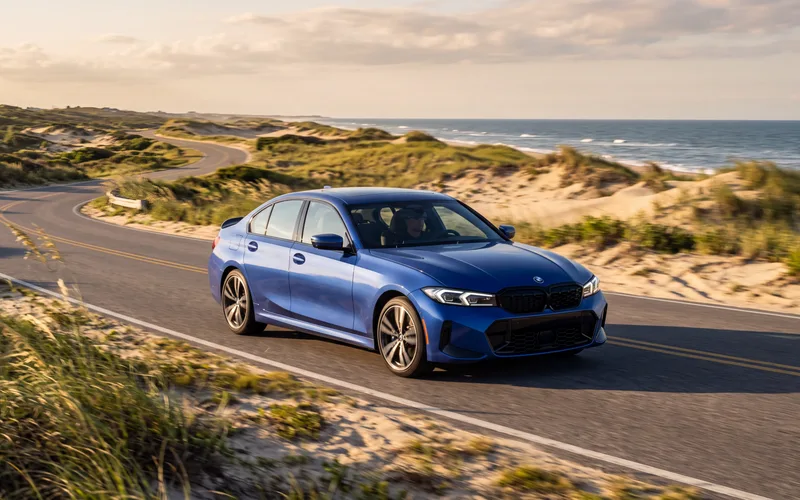 BMW 3 SeriesCompact Luxury Sedan
The 3 Series is the segment default with a broader powertrain lineup (330i, M340i, plug-in hybrid abroad), a much larger 14.9-inch curved display, a bigger ~17 cu ft trunk, and vastly better resale — but the Giulia is the more emotional, better-steering car and looks more distinctive at the curb.
Compare 2.86B-
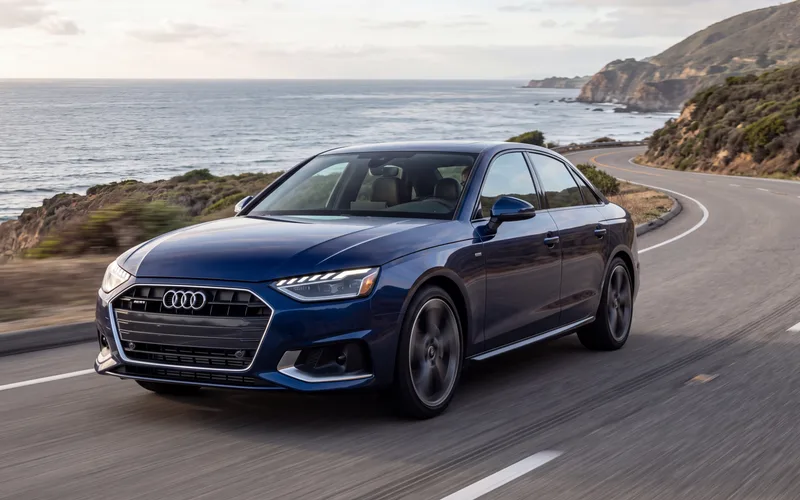 Audi A4Compact Luxury Sedan
The A4 quattro matches the Giulia's 27 MPG combined but adds tri-zone climate, roomier back seat comfort features, and Audi's more solid fit-and-finish reputation.
Compare 2.79B-
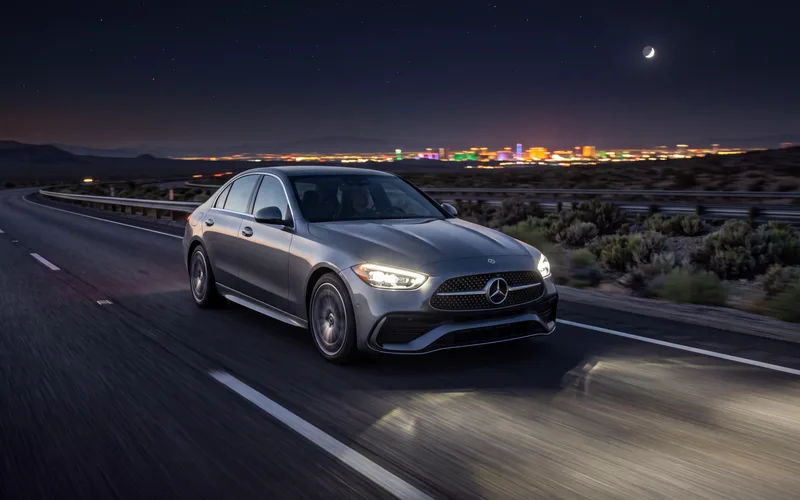 Mercedes-Benz C-ClassCompact Luxury Sedan
The C-Class walks over the Giulia inside with an 11.9-inch portrait screen, MBUX voice control, softer ride, and quieter cabin — it feels a full generation newer.
CompareHow it's evolved
10 scored model years · 2017–2026
Subject scores by year
Hover or tap a score to see what moved it versus the year before. A corner mark flags a big swing.
| Year | Performance | Efficiency | Safety | Space | Cost | Reliability | Tech | Use-case | Driving | Value |
|---|---|---|---|---|---|---|---|---|---|---|
| 2026 | 59 | 32 | 66 | 57 | 25 | 49 | 58 | 44 | 78 | 66 |
| 2025 | 57 | 28 | 60 | 63 | 30 | 66 | 56 | 50 | 81 | 67 |
| 2024 | 58 | 35 | 62 | 62 | 27 | 60 | 56 | 52 | 83 | 72 |
| 2023 | 57 | 37 | 65 | 61 | 13 | 63 | 52 | 51 | 82 | 71 |
| 2022 | 58 | 38 | 67 | 62 | 30 | 60 | 56 | 53 | 81 | 71 |
| 2021 | 57 | 32 | 61 | 61 | 31 | 57 | 52 | 50 | 81 | 76 |
| 2020 | 56 | 34 | 57 | 62 | 48 | 57 | 53 | 48 | 84 | 74 |
| 2019 | 57 | 32 | 61 | 62 | 52 | 57 | 43 | 51 | 84 | 78 |
| 2018 | 56 | 38 | 57 | 62 | 43 | 48 | 40 | 51 | 83 | 79 |
| 2017 | 58 | 37 | 57 | 66 | 51 | 47 | 34 | 53 | 81 | 84 |
Compare two years
Best fit & conditions
Higher scores mean a better fit for that use case. Learn more about use-case fit →
Subject profile
Detailed scoring by subject
1Performance & PowertrainMid-pack among this car's ten categories.1.82C-
The volume Sprint uses the 280-hp 2.0-liter turbo four; the range-topping Quadrifoglio uses a 505-hp twin-turbo V6. The 2021 trim consolidation did not alter either output.
The standard turbo four's 306 lb-ft arrives at 2,000 rpm, giving the volume Giulia unusually strong low-rev output for a four-cylinder compact luxury sedan.
Car and Driver's instrumented 5.7-second result is used for the representative rear-drive four-cylinder; its Q4 test was two-tenths quicker. Other reputable tests bracket the four-cylinder at roughly 5.1–5.7 seconds.
The four-cylinder is muscular, responsive once on boost, and characterful, though its noticeable turbo engagement keeps delivery from being fully seamless. Multiple reviewers praise its punch while identifying that small qualification.
The eight-speed automatic is quick and engaging at speed, particularly with the large optional paddles, but low-speed shift smoothness and response fall short of the class best. The repeated criticism warrants a mid-band score.
Q4 AWD was broadly optional on every mainstream 2.0T trim, while rear drive remained standard; only the Quadrifoglio was RWD-only. Q4 is a performance-oriented active system, but it lacks terrain modes or the rear torque-vectoring hardware that would merit the top band.
Two genuinely distinct engines cover mainstream and extreme-performance buyers: a 280-hp turbo four and a 505-hp twin-turbo V6. However, the U.S. lineup offered no hybrid, plug-in, EV, diesel, or manual alternative.
2Efficiency & RangeOne of the Giulia's weakest categories.0.08F
The representative Sprint RWD earns 27 mpg combined; adding Q4 costs 1 mpg. The powertrain was unchanged for the simplified 2021 lineup.
EPA rates the volume Sprint RWD at 24 mpg city, competitive for its output but without hybrid assistance.
The tall eighth gear helps the 2.0T RWD reach 33 mpg highway, and an independent highway test nearly matched the rating.
EPA does not populate a single total-range field for this gasoline record, so combined range is the standard 15.3-gallon capacity multiplied by 27 combined MPG and rounded. Published EPA city/highway ranges corroborate the inputs.
The EPA's live record currently estimates $2,800 annually for the 27-mpg RWD car using premium gasoline. This live standardized estimate supersedes the historical $1,800 printed when fuel prices were lower on the original window label.
Premium unleaded is required for the 2.0T and Quadrifoglio, with no regular-fuel or electrified alternative in the U.S. lineup. That imposes a persistent operating-cost penalty.
3SafetyOne of the Giulia's strongest categories.2.14C
NHTSA did not publish an overall rating for the 2021 Giulia, and no tested model year of the 2017-generation Giulia supplies a carry-forward score. The 4.5-star value is the dataset convention for an untested low-volume modern luxury sedan, not a claimed NHTSA award.
The 2021 Giulia has Good results in every IIHS crashworthiness test performed, but it earned no Top Safety Pick award and lacks passenger-side small-overlap and newer updated-test coverage. This is excellent performance under the generation's tested protocols, just short of the award band.
The representative Sprint includes full-speed forward-collision warning and automatic braking, but adaptive cruise, blind-spot/rear-cross-traffic monitoring, and lane keeping require Active Assist option packages. Only one of the rubric's five core systems is standard, well behind comprehensive-suite rivals.
IIHS rated the standard vehicle-to-vehicle system Superior: it avoided the 12-mph collision and cut 24 mph from the 25-mph test. There is no IIHS pedestrian day/night rating, preventing a score in the modern top band.
Blind-spot monitoring and rear cross-traffic alert are optional rather than standard on the Sprint. When fitted, Active Blind Spot Assist adds steering-wheel resistance to discourage an unsafe lane change, but rear cross traffic is alert-only and there is no safe-exit feature.
The optional Active Assist 2 package supplies active lane keeping plus hands-on Highway Assist lane centering, so capability is credible but not standard on the volume trim. It is a supervised Level 2 aid rather than an effortless hands-free system.
Optional adaptive cruise works to a full stop and integrates with Highway Assist and Traffic Jam Assist for acceleration, braking, and steering. Its broad operating capability is strong for 2021, but requiring an option package on the Sprint keeps it below systems that are standard and more widely reviewed for refinement.
No hands-free driving system was offered for 2021. Highway Assist explicitly requires the driver's hands to remain on the wheel.
IIHS rates the volume Sprint's standard xenon reflector lamps Poor, with inadequate low-beam visibility on every curve. Good curve-adaptive bi-xenon projectors exist, but require an upgraded Ti/Quadrifoglio configuration, so the representative trim stays in the low band.
Natural sightlines are broadly average for a low, sporty compact sedan, with the sloping roof and rear quarters creating some blind zones. A standard backup camera and available front/rear parking sensors help at low speed, but no surround-view camera fully compensates.
IIHS rates LATCH ease of use Marginal because the two complete outboard sets have lower anchors that are deep and difficult to maneuver around. Tight rear space and small door openings further complicate installing a rear-facing seat.
4Space & ComfortMid-pack among this car's ten categories.2.13C
The volume Sprint is a five-seat sedan.
Front headroom is competitive for a compact sport sedan.
The driver and front passenger receive ample legroom.
The published measurement is adequate, though the sloping roof and access make the rear feel tighter.
Rear legroom is near the low end of the sedan normalization range.
The trunk has useful volume but a low opening and long reach reduce usability.
There are everyday pockets, cupholders and a console net, but the cubbies are small and no standout storage solution is present.
Supportive, highly adjustable front seats and pleasant rear support suit long drives, though firm thigh bolsters will bother some occupants.
The sport-sedan ride is controlled and usually compliant, with sharp impacts over cracked pavement and some firmness noted by reviewers.
Road isolation trails luxury-class leaders, especially from the tires, although the engine note is often enjoyable.
Dual-zone climate and rear vents are standard; heated front seats are packaged on Sprint and standard on Ti, while rear heat and wireless charging cost extra.
5Cost of OwnershipThe Giulia's lowest-graded category.0.00F
The new-for-2021 Sprint was the entry trim and gave the Giulia a competitive starting price for a compact luxury sport sedan.
The midlevel Ti is used as the representative volume trim; it paired the standard 280-hp four-cylinder with popular luxury equipment without stepping up to the specialized Quadrifoglio.
Edmunds projects unusually high maintenance and repair expense for the volume Ti, well beyond the sedan normalization range.
Contemporary used-market values imply weak retention for a compact luxury sedan, consistent with reviewers' warnings about Giulia resale.
Coverage matches the common premium-brand term and exceeds the mainstream 3-year norm.
Unlike many mainstream warranties, Alfa's powertrain coverage does not extend beyond the basic warranty.
One scheduled service was included at 1 year/10,000 miles, supplemented by roadside assistance for the warranty term. This is useful but much shorter than the multi-year maintenance plans offered by stronger luxury competitors.
$44,495 volume-trim price minus its estimated resale value after 5 years (44% retained, or about $19,578) leaves about $24,917 in depreciation. Add the projected $12,556 in 5-year maintenance and repairs, and owning this vehicle for 5 years costs about $37,473 in total.
6Reliability & QualityMid-pack among this car's ten categories.1.84C-
The 2021 Giulia was a mature fifth US model year and later cars improved on the troublesome early examples, but model-specific survey support is limited and major reviewers still warned about Alfa reliability. Six safety recalls and scattered electrical/electronic complaints keep it below the stronger compact-luxury choices.
Alfa Romeo was a low-volume brand with a weak long-term dependability reputation and did not establish a competitive multi-year US VDS record. Its notably poor 2021 initial-quality result reinforces a bottom-third assessment, though that 90-day measure is not the same as long-term durability.
Six recalls are heavy for the model year, and the record includes safety-significant brake-system and fuel-delivery defects rather than labels or other minor compliance issues alone. The campaigns are discrete and affect subsets of production, but potential loss of braking assistance, ABS, or motive power warrants a below-average score.
The volume Ti's 280-hp 2.0-liter turbo four and ZF eight-speed automatic had four prior US model years behind them, and the conventional ZF transmission is a relative strength. The family lacks a class-leading high-mileage record, while oil-leak/consumption communications and electrical or cooling-system complaints prevent a stronger rating.
The Ti cabin is attractive and suitably upscale, with leather, aluminum, and broad soft-touch coverage following the substantial 2020 interior update. Some secondary plastics and controls still trail the best Audi, BMW, and Mercedes cabins, so it is competitive rather than class-leading.
Assembly and detailing improved with the 2020 cabin revision, but the evidence remains mixed rather than convincingly premium. A persistent rattle in a contemporaneous test car and Alfa's poor 2021 initial-quality standing offset the otherwise sturdier controls and improved finish.
Alfa's specialist US dealer footprint is sparse compared with Lexus, BMW, Mercedes-Benz, or Cadillac, limiting geographic access and the ability to switch service providers. Owner-survey reporting also describes inconsistent dealer service and repair delays.
Shared Giulia/Stelvio hardware provides some independent-shop support, but Alfa-specific parts, European-luxury labor, and a small service network make repairs costly and sometimes slow. Projected five-year repair expense for the four-cylinder Ti is exceptionally high even before maintenance.
7Technology & InfotainmentGrades below the middle of the scale.1.45D
Every 2021 trim uses the same integrated 8.8-inch touchscreen.
Touch and rotary inputs provide flexibility and the layout is fairly intuitive, but lag, tiny icons and incomplete controller support hinder use.
Both phone platforms are standard but require a cable; factory wireless projection was not offered.
Navigation is standard above Sprint, but weak recognition and cumbersome destination entry put it below contemporary luxury rivals.
The standard eight-speaker system is ordinary, while a strong 14-speaker, 900-watt Harman Kardon upgrade is available on volume Ti trims.
A useful configurable 7-inch color display is standard, but it sits between analog dials rather than forming a full digital cluster.
Connected models support infotainment-related over-the-air updates, not broad whole-vehicle feature updates.
A connected-services companion app was available, while core remote start also came from the physical key fob; it lacks modern digital-key breadth.
Four USB outlets cover both rows and wireless charging is optional, but the setup lacks abundant USB-C or an AC outlet.
Passive entry, keyless go and remote start are unusually complete standard equipment, though phone-as-key is absent.
Rear camera, dynamic guidelines and rear sensors are standard, with front sensors standard on Ti; no surround-view camera or automated parking is listed.
A head-up display was not offered for the 2021 Giulia.
8Use-Case FitOne of the Giulia's weakest categories.1.33D
Five seats, a split-folding rear bench and decent trunk volume help, but tight rear room, intrusive wheel arches, difficult access and marginal LATCH usability compromise daily family duty.
Crashworthiness and standard front crash prevention are strong, but blind-spot, lane and adaptive-cruise systems require option packages on affordable trims and NHTSA did not rate it.
Supportive seats and a 13.4-cu-ft trunk work for four, but tight rear space, tire noise and limited standard rear amenities constrain long family trips.
Compact dimensions, excellent driving position and a responsive automatic make commuting pleasant, offset by grabby low-speed brakes and occasional reluctant downshifts.
EPA combined economy of roughly 26-27 mpg is respectable for a 280-hp luxury sport sedan, but premium fuel and luxury-car consumables keep costs average.
A compact footprint and tight 35.5-foot turning circle make it urban-friendly; standard rear aids help, although surround view is unavailable.
This low-slung luxury sedan has no published U.S. tow or payload role and offers only a conventional trunk.
Leather trim, performance-oriented running gear and no fleet/work specification make it poorly suited to repeated abuse.
There are no tie-down systems, onboard AC power, racks, washable surfaces or jobsite-focused factory provisions.
Supportive seats, controlled ride and optional adaptive/highway assistance make it a good driver's tourer, but road noise, rear tightness and firm impacts limit mile-eating comfort.
Available Q4 AWD handles weather and maintained gravel, but low clearance and absent tow/adventure provisions keep it pavement-focused.
The 40/20/40 flat-folding rear seat and useful trunk carry normal luggage and long items, though the low opening and sedan body restrict bulky gear.
9Driving ExperienceThe Giulia's best-graded category.3.53A-
The Giulia is a compact-luxury benchmark for response, body control and accuracy even with the volume four-cylinder, though all-season tires reduce its edge.
Very quick, precise and nicely weighted steering is central to the car's unusually alert character.
Stopping hardware is strong, but the abrupt integrated-brake calibration makes smooth modulation difficult in ordinary driving.
The 280-hp turbo four delivers strong, eager acceleration through a capable eight-speed automatic, with some turbo wait and reluctance to downshift.
The engine sounds engaging under load but can sound hollow at low rpm, and tire noise weakens luxury refinement.
The tight turning diameter supports easy urban maneuvering.
Excellent seat/wheel adjustment, well-placed armrests and driver-oriented controls are highlights, though the B-pillar impedes entry and some controls are oddly placed.
Few volume-trim luxury sedans combine this much steering immediacy, chassis balance, acceleration and character.
10Value & Market PositionOne of the Giulia's strongest categories.3.13B
The $40,745 Sprint included leather, power front seats with memory, dual-zone climate control, xenon lights, an 8.8-inch touchscreen, smartphone integration, Brembo brakes, parking sensors, and automatic emergency braking. That was notably generous at the base price, though advanced driver aids remained optional.
A standard 280-hp engine, rear-wheel-drive chassis, premium cabin equipment, and excellent dynamics delivered standout performance and content for roughly $41,000-$44,500. The value case is tempered by costly ownership and weaker resale.
Four trims covered value, luxury, sport, and extreme-performance buyers, while the 280-hp models offered rear- or all-wheel drive and numerous packages. The range was useful but narrower than before because Alfa simplified it for 2021, and no hybrid was offered.
The Giulia remained a niche alternative rather than a segment-volume rival to the BMW 3 Series or Mercedes-Benz C-Class. U.S. sales slipped in 2021 and continued lower in 2022, showing limited mainstream acceptance.
Alfa Romeo's Italian design, racing heritage, and the Quadrifoglio halo give the Giulia unusually strong enthusiast appeal. Its aspirational image is held back by a small U.S. footprint and lingering reliability concerns.
Low sales volume and ample negotiability commonly produced meaningful lease and dealer support, benefiting buyers. Discounts helped offset the model's weaker resale without reaching true desperation-pricing territory during most of 2021.
The underlying generation dated to 2017, but a substantial 2020 mid-cycle refresh had just improved the interior, infotainment, and safety technology. For 2021 Alfa introduced Sprint, simplified trims, enriched Ti/Ti Sport equipment, and standardized automatic emergency braking rather than redesigning the car.
Reviewers consistently considered the Giulia one of the segment's finest driver's cars, with exceptional steering and ride/handling balance. It was not the universal class winner because of tight space and ownership concerns, but the generation's major awards and strong 2021 rankings support a high score.