
The verdict
A strong full-size luxury suv, strong on technology and held back by ownership.
The 2026 BMW X7 is a genuinely excellent three-row luxury SUV that is genuinely expensive to live with. Its 375-hp turbo inline-six is one of the smoothest engines you can buy, the 14.9-inch curved display and standard head-up display are best-in-segment tech, and the standard air suspension makes it a superb long-haul family car with 7,500 lbs of towing on tap. The catch is running cost: roughly $87,000 to start (about $95,000 as most people equip it), 21 MPG combined on required premium fuel, a 4-year/50,000-mile warranty with no separate powertrain coverage, and no complimentary maintenance. Buy it if you want the best-driving big luxury SUV and can absorb the ownership bill; look at a hybrid or plug-in rival if fuel and service costs matter.
Jump to scoresStrengths
- Class-leading technology, standard on every trim
- One of the smoothest powertrains on sale
- Flagship-grade cabin and build quality
What holds it back
- Ownership cost is the worst thing about this car
- Thirsty, and it demands premium fuel
- Thin warranty and no free maintenance
Top alternatives
Cars shoppers cross-shop with the BMW X7 2.97B-
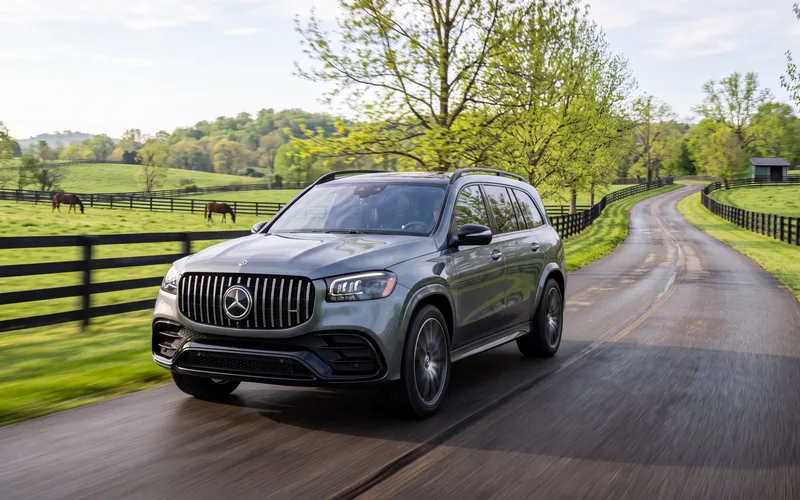 Mercedes-Benz GLSFull-Size Luxury SUVBetter at: Rear-seat space
The direct cross-shop at the same price, with more second-row room, a plusher ride, and a plug-in hybrid variant the X7 can't offer.
Compare 3.07B
3.07B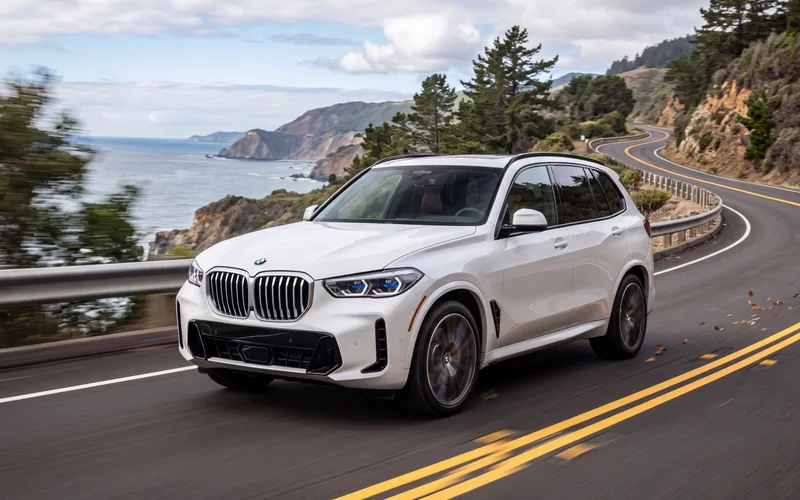 BMW X5Mid-Size Luxury SUVBetter at: Value
Same engine and tech for substantially less money, better fuel economy, and an available plug-in hybrid — if you rarely need the third row.
Compare 3.16B
3.16B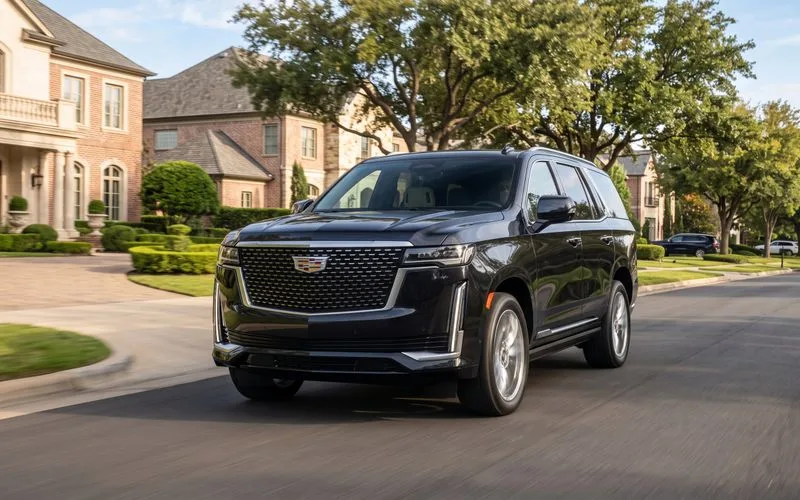 Cadillac EscaladeFull-Size Luxury SUVBetter at: Space and resale
Far more usable space, better resale, and Super Cruise hands-free driving over a much wider highway network.
CompareHow it's evolved
8 scored model years · 2019–2026
Subject scores by year
Hover or tap a score to see what moved it versus the year before. A corner mark flags a big swing.
| Year | Performance | Efficiency | Safety | Space | Cost | Reliability | Tech | Use-case | Driving | Value |
|---|---|---|---|---|---|---|---|---|---|---|
| 2026 | 71 | 34 | 73 | 70 | 9 | 77 | 90 | 73 | 74 | 73 |
| 2025 | 71 | 36 | 58 | 71 | 9 | 75 | 85 | 67 | 72 | 75 |
| 2024 | 71 | 37 | 57 | 70 | 9 | 76 | 84 | 64 | 76 | 75 |
| 2023 | 71 | 38 | 62 | 71 | 13 | 70 | 86 | 66 | 72 | 73 |
| 2022 | 67 | 32 | 60 | 70 | 13 | 72 | 76 | 63 | 70 | 70 |
| 2021 | 66 | 31 | 60 | 70 | 13 | 69 | 79 | 63 | 71 | 71 |
| 2020 | 67 | 37 | 60 | 71 | 15 | 66 | 77 | 65 | 71 | 70 |
| 2019 | 67 | 37 | 60 | 71 | 14 | 64 | 75 | 65 | 71 | 69 |
Compare two years
Best fit & conditions
Higher scores mean a better fit for that use case. Learn more about use-case fit →
Subject profile
Academic Probation · NHTSA safety recalls
Dec 4, 2025Air bags: critical fastenersThe instrument panel may have been manufactured incorrectly and prevent the passenger-side air bag from deploying properly.
Defect
BMW of North America, LLC (BMW) is recalling certain 2026 X6, X7, X5, and X5 Plug-In Hybrid vehicles. The instrument panel may have been manufactured incorrectly and prevent the passenger-side air bag from deploying properly.
Risk
An air bag that does not deploy properly can increase the risk of injury during a crash.
Remedy
Dealers will replace the instrument panel trim, free of charge. The vehicles have not been sold from dealer inventory and therefore, no owner letters will be mailed. Owners may contact BMW customer service at 1-800-525-7417. Vehicle Identification Numbers (VINs) involved in this recall became searchable on NHTSA.gov on December 4, 2025.
NHTSA campaign 25V837000 ↗25 vehicles potentially affected (all models in the campaign)Filed by BMW of North America, LLCFiled as X7Aug 27, 2025Visibility: windshield: critical fastenersThe windshield may not be sealed properly, which can allow water to enter the power distribution box or electronic control unit.
Defect
BMW of North America, LLC (BMW) is recalling certain 2026 X5 Plug-in Hybrid, X5, and X7 vehicles. The windshield may not be sealed properly, which can allow water to enter the power distribution box or electronic control unit.
Risk
Water inside electrical components can lead to electronic function failures, such as a loss of headlights, increasing the risk of a crash. In addition, an electrical short-circuit may occur, increasing the risk of a fire while parked or driving.
Remedy
Dealers will inspect the windshield seal. If any leaks are detected, the seal will be repaired and vehicle control units and wiring will be replaced as necessary, free of charge. Owner notification letters were mailed December 3, 2025. Owners may contact BMW customer service at 1-800-525-7417.
NHTSA campaign 25V556000 ↗1,406 vehicles potentially affected (all models in the campaign)Owners notified Dec 3, 2025Filed by BMW of North America, LLCFiled as X7
31 recalls on other model years of the X7 (2019–2025)
Jul 1, 2026Electronic stability control (esc) · Service brakes, hydraulic: power assist: electric: control moduleThe integrated brake (IB) system may malfunction and result in a loss of power brake assist or cause the Antilock Brake (ABS) and Dynamic Stability Control (DSC) systems to not function properly.
Defect
BMW of North America, LLC (BMW) is recalling certain 2025 Mini Cooper S, Mini Countryman S All4, X2, 2024 Rolls-Royce Spectre, 2023-2025 i7, 7 Series, X7, 2024-2025 i5, 5 Series, 2023-2024 XM, X1, 2024-2025 X6, and X5 vehicles. The integrated brake (IB) system may malfunction and result in a loss of power brake assist or cause the Antilock Brake (ABS) and Dynamic Stability Control (DSC) systems to not function properly.
Risk
A loss of power brake assist can extend the distance required to stop the vehicle. Additionally, malfunctioning ABS and/or DSC systems can cause a loss of vehicle control. Either of these scenarios can increase the risk of a crash.
Remedy
The Integrated brake system will be inspected and, if necessary, replaced, free of charge. Owner notification letters are expected to be mailed August 21, 2026. Owners may contact BMW customer service at 1-800-525-7417 or Rolls-Royce customer service at 1-877-877-3735. Vehicle Identification Numbers (VINs) involved in this recall will become searchable on NHTSA.gov beginning August 21, 2026. Vehicles previously repaired under recall 24V739 or 24V104 will need to have the new remedy completed.
NHTSA campaign 26V422000 ↗428 vehicles potentially affected (all models in the campaign)Owners notified Aug 25, 2026Filed by BMW of North America, LLCFiled as X7Sep 25, 2025Electrical system: starter assemblyAfter repeated attempts, the starter motor may overheat from an electrical overload.
Defect
BMW of North America, LLC (BMW) is recalling certain 2020 340I, X6, 2020-2025 840I, 2020-2022 740LI, 2019-2020 X7, and X5 vehicles. After repeated attempts, the starter motor may overheat from an electrical overload.
Risk
An overheated starter motor can ignite nearby combustible material in the engine compartment, increasing the risk of a fire.
Remedy
Dealers will replace the engine starter, free of charge. This recall includes vehicles repaired under recall 24V576 and those owners will need to have their vehicle repaired again. Owner notification letters were mailed February 9, 2026. Owners may contact BMW customer service at 1-800-525-7417. Vehicle Identification Numbers (VINs) involved in this recall became searchable on NHTSA.gov November 17, 2025.
NHTSA campaign 25V644000 ↗145,102 vehicles potentially affected (all models in the campaign)Owners notified Feb 9, 2026Filed by BMW of North America, LLCFiled as X7Oct 2, 2024Electronic stability control (esc) · Service brakes, hydraulic: power assist: electric: control modulePlease see the recall report for a complete list of models and model years. The integrated brake (IB) system may malfunction and result in a loss of power brake assist or cause the Antilock Brake (ABS) and Dynamic Stability Control (DSC) systems to not function properly.
Defect
BMW of North America, LLC. (BMW) is recalling certain 2023-2024 X1, X5, X6, X7, XM, 530i, i5, 740i, 760i, i7, and 750e vehicles. Please see the recall report for a complete list of models and model years. The integrated brake (IB) system may malfunction and result in a loss of power brake assist or cause the Antilock Brake (ABS) and Dynamic Stability Control (DSC) systems to not function properly.
Risk
A loss of power brake assist can extend the distance required to stop the vehicle. Additionally, malfunctioning ABS and/or DSC systems can cause a loss of vehicle control. Either of these scenarios can increase the risk of a crash.
Remedy
Dealers will replace the integrated brake module, free of charge. Interim owner notification letters notifying owners of the safety risk are expected to be mailed November 22, 2024. Second letters will be mailed once the parts are available. Owners may contact BMW customer service at 1-800-525-7417. Vehicles in this recall were previously repaired under recall number 24V-104 and will need to have the new remedy completed.
NHTSA campaign 24V739000 ↗11,579 vehicles potentially affected (all models in the campaign)Owners notified Nov 27, 2024Filed by BMW of North America, LLCFiled as X7Sep 18, 2024Electronic stability control (esc): control module · Service brakes, hydraulic: antilock/traction control/electronic limited slip: control unit/modulePlease refer to the recall report for the complete list of models. The welds in the servomotor of the integrated brake control module may break, causing a loss of power brake assist and rear brake function. In addition, the Antilock Brake System (ABS) and Dynamic Stability Control (DSC) system may not function.
Defect
BMW of North America (BMW) is recalling certain 2023-2024 X1, 2024-2025 X5, 2025 X6, 2023-2025 X7, 740i, 760i, 2024 XM, 530i, 540i, i7, 750e, X2, 2024-2025 i5, 2024 Rolls Royce Spectre, 2025 MINI Countryman S ALL4, JCW Countryman ALL4, and 2025 MINI Hardtop 2 Door (Cooper, Cooper S) vehicles. Please refer to the recall report for the complete list of models. The welds in the servomotor of the integrated brake control module may break, causing a loss of power brake assist and rear brake function. In addition, the Antilock Brake System (ABS) and Dynamic Stability Control (DSC) system may not function.
Risk
A loss of brake power assist or rear brake function can result in extended stopping distance. A loss of ABS or DSC can cause a loss of vehicle handling and control. Either of these scenarios can increase the risk of a crash.
Remedy
Dealers will replace the integrated brake system, free of charge. Owner notification letters were mailed November 13, 2024. Owners can contact BMW Customer Service at 1-800-525-7417.
NHTSA campaign 24V697000 ↗309 vehicles potentially affected (all models in the campaign)Owners notified Nov 13, 2024Filed by BMW of North America, LLCFiled as X7Aug 1, 2024Electrical system: starter assembly · Engine and engine cooling: engine: engine control module (ecu/ecm): softwarePlease see the recall report for the complete list of models. In the event the starter motor fails, repeated attempts to start the vehicle can cause the starter motor to overheat from an electrical overload.
Defect
BMW of North America, LLC is recalling certain 2019-2020 X5, X7, 2020 3 Series Sedan, X6, 2020-2021 7 Series Sedan, 2020 8 Series Convertible, 8 Series Coupe, and 2020 8 Series Gran Coupe vehicles. Please see the recall report for the complete list of models. In the event the starter motor fails, repeated attempts to start the vehicle can cause the starter motor to overheat from an electrical overload.
Risk
A starter motor that overheats can ignite nearby combustible material in the engine compartment, increasing the risk of a fire.
Remedy
Dealers will update the vehicle software, free of charge. Owner notification letters were mailed September 27, 2024. Owners may contact BMW customer service at 1-800-525-7417.
NHTSA campaign 24V576000 ↗105,588 vehicles potentially affected (all models in the campaign)Owners notified Sep 27, 2024Filed by BMW of North America, LLCFiled as X7May 15, 2024Seat belts: frontThe seat belt system may inaccurately detect that passengers are belted, preventing the seat belt warning light from illuminating and possibly causing the supplemental restraint system to not deploy as intended during a crash. As such, these vehicles fail to comply with the requirements of Federal Motor Vehicle Safety Standard number 208, "Occupant Crash Protection."
Defect
BMW of North America, LLC (BMW) is recalling certain 2024 XM, 2025 BMW X5 sDrive40i, X5 xDrive40i, X5 M60i, X5 M, X5 xDrive50e, X6 xDrive40i, X6 M60i, X6 M, X7 xDrive40i, X7 M60i, and Alpina XB7 vehicles. The seat belt system may inaccurately detect that passengers are belted, preventing the seat belt warning light from illuminating and possibly causing the supplemental restraint system to not deploy as intended during a crash. As such, these vehicles fail to comply with the requirements of Federal Motor Vehicle Safety Standard number 208, "Occupant Crash Protection."
Risk
A seat belt warning light that does not alert occupants of an unbelted seat belt or an SRS system that deploys improperly can both increase the risk of injury in a crash.
Remedy
Dealers will inspect and replace the front seat lower seat belts as necessary, free of charge. Owner notification letters were mailed July 12, 2024. Owners may contact BMW customer service at 1-800-525-7417.
NHTSA campaign 24V345000 ↗3,256 vehicles potentially affected (all models in the campaign)Owners notified Jul 12, 2024Filed by BMW of North America, LLCFiled as X7Feb 23, 2024Air bags · Structure: interior panels: dashboardThe instrument panel may not have been manufactured properly, which can result in improper air bag deployment or the panel separating during air bag deployment.
Defect
BMW of North America, LLC (BMW) is recalling certain 2024 X5 sDrive40i, X5 xDrive40i and X7 xDrive40i vehicles. The instrument panel may not have been manufactured properly, which can result in improper air bag deployment or the panel separating during air bag deployment.
Risk
Instrument panel separation during air bag deployment can result in pieces of the panel striking occupants. Improper air bag deployment may not restrain an occupant as intended during a crash. Either of these scenarios can increase the risk of injury.
Remedy
Dealers will replace the instrument panel, free of charge. Owner notification letters were mailed April 16, 2024. Owners may contact BMW customer service at 1-800-525-7417.
NHTSA campaign 24V138000 ↗8 vehicles potentially affected (all models in the campaign)Owners notified Apr 16, 2024Filed by BMW of North America, LLCFiled as X7Feb 12, 2024Electronic stability control (esc) · Service brakes, hydraulic: power assist: electric: control modulePlease see the recall report for a complete list of models and model years. The integrated brake (IB) system may malfunction and result in a loss of power brake assist or cause the Antilock Brake (ABS) and Dynamic Stability Control (DSC) systems to not function properly.
Defect
BMW of North America, LLC. (BMW) is recalling certain 2023-2025 BMW, MINI, and Rolls-Royce vehicles. Please see the recall report for a complete list of models and model years. The integrated brake (IB) system may malfunction and result in a loss of power brake assist or cause the Antilock Brake (ABS) and Dynamic Stability Control (DSC) systems to not function properly.
Risk
A loss of power brake assist can extend the distance required to stop the vehicle. Additionally, malfunctioning ABS and/or DSC systems can cause a loss of vehicle control. Either of these scenarios can increase the risk of a crash.
Remedy
Dealers will replace the integrated brake system, free of charge. Owner notification letters were mailed between June and December 2024. Owners may contact BMW customer service at 1-800-525-7417 or Rolls Royce customer service at 1-877-877-3735.
NHTSA campaign 24V104000 ↗266,716 vehicles potentially affected (all models in the campaign)Owners notified Jun 28, 2024Filed by BMW of North America, LLCFiled as X7Sep 7, 2023Air bagsThe front passenger knee air bag may not deploy as intended.
Defect
BMW of North America, LLC (BMW) is recalling certain 2023 BMW XM, 2024 BMW X5 sDrive40i, X5 xDrive40i, X5 M60i, X5 M, X5 xDrive50e, X6 xDrive40i, X6 M60i, X6 M, X7 xDrive40i, X7 M60i, and Alpina XB7 vehicles. The front passenger knee air bag may not deploy as intended.
Risk
An air bag that does not deploy as intended can increase the risk of injury in a crash.
Remedy
Dealers will replace the front passenger knee air bag, free of charge. Owner notification letters were mailed November 3, 2023. Owners may contact BMW's customer service at 1-800-525-7417.
NHTSA campaign 23V622000 ↗2,352 vehicles potentially affected (all models in the campaign)Owners notified Nov 3, 2023Filed by BMW of North America, LLCFiled as X7Jul 10, 2023Air bags: knee bolsterThe knee air bag (driver and/or passenger) may not have been manufactured correctly, which can result in the knee air bag not deploying as intended.
Defect
BMW of North America, LLC (BMW) is recalling certain 2024 X5 sDrive40i, X5 xDrive40i, X5 M60i, X5 M, xDrive 50e, 2024 X6 xDrive40i, X6 M60i, X6 M, 2024 X7 xDrive40i, X7 M60i, Alpina XB7, and 2023 XM vehicles. The knee air bag (driver and/or passenger) may not have been manufactured correctly, which can result in the knee air bag not deploying as intended.
Risk
A knee air bag that does not deploy as intended increases the risk of injury.
Remedy
Dealers will replace the knee air bag (driver and/or passenger), free of charge. Owner notification letters were mailed September 6, 2023. Owners may contact BMW customer service at 1-800-525-7417.
NHTSA campaign 23V471000 ↗1,981 vehicles potentially affected (all models in the campaign)Owners notified Sep 6, 2023Filed by BMW of North America, LLCFiled as X7Apr 26, 2023Engine and engine cooling: exhaust system: emission control: catalytic convertorThe fasteners that connect the exhaust system and the catalytic converter may not have been tightened correctly.
Defect
BMW of North America, LLC (BMW) is recalling certain 2023 X7 M60i and XM vehicles. The fasteners that connect the exhaust system and the catalytic converter may not have been tightened correctly.
Risk
A loose connection between the exhaust system and catalytic converter increases the risk of a fire.
Remedy
Dealers will replace the gasket between the exhaust system and the catalytic converter, and tighten the fasteners, free of charge. Owner notification letters were mailed June 22, 2023. Owners may contact BMW customer service at 1-800-525-7417.
NHTSA campaign 23V294000 ↗5 vehicles potentially affected (all models in the campaign)Owners notified Jun 22, 2023Filed by BMW of North America, LLCFiled as X7Nov 2, 2022Visibility: windshieldThe windshield may not have been properly bonded to the vehicle which could allow water to enter the vehicle and contact electrical components, possibly resulting in a short-circuit.
Defect
BMW of North America, LLC (BMW) is recalling certain 2023 X5 sDrive40i, xDrive40i, xDrive45e, and X7 xDrive40i vehicles. The windshield may not have been properly bonded to the vehicle which could allow water to enter the vehicle and contact electrical components, possibly resulting in a short-circuit.
Risk
An electrical short-circuit increases the risk of a fire.
Remedy
Dealers will inspect the windshield seal and as necessary, remove and reinstall the windshield with a new seal, free of charge. Owner notification letters were mailed December 30, 2022. Owners may contact BMW customer service at 1-800-525-7417.
NHTSA campaign 22V820000 ↗47 vehicles potentially affected (all models in the campaign)Owners notified Dec 30, 2022Filed by BMW of North America, LLCFiled as X7Sep 29, 2022Exterior lightingIn certain vehicle operating conditions, only one of the two front parking lights may remain illuminated. As such, these vehicles fail to comply with the requirements of Federal Motor Vehicle Safety Standard number 108, "Lamps, Reflective Devices, and Associated Equipment."
Defect
BMW of North America, LLC (BMW) is recalling certain 2023 X7 xDrive40i, and X7 M60i vehicles. In certain vehicle operating conditions, only one of the two front parking lights may remain illuminated. As such, these vehicles fail to comply with the requirements of Federal Motor Vehicle Safety Standard number 108, "Lamps, Reflective Devices, and Associated Equipment."
Risk
A loss of illumination from one of the parking lights can reduce visibility, increasing the risk of a crash.
Remedy
Dealers will reprogram the electronic control unit for the front parking lights, free of charge. Owner notification letters were mailed November 18, 2022. Owners may contact BMW customer service at 1-800-525-7417.
NHTSA campaign 22V725000 ↗3,315 vehicles potentially affected (all models in the campaign)Owners notified Nov 18, 2022Filed by BMW of North America, LLCFiled as X7Sep 7, 2022SeatsOne or more of the compression springs that lock the backrest may not have been installed properly, and could dislodge or detach.
Defect
BMW of North America, LLC (BMW) is recalling certain 2019-2022 BMW X7 xDrive40i, X7 Drive50i, X7 M50i vehicles with third-row seats. One or more of the compression springs that lock the backrest may not have been installed properly, and could dislodge or detach.
Risk
In a crash, the seat backrest may not fully lock, increasing the risk of injury.
Remedy
Dealers will inspect the third-row seat and, if necessary, remove and reinstall improperly installed compression springs, and reinstall any missing springs, free of charge. Owner notification letters were mailed November 4, 2022. Owners may contact BMW customer service at 1-800-525-7417.
NHTSA campaign 22V670000 ↗246 vehicles potentially affected (all models in the campaign)Owners notified Nov 4, 2022Filed by BMW of North America, LLCFiled as X7Apr 20, 2022Visibility: sun/moon roof assemblyThe roof function control unit may be programmed incorrectly, allowing the sunroof to close without the key fob present inside the vehicle. As such, these vehicles fail to comply with the requirements of Federal Motor Vehicle Safety Standard number 118, "Power-Operated Window Systems."
Defect
BMW of North America, LLC (BMW) is recalling certain 2022 4 Series Gran Coupe (430i, 430i xDrive, M440i xDrive); 2019-2022 X5 sDrive40i, X5 xDrive40i, X5 xDrive50i, X5 M50i, X5M; 2021-2022 X5 xdrive45e; 2020-2022 X6 sDrive40i, X6 xDrive40i, X6 xDrive50i, X6M and 2019-2023 X7 xDrive40i, X7 xDrive50i, X7 M50i, X7 xDrive60i, X7 M60i, X7M, Alpina XB7 vehicles. The roof function control unit may be programmed incorrectly, allowing the sunroof to close without the key fob present inside the vehicle. As such, these vehicles fail to comply with the requirements of Federal Motor Vehicle Safety Standard number 118, "Power-Operated Window Systems."
Risk
A sunroof that closes without the key fob present inside the vehicle can increase the risk of injury.
Remedy
Dealers will reprogram the roof function control unit, free of charge. Owner notification letters were mailed June 20, 2022. Owners may contact BMW customer service at 1-800-525-7417.
NHTSA campaign 22V267000 ↗61,221 vehicles potentially affected (all models in the campaign)Owners notified Jun 20, 2022Filed by BMW of North America, LLCFiled as X7Mar 10, 2021Seats: mid/rear assembly: head restraintThe head restraints on the second-row outer seats may be the incorrect type for the vehicle.
Defect
BMW of North America, LLC (BMW) is recalling certain 2021 X5 sDrive40i, X5 xDrive50i, X5 M50i, X5 xDrive45e, 2021 X7 xDrive40i, X7 M50i, and XB7 vehicles. The head restraints on the second-row outer seats may be the incorrect type for the vehicle.
Risk
In the event of a crash, the head restraints could detach, and increase the risk of injury.
Remedy
BMW will notify owners, and dealers will inspect the head restraints, and replace them as necessary, free of charge. The recall began May 3, 2021. Owners may contact BMW customer service at 1-800-525-7417.
NHTSA campaign 21V156000 ↗258 vehicles potentially affected (all models in the campaign)Owners notified May 3, 2021Filed by BMW of North America, LLCFiled as X7Feb 19, 2021Back over prevention: sensing system: camera · Back over prevention: softwareWhen shifting into Reverse, a small portion of the rearview image may be obscured, or the screen may not illuminate. As such, these vehicles fail to comply with the requirements of Federal Motor Vehicle Safety Standard (FMVSS) number 111, "Rear Visibility."
Defect
BMW of North America, LLC (BMW) is recalling certain 2019-2021 X3 sDrive30i, X3 xDrive30i, X3 M40i, X3M, X4 xDrive30i, X4 M40i, M550i, X4M, X5 sDrive40i, X5 xDrive40i, X5 xDrive50i, X5M, X5 M50i, X7 xDrive40i, X7 xDrive50i, X7 M50i, Alpina XB7, 330i, 330i xDrive, M340i, M340i xDrive, and 8 Series Coupe, Convertible and Grand Coupe, 840i, 840i xDrive, M850i xDrive, M8, 2020-2021 530e, 530e xDrive, 330e, 330e xDrive, 745Le, 745Le xDrive, X5 xDrive45e, X3 xDrive30e, X6 sDrive40i, X6 xDrive40i, X6 xDrive50i, X6 M50i, X6M, 530i, 530i xDrive, 540i, 540i xDrive, M550i xDrive, M5, 740i, 740Li, 740Li xDrive, M760i Drive, M760Li xDrive, 750Li xDrive Alpina, Alpina B7 xDrive, and 2021 4 Series Coupe 430i, 430i xDrive, M440i xDrive vehicles. When shifting into Reverse, a small portion of the rearview image may be obscured, or the screen may not illuminate. As such, these vehicles fail to comply with the requirements of Federal Motor Vehicle Safety Standard (FMVSS) number 111, "Rear Visibility."
Risk
If the driver relies on only the rearview camera image, the missing or reduced rearview image view can increase the risk of a crash or injury.
Remedy
BMW will notify owners, and dealers will inspect the rearview camera software and update it if necessary, free of charge. The recall began April 16, 2021. Owners may contact BMW customer service at 1-800-525-7417.
NHTSA campaign 21V096000 ↗13,858 vehicles potentially affected (all models in the campaign)Owners notified Apr 16, 2021Filed by BMW of North America, LLCFiled as X7Feb 10, 2021Service brakes, hydraulic · Service brakes, hydraulic: power assist: hydraulicThe rotor and shaft within the integrated brake system may not have been welded properly and could separate during a hard braking event, possibly resulting in a loss of the Antilock Brake System (ABS) and braking assistance.
Defect
BMW of North America, LLC (BMW) is recalling certain 2020-2021 8 Series Coupe, Grand Coupe and convertible 840i, 840i xDrive, M850i xDrive, M8 and 740 Li, 740 Li xDrive, 750 Li xDrive, M760 Li xDrive, X6 sDrive40i, X6 xDrive40i, X6 xdrive50i, X6 M50i, X6M, and 2019-2021 X5 sDrive40i, X5 xDrive40i, X5 xDrive50i, X5 M50i, X5M, X7 xDrive40i, X7 xDrive50i, X7 M50i, and 2021 M3, M3 Competition, M4 Coupe, M4 Competition Coupe, X5 xDrive45e, 745 Le xDrive. The rotor and shaft within the integrated brake system may not have been welded properly and could separate during a hard braking event, possibly resulting in a loss of the Antilock Brake System (ABS) and braking assistance.
Risk
A loss of ABS and a reduction in braking assistance can increase the risk of a crash.
Remedy
BMW will notify owners, and dealers will replace the integrated brake system, free of charge. Owner notification letters were mailed on May 25, 2021. Owners may contact BMW customer service at 1-800-525-7417.
NHTSA campaign 21V062000 ↗893 vehicles potentially affected (all models in the campaign)Owners notified May 25, 2021Filed by BMW of North America, LLCFiled as X7Jan 29, 2021Steering: columnThe steering column shaft's universal joint connection may not have been tightened to specifications, and can become loose.
Defect
BMW of North America, LLC (BMW) is recalling certain 2021 X5 sDrive40i, X5 xDrive40i, X5M, X5 xDrive45e, X6 sDrive40i, X6 xDrive40i, X7 xDrive40i, X7 M50i vehicles. The steering column shaft's universal joint connection may not have been tightened to specifications, and can become loose.
Risk
A loose steering column shaft universal joint connection can affect vehicle handling and control, increasing the risk of a crash.
Remedy
BMW will notify owners, and dealers will inspect and, depending upon the inspection, either the bolt will be replaced and tightened to specifications, or the steering column shaft, universal joint, and bolt will be replaced and tightened to specifications, free of charge. The recall began March 30, 2021. Owners may contact BMW customer service at 1-800-525-7417.
NHTSA campaign 21V031000 ↗21 vehicles potentially affected (all models in the campaign)Owners notified Mar 30, 2021Filed by BMW of North America, LLCFiled as X7Dec 9, 2020Electrical system: 12v/24v/48v batteryThe connection between the 48-Volt battery and the starter-generator may not have been assembled properly, which can cause increased electrical resistance at the connections.
Defect
BMW of North America, LLC (BMW) is recalling certain 2021 M340i xDrive, M440i xDrive Coupe, 530i, 530i xDrive, 540i, 540i xDrive, 740Li, 740Li xDrive, 840i Gran Coupe, 840i xDrive Gran Coupe, X5 sDrive40i, X5 xDrive40i, X6 sDrive40i, X6 xDrive40i, and X7 xDrive40i vehicles. The connection between the 48-Volt battery and the starter-generator may not have been assembled properly, which can cause increased electrical resistance at the connections.
Risk
Increased electrical resistance can increase the risk of a fire.
Remedy
BMW will notify owners, and dealers will inspect the connection between the 48-Volt battery and the starter-generator assembly, replacing it if necessary, free of charge. The recall is expected to begin April 12, 2021. Owners may contact BMW customer service at 1-800-525-7417.
NHTSA campaign 20V761000 ↗812 vehicles potentially affected (all models in the campaign)Owners notified Mar 30, 2021Filed by BMW of North America, LLCFiled as X7Nov 4, 2020Suspension: front: control armThe weld between the front axle support and the right front control arm bearing bracket may separate.
Defect
BMW of North America, LLC (BMW) is recalling certain 2020 X5 sDrive40i, xDrive40i, X5 M50i, X5M, X7 xDrive40i, X7 M50i, X6 xDrive40i, X6 M50i and X6M vehicles and 2021 X5 xDrive45e vehicles. The weld between the front axle support and the right front control arm bearing bracket may separate.
Risk
If the weld between the front axle support and the right front control arm bearing bracket separates, vehicle handling and control may be affected, increasing the risk of a crash.
Remedy
BMW will notify owners, and dealers will replace the front axle support, free of charge. The recall began December 18, 2020. Owners may contact BMW customer service at 1-800-525-7417.
NHTSA campaign 20V678000 ↗83 vehicles potentially affected (all models in the campaign)Owners notified Dec 18, 2020Filed by BMW of North America, LLCFiled as X7Sep 1, 2020Exterior lighting: headlightsThe headlamps may allow a blue light to illuminate. As such, these vehicles fail to comply with the requirements of Federal Motor Vehicle Safety Standard number 108, "Lamps, Reflective Devices, and Associated Equipment."
Defect
BMW of North America, LLC (BMW) is recalling certain 2020-2021 X5 sDrive40i, xDrive40i, xDrive50i, X5 M50i, X5M, X6 sDrive40i, xDrive40i, X6 M50i, X6M, X7 M50i and 2021 X5 xDrive45e vehicles. The headlamps may allow a blue light to illuminate. As such, these vehicles fail to comply with the requirements of Federal Motor Vehicle Safety Standard number 108, "Lamps, Reflective Devices, and Associated Equipment."
Risk
Oncoming drivers may be confused by the blue light of approaching vehicles, which could potentially increase the risk of a crash.
Remedy
BMW will notify owners, and dealers will inspect the headlamps and, if necessary, replace them, free of charge. The recall began October 30, 2020. Owners may contact BMW customer service at 1-800-525-7417.
NHTSA campaign 20V528000 ↗307 vehicles potentially affected (all models in the campaign)Owners notified Oct 30, 2020Filed by BMW of North America, LLCFiled as X7Aug 27, 2020Equipment: other: labels · TiresThe tire information labels may contain tire size and cold tire inflation pressure information that does not match the specific tires that were installed on these vehicles. As such, these vehicles fail to conform to Federal Motor Vehicle Safety Standard number 110, "Tire Selection and Rims."
Defect
BMW of North America, LLC (BMW) is recalling certain X7 xDrive40i and M50i vehicles. The tire information labels may contain tire size and cold tire inflation pressure information that does not match the specific tires that were installed on these vehicles. As such, these vehicles fail to conform to Federal Motor Vehicle Safety Standard number 110, "Tire Selection and Rims."
Risk
The vehicle operator may be confused by the tire information on the label and this could lead to the installation of an inappropriate size tire and/or inflation pressure, potentially increasing the risk of a crash.
Remedy
BMW will notify owners, and dealers will replace the tire information label, free of charge. The recall began October 26, 2020. Owners may contact BMW customer service at 1-800-525-7417.
NHTSA campaign 20V514000 ↗397 vehicles potentially affected (all models in the campaign)Owners notified Oct 26, 2020Filed by BMW of North America, LLCFiled as X7Aug 7, 2020Electrical system: starter assembly · Power train: automatic transmissionThe starter motor may have an extra bolt that could potentially fall into the transmission housing and cause an engine stall.
Defect
BMW of North America, LLC (BMW) is recalling certain 2020 X5 sDrive 40i, X5 xDrive 40i and one X7 xDrive 40i vehicle. The starter motor may have an extra bolt that could potentially fall into the transmission housing and cause an engine stall.
Risk
An engine stall increases the risk of a crash.
Remedy
BMW will notify owners, and dealers will inspect the starter motor for the extra bolt, removing it if necessary. Dealers will also inspect the starter for damage, and check if the bolt has fallen into the transmission housing, replacing any damaged parts as necessary. All repairs will be performed free of charge. The recall began on October 2, 2020. Owners may contact BMW customer service at 1-800-525-7417.
NHTSA campaign 20V465000 ↗21 vehicles potentially affected (all models in the campaign)Owners notified Oct 2, 2020Filed by BMW of North America, LLCFiled as X7Jan 30, 2020Exterior lightingThe rear reflex reflectors may not reflect an adequate amount of light. As such, these vehicles fail to comply with the requirements of Federal Motor Vehicle Safety Standard (FMVSS) number 108, "Lamps, Reflective Devices, and Associated Equipment."
Defect
BMW of North America, LLC (BMW) is recalling certain 2020 X7 xDrive40i and X7 xDrive50i vehicles. The rear reflex reflectors may not reflect an adequate amount of light. As such, these vehicles fail to comply with the requirements of Federal Motor Vehicle Safety Standard (FMVSS) number 108, "Lamps, Reflective Devices, and Associated Equipment."
Risk
An inadequate amount of reflected light will decrease the vehicle's visibility to other drivers, increasing the risk of a crash.
Remedy
BMW will notify owners, and dealers will replace both rear reflex reflectors, free of charge. The recall began March 30, 2020. Owners may contact BMW customer service at 1-800-525-7417.
NHTSA campaign 20V052000 ↗683 vehicles potentially affected (all models in the campaign)Owners notified Mar 30, 2020Filed by BMW of North America, LLCFiled as X7Sep 27, 2019Back over prevention: sensing system: cameraThe back-up camera and display settings can be adjusted such that the rear view image is no longer visible and the system will retain that setting the next time the vehicle is placed in reverse. As such, these vehicles fail to comply with the requirements of Federal Motor Vehicle Safety Standard (FMVSS) number 111, "Rearview Mirrors."
Defect
BMW of North America, LLC (BMW) is recalling certain 2018 540d, 2018-2020 530i, 530i xDrive, 540i, 540i xDrive, M550i xDrive, M5, 530e, 530e xDrive, X3 sDrive, X3 xDrive, X3 M40i, X3 M, and 2019-2020 X4 xDrive, X4 M40i, X4 M, X7 xDrive, X7 M50i, 740Li, 740Li xDrive, 750Li, 750Li xDrive, 8 Series Convertible and Coupe 840i, 840i xDrive, M850i xDrive, X5 sDrive, X5 xDrive, X5 M50i, X6 xDrive, X6 M50i, 330i, 330i xDrive, M340i, M340i xDrive, Z4 sDrive, Z4 M40i, 740Le xDrive and 745Le xDrive, 2018-2019 640i xDrive Gran Turismo and Rolls-Royce Phantom, 2019 M850i xDrive Gran Coupe and Rolls-Royce Cullinan and 2020 Toyota Supra vehicles. The back-up camera and display settings can be adjusted such that the rear view image is no longer visible and the system will retain that setting the next time the vehicle is placed in reverse. As such, these vehicles fail to comply with the requirements of Federal Motor Vehicle Safety Standard (FMVSS) number 111, "Rearview Mirrors."
Risk
The lack of an image in the back-up camera display increases the risk of a crash.
Remedy
BMW will notify owners, and dealers will update the back-up camera software, free of charge. The recall began November 8, 2019. Owners may contact BMW customer service at 1-800-525-7417 or Rolls-Royce at 1-877-877-3735. Toyota owners may contact Toyota customer service at 1-888-270-9371.
NHTSA campaign 19V684000 ↗257,473 vehicles potentially affected (all models in the campaign)Owners notified Nov 8, 2019Filed by BMW of North America, LLCFiled as X7Aug 28, 2019Steering: rack and pinion: rackThe steering rack pinion teeth may break under load, resulting in a loss of steering control.
Defect
BMW of North America, LLC (BMW) is recalling certain 2020 X5 sDrive40i, X5 xDrive40i, X5 M50i, X7 xDrive40i and X7 M50i vehicles. The steering rack pinion teeth may break under load, resulting in a loss of steering control.
Risk
A loss of steering control increases risk of a crash.
Remedy
BMW will notify owners, and dealers will replace the steering rack, free of charge. The recall began August 21, 2019. Owners may contact BMW customer service at 1-800-525-7417.
NHTSA campaign 19V631000 ↗12 vehicles potentially affected (all models in the campaign)Owners notified Aug 21, 2019Filed by BMW of North America, LLCFiled as X7Jul 23, 2019Wheels: lugs/nuts/bolts/studsThe left side wheel bolts may have been insufficiently tightened and may loosen over time.
Defect
BMW of North America, LLC (BMW) is recalling certain 2019 X5 xDrive50i and X7 xDrive40i vehicles. The left side wheel bolts may have been insufficiently tightened and may loosen over time.
Risk
Loose bolts may allow a wheel to detach from the vehicle, increasing the risk of a crash.
Remedy
BMW will notify owners, and dealers will replace and tighten the left side wheel bolts, free of charge. The recall began July 16, 2019. Owners may contact BMW customer service at 1-800-525-7417.
NHTSA campaign 19V541000 ↗5 vehicles potentially affected (all models in the campaign)Owners notified Jul 16, 2019Filed by BMW of North America, LLCFiled as X7Jul 3, 2019Engine · Fuel system, other: delivery: fuel pumpThe high pressure fuel pump may not have been properly attached to the engine, which may cause the fuel pump flange to crack, resulting in a fuel leak.
Defect
BMW of North America, LLC (BMW) is recalling certain 2020 750i xDrive, 2019 M850i xDrive Coupe, M850i xDrive Convertible, X5 xDrive50i, X7 xDrive50i, and M5 vehicles. The high pressure fuel pump may not have been properly attached to the engine, which may cause the fuel pump flange to crack, resulting in a fuel leak.
Risk
A fuel leak in the presence of an ignition source can increase the risk of a fire.
Remedy
BMW will notify owners, and dealers will replace the high pressure fuel pumps, free of charge. The recall began August 27, 2019. Owners may contact BMW customer service at 1-800-525-7417.
NHTSA campaign 19V513000 ↗115 vehicles potentially affected (all models in the campaign)Owners notified Aug 27, 2019Filed by BMW of North America, LLCFiled as X7May 23, 2019Air bags · Air bags: side/windowThe driver and passenger head air bags may not have been properly aligned with the trim during installation.
Defect
BMW of North America, LLC (BMW) is recalling certain 2019 X7 xDrive40i and X7 xDrive50i vehicles. The driver and passenger head air bags may not have been properly aligned with the trim during installation.
Risk
The head air bags may be impaired during deployment, increasing the risk of injury.
Remedy
BMW will notify owners, and dealers will inspect and, as necessary, reinstall the head air bags, free of charge. The recall began July 18, 2019. Owners may contact BMW customer service at 1-800-525-7417.
NHTSA campaign 19V386000 ↗1,822 vehicles potentially affected (all models in the campaign)Owners notified Jul 18, 2019Filed by BMW of North America, LLCFiled as X7Feb 27, 2019SeatsThe attachment bolts between the seat adapter and the vehicle may not have been properly tightened.
Defect
BMW of North America, LLC is recalling certain 2019 BMW X7 xDrive40i and X7 xDrive50i vehicles equipped with the "business lounge seat" option. The attachment bolts between the seat adapter and the vehicle may not have been properly tightened.
Risk
If the bolts were not properly tightened, in the event of a crash, the occupants may have an increased risk of injury.
Remedy
None of the affected vehicles have been sold and are quarantined on dealer lots. BMW dealers will replace the attachment bolts for the seat adapter, free of charge. The recall began on February 27, 2019. Owners may contact BMW's customer service at 1-800-525-7417.
NHTSA campaign 19V135000 ↗31 vehicles potentially affected (all models in the campaign)Owners notified Feb 27, 2019Filed by BMW of North America, LLCFiled as X7
Source: NHTSA Office of Defects Investigation recall database, model years 2019–2026. Recalls are listed by model year as the manufacturer filed them; whether a specific car is affected depends on its VIN — check a VIN at nhtsa.gov ↗. NHTSA model names matched to this page: X7.
Detailed scoring by subject
1Performance & PowertrainGrades above the middle of the scale.2.78B-
Volume xDrive40i uses BMW's B58 3.0L turbo mild-hybrid inline-six rated at 375 hp; M60i steps up to a 523-hp 4.4L twin-turbo V8.
The B58 I6 produces 398 lb-ft from 1,850 rpm; the M60i's twin-turbo V8 makes 553 lb-ft.
BMW's factory quote for the xDrive40i is 5.6 seconds to 60 mph; M60i is quoted at 4.5 s and reviewers routinely beat both figures on the strip.
The B58 inline-six is universally cited as one of the smoothest engines in production — near-zero turbo lag, seamless 48V mild-hybrid stop/start, and near-electric quietness at cruise. The M60i V8 layers in muscular, refined mid-range with polished throttle response.
ZF's 8HP 8-speed automatic is the segment benchmark: nearly imperceptible upshifts, decisive kickdowns, and well-judged manual-mode holds. Sport mode sharpens gear logic without harshness.
Both xDrive40i and M60i are rated at 7,500 lbs with the factory towing package — near the top of the full-size luxury SUV set and enough for a mid-size boat or two-horse trailer.
BMW xDrive AWD is standard on every X7 trim, with rear-biased torque distribution, an electronically controlled transfer case, and terrain-adaptive stability programs. No low-range gearing, but AWD sophistication is class-competitive.
The X7 is a road-biased luxury flagship: no dedicated off-road trim, no low-range or locking differentials, and only modest ~8.2" max ground clearance via the two-axle air suspension in off-road height. Fine for graded gravel and mild trails, not for genuine off-road duty.
Only two powertrains — a 375-hp turbo six and a 523-hp twin-turbo V8, both 48V mild-hybrid gas — with no PHEV, hybrid, or EV variant for 2026 (the Alpina XB7 was discontinued after 2024). Rivals like the GLS, Range Rover, and Escalade IQ offer broader electrified choices.
2Efficiency & RangeOne of the X7's weakest categories.0.21F
EPA-rated 21 MPG combined for the volume xDrive40i (3.0L turbo I6 with 48V mild-hybrid). Heavier three-row body knocks ~4 MPG off the shared X5 xDrive40i (25 combined). Well below full-size luxury SUV rivals with hybrid or PHEV powertrains like the Range Rover P550e and Mercedes GLS 450e.
EPA-rated 19 MPG city for the xDrive40i. The 48V mild-hybrid system provides modest stop-start and coast assist but cannot offset the ~5,400-lb curb weight in urban driving. Trails hybrid luxury three-rows by a wide margin.
EPA-rated 24 MPG highway for the xDrive40i. Acceptable for a full-size luxury SUV with a turbocharged inline-six and standard AWD, but the segment's better hybrid options push into the 27–30 MPG hwy range.
22.1-gallon fuel tank combined with 21 MPG combined yields roughly 464 miles of EPA-estimated range — solid mid-pack for the full-size luxury SUV segment. Not as strong as the range-focused Escalade, but comfortably above most EVs in the class.
EPA estimated annual fuel cost is very high because the X7 xDrive40i requires premium gasoline and delivers only 21 MPG combined. Falls above the top of the full-size luxury SUV band, reflecting the twin penalties of low MPG and premium fuel. The M60i is materially worse.
BMW's owner's manual specifies 91-octane premium unleaded for both the xDrive40i and M60i (89 minimum, with performance and efficiency losses on lower grades). No PHEV option means buyers cannot offset premium fuel costs with home charging, unlike the X5 xDrive50e. This is a costly and inflexible fuel requirement.
3SafetyGrades above the middle of the scale.2.96B-
NHTSA has not published an overall star rating for the current-generation X7; only a 4-star rollover result is available. Inferred a conservative 4-star equivalent from the tested rollover and comparable BMW SAV performance.
IIHS has not comprehensively tested the current-generation X7 and it does not hold a Top Safety Pick award. Inferred from BMW's typically Good structural results on adjacent models (X5) and the robust G07 body structure, without award-level verification.
Active Driving Assistant is standard and bundles forward-collision warning with city-braking AEB, lane-departure warning, blind-spot detection, speed-limit info, and attentiveness assist. Adaptive cruise with Stop&Go and lane centering remain in the optional Driving Assistance Professional package, which caps this from an 80+ score.
BMW's forward-collision system with city AEB and pedestrian detection has performed adequately in day testing on comparable BMW SAVs, though the X7 itself has not been individually rated by IIHS for front crash prevention.
Active Blind Spot Detection is standard, with rear cross-traffic alert included. Steering-intervention lane-change assist is bundled in the Driving Assistance Professional package rather than standard.
Lane departure warning is standard; lane-centering via Driving Assistant Professional works confidently on marked highways with occasional wander noted by reviewers, but is not standard equipment.
Optional Active Cruise Control with Stop&Go is well-regarded for smooth braking and quick resume, and integrates with lane centering as a competent highway assist. Not standard equipment, so it does not reach top-tier scoring.
BMW Highway Assistant enables hands-off driving up to ~85 mph on divided highways in geofenced US areas, plus hands-free Active Lane Change. Coverage is narrower than GM Super Cruise or Ford BlueCruise and requires the top ADAS package.
Adaptive LED headlights with cornering function are standard on 2026 X7, and BMW Laserlight is available on higher trims. IIHS has not scored these directly, but adaptive LEDs on other BMW models earn Good ratings.
Commanding driving position and large glass area give strong forward sightlines; thick D-pillars and long rear overhang create rear blind spots typical of full-size three-row SUVs. Surround-view camera and Parking Assistant Plus are bundled rather than standard on the base trim.
Second-row outboard LATCH anchors are accessible behind zip covers, wide rear doors ease car-seat installation, and the third row is usable for booster-age kids. Second-row middle position lacks lower anchors, limiting simultaneous 3-across installs.
4Space & ComfortOne of the X7's weakest categories.2.74B-
Standard configuration is a 3-row 7-seater with a 60/40 second-row bench; a 6-seat layout with second-row captain's chairs is offered as an option.
Class-leading front headroom for a full-size luxury SUV even with the standard panoramic sunroof.
BMW's published front legroom is short for a full-size luxury SUV — below GLS (40.3) and well below Escalade (44.5). Reflects BMW's measurement methodology and a high-mounted seating position; the real-world feel is better than the number suggests but the spec is what the pipeline scores.
Second-row headroom is competitive for the segment; panoramic sunroof is standard and the published figure reflects it.
Second-row legroom is mid-pack for the segment — behind GLS (~40.3) but ahead of most mid-size luxury 3-rows.
Third row is genuinely usable for kids and shorter teens but tight for full-size adults on longer trips (~33.3 in legroom, ~36.6 in headroom). Power-folding third-row seats, its own climate zone, and USB-C ports lift it above token seating, but GLS, Escalade, and QX80 are more accommodating.
Cargo behind the second row (with the third row folded) is mid-pack — below GLS with the third row folded and well behind body-on-frame full-size rivals.
Total cargo with both rear rows folded is strong for the segment — competitive with GLS and above most mid-size 3-rows, though below Escalade/Navigator body-on-frame maximums.
Competent everyday storage — large center console, deep door bins, wireless charging pad, and front/rear USB-C. Split power-operated tailgate is a nice touch. No standout innovations (no giga console, no frunk on gas models) that would push into the 80+ range.
Standard comfort seats are among BMW's best — supportive on long stints with wide adjustability. Optional multi-contour seats with massage push comfort into the top tier of the segment; second-row bench and captain's chairs are also praised.
Standard two-axle adaptive air suspension delivers a composed, controlled ride with adjustable height — plush over most surfaces but tuned firmer than GLS or Range Rover, particularly on 22-inch wheels. Optional Integral Active Steering and rear-axle steering further improve isolation and maneuverability.
Acoustic laminated front and side glass, comprehensive sound insulation, and standard active roll stabilization keep highway noise low. Not quite EQS-SUV/Range Rover silent, but well ahead of segment average and near the top of the luxury 3-row set.
Rich standard comfort kit — 4-zone automatic climate control, heated front seats, heated steering wheel, panoramic sunroof, and third-row climate zone all standard on xDrive40i. Ventilated front seats, heated rear seats, front massage, and soft-close doors are optional via Premium/Executive packages; ventilated seats not being standard on a ~$85k SUV is the only thing keeping this from cracking 90.
5Cost of OwnershipThe X7's lowest-graded category.0.00F
2026 X7 xDrive40i entry MSRP lands around $87,000 with destination — a modest bump over the 2025 xDrive40i ($85,420 delivered). Well above the SUV normalization ceiling of $65,000, so the pipeline floors this at 0. M60i pushes past $110,000.
Volume xDrive40i as typically equipped bundles Premium Package (~$3,700), Driving Assistance Pro (~$1,700), Executive Package (~$2,400), and metallic paint/wheels — landing around $95,000. Far above the SUV band ceiling of $68,000.
Full-size German luxury SUVs run high on service and out-of-warranty electronics repairs. X7's larger scale (air suspension, more electronics) pushes 5-year maintenance + repair to about $10,000, above the SUV band ceiling of $9,500.
BMW X7 five-year residual runs around 47% of MSRP — typical German-luxury depreciation, dragged by high transaction prices and lease-return volume. In line with X5 and behind Land Rover Range Rover / Cadillac Escalade.
BMW's New Vehicle Limited Warranty is 4 years / 50,000 miles — standard German-luxury coverage, well behind Genesis (5/60) and Jaguar (5/60).
BMW consolidates powertrain coverage into the 4-yr / 50k basic warranty — no extended powertrain-only term. Falls below the 5-yr SUV band floor, scoring 0.
BMW dropped free scheduled maintenance for MY2017+ — Ultimate Care+ is now a paid plan. Included perks are 4 yr / unlimited-mile roadside assistance and a 3-yr Digital Premium (ConnectedDrive) trial — thin for a $90K+ luxury SUV where MB, Jaguar, and Volvo bundle more.
$95,000 volume-trim price minus its estimated resale value after 5 years (47% retained, or about $44,650) leaves about $50,350 in depreciation. Add the projected $10,000 in 5-year maintenance and repairs, and owning this vehicle for 5 years costs about $60,350 in total.
6Reliability & QualityOne of the X7's strongest categories.3.25B+
Consumer Reports has rated the G07 X7 near average for predicted reliability, with owner-reported issues clustered around iDrive 8 electronics, the standard two-axle air suspension, and 22-inch tire durability. J.D. Power quality ratings land mid-pack among full-size luxury SUVs — respectable but a step behind the Lexus LX and Infiniti QX80 for out-of-box dependability.
BMW ranks mid-pack in Consumer Reports' brand reliability rankings (typically 15th–20th of ~25 brands) and lands near the middle of J.D. Power's Vehicle Dependability Study — better than Land Rover/Alfa Romeo but well behind Lexus, Toyota, and Buick.
The G07 X7 has accumulated a moderate recall count over its 2019–present run — mostly shared BMW campaigns for airbags, seatbelt tensioners, and iDrive 8/8.5 software updates, with no widespread powertrain-fire recalls on the current B58/S68 generation. The 2023 LCI refresh addressed several early TSB clusters around infotainment and replaced the older N63 V8 with the S68 in the M60i.
The volume xDrive40i uses the B58 3.0L turbo I6 with 48V mild hybrid — one of the most durable modern BMW engines, widely praised for high-mileage longevity and licensed by Toyota for the Supra. The M60i's S68 twin-turbo V8 replaced the trouble-prone N63/S63 with a cleaner design shared with the M5. The ZF 8HP transmission is best-in-class for durability.
As BMW's flagship SUV, the X7 gets the richest cabin treatment in the range — standard Vernasca leather (Merino optional), open-pore wood or crystal-effect trim, glass-topped iDrive controller and start button, and BMW's Curved Display. Reviewers consistently place it in the same league as the Mercedes-Benz GLS and just behind the Range Rover for material richness in the full-size luxury segment.
Assembly at BMW's Spartanburg, SC plant (the same facility that builds the X3/X5/X6) is consistently strong — tight, even panel gaps, solid door closures, and vault-like structural feel are review-standard observations. Scattered owner complaints about iDrive 8 haptic bar responsiveness and occasional trim/panoramic-roof rattles keep it a touch under class-topping benchmarks (Lincoln Navigator, Lexus LX).
BMW operates roughly 345 US dealerships — dense coverage in metros, thinner in rural areas but far better than Alfa Romeo, Jaguar, or Genesis. Service satisfaction lands mid-pack among luxury brands in J.D. Power CSI studies, with the standard BMW Ultimate Care covering 3-year/36k-mile scheduled maintenance.
Parts are widely available through the dense BMW network and a robust German-car aftermarket (FCP Euro, ECS Tuning, Turner), but the X7 is genuinely expensive to maintain and repair — larger than the X5, with more complex standard equipment (two-axle air suspension, panoramic sky roof, 22-inch tires). RepairPal and consumer surveys place BMW among the top three most-expensive brands to own past warranty, and the X7's flagship componentry escalates costs further than the X5.
7Technology & InfotainmentThe X7's best-graded category.4.00A+
Post-LCI X7 uses BMW Curved Display with a 14.9-in central touchscreen paired to a 12.3-in cluster; standard on all trims.
iDrive 8.5 is fast and graphically rich with retained rotary controller for redundancy; reviewers praise responsiveness but note menu depth and reliance on touch for climate can distract.
Wireless Apple CarPlay and wireless Android Auto are standard on every X7 trim.
BMW Intelligent Personal Assistant handles natural-language requests well; native BMW Maps include cloud-based routing and Augmented View AR nav, keeping pace with premium rivals.
Standard HiFi audio is capable; optional Harman Kardon Surround Sound and top-tier Bowers & Wilkins Diamond Surround (20 speakers, ~1,500 W) is reference-grade among luxury SUVs.
12.3-in fully digital instrument cluster is standard across all trims as part of the BMW Curved Display, with high-resolution graphics and multiple layouts.
BMW Remote Software Upgrade delivers whole-vehicle OTA updates that have added features (Highway Assistant refinements, infotainment updates) — among the best legacy-OEM programs, though not Tesla-wide in scope.
My BMW app is polished with remote start/climate, lock, locate, service, and Digital Key Plus (UWB) for phone-as-key on supported iPhones and select Google/Samsung phones; some services time-limited then subscription-gated.
Multiple USB-C ports across all three rows plus a standard wireless charging tray with signal-boosting; no 110V household outlet in the cabin trims a bit of headroom.
Comfort Access with keyless entry/start is standard; hands-free power tailgate (Smart Opener) is standard; Digital Key Plus adds phone-as-key on supported devices.
Parking Assistant Plus with Surround View 3D cameras and Reversing Assistant are standard on the X7; Parking Assistant Professional (remote maneuver, memorized paths) is available.
Full-color BMW Head-Up Display is standard on all X7 trims (xDrive40i and M60i), projecting speed, nav, and driver-assist info onto the windshield.
8Use-Case FitGrades above the middle of the scale.2.94B-
Genuine 3-row family SUV with wide-opening rear doors, standard power-folding second and third rows, and easy tumble-forward access. Two full sets of LATCH anchors in the second row; the optional captain's chairs make third-row entry easier than most full-size SUVs.
Driving Assistant Professional is standard on all 2026 X7 trims (adaptive cruise with stop-and-go, lane-keeping, blind-spot, front-collision warning with AEB, rear collision prep, evasion assist). IIHS front-crash prevention rated Superior in recent testing; however, X7 is not a current Top Safety Pick and lacks rear-occupant alert on some configurations.
One of the most comfortable long-haul family SUVs on sale: hushed cabin, standard air suspension, Merino leather seats with heat/ventilation available in rows 1 and 2, standard tri-zone climate (four-zone optional), massive curved display, panoramic sunroof, and 48.6 cu ft of luggage behind row 2 with rows 1-2 occupied — plenty for four-plus travelers.
The 375-hp turbo inline-6 (48V mild hybrid) and 8-speed automatic are silken in stop-and-go, and the standard air suspension soaks up broken pavement. But the 203-in length and 5,370+ lb curb weight make it a chore in dense traffic, and the flagship curved display still buries some daily controls in menus.
5,400-lb luxury SUV that mandates premium fuel: xDrive40i is EPA 19/25/21 mpg city/hwy/combined; M60i V8 drops to about 14/19/16. Consumables (tires, brakes, cabin filters, oil services) run at BMW luxury pricing. Very expensive per commuting mile.
203.3 in long, 78.9 in wide, 122.2 in wheelbase — a genuinely large SUV that won't fit some urban garages or narrow parallel spots. Standard Parking Assistant Plus with 360-degree camera and Reversing Assistant helps materially; optional Integral Active Steering (rear-wheel steering) tightens the turning circle to about 40 ft. Still, footprint is the limiting factor.
Best-in-BMW-SUV tow rating at 7,500 lb with optional tow package — enough for a mid-size boat, a two-horse trailer, or a small camper. Payload is modest at ~1,300 lb, and there's no bed. Torquey I6 (398 lb-ft) or V8 (553 lb-ft) tows confidently, but this is a family hauler that tows, not a work tool.
BMW B58 inline-6 and N63 V8 are proven passenger-car powertrains but not fleet-hardened for jobsite abuse. Air suspension, complex electronics, and luxury interior materials (Merino leather, open-pore wood) age poorly under work conditions. Reasonable for the occasional heavy tow but not a work-focused durability story.
A handful of cargo tie-downs and a hands-free power tailgate, but no bed, no meaningful onboard power (no household outlet, no aux switches), no upfit ecosystem, and premium interior surfaces that don't take abuse. Roof rails standard for accessories, but this vehicle is not built with work in mind.
Nearly ideal mile-eater: standard adaptive air suspension, laminated acoustic glass, extended Merino leather available, standard Driving Assistant Professional (adaptive cruise with stop-and-go, active lane keeping). Highway fuel range around 550 miles from a 21.9-gal tank at 25 mpg. Cabin quiet and seat endurance are class-leading.
Standard xDrive AWD with variable torque split, standard air suspension that lifts the body about 1.6 in (to ~10.3 in ground clearance), 7,500-lb tow rating for toys, and optional off-road package (rear e-LSD, hill descent, terrain modes). Genuinely capable on gravel forest roads and light off-pavement work, though luxury tires and long wheelbase limit true off-road use.
90.4 cu ft max cargo (behind row 1) is competitive with GLS and Range Rover, plus a small underfloor bin. Power-folding rows 2 and 3, split tailgate (upper hatch + lower drop-down) doubles as a bench for gear staging, standard roof rails, tow hitch prep, and a mature roof/hitch accessory ecosystem. Slight point-loss vs. Escalade for pure cubic capacity.
9Driving ExperienceOne of the X7's strongest categories.3.00B
Standard two-axle air suspension with adaptive dampers keeps a ~5,600-lb three-row body remarkably flat, and xDrive delivers strong grip, but the X7's mass and wheelbase mean it never feels agile the way the X5 does. Reviewers consistently praise composure over engagement.
Typical modern BMW electric-assist steering: precise, appropriately weighted, and consistent, but insulated from the road. Optional Integral Active Steering (rear-axle steer) improves low-speed maneuverability but doesn't add feel.
Large four-piston front calipers and progressive pedal calibration give confident stops for a heavy full-size SUV; instrumented 70–0 mph typically ~170 ft, competitive for the class.
The B58 3.0L turbocharged inline-six with 48V mild hybrid is one of the smoothest gasoline engines in production, paired to the excellent ZF 8-speed automatic; stop/start and mild-hybrid coasting are nearly imperceptible. M60i's twin-turbo V8 is equally refined.
The inline-six produces a pleasant, cultured note under load and stays quiet at cruise; V8 M60i has a proper twin-turbo burble without being intrusive. Active Sound piped in but subtle.
BMW USA spec sheet lists curb-to-curb turning circle at 13.0 m (42.6 ft) on the volume xDrive40i without rear-axle steering; optional Integral Active Steering trims it to 12.7 m (41.6 ft). Wide for the SUV band and a genuine parking-lot penalty.
Commanding seating position with extensive multi-way power adjustment on standard comfort seats; iDrive 8.5 curved display keeps key info in the driver's line of sight, though some HVAC/nav functions moved into the touchscreen. Ingress/egress helped by standard air suspension access-height drop.
Volume xDrive40i is refined and effortlessly quick (0–60 mph ~5.6 sec) but its size and mission make it more grand tourer than enthusiast's SUV. The M60i and Alpina XB7 add real drama, but on the volume trim it's a comfortable cruiser rather than a driver's car.
10Value & Market PositionGrades above the middle of the scale.2.95B-
xDrive40i comes well-equipped for the segment with air suspension, panoramic sunroof, curved iDrive 8.5 display, Vernasca leather, heated front and rear seats, 21-inch wheels, wireless CarPlay/Android Auto, and power third row — but Driving Assistant Professional (adaptive cruise/lane keeping) and premium audio remain optional at base.
Competitive value in full-size luxury three-row: xDrive40i undercuts Range Rover ($107k), Lexus LX ($105k), and roughly matches GLS 450 and Escalade Luxury while delivering 375-hp mild-hybrid I6, air suspension standard, and BMW build quality. Not a bargain, but reasonable content-per-dollar.
Lineup narrowed to two trims (xDrive40i and M60i) for 2026 with the Alpina XB7 gone. Reasonable option flexibility via Premium/Executive packages and extensive Individual paint/interior choices, but no plug-in hybrid, diesel, or true entry variant.
Steady seller in a niche segment: X7 US sales run roughly 22,000-28,000 units/year, trailing the Cadillac Escalade family (~40k+) but comparable to Mercedes-Benz GLS. Not a fast riser, and orders can be constrained by production allocation.
BMW remains one of the most aspirational mainstream-luxury brands with strong global cachet, loyal owner base, and the X7 sitting at the top of the SAV lineup. Brand image supports resale and status appeal.
BMW Financial Services regularly runs competitive lease programs on the X7 (loyalty cash, subvented money factor) and dealers are typically willing to negotiate on xDrive40i inventory. M60i and freshly built units trade closer to MSRP but are rarely over-MSRP.
Current G07 generation debuted for the 2019 model year and received the LCI refresh (split-headlight face, iDrive 8, updated interior) for 2023. By 2026 the platform is seven years old and a full redesign is widely expected within the next 1-2 model years, creating some replacement risk.
Reviewers consistently praise the X7's hushed cabin, potent powertrains, air-suspension ride, and material quality, but the polarizing front-end and infotainment complexity keep it out of comparison-test wins vs the Mercedes-Benz GLS and Cadillac Escalade. No major 2026 awards, but broadly positive editorial coverage.