
The verdict
A mixed-report full-size suv, strong on space and held back by ownership.
Overall 2.02 (C) across 10 graded subjects. Its strongest is space & comfort at 3.67 (A-), its weakest cost of ownership at 0.00 (F). 6 of 10 subjects grade at C− or better.
Jump to scoresStrengths
- Space & Comfort
- Performance & Powertrain
- Value & Market Position
What holds it back
- Cost of Ownership
- Efficiency & Range
- Technology & Infotainment
Top alternatives
Cars shoppers cross-shop with the Ford Expedition 2.79B-
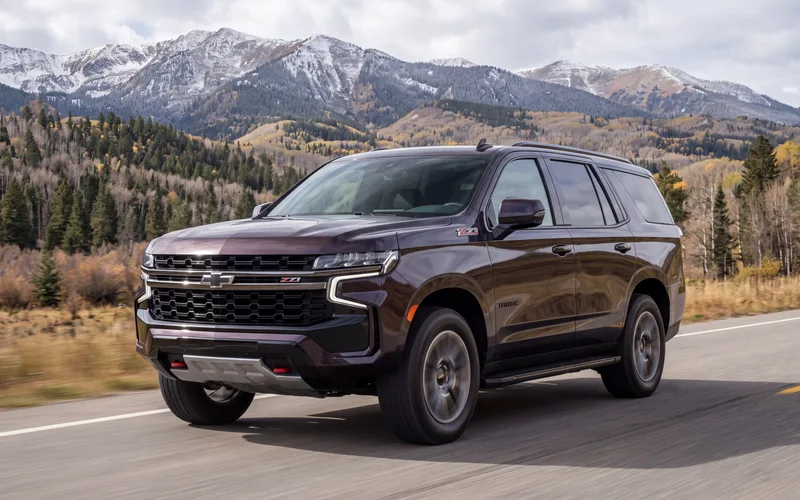 Chevrolet TahoeFull-Size SUVBetter at: Resale value
The most direct rival, with better projected resale and a diesel engine option that cuts the fuel bill the Expedition can't escape.
Compare 2.63C+
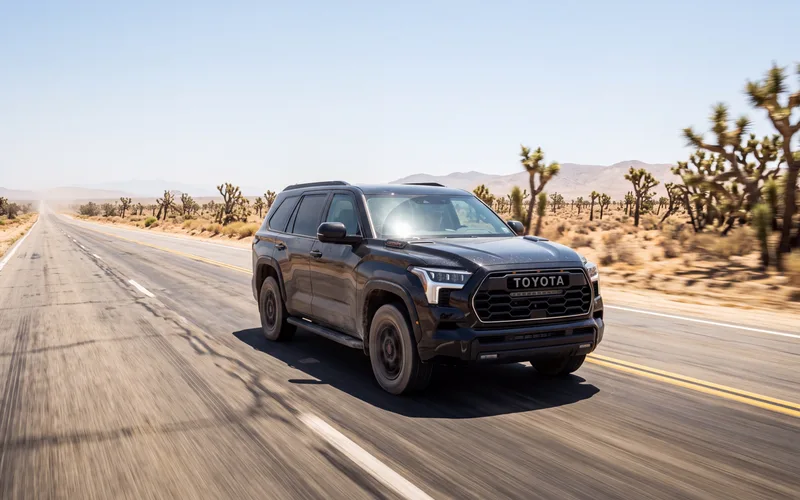 Toyota SequoiaFull-Size SUVBetter at: Fuel & reliability
A standard hybrid powertrain and Toyota's dependability record answer the Expedition's two biggest weaknesses, if you can live with a tighter third row and cargo hold.
Compare 2.72B-
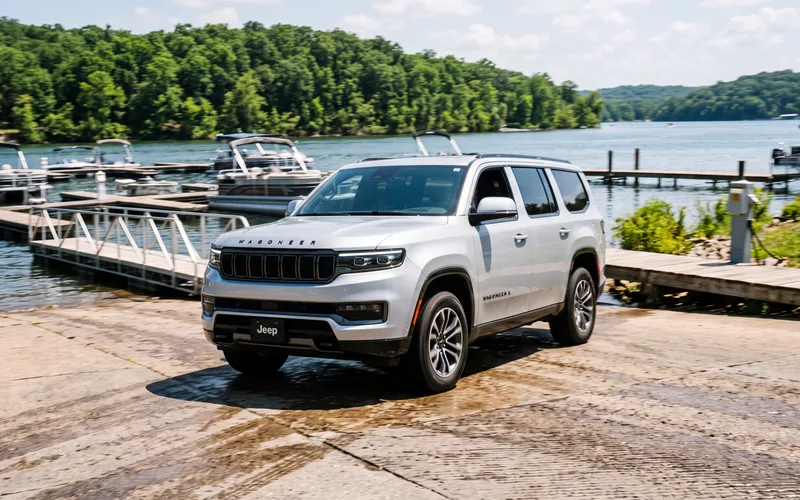 Jeep WagoneerFull-Size SUVBetter at: Interior quality
Richer interior materials and stronger IIHS crash results for a family buyer who cares more about cabin and safety ratings than maximum tow rating.
CompareHow it's evolved
10 scored model years · 2017–2026
Subject scores by year
Hover or tap a score to see what moved it versus the year before. A corner mark flags a big swing.
| Year | Performance | Efficiency | Safety | Space | Cost | Reliability | Tech | Use-case | Driving | Value |
|---|---|---|---|---|---|---|---|---|---|---|
| 2026 | 73 | 38 | 75 | 88 | 22 | 56 | 85 | 73 | 58 | 79 |
| 2025 | 74 | 37 | 73 | 87 | 9 | 54 | 80 | 71 | 63 | 72 |
| 2024 | 72 | 32 | 65 | 85 | 27 | 59 | 77 | 68 | 62 | 64 |
| 2023 | 72 | 35 | 62 | 85 | 28 | 55 | 75 | 66 | 62 | 63 |
| 2022 | 72 | 27 | 62 | 85 | 26 | 54 | 68 | 65 | 61 | 63 |
| 2021 | 67 | 33 | 58 | 85 | 21 | 51 | 47 | 62 | 57 | 55 |
| 2020 | 67 | 36 | 56 | 84 | 29 | 51 | 45 | 64 | 64 | 59 |
| 2019 | 69 | 38 | 47 | 84 | 26 | 46 | 47 | 58 | 57 | 66 |
| 2018 | 68 | 40 | 45 | 83 | 30 | 55 | 45 | 60 | 60 | 64 |
| 2017 | 62 | 35 | 34 | 71 | 29 | 57 | 38 | 54 | 56 | 50 |
Compare two years
Best fit & conditions
Higher scores mean a better fit for that use case. Learn more about use-case fit →
Subject profile
Academic Probation · NHTSA safety recalls
Jun 24, 2026Power train: automatic transmissionThe transmission park pawl may engage while the vehicle is in motion, resulting in park system damage.
Defect
Ford Motor Company (Ford) is recalling certain 2018-2021 Navigator, Expedition, 2020-2021 Explorer, Lincoln Aviator, and 2021 F-150 vehicles. The transmission park pawl may engage while the vehicle is in motion, resulting in park system damage.
Risk
Park system damage may result in a vehicle rollaway, increasing the risk of a crash.
Remedy
Dealers will update the powertrain control module software, and inspect and replace any damaged transmission components as necessary, free of charge. Interim letters, notifying owners of the safety risk, were mailed July 10, 2026. Additional letters will be sent once the remedy is available, anticipated in April 2027. Owners may contact Ford customer service at 1-866-436-7332. Ford's number for this recall is 26S48. Vehicle Identification Numbers (VINs) involved in this recall became searchable on NHTSA.gov on June 26, 2026.
NHTSA campaign 26V402000 ↗Manufacturer no. 26S48741,195 vehicles potentially affected (all models in the campaign)Filed by Ford Motor CompanyFiled as EXPEDITIONJun 9, 2026Structure: interior panels: center consoleThe chrome plating on the center console may bubble and peel, resulting in sharp edges.
Defect
Ford Motor Company (Ford) is recalling certain 2018-2024 Expedition vehicles. The chrome plating on the center console may bubble and peel, resulting in sharp edges.
Risk
Vehicle occupants may contact the center console's sharp edges, increasing the risk of injury.
Remedy
Dealers will inspect and replace the center consoles as necessary, free of charge. Interim letters, notifying owners of the safety risk, were mailed June 16, 2026. Additional letters will be sent once the remedy is available, anticipated in January 2027. Owners may contact Ford customer service at 1-866-436-7332. Ford's number for this recall is 26S38. Vehicle Identification Numbers (VINs) involved in this recall became searchable on NHTSA.gov on June 10, 2026.
NHTSA campaign 26V368000 ↗Manufacturer no. 26S38548,463 vehicles potentially affected (all models in the campaign)Filed by Ford Motor CompanyFiled as EXPEDITIONMay 27, 2026Seat belts: pretensionerThe seat belt pretensioner in the driver and/or front passenger seat may inadvertently lock the seat belt, which will not allow the belt to retract or extend.
Defect
Ford Motor Company (Ford) is recalling certain 2018-2022 Expedition and Lincoln Navigator vehicles. The seat belt pretensioner in the driver and/or front passenger seat may inadvertently lock the seat belt, which will not allow the belt to retract or extend.
Risk
Seat belts that do not retract or extend can fail to restrain an occupant as intended, increasing the risk of injury in a crash.
Remedy
Dealers will inspect and replace the seat belt retractors as necessary, free of charge. Interim letters, notifying owners of the safety risk, were mailed June 8, 2026. Additional letters will be sent once the remedy is available, anticipated in August 2026. Owners may contact Ford customer service at 1-866-436-7332. Ford's number for this recall is 26S34. This recall replaces and expands previous NHTSA recalls 24V099 and 25V197. Vehicles previously inspected or repaired under the prior recalls will need the new repair completed.
NHTSA campaign 26V344000 ↗Manufacturer no. 26S34419,967 vehicles potentially affected (all models in the campaign)Filed by Ford Motor CompanyFiled as EXPEDITIONMay 23, 2025Seat belts: pretensionerThe seat belt pretensioner in the driver and/or front passenger seat may inadvertently lock the seat belt, which will not allow the belt to retract or extend.
Defect
Ford Motor Company (Ford) is recalling certain 2018-2020 Expedition and Lincoln Navigator vehicles. The seat belt pretensioner in the driver and/or front passenger seat may inadvertently lock the seat belt, which will not allow the belt to retract or extend.
Risk
Seat belts that do not retract or extend can fail to restrain an occupant as intended, increasing the risk of injury in a crash.
Remedy
Dealers will replace the seat belt retractors as necessary, free of charge. Owner notification letters were mailed October 22, 2025. Owners may contact Ford customer service at 1-866-436-7332. Ford's number for this recall is 25S31. Some vehicles in this recall that were previously inspected under recall 24V-099 and did not have parts replaced will need to have this new recall remedy completed.
NHTSA campaign 25V197000 ↗Manufacturer no. 25S31112,951 vehicles potentially affected (all models in the campaign)Owners notified Oct 22, 2025Filed by Ford Motor CompanyFiled as EXPEDITIONApr 11, 2025Service brakes, hydraulic: foundation components: master cylinder · Service brakes, hydraulic: power assistThe brake master cylinder may allow brake fluid to leak from the front wheel circuit into the brake booster.
Defect
Ford Motor Company (Ford) is recalling certain 2017-2018 F-150, Expedition, and Lincoln Navigator vehicles. The brake master cylinder may allow brake fluid to leak from the front wheel circuit into the brake booster.
Risk
A brake fluid leak can cause reduced brake function and extend the distance required to stop, increasing the risk of a crash.
Remedy
Dealers will replace the brake master cylinder. If the master cylinder is leaking, the brake booster will also be replaced. Repairs will be performed free of charge. Owner notification letters were mailed September 25, 2025. Owners may contact Ford customer service at 1-866-436-7332. Ford's number for this recall is 25S37. This recall is an expansion of NHTSA recall number 22V-150.
NHTSA campaign 25V236000 ↗Manufacturer no. 25S37123,611 vehicles potentially affected (all models in the campaign)Owners notified Sep 25, 2025Filed by Ford Motor CompanyFiled as EXPEDITIONNov 8, 2024Equipment: other: labelsThe air bag warning label may be missing from the dashboard. As such, these vehicles fail to comply with the requirement Federal Motor Vehicle Safety Standard number 208, "Occupant Crash Protection."
Defect
Ford Motor Company (Ford) is recalling certain 2020-2025 Explorer, Lincoln Aviator, 2020-2024 Escape, Lincoln Corsair, 2018-2024 F-150, Expedition and Lincoln Navigator vehicles. The air bag warning label may be missing from the dashboard. As such, these vehicles fail to comply with the requirement Federal Motor Vehicle Safety Standard number 208, "Occupant Crash Protection."
Risk
Without a label that shows the proper restraint usage guidelines, the occupants may have an increased risk of injury in the event of a crash.
Remedy
Ford will mail owners the warning labels, free of charge. Owner notification letters were mailed December 19, 2024. Owners may call Ford customer service at 1-866-436-7332. Ford's number for this recall is 24C39.
NHTSA campaign 24V852000 ↗Manufacturer no. 24C3927,678 vehicles potentially affected (all models in the campaign)Owners notified Dec 19, 2024Filed by Ford Motor CompanyFiled as EXPEDITIONFeb 9, 2024Seat belts: pretensionerThe seat belt pretensioner in the driver and/or front passenger seat may inadvertently deploy and lock the seat belt, which will not allow the belt to retract or extend.
Defect
Ford Motor Company (Ford) is recalling certain 2018-2020 Expedition and Lincoln Navigator vehicles. The seat belt pretensioner in the driver and/or front passenger seat may inadvertently deploy and lock the seat belt, which will not allow the belt to retract or extend.
Risk
Seat belts that do not retract or extend may fail to restrain an occupant as intended, increasing the risk of injury in a crash.
Remedy
Dealers will replace the seat belt retractors, as necessary. Additionally, dealers will install an HVAC drain tube elbow if it is missing. Repairs will be performed free of charge. Owner notification letters were mailed on July 8, 2024. Owners may contact Ford customer service at 1-866-436-7332. Ford's number for this recall is 24S06.
NHTSA campaign 24V099000 ↗Manufacturer no. 24S0677,574 vehicles potentially affected (all models in the campaign)Owners notified Jul 8, 2024Filed by Ford Motor CompanyFiled as EXPEDITIONJun 9, 2023Equipment: other: owners/service/other manualThe owner's manual does not include instructions for adjusting or removing certain head restraints. As such, these vehicles fail to comply with the requirements of Federal Motor Vehicle Safety Standard number 202, "Head Restraints."
Defect
Ford Motor Company (Ford) is recalling certain 2018-2023 Expedition and Lincoln Navigator vehicles equipped with third-row seating; and 2019-2023 F-Super Duty F-250, F-350, F-450, and F-550 SuperCab vehicles. The owner's manual does not include instructions for adjusting or removing certain head restraints. As such, these vehicles fail to comply with the requirements of Federal Motor Vehicle Safety Standard number 202, "Head Restraints."
Risk
Without instructions, the head restraints may be improperly adjusted, increasing the risk of injury in the event of a crash.
Remedy
Ford will mail the Owner's Manual addendums that describe how to adjust and remove the head restraints for the center seating positions, free of charge. Owner notification letters were mailed July 21, 2023. Owners may contact Ford customer service at 1-866-436-7332. Ford's number for this recall is 23C20.
NHTSA campaign 23V420000 ↗Manufacturer no. 23C20691,133 vehicles potentially affected (all models in the campaign)Owners notified Jul 21, 2023Filed by Ford Motor CompanyFiled as EXPEDITIONNov 14, 2018Seats: mid/rear assemblyThe second row center seat track assemblies may be missing one or both of the J-Channel reinforcement brackets, possibly allowing the seat to move in the event of a crash.
Defect
Ford Motor Company (Ford) is recalling certain 2018 Lincoln Navigator, and Ford Expedition vehicles. The second row center seat track assemblies may be missing one or both of the J-Channel reinforcement brackets, possibly allowing the seat to move in the event of a crash.
Risk
In the event of a crash, a seat that moves may not properly restrain the seat occupant, increasing their risk of injury.
Remedy
Ford will notify owners, and dealers will inspect the second row center seat for any missing J-channel reinforcement brackets, replacing the center seat frame assembly as necessary, free of charge. An interim owner notification was sent on December 21, 2018. A second letter will be mailed once the remedy is available. Owners may contact Ford customer service at 1-866-436-7332. Ford's number for this recall is 18S37
NHTSA campaign 18V805000 ↗Manufacturer no. 18S3734,946 vehicles potentially affected (all models in the campaign)Owners notified Feb 15, 2019Filed by Ford Motor CompanyFiled as EXPEDITIONJun 12, 2018Fuel system, gasoline: delivery: fuel pumpThese vehicles have high pressure fuel pump assemblies with welds that can fracture, which may cause an oil or fuel leak.
Defect
Ford Motor Company (Ford) is recalling certain 2018 Ford Expedition, F-150, and Lincoln Navigator vehicles equipped with 3.5L GTDI V6 engines. These vehicles have high pressure fuel pump assemblies with welds that can fracture, which may cause an oil or fuel leak.
Risk
A fuel leak in the presence of an ignition source may increase the risk of a fire.
Remedy
Ford will notify owners, and dealers will replace the high pressure fuel pump and associated components, free of charge. The recall began July 17, 2018. Owners may contact Ford customer service at 1-866-436-7332. Ford's number for this recall is 18S17.
NHTSA campaign 18V392000 ↗Manufacturer no. 18S175,645 vehicles potentially affected (all models in the campaign)Owners notified Jul 17, 2018Filed by Ford Motor CompanyFiled as EXPEDITIONApr 4, 2018Power train: automatic transmission · Power train: automatic transmission: gear position indication (prndl)The gear shift cable clip may not be properly seated, allowing the transmission to be in a different gear than indicated by the gear shift lever position.
Defect
Ford Motor Company (Ford) is recalling certain 2018 F-650 and F-750 vehicles equipped with 6-speed automatic transmissions and 2018 Ford F-150 and Expedition vehicles equipped with 10-speed automatic transmissions (excluding Expedition vehicles with a Rotary Gear Shift Dial on the console). The gear shift cable clip may not be properly seated, allowing the transmission to be in a different gear than indicated by the gear shift lever position.
Risk
If the gear shift cable clip becomes unseated or dislodged, the gear shift lever position may indicate that the transmission is in 'Park' when it may be in a different gear. Additionally, despite selecting 'Park', if the parking brake is not applied before the vehicle is exited, the vehicle may roll. Either scenario increases the risk of a crash.
Remedy
Ford will notify owners, and dealers will inspect the shift cable locking clip and properly seat it, if necessary, free of charge. The recall began on April 13, 2018. Owners may contact Ford customer service at 1-866-436-7332. Ford's number for the recall is 18S10.
NHTSA campaign 18V214000 ↗Manufacturer no. 18S10292,909 vehicles potentially affected (all models in the campaign)Owners notified Apr 13, 2018Filed by Ford Motor CompanyFiled as EXPEDITIONApr 4, 2018Power train: automatic transmissionA roll pin may not have been installed in the transmission, potentially causing a loss of the "Park" function.
Defect
Ford Motor Company (Ford) is recalling certain 2017-2018 Ford F-150 and 2018 Ford Expedition and Mustang and Lincoln Navigator vehicles equipped with 10-speed automatic transmissions. A roll pin may not have been installed in the transmission, potentially causing a loss of the "Park" function.
Risk
Despite the transmission shift lever being placed in 'Park' and the instrument panel display indicating 'Park,' the vehicle may roll away after it has been exited if the parking brake has not been applied, increasing the risk of injury or a crash.
Remedy
Ford will notify owners, and dealers will inspect the transmission to make sure it has the roll pin, installing one if it is missing, free of charge. The recall began on April 13, 2018. Owners may contact Ford customer service at 1-866-436-7332. Ford's number for this recall is 18S09.
NHTSA campaign 18V213000 ↗Manufacturer no. 18S09142 vehicles potentially affected (all models in the campaign)Owners notified Apr 13, 2018Filed by Ford Motor CompanyFiled as EXPEDITIONJan 16, 2018Visibility: power window devices and controlsThe second row window control modules may intermittently stop the movement of the power window. If something, such as a finger, is pinched by the window glass, the stopped window control module may prevent the window from automatically reversing. As such, these vehicles fail to comply with the requirements of Federal Motor Vehicle Safety Standard (FMVSS) number 118, "Power-Operated Window Systems."
Defect
Ford Motor Company (Ford) is recalling certain 2018 Ford Expedition and Lincoln Navigator vehicles. The second row window control modules may intermittently stop the movement of the power window. If something, such as a finger, is pinched by the window glass, the stopped window control module may prevent the window from automatically reversing. As such, these vehicles fail to comply with the requirements of Federal Motor Vehicle Safety Standard (FMVSS) number 118, "Power-Operated Window Systems."
Risk
If the window does not automatically reverse when an obstruction is found, it can increase the risk of injury.
Remedy
Ford will notify owners, and dealers will inspect the second row window electronic control modules, and replace them as necessary based on their build date codes, free of charge. The recall began on February 16, 2018. Owners may contact Ford customer service at 1-866-436-7332. Ford's number for this recall is 18C01.
NHTSA campaign 18V058000 ↗Manufacturer no. 18C01361 vehicles potentially affected (all models in the campaign)Owners notified Feb 16, 2018Filed by Ford Motor CompanyFiled as EXPEDITIONDec 1, 2017Seats: mid/rear assemblyThe second row outboard seats may have excessive forward adjustment capability and/or may have an improperly installed bolt that secures the seat back to the seat base. As such, these vehicles fail to comply with the requirements of Federal Motor Vehicle Safety Standard (FMVSS) number 202a, "Head Restraints", number 207, "Seating Systems", and number 210, "Seat Belt Anchorage System."
Defect
Ford Motor Company (Ford) is recalling certain 2018 Expedition vehicles. The second row outboard seats may have excessive forward adjustment capability and/or may have an improperly installed bolt that secures the seat back to the seat base. As such, these vehicles fail to comply with the requirements of Federal Motor Vehicle Safety Standard (FMVSS) number 202a, "Head Restraints", number 207, "Seating Systems", and number 210, "Seat Belt Anchorage System."
Risk
If the seat back is not adequately secured, and/or the seat occupant is improperly positioned, there can be an increased risk of injury in a crash.
Remedy
Ford will notify owners, and dealers will inspect the second row outboard seats for proper seat adjustment travel, replacing the seat frame assembly if necessary. Dealers will also inspect the bolts attaching the seat back to the seat base for the proper installation, correcting it as necessary. These repairs will be made free of charge. The recall began on January 10, 2018. Owners may contact Ford customer service at 1-866-436-7332. Ford's number for this recall is 17C20.
NHTSA campaign 17V775000 ↗Manufacturer no. 17C20462 vehicles potentially affected (all models in the campaign)Owners notified Jan 10, 2018Filed by Ford Motor CompanyFiled as EXPEDITION
35 recalls on other model years of the Expedition (2017, 2019–2026)
Sep 22, 2026Exterior lighting: headlightsThe headlight assemblies may contain a contaminated LED chip, which can result in a loss of daytime running lights, parking lights, high beams or low beams. As such, these vehicles fail to comply with the requirements of Federal Motor Vehicle Safety Standard (FMVSS) number 108, "Lamps, Reflective Devices, and Associated Equipment."
Defect
Ford Motor Company (Ford) is recalling certain 2025-2027 Expedition, 2026 F-250 SD, F-350 SD, F-450 SD, and F-550 SD vehicles. The headlight assemblies may contain a contaminated LED chip, which can result in a loss of daytime running lights, parking lights, high beams or low beams. As such, these vehicles fail to comply with the requirements of Federal Motor Vehicle Safety Standard (FMVSS) number 108, "Lamps, Reflective Devices, and Associated Equipment."
Risk
A loss of exterior lighting can reduce visibility, increasing the risk of a crash.
Remedy
Dealers will inspect and replace the headlight assemblies, as necessary, free of charge. Owner notification letters are expected to be mailed October 26, 2026. Owners may contact Ford customer service at 1-866-436-7332. Ford's number for this recall is 26C43. Vehicle Identification Numbers (VINs) involved in this recall will be searchable on NHTSA.gov beginning October 26, 2026.
NHTSA campaign 26V606000 ↗Manufacturer no. 26C4341,748 vehicles potentially affected (all models in the campaign)Filed by Ford Motor CompanyFiled as EXPEDITIONMar 31, 2026Visibility: windshield wiper/washer: linkagesThe windshield wiper arms may break, causing the wipers to fail.
Defect
Ford Motor Company (Ford) is recalling certain 2021-2023 Lincoln Navigator, Expedition, and 2022-2023 F-250 SD, F-350 SD, F-450 SD, F-550 SD, and F-600 SD vehicles. The windshield wiper arms may break, causing the wipers to fail.
Risk
Windshield wiper failure can reduce visibility, increasing the risk of a crash.
Remedy
Dealers will inspect and replace the wiper arms, as necessary, free of charge. Owner notification letters were mailed August 5, 2026. Owners may contact Ford customer service at 1-866-436-7332. Ford's number for this recall is 26S24.Vehicle Identification Numbers (VINs) involved in this recall became searchable on NHTSA.gov on April 1, 2026.
NHTSA campaign 26V204000 ↗Manufacturer no. 26S24422,613 vehicles potentially affected (all models in the campaign)Owners notified Aug 5, 2026Filed by Ford Motor CompanyFiled as EXPEDITIONFeb 20, 2026Electrical system: integrated trailer brake control · Exterior lighting: tail lightsWhen towing a trailer, the integrated trailer module (ITRM) may lose communication with the vehicle, possibly causing a loss of brake and turn signal lights, or a loss of brake function. As such, these vehicles fail to comply with the requirements of Federal Motor Vehicle Safety Standard number 108, " Lamps, Reflective Devices, and Associated Equipment."
Defect
Ford Motor Company (Ford) is recalling certain 2021-2026 F-150, 2022-2026 F-250 SD, F-350 SD, F-450 SD, F-550 SD, Maverick, 2024-2026 Ranger, 2023-2026 F-600 SD, 2022-2027 Lincoln Navigator, Expedition, and 2026 E-Transit vehicles. When towing a trailer, the integrated trailer module (ITRM) may lose communication with the vehicle, possibly causing a loss of brake and turn signal lights, or a loss of brake function. As such, these vehicles fail to comply with the requirements of Federal Motor Vehicle Safety Standard number 108, " Lamps, Reflective Devices, and Associated Equipment."
Risk
Trailer lights or brakes that do not function can reduce the driverâs ability to control the trailer and decrease the trailers visibility to other road users, increasing the risk of a crash.
Remedy
The integrated trailer module software will be updated by a dealer, or through an over-the-air (OTA) update, free of charge. Owner notification letters were mailed March 25, 2026. Owners may contact Ford customer service at 1-866-436-7332. Ford's number for this recall is 26C10. Vehicle Identification Numbers (VINs) involved in this recall will be searchable on NHTSA.gov beginning March 17, 2026.
NHTSA campaign 26V104000 ↗Manufacturer no. 26C104,381,878 vehicles potentially affected (all models in the campaign)Owners notified Mar 25, 2026Filed by Ford Motor CompanyFiled as EXPEDITIONDec 18, 2025Electrical system: instrument cluster/panelThe "Transmission Not In Park" warning message and associated chime duration are shorter than intended.
Defect
Ford Motor Company (Ford) is recalling certain 2019 Expedition vehicles previously repaired incorrectly under recall number 20V263. The "Transmission Not In Park" warning message and associated chime duration are shorter than intended.
Risk
If the driver exits the vehicle without the transmission being shifted into park, unintended vehicle movement may result, increasing the risk of injury or crash.
Remedy
Dealers will update the instrument cluster panel software, free of charge. Owner notification letters were mailed January 30, 2026. Owners may contact Ford customer service at 1-866-436-7332. Ford's number for this recall is 25C71. Vehicle Identification Numbers (VINs) involved in this recall will be searchable on NHTSA.gov beginning January 15, 2026.
NHTSA campaign 25V886000 ↗Manufacturer no. 25SE8890 vehicles potentially affected (all models in the campaign)Owners notified Jan 30, 2026Filed by Ford Motor CompanyFiled as EXPEDITIONDec 1, 2025Service brakes, hydraulic: power assist: electric: control moduleThe Electronic Brake Booster (EBB) module may malfunction while driving or when the driver is utilizing an Advanced Driver Assistance System (ADAS) feature, resulting in a loss of power brake assist.
Defect
Ford Motor Company (Ford) is recalling certain 2025 Lincoln Navigator, F-150, Expedition, Bronco, and Ranger vehicles. The Electronic Brake Booster (EBB) module may malfunction while driving or when the driver is utilizing an Advanced Driver Assistance System (ADAS) feature, resulting in a loss of power brake assist.
Risk
An unexpected loss of power brake assist while driving can extend stopping distance and increase the risk of a crash. Additionally, a loss of power brake assist while ADAS features are engaged can result in the vehicle not braking as expected, increasing the risk of a crash.
Remedy
Dealers will replace the electronic brake booster, free of charge. Owner notification letters were mailed February 26, 2026. Owners may contact Ford customer service at 1-866-436-7332. Ford's number for this recall is 25SD4. Vehicle Identification Numbers (VINs) involved in this recall became searchable on NHTSA.gov on December 3, 2025.
NHTSA campaign 25V823000 ↗Manufacturer no. 25SD4679 vehicles potentially affected (all models in the campaign)Owners notified Feb 26, 2026Filed by Ford Motor CompanyFiled as EXPEDITIONOct 24, 2025Visibility: sun/moon roof assemblyThe moonroof wind deflector clips may be inadequately attached to the moonroof frame, which can result in the wind deflector detaching from the vehicle.
Defect
Ford Motor Company (Ford) is recalling certain 2021-2022 Expedition, Lincoln Navigator, 2021-2023 F-150, 2022 F-250 SD, F-350 SD, and F-450 SD vehicles. The moonroof wind deflector clips may be inadequately attached to the moonroof frame, which can result in the wind deflector detaching from the vehicle.
Risk
A detached wind deflector can become a road hazard and increase the risk of a crash.
Remedy
Dealers will inspect and repair the moonroof wind deflector as necessary, free of charge. Owner notification letters were mailed November 10, 2025. Owners may contact Ford customer service at 1-866-436-7332. Ford's number for this recall is 25SB7. Vehicle Identification Numbers (VINs) involved in this recall will be searchable on NHTSA.gov beginning October 30, 2025.
NHTSA campaign 25V729000 ↗Manufacturer no. 25SB7174,853 vehicles potentially affected (all models in the campaign)Owners notified Nov 10, 2025Filed by Ford Motor CompanyFiled as EXPEDITIONSep 19, 2025EngineA short circuit within the battery junction box can cause an engine fire while driving or parked.
Defect
Ford Motor Company (Ford) is recalling certain 2020 Expedition and Lincoln Navigator vehicles. A short circuit within the battery junction box can cause an engine fire while driving or parked.
Risk
A vehicle fire increases the risk of injury.
Remedy
Owners are advised to park their vehicles outside and away from structures and other vehicles, until the remedy is performed. Dealers will inspect and replace the battery junction box, as necessary, and remove a ground wire. On models equipped with standard-duty radiator fan motors, dealers will also install an auxiliary electrical box with a wire jumper. Repairs will be performed free of charge. Owner notification letters were mailed October 3, 2025. Owners may contact Ford customer service at 1-866-436-7332. Ford's numbers for this recall are 22S36 and 22S48. Vehicle Identification Numbers (VINs) involved in this recall became searchable on NHTSA.gov on September 23, 2025.
NHTSA campaign 25V628000 ↗Manufacturer no. 22S36/22S484,632 vehicles potentially affected (all models in the campaign)Owners notified Oct 3, 2025Filed by Ford Motor CompanyFiled as EXPEDITIONSep 3, 2025Back over prevention: sensing system: cameraThe rearview camera may display a distorted, inverted, or blank image when the vehicle is in reverse.
Defect
Ford Motor Company (Ford) is recalling certain 2015-2019 Lincoln MKC, Mustang, F-350 SD, F-250 SD, F-450 SD, 2015-2017 Lincoln Navigator, Expedition, 2015-2018 Edge, Transit Connect, 2016-2019 F-550 SD, Transit, 2017-2019 Econoline, and 2019 Ranger vehicles. The rearview camera may display a distorted, inverted, or blank image when the vehicle is in reverse.
Risk
A rearview camera that displays an inverted, distorted, or blank image can reduce the driverâs view behind the vehicle, increasing the risk of a crash.
Remedy
Dealers will inspect and replace the rearview camera as necessary, free of charge. Owner notification letters were mailed January 13, 2026. Ford owners will receive letters in phases, beginning January 2026 and June 2026. Owners may contact Ford customer service at 1-866-436-7332. Ford's number for this recall is 25S89. This recall expands previous NHTSA recall number 25V270. Vehicle Identification Numbers (VINs) involved in this recall will be searchable on NHTSA.gov beginning September 8, 2025.
NHTSA campaign 25V572000 ↗Manufacturer no. 25S891,456,417 vehicles potentially affected (all models in the campaign)Owners notified Jan 13, 2026Filed by Ford Motor CompanyFiled as EXPEDITIONJul 25, 2025Service brakes, hydraulic: power assist: electric: control module: softwareThe Electronic Brake Booster (EBB) module may malfunction while driving or when the driver is utilizing an Advanced Driver Assistance System (ADAS) feature, resulting in a loss of power brake assist.
Defect
Ford Motor Company (Ford) is recalling certain 2025 Lincoln Navigator, F-150, Expedition, Bronco, and Ranger vehicles. The Electronic Brake Booster (EBB) module may malfunction while driving or when the driver is utilizing an Advanced Driver Assistance System (ADAS) feature, resulting in a loss of power brake assist.
Risk
An unexpected loss of power brake assist while driving can extend stopping distance and increase the risk of a crash. Additionally, a loss of power brake assist while ADAS features are engaged can result in the vehicle not braking as expected, increasing the risk of a crash.
Remedy
The EBB module software will be updated over-the-air (OTA) or by a dealer, free of charge. Owner notification letters were mailed on August 22, 2025. Owners may contact Ford customer service at 1-866-436-7332. Ford's number for this recall is 25S77.
NHTSA campaign 25V488000 ↗Manufacturer no. 25S77312,120 vehicles potentially affected (all models in the campaign)Owners notified Aug 22, 2025Filed by Ford Motor CompanyFiled as EXPEDITIONJul 7, 2025Fuel system, gasoline: delivery: fuel pumpThe low-pressure fuel pump may fail, which can result in an engine stall while driving.
Defect
Ford Motor Company (Ford) is recalling certain 2021-2023 Bronco, Explorer, Lincoln Aviator, F-250 SD, F-350 SD, F-450 SD, F-550 SD, 2021-2022 Lincoln Navigator, Mustang, F-150, and 2022 Expedition vehicles. The low-pressure fuel pump may fail, which can result in an engine stall while driving.
Risk
An engine stall increases the risk of a crash.
Remedy
Dealers will replace the low pressure fuel pump on super duty vehicles and update the powertrain control module (PCM) software on all other affected vehicles, free of charge. Owner notification letters were mailed July 27, 2026. Owners may contact Ford customer service at 1-866-436-7332. Ford's number for this recall is 25S75.
NHTSA campaign 25V455000 ↗Manufacturer no. 25S75850,318 vehicles potentially affected (all models in the campaign)Owners notified Jul 27, 2026Filed by Ford Motor CompanyFiled as EXPEDITIONJun 27, 2025Back over prevention: softwareA software error may cause the rearview camera to display a blank image, or the image may remain on the display after the backing event has ended.
Defect
Ford Motor Company (Ford) is recalling certain 2018-2022 Transit Connect, 2019-2020 MKZ, MKX, Edge, Continental, F-150, Nautilus, Fusion, 2019-2023 Ranger, Mustang, 2020-2021 EcoSport, Expedition, Navigator, 2020-2022 Escape, F-250 SD, Corsair, 2020-2023 Aviator, Transit, 2020-2024 Explorer, 2021-2024 Bronco Sport, and 2022-2024 Maverick vehicles. A software error may cause the rearview camera to display a blank image, or the image may remain on the display after the backing event has ended.
Risk
A rearview camera that displays a blank image can reduce the driver's view behind the vehicle. A rearview image that continues to be displayed after the vehicle is shifted out of reverse may distract the driver. Both of these situations can increase the risk of a crash.
Remedy
Dealers will update the rearview camera software, free of charge. Owner notification letters were mailed September 4, 2025. Owners may contact Ford customer service at 1-866-436-7332. Ford's number for this recall is 25S72.
NHTSA campaign 25V442000 ↗Manufacturer no. 25S72200,237 vehicles potentially affected (all models in the campaign)Owners notified Sep 4, 2025Filed by Ford Motor CompanyFiled as EXPEDITIONJun 27, 2025Air bags: frontalThe passenger side air bag may have been manufactured incorrectly, which can cause the air bag to deploy with excessive force during a crash.
Defect
Ford Motor Company (Ford) is recalling certain 2025 Navigator and Expedition vehicles. The passenger side air bag may have been manufactured incorrectly, which can cause the air bag to deploy with excessive force during a crash.
Risk
An air bag that deploys with excessive force can increase the risk of injury during a crash.
Remedy
Dealers will replace the passenger side air bags, free of charge. Owner notification letters were mailed August 8, 2025. Owners may contact Ford Customer Service at 1-866-436-7332. Ford's number for this recall is 25S51.
NHTSA campaign 25V439000 ↗Manufacturer no. 25S51171 vehicles potentially affected (all models in the campaign)Owners notified Aug 8, 2025Filed by Ford Motor CompanyFiled as EXPEDITIONMay 23, 2025Electrical system: body control module: softwareThe Pre-Collision Assist features, such as forward collision warning and automatic emergency braking, are not functional due to a software error.
Defect
Ford Motor Company (Ford) is recalling certain 2020 Expedition and Navigator vehicles that were repaired incorrectly under recall 20V262. The Pre-Collision Assist features, such as forward collision warning and automatic emergency braking, are not functional due to a software error.
Risk
Inoperative pre-collision assist features that fail to perform as expected can increase the risk of a crash or injury.
Remedy
Dealers will update the body control module software, free of charge. Owner notification letters were mailed June 25, 2025. Owners may contact Ford customer service at 1-866-436-7332. Ford's number for this recall is 25S56.
NHTSA campaign 25V346000 ↗Manufacturer no. 25S56556 vehicles potentially affected (all models in the campaign)Owners notified Jun 25, 2025Filed by Ford Motor CompanyFiled as EXPEDITIONMay 9, 2025Back over prevention: softwareA software error may cause the rearview camera image to delay, freeze, or not display when the vehicle is in reverse.
Defect
Ford Motor Company (Ford) is recalling certain 2021-2024 Bronco, F-150, 2021-2024 Edge, 2022-2025 Escape, F-250, F-350, F-450, F-550, F-600, 2022-2024 Expedition, 2022-2025 Transit, 2021-2023 Mach-E, 2024 Ranger, Mustang, 2021-2023 Lincoln Nautilus, 2022-2024 Navigator, and 2023-2024 Corsair vehicles. A software error may cause the rearview camera image to delay, freeze, or not display when the vehicle is in reverse.
Risk
A frozen or missing rearview camera image can reduce the driver's view behind the vehicle, increasing the risk of a crash.
Remedy
The accessory protocol interface module (APIM) software will be updated by a dealer or through an over-the-air update, free of charge. This will be a phased campaign, with the remedy becoming available in different phases based on model and model years. Interim letters notifying owners of the safety risk were mailed on June 26, 2025. Additional letters will be mailed once the final remedy is available on each phase. Owner notification letters were sent on October 8, 2025. Owners may contact Ford customer service at 1-866-436-7332. Ford's number for this recall is 25S49.
NHTSA campaign 25V315000 ↗Manufacturer no. 25S491,076,138 vehicles potentially affected (all models in the campaign)Owners notified Oct 8, 2025Filed by Ford Motor CompanyFiled as EXPEDITIONMay 9, 2025Service brakes, hydraulic: foundation components: hoses, lines/piping, and fittingsThe front brake lines may contact the engine air cleaner outlet pipe and become damaged, possibly resulting in a brake fluid leak and reduced brake function.
Defect
Ford Motor Company (Ford) is recalling certain 2022-2024 Navigator and Expedition vehicles. The front brake lines may contact the engine air cleaner outlet pipe and become damaged, possibly resulting in a brake fluid leak and reduced brake function.
Risk
A loss of brake function increases the risk of a crash.
Remedy
Dealers will inspect the front brake line and replace the brake line or air cleaner outlet pipe, as necessary, free of charge. Owner notification letters were mailed May 29, 2025. Owners may contact Ford customer service at 1-866-436-7332. Ford's number for this recall is 25S47.
NHTSA campaign 25V314000 ↗Manufacturer no. 25S47273,789 vehicles potentially affected (all models in the campaign)Owners notified May 30, 2025Filed by Ford Motor CompanyFiled as EXPEDITIONMar 28, 2025Engine and engine cooling: engine: oil/lubricationThe engine may have a misaligned engine cup plug, which can result in a rapid oil leak.
Defect
Ford Motor Company (Ford) is recalling certain 2024-2025 F-150, Expedition, and 2024 Lincoln Navigator vehicles equipped with 3.5L GTDI engines. The engine may have a misaligned engine cup plug, which can result in a rapid oil leak.
Risk
A rapid oil leak can result in an engine stall, increasing the risk of a crash. In addition, an oil leak in the presence of an ignition source such as hot engine or exhaust components, can increase the risk of a fire.
Remedy
Dealers will inspect the engine cup plug alignment, and replace the plug if necessary, free of charge. Owner notification letters were mailed May 22, 2025. Owners may contact Ford customer service at 1-866-436-7332. Ford's number for this recall is 25S30.
NHTSA campaign 25V198000 ↗Manufacturer no. 25S304,356 vehicles potentially affected (all models in the campaign)Owners notified May 23, 2025Filed by Ford Motor CompanyFiled as EXPEDITIONFeb 28, 2025Electrical system: integrated trailer brake controlDue to a software error, a towed trailer equipped with an electric or electric-over hydraulic brake system may not brake.
Defect
Ford Motor Company (Ford) is recalling certain 2021-2022 F-150, 2022 Maverick, Expedition, Lincoln Navigator, F-250, F-350, F-450, and F-550 vehicles previously repaired incorrectly under recall number 22V-193. Due to a software error, a towed trailer equipped with an electric or electric-over hydraulic brake system may not brake.
Risk
Loss of trailer brake functionality can extend the distance required to stop, increasing the risk of a crash.
Remedy
Dealers will update the integrated trailer brake control module software, free of charge. Owner notification letters were mailed April 11, 2025. Owners may contact Ford customer service at 1-866-436-7332. Ford's number for this recall is 25S18.
NHTSA campaign 25V132000 ↗Manufacturer no. 25S1510,952 vehicles potentially affected (all models in the campaign)Owners notified Apr 11, 2025Filed by Ford Motor CompanyFiled as EXPEDITIONJan 31, 2025Back over prevention: sensing system: cameraThe rearview camera may display a blank or distorted image.
Defect
Ford Motor Company (Ford) is recalling certain 2021 Expedition, 2021-2022 Super Duty F-250, F-350, F-450, F-550, F-600, and 2020-2022 Lincoln Corsair vehicles. The rearview camera may display a blank or distorted image.
Risk
Rearview camera failure can reduce the driver's view of what is behind the vehicle, increasing the risk of a crash.
Remedy
Dealers will replace the rearview camera as necessary, free of charge. Owner notification letters were mailed September 18, 2025. Owners may contact Ford customer service at 1-866-436-7332. Ford's number for this recall is 25S05.
NHTSA campaign 25V048000 ↗Manufacturer no. 25S0591,580 vehicles potentially affected (all models in the campaign)Owners notified Sep 18, 2025Filed by Ford Motor CompanyFiled as EXPEDITIONDec 20, 2024Engine and engine cooling: engine: oil/lubricationThe engines may have a misaligned engine cup plug, which can result in a rapid oil leak.
Defect
Ford Motor Company (Ford) is recalling certain 2024-2025 F-150, 2024 Expedition and 2024 Lincoln Navigator vehicles equipped with a 3.5L GTDI engine. The engines may have a misaligned engine cup plug, which can result in a rapid oil leak.
Risk
A rapid oil leak can result in an engine stall, increasing the risk of a crash. In addition, an oil leak in the presence of an ignition source such as hot engine or exhaust components, can increase the risk of a fire.
Remedy
Dealers will inspect the engine cup plug alignment, and replace the plug if necessary, free of charge. Owner notification letters were mailed on May 23, 2024. Owners may contact Ford customer service at 1-866-436-7332. Ford's number for this recall is 24S70.
NHTSA campaign 24V851000 ↗Manufacturer no. 24S702,490 vehicles potentially affected (all models in the campaign)Owners notified May 23, 2025Filed by Ford Motor CompanyFiled as EXPEDITIONFeb 24, 2023Power train: axle assemblyThe front axle pinion may not have been heat-treated, which can cause it to fracture.
Defect
Ford Motor Company (Ford) is recalling certain 2023 F-150, Expedition, and Lincoln Navigator vehicles. The front axle pinion may not have been heat-treated, which can cause it to fracture.
Risk
A fractured pinion can result in a loss of 4-wheel drive and may cause the front wheels to lock up, increasng the risk of a crash.
Remedy
Dealers will replace the front axle pinion gear set. If there is a broken front axle pinion, the entire axle assembly will be replaced. Repairs will be performed free of charge. Owner notification letters were mailed April 21, 2023. Owners may contact Ford customer service at 1-866-436-7332. Ford's number for this recall is 23S07.
NHTSA campaign 23V128000 ↗Manufacturer no. 23S07240 vehicles potentially affected (all models in the campaign)Owners notified Apr 21, 2023Filed by Ford Motor CompanyFiled as EXPEDITIONAug 26, 2022Electrical system: wiring: interior/under dash · Visibility: defroster/defogger/hvac system: fan/motorThe front blower motor located behind the glove box may fail.
Defect
Ford Motor Company (Ford) is recalling certain 2015-2017 Ford Expedition and Lincoln Navigator vehicles. The front blower motor located behind the glove box may fail.
Risk
Front blower motor failure can increase the risk of a vehicle interior fire.
Remedy
Dealers will replace the front blower motor assembly, free of charge. Owner notification letters were mailed August 4, 2023. Remedy parts are expected to become available in the second quarter of 2023. Owners may contact Ford customer service at 1-866-436-7332. Ford's number for this recall is 22S56.
NHTSA campaign 22V648000 ↗Manufacturer no. 22S56198,482 vehicles potentially affected (all models in the campaign)Owners notified Aug 4, 2023Filed by Ford Motor CompanyFiled as EXPEDITIONMay 17, 2022EngineAn engine compartment fire may occur while driving or parked, even with the ignition in the "Off" position.
Defect
Ford Motor Company (Ford) is recalling certain 2021 Expedition and Lincoln Navigator vehicles. An engine compartment fire may occur while driving or parked, even with the ignition in the "Off" position.
Risk
A vehicle fire increases the risk of injury.
Remedy
Owners are advised to park their vehicles outside and away from structures and other vehicles, until the remedy is performed. Dealers will inspect and replace the battery junction box, as necessary, and remove a ground wire. On models equipped with standard-duty radiator fan motors, dealers will also install an auxiliary electrical box with a wire jumper. Repairs will be performed free of charge. Interim owner notification letters informing owners of the safety risk were mailed May 25, 2022. Owners will receive a second letter once the remedy is available. Currently the remedy is available for vehicles equipped with heavy-duty radiator fan motors, and those letters were mailed July 21, 2022. Owners may contact Ford customer service at 1-866-436-7332. Ford's number for this recall is 22S36.
NHTSA campaign 22V346000 ↗Manufacturer no. 22S3666,221 vehicles potentially affected (all models in the campaign)Owners notified Jul 21, 2022Filed by Ford Motor CompanyFiled as EXPEDITIONApr 14, 2022Visibility: windshield wiper/washer: linkagesThe windshield wiper arms may break, causing the windshield wipers to fail.
Defect
Ford Motor Company (Ford) is recalling certain 2020-2021 F-150, Expedition, 2020-2022 Super Duty F-250, F-350, F-450, F-550, and 2020-2021 Lincoln Navigator vehicles. The windshield wiper arms may break, causing the windshield wipers to fail.
Risk
Inoperative windshield wipers can reduce visibility in certain driving conditions, increasing the risk of a crash.
Remedy
Dealers will replace both front windshield wiper arms, free of charge. Interim owner notification letters, informing owners of the safety risk, were mailed on May 24, 2022. Remedy parts are expected to be available 3rd Quarter 2022. Owner notification letters were mailed on October 21, 2022. Owners may contact Ford customer service at 1-866-436-7332. Ford's number for this recall is 22S26.
NHTSA campaign 22V250000 ↗Manufacturer no. 22S26652,996 vehicles potentially affected (all models in the campaign)Owners notified Oct 21, 2022Filed by Ford Motor CompanyFiled as EXPEDITIONMar 25, 2022Electrical system: integrated trailer brake controlDue to a software error, a towed trailer equipped with an electric or electric-over hydraulic brake system may not brake.
Defect
Ford Motor Company (Ford) is recalling certain 2021-2022 F-150, 2022 Maverick, Expedition, Lincoln Navigator, F-250, F-350, F-450, and F-550 vehicles. Due to a software error, a towed trailer equipped with an electric or electric-over hydraulic brake system may not brake.
Risk
Loss of trailer brake functionality could result in extended stopping distance, increasing the risk of a crash.
Remedy
Dealers will update the integrated trailer brake control module software, free of charge. Owner notification letters were mailed April 22, 2022. Owners may contact Ford customer service at 1-866-436-7332. Ford's number for this recall is 22S17.
NHTSA campaign 22V193000 ↗Manufacturer no. 22S17391,836 vehicles potentially affected (all models in the campaign)Owners notified Apr 22, 2022Filed by Ford Motor CompanyFiled as EXPEDITIONMar 11, 2022Service brakes, hydraulic: foundation components: master cylinder · Service brakes, hydraulic: power assistThe brake master cylinder may allow brake fluid to leak from the front wheel circuit into the brake booster.
Defect
Ford Motor Company (Ford) is recalling certain 2016-2017 Ford Expedition, Lincoln Navigator, and 2016-2018 F-150 vehicles equipped with 3.5L Ecoboost engines. The brake master cylinder may allow brake fluid to leak from the front wheel circuit into the brake booster.
Risk
A loss of brake fluid may result in a change in brake pedal travel, increased pedal effort and reduced front brake function, requiring greater effort and distance to stop the vehicle. These conditions can increase the risk of a crash.
Remedy
Dealers will replace the brake master cylinder. If the master cylinder is leaking, the brake booster will also be replaced. Repairs will be performed free of charge. An interim owner notification letter notifying customers of the safety defect were mailed on April 29, 2022. Owner notification letters were mailed April 29, 2022. This recall is an expansion of NHTSA recall number 20V-332. Owners may contact Ford customer service at 1-866-436-7332. Ford's number for this recall is 22S11.
NHTSA campaign 22V150000 ↗Manufacturer no. 22S11195,864 vehicles potentially affected (all models in the campaign)Owners notified Apr 29, 2022Filed by Ford Motor CompanyFiled as EXPEDITIONOct 15, 2021Air bags: sensor: side impact · Air bags: side/windowThe front-door side impact pressure sensor modules may have been damaged during supplier assembly, which can cause the side impact air bags to not deploy properly in a crash. As such, these vehicles fail to comply with the requirements of Federal Motor Vehicle Safety Standard number 214, "Side Impact Protection."
Defect
Ford Motor Company (Ford) is recalling certain 2022 Super Duty F-250, F-350, 2021 F-150, Expedition, and Lincoln Navigator vehicles. The front-door side impact pressure sensor modules may have been damaged during supplier assembly, which can cause the side impact air bags to not deploy properly in a crash. As such, these vehicles fail to comply with the requirements of Federal Motor Vehicle Safety Standard number 214, "Side Impact Protection."
Risk
An air bag that does not deploy properly during a crash increases the risk of injury.
Remedy
Dealers will replace the driver and passenger front door side impact sensors, free of charge. Owner notification letters were mailed November 3, 2021. Owners may contact Ford customer service at 1-866-436-7332. Ford's number for this recall is 21C26.
NHTSA campaign 21V805000 ↗Manufacturer no. 21C26777 vehicles potentially affected (all models in the campaign)Owners notified Nov 3, 2021Filed by Ford Motor CompanyFiled as EXPEDITIONSep 23, 2020Back over prevention: sensing system: cameraDue to a poor electrical connection, the rearview camera may intermittently display a blank or distorted image. As such, these vehicles fail to comply with the requirements of Federal Motor Vehicle Safety Standard (FMVSS) number 111, "Rear Visibility."
Defect
Ford Motor Company (Ford) is recalling certain 2020 Ford F-150, F-250, F-350, F-450, F-550, Explorer, Mustang, Transit, Expedition, Escape, Ranger and Edge, and Lincoln Nautilus and Corsair vehicles. Due to a poor electrical connection, the rearview camera may intermittently display a blank or distorted image. As such, these vehicles fail to comply with the requirements of Federal Motor Vehicle Safety Standard (FMVSS) number 111, "Rear Visibility."
Risk
Reduced rearward visibility can increase the risk of a crash.
Remedy
Ford will notify owners, and dealers will replace the rearview camera, free of charge. The recall began November 17, 2020. Remedy became available on February 1, 2021. Owner notification letters were mailed on February 1, 2021. Owners may contact Ford customer service at 1-866-436-7332. Ford's number for this recall is 20C19.
NHTSA campaign 20V575000 ↗Manufacturer no. 20C19620,246 vehicles potentially affected (all models in the campaign)Owners notified Feb 1, 2021Filed by Ford Motor CompanyFiled as EXPEDITIONSep 23, 2020Seat beltsThe seat belt tension sensor may incorrectly classify a child occupant as an adult.
Defect
Ford Motor Company (Ford) is recalling certain 2020 Expedition vehicles. The seat belt tension sensor may incorrectly classify a child occupant as an adult.
Risk
In the event of a crash, the incorrect classification would enable the passenger air bag to deploy instead of disabling it, increasing the risk of injury to the seat occupant.
Remedy
Ford will notify owners, and dealers will replace the seat belt buckle, free of charge. The recall began October 16, 2020. Owners may contact Ford customer service at 1-866-436-7332. Ford's number for this recall is 20S54.
NHTSA campaign 20V574000 ↗Manufacturer no. 20S54123 vehicles potentially affected (all models in the campaign)Owners notified Oct 16, 2020Filed by Ford Motor CompanyFiled as EXPEDITIONJun 23, 2020Seats: mid/rear assemblyThe attachment bracket for the driver's side second-row seat headrest may not have been sufficiently welded to the seat frame. As such, these vehicles fail to comply with Federal Motor Vehicle Safety Standard number 202, "Head Restraints."
Defect
Ford Motor Company (Ford) is recalling certain 2020 Ford Expedition and Lincoln Navigator vehicles. The attachment bracket for the driver's side second-row seat headrest may not have been sufficiently welded to the seat frame. As such, these vehicles fail to comply with Federal Motor Vehicle Safety Standard number 202, "Head Restraints."
Risk
An improperly welded headrest bracket may have reduced strength and may not adequately restrain an occupant in a crash, increasing the risk of injury.
Remedy
Ford will notify owners, and dealers will inspect the seat structure and replace it as needed, free of charge. This recall began July 8, 2020. Owners may contact Ford customer service at 1-866-436-7332. Ford's number for this recall is 20C12.
NHTSA campaign 20V366000 ↗Manufacturer no. 20C122,620 vehicles potentially affected (all models in the campaign)Owners notified Jul 8, 2020Filed by Ford Motor CompanyFiled as EXPEDITIONMay 8, 2020Electrical system: instrument cluster/panel · Power train: automatic transmission: gear position indication (prndl)The "Transmission Not In Park" warning message and associated chime duration are shorter than intended.
Defect
Ford Motor Company (Ford) is recalling certain 2019 Expedition and 2019-2020 Mustang vehicles. The "Transmission Not In Park" warning message and associated chime duration are shorter than intended.
Risk
If the driver exits the vehicle without the transmission being shifted into park, unintended vehicle movement may result, increasing the risk of injury or crash.
Remedy
Ford will notify owners, and dealers will reprogram the instrument cluster, free of charge. The recall began May 26, 2020. Owners may contact Ford customer service at 1-866-436-7332. Ford's number for this recall is 20S21.
NHTSA campaign 20V263000 ↗Manufacturer no. 20S2110,460 vehicles potentially affected (all models in the campaign)Owners notified May 26, 2020Filed by Ford Motor CompanyFiled as EXPEDITIONMay 8, 2020Electrical system: instrument cluster/panel · Forward collision avoidance · Forward collision avoidance: automatic emergency brakingVehicles built with the optional radar-plus-camera Pre-Collision Assist system are not affected. Due to incorrect coding of interfacing modules, the Pre-Collision Assist feature is not enabled, and the driver cannot access the menu functions necessary to enable the Pre-Collision Assist feature.
Defect
Ford Motor Company (Ford) is recalling certain 2020 Ford Expedition and Lincoln Navigator vehicles equipped with camera-only Pre-Collision Assist feature. Vehicles built with the optional radar-plus-camera Pre-Collision Assist system are not affected. Due to incorrect coding of interfacing modules, the Pre-Collision Assist feature is not enabled, and the driver cannot access the menu functions necessary to enable the Pre-Collision Assist feature.
Risk
If the driver is unaware that the Pre-Collision Assist feature is not enabled, they may rely on a system that is not functional, increasing the risk of a crash or injury.
Remedy
Ford will notify owners, and dealers will reprogram software for the Body Control Module, Antilock Braking System, Instrument Panel Cluster and Headlamp Control Modules, and reset the Tire Pressure Monitor System, free of charge. The recall began May 26, 2020. Owners may contact Ford customer service at 1-866-436-7332. Ford's number for this recall is 20S20.
NHTSA campaign 20V262000 ↗Manufacturer no. 20S2025,081 vehicles potentially affected (all models in the campaign)Owners notified May 26, 2020Filed by Ford Motor CompanyFiled as EXPEDITIONApr 16, 2020Seat beltsThe front passenger seatbelt buckle's Belt Tension Sensor (BTS) may malfunction and may result in the seat occupant being misclassified.
Defect
Ford Motor Company (Ford) is recalling certain 2020 Expedition vehicles. The front passenger seatbelt buckle's Belt Tension Sensor (BTS) may malfunction and may result in the seat occupant being misclassified.
Risk
In the event of a crash, the restraint system may not provide the intended level of protection, increasing the risk of injury.
Remedy
Ford will notify owners, and dealers will replace the front passenger seatbelt buckle, free of charge. The recall began May 11, 2020. Owners may contact Ford customer service at 1-866-436-7332. Ford's number for this recall is 20S17.
NHTSA campaign 20V217000 ↗Manufacturer no. 20S171,355 vehicles potentially affected (all models in the campaign)Owners notified May 11, 2020Filed by Ford Motor CompanyFiled as EXPEDITIONApr 3, 2020Power train: automatic transmission: gear position indication (prndl)The transmission shift cable lock clip may not be fully seated, allowing the transmission to actually be in a different gear than the gear shift position selected by the driver.
Defect
Ford Motor Company (Ford) is recalling certain 2020 Ranger and F-150 vehicles equipped with 10-speed automatic transmissions and certain 2020 Expedition vehicles equipped with a "police" package. The transmission shift cable lock clip may not be fully seated, allowing the transmission to actually be in a different gear than the gear shift position selected by the driver.
Risk
If the transmission selection does not match the indicated gear selection, and the parking brake is not applied, unintended vehicle movement can occur, increasing the risk of injury or crash.
Remedy
Ford will notify owners, and dealers will inspect and correct the shift cable locking clip installation, as necessary, free of charge. The recall began April 27, 2020. Owners may contact Ford customer service at 1-866-436-7332. Ford's number for this recall is 20S18.
NHTSA campaign 20V197000 ↗Manufacturer no. 20S1855,158 vehicles potentially affected (all models in the campaign)Owners notified Apr 27, 2020Filed by Ford Motor CompanyFiled as EXPEDITIONOct 28, 2019Suspension: rearThe rear suspension toe link fasteners may not have been properly tightened to the frame, possibly allowing separation from the frame.
Defect
Ford Motor Company (Ford) is recalling certain 2019 Expedition and Lincoln Navigator vehicles. The rear suspension toe link fasteners may not have been properly tightened to the frame, possibly allowing separation from the frame.
Risk
A disconnected toe link can cause a sudden change to vehicle handling, increasing the risk of a crash.
Remedy
Ford has notified owners, and dealers will inspect and tighten the rear toe link fasteners, check and adjust the rear toe alignment, and inspect the rear tires for abnormal tire wear, replacing them if necessary. Repairs will be performed free of charge. The recall began November 14, 2019. Owners may contact Ford customer service at 1-866-436-7332. Ford's number for this recall is 19S36.
NHTSA campaign 19V773000 ↗Manufacturer no. 19S3618 vehicles potentially affected (all models in the campaign)Owners notified Nov 14, 2019Filed by Ford Motor CompanyFiled as EXPEDITIONAug 28, 2019Seats: front assembly: recliner · Seats: mid/rear assemblyAlso included are certain 2020 Ford Explorer and Lincoln Aviator vehicles equipped with rear outboard seats and manual seat back recliner mechanisms. The recliner mechanisms may be missing the third pawl required for seat back strength, resulting in a loose seat back. As such, these vehicles fail to comply with the requirements of Federal Motor Vehicle Safety Standard (FMVSS) numbers 202, "Head Restraints" and 207, "Seating Systems."
Defect
Ford Motor Company (Ford) is recalling certain 2018-2020 F-150 and 2019-2020 F-250, F-350, F-450, and F-550 Super Duty pickup trucks, and 2018-2019 Ford Explorer, 2019-2020 Expedition, and 2020 Escape vehicles equipped with driver and/or passenger's manual front seat back recliner mechanisms. Also included are certain 2020 Ford Explorer and Lincoln Aviator vehicles equipped with rear outboard seats and manual seat back recliner mechanisms. The recliner mechanisms may be missing the third pawl required for seat back strength, resulting in a loose seat back. As such, these vehicles fail to comply with the requirements of Federal Motor Vehicle Safety Standard (FMVSS) numbers 202, "Head Restraints" and 207, "Seating Systems."
Risk
A seat back with an improperly assembled recliner mechanism may have reduced strength and may not adequately restrain an occupant in a crash, increasing the risk of injury.
Remedy
Ford will notify owners, and Ford and Lincoln dealers will inspect the seat structure and replace them, as necessary, free of charge. The recall began October 21, 2019. Owners may contact Ford customer service at 1-866-436-7332. Ford's number for this recall is 19C07.
NHTSA campaign 19V633000 ↗Manufacturer no. 19C07639,137 vehicles potentially affected (all models in the campaign)Owners notified Oct 21, 2019Filed by Ford Motor CompanyFiled as EXPEDITION
Source: NHTSA Office of Defects Investigation recall database, model years 2017–2026. Recalls are listed by model year as the manufacturer filed them; whether a specific car is affected depends on its VIN — check a VIN at nhtsa.gov ↗. NHTSA model names matched to this page: EXPEDITION.
Detailed scoring by subject
1Performance & PowertrainOne of the Expedition's strongest categories.2.58C+
The all-new fourth-generation Expedition launched for 2018 with a single 3.5L twin-turbo EcoBoost V6, making 375 hp on the volume XLT/Limited trims and 400 hp on Platinum.
470 lb-ft on the volume-trim tune sits near the top of the full-size SUV normalization band, with Platinum's higher-output tune reaching 480 lb-ft.
Instrumented tests of the redesigned 375-hp EcoBoost Expedition span roughly 5.7 s (Platinum 4x4, The Drive) to 6.9 s (long-wheelbase 4x4, Edmunds), clustering around the low-to-mid 6-second range for the volume trim.
The 3.5L twin-turbo EcoBoost V6 delivers strong, largely seamless power with minimal perceptible turbo lag — a highlight of the ground-up 2018 redesign versus the outgoing generation.
The new-for-2018 10-speed SelectShift automatic (shared with F-150) generally shifts smoothly and decisively, but first-model-year owner reports note occasional hard/clunky downshifts and gear-hunting among its ten ratios.
9,300 lbs with the factory Heavy-Duty Trailer Tow Package exceeds the full-size SUV normalization band ceiling, a major improvement over the outgoing generation and best-in-class for the 2018 model year.
RWD is standard with Intelligent 4WD optional across the trim range, featuring a multi-mode Terrain Management System (Normal, Sport, Tow/Haul, Snow/Wet, Mud/Rut, Sand) and on-the-fly 2WD/4WD switching — new and more sophisticated for the 2018 redesign.
The FX4 Off-Road Package returned for the redesigned 2018 Expedition, available on the XLT 4x4 (regular or MAX wheelbase), adding seven skid plates, an electronic locking rear differential, off-road-tuned shocks, and Michelin all-terrain tires on 18-in wheels — genuine hardware, but confined to one optional package rather than a standalone trim.
The redesigned lineup offers only one engine family — the 3.5L twin-turbo EcoBoost V6 in two states of tune (375/400 hp) — with no hybrid, diesel, PHEV, or EV option.
2Efficiency & RangeOne of the Expedition's weakest categories.0.65F
The all-new-for-2018 Expedition's twin-turbo 3.5L EcoBoost V6/10-speed powertrain earned a class-leading-at-launch 19 MPG combined for the volume 4x4 configuration, near the low end of the full-size SUV band but a real step up from the outgoing 3rd-gen truck.
City MPG sits near the bottom of the full-size SUV city band for the standard-wheelbase 4x4, reflecting the body-on-frame platform's mass despite the efficient EcoBoost/10-speed combination.
Highway MPG was touted at launch as class-leading for a full-size body-on-frame SUV; the 2WD variant's 24 MPG hwy figure was a notable improvement over rivals of the era, though the volume 4x4 trails at 22 MPG.
Standard-wheelbase Expedition 4x4 carries a 23.3-gal tank; at 19 MPG combined that yields roughly 443 mi of range, above mid-pack for the full-size SUV segment and a widely marketed strength of the redesigned 2018 model.
At 19 MPG combined and EPA's standard 15,000 mi/yr assumption using regular-gas pricing prevailing when the 2018 rating was published (well below the elevated prices of later years), annual fuel cost lands around $2,200 — mid-pack for the full-size SUV band.
The Expedition runs on regular 87-octane fuel for standard driving; Ford recommends premium only for heavy towing or hot-weather conditions, not as a hard requirement.
3SafetyGrades below the middle of the scale.1.02D
NHTSA tested the all-new, redesigned third-generation Expedition in its 2018 launch year and awarded 5 stars overall with 5 stars in both front and side impact across Expedition and Expedition EL/Max, 4x2 and 4x4; rollover resistance scored 3 stars for 4x2 configurations and 4 stars for 4x4.
IIHS never crash-tested the 2018-2021 Expedition generation in its launch model year or any year after, so the 2018 model carries no award and no individual crashworthiness results. Treated as untested with known concerns rather than a clean slate, since the same body structure later scored Marginal on the small-overlap front test once IIHS began rating the redesigned generation.
In its launch year the Expedition lineup runs XL (fleet-only), XLT, Limited, and Platinum: blind-spot monitoring with rear cross-traffic alert is bundled into the optional 202A Equipment Group on XLT and becomes standard from Limited up, but forward-collision warning, AEB, lane-keeping assist, and adaptive cruise control are all confined to an optional Driver Assistance-type package and only ship together standard on the range-topping Platinum trim — this predates Ford's Co-Pilot360 branding, which didn't reach the Expedition until the 2020 model year.
IIHS never ran a front crash prevention test on any 2018-2021 Expedition model year, so there is no vehicle-to-vehicle or pedestrian day/night data for the 2018 model's AEB hardware, and Pre-Collision Assist with pedestrian detection is standard only on Platinum rather than fleet-wide.
Blind-spot monitoring with rear cross-traffic alert requires the optional 202A package on the base XLT trim in the Expedition's launch year but comes standard from Limited up, giving alert-only coverage (no active steering or braking intervention) across most of the lineup rather than the entire range.
Lane-keeping assist is not standard on XLT or Limited for 2018 — it is bundled with the optional Driver Assistance-type equipment on those trims and only becomes standard on the Platinum trim, so most buyers of the new-generation Expedition get no lane-keeping system at all rather than a basic version of one.
Adaptive cruise control with stop-and-go is standard only on the 2018 Expedition Platinum; on XLT and Limited it is an optional feature, so it is not a fleet-wide capability in the redesigned Expedition's first model year.
Ford BlueCruise did not debut on the Expedition until the 2022 model year (Platinum trim only), so the 2018 Expedition — the first year of this generation — has no hands-free highway driving option at any trim level.
The 2018 Expedition, in its launch year, ships with halogen headlamps standard across the range, with LED headlights only available as an option/upgrade on higher trims, and IIHS never rated headlights for this 2018-2021 generation, leaving no test data to offset the largely halogen-equipped fleet.
The redesigned Expedition's boxy shape, tall ride height, and commanding seating position give drivers an excellent view straight ahead and to the sides, but thick windshield pillars and a wide hood limit the front corner view while huge roof pillars obscure the rear corners; a standard backup camera and available 360-degree camera system help offset the blind zones.
Second-row LATCH anchors are exposed and easy to connect (with a reclining seatback on the bench configuration for further access, and three top-tether points on captain's chairs), and the bench configuration accommodates three car seats across, but the third row's fixed head restraints push installed car seats off the seatback and the center position has no lower anchors, so only one seat per outboard position fits well — this carries over unchanged from the same-generation platform introduced for 2018.
4Space & ComfortThe Expedition's best-graded category.3.67A-
Redesigned-for-2018 Expedition seats up to 8 with the standard 40/20/40 second-row bench across most trims; captain's chairs drop it to 7.
Standard-wheelbase Expedition front headroom, non-moonroof figure.
Front legroom per manufacturer-sourced spec data for the standard-wheelbase 2018 Expedition.
Second-row headroom for the standard-wheelbase 2018 Expedition, a notable improvement from the outgoing generation.
Second-row legroom for the standard-wheelbase 2018 Expedition.
The all-new 2018 body-on-frame redesign lowered the cabin floor and reworked the second-row slide, making the third row genuinely adult-usable with easy access — a major fix over the prior generation's cramped bench.
Cargo volume behind the second row with the third row folded, standard-wheelbase 2018 Expedition.
Maximum cargo volume with both rear rows folded, standard-wheelbase 2018 Expedition; the extended Max variant offers substantially more.
The redesigned console is unusually large (over 1 cu ft), with a wireless charging bin, dual USB ports, and a rear 110V household outlet — standout for the segment in 2018.
Front seats are widely praised as well-cushioned and supportive on upper trims (perforated leather, heated/ventilated on Limited/Platinum); lower trims get firmer cloth seats without the same adjustability.
Reviewers found the ride composed and stable but skewing firm, with the truck-based platform trailing car-based rivals like the Buick Enclave and Chevrolet Traverse in outright smoothness.
Active noise cancellation and a well-sealed cabin keep wind and road noise well suppressed at highway speed, with only mild EcoBoost engine noise intruding.
Heated/ventilated front seats, heated 2nd-row outboard seats, and dual-zone rear auxiliary climate control are strong on Limited/Platinum, but lower trims (XL/XLT) go without most of this equipment.
5Cost of OwnershipThe Expedition's lowest-graded category.0.00F
XL is the nominal entry trim for the all-new fourth-generation 2018 Expedition, but Ford sold it primarily to fleet/municipal buyers rather than retail customers — the practical retail starting point (XLT) runs about $3,600 higher.
XLT is the volume retail trim for the redesigned 2018 Expedition, and 4x4 is the more common configuration for a full-size SUV; XLT 4x4 MSRP of $54,800 plus the $1,195 destination charge gives the as-delivered volume-trim price.
RepairPal's nameplate-level average annual repair/maintenance spend of $861 projects to roughly $4,300 over 5 years, better than the fullsize-SUV class average of $784/yr would suggest given repair severity, since repair frequency is low (0.2 visits/yr vs. 0.4 class average) — the 2018 model carries the redesign's early-production risk but no distinct cost data exists for this specific year.
iSeeCars finds the Expedition nameplate depreciates 56.9% after five years, meaning roughly 43% retention — weaker than the 56.3% average for full-size/large SUVs, consistent with the model's reputation for steep depreciation across recent model years including this redesigned 2018.
Standard Ford bumper-to-bumper coverage for the 2018 model year, matching the rest of the domestic full-size SUV class.
Standard Ford powertrain coverage for the 2018 model year — at the low end of the segment band alongside most non-luxury domestic rivals.
Ford did not include factory-paid scheduled maintenance on the redesigned 2018 Expedition; the FordPass app/rewards program (launched 2016-2017) offered points redeemable toward maintenance plus complimentary roadside assistance for the 5-year/60,000-mile powertrain warranty period — basic perks with no guaranteed free maintenance, similar to later model years.
$55,995 volume-trim price minus its estimated resale value after 5 years (43% retained, or about $24,078) leaves about $31,917 in depreciation. Add the projected $4,300 in 5-year maintenance and repairs, and owning this vehicle for 5 years costs about $36,217 in total.
6Reliability & QualityMid-pack among this car's ten categories.1.71C-
The all-new (fully redesigned) 2018 Expedition shows conflicting signals: J.D. Power's predicted quality/reliability score was a strong 4.5/5, but Consumer Reports rated the redesigned 2018 model well below average for its model year, driven by owner-reported transmission and electrical issues typical of a first-year platform.
Ford was mid-pack across studies in 2018: 16th of 31 brands in J.D. Power's Vehicle Dependability Study (152 PP100 vs. 142 industry average) but a strong 5th in Initial Quality (81 PP100), while Consumer Reports ranked Ford 18th of ~29 brands with a below-average reliability score.
The 2018 Expedition was hit with an unusually heavy recall load for its model year, including two safety-critical campaigns: a 10-speed transmission park-pawl defect (NHTSA 18V213000) that could let the vehicle roll away after the driver exits, and a high-pressure fuel pump weld-fracture defect (NHTSA 18V392000) that could cause a fuel leak and fire. Additional recalls covered seat belts/seat assemblies and other systems.
The 3.5L EcoBoost V6 had an established track record from F-150 use by 2018 but carries known cam-phaser startup rattle and turbocharger/carbon-buildup complaints; the 10-speed automatic was new for this generation and drew owner reports of harsh/delayed shifting and overheating, plus the park-pawl recall, making this a mixed-history powertrain pairing rather than a proven one.
Reviewers called out a notably improved cabin versus the outgoing generation, with soft-touch surfaces, stitching accents, and materials quality ahead of most competitors up top, though lower dash and door panels still use hard plastics and the leather trends durable over supple.
Test vehicles for the ground-up 2018 redesign were reported squeak-free with excellent panel fit, a clear step up from the prior generation's assembly quality.
Ford operates one of the largest dealer networks in the US, giving Expedition owners broad access to service and warranty support nationwide, with service satisfaction roughly in line with mass-market peers.
Parts are widely available through Ford's extensive dealer and aftermarket network, but the turbocharged EcoBoost powertrain and complex 10-speed transmission push major-repair costs above typical full-size SUV norms once issues like turbo or transmission work arise out of warranty.
7Technology & InfotainmentOne of the Expedition's weakest categories.0.99F
The all-new (U553) 2018 Expedition launched with SYNC 3 and an 8-inch touchscreen on its higher trims, carried over largely unchanged through the 2019 model year; entry XL/XLT trims make do with a small 4.2-inch display.
SYNC 3 debuted on the redesigned 2018 Expedition to strong reviews as a major leap over Ford's old MyFord Touch — quick response times, a clean tile-based layout, and retained physical climate knobs — though graphics and screen size already looked modest next to newer full-size SUV rivals at launch.
SYNC 3 on the 2018 Expedition supports Apple CarPlay and Android Auto over USB cable only — Ford's first wireless projection did not arrive until the SYNC 4 rollout beginning with the 2020 model year, so every 2018 Expedition trim requires a wired connection.
SYNC 3's voice control reliably handles basic destination entry and media/phone commands but falls short of natural-language conversation; SiriusXM Traffic-enabled native navigation is bundled with the optional Navigation package on Limited/Platinum, though most owners default to CarPlay/Android Auto maps instead.
A Bang & Olufsen premium audio system was introduced as a notable launch feature of the redesigned 2018 Expedition, standard on Limited and Platinum trims, while base XL/XLT trims get a competent but unremarkable multi-speaker setup.
The redesigned 2018 Expedition retains analog gauges across the lineup with only a small monochrome or color productivity screen between them — no configurable full-digital instrument cluster is offered on any 2018 trim, including Platinum; that feature didn't arrive until the 2022 SYNC 4 refresh.
SYNC 3 supports map and infotainment software updates delivered over Wi-Fi or USB, but this is limited to the infotainment stack rather than whole-vehicle OTA servicing — true full-vehicle over-the-air updates arrived years later with SYNC 4/Ford Power-Up, well after this 2018 launch.
FordPass Connect (embedded 4G LTE modem enabling remote start/lock/locate and a Wi-Fi hotspot) was rolled out as a launch-era feature on the redesigned Expedition, but availability and app polish in the 2018 launch year lagged the more mature FordPass experience of later model years, and it was not standard across the full lineup.
A wireless charging pad and additional smart-charging USB ports are available on higher trims, with USB provisioning extending toward the rear rows on top trims, but coverage is trim-dependent and second/third-row charging is sparse next to later refreshes.
Intelligent Access proximity keyless entry with push-button start and a hands-free power liftgate are available on the redesigned 2018 Expedition (plus Ford's signature keypad on the B-pillar), with remote start offered where equipped, though Ford does not offer a phone-as-digital-key option on this generation.
A standard rearview camera is joined by an available reverse sensing system and an optional 360-degree split-view camera on higher trims — solid coverage for the segment at launch, though the surround camera is unavailable on base XL/XLT trims.
Ford did not offer a head-up display on the redesigned 2018 Expedition on any trim, including Platinum — this generation of Expedition never received a factory HUD option.
8Use-Case FitMid-pack among this car's ten categories.2.06C
The all-new-for-2018 body-on-frame redesign brought wide door openings and a standard 8-passenger 2nd-row bench (7-passenger captain's chairs optional), with easy-to-reach 2nd-row LATCH anchors, but the 3rd row's fixed head restraints push installed car seats off the seatback and its center position lacks lower anchors, keeping family loading from being effortless.
NHTSA awarded the redesigned 2018 Expedition 5 stars overall, but the family-friendly XL and XLT trims only get blind-spot monitoring via the optional 202A Equipment Group ($5,605), while forward-collision warning, AEB, lane-keeping, and adaptive cruise all ship standard together only on the range-topping Platinum — a real safety-tech gap at the price points most families actually buy.
Roomy 2nd-row dimensions (40.0 in headroom, 41.5 in legroom) and 63.6 cu ft of cargo behind an occupied 3rd row give the launch-year Expedition solid multi-row comfort for long drives, but heated/ventilated rear seating and rear-seat entertainment were not yet available in 2018 (they arrived in later model years), leaving rear amenities thinner than the segment's best.
The redesigned 3.5L EcoBoost V6/10-speed automatic delivers smooth, low-effort power in traffic per Edmunds and Consumer Reports reviews, and the new independent rear suspension improves low-speed ride, but body-on-frame heft and a full-size footprint still make the Expedition feel large in stop-and-go driving.
19 MPG combined (4x4, up to 20 MPG 2WD) and roughly $2,200/yr in fuel costs are a step up from the outgoing generation and among the better figures for a full-size SUV, but ~$2,150/yr full-coverage insurance keeps overall per-mile running costs on the expensive side for daily commuting.
The 2018 redesign's full-size, body-on-frame footprint (standard and extended MAX wheelbases) makes the Expedition genuinely oversized for tight urban parking and garages; standard rear parking sensors help but a 360-degree camera system was not yet as broadly available as on later model years.
9,300 lbs of max towing with the factory Heavy-Duty Trailer Tow Package was best-in-class for the 2018 model year and a major jump over the outgoing Expedition, and the EcoBoost V6/10-speed combo handles trailer loads with composure, making this the strongest single credential in the launch-year Expedition's use-case profile.
J.D. Power rated the all-new 2018 Expedition's predicted quality at a strong 4.5/5, but Consumer Reports flagged it as below average, and the launch year carried an unusually heavy recall load including safety-critical 10-speed transmission and other campaigns — a shakier durability picture than an established-generation work vehicle.
A rear 110V household-style outlet and standard roof rails give some onboard power and accessory-mounting utility, but the 2018 Expedition offers no dedicated work-oriented upfit ecosystem, tie-down provisions, or washable cargo surfaces beyond what a standard SUV interior provides.
Well-cushioned front seats, active noise cancellation, and a quiet, composed cabin make the redesigned Expedition a capable mile-eater with roughly 443 miles of combined range on the standard 23.3-gal tank, but adaptive cruise control — a key fatigue-reducer on long hauls — is standard only on the range-topping Platinum trim in 2018.
Available intelligent 4WD with terrain management and up to 9,300 lbs of towing let the launch-year Expedition haul boats, campers, or off-road toys with confidence, but there was no dedicated off-road-oriented trim (Ford's Timberline package didn't arrive until the 2022 model year), leaving genuine off-pavement capability modest for the segment.
Fold-flat 2nd- and 3rd-row seating opens up 104.6 cu ft of max cargo volume, and standard roof rails plus available factory tow hitch prep make the redesigned Expedition well suited to swallowing bulky gear for road trips and outdoor outings.
9Driving ExperienceMid-pack among this car's ten categories.2.07C
The 2018 redesign replaced the old solid rear axle with an independent rear suspension, meaningfully improving body control and composure versus the prior generation and same-era live-axle rivals, but at 5,400+ lbs it still leans and needs deliberate steering input on twisty roads.
Steering effort is well judged — neither too light nor too heavy — and reasonably precise for a full-size SUV, but feedback is largely absent.
Stopping distances are in line with the heavy full-size SUV class rather than outstanding, and multiple reviews call the brake pedal numb; adequate but unremarkable.
The new-for-2018 10R80 10-speed automatic pairs smoothly with the 3.5L twin-turbo EcoBoost V6 with no gear hunting and well-sorted shift programming; the main knock is an abrupt initial throttle tip-in outside Eco mode.
The twin-turbo V6 is unobtrusive under normal driving and the transmission 'toils quietly in the background'; not silent, but free of the coarseness or droning that would mark it down.
Full-size body-on-frame SUV with a long wheelbase yields a wide turning circle, near the bottom of the segment band.
Commanding view of the road, excellent outward visibility, running boards and a power-folding/sliding second row aid ingress/egress, though front seat bottom cushions are criticized as short and unsupportive for taller drivers on long trips.
Effortless power from the twin-turbo V6 makes it pleasant to drive quickly in a straight line, but its size, numb steering, and truck-based character keep it firmly in appliance territory rather than genuinely engaging.
10Value & Market PositionOne of the Expedition's strongest categories.2.29C
The all-new 2018 lineup standardizes the 375-hp twin-turbo 3.5L EcoBoost V6, a 10-speed automatic, and SYNC 3 infotainment across every trim, but the base XL still rides on cloth seats with fewer driver-assist features standard than the Tahoe/Suburban twins offer at comparable prices.
A genuinely all-new platform brings best-in-class cargo room (108.3 cu ft seats-folded vs. the Tahoe's sub-95 cu ft), a stronger tow rating, and better fuel economy than the outgoing model, but pricing from roughly $48,190 (XL 4x2) to about $76,175 (Platinum Max) runs several thousand above a comparably equipped Tahoe.
Four trims (XL, XLT, Limited, Platinum) each offered in standard or extended-length MAX wheelbase, RWD or 4WD, give a reasonably wide spread from fleet-oriented base to loaded luxury, though the range is narrower than later model years that add off-road and King Ranch trims.
The all-new generation reversed a mid-decade sales slide — 2017 deliveries had dipped toward the high-30,000s amid the changeover to new tooling — with the 2018 redesign driving demand back up toward the 65,000-70,000 unit range, though the Expedition still trails the combined Tahoe/Suburban twins by a wide margin.
Ford's mainstream truck/SUV halo (F-150, and later Bronco) gives the Expedition solid, trusted brand pull without the aspirational cachet of a luxury nameplate — a neutral-to-positive perception typical of the brand.
As a brand-new, high-demand redesign in its launch year, the 2018 Expedition carried little incentive pressure — dealers had limited need to discount a completely new product generating fresh buyer interest, leaving little negotiating room for buyers.
2018 is the launch year of an all-new fourth generation — Ford's first ground-up redesign of the Expedition in 21 years, with a new aluminum-intensive body, new twin-turbo V6, new 10-speed transmission, and new SYNC 3 infotainment — as fresh as a model year gets.
Motor Trend's review of the all-new Expedition was strongly complimentary (Car and Driver less so), and period comparisons highlighted best-in-class cargo volume and towing versus the Tahoe; it was a finalist for the 2018 North American Truck/Utility of the Year award but lost to platform-sibling Lincoln Navigator, so no outright win accompanied the redesign.