

The verdict
A mixed-report compact luxury suv, strong on reliability and held back by performance.
The 2020 Lexus NX 300h is the used compact luxury SUV you buy with your head, not your heart. It won its J.D. Power dependability class, took an IIHS Top Safety Pick+ and NHTSA five stars, returns 31 MPG combined on regular gas, and held roughly 67% of its sticker after five years — the best money argument in the segment. What you give up is everything else: 194 combined horsepower and a 9.1-second 0–60, just 16.8 cu ft of cargo space behind the rear seat, and a console touchpad interface reviewers called the worst on sale. If a quiet, cheap-to-run, almost unbreakable crossover matters more than pace, space or screens, it's a strong buy.
Jump to scoresStrengths
- Dependability that is genuinely class-leading
- Top-tier safety credentials, standard on every trim
- Cheapest luxury SUV in its class to own
What holds it back
- Genuinely slow, and the numbers aren't close
- The smallest cargo hold in the class
- Infotainment that reviewers called the worst on sale
Top alternatives
Cars shoppers cross-shop with the Lexus NX 2.46C+
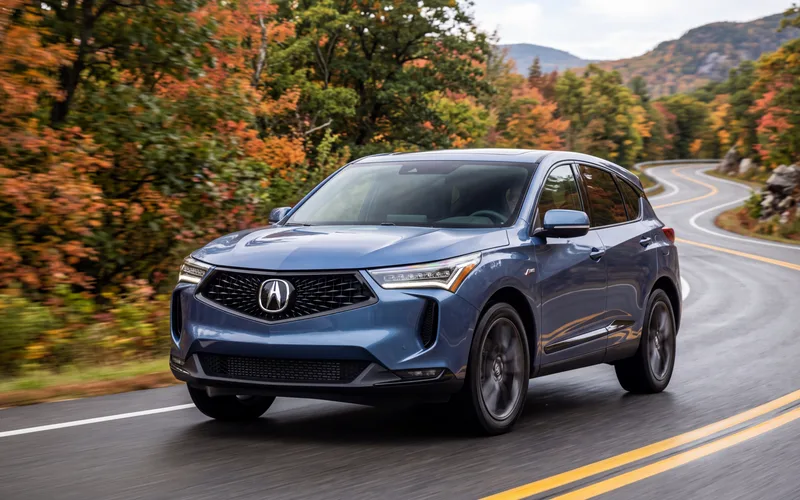 Acura RDXCompact Luxury SUVBetter at: Cargo space
Nearly 7 cu ft more cargo room behind the rear seats, more rear legroom and a quicker turbo powertrain for similar money, if you can live with roughly 22 MPG instead of 39.
Compare 2.69C+
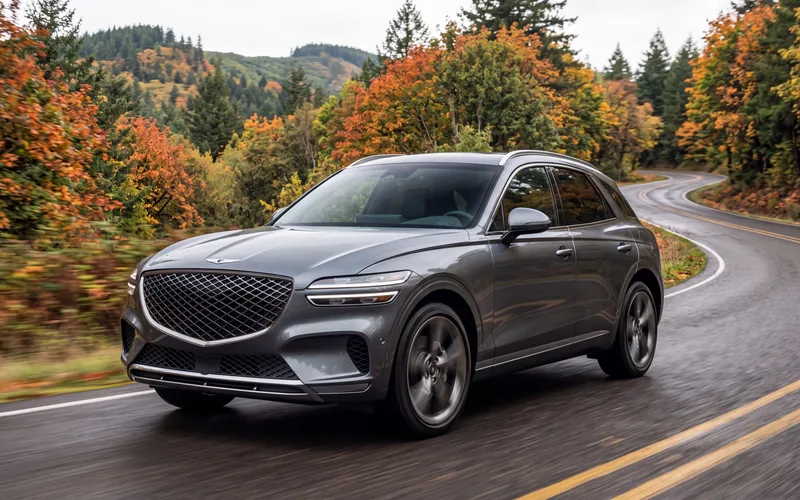 Genesis GV70Compact Luxury SUVBetter at: Warranty & features
More standard equipment, bigger screens and a 10-year/100,000-mile powertrain warranty against the Lexus's 6/70,000, for only a few thousand more.
Compare 2.79B-
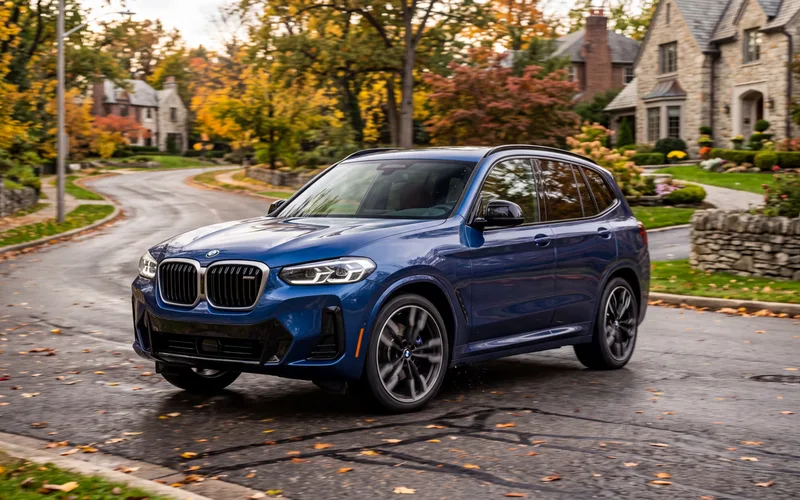 BMW X3Compact Luxury SUVBetter at: Driving dynamics
The one to drive if the NX's 7.2-second 0-60 and comfort-first chassis leave you cold — plus 4,400 lbs of towing and about 8 cu ft more cargo room.
CompareHow it's evolved
10 scored model years · 2017–2026
Subject scores by year
Hover or tap a score to see what moved it versus the year before. A corner mark flags a big swing.
| Year | Performance | Efficiency | Safety | Space | Cost | Reliability | Tech | Use-case | Driving | Value |
|---|---|---|---|---|---|---|---|---|---|---|
| 2026 | 41 | 93 | 83 | 45 | 57 | 86 | 72 | 61 | 68 | 77 |
| 2025 | 42 | 88 | 80 | 45 | 58 | 84 | 71 | 61 | 67 | 77 |
| 2024 | 41 | 88 | 82 | 44 | 59 | 85 | 70 | 61 | 67 | 79 |
| 2023 | 42 | 87 | 82 | 45 | 62 | 85 | 72 | 61 | 65 | 79 |
| 2022 | 41 | 87 | 80 | 45 | 66 | 81 | 72 | 60 | 65 | 74 |
| 2021 | 30 | 75 | 81 | 45 | 66 | 89 | 40 | 59 | 60 | 65 |
| 2020 | 29 | 75 | 76 | 45 | 70 | 88 | 47 | 56 | 60 | 66 |
| 2019 | 30 | 75 | 72 | 44 | 69 | 86 | 41 | 55 | 60 | 66 |
| 2018 | 30 | 75 | 72 | 45 | 71 | 87 | 34 | 56 | 63 | 68 |
| 2017 | 30 | 75 | 57 | 44 | 65 | 87 | 31 | 51 | 58 | 64 |
Compare two years
Best fit & conditions
Higher scores mean a better fit for that use case. Learn more about use-case fit →
Subject profile
Academic Probation · NHTSA safety recalls
No NHTSA safety recall is on record for the 2020 Lexus NX. Other model years of the NX have 14 — listed below.
14 recalls on other model years of the NX (2018–2019, 2022–2025)
Mar 24, 2026Equipment: other: labelsThe load carrying capacity modification label may display inaccurate added weight values. As such, these vehicles fail to comply with the requirements of Federal Motor Vehicle Safety Standard number 110, "Tire Selection and Rims."
Defect
Toyota Motor Engineering & Manufacturing (Toyota) is recalling certain 2024-2025 Toyota Tundra, Tacoma Hybrid, Tacoma, RAV4 Hybrid, Land Cruiser Hybrid, Lexus GX550, 2024-2026 Tundra Hybrid, 2025 Sequoia Hybrid, Crown Signia, Grand Highlander, Lexus TX500 Hybrid, Lexus NX350 Hybrid, 2025-2026 Grand Highlander Hybrid, and Lexus TX350 vehicles. The load carrying capacity modification label may display inaccurate added weight values. As such, these vehicles fail to comply with the requirements of Federal Motor Vehicle Safety Standard number 110, "Tire Selection and Rims."
Risk
A vehicle with an incorrect maximum capacity weight value may be overloaded, which can increase the risk of a crash.
Remedy
Dealers will replace the load carrying capacity modification label, free of charge. Owner letters were mailed May 26, 2026. Owners may contact Toyota's customer service at 1-800-331-4331. Toyota's numbers for this recall are 26LB04, 26LA04, 26TB07, and 26TA07.
NHTSA campaign 26V179000 ↗Manufacturer no. See attached Part5738,230 vehicles potentially affected (all models in the campaign)Owners notified May 22, 2026Filed by Toyota Motor Engineering & ManufacturingFiled as NX HYBRIDMar 18, 2026Back over prevention: softwareThe rearview camera image may not display when the vehicle is placed in reverse. As such, these vehicles fail to comply with the requirements of Federal Motor Vehicle Safety Standard (FMVSS) number 111, "Rear Visibility."
Defect
Toyota Motor Engineering & Manufacturing (Toyota) is recalling certain 2022-2025 Lexus NX350, NX250, 2023-2026 RX350, and 2024-2026 TX350 vehicles. The rearview camera image may not display when the vehicle is placed in reverse. As such, these vehicles fail to comply with the requirements of Federal Motor Vehicle Safety Standard (FMVSS) number 111, "Rear Visibility."
Risk
A rearview image that does not display reduces the driver's view behind the vehicle, increasing the risk of a crash.
Remedy
Dealers will update the rearview camera software or replace the rearview camera, as necessary, free of charge. Owner notification letters were mailed May 15, 2026. Owners may contact Toyota's customer service at 1-800-331-4331. Toyota's numbers for this recall are 26LB02 and 26LA02.
NHTSA campaign 26V162000 ↗Manufacturer no. 26LB02 / 26LA02144,200 vehicles potentially affected (all models in the campaign)Owners notified May 15, 2026Filed by Toyota Motor Engineering & ManufacturingFiled as NXOct 30, 2025Back over prevention: display functionPlease see the recall report for a complete list of models. A software error may cause the rearview camera to freeze or display a blank screen when the vehicle is in reverse. As such, these vehicles fail to comply with the requirements of Federal Motor Vehicle Safety Standard (FMVSS) number 111, "Rear Visibility."
Defect
Toyota Motor Engineering & Manufacturing (Toyota) is recalling certain 2022-2026 Toyota, Lexus, and Subaru Solterra vehicles equipped with a Panoramic View Monitor (PVM) system. Please see the recall report for a complete list of models. A software error may cause the rearview camera to freeze or display a blank screen when the vehicle is in reverse. As such, these vehicles fail to comply with the requirements of Federal Motor Vehicle Safety Standard (FMVSS) number 111, "Rear Visibility."
Risk
A rearview camera that fails to display an image can reduce the driver's view behind the vehicle, increasing the risk of a crash.
Remedy
Dealers will update the parking assist software, free of charge. Owner letters were mailed January 2, 2026. Owners may contact Toyota's customer service at 1-800-331-4331. Toyota's numbers for this recall are 25TB13 and 25LB06. Subaru's number for this recall is WRE25.
NHTSA campaign 25V744000 ↗Manufacturer no. 25TB13/25LB06/WRE251,024,407 vehicles potentially affected (all models in the campaign)Owners notified Dec 5, 2025Filed by Toyota Motor Engineering & ManufacturingFiled as NX, NX HYBRID, NX PLUG-IN HYBRIDFeb 6, 2025Seat belts: rear/other: webbingThe second-row center seat belt webbing may be damaged. As such, these vehicles fail to comply with the requirements of Federal Motor Vehicle Safety Standard (FMVSS) number 209, "Seat Belt Assemblies."
Defect
Toyota Motor Engineering & Manufacturing (Toyota) is recalling certain 2025 Toyota Camry Hybrid, Lexus NX250, NX350, NX350 Hybrid, 2024-2025 Lexus RX350, RX350 Hybrid, and RX500 Hybrid vehicles. The second-row center seat belt webbing may be damaged. As such, these vehicles fail to comply with the requirements of Federal Motor Vehicle Safety Standard (FMVSS) number 209, "Seat Belt Assemblies."
Risk
A damaged seat belt may not adequately restrain an occupant, increasing the risk of injury during a crash.
Remedy
Dealers will inspect the seat belt webbing and replace the seat belt assembly if necessary, free of charge. Owner notification letters were mailed March 20, 2025. Owners may contact Toyota's customer service at 1-800-331-4331. Toyota's numbers for this recall are 25TA03 and 25LA03.
NHTSA campaign 25V059000 ↗Manufacturer no. 25TA03 / 25LA0340,922 vehicles potentially affected (all models in the campaign)Owners notified Mar 20, 2025Filed by Toyota Motor Engineering & ManufacturingFiled as NX, NX HYBRIDJan 29, 2025Air bags: frontal: driver clockspring/spiral cassette · Steering: columnAn electrical connection inside the steering column's spiral cable assembly may be insufficiently welded, causing the connection to separate and deactivate the driver's air bag. As such, these vehicles fail to comply with the requirements of Federal Motor Vehicle Safety Standard number 208, "Occupant Crash Protection."
Defect
Toyota Motor Engineering & Manufacturing (Toyota) is recalling certain 2023 Toyota Corolla, Corolla Cross, Corolla Cross Hybrid, Highlander, Highlander Hybrid, Tacoma, Lexus RX350, 2023-2024 NX250, and NX350 vehicles that may have been incorrectly repaired under previous NHTSA recall number 23V-480. An electrical connection inside the steering column's spiral cable assembly may be insufficiently welded, causing the connection to separate and deactivate the driver's air bag. As such, these vehicles fail to comply with the requirements of Federal Motor Vehicle Safety Standard number 208, "Occupant Crash Protection."
Risk
A deactivated driver's air bag will not deploy as intended, increasing the risk of injury during a crash.
Remedy
Dealers will inspect and replace the spiral cable assembly as necessary, free of charge. Owner notification letters were mailed March 17, 2025. Owners may contact Toyota's customer service at 1-800-331-4331. Toyota's number for this recall is 25TA02. Lexus' number for this recall is 25LA02.
NHTSA campaign 25V040000 ↗Manufacturer no. 25TA02/25LA021,716 vehicles potentially affected (all models in the campaign)Owners notified Mar 17, 2025Filed by Toyota Motor Engineering & ManufacturingFiled as NXJan 22, 2025Fuel system, gasoline: delivery: fuel pumpThe low-pressure fuel pump inside the fuel tank may fail.
Defect
Toyota Motor Engineering & Manufacturing (Toyota) is recalling certain 2018 Camry, 2019 Lexus NX300, and 2019 RX350L vehicles. The low-pressure fuel pump inside the fuel tank may fail.
Risk
Fuel pump failure can cause an engine stall, increasing the risk of a crash.
Remedy
Dealers will replace the fuel pump assembly, free of charge. Owner notification letters were mailed March 12, 2025. Owners may contact Toyota's customer service at 1-800-331-4331. Toyota's numbers for this recall are 25TA01 and 25LA01.
NHTSA campaign 25V028000 ↗Manufacturer no. 25TA01 / 25LA01858 vehicles potentially affected (all models in the campaign)Owners notified Mar 12, 2025Filed by Toyota Motor Engineering & ManufacturingFiled as NXDec 5, 2024Service brakes, hydraulic: foundation components: disc: caliper · Wheels: hubSome of the bolts that secure the front brake caliper and the wheel hub bearing may be loose, which can result in a damaged caliper brake hose or possible wheel detachment.
Defect
Toyota Motor Engineering & Manufacturing (Toyota) is recalling certain 2024 RAV4 and 2025 Lexus NX vehicles. Some of the bolts that secure the front brake caliper and the wheel hub bearing may be loose, which can result in a damaged caliper brake hose or possible wheel detachment.
Risk
A damaged brake line can cause a brake fluid leak, reducing brake performance and increasing the distance required to stop the vehicle. Wheel detachment can result in a loss of vehicle control. Either condition increases the risk of a crash.
Remedy
Dealers will inspect and tighten the front brake caliper mounting bracket and hub bearing bolts, as necessary, free of charge. In addition, any damaged components will be replaced, free of charge. Owner notification letters were mailed January 23, 2025. Owners may contact Toyota customer service at 1-800-331-4331. Toyota's numbers for this recall are 24TA14 and 24LA08.
NHTSA campaign 24V911000 ↗Manufacturer no. 24TA14, 24LA0870 vehicles potentially affected (all models in the campaign)Owners notified Jan 23, 2025Filed by Toyota Motor Engineering & ManufacturingFiled as NXJun 27, 2024Seats: front assembly: head restraintThe head restraints on the driver and front passenger seats may be inadvertently removed without pressing the lock release button. As such, these vehicles fail to comply with the requirements of Federal Motor Vehicle Safety Standard (FMVSS) Number 202, "Head Restraints."
Defect
Toyota Motor Engineering & Manufacturing (Toyota) is recalling certain 2024 Lexus RX 350, RX 350h, 2024-2025 NX 250, NX 350, and NX 350h vehicles. The head restraints on the driver and front passenger seats may be inadvertently removed without pressing the lock release button. As such, these vehicles fail to comply with the requirements of Federal Motor Vehicle Safety Standard (FMVSS) Number 202, "Head Restraints."
Risk
A head restraint that is inadvertently removed and not reinstalled can increase the risk of injury during a rear-end crash.
Remedy
Dealers will replace the driver and front passenger seat head rest assemblies, free of charge. Owner letters were mailed February 14, 2025. Owners may contact Toyota customer service at 1-800-331-4331. Toyota's numbers for this recall are 24LB06 and 24LA06.
NHTSA campaign 24V482000 ↗Manufacturer no. 24LB06, 24LA0611,418 vehicles potentially affected (all models in the campaign)Owners notified Feb 14, 2025Filed by Toyota Motor Engineering & ManufacturingFiled as NX, NX HYBRIDJul 12, 2023Air bags: frontal: driver clockspring/spiral cassette · Steering: columnAn electrical connection inside the steering column's spiral cable assembly may be insufficiently welded, causing the connection to separate and deactivate the driver's air bag. As such, these vehicles fail to comply with the requirements of Federal Motor Vehicle Safety Standard number 208, "Occupant Crash Protection."
Defect
Toyota Motor Engineering & Manufacturing (Toyota) is recalling certain 2023 Corolla, Corolla Cross, Corolla Cross Hybrid, Highlander, Highlander Hybrid, Tacoma, 2023 Lexus RX350, RX350 Hybrid, RX500 Hybrid, 2023-2024 Lexus NX250, NX350, and NX350 Hybrid vehicles. An electrical connection inside the steering column's spiral cable assembly may be insufficiently welded, causing the connection to separate and deactivate the driver's air bag. As such, these vehicles fail to comply with the requirements of Federal Motor Vehicle Safety Standard number 208, "Occupant Crash Protection."
Risk
A deactivated driver's air bag that does not deploy as intended increases the risk of injury during a crash.
Remedy
Dealers will inspect and replace the spiral cable assembly, if necessary, free of charge. Owner notification letters were mailed September 8, 2023. Owners may contact Toyota's customer service at 1-800-331-4331. Toyota's number for this recall is 23TA08. Lexus' number for this recall is 23LA02.
NHTSA campaign 23V480000 ↗Manufacturer no. 23TA08/ 23LA02152,927 vehicles potentially affected (all models in the campaign)Owners notified Sep 8, 2023Filed by Toyota Motor Engineering & ManufacturingFiled as NX HYBRID, NX250, NX350Jul 12, 2023Electrical system: propulsion system: dc/dc converterThe electric current rectifying module contained within the DC-DC converter may have been damaged during production, which can result in an electrical short-circuit.
Defect
Toyota Motor Engineering & Manufacturing (Toyota) is recalling certain 2021-2022 RAV4 Prime and 2022 Lexus NX450h+ plug-in hybrid electric (PHEV) vehicles. The electric current rectifying module contained within the DC-DC converter may have been damaged during production, which can result in an electrical short-circuit.
Risk
A short circuit can cause the DC-DC converter to overheat, increasing the risk of a vehicle fire.
Remedy
Owners are advised not to charge their vehicles when the ambient air temperature is below or expected to drop below 41 degrees Fahrenheit (5 degrees Celsius). Dealers will replace the DC-DC converter, free of charge. Owner notification letters were mailed December 29, 2023. Owners may contact Toyota's customer service at 1-800-331-4331. Toyota's number for this recall is 23TB07/23LB01.
NHTSA campaign 23V478000 ↗Manufacturer no. 23TB07/23LB0143,442 vehicles potentially affected (all models in the campaign)Owners notified Dec 29, 2023Filed by Toyota Motor Engineering & ManufacturingFiled as NX450H+Sep 1, 2022Service brakes, hydraulicThe Skid Control ECU within the Brake Actuator Assembly may falsely detect an overcurrent condition of the Electronic Parking Brake (EPB) Actuator and enter a failsafe mode which prevents the EPB from being engaged. As such, these vehicles fail to comply with the requirements of Federal Motor Vehicle Safety Standard number 135, "Light Vehicle Brake Systems."
Defect
Toyota Motor Engineering & Manufacturing (Toyota) is recalling certain 2022 Lexus NX250, NX350, and Toyota Tundra vehicles. The Skid Control ECU within the Brake Actuator Assembly may falsely detect an overcurrent condition of the Electronic Parking Brake (EPB) Actuator and enter a failsafe mode which prevents the EPB from being engaged. As such, these vehicles fail to comply with the requirements of Federal Motor Vehicle Safety Standard number 135, "Light Vehicle Brake Systems."
Risk
An electronic parking brake that cannot be engaged while in "park," may result in a vehicle rollaway, increasing the risk of a crash.
Remedy
Dealers will reprogram the Skid Control ECU, free of charge. Owner notification letters were mailed November 1, 2022. Owners may contact Toyota's customer service at 1-800-331-4331. Toyota's numbers for this recall are 22TA11 and 22LA04.
NHTSA campaign 22V661000 ↗Manufacturer no. 22TA11 and 22LA0483,725 vehicles potentially affected (all models in the campaign)Owners notified Oct 28, 2022Filed by Toyota Motor Engineering & ManufacturingFiled as NX250, NX350Apr 13, 2022Electronic stability control (esc): control module: softwareThe Skid Control ECU software may not turn on the Vehicle Stability Control (VSC) system when the vehicle is restarted after the driver has disabled the VSC system. As such, these vehicles fail to comply with the requirements of Federal Motor Vehicle Safety Standard number 126, "Electronic Stability Control Systems."
Defect
Toyota Engineering & Manufacturing (Toyota) is recalling certain 2022 Lexus LX 600, Lexus NX 350h, Lexus NX 450h+, Toytoa RAV4 Hybrid, 2021-2022 Lexus LS 500h, Toyota Mirai, RAV4 PRIME, Sienna, Venza, and 2020-2022 Toyota Highlander Hybrid vehicles. The Skid Control ECU software may not turn on the Vehicle Stability Control (VSC) system when the vehicle is restarted after the driver has disabled the VSC system. As such, these vehicles fail to comply with the requirements of Federal Motor Vehicle Safety Standard number 126, "Electronic Stability Control Systems."
Risk
Driving with a deactivated stability control system increases the risk of a crash.
Remedy
Dealers will update the Skid Control ECU software, free of charge. Owner notification letters were mailed May 27, 2022. Owners may contact Toyota customer service at 1-800-331-4331. Toyota's number for this recall is 22TA03. Lexus' number for this recall is 22LA01.
NHTSA campaign 22V239000 ↗Manufacturer no. 22TA03, 22LA01458,110 vehicles potentially affected (all models in the campaign)Owners notified May 27, 2022Filed by Toyota Motor Engineering & ManufacturingFiled as NX350H, NX450H+Apr 13, 2022Structure: body · Suspension: front: shock absorberMissing spot-welds between the body panels and the front shock absorber mounting areas may cause the front shock absorber to separate from the mounting area.
Defect
Toyota Motor Engineering & Manufacturing (Lexus) is recalling certain 2022 NX250, NX350, NX350h, and NX450h+ vehicles. Missing spot-welds between the body panels and the front shock absorber mounting areas may cause the front shock absorber to separate from the mounting area.
Risk
A separated shock absorber can cause a loss of vehicle stability, increasing the risk of a crash.
Remedy
Dealers will add welds to body panels or replace the body panels where welds have failed, free of charge. Owner notification letters were mailed on June 10, 2022. Owners may contact Lexus customer service at 1-800-331-4331. Lexus's number for this recall is 22LA02.
NHTSA campaign 22V238000 ↗Manufacturer no. 22LA024,215 vehicles potentially affected (all models in the campaign)Owners notified Jun 10, 2022Filed by Toyota Motor Engineering & ManufacturingFiled as NX250, NX350, NX350H, NX450H+Nov 4, 2020Fuel system, gasoline: delivery: fuel pumpThe low-pressure fuel pump inside the fuel tank may fail.
Defect
Toyota Motor Engineering & Manufacturing (Toyota) is recalling certain 2018-2019 4Runner, 2019-2020 Avalon, 2019 Corolla Hatchback, 2017-2019 Highlander, 2018-2020 Camry, 2020 Corolla, 2018-2019 Land Cruiser, 2017-2020 Tacoma, 2019-2020 RAV4, 2019-2020 Sequoia, 2017-2020 Sienna, 2019-2020 Tundra, 2018-2020 Lexus ES350, 2017 Lexus GS200t, 2017-2019 Lexus GS350, 2019 Lexus GS300, 2018-2020 Lexus LC500h, 2019-2020 Lexus LS500, 2018-2019 Lexus GX460, 2017 Lexus IS200t, 2019 Lexus IS300, 2019 Lexus IS350, 2018-2020 Lexus LC500, 2018 Lexus LS500, 2019 Lexus LS500h, 2018-2019 Lexus LX570, 2017 Lexus RC200t, 2019 Lexus RC300, RC350, 2017 and 2019-2020 Lexus RX350, 2018-2020 RX350L, 2019 Lexus UX200, 2018-2019 Lexus NX300 vehicles. The low-pressure fuel pump inside the fuel tank may fail.
Risk
If the fuel pump fails, the engine can stall while driving, increasing the risk of a crash.
Remedy
Toyota will notify owners, and dealers will replace the fuel pump assembly with an improved one, free of charge. Owners of specific models were notified that remedy parts were available starting January 21, 2021. Owners of other models will be notified as remedy parts become available. Remedy parts should be available for all affected vehicles by late March 2021. Owners may contact Toyota customer service at 1-888-270-9371 or Lexus customer service at 1-800-255-3987. Note: This recall is an expansion of recall 20V-012. Toyota's number for this recall is 20TA02. Lexus' number for this recall is 20LA01.
NHTSA campaign 20V682000 ↗Manufacturer no. 20TA02, 20LA011,525,742 vehicles potentially affected (all models in the campaign)Owners notified Jan 21, 2021Filed by Toyota Motor Engineering & ManufacturingFiled as NX300
Source: NHTSA Office of Defects Investigation recall database, model years 2017–2026. Recalls are listed by model year as the manufacturer filed them; whether a specific car is affected depends on its VIN — check a VIN at nhtsa.gov ↗. NHTSA model names matched to this page: NX, NX HYBRID, NX PLUG-IN HYBRID, NX250, NX300, NX350, NX350H, NX450H+.
Detailed scoring by subject
1Performance & PowertrainThe NX's lowest-graded category.0.00F
The 2020 NX 300h pairs the 2.5L Atkinson-cycle 2AR-FXE four with front and rear motor-generators for 194 combined system hp — near the bottom of an SUV band that runs to 550 hp, and 41 hp below the NX 300's 2.0T.
Lexus publishes no combined system torque for the 300h, so US spec listings carry the gas engine's 152 lb-ft — a low figure even by compact-crossover standards, and 106 lb-ft behind the NX 300 turbo's 258.
At 9.1 seconds to 60 mph the hybrid sits at the very slow end of the SUV band — a consequence of 194 hp hauling 4,180 lb — and road tests loaded with passengers confirm the figure rather than beating it.
The power-split hybrid has no turbo lag and slips between electric and gas drive without a seam, and reviewers call it quiet in ordinary use; the 2.5L goes coarse and loud only when the throttle is pinned.
The planetary e-CVT has no discrete ratios to hunt between and is transparent at part throttle, but it flares revs and drones audibly under hard acceleration — a trait reviewers of this generation single out more often than they do on the later NX 350h.
The hybrid is rated 500 lbs below the gas NX 300 and sits just above the floor of the SUV band — enough for a small utility trailer and nothing more.
Every US NX 300h is all-wheel drive: Lexus's AWD-i drives the rear axle with a dedicated electric motor rather than a driveshaft, so there is nothing to option and no FWD hybrid sold here. Operation is on-demand and basic — no low range, no locking differentials, no terrain-mode suite.
A unibody crossover with 6.7 in of ground clearance — low even by compact-crossover standards — on road tires, with no skid plates, no locker, no crawl control and no off-road grade anywhere in the 2020 NX range. The electric rear axle covers a wet launch ramp or a snowy driveway and that is the whole brief.
Two distinct powertrains for 2020 — the 235 hp 2.0L turbo and this full hybrid — which covers mainstream needs and includes an electrified option, but is a narrower spread than the four-way NX 250/350/350h/450h+ range the second generation introduced for 2022.
2Efficiency & RangeOne of the NX's strongest categories.3.07B
EPA rates the 2020 NX 300h AWD at 31 MPG combined — a solid 6 MPG over the gas NX 300, but graded against other hybrids rather than the fleet it is only mid-pack, and 8 MPG behind the 2022-on NX 350h that replaced it.
City is the power-split hybrid's stronger figure, as expected from electric launch and regenerative braking, though 33 MPG is modest next to the 40-plus city ratings modern hybrid crossovers post.
Highway trails city by 3 MPG — the usual hybrid inversion — and real-world cruising beat the rating in testing, with a 150-mile freeway run returning 35.2 MPG.
A small 14.8-gallon tank caps total range at 459 miles — respectable in absolute terms but short for a hybrid, where a bigger tank on a comparable rating routinely clears 550 miles.
EPA puts annual fuel cost at $2,000 — mid-band for a hybrid, but the figure understates the advantage over its stablemate, because this is $2,000 of regular where the premium-fuel NX 300 burns more of a dearer grade.
The NX 300h runs on regular 87-octane unleaded with nothing to plug in and no fuel-grade penalty — a genuine ownership advantage over the turbocharged NX 300 beside it, and over the premium-rated NX 350h that succeeded it in 2022.
3SafetyOne of the NX's strongest categories.3.15B
NHTSA rated the 2020 NX300h AWD 5 stars overall, with 4 stars frontal, 5 stars side and 4 stars rollover (16% rollover risk, no tip in the dynamic test).
The 2020 NX is an IIHS Top Safety Pick+ with Good in every crashworthiness test — both small overlap fronts, moderate overlap, side, roof strength and head restraints — and it took the award with no headlight-trim qualifier attached, which was the hard part of the 2020 criteria.
Lexus Safety System+ 2.0 is standard on every 2020 NX — pre-collision with day and low-light pedestrian plus daytime bicyclist detection, All-Speed Dynamic Radar Cruise Control, lane departure alert with steering assist, Lane Tracing Assist, intelligent high beams and road sign assist — but blind spot monitor with rear cross-traffic alert is still an extra-cost option, the gap Lexus closed only for 2021.
IIHS rates the NX's standard pre-collision system Superior in both front crash prevention programs — it avoided the 12 and 25 mph vehicle-to-vehicle runs outright and avoided the crossing child and adult pedestrian runs, cutting 21 mph off the 37 mph parallel-adult test. Held just below the top band because IIHS had no nighttime pedestrian test in this era, so Lexus's low-light detection claim is untested by a third party.
Blind spot monitor with rear cross-traffic alert is optional rather than standard on the 2020 NX 300h, bundled into packages on the volume configuration, and it is alert-only — no braking intervention and no safe-exit warning. Reviewers rate the hardware itself as working well and treat the option box as close to mandatory given the car's rear sightlines.
Lane departure alert with steering assist plus Lane Tracing Assist is standard for 2020, so centering is available on every trim, but LTA only operates with radar cruise engaged and this generation of the system is the pre-"Enhanced" version reviewers describe as wandering and occasionally latching onto a vehicle in an adjacent lane through gentle curves.
All-Speed Dynamic Radar Cruise Control is standard and works to a full stop with resume on the hybrid, paired with Lane Tracing Assist for a usable highway assist. It is a capable rather than polished system — reviewers note it surges and eases with road undulations and can pick up the wrong target on bends.
No hands-free highway driving is offered on the 2020 NX at any trim. Lexus Teammate arrived later and only on the LS; LSS+ 2.0 here is hands-on lane tracing with a steering-torque nag.
IIHS rated both 2020 NX headlight variants Good, which is why the car took Top Safety Pick+ without a trim qualifier, and intelligent (auto) high beams are standard on every trim as part of LSS+ 2.0. Adaptive front lighting comes only with the Triple-Beam LED package.
Thick rear pillars and the fast, sloping rear roofline give the NX a large over-the-shoulder blind zone, and the camera compensation that would offset it — blind spot monitor, rear cross-traffic alert, panoramic view monitor — is optional rather than standard. Forward sightlines from the driver's seat are fine.
IIHS rates LATCH ease of use Acceptable — the anchors are usable but require some digging, and the compact-SUV rear bench with roughly 36 inches of legroom limits how far a rear-facing seat can be pushed back and rules out three seats across in practice.
4Space & ComfortOne of the NX's weakest categories.0.97F
The 2020 NX 300h is a strictly two-row, five-passenger compact luxury crossover across all trims — no third-row or six/seven-seat configuration has ever been offered on the AL20 NX.
Manufacturer-published front headroom for the 2020 NX 300h is 38.2 in, mid-pack for a compact SUV; the optional moonroof trims roughly an inch.
42.8 in of front legroom is generous for the compact luxury class and one of the NX's genuine packaging strengths — the front seats travel far enough for tall drivers.
38.1 in of second-row headroom is respectable for the segment; the NX's boxy roofline keeps rear headroom essentially level with the front despite the raked tailgate.
36.1 in of second-row legroom is mid-pack for a compact luxury SUV — adequate for two adults, tight for three abreast — and the reclining rear seatback helps perceived space more than the number suggests.
The NX has no third row in any 2020 configuration — buyers needing seven seats move up to the RX 350L. Scored in the low band as the framework requires for two-row SUVs rather than omitted.
16.8 cu ft behind the second row is among the smallest in the compact luxury SUV class — the hybrid battery costs about a cubic foot versus the gas NX 300, and Lexus's conservative measurement compounds an already tight hold.
53.7 cu ft maximum trails nearly every compact SUV rival — several mainstream compacts clear 70 cu ft — so the NX 300h is a poor fit for bulky loads even with the seats down.
Everyday storage is competent but unremarkable: a covered center console with two USB-A ports, 12V and aux, a pass-through tray with available wireless charging under the armrest lid, and usable door bins — but no underfloor cargo tricks, no onboard AC power and no rear-seat power points.
Front seats are well-padded and supportive on long stints with power adjustment standard and heating/ventilation in the Comfort package; the reclining rear bench is comfortable for two adults, and reviewers single out seat comfort as an NX strength.
MacPherson-strut front / double-wishbone rear suspension delivers a smooth, well-damped ride that soaks up both sharp and long-wave bumps; only the F SPORT's 18-in wheels and firmer tune introduce noticeable harshness.
Road noise is essentially absent at highway speed and the hybrid can cruise on electric drive in town, but the eCVT lets the 2.5-liter Atkinson engine drone loudly under hard acceleration, which keeps it short of the class benchmarks.
Dual-zone automatic climate control and rear vents are standard and heated/ventilated front seats, a heated steering wheel, power-folding rear seats and remote climate pre-conditioning through Lexus Enform are all available — but the comfort kit is package- and trim-gated rather than standard, and rear passengers get vents without their own controls or heated seats.
5Cost of OwnershipGrades above the middle of the scale.2.72B-
The gas NX 300 front-driver anchors the nameplate's 2020 floor a shade under $38,000 with destination, which undercuts every German rival's base car by several thousand dollars; published base figures vary by a few hundred dollars between sources ($36,720–$36,870 before DPH), so the value is a central estimate rather than a single quoted sticker. The NX 300h the scorecard describes starts $2,300 higher because it comes only as an AWD hybrid.
The hybrid came in only two grades for 2020 — the base NX 300h and the NX 300h Luxury — and the volume configuration is the base car with the packages most buyers added rather than the $47,385 Luxury. That puts a typical transaction sticker in the low $42,000s, roughly $6,000 below a comparably equipped X3 or Q5.
The industry estimates for this nameplate disagree by a factor of four — CarEdge has the NX under $2,500 in five-year maintenance and repairs while KBB's dealer-rate model for the equivalent newer hybrid lands near $9,900 — so the figure used is a mid-band estimate that reflects genuinely low repair incidence carried by luxury-dealer service pricing. It is set below the 2025 NX's $6,400 because this is a 2020-dollar car whose first year of service and first four years of repairs are covered by the complimentary-maintenance and basic warranties.
The 2020 NX held value exceptionally well: KBB places it in the top 10% for depreciation among all 2020 SUVs, and a 2020 NX 300h that stickered near $40,000–$42,500 new was still worth roughly $27,000–$32,500 five to six years later depending on whether you take a private-party value or a dealer retail ask. The real caveat is that the 2021–2023 used-car inflation inflated the actual outcome for every 2020 model year, so the figure records what this car did rather than a normal-market projection.
Lexus's 4-year/50,000-mile basic coverage was exactly the luxury-segment norm for 2020 — matching BMW, Mercedes-Benz, Audi and Acura — so it neither helps nor hurts the NX against its direct rivals.
Six years/70,000 miles beats the German rivals' 4/50 but falls well short of the 10-year plans that anchor the top of this band. For the scored NX 300h the more meaningful number is the hybrid battery term, which Lexus extended from 8/100,000 to 10 years/150,000 miles specifically for the 2020 model year — the longest battery coverage in the luxury segment at the time and the component hybrid buyers actually worry about.
Lexus covered only the first two scheduled services — one year or 10,000 miles — which was short next to BMW's 3-year/36,000-mile plan and Jaguar's 5-year program, but paired it with four years of unlimited-mileage roadside assistance and a three-year Lexus Enform Safety Connect subscription standard on every 2020 model. Solid rather than generous, and scored just below the 2025 NX's identical maintenance program because the connected-services trials were shorter then.
$42,500 volume-trim price minus its estimated resale value after 5 years (67% retained, or about $28,475) leaves about $14,025 in depreciation. Add the projected $5,200 in 5-year maintenance and repairs, and owning this vehicle for 5 years costs about $19,225 in total.
6Reliability & QualityThe NX's best-graded category.4.00A+
Six years on, this model year is judged on realized survey data rather than a forecast, and the data is about as good as it gets: the 2020 NX won its J.D. Power Vehicle Dependability segment award outright — that study surveyed owners of 2020 model-year vehicles after three years — and Consumer Reports rates the 2020 NX Hybrid much more reliable than other cars of its model year, with no reported concern across engine, transmission, electric motor or EV-battery trouble spots. Held just under the top band because both sources put the AZ10's weak point in the same place: in-car electronics, where CR's owners flag the infotainment and the console touchpad, and J.D. Power's own quality-and-reliability read stops at 87/100 rather than the 90s.
Lexus is the dependability benchmark across exactly the window that matters to this car: it ranked highest of all brands in the 2023 VDS — the study of 2020 model-year vehicles — at 133 PP100 against a 186 PP100 industry average, more than 10 PP100 clear of Genesis and 40 clear of Cadillac, and it is still the top premium brand in the 2026 study for a fourth straight year. Short of a perfect read only because Consumer Reports' 2020 brand ranking put Lexus third behind Mazda and Toyota, and the 2020 Initial Quality Study had it second among premium brands rather than first.
The 2020 model year is genuinely clean: NHTSA's recall database returns zero campaigns for the 2020 NX300h and zero for the 2020 NX300, and the NX300h has attracted only six owner complaints in six years on the road. The Denso low-pressure fuel-pump campaigns that swept most of the Toyota and Lexus range stop at the 2018-2019 NX300 and never reach the hybrid or the 2020 build, and the spiral-cable, backup-camera, door-latch and shock-absorber campaigns all belong to the AZ20 car that replaced this one. Kept short of the ceiling by a nonempty TSB list — infotainment and connectivity software, HVAC drain-tube blockage, fuel flow control valve — which matches the electronics complaints CR records rather than anything mechanical.
The NX 300h runs Toyota's 2.5L 2AR-FXE Atkinson four with the power-split THS-II transaxle, a nickel-metal-hydride pack and a separate rear motor for AWD-i — naturally aspirated, no belt, no turbo, no clutch pack, and the same architecture that has gone a decade-plus and high mileage in Camry and RAV4 hybrid fleets. Lexus backs it further on this exact model year, extending 2020 hybrid-battery coverage to 10 years/150,000 miles on top of the 8-year/100,000-mile hybrid-system warranty. Not a perfect 100 because NiMH packs and inverters do eventually need replacing on very high-mileage cars, and by 2020 this hardware was a generation behind the lighter lithium fifth-generation system.
This is the weakest link in an otherwise excellent category. The cabin is quiet and carefully assembled and the NuLuxe synthetic leather draws genuine praise, but by 2020 the AZ10 interior was six years old and reviewers judged its materials merely average for a luxury compact SUV — short of Audi and BMW on richness and attention to detail — while the console touchpad controlling the non-touch 10.3-inch screen is singled out repeatedly as awkward and distracting rather than premium.
Japanese assembly at Toyota Motor Kyushu and Tahara in the sixth year of a mature design gives the NX the tight, solid construction the brand trades on — Consumer Reports calls the cabin well put together and owners describe the fit and finish as impeccable — and Lexus was second among premium brands in the 2020 Initial Quality Study. Marked down from the brand's usual level because interior trim rattles and creaks are a persistent, well-documented owner complaint on this generation, with a long-running dedicated forum thread and felt-tape-behind-the-panel fixes, and because reviewers place the NX behind Audi and BMW on detail execution.
Lexus service satisfaction was the best in the luxury field when this car was new and remains near the top today, so an owner has had a strong dealer experience across the whole ownership window, backed on a 2020 car by complimentary scheduled maintenance at 6 months/5,000 miles and 12 months/10,000 miles plus 24-hour roadside. The roughly 240-245 US stores are solid rather than dense coverage for a premium brand, so rural owners travel further than a Toyota or Honda buyer would.
The 2AR-FXE engine and THS-II hybrid hardware are shared with Camry and RAV4 hybrids by the million, so wear items are cheap, universally stocked and serviceable by ordinary independent shops, and RepairPal's running-cost data for the NX300h sits well below the luxury compact SUV norm. This generation also avoids the expensive dealer-only failure points the AZ20 is known for — no electronic door-latch assemblies, no 14-inch head unit — leaving the pricey pieces limited to the 10.3-inch display and, eventually, the traction battery, which is still warranted to 10 years/150,000 miles on a 2020 car.
7Technology & InfotainmentOne of the NX's weakest categories.1.16D
The volume 2020 NX 300h ships with the 8.0-inch high-resolution display; the 10.3-inch screen arrives only with the navigation package, which for 2020 was extended to Premium, Luxury and Premium F SPORT models.
The NX's Remote Touch touchpad is the most criticized interface in the class — cursor control is fiddly on the move and the console is cluttered with oddly angled switchgear; the 2018 facelift's touch-capable screen helps only when the driver can reach it.
Wired Apple CarPlay is standard on the Lexus Multimedia system and Android Auto arrived for 2020, but only on vehicles built after 1 October 2019 — and neither is offered wirelessly on any trim.
Lexus's embedded voice command is command-word driven rather than natural language, and native navigation is a paid upgrade — most owners default to CarPlay/Android Auto maps; Amazon Alexa through Enform App Suite 2.0 and Google Assistant via Android Auto fill part of the gap.
The standard eight-speaker Lexus Premium system is clean if unremarkable, while the available 14-speaker Mark Levinson Premium Surround setup is one of the better branded systems in the class — and for 2020 Lexus widened its availability beyond the top trim.
The 2020 NX 300h keeps conventional analog gauges flanking a small color multi-information display; only the F SPORT gets the larger TFT moving-ring meter, so no NX offers a configurable full-digital cluster.
This pre-Lexus-Interface generation has no whole-vehicle over-the-air updating; the only remote refresh is Enform Dynamic Navigation map and POI data, and that requires the optional navigation head unit.
Lexus Enform Remote covers the core set — remote lock/unlock, engine and climate start, vehicle locator, alarm and fuel level — with a complimentary trial before it becomes a paid subscription tied to Safety Connect; there is no digital key on the 2020 NX.
Device power is thin by 2020 standards: two front USB-A ports plus 12V and an aux jack, an available wireless charging pad under the armrest, and nothing at all for second-row passengers — no USB-C anywhere and no household outlet.
Smart Access proximity entry with push-button start is standard and a hands-free power liftgate with kick sensor is available, but remote start lives behind the Enform subscription rather than the key fob, and there is no phone-as-key.
A backup camera is standard and both Intuitive Parking Assist (front and rear sonar with automatic braking) and a Panoramic View Monitor surround system are available, though resolution and graphics are a generation behind newer rivals and there is no automated parking.
A color head-up display is on the 2020 NX option sheet as a stand-alone extra rather than standard kit, so most volume-trim cars leave the factory without it.
8Use-Case FitMid-pack among this car's ten categories.1.78C-
Wide-opening rear doors, a low-ish step-in height and standard LATCH anchors make day-to-day child loading straightforward, but 16.8 cu ft behind the second row barely swallows a full-size stroller plus groceries and the rear bench has no dedicated kid amenities.
The 2020 NX carries IIHS Top Safety Pick and NHTSA five-star overall ratings, and Lexus Safety System+ 2.0 — pre-collision with pedestrian detection, radar cruise, Lane Tracing Assist and Road Sign Assist — is standard on every trim, including the entry car families actually buy; blind-spot monitoring being optional is the main gap.
A quiet, well-damped cabin and a reclining rear seat make the NX a pleasant four-up tourer, but rear passengers get vents without their own controls, no charging ports and no entertainment, and luggage space with all seats occupied is the smallest in the class.
The Lexus Hybrid Drive system is at its best in traffic — silent electric creep, seamless stop/start, no gearchange shunt — and the compact footprint plus standard adaptive cruise with Lane Tracing Assist keeps commuting fatigue low; the touchpad interface is the one recurring irritation.
EPA 33/30/31 mpg from a standard-AWD luxury crossover on regular unleaded is an unusually cheap per-mile proposition for the segment — roughly 50 percent better in town than the turbocharged NX 300, which asks for premium.
At about 182.7 in long with a 37.4-ft turning circle the NX threads city streets easily, and Intuitive Parking Assist plus the available Panoramic View Monitor cover the thick rear pillars and high beltline that hurt over-the-shoulder visibility.
A 1,500-lb tow rating, 53.7 cu ft of maximum cargo and a hybrid powertrain tuned for economy rather than load make this a non-starter for real work duty — it will manage a small utility trailer and nothing beyond.
The Toyota Hybrid Synergy mechanicals underneath are among the most durable powertrains sold and the NX shares its RAV4-derived platform, but the leather-and-soft-trim cabin, low-profile tires and absence of any fleet or work-package variant make it a poor tool for abuse.
There is no onboard AC power, no bed or load floor of consequence, a handful of cargo tie-downs and effectively no upfit ecosystem beyond dealer roof crossbars and a light-duty hitch.
Supportive front seats, a hushed highway cabin and standard radar cruise with Lane Tracing Assist add up to a relaxed mile-eater, and 31 mpg combined from a 14.8-gal tank gives roughly 450 miles between stops — the eCVT drone under acceleration is the main blemish.
Standard E-Four electric AWD gives useful traction on wet gravel and snow, but 6.7 in of ground clearance, road-biased tires, a 1,500-lb tow limit and no drive modes or underbody protection keep the NX 300h on the maintained-trail side of adventure.
The 60/40 rear bench folds nearly flat (power-folding on upper trims) and roof rails with accessory crossbars handle bikes or a box, but 16.8 cu ft up and 53.7 cu ft down is class-trailing and the tapered tailgate limits bulky boxes.
9Driving ExperienceMid-pack among this car's ten categories.2.07C
MacPherson-strut front and double-wishbone rear suspension plus the newly standard Active Cornering Assist keep the 4,180-lb hybrid tidy and predictable on a winding road, but roll is evident and there is no genuine appetite for pace — competent rather than agile.
The electric power steering is accurate and consistently weighted on-center, which makes it easy to place, but it filters out almost all road texture — reviewers consistently call out the lack of feedback.
Stopping power is adequate and the regenerative-to-friction handover is better blended than in most hybrids of this era, but the pedal is soft and slightly numb near the top of its travel and stopping distances are unremarkable for the class.
Lexus Hybrid Drive is impeccably calibrated at low speed — the engine starts and stops without a shudder, there is no gearchange shunt and the electric rear axle engages invisibly; the 194-hp system's leisurely response under hard throttle is what holds the score down.
In electric or light-throttle running the NX 300h is near-silent, but the eCVT pins the four-cylinder at high revs under acceleration and the resulting drone is the single most-cited refinement complaint about this powertrain.
A 37.4-ft curb-to-curb circle is tidy for a compact SUV and makes parking-garage and three-point-turn work easy; the figure is unchanged between the NX 300 and NX 300h.
A commanding but car-like seating position, good outward forward vision and a newly standard power tilt/telescoping column for 2020 make the driver's office easy to set up — undone somewhat by a cluttered console of oddly angled switches and a touchpad that demands eyes off the road.
The NX 300h is tuned as a serene, efficient commuter: 8.8 seconds to 60 mph, numb steering and a droning eCVT leave nothing to seek out a long way home for, even in F SPORT dress.
10Value & Market PositionMid-pack among this car's ten categories.2.49C+
2020 was a real content year for the aging first-generation NX: Lexus Safety System+ 2.0 with lane tracing and road sign assist, a power tilt/telescoping steering column and Active Cornering Assist all became standard, and Android Auto joined the already-standard Apple CarPlay on cars built after October 1, 2019 — at a price several thousand below the German base cars. It stays mid-band because too many segment essentials were still extras: blind spot monitor, power liftgate, navigation, heated/ventilated seats and the larger display were all options or package-locked, so a realistically equipped NX 300h needed $2,000–3,000 of packages.
The money argument is almost entirely about running costs, and it is a strong one: KBB named the 2020 NX the lowest-cost-to-own compact luxury SUV at a predicted $47,881 over five years, the hybrid returned 29 mpg in Consumer Reports' own testing, and the car sat in the top 10% of 2020 SUVs for value retention. What the money does not buy is pace, space or usability — 194 combined horsepower makes the 300h the slowest thing in its class, cargo room trails the segment, and reviewers were united in calling the Remote Touchpad infotainment the worst interface on sale.
Across the nameplate the 2020 lineup covered its ground reasonably — turbocharged NX 300 in base, F SPORT, Luxury and a 2,000-unit Black Line Special Edition, with front- or all-wheel drive, spanning roughly $37,800 to $46,400 with destination. The scored hybrid is the thin part of it: the NX 300h came in exactly two grades, AWD only, with no F SPORT option, so a buyer who wants the hybrid gives up most of the configuration choice the gas car offers.
The NX sold 55,784 units in the US in calendar 2020, down only 5.0% in a pandemic year when the overall market fell far harder and rivals shed a fifth to a third of their volume — leaving it at or near the top of the compact luxury SUV class and Lexus's second-best seller behind the RX. Six model years into a generation that is an unusually durable demand curve; it falls short of the top band only because the trajectory was flat-to-declining rather than rising.
Lexus in 2020 carried the strongest dependability and resale reputation of any luxury marque and a famously loyal owner base, which is exactly the equity the NX trades on — the car's own class win for lowest cost to own is a direct expression of it. It sits below the aspirational top band because Lexus sells reliability and refinement rather than the performance or design halo BMW, Porsche and Genesis bring to this segment, and because the division's US volume slipped in 2020 alongside the wider market.
2020 was the most buyer-friendly year of this generation: Lexus Financial Services put 0% APR for up to 60 months on selected models through June 1, 2020 and let qualified buyers defer the first payment up to 90 days, on top of the usual subvented leases. It is not a top-band score because Lexus never announced a national cash-rebate program as a COVID response and the NX, still selling well, was not the model leaning hardest on incentives.
2020 is the sixth model year of the first-generation AZ10 NX, introduced for 2015 and mid-life facelifted three years earlier — and it is the penultimate year before the second-generation car arrives for 2022. The 2020 changes are content additions, not engineering: the platform, the six-speed automatic in the gas car, the 2.5-liter hybrid system and the non-touch display with Remote Touchpad are all carried over from a mid-2010s design, which is why reviewers of this year kept flagging the interface as out of date.
The 2020 NX collected two genuine honors — an IIHS TOP SAFETY PICK+, one of only 23 vehicles to qualify that year, and KBB's Lowest 5-Year Cost to Own award for the class — and reviewers respected its ride, quietness and build. But it was never the pick of a comparison test: U.S. News ranked it twelfth of the 2020 luxury compact SUVs at 7.3/10, and the underpowered hybrid drivetrain, tight cargo hold and near-universally disliked touchpad interface kept it out of the class-winner conversation.