

The verdict
A struggling subcompact hatchback, strong on ownership and held back by performance.
The 2018 Kia Soul is the final model year of its boxy second-generation design, and it makes its case on space and value rather than speed or tech. It starts at $17,095 (Soul Plus at $21,295), packs 24.2 cu ft of cargo room behind the rear seats, carries a 10-year/100,000-mile powertrain warranty, and earned a 5-star NHTSA rating and IIHS Top Safety Pick+ — all in a box that's genuinely easy to park, with a 34.8-ft turning circle. What it doesn't offer is much excitement: the volume 2.0L engine's 161 hp is merely adequate (about 8.4 seconds to 60 mph), the 7-inch touchscreen has no wireless CarPlay/Android Auto, and most driver-assist safety tech is bundled into optional packages rather than standard. It's a smart pick for budget-minded shoppers who want maximum interior usability for the money, less so for anyone chasing modern tech, quick acceleration, or the outgoing generation's known engine complaints.
Jump to scoresStrengths
- Cavernous cargo box and headroom for a subcompact
- Bargain pricing backed by a best-in-class warranty
- Strong passive crash-test results
What holds it back
- Dated tech with no wireless phone integration
- Adequate but unexciting powertrain
- Driver-assist safety tech is an optional extra, not standard
Top alternatives
Cars shoppers cross-shop with the Kia Soul 2.25C
2.25C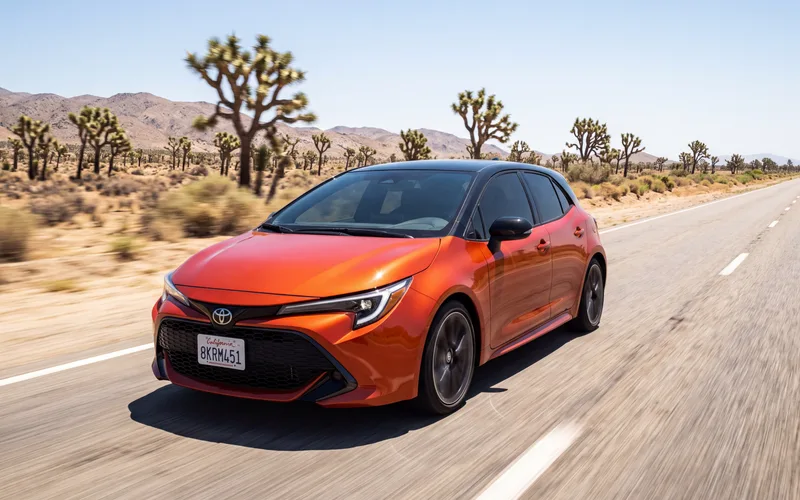 Toyota Corolla HatchbackCompact HatchbackBetter at: Efficiency
The closest like-for-like cross-shop — similar money, but quicker, quieter, more efficient and with Toyota's resale behind it, if you can live with far less cargo room.
Compare 2.46C+
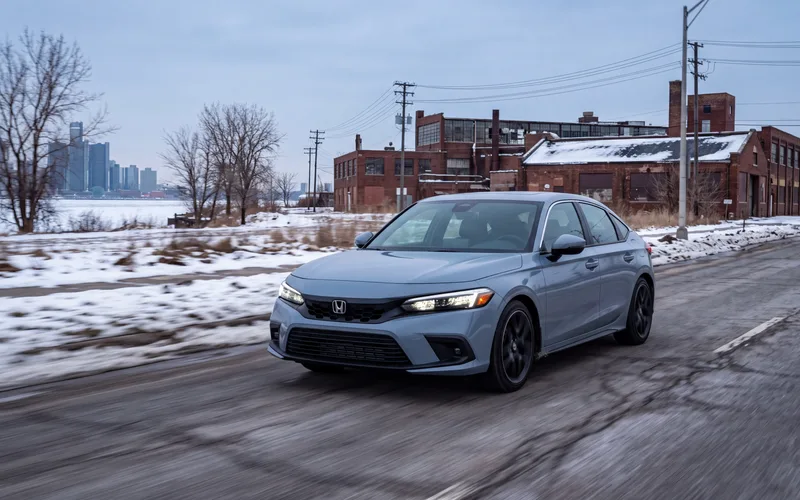 Honda Civic HatchbackCompact HatchbackBetter at: Refinement
Costs more but delivers a genuinely refined, quiet and quick hatchback with stronger safety standing — worth the stretch if the budget allows.
Compare2.56C+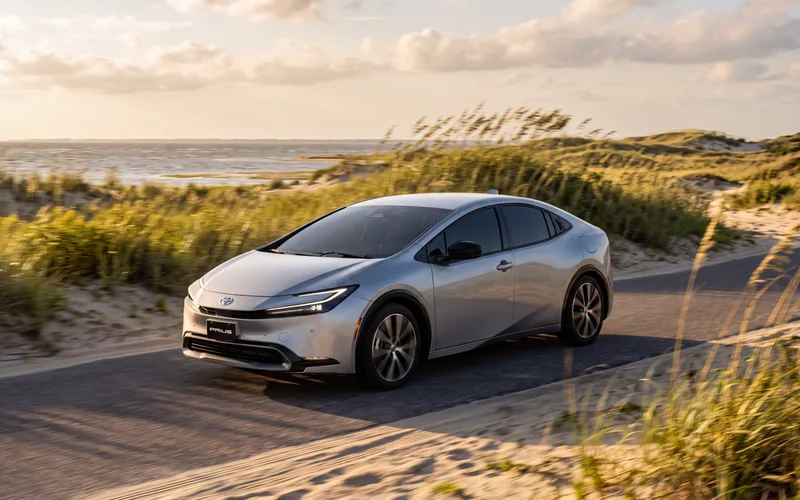 Toyota PriusCompact HatchbackBetter at: Fuel economy
If your mileage is high, the Prius's hybrid economy and available all-wheel drive pay back the price premium the Soul can't answer.
CompareHow it's evolved
9 scored model years · 2017–2025
Subject scores by year
Hover or tap a score to see what moved it versus the year before. A corner mark flags a big swing.
| Year | Performance | Efficiency | Safety | Space | Cost | Reliability | Tech | Use-case | Driving | Value |
|---|---|---|---|---|---|---|---|---|---|---|
| 2025 | 19 | 49 | 54 | 70 | 85 | 71 | 52 | 53 | 61 | 66 |
| 2024 | 19 | 49 | 55 | 70 | 86 | 72 | 54 | 53 | 62 | 67 |
| 2023 | 18 | 50 | 56 | 70 | 86 | 67 | 53 | 54 | 63 | 68 |
| 2022 | 25 | 51 | 57 | 70 | 93 | 70 | 52 | 55 | 68 | 59 |
| 2021 | 25 | 51 | 56 | 70 | 93 | 69 | 45 | 54 | 67 | 63 |
| 2020 | 24 | 50 | 55 | 70 | 92 | 56 | 45 | 52 | 68 | 66 |
| 2019 | 27 | 39 | 51 | 70 | 93 | 58 | 35 | 50 | 64 | 62 |
| 2018 | 27 | 39 | 51 | 70 | 91 | 65 | 30 | 49 | 64 | 65 |
| 2017 | 26 | 39 | 43 | 69 | 90 | 63 | 24 | 47 | 64 | 75 |
Compare two years
Best fit & conditions
Higher scores mean a better fit for that use case. Learn more about use-case fit →
Subject profile
Academic Probation · NHTSA safety recalls
Oct 26, 2023Electrical system: software · Power train: automatic transmission: gear position indication (prndl)The parking mechanism may be damaged, which can result in unintended vehicle movement when the gear shift lever is in the Park 'P' position and the parking brake is not applied while the vehicle is powered on.
Defect
Kia America, Inc. (KIA) is recalling certain 2015-2019 Soul EV vehicles. The parking mechanism may be damaged, which can result in unintended vehicle movement when the gear shift lever is in the Park 'P' position and the parking brake is not applied while the vehicle is powered on.
Risk
Unintended vehicle movement can increase the risk of a crash.
Remedy
Dealers will update the electronic control unit software, free of charge. Owner notification letters were mailed December 21, 2023. Owners may contact Kia customer service at 1-800-333-4542. Kia's number for this recall is SC287. This recall expands and replaces recall number 20V-389. Vehicles previously repaired under 20V-389 will need to have the new remedy completed.
NHTSA campaign 23V724000 ↗Manufacturer no. SC2876,262 vehicles potentially affected (all models in the campaign)Owners notified Dec 21, 2023Filed by Kia America, Inc.Filed as SOUL EVMar 29, 2023Electrical system: propulsion system: traction batteryThe high-voltage battery pack may experience an electrical short-circuit while driving.
Defect
Kia America, Inc. (Kia) is recalling certain 2015-2019 Soul EV vehicles equipped with an E400 battery. The high-voltage battery pack may experience an electrical short-circuit while driving.
Risk
A battery electrical short-circuit increases the risk of a fire.
Remedy
Dealers will update and/or replace the battery management system and software, as necessary, free of charge. The new software will illuminate the EV warning light, limit charging capacity, and reduce vehicle power if abnormal voltage is detected. If this occurs, the battery will be replaced, free of charge. Owner notification letters were mailed August 18, 2023. Owners may contact Kia customer service at 1-800-333-4542. Kia's number for this recall is SC267.
NHTSA campaign 23V218000 ↗Manufacturer no. SC2672,689 vehicles potentially affected (all models in the campaign)Owners notified Aug 18, 2023Filed by Kia America, Inc.Filed as SOUL EVJan 25, 2022Air bagsThe Air Bag Control Unit (ACU) cover may contact a memory chip on the printed circuit board and damage the electrical circuit. Circuit damage may result in deactivated air bags that will not deploy in a crash.
Defect
Kia Motors America (Kia) is recalling certain 2017-2019 Sedona, Soul, Soul EV, 2017-2018 Forte, and 2017 Forte Koup vehicles. The Air Bag Control Unit (ACU) cover may contact a memory chip on the printed circuit board and damage the electrical circuit. Circuit damage may result in deactivated air bags that will not deploy in a crash.
Risk
Air bags that do not deploy as intended can increase the risk of injury in a crash.
Remedy
Dealers will inspect the ACU, and either update the software or replace the unit, as necessary. Repairs will be performed free of charge. Owner notification letters were mailed March 21, 2022. Owners may contact Kia customer service at 1-800-333-4542. Kia's number for this recall is SC226.
NHTSA campaign 22V031000 ↗Manufacturer no. SC226410,619 vehicles potentially affected (all models in the campaign)Owners notified Mar 21, 2022Filed by Kia Motors AmericaFiled as SOUL, SOUL EV
5 recalls on other model years of the Soul (2020–2023)
Feb 17, 2025Engine and engine cooling: engine: hard parts internal/mechanicalThe piston oil rings may have been manufactured incorrectly, which can result in engine damage.
Defect
Kia America, Inc. (Kia) is recalling certain 2021-2023 Seltos and Soul vehicles. The piston oil rings may have been manufactured incorrectly, which can result in engine damage.
Risk
Engine damage can cause a vehicle stall or fire, increasing the risk of a crash or injury.
Remedy
Dealers will inspect and replace the engine as necessary, free of charge. Dealers will also install piston-ring noise sensing system (PNSS) software, free of charge. Owner notification letters were mailed April 4, 2025. Owners may contact Kia customer service at 800-333-4542. Kia's number for this recall is SC336.
NHTSA campaign 25V099000 ↗Manufacturer no. SC336137,256 vehicles potentially affected (all models in the campaign)Owners notified Apr 4, 2025Filed by Kia America, Inc.Filed as SOULDec 22, 2023Air bagsDue to a manufacturing error, the side curtain air bags may deploy unexpectedly.
Defect
Kia America, Inc. (Kia) is recalling certain 2023 Soul and 2024 Seltos vehicles. Due to a manufacturing error, the side curtain air bags may deploy unexpectedly.
Risk
An air bag that deploys unexpectedly can increase the risk of injury or crash.
Remedy
Dealers will inspect and replace both side curtain air bag modules as necessary, free of charge. Owner notification letters were mailed January 31, 2024. Owners may contact Kia customer service at 1-800-333-4542. Kia's number for this recall is SC289.
NHTSA campaign 23V830000 ↗Manufacturer no. SC2892,967 vehicles potentially affected (all models in the campaign)Owners notified Jan 31, 2024Filed by Kia America, Inc.Filed as SOULJul 31, 2023Power train: automatic transmission: fluid/lubricant: pumpThe electronic controller for the Idle Stop & Go oil pump assembly may contain damaged electrical components that can cause the pump to overheat.
Defect
Kia America, Inc. (Kia) is recalling certain 2023 Soul, Sportage, and 2023-2024 Seltos vehicles. The electronic controller for the Idle Stop & Go oil pump assembly may contain damaged electrical components that can cause the pump to overheat.
Risk
An electric oil pump assembly that overheats increases the risk of a vehicle fire.
Remedy
Owners are advised to park outside and away from structures until the recall repair is complete. Dealers will inspect and replace the electric oil pump controller, as necessary, free of charge. Owner notification letters are expected to be mailed September 28, 2023. Owners may contact Kia customer service at 1-800-333-4542. Kia's number for this recall is SC275.
NHTSA campaign 23V531000 ↗Manufacturer no. SC27539,765 vehicles potentially affected (all models in the campaign)Owners notified Sep 28, 2023Filed by Kia America, Inc.Filed as SOULApr 26, 2023Electrical system: instrument cluster/panelKia America, Inc. (Kia) is recalling certain 2023 Sportage, Sportage Hybrid, Sportage Plug-in Hybrid, Niro Hybrid, Niro Plug-in Hybrid, Soul, and Telluride vehicles equipped with a digital instrument cluster containing a 4.2" LCD screen.  The instrument cluster may fail to display any information when the vehicle is started.  As such, these vehicles fail to comply with the requirements of Federal Motor Vehicle Safety Standard numbers 101, "Control and Displays," and 138, "Tire Pressure Monitoring Systems."
Defect
Kia America, Inc. (Kia) is recalling certain 2023 Sportage, Sportage Hybrid, Sportage Plug-in Hybrid, Niro Hybrid, Niro Plug-in Hybrid, Soul, and Telluride vehicles equipped with a digital instrument cluster containing a 4.2" LCD screen.  The instrument cluster may fail to display any information when the vehicle is started.  As such, these vehicles fail to comply with the requirements of Federal Motor Vehicle Safety Standard numbers 101, "Control and Displays," and 138, "Tire Pressure Monitoring Systems."
Risk
A blank instrument cluster display will not show critical information, such as tire pressure, warning messages, and warning lights, increasing the risk of a crash.
Remedy
Dealers will update the instrument cluster software, free of charge. Owner notification letters were mailed May 26, 2023. Owners may contact Kia customer service at 1-800-333-4542. Kia's number for this recall is SC270.
NHTSA campaign 23V298000 ↗Manufacturer no. SC270108,936 vehicles potentially affected (all models in the campaign)Owners notified May 26, 2023Filed by Kia America, Inc.Filed as SOULApr 13, 2021EngineThe piston oil rings may not have been properly heat-treated, which may result in engine damage.
Defect
Kia Motors America (Kia) is recalling certain 2020-2021 Soul, and 2021 Seltos vehicles equipped with 2.0L Nu MPI engines. The piston oil rings may not have been properly heat-treated, which may result in engine damage.
Risk
A damaged engine may stall, increasing the risk of a crash. In addition, oil may leak onto hot exhaust components, increasing the risk of a fire.
Remedy
Kia will notify owners, and dealers will inspect and, if necessary, replace the engine, free of charge. In addition, Kia will deploy Piston Ring Noise Sensing System (PNSS) software. The recall began June 11, 2021. Owners may contact Kia customer service at 1-800-333-4542. Kia's number for this recall is SC209.
NHTSA campaign 21V259000 ↗Manufacturer no. SC209147,249 vehicles potentially affected (all models in the campaign)Owners notified Jun 11, 2021Filed by Kia Motors AmericaFiled as SOUL
Source: NHTSA Office of Defects Investigation recall database, model years 2017–2025. Recalls are listed by model year as the manufacturer filed them; whether a specific car is affected depends on its VIN — check a VIN at nhtsa.gov ↗. NHTSA model names matched to this page: SOUL, SOUL EV.
Detailed scoring by subject
1Performance & PowertrainThe Soul's lowest-graded category.0.00F
2018 is a facelifted-generation (PS, refreshed for MY2017) carry-over year — the third-generation SK3 Soul does not arrive until MY2019. The 2.0L Nu GDI engine on the Plus trim is the volume mid-range configuration.
Torque figure for the 2.0L Nu GDI engine on the Plus trim, the second model year of the 2017 facelift with no powertrain changes.
No single manufacturer-stated 0-60 figure; instrumented tests of the 2.0L/6AT Soul on this unchanged PS-generation powertrain (2017-2019) cluster between 8.0s and 8.5s, so 8.4s is used as a representative figure for the volume Plus trim.
The 2.0L NA engine on the volume Plus trim delivers power smoothly but only adequately, with reviewers wanting more gusto when merging or climbing grades; the base 1.6L is described as languid, while the turbo Exclaim's power delivery is stronger but paired with a hesitant transmission that undercuts overall refinement.
The 6-speed automatic on the volume Plus trim is smooth-shifting and well regarded, but the Exclaim's 7-speed dual-clutch transmission is notably hesitant in stop-and-go traffic and slow to shift, which weighs down the overall drivetrain rating since it's the flagship gearbox.
AWD is not offered on any 2018 Soul trim (Base, +, !) — the second-generation Soul is front-wheel drive only across the entire range, consistent with every other model year of this platform.
Three distinct gas engines are offered across the range — 1.6L NA (base), 2.0L NA (Plus), and 1.6L turbo (Exclaim) — broader than most segment rivals, though a battery-electric Soul EV existed only in limited CARB-compliant states in low volume and is not a mainstream, widely available electrified option for 2018.
2Efficiency & RangeOne of the Soul's weakest categories.0.57F
EPA-rated 27 MPG combined for the 2.0L Nu MPI GDI engine with 6-speed automatic, standard on the volume Soul + (Plus) and X-Line trims of the second-generation (PS) Soul following its 2017 facelift; 2018 is a carry-over model year with no powertrain changes. The base 1.6L GDI manual also rates 27 combined, while the top Exclaim (!) trim's 1.6L turbo with 7-speed DCT does slightly better at 28 combined but is not the volume configuration.
EPA city figure for the volume 2.0L automatic powertrain.
EPA highway figure for the volume 2.0L automatic powertrain.
Calculated from the 2.0L automatic's 14.2-gallon fuel tank and 27 MPG EPA combined rating; Kia and EPA do not publish a separate combined-range figure for gas trims.
EPA annual fuel cost estimate for the volume 2.0L automatic at standard 15,000 mi/yr assumptions.
Every 2018 Soul gas configuration — 1.6L manual, 1.6L automatic, 2.0L automatic, and the 1.6L turbo — runs on regular unleaded; no premium recommendation or requirement on any trim.
3SafetyGrades below the middle of the scale.1.41D
NHTSA rates the 2018 Soul — a second-generation (PS) model carrying the 2017 facelift's turbo 1.6-liter Exclaim powertrain, one model year before the redesigned third-generation SK3 phased in as the US MY2020 vehicle — 5 stars overall, with a 5-star frontal driver / 4-star frontal passenger result, 5-star side result including the side pole test, and a 4-star rollover rating.
IIHS rates the 2018 Soul Good in five of six crashworthiness tests — driver-side small overlap front, moderate overlap front, side, roof strength, and head restraints/seats — with an Acceptable result in the passenger-side small overlap front test. IIHS names the 2018 Soul a Top Safety Pick, but the award is conditional on the optional front crash prevention system and the optional HID headlights — the standard halogen reflector headlights on base and volume trims rate Poor, so the award does not apply to the representative configuration as-equipped.
None of forward collision warning, AEB, lane departure warning, blind-spot monitoring, rear cross-traffic alert or adaptive cruise control are standard on any 2018 Soul trim. The volume Plus trim only gets the suite via the optional Primo "Lit" package, the base trim cannot be equipped with any of it, and the range-topping Exclaim needs its own optional Technology package.
IIHS rates the optional front crash prevention system Superior for vehicle-to-vehicle performance (avoided the 12 mph test collision, cut 24 mph off closing speed in the 25 mph test), but the system is only available via the Plus's optional Primo Lit package or the Exclaim's optional Technology package — never standard — and no pedestrian-detection rating is published for this generation, so nighttime and pedestrian performance are unverified.
Blind-spot detection and rear cross-traffic alert are alert-only (no active braking or steering intervention) and optional on just two of the three 2018 trims — bundled into the Plus's Primo Lit package or the Exclaim's Technology package — with no coverage at all on the base trim, so the volume-trim buyer has to pay extra to get it.
The 2018 Soul offers lane departure warning only — no lane keep assist or lane centering feature is documented for this generation — and even that warning-only system is optional, bundled into the Plus's Primo Lit package, with no lane-related driver assistance available on the base trim at all.
Smart Cruise Control (adaptive cruise) newly became available on the 2018 Soul Plus via the optional Primo package, but only there — it is not offered on the base trim and not confirmed standard on Exclaim without its own Technology package — and no combined highway-assist feature (lane centering plus ACC) exists for this generation.
No hands-free highway driving system is offered on the 2018 Soul at any trim or option package; the most equipped configuration tops out at hands-on adaptive cruise control.
The standard multi-focus reflector halogen headlights fitted to base, Plus and Exclaim all rate Poor with IIHS; only the optional HID headlights — the Primo Lit package on Plus, or the Technology package on Exclaim — rate Good. Since the volume Plus trim's standard headlights are the Poor-rated halogen units, the representative configuration's low-beam performance is a real weak point, and it is also why the Top Safety Pick award does not apply as-equipped.
The second-generation Soul's boxy one-box body — tall upright greenhouse, deep side glass, low beltline — gives strong front and side sightlines; thick rear roof pillars create some rear-quarter blind zones, but a standard rearview camera helps compensate. No 360-degree camera is offered on any 2018 trim.
IIHS rates LATCH ease of use Acceptable for the 2018 Soul — two outboard rear positions with complete hardware, anchors requiring modest force to locate and attach — and the tall roof and wide rear door openings of the boxy body make maneuvering a car seat into place easier than the compact footprint suggests.
4Space & ComfortOne of the Soul's strongest categories.2.73B-
Second-generation Soul (2017 facelift carried into 2018) is a standard 5-passenger hatchback across Base, Plus (+) and Exclaim (!) trims; no 4-seat or 6-seat configuration offered.
Tall, boxy second-generation body gives the Soul class-leading front headroom for the hatchback segment.
Front legroom sits at the low end of the hatchback normalization band despite the tall cabin — the Soul prioritizes headroom and cargo-box shape over front-seat legroom.
The boxy roofline gives the Soul segment-leading second-row headroom, exceeding the top of the hatchback normalization band.
Rear legroom is generous for a subcompact hatchback thanks to the long wheelbase relative to overall footprint.
Boxy cargo area gives the Soul cargo volume far above typical subcompact hatchback rivals, well past the top of the segment's normalization band.
Door pockets sized for water bottles in all four doors and console cupholders are present, but reviewers describe bins, pockets and cupholders as adequate rather than generous or especially clever versus segment rivals.
Front seats are supportive and comfortable over long stints even with only basic adjustments, improved further with available power adjustment and leather on upper trims, but rear seats are noticeably firmer and flatter.
Ride is stiffer than compact-SUV rivals and can feel jiggly/fatiguing on longer trips, though it stays composed and never turns objectionable even on rough pavement.
Wind and road noise are ever-present with some engine boom under acceleration, typical for the segment but not a quiet standout, unchanged from the pre-facelift car.
Automatic climate control is available via the Base Convenience package, and heated/ventilated front seats, heated rear seats and a heated steering wheel are available on the Plus trim's Primo package (or Primo Lit with the Exclaim, adding leather bolsters and a 10-way driver seat) — but none of it is standard on the entry trim.
5Cost of OwnershipThe Soul's best-graded category.4.00A+
2018 is a carry-over year within the facelifted second-generation (PS) Soul lineup — Base, Plus, and Exclaim trims unchanged from the 2017 refresh — and the entry manual trim's MSRP plus destination sits well under the hatchback normalization floor.
Soul + (2.0L, 6-speed automatic) is the volume mid-trim for the 2018 lineup, sitting between the base 1.6L and the turbocharged Exclaim, and still prices well under segment norms.
Kia's 5-year/60,000-mile basic warranty covers most repairs for the entire window this item measures, and the Soul carries an above-average reliability record for the segment, keeping projected out-of-pocket costs low.
The 2018 Soul retains a solid majority of its MSRP after five years, comfortably in the upper half of the hatchback normalization band, though it depreciates somewhat faster than the following 2019 and 2020 model years.
Kia's basic limited warranty (5yr/60k) is at the top of the mainstream-brand range and applies unchanged to the 2018 model year.
Kia's 10-year/100,000-mile powertrain warranty for the original owner is best-in-class and applies unchanged to the 2018 model year; it steps down to 5yr/60k for subsequent owners.
Kia bundles 5-year/60,000-mile roadside assistance with the basic warranty, but the 2018 Soul predates Kia's complimentary-scheduled-maintenance program, which only began with the 2020 model year — Kia Care in 2018 is a pre-paid plan the buyer purchases separately, not an included perk.
$21,295 volume-trim price minus its estimated resale value after 5 years (55.1% retained, or about $11,734) leaves about $9,561 in depreciation. Add the projected $2,300 in 5-year maintenance and repairs, and owning this vehicle for 5 years costs about $11,861 in total.
6Reliability & QualityMid-pack among this car's ten categories.2.40C+
Sources disagree: J.D. Power rated the Soul's predicted reliability above average (4/5), while Consumer Reports' 2018 subscriber survey placed the Soul below the average new vehicle of that model year, driven largely by engine complaints (oil consumption, knocking, stalling).
Kia had its strongest reliability standing to date in this era: it topped J.D. Power's 2018 U.S. Initial Quality Study (72 problems per 100 vehicles) — the first mass-market brand ever to beat every luxury brand — and ranked among the top five brands in Consumer Reports' brand reliability survey the same year.
NHTSA lists 2018 Soul under several recall campaigns for this generation, most notably an Air Bag Control Unit defect (2017-2019 Souls) that could deactivate airbags in a crash — a safety-system issue, though remedied by inspection/software update or ACU replacement rather than a fire/structural campaign. The widely reported Kia fire-recall controversy from this period targeted the 2010-2015 (first-generation) Soul, not the 2018 model; Kia's January 2019 voluntary fire recall explicitly excluded the Soul.
The 2018 Soul carries over the Gamma 1.6L (base), Nu 2.0L (mid trims) and 1.6L turbo/7-speed DCT (! trim, added for 2017) lineup. These engine families avoid the Theta II GDI engine-fire/stalling scandal that hit larger Kia/Hyundai models, but owner complaint data for this generation shows a real pattern of excessive oil consumption, engine knock, and some reports of outright engine failure — not a proven high-mileage reputation yet, but no systemic recall campaign either.
Contemporary reviews of the facelifted second-generation Soul described a cabin that was solidly assembled but built to an economy-hatchback price point: durable but mostly hard plastics below the beltline, with soft-touch surfaces limited to the dash top and door armrests.
Consistent with Kia's brand-wide initial-quality strength in this period (J.D. Power's #1-ranked 2018 IQS), the Soul's assembly was generally regarded as tight and rattle-free for its class, with only scattered owner complaints.
Kia's US network stood at roughly 800 dealers in 2018 — solid nationwide coverage but noticeably thinner than Toyota, Honda or Ford, which each field over 1,000-1,500 stores, so rural/small-market buyers may drive further for service.
The Soul is a high-volume, mechanically simple economy hatchback with cheap, widely stocked parts and a large aftermarket; RepairPal rates the model's ownership costs as excellent with low average annual repair spend and infrequent shop visits.
7Technology & InfotainmentOne of the Soul's weakest categories.0.00F
The volume + (plus) trim's standard UVO eServices head unit uses a 7-inch touchscreen; stepping up to the Premium Navigation system via the + Audio Package or ! Tech Package brings an 8-inch screen, which is also the largest offered for 2018. The base Soul has no touchscreen at all unless the Convenience Package (which itself only brings the 7-inch unit) is added.
UVO eServices on the 2018 Soul pairs a genuinely quick, Android-based touchscreen with retained physical shortcut buttons and a volume knob, and contemporary reviews single it out as an easy, intuitive system for the era. It's a clean layout by 2018 standards but the 7-inch resolution and dated menu structure sit below what the class offers a few model years later.
Apple CarPlay and Android Auto are offered on the + (plus) and ! (exclaim) UVO systems, but exclusively through a wired USB connection — wireless phone projection did not exist on any 2018 Soul trim.
Native navigation is not standard on any trim — it only arrives with the optional 8-inch UVO Premium Navigation system on the + Audio Package or ! Tech Package — and voice control on the standard system is limited to activating iPhone Siri from the steering-wheel button or Kia's older fixed-command-word Bluetooth voice recognition, not a natural-language assistant.
The standard system is a modest 6-speaker setup (2 front, 2 rear, 2 tweeter), but the + Audio Package and ! Tech Package both step up to a genuinely strong 8-speaker Harman Kardon system with subwoofer, amplifier and illuminated front-door speakers — a real upgrade path available on the mid trim, not locked to the range-topper.
The "Supervision meter cluster" is a small 4.3-inch TFT color LCD trip/info display set between analog gauges — not a full reconfigurable digital cluster. It's standard on the top ! (exclaim) trim and available on + via the Primo Lit Package, but entirely absent on the base Soul, so most Souls sold in 2018 have plain analog gauges.
The 2018 Soul's UVO eServices system predates Kia's OTA infrastructure — the app and head unit handle location/diagnostics features over the owner's phone connection, but there is no over-the-air update path for maps or vehicle software. Kia's OTA rollout (map/infotainment updates via Kia Connect) did not extend to this generation.
The UVO eServices app (free for the first 10 years, no subscription fee) covers Parking Minder, Vehicle Diagnostics, 911 Connect and Enhanced Roadside Assist on nav-equipped trims — a real value differentiator for the era — but it stops there: no remote start, no remote lock/unlock or climate control, and no digital key.
Base trim gets a single front-console USB port plus an aux jack; + and ! add two fast-charge USB ports in the center console. There is no wireless charging pad offered on any 2018 Soul trim, no rear-seat charging point, and the ports are legacy USB-A.
Remote keyless entry with a two-turn lock/unlock system is standard from the base Soul up, and push-button start with Smart Key is available as part of the + Audio Package, but there's no phone-as-key and the liftgate is manual — the remote liftgate button only unlocks it, it doesn't power-open, per Kia's own owner materials.
A Rear-Camera Display is standard from the + (plus) trim up (not on base Soul), and Rear Cross-Traffic Alert is bundled only into the + Primo Lit Package / ! Tech Package alongside Blind-Spot Detection. There are no front or rear parking-distance sensors and no surround-view camera on any 2018 trim.
No head-up display was offered on any 2018 Soul trim or package — HUD didn't arrive on the Soul until the redesigned third-generation GT-Line Turbo years later. The 2018 brochure's full features/packages breakdown makes no mention of one.
8Use-Case FitGrades below the middle of the scale.1.28D
The 2018 Soul is the facelifted second-generation (PS) box: a tall, near-vertical greenhouse and high hip point let a car seat go in standing up rather than threaded under a sloping roofline, and 39.5 in of rear headroom with 39.1 in of rear legroom are generous for a subcompact. 24.2 cu ft behind the standard 60/40 split rear bench (61.3 cu ft folded) swallows a stroller without folding anything. IIHS rates LATCH ease of use Acceptable for 2015-2019 Souls including 2018 — two outboard rear positions with complete hardware, plus a center tether-only position. It falls short of the top band because 70.9 in of width makes three-across a squeeze, and the rear center armrest is unavailable on the Base trim, standard only from Plus up.
Passive safety peaks for this generation in 2018: NHTSA rates it 5 stars overall and IIHS names it a full Top Safety Pick+ (not just TSP), the higher of the two awards, contingent on the optional HID projector headlights and the optional front crash prevention system reaching a Superior rating. But that award is built entirely on options families have to pay for. Per Kia's own 2018 trim/feature sheet, Autonomous Emergency Braking, Forward Collision Warning, Lane Departure Warning and Smart Cruise Control are all optional on the mid-tier Plus trim only — unavailable on Base and not listed on Exclaim either — and the standard halogen reflector headlights on Base rate Poor with IIHS. The family-volume Plus trim as commonly configured (without the options box checked) has none of the driver-assist tech that earned the award.
Four adults fit for hours — 39.1 in of rear legroom is generous for a subcompact, rear air-conditioning vents are standard fleet-wide, and 24.2 cu ft of cargo means luggage still fits with all four seats occupied. Working against it is the ride itself: this generation is consistently described by reviewers as stiff-riding over broken pavement, which becomes fatiguing on a long trip. Rear amenities stop at the vents — no rear USB charging is documented for this generation, and the rear center armrest is Plus/Exclaim only, absent on Base.
The tall, boxy cabin gives a commanding seating position and strong outward visibility that make traffic and lane changes easy to judge, and the volume Plus trim's 2.0L/6-speed automatic is smooth-shifting and easygoing at low speed. Working against effortless daily use: reviewers describe the steering as vague rather than involving, the naturally aspirated 2.0L delivers power only adequately with some wanting more gusto merging or climbing grades, and Smart Cruise Control is optional-only and Plus-trim-only per Kia's own 2018 feature sheet, so most daily commutes are worked with plain cruise control at best.
Reasonably cheap to run day to day: the volume 2.0L/6-speed-automatic Plus trim returns 27 MPG combined on regular 87 octane, and RepairPal rates the Soul nameplate 4.5/5.0 for reliability with a $437/yr average repair-and-maintenance bill under the subcompact-class average. Two things keep this out of the upper band. First, 27 MPG combined is only middling for a 2018 subcompact, trailing hybrid and some gas rivals. Second, and more consequential for a car being insured and driven in 2026, the 2018 Soul's Nu-engine powertrain sits inside Kia's own 2014-2019 knock-sensor/engine class-action settlement population, and the Base/Plus trims' keyed (non-push-button) ignition places this model year among the vehicles flagged in the well-documented 2022-23 Hyundai/Kia theft wave — both of which have pushed insurance premiums for this specific vintage above the segment norm.
Close to a best case for urban usability. At 163.0 in long on a 101.2-in wheelbase with a 34.8-ft curb-to-curb turning circle, U-turns and tight spots are trivial, and the tall, upright glasshouse — deep windows, low beltline, near-vertical tailgate — gives sightlines to all four corners that few rivals match. A rearview camera is standard across the range. It stops short of the very top only because no 2018 trim offers ultrasonic parking sensors or a surround-view monitor, so tight spaces are worked off mirrors, glass and a single camera.
Not a work vehicle in any conventional sense. Kia nominally rates the 2018 Soul for 1,200 lbs of towing across engine options, but the owner's manual itself advises against towing with the vehicle — a rating that exists on paper more than in practice — and there is no bed, no AWD option, and 130-201 hp through the front wheels is not a load-hauling drivetrain. What earns it anything above the floor is real: 24.2 cu ft behind the seats and 61.3 cu ft folded, in a square box with a low, flat load floor, is legitimately useful for courier, rideshare or trade-sample duty in a way a conventional sedan trunk is not.
This specific model year carries a real, documented weak point that overrides the otherwise-solid parts-bin case (2.0L Nu and 1.6L Gamma engines shared with the high-volume Forte/Rio, RepairPal's nameplate-wide 4.5/5.0 rating). CarComplaints logs 121 engine-related complaints for MY2018 — more than the following model year — including reported connecting-rod and catastrophic engine failures, excessive oil consumption, and knocking tied to metal shavings in the VVT solenoid, at an average of roughly 40,000 miles. Kia and Hyundai's resolved engine-failure class-action settlement explicitly names 2014-2019 Nu-engine Souls (the volume Plus trim's engine) as a covered population requiring a knock-sensor-detection-system software campaign — an admission of a systemic, not anecdotal, issue for exactly this vintage. There is also nothing wear-friendly to specify (cloth-only on volume trims) and no fleet-service track record under hard use.
Thin work provisioning. A cargo net hook and roof-rack mounting points are standard across the range, but the roof rack crossbars themselves are an optional accessory rather than standard equipment on any trim, and the optional Cargo Under Tray accessory trades cargo volume (24.2 down to 18.8 cu ft) for a flatter, more washable load floor. There is no factory AC inverter or household outlet, no factory tie-down rail system, and no factory tow hitch or wiring package documented for 2018 — aftermarket hitch kits exist, but nothing ships from Kia.
A workable tourer rather than a good one. The front seats are comfortable over long stints, roughly 27 MPG combined and a similarly sized fuel tank give a real-world range in the mid-300-mile range between fuel stops, and there is genuine space for four adults and their luggage at once. Working against it: the stiff, jiggly ride that dogs the whole generation applies directly to highway-mile fatigue, cabin noise runs to modest engine boom and road hiss, and Smart Cruise Control — the fatigue-reduction tech this item specifically rewards — is optional on the Plus trim only per Kia's own 2018 feature sheet and not offered at all on Base or Exclaim, so the volume car most buyers choose lacks it standard or even on the sportiest trim.
Pavement-bound. The Soul has never offered all-wheel drive in any model year including 2018, ground clearance sits around 5.9 in — modest even for a subcompact hatchback — and there is no rugged-look trim; the X-Line trim comparable to later generations does not arrive until the following, third-generation Soul. The nominal 1,200-lb tow rating is undercut by Kia's own manual advising against towing at all. What little adventure capability exists comes from the optional roof rack for bikes or small gear, and the square, low-floor cargo box that swallows camping equipment more easily than a sloped-hatch rival.
The single best thing about owning this generation of Soul: 24.2 cu ft behind the second row beats most compact crossovers and 61.3 cu ft folded is nearly double a same-era Corolla hatchback's figure, in a shape — near-vertical tailgate, tall square opening, low load floor — that swallows bulky objects upright instead of wedging them past a sloping hatch. The standard 60/40 split-fold rear seat and optional Cargo Under Tray (flat floor, or hidden underfloor storage when removed) add real flexibility, and the optional roof rack extends capacity further for oversized items. It misses the very top only because roof rack crossbars are an added-cost option rather than standard, and the rear bench has no pass-through, slide or recline.
9Driving ExperienceMid-pack among this car's ten categories.2.35C+
Reviewers land on secure-but-unremarkable rather than genuinely engaging: Consumer Reports' 2018 road test calls the Soul's handling secure when pushed but not inspiring during everyday driving, largely because of vague steering feedback. Edmunds owner/expert impressions lean more favorably, describing the second-generation Soul as surprisingly agile on a winding road and able to be driven harder than its boxy shape suggests, which keeps this out of the bottom band.
Effort is well judged — light at parking speeds, building naturally as speed rises — but every source cited flags the same shortfall: no real road feedback. Consumer Reports specifically names the steering as 'vague' and the reason the car doesn't feel inspiring, which is the defining trait for this item rather than a minor demerit.
Hardware for the scored 2.0L '+' configuration is modest for the class — 11.0 in. vented front / 10.3 in. solid rear discs, one step down from the 12.0 in. front rotors reserved for the turbocharged Exclaim trim. No instrumented stopping distance was found for MY2018 specifically, and neither Consumer Reports nor Edmunds flags the non-turbo Soul's pedal feel as a particular weakness or strength, so this lands in the adequate-but-unremarkable band pending harder data.
The volume '+' trim's 2.0L Nu GDI four (161 hp/150 lb-ft) pairs with a conventional 6-speed torque-converter automatic that Consumer Reports found shifts smoothly, with no complaints of rough stop/start or driveline shudder. It's kept out of the top band because output feels 'just adequate' in everyday use — testers wanted more urgency merging or climbing grades — which is a response/gusto shortfall rather than a calibration flaw.
Consumer Reports characterizes cabin noise as typical for the class with modest engine boom and road hiss — audible but not intrusive under normal driving, and no reports of vibration through the wheel, pedals or seat. That places it squarely in the inoffensive-but-unremarkable middle band rather than the near-silent top tier.
A tight, city-friendly figure at the favorable end of the hatchback normalization band, identical across every 2018 trim from base manual to turbo Exclaim.
One of the Soul's clearest strengths: the tall, boxy body gives an elevated seating position and large glass area that both Consumer Reports and Edmunds credit for good outward visibility and easy entry/egress, while the simple, mostly physical-button dash keeps controls easy to reach without hunting.
More characterful than a typical economy hatch without being a genuine enthusiast pick in this non-turbo configuration. Edmunds' driving impressions call the Soul 'agile and fun on a winding road' and 'all around fun to drive,' but Consumer Reports' harder line on vague steering and secure-but-uninspiring handling tempers that verdict for the volume 2.0L trim — the sportier, more emphatically fun verdict in contemporary reviews tends to attach to the turbocharged Exclaim, which isn't the configuration scored here.
10Value & Market PositionOne of the Soul's strongest categories.2.42C+
For 2018 Kia pushed UVO infotainment with Apple CarPlay/Android Auto and automatic climate control down into the base Convenience package and made UVO standard on Soul Plus, so even the entry LX is well equipped for a ~$16-18K subcompact; rivals in the class typically charge extra or restrict smartphone integration to upper trims.
The Soul Plus trim in particular is called out as a bargain, pairing a standard automatic and 7-inch UVO touchscreen with CarPlay/Android Auto for a modest step above base pricing, and the range tops out with a genuinely quick 201-hp turbo Exclaim for well under $23K — more content and performance per dollar than most subcompact hatchbacks or crossovers at this price point, though it's a step behind class leaders like the Civic/Corolla hatchbacks on outright refinement.
Three gas trims (base/LX, Plus, Exclaim) span a spartan manual-transmission commuter to a 201-hp turbocharged DCT hatch with heated leather and a full tech suite, plus a fully separate all-electric Soul EV powertrain — a reasonably wide spread for the segment, though the base-to-Plus jump leaves a gap and there's no AWD or wagon-length variant.
The Soul was the best-selling subcompact car in the US ahead of the Nissan Versa and topped 100,000 US units for the third straight year in 2018, even as volume eased somewhat off its 2017 peak — a clear segment sales leader.
Kia's brand image in 2018 was solidly value-and-warranty-driven rather than aspirational — strong J.D. Power quality showings and the 10-year/100,000-mile powertrain warranty built real trust, but it's a mainstream budget marque without the halo of a Honda or Mazda, and the Soul's quirky styling is a love-it-or-leave-it factor rather than a broad desirability driver.
Kia routinely ran cash-back and low-APR financing offers on the Soul through 2018 as dealers cleared stock ahead of the redesigned third-generation model's late-2018 reveal, giving buyers real negotiating room without the car being a distress sale.
2018 is the final model year of the second-generation Soul (PS), which launched for MY2014 and received only a mid-cycle 2017 facelift (turbo engine, 7-speed DCT); Kia unveiled the all-new third-generation Soul at the November 2018 LA Auto Show for MY2019, so buyers of this exact model year were purchasing a car with a publicly announced imminent replacement.
The 2018 Soul earned an IIHS Top Safety Pick+ (with HID headlights), was named U.S. News's Best Compact Car for the Money for 2018, and topped KBB's best-wagons list at 4.3/5 stars; reviewers (Edmunds) praised its practicality, value and surprisingly entertaining handling, though it wasn't a comparison-test class winner over rivals like the Honda HR-V or Soul's newer subcompact-crossover competition.