

The verdict
A mixed-report compact sedan, strong on reliability and held back by performance.
The 2026 Corolla is the safest bet in the compact class and one of the least exciting cars you can buy — both on purpose. It starts at $23,920 with destination, runs 35 MPG combined as a gas LE or 50 MPG as a hybrid, costs about $362 a year to maintain against a $526 compact-car average, and won its segment in J.D. Power's 2026 dependability study. What you give up is speed (8.7 seconds to 60 mph from 169 hp), rear-seat room (34.8 inches of legroom, the tightest in the class), trunk space (13.1 cu ft), and quiet — highway noise is the flaw reviewers name most often. Buy it if low running cost and low risk matter more than the drive; cross-shop the Civic or K4 if they don't.
Jump to scoresStrengths
- Class-leading reliability, backed by every major study
- One of the cheapest new cars in America to own
- Full driver-assist suite standard on the cheapest trim
What holds it back
- Genuinely slow, and it sounds like it
- No head-up display, no surround view, small base screen
- Short warranty on an eight-year-old design
Top alternatives
Cars shoppers cross-shop with the Toyota Corolla 2.44C+
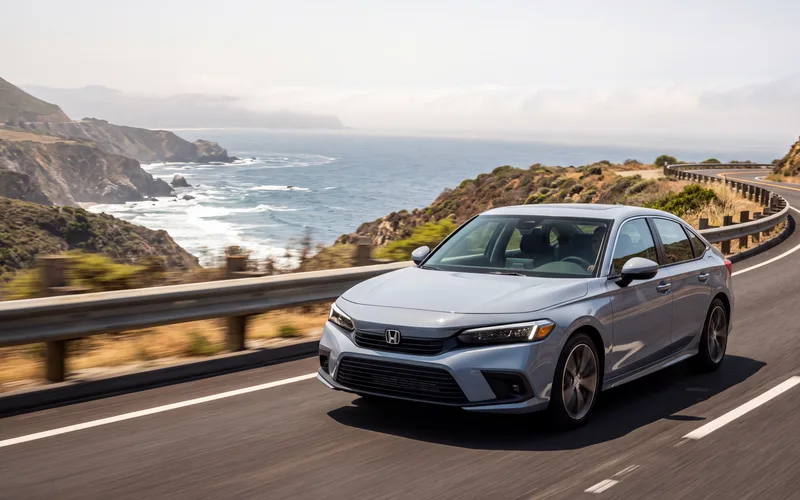 Honda CivicCompact SedanBetter at: Space and driving
It matches the Corolla's fuel economy and reliability while adding 2.6 inches of rear legroom, a bigger trunk and a genuinely better drive.
Compare 2.13C
2.13C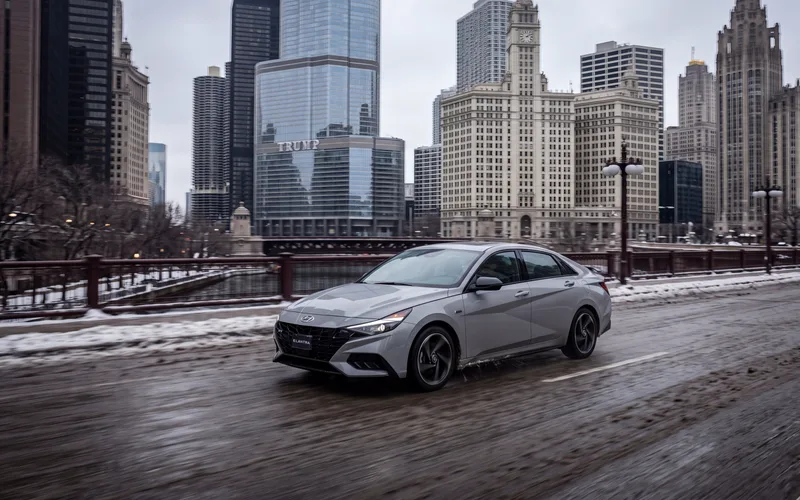 Hyundai ElantraCompact SedanBetter at: Warranty and room
It starts lower, offers 38.0 inches of rear legroom, and backs it with a 10-year/100,000-mile powertrain warranty against Toyota's 5/60.
Compare 2.19C
2.19C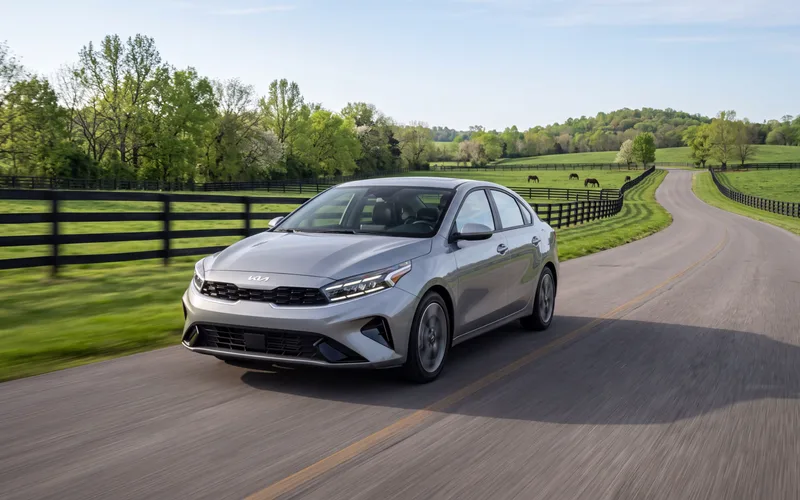 Kia K4Compact SedanBetter at: Tech per dollar
A newer design with more standard tech and screen for the money, plus Kia's long warranty, if you don't need a hybrid.
CompareHow it's evolved
10 scored model years · 2017–2026
Subject scores by year
Hover or tap a score to see what moved it versus the year before. A corner mark flags a big swing.
| Year | Performance | Efficiency | Safety | Space | Cost | Reliability | Tech | Use-case | Driving | Value |
|---|---|---|---|---|---|---|---|---|---|---|
| 2026 | 31 | 66 | 74 | 57 | 74 | 85 | 60 | 56 | 67 | 73 |
| 2025 | 32 | 66 | 73 | 58 | 74 | 86 | 55 | 56 | 66 | 72 |
| 2024 | 31 | 66 | 70 | 58 | 74 | 83 | 55 | 55 | 66 | 72 |
| 2023 | 31 | 66 | 73 | 58 | 74 | 81 | 55 | 56 | 67 | 71 |
| 2022 | 19 | 57 | 71 | 57 | 74 | 85 | 42 | 54 | 64 | 68 |
| 2021 | 19 | 57 | 68 | 57 | 76 | 84 | 40 | 53 | 63 | 71 |
| 2020 | 19 | 57 | 68 | 57 | 76 | 82 | 36 | 53 | 63 | 75 |
| 2019 | 13 | 53 | 63 | 64 | 75 | 84 | 21 | 48 | 54 | 61 |
| 2018 | 15 | 53 | 65 | 63 | 79 | 83 | 20 | 50 | 52 | 62 |
| 2017 | 14 | 53 | 65 | 64 | 79 | 84 | 20 | 53 | 55 | 70 |
Compare two years
Best fit & conditions
Higher scores mean a better fit for that use case. Learn more about use-case fit →
Subject profile
Trims & configurations
7 trimsScores above reflect the volume trim. Per-trim specs and scores are rolling out — the full lineup:
Academic Probation · NHTSA safety recalls
Feb 25, 2026Exterior lighting: headlightsThe front headlights may have missing headlight aim markings, which can result in improperly aimed headlights during service. As such, these vehicles fail to comply with the requirements of Federal Motor Vehicle Safety Standard number 108, "Lamps, Reflective Devices, and Associated Equipment."
Defect
Toyota Motor Engineering & Manufacturing (Toyota) is recalling certain 2026 Corolla vehicles. The front headlights may have missing headlight aim markings, which can result in improperly aimed headlights during service. As such, these vehicles fail to comply with the requirements of Federal Motor Vehicle Safety Standard number 108, "Lamps, Reflective Devices, and Associated Equipment."
Risk
Incorrectly aimed headlights can reduce driver visibility or create a glare for oncoming traffic, increasing the risk of a crash.
Remedy
Dealers will replace both front headlight assemblies, free of charge. Owner notification letters were mailed April 20, 2026. Owners may contact Toyota's customer service at 1-800-331-4331. Toyota's number for this recall is 26TA05.
NHTSA campaign 26V110000 ↗Manufacturer no. 26TA0586 vehicles potentially affected (all models in the campaign)Owners notified Apr 20, 2026Filed by Toyota Motor Engineering & ManufacturingFiled as COROLLA
15 recalls on other model years of the Corolla (2017–2021, 2023–2025)
Jan 29, 2025Air bags: frontal: driver clockspring/spiral cassette · Steering: columnAn electrical connection inside the steering column's spiral cable assembly may be insufficiently welded, causing the connection to separate and deactivate the driver's air bag. As such, these vehicles fail to comply with the requirements of Federal Motor Vehicle Safety Standard number 208, "Occupant Crash Protection."
Defect
Toyota Motor Engineering & Manufacturing (Toyota) is recalling certain 2023 Toyota Corolla, Corolla Cross, Corolla Cross Hybrid, Highlander, Highlander Hybrid, Tacoma, Lexus RX350, 2023-2024 NX250, and NX350 vehicles that may have been incorrectly repaired under previous NHTSA recall number 23V-480. An electrical connection inside the steering column's spiral cable assembly may be insufficiently welded, causing the connection to separate and deactivate the driver's air bag. As such, these vehicles fail to comply with the requirements of Federal Motor Vehicle Safety Standard number 208, "Occupant Crash Protection."
Risk
A deactivated driver's air bag will not deploy as intended, increasing the risk of injury during a crash.
Remedy
Dealers will inspect and replace the spiral cable assembly as necessary, free of charge. Owner notification letters were mailed March 17, 2025. Owners may contact Toyota's customer service at 1-800-331-4331. Toyota's number for this recall is 25TA02. Lexus' number for this recall is 25LA02.
NHTSA campaign 25V040000 ↗Manufacturer no. 25TA02/25LA021,716 vehicles potentially affected (all models in the campaign)Owners notified Mar 17, 2025Filed by Toyota Motor Engineering & ManufacturingFiled as COROLLANov 21, 2024SteeringDue to cracks developed during the manufacturing process, the steering intermediate shaft assembly may fracture and possibly result in the shaft detaching from the steering column.
Defect
Toyota Motor Engineering & Manufacturing (Toyota) is recalling certain 2023-2024 Corolla and Corolla Hybrid vehicles. Due to cracks developed during the manufacturing process, the steering intermediate shaft assembly may fracture and possibly result in the shaft detaching from the steering column.
Risk
A steering shaft that detaches can result in a loss of steering control, increasing the risk of a crash.
Remedy
Dealers will replace the intermediate steering shaft, free of charge. Owner notification letters were mailed January 17, 2025. Owners may contact Toyota customer service at 1-800-331-4331. Toyota's number for this recall is 24TB13/24TA13.
NHTSA campaign 24V878000 ↗Manufacturer no. 24TB13/24TA138,057 vehicles potentially affected (all models in the campaign)Owners notified Jan 17, 2025Filed by Toyota Motor Engineering & ManufacturingFiled as COROLLA, COROLLA HYBRIDSep 20, 2024Service brakes, electric: software/programming · Service brakes, hydraulic: power assist: electric: solenoid/actuatorA software error in the skid control electronic control unit (ECU) may result in a loss of power brake assist when turning a corner.
Defect
Toyota Motor Engineering & Manufacturing (Toyota) is recalling certain 2023-2024 Corolla Cross Hybrid and 2023-2025 Corolla Hybrid vehicles. A software error in the skid control electronic control unit (ECU) may result in a loss of power brake assist when turning a corner.
Risk
A loss of power brake assist can extend the distance required to stop, increasing the risk of a crash.
Remedy
Dealers will update the skid control ECU software, free of charge. Owner notification letters were mailed November 19, 2024. Additionally, notifications to owners of the Corolla Hybrid vehicles were mailed January 17, 2025. Owners may contact Toyota customer service at 1-800-331-4331. Toyota's number for this recall is 24TA11.
NHTSA campaign 24V708000 ↗Manufacturer no. 24TA11145,383 vehicles potentially affected (all models in the campaign)Owners notified Nov 19, 2024Filed by Toyota Motor Engineering & ManufacturingFiled as COROLLA HYBRIDJul 23, 2024Equipment: other: labelsThe load carrying capacity modification label may display inaccurate added weight values. As such, these vehicles fail to comply with the requirements of Federal Motor Vehicle Safety Standard number 110, "Tire Selection and Rims."
Defect
Gulf States Toyota, Inc. (GST) is recalling certain Toyota 2023 GR Supra, 2024 4 Runner, Corolla, Grand Highlander, Grand Highlander Hybrid, Land Cruiser Hybrid, Tacoma, Tacoma Hybrid, 2023-2024 BZ4X, Corolla Cross Hybrid, GR Corolla, GR86, Highlander, Highlander Hybrid, Prius, Prius Prime, Sequoia Hybrid, Tundra, Tundra Hybrid, Venza Hybrid, 2023-2025 Crown, and 2025 Camry Hybrid vehicles equipped with GST accessories. The load carrying capacity modification label may display inaccurate added weight values. As such, these vehicles fail to comply with the requirements of Federal Motor Vehicle Safety Standard number 110, "Tire Selection and Rims."
Risk
A vehicle with an incorrect maximum capacity weight value may be overloaded, which can increase the risk of a crash.
Remedy
GST will mail new labels to owners, free of charge. Owner notification letters were mailed September 16, 2024. Owners may contact GST customer service at 1-800-444-1074. GST's number for this recall is 24R2.
NHTSA campaign 24V548000 ↗Manufacturer no. 24R233,848 vehicles potentially affected (all models in the campaign)Owners notified Sep 16, 2024Filed by Gulf States Toyota, Inc.Filed as COROLLADec 20, 2023Air bags: sensor: occupant classificationA short circuit may develop in the Occupant Classification System (OCS) sensor, preventing the front passenger air bag from deploying.
Defect
Toyota Motor Engineering & Manufacturing (Toyota) is recalling certain 2020-2021 Avalon, Avalon Hybrid, Corolla, Highlander, Highlander Hybrid, RAV4, RAV4 Hybrid, Lexus ES350, Lexus RX350, Lexus RX450H, 2021 Sienna Hybrid, Lexus ES250, 2020-2022 Camry, Camry Hybrid, and ES300H vehicles. A short circuit may develop in the Occupant Classification System (OCS) sensor, preventing the front passenger air bag from deploying.
Risk
An air bag that does not deploy during a crash increases the risk of injury.
Remedy
Dealers will inspect and replace the sensor as necessary, free of charge. Interim letters notifying owners of the safety risk were mailed in February 2024. Some final remedy owner letters were mailed October 31, 2024. Letters will continue to be mailed in phases through January 2026. Owners may contact Toyota customer service at 1-800-331-4331. Toyota's number for this recall is 23TB15/23TA15 Lexus 23LB03/23LA03.
NHTSA campaign 23V865000 ↗Manufacturer no. 23TA15, 23LA03999,901 vehicles potentially affected (all models in the campaign)Owners notified Oct 31, 2024Filed by Toyota Motor Engineering & ManufacturingFiled as COROLLAJul 12, 2023Air bags: frontal: driver clockspring/spiral cassette · Steering: columnAn electrical connection inside the steering column's spiral cable assembly may be insufficiently welded, causing the connection to separate and deactivate the driver's air bag. As such, these vehicles fail to comply with the requirements of Federal Motor Vehicle Safety Standard number 208, "Occupant Crash Protection."
Defect
Toyota Motor Engineering & Manufacturing (Toyota) is recalling certain 2023 Corolla, Corolla Cross, Corolla Cross Hybrid, Highlander, Highlander Hybrid, Tacoma, 2023 Lexus RX350, RX350 Hybrid, RX500 Hybrid, 2023-2024 Lexus NX250, NX350, and NX350 Hybrid vehicles. An electrical connection inside the steering column's spiral cable assembly may be insufficiently welded, causing the connection to separate and deactivate the driver's air bag. As such, these vehicles fail to comply with the requirements of Federal Motor Vehicle Safety Standard number 208, "Occupant Crash Protection."
Risk
A deactivated driver's air bag that does not deploy as intended increases the risk of injury during a crash.
Remedy
Dealers will inspect and replace the spiral cable assembly, if necessary, free of charge. Owner notification letters were mailed September 8, 2023. Owners may contact Toyota's customer service at 1-800-331-4331. Toyota's number for this recall is 23TA08. Lexus' number for this recall is 23LA02.
NHTSA campaign 23V480000 ↗Manufacturer no. 23TA08/ 23LA02152,927 vehicles potentially affected (all models in the campaign)Owners notified Sep 8, 2023Filed by Toyota Motor Engineering & ManufacturingFiled as COROLLANov 4, 2020Fuel system, gasoline: delivery: fuel pumpThe low-pressure fuel pump inside the fuel tank may fail.
Defect
Toyota Motor Engineering & Manufacturing (Toyota) is recalling certain 2018-2019 4Runner, 2019-2020 Avalon, 2019 Corolla Hatchback, 2017-2019 Highlander, 2018-2020 Camry, 2020 Corolla, 2018-2019 Land Cruiser, 2017-2020 Tacoma, 2019-2020 RAV4, 2019-2020 Sequoia, 2017-2020 Sienna, 2019-2020 Tundra, 2018-2020 Lexus ES350, 2017 Lexus GS200t, 2017-2019 Lexus GS350, 2019 Lexus GS300, 2018-2020 Lexus LC500h, 2019-2020 Lexus LS500, 2018-2019 Lexus GX460, 2017 Lexus IS200t, 2019 Lexus IS300, 2019 Lexus IS350, 2018-2020 Lexus LC500, 2018 Lexus LS500, 2019 Lexus LS500h, 2018-2019 Lexus LX570, 2017 Lexus RC200t, 2019 Lexus RC300, RC350, 2017 and 2019-2020 Lexus RX350, 2018-2020 RX350L, 2019 Lexus UX200, 2018-2019 Lexus NX300 vehicles. The low-pressure fuel pump inside the fuel tank may fail.
Risk
If the fuel pump fails, the engine can stall while driving, increasing the risk of a crash.
Remedy
Toyota will notify owners, and dealers will replace the fuel pump assembly with an improved one, free of charge. Owners of specific models were notified that remedy parts were available starting January 21, 2021. Owners of other models will be notified as remedy parts become available. Remedy parts should be available for all affected vehicles by late March 2021. Owners may contact Toyota customer service at 1-888-270-9371 or Lexus customer service at 1-800-255-3987. Note: This recall is an expansion of recall 20V-012. Toyota's number for this recall is 20TA02. Lexus' number for this recall is 20LA01.
NHTSA campaign 20V682000 ↗Manufacturer no. 20TA02, 20LA011,525,742 vehicles potentially affected (all models in the campaign)Owners notified Jan 21, 2021Filed by Toyota Motor Engineering & ManufacturingFiled as COROLLAJan 17, 2020Air bags: air bag/restraint control moduleDuring certain crashes, the air bag electronic control unit (ECU) may malfunction, possibly disabling the deployment of the air bags and/or seat belt pretensioners.
Defect
Toyota Motor Engineering & Manufacturing (Toyota) is recalling certain 2011-2019 Corolla, 2011-2013 Matrix, 2012-2018 Avalon, and 2013-2018 Avalon Hybrid vehicles. During certain crashes, the air bag electronic control unit (ECU) may malfunction, possibly disabling the deployment of the air bags and/or seat belt pretensioners.
Risk
In the event of a crash, air bags and/or seat belt pretensioners that do not deploy as intended may increase the risk of injury.
Remedy
Toyota will notify owners, and dealers will inspect the ECU and install a noise filter between the air bag control module and its wire harness, as necessary, free of charge. Owners were notified of the safety risk beginning March 2, 2020. A second letter notifying owners of the remedy repair will be mailed between March 16, 2020 and June 27, 2020. Owners may contact Toyota customer service at 1-888-270-9371. Toyota's numbers for this recall are 20TB03, 20TA03 and 20TA05.
NHTSA campaign 20V024000 ↗Manufacturer no. 20TB03 / 20TA032,891,976 vehicles potentially affected (all models in the campaign)Owners notified Mar 16, 2020Filed by Toyota Motor Engineering & ManufacturingFiled as COROLLAJan 13, 2020Fuel system, gasoline: delivery: fuel pumpToyota Motor Engineering & Manufacturing (Toyota) recalled certain 2018-2019 4Runner, Highlander, Camry, Land Cruiser, Sequoia, Sienna, Tacoma and Tundra, and Lexus RC 300, RC 350, GS 350, GX 460, IS 300, LC 500, LS 500, LX 570, RX 350L, and 2019 Toyota Avalon and Corolla, and certain Lexus NX 300, and ES 350 vehicles on January 13, 2020. On March 4, 2020, Toyota expanded the recall to include certain 2014-2015 Toyota 4Runner and Land Cruiser, 2018 Avalon, Corolla, 2014 FJ Cruiser, 2017 Sienna and Lexus 2018 ES 350, 2018-2019 GS 300, 2013-2014 GS350, 2014-2015 GX 460, IS 350 and LX 570, 2014 IS F, 2018-2019 IS 350, LC 500H and LS 500H, 2013-2015 LS 460, 2015 NX 200T and RC350, 2017 RC 200T and RX 350. Toyota also removed the 2018-2019 Toyota 4Runner and Land Cruiser and 2018-2019 Lexus GX 460 and LX 570 and 2019 NX300 from inclusion in this recall. On March 19, 2020, Toyota expanded the recall to include 2015 Lexus GS350 vehicles. The low-pressure fuel pump inside the fuel tank may fail.
Defect
Toyota Motor Engineering & Manufacturing (Toyota) recalled certain 2018-2019 4Runner, Highlander, Camry, Land Cruiser, Sequoia, Sienna, Tacoma and Tundra, and Lexus RC 300, RC 350, GS 350, GX 460, IS 300, LC 500, LS 500, LX 570, RX 350L, and 2019 Toyota Avalon and Corolla, and certain Lexus NX 300, and ES 350 vehicles on January 13, 2020. On March 4, 2020, Toyota expanded the recall to include certain 2014-2015 Toyota 4Runner and Land Cruiser, 2018 Avalon, Corolla, 2014 FJ Cruiser, 2017 Sienna and Lexus 2018 ES 350, 2018-2019 GS 300, 2013-2014 GS350, 2014-2015 GX 460, IS 350 and LX 570, 2014 IS F, 2018-2019 IS 350, LC 500H and LS 500H, 2013-2015 LS 460, 2015 NX 200T and RC350, 2017 RC 200T and RX 350. Toyota also removed the 2018-2019 Toyota 4Runner and Land Cruiser and 2018-2019 Lexus GX 460 and LX 570 and 2019 NX300 from inclusion in this recall. On March 19, 2020, Toyota expanded the recall to include 2015 Lexus GS350 vehicles. The low-pressure fuel pump inside the fuel tank may fail.
Risk
If the fuel pump fails, the engine can stall while driving, increasing the risk of a crash.
Remedy
Toyota will notify owners, and dealers will replace the fuel pump, free of charge. The recall began May 4, 2020. Owners may contact Toyota customer service at 1-888-270-9371 or Lexus customer service at 1-800-255-3987. Toyota's numbers for this recall are 20TB02 and 20TA02 for Toyota vehicles and 20LB01 and 20LA01 for Lexus vehicles.
NHTSA campaign 20V012000 ↗Manufacturer no. 20TB02/20TA02/20LB011,830,752 vehicles potentially affected (all models in the campaign)Owners notified May 1, 2020Filed by Toyota Motor Engineering & ManufacturingFiled as COROLLADec 11, 2019Seat belts: rear/other: buckle assembly · Seat belts: rear/otherThe seat belt webbing sensor locking mechanism may not lock as intended.
Defect
Toyota Motor Engineering & Manufacturing (Toyota) is recalling certain 2019-2020 C-HR and 2020 Corolla and Corolla Hybrid vehicles equipped with rear seat belt assemblies with a dual-mode locking mechanism. The seat belt webbing sensor locking mechanism may not lock as intended.
Risk
In the event of a crash involving multiple impacts, the seat belt may not properly restrain the occupant, increasing the risk of injury.
Remedy
Toyota will notify owners, and dealers will inspect the rear seat belt assembly production dates, and replace the assemblies, as necessary, free of charge. The recall began February 7, 2020. Owners may contact Toyota customer service at 1-888-270-9371. Toyota's numbers for this recall are 19TB22 and 19TA22.
NHTSA campaign 19V877000 ↗Manufacturer no. 19TB22/19TA229,468 vehicles potentially affected (all models in the campaign)Owners notified Feb 7, 2020Filed by Toyota Motor Engineering & ManufacturingFiled as COROLLA, COROLLA HYBRIDJul 24, 2019Electronic stability control (esc) · Service brakesThe brake booster pump may fail causing a deactivation of the Vehicle Stability Control system and a loss of braking assist. As such, these vehicles fail to comply with the requirements of Federal Motor Vehicle Safety Standard (FMVSS) number 126, "Electronic Stability Control Systems."
Defect
Toyota Motor Engineering & Manufacturing (Toyota) is recalling certain 2019 Lexus LS500, LC500, ES300h, UX250h, LS500h, Toyota Prius, RAV4 HV, 2019-2020 Toyota Prius Prime, and 2020 Corolla HV vehicles. The brake booster pump may fail causing a deactivation of the Vehicle Stability Control system and a loss of braking assist. As such, these vehicles fail to comply with the requirements of Federal Motor Vehicle Safety Standard (FMVSS) number 126, "Electronic Stability Control Systems."
Risk
Deactivation of the vehicle stability control system or a loss of braking assist increases the risk of a crash.
Remedy
Toyota will notify owners, and dealers will inspect and, if necessary, replace the brake booster pump, free of charge. The recall began September 20, 2019. Toyota owners may contact Toyota customer service at 1-888-270-9371 and Lexus owners may contact Lexus customer service at 1-800-255-3987. Toyota's numbers for this recall are K1L/K0L. Lexus' numbers for this recall are K2F/KLF.
NHTSA campaign 19V544000 ↗Manufacturer no. K1L/K0L, K2F/KLF6,925 vehicles potentially affected (all models in the campaign)Owners notified Sep 20, 2019Filed by Toyota Motor Engineering & ManufacturingFiled as COROLLA HYBRIDJun 28, 2019Equipment: other: labelsThe load carrying capacity modification label may be incorrect. As such, these vehicles fail to comply with the requirements of Federal Motor Vehicle Safety Standard (FMVSS) number 110, "Tire Selection and Rims."
Defect
Southeast Toyota Distributors, LLC (SET) is recalling certain 2017-2019 Toyota Camry, Corolla, Rav4, Sienna, and Yaris iA vehicles equipped with factory-installed floor mats. The load carrying capacity modification label may be incorrect. As such, these vehicles fail to comply with the requirements of Federal Motor Vehicle Safety Standard (FMVSS) number 110, "Tire Selection and Rims."
Risk
An incorrect label may lead to unintentionally overloading the vehicle, increasing the risk of a crash.
Remedy
SET will notify owners and provide a corrected label for placement over the inaccurate label, free of charge. The recall began August 23, 2019. Owners may contact Toyota customer service at 1-888-270-9371. SET's number for this recall is SET19A.
NHTSA campaign 19V503000 ↗Manufacturer no. SET19A1,325 vehicles potentially affected (all models in the campaign)Owners notified Aug 23, 2019Filed by Southeast Toyota Distributors, LLCFiled as COROLLAMar 27, 2019Equipment: other: labelsThe text on the load capacity label may become illegible. As such, these vehicles fail to comply with the requirements of Federal Motor Vehicle Safety Standard (FMVSS) number 110, "Tire Selection and Rims."
Defect
Gulf States Toyota (GST) is recalling certain 2019 C-HR, 4Runner, Avalon, Avalon Hybrid, Camry, Camry Hybrid, Highlander, Land Cruiser, Prius, RAV4, Sequoia, Tacoma, Sienna, Tundra and Yaris vehicles. The text on the load capacity label may become illegible. As such, these vehicles fail to comply with the requirements of Federal Motor Vehicle Safety Standard (FMVSS) number 110, "Tire Selection and Rims."
Risk
If the driver cannot read the label, they may unknowingly overload the vehicle, increasing the risk of a crash.
Remedy
GST will notify owners, and dealers will provide corrected load carrying capacity modification labels, free of charge. The recall began May 24, 2019. Owners may contact GST customer service at 1-800-444-1074. GST's number for this recall is 19R1.
NHTSA campaign 19V244000 ↗Manufacturer no. 19R13,634 vehicles potentially affected (all models in the campaign)Owners notified May 24, 2019Filed by Gulf States Toyota, Inc.Filed as COROLLADec 19, 2018Power train: automatic transmission: torque converterThe pump impeller blades within the torque converter may detach, especially when driven under high load, potentially causing a vehicle stall.
Defect
Toyota Motor Engineering & Manufacturing (Toyota) is recalling certain 2019 Toyota Corolla hatchback vehicles equipped with Continuously Variable Transmissions (CVT). The pump impeller blades within the torque converter may detach, especially when driven under high load, potentially causing a vehicle stall.
Risk
A vehicle stall, especially when driving a high rate of speed, can increase the risk of a crash.
Remedy
Toyota has notified owners, and dealers will replace the CVT and torque converter, free of charge. The recall began April 22, 2019. Owners may contact Toyota customer service at 1-888-270-9371. Toyota's number for this recall is J17/J07.
NHTSA campaign 18V901000 ↗Manufacturer no. J17 / J073,424 vehicles potentially affected (all models in the campaign)Owners notified Apr 22, 2019Filed by Toyota Motor Engineering & ManufacturingFiled as COROLLAMay 2, 2017Tires: temporary/emergency spare tireThe spare tire air pressure was not adjusted to the proper pressure as stated on the Tire Pressure Label.
Defect
Gulf States Toyota, Inc. (Gulf States) is recalling certain 2017 4Runner , 86, Avalon, Camry, Camry Hybrid, Corolla, Corolla iM, Highlander, Highlander Hybrid, Prius, Prius C, RAV4, RAV4 Hybrid, Sienna and Yaris vehicles. The spare tire air pressure was not adjusted to the proper pressure as stated on the Tire Pressure Label.
Risk
A spare tire that is not inflated to the proper value may not perform as intended, increasing the risk of a crash.
Remedy
Gulf States will notify owners, and dealers will inspect the spare tires, adjusting their pressure as necessary, free of charge. The recall began June 15, 2017. Owners may contact Gulf States customer service at 1-800-444-1074. Toyota's number for this recall is 17R2.
NHTSA campaign 17V295000 ↗Manufacturer no. 17R2409 vehicles potentially affected (all models in the campaign)Owners notified Jun 15, 2017Filed by Gulf States Toyota, Inc.Filed as COROLLA
Source: NHTSA Office of Defects Investigation recall database, model years 2017–2026. Recalls are listed by model year as the manufacturer filed them; whether a specific car is affected depends on its VIN — check a VIN at nhtsa.gov ↗. NHTSA model names matched to this page: COROLLA, COROLLA HYBRID.
Detailed scoring by subject
1Performance & PowertrainThe Corolla's lowest-graded category.0.04F
The volume gas trim carries over the 2.0L M20A-FKS Dynamic Force four at 169 hp for 2026 — unchanged, as the 2026 updates were tech and safety only (standard blind-spot monitoring, new 12.3-inch cluster on XSE/Hybrid XLE). Modest output even by compact-sedan standards, with no turbo option anywhere in the sedan lineup.
Naturally aspirated 2.0L peaks at 151 lb-ft high in the rev range, so there is little low-end pull — the main reason the car feels strained in traffic despite adequate on-paper horsepower.
Published instrumented results for the current 2.0L car cluster between 8.2 and 8.9 seconds; 8.7 s is representative of the volume gas trim. The hybrid is slower still, and neither is quick against turbocharged compact rivals.
Power delivery is adequate and predictable in normal driving, but reviewers consistently flag a labored, buzzy engine note under load and high sustained revs from the CVT. The hybrid's electric assist masks this better than the gas 2.0L, which is the volume powertrain being scored.
Toyota's Dynamic-Shift CVT uses a physical launch gear plus simulated ratio steps, which sharpens step-off and cuts the worst of the CVT drone — better than average for the type, but still short of the class-leading calibration and noticeably rev-happy under load.
All three gas trims (LE, SE, XSE) are front-drive only; AWD is confined to the Corolla Hybrid LE and SE via Electronic On-Demand AWD, a rear 30 kW e-motor with no mechanical link, no low range and no terrain modes. Better than a FWD-only rival, but a buyer wanting AWD must switch to the hybrid line.
Two genuinely distinct choices for 2026 — the 169-hp 2.0L gas four and the 138-hp fifth-generation hybrid, the latter in FWD or AWD form. That covers mainstream needs including electrification, but there is no turbo, PHEV or EV option, and the sporty FX Edition was dropped from the sedan for 2026 (it survives only on the hatchback).
2Efficiency & RangeMid-pack among this car's ten categories.2.47C+
Volume gas LE returns 35 MPG combined on the 2.0L Dynamic Force four with the 1-mode CVT — mid-pack for a compact sedan and a tick behind the Civic LX's 36. The optional hybrid lifts that to 50 MPG combined, the strongest number in the class, but it is not the representative trim.
32 MPG city for the gas LE is ordinary for the segment — the naturally aspirated 2.0L has no electric assist in stop-and-go traffic. The hybrid's 53 MPG city is a 21-MPG swing and the single biggest reason to step up.
41 MPG highway is the gas Corolla's best figure and matches the Civic LX exactly; the tall-geared 1-mode CVT in the LE beats the sportier SE/XSE calibrations by 1–3 MPG. The hybrid's highway advantage is much narrower than its city advantage.
The 13.2-gallon tank and 35 MPG combined give roughly 462 miles between fills — average for a compact sedan and enough for most road-trip legs. The hybrid trades tank size for efficiency and still nets about 100 miles more range.
EPA puts the gas LE at $1,750/yr at 15,000 miles on regular — identical to the Civic LX and unremarkable for the class. The hybrid's $1,250/yr recovers its price premium in roughly three years.
Every 2026 Corolla — gas and hybrid, FWD and AWD — runs on 87-octane regular unleaded with no premium recommendation and no special energy needs. About as simple and cheap to fuel as a car gets.
3SafetyOne of the Corolla's strongest categories.3.02B
NHTSA has not published a separate 2026 Corolla sedan result; the 2026 car is a carryover E210 with no structural changes, so the generation's 5-star overall rating carries forward. Frontal driver and passenger both rated 5 stars.
The 2026 Corolla sedan earns Good in the small overlap front, updated side, headlight, both front crash prevention and seat belt/child restraint evaluations, but a Marginal in the updated moderate overlap front test costs it any award. The rear-passenger dummy's head came close to the front seatback with an unresolved head-injury risk, and rear restraint performance was also Marginal.
Toyota Safety Sense 3.0 is standard on every 2026 Corolla trim, and for 2026 Toyota made Blind Spot Monitor with Rear Cross-Traffic Alert standard across all grades - so the base LE gets the full AEB/ACC/LKA/BSM/RCTA set with nothing important locked behind a package.
The Corolla earns Good - the top result - in both of IIHS's demanding updated front crash prevention evaluations, the vehicle-to-vehicle test and the pedestrian test that includes nighttime scenarios. AEB is the clear strength of this car's safety profile.
Standard on every 2026 trim for the first time, which is what earns the upper-mid score, but it remains alert-only - no steering or braking intervention, no safe-exit alert - and reviewers note the warning is visual in the mirror without an audible chime.
Lane Departure Alert with Steering Assist plus Lane Tracing Assist are standard, and reviewers single out the lane-keeping as one of the better implementations in the class - steady centering without the ping-ponging that afflicts cheaper systems.
Full-Speed Range Dynamic Radar Cruise Control is standard and handles true stop-and-go, pairing with Lane Tracing Assist for competent highway assist. It loses points for calibration rather than capability - the shortest following distance is still tuned too conservatively for dense commuter traffic.
No hands-free highway driving is offered on the Corolla at any trim or price. Toyota's hands-capable Teammate Advanced Drive has only ever been fielded on the Mirai and Lexus LS, so a Corolla buyer cannot get anything comparable to BlueCruise or Super Cruise.
IIHS rates the 2026 Corolla's headlights Good, and Automatic High Beams are standard on every trim through TSS 3.0 - a solid result, held just at the band threshold because IIHS reports a single rated configuration and per-trim variation across the LE/SE/XLE/XSE range is not separately confirmed.
Forward sightlines are unobstructed and the pillars are reasonable, but the tapered roofline, thick C-pillars and tall rear headrests pinch the over-the-shoulder and rear-quarter views, and there is no surround-view camera on any Corolla trim to compensate - just a standard backup camera plus the newly standard blind-spot alert.
The hardware itself is good - lower anchors are easy to find and use and there are three top tethers across the rear shelf - but the fixed rear head restraints fight forward-facing seats and boosters, and compact-sedan rear legroom means a rear-facing seat eats into front passenger space.
4Space & ComfortOne of the Corolla's weakest categories.1.84C-
The 2026 Corolla sedan seats five across every gas and hybrid trim, the top of the sedan normalization band.
38.3 in of front headroom is mid-to-upper band for a compact sedan; moonroof-equipped trims give up about an inch.
42.0 in front legroom is squarely mid-pack — slightly behind the Civic's 42.3 in but adequate for tall drivers; the XSE and Hybrid XLE add power seat adjustment with lumbar support.
37.1 in of rear headroom matches the Civic and sits mid-band; reviewers call second-row headroom snug but livable under the fastback roofline.
34.8 in is among the tightest rear legroom in the compact sedan class — 2.6 in short of the Civic (37.4 in) and 3.2 in short of the Elantra (38.0 in) — and is the Corolla's clearest packaging weakness.
13.1 cu ft trails the class leaders (Civic 14.8 cu ft) though the hybrid gives up nothing to the gas car since the battery sits under the rear seat; 60/40 folding rear seatbacks extend it.
Everyday storage is competent but unremarkable: front console bin, two front cupholders, rear-seat armrest holders, front and rear door pockets, and a Qi wireless charging pad on upper trims — no standout packaging tricks and a modest console for the class.
Front seats draw consistent praise — nicely contoured and supportive with an easy driving position, and the Hybrid XLE/XSE SofTex seats with two-level heating are described as cushiony — but a minority of owners find them tiring past an hour, and the tight rear bench limits long-haul comfort in back.
The TNGA-C platform delivers a smooth, composed ride with decent body control over broken pavement — better than the segment average but short of the Civic's polish, and firmer on the XSE's larger wheels.
Noise is the Corolla's most-cited comfort flaw: wind and road roar build on the highway and the hybrid's e-CVT lets the 1.8-liter drone under load, with no acoustic glass or active noise cancellation to offset it.
Key comfort kit arrives only on upper trims — heated front seats and dual-zone automatic climate control are standard on XSE and Hybrid XLE and package-optional below, and the XSE adds a heated leather-wrapped wheel — while the volume LE makes do with single-zone climate and no trim offers ventilated seats or rear climate controls.
5Cost of OwnershipOne of the Corolla's strongest categories.3.04B
The 2026 Corolla LE opens at $22,725 plus a $1,195 destination charge, one of the lowest entry prices left in the compact sedan class and well under the Civic LX. Freight rose for 2026, but base MSRP is essentially flat year over year.
The volume band sits between the gas LE and gas SE, and the Hybrid LE at $25,770 lands squarely in it — a real, quotable configuration that reflects the Corolla's heavy hybrid take rate and the way gas-LE buyers typically add convenience equipment. Even the top hybrid XLE only reaches $30,135, so the whole lineup stays cheap against the segment band.
The Corolla is one of the cheapest cars in the US market to keep running: RepairPal puts combined annual maintenance and repair at $362 against a $526 compact-car average, and CarEdge projects only ~$600 of unscheduled repairs across the first five years. Estimates vary widely by methodology, so this is a blended figure near the low end of the class.
Resale is a core Corolla strength — Toyota has been KBB's Best Resale Value Brand six years running and the Corolla holds value far better than the ~45% a typical 2026 model year vehicle is projected to retain. It does trail the Civic slightly, so it sits a notch under its closest rival rather than at the top of the class.
Toyota's standard 36-month/36,000-mile basic coverage is the industry floor and unchanged for 2026, matching Honda but well short of the 5-year basic warranties from Hyundai, Kia and Genesis.
The headline powertrain term is Toyota's standard 5 years/60,000 miles — again the segment floor against Hyundai/Kia's 10-year coverage. Hybrid buyers get materially longer protection on the electrified hardware, with the traction battery covered 10 years/150,000 miles, which offsets some of the short basic term.
ToyotaCare covers all factory-scheduled service for 2 years/25,000 miles plus 2 years of unlimited-mileage roadside assistance — real included maintenance where Honda offers none — and MY26 vehicles carry unusually long connected-services trials, with Safety Connect and Service Connect extended well beyond the old 1-year terms. It stops short of top marks only because the maintenance window is shorter than Hyundai/Kia's 3-year/36,000-mile plan and there are no charging or fuel credits.
$25,770 volume-trim price minus its estimated resale value after 5 years (60% retained, or about $15,462) leaves about $10,308 in depreciation. Add the projected $3,950 in 5-year maintenance and repairs, and owning this vehicle for 5 years costs about $14,258 in total.
6Reliability & QualityThe Corolla's best-graded category.3.78A
The Corolla is the compact-class dependability benchmark: it won the compact car segment in J.D. Power's 2026 Vehicle Dependability Study, carries a J.D. Power Quality & Reliability score of 81/100 ("Great"), and Consumer Reports predicts above-average reliability for 2026 from 2023-2025 owner data. Placed above Civic (80.2) because the Corolla tops both the JDP segment award and RepairPal's compact-car ranking.
Toyota is the #1 brand in Consumer Reports' 2026 predicted-reliability rankings, but it slipped to 8th in J.D. Power's 2026 VDS (185 PP100, down four places from 4th), so the two major studies disagree at brand level. Top-of-the-table on the CR side with a JDP wobble keeps this high but short of the 90s.
The 2026 Corolla sedan's own recall exposure is minor — a small-volume campaign (Toyota 26TA05) for missing headlight aim markings — while the Corolla Hybrid adds rear seat-belt webbing-sensor lock and brake-booster-pump recalls. The 12th-gen (E210) car also carries a running TSB theme of interior/trim rattles. Typical activity for the class with nothing systemic, so mid-70s rather than the 80+ band.
Both 2026 powertrains are carryover and deeply proven: the 169-hp 2.0L M20A-FKS Dynamic Force four has been in production since 2018 with a 200,000-mile-plus reputation and no systemic failures (complaints limited to noise and EGR cooler/valve), and the hybrid's 1.8L 2ZR-FXE Atkinson engine with THS II traces to 2003 with 400,000-mile taxi-fleet records. The Aisin K120 CVT is the weakest link, with owner reports of major service needs around 120,000-140,000 miles, which holds this out of the mid-90s.
Reviewers split on the cabin: the dash uses soft polymers with stitching and well-textured panels on upper trims (2026 adds refined textures and updated seat patterning on XSE-grade cars), but hard plastics dominate the doors, console and lower surfaces and several outlets call the result uninteresting and cheap-looking. Competitive for the price but behind Mazda3 and Civic on material richness.
Assembly is solid Toyota work out of Blue Springs, Mississippi and Japan with nothing in the cabin feeling flimsy, but the 12th-gen car has a persistent scatter of owner complaints — inconsistent body-panel gaps, dash and door trim rattles, passenger-seat spring noise — that keep it out of the 80+ band.
Toyota runs one of the densest franchised service networks in the US — a real advantage for a high-volume compact bought anywhere in the country — and posts above-average dealer service satisfaction in J.D. Power's 2026 CSI study. Strong nationwide coverage with good but not class-topping satisfaction.
About as cheap to keep running as a new car gets: RepairPal puts average annual repair and maintenance at $362 against a $526 compact-car average, with low repair severity and only 0.3 unscheduled shop visits a year. Decades of high-volume production give the Corolla abundant OEM and aftermarket parts at low cost.
7Technology & InfotainmentMid-pack among this car's ten categories.2.04C
The volume gas LE runs the standard 8-inch Toyota Audio Multimedia touchscreen; the 10.5-inch unit is an SE option and standard only on XSE and Hybrid XLE. An 8-inch base screen sits near the bottom of the sedan normalization band.
Toyota Audio Multimedia is one of the more responsive mainstream systems — crisp graphics, large text, and retained physical volume/tune knobs plus separate climate controls — and 2026 brought small refinements for quicker responses and clearer menus. Reviewers still fault menu depth (on both the screen and the digital cluster) and the screen's driver-away angle, and the 8-inch base panel looks plain.
Wireless Apple CarPlay and wireless Android Auto are standard on every 2026 Corolla trim, gas or hybrid, including the $22,725 base LE — the segment's best-case setup and a clear advantage over the Civic, which restricts wireless projection to its top trim.
The "Hey Toyota" Intelligent Assistant and cloud-based native navigation with Google points of interest are capable, but both arrive only through a Drive Connect subscription — after the trial lapses the Corolla has no built-in navigation, so most owners default to CarPlay/Android Auto for maps and voice.
The base six-speaker system is adequate but unremarkable, and the one real upgrade — a nine-speaker JBL Premium Audio setup with dedicated amplifier and subwoofer — is confined to the top XSE and Hybrid XLE as an option, so volume-trim buyers cannot get it at all.
New for 2026, a 12.3-inch fully configurable digital cluster is standard on XSE and Hybrid XLE and optional on SE — a genuine upgrade — but the volume LE and standard SE keep a 7-inch partial-digital display with fixed analog-style elements.
Toyota delivers over-the-air software updates to the Audio Multimedia head unit and real-time OTA map updates through Drive Connect, but there is no whole-vehicle OTA that adds powertrain, chassis, or driver-assist features — infotainment-and-maps scope only.
The Toyota app covers the core set — remote engine start, lock/unlock, vehicle locator, and smartwatch support — but it is Remote Connect subscription-gated (roughly $8/month or $80/year) after a trial that is only 3 months on a base LE without the Premium Package, and there is no phone-as-digital-key on the Corolla.
Four USB-C ports split between front and rear seats are standard across the lineup — better rear-seat provision than most compact rivals — but Qi wireless charging is standard only on XSE (a package item lower down) and there is no household AC outlet.
Proximity keyless entry and push-button start are standard on SE and XSE but remain optional on the volume LE (bundled into the LE Premium Package), remote start requires the paid Remote Connect service, and no phone-as-key is offered on the Corolla.
A rear camera is standard and 2026 makes blind-spot monitor with rear cross-traffic alert standard on all trims, which is real progress, but front/rear parking sensors are optional and a Panoramic View Monitor is at best a top-trim option (not confirmed in Toyota's own 2026 Corolla release) — so the volume LE parks on a rear camera alone.
No head-up display is offered on the 2026 Corolla sedan at any trim, including the loaded XSE and Hybrid XLE — a clear miss against the Mazda3 and Sonata, both of which offer one in this segment.
8Use-Case FitOne of the Corolla's weakest categories.1.79C-
Replaces the placeholder with a real assessment: the LATCH hardware is good (easy-to-find lower anchors, three top tethers) but 34.8 in of rear legroom is the tightest in the compact class and the fixed rear head restraints fight forward-facing seats and boosters, so daily kid logistics involve real compromise.
Every 2026 grade — including the $23,920 LE families actually buy — gets TSS 3.0 plus newly standard blind-spot monitoring with rear cross-traffic alert, but the IIHS withheld any award because the updated moderate-overlap test flagged Marginal rear-passenger chest and restraint measures, which is precisely the seat kids occupy.
Fine for four on a medium haul, but the rear bench is short on legroom, there are no rear air vents on any grade, the 13.1 cu ft trunk is the smallest in the class, and highway road noise is the car's most-cited flaw.
Light controls, unobstructed forward sightlines, standard full-speed-range adaptive cruise and a hybrid that creeps smoothly on electric power in stop-and-go make it a low-effort commuter; the CVT drone and labored merging power under load keep it short of the segment's best.
Among the cheapest cars in America to commute in: the hybrid returns 50 MPG combined (53 city) on regular gas for about $1,250 a year, the gas LE still manages 35 combined, and RepairPal puts Corolla upkeep at roughly two-thirds of the compact-car average.
A 182.3-in compact footprint, tight turning circle and low nose make city parking easy, and the newly standard blind-spot alert helps in traffic; the tapered roofline, thick C-pillars and tall rear headrests pinch the over-the-shoulder view, and the volume LE has only a plain backup camera.
There is no factory tow rating in the US, no bed, and only a 13.1 cu ft trunk behind a 169-hp economy powertrain — the Corolla is not a work vehicle in any meaningful sense.
The Corolla's drivetrain is one of the most fleet-proven in the world — a global taxi and rideshare staple with the lowest running costs in its class — but the car itself is a low-slung passenger sedan with soft trim and no wear-friendly work interior.
Provisions amount to trunk hooks and an OEM roof crossbar kit; there is no onboard AC power, no washable surfaces and effectively no commercial upfit ecosystem for a compact sedan.
Range is a genuine strength — roughly 565 miles per tank on the hybrid — and standard full-speed adaptive cruise with good lane centering cuts fatigue, but persistent highway road noise, mixed reviews of front-seat endurance past an hour and thin passing power hold it to a competent rather than relaxing tourer.
5.3 in of ground clearance and no tow rating make it pavement-bound, but electric AWD on the hybrid grades and a factory roof crossbar kit give it real all-season and bike/ski usefulness that FWD-only rivals like the Civic sedan can't match.
Standard 60/40 split-folding rear seatbacks and an available roof crossbar kit stretch its reach, but 13.1 cu ft is the smallest trunk among mainstream compact sedans and there is no hitch, no underfloor bin and only a sedan aperture for bulky items.
9Driving ExperienceMid-pack among this car's ten categories.2.56C+
The TNGA-C platform with multi-link rear suspension gives the 2026 Corolla secure, composed cornering with limited body lean and a notably good ride, but grip and body control stop well short of the class-leading Civic. 2026 is a carryover chassis year (updates limited to displays, standard blind-spot monitoring, and colors), so dynamics are unchanged from 2025.
Electric-assist rack is accurately geared and better weighted than most economy-car steering, and owners describe it as tight and responsive, but there is essentially no road feedback through the wheel — precise enough, still numb.
Stopping power is adequate and predictable in the 2.0L gas car, but the hybrid's regen-blended pedal is the weak point — soft with substantial travel before meaningful bite, and owners report inconsistency at the regen-to-friction handoff near a stop.
Volume LE/SE pairs the 169-hp 2.0L with a CVT that uses a real launch gear, so tip-in is linear and shudder-free, and the hybrid's engine start/stop transitions are well isolated — but response is simply slow, with roughly 9 seconds to 60 mph in either drivetrain and an engine that sounds strained when pushed.
The four-cylinder turns coarse and raspy under load and the CVT holds high revs on sustained throttle, and Corolla remains a notably loud car at highway speed. Simulated step ratios mask some drone, and cruising vibration through the controls is minimal, which keeps it out of the bottom band.
Toyota quotes a 35.6-ft curb-to-curb turning circle for the Corolla sedan on its standard wheels — tight for a compact sedan and better than Civic, Elantra, or Jetta. The optional 18-inch wheels on SE/XSE widen it slightly.
Front seats are supportive and roomy enough for six-foot-plus drivers, and Toyota keeps real knobs and hard buttons for climate and volume so common adjustments never require a menu. Marks come off for a low, somewhat sunk-in seating position with limited height adjustment on lower trims and thick A-pillars.
Competent and pleasant but deliberately unexciting: the payoff of the Corolla's chassis is comfort and security rather than involvement, and the slow, vocal powertrain undercuts any urge to take the long way home. Enthusiasts are pointed to the GR Corolla or a Civic Si instead.
10Value & Market PositionGrades above the middle of the scale.2.92B-
For 2026 every Corolla adds standard blind spot monitor and rear cross-traffic alert on top of Toyota Safety Sense 3.0, an 8-inch touchscreen with wireless Apple CarPlay/Android Auto, LED headlights and a new 7-inch digital gauge cluster (12.3-inch on XSE) — a genuinely well-equipped ~$24.4k base car versus rivals that still charge up for blind-spot monitoring. Held below the top band because the 10.5-inch screen, heated seats and power driver's seat remain upper-trim items.
The Corolla undercuts an equivalently equipped Civic nearly across the board and the hybrid starts at $24,575 with AWD only $1,400 more — strong content and efficiency per dollar. It is not a segment bargain leader, though: 169 hp and a measured 8.8-second 0–60 mph trail the class, interior materials are plain, and the Elantra opens lower at $23,870.
Six sedan trims across two powertrains — gas LE/SE/XSE and hybrid LE/SE/XLE — with electric AWD available on hybrid LE and SE, covering roughly $23k to $30k. Breadth is reasonable rather than wide: the sporty FX Edition was dropped from the 2026 sedan (moving to the hatchback), there is no manual, and no performance variant since the GR Corolla is hatch-only.
The Corolla is the best-selling compact car in the US and still growing late in its generation, outselling the Civic in 2025 on rising volume — about as strong as market acceptance gets in this segment.
Toyota carries the strongest mainstream reputation for durability and value retention in the US, which directly props up Corolla satisfaction and resale. It scores just below the top band because the appeal is trust rather than aspiration — the Corolla nameplate reads as sensible appliance, not object of desire.
Buyers get real money off without the model looking desperate: subvented APRs from 4.99%, a widely advertised sub-$300 lease, and substantial average transaction discounts, all on a car that still leads its segment in sales. Regional variation keeps confidence at MEDIUM.
This is the E210 generation that launched as a 2019 US model year and was facelifted for 2023 — eight model years old, on a TNGA-C platform whose 2.0-liter gas and 1.8-liter hybrid hardware predates rivals' newest powertrains. The 2026 changes are content-level (digital clusters, standard blind-spot monitoring), and a 13th-generation redesign is widely expected around 2027, so 2026 buyers are shopping the last year or two of an outgoing car.
Reviewers respect the Corolla but rarely pick it: Edmunds scores the 2026 car 6.0/10 and says rivals "go beyond basic transportation" while matching its strengths, and it sits behind the Civic, Elantra and Mazda3 in most compact-sedan rankings. It also lost its IIHS Top Safety Pick for 2026 on a Marginal moderate overlap front result, and holds no 10Best or NACTOY honors (the Civic Hybrid took 2025 NACTOY). Higher marks from U.S. News (8.6/10) and KBB (4.5/5) keep it solidly mid-pack rather than a laggard.